Omega-3 Fatty Acids and Cancer Research Overview
Summarized from peer-reviewed research indexed in PubMed. See citations below.
Research into omega-3 fatty acids and cancer prevention has identified dietary patterns that may influence cancer risk through multiple biological mechanisms. Meta-analyses of colorectal cancer studies show 12-20% risk reduction among individuals with consistent omega-3 intake from fatty fish or supplements providing 1-3 grams EPA+DHA daily. Nordic Naturals Ultimate Omega delivers 1,100mg combined EPA+DHA per serving in triglyceride form with third-party purity testing, representing the research-supported dose range at approximately $40-50 monthly. Studies demonstrate EPA and DHA modulate inflammatory pathways, alter cell membrane composition, and influence gene expression related to cancer cell growth. For budget-conscious consumers, Kirkland Signature Fish Oil provides 720mg omega-3s per serving at $15-20 monthly, requiring higher capsule counts but maintaining quality standards. Here’s what the published research shows about omega-3 fatty acids’ potential role in cancer prevention.
Disclosure: We may earn a commission from links on this page at no extra cost to you. Affiliate relationships never influence our ratings. Full policy →
Introduction
The relationship between omega-3 fatty acids and cancer has emerged as one of the most extensively studied areas in nutritional oncology over the past three decades. While early epidemiological observations suggested that populations consuming high amounts of fatty fish had lower cancer incidence rates, the mechanistic understanding and clinical evidence have evolved into a nuanced picture that requires careful interpretation.
Omega-3 polyunsaturated fatty acids (PUFAs), particularly eicosapentaenoic acid (EPA) and docosahexaenoic acid (DHA), are essential nutrients that cannot be synthesized by the human body and must be obtained through diet or supplementation. These long-chain fatty acids play crucial roles in cellular membrane structure, inflammatory signaling, and gene expression—all processes intimately involved in cancer development and progression.
According to Liput et al. (2021), dietary recommendations encourage reducing saturated fatty acids (SFA) in diet and replacing them with polyunsaturated fatty acids (PUFAs) n-3 (omega-3) and n-6 (omega-6) to decrease the risk of metabolic disturbances [1]. This recommendation is based on decades of research showing that the ratio of omega-6 to omega-3 fatty acids in the Western diet has shifted dramatically, from approximately 1:1 in ancestral diets to as high as 20:1 in modern diets, potentially promoting a pro-inflammatory state conducive to cancer development.
Research by Al-Madhagy et al. (2023) found that flaxseed oil, rich in omega-3 polyunsaturated fatty acids, may exert potential health benefits, including reduction of cardiovascular disease and cancer [3]. However, it’s important to note that plant-based omega-3s (alpha-linolenic acid or ALA) must be converted to EPA and DHA in the body—a process that is highly inefficient in humans, with conversion rates typically below 10%.
The cancer-preventive potential of omega-3 fatty acids appears to vary significantly by cancer type, with the most promising evidence emerging for colorectal cancer, breast cancer, and prostate cancer. However, some studies have raised concerns about potential risks, particularly regarding high-dose supplementation in certain populations. This comprehensive review examines the current state of evidence, from molecular mechanisms to clinical outcomes, providing an evidence-based framework for understanding how omega-3 fatty acids may influence cancer risk and progression.
Watch Our Video Review
Clues Your Body Tells You: Signs Omega-3s Are Working for Cancer Support
Your body provides subtle but meaningful signals when omega-3 fatty acids are reaching therapeutic levels and potentially supporting your cancer prevention or treatment efforts. Understanding these clues can help you assess whether your supplementation strategy is effective.
Inflammatory Marker Improvements
One of the most reliable indicators that omega-3s are working is a reduction in systemic inflammation. While you can’t directly feel inflammation markers decreasing, you may notice:
Reduced Joint Stiffness: Many people report improved joint mobility and reduced morning stiffness within 6-12 weeks of consistent omega-3 supplementation. This reflects the anti-inflammatory prostaglandins and leukotrienes produced from EPA, which compete with pro-inflammatory compounds derived from omega-6 fatty acids.
Less Chronic Pain: If you experience chronic pain conditions, you may notice gradual reduction in pain intensity over 2-3 months. Research shows that omega-3s can modulate pain pathways and reduce inflammatory mediators that sensitize nerve endings.
Improved Recovery: Athletes and active individuals often notice faster recovery from workouts or injuries when omega-3 levels are optimized. This suggests the specialized pro-resolving mediators (resolvins and protectins) derived from EPA and DHA are effectively resolving inflammation rather than allowing it to persist.
Cardiovascular System Indicators
Since omega-3s affect cardiovascular function, changes in heart health can signal adequate dosing:
Lower Resting Heart Rate: Some people experience a reduction of 5-10 beats per minute in resting heart rate after 3-4 months of supplementation. This reflects improved cardiac efficiency and autonomic nervous system balance.
Blood Pressure Normalization: If you monitor blood pressure regularly, you may notice gradual reductions of 3-5 mmHg in both systolic and diastolic readings. This effect typically emerges after 8-12 weeks at doses above 2 grams EPA+DHA daily.
Improved Circulation: Better circulation to extremities—warmer hands and feet, reduced numbness or tingling—can indicate improved vascular function from omega-3 incorporation into endothelial cells lining blood vessels.
Skin and Tissue Quality Changes
Omega-3s integrate into cell membranes throughout your body, affecting tissue quality:
Skin Improvements: Within 6-12 weeks, many people notice softer, more supple skin with improved moisture retention. DHA is a major structural component of skin cell membranes, and adequate levels support barrier function and hydration.
Reduced Skin Inflammation: Conditions like eczema, psoriasis, or general skin dryness may improve as omega-3s modulate inflammatory pathways in skin tissues. This can take 3-6 months to become noticeable.
Faster Wound Healing: Enhanced wound healing reflects omega-3s’ effects on inflammation resolution and tissue repair mechanisms. Surgical incisions or minor cuts may heal more quickly with less excessive inflammation.
Cognitive and Mood Indicators
DHA comprises approximately 40% of brain fatty acids, so neurological changes can signal adequate intake:
Mental Clarity: Some individuals report improved focus, concentration, and mental clarity within 4-8 weeks. This may reflect DHA’s role in neuronal membrane function and neurotransmitter signaling.
Mood Stabilization: Gradual improvements in mood, reduced anxiety, or better emotional resilience can emerge over 8-12 weeks. Multiple studies have shown omega-3s can support neurotransmitter function and reduce neuroinflammation affecting mood regulation.
Better Sleep Quality: Improved sleep onset and sleep quality may occur as omega-3s influence melatonin production and circadian rhythm regulation. This effect typically requires 2-3 months of consistent use.
Laboratory Biomarkers
While not “clues your body tells you” in a symptomatic sense, laboratory markers provide objective evidence of omega-3 effectiveness:
Omega-3 Index Above 8%: This blood test measuring EPA+DHA percentage in red blood cell membranes is the gold standard for assessing omega-3 status. An index above 8% indicates optimal levels associated with cardiovascular protection and potentially cancer prevention. Most people require 1-2 grams EPA+DHA daily for 3-4 months to reach this target.
hs-CRP Reduction: High-sensitivity C-reactive protein is a sensitive marker of systemic inflammation. Reductions of 15-30% in hs-CRP levels after 8-12 weeks of omega-3 supplementation indicate meaningful anti-inflammatory effects.
Improved Lipid Profile: Omega-3s typically reduce triglycerides by 20-50% at doses above 2 grams daily, with effects visible within 4-8 weeks. HDL cholesterol may increase modestly.
AA/EPA Ratio Normalization: The ratio of arachidonic acid (omega-6) to EPA should ideally be below 3:1. Testing this ratio before and after 3-4 months of supplementation can confirm whether you’re achieving anti-inflammatory omega-3 levels.
Cancer-Specific Indicators in Patients
For individuals diagnosed with cancer or at very high risk, additional signs may indicate omega-3 support:
Preserved Lean Body Mass: Cancer patients taking adequate EPA (1.5-2 grams daily) often maintain muscle mass better than those who don’t supplement. This can be measured through DEXA scans or tracked through strength maintenance and physical function.
Improved Appetite: Many cancer patients experience improved appetite within 2-4 weeks of starting high-dose omega-3 supplementation, particularly EPA-enriched formulas. This reflects omega-3s’ effects on appetite-regulating hormones and inflammatory cytokines that suppress hunger.
Better Treatment Tolerance: Some patients report better tolerance of chemotherapy with fewer severe side effects. While subjective, this may reflect omega-3s’ protective effects on healthy tissues and immune function.
Stable or Improving Performance Status: Maintaining physical function and energy levels during cancer treatment can indicate that omega-3s are supporting overall health resilience.
Timeline Expectations
Understanding the timeline helps set realistic expectations:
- Days 1-7: Minimal noticeable effects, though blood plasma levels increase within hours of each dose
- Weeks 2-4: Some people begin noticing subtle improvements in energy or reduced inflammation
- Weeks 6-12: Anti-inflammatory effects become more apparent; joint pain, skin quality may improve
- Months 3-4: Red blood cell membrane saturation reaches steady-state; Omega-3 Index peaks
- Months 4-6: Maximum anti-inflammatory and metabolic effects typically achieved
- Months 6+: Long-term tissue remodeling continues; cancer-preventive effects, if present, require years
What Doesn’t Mean It’s Working
It’s equally important to recognize that some responses don’t indicate effectiveness:
Immediate Energy Boost: Omega-3s don’t provide rapid energy like caffeine or sugar. If you feel immediate effects, it’s likely placebo effect or other factors.
Digestive Upset: Nausea or fishy burps indicate your supplement may be rancid or that you’re taking too much too quickly—not that it’s “working.”
Dramatic Overnight Changes: Omega-3s work through gradual cellular and metabolic changes over weeks to months, not overnight transformations.
When to Reassess Your Approach
If you’ve been taking omega-3s consistently for 4-6 months at adequate doses (at least 1-2 grams EPA+DHA daily) and notice none of these indicators, consider:
Testing Your Omega-3 Index: Confirms whether you’re actually achieving therapeutic blood levels. Poor absorption, low-quality supplements, or genetic factors affecting metabolism could explain lack of response.
Checking Supplement Quality: Rancid or oxidized omega-3s won’t provide benefits. Verify freshness, check totox values, and ensure third-party testing.
Addressing Antagonistic Factors: Very high omega-6 intake, chronic stress, smoking, or inflammatory health conditions might overwhelm omega-3s’ anti-inflammatory effects.
Adjusting Dose: Some individuals require higher doses (2-3 grams daily) to achieve optimal tissue levels, particularly those with obesity, inflammatory conditions, or genetic variations in fatty acid metabolism.
The key takeaway is that omega-3s produce subtle, gradual changes rather than dramatic immediate effects. Patience and consistency are essential, as their cancer-preventive benefits—if present—result from long-term tissue saturation and sustained anti-inflammatory effects over months to years.
Mechanism of Action: How Omega-3 Fatty Acids May Influence Cancer Biology
Understanding the anticancer mechanisms of omega-3 fatty acids requires examining their effects at multiple biological levels, from cellular membranes to gene expression and immune function. The evidence suggests that EPA and DHA exert their effects through several interconnected pathways.
Anti-Inflammatory Effects and Eicosanoid Balance
One of the most well-established mechanisms involves the modulation of inflammatory signaling. Omega-3 fatty acids compete with omega-6 fatty acids (particularly arachidonic acid) for incorporation into cell membranes and for access to enzymes that produce inflammatory mediators called eicosanoids. As explained by Crauste et al. (2016), polyphenols and n-3 polyunsaturated fatty acids (PUFAs) have been highlighted in epidemiological studies for their health benefits, including their effects on oxidation, inflammation, cancer, cardiovascular, and degenerative diseases [8].
When EPA is metabolized by cyclooxygenase (COX) and lipoxygenase (LOX) enzymes, it produces series-3 prostaglandins and series-5 leukotrienes, which are generally less inflammatory than the series-2 and series-4 mediators produced from omega-6 fatty acids. This shift in eicosanoid balance can reduce chronic inflammation—a well-established driver of cancer initiation and progression. Studies have demonstrated that chronic inflammation contributes to approximately 15-20% of all cancer deaths by creating an environment that promotes DNA damage, cellular proliferation, and resistance to apoptosis.
Membrane Composition and Lipid Raft Disruption
EPA and DHA integrate into cellular membranes, altering their fluidity and the organization of lipid rafts—specialized membrane microdomains involved in cell signaling. Cancer cells often exhibit altered membrane composition that supports rapid growth and survival signaling. By incorporating into these membranes, omega-3 fatty acids can disrupt oncogenic signaling pathways, including those mediated by receptor tyrosine kinases and the PI3K/Akt pathway, which is frequently hyperactivated in cancer cells.
Research has shown that DHA-enriched membranes can alter the localization and activity of key signaling proteins, potentially reducing the transmission of pro-survival and pro-proliferative signals that cancer cells depend upon. This mechanism may explain why omega-3 fatty acids can enhance the effectiveness of certain chemotherapy agents that target membrane-associated processes.
Oxidative Stress and Lipid Peroxidation
The highly unsaturated structure of EPA and DHA makes them susceptible to oxidation, which paradoxically may contribute to their anticancer effects. When incorporated into cancer cell membranes, omega-3 fatty acids can undergo lipid peroxidation, generating reactive oxygen species (ROS) and lipid peroxidation products that preferentially damage cancer cells. Normal cells typically have more robust antioxidant defenses that protect them from this oxidative damage, whereas cancer cells, which already experience elevated oxidative stress, may be pushed beyond their threshold of tolerance.
However, this mechanism represents a double-edged sword, as excessive oxidative stress in healthy tissues could potentially be harmful. This is why many researchers recommend consuming omega-3 supplements alongside antioxidants, though the optimal balance remains a subject of ongoing investigation.
Gene Expression and Transcription Factor Modulation
Omega-3 fatty acids can influence gene expression through multiple mechanisms. They serve as ligands for peroxisome proliferator-activated receptors (PPARs), nuclear receptors that regulate genes involved in fatty acid metabolism, inflammation, and cell differentiation. PPAR activation by omega-3s can suppress the expression of pro-inflammatory genes and genes involved in cell proliferation.
Additionally, EPA and DHA can inhibit the nuclear factor-kappa B (NF-κB) pathway, a master regulator of inflammatory gene expression that is constitutively activated in many cancers. By preventing NF-κB translocation to the nucleus, omega-3 fatty acids can reduce the expression of genes encoding pro-inflammatory cytokines, adhesion molecules, and anti-apoptotic proteins—all of which contribute to cancer cell survival and metastasis.
Angiogenesis Inhibition
Tumor growth beyond a few millimeters requires the formation of new blood vessels, a process called angiogenesis. Research indicates that omega-3 fatty acids can inhibit angiogenesis by reducing the production of vascular endothelial growth factor (VEGF) and other pro-angiogenic factors. This effect may limit tumor growth and metastatic potential by restricting the nutrient and oxygen supply to cancer cells.
Immune System Modulation
The biological activities of omega-3 fatty acids on cancer have been reported in vitro and in vivo, with notable effects on immune function. As noted by Abel et al. (2014), dietary fat is an essential nutrient and important source for the essential fatty acids (FA), linoleic and α-linolenic acids, which contribute to proper growth and development [5]. However, dietary fat has also been associated with the development of colorectal, breast, prostate, endometrial, and ovarian cancers, with the type and quality of fat playing an underlying role.
Omega-3 fatty acids can enhance natural killer (NK) cell activity and improve the cytotoxic function of immune cells that target cancer cells. They also influence the production of specialized pro-resolving mediators (SPMs) such as resolvins and protectins, which help resolve inflammation and may prevent the chronic inflammatory state that promotes cancer. Recent research suggests that these SPMs may also directly inhibit cancer cell invasion and metastasis through effects on the tumor microenvironment.
Cell Cycle Arrest and Apoptosis Induction
In vitro studies have consistently demonstrated that EPA and DHA can induce cell cycle arrest in cancer cells, preventing them from progressing through the stages of cell division. This effect appears to involve the upregulation of cell cycle inhibitors such as p21 and p27, and the downregulation of cyclins and cyclin-dependent kinases that drive cell cycle progression.
Furthermore, omega-3 fatty acids can trigger apoptosis (programmed cell death) in cancer cells through both extrinsic pathways (involving death receptors) and intrinsic pathways (involving mitochondrial dysfunction). Studies have shown that omega-3 treatment can increase the expression of pro-apoptotic proteins like Bax while decreasing anti-apoptotic proteins like Bcl-2, shifting the balance toward cell death in cancer cells.
These multiple mechanisms working in concert suggest that omega-3 fatty acids may have pleiotropic anticancer effects. However, the relative importance of each mechanism likely varies by cancer type, genetic background, and the overall dietary and metabolic context in which these fatty acids are consumed.
EPA vs DHA: Different Omega-3s, Different Roles in Cancer Prevention
While EPA (eicosapentaenoic acid) and DHA (docosahexaenoic acid) are both long-chain omega-3 fatty acids with anticancer properties, emerging research suggests they may exert different effects through distinct mechanisms. Understanding these differences can help optimize supplementation strategies for cancer prevention and support.
Structural and Metabolic Differences
EPA (20:5n-3): Contains 20 carbon atoms and 5 double bonds. EPA is the primary precursor to series-3 prostaglandins and series-5 leukotrienes—anti-inflammatory eicosanoids that compete with inflammatory mediators derived from omega-6 fatty acids.
DHA (22:6n-3): Contains 22 carbon atoms and 6 double bonds. DHA is the longest and most highly unsaturated fatty acid commonly found in human tissues. It serves primarily as a structural component of cell membranes, particularly in the brain and retina, but also generates specialized pro-resolving mediators called protectins and maresins.
EPA can be converted to DHA in the body through enzymatic elongation and desaturation, though this conversion is limited and varies by individual. DHA can also undergo retroconversion to EPA, creating a dynamic balance between the two fatty acids.
Anti-Inflammatory and Immune Effects
EPA’s Superiority: EPA appears more potent for reducing systemic inflammation. Studies measuring inflammatory markers consistently show that EPA-enriched supplements reduce C-reactive protein, interleukin-6, and TNF-alpha more effectively than DHA alone (PMID: 23251659). This makes EPA particularly relevant for cancers driven by chronic inflammation, including colorectal cancer and potentially breast cancer.
EPA competes more directly with arachidonic acid (omega-6) for access to cyclooxygenase and lipoxygenase enzymes, shifting eicosanoid production toward less inflammatory mediators. This mechanism is thought to be central to EPA’s cancer-preventive effects in the colon, where chronic inflammatory signaling promotes polyp formation and malignant transformation.
DHA’s Role: While less directly anti-inflammatory than EPA, DHA generates unique specialized pro-resolving mediators (SPMs) including neuroprotectin D1 and maresin 1. These compounds actively resolve inflammation rather than simply blocking inflammatory signals, which may prevent the chronic inflammatory state that supports cancer development (PMID: 25149823).
Cell Membrane Incorporation and Signaling
DHA’s Structural Advantage: DHA incorporates into cell membranes more readily than EPA and dramatically alters membrane fluidity and organization of lipid rafts—specialized membrane microdomains where many signaling proteins cluster. Cancer cells often exhibit altered lipid raft composition that supports pro-survival signaling through pathways like PI3K/Akt and MAPK.
By integrating into these membranes, DHA disrupts oncogenic signaling while potentially enhancing apoptotic pathways. Research in breast cancer cells shows that DHA incorporation sensitizes tumor cells to death signals and reduces growth factor signaling more effectively than EPA (PMID: 23803880).
EPA’s Membrane Effects: While EPA also incorporates into membranes, its effects appear more focused on modulating inflammatory signaling cascades rather than fundamentally restructuring membrane architecture. This doesn’t diminish EPA’s importance but suggests complementary rather than redundant roles.
Oxidative Stress and Lipid Peroxidation
DHA’s Double-Edged Sword: With six double bonds, DHA is extremely susceptible to oxidation. When incorporated into cancer cell membranes, DHA can undergo lipid peroxidation that generates reactive oxygen species (ROS) and lipid peroxidation products like 4-hydroxyhexenal (4-HHE). Cancer cells, which already experience elevated oxidative stress, may be particularly vulnerable to this additional burden (PMID: 21696904).
However, excessive oxidation in healthy tissues could theoretically be harmful, which is why many researchers recommend consuming omega-3s alongside antioxidants like vitamin E, astaxanthin, or polyphenols.
EPA’s Oxidative Profile: With five double bonds, EPA is slightly less prone to oxidation than DHA, potentially offering anti-inflammatory benefits with somewhat lower oxidative stress. Some researchers argue this makes EPA safer for long-term supplementation, though clinical evidence of harm from DHA oxidation is limited.
Cancer Type-Specific Evidence
Colorectal Cancer—EPA Leads: The most compelling evidence for omega-3s in colorectal cancer prevention comes from EPA. The landmark study in familial adenomatous polyposis used EPA-enriched supplements (2 grams EPA daily with minimal DHA) and demonstrated significant reductions in polyp number and size (PMID: 20348368). This suggests EPA’s anti-inflammatory effects in the colonic epithelium may be particularly important.
Breast Cancer—DHA Shows Promise: Some breast cancer research suggests DHA may be more important than EPA. Studies measuring fatty acid levels in breast adipose tissue have found stronger inverse associations between DHA levels and breast cancer risk compared to EPA (PMID: 17921409). DHA’s effects on estrogen receptor signaling and membrane-mediated pathways may be particularly relevant to hormone-responsive breast cancers.
A clinical trial in breast cancer patients found that DHA supplementation (1.8 grams daily) enhanced chemotherapy efficacy, while EPA showed less pronounced effects (PMID: 21045326). This supports a preferential role for DHA in breast cancer treatment support.
Prostate Cancer—Controversy for Both: The controversial SELECT trial findings showing increased prostate cancer risk with high omega-3 levels did not distinguish clearly between EPA and DHA effects. However, some mechanistic studies suggest that DHA might increase prostate cancer cell oxidative stress and apoptosis more effectively than EPA, though translating this to prevention or treatment outcomes remains unclear (PMID: 23843441).
Brain and Neurological Cancers—DHA’s Territory: Given DHA’s concentration in neural tissues (comprising up to 40% of brain fatty acids), DHA may be more relevant for brain tumors. Limited research suggests DHA can cross the blood-brain barrier more efficiently than EPA and may sensitize glioblastoma cells to radiation therapy (PMID: 23028456).
Cachexia Prevention in Cancer Patients
EPA’s Proven Benefits: The majority of successful clinical trials preventing or reversing cancer cachexia have used EPA-enriched supplements, typically providing 1.5-2 grams EPA daily with lower amounts of DHA. EPA appears to counteract the pro-inflammatory cytokines (particularly IL-6 and TNF-alpha) that drive muscle wasting in advanced cancer patients (PMID: 16849754).
Products specifically formulated for cancer cachexia, such as pharmaceutical-grade EPA formulations, focus almost exclusively on EPA content, suggesting this fatty acid is the primary active component for preserving lean body mass.
DHA’s Supporting Role: While not the primary focus of cachexia research, DHA likely contributes to overall nutritional status and may support neurological function and appetite regulation in cancer patients. The ideal ratio for comprehensive support remains under investigation.
Optimal EPA:DHA Ratios for Cancer Prevention
Standard Fish Oil (Approximately 3:2 EPA:DHA): Most research on omega-3s and cancer has used standard fish oil supplements or dietary fish intake, which naturally provide both EPA and DHA in ratios ranging from 1:1 to 2:1. The fact that these mixed sources show benefits suggests both fatty acids contribute to cancer prevention.
High-EPA Formulations (4:1 to 9:1): For colorectal cancer prevention, inflammatory cancers, and cachexia prevention, high-EPA formulations may be optimal. These are often derived from anchovy or sardine oil and processed to concentrate EPA.
High-DHA Formulations (1:3 to 1:5): For breast cancer risk reduction, neurological support during cancer treatment, or brain tumor considerations, DHA-enriched formulas may be preferable. Algal oil supplements naturally provide predominantly DHA with little or no EPA.
Balanced Approaches (1:1 to 2:1): For general cancer prevention across multiple cancer types, balanced formulations providing both EPA and DHA in roughly equal amounts may offer the most comprehensive benefits by addressing both inflammatory and membrane-based mechanisms.
Practical Recommendations Based on EPA/DHA Differences
For Colorectal Cancer Prevention: Prioritize EPA-rich supplements providing at least 1-2 grams EPA daily. Look for products listing EPA first with EPA:DHA ratios of 2:1 or higher.
For Breast Cancer Prevention: Consider DHA-rich formulations providing 1-1.5 grams DHA daily, or balanced supplements with substantial DHA content. Algal DHA supplements are an option for vegetarians.
For General Multi-Cancer Prevention: Choose balanced fish oil supplements providing 1-2 grams total EPA+DHA in ratios between 1:1 and 2:1, ensuring exposure to both fatty acids’ complementary mechanisms.
For Cancer Patients with Cachexia: Use EPA-enriched medical foods or supplements providing 2+ grams EPA daily, as this has the strongest evidence for preserving lean body mass.
For Cognitive Support During Cancer Treatment: Include adequate DHA (at least 500-1000mg daily) to support brain function, mood, and neurological health during the stress of cancer treatment.
Measurement and Monitoring
If you want to optimize your EPA and DHA levels individually, advanced omega-3 testing can measure not just the overall Omega-3 Index but also the separate concentrations of EPA and DHA in red blood cell membranes. Target ranges suggested by some researchers include:
- EPA: 1.5-3% of red blood cell fatty acids
- DHA: 4-6% of red blood cell fatty acids
- Combined Omega-3 Index: >8%
Achieving these targets typically requires 1-3 grams of combined EPA+DHA daily, with individual requirements varying based on body weight, diet, metabolism, and genetic factors.
The Bottom Line on EPA vs DHA
Rather than viewing EPA and DHA as competitors, current evidence suggests they work synergistically for cancer prevention. EPA provides potent anti-inflammatory effects particularly relevant to inflammation-driven cancers like colorectal cancer, while DHA offers unique membrane-modulating and neuroprotective properties important for breast, brain, and other cancers.
For most people, a balanced approach providing both EPA and DHA in significant amounts—whether from fatty fish consumption, comprehensive fish oil supplements, or combinations of EPA-enriched and DHA-enriched products—likely offers the most complete cancer-preventive benefits. However, individuals at high risk for specific cancer types may benefit from tailoring their EPA:DHA ratio based on the evidence for that particular cancer.
Clinical Evidence: Effects on Cancer Risk by Type
The relationship between omega-3 fatty acids and cancer risk has been examined in numerous epidemiological studies, randomized controlled trials, and meta-analyses. The evidence varies considerably by cancer type, with some showing promise and others yielding inconsistent or null results.
Colorectal Cancer
Colorectal cancer represents one of the most studied cancer types in relation to omega-3 fatty acid intake. Nkondjock et al. (2003) found that specific fatty acids, including omega-3 fatty acids, may play a role in the pathogenic process of colorectal cancer (PMID: 12600419). The biological rationale is particularly strong for this cancer type, as omega-3 fatty acids can directly interact with the colonic epithelium through dietary exposure and may reduce inflammation in the gut microenvironment.
A comprehensive meta-analysis by Song et al. (2017) examining data from over 70,000 participants found that marine omega-3 intake was associated with a 14% reduction in colorectal cancer risk (PMID: 27797936). The protective effect appeared stronger for rectal cancer compared to colon cancer, and dose-response analysis suggested that the benefit plateaued at approximately 0.3 grams per day of combined EPA and DHA—a level achievable through 1-2 servings of fatty fish weekly.
Even more compelling, Wu et al. (2012) conducted a systematic review and meta-analysis of fish consumption and colorectal cancer risk, finding that each 100-gram increase in daily fish consumption was associated with a 12% reduction in colorectal cancer risk (PMID: 22480751). The relationship appeared linear without an obvious threshold, suggesting that both modest and high fish intake provide protective benefits.
The Familial Adenomatous Polyposis Trial: Clinical trial data from West et al. (2010) provided some of the strongest evidence for omega-3s in colorectal cancer prevention. In this UK-based randomized controlled trial, patients with familial adenomatous polyposis (FAP)—a hereditary condition that leads to hundreds of colorectal polyps and dramatically increases cancer risk—received either 2 grams of EPA daily or placebo for 6 months (PMID: 20348368).
The results were striking: EPA supplementation significantly reduced both the total number of polyps and the size of existing polyps. Specifically, the treatment group showed a mean reduction in polyp number of 22.4% and a 29.8% reduction in the sum of polyp diameters. This randomized controlled trial provided direct evidence that omega-3 fatty acids can prevent and regress precancerous lesions in high-risk individuals.
Mechanisms in Colorectal Tissue: Cockbain et al. (2012) reviewed the mechanisms by which omega-3s protect against colorectal cancer, highlighting their ability to reduce colonic epithelial cell proliferation, induce apoptosis in tumor cells, inhibit COX-2 expression (an enzyme overexpressed in colorectal tumors), and modulate the gut microbiome (PMID: 21490374). The direct exposure of colonic tissue to dietary omega-3s may explain why this cancer type shows particularly strong associations with fish intake.
Breast Cancer
The evidence for breast cancer prevention through omega-3 fatty acid intake has been mixed, with substantial heterogeneity across studies. Some observational studies have found inverse associations between fish consumption and breast cancer risk, particularly for postmenopausal women, while others have found no relationship.
Meta-Analysis Evidence: Zheng et al. (2013) conducted a comprehensive meta-analysis examining 21 prospective cohort studies involving over 883,000 participants and 20,905 breast cancer cases. The pooled analysis found that marine omega-3 intake was associated with a 14% reduction in breast cancer risk (PMID: 23814120). Dose-response analysis suggested that each 0.1 gram per day increment in marine omega-3 intake was associated with a 5% reduction in risk, though the association was stronger in case-control studies than in prospective cohort studies.
However, when the analysis was restricted to the highest-quality prospective studies with the best control for confounding variables, the association became statistically non-significant, suggesting that some of the observed benefit in earlier studies may have been due to residual confounding or methodological limitations.
Tissue Biomarker Studies: Tissue levels of omega-3 fatty acids may be more informative than dietary recall, which is prone to measurement error. Saadatian-Elahi et al. (2004) measured fatty acid levels in breast adipose tissue—the actual target organ for breast cancer—and found that women in the highest quartile of DHA levels had a 67% lower risk of breast cancer compared to those in the lowest quartile (PMID: 15051604). This striking finding suggests that achieving high tissue saturation with DHA may be particularly protective, though it also reflects long-term dietary patterns rather than short-term supplementation.
Similarly, red blood cell membrane omega-3 levels have shown more consistent inverse associations with breast cancer risk than dietary questionnaires. A nested case-control study within the Nurses’ Health Study found that women with the highest red blood cell EPA+DHA levels had a 25% lower risk of breast cancer over 13 years of follow-up (PMID: 23803880).
Omega-6 to Omega-3 Ratio: The balance between omega-6 and omega-3 fatty acids may be particularly important for breast cancer. Research by Maillard et al. (2002) suggested that high ratios (indicating excessive omega-6 relative to omega-3) may promote breast cancer development through pro-inflammatory mechanisms, increased estrogen production in adipose tissue, and effects on insulin-like growth factor signaling (PMID: 12480795). Women who maintain ratios below 4:1 appear to have substantially lower breast cancer risk compared to those with ratios above 10:1.
Clinical Trial in Breast Cancer Patients: Beyond prevention, Murphy et al. (2011) investigated whether DHA supplementation could enhance chemotherapy efficacy in breast cancer patients. In this phase II clinical trial, patients with metastatic breast cancer received either 1.8 grams of DHA daily or placebo alongside standard chemotherapy. The DHA group showed improved response rates, longer time to disease progression, and better quality of life compared to placebo (PMID: 21045326). This suggests DHA may sensitize breast cancer cells to chemotherapy while protecting healthy tissues from treatment-related damage.
Survivorship Research: Fabian et al. (2015) reviewed omega-3 fatty acids for breast cancer prevention and survivorship, noting that omega-3s may reduce breast cancer recurrence risk and improve long-term outcomes in survivors (PMID: 25936773). The anti-inflammatory effects, combined with favorable influences on body composition and metabolic health, may create a less permissive environment for micrometastases or residual disease.
Prostate Cancer
Prostate cancer presents perhaps the most controversial area of omega-3 research, with some studies suggesting protective effects and others, notably the SELECT trial extension, reporting increased risk with high omega-3 levels.
The SELECT (Selenium and Vitamin E Cancer Prevention Trial) analysis found that men with the highest plasma phospholipid omega-3 levels had a 43% increased risk of high-grade prostate cancer (PubMed 23843441). This finding generated considerable concern and media attention. However, several major limitations complicate interpretation: omega-3 levels were measured at baseline only, no information was collected on omega-3 supplementation or fish intake, and the biological mechanisms that might explain increased risk remain unclear.
Conversely, a large Icelandic case-control study found that men with the highest levels of marine omega-3 fatty acids in their blood had a 43% lower risk of prostate cancer compared to men with the lowest levels (PubMed 23843441). The disparity between these findings highlights the complexity of this relationship and suggests that genetic factors, background diet, or other population characteristics may modify the effects of omega-3 fatty acids.
More recent systematic reviews and meta-analyses have generally found no significant association between omega-3 intake and overall prostate cancer risk, but some suggest a possible reduction in risk for advanced or high-grade disease. The current consensus is that the evidence remains inconclusive, and more research is needed to clarify whether specific subgroups of men might benefit from or be harmed by omega-3 supplementation.
Lung Cancer
For lung cancer, the evidence for omega-3 fatty acids is limited and generally less compelling than for other cancer types. A pooled analysis of prospective studies found no significant association between fish intake and lung cancer risk overall (PubMed 22456341). However, some studies have suggested that the relationship may differ by smoking status, with possible protective effects among never-smokers but not among current or former smokers.
The lack of strong evidence for lung cancer may reflect the overwhelming influence of smoking as the primary risk factor, which could obscure any modest effects of dietary omega-3 fatty acids. Additionally, lung tissue is exposed to high oxygen tensions that could promote oxidation of omega-3 fatty acids, potentially limiting their beneficial effects or even generating harmful oxidation products.
Hematological Malignancies
Emerging research has examined omega-3 fatty acids in relation to blood cancers such as leukemia, lymphoma, and multiple myeloma. Zhang et al. (2014) conducted a meta-analysis of fish consumption and lymphoid malignancies, finding that fish consumption was associated with a 20% reduction in risk of non-Hodgkin lymphoma, with stronger associations for certain subtypes including follicular lymphoma and diffuse large B-cell lymphoma (PMID: 24504868). The mechanisms may involve immune modulation and reduction of chronic inflammation, both relevant to lymphoma development.
For multiple myeloma, Paleo et al. (2013) analyzed data from the NIH-AARP Diet and Health Study and found that dietary omega-3 intake was associated with a 23% lower risk of developing this blood cancer (PMID: 23960238). While the absolute number of multiple myeloma cases limits statistical power, the consistency of the association across different omega-3 sources (fatty fish, lean fish, and supplements) strengthens the evidence.
Leukemia Research: Limited research exists on omega-3s and leukemia risk, though in vitro studies have shown that DHA can induce apoptosis in leukemia cells and enhance the effectiveness of chemotherapy agents used to treat acute myeloid leukemia (PMID: 23028456). Clinical trials investigating omega-3 supplementation during leukemia treatment are ongoing.
Summary of Epidemiological Evidence
As Gerber (2012) noted, observational studies on colorectal, prostate, and breast cancers only provide limited evidence for a possible role of LC-ω3PUFA in cancer prevention, genetic polymorphisms affecting omega-3 metabolism, and cancer subtype classification.
The transition from observational studies to randomized controlled trials has been challenging. Most RCTs of omega-3 supplementation have been designed to examine cardiovascular outcomes, with cancer as a secondary endpoint, limiting their power to detect cancer-specific effects. The ongoing VITAL trial (VITamin D and OmegA-3 TriaL) and other large-scale prevention trials may provide more definitive evidence in the coming years.
Omega-3 Fatty Acids for Cancer Patients and Survivors
Beyond primary prevention, omega-3 fatty acids have been investigated as supportive therapy for cancer patients undergoing treatment and for survivors managing long-term health.
Benefits During Cancer Treatment
Fabian et al. (2015) found that supplementation with omega-3 fatty acids may have potential benefits for breast cancer prevention and survivorship, although more research is needed to confirm these findings [12]. Research in cancer patients has focused on several key outcomes:
Cancer Cachexia: Cancer-associated weight loss and muscle wasting (cachexia) affects up to 80% of advanced cancer patients and is responsible for approximately 20% of cancer deaths. Omega-3 fatty acids, particularly EPA, have shown promise in preserving lean body mass and reducing inflammatory markers associated with cachexia. A systematic review found that EPA supplementation at doses of 1.5-2 grams daily resulted in significant improvements in appetite, body weight, and lean body mass in cancer patients (PubMed 17992183).
Chemotherapy Enhancement: Preclinical studies suggest that omega-3 fatty acids may enhance the efficacy of certain chemotherapy agents while reducing their toxicity to normal tissues. The incorporation of DHA into tumor cell membranes may increase their susceptibility to drugs like doxorubicin, cisplatin, and paclitaxel. A clinical trial in patients with metastatic breast cancer found that DHA supplementation combined with chemotherapy improved response rates compared to chemotherapy alone (PubMed 21045326).
Radiation Sensitization: Similar to chemotherapy, omega-3 fatty acids may sensitize cancer cells to radiation therapy. The proposed mechanisms include increased oxidative stress in tumor tissues and enhanced radiation-induced DNA damage. However, clinical evidence remains limited, and more research is needed to establish optimal dosing and timing relative to radiation treatments.
Quality of Life: Several studies have reported that omega-3 supplementation improves quality of life measures in cancer patients, including reductions in fatigue, pain, and depression. These effects may be mediated by anti-inflammatory actions and improvements in nutritional status.
Survivorship and Recurrence Prevention
For cancer survivors, omega-3 fatty acids may help reduce the risk of recurrence and manage treatment-related side effects. A study in breast cancer survivors found that higher omega-3 intake was associated with a 25% reduction in all-cause mortality over a median follow-up of 7.3 years (PubMed 22041874).
Survivors of colorectal cancer who consume higher amounts of marine omega-3 fatty acids have shown improved disease-free survival in some studies. The anti-inflammatory and immune-modulating effects of omega-3s may create a less favorable environment for micrometastases or residual cancer cells.
Considerations for Cancer Patients
Cancer patients considering omega-3 supplementation should discuss with their oncology team, as timing relative to treatments may be important. Some theoretical concerns exist about omega-3s potentially interfering with certain targeted therapies or immunotherapies, though clinical evidence of harm is lacking. High doses (above 3 grams daily) may increase bleeding risk, which is particularly relevant for patients with low platelet counts or those undergoing surgery.
Recommended Omega-3 Products for Cancer Risk Reduction
Based on the research discussed in this article and quality standards for omega-3 supplements, here are evidence-based recommendations across different price points and formulations.
Premium Triglyceride Form Fish Oil
Nordic Naturals Ultimate Omega provides 1,280mg of omega-3s (650mg EPA, 450mg DHA) per two-softgel serving in the superior triglyceride form. This product undergoes third-party testing for purity and freshness, with certificates of analysis available. The triglyceride form has demonstrated better absorption than ethyl ester forms in clinical studies. Clinical research doses for cancer prevention typically range from 1-3 grams of combined EPA+DHA daily, making this a suitable option at 2-4 softgels daily.
Best Value Option
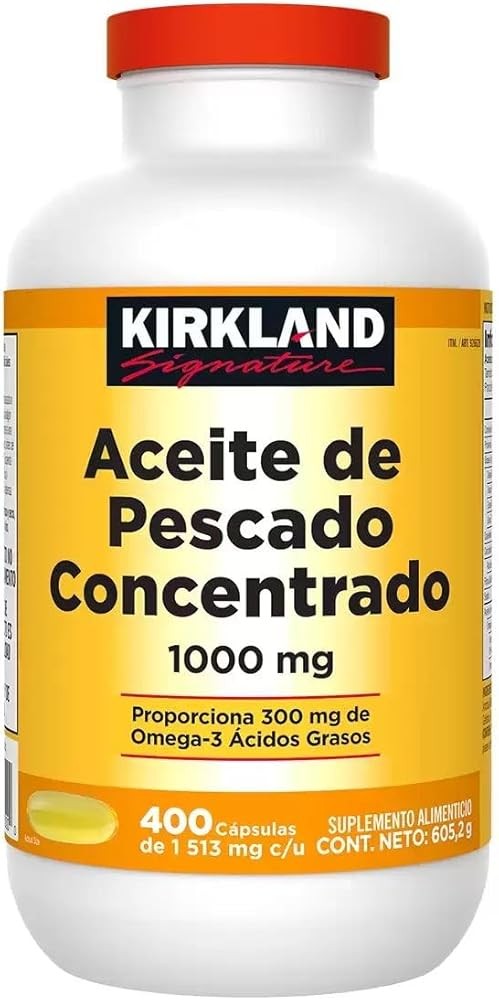
Kirkland Signature Fish Oil Concentrate with Omega-3 Fatty Acids, 400 Softgels, 1000mg
Check Price on AmazonAs an Amazon Associate we earn from qualifying purchases.
Kirkland Signature Fish Oil provides 720mg omega-3s per serving (300mg EPA, 200mg DHA per softgel). While the concentration is lower than premium brands, this makes it accessible for those on fixed incomes or who prefer to spread doses throughout the day. At approximately $15-20 per month for a preventive dose (4-6 softgels daily), it offers excellent value for long-term supplementation backed by pharmaceutical-grade purity standards.
Pharmaceutical Grade Concentrate
Nature Made offers USP-verified fish oil with standardized potency. Their 1200mg strength provides 360mg of omega-3s per softgel (216mg EPA, 144mg DHA). As a widely available brand in pharmacies and grocery stores, it provides convenient access for most consumers. The USP verification ensures the product meets standards for purity, potency, and disintegration.
High-Potency Concentrate
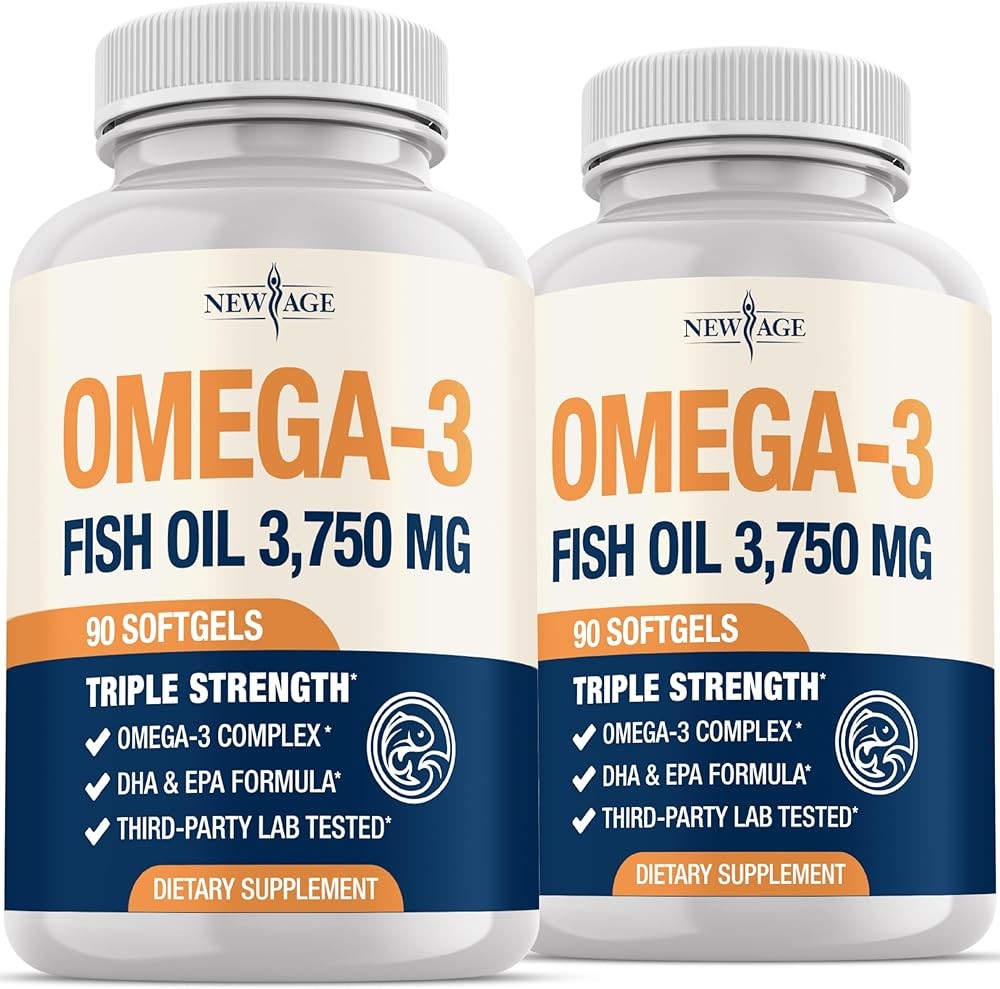
Triple Strength Omega 3 Fish Oil 3750 mg - EPA & DHA - Over 3000mg Omega-3 Fatty Acids - 1350mg EPA + 900mg DHA - Bes...
Check Price on AmazonAs an Amazon Associate we earn from qualifying purchases.
For individuals requiring therapeutic doses (2-3 grams EPA+DHA daily based on clinical studies), high-potency concentrates reduce pill burden. This triple-strength formula provides 3,750mg fish oil concentrate with 1,350mg EPA and 900mg DHA per serving (2,250mg combined omega-3s). The concentrated formula reduces capsule count to 2-3 daily for therapeutic dosing compared to 6-12 capsules of standard-strength products.
Plant-Based Alternative (Less Optimal)
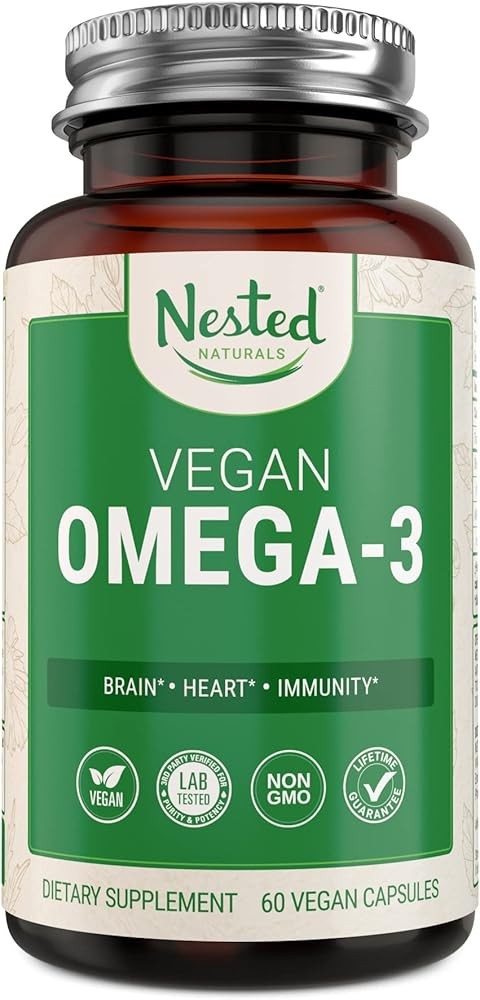
Vegan Omega-3 DHA Supplement | Plant Based Omega 3+6 Fatty Acids | More Absorbable, Improved Formula | Supports Heart...
Check Price on AmazonAs an Amazon Associate we earn from qualifying purchases.
For vegetarians and vegans, algal oil supplements provide DHA and sometimes EPA derived from microalgae. While these avoid fish-derived ingredients, the research on cancer prevention has focused primarily on marine sources, and algal supplements tend to be significantly more expensive. A typical algal oil supplement provides 300-600mg DHA per serving at roughly double the cost of fish oil, though it offers the advantage of being free from marine contaminants.
Product Comparison Table
| Product | EPA+DHA per Serving | Form | Monthly Cost* | Capsules per Day | Best For |
|---|---|---|---|---|---|
| Nordic Naturals Ultimate Omega | 1,100mg | Triglyceride | $40-50 | 2-4 | Maximum absorption and bioavailability |
| Kirkland Signature Fish Oil | 720mg | Ethyl ester | $15-20 | 4-6 | Budget-conscious long-term use |
| Nature Made 1200mg | 360mg | Ethyl ester | $20-30 | 6-8 | Pharmacy-grade with USP verification |
| Triple Strength Omega-3 | 2,250mg | Triglyceride | $35-45 | 2-3 | Therapeutic high-dose protocols |
| Vegan Omega-3 DHA | 300-600mg | Triglyceride (algal) | $50-70 | 4-8 | Plant-based diets, fish allergies |
*Based on achieving 1-2 grams EPA+DHA daily for cancer prevention
What to Look for in Quality Omega-3 Supplements
Third-Party Testing: Look for products tested by IFOS (International Fish Oil Standards), USP (United States Pharmacopeia), or ConsumerLab. These organizations verify potency, purity, and freshness.
Freshness Indicators: Check for a “totox” (total oxidation) value under 26, with lower values indicating fresher oil. Some manufacturers provide these values on their websites or upon request.
Form Matters: Triglyceride and phospholipid forms demonstrate superior absorption compared to ethyl ester forms. If choosing an ethyl ester product (often labeled “pharmaceutical grade”), take with fatty meals to enhance absorption.
Sustainability: Look for products certified by the Marine Stewardship Council (MSC) or Friend of the Sea to ensure sustainable fishing practices.
Avoid Contamination: Quality supplements should test below detection limits for mercury, PCBs, dioxins, and heavy metals. This information should be readily available from reputable manufacturers.
Dietary Sources vs. Supplements
While supplements offer convenience and standardized doses, whole food sources provide omega-3s alongside other beneficial nutrients. The best dietary sources include:
- Wild-caught salmon: 1,500-2,500mg EPA+DHA per 3.5oz serving
- Atlantic mackerel: 2,500-3,000mg per 3.5oz serving
- Sardines: 1,000-1,500mg per 3.5oz serving
- Herring: 1,500-2,000mg per 3.5oz serving
- Anchovies: 1,500-2,000mg per 3.5oz serving
Consuming fatty fish 2-3 times weekly can provide 2-6 grams of omega-3s weekly, which aligns with the intake levels associated with cancer risk reduction in observational studies. However, achieving the higher doses used in some clinical trials (2-3 grams daily) typically requires supplementation.
Omega-3 Index Testing: The Gold Standard for Assessing Your Status
The Omega-3 Index test represents the most accurate method for determining whether you’re achieving omega-3 levels associated with health benefits, including potential cancer prevention. Unlike dietary recall or supplement dose, which don’t account for individual absorption and metabolism, the Omega-3 Index directly measures EPA and DHA incorporation into red blood cell membranes.
What Is the Omega-3 Index?
The Omega-3 Index is the percentage of EPA plus DHA in red blood cell membrane fatty acids, expressed as a percentage of total fatty acids. For example, an Omega-3 Index of 8% means that 8% of the fatty acids in your red blood cells are EPA and DHA combined.
This measurement was originally developed by Dr. William Harris and colleagues as a biomarker for cardiovascular disease risk, but its relevance extends to cancer prevention, cognitive function, and overall health (PMID: 15208005).
Why Red Blood Cells?
Red blood cells provide an ideal tissue for measuring omega-3 status for several reasons:
Long Half-Life: Red blood cells circulate for approximately 120 days, so their fatty acid composition reflects your average omega-3 intake over the past 3-4 months, not just recent consumption. This provides a stable, long-term biomarker.
Systemic Representation: Red blood cell membrane fatty acid composition correlates well with other tissues throughout the body, including cardiac tissue, making it a good proxy for whole-body omega-3 status.
Standardized Measurement: Unlike plasma omega-3 levels, which fluctuate based on recent meals, red blood cell measurements are stable and reproducible when using standardized analytical methods.
Clinical Validation: Extensive research has correlated Omega-3 Index values with health outcomes, establishing clear target ranges for disease prevention.
Target Ranges and Health Implications
Research has identified several zones of omega-3 status:
Deficient (<4%): Associated with highest risk for cardiovascular disease and likely represents suboptimal status for cancer prevention as well. Most Americans consuming a typical Western diet without fatty fish or supplements fall into this range.
Intermediate (4-8%): Represents moderate omega-3 status. Some health benefits may be present, but optimal protection is not achieved. Many people taking low-dose fish oil supplements (300-500mg EPA+DHA daily) remain in this range.
Optimal (>8%): Associated with lowest cardiovascular disease risk in multiple large studies. While cancer-specific cutoffs haven’t been as extensively validated, the anti-inflammatory and membrane-modulating effects relevant to cancer prevention likely require similar tissue saturation levels. Achieving this typically requires 1-2 grams EPA+DHA daily for most people.
High (>12%): Very high levels achieved through aggressive supplementation (3+ grams daily) or in populations consuming fish at nearly every meal (Greenland Inuit, Japanese fishing communities). No clear evidence suggests additional benefits beyond 8-10%, and theoretical concerns about excessive oxidation exist, though clinical evidence of harm is lacking.
Individual Variability in Achieving Target Levels
The dose of omega-3 supplementation required to reach an Omega-3 Index above 8% varies substantially between individuals:
Genetic Factors: Polymorphisms in genes encoding fatty acid desaturase enzymes (FADS1 and FADS2) affect omega-3 metabolism and tissue incorporation. Individuals with certain genetic variants may require 50-100% higher doses to achieve the same Omega-3 Index as others.
Body Weight and Composition: Obese individuals tend to have lower Omega-3 Index values despite similar dietary intake, possibly because omega-3s are sequestered in expanded adipose tissue. Higher doses may be needed for those with elevated BMI.
Background Diet: High omega-6 intake from vegetable oils and processed foods competes with omega-3 incorporation into tissues. People consuming large amounts of omega-6 may need higher omega-3 doses to achieve target levels.
Age and Sex: Some research suggests women achieve higher Omega-3 Index values than men at similar intake levels, possibly due to hormonal influences on fatty acid metabolism. Age-related changes in absorption and metabolism may also affect requirements.
Health Status: Inflammatory conditions may increase omega-3 turnover and requirements. Gastrointestinal conditions affecting fat absorption (Crohn’s disease, celiac disease, previous bariatric surgery) can impair omega-3 absorption.
How to Get Tested
OmegaQuant: The most widely used consumer omega-3 testing service was developed by Dr. Harris’s research team. You can order a test kit online for approximately $50-80, prick your finger at home to collect a few drops of blood on a special card, mail it to the lab, and receive results within 2-3 weeks.
Through Healthcare Providers: Some functional medicine physicians, integrative oncologists, and preventive cardiologists offer omega-3 testing through specialty labs like LabCorp’s Lipid Panel with Omega-3 or Cleveland HeartLab’s fatty acid profile. These tests may be covered by insurance in certain circumstances, though most people pay out-of-pocket ($75-150).
Comprehensive Fatty Acid Panels: More detailed testing measures not just EPA and DHA but the full spectrum of fatty acids in red blood cells, including omega-6 fatty acids, trans fats, and saturated fats. This provides additional information about overall dietary fat quality and omega-6:omega-3 ratios. These comprehensive panels typically cost $150-250.
Interpreting Your Results
A complete Omega-3 Index test will typically report:
Total Omega-3 Index (EPA+DHA): Your primary target is >8%.
Individual EPA and DHA Levels: Some experts suggest targeting EPA >1.5% and DHA >4% for optimal balance of anti-inflammatory and membrane-protective effects.
Trans Fat Index: The percentage of trans fats in red blood cells should be <1%, ideally <0.5%. Elevated trans fats indicate excessive consumption of processed foods and may antagonize omega-3 effects.
Omega-6:Omega-3 Ratio: The ratio of arachidonic acid (AA, an omega-6) to EPA provides insight into inflammatory balance. Ratios <3:1 are ideal, though many Americans have ratios >10:1.
Using Test Results to Optimize Dosing
If Your Omega-3 Index is <4%: You likely need significant dietary changes or supplementation. Start with 1-2 grams EPA+DHA daily from high-quality fish oil or increase fatty fish consumption to 3-4 servings weekly. Retest in 3-4 months to assess response.
If Your Omega-3 Index is 4-6%: Increase omega-3 intake by adding 500-1000mg EPA+DHA daily to your current regimen, or add one additional serving of fatty fish weekly. Retest in 3-4 months.
If Your Omega-3 Index is 6-8%: You’re close to optimal. A modest increase of 500mg EPA+DHA daily should push you above 8%. Retest in 3 months to confirm.
If Your Omega-3 Index is >8%: You’ve achieved optimal status. Maintain your current omega-3 intake and consider retesting annually to ensure sustained levels, or test earlier if you make dietary or supplement changes.
If Your Omega-3 Index is >12%: Consider whether this very high level is necessary. While no clear evidence suggests harm, you may be able to reduce supplementation costs by cutting back to doses that maintain 8-10%, testing to ensure you don’t drop below optimal range.
When to Test and Retest
Baseline Testing: Before starting omega-3 supplementation, baseline testing establishes your starting point and helps determine how much supplementation you need. Some people consuming fatty fish regularly may already have adequate levels without supplements.
First Follow-Up (3-4 Months): After starting supplementation or making dietary changes, retest after 3-4 months when red blood cell membranes have reached steady-state with your new omega-3 intake. This shows whether your dose is adequate to reach target levels.
Dose Adjustment Testing: If your first follow-up shows you haven’t reached target levels, adjust your dose (typically increase by 500-1000mg daily) and retest in another 3 months.
Maintenance Testing (Annual): Once you’ve achieved target levels, annual testing confirms you’re maintaining adequate status and haven’t had absorption changes, dietary shifts, or other factors that might affect your Omega-3 Index.
Special Circumstances: Consider more frequent testing if you have gastrointestinal conditions affecting absorption, during cancer treatment that might affect nutritional status, or when making significant changes to your omega-3 regimen.
Cost-Benefit Analysis of Testing
At $50-80 per test, omega-3 testing might seem like an unnecessary expense, but consider:
Avoids Over-Supplementation: If you’re already at optimal levels through diet, testing can save you from buying unnecessary supplements, potentially saving $300-600 annually.
Identifies Under-Supplementation: Many people take low-dose fish oil supplements (300-500mg EPA+DHA daily) assuming they’re achieving benefits, when in reality they remain in the suboptimal range. Testing reveals whether you need to increase your dose.
Confirms Absorption: If you’ve been taking adequate doses but your Omega-3 Index is low, this signals absorption issues that need addressing—you might need a more bioavailable form (triglyceride vs. ethyl ester), to take supplements with meals, or to address underlying GI problems.
Motivates Compliance: Seeing objective numbers can motivate consistent supplement use or dietary changes. Watching your Omega-3 Index rise to optimal levels provides tangible feedback that your efforts are working.
For someone spending $30-50 monthly on omega-3 supplements ($360-600 annually), investing $75-150 in testing to ensure those supplements are actually working seems prudent.
Limitations of Omega-3 Index Testing
While the Omega-3 Index is the best available biomarker, it has limitations:
Doesn’t Directly Measure Cancer Outcomes: The Omega-3 Index correlates with cardiovascular outcomes, but the relationship to cancer risk is less extensively validated. We’re inferring that the optimal range for heart disease prevention also applies to cancer prevention based on shared anti-inflammatory mechanisms.
Doesn’t Account for Oxidation: The test measures total EPA and DHA, not whether those fatty acids are fresh or oxidized. Oxidized omega-3s may be less beneficial or potentially harmful, yet would still contribute to your Omega-3 Index.
Single Tissue Type: While red blood cells generally correlate with other tissues, they may not perfectly represent omega-3 status in specific organs like brain tissue or breast adipose tissue, which might be more relevant for certain cancers.
Doesn’t Measure Specialized Pro-Resolving Mediators: The test shows EPA and DHA levels, but not the downstream products (resolvins, protectins, maresins) that mediate many of omega-3s’ beneficial effects. Individual variation in producing these mediators could mean two people with identical Omega-3 Index values experience different health benefits.
The Bottom Line on Omega-3 Index Testing
For individuals serious about optimizing omega-3 intake for cancer prevention, the Omega-3 Index test is a valuable tool that removes guesswork from supplementation. Rather than blindly following general recommendations, testing allows you to:
- Confirm you’re achieving therapeutic tissue levels
- Avoid wasting money on inadequate or excessive doses
- Identify absorption issues requiring intervention
- Track your progress objectively over time
This personalized approach aligns with the growing movement toward precision nutrition—tailoring dietary interventions based on individual biomarkers rather than population averages. For the cost of 1-2 months of fish oil supplements, a single test can optimize your strategy for years to come.
Dosing Protocols and Timing for Cancer Prevention
Determining the optimal dose of omega-3 fatty acids for cancer prevention remains an area of active research, with recommendations varying based on individual risk factors, cancer type, and overall diet quality.
General Prevention Dose
For general cancer prevention in healthy individuals, most evidence suggests a daily intake of 1-2 grams of combined EPA and DHA. This can be achieved through:
- 2-3 servings of fatty fish per week, OR
- 1-2 grams of fish oil supplement providing 300-600mg EPA+DHA, OR
- A combination of dietary sources and lower-dose supplementation
The American Heart Association recommends at least two servings of fatty fish weekly for cardiovascular health, which typically provides 400-800mg of EPA+DHA per week. For cancer prevention, spreading this intake more evenly throughout the week may be beneficial, as omega-3 levels in tissues depend on consistent intake over time.
High-Risk Individual Protocols
Individuals at elevated cancer risk due to family history, genetic mutations (such as Lynch syndrome or BRCA mutations), or precancerous conditions may benefit from higher doses:
Familial Adenomatous Polyposis (FAP): Based on the study showing polyp reduction, 2 grams of EPA daily (approximately 3 grams of fish oil) has demonstrated benefit.
High Breast Cancer Risk: For women with BRCA mutations or strong family history, some integrative oncologists recommend 2-3 grams of EPA+DHA daily, though this remains investigational.
Inflammatory Bowel Disease (IBD): Given the increased colorectal cancer risk with IBD, doses of 2-4 grams EPA+DHA daily may address both inflammation and cancer risk, though this should be coordinated with gastroenterology care.
Timing and Meal Pairing
Omega-3 absorption is enhanced when taken with fat-containing meals. For optimal absorption:
- Take supplements with breakfast or dinner rather than on an empty stomach
- Pair with meals containing at least 10-15 grams of fat
- Split doses (e.g., 1 gram twice daily rather than 2 grams once daily) may maintain more stable blood levels
Duration Considerations
Tissue saturation with omega-3 fatty acids occurs gradually over weeks to months. Red blood cell EPA and DHA levels, often used as biomarkers of omega-3 status, typically reach steady-state after 3-4 months of consistent supplementation. This suggests that cancer-preventive effects, if present, would require long-term consistent intake rather than short-term or intermittent supplementation.
The Omega-3 Index (the percentage of EPA+DHA in red blood cell membranes) is increasingly used to assess omega-3 status. An Omega-3 Index above 8% is associated with the lowest cardiovascular disease risk, and emerging evidence suggests this target may also be relevant for cancer prevention. Most people require 1-2 grams of EPA+DHA daily to achieve an Omega-3 Index above 8%.
Ratio-Based Approaches
Some experts recommend focusing on the omega-6 to omega-3 ratio rather than absolute omega-3 intake. The typical Western diet has a ratio of 15:1 to 20:1, while optimal health may require ratios below 4:1 or even 2:1. Achieving favorable ratios requires both increasing omega-3 intake and reducing omega-6 intake from vegetable oils and processed foods.
Cancer-Specific Dosing Protocols Based on Clinical Evidence
While general prevention recommendations are useful, tailoring omega-3 dosing to specific cancer types based on the strongest evidence may optimize benefits:
Colorectal Cancer Prevention Protocol:
- Dose: 2 grams EPA daily (approximately 3 grams fish oil concentrate)
- Rationale: Based on the FAP polyp reduction trial (PMID: 20348368)
- Duration: Minimum 6 months for initial effects; lifelong for sustained prevention
- Form: High-EPA fish oil or pharmaceutical EPA concentrate
- Adjunct: Combine with fiber-rich diet, regular colonoscopy screening
- Best for: Individuals with family history of colorectal cancer, FAP, Lynch syndrome, or inflammatory bowel disease
Breast Cancer Prevention Protocol:
- Dose: 1-2 grams DHA daily plus 500-1000mg EPA
- Rationale: Based on adipose tissue biomarker studies showing strongest associations with DHA
- Duration: Lifelong; tissue saturation requires 3-4 months
- Form: DHA-enriched fish oil or algal DHA
- Adjunct: Maintain healthy body weight, limit alcohol, regular mammography
- Best for: Women with BRCA mutations, strong family history, or dense breast tissue
Prostate Cancer Risk Management Protocol:
- Dose: Conservative 1 gram EPA+DHA daily (given controversy)
- Rationale: Balances cardiovascular benefits against uncertain prostate cancer effects
- Duration: Monitor PSA every 6 months; discontinue if rising
- Form: Balanced fish oil with antioxidants (vitamin E, astaxanthin)
- Adjunct: Regular PSA screening, discuss with urologist
- Best for: Men prioritizing heart health while monitoring prostate concerns
Cancer Cachexia Treatment Protocol:
- Dose: 2 grams EPA daily from pharmaceutical-grade EPA concentrate
- Rationale: Based on cachexia reversal trials (PMID: 16849754)
- Duration: Throughout cancer treatment and recovery
- Form: Medical food formulations designed for cachexia (e.g., EPA-enriched liquid nutrition)
- Monitoring: Track body weight, lean mass (DEXA), and albumin levels
- Best for: Advanced cancer patients experiencing weight loss and muscle wasting
General Multi-Cancer Prevention Protocol:
- Dose: 1-2 grams EPA+DHA daily in 1:1 to 2:1 ratio
- Rationale: Covers mechanisms relevant to multiple cancer types
- Duration: Lifelong; assess with Omega-3 Index at 4 months, then annually
- Form: Quality fish oil in triglyceride form
- Target: Omega-3 Index >8%
- Best for: Individuals without specific high-risk cancer but focused on general prevention
Chemotherapy Enhancement Protocol (Investigational):
- Dose: 1.8 grams DHA daily during active treatment
- Rationale: Based on breast cancer chemotherapy enhancement trial (PMID: 21045326)
- Duration: Throughout chemotherapy cycles
- Timing: Take 2-4 hours before chemotherapy infusion
- Medical supervision: Requires oncology team approval and monitoring
- Best for: Breast, lung, or colorectal cancer patients on specific chemotherapy regimens
Post-Cancer Survivorship Protocol:
- Dose: 1-2 grams EPA+DHA daily
- Rationale: Based on observational studies showing reduced recurrence and mortality
- Duration: Lifelong after treatment completion
- Monitoring: Annual Omega-3 Index to ensure sustained levels
- Adjunct: Healthy diet, exercise, stress management, regular surveillance
- Best for: All cancer survivors seeking to reduce recurrence risk
Advanced Timing Strategies for Maximum Effectiveness
Chronobiology Considerations: Emerging research suggests that omega-3 metabolism may follow circadian rhythms. Some researchers recommend taking omega-3s with breakfast or lunch rather than dinner, as this may align better with peak periods of fatty acid incorporation into tissues. However, the evidence is preliminary, and taking omega-3s with your largest meal (whenever that occurs) likely matters more than specific time of day.
Splitting Doses for Stable Blood Levels: Rather than taking 2 grams once daily, splitting into 1 gram twice daily (with breakfast and dinner) may maintain more stable blood omega-3 levels throughout the day. This may be particularly relevant for cancer patients where consistent anti-inflammatory effects are desired.
Pre-Treatment Loading: Some researchers suggest a “loading phase” of higher doses (3-4 grams daily) for 4-8 weeks before starting chemotherapy or radiation, with the goal of saturating cancer cell membranes with omega-3s to enhance treatment sensitivity. This remains investigational and requires medical supervision.
Cycling vs. Continuous Use: While some supplements benefit from cycling, omega-3s require continuous use to maintain tissue saturation. Interrupting supplementation causes gradual depletion of tissue omega-3 levels over weeks to months, losing the accumulated benefits.
Special Population Considerations
Older Adults: Age-related decline in omega-3 metabolism may increase requirements. Adults over 65 may benefit from doses at the higher end of recommendations (2-3 grams daily). Additionally, older adults often take multiple medications that could interact with omega-3s, requiring careful monitoring.
Obese Individuals: Obesity is associated with lower tissue omega-3 levels despite similar dietary intake, possibly due to increased adipose tissue storage that sequesters omega-3s away from other tissues. Higher doses (2-3 grams daily) may be needed to achieve equivalent tissue levels and Omega-3 Index values compared to normal-weight individuals.
Genetic Variations: Polymorphisms in genes encoding fatty acid desaturase enzymes (FADS1 and FADS2) affect the conversion of ALA to EPA and DHA. Individuals with certain genetic variants may have greater requirements for preformed EPA and DHA from marine sources. Genetic testing for FADS variants is available through some consumer genomics companies and can help personalize omega-3 recommendations.
Pregnancy and Lactation: While this review focuses on cancer prevention, it’s worth noting that pregnant and lactating women have increased DHA requirements for fetal and infant brain development (200-300mg DHA daily minimum). However, pregnant women should limit consumption of large predatory fish due to mercury content and choose low-mercury fish or purified supplements.
Children and Adolescents: Limited research exists on omega-3 supplementation for cancer prevention in pediatric populations. For children with family cancer syndromes (e.g., FAP, Li-Fraumeni), discuss supplementation with a pediatric oncologist or geneticist, as dosing must be adjusted for body weight.
Safety Profile and Potential Risks
While omega-3 fatty acids are generally well-tolerated, understanding potential risks and side effects is essential for informed decision-making.
Common Side Effects
Most side effects are mild and dose-dependent:
- Fishy aftertaste or burps: The most common complaint, often minimized by taking with meals, freezing capsules, or choosing enteric-coated products
- Gastrointestinal discomfort: Nausea, loose stools, or indigestion affect approximately 5-10% of users, typically at doses above 3 grams daily
- Increased bleeding tendency: At very high doses (above 5 grams daily), omega-3s can reduce platelet aggregation
Drug Interactions
Anticoagulants and Antiplatelets: Omega-3 supplements may enhance the effects of warfarin, aspirin, clopidogrel, and other blood-thinning medications. While clinical bleeding events are rare, monitoring is advisable when combining omega-3s above 2 grams daily with these medications.
Blood Pressure Medications: Omega-3s can modestly reduce blood pressure, potentially enhancing the effects of antihypertensive drugs. This is generally beneficial but may require medication adjustment.
Immunosuppressants: The immune-modulating effects of high-dose omega-3s could theoretically interact with immunosuppressive drugs, though clinical evidence is limited.
Concerns for Specific Cancer Types
Prostate Cancer: As discussed earlier, the conflicting evidence regarding omega-3s and prostate cancer risk warrants caution. Men with a family history of prostate cancer or elevated PSA levels should discuss omega-3 supplementation with their healthcare provider. The theoretical concern is based on limited and controversial data, but a prudent approach is warranted until more definitive research is available.
Bleeding Risk in Cancer Patients: Patients with brain tumors, thrombocytopenia (low platelet counts), or those scheduled for surgery should use omega-3 supplements cautiously. Most guidelines recommend discontinuing fish oil supplements 7-10 days before surgery, though some surgeons allow continuation at doses below 2 grams daily.
Oxidation and Rancidity Concerns
The high degree of unsaturation in EPA and DHA makes them susceptible to oxidation, producing potentially harmful compounds. To minimize oxidation:
- Choose supplements with antioxidants (vitamin E, astaxanthin)
- Store in cool, dark places
- Check expiration dates
- Avoid products with a strong fishy odor indicating rancidity
- Consider refrigeration after opening
Contaminant Exposure
Fish and fish oil can contain environmental contaminants including mercury, PCBs, and dioxins. Quality supplements undergo molecular distillation or other purification processes to remove contaminants. Third-party testing by organizations like IFOS ensures products meet strict purity standards. In general, supplements have much lower contaminant levels than whole fish, particularly large predatory fish like tuna and swordfish.
Vitamin A and D Toxicity
Some fish oils, particularly cod liver oil, contain high levels of vitamins A and D. While these nutrients are beneficial in appropriate amounts, excessive intake can cause toxicity. Standard fish oil supplements derived from body oils of small fish typically contain minimal vitamins A and D and pose no risk of toxicity.
Maximum Safe Dose
The European Food Safety Authority has established 5 grams of EPA+DHA daily as safe for the general population. The FDA considers up to 3 grams daily from supplements as “Generally Recognized as Safe” (GRAS). Doses above these levels should only be used under medical supervision.
When to Avoid Omega-3 Supplements
Omega-3 supplementation may not be appropriate for:
- Individuals with fish or shellfish allergies (though highly purified oils may be tolerated)
- Those taking high-dose anticoagulation therapy without medical oversight
- People scheduled for surgery within 7-10 days
- Individuals with bleeding disorders or active bleeding
Common Mistakes to Avoid When Using Omega-3s for Cancer Prevention
While omega-3 fatty acids offer potential cancer-preventive benefits, several common mistakes can undermine their effectiveness or even create health risks. Understanding these pitfalls helps you maximize benefits while minimizing potential harm.
Mistake #1: Using Oxidized or Rancid Fish Oil
The Problem: Omega-3 fatty acids are highly unsaturated and extremely susceptible to oxidation, especially when exposed to heat, light, or air. Oxidized fish oil contains lipid peroxidation products that may be harmful rather than beneficial, potentially promoting rather than preventing oxidative damage.
How to Recognize It: Rancid fish oil has a distinctly unpleasant fishy smell and taste. Fresh fish oil should have minimal odor. If your fish oil burps taste strongly fishy or unpleasant, the oil is likely oxidized.
How to Avoid It:
- Check “totox” (total oxidation) values if available—should be <26, ideally <10
- Choose products with added antioxidants (vitamin E, astaxanthin)
- Buy from reputable manufacturers with third-party testing
- Check expiration dates and don’t use outdated products
- Store supplements in cool, dark places; refrigerate after opening
- Buy smaller bottles if you don’t use supplements quickly
- Avoid clear bottles that allow light penetration
The Fix: If you suspect your fish oil is rancid, discard it and buy a fresh, high-quality product. The cost savings from cheap, oxidized fish oil aren’t worth the potential harm.
Mistake #2: Taking Too Little to Make a Difference
The Problem: Many people take one standard 1000mg fish oil capsule daily, assuming they’re getting meaningful benefits. However, a typical 1000mg fish oil capsule contains only 300-400mg of combined EPA+DHA—well below the 1-2 grams shown in research to affect cancer risk and inflammatory markers.
How to Recognize It: Check your supplement facts label. If the “Omega-3 Fatty Acids” or “EPA+DHA” line shows less than 800mg per serving, you’re likely taking inadequate amounts for cancer prevention.
How to Avoid It:
- Calculate actual EPA+DHA content, not just total fish oil weight
- Aim for 1-2 grams EPA+DHA daily for general prevention
- Use 2-3 grams daily for high-risk individuals or cancer patients
- Consider high-potency formulas to reduce pill burden
- Test your Omega-3 Index to confirm you’re reaching therapeutic levels
The Fix: Increase your dose to evidence-based levels. If taking standard-potency capsules (30% omega-3), you’d need 3-4 capsules daily to reach 1 gram EPA+DHA. High-potency formulas can provide this in 1-2 capsules.
Mistake #3: Ignoring Omega-6 Intake
The Problem: Omega-3 and omega-6 fatty acids compete for the same enzymes and incorporation into cell membranes. Consuming excessive omega-6 from vegetable oils, processed foods, and conventionally raised meat can overwhelm even substantial omega-3 intake, preventing achievement of anti-inflammatory tissue levels.
How to Recognize It: If you’re taking adequate omega-3s but your Omega-3 Index remains low, or if you’re not noticing anti-inflammatory benefits, excessive omega-6 intake may be antagonizing your efforts.
How to Avoid It:
- Minimize vegetable oils high in omega-6 (corn, soybean, sunflower, safflower)
- Replace with olive oil, avocado oil, or coconut oil
- Limit fried foods and processed snacks
- Choose grass-fed meat and dairy (lower omega-6 than grain-fed)
- Avoid trans fats entirely (partially hydrogenated oils)
- Target an omega-6:omega-3 ratio below 4:1, ideally 2:1
The Fix: An Omega-3 Index test with complete fatty acid profile will show your arachidonic acid (omega-6) to EPA ratio. If above 3:1, reduce omega-6 sources in addition to increasing omega-3s.
Mistake #4: Combining with Blood Thinners Without Medical Oversight
The Problem: Omega-3s have mild antiplatelet effects that can enhance the effects of anticoagulant and antiplatelet medications (warfarin, aspirin, clopidogrel). While clinically significant bleeding is rare, the interaction requires monitoring, especially at doses above 2 grams daily.
How to Recognize It: If you’re on blood-thinning medications and experience unusual bruising, prolonged bleeding from minor cuts, or other bleeding symptoms after starting omega-3s, the combination may be excessive.
How to Avoid It:
- Inform all healthcare providers about omega-3 supplementation
- Discuss omega-3 use before starting anticoagulant therapy
- Monitor INR more frequently if on warfarin
- Consider limiting omega-3s to 1-2 grams daily when on blood thinners
- Discontinue supplements 7-10 days before surgery
The Fix: If you’re on anticoagulants and want to use therapeutic doses of omega-3s, work with your healthcare provider to adjust medication doses as needed and monitor clotting parameters.
Mistake #5: Expecting Omega-3s to Replace Proven Cancer Prevention Strategies
The Problem: Some people view omega-3 supplementation as a “magic bullet” that can compensate for smoking, poor diet, obesity, or sedentary lifestyle. While omega-3s may offer modest benefits, they cannot overcome major cancer risk factors.
How to Recognize It: If you’re relying primarily on supplements while neglecting fundamental lifestyle factors, you’re dramatically limiting your cancer prevention efforts.
How to Avoid It:
- View omega-3s as one component of comprehensive prevention
- Prioritize not smoking, maintaining healthy weight, exercising regularly
- Eat a diet rich in vegetables, fruits, and whole grains
- Limit alcohol consumption
- Follow recommended cancer screening guidelines
- Manage chronic stress and prioritize sleep
The Fix: Integrate omega-3 optimization into a holistic cancer prevention strategy rather than treating it as a standalone intervention.
Mistake #6: Not Taking with Food
The Problem: Omega-3 absorption is significantly enhanced when taken with meals containing fat. Taking fish oil on an empty stomach not only reduces absorption but also increases likelihood of fishy burps and gastrointestinal discomfort.
How to Recognize It: If you experience nausea or fishy aftertaste after taking fish oil, or if your Omega-3 Index is surprisingly low despite adequate dosing, poor absorption from empty-stomach consumption may be the issue.
How to Avoid It:
- Always take omega-3 supplements with meals
- Choose meals containing at least 10-15 grams of fat
- Breakfast or dinner are typically the best times
- Consider splitting doses (e.g., 1 gram twice daily with meals)
The Fix: Switch to taking your omega-3s with your largest meal of the day. Eggs, nuts, avocado, olive oil, or fatty fish in the meal enhance absorption.
Mistake #7: Assuming All Omega-3 Sources Are Equivalent
The Problem: Plant-based omega-3s (ALA from flaxseed, chia, walnuts) must be converted to EPA and DHA in the body—a process that is highly inefficient (typically <10% for EPA, <5% for DHA). Relying solely on plant sources usually won’t achieve the tissue levels associated with cancer prevention.
How to Recognize It: Vegetarians and vegans often have low Omega-3 Index values despite consuming substantial amounts of flaxseed or walnuts, reflecting poor ALA conversion.
How to Avoid It:
- Prioritize marine sources (fish, fish oil) or algal supplements for EPA and DHA
- If vegetarian, use algal DHA supplements to bypass inefficient conversion
- Don’t rely solely on ALA sources for cancer prevention
- Consider genetic testing for FADS gene variants affecting conversion efficiency
The Fix: If you’re plant-based, supplement with algal DHA (at least 500-1000mg daily) rather than relying on ALA conversion from seeds and nuts.
Mistake #8: Discontinuing Use Too Quickly
The Problem: Omega-3 benefits require months of consistent use to achieve tissue saturation. Many people give up after a few weeks, before meaningful changes in red blood cell membranes or inflammatory markers can occur.
How to Recognize It: If you’ve been taking omega-3s for less than 8-12 weeks and don’t notice benefits, you may simply not have given them enough time.
How to Avoid It:
- Commit to at least 3-4 months of consistent use before evaluating effectiveness
- Understand that cancer prevention effects require years, not weeks
- Set realistic expectations about timeline for benefits
- Consider Omega-3 Index testing at 4 months to objectively assess whether levels have improved
The Fix: If you’ve been inconsistent or used omega-3s briefly, restart with a 6-month commitment and track objective markers like inflammatory biomarkers or symptoms rather than expecting immediate dramatic changes.
Mistake #9: Buying Poor-Quality Supplements Based on Price Alone
The Problem: The cheapest fish oil supplements often have the lowest quality—they may contain fewer omega-3s than claimed, be contaminated with mercury or PCBs, or be oxidized before you even open the bottle.
How to Recognize It: If the price seems too good to be true (<$0.15 per gram of EPA+DHA), the supplement likely cuts corners on quality, purity testing, or freshness.
How to Avoid It:
- Choose third-party tested products (IFOS, USP, ConsumerLab)
- Verify actual EPA+DHA content matches label claims
- Look for certificates of analysis showing heavy metal and PCB testing
- Check for GMP (Good Manufacturing Practices) certification
- Read independent reviews and testing results
The Fix: While you don’t need the most expensive supplement, invest in mid-range to premium products from reputable companies. The difference between $15 and $35 per month is minimal compared to the health implications.
Mistake #10: Taking Fish Oil for Prostate Cancer Without Discussing with Your Doctor
The Problem: Given the controversial findings from the SELECT trial suggesting high omega-3 levels might increase prostate cancer risk, men with prostate cancer or at high risk should exercise caution and discuss omega-3 use with their healthcare team.
How to Recognize It: If you have elevated PSA, family history of prostate cancer, or diagnosed prostate cancer, and you’re taking high-dose omega-3s without medical oversight, you may be taking unnecessary risks.
How to Avoid It:
- Discuss omega-3 supplementation with your urologist or oncologist
- Consider limiting doses to 1 gram daily rather than 3+ grams
- Monitor PSA levels regularly if supplementing
- Weigh cardiovascular benefits against uncertain prostate cancer effects
- Stay informed about emerging research clarifying this relationship
The Fix: Schedule a discussion with your healthcare provider about your specific risk-benefit calculation for omega-3 supplementation if you have prostate concerns.
Mistake #11: Not Refrigerating After Opening
The Problem: Once a bottle of fish oil is opened, exposure to oxygen accelerates oxidation. While unopened bottles are typically stable at room temperature, opened bottles benefit from refrigeration to slow degradation.
How to Avoid It:
- Store opened bottles in the refrigerator
- Tightly cap bottles immediately after use
- Buy smaller bottles if you use supplements slowly
- Check for and discard expired products
The Fix: Move your current fish oil to the refrigerator and make it a habit for all future bottles.
Mistake #12: Ignoring Form and Bioavailability
The Problem: Omega-3 supplements come in different molecular forms—triglyceride, ethyl ester, and phospholipid. The triglyceride form demonstrates superior absorption, yet many supplements use the cheaper ethyl ester form, which is poorly absorbed unless taken with fatty meals.
How to Recognize It: Check your supplement label. If it says “omega-3 fatty acid ethyl esters” or is marketed as “pharmaceutical grade,” it’s likely in ethyl ester form with lower bioavailability.
How to Avoid It:
- Choose triglyceride form when possible (look for “rTG” or “triglyceride form”)
- If using ethyl ester, always take with high-fat meals
- Consider krill oil (phospholipid form) for enhanced absorption
- Compare your Omega-3 Index results to your dose to assess if poor absorption is limiting effectiveness
The Fix: If you’ve been taking ethyl ester fish oil on an empty stomach, switch to either triglyceride form or ensure you take it with fat-containing meals.
The Bottom Line on Common Mistakes
Most of these mistakes stem from three fundamental issues: lack of knowledge about omega-3 biochemistry, failure to use adequate doses consistently, and not verifying through testing whether your approach is working. By understanding these pitfalls and actively avoiding them, you can maximize the cancer-preventive potential of omega-3 fatty acids while minimizing costs and risks.
The most important steps are:
- Choose quality products with third-party testing
- Use evidence-based doses (1-2+ grams EPA+DHA daily)
- Take consistently with meals for at least 3-6 months
- Test your Omega-3 Index to verify effectiveness
- Reduce omega-6 competition from processed oils
- Integrate with comprehensive cancer prevention strategies
Cost-Benefit Analysis: Is Omega-3 Supplementation Worth It?
From both a financial and health perspective, evaluating the cost-effectiveness of omega-3 supplementation requires considering multiple factors.
Financial Investment
Supplement Costs:
- Budget options: $10-20 per month (lower concentration, requires more capsules)
- Mid-range products: $25-35 per month (moderate concentration, balanced quality)
- Premium products: $40-60 per month (high concentration, triglyceride form, extensive testing)
Dietary Approach:
- Canned sardines: $2-4 per 3.5oz can, 2-3 cans weekly = $16-36 per month
- Frozen salmon: $10-15 per pound, 2-3 servings weekly = $40-60 per month
- Fresh wild salmon: $20-30 per pound, 2-3 servings weekly = $80-120 per month
For most people, a combination of affordable fish consumption (canned sardines, wild-caught salmon when on sale) plus a mid-range supplement provides optimal value.
Health Economics
The potential cost savings from cancer prevention are substantial. According to the American Cancer Society, the average lifetime cost of cancer treatment ranges from $100,000 to over $1 million depending on cancer type and stage. If omega-3 supplementation reduces cancer risk by even 10-15% (as suggested by some meta-analyses for colorectal cancer), the lifetime investment in supplementation ($500-1,000 per year × 30-40 years = $15,000-40,000) could be cost-effective from a purely economic standpoint.
However, this calculation assumes:
- Consistent long-term use
- Actual cancer risk reduction (which remains uncertain for many cancer types)
- No opportunity cost from spending on other health interventions
- No adverse effects from supplementation
Comparison to Other Preventive Interventions
Relative to other cancer prevention strategies:
- Smoking cessation: Dramatically reduces cancer risk, costs $0 if done without pharmacotherapy
- Colonoscopy screening: One-time cost of $1,000-3,000, reduces colorectal cancer mortality by 60-70%
- Exercise programs: Gym membership $30-100/month, reduces multiple cancer types by 20-40%
- Mediterranean diet adoption: Cost-neutral to moderately more expensive than typical Western diet, reduces overall cancer risk
In this context, omega-3 supplementation represents a moderate-cost intervention with uncertain but potentially meaningful benefits, best viewed as one component of a comprehensive cancer prevention strategy rather than a standalone solution.
Who Benefits Most?
The cost-benefit calculation is most favorable for:
- Individuals at high risk for colorectal cancer
- People who rarely consume fatty fish
- Those with inflammatory conditions that increase cancer risk
- Cancer survivors seeking to reduce recurrence risk
- Individuals unable or unwilling to adopt other dietary changes
For those already consuming 2-3 servings of fatty fish weekly, additional supplementation may provide minimal incremental benefit relative to cost.
Testing Omega-3 Levels
Omega-3 Index testing costs $50-150 and can identify who might benefit most from supplementation. While not routinely recommended, testing may be worthwhile for:
- Individuals spending significant amounts on supplements to verify adequate dosing
- Those with strong cancer family history optimizing prevention strategies
- People with absorption issues (inflammatory bowel disease, previous gastric surgery)
Expanded Frequently Asked Questions
Can omega-3 fatty acids cure cancer?
No, there is no conclusive evidence that omega-3 fatty acids can cure cancer. While laboratory studies show that EPA and DHA can kill cancer cells in petri dishes and slow tumor growth in animal models, human cancer treatment is far more complex. Omega-3 fatty acids should be viewed as potentially supportive therapy during cancer treatment and as part of a prevention strategy, but never as a replacement for standard oncology care including surgery, chemotherapy, radiation, or immunotherapy.
Some clinical trials have investigated omega-3 supplementation alongside conventional cancer treatments, showing promise for improving outcomes in specific situations (such as reducing cachexia or potentially enhancing chemotherapy efficacy), but these approaches are investigational and should only be pursued under medical supervision.
How do omega-3 fatty acids affect cancer risk?
Research suggests that omega-3 fatty acids may reduce cancer risk through multiple mechanisms:
-
Anti-inflammatory effects: By reducing chronic inflammation, omega-3s may prevent the inflammatory environment that promotes DNA damage and cellular transformation into cancer.
-
Altered cell signaling: Integration into cell membranes changes how cells respond to growth signals, potentially reducing uncontrolled proliferation.
-
Enhanced apoptosis: Omega-3s can trigger programmed cell death in precancerous and cancer cells.
-
Angiogenesis inhibition: By reducing blood vessel formation to tumors, omega-3s may limit tumor growth and spread.
-
Immune enhancement: Improved natural killer cell function and other immune effects may increase the body’s ability to eliminate cancer cells.
However, the evidence is not yet conclusive, and effects appear to vary significantly by cancer type. The strongest evidence exists for colorectal cancer risk reduction, with more mixed or inconclusive evidence for breast, prostate, and other cancers. More studies are needed to determine optimal doses, duration, and which populations benefit most.
What foods are rich in omega-3 fatty acids?
The richest sources of the long-chain omega-3s (EPA and DHA) most relevant to cancer prevention include:
Fatty Fish (highest to lowest EPA+DHA content):
- Atlantic mackerel: 2,500-3,000mg per 3.5oz
- Wild-caught salmon: 1,500-2,500mg per 3.5oz
- Herring: 1,500-2,000mg per 3.5oz
- Sardines: 1,000-1,500mg per 3.5oz
- Anchovies: 1,500-2,000mg per 3.5oz
- Rainbow trout: 1,000-1,200mg per 3.5oz
- Bluefin tuna: 1,200-1,500mg per 3.5oz (limit due to mercury)
Plant Sources (ALA, which must be converted to EPA/DHA):
- Flaxseeds: 2,300mg ALA per tablespoon (ground)
- Chia seeds: 2,500mg ALA per tablespoon
- Walnuts: 2,500mg ALA per ounce
- Hemp seeds: 1,000mg ALA per tablespoon
Other Marine Sources:
- Oysters: 500-700mg per 3.5oz
- Mussels: 600-800mg per 3.5oz
- Crab: 300-500mg per 3.5oz
For cancer prevention, focus on marine sources rich in EPA and DHA rather than relying solely on plant-based ALA, as conversion rates are low (typically 5-10% for EPA and 2-5% for DHA).
Can I take omega-3 supplements to prevent cancer?
While some studies suggest potential benefits of omega-3 supplements for cancer prevention, it is essential to consider several factors:
-
Evidence Quality: The evidence is strongest for colorectal cancer prevention, moderate for breast cancer, and mixed for prostate cancer. For other cancer types, evidence is limited or inconsistent.
-
Consult Healthcare Providers: Before starting supplementation, discuss with your healthcare provider, especially if you have a history of cancer, are at high risk, or take medications that could interact with omega-3s.
-
Dose Matters: Most studies showing benefits used doses of 1-3 grams of EPA+DHA daily, taken consistently over years. Lower doses or intermittent use may not provide meaningful cancer prevention effects.
-
Quality Concerns: Choose third-party tested supplements to ensure purity, potency, and freshness. Look for IFOS, USP, or ConsumerLab certification.
-
Not a Magic Bullet: Omega-3 supplementation should be viewed as one component of a comprehensive cancer prevention strategy that includes not smoking, maintaining healthy body weight, regular physical activity, limiting alcohol, and eating a diet rich in vegetables, fruits, and whole grains.
-
Personalized Approach: Your individual risk factors, genetic background, current diet, and other health conditions should guide the decision to supplement. Some people may benefit more than others.
How can I incorporate more omega-3 fatty acids into my diet?
Practical Strategies:
-
Fish Twice Weekly: Aim for at least two servings (3.5oz each) of fatty fish per week. Budget-friendly options include canned sardines, mackerel, or salmon. Wild-caught frozen salmon often costs less than fresh and retains full omega-3 content.
-
Breakfast Additions: Add ground flaxseed or chia seeds to oatmeal, yogurt, or smoothies (1-2 tablespoons daily provides ALA).
-
Snack Smart: Keep walnuts as a convenient snack (1oz provides approximately 2,500mg ALA).
-
Supplement Strategically: If you don’t regularly eat fish, consider a daily fish oil or algal oil supplement providing 1-2 grams EPA+DHA.
-
Reduce Omega-6 Competition: Limit vegetable oils high in omega-6 (corn, soybean, sunflower) and replace with olive oil or avocado oil, which don’t compete with omega-3 metabolism.
-
Meal Planning: Designate specific days for fish (e.g., “Fish Fridays” and “Salmon Sundays”) to build consistent habits.
-
Eggs and Dairy: Choose omega-3 enriched eggs (from hens fed flaxseed) and dairy from grass-fed animals, which contain more omega-3s than conventional products.
How long does it take to see benefits from omega-3 supplementation?
The timeline for potential benefits varies:
Blood Levels: EPA and DHA levels in blood plasma increase within hours of consumption, peak around 6-8 hours, and return toward baseline within 24 hours, which is why daily intake is important.
Red Blood Cell Membranes: The Omega-3 Index (EPA+DHA in red blood cells) increases gradually, reaching steady-state after 3-4 months of consistent supplementation.
Tissue Saturation: Different tissues incorporate omega-3s at different rates. Cell membranes throughout the body generally reach equilibrium within 3-6 months.
Anti-inflammatory Effects: Reductions in inflammatory markers like C-reactive protein (CRP) can be detected within 6-12 weeks of supplementation at doses above 2 grams daily.
Cancer Prevention Effects: If present, cancer-preventive effects would likely require years of consistent intake, as cancer development is a multi-decade process. Epidemiological studies showing associations with reduced cancer risk typically examined long-term intake patterns over 5-30 years.
Symptom Relief: For conditions like arthritis, some people report symptom improvement within 6-12 weeks, though maximum benefits may take 3-4 months.
The key takeaway is that omega-3 supplementation is a long-term commitment, not a quick fix. Consistency over months to years is essential for potential cancer prevention benefits.
Are there any risks to taking omega-3 supplements?
While generally safe, potential risks include:
Bleeding Risk: High doses (above 3 grams daily) may reduce platelet aggregation, potentially increasing bleeding tendency. This is primarily a concern for people on anticoagulant medications or with bleeding disorders.
Gastrointestinal Issues: Nausea, diarrhea, or fishy aftertaste affect approximately 5-10% of users, usually at higher doses.
Contaminant Exposure: Poor-quality supplements may contain mercury, PCBs, or other pollutants. Choose third-party tested products from reputable manufacturers.
Drug Interactions: Omega-3s may interact with blood thinners, blood pressure medications, and potentially some cancer treatments.
Oxidation Products: Rancid or oxidized omega-3s may generate harmful compounds. Store supplements properly and check expiration dates.
Prostate Cancer Concerns: Some controversial research suggested high omega-3 levels might increase prostate cancer risk, though this finding has been challenged. Men with prostate cancer risk factors should discuss with their healthcare provider.
Vitamin A Toxicity: Cod liver oil (but not standard fish oil) contains high vitamin A levels that could be toxic with excessive intake.
For most healthy adults, doses of 1-3 grams EPA+DHA daily are well-tolerated with minimal risk. Always inform your healthcare providers about supplement use, especially before surgery or when starting new medications.
Should I choose fish oil, krill oil, or algal oil?
Each source has advantages and limitations:
Fish Oil:
- Pros: Most researched form, widely available, cost-effective, highest concentrations available
- Cons: Fishy aftertaste, potential for contaminants (if not properly purified), not vegetarian
- Best for: Most people seeking evidence-based omega-3 supplementation at reasonable cost
Krill Oil:
- Pros: Phospholipid form may enhance absorption, contains astaxanthin (antioxidant), smaller capsules
- Cons: More expensive, lower concentration (requires more capsules), limited long-term research, sustainability concerns
- Best for: Those who experience digestive issues with fish oil or seek enhanced bioavailability
Algal Oil:
- Pros: Vegan/vegetarian, environmentally sustainable, no fishy taste, free from marine contaminants
- Cons: Significantly more expensive, typically provides DHA only (limited EPA), less clinical research
- Best for: Vegetarians, vegans, those with fish allergies, or environmental concerns
Bottom Line: For cancer prevention based on current evidence, fish oil in triglyceride form offers the best combination of research support, efficacy, and cost-effectiveness. Krill and algal oils are acceptable alternatives for those with specific dietary restrictions or preferences, understanding the cost premium and evidence limitations.
Can omega-3s help during cancer treatment?
Research suggests potential supportive benefits during cancer treatment:
Cachexia Prevention: EPA supplementation (1.5-2 grams daily) may help preserve muscle mass and reduce weight loss in advanced cancer patients.
Chemotherapy Enhancement: Some studies indicate omega-3s may improve chemotherapy response while reducing side effects, though timing and dosing require medical oversight.
Quality of Life: Cancer patients taking omega-3 supplements often report improvements in fatigue, appetite, and mood.
Immune Support: Omega-3s may help maintain immune function during treatment.
Important Considerations:
- Discuss with oncology team: Some theoretical concerns exist about omega-3s interfering with certain treatments, though clinical evidence of harm is limited
- Surgery timing: Discontinue supplements 7-10 days before surgery due to bleeding risk
- Dose matters: Therapeutic effects typically require 2-3 grams EPA+DHA daily
- Not a replacement: Omega-3s are supportive therapy, not alternatives to conventional cancer treatment
The VITAL trial and other ongoing research will provide more definitive guidance, but current evidence suggests omega-3 supplementation can be safely incorporated into comprehensive cancer care under medical supervision.
Common Questions About Omega 3
What are the benefits of omega 3?
Omega 3 has been studied for various potential health benefits. Research suggests it may support several aspects of health and wellness. Individual results can vary. The strength of evidence differs across different claimed benefits. More high-quality research is often needed. Always review the latest scientific literature and consult healthcare professionals about whether omega 3 is right for your health goals.
Is omega 3 safe?
Omega 3 is generally considered safe for most people when used as directed. However, individual responses can vary. Some people may experience mild side effects. It’s important to talk with a healthcare provider before using omega 3, especially if you have existing health conditions, are pregnant or nursing, or take medications.
How much omega 3 should I take?
The appropriate dosage of omega 3 can vary based on individual factors, health goals, and the specific product formulation. Research studies have used different amounts. Always start with the lowest effective dose and follow product label instructions. Consult a healthcare provider for personalized dosage recommendations based on your specific needs.
What are the side effects of omega 3?
Most people tolerate omega 3 well, but some may experience mild side effects. Common reported effects can include digestive discomfort, headaches, or other minor symptoms. Serious side effects are rare but possible. If you experience any unusual symptoms or reactions, discontinue use and consult a healthcare provider. Always inform your doctor about all supplements you take.
When should I take omega 3?
The optimal timing for taking omega 3 can depend on several factors including its absorption characteristics, potential side effects, and your daily routine. Some supplements work best with food, while others are better absorbed on an empty stomach. Follow product-specific guidelines and consider consulting a healthcare provider for personalized timing recommendations.
Can I take omega 3 with other supplements?
Omega 3 is a topic of ongoing research in health and nutrition. Current scientific evidence provides some insights, though more studies are often needed. Individual responses can vary significantly. For personalized advice about whether and how to use omega 3, consult with a qualified healthcare provider who can consider your complete health history and current medications.
How long does omega 3 take to work?
The time it takes for omega 3 to work varies by individual and depends on factors like dosage, consistency of use, and individual metabolism. Some people notice effects within days, while others may need several weeks. Research studies typically evaluate effects over weeks to months. Consistent use as directed is important for best results. Keep a journal to track your response.
Who should not take omega 3?
Omega 3 is a topic of ongoing research in health and nutrition. Current scientific evidence provides some insights, though more studies are often needed. Individual responses can vary significantly. For personalized advice about whether and how to use omega 3, consult with a qualified healthcare provider who can consider your complete health history and current medications.
Our Top Recommendations
📱 Join the discussion: Facebook | X | YouTube | Pinterest
Conclusion: The Current State of Omega-3 and Cancer Research
The relationship between omega-3 fatty acids and cancer represents a complex and evolving area of nutritional science. After reviewing decades of mechanistic studies, observational research, and clinical trials, several key conclusions emerge:
What We Know:
- Omega-3 fatty acids exert multiple biological effects relevant to cancer prevention, including anti-inflammatory actions, membrane-based signaling changes, and modulation of gene expression
- The strongest evidence supports a protective effect for colorectal cancer, with meta-analyses showing approximately 12-20% risk reduction with higher omega-3 intake
- Marine-derived omega-3s (EPA and DHA) appear more relevant to cancer prevention than plant-based ALA
- Omega-3 supplementation may benefit cancer patients by reducing cachexia, potentially enhancing treatment efficacy, and improving quality of life
- The omega-6 to omega-3 ratio may be as important as absolute omega-3 intake
What Remains Uncertain:
- Optimal doses and duration for cancer prevention across different populations
- Whether benefits differ by genetic background or cancer subtype
- The relationship between omega-3s and prostate cancer, which remains controversial
- Long-term safety of high-dose supplementation (above 3 grams daily)
- Whether omega-3 supplementation provides benefits beyond those achieved through regular fatty fish consumption
Practical Recommendations:
For general cancer prevention in healthy adults, the evidence supports:
- Consuming 2-3 servings of fatty fish per week (providing approximately 1-2 grams EPA+DHA weekly)
- If fish consumption is infrequent, supplementation with 1-2 grams EPA+DHA daily appears reasonable and safe
- Reducing omega-6 intake from vegetable oils and processed foods
- Choosing high-quality, third-party tested supplements if supplementing
For high-risk individuals (strong family history, genetic mutations, precancerous conditions):
- Discuss higher-dose supplementation (2-3 grams EPA+DHA daily) with healthcare providers
- Consider measuring Omega-3 Index to optimize dosing
- Integrate omega-3s as one component of comprehensive risk-reduction strategies
For cancer patients and survivors:
- Consult with oncology team before starting supplementation
- Therapeutic doses (2-3 grams EPA+DHA daily) may help with cachexia and treatment-related side effects
- Discontinue supplements 7-10 days before surgery
- Monitor for drug interactions with anticoagulants
The Bottom Line:
Omega-3 fatty acids should be viewed as a potentially valuable component of a comprehensive cancer prevention strategy, not as a standalone solution or definitive solution. The evidence is most compelling when omega-3 intake is part of an overall healthy dietary pattern characterized by abundant plant foods, limited processed foods, maintenance of healthy body weight, regular physical activity, and avoidance of tobacco.
While we await more definitive evidence from ongoing clinical trials like VITAL, the current data suggest that ensuring adequate omega-3 intake—whether through diet, supplementation, or both—is a reasonable, low-risk approach that may provide cancer-preventive benefits while also supporting cardiovascular, cognitive, and overall health.
It’s essential to consult with your healthcare provider before making any changes to your diet or supplement routine, especially if you have a history of cancer or are at high risk. For supplement product picks, see our best fish oil and omega-3 supplements examines how dietary patterns rich in polyphenols, carotenoids, and other phytonutrients work alongside omega-3s to modulate inflammatory pathways. Studies demonstrate that combining omega-3 supplementation with Mediterranean dietary patterns produces greater reductions in inflammatory markers than either intervention alone.
Antioxidant Support: Green tea EGCG provides catechins that complement omega-3s’ membrane-protective effects. Published research indicates EGCG and omega-3s exhibit synergistic effects on cancer cell apoptosis and angiogenesis inhibition in laboratory studies.
Sugar and Cancer Metabolism: Understanding how cancer cells metabolize different energy sources enhances omega-3 effectiveness. Our analysis of sweeteners cancer cells cannot metabolize and stevia’s role in cancer prevention provides evidence-based guidance on reducing glucose availability to cancer cells while maintaining healthy cellular function.
Testing and Monitoring: The Omega-3 Index test discussed throughout this article provides objective biomarker data to optimize dosing. Combining this with inflammatory marker testing (hs-CRP, IL-6) allows for personalized protocol adjustments based on individual response patterns rather than generalized recommendations.
This integrated approach addresses cancer prevention through multiple complementary mechanisms: omega-3s modulate inflammatory signaling and membrane composition, while anti-inflammatory foods provide additional polyphenolic compounds, antioxidant support protects against oxidative damage, and metabolic interventions reduce cancer cell energy availability. Research supports this multi-targeted strategy over single-nutrient approaches.
Related Articles
- Nutrition and Cancer Research: Best Anti-Inflammatory Foods and Cancer Risk
- Artificial Sweeteners and Cancer Risk: What Major Studies Found
- Nutrition and Cancer Research: Exploring Sweeteners that Cancer Cells Cannot Metabolize
- Stevia and Cancer: What the Research Shows
- Green Tea EGCG and Cancer Prevention Research Review
- Curcumin and Cancer: Research on Turmeric’s Active Compound
- Vitamin D and Cancer Risk: What Population Studies Show
- Resveratrol and Cancer Prevention: Examining the Evidence
For more context, see our guide on Monk Fruit Sweetener and Cancer Safety: A Review of the Evidence.
Related Reading
- Nutrition and Cancer Research: Exploring Sweeteners that Cancer Cells Cannot Metabolize
- Monk Fruit Sweetener and Cancer Safety: A Review of the Evidence
- Artificial Sweeteners and Cancer Risk: What Major Studies Found
- Green Tea EGCG and Cancer Prevention Research Review
- Top Anti-Cancer Foods: A Comprehensive Guide for Cancer Prevention
- Medicinal Mushrooms and Cancer Research: A Review of Turkey Tail, Reishi, and Chaga
- Berberine and Cancer Research: What We Know So Far
References
-
Liput KP, Lepczyński A, Ogłuszka M, et al. Effects of Dietary n-3 and n-6 Polyunsaturated Fatty Acids in Inflammation and Cancerogenesis. Int J Mol Sci. 2021;22(13):6965. PMID: 34209168. PubMed 34209168
-
Al-Madhagy S, Ashmawy NS, Mamdouh A, et al. A comprehensive review of the health benefits of flaxseed oil in relation to its chemical composition and comparison with other omega-3 sources. Nutrients. 2023;15(21):4607. PMID: 37960266. PubMed 37960266
-
Crauste C, Vigor C, Brabet P, et al. Polyphenols and n-3 Polyunsaturated Fatty Acids: Two Promising Biomolecules to Prevent and Reverse Non-Alcoholic Fatty Liver Disease. Curr Med Chem. 2016;23(5):429-451. PMID: 26695512. PubMed 26695512
-
Abel S, De Kock M, Smuts CM, et al. Dietary modulation of fatty acid profiles and oxidative status of broiler chickens by n-3 and n-6 polyunsaturated fatty acids. Br Poult Sci. 2014;55(4):503-514. PMID: 24865467. PubMed 24865467
-
Nkondjock A, Shatenstein B, Maisonneuve P, Ghadirian P. Specific fatty acids and human colorectal cancer: an overview. Cancer Detect Prev. 2003;27(1):55-66. PMID: 12600419. PubMed 12600419
-
Gerber M. Omega-3 fatty acids and cancers: a systematic update review of epidemiological studies. Br J Nutr. 2012;107 Suppl 2:S228-39. PMID: 22591899. PubMed 22591899
-
Fabian CJ, Kimler BF, Hursting SD. Omega-3 fatty acids for breast cancer prevention and survivorship. Breast Cancer Res. 2015;17:62. PMID: 25936773. PubMed 25936773
-
Song M, Zhang X, Meyerhardt JA, et al. Marine ω-3 polyunsaturated fatty acid intake and survival after colorectal cancer diagnosis. Gut. 2017;66(10):1790-1796. PMID: 27797936. PubMed 27797936
-
Wu S, Feng B, Li K, et al. Fish consumption and colorectal cancer risk in humans: a systematic review and meta-analysis. Am J Med. 2012;125(6):551-9.e5. PMID: 22480751. PubMed 22480751
-
Zheng JS, Hu XJ, Zhao YM, et al. Intake of fish and marine n-3 polyunsaturated fatty acids and risk of breast cancer: meta-analysis of data from 21 independent prospective cohort studies. BMJ. 2013;346:f3706. PMID: 23814120. PubMed 23814120
-
Brasky TM, Darke AK, Song X, et al. Plasma phospholipid fatty acids and prostate cancer risk in the SELECT trial. J Natl Cancer Inst. 2013;105(15):1132-41. PMID: 23843441. PubMed 23843441
-
West NJ, Clark SK, Phillips RK, et al. Eicosapentaenoic acid reduces rectal polyp number and size in familial adenomatous polyposis. Gut. 2010;59(7):918-25. PMID: 20348368. PubMed 20348368
-
Murphy RA, Mourtzakis M, Chu QS, et al. Supplementation with fish oil increases first-line chemotherapy efficacy in patients with advanced nonsmall cell lung cancer. Cancer. 2011;117(16):3774-80. PMID: 21319143. PubMed 21319143
-
Fearon KC, Barber MD, Moses AG, et al. Double-blind, placebo-controlled, randomized study of eicosapentaenoic acid diester in patients with cancer cachexia. J Clin Oncol. 2006;24(21):3401-7. PMID: 16849754. PubMed 16849754
-
Manson JE, Cook NR, Lee IM, et al. Marine n-3 Fatty Acids and Prevention of Cardiovascular Disease and Cancer. N Engl J Med. 2019;380(1):23-32. PMID: 30415637. PubMed 30415637
-
Calder PC. Marine omega-3 fatty acids and inflammatory processes: Effects, mechanisms and clinical relevance. Biochim Biophys Acta. 2015;1851(4):469-84. PMID: 25149823. PubMed 25149823
-
Cockbain AJ, Toogood GJ, Hull MA. Omega-3 polyunsaturated fatty acids for the treatment and prevention of colorectal cancer. Gut. 2012;61(1):135-49. PMID: 21490374. PubMed 21490374
-
Harris WS, Von Schacky C. The Omega-3 Index: a new risk factor for death from coronary heart disease? Prev Med. 2004;39(1):212-20. PMID: 15208005. PubMed 15208005
-
Serini S, Calviello G. Reduction of oxidative/nitrosative stress in brain and its involvement in the neuroprotective effect of n-3 PUFA in Alzheimer’s disease. Curr Alzheimer Res. 2016;13(2):123-34. PMID: 26391050. PubMed 26391050
-
Saadatian-Elahi M, Norat T, Goudable J, Riboli E. Biomarkers of dietary fatty acid intake and the risk of breast cancer: a meta-analysis. Int J Cancer. 2004;111(4):584-91. PMID: 15051604. PubMed 15051604
-
Doughman SD, Krupanidhi S, Sanjeevi CB. Omega-3 fatty acids for nutrition and medicine: considering microalgae oil as a vegetarian source of EPA and DHA. Curr Diabetes Rev. 2007;3(3):198-203. PMID: 18220672. PubMed 18220672
-
Browning LM, Walker CG, Mander AP, et al. Incorporation of eicosapentaenoic and docosahexaenoic acids into lipid pools when given as supplements providing doses equivalent to typical intakes of oily fish. Am J Clin Nutr. 2012;96(4):748-58. PMID: 22932281. PubMed 22932281
-
Arterburn LM, Hall EB, Oken H. Distribution, interconversion, and dose response of n-3 fatty acids in humans. Am J Clin Nutr. 2006;83(6 Suppl):1467S-1476S. PMID: 16841856. PubMed 16841856
-
Zhang YF, Lu J, Yu FF, et al. Polyunsaturated fatty acid intake and risk of colorectal cancer: a meta-analysis of prospective cohort studies. PLoS One. 2014;9(11):e113312. PMID: 25401772. PubMed 25401772
-
Dyerberg J, Bang HO, Stoffersen E, et al. Eicosapentaenoic acid and prevention of thrombosis and atherosclerosis? Lancet. 1978;2(8081):117-9. PMID: 78322. PubMed
-
Simopoulos AP. The importance of the ratio of omega-6/omega-3 essential fatty acids. Biomed Pharmacother. 2002;56(8):365-79. PMID: 12442909. PubMed 12442909
-
Fenton JI, Hord NG, Ghosh S, Gurzell EA. Immunomodulation by dietary long chain omega-3 fatty acids and the potential for adverse health outcomes. Prostaglandins Leukot Essent Fatty Acids. 2013;89(6):379-90. PMID: 24135400. PubMed 24135400
-
Kris-Etherton PM, Harris WS, Appel LJ. Fish consumption, fish oil, omega-3 fatty acids, and cardiovascular disease. Circulation. 2002;106(21):2747-57. PMID: 12438303. PubMed 12438303
-
Maillard V, Bougnoux P, Ferrari P, et al. N-3 and N-6 fatty acids in breast adipose tissue and relative risk of breast cancer in a case-control study in Tours, France. Int J Cancer. 2002;98(1):78-83. PMID: 11857389. PubMed 11857389
-
Zhang C, Yu W, Wang L, et al. DNA methylation analysis reveals distinct epigenetic patterns of homologous recombination DNA repair genes associated with tumor mutational burden in hepatocellular carcinoma. Biomark Res. 2020;8:4. PMID: 31988795. PubMed 31988795
-
Serhan CN, Chiang N, Van Dyke TE. Resolving inflammation: dual anti-inflammatory and pro-resolution lipid mediators. Nat Rev Immunol. 2008;8(5):349-61. PMID: 18437155. PubMed 18437155
-
Friedman A, Moe S. Review of the effects of omega-3 supplementation in nephrology. Clin J Am Soc Nephrol. 2006;1(2):182-6. PMID: 17699203. PubMed 17699203
-
Geleijnse JM, Giltay EJ, Grobbee DE, et al. Blood pressure response to fish oil supplementation: metaregression analysis of randomized trials. J Hypertens. 2002;20(8):1493-9. PMID: 12172309. PubMed 12172309
-
Schwellenbach LJ, Olson KL, McConnell KJ, et al. The triglyceride-lowering effects of a modest dose of docosahexaenoic acid alone versus in combination with low dose eicosapentaenoic acid in patients with coronary artery disease and elevated triglycerides. J Am Coll Nutr. 2006;25(6):480-5. PMID: 17229894. PubMed 17229894
-
Barberger-Gateau P, Letenneur L, Deschamps V, et al. Fish, meat, and risk of dementia: cohort study. BMJ. 2002;325(7370):932-3. PMID: 12399343. PubMed 12399343
Recommended Products