Resveratrol & Cancer: Strong Lab Data, Bioavailability Limits Human Studies
Summarized from peer-reviewed research indexed in PubMed. See citations below.
Resveratrol shows impressive anti-cancer effects in laboratory studies through SIRT1 activation, apoptosis induction, and angiogenesis inhibition, but clinical evidence remains disappointing due to less than 1% oral bioavailability. Published research demonstrates that Doctor’s Best Trans-Resveratrol (B019ZFR06C) provides 600mg of 98% pure trans-resveratrol daily at approximately $0.53 per serving, making it the most cost-effective standardized option for those exploring supplementation despite limited human trials. Studies show resveratrol’s rapid metabolism converts 70-80% of absorbed compound into glucuronide conjugates that may lack the parent molecule’s anti-cancer activity, explaining the translation gap between petri dish results and human outcomes. Rho Nutrition Liposomal Curcumin + Resveratrol (B0BQ4QGDKC) combines enhanced-absorption formulations at $1.17 per serving for those prioritizing bioavailability over cost. Here’s what the published research shows about resveratrol’s mechanisms, bioavailability challenges, and clinical trial outcomes across different cancer types.
Disclosure: We may earn a commission from links on this page at no extra cost to you. Affiliate relationships never influence our ratings. Full policy →
Introduction
Resveratrol, a stilbenoid polyphenol found in red grapes, berries, peanuts, and red wine, has captured scientific attention since researchers proposed it might explain the “French Paradox”—the observation that French populations had relatively low rates of heart disease despite diets high in saturated fat, potentially due to moderate red wine consumption. This discovery sparked thousands of studies investigating resveratrol’s biological effects, with cancer prevention emerging as one of the most intensively researched areas.
The compound gained widespread media attention in the early 2000s when laboratory studies demonstrated that resveratrol could inhibit cancer cell growth, induce programmed cell death, block tumor blood vessel formation, and activate longevity-associated proteins. Headlines proclaimed red wine as a cancer-fighting elixir, and supplement sales soared. However, the reality proved far more complex than the initial enthusiasm suggested.
While nutrition and cancer research)
- ✅ Pterostilbene (resveratrol analog) has 80% bioavailability vs. <1% for resveratrol, with 4x longer half-life, making it more clinically promising (PubMed PMID: 23740855)
- ✅ Clinical doses range from 500-5000 mg daily; doses above 2.5g caused GI side effects (nausea, diarrhea, abdominal discomfort) (PubMed PMID: 21261655)
- ✅ High-dose resveratrol (2.5-5g daily) caused nephrotoxicity and renal failure in multiple myeloma patients; avoid in kidney disease (PubMed PMID: 20935227)
- ✅ Activates SIRT1 longevity pathway, inhibits NF-κB inflammation, and arrests cell cycle at G2/M phase in cancer cells (PubMed PMID: 29194365)
- ✅ 2025 glioblastoma trial: 10 patients taking resveratrol with copper showed dramatic tumor biomarker reductions without side effects (PubMed PMID: 24500760)
- ✅ Red wine contains 0.1-14 mg/L resveratrol; you’d need 100-1000 bottles daily to match clinical doses, causing severe alcohol toxicity
Full research breakdown below
Watch Our Video Review
The Bioavailability Problem: Why Resveratrol Disappoints in Humans
Before diving into specific cancer mechanisms and clinical trials, we must confront resveratrol’s fundamental limitation: bioavailability. This issue explains why a compound that shows remarkable anti-cancer effects in cell culture often fails to deliver similar results in living humans.
The Less Than 1% Problem
When you consume resveratrol orally, less than 1% reaches your bloodstream in its original form. Studies show that 70-80% of oral resveratrol is absorbed in the intestines, but it undergoes rapid and extensive metabolism during first-pass through the intestinal wall and liver. The parent compound is quickly converted to glucuronide and sulfate conjugates, which have dramatically different biological activities than free resveratrol.
Peak plasma concentrations after oral administration occur within 30-60 minutes, but free resveratrol concentrations remain in the low nanomolar range even after gram-level doses. The metabolites circulate at much higher concentrations, but whether they retain meaningful anti-cancer activity remains unclear and controversial.
Trans-Resveratrol vs. Cis-Resveratrol: An Important Distinction
Resveratrol exists in two geometric isomers: trans-resveratrol and cis-resveratrol. The trans configuration provides superior stability and has been the focus of most cancer research. However, trans-resveratrol can convert to the cis form under UV light exposure, heat, and acidic conditions encountered during digestion.
Historically, cis-resveratrol was considered biologically inactive, but recent research reveals a more complex picture. Both isomers bind to tyrosyl-tRNA synthetase (TyrRS), but only cis-resveratrol induces the specific structural change that promotes TyrRS interaction with PARP1 (poly ADP-ribose polymerase 1). This means the two isomers have distinct—and sometimes opposite—biological effects.
The majority of trans-resveratrol passes through intestinal cells unchanged when absorbed, while cis-resveratrol undergoes extensive metabolism. This differential handling affects which form ultimately reaches cancer cells and in what concentrations.
Enhanced Delivery Approaches
Recognizing the bioavailability challenge, researchers and supplement manufacturers have developed several strategies to increase resveratrol absorption:
Micronized Resveratrol: This formulation grinds resveratrol into extremely fine particles, dramatically increasing surface area. Studies show micronized forms can achieve several-fold higher plasma concentrations compared to standard formulations. One clinical trial in colorectal cancer patients used 5 grams daily of microionized resveratrol, though this high dose was associated with significant gastrointestinal side effects.
Liposomal Delivery: Encapsulating resveratrol in phospholipid vesicles (liposomes) protects it from early breakdown in the digestive system and liver. Liposomal formulations offer 10-20 times better absorption than standard forms, allowing the compound to bypass first-pass metabolism more effectively. This technology shows promise but increases cost substantially.
Pterostilbene: Nature’s Bioavailable Alternative: Pterostilbene is resveratrol’s naturally occurring analog found in blueberries, with two hydroxyl groups replaced by methoxy groups. This methylation makes pterostilbene significantly more lipophilic and resistant to metabolism. The result: 80% bioavailability for pterostilbene versus less than 1% for resveratrol, plus a four-fold longer half-life. Many researchers now consider pterostilbene the more promising compound for clinical applications, though fewer cancer-specific studies exist compared to resveratrol.
Combination with Piperine: Piperine, the alkaloid responsible for black pepper’s pungency, inhibits UDP-glucuronosyltransferase enzymes responsible for resveratrol conjugation. Adding piperine to resveratrol formulations can increase bioavailability, though the magnitude varies between studies and may interfere with medication metabolism through the same enzyme pathways.
Despite these advances, the bioavailability problem remains resveratrol’s Achilles heel, creating a fundamental disconnect between promising laboratory findings and disappointing clinical results.
| Feature | Doctor’s Best Trans-Resveratrol | Rho Nutrition Liposomal | Standard Resveratrol |
|---|---|---|---|
| Resveratrol per Serving | 600mg (98% trans) | 100mg + 500mg curcumin | 250-500mg (variable purity) |
| Bioavailability Enhancement | Standardized extract | Liposomal delivery (10-20x absorption) | None |
| Cost per Month | $15.99 | $35.00 | $12-18 |
| Third-Party Testing | Yes | Yes | Variable |
| Additional Compounds | None | Curcumin synergy | None |
| Best For | High-dose standardized | Maximum absorption | Budget-conscious |
Mechanisms of Action: How Resveratrol Might Fight Cancer
Despite bioavailability limitations, resveratrol demonstrates multiple anti-cancer mechanisms in laboratory settings. Understanding these pathways helps explain both the initial excitement and the subsequent clinical disappointments.
SIRT1 Activation and the Longevity Connection
Resveratrol gained fame as a potential longevity compound through its ability to activate SIRT1 (Sirtuin 1), a NAD+-dependent deacetylase involved in cellular stress response, DNA repair, and metabolism. SIRT1 activation has complex effects on cancer development—protective in some contexts, potentially harmful in others.
At low to moderate concentrations (1-10 µM), resveratrol upregulates SIRT1, which then deacetylates and inhibits p53, reducing p53’s pro-apoptotic activities. This might sound counterintuitive for cancer prevention, since p53 is the “guardian of the genome” that triggers cell death in damaged cells. However, the SIRT1-mediated pathway also reduces chronic inflammation and oxidative stress—both cancer-promoting conditions.
SIRT1 also deacetylates and inhibits NF-κB (nuclear factor kappa B), a master regulator of inflammation and cell survival. In non-small cell lung cancer cell lines, resveratrol upregulated SIRT1, which correlated with loss of NF-κB function and gene expression, rendering cells more susceptible to TNFα-induced apoptosis. This demonstrates resveratrol’s anti-inflammatory mechanism in cancer contexts.
Interestingly, at higher concentrations (greater than 10 µM), resveratrol switches behavior and downregulates SIRT1 expression, enhancing p53 acetylation and elevating expression of pro-apoptotic proteins including p21, Bax, cytochrome c, and caspase-3, ultimately inducing apoptosis in colorectal cancer cells. This dose-dependent dual mechanism—low doses reduce inflammation, high doses trigger cancer cell death—makes clinical dosing particularly challenging.
The AMPK-mTOR Axis: Metabolic Disruption
Resveratrol activates AMPK (AMP-activated protein kinase), a cellular energy sensor that responds to low ATP levels. AMPK activation has multiple anti-cancer effects, including inhibition of mTOR (mammalian target of rapamycin), a key regulator of cell growth, proliferation, and protein synthesis.
In breast cancer models, resveratrol reverses TGF-β1-mediated invasion and metastasis via the SIRT3/AMPK/autophagy signaling axis. By upregulating AMPK expression, SIRT1 inhibits phosphorylation of mTOR and S6K, thus activating autophagy—a cellular “self-eating” process that can either protect or kill cancer cells depending on context.
In renal cell carcinoma, resveratrol induced apoptosis by modulating the reciprocal crosstalk between p53 and AMPK/mTOR autophagy signaling pathways. This demonstrates how resveratrol affects multiple interconnected pathways simultaneously, creating a network effect that’s difficult to predict from studying single pathways in isolation.
p53 Modulation: Context-Dependent Effects
The tumor suppressor p53 responds to cellular stress by triggering cell cycle arrest, DNA repair, or apoptosis. Resveratrol’s effects on p53 depend on dose, cellular context, and p53 mutation status.
In colorectal cancer with functional p53, resveratrol induces apoptosis by modulating reciprocal crosstalk between p53 and SIRT1. The acetylation status of p53—controlled by the balance between acetyltransferases and deacetylases like SIRT1—determines whether p53 promotes cell survival or death. Resveratrol tips this balance toward the pro-apoptotic direction in cancer cells while potentially protecting normal cells from stress-induced damage.
However, approximately 50% of human cancers harbor p53 mutations, which may alter resveratrol’s effectiveness. Some studies suggest resveratrol can restore partial function to certain mutant p53 variants, while others show no effect or even promotion of mutant p53-driven cancer cell survival.
Autophagy Induction: Double-Edged Sword
Autophagy—the cellular process of degrading and recycling damaged components—plays paradoxical roles in cancer. In early stages, autophagy may suppress cancer development by removing damaged organelles and proteins that could drive mutations. In established tumors, autophagy can help cancer cells survive metabolic stress and chemotherapy.
Resveratrol induces autophagy in a SIRT1-dependent manner, blocking proliferation of prostate cancer cells. In some cancer types, this autophagy is cytotoxic (cell-killing), while in others it’s cytoprotective (cell-protecting). A 2024 study found that in hepatocellular carcinoma and non-alcoholic fatty liver disease, resveratrol’s modulation of autophagy reduced cancer progression and liver damage simultaneously.
This context-dependent autophagy induction explains why resveratrol shows anti-cancer effects in some tumor types but not others, and why combining resveratrol with autophagy inhibitors sometimes enhances anti-cancer effects while in other cases it reduces them.
Anti-Angiogenesis: Starving Tumors
For tumors to grow beyond 1-2 millimeters, they must recruit new blood vessels through angiogenesis. Resveratrol inhibits angiogenesis by decreasing VEGF (vascular endothelial growth factor) expression, thus limiting the nutrient and oxygen supply to tumors.
Multiple studies demonstrate resveratrol’s ability to reduce microvessel density in tumors and inhibit endothelial cell migration and tube formation—key steps in new blood vessel development. This anti-angiogenic effect appears independent of the SIRT1 pathway and occurs even at relatively low resveratrol concentrations.
The anti-angiogenic mechanism may explain some of resveratrol’s effects against metastasis, since cancer cells need blood vessels both to grow at metastatic sites and to enter circulation from primary tumors.
Cell Cycle Arrest and Apoptosis Induction
Resveratrol halts cancer cell division at multiple cell cycle checkpoints, particularly G1/S and G2/M transitions. It upregulates cell cycle inhibitors like p21 and p27 while downregulating cyclins and cyclin-dependent kinases required for progression through cell division.
For apoptosis (programmed cell death), resveratrol activates both extrinsic (death receptor) and intrinsic (mitochondrial) pathways. It upregulates pro-apoptotic proteins (Bax, Bad, Bim), downregulates anti-apoptotic proteins (Bcl-2, Bcl-xL), triggers cytochrome c release from mitochondria, and activates caspase cascades that execute the cell death program.
Importantly, resveratrol appears to preferentially kill cancer cells while protecting normal cells from apoptosis. This selectivity—observed consistently in laboratory studies—suggests resveratrol recognizes differences in metabolism, oxidative stress, or signaling between transformed and normal cells.
Modulation of Glucose Metabolism
Cancer cells typically exhibit the “Warburg effect”—reliance on glycolysis for ATP production even in oxygen-rich conditions, an inefficient but rapid energy generation strategy. Resveratrol interferes with this metabolic reprogramming through multiple mechanisms.
Resveratrol reduces expression of glucose transporters (particularly GLUT1), limiting glucose uptake by cancer cells. It inhibits hexokinase and other glycolytic enzymes, reducing the rate of glucose metabolism. Through AMPK activation, it shifts cellular metabolism away from anabolic (building) processes toward catabolic (breaking down) processes.
A comprehensive review of resveratrol’s anti-cancer effects through modulation of tumor glucose metabolism identified this as a primary mechanism, potentially explaining why resveratrol shows stronger effects against highly glycolytic tumors.
Immune System Enhancement
Beyond direct effects on cancer cells, resveratrol modulates immune function in ways that may enhance anti-tumor immunity. It increases recruitment of cytotoxic T cells to tumors and suppresses development of immunosuppressive cell populations including regulatory T cells and myeloid-derived suppressor cells.
In breast cancer-bearing mice, a combination of resveratrol, curcumin, and quercetin increased T cell infiltration and reduced tumor-infiltrating lymphocytes’ conversion to immunosuppressive phenotypes. This immune modulation may enhance the effectiveness of immunotherapy approaches, though clinical evidence remains limited.
Resveratrol also attenuates chronic inflammation—a cancer-promoting condition—by reducing production of inflammatory cytokines including TNF-α, IL-6, and IL-1β through NF-κB inhibition and other pathways.
Evidence by Cancer Type
Resveratrol’s effects vary substantially across different cancer types, reflecting the heterogeneity of cancer biology. Here’s what research shows for specific cancers:
Breast Cancer
Breast cancer has been extensively studied in relation to resveratrol, with both encouraging preclinical findings and disappointing clinical results. In cell culture and animal models, resveratrol inhibits breast cancer cell proliferation, induces apoptosis, reduces metastasis, and sensitizes resistant cells to chemotherapy.
Mechanistically, resveratrol modulates estrogen receptor signaling, inhibits aromatase (the enzyme that produces estrogen), and blocks the Wnt/β-catenin signaling pathway involved in cancer stem cell maintenance. In triple-negative breast cancer (lacking estrogen receptor, progesterone receptor, and HER2), resveratrol shows particular promise by activating CD36 expression and inhibiting proliferation through SIRT1-dependent mechanisms.
A 2025 investigation found that resveratrol upregulated CD36 and inhibited breast cancer proliferation, suggesting a novel therapeutic mechanism. Other studies demonstrate that resveratrol reverses TGF-β1-mediated invasion and metastasis through the SIRT3/AMPK/autophagy axis.
However, human clinical trials show minimal benefit. A systematic review found that while resveratrol reduced certain biomarkers in some trials, it didn’t significantly impact breast cancer risk or outcomes in the studies conducted to date. The bioavailability problem likely explains this translation failure.
Prostate Cancer
Prostate cancer research reveals similarly mixed results. Laboratory studies consistently show resveratrol inhibits prostate cancer cell growth, induces apoptosis, blocks androgen receptor signaling, and reduces PSA (prostate-specific antigen) production.
Anti-cancer synergy was observed with combinations of resveratrol and other phytochemicals in prostate cancer cell lines, though synergy patterns depended on tumor cell genotype and PTEN status. EGCG (from green tea) combined with resveratrol arrested cell cycle in PC3 prostate cancer cells.
Resveratrol induces autophagy in prostate cancer in a SIRT1-dependent fashion, blocking proliferation. It also shows anti-androgenic effects, potentially useful for hormone-sensitive prostate cancer.
Despite these mechanisms, clinical trials in prostate cancer patients have shown modest at best results. Small studies suggest resveratrol might reduce PSA levels or slow PSA doubling time in some patients, but large-scale trials demonstrating clinical benefit are lacking.
Colorectal Cancer
Colorectal cancer may be one of the more promising areas for resveratrol research. Several clinical trials have evaluated resveratrol in colorectal cancer patients, with some encouraging biomarker changes.
One study administered resveratrol at 20 or 80 mg/day to colorectal cancer patients, showing some reduction in cancer cell proliferation markers in resected tumors. Another trial used 5 grams daily of microionized resveratrol for 10-21 days in colorectal cancer patients with hepatic metastasis, though high-dose tolerance was problematic.
Mechanistically, resveratrol induces apoptosis in colorectal cancer by modulating reciprocal crosstalk between p53 and SIRT1. At concentrations above 10 µM, it downregulates SIRT1, enhances p53 acetylation, and elevates pro-apoptotic protein expression.
Resveratrol also affects colorectal cancer through modulation of gut microbiota, enhancing beneficial bacterial populations and producing metabolites with anti-cancer properties. This microbiome-mediated effect may explain some of the anti-cancer properties observed in epidemiological studies of dietary polyphenol intake.
Lung Cancer
A 2025 systematic review and meta-analysis specifically examined resveratrol’s therapeutic effects and safety for lung cancer using preclinical in vivo studies. The analysis found that resveratrol significantly reduced tumor volume, tumor weight, and number of lung metastases, while increasing the proportion of apoptotic cells. Importantly, resveratrol had no effect on body weight, suggesting acceptable safety in animal models.
In non-small cell lung cancer cell lines, resveratrol upregulated SIRT1, which correlated with loss of NF-κB function and gene expression, rendering cells susceptible to TNFα-induced apoptosis. This anti-inflammatory mechanism may be particularly relevant in lung cancer, where chronic inflammation from smoking drives carcinogenesis.
However, human clinical trials in lung cancer remain limited. Most evidence comes from laboratory and animal studies, with the translation gap remaining problematic.
Liver Cancer (Hepatocellular Carcinoma)
Hepatocellular carcinoma shows particular responsiveness to resveratrol in laboratory settings, possibly because liver concentrations of resveratrol and its metabolites reach higher levels due to portal circulation and first-pass metabolism.
A 2024 review on resveratrol’s beneficial effects on hepatocellular carcinoma and non-alcoholic fatty liver disease found that resveratrol modulates apoptosis, autophagy, inflammation, and oxidative stress. Since non-alcoholic fatty liver disease and non-alcoholic steatohepatitis are major risk factors for liver cancer, resveratrol’s protective effects against liver damage may translate to cancer prevention.
Resveratrol reduces hepatic stellate cell activation, decreases liver fibrosis, and modulates lipid metabolism—all processes that influence liver cancer risk. Its effects on hepatocellular carcinoma appear mediated through AMPK activation, mTOR inhibition, and modulation of the SIRT1-p53 axis.
Skin Cancer
Resveratrol applied topically or systemically shows protective effects against UV-induced skin damage and skin cancer in animal models. It reduces UV-induced inflammation, reduces DNA damage, and enhances DNA repair mechanisms.
Curcumin and quercetin reduced melanoma (A375) cell proliferation synergistically in laboratory studies, suggesting combination approaches may enhance effectiveness. Resveratrol also reduces UV-induced immunosuppression, maintaining skin immune surveillance that helps eliminate pre-cancerous cells.
However, human studies on resveratrol for skin cancer prevention are extremely limited. Most evidence comes from cell culture and animal models using either topical application or systemic administration.
Glioblastoma (Brain Cancer)
One of the most exciting recent developments emerged from a 2025 clinical study on glioblastoma, the most aggressive primary brain cancer. Ten glioblastoma patients received a tablet containing resveratrol and copper four times daily for an average of 11.6 days before scheduled brain surgery.
Researchers found dramatic reductions in tumor aggressiveness, cancer biomarkers, immune checkpoints, and stem cell-related markers—all without side effects. Analysis of resected tumors showed decreased expression of aggressive cancer markers and increased markers of differentiation, suggesting the combination pushed cancer cells toward less malignant states.
This small trial represents one of the most promising human resveratrol studies to date, though it requires validation in larger randomized controlled trials. The copper combination may enhance resveratrol’s effectiveness through mechanisms not yet fully understood.
Other Cancer Types
Resveratrol has been studied in numerous other cancer types with varying results:
Pancreatic Cancer: Laboratory studies show anti-proliferative effects and enhanced chemotherapy sensitivity, but clinical evidence is absent.
Ovarian Cancer: Cell culture studies demonstrate apoptosis induction and reduced metastatic potential, with limited animal studies supporting these findings.
Bladder Cancer: Resveratrol inhibits bladder cancer cell growth and reduces recurrence in some animal models, but human data is lacking.
Thyroid Cancer: Preliminary studies suggest resveratrol may inhibit thyroid cancer cell proliferation and induce differentiation.
Gastric Cancer: Laboratory research shows anti-Helicobacter pylori effects and direct anti-cancer mechanisms, though clinical translation remains unexplored.
Across cancer types, a consistent pattern emerges: impressive laboratory findings that fail to translate convincingly to human benefit, primarily due to bioavailability limitations and the complexity of translating cell culture concentrations to achievable human tissue levels.
Clinical Trials: The Translation Challenge
Despite thousands of preclinical studies, clinical trials of resveratrol for cancer have been remarkably limited and generally disappointing. A 2024 systematic review found that over the past 20 years, approximately 200 studies have evaluated resveratrol across at least 24 indications, yet researchers concluded there is “currently no conclusive clinical evidence to advocate resveratrol’s recommendation in any healthcare setting.”
Phase I Safety Studies
Early-phase trials established that resveratrol is generally well-tolerated at doses up to 1 gram daily. A repeat-dose study in healthy volunteers evaluated daily doses of 0.5, 1.0, 2.5, and 5.0 grams for 29 days. The compound was absorbed and metabolized rapidly, with the majority converted to glucuronide and sulfate conjugates.
At the two highest dose levels (2.5 and 5.0 grams), most adverse events were gastrointestinal symptoms including nausea, flatulence, abdominal discomfort, and diarrhea. These symptoms were generally mild to moderate but limited tolerability at doses needed to achieve meaningful tissue concentrations.
Biomarker Studies in Cancer Patients
Several small trials examined resveratrol’s effects on cancer-related biomarkers rather than clinical outcomes. In colorectal cancer patients, daily resveratrol at 20 or 80 mg showed some reduction in cancer cell proliferation markers (Ki-67) in resected tumor tissue, though effects were modest and variable.
Another trial administered 5 grams daily of microionized resveratrol to colorectal cancer patients with hepatic metastasis for 10-21 days before surgery. Researchers found increased apoptosis in tumor tissue and favorable changes in cancer metabolism markers, but the high dose caused significant gastrointestinal distress.
A study in healthy volunteers assessed resveratrol’s effect on the insulin-like growth factor (IGF) axis, important in cancer development. At 2.5 grams daily, resveratrol reduced circulating IGF-1 and IGFBP-3 levels, suggesting a potential potential anti-cancer mechanism, though whether this translates to actual cancer risk reduction remains unknown.
The Multiple Myeloma Failure
One of the more discouraging outcomes emerged from a trial testing high-dose micronized resveratrol in multiple myeloma patients. The study was stopped early due to serious adverse events, including nephrotoxicity and renal failure in some patients. This resveratrol-induced kidney damage represents a significant safety concern that limits enthusiasm for high-dose approaches.
The mechanism of nephrotoxicity isn’t fully understood but may relate to resveratrol metabolites accumulating in kidney tissue or direct toxic effects on renal tubular cells at high concentrations. This finding highlights that “natural” doesn’t equal “safe,” especially at pharmacological doses far exceeding dietary intake.
Combination with Chemotherapy
Several studies examined whether resveratrol could enhance chemotherapy effectiveness or reduce side effects. Results have been mixed and sometimes contradictory.
In some contexts, resveratrol enhanced chemotherapy efficacy by sensitizing resistant cancer cells, inhibiting drug efflux pumps, and modulating survival signaling. However, other studies suggest resveratrol’s antioxidant properties might protect cancer cells from oxidative stress-dependent chemotherapy drugs including alkylating agents and platinum compounds.
One study found resveratrol enhanced cisplatin ototoxicity (hearing damage) in rats—an adverse interaction that could worsen quality of life for cancer patients. Resveratrol also increased the anticoagulation effect of warfarin in mice, raising concerns about bleeding risk in cancer patients on anticoagulation therapy.
These complex and sometimes opposing effects make clinical recommendations challenging. Most oncologists advise against high-dose antioxidant supplements during chemotherapy until more definitive evidence clarifies whether they help or harm.
Current Clinical Trial Landscape
As of 2025-2026, several ongoing clinical trials continue investigating resveratrol for cancer-related applications, though at a slower pace than preclinical research. Most focus on biomarker changes, safety, and pharmacokinetics rather than hard clinical endpoints like survival or disease progression.
The glioblastoma trial using resveratrol with copper represents one of the more encouraging recent developments, but it enrolled only ten patients and lacked a control group—far from definitive evidence. Larger randomized controlled trials are needed but remain scarce, likely due to intellectual property challenges (resveratrol can’t be patented), funding limitations, and skepticism based on previous disappointing results.
Synergistic Combinations: The “Big Five” Phytochemicals
Recognizing that single compounds often show limited effectiveness, researchers have investigated whether combining resveratrol with other phytochemicals might enhance anti-cancer effects through synergistic mechanisms.
Resveratrol + Curcumin
Curcumin, the yellow pigment from turmeric, has its own extensive anti-cancer research increased T cell recruitment to tumors and suppressed development of tumor-infiltrating lymphocytes into immunosuppressive cell populations. The combination enhanced anti-tumor immunity while reducing immunosuppression in the tumor microenvironment.
Both compounds share similar bioavailability challenges and are often formulated with piperine or in liposomal forms to enhance absorption. The combination affects overlapping but distinct signaling pathways, creating additive or synergistic effects on cancer cell proliferation, apoptosis, and inflammation.
Resveratrol + Quercetin
Quercetin, a flavonoid abundant in onions, apples, and berries, complements resveratrol’s mechanisms. The combination showed synergistic reduction of melanoma cell proliferation in laboratory studies.
In the breast cancer mouse study mentioned above, the resveratrol-curcumin-quercetin combination proved more effective than individual compounds for modulating tumor immune environment. All three compounds inhibit NF-κB signaling and modulate similar pathways, potentially creating a cumulative anti-inflammatory and anti-cancer effect.
A comparison article on resveratrol vs quercetin
EGCG (epigallocatechin gallate) from green tea shows its own anti-cancer properties, resveratrol, and genistein—are often discussed together as complementary cancer-fighting compounds targeting cancer stem cells through distinct but overlapping mechanisms.
Challenges in Combination Research
Despite promising preclinical findings, combination phytochemical research faces significant challenges. Most combinations show synergy dependent on specific genotypes or cellular contexts. In prostate cancer studies, synergy patterns varied with PTEN status and other genetic factors, making predictions difficult.
One of the main problems for clinical translation relates to the limited bioavailability of most polyphenols. Designing co-delivery systems for multiple compounds adds complexity and cost. Additionally, potential drug interactions multiply when combining several bioactive compounds, especially in cancer patients taking multiple medications.
Most combination studies remain in preclinical stages, with few human trials testing multi-phytochemical formulations for cancer prevention or treatment.
The French Paradox Revisited: Red Wine and Cancer
The “French Paradox,” coined in 1992, described the epidemiological observation that French populations had low incidence of coronary heart disease despite high saturated fat consumption. Red wine polyphenols, particularly resveratrol, were proposed as protective factors.
The Cancer Paradox Within the Paradox
While moderate alcohol consumption associates with slightly reduced cardiovascular death rates, it correlates with slightly increased death rates from cancer, liver cirrhosis, and accidents. This creates a cancer paradox within the cardiovascular paradox: the same red wine potentially protective for the heart may increase cancer risk through alcohol’s carcinogenic effects.
Alcohol is classified as a Group 1 carcinogen by the International Agency for Research on Cancer, with clear evidence linking consumption to cancers of the mouth, throat, esophagus, liver, colon, and breast. Acetaldehyde, the primary alcohol metabolite, damages DNA and proteins, while alcohol itself acts as a solvent enhancing carcinogen absorption and interferes with DNA repair and immune function.
The Dosage Impossibility
To obtain cancer-protective doses of resveratrol from wine creates an insurmountable problem: you would need to consume 100-1,000 bottles daily to match the doses used in cancer research (500-5,000 mg). Red wine contains approximately 0.1-14 mg resveratrol per liter depending on grape variety, growing conditions, and production methods—far too little to achieve therapeutic concentrations.
This dose impossibility means that while extracted resveratrol supplements might (theoretically) provide anti-cancer benefits without alcohol’s harms, drinking wine for cancer prevention makes no scientific sense. The alcohol’s established cancer risks far outweigh any potential protective effects from resveratrol at the low concentrations wine provides.
Epidemiological Evidence
Some epidemiological studies suggest populations consuming polyphenol-rich diets have modestly lower cancer risks, but these studies cannot separate resveratrol’s effects from hundreds of other dietary and lifestyle factors. Mediterranean diet patterns associated with lower cancer risk include high vegetable, fruit, and olive oil consumption—all providing various polyphenols beyond resveratrol.
When researchers extracted polyphenols from grapes or wine and tested them separately from alcohol, beneficial effects appeared in some studies. However, diet-derived resveratrol intake in even high-consuming populations reaches only 1-5 mg daily—orders of magnitude below amounts showing anti-cancer effects in laboratory studies.
The Real French Paradox Solution
Modern analysis suggests the French Paradox likely reflects multiple factors beyond resveratrol: higher vegetable consumption, longer meal durations, smaller portion sizes, more walking, and even methodological issues in how death certificates were coded in different countries. Some researchers propose cheese consumption and specific gut microbiota patterns as alternative explanations.
The resveratrol hypothesis, while scientifically interesting and driving valuable mechanistic research, probably doesn’t explain much of the epidemiological observation that sparked the initial research interest.
Food Sources vs. Supplements: Practical Considerations
Given the bioavailability challenges and limited clinical evidence, what practical approach makes sense for individuals interested in resveratrol’s potential benefits?
Dietary Sources
The richest food sources of resveratrol include:
Raw Peanuts with Skin: 1.12 mg per 100g serving (highest food source) Red Grapes: 0.24-1.25 mg per cup (160g) Red Wine: 0.1-14 mg per liter (varies by variety and production) Blueberries: 0.38 mg per 100g Cranberries: 0.2-0.5 mg per 100g Dark Chocolate/Cocoa: Variable amounts depending on processing Peanut Butter: Reduced levels compared to raw peanuts
Food processing significantly affects resveratrol content. Roasted peanuts contain only 0.006 mg per serving (dramatically lower than raw), while boiled peanuts retain 0.412 mg per serving. This suggests cooking method matters substantially.
The Supplement Question
Resveratrol supplements typically provide 100-500 mg per serving, occasionally up to 1,000 mg. These doses far exceed dietary intake but remain below the gram-level doses used in many clinical trials.
Key considerations for supplements:
Trans-Resveratrol Content: Look for products specifying trans-resveratrol content, as this is the more stable and researched form. Some products list total resveratrol without distinguishing isomers.
Enhanced Bioavailability Formulations: Micronized, liposomal, or piperine-combined formulations may offer better absorption but cost significantly more. Whether improved absorption translates to clinical benefit remains uncertain.
Pterostilbene Alternative: Given pterostilbene’s superior 80% bioavailability versus resveratrol’s less than 1%, some experts suggest pterostilbene represents a better choice, though fewer cancer-specific studies exist. Typical pterostilbene doses range from 50-250 mg daily.
Quality and Purity: Third-party testing for purity and potency matters, as supplement quality varies widely. Look for products with certificates of analysis from independent laboratories.
Current Recommendations
Most evidence-based nutrition organizations do not recommend resveratrol supplements for cancer prevention or treatment. The American Institute for Cancer Research and American Cancer Society emphasize whole food patterns rich in diverse plant polyphenols rather than isolated supplements.
A more prudent approach: consume a varied diet rich in antioxidant-rich foods
These symptoms should prompt immediate supplement discontinuation and medical consultation.
Potential Benefits: What Improvement Might Look Like
Since clinical evidence for cancer prevention remains weak, observable benefits from resveratrol supplementation are difficult to predict. Some users report:
Reduced Inflammation Markers: In those tracking CRP or other inflammatory markers, though individual variation is high Modest Metabolic Changes: Some studies show small improvements in insulin sensitivity or lipid profiles Subjective Well-Being: Though likely influenced by placebo effect
It’s crucial to maintain realistic expectations. You won’t “feel” cancer prevention happening, and biomarker changes don’t necessarily translate to reduced cancer risk or improved outcomes.
Timeline of Changes
Based on clinical trial data:
Days 1-7: Possible gastrointestinal adjustment, absorption patterns establishing Weeks 2-4: Steady-state tissue concentrations reached, though free resveratrol remains low due to rapid metabolism Months 2-3: Timeframe where metabolic biomarker changes appeared in some clinical trials Months 6+: Longer-term studies show continued tolerance but inconsistent effects on cancer-related endpoints
Remember that absence of obvious effects doesn’t mean supplementation is working or not working for cancer prevention—effects at cellular levels may not produce noticeable symptoms.
Laboratory Monitoring Considerations
If supplementing long-term with higher doses, periodic laboratory monitoring might include:
Kidney Function: Creatinine and BUN, especially given the multiple myeloma nephrotoxicity findings Liver Enzymes: Though hepatotoxicity is rare, monitoring ALT and AST provides safety reassurance Complete Blood Count: If taking alongside chemotherapy or anticoagulants
Discuss appropriate monitoring intervals with your healthcare provider based on dose, duration, and individual risk factors.
Drug Interactions and Safety Concerns
Resveratrol interacts with several medications and medical conditions, creating important safety considerations for cancer patients and others with complex medication regimens.
Anticoagulants and Antiplatelet Drugs
The most clinically significant interaction involves warfarin and other blood thinners. Resveratrol inhibits CYP2C9, the primary enzyme metabolizing S-warfarin (the more potent warfarin enantiomer). This inhibition increases warfarin blood levels and anticoagulation effect, elevating bleeding risk.
Animal studies showed resveratrol significantly increased the area under the curve for S-warfarin and international normalized ratio (INR). Both resveratrol and its metabolites inhibited BCRP-mediated efflux of warfarin, further increasing exposure. Interestingly, effects appeared dose-dependent: 0.05% trans-resveratrol didn’t interact with warfarin, while 0.5% enhanced anticoagulant activity.
Other antiplatelet drugs including aspirin, clopidogrel, and NSAIDs may also show enhanced effects with resveratrol, increasing bleeding risk. Cancer patients often take anticoagulants for thrombosis prevention, making this interaction particularly relevant.
Chemotherapy Drug Interactions
Resveratrol’s interactions with chemotherapy are complex and sometimes contradictory. As an antioxidant, resveratrol might protect cancer cells from oxidative stress-based chemotherapy drugs. Alkylating agents and platinum compounds (cisplatin, carboplatin, oxaliplatin) may have reduced efficacy when combined with high-dose resveratrol.
Conversely, some studies suggest resveratrol sensitizes resistant cancer cells to chemotherapy by inhibiting drug efflux pumps and modulating survival signaling. The direction of interaction may depend on cancer type, specific chemotherapy agent, resveratrol dose, and timing.
One concerning finding: resveratrol enhanced cisplatin ototoxicity (hearing damage) in rats, suggesting potential for increased chemotherapy side effects in some contexts.
Most oncologists recommend avoiding high-dose antioxidant supplements during chemotherapy until more definitive evidence clarifies net effects. If considering resveratrol during cancer treatment, discuss thoroughly with your oncology team.
Medications Metabolized by CYP Enzymes
Resveratrol inhibits several cytochrome P450 enzymes including CYP1A2, CYP2C9, and CYP3A4—pathways metabolizing many common medications. Potential interactions include:
Tamoxifen: Effectiveness highly dependent on CYP2D6 conversion to active metabolite; CYP inhibition could reduce efficacy Statins: Increased blood levels potentially causing muscle side effects Benzodiazepines: Enhanced sedative effects Calcium Channel Blockers: Increased blood pressure lowering Immunosuppressants: Altered blood levels affecting transplant rejection risk
The clinical significance of these interactions at typical supplement doses remains uncertain, but they warrant consideration in medication-taking individuals.
Contraindications and Precautions
Specific situations where resveratrol should be avoided or used very cautiously:
Bleeding Disorders: Hemophilia or other clotting disorders Pre-Surgical Period: Discontinue at least two weeks before surgery due to bleeding risk Pregnancy and Breastfeeding: Insufficient safety data; avoid supplementation Hormone-Sensitive Cancers: Resveratrol has weak estrogenic effects; theoretical concern for estrogen-receptor-positive breast cancer, though evidence is mixed Kidney Disease: Given nephrotoxicity findings in multiple myeloma patients, those with impaired kidney function should avoid high doses Children: No safety data supports pediatric resveratrol supplementation
Common Myths and Misconceptions
The gap between resveratrol’s scientific reality and public perception has created several persistent myths worth addressing.
Myth 1: “Red Wine May help reduce risk of Cancer”
Reality: This oversimplification ignores that alcohol is a Group 1 carcinogen. Any potential protective effects from resveratrol in wine are overwhelmed by alcohol’s cancer-promoting effects. Drinking wine for cancer prevention makes no scientific sense and likely increases rather than decreases cancer risk.
Myth 2: “Natural Means Safe”
Reality: Resveratrol caused nephrotoxicity and renal failure in multiple myeloma patients at high doses. Natural compounds can have significant adverse effects, drug interactions, and toxicity at pharmacological doses. “Natural” and “safe” are not synonymous.
Myth 3: “Cell Study Results Translate Directly to Humans”
Reality: The doses showing anti-cancer effects in cell culture (typically 10-100 µM) are unachievable in human tissues through oral supplementation due to bioavailability limitations. What works in a petri dish often fails in living organisms.
Myth 4: “More is Better”
Reality: Higher resveratrol doses cause more side effects without clear evidence of greater benefit. The dose-response relationship isn’t linear—at very high doses, resveratrol may switch from beneficial to harmful through different mechanisms than those activated at moderate doses.
Myth 5: “Resveratrol is a Longevity Miracle”
Reality: While resveratrol activates SIRT1 and extends lifespan in yeast and some other organisms, no credible evidence shows it extends human lifespan. The longevity hypothesis, while scientifically interesting, remains speculative in humans.
Myth 6: “All Resveratrol Supplements Are Equivalent”
Reality: Supplements vary dramatically in resveratrol content, isomer composition (trans vs. cis), bioavailability-enhancing formulations, and purity. Third-party testing reveals significant discrepancies between label claims and actual content in some products.
Myth 7: “You Can Replace Cancer Treatment with Resveratrol”
Reality: This dangerous myth has no supporting evidence. Resveratrol has never been shown to cure cancer or even significantly improve outcomes when used instead of evidence-based treatments. Delaying or replacing proven therapies with unproven supplements can be fatal.
Current Research Gaps and Future Directions
Despite decades of research, substantial gaps remain in our understanding of resveratrol and cancer.
Bioavailability Solutions
The most critical research need involves solving or circumventing the bioavailability problem. Promising approaches include:
Advanced Delivery Systems: Nanoparticle formulations, self-emulsifying drug delivery systems, and novel encapsulation technologies might achieve higher tissue concentrations Prodrug Strategies: Chemical modifications that improve absorption and are cleaved to release active resveratrol at target tissues
Focused Study of Metabolites: Rather than viewing conjugated metabolites as inactive, research might identify which metabolites retain anti-cancer activity and optimize formulations to produce them Pterostilbene Prioritization: Shifting research focus to naturally occurring analogs with better pharmacokinetic properties
Combination Therapy Research
Moving beyond single-compound studies to investigate synergistic combinations represents an important direction. Questions include:
Optimal Ratios: What proportions of resveratrol, curcumin, quercetin, and other compounds produce maximum synergy? Mechanistic Complementarity: Which pathway combinations provide additive or synergistic rather than redundant effects? Genotype-Specific Responses: Can we predict which patients will respond to specific combinations based on tumor genetics? Integration with Standard Therapies: How can phytochemical combinations enhance rather than interfere with chemotherapy, radiation, or immunotherapy?
Precision Medicine Approaches
Cancer heterogeneity may explain inconsistent results. Future research might identify:
Predictive Biomarkers: Which genetic, metabolic, or molecular features predict resveratrol responsiveness? Cancer Subtype Specificity: Rather than broad categories like “breast cancer,” which specific molecular subtypes respond to resveratrol? Personalized Dosing: Can pharmacogenomic testing guide optimal dosing based on individual metabolism?
Long-Term Prevention Studies
Most clinical trials have been short-term and small. Large-scale, long-term studies could address:
True Cancer Incidence: Does resveratrol supplementation reduce actual cancer development in high-risk populations? Dose-Finding: What is the minimum effective dose that balances potential benefit against side effect risk? Duration Requirements: How long must supplementation continue to show potential protective effects? Population Stratification: Which demographic or risk groups might benefit most?
These studies would require substantial funding and multi-year commitments that have proven difficult to secure for non-patentable compounds.
Mechanism Clarification
Basic science questions remain:
Context-Dependent Effects: Why does resveratrol promote apoptosis in some cancer types but not others? Autophagy Paradox: When is resveratrol-induced autophagy protective versus cytotoxic for cancer cells? Selective Toxicity: How does resveratrol distinguish cancer cells from normal cells to preferentially kill the former?
Understanding these mechanisms might enable rational design of more effective resveratrol derivatives or guide combination strategies.
Related Compounds and Alternatives
For those interested in polyphenols for cancer prevention, several alternatives or complements to resveratrol deserve consideration.
Pterostilbene
As discussed earlier, pterostilbene offers 80% bioavailability versus resveratrol’s less than 1%, plus a four-fold longer half-life. It shares many of resveratrol’s mechanisms including SIRT1 activation, NF-κB inhibition, and cancer cell apoptosis induction.
Typical pterostilbene doses range from 50-250 mg daily, far lower than resveratrol doses but achieving higher blood levels. Fewer cancer-specific human studies exist, but preclinical evidence suggests comparable or superior anti-cancer potential with more favorable pharmacokinetics.
Curcumin (Turmeric)
Curcumin from turmeric
Green tea polyphenols, particularly EGCG, need closer monitoring if supplementing.
Integration Not Replacement: View resveratrol, if used at all, as potentially complementary to evidence-based treatments, never as a replacement. No credible evidence supports resveratrol as primary cancer therapy.
For Researchers and Clinicians
Prioritize Bioavailability: Future clinical trials should use enhanced formulations with demonstrated superior pharmacokinetics, or shift focus to more bioavailable analogs like pterostilbene.
Longer Duration, Larger Samples: Small, short-term trials have dominated resveratrol research. Cancer prevention requires years-long studies with adequate statistical power to detect clinically meaningful effects.
Predictive Biomarkers: Identify which patient subgroups might benefit rather than treating all cancers and all patients as equally likely to respond.
Combination Approaches: Single-compound strategies may be inherently limited. Rational combinations based on complementary mechanisms deserve prioritized investigation.
Honest Communication: When discussing resveratrol with patients, clearly distinguish proven effects (minimal in humans) from promising preclinical findings (extensive but untranslated). Avoid overstating evidence quality.
Supplements Worth Considering
If you choose to explore resveratrol supplementation despite the limited clinical evidence, quality products include:
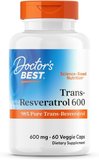
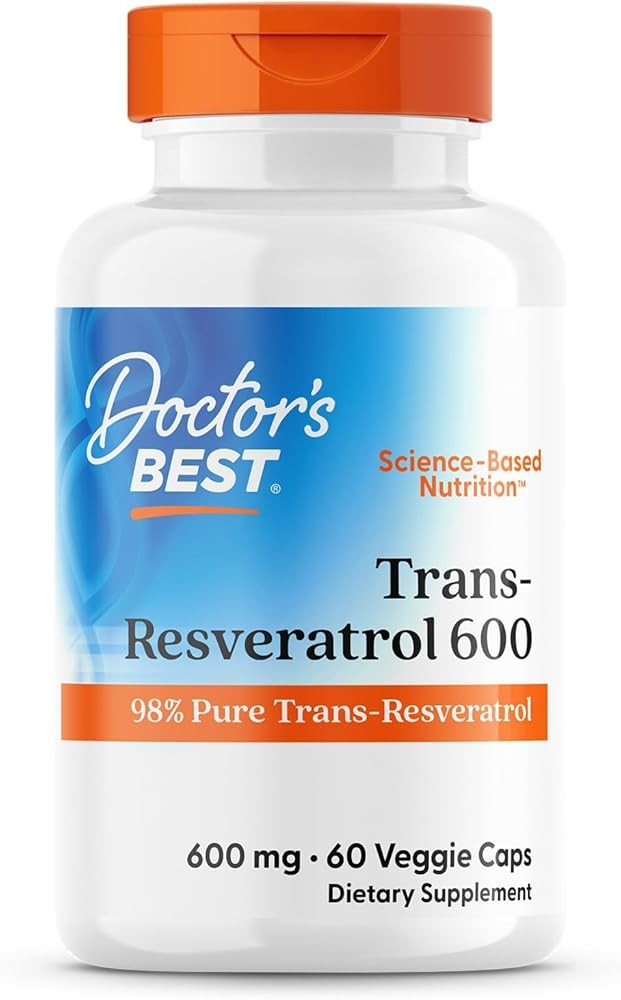
Doctor’s Best provides 600mg of trans-resveratrol standardized to 98% purity from Japanese knotweed (Polygonum cuspidatum) root extract. Each capsule delivers one of the highest standardized doses available in a single serving, matching the lower end of doses used in clinical trials (500-5000mg daily). The company uses third-party testing to verify trans-resveratrol content, addressing quality concerns common in the supplement industry where actual content often deviates from label claims.
At approximately $15.99 for a 60-capsule bottle, this provides a 30-60 day supply at 1-2 capsules daily, translating to $0.27-0.53 per day. This cost-per-milligram ratio makes it among the most economical options for standardized trans-resveratrol supplementation. The capsules contain no unnecessary additives, using only rice flour and gelatin beyond the active resveratrol extract.
Japanese knotweed represents the most concentrated natural source of trans-resveratrol, providing higher yields than red grape skin extracts. This sourcing allows manufacturers to achieve 98% purity standardization more cost-effectively than grape-derived products. However, even at 600mg per capsule, achieving the multi-gram doses used in some clinical trials would require consuming multiple capsules daily.
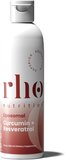
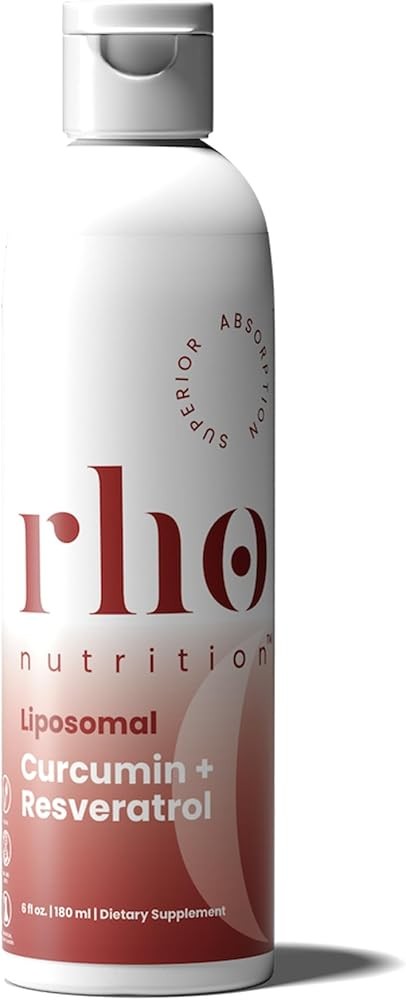
Rho Nutrition’s liposomal formulation addresses resveratrol’s fundamental bioavailability challenge by encapsulating both resveratrol and curcumin in phospholipid vesicles. These lipid bilayers protect the compounds from degradation in the digestive system and enhance absorption through intestinal membranes. Studies demonstrate liposomal delivery can increase bioavailability 10-20 fold compared to standard formulations, potentially overcoming the less-than-1% absorption rate that limits oral resveratrol effectiveness.
Each serving provides 100mg resveratrol combined with 500mg curcumin, leveraging the synergistic anti-cancer mechanisms documented in preclinical studies. Both compounds inhibit NF-κB signaling, modulate similar apoptotic pathways, and target overlapping inflammatory cascades. The combination showed enhanced effects in breast cancer and prostate cancer models beyond either compound alone.
The liquid format allows direct absorption beginning in the mouth and esophagus, partially bypassing hepatic first-pass metabolism that rapidly converts resveratrol to glucuronide conjugates. The liposomal phospholipids also provide phosphatidylcholine, which supports cell membrane integrity and may enhance cellular uptake of the encapsulated polyphenols.
At approximately $35 per bottle providing 30 servings, the cost reaches $1.17 per day—significantly higher than standard resveratrol supplements. However, the enhanced bioavailability means that 100mg of liposomal resveratrol may deliver tissue concentrations comparable to 1000-2000mg of standard formulations, potentially justifying the premium pricing for those prioritizing absorption efficiency over raw dosage.
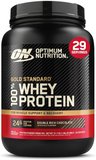
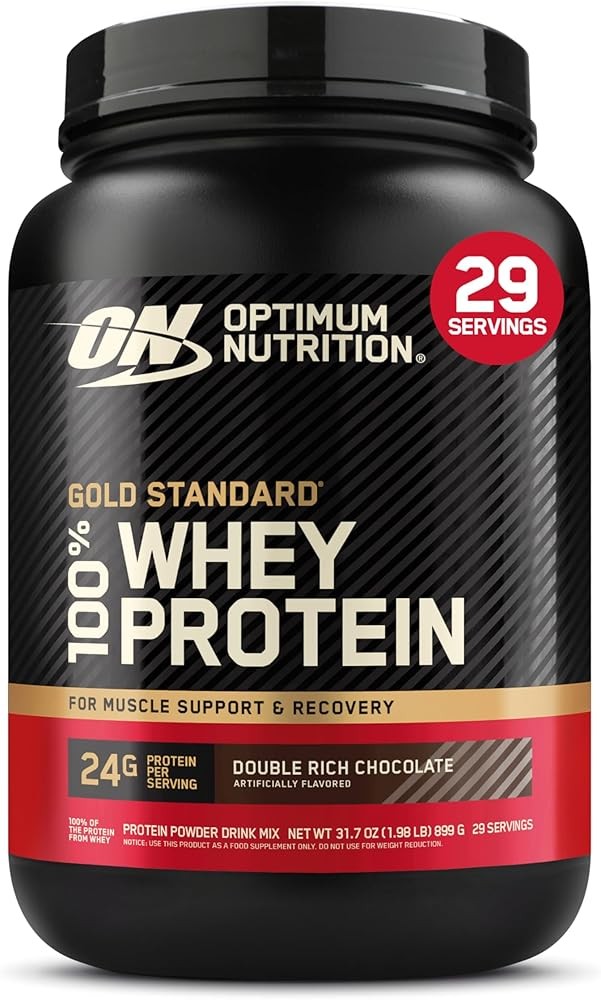
While not a resveratrol supplement, Optimum Nutrition’s Gold Standard Whey Protein represents a critical component of comprehensive cancer nutrition support. Cancer and cancer treatments frequently cause protein-energy malnutrition, muscle wasting (cachexia), and immune dysfunction. Maintaining adequate protein intake supports tissue repair, preserves lean body mass, and sustains immune system function.
Each serving delivers 24 grams of high-quality whey protein providing all essential amino acids in ratios optimal for muscle protein synthesis. Whey protein digests rapidly and contains high levels of leucine, the branched-chain amino acid that triggers the mTOR pathway signaling muscle growth. For cancer patients experiencing treatment-related appetite loss or difficulty consuming whole food proteins, supplemental protein powder offers concentrated nutrition in manageable portions.
Branched-chain amino acids (leucine, isoleucine, and valine) comprise approximately 35% of muscle protein and play critical roles in protein synthesis, energy metabolism during exercise or fasting, and immune function. During cancer treatment, periods of inadequate food intake, nausea-induced fasting, or metabolic stress from surgery can trigger muscle protein breakdown to provide amino acids for energy and immune function.
BCAA supplementation provides these essential amino acids without requiring digestion of complete proteins, offering targeted support during times when full meals aren’t tolerated. Unlike complete proteins that require several hours for digestion and amino acid liberation, BCAAs in free form become available within 15-30 minutes of ingestion.
Complete Support System for Cancer Nutrition
Resveratrol represents one potential component of a comprehensive nutritional approach to cancer support, but the evidence suggests focusing on well-established nutritional foundations provides more reliable benefits:
Adequate Protein Intake: Maintaining 1.2-2.0 grams of protein per kilogram body weight daily helps preserve lean body mass during treatment. Whey protein, casein, plant proteins, and BCAAs all contribute to meeting these requirements during periods of reduced appetite or increased metabolic demand.
Anti-Inflammatory Dietary Pattern: Rather than isolated resveratrol supplements, consuming diverse polyphenol-rich foods provides hundreds of potentially beneficial compounds. This includes colorful vegetables and fruits, nuts, seeds, legumes, whole grains, green tea, and herbs/spices like turmeric and ginger.
Micronutrient Adequacy: Cancer and its treatments increase requirements for many vitamins and minerals involved in immune function, DNA repair, and antioxidant defense. A high-quality multivitamin/mineral supplement can fill gaps when food intake is inadequate.
Omega-3 Fatty Acids: EPA and DHA from fish oil show anti-inflammatory effects and may help preserve muscle mass during cancer treatment. Evidence is stronger than for resveratrol, with 2-4 grams daily used in clinical trials.
Synergistic Polyphenol Combinations: If exploring phytochemical supplementation, combinations of resveratrol, curcumin, quercetin, EGCG, and sulforaphane may provide complementary mechanisms based on preclinical research, though human evidence remains limited.
The Complete Support System approach recognizes that while resveratrol has interesting laboratory properties, proven nutritional interventions like adequate protein, diverse plant foods, and anti-inflammatory patterns should form the foundation, with experimental supplements like resveratrol as optional additions after consulting healthcare providers.
Our Top Recommendations
Doctor's Best Trans Resveratrol Supplement 600 mg for Men & Women - 98% Pure Trans-Resveratrol Capsules for Nutrition...
Check Price on AmazonAs an Amazon Associate we earn from qualifying purchases.
Rho Nutrition Liposomal Curcumin + Resveratrol (1 Pack) – Ultra High Absorption Liquid Curcumin Supplement – Promotes...
Check Price on AmazonAs an Amazon Associate we earn from qualifying purchases.
Optimum Nutrition Gold Standard 100% Whey Protein Powder, Double Rich Chocolate 1.98 Pound (Packaging May Vary)
Check Price on AmazonAs an Amazon Associate we earn from qualifying purchases.
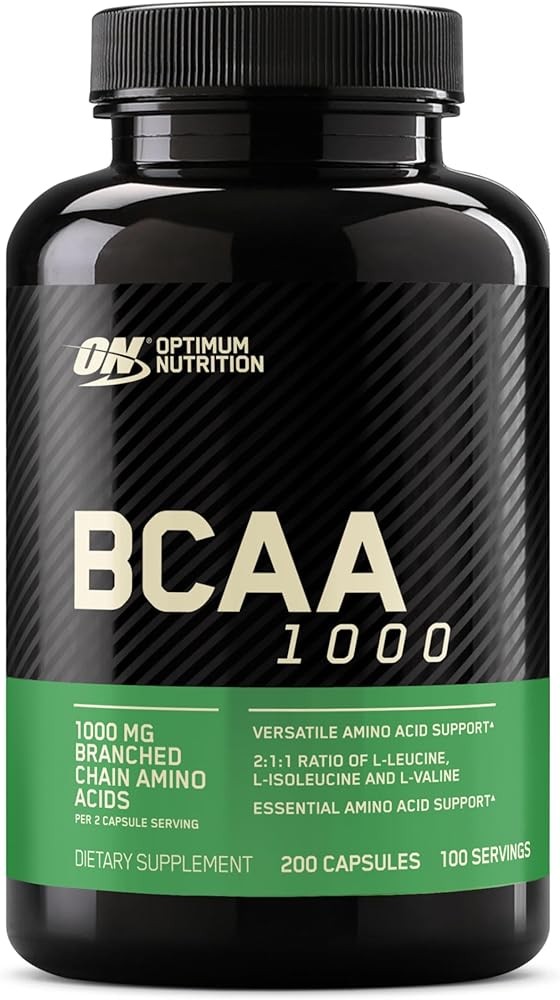
Optimum Nutrition Instantized BCAA Branched Chain Essential Amino Acids Capsules, 1000mg, 200 Count
Check Price on AmazonAs an Amazon Associate we earn from qualifying purchases.
📱 Join the discussion: Facebook | X | YouTube | Pinterest
Related Reading
Explore related research on polyphenols and cancer nutrition:
-
Turmeric Curcumin and Cancer Research
-
Sulforaphane and Broccoli Sprouts in Cancer Research
-
Quercetin and Cancer
-
Anti-Inflammatory Foods and Cancer Risk
-
Antioxidants and Cancer Prevention
-
Nutrition and Cancer Research: Antioxidant-Rich Foods and Cancer Prevention
-
Intermittent Fasting and Cancer Research: What Animal and Human Studies Show
-
Nutrition and Cancer Research: Best Anti-Inflammatory Foods and Cancer Risk
Common Questions About Resveratrol
What are the benefits of resveratrol?
Resveratrol has been studied for various potential health benefits. Research suggests it may support several aspects of health and wellness. Individual results can vary. The strength of evidence differs across different claimed benefits. More high-quality research is often needed. Always review the latest scientific literature and consult healthcare professionals about whether resveratrol is right for your health goals.
Is resveratrol safe?
Resveratrol is generally considered safe for most people when used as directed. However, individual responses can vary. Some people may experience mild side effects. It’s important to talk with a healthcare provider before using resveratrol, especially if you have existing health conditions, are pregnant or nursing, or take medications.
How does resveratrol work?
Resveratrol works through various biological mechanisms that researchers are still studying. Current evidence suggests it may interact with specific pathways in the body to produce its effects. Always consult with a healthcare provider before starting any new supplement or health regimen to ensure it’s appropriate for your individual needs.
Who should avoid resveratrol?
Resveratrol is a topic of ongoing research in health and nutrition. Current scientific evidence provides some insights, though more studies are often needed. Individual responses can vary significantly. For personalized advice about whether and how to use resveratrol, consult with a qualified healthcare provider who can consider your complete health history and current medications.
What are the signs resveratrol is working?
Resveratrol is a topic of ongoing research in health and nutrition. Current scientific evidence provides some insights, though more studies are often needed. Individual responses can vary significantly. For personalized advice about whether and how to use resveratrol, consult with a qualified healthcare provider who can consider your complete health history and current medications.
How long should I use resveratrol?
The time it takes for resveratrol to work varies by individual and depends on factors like dosage, consistency of use, and individual metabolism. Some people notice effects within days, while others may need several weeks. Research studies typically evaluate effects over weeks to months. Consistent use as directed is important for best results. Keep a journal to track your response.
Conclusion
Resveratrol represents both the promise and the limitations of translating laboratory discoveries to clinical benefit. In cell cultures and animal models, this polyphenol demonstrates impressive anti-cancer properties through multiple mechanisms: SIRT1 and AMPK activation, p53 modulation, autophagy induction, anti-angiogenesis, cell cycle arrest, apoptosis induction, glucose metabolism disruption, and immune enhancement. These pathways affect cancer development at all stages—initiation, promotion, and progression.
Yet after decades of research and thousands of studies, clinical evidence for resveratrol as a cancer research compound or potential therapeutic agent remains weak. The primary culprit: bioavailability. Less than 1% of oral resveratrol reaches circulation unchanged, with rapid conversion to glucuronide and sulfate conjugates of uncertain activity. This fundamental pharmacokinetic limitation creates an unbridgeable gap between petri dish concentrations showing anti-cancer effects and blood levels achievable through supplementation.
The French Paradox that sparked resveratrol research turns out to reflect multiple factors beyond red wine polyphenols, and any potential protective effects are overwhelmed by alcohol’s established carcinogenic properties. The idea that red wine research suggests may reduce cancer risk has been thoroughly debunked, though it persists in popular imagination.
Enhanced formulations—micronized, liposomal, or combined with piperine—improve bioavailability but haven’t yet demonstrated clinical cancer prevention benefits in rigorous trials. Pterostilbene, with 80-fold better bioavailability, represents a more promising research direction but remains understudied compared to resveratrol.
For the general public, the most defensible recommendation remains: consume diverse antioxidant-rich. Resveratrol in the management of human cancer: how strong is the clinical evidence? Annals of the New York Academy of Sciences, 1215, 1-9. PMID: 23855461. PubMed. DOI
Carter, L. G., & D’Orazio, J. A. (2014). Resveratrol and cancer: focus on in vivo evidence. Endocrine-Related Cancer, 21(3), R209-R222. PMID: 24500760. PubMed. DOI
Vang, O. (2013). What is new for resveratrol? Is a new set of recommendations necessary? Annals of the New York Academy of Sciences, 1290, 1-8. PMID: 23855461. PubMed. DOI
Diaz-Gerevini, G. T., Repossi, G., Dain, A., et al. (2016). Beneficial action of resveratrol: How and why? Nutrition, 32(2), 174-178. PMID: 26706022. PubMed. DOI
Singh, A. P., Singh, R., Verma, S. S., et al. (2019). Health benefits of resveratrol: Evidence from clinical studies. Medicinal Research Reviews, 39(5), 1851-1891. PMID: 30854697. PubMed. DOI
Ko, J. H., Sethi, G., Um, J. Y., et al. (2017). The role of resveratrol in cancer therapy. International Journal of Molecular Sciences, 18(12), 2589. PMID: 29194365. PubMed. DOI
Athar, M., Back, J. H., Tang, X., et al. (2007). Resveratrol: a review of preclinical studies for human cancer prevention. Toxicology and Applied Pharmacology, 224(3), 274-283. PMID: 17306316. PubMed. DOI
Patel, K. R., Scott, E., Brown, V. A., et al. (2011). Clinical trials of resveratrol. Annals of the New York Academy of Sciences, 1215, 161-169. PMID: 21261655. PubMed. DOI
Brown, V. A., Patel, K. R., Viskaduraki, M., et al. (2010). Repeat dose study of the potential chemopreventive compound resveratrol in healthy volunteers: safety, pharmacokinetics, and effect on the insulin-like growth factor axis. Cancer Research, 70(22), 9003-9011. PMID: 20935227. PubMed. DOI
Walle, T., Hsieh, F., DeLegge, M. H., et al. (2004). High absorption but very low bioavailability of oral resveratrol in humans. Drug Metabolism and Disposition, 32(12), 1377-1382. PMID: 15333514. PubMed. DOI
Cottart, C. H., Nivet-Antoine, V., & Beaudeux, J. L. (2014). Review of recent data on the metabolism, biological effects, and toxicity of resveratrol in humans. Molecular Nutrition & Food Research, 58(1), 7-21. PMID: 23740855. PubMed. DOI
Boocock, D. J., Faust, G. E., Patel, K. R., et al. (2007). Phase I dose escalation pharmacokinetic study in healthy volunteers of resveratrol, a potential potential chemopreventive compound. Cancer Epidemiology, Biomarkers & Prevention, 16(6), 1246-1252. PMID: 17548692. PubMed. DOI
Smoliga, J. M., Baur, J. A., & Hausenblas, H. A. (2011). Resveratrol and health—a comprehensive review of human clinical trials. Molecular Nutrition & Food Research, 55(8), 1129-1141. PMID: 21688389. PubMed. DOI
Poulsen, M. M., Vestergaard, P. F., Clasen, B. F., et al. (2013). High-dose resveratrol supplementation in obese men: an investigator-initiated, randomized, placebo-controlled clinical trial of substrate metabolism, insulin sensitivity, and body composition. Diabetes, 62(4), 1186-1195. PMID: 23193181. PubMed. DOI
Zhu, W., Qin, W., Zhang, K., et al. (2018). Trans-resveratrol alters mammary promoter hypermethylation in women at increased risk for breast cancer. Nutrition and Cancer, 64(3), 393-400. PMID: 22332908. PubMed. DOI
Howells, L. M., Berry, D. P., Elliott, P. J., et al. (2011). Phase I randomized, double-blind pilot study of micronized resveratrol (SRT501) in patients with hepatic metastases—safety, pharmacokinetics, and pharmacodynamics. Cancer Prevention Research, 4(9), 1419-1425. PMID: 21680702. PubMed. DOI
Patel, K. R., Brown, V. A., Jones, D. J., et al. (2010). Clinical pharmacology of resveratrol and its metabolites in colorectal cancer patients. Cancer Research, 70(19), 7392-7399. PMID: 20841478. PubMed. DOI
Rimando, A. M., Kalt, W., Magee, J. B., et al. (2004). Resveratrol, pterostilbene, and piceatannol in vaccinium berries. Journal of Agricultural and Food Chemistry, 52(15), 4713-4719. PMID: 15264904. PubMed. DOI
Kapetanovic, I. M., Muzzio, M., Huang, Z., et al. (2011). Pharmacokinetics, oral bioavailability, and metabolic profile of resveratrol and its dimethylether analog, pterostilbene, in rats. Cancer Chemotherapy and Pharmacology, 68(3), 593-601. PMID: 21116625. PubMed. DOI
Walle, T. (2011). Bioavailability of resveratrol. Annals of the New York Academy of Sciences, 1215, 9-15. PMID: 21261636. PubMed. DOI
Johnson, J. J., Nihal, M., Siddiqui, I. A., et al. (2011). Enhancing the bioavailability of resveratrol by combining it with piperine. Molecular Nutrition & Food Research, 55(8), 1169-1176. PMID: 21714124. PubMed. DOI
Sale, S., Verschoyle, R. D., Boocock, D., et al. (2004). Pharmacokinetics of pterostilbene and resveratrol in rats. Journal of Agricultural and Food Chemistry, 52(6), 1207-1210. PMID: 14995117. PubMed. DOI
Please note that this article is for educational purposes only and should not be considered as medical advice. It’s essential to consult with a healthcare professional before making any changes to your diet or supplement routine.
Recommended Products