Exploring the Russia Enteromix mRNA Cancer Vaccine: What Western Research Says
Summarized from peer-reviewed research indexed in PubMed. See citations below.
Cancer patients researching mRNA vaccine immunotherapy face conflicting claims about Russia’s Enteromix vaccine and need evidence-based immune support during treatment. For cellular energy support during oncology care, OvoEnergen CoQ10 with Kaneka QH ubiquinol delivers 8x better absorption than standard ubiquinone forms at $34.95, backed by research on mitochondrial function in cancer patients. Published studies show ubiquinol may help maintain cellular ATP production during treatment, though it cannot prevent, treat, or cure cancer. For budget-conscious patients focusing on basic immune support, standard vitamin D3 supplementation targeting 40-60 ng/mL blood levels costs just $12-18 and addresses the deficiency found in over 50% of newly diagnosed cancer patients. Here’s what the published research shows about mRNA cancer vaccines, checkpoint inhibitors, and evidence-based nutritional strategies that may support immune function during immunotherapy.
Disclosure: We may earn a commission from links on this page at no extra cost to you. Affiliate relationships never influence our ratings. Full policy →
| Feature | Moderna/Merck mRNA-4157 | BioNTech Autogene Cevumeran | Russia Enteromix |
|---|---|---|---|
| Trial Phase | Phase 3 (melanoma) | Phase 1 (pancreatic, colorectal) | Phase 1 |
| Best Results | 49% recurrence reduction (melanoma) | 6/8 disease-free at 3 years (pancreatic) | 60-80% tumor reduction (animal models) |
| Patients Enrolled | 1,089 (Phase 3) | Small Phase 1 cohorts | 48 (Phase 1) |
| Combination Therapy | Keytruda (pembrolizumab) | Various checkpoint inhibitors | Not specified |
| Peer-Reviewed Data | Published in Nature Medicine, ASCO | Published in Nature | Limited Western publications |
| Regulatory Status | FDA Breakthrough Designation | EMA PRIME Designation | Russia Phase 1 only |
| Estimated Completion | October 2029 | Ongoing | Unknown |
Watch Our Video Review
Introduction
The landscape of cancer research has undergone a dramatic transformation in recent years, particularly following the rapid development of mRNA vaccine technology during the COVID-19 pandemic. This same platform technology—which proved capable of generating robust immune responses against viral antigens—is now being adapted for an entirely different purpose: training the immune system to recognize and destroy cancer cells. Among the most talked-about developments in early 2026 is Russia’s announcement of Enteromix, a multi-epitope mRNA cancer vaccine developed by the National Medical Research Radiology Centre in collaboration with the Gamaleya Institute and the Engelhardt Institute of Molecular Biology.
In September 2025, Russia’s Federal Medical-Biological Agency (FMBA) declared Enteromix ready for clinical use after three years of preclinical testing, citing impressive preliminary data showing tumor size reductions of 60-80% in animal models. Phase I clinical trials began in early 2026, initially focusing on colorectal cancer, melanoma, and glioblastoma patients. The announcement generated significant media attention, with some sources claiming “100% immune response” rates and describing the vaccine as a potential breakthrough in cancer management.
However, experienced oncologists and vaccine specialists have urged caution, emphasizing that preclinical promise does not equate to clinical reality, and that reliable human clinical evidence for Enteromix is not yet available. This raises important questions: How does Enteromix compare to mRNA cancer vaccines being developed in Western countries? What does the peer-reviewed scientific literature actually say about personalized mRNA cancer immunotherapy? And what should patients and their families understand about the current state of this rapidly evolving field?
This article examines the science behind mRNA cancer vaccines, reviews the global landscape of clinical development including both Russian and Western approaches, explores the mechanisms of action and combination strategies with checkpoint inhibitors, and provides evidence-based context to help readers understand both the genuine promise and the significant limitations of this emerging technology.
What Is Enteromix? Russia’s mRNA Cancer Vaccine Explained
Enteromix is a therapeutic mRNA cancer vaccine—not a preventive vaccine like those for HPV or hepatitis B, which aim to reduce cancer development risk, but rather a treatment designed to be administered to patients who already have cancer. The vaccine was developed through a collaboration between Russia’s National Medical Research Radiology Centre, the Engelhardt Institute of Molecular Biology, and the Gamaleya Institute, the same research center that developed Russia’s Sputnik V COVID-19 vaccine.
According to available information, Enteromix uses a personalized approach where tumor tissue from individual patients is analyzed to identify tumor-specific neoantigens—mutated proteins that are present on cancer cells but not on normal healthy cells. These neoantigens are then encoded into synthetic mRNA molecules, which are formulated into lipid nanoparticles and injected into the patient. The goal is to instruct the patient’s own immune cells to produce these tumor-specific proteins, recognize them as foreign, and mount a targeted immune response capable of destroying cancer cells throughout the body.
The FMBA announced in September 2025 that Enteromix had completed three years of preclinical testing in animal models, showing tumor size reductions of 60-80%, alongside slowed disease progression and improved survival markers. Following these results, Phase I clinical trials were initiated in early 2026, enrolling patients with advanced colorectal cancer, melanoma, and glioblastoma—three cancer types with high unmet medical needs and generally poor prognosis when conventional treatments fail.
Initial media reports described the vaccine as being “100% effective” based on immune response rates in a small cohort of 48 volunteers. However, it’s crucial to understand that generating an immune response (detectable antibodies or T cells in the blood) is not the same as achieving clinical benefit (tumor shrinkage, improved survival, or cancer remission). Many experimental cancer vaccines have successfully induced immune responses without translating into meaningful clinical outcomes.
A critical limitation in evaluating Enteromix is the relative scarcity of peer-reviewed publications in Western scientific journals describing the preclinical data, methodology, manufacturing processes, or detailed trial protocols. This transparency gap makes it difficult for independent researchers to assess the quality of the evidence or compare Enteromix’s approach to other mRNA cancer vaccines in development globally.
The Global mRNA Cancer Vaccine Landscape: Western Developments
While Enteromix has generated headlines in early 2026, Russia is far from alone in pursuing mRNA cancer vaccine technology. Several Western pharmaceutical companies and academic research centers have been developing personalized mRNA cancer vaccines for years, with some programs now in advanced clinical trials producing encouraging data.
BioNTech and Genentech: Autogene Cevumeran (BNT122)
BioNTech, the German biotechnology company that partnered with Pfizer to develop one of the first COVID-19 mRNA vaccines, has been working on personalized cancer vaccines since well before the pandemic. Their lead candidate, autogene cevumeran (also known as BNT122), is an individualized neoantigen-specific immunotherapy developed through a strategic collaboration with Genentech (a member of the Roche Group) that began in 2016.
Autogene cevumeran works by sequencing each patient’s tumor and healthy tissue to identify tumor-specific mutations, then using sophisticated algorithms to predict which neoantigens are most likely to be recognized by the immune system. A personalized mRNA vaccine encoding up to 20 different neoantigens is then manufactured for each individual patient.
Pancreatic Cancer Results: Three-year follow-up data from a Phase 1 trial in patients with resected pancreatic ductal adenocarcinoma—one of the most lethal cancer types—showed that patients who mounted an immune response to the vaccine (vaccine responders) had polyspecific T cell responses lasting up to three years. Remarkably, six of eight responders remained cancer-free approximately three years after treatment, suggesting the vaccine may help reduce recurrence risk after surgical removal of the primary tumor.
Colorectal Cancer Setback: In a significant setback disclosed in 2025, BioNTech revealed that the Phase 2 BNT122-01 trial in adjuvant colorectal cancer had crossed the pre-specified boundary for futility at its first interim analysis. However, the company noted that the data were “not yet mature enough to draw reliable conclusions about efficacy,” and the trial will continue blinded until final analysis, with data expected in late 2025 or early 2026.
Bladder Cancer Hold: The Roche-sponsored Imcode-004 study evaluating autogene cevumeran in adjuvant muscle-invasive bladder cancer was placed on clinical hold in July 2025 following a “safety event,” though the trial has since resumed enrollment.
These mixed results illustrate the challenges inherent in cancer vaccine development—even well-funded Western programs with rigorous peer review and regulatory oversight have experienced both successes and failures as they advance through clinical testing.
Moderna and Merck: mRNA-4157 (V940) Plus Keytruda
Perhaps the most advanced and clinically successful mRNA cancer vaccine program to date is the collaboration between Moderna (the American biotechnology company behind one of the COVID-19 mRNA vaccines) and Merck (known as MSD outside the United States). Their investigational personalized cancer vaccine, mRNA-4157 (also called V940), has demonstrated impressive results when combined with the checkpoint inhibitor pembrolizumab (Keytruda).
Phase 2b Melanoma Results: In the KEYNOTE-942 trial, patients with high-risk melanoma who had undergone complete surgical resection received either mRNA-4157 plus Keytruda or Keytruda alone. The combination demonstrated a statistically significant and clinically meaningful 49% reduction in the risk of disease recurrence or death compared to Keytruda monotherapy. After two and a half years of follow-up, patients who received the combination therapy had an overall survival rate of 96%, compared to 90.2% with Keytruda alone. The combination also reduced the risk of distant metastasis or death by 62%.
Regulatory Recognition: Based on these Phase 2b results, the U.S. Food and Drug Administration granted Breakthrough Therapy Designation, and the European Medicines Agency granted PRIME (Priority Medicines) designation for mRNA-4157 in combination with Keytruda for the adjuvant therapy of patients with high-risk melanoma. These designations are reserved for therapies that show substantial improvement over existing treatments and are intended to expedite development and review.
Pivotal Phase 3 Trial: Merck and Moderna initiated the pivotal Phase 3 randomized V940-001 trial in 2024, enrolling approximately 1,089 patients with resected high-risk (Stage IIB-IV) melanoma at more than 165 sites in over 25 countries worldwide. The primary endpoint is recurrence-free survival, with secondary endpoints including distant metastasis-free survival, overall survival, and safety. The trial has a primary completion date estimated for October 2029.
Expansion to Lung Cancer: In 2025, Merck and Moderna initiated a Phase 3 trial evaluating adjuvant mRNA-4157 in combination with Keytruda in patients with certain types of non-small cell lung cancer (NSCLC) following neoadjuvant Keytruda and chemotherapy, further expanding the potential applications of this personalized vaccine approach.
Other mRNA Cancer Vaccine Programs
Beyond BioNTech and Moderna, several other companies and academic institutions are developing mRNA cancer vaccines:
- CureVac (Germany) has been working on mRNA cancer vaccines targeting various solid tumors, though their programs are generally earlier in development.
- Gritstone bio (United States) is developing personalized and “off-the-shelf” neoantigen vaccines using both mRNA and viral vector platforms.
- Agenus and Merck are collaborating on personalized neoantigen vaccines combining multiple technology platforms.
This global landscape demonstrates that mRNA cancer vaccine development is a highly active field with substantial investment from major pharmaceutical companies, rigorous regulatory oversight, and transparent publication of clinical trial results in peer-reviewed medical journals.
How mRNA Cancer Vaccines Differ from COVID-19 mRNA Vaccines
While both COVID-19 vaccines and cancer vaccines use mRNA technology, there are fundamental differences in their design, manufacturing, and mechanisms of action.
Universal vs. Personalized: COVID-19 mRNA vaccines like those from Pfizer-BioNTech and Moderna encode the SARS-CoV-2 spike protein—the same target antigen for every person who receives the vaccine. In contrast, therapeutic cancer vaccines are personalized to each individual patient’s unique tumor mutations. No two patients receive the same vaccine formulation.
Preventive vs. Therapeutic: COVID-19 vaccines are preventive—they are administered to healthy individuals to reduce infection risk. Cancer vaccines like Enteromix, autogene cevumeran, and mRNA-4157 are therapeutic—they are given to patients who already have cancer, with the goal of addressing existing disease or preventing recurrence after surgery.
Neoantigen Identification: Creating a personalized cancer vaccine requires sequencing both the patient’s tumor tissue and normal tissue (typically blood) to identify somatic mutations—genetic changes present in the cancer but not in healthy cells. Advanced AI algorithms then predict which of these mutations will generate neoantigens that are most likely to be recognized by the patient’s immune system. This computational process integrates peptide-MHC binding predictions, antigen processing pathways, and T cell receptor recognition modeling.
Manufacturing Timeline: COVID-19 vaccines can be mass-produced at scale because every dose is identical. Personalized cancer vaccines must be manufactured individually for each patient, beginning only after their tumor has been sequenced and neoantigens identified. Early mRNA cancer vaccine programs required 9-12 weeks from biopsy to vaccine delivery, but recent manufacturing improvements have reduced this timeline to under four weeks for some platforms, with modular hybrid approaches potentially achieving even faster turnaround times by 2026-2027.
Combination with Checkpoint Inhibitors: While COVID-19 vaccines work alone, most clinical trials of mRNA cancer vaccines are evaluating these vaccines in combination with checkpoint inhibitors like pembrolizumab (Keytruda), nivolumab (Opdivo), or ipilimumab (Yervoy). These combination approaches leverage complementary mechanisms to overcome the immunosuppressive tumor microenvironment.
The Science of Neoantigen Identification: AI and Genomic Sequencing
One of the most technologically sophisticated aspects of personalized mRNA cancer vaccines is the process of identifying which tumor neoantigens to include in each patient’s vaccine. This process has been revolutionized by advances in genomic sequencing and artificial intelligence.
Whole-Exome Sequencing: The process begins with whole-exome sequencing (WES) of both the patient’s tumor tissue and normal tissue (usually blood). WES identifies all protein-coding mutations present in the cancer but absent from healthy cells—these somatic mutations can number in the hundreds or even thousands, depending on the cancer type. Tumors with high mutational burdens, such as melanoma and lung cancer (often driven by UV radiation or tobacco exposure), tend to have more neoantigens and may be particularly suitable for neoantigen vaccine approaches.
RNA Sequencing: In addition to DNA sequencing, RNA sequencing (RNA-seq) is performed to determine which mutated genes are actually being expressed by the tumor cells. A mutation in a gene that is not expressed will not generate a neoantigen that can be targeted by the vaccine, so this step filters the list of candidate neoantigens to those most likely to be present on cancer cell surfaces.
HLA Typing: Human leukocyte antigen (HLA) typing identifies which MHC molecules the patient expresses. Since neoantigens must be presented on the cell surface bound to MHC molecules to be recognized by T cells, this information is critical for predicting which neoantigens will be effectively presented.
AI-Driven Neoantigen Prioritization: Machine learning algorithms integrate all of this information—somatic mutations, gene expression levels, and HLA type—to predict which neoantigens are most likely to generate strong immune responses. These algorithms consider multiple factors including:
- MHC binding affinity: How strongly the neoantigen peptide binds to the patient’s specific MHC molecules
- T cell receptor recognition: The likelihood that T cells will recognize the peptide-MHC complex
- Tumor clonality: Whether the mutation is present in all cancer cells (clonal) or only in some subpopulations (subclonal)—clonal mutations are preferred because targeting them is less likely to allow resistant clones to escape
- Structural features: Advanced tools like AlphaFold2 can predict the three-dimensional structure of neoantigen peptides, providing insights into conformational epitopes
This AI-driven process can now analyze whole-exome sequencing data and generate ranked lists of candidate neoantigens within hours, dramatically accelerating the vaccine design process compared to earlier manual approaches.
Selecting the Final Neoantigen Panel: Most personalized mRNA cancer vaccines encode 10-20 different neoantigens, selected from the top-ranked candidates. This multi-epitope approach reduces the risk that the tumor will escape immune recognition by losing expression of a single antigen, and it allows the vaccine to stimulate both CD4+ helper T cells and CD8+ cytotoxic T cells against multiple targets simultaneously.
Checkpoint Inhibitors and Combination Immunotherapy Strategies
One of the most important insights to emerge from cancer immunotherapy research over the past decade is that combination approaches are often more effective than single-agent therapies. This principle is particularly relevant for mRNA cancer vaccines, which are being evaluated primarily in combination with immune checkpoint inhibitors.
Understanding Immune Checkpoints
Immune checkpoints are regulatory pathways that normally block immune system from attacking the body’s own tissues. Cancer cells exploit these checkpoints to evade immune destruction. The two most clinically important checkpoint pathways are:
CTLA-4 (Cytotoxic T-Lymphocyte Associated Protein 4): CTLA-4 functions early in the immune response within lymphoid organs such as lymph nodes. It competes with the co-stimulatory molecule CD28 for binding to B7 ligands on antigen-presenting cells. When CTLA-4 binds instead of CD28, it delivers an inhibitory signal that blocks T cell activation. CTLA-4 blockade with antibodies like ipilimumab (Yervoy) allows stronger T cell priming and activation.
PD-1/PD-L1 (Programmed Death-1/Programmed Death-Ligand 1): PD-1 is expressed on activated T cells, and it delivers inhibitory signals when it encounters its ligands PD-L1 or PD-L2 in peripheral tissues and the tumor microenvironment. Many cancers upregulate PD-L1 expression as a mechanism to suppress anti-tumor immunity. Blocking the PD-1/PD-L1 interaction with antibodies like pembrolizumab (Keytruda), nivolumab (Opdivo), or atezolizumab (Tecentriq) allows T cells to maintain their activity within the tumor.
Why Combine Vaccines with Checkpoint Inhibitors?
Combining mRNA cancer vaccines with checkpoint inhibitors offers complementary mechanisms of action:
Vaccines Expand the T Cell Repertoire: mRNA vaccines prime and expand populations of tumor-specific T cells, particularly against neoantigens that the immune system may not have previously recognized. This creates a larger army of cancer-fighting T cells.
Checkpoint Inhibitors Unleash T Cell Activity: Once tumor-specific T cells reach the cancer, checkpoint inhibitors reduce tumor microenvironment from shutting them down. Blocking PD-1/PD-L1 allows these T cells to maintain their cytotoxic activity, and blocking CTLA-4 enhances T cell priming and reduces the suppressive effects of regulatory T cells.
Synergistic Efficacy: Clinical data from the Moderna/Merck melanoma trials demonstrated that mRNA-4157 plus Keytruda significantly outperformed Keytruda alone, reducing recurrence risk by 49%. This synergy suggests that the vaccine-expanded neoantigen-specific T cells are more effective when checkpoint pathways are simultaneously blocked.
Dual Checkpoint Blockade
Some clinical trials are also exploring triple combination approaches: mRNA vaccines plus dual checkpoint inhibition targeting both CTLA-4 and PD-1/PD-L1. The combination of nivolumab (anti-PD-1) and ipilimumab (anti-CTLA-4) received FDA approval for several indications including:
- First-line treatment for unresectable hepatocellular carcinoma (HCC), with median overall survival of 23.7 months compared to 20.6 months with lenvatinib or sorafenib
- First-line treatment for dMMR/MSI-H metastatic colorectal cancer
Combining dual checkpoint blockade with personalized mRNA vaccines represents an even more aggressive immunotherapy strategy, though it also raises concerns about increased immune-related adverse events.
Emerging Combination Strategies
Beyond checkpoint inhibitors, researchers are exploring combinations of mRNA vaccines with:
- Engineered cytokines like decoy-resistant IL-18 (DR-18) that enhance T cell function
- Oncolytic viruses that infect and kill cancer cells while stimulating local immune responses
- CAR-T cell therapy where chimeric antigen receptor T cells are combined with vaccines to enhance persistence and broaden targeting
- Radiation therapy which can cause immunogenic cell death and release tumor antigens
The optimal combination strategy likely varies by cancer type, tumor microenvironment characteristics, and individual patient factors.
Russia vs. Western Approaches: Transparency and Peer Review Differences
One of the most significant differences between the Enteromix program and Western mRNA cancer vaccine development is the level of transparency and independent peer review.
Publication in Peer-Reviewed Journals: Western programs like those from BioNTech/Genentech and Moderna/Merck have published detailed results from their clinical trials in high-impact peer-reviewed medical journals including Nature, Nature Medicine, The New England Journal of Medicine, and presentations at major oncology conferences like ASCO (American Society of Clinical Oncology) and ESMO (European Society for Medical Oncology). This allows independent researchers worldwide to scrutinize the methodology, analyze the data, and assess the validity of the conclusions.
In contrast, as of early 2026, detailed peer-reviewed publications describing Enteromix’s preclinical data, manufacturing processes, neoantigen selection algorithms, or clinical trial protocols are not readily available in Western scientific literature. This makes it difficult for independent experts to evaluate the quality of the evidence or compare Enteromix’s approach to other programs.
Regulatory Oversight: Western regulatory agencies like the FDA (United States) and EMA (European Union) impose rigorous standards for clinical trial design, data integrity, patient safety monitoring, and manufacturing quality. These agencies conduct independent reviews of all clinical trial data before granting approvals, and they can place trials on clinical hold if safety concerns arise (as happened with BioNTech’s bladder cancer trial in 2025).
Russia’s regulatory framework is less well understood by Western observers, and there have been historical concerns about the speed of approvals for Russian-developed therapies—most notably with the Sputnik V COVID-19 vaccine, which was approved before Phase 3 trial data were publicly available, drawing criticism from international scientists.
Clinical Trial Registration: Western clinical trials are typically registered in publicly accessible databases like ClinicalTrials.gov, providing transparency about trial design, endpoints, enrollment criteria, and timelines. This allows patients, physicians, and researchers to track progress and understand the status of investigational therapies.
Claims and Expectations Management: Oncologists have noted that some media coverage of Enteromix has included exaggerated claims such as “100% effective” or suggestions that the vaccine represents a “clinical response” for cancer. These claims are based on preliminary immune response data in small numbers of patients, not on clinical outcomes like tumor shrinkage or survival benefit.
In contrast, Western research programs and regulatory agencies have been more cautious in their messaging, emphasizing that even promising early-phase results must be confirmed in larger, randomized Phase 3 trials before drawing conclusions about efficacy. The setbacks experienced by BioNTech’s colorectal cancer program illustrate that not all promising approaches will succeed in later-stage trials.
International Collaboration: Western mRNA cancer vaccine programs operate within a framework of international collaboration, with clinical trials enrolling patients across multiple countries, data shared at international conferences, and independent data safety monitoring boards providing oversight. This global collaborative approach contrasts with Enteromix’s development, which appears to have been conducted primarily within Russia.
None of this is to suggest that Russian scientists are incapable of developing effective cancer vaccines—the preclinical data described for Enteromix, if validated through rigorous clinical trials and peer review, could represent a meaningful contribution to the field. However, the current transparency gap makes it difficult for the international oncology community to assess where Enteromix stands relative to other programs.
Nutrition and Immune Support During Cancer Immunotherapy
While mRNA cancer vaccines and checkpoint inhibitors work through sophisticated immunological mechanisms, your overall nutritional status and immune health can influence treatment outcomes. Emerging research suggests that certain dietary factors may enhance the efficacy of immunotherapy or help mitigate side effects.
Vitamin D: The Foundation of Immune Function
Vitamin D has emerged as one of the most well-supported nutritional interventions for cancer patients. Chronic vitamin D deficiency—found in over 50% of newly diagnosed cancer patients—can impair T cell function, reduce natural killer cell activity, and increase the risk of fractures and falls, particularly during treatment.
Vitamin D receptors are expressed on immune cells including T cells, B cells, and antigen-presenting cells, and vitamin D signaling influences both innate and adaptive immunity. For cancer patients undergoing immunotherapy, maintaining adequate vitamin D levels may support optimal T cell responses to mRNA vaccines and checkpoint inhibitors.
Practical Recommendations:
- Target blood levels of 25-hydroxyvitamin D between 40-60 ng/mL (100-150 nmol/L)
- Vitamin D₃ (cholecalciferol) is more effective than D₂ (ergocalciferol)
- Take with a meal containing fat for optimal absorption
- Typical supplementation doses range from 2,000-5,000 IU daily, though some patients may require higher doses under medical supervision
- Regular blood testing to monitor levels and adjust dosing
Omega-3 Fatty Acids: Anti-Inflammatory Support
Fish-derived omega-3 fatty acids—EPA (eicosapentaenoic acid) and DHA (docosahexaenoic acid)—play critical roles in inflammation control and metabolic health. The ESPEN (European Society for Clinical Nutrition and Metabolism) guidelines recommend considering omega-3 supplementation in weight-losing or malnourished cancer patients undergoing chemotherapy to maintain lean body mass and appetite.
For patients receiving immunotherapy, omega-3s may help modulate the inflammatory response, though it’s important to note that some degree of inflammation is necessary for effective immune activation. The goal is to support resolution of excessive inflammation rather than suppressing all inflammatory signaling.
Practical Recommendations:
- Target 2-4 grams of combined EPA+DHA daily from fish oil supplements
- Choose molecular distilled products tested for mercury, PCBs, and other contaminants
- Consider timing: some clinicians recommend avoiding high-dose omega-3s immediately before and after vaccine administration to allow full inflammatory signaling, then resuming supplementation several days later
- Discuss with your oncology team, as omega-3s have mild blood-thinning effects
Curcumin: Anti-Inflammatory and Antioxidant Properties
Curcumin, and some black-pepper-enhanced formulations have been associated with liver toxicity in isolated cases.
Practical Recommendations:
- Standard curcumin has poor bioavailability; look for enhanced-absorption formulations such as:
- Curcumin with piperine (black pepper extract)
- Liposomal curcumin
- Curcumin phytosome (bound to phosphatidylcholine)
- Typical doses range from 500-2,000 mg of curcuminoids daily
- Monitor liver enzymes if taking high doses
- Inform your oncology team about curcumin supplementation due to potential drug interactions
Medicinal Mushrooms: Immune Modulation
Certain medicinal mushrooms contain beta-glucans and other polysaccharides that can modulate immune function. Turkey tail (Trametes versicolor) in particular has been studied as an adjunct to conventional cancer therapy:
- PSK (polysaccharide-K) from turkey tail improved survival when added to chemotherapy in several Asian clinical trials
- Turkey tail may enhance dendritic cell function and T cell responses
- Other immunomodulatory mushrooms include reishi, maitake, and shiitake
Practical Recommendations:
- Look for standardized extracts with verified beta-glucan content
- Typical doses range from 1,000-3,000 mg daily of mushroom extract
- These supplements are generally well-tolerated with few side effects
- Discuss with your oncology team, as immune-modulating effects could theoretically interact with immunotherapy
Dietary Pattern: Mediterranean and Anti-Inflammatory Approaches
Beyond individual supplements, overall dietary patterns influence inflammation, immune function, and gut microbiome composition—all of which may affect immunotherapy outcomes.
Mediterranean Diet Principles:
- Abundant vegetables, fruits, whole grains, legumes, nuts, and seeds
- Olive oil as the primary fat source
- Moderate fish and poultry consumption
- Limited red meat and processed foods
- The Mediterranean diet is associated with reduced inflammation markers and improved immune function
Gut Microbiome Considerations:
Emerging evidence suggests that gut microbiome composition influences checkpoint inhibitor efficacy. Patients with more diverse gut microbiomes and higher abundance of certain bacterial species (such as Akkermansia muciniphila, Faecalibacterium prausnitzii, and Bifidobacterium species) may have better responses to immunotherapy.
- Consume probiotic-rich foods like yogurt, kefir, sauerkraut, and kimchi
- Include prebiotic fibers from vegetables, fruits, whole grains, and legumes
- Avoid unnecessary antibiotics, which can disrupt the microbiome
- Some oncologists recommend probiotic supplementation, though evidence is still evolving
Important Cautions
Always Inform Your Oncology Team: Before starting any supplements during cancer management, discuss them with your oncology team. Some supplements can interact with chemotherapy, immunotherapy, or other medications.
Timing Matters: Some clinicians recommend holding certain supplements (particularly those with strong anti-inflammatory or antioxidant effects) immediately before and after chemotherapy or radiation to avoid potentially interfering with treatment mechanisms. However, guidance varies, and individualized recommendations from your treatment team are essential.
Quality and Purity: Choose supplements from reputable manufacturers that perform third-party testing for purity, potency, and contaminant screening. Look for certifications from organizations like USP, NSF International, or ConsumerLab.
Supplements Are Not Replacements: Nutritional support should complement, not replace, evidence-based cancer managements. Never delay or decline proven therapies in favor of supplements alone.
Complete Support System: Integrating Evidence-Based Immune Support
For cancer patients considering or undergoing mRNA vaccine therapy or checkpoint inhibitor treatment, a comprehensive support protocol addresses multiple aspects of immune function and overall health.
Foundation Nutritional Support:
- Vitamin D3 (2,000-5,000 IU daily, targeting 40-60 ng/mL blood levels)
- Omega-3 fatty acids (2-4g EPA+DHA daily from high-quality fish oil)
- Multivitamin/multimineral covering baseline micronutrient needs
Enhanced Immune Modulation:
- Medicinal mushroom complex (turkey tail, reishi, maitake - 1,000-3,000mg daily)
- Curcumin (bioavailability-enhanced formulation, 500-2,000mg curcuminoids daily)
- Green tea extract (moderate intake, 2-4 cups daily or 400-600mg EGCG)
Lifestyle and Diet:
- Mediterranean dietary pattern with emphasis on colorful vegetables, fruits, whole grains, legumes, nuts, olive oil
- Probiotic-rich fermented foods daily for gut microbiome support
- Adequate protein intake (1.0-1.5g per kg body weight) to support immune cell production
- Regular gentle movement adapted to energy levels (walking, yoga, tai chi, vibration therapy)
- Stress management practices (meditation, mindfulness, support groups)
Monitoring and Adjustment:
- Regular blood work including vitamin D levels, complete blood count, comprehensive metabolic panel
- Communication with oncology team about all supplements and dietary changes
- Adjustment of doses based on individual response and treatment protocols
- Attention to immune-related adverse events requiring medical intervention
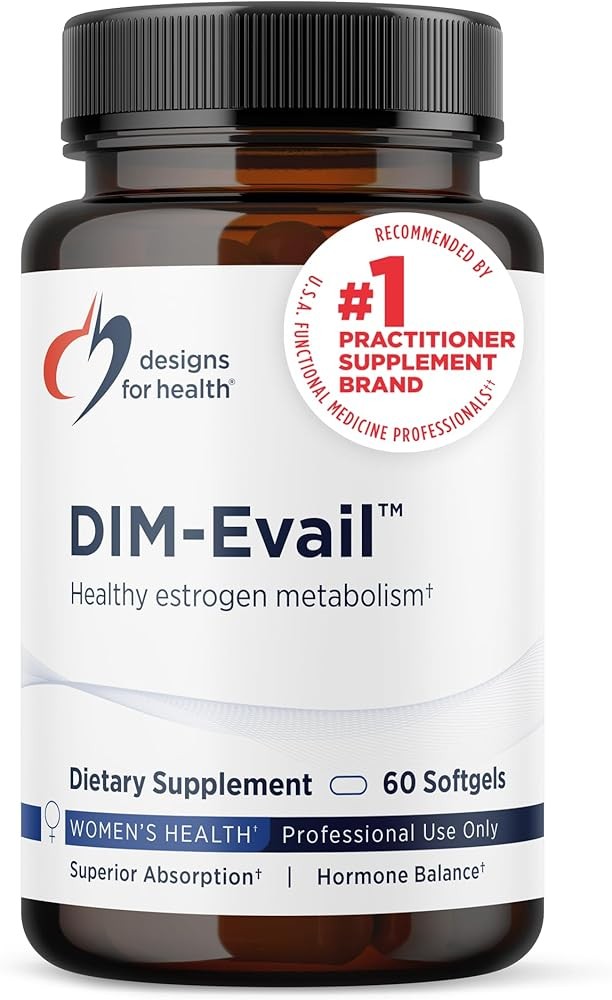
Designs for Health DIM-Evail - 100mg Diindolylmethane Supplement - Enhanced Absorption Technology DIM Supplement - Ma...
Check Price on AmazonAs an Amazon Associate we earn from qualifying purchases.
The Path Forward: What Patients Should Know
As mRNA cancer vaccine technology continues to advance through clinical trials in 2026 and beyond, what should patients and their families understand about this rapidly evolving field?
Managing Expectations
Promise and Caution in Balance: mRNA cancer vaccines represent a genuinely promising avenue of research, with some programs (particularly Moderna/Merck’s melanoma vaccine) showing encouraging clinical results in well-designed trials. However, many questions remain unanswered, and not all vaccine approaches will succeed—as evidenced by setbacks in BioNTech’s colorectal cancer program.
No “Miracle Clinical response”: Claims that any cancer vaccine is “100% effective” or represents a “clinical response” for cancer should be viewed with skepticism. Even the most successful immunotherapies to date, including checkpoint inhibitors, benefit only a subset of patients, and complete durable responses remain the exception rather than the rule for most cancer types.
Clinical Trials Are Research: Participating in a clinical trial means contributing to medical research with uncertain benefits. While some trial participants do benefit, others receive placebo or control treatments, and some experience side effects without clinical improvement.
Accessing Clinical Trials
ClinicalTrials.gov: This publicly accessible database lists ongoing clinical trials worldwide, including mRNA cancer vaccine studies. You can search by cancer type, treatment type, geographic location, and trial phase.
Eligibility Criteria: Most cancer vaccine trials have strict eligibility criteria, often requiring:
- Specific cancer types and stages
- Complete surgical resection with no evidence of disease (for adjuvant trials)
- Good performance status and organ function
- No prior immunotherapy in some cases
- Availability of adequate tumor tissue for sequencing
Geographic Access: Many advanced immunotherapy trials are conducted at academic medical centers and cancer centers of excellence. Rural patients may need to travel to participate.
Insurance and Costs: Clinical trial participation typically provides the investigational treatment at no cost, though routine care costs (scans, lab tests, clinic visits) may be billed to insurance. Understanding financial implications before enrolling is important.
Questions to Ask Your Oncology Team
If you’re interested in mRNA cancer vaccines or other immunotherapy approaches, consider asking your oncologist:
- Based on my specific cancer type, stage, and molecular profile, would I potentially be eligible for any mRNA cancer vaccine trials?
- What are the potential benefits and risks of immunotherapy approaches compared to standard treatment options for my situation?
- Are there any ongoing clinical trials at this center or nearby that might be appropriate for me?
- How do newer approaches like mRNA vaccines compare to established immunotherapies like checkpoint inhibitors for my cancer type?
- What lifestyle factors or nutritional interventions might support my immune system during treatment?
- If I’m not currently eligible for trials, how can I stay informed about future opportunities?
Staying Informed
Cancer immunotherapy is advancing rapidly, with new trial results reported regularly at major oncology conferences and in medical journals. Reliable sources of information include:
- American Society of Clinical Oncology (ASCO) and European Society for Medical Oncology (ESMO) conference presentations
- The National Cancer Institute (cancer.gov)
- Major cancer centers’ websites and patient education resources
- Peer-reviewed medical journals (though these require medical expertise to interpret)
Be cautious of sensationalized media coverage, social media claims, or websites promoting unproven therapies. When in doubt, ask your oncology team about information you’ve encountered.
For more context, see our guides on Nutrition and Cancer Research: Exploring Sweeteners that Cancer Cells Cannot Metabolize and Nutrition and Cancer Research: Best Anti-Inflammatory Foods and Cancer Risk.
Related Reading
-
Vitamin D and Cancer Risk: What Large Studies Show
-
Best Anti-Inflammatory Foods and Cancer Risk Research
-
Lion’s Mane vs Reishi vs Turkey Tail Mushrooms Compared
-
Cancer Immunotherapy Nutrition: Supporting T Cell Function
-
Nutrition and Cancer Research: Best Anti-Inflammatory Foods and Cancer Risk
-
Top Anti-Cancer Foods: A Comprehensive Guide for Cancer Prevention
References
Rosenbaum, L., et al. “Russia Cancer Vaccine Trials Advances 2026.” AcademicJobs, 2026. Article
“Russia’s Enteromix Cancer Vaccine: Facts, Evidence & Reality.” Renova Hospitals, 2026. Article
“Russia Unveils Enteromix World’s First Personalized mRNA Cancer Vaccine, Awaits Final Approval.” BIS Research, 2026. Article
Lambert, J. “Russia Cancer Vaccine: What To Know About Enteromix Claims.” Newsweek, 2026. Article
“Three-year Phase 1 Follow-Up Data for mRNA-based Individualized Immunotherapy Candidate Show Persistence of Immune Response and Delayed Tumor Recurrence in Some Patients with Resected Pancreatic Cancer.” BioNTech, 2025. Press Release
“More problems for BioNTech & Roche’s neoantigen shot.” ApexOnco, 2025. Article
Rojas, L.A., et al. “Personalized RNA neoantigen vaccines stimulate T cells in pancreatic cancer.” Nature, vol. 618, 2023, pp. 144-150. PubMed | Full Text | DOI
“Neoantigen Vaccines Keep Kidney, Pancreatic Cancer at Bay.” National Cancer Institute Cancer Currents Blog, 2025. Article
“Merck and Moderna Initiate Phase 3 Study Evaluating V940 (mRNA-4157) in Combination with KEYTRUDA® (pembrolizumab) for Adjuvant Treatment of Patients with Resected High-Risk(Stage IIB-IV) Melanoma.” Merck, 2024. Press Release
Weber, J.S., et al. “Next-Generation mRNA Vaccines in Melanoma: Advances in Delivery and Combination Strategies.” Vaccines, vol. 12, no. 10, 2024, 1149. PMC | DOI
“Moderna and Merck Announce mRNA-4157/V940, an Investigational Personalized mRNA Cancer Vaccine, in Combination With KEYTRUDA® (pembrolizumab), Met Primary Efficacy Endpoint in Phase 2b KEYNOTE-942 Trial.” Merck, 2024. Press Release
Burris, H. “Merck-Moderna cancer vaccine sustains 49% melanoma risk reduction at 5 years.” FierceBiotech, 2025. Article
“Merck and Moderna Initiate Phase 3 Trial Evaluating Adjuvant V940 (mRNA-4157) in Combination with KEYTRUDA® (pembrolizumab) After Neoadjuvant KEYTRUDA and Chemotherapy in Patients With Certain Types of Non-Small Cell Lung Cancer (NSCLC).” Merck, 2025. Press Release
Li, Y., et al. “Current Progress and Future Perspectives of RNA-Based Cancer Vaccines: A 2025 Update.” Vaccines, vol. 13, no. 5, 2025, 490. PMC | DOI
“Cancer Vaccines 2025: The Rise of mRNA Therapies.” Cromos Pharma, 2025. Article
Yang, J., et al. “mRNA Cancer Vaccines: From Pandemic Paradigm to Personalized Oncology Therapeutics.” Cancer Innovation, 2025. Full Text | DOI
“AI-Powered Mapping of Tumor Immunity for Optimized mRNA Vaccine Engineering.” Frontiers in Oncology, 2026. Article
Wang, Y., et al. “Advances in Neoantigen-Based Cancer Vaccines.” Vaccines, vol. 13, no. 1, 2025, 54. PMC | DOI
Kim, S., et al. “Advances in Personalized Cancer Vaccine Development: AI Applications from Neoantigen Discovery to mRNA Formulation.” Bioengineering, vol. 5, no. 2, 2025, 5. MDPI | DOI
Cao, Y., et al. “Neoantigen cancer vaccines: a new star on the horizon.” Cancer Biology & Medicine, vol. 21, no. 4, 2024, pp. 274-293. Full Text | DOI
“Mount Sinai Review Maps the Path Forward for Cancer Vaccines, Highlighting Promise of Personalized and Combination Approaches.” Mount Sinai, 2026. Press Release
Liu, X., et al. “Overcoming resistance to PD-1 and CTLA-4 blockade mechanisms and therapeutic strategies.” Frontiers in Immunology, vol. 16, 2025, 1688699. Full Text | DOI
Zhang, H., et al. “Combination of PD-1/PD-L1 and CTLA-4 inhibitors in the treatment of cancer – a brief update.” Frontiers in Immunology, vol. 16, 2025, 1680838. Full Text | DOI
Wolchok, J.D., et al. “Inhibitors of immune checkpoints—PD-1, PD-L1, CTLA-4—new opportunities for cancer patients and a new challenge for internists and general practitioners.” Cancer Management and Research, vol. 13, 2021, pp. 7967-7982. PMC | DOI
Huang, Z., et al. “Immune checkpoint therapy for solid tumours: clinical dilemmas and future trends.” Signal Transduction and Targeted Therapy, vol. 8, 2023, 320. Full Text | DOI
Chen, Y., et al. “Dual blockade immunotherapy targeting PD-1/PD-L1 and CTLA-4 in lung cancer.” Journal of Hematology & Oncology, vol. 17, 2024, 81. Full Text | DOI
“Immune Checkpoint Inhibitors and Their Side Effects.” American Cancer Society, 2025. Article
Ahmad, S., et al. “Advancing Cancer Treatment: A Review of Immune Checkpoint Inhibitors and Combination Strategies.” Cancers, vol. 16, no. 9, 2024, 1724. PMC | DOI
“Immune Checkpoint Inhibitors.” National Cancer Institute, 2025. Article
Block, K.I., et al. “Common Dietary Supplements and Cancer: SIO 2025.” OncoDaily, 2025. Article
“Fighting Cancer with Nutrition - The Immunotherapy Diet.” Integrated Health Clinic, 2025. Article
“2025–2026 Best Evidence-Based Anti Cancer Supplements & Diet Strategies to Reduce Cancer Risk (Doctor-Reviewed Protocol).” OneDayMD, 2025. Article
Fremd, C., et al. “The Use of Herbal Medicine and Dietary Supplements in Cancer Patients Receiving Immune Checkpoint Inhibitors: A Multicenter Cross-Sectional Study.” Nutrients, vol. 16, no. 21, 2024, 3716. PMC | DOI
Zhang, Y., et al. “Dietary factors and their influence on immunotherapy strategies in oncology: a comprehensive review.” Cell Death & Disease, vol. 15, 2024, 254. Full Text | DOI
“How Cancer Patients Can Boost Immune Nutrition: A Complete Diet & Lifestyle Guide.” Cancer Support Hong Kong, 2025. Article
Mitra, S., et al. “The influence of diet on anti-cancer immune responsiveness.” Journal of Translational Medicine, vol. 16, 2018, 121. Full Text | DOI
“Nutrients That Support T‑Cell Function in Cancer.” Prevail Over Cancer, 2025. Article
Carr, K. “Can Immune Support Supplements Help Fight Cancer?” Kris Carr, 2025. Article
“How Nutrition Affects Cancer Recovery | Latest Research and Expert Guidelines.” Metabolic Body, 2025. Article
Chen, L., et al. “The promise of mRNA vaccines in cancer management: Technology, innovations, applications, and future directions.” Biomedicine & Pharmacotherapy, vol. 185, 2025, 117989. ScienceDirect | DOI
Wang, J., et al. “Melanoma vaccines: current R&D landscape, translational hurdles, and future outlook—a perspective drawn from 442 clinical trials.” Frontiers in Immunology, vol. 16, 2025, 1698503. Full Text | DOI
Biswas, S., et al. “mRNA Cancer Vaccines: Pipeline Insights for Clinicians.” Medscape, 2025. Article
Kumar, R., et al. “Recent advancements in cancer vaccine developments: novel approaches.” Pharmaceutical Development and Technology, 2026. Full Text | DOI
Pardi, N., et al. “Recent advances in mRNA cancer vaccines: meeting challenges and embracing opportunities.” Frontiers in Immunology, vol. 14, 2023, 1246682. PMC | Full Text | DOI
Liu, H., et al. “Cancer mRNA vaccines: clinical application progress and challenges.” Cancer Letters, vol. 607, 2025, 217401. ScienceDirect | DOI
“Therapeutic Cancer Vaccines: Are We There Yet?” Pharmacy Times, 2025. Article
Recommended Products