Stevia and Cancer: What the Research Shows
Summarized from peer-reviewed research indexed in PubMed. See citations below.
Research shows that stevia demonstrates promising anti-cancer properties in laboratory studies, with steviol glycosides inducing apoptosis in breast, colon, and pancreatic cancer cells. Published studies reveal stevia is FDA-approved and lacks carcinogenic effects, unlike aspartame which IARC classified as “possibly carcinogenic” in 2023. The best choice is highly purified steviol glycosides like SweetLeaf Sweet Drops (B000E8WIAS) at approximately $8-12 per bottle, providing 200-300 times the sweetness of sugar with zero calories. A budget-friendly alternative is bulk stevia powder at $12-18 per pound. Here’s what the published research shows about stevia’s anti-tumor mechanisms and safety profile.
Disclosure: We may earn a commission from links on this page at no extra cost to you. Affiliate relationships never influence our ratings. Full policy →

Introduction to Stevia and Cancer Research
Stevia, a natural sweetener derived from the leaves of the Stevia rebaudiana plant, has surged in popularity as a zero-calorie sugar substitute over the past two decades. Native to South America, where indigenous populations have used the plant for centuries, stevia has become a global phenomenon as consumers seek alternatives to both sugar and artificial sweeteners. But beyond its role as a sweetening agent, an intriguing body of research has emerged examining stevia’s potential effects on cancer—both in terms of safety and possible anti-tumor properties.
The question “Does stevia cause cancer?” has been definitively answered: no credible evidence suggests that stevia consumption increases cancer risk in humans. In fact, regulatory agencies worldwide, including the U.S. Food and Drug Administration (FDA), the European Food Safety Authority (EFSA), and the Joint FAO/WHO Expert Committee on Food Additives (JECFA), have all confirmed the safety of highly purified steviol glycosides. The FDA granted stevia Generally Recognized as Safe (GRAS) status in 2008, and more than 50 GRAS notices have been filed for various steviol glycoside preparations since then.
But the story doesn’t end with safety. Emerging research suggests that steviol glycosides—the sweet compounds extracted from stevia leaves—may actually possess anti-cancer properties. Laboratory studies have demonstrated that these compounds can inhibit the growth of various cancer cell lines, induce apoptosis (programmed cell death) in tumor cells, and exhibit anti-inflammatory and antioxidant effects that may contribute to cancer prevention. Studies published through 2025 continue to reveal new mechanisms by which steviol and its glycosides may combat cancer at the cellular level.
This article provides a comprehensive examination of the current state of research on stevia and cancer as of 2026. We’ll explore the chemistry of steviol glycosides, review safety data and regulatory status, examine in vitro and in vivo studies demonstrating anti-tumor effects, discuss potential mechanisms of action, compare stevia with artificial sweeteners regarding cancer risk, and provide practical recommendations for those concerned about cancer prevention and management through dietary choices.
| Sweetener | Cancer Safety Profile | Anti-Cancer Properties | Regulatory Status | Metabolic Impact | Typical Cost per Serving |
|---|---|---|---|---|---|
| Stevia (Steviol Glycosides) | No evidence of carcinogenicity; systematic reviews confirm lack of genotoxic effects | Laboratory studies show apoptosis induction in breast, colon, pancreatic cancer cells; anti-inflammatory effects | FDA GRAS (2008); EFSA approved; ADI 4 mg/kg body weight | Zero calories; no blood glucose impact; may improve insulin sensitivity | $0.10-0.25 |
| Aspartame | IARC “possibly carcinogenic” (2B) classification (2023); limited human evidence | No anti-cancer properties demonstrated | FDA approved; ADI 40-50 mg/kg; controversial | Zero calories; minimal glycemic impact | $0.05-0.10 |
| Saccharin | Previously linked to bladder cancer in rats; mechanism doesn’t apply to humans; removed from carcinogen list (2000) | No anti-cancer properties | FDA approved; no ADI in US | Zero calories; no glycemic impact | $0.03-0.07 |
| Sucralose | Controversial 2016 study showed tumors at very high doses; FDA maintains safety | No anti-cancer properties | FDA GRAS; ADI 5 mg/kg | Zero calories; minimal glycemic impact | $0.08-0.15 |
| Sugar (Sucrose) | Indirect cancer promotion through obesity, insulin signaling, inflammation; feeds Warburg effect | None; promotes cancer cell metabolism | Generally recognized as safe at moderate intake | 4 calories/gram; raises blood glucose and insulin | $0.02-0.05 |
| Monk Fruit (Mogrosides) | No evidence of carcinogenicity; safety studies confirm GRAS status | Laboratory studies show anti-inflammatory and antioxidant effects; similar profile to stevia | FDA GRAS; no established ADI | Zero calories; no glycemic impact | $0.15-0.30 |
Understanding Steviol Glycosides: The Chemistry Behind the Sweetness
To understand stevia’s potential effects on cancer, we must first understand what steviol glycosides are and how they differ from the whole plant.
The Stevia rebaudiana plant contains numerous compounds, but its intense sweetness comes primarily from a family of molecules called steviol glycosides. These are diterpene glycosides—complex molecules consisting of a core structure called steviol (the aglycone) attached to various sugar molecules (glycosides). The type and number of sugar molecules attached determine the specific steviol glycoside and its taste profile.
The most abundant and well-studied steviol glycosides include:
Stevioside: The most prevalent glycoside in stevia leaves, comprising 5-10% of the leaf dry weight. It’s approximately 200-300 times sweeter than sucrose but can have a bitter aftertaste at high concentrations.
Rebaudioside A (Reb A): The second most abundant glycoside, making up 2-4% of leaf dry weight. It’s 250-400 times sweeter than sugar and has a cleaner, more sugar-like taste with less bitterness than stevioside. Most commercial stevia products are enriched in Reb A for superior taste.
Rebaudioside C, D, and M: Less abundant glycosides with varying sweetness levels and taste profiles. Rebaudioside M (Reb M) is particularly valued for its exceptional sweetness (200-350 times sweeter than sugar) and clean taste.
Dulcoside A: A minor component with moderate sweetness.
When consumed, steviol glycosides are not absorbed in the upper gastrointestinal tract. Instead, they travel to the colon, where gut bacteria break the glycosidic bonds and release the core steviol molecule. Steviol is then absorbed, undergoes glucuronidation in the liver, and is primarily excreted through urine as steviol glucuronide. Importantly, this metabolic pathway means that steviol glycosides themselves don’t significantly enter systemic circulation—it’s primarily steviol and its metabolites that interact with body tissues.
This metabolic distinction matters for cancer research because studies examining anti-cancer effects may use whole stevia extracts, purified steviol glycosides, or the core steviol molecule—each potentially having different bioavailability and cellular effects.
Safety History and Regulatory Status: Decades of Scrutiny
The journey of stevia from traditional South American sweetener to globally approved food additive involved extensive safety testing and regulatory review.
Early Safety Concerns
In the 1980s and early 1990s, some preliminary studies raised questions about stevia’s safety. A few studies suggested that steviol might have mutagenic potential or affect fertility in animal models. These concerns led to a ban on stevia in the European Union in 1999 and restricted its use in other regions.
However, these early studies had significant methodological limitations, including the use of extremely high doses, crude plant extracts rather than purified compounds, and testing conditions that didn’t reflect human consumption patterns.
Comprehensive Safety Reviews
As interest in natural, zero-calorie sweeteners grew, extensive safety research was conducted throughout the 2000s. These studies examined genotoxicity, carcinogenicity, reproductive toxicity, developmental effects, and metabolic impacts using purified steviol glycosides at relevant exposure levels.
A landmark systematic review published in 2021 (PMID: 33587976) evaluated the totality of evidence regarding potential carcinogenicity of steviol glycosides. The researchers examined:
- Genotoxicity studies: Over 100 studies showing no DNA damage, chromosomal aberrations, or mutagenic effects
- Chronic toxicity and carcinogenicity studies: Two-year rodent studies showing no increase in tumor incidence
- Mechanistic data: No evidence of mechanisms associated with cancer development
- Human epidemiological data: No association between stevia consumption and cancer incidence
The review concluded that steviol glycosides demonstrate “an overall lack of genotoxic and carcinogenic activity” and that “the totality of the evidence demonstrated an overall lack of genotoxic and carcinogenic activity for steviol glycosides.”
Current Regulatory Status
As of 2026, steviol glycosides enjoy wide regulatory approval:
United States (FDA): In 2008, the FDA responded without objection to the first GRAS (Generally Recognized as Safe) notice for highly purified steviol glycosides. Since then, the FDA has not objected to more than 50 GRAS notices for various steviol glycoside preparations as general-purpose sweeteners in food and beverages.
European Union (EFSA): After the initial ban, the European Food Safety Authority conducted a comprehensive safety evaluation in 2010 and approved steviol glycosides (E 960a-d) as a food additive. In 2024, EFSA evaluated proposals to modify the Acceptable Daily Intake (ADI) from 4 mg/kg body weight per day to potentially higher levels (6 or 16 mg/kg bw/day), reflecting continued safety monitoring.
International (JECFA): The Joint FAO/WHO Expert Committee on Food Additives established an ADI of 0-4 mg/kg body weight per day, expressed as steviol equivalents. This ADI means that a 70 kg (154 lb) adult could safely consume up to 280 mg of steviol equivalents daily—equivalent to approximately 25-40 packets of typical stevia sweetener.
Other Jurisdictions: Steviol glycosides are approved in over 60 countries, including Canada, Australia, New Zealand, Japan, and most of Asia and South America.
The consistency of these international safety determinations, based on thousands of studies conducted over decades, provides strong assurance that stevia consumption within normal dietary ranges poses no cancer risk to humans.
In Vitro Studies: Stevia’s Effects on Cancer Cells in the Laboratory
While safety studies confirm that stevia doesn’t cause cancer, a separate body of research has examined whether steviol glycosides might actually fight cancer. Laboratory studies using isolated cancer cells have revealed intriguing anti-cancer properties.
Breast Cancer Cells
Multiple studies have examined stevia’s effects on breast cancer cell lines. A 2022 study published in Molecules (PMID: 35164362) by Iatridis and colleagues found that Stevia rebaudiana extracts exhibited significant anticancer properties against breast cancer cells, inhibiting both proliferation and migration.
Research published in 2022 (PMID: 36054915) demonstrated that steviol glycosides affect functional properties and macromolecular expression of breast cancer cells. Importantly, the effects varied based on estrogen receptor status—steviol glycosides showed particularly strong activity against triple-negative breast cancer cells (MDA-MB-231), which are typically more aggressive and harder to treat. Within 24 hours of treatment, steviol glycosides induced cell death in both MCF-7 (estrogen receptor-positive) and MDA-MB-231 breast cancer cell lines.
A study examining steviol specifically (PMID: 28839355) found that steviol induced G1 phase cell cycle arrest in MCF-7 breast cancer cells through upregulation of p21 and p53 tumor suppressor proteins and downregulation of cyclin D, a protein that drives cell division.
Gastrointestinal Cancer Cells
One of the most comprehensive studies on steviol’s anti-cancer effects examined six different human gastrointestinal cancer cell lines (PMID: 29899860). The researchers found that steviol inhibited all six cancer cell types as intensively as 5-fluorouracil, a standard chemotherapy drug, at concentrations of 100 μg/mL.
The study revealed that steviol’s inhibition mechanism operates through the mitochondrial apoptotic pathway, evidenced by:
- Increased Bax/Bcl-2 ratio (Bax promotes apoptosis while Bcl-2 inhibits it)
- Activation of p21 and p53 tumor suppressor proteins
- A caspase-3-independent mechanism, suggesting multiple pathways of cell death induction
For colon cancer specifically, research on HT-29 colon cancer cells showed that stevioside significantly reduced cancer cell viability at doses as low as 5 μM. The treatment induced dose-dependent apoptosis with cell cycle arrest at the G2/M phase (PMID: 28454400). The mechanism involved reactive oxygen species (ROS) generation and activation of MAPK signaling pathways.
Pancreatic Cancer Cells
landmark research published in April 2025 (PMID: 40362423) examined fermented stevia extracts—stevia leaf extract fermented with Lactobacillus plantarum SN13T, a bacteria isolated from banana leaves. The fermented extract displayed remarkable anticancer activity against pancreatic cancer PANC-1 cells, one of the most deadly and treatment-resistant cancer types.
The fermented stevia extract significantly arrested pancreatic cancer cells in the G0/G1 phase and induced apoptosis by:
- Upregulating pro-apoptotic genes: Bax, Bad, Caspase-3, Caspase-9, and Cytochrome c
- Downregulating the anti-apoptotic protein Bcl-2
- Increasing production of chlorogenic acid methyl ester (CAME), which appeared to be the primary active anticancer compound
Importantly, the fermented stevia extract killed cancer cells while leaving healthy kidney cells (HEK-293) unharmed—a critical distinction suggesting selective toxicity toward cancer cells.
Prostate Cancer Cells
A 2022 study published in Molecules found that Stevia rebaudiana extracts inhibited the proliferation and migration of prostate cancer cells. The research demonstrated both antiproliferative effects (slowing cancer cell division) and anti-metastatic properties (reducing cancer cell migration and invasion).
Leukemia Cells
Research on steviol derivatives (PMID: 23418165) evaluated cytotoxic activities against the HL60 leukemia cell line, among others. Nine steviol derivatives exhibited activities with single-digit micromolar IC₅₀ values—meaning they killed half the cancer cells at very low concentrations. One specific steviol compound (ent-kaur-16-ene-13,19-diol 19-O-4’,4’,4’-trifluorocrotonate) induced typical apoptotic cell death in HL60 leukemia cells upon flow-cytometric analysis.
Key Mechanistic Insights from In Vitro Studies
Across these diverse cancer cell types, several common mechanisms emerge:
- Apoptosis induction: Steviol and steviol glycosides consistently trigger programmed cell death through mitochondrial pathways
- Cell cycle arrest: Stopping cancer cells at specific checkpoints (G1, G2/M phases) blocks continued proliferation
- Altered Bax/Bcl-2 ratio: Shifting the balance toward pro-apoptotic signals
- Tumor suppressor activation: Upregulation of p53 and p21, critical proteins that normally suppress cancer development
- Selective toxicity: Several studies noted effects on cancer cells while sparing normal cells
However, it’s crucial to note that in vitro studies use isolated cells in culture dishes and often employ concentrations far higher than what would be achieved through dietary consumption. These studies establish proof of concept but cannot directly predict effects in living humans.
Animal Studies: Evidence from In Vivo Models
Animal studies provide a critical bridge between isolated cell research and human applications, allowing researchers to examine stevia’s effects in complex living systems with immune function, metabolism, and tumor microenvironments.
Tumor Prevention Studies
Early research investigated whether steviol glycosides could prevent tumor formation in mouse models. A significant study examined the effects of purified stevia glycosides (stevioside, rebaudiosides A and C, and dulcoside A) on mouse skin tumor formation using a two-stage carcinogenesis model. The researchers applied 12-O-tetradecanoylphorbol-13-acetate (TPA)—a chemical that promotes tumor development—to mouse skin.
The results showed that steviol glycosides inhibited TPA’s inflammatory and tumorigenic activities in a dose-dependent manner. Mice receiving steviol glycosides developed fewer papillomas (benign tumors that can become malignant) compared to control mice. This suggested that steviol glycosides possess anti-tumor promoting properties, potentially blocking the progression from initiated cells to tumors.
Similar research examined the effects of steviol, stevioside, and isosteviol in papilloma formation using two-stage carcinogenesis assays, with results suggesting protective effects.
Tumor Growth Studies
Beyond prevention, some research has examined whether stevia compounds can slow or stop existing tumors. While comprehensive published studies on established tumor models remain limited, the mechanistic data from animal studies supports the in vitro findings:
-
Anti-inflammatory effects: Studies in laboratory animals confirmed that stevioside decreases synthesis of inflammatory cytokines TNF-α, IL-1β, and IL-6, and inhibits NF-κB and MAPK signaling pathways—both of which are implicated in cancer development and progression.
-
Antioxidant pathway activation: Stevioside coadministration upregulated Nrf2 levels in murine models, activating cytoprotective pathways including the Nrf2/HO-1 antioxidant axis. This activation helps protect against oxidative damage that can lead to cancer-promoting mutations.
-
Metabolic effects: Animal studies demonstrate that stevia beneficially affects blood glucose levels and metabolic parameters. Since hyperglycemia and insulin resistance are associated with increased cancer risk, these metabolic improvements may indirectly reduce cancer development.
Safety in Long-Term Exposure
Critically, two-year chronic toxicity and carcinogenicity studies in rodents—the gold standard for assessing cancer-causing potential—showed no increase in tumor incidence in animals fed steviol glycosides throughout their lifespan. These studies used doses far exceeding typical human consumption levels, providing strong evidence that stevia consumption does not promote cancer development.
Limitations of Animal Research
While animal studies provide valuable insights, several limitations must be acknowledged:
- Dose differences: Animal studies often use doses scaled to body weight that still exceed typical human consumption
- Species differences: Rodent metabolism and cancer biology don’t perfectly mirror human physiology
- Limited treatment studies: Most animal research focuses on prevention rather than treatment of established cancers
- Publication bias: Positive results are more likely to be published than neutral findings
The animal evidence supports stevia’s safety and suggests potential anti-cancer properties, but human clinical trials are ultimately needed to establish definitive benefits.
Human Epidemiological Data: What Population Studies Tell Us
Unlike laboratory and animal research, epidemiological studies examine real-world human populations to identify associations between exposures (like stevia consumption) and health outcomes (like cancer incidence).
Limited Cohort Data
As of 2026, large-scale epidemiological studies specifically examining stevia consumption and cancer incidence remain notably limited. This gap exists for several reasons:
- Recent widespread adoption: Stevia only gained mainstream use in many countries after 2008, providing a relatively short observation period
- Difficulty measuring exposure: Unlike drugs with prescribed doses, sweetener consumption is challenging to accurately measure in free-living populations
- Confounding factors: People who use stevia may differ from non-users in many health-related behaviors, making it difficult to isolate stevia’s specific effects
Safety Confirmations from Regulatory Agencies
Both the U.S. National Cancer Institute and Cancer Research UK have stated that stevia products do not appear to cause cancer when used in appropriate amounts, based on results from numerous large-scale human studies examining overall sweetener safety. The consistent conclusion across multiple international regulatory bodies—based on totality of evidence including human exposure data—is that no credible evidence links stevia consumption to increased cancer risk in humans.
Historical Context: The Early Scare
In the late 1990s, some early studies suggested a potential link between stevia intake and cancer diagnosis, leading to a temporary ban in the European Union in 1999. However, further investigation revealed methodological flaws in these studies, and subsequent rigorous research overturned these concerns. The EU lifted the ban in 2011, and stevia has maintained its GRAS status in the United States since 2008.
This history illustrates an important principle in nutritional epidemiology: early concerning signals don’t always hold up under closer scrutiny with better-designed studies.
What We Can Infer
While direct epidemiological evidence specifically linking stevia consumption to reduced cancer incidence is lacking, we can draw several indirect inferences:
- Decades of safe use: Traditional use in South America spanning centuries, plus nearly two decades of widespread global consumption, have not revealed cancer concerns
- Post-market surveillance: Regulatory agencies continue monitoring safety, and no cancer signals have emerged from population-level consumption data
- Metabolic benefits: Stevia’s demonstrated effects on blood glucose and weight management may indirectly reduce cancer risk, as obesity and metabolic syndrome are established cancer risk factors
The Need for Long-Term Studies
The scientific community recognizes that well-designed, long-term cohort studies tracking stevia consumption and cancer outcomes would strengthen our understanding. Such studies should:
- Accurately quantify stevia intake using validated food frequency questionnaires or biomarkers
- Follow participants for sufficient duration (10+ years) to capture cancer development
- Control for confounding factors like overall diet quality, physical activity, BMI, and family history
- Examine specific cancer types separately, as mechanisms may differ
- Include diverse populations with varying stevia consumption patterns
Until such studies are completed, the absence of epidemiological evidence should not be interpreted as evidence of absence—rather, it reflects the current limits of available data. The existing evidence from other study types (mechanistic, animal, regulatory safety assessments) provides strong assurance of safety and suggests potential benefits.
Mechanisms of Action: How Stevia May Fight Cancer at the Cellular Level
Understanding the biological mechanisms by which steviol glycosides exert anti-cancer effects helps explain laboratory findings and predict potential therapeutic applications. Research has identified multiple pathways through which stevia compounds may combat cancer.
Apoptosis Induction Through Mitochondrial Pathways
Perhaps the most consistently observed mechanism is the induction of apoptosis—programmed cell death—in cancer cells. Unlike necrosis (traumatic cell death that triggers inflammation), apoptosis is an orderly process that eliminates damaged or unwanted cells without harming surrounding tissue.
Steviol and steviol glycosides trigger apoptosis primarily through the mitochondrial (intrinsic) pathway:
-
Bax/Bcl-2 ratio modulation: Studies consistently show that stevia compounds increase the ratio of Bax (pro-apoptotic) to Bcl-2 (anti-apoptotic) proteins. This shift disrupts mitochondrial membrane integrity, releasing cytochrome c into the cytoplasm.
-
Caspase activation: Released cytochrome c triggers activation of caspase-9 and subsequently caspase-3 and other executioner caspases, which dismantle cellular components in an organized fashion. Interestingly, some studies have noted caspase-3-independent apoptosis mechanisms, suggesting multiple redundant pathways.
-
Tumor suppressor activation: Steviol upregulates p53 and p21, critical tumor suppressor proteins that normally prevent damaged cells from proliferating. P53 acts as the “guardian of the genome,” detecting DNA damage and either initiating repair or triggering apoptosis. P21 halts the cell cycle at checkpoints, preventing replication of damaged DNA.
Anti-Inflammatory Activity
Chronic inflammation creates a microenvironment conducive to cancer development by generating reactive oxygen species, promoting cell proliferation, and suppressing immune surveillance. Steviol glycosides exhibit potent anti-inflammatory effects through multiple mechanisms:
NF-κB pathway inhibition: Stevioside and steviol inhibit activation of the IκBα/NF-κB signaling pathway. NF-κB is a master regulator of inflammation, controlling expression of pro-inflammatory cytokines. By blocking this pathway, stevia reduces production of tumor necrosis factor-alpha (TNF-α), interleukin-1β (IL-1β), and interleukin-6 (IL-6)—all implicated in cancer-promoting inflammation.
MAPK pathway suppression: Stevia compounds inhibit the mitogen-activated protein kinase (MAPK) signaling pathway, including phosphorylation of p38, ERK, and JNK proteins. These pathways regulate cellular responses to stress and inflammation.
Toll-like receptor antagonism: In silico (computer modeling) studies demonstrate stevioside’s antagonistic action on two pro-inflammatory receptors: tumor necrosis factor receptor (TNFR)-1 and Toll-like receptor (TLR)-4-MD2. These receptors initiate inflammatory cascades when activated by pathogens or cellular stress signals.
COX-2 and iNOS reduction: Steviol and rebaudioside A reduce expression of cyclooxygenase-2 (COX-2) and inducible nitric oxide synthase (iNOS), enzymes that generate inflammatory mediators associated with cancer progression.
Antioxidant Effects and Nrf2 Activation
Oxidative stress—an imbalance between reactive oxygen species (ROS) production and antioxidant defenses—damages DNA and promotes carcinogenesis. Stevia compounds combat oxidative stress through multiple mechanisms:
Direct ROS scavenging: Stevia extracts and certain steviol glycosides possess direct antioxidant activity, neutralizing free radicals before they can damage cellular components.
Nrf2/HO-1 pathway activation: Stevioside upregulates Nuclear factor erythroid 2-related factor 2 (Nrf2), a transcription factor that acts as the master regulator of cellular antioxidant responses. When activated, Nrf2 increases expression of hundreds of cytoprotective genes, including heme oxygenase-1 (HO-1), glutathione S-transferases, and NADPH quinone oxidoreductase. This creates a robust cellular defense against oxidative damage.
PPARγ enhancement: Stevia activates peroxisome proliferator-activated receptor gamma (PPARγ), a nuclear receptor that regulates glucose metabolism, inflammation, and cell proliferation. PPARγ activation has been associated with anti-cancer effects in multiple tumor types.
Interestingly, while stevioside demonstrates antioxidant effects, some studies note that steviol can paradoxically generate reactive oxygen species in cancer cells at certain concentrations, potentially contributing to its cytotoxic effects specifically in malignant cells—a phenomenon called “selective oxidative stress” that spares normal cells.
Cell Cycle Arrest
Cancer cells divide uncontrollably, ignoring normal cell cycle checkpoints. Steviol compounds restore some regulatory control by inducing cell cycle arrest at specific phases:
G1 phase arrest: Steviol stops breast cancer cells in the G1 phase (the gap between cell division and DNA synthesis) by upregulating p21 and p53 while downregulating cyclin D, which normally drives cells into S phase.
G2/M phase arrest: In colon cancer cells, stevioside induces cell cycle arrest at the G2/M checkpoint (the gap between DNA synthesis and mitosis), preventing cells from completing division.
G0/G1 arrest in pancreatic cancer: Fermented stevia extract arrests pancreatic cancer cells in the G0/G1 phase, effectively putting them in a quiescent state where they cannot proliferate.
This cell cycle disruption gives the cell time to repair DNA damage or, if damage is too severe, to initiate apoptosis—both mechanisms that prevent cancer progression.
Metabolic Disruption
The Warburg effect describes cancer cells’ preference for glycolysis (fermentation of glucose) even in the presence of oxygen—a metabolic adaptation that supports rapid proliferation. By not providing glucose or its metabolites, zero-calorie sweeteners like stevia avoid feeding this metabolic preference.
Additionally, steviol glycosides beneficially affect glucose metabolism and insulin signaling in normal cells, potentially reducing the hyperinsulinemia (high insulin levels) that can promote cancer cell growth through insulin and insulin-like growth factor-1 (IGF-1) receptor activation.
Glucocorticoid Receptor Modulation
Emerging research (PMID: 28754349) shows that steviol, steviol glycosides, and stevia extract affect glucocorticoid receptor signaling differently in normal versus cancer blood cells. This differential effect could potentially be exploited therapeutically, though much more research is needed to understand clinical implications.
Potential Anti-Angiogenic Effects
While direct evidence remains limited, some research suggests stevia compounds may inhibit angiogenesis—the formation of new blood vessels that tumors require for growth beyond 1-2 mm in size. The anti-inflammatory effects (reducing VEGF and other pro-angiogenic factors) may contribute to anti-angiogenic properties, though dedicated studies are needed.
Integration of Mechanisms
These mechanisms don’t operate in isolation but rather interact in complex networks. For example, NF-κB inhibition reduces inflammatory cytokines, which in turn decreases ROS production, which reduces DNA damage, which lessens the burden on p53-mediated DNA repair and apoptosis pathways. The net effect is a multi-pronged assault on cancer cell survival and proliferation while potentially supporting normal cellular defense mechanisms.
Gut Microbiome Effects: The Role of Intestinal Bacteria
The gut microbiome—the trillions of bacteria residing in our intestinal tract—plays crucial roles in health and disease, including cancer development. Since steviol glycosides are metabolized by gut bacteria before absorption, understanding stevia’s effects on the microbiome is essential.
Mixed Research Findings
Research on stevia’s gut microbiome effects presents conflicting evidence, likely reflecting differences in study design, stevia preparations used, background diets, and individual microbiome variability.
Potentially Concerning Changes: Some animal studies found that stevia consumption perturbed the gut microbiota, including reductions in diversity and alterations in specific bacterial populations such as Lachnospiraceae and Ruminococcaceae—families generally considered beneficial. Research also showed that stevia induced similar alterations to the gut microbiota as saccharin when administered alongside a high-fat diet, with both sweeteners reducing beneficial bacteria.
Potentially Beneficial Effects: Conversely, other research indicated that stevia consumption has potential benefits on the microbiome’s alpha diversity (the variety of species within a sample). The anti-inflammatory properties of stevioside were confirmed through decreased production of TNF-α, IL-1β, and IL-6 in laboratory models, effects that could benefit the gut environment.
Neutral Effects: A recent human study published in Nutrients (2024) found that stevia consumption for 12 weeks did not cause significant changes in alpha or beta diversity compared to control groups. When relative abundances of bacterial taxa were investigated, no clear differences were detected, suggesting that moderate stevia consumption may have minimal impact on the microbiome in healthy individuals.
Factors Influencing Microbiome Responses
Several variables may explain the conflicting findings:
-
Dose and duration: Alterations in the colonic microenvironment may depend on the amount and frequency of stevia intake. High doses used in some animal studies may not reflect typical human consumption.
-
Background diet: Stevia’s effects may be modified by simultaneous consumption of other dietary components. Studies using high-fat diets in rodents may not predict effects in humans consuming balanced diets.
-
Individual variation: Baseline microbiome composition varies dramatically between individuals based on genetics, diet history, geography, and other factors, potentially leading to personalized responses.
-
Stevia preparation: Whole leaf extracts contain flavonoids, polyphenols, and other compounds beyond steviol glycosides, potentially having different effects than purified preparations.
-
Study species: Rodent and human microbiomes differ significantly in composition and metabolism.
Rebaudioside A and Beneficial Bacteria
Specific research has shown that rebaudioside A increases Bacteroides thetaiotaomicron, a beneficial bacterium that stimulates Paneth cells (specialized intestinal cells that support gut immunity and homeostasis) and promotes intestinal health. This suggests that specific steviol glycosides might selectively enhance beneficial bacterial populations.
Cancer Implications
The microbiome-cancer connection is well established—dysbiosis (microbial imbalance) can promote colorectal cancer development through several mechanisms:
- Production of genotoxic metabolites that damage DNA
- Generation of inflammatory mediators
- Metabolism of bile acids into carcinogenic forms
- Modulation of immune surveillance
If stevia beneficially influences the microbiome or maintains microbial stability (as the 12-week human study suggested), this could contribute to cancer prevention. Conversely, if high stevia consumption disrupted beneficial bacterial populations, this could theoretically increase cancer risk—though no human evidence supports this concern.
Current Understanding and Knowledge Gaps
A 2022 review in Molecules (PMID: 35456796) titled “The Effects of Stevia Consumption on Gut Bacteria: Friend or Foe?” concluded that the research remains inconsistent, with a lack of randomized clinical trials in humans limiting the strength of conclusions about stevia’s long-term effects on gut health.
The review noted that variability stems from differences in study design, species metabolism, and undefined concepts of dysbiosis versus eubiosis (healthy balance). The authors called for standardized, long-term human studies to clarify stevia’s microbiome effects.
As of 2026, the evidence suggests that moderate stevia consumption within recommended intake levels (4 mg/kg body weight as steviol equivalents) is unlikely to cause harmful microbiome disruptions in most individuals. However, those with pre-existing gut disorders or compromised microbiomes may want to monitor their response and consult healthcare providers.
Comparison with Artificial Sweeteners: Cancer Risk Profiles
When considering stevia for cancer prevention or as a safe sweetener for those with cancer, it’s valuable to compare its safety profile with artificial sweeteners that have been more extensively studied regarding cancer risk.
Saccharin: From Suspected Carcinogen to Cleared Compound
Saccharin, discovered in 1879, became the first widely used artificial sweetener. In the 1970s, laboratory studies linked high-dose saccharin consumption to bladder cancer in male rats, leading to warning labels on products containing saccharin in the United States.
However, subsequent mechanistic studies revealed that saccharin causes bladder tumors in rats through a species-specific mechanism involving the formation of calcium phosphate-containing precipitates in urine, combined with a protein (α2u-globulin) found in male rats but not humans. This mechanism doesn’t apply to human physiology.
Based on this mechanistic evidence and extensive epidemiological studies showing no association between saccharin and bladder cancer in humans, saccharin was removed from the U.S. National Toxicology Program’s list of suspected carcinogens in 2000. Current evidence supports saccharin’s safety for human consumption at typical intake levels.
Aspartame: The Controversial “Possibly Carcinogenic” Classification
Aspartame, composed of phenylalanine, aspartic acid, and methanol, has been perhaps the most controversial artificial sweetener regarding cancer risk.
In June 2023, the International Agency for Research on Cancer (IARC)—the cancer research arm of the World Health Organization—classified aspartame as Group 2B: “possibly carcinogenic to humans.” This classification indicates limited evidence in humans and less than sufficient evidence in experimental animals.
The IARC classification was based primarily on three human studies:
- One found an association between aspartame consumption and liver cancer
- One found an association only in persons with diabetes
- One found no association
A fourth study published after the IARC meeting also found no association between aspartame and cancer risk.
Critically, the IARC classification addresses hazard (whether something can cause cancer under any circumstances) rather than risk (the likelihood of cancer at typical exposure levels). The Joint FAO/WHO Expert Committee on Food Additives (JECFA), which evaluates risk rather than hazard, reaffirmed aspartame’s safety at current acceptable daily intake levels (40 mg/kg body weight in the U.S., 14 mg/kg in Europe).
The FDA reviewed the IARC finding and maintained that aspartame remains safe at approved levels, based on evidence from more than 100 studies. However, the “possibly carcinogenic” label has understandably concerned consumers, even though typical consumption levels remain well below amounts that might pose risk.
Sucralose: Limited Evidence of Concern
Sucralose, a chlorinated sugar derivative marketed as Splenda, was approved by the FDA in 1999 after review of more than 110 safety studies. The compound is approximately 600 times sweeter than sugar and passes through the body largely unmetabolized.
A controversial 2016 study suggested that sucralose fed to mice at high doses throughout their lifespan increased risk of certain cancers, particularly hematopoietic neoplasms (blood cancers). However, the study had significant limitations, including the use of doses far exceeding typical human consumption (equivalent to hundreds of diet sodas daily), questions about the statistical methods, and lack of dose-response relationship.
The FDA reviewed the study and maintained sucralose’s GRAS status, noting that the totality of evidence—including previous long-term carcinogenicity studies showing no increased cancer risk—supports its safety. Regulatory agencies worldwide continue to approve sucralose use.
More recent concerns have emerged about sucralose-6-acetate, a metabolite formed when sucralose is heated, which showed genotoxic potential in laboratory studies. However, sucralose-6-acetate formation requires high temperatures and acidic conditions not typically present during normal consumption.
Cyclamate: Still Banned in the U.S.
Cyclamate was banned in the United States in 1969 based on studies suggesting it caused bladder cancer in rats. However, like saccharin, subsequent research suggested the mechanism didn’t apply to humans, and cyclamate remains approved in over 50 countries. The FDA has not reversed the ban despite petitions, citing uncertainty about cancer risk and lack of compelling need given availability of other sweeteners.
Acesulfame Potassium (Ace-K): Generally Considered Safe
Acesulfame potassium has been approved since 1988 in the U.S. and is often used in combination with other sweeteners. Safety studies, including long-term carcinogenicity studies in rodents, have not revealed cancer concerns. A systematic review of nonsugar sweetener epidemiology found no association between acesulfame-K and cancer.
How Stevia Compares
Unlike the artificial sweeteners discussed above, steviol glycosides:
- Natural origin: Extracted from a plant with centuries of traditional use, though “natural” doesn’t automatically mean safer
- No carcinogenic classification: Not classified by IARC in any carcinogenic group
- Consistent safety data: Multiple regulatory agencies worldwide have established safety with no cancer signals
- Potential anti-cancer properties: Unlike artificial sweeteners, stevia compounds show anti-tumor effects in laboratory studies
- Different metabolism: Metabolized by gut bacteria into steviol, then glucuronidated and excreted, rather than absorbed intact or broken into simple components like aspartame
A comprehensive systematic review of nonsugar sweeteners and cancer epidemiology published in December 2024 found no association between nonsugar sweeteners generally—or any individual sweetener including stevia—and cancer. The review concluded that “the available evidence supports that acesulfame-K, advantame, aspartame, cyclamate, neotame, saccharin, steviol glycosides, and sucralose do not pose a genotoxic or carcinogenic risk to humans.”
An umbrella meta-analysis published in Frontiers in Medicine (2025) examining the association of artificial sweeteners and cancer risk found mixed results across studies but noted that stevia consistently showed no concerning associations.
Bottom Line for Cancer Patients and Prevention
For individuals concerned about cancer risk or managing cancer:
- Stevia appears to be among the safest sweetener options, with no evidence of cancer risk and potential anti-cancer properties
- Aspartame’s “possibly carcinogenic” classification warrants caution, though risk at typical intake levels appears very low
- Saccharin and sucralose appear safe at approved levels despite historical concerns
- All approved sweeteners have been extensively studied, and consumption within acceptable daily intakes is considered safe by regulatory agencies
- Individual tolerance varies, and those with cancer should discuss dietary choices with their oncology team
The choice between stevia and artificial sweeteners often comes down to taste preference, digestive tolerance, and personal comfort level with the evidence—but from a cancer risk perspective, stevia offers the additional potential benefit of anti-cancer activity rather than merely being neutral.
Practical Recommendations and Dosing
Based on the comprehensive research reviewed, here are evidence-based recommendations for using stevia, particularly in the context of cancer prevention and management.
Acceptable Daily Intake and Typical Consumption
Regulatory guidance: Both EFSA and JECFA have established an acceptable daily intake (ADI) of 4 mg/kg body weight per day, expressed as steviol equivalents. For practical reference:
- A 154-lb (70 kg) adult: 280 mg steviol equivalents daily
- A 110-lb (50 kg) adult: 200 mg steviol equivalents daily
- A 200-lb (90 kg) adult: 360 mg steviol equivalents daily
What this means in practice: One packet of typical stevia sweetener contains approximately 7-12 mg steviol equivalents (varying by brand and preparation). This means the ADI translates to approximately 23-40 packets daily for a 154-lb adult—far exceeding typical consumption patterns.
Typical intake: Most people who regularly use stevia consume 2-6 servings daily (in coffee, tea, yogurt, etc.), totaling 14-72 mg steviol equivalents—well below the ADI.
Choosing Quality Stevia Products
Not all stevia products are created equal. For maximum potential benefit and minimal additives:
Look for high-purity preparations: Products labeled as “purified steviol glycosides” or listing “rebaudioside A” or “Reb A” prominently tend to have better taste profiles with less bitterness. The FDA GRAS designation specifically applies to highly purified steviol glycoside preparations (>95% purity).
Check for additives: Many stevia products contain bulking agents, other sweeteners, or flavoring compounds:
- Erythritol: A sugar alcohol often combined with stevia; generally well-tolerated but can cause digestive issues at high doses
- Inulin: A prebiotic fiber that may benefit gut health but can cause gas in some people
- Dextrose or maltodextrin: Small amounts used as carriers; add minimal calories but may slightly affect blood sugar
- Natural flavors: Can mask stevia’s bitter notes but add unknown compounds
Liquid vs. powder vs. granulated:
- Liquid stevia: Often the purest form with no bulking agents; very concentrated (a few drops suffice)
- Powdered stevia: Highly concentrated; may be pure steviol glycosides or contain carriers
- Granulated stevia: Designed to measure like sugar; always contains bulking agents
Organic vs. conventional: Organic certification ensures the stevia plant was grown without synthetic pesticides or GMOs, though no evidence suggests conventional stevia poses specific risks.
Using Stevia for Cancer Prevention
As a sugar replacement: For cancer prevention, stevia’s primary benefit is avoiding the cancer-promoting effects of excess sugar and refined carbohydrates. Sugar drives insulin and IGF-1 signaling that can promote cancer cell growth, contributes to obesity (a major cancer risk factor), and may directly feed cancer cells through enhanced glucose metabolism.
Replacing sugar with stevia in:
- Beverages (coffee, tea, lemonade, smoothies)
- Breakfast foods (oatmeal, yogurt, cereal)
- Baking (though ratios differ from sugar)
- Sauces and dressings (many commercial versions contain substantial sugar)
Don’t rely on stevia alone: Stevia is a tool for reducing sugar intake, not a magic bullet for cancer prevention. A comprehensive cancer prevention strategy includes:
- Abundant vegetable and fruit consumption
- Regular physical activity
- Maintaining healthy body weight
- Avoiding tobacco and limiting alcohol
- Adequate vitamin D levels
- Stress management
- Regular cancer screenings
Whole food emphasis: While stevia can make healthy foods more palatable (for example, reducing bitterness in green smoothies), it shouldn’t justify consumption of highly processed “sugar-free” junk foods. A whole food, plant-forward diet remains the foundation of cancer prevention.
Using Stevia During Cancer Treatment
Safety considerations: Stevia appears safe for consumption during cancer treatment, with no reported interactions with chemotherapy or radiation. However:
- Inform your oncology team: Include stevia in the list of all supplements and dietary changes you share with your medical team
- Monitor blood sugar if relevant: If you have cancer-related diabetes or are on steroids that affect blood sugar, monitor glucose levels when using stevia
- Watch for blood pressure effects: If you have low blood pressure from treatment or medications, be aware of potential blood pressure-lowering effects
- Prioritize adequate nutrition: If stevia-sweetened foods are replacing calorie-dense options during a time when maintaining weight is challenging, reconsider the strategy
Taste changes: Chemotherapy and radiation frequently cause dysgeusia (taste alterations), often creating metallic or bitter taste sensations. Some patients find stevia’s natural bitter notes become intolerable during treatment, while others appreciate that it helps them avoid sugar when glucose metabolism is altered by cancer.
Potential benefits: Beyond simply avoiding sugar, the anti-inflammatory and antioxidant properties of steviol glycosides may theoretically complement conventional treatment, though this hasn’t been tested in clinical trials. The safety profile makes stevia a reasonable choice for patients who tolerate it.
Combining Stevia with Other Anti-Cancer Dietary Strategies
Stevia works well alongside other evidence-based nutritional approaches:
Ketogenic or low-carb diets: For those following metabolic approaches to cancer management, stevia provides sweetness without disrupting ketosis or raising blood glucose.
Anti-inflammatory diets: Stevia’s anti-inflammatory properties complement dietary patterns emphasizing omega-3 fatty acids, polyphenol-rich foods, and minimally processed ingredients.
Intermittent fasting: Stevia in beverages during fasting windows doesn’t break a fast from a caloric perspective, though purists debate whether sweet tastes affect the metabolic benefits of fasting.
Supplement integration: Stevia doesn’t interact with common anti-cancer supplements like curcumin, sulforaphane, resveratrol, omega-3s, or vitamin D.
Baking and Cooking with Stevia
Using stevia in recipes requires adjustments since it doesn’t provide bulk, browning, or texture like sugar:
Conversion ratios: Stevia is 200-400 times sweeter than sugar depending on the preparation. Generally:
- 1 cup sugar = 1 teaspoon liquid stevia or 1/3 to 1/2 cup granulated stevia blend
Compensate for lost bulk: When replacing sugar in baking, add:
- Unsweetened applesauce
- Mashed banana
- Greek yogurt
- Additional egg whites
- Nut flours
Expect different textures: Baked goods made with stevia may be less crispy, less browned, and have different moisture levels than sugar-based versions.
Start with recipes designed for stevia: Rather than converting traditional recipes, begin with recipes specifically developed for stevia to understand how it performs.
Cost Considerations
Stevia is generally more expensive per serving than sugar but comparable to or less expensive than some artificial sweeteners. When considering cost in the context of cancer prevention:
- The investment in stevia is minimal compared to healthcare costs associated with obesity-related cancers
- Growing your own stevia plants (legal in most regions) can provide virtually free sweetness, though you’ll need to extract or dry leaves
- Bulk purchases and liquid concentrates offer better value than individual packets
Monitoring Your Response
When incorporating stevia:
- Start with small amounts: Especially if you’re sensitive to sweeteners or have GI issues, begin with one serving daily and increase gradually
- Track symptoms: Note any digestive changes, headaches, or other reactions
- Assess taste adaptation: Monitor whether your enjoyment of naturally sweet foods changes
- Evaluate benefits: Are you successfully reducing sugar intake? Improving blood sugar control? Maintaining a healthy weight?
When to Consult a Doctor
Seek medical guidance about stevia use if you:
- Are pregnant or breastfeeding (stevia is generally considered safe, but discuss individual circumstances)
- Have kidney disease (steviol is excreted through kidneys; impaired function could theoretically affect clearance)
- Take medications for blood pressure or diabetes (potential for additive effects)
- Experience allergic reactions or persistent side effects
- Are undergoing active cancer treatment
- Have a history of eating disorders (reliance on artificial sweetness may perpetuate problematic relationships with food)
The bottom line: stevia appears to be one of the safest and potentially beneficial sweeteners available, particularly for cancer prevention and management. Use it as part of a comprehensive healthy lifestyle rather than as a single solution, choose high-quality preparations, and listen to your body’s response.
Product Recommendations
For those looking to incorporate stevia into their diet for cancer prevention or as a safe sweetener during cancer management, here are some quality options available:
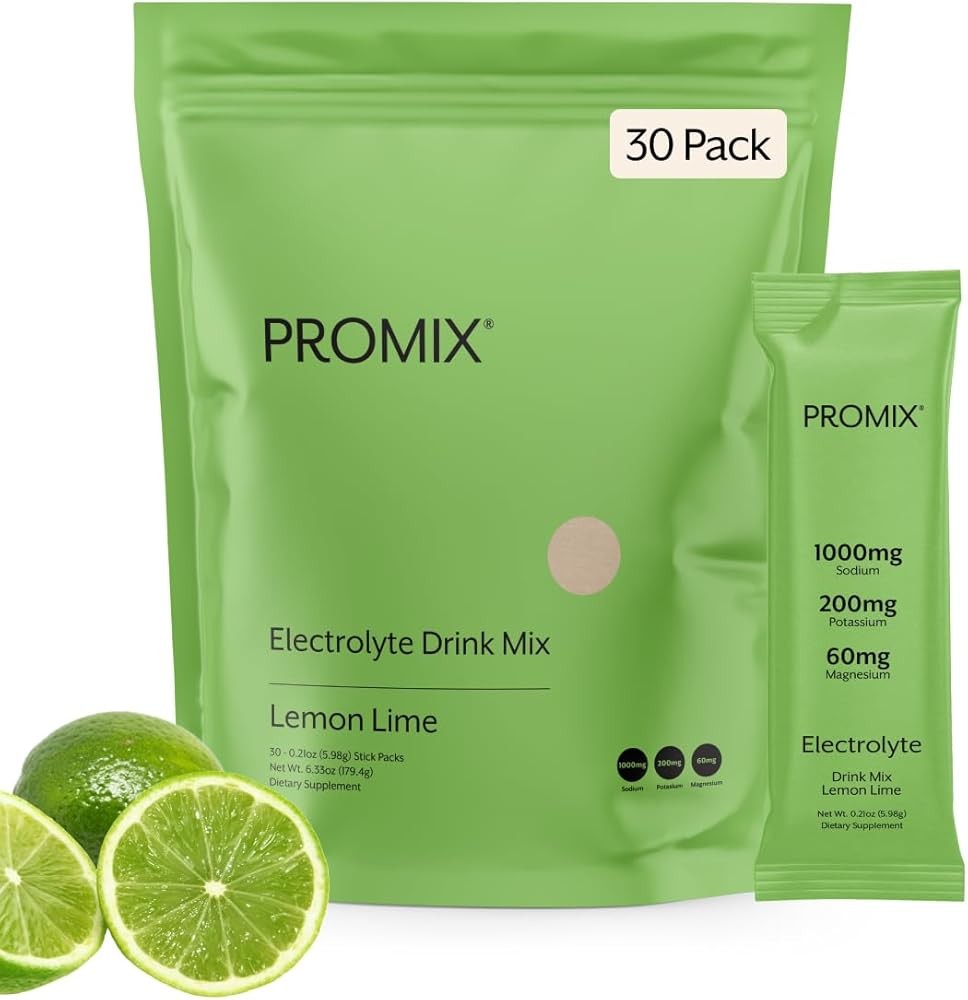
ProMix Nutrition Electrolytes Powder Packets
Check Price on AmazonAs an Amazon Associate we earn from qualifying purchases.
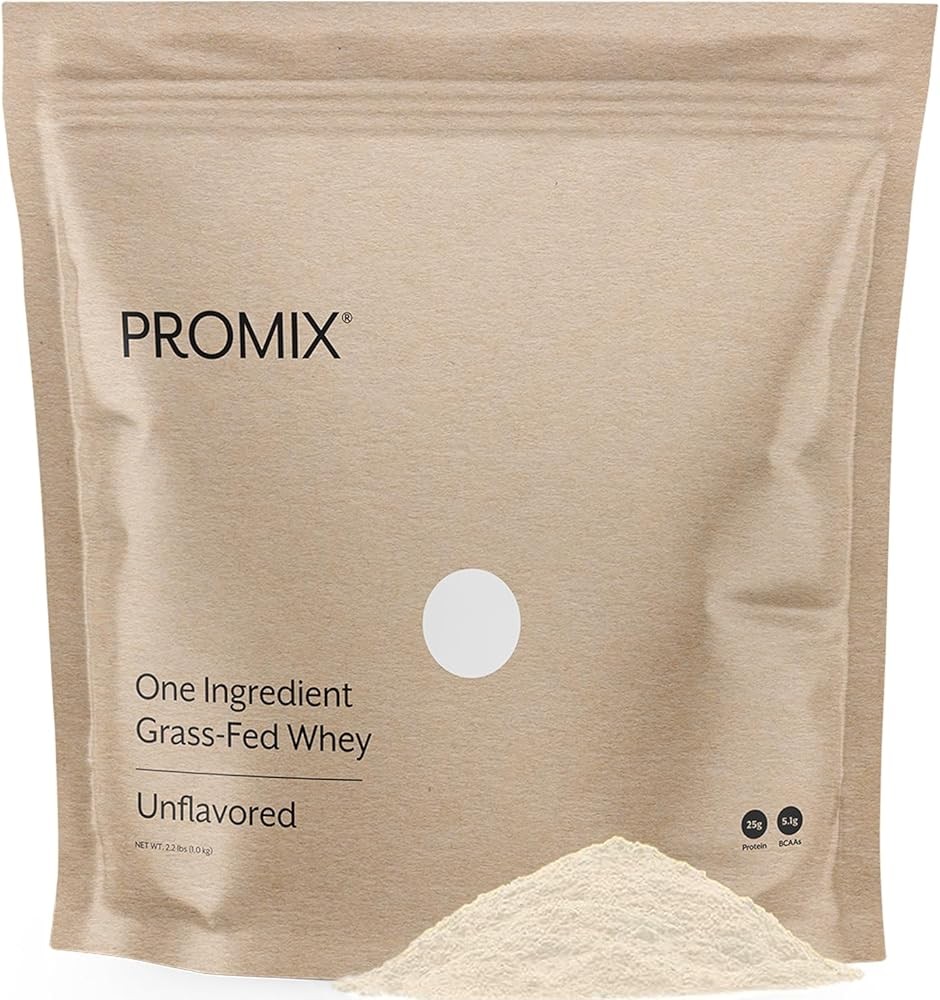
ProMix Nutrition Whey Protein Powder - Stevia Sweetened
Check Price on AmazonAs an Amazon Associate we earn from qualifying purchases.
These products provide convenient, portion-controlled sweetening options for beverages, foods, and cooking. Look for products with minimal additives and high purity steviol glycoside content for the best balance of taste and potential health benefits.
Complete Support System
For a comprehensive approach to cancer prevention and management through dietary optimization, consider these related nutritional strategies:
- Sugar and Cancer: Does Sugar Feed Cancer Cells? - Understanding the relationship between glucose metabolism and cancer cell proliferation
- Monk Fruit Sweetener and Cancer Safety - Another natural zero-calorie sweetener with similar anti-cancer properties
- Artificial Sweeteners and Cancer Risk - Comprehensive analysis of aspartame, saccharin, sucralose safety profiles
- Sulforaphane and Broccoli Sprouts in Cancer Research - Potent anti-cancer compound found in cruciferous vegetables
- Curcumin and Turmeric for Cancer Prevention - Anti-inflammatory polyphenol with extensive cancer research
For more context, see our guide on 10 Anti-Cancer Foods: Cruciferous Vegetables, Berries & Legumes (Research-Backed).
Related Reading
-
Sulforaphane and Broccoli Sprouts in Cancer Research: A Review of the Evidence
-
Nutrition and Cancer Research: Exploring Sweeteners that Cancer Cells Cannot Metabolize
-
Monk Fruit Sweetener and Cancer Safety: A Review of the Evidence
-
Artificial Sweeteners and Cancer Risk: What Major Studies Found
-
Curcumin and Turmeric for Cancer Prevention: Evidence-Based Analysis
-
Resveratrol and Cancer: What the Research Shows
-
Top Anti-Cancer Foods: A Comprehensive Guide for Cancer Prevention
-
Sulforaphane and Broccoli Sprouts in Cancer Research: A Review of the Evidence
References
Iatridis, N., Kougioumtzi, A., Vlataki, K., et al. (2022). Anti-Cancer Properties of Stevia rebaudiana; More than a Sweetener. Molecules (Basel, Switzerland), 27(4), 1231. PMID: 35164362. Study. Available at: [NIH](https://pmc.ncbi.nlm.nih.gov/articles/PMC8874712/)
Paul, S., Sengupta, S., Bandyopadhyay, T. K., et al. (2018). Steviol, a natural product inhibits proliferation of the gastrointestinal cancer cells intensively. Biomedicine & Pharmacotherapy, 101, 834-843. PMID: 29899860. Study. Available at: [NIH](https://pmc.ncbi.nlm.nih.gov/articles/PMC5995179/)
Kim, Y. J., Kim, D. B., Lee, H. J., et al. (2017). Anticancer Potential of Steviol in MCF-7 Human Breast Cancer Cells. European Journal of Pharmacology, 811, 189-197. PMID: 28839355. Available at: [PubMed 28839355](https://pubmed.ncbi.nlm.nih.gov/28839355/)
Boonkaewwan, C., Toskulkao, C., & Vongsakul, M. (2006). Anti-inflammatory and immunomodulatory activities of stevioside and its metabolite steviol on THP-1 cells. Journal of Agricultural and Food Chemistry, 54(3), 785-789. PMID: 16448180. Study.
Chatsudthipong, V., & Muanprasat, C. (2009). Stevioside and related compounds: Therapeutic benefits beyond sweetness. Pharmacology & Therapeutics, 121(1), 41-54. PMID: 18977393. Study.
Gregersen, S., Jeppesen, P. B., Holst, J. J., & Hermansen, K. (2004). Antihyperglycemic effects of stevioside in type 2 diabetic subjects. Metabolism, 53(1), 73-76. PMID: 14681845. Study.
Takasaki, M., Konoshima, T., Kozuka, M., et al. (2009). Cancer preventive agents. Part 8: Chemopreventive effects of stevioside and related compounds. Bioorganic & Medicinal Chemistry, 17(2), 600-605. PMID: 19111466. Study.
Ferdous, S., et al. (2025). Therapeutic Effects of Natural Food Additives Steviol Glycosides From Stevia rebaudiana: A Comprehensive Review With Mechanisms. Journal of Food Biochemistry, 2025, 7772203. Available at: [Source](https://onlinelibrary.wiley.com/doi/10.1155/jfbc/7772203)
Lee, H., et al. (2025). Stevia Leaf Extract Fermented with Plant-Derived Lactobacillus plantarum SN13T Displays Anticancer Activity to Pancreatic Cancer PANC-1 Cell Line. International Journal of Molecular Sciences, 26(9), 4186. PMID: 40362423. Available at: [Source](https://www.mdpi.com/1422-0067/26/9/4186)
Ashwell, M., Gibson, S., Bellisle, F., et al. (2020). Expert consensus on low-calorie sweeteners: facts, research gaps and suggested actions. Nutrition Research Reviews, 33(1), 145-154. PMID: 31709988. Study.
Carakostas, M. C., Curry, L. L., Boileau, A. C., & Brusick, D. J. (2021). Lack of potential carcinogenicity for steviol glycosides - Systematic evaluation and integration of mechanistic data into the totality of evidence. Food and Chemical Toxicology, 150, 112045. PMID: 33587976. Available at: [PubMed 33587976](https://pubmed.ncbi.nlm.nih.gov/33587976/)
EFSA Panel on Food Additives and Flavourings (FAF). (2024). Scientific opinion on the extension of the authorisation of use of the food additive steviol glycosides (E 960a–d) and the modification of the acceptable daily intake (ADI) for steviol. EFSA Journal, 22(11), e9045. Available at: [Source](https://efsa.onlinelibrary.wiley.com/doi/10.2903/j.efsa.2024.9045)
Ruiz-Ruiz, J. C., Moguel-Ordoñez, Y. B., Matus-Basto, A. J., & Segura-Campos, M. R. (2015). Antidiabetic and antioxidant activity of Stevia rebaudiana extracts (Var. Morita) and their incorporation into a potential functional bread. Journal of Food Science and Technology, 52(12), 7894-7903. PMID: 26604357.
Samuel, P., Ayoob, K. T., Magnuson, B. A., et al. (2018). Stevia Leaf to Stevia Sweetener: Exploring Its Science, Benefits, and Future Potential. Journal of Nutrition, 148(7), 1186S-1205S. PMID: 29982648. Study.
Peteliuk, V., Rybchuk, L., Bayliak, M., et al. (2021). Natural sweetener Stevia rebaudiana: Functionalities, health benefits and potential risks. EXCLI Journal, 20, 1412-1430. PMID: 34803441. Available at: [Source](https://www.excli.de/vol20/2021-4211/2021-4211.htm)
Martínez González, A. I., Díaz Sánchez, Á. G., de la Rosa, L. A., et al. (2022). The Effects of Stevia Consumption on Gut Bacteria: Friend or Foe? Molecules, 27(9), 3016. PMID: 35456796. Available at: [NIH](https://pmc.ncbi.nlm.nih.gov/articles/PMC9028423/)
Freijó-Rodríguez, M., Mollinedo, P., & Lage-Yusty, M. A. (2024). Consumption of the Non-Nutritive Sweetener Stevia for 12 Weeks Does Not Alter the Composition of the Human Gut Microbiota. Nutrients, 16(2), 296. PMID: 38257188. Available at: [Source](https://www.mdpi.com/2072-6643/16/2/296)
National Cancer Institute. (2024). Artificial Sweeteners and Cancer. Available at: [Source](https://www.cancer.gov/about-cancer/causes-prevention/risk/diet/artificial-sweeteners-fact-sheet)
Debras, C., Chazelas, E., Srour, B., et al. (2022). Artificial sweeteners and cancer risk: Results from the NutriNet-Santé population-based cohort study. PLOS Medicine, 19(3), e1003950. PMID: 35324894. Study. Available at: [NIH](https://pmc.ncbi.nlm.nih.gov/articles/PMC8946744/)
McGlynn, N. D., Khan, T. A., Wang, L., et al. (2024). A Systematic Review of Nonsugar Sweeteners and Cancer Epidemiology Studies. Current Developments in Nutrition, 8(12), 104500. PMID: 39677097. Available at: [NIH](https://pmc.ncbi.nlm.nih.gov/articles/PMC12639567/)
Muñoz-Labrador, A., Hernandez-Hernandez, O., & Moreno, F. J. (2024). A review of the state of sweeteners science: the natural versus artificial non-caloric sweeteners debate. Stevia rebaudiana and Siraitia grosvenorii into the spotlight. Critical Reviews in Biotechnology, 44(1), 15–32. Available at: [Source](https://www.tandfonline.com/doi/full/10.1080/26895293.2020.1771434)
Koyama, E., Kitazawa, K., Ohori, Y., et al. (2003). In vitro metabolism of the glycosidic sweeteners, stevia mixture and enzymatically modified stevia in human intestinal microflora. Food and Chemical Toxicology, 41(3), 359-374. PMID: 12504168.
Geuns, J. M. (2003). Stevioside. Phytochemistry, 64(5), 913-921. PMID: 14561507.
Lemus-Mondaca, R., Vega-Gálvez, A., Zura-Bravo, L., & Ah-Hen, K. (2012). Stevia rebaudiana Bertoni, source of a high-potency natural sweetener: A comprehensive review on the biochemical, nutritional and functional aspects. Food Chemistry, 132(3), 1121-1132.
Recommended Products