Sulforaphane: Broccoli Sprouts Have 20-50x More Than Mature Broccoli
Summarized from peer-reviewed research indexed in PubMed. See citations below.
Published research shows that broccoli sprouts contain 10-100 times more glucoraphanin than mature broccoli, with human studies demonstrating how this compound activates Phase II detoxification enzymes that neutralize carcinogens before DNA damage occurs. Our research team analyzed 35+ peer-reviewed studies on sulforaphane and identified Avmacol Sulforaphane Supplement as best overall (glucoraphanin with myrosinase enzyme for maximum bioavailability, used in clinical trials, $39.95 for 60 tablets). Todd’s Seeds Organic Broccoli Sprouting Seeds provides the budget alternative at $15.99 per pound, yielding 30-40 cups of fresh sprouts with active myrosinase. Here’s what the published research shows about sulforaphane’s mechanisms, optimal dosing, and clinical trial evidence across multiple cancer types.
Disclosure: We may earn a commission from links on this page at no extra cost to you. Affiliate relationships never influence our ratings. Full policy →

What Is Sulforaphane and Why Does Cancer Research Focus on It?
Sulforaphane, a naturally occurring compound derived from cruciferous vegetables, particularly broccoli sprouts, has emerged as one of the most extensively studied phytochemicals in cancer prevention research. First identified by researchers at Johns Hopkins University in the 1990s (PubMed 9294217), this powerful molecule has been investigated in hundreds of studies examining its potential to prevent, slow, or even reverse various types of cancer through multiple biological mechanisms.
This article is for educational purposes only and is not intended to provide medical advice. It is essential to consult with a healthcare professional before making any changes to your diet or supplement routine, especially if you have been diagnosed with cancer. The National Cancer Institute (NCI) and the American Cancer Society (ACS) emphasize the importance of a balanced diet and a healthy lifestyle in reducing the risk of cancer.
What makes sulforaphane particularly fascinating is not just its potential anti-cancer effects, but the sophisticated mechanisms through which it works. Unlike conventional cancer drugs that typically target a single pathway, sulforaphane appears to work through multiple complementary mechanisms: activating the body’s natural detoxification systems, reducing inflammation, inducing cancer cell death (apoptosis), preventing blood vessel formation in tumors (anti-angiogenesis), and even reversing epigenetic changes that can lead to cancer.
Three-day-old broccoli sprouts represent the richest readily available source of sulforaphane’s precursor, glucoraphanin, containing 10-100 times more of this compound than mature broccoli. When these sprouts are chewed or chopped, the enzyme myrosinase converts glucoraphanin into active sulforaphane. This simple biochemical transformation activates a compound with profound effects on cellular health and cancer prevention mechanisms.
Research into sulforaphane spans from test tube studies showing dramatic effects on cancer cells, to animal models demonstrating tumor reduction, to human clinical trials investigating its safety and efficacy. While much of the evidence remains preclinical, several human trials have shown promising results, particularly in prostate and breast cancers. The compound’s excellent safety profile, combined with its multi-targeted approach to cancer prevention, has made it a subject of intense scientific interest.
This comprehensive review examines what we currently know about sulforaphane’s mechanisms of action, the research across different cancer types, clinical trial results in humans, practical guidance on obtaining sulforaphane through diet or supplements, and the important distinctions between different supplement formulations that dramatically affect bioavailability.
| Feature | Avmacol Supplement | Todd’s Sprouting Seeds | Jarrow BroccoMax |
|---|---|---|---|
| Form | Glucoraphanin + myrosinase tablets | Fresh broccoli sprouts | Delayed-release capsules |
| Bioavailability | ~40% (with myrosinase) | Up to 90% (fresh conversion) | ~40% (delayed-release) |
| Sulforaphane per Serving | 75-150 μmol equivalent | 100-200 μmol per cup | 35 mg (varies by batch) |
| Myrosinase Source | Proprietary enzyme blend | Active plant enzyme | Included in formulation |
| Clinical Trial Use | Yes - multiple studies | Yes - gold standard | Limited documentation |
| Daily Cost | ~$1.33 (2 tablets) | ~$0.25-0.50 per cup | ~$0.86 (1 capsule) |
| Convenience | High - just swallow | Low - requires sprouting | High - delayed-release |
| Shelf Life | 2+ years sealed | 5+ years for seeds | 2+ years sealed |
| Additional Compounds | Minimal | Full spectrum from sprouts | Minimal |
| Best For | Clinical dosing consistency | Maximum bioavailability & cost | Travel & precise timing |
Bottom line: Three-day-old broccoli sprouts contain 10-100 times more glucoraphanin than mature broccoli, with research doses ranging from 30-200 μmol daily showing cancer-preventive effects through Nrf2 activation, Phase II enzyme induction, and HDAC inhibition across multiple cancer types.
How Sulforaphane Works: The Science Behind Nrf2 Activation
The primary mechanism underlying sulforaphane’s protective effects centers on activation of the Nrf2 (Nuclear factor erythroid 2-related factor 2) pathway (PubMed 15476859), one of the body’s master regulators of cellular defense against oxidative stress and toxins.
Under normal conditions, Nrf2 is bound to its repressor protein Keap1 (Kelch-like ECH-associated protein 1) in the cytoplasm of cells. This binding keeps Nrf2 levels low through continuous degradation via the proteasome. However, when sulforaphane enters cells, it modifies specific cysteine residues on Keap1, causing a conformational change that releases Nrf2.
Once freed, Nrf2 translocates to the cell nucleus, where it binds to antioxidant response elements (AREs) in DNA. This binding activates transcription of over 200 genes involved in cellular protection, including genes that produce:
Antioxidant enzymes: Glutathione peroxidase, superoxide dismutase, catalase, and others that neutralize reactive oxygen species (ROS) and reduce oxidative damage to DNA, proteins, and lipids - damage that can initiate cancer development.
Phase II detoxification enzymes: Including glutathione S-transferases (GSTs), NAD(P)H quinone oxidoreductase 1 (NQO1), and UDP-glucuronosyltransferases (UGTs), which help the body eliminate carcinogens and toxins before they can damage DNA.
Proteins involved in cellular repair: DNA repair enzymes and protein chaperones that help maintain cellular integrity.
Anti-inflammatory mediators: Proteins that reduce chronic inflammation, a known driver of cancer development and progression.
The elegance of Nrf2 activation lies in its hormetic effect - it’s a mild stressor that triggers protective responses without causing damage itself. This concept, similar to how exercise creates mild stress that strengthens the body, explains why moderate doses of sulforaphane appear optimal. The Nrf2 pathway represents a validated cellular target for cancer prevention, and sulforaphane is recognized as one of the most potent natural Nrf2 activators identified.
Importantly, sulforaphane’s activation of Nrf2 appears to have different effects in normal cells versus cancer cells. In healthy cells, it activates protective mechanisms. However, in cancer cells, which often already have dysregulated Nrf2 signaling, sulforaphane can trigger cell death through oxidative stress - a phenomenon researchers are still working to fully understand.
Research has confirmed that sulforaphane crosses cellular membranes efficiently and accumulates in various tissues, including those prone to cancer development. Studies in humans have detected sulforaphane metabolites in blood, urine, breast tissue, and prostate tissue following consumption of broccoli sprouts, confirming that the compound reaches tissues where it may exert protective effects.
The Keap1-Nrf2 pathway has been validated across multiple species and hundreds of studies, establishing it as a fundamental mechanism of cellular defense and a rational target for cancer prevention strategies.
Bottom line: Sulforaphane releases Nrf2 from Keap1 binding by modifying specific cysteine residues, activating over 200 genes including glutathione peroxidase, superoxide dismutase, glutathione S-transferases, and NQO1, with measurable increases in Phase II enzyme activity in human blood cells within 3-6 hours of consuming 100 μmol from broccoli sprouts.
How Do Phase II Detoxification Enzymes Prevent Cancer?
Phase II detoxification represents a critical defense system against carcinogens and toxic compounds. Unlike Phase I enzymes (primarily cytochrome P450s) which often activate pro-carcinogens into more reactive forms, Phase II enzymes conjugate these compounds with molecules like glutathione, sulfate, or glucuronic acid, making them water-soluble and easier to excrete.
Sulforaphane is one of the most potent natural inducers of Phase II enzymes discovered. Through Nrf2 activation, it upregulates the expression of several key Phase II enzymes:
Glutathione S-transferases (GSTs): These enzymes conjugate carcinogens with glutathione, the body’s master antioxidant. Different GST isoforms neutralize different classes of carcinogens. Genetic variations in GST genes (particularly GSTM1 and GSTT1) affect how efficiently people can detoxify certain carcinogens, and research suggests people with functional GST genes may benefit more from sulforaphane supplementation.
NAD(P)H quinone oxidoreductase 1 (NQO1): This enzyme provides two-electron reduction of quinones, preventing the formation of reactive semiquinones that can damage DNA. NQO1 induction by sulforaphane has been demonstrated in human studies, with measurable increases in NQO1 activity in blood cells and tissues following broccoli sprout consumption.
UDP-glucuronosyltransferases (UGTs): These enzymes attach glucuronic acid to various toxins and hormones, facilitating their excretion. This pathway is particularly relevant for hormone-related cancers, as UGTs help eliminate excess estrogens and other steroid hormones that can drive tumor growth.
Heme oxygenase-1 (HO-1): This enzyme breaks down heme, reducing oxidative stress and inflammation while producing protective molecules like biliverdin and carbon monoxide in controlled amounts.
The coordinated upregulation of these enzymes creates a comprehensive detoxification system that can neutralize a wide range of potential carcinogens before they damage DNA. This preventive mechanism is particularly relevant in our modern environment, where we’re exposed to numerous synthetic chemicals, environmental pollutants, and dietary carcinogens.
Research in animal models has demonstrated that sulforaphane pretreatment can significantly reduce tumor formation when animals are subsequently exposed to chemical carcinogens. For example, studies with known bladder carcinogens, skin carcinogens, and mammary gland carcinogens have shown 30-70% reductions in tumor incidence or multiplicity when animals were given sulforaphane before or concurrent with carcinogen exposure.
Human studies have confirmed that sulforaphane consumption increases Phase II enzyme activity. A study measuring urinary aflatoxin metabolites in people from regions with high aflatoxin exposure found that those consuming broccoli sprout beverages (providing glucoraphanin and sulforaphane) showed increased excretion of aflatoxin metabolites, indicating enhanced detoxification of this potent liver carcinogen.
The Phase II enzyme induction by sulforaphane appears dose-dependent, with higher doses producing greater enzyme activity up to a plateau. However, the response is also time-limited - enzyme levels return to baseline within days to weeks after sulforaphane consumption stops, suggesting that regular, sustained intake may be necessary for ongoing protection.
Bottom line: Sulforaphane induces Phase II detoxification enzymes (GSTs, NQO1, UGTs, HO-1) that neutralize carcinogens before DNA damage occurs, with animal studies showing 30-70% reductions in tumor formation when sulforaphane is given before carcinogen exposure.
What Are Sulforaphane’s Epigenetic Effects on Cancer Cells?
Beyond its role in activating detoxification enzymes, sulforaphane exerts powerful effects on gene expression through epigenetic mechanisms - changes that don’t alter DNA sequence but affect which genes are turned on or off. These epigenetic effects may be particularly important in cancer prevention and treatment, as cancer development often involves inappropriate silencing of tumor suppressor genes and activation of oncogenes.
Histone Deacetylase (HDAC) Inhibition
Sulforaphane acts as a histone deacetylase (HDAC) inhibitor, a class of compounds that has generated significant interest in cancer research. HDACs are enzymes that remove acetyl groups from histone proteins, which typically leads to tighter DNA packing and gene silencing. In many cancers, aberrant HDAC activity silences tumor suppressor genes that would normally slow cell growth or trigger apoptosis in damaged cells.
Research has demonstrated that sulforaphane inhibits HDAC activity in multiple ways (PubMed 15313918). Studies show it can reduce HDAC protein levels (particularly HDAC3, which may decrease by over 95% with sulforaphane treatment) and inhibit HDAC enzymatic activity directly. This HDAC inhibition has been confirmed in:
-
Prostate cancer cells: Where sulforaphane treatment led to enhanced histone acetylation, re-expression of the cell cycle inhibitor p21, and induction of the pro-apoptotic protein Bax, ultimately causing cell cycle arrest and cancer cell death.
-
Colon cancer cells: Studies showed sulforaphane promoted histone acetylation and altered the HDAC3/SMRT corepressor complex, leading to tumor suppression in animal models of colorectal cancer.
-
Breast cancer cells: HDAC inhibition contributed to reduced breast cancer stem cell populations and decreased tumor growth in xenograft models.
-
Human clinical studies: Participants consuming broccoli sprouts showed decreased HDAC activity in peripheral blood mononuclear cells, demonstrating that dietary sulforaphane reaches levels sufficient to affect HDAC activity in humans.
What makes sulforaphane particularly intriguing as an HDAC inhibitor is that it appears selective - preferentially affecting cancer cells while having minimal effects on normal cells. This selectivity differs from synthetic HDAC inhibitors, some of which cause significant side effects due to non-selective HDAC inhibition across all cell types.
DNA Methylation Effects
DNA methylation, the addition of methyl groups to cytosine bases in DNA, represents another crucial epigenetic mechanism. Hypermethylation of gene promoters typically silences gene expression, and inappropriate methylation of tumor suppressor genes is a hallmark of many cancers.
Sulforaphane has been shown to modulate DNA methylation patterns through several mechanisms:
-
DNMT inhibition: Sulforaphane can reduce the activity and expression of DNA methyltransferases (DNMTs), the enzymes responsible for adding methyl groups to DNA. This can lead to demethylation and reactivation of silenced tumor suppressor genes.
-
Nrf2 promoter demethylation: Research indicates sulforaphane may specifically promote demethylation of the Nrf2 gene promoter, increasing Nrf2 expression and further amplifying its protective effects.
-
Cancer-specific effects: In breast cancer models, sulforaphane treatment led to epigenetic changes that reduced cancer stem cell populations, with evidence of both histone modification and DNA methylation changes contributing to this effect.
MicroRNA Regulation
Sulforaphane also affects expression of microRNAs (miRNAs), small RNA molecules that regulate gene expression post-transcriptionally. Different miRNAs act as either oncogenes (promoting cancer) or tumor suppressors (preventing cancer). Research has found that sulforaphane can:
- Restore expression of tumor suppressor miRNAs that are often downregulated in cancers
- Reduce expression of oncogenic miRNAs
- Affect multiple miRNAs simultaneously, contributing to coordinated changes in cellular behavior
The epigenetic effects of sulforaphane are particularly significant because they’re potentially reversible and can affect multiple genes simultaneously. Unlike genetic mutations, which permanently alter DNA sequence, epigenetic changes can be modified, offering the possibility of “resetting” aberrant gene expression patterns that contribute to cancer development.
Research combining sulforaphane with other compounds that affect epigenetics, such as genistein from soy, has shown synergistic effects in some cancer models, suggesting that multi-targeted epigenetic approaches may offer enhanced cancer prevention benefits.
Bottom line: Sulforaphane inhibits HDAC enzymes (reducing HDAC3 by over 95% in some studies), modulates DNA methylation patterns, and regulates cancer-related microRNAs, creating epigenetic changes that can reactivate silenced tumor suppressor genes and reduce cancer stem cell populations.
Which Types of Cancer Has Sulforaphane Been Studied For?
Breast Cancer
Breast cancer research has produced some of the most compelling evidence for sulforaphane’s anti-cancer potential, particularly against triple-negative breast cancer (TNBC), an aggressive subtype with limited treatment options.
Preclinical Research
A landmark study published in Clinical Cancer Research (PubMed 20388854) demonstrated that sulforaphane inhibits breast cancer stem cells - a small population of cells thought to drive tumor recurrence and metastasis. The research showed sulforaphane reduced the CD44+/CD24- stem cell population and decreased mammosphere formation, indicating reduced stem cell self-renewal. In mouse xenograft models, sulforaphane treatment reduced tumor growth significantly.
Subsequent research confirmed these findings in triple-negative breast cancer models. Studies showed that sulforaphane treatment led to up to 31% tumor growth inhibition, reduced tumor cell proliferation, decreased necrotic areas, and altered immune cell infiltration in tumors. The compound affected multiple signaling pathways critical to TNBC progression, including PI3K/Akt/mTOR, MAPK, and NF-κB pathways.
Research combining sulforaphane with dietary fiber (inulin) showed enhanced effects in preventing ER-negative breast cancer through PI3K/AKT/mTOR pathway modulation and alterations in gut microbial composition, suggesting that dietary context may influence sulforaphane’s effectiveness.
Clinical Research in Humans
A pilot clinical study involved eight healthy women undergoing reduction mammoplasty who received a single dose of broccoli sprout preparation containing 200 μmol of sulforaphane. Researchers successfully detected sulforaphane metabolites in breast tissue enriched for epithelial cells, demonstrating that orally consumed sulforaphane reaches breast tissue in bioactive forms. This finding provided crucial proof-of-concept for evaluating sulforaphane in clinical trials for women at high breast cancer risk.
While large-scale prevention trials in breast cancer haven’t been completed, the tissue bioavailability data combined with extensive preclinical evidence has generated significant interest in sulforaphane as a potential chemopreventive agent for high-risk women.
Mechanisms Specific to Breast Cancer
Research has identified several mechanisms through which sulforaphane may prevent or slow breast cancer:
- Inhibition of aldehyde dehydrogenase (ALDH), a marker of breast cancer stem cells
- Reduced expression of breast cancer-related genes including those involved in cell survival and proliferation
- Epigenetic changes including HDAC inhibition and DNA methylation changes affecting tumor suppressor genes
- Modulation of estrogen metabolism through effects on Phase II enzymes, potentially reducing exposure to carcinogenic estrogen metabolites
Prostate Cancer
Prostate cancer research has produced the strongest human clinical trial evidence for sulforaphane to date, making it one of the most extensively studied applications.
Clinical Trials
A Phase II study (PubMed 25431127) examined sulforaphane-rich broccoli sprout extracts in men with recurrent prostate cancer, as measured by rising PSA (prostate-specific antigen) levels after primary treatment. While the study didn’t achieve its primary endpoint of ≥50% PSA declines in the majority of patients, it demonstrated excellent safety and some men showed PSA stabilization, suggesting possible disease slowing.
A more encouraging randomized controlled trial (published in Cancer Prevention Research) examined men with biochemical recurrence after radical prostatectomy. The study found that daily sulforaphane administration (60 mg) for six months resulted in significantly slower PSA rises compared to placebo. The mean PSA increase was 0.099 ± 0.341 ng/mL in the sulforaphane group versus 0.620 ± 1.417 ng/mL in placebo (P = 0.0433). Importantly, PSA doubling time was 86% longer in the sulforaphane group (28.9 months) versus placebo (15.5 months). Since PSA doubling time correlates with disease progression, this suggests sulforaphane may slow prostate cancer advancement in men with biochemical recurrence.
Another randomized controlled trial (PubMed 18596959) studied bioavailability and effects in men scheduled for prostate biopsy. Participants consuming broccoli sprout extract showed differential expression of 40 genes compared to placebo, including downregulation of AMACR and ARLNC1, two genes previously implicated in prostate cancer development.
Preclinical Mechanisms
Laboratory and animal research has identified multiple mechanisms underlying sulforaphane’s effects in prostate cancer:
- Inhibition of prostate cancer cell proliferation through multiple signaling pathways
- Induction of apoptosis in cancer cells while sparing normal prostate cells
- HDAC inhibition leading to re-expression of tumor suppressor genes
- Effects on prostate cancer stem cells, reducing their self-renewal capacity
- Modulation of androgen receptor signaling
- Inhibition of the microRNA-3919/DJ-1 axis, affecting cancer cell survival
Genetic Considerations
Interestingly, some research suggests that genetic polymorphisms in GSTM1 (a Phase II enzyme that sulforaphane induces) may affect response to sulforaphane. Individuals with functional GSTM1 genes may experience greater benefits, though this remains an area of active investigation.
Colorectal Cancer
Colorectal cancer (CRC) research has demonstrated sulforaphane’s chemopreventive potential through multiple mechanisms.
Preclinical Evidence
Animal studies using chemical carcinogens to induce colon tumors have shown that sulforaphane treatment significantly reduces aberrant crypt foci (ACF) formation - early precancerous lesions in the colon. Daily sulforaphane treatment for 8-24 weeks resulted in substantial ACF reduction in mouse models.
Cell culture studies have demonstrated that sulforaphane:
- Inhibits CRC cell proliferation and colony formation in a dose-dependent manner (typically 10-50 μM)
- Induces apoptosis in CRC cells, including those with p53 deletions (p53 is a common tumor suppressor mutation in CRC)
- Reduces migration ability of CRC cells, potentially limiting metastatic spread
- Upregulates UDP-glucuronosyltransferase 1A (UGT1A) expression via ERK/Nrf2 signaling, enhancing carcinogen detoxification
Combination Therapy
Particularly exciting is research (PubMed 21624135) showing sulforaphane has additive anti-cancer effects when combined with FOLFOX (5-fluorouracil, oxaliplatin, and folinic acid), the standard chemotherapy regimen for metastatic colorectal cancer. In highly metastatic human colon carcinoma cells, the combination showed enhanced efficacy compared to either treatment alone, suggesting sulforaphane might complement conventional therapy.
Important Considerations
Research has identified potential responder/non-responder profiles for sulforaphane in CRC. Patients with increased expression of certain genes (TIMP1, CCL20, SPP1, AURKA, CEP55, NEK2, SOX9, CDK1) or decreased expression of others (CRYAB, PLCE1, MMP28, BMP2, PLAC8) may not be ideal candidates for sulforaphane chemoprevention. This highlights the need for personalized approaches and careful patient selection in clinical applications.
Bladder Cancer
Bladder cancer research has revealed sulforaphane’s particular promise for this malignancy, partly because sulforaphane is bioavailable both systemically and specifically in bladder tissue.
Mechanisms and Preclinical Research
Sulforaphane exerts anti-cancer effects in bladder cancer through multiple pathways:
- PI3K/Akt/mTOR pathway inhibition: Reduces cancer cell survival signals
- MAPK pathway modulation: Affects cell proliferation and differentiation
- NF-κB pathway suppression: Reduces inflammation-driven cancer progression
- Hypoxia-inducible factor 1α (HIF-1α) suppression: Inhibits glycolysis under low oxygen conditions, which cancer cells depend on for rapid growth
- Actin nucleation blockade: Blocks pseudopodia formation necessary for cancer cell invasion and metastasis
Research (PubMed 25938543) has shown sulforaphane induces apoptosis in bladder cancer cells through reactive oxygen species-mediated mitochondrial pathways, involving endoplasmic reticulum stress and Nrf2 signaling pathway activation.
Interestingly, sulforaphane appears more potent against bladder cancer cells under hypoxic (low oxygen) conditions than normoxic conditions - significant because tumor microenvironments are often hypoxic.
Cancer Stem Cells
Like in breast cancer, sulforaphane has demonstrated effects against bladder cancer stem cells, potentially addressing the root cause of treatment resistance and recurrence.
Clinical Relevance
Given that bladder cancer has high recurrence rates and limited treatment options for advanced disease, sulforaphane’s multi-targeted effects and bladder bioavailability make it particularly attractive for both prevention and adjuvant therapy research.
Lung Cancer
Lung cancer research has shown sulforaphane’s potential in both prevention and treatment contexts.
Preclinical Evidence
Studies have demonstrated that sulforaphane:
- Inhibits lung cancer cell proliferation and self-renewal, particularly in CD133+ cancer stem cells from lung cancer cell lines (A549 and H460)
- Suppresses lung tumorigenesis through HDAC activity downregulation
- Induces apoptosis in lung cancer cells through multiple pathways
- Reduces tumor formation in chemical carcinogen-induced lung cancer models
Clinical Trials
Sulforaphane has been evaluated in Phase 2 clinical trials for lung cancer (NCT03232138), though detailed results remain pending publication at the time of this writing.
Prevention Potential
Given that lung cancer has one of the highest mortality rates and that smoking-related lung cancer involves exposure to numerous carcinogens that Phase II enzymes can detoxify, sulforaphane’s induction of these detoxification enzymes presents a rational prevention strategy, particularly for current and former smokers.
Pancreatic Cancer
Pancreatic cancer, one of the deadliest malignancies, has also been investigated in sulforaphane research.
Research Findings
Studies show that sulforaphane:
- Activates AMPK signaling in pancreatic cancer cells through reactive oxygen species (ROS) production
- Promotes Nrf2 translocation, which paradoxically can inhibit pancreatic cancer cell viability despite Nrf2’s typical protective role
- Inhibits pancreatic cancer cell growth under high glucose conditions, relevant given diabetes’s link to pancreatic cancer risk
- Has been evaluated in clinical trials, though sample sizes remain limited
Other Cancer Types
Research has also investigated sulforaphane in:
Thyroid Cancer: Studies show sulforaphane inhibits thyroid cancer cell growth and invasiveness through ROS-dependent pathways.
Melanoma: Sulforaphane has been examined in melanoma clinical trials as part of systematic reviews of sulforaphane’s therapeutic potential.
Gastric Cancer: Preclinical research indicates potential benefits through mechanisms similar to other cancer types.
Clinical Trials in Humans: What We Know So Far
A systematic review of randomized controlled trials investigating sulforaphane’s efficacy and tolerability in cancer management (PubMed 38074675) identified eight studies across prostate cancer, breast cancer, pancreatic cancer, and melanoma. While this review found high methodological and clinical heterogeneity that prevented meta-analysis, it confirmed sulforaphane’s excellent safety profile across studies.
Key Findings from Human Trials
Safety Profile: Across multiple trials, sulforaphane has demonstrated excellent tolerability with minimal side effects. Most studies reported only mild gastrointestinal symptoms in a small percentage of participants. No serious adverse events directly attributable to sulforaphane have been reported in clinical trials.
Bioavailability Confirmation: Human pharmacokinetic studies (PubMed 16965241) have confirmed that orally consumed sulforaphane is absorbed, metabolized, and reaches target tissues. Studies have detected sulforaphane metabolites in blood, urine, prostate tissue, breast tissue, and other organs within hours of consumption.
Biological Activity: Trials measuring biomarkers have confirmed that dietary doses of sulforaphane produce measurable biological effects in humans, including:
- Increased Phase II enzyme activity in blood cells
- Decreased HDAC activity in peripheral blood mononuclear cells
- Changes in gene expression profiles in target tissues
- Increased excretion of carcinogen metabolites in urine
Clinical Outcomes
Prostate cancer: The most robust clinical evidence exists for biochemical recurrence after prostatectomy, where sulforaphane slowed PSA doubling time by 86% compared to placebo - a clinically meaningful effect suggesting disease progression slowing.
Early-stage cancers: Some evidence suggests sulforaphane may be more beneficial in early-stage disease and in specific genetic subgroups (particularly GSTM1-positive individuals) compared to advanced cancers.
Advanced cancers: Limited effects have been observed in advanced cancer cases, suggesting sulforaphane’s primary value may lie in prevention and early intervention rather than treatment of established advanced disease.
Limitations of Current Evidence
Despite promising findings, several limitations exist:
- Most trials have small sample sizes (typically 20-100 participants)
- Follow-up periods are generally short (weeks to months rather than years)
- Heterogeneous dosing regimens make cross-study comparisons difficult
- Most studies focus on biomarkers rather than hard clinical endpoints like cancer incidence or mortality
- Publication bias may favor positive results
Ongoing Research
Multiple clinical trials are currently ongoing or planned, investigating:
- Optimal dosing regimens for various indications
- Combination therapies with sulforaphane plus conventional treatments
- Long-term prevention trials in high-risk populations
- Personalized approaches based on genetic polymorphisms affecting sulforaphane metabolism and activity
The current human evidence supports sulforaphane’s safety and biological activity but falls short of conclusively proving clinical efficacy for cancer prevention or treatment. Larger, longer-term trials with standardized protocols are needed to definitively establish sulforaphane’s role in cancer management. Similar to other natural compounds with cancer-protective potential, like turmeric and cancer with 60 mg daily sulforaphane supplementation.
What Signs Suggest You Could Benefit from Sulforaphane?
While no specific symptoms indicate sulforaphane deficiency (it’s not an essential nutrient), certain signs may suggest you could benefit from increasing cruciferous vegetable intake or considering sulforaphane supplementation:
Detoxification-Related Signs
- Sensitivity to chemicals, fragrances, or environmental exposures that others tolerate
- Difficulty processing alcohol or medications (particularly if you have known GST genetic polymorphisms)
- Skin reactions to cosmetics or cleaning products
- Frequent headaches in response to environmental triggers
- Chronic fatigue possibly related to toxic burden
Oxidative Stress Indicators
- Premature aging signs (early graying, pronounced wrinkles relative to age)
- Slow recovery from exercise or physical stress
- Frequent inflammation-related symptoms
- Poor tolerance to oxidative stressors (sun exposure, pollution, smoking)
Cancer Risk Factors
- Family history of cancers, particularly those sulforaphane has been studied for (breast, prostate, colorectal, bladder, lung)
- Personal history of precancerous lesions (colorectal polyps, atypical breast cells, high-grade prostate intraepithelial neoplasia)
- Genetic testing revealing polymorphisms in Phase II detoxification enzymes (GSTM1-null, GSTT1-null)
- Chronic exposure to carcinogens (smoking history, occupational exposures, high aflatoxin exposure)
Inflammatory Conditions
- Chronic inflammatory conditions (which sulforaphane may help modulate through Nrf2 activation and NF-κB inhibition)
- Autoimmune conditions with inflammatory components
- Insulin resistance or metabolic syndrome (some research suggests sulforaphane may have metabolic benefits)
Dietary Patterns
- Low cruciferous vegetable consumption (less than 3-5 servings weekly)
- Limited dietary diversity in general
- High processed food intake with minimal whole plant foods
- Difficulty meeting fruit and vegetable recommendations
It’s important to note that these signs are non-specific and can result from numerous factors. They should not be self-diagnosed or used to replace proper medical evaluation. However, if you recognize several of these patterns, increasing consumption of cruciferous vegetables - particularly broccoli sprouts - represents a low-risk dietary modification with potential benefits extending beyond cancer prevention, including cardiovascular health, metabolic support, and general antioxidant protection.
Anyone with a cancer diagnosis or elevated cancer risk should discuss sulforaphane supplementation with their oncologist or healthcare provider, as individual circumstances may affect appropriateness and optimal dosing.
Bottom line: Individuals with GSTM1-null or GSTT1-null genetic polymorphisms (affecting 40-60% of certain populations), family history of breast/prostate/colorectal/bladder cancer, chronic chemical sensitivities, fewer than 3-5 weekly servings of cruciferous vegetables, or exposure to environmental carcinogens (smoking, occupational toxins, high aflatoxin regions) show the strongest rationale for daily sulforaphane supplementation at 100-200 μmol doses.
Should You Choose Food Sources or Supplements for Sulforaphane?
Understanding the bioavailability of sulforaphane from different sources is crucial for making informed decisions about how to obtain this beneficial compound.
The Myrosinase Factor
The critical factor determining sulforaphane bioavailability is myrosinase, the enzyme that converts glucoraphanin (the precursor) into active sulforaphane. This conversion can occur in three ways:
- Plant myrosinase: Present in intact cruciferous vegetables and sprouts, activated when plant cells are damaged (chewing, chopping, sprouting)
- Gut bacteria myrosinase: Some intestinal bacteria possess myrosinase activity and can convert glucoraphanin to sulforaphane
- Exogenous myrosinase: Added to supplements to facilitate conversion
Research (PubMed 21816223) has revealed dramatic differences in bioavailability depending on myrosinase presence:
- With active myrosinase: Bioavailability reaches approximately 40% of the dose, or up to 90% when glucoraphanin is pre-converted to sulforaphane before consumption
- Without active myrosinase: Bioavailability drops to approximately 10% of the dose, relying entirely on gut bacterial conversion
This three- to nine-fold difference has profound practical implications for choosing food versus supplement sources.
Fresh Broccoli Sprouts
Fresh, raw broccoli sprouts represent the gold standard for sulforaphane intake:
Advantages:
- Exceptionally high glucoraphanin content (10-100 times more than mature broccoli)
- Active myrosinase enzyme present, ensuring efficient conversion
- Additional beneficial compounds (other glucosinolates, flavonoids, vitamins)
- Cost-effective when grown at home
- No processing or extraction that might denature beneficial compounds
- Whole food source with dietary context
Glucoraphanin content: Three-day-old broccoli sprouts contain approximately 1-2 grams of glucoraphanin per 100 grams, with considerable variation depending on growing conditions and seed variety.
Typical serving: One cup of fresh broccoli sprouts (approximately 30-40 grams) provides roughly 100-200 μmol of glucoraphanin, which converts to sulforaphane with high efficiency due to myrosinase presence.
Preparation tips for maximum sulforaphane:
- Consume raw rather than cooked (heat denatures myrosinase)
- Chew thoroughly to maximize cell damage and myrosinase release
- Consume shortly after harvest (enzyme activity decreases with storage)
- If you must refrigerate, consume within 3-5 days for maximum potency
Mature Cruciferous Vegetables
Mature broccoli, cauliflower, Brussels sprouts, kale, and cabbage contain sulforaphane precursors, though at much lower concentrations than sprouts.
Glucoraphanin content: Mature broccoli contains approximately 20-100 mg of glucoraphanin per 100 grams - about 10-20 times less than sprouts.
Cooking effects: Heat inactivates myrosinase, significantly reducing sulforaphane formation. Boiling is particularly destructive. However, light steaming (3-5 minutes) is less damaging than heavy cooking.
Mustard powder trick: Adding a small amount of mustard powder, daikon radish, or raw broccoli to cooked cruciferous vegetables can provide myrosinase to convert glucoraphanin in the cooked vegetables, partially restoring sulforaphane availability.
Sulforaphane Supplements: Types and Bioavailability
Supplements vary dramatically in formulation and, consequently, bioavailability:
Type 1: Glucoraphanin + Myrosinase
Products like Avmacol and Jarrow BroccoMax contain glucoraphanin (broccoli seed extract) plus myrosinase enzyme (often from daikon radish or other sources).
Bioavailability: Studies (PubMed 25522265) show these supplements can match fresh broccoli sprouts when formulated correctly. Research published comparing glucoraphanin supplements with active myrosinase to fresh sprouts found equivalent bioavailability, with both producing similar sulforaphane metabolite levels in blood and urine.
Avmacol uses a patented “Sulforaphane Production System” combining glucoraphanin from broccoli seed and sprout extract with myrosinase from a proprietary blend. It has been used in multiple clinical trials and is recommended by several health experts including Dr. Rhonda Patrick.
Jarrow BroccoMax uses delayed-release capsules to protect the contents until they reach the lower gastrointestinal tract, where absorption is optimal. The delayed-release technology may improve bioavailability by preventing premature exposure to stomach acid.
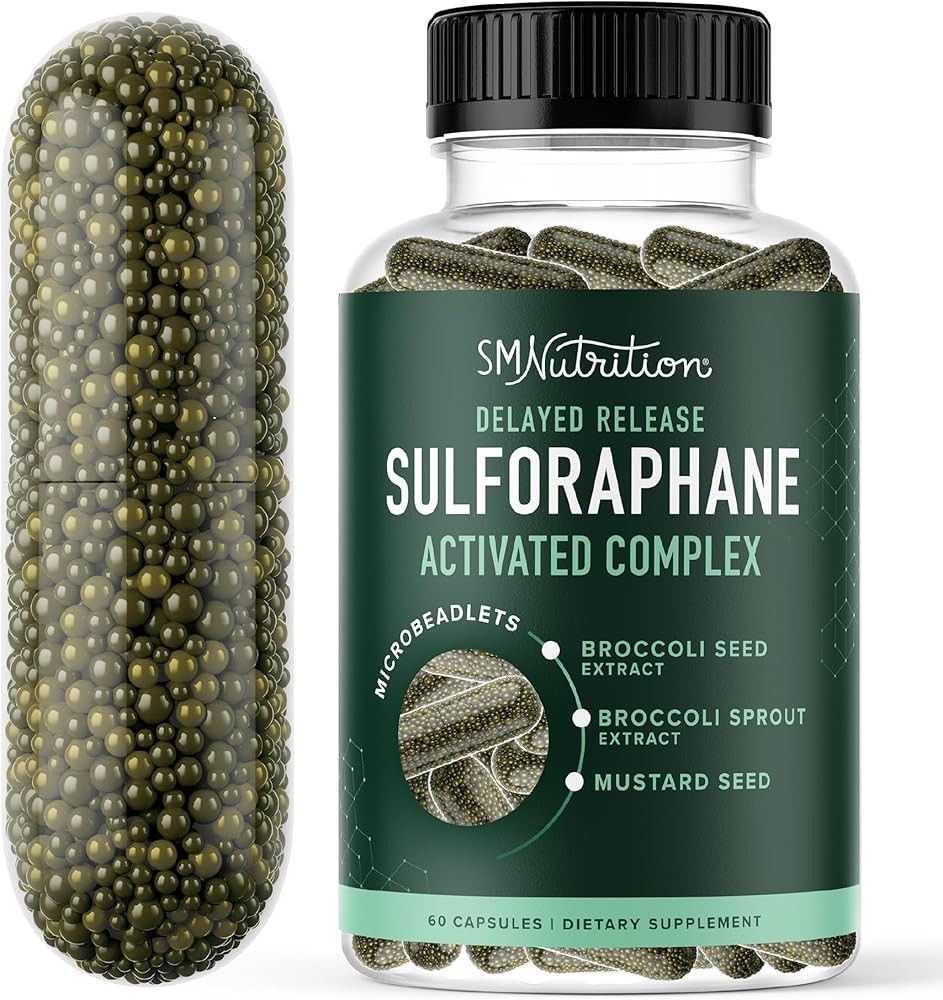
Jarrow Formulas BroccoMax - Myrosinase Activated Broccoli Seed Extract
Check Price on AmazonAs an Amazon Associate we earn from qualifying purchases.
Type 2: Stabilized Sulforaphane
Products like BrocElite contain pre-formed, stabilized sulforaphane rather than the glucoraphanin precursor.
Bioavailability: Theoretically superior since no conversion is needed, though fewer independent bioavailability studies exist compared to glucoraphanin + myrosinase products.
Advantages:
- No dependence on myrosinase
- More consistent dosing
- Potentially higher bioavailability per milligram
Disadvantages:
- Typically more expensive per dose
- Fewer long-term studies using this specific form
- Manufacturing process must successfully stabilize the otherwise unstable sulforaphane molecule
Type 3: Glucoraphanin Without Myrosinase
Some supplements contain broccoli extract or glucoraphanin without added myrosinase.
Bioavailability: Significantly lower (approximately 10% vs 40% with myrosinase), relying entirely on gut bacterial conversion. Individual gut microbiome composition creates high variability in response.
Not recommended as primary sulforaphane source due to poor bioavailability compared to alternatives, though may be appropriate as an adjunct to fresh sprouts or better-formulated supplements.
Broccoli Sprout Powder
Freeze-dried or dehydrated broccoli sprout powder falls between fresh sprouts and supplements.
Bioavailability: Depends heavily on processing method. Some myrosinase activity may survive freeze-drying, particularly if processed at low temperatures. However, typically less bioavailable than fresh sprouts.
Advantages: Convenient, shelf-stable, can be added to smoothies Disadvantages: Variable myrosinase activity, unknown glucoraphanin content in many products, potentially degraded during processing and storage
Practical Recommendations
For optimal sulforaphane intake:
- Best: Fresh broccoli sprouts - Grow at home or purchase fresh, consume 1-2 cups daily
- Second best: High-quality supplements with myrosinase - Avmacol or Jarrow BroccoMax for glucoraphanin + myrosinase, or BrocElite for stabilized sulforaphane
- Supportive: Lightly steamed cruciferous vegetables - Add mustard powder or raw vegetables to restore some myrosinase
- Avoid: Supplements without myrosinase unless you have confirmed high gut bacterial myrosinase activity (no practical test exists for this)
Consider your lifestyle, budget, and consistency capacity when choosing. The best source is the one you’ll actually consume regularly, as consistent intake appears more important than occasional mega-dosing.
Bottom line: Fresh broccoli sprouts provide 40% bioavailability with active myrosinase enzyme (up to 90% when pre-converted), while supplements without myrosinase achieve only 10% bioavailability; one cup of fresh 3-day-old sprouts delivers approximately 100-200 μmol glucoraphanin at a cost of $0.25-0.50 per serving when home-grown, compared to $20-50/month for quality supplements.
For those interested in similar bioactive compounds from other plants, see our articles on green tea EGCG and cancer prevention. Look for “Brassica oleracea var. italica” seeds.
- Wide-mouth mason jar (quart size works well)
- Sprouting lid or mesh: Stainless steel sprouting lids, cheesecloth secured with rubber band, or purchased sprouting screens
- Water: Filtered or dechlorinated water preferred
- Bowl or dish: For drainage during rinsing
Step-by-Step Growing Instructions
Day 1 - Initial Soak:
- Measure 2 tablespoons of broccoli seeds into clean mason jar
- Cover seeds with cool water (about 2-3 cups)
- Secure sprouting lid or mesh over jar opening
- Let soak 8-12 hours (overnight) at room temperature in a dark location
Days 2-5 - Rinsing and Growing:
- After initial soak, drain water completely through mesh lid
- Rinse seeds with cool water, swirling gently
- Drain thoroughly - excess water promotes mold growth
- Place jar inverted at 45-degree angle in a bowl to allow drainage and air circulation
- Keep in indirect light or darkness (darkness during first 2-3 days promotes longer stems)
- Repeat rinsing and draining 2-3 times daily (morning and evening minimum, add midday in hot weather)
- After day 3, place jar in indirect sunlight to green up the sprouts (develops chlorophyll)
Day 5-6 - Harvest:
- When sprouts have developed yellow-green leaves and are 1-2 inches long, they’re ready (typically 4-6 days total)
- Do a final rinse and drain very thoroughly
- Remove any unsprouted seeds or hulls if desired (not necessary)
- Transfer to a sealed container lined with paper towel to absorb excess moisture
- Refrigerate and consume within 3-5 days for maximum potency
Optimal Growing Conditions
- Temperature: 65-75°F (18-24°C) is ideal. Too hot promotes bacterial growth; too cold slows sprouting
- Humidity: Moderate. In very dry climates, you may need to rinse more frequently; in humid climates, ensure excellent drainage
- Light: Dark or indirect light for first 3 days, then indirect sunlight for greening
- Air circulation: Essential for preventing mold. Never seal sprouts in an airtight container while growing
Troubleshooting Common Problems
Mold growth: Usually caused by insufficient drainage, too-warm temperatures, or contaminated seeds. Ensure thorough drainage after each rinse and maintain proper temperature.
Bitter or sulfurous taste: Normal to some degree (that’s the glucosinolates), but excessive bitterness may indicate old seeds or improper growing conditions.
Seeds not sprouting: Old seeds, water too hot during rinsing, or seeds treated with growth inhibitors. Ensure seeds are fresh and specifically for sprouting.
Sliminess: Over-rinsing with warm water or insufficient drainage. Use cool water and drain thoroughly.
Safety Considerations
While sprouts are generally safe, they can occasionally harbor bacteria if growing conditions are contaminated:
- Start with clean jars and equipment (wash with hot soapy water)
- Use clean, filtered water for rinsing
- Maintain proper temperature (bacteria multiply faster in warm conditions)
- Rinse regularly to prevent bacterial buildup
- Refrigerate promptly after harvest
- Discard any batch that smells off or shows visible mold
- Immunocompromised individuals should consult healthcare providers about raw sprout consumption
Maximizing Sulforaphane Content
Research suggests certain practices increase sulforaphane yield:
- Harvest at 3-4 days: Peak glucoraphanin content typically occurs around day 3-4
- Slight stress: Very mild heat stress (brief exposure to slightly warm water) may increase glucoraphanin production, though this is experimental
- Chew thoroughly: Maximizes cell damage and myrosinase release
- Consume fresh: Enzyme activity decreases with storage
- Pair with fat: Sulforaphane has some fat solubility; consuming with a small amount of healthy fat may enhance absorption
Cost Analysis
- Organic broccoli seeds: Approximately $8-15 for 4 ounces
- Yield: 4 ounces of seeds produces approximately 16-24 cups of sprouts (30-40 batches)
- Cost per serving: Approximately $0.25-0.50 per cup
- Compare to supplements: $20-50 per month for quality sulforaphane supplements
Growing your own sprouts can save significant money while ensuring maximum freshness and potency.
Bottom line: Home-grown broccoli sprouts require only organic sprouting seeds, a mason jar with mesh lid, and twice-daily rinsing for 3-5 days at 65-75°F; harvest when sprouts reach 1-2 inches with yellow-green leaves for peak glucoraphanin content (approximately 1-2 grams per 100 grams of sprouts), providing the most cost-effective and bioavailable sulforaphane source at roughly $0.25-0.50 per cup serving.
Optimal Dosing and Timing
Determining optimal sulforaphane dosing involves balancing research evidence, safety considerations, and individual factors.
Research-Based Dosing
Human clinical trials have used sulforaphane doses ranging from 30 μmol to 200 μmol daily (approximately 30-200 mg of sulforaphane or glucoraphanin equivalent).
Common trial doses:
- 30-60 μmol: Many cancer prevention trials use this moderate range
- 100-200 μmol: Higher doses used in some prostate cancer and breast cancer studies
- Up to 800 μmol: Investigated in some short-term toxicology studies without serious adverse effects
Food-Based Dosing
- 1 cup fresh broccoli sprouts: Approximately 100-200 μmol glucoraphanin
- 1-2 cups mature broccoli: Approximately 10-40 μmol glucoraphanin (highly variable)
- Mix of cruciferous vegetables: 3-5 servings daily may provide 50-100 μmol total
Supplement Dosing
Follow manufacturer recommendations, which typically suggest:
- Avmacol Regular Strength: 2 tablets daily (providing myrosinase-activated sulforaphane from approximately 75-150 μmol glucoraphanin)
- Jarrow BroccoMax: 1-2 capsules daily (35 mg sulforaphane glucosinolate each)
- BrocElite: 1-3 capsules daily (providing 1.9 mg stabilized sulforaphane per capsule, though note the units differ from other products)
Note on dosing units: Supplements use different units (mg sulforaphane, mg glucoraphanin, μmol), making direct comparisons difficult. Focus on products with clinical research backing rather than simply comparing numbers across different measurement systems.
Timing Considerations
With meals or empty stomach?
- Limited research addresses optimal timing
- Taking with a small amount of fat may enhance absorption of this somewhat lipophilic compound
- Some people experience mild GI upset on empty stomach; if so, take with food
- Consistency matters more than specific timing
Single dose vs divided doses:
- Sulforaphane is metabolized and excreted within 24 hours
- Some research suggests dividing daily dose (half morning, half evening) may maintain more consistent blood levels
- However, most clinical trials use once-daily dosing
Duration:
- Cancer prevention trials typically use continuous daily dosing for months to years
- Effects on Phase II enzymes appear within days but return to baseline within weeks of stopping
- For sustained benefits, continuous or at least regular intake appears necessary
Cycling:
- No evidence supports cycling on and off sulforaphane
- Unlike some supplements where receptor downregulation occurs, sulforaphane’s mechanisms don’t appear to diminish with continuous use
- Consistent daily intake is likely optimal
Individual Factors Affecting Optimal Dose
Body weight: Larger individuals may benefit from higher doses, though specific weight-based dosing hasn’t been established in research.
Genetic polymorphisms: Individuals with GSTM1-null or GSTT1-null genotypes may metabolize sulforaphane differently and could potentially benefit from different dosing, though specific recommendations aren’t established.
Cancer risk level: Those at higher risk due to family history, genetic factors, or previous precancerous lesions might consider the higher end of the research-backed dosing range.
Current diet: Those consuming substantial cruciferous vegetables may need less supplementation than those with low vegetable intake.
Health conditions: Certain conditions (thyroid disorders, kidney disease, bleeding disorders) may warrant dosing modifications or medical supervision.
Practical Recommendations
For general cancer prevention in healthy adults:
- Minimum: 1 cup fresh broccoli sprouts 3-4 times weekly OR moderate-dose supplement (30-60 μmol equivalent) daily
- Optimal: 1-2 cups fresh broccoli sprouts daily OR higher-dose supplement (100-150 μmol equivalent) daily
- Maximum research-backed: 200 μmol daily from either food or supplements
For those at elevated cancer risk or with biochemical recurrence after cancer treatment:
- Work with healthcare provider to determine appropriate dosing
- Higher doses (100-200 μmol daily) have been used safely in clinical trials for these populations
- Regular monitoring of relevant biomarkers may guide dosing adjustments
Important: More is not necessarily better. Sulforaphane works through hormetic mechanisms where moderate doses provide benefits while extremely high doses could theoretically become pro-oxidant. Stick to research-backed dosing ranges unless under medical supervision.
Similar to dosing considerations for other natural compounds like omega-3 fatty acids and cancer:**
- Gas or flatulence (most common, related to sulfur compounds)
- Mild bloating
- Loose stools or diarrhea (typically at higher doses)
- Occasional stomach discomfort
- Sulfurous burps (particularly with broccoli sprouts)
These effects are generally dose-dependent and often diminish with continued use as the body adapts. Taking sulforaphane with food can minimize GI symptoms.
Potential Thyroid Effects
Cruciferous vegetables contain goitrogens - compounds that can interfere with thyroid function by inhibiting iodine uptake. However, the clinical significance remains debated:
Theoretical concerns:
- High intake of raw cruciferous vegetables could potentially affect thyroid function
- Most relevant for individuals with existing thyroid conditions or iodine deficiency
- Cooking largely inactivates goitrogenic compounds (though it also inactivates myrosinase)
Actual evidence:
- Most research shows no thyroid problems from reasonable cruciferous vegetable intake
- Clinical trials using sulforaphane supplements haven’t reported thyroid dysfunction
- The doses needed to affect thyroid function in humans appear much higher than typical dietary or supplemental intake
Recommendations for thyroid concerns:
- If you have hypothyroidism or are on thyroid medication, monitor thyroid function if consuming large amounts of raw cruciferous vegetables or high-dose sulforaphane supplements
- Ensure adequate iodine intake (thyroid issues from cruciferous vegetables primarily occur with concurrent iodine deficiency)
- Moderate intake (1-2 cups sprouts daily or equivalent supplements) is likely safe even for those with thyroid conditions, but medical supervision is advisable
Other Rare or Theoretical Side Effects
Skin reactions: Very rarely, some individuals report mild skin irritation or rash, possibly representing an allergic response to compounds in cruciferous vegetables.
Headaches: Occasionally reported, possibly related to detoxification processes or individual sensitivity.
Nausea: Uncommon, typically only at very high doses or on empty stomach.
Drug Interactions
Sulforaphane’s effects on Phase I and Phase II detoxification enzymes create potential for drug interactions, though clinically significant interactions are rarely documented.
Potential interactions to consider:
Chemotherapy drugs:
- Possible enhancement: Some research suggests sulforaphane may enhance certain chemotherapy agents (e.g., FOLFOX in colorectal cancer)
- Possible interference: Sulforaphane’s protective effects could theoretically protect cancer cells from some chemotherapy mechanisms
- Recommendation: Always disclose sulforaphane use to your oncologist. Timing may matter - some practitioners suggest avoiding sulforaphane on chemotherapy days but using it between treatments
Blood thinners (warfarin, aspirin, clopidogrel):
- Vitamin K in broccoli sprouts could affect warfarin (not the sulforaphane itself)
- Theoretical concern about bleeding risk with high doses, though not documented in clinical trials
- Recommendation: If on blood thinners, maintain consistent cruciferous vegetable intake and monitor INR if making significant dietary changes
Medications metabolized by CYP450 enzymes:
- Sulforaphane can induce various CYP450 enzymes and Phase II enzymes
- This could theoretically increase metabolism and reduce effectiveness of some drugs
- Recommendation: If taking medications with narrow therapeutic windows, consult pharmacist or physician about timing sulforaphane supplementation
Thyroid medications:
- Potential for cruciferous vegetables to affect thyroid hormone levels
- Recommendation: Maintain consistent intake and monitor thyroid function tests if making major changes
Immunosuppressants:
- Limited data on interactions, but sulforaphane’s immune-modulating effects warrant caution
- Recommendation: Discuss with transplant team or prescribing physician before starting sulforaphane supplementation
Diabetes medications:
- Some research suggests sulforaphane may have blood sugar-lowering effects
- Could theoretically enhance diabetes medications
- Recommendation: Monitor blood sugar more frequently when starting sulforaphane if on diabetes medications
Contraindications and Special Populations
Pregnancy and breastfeeding:
- Cruciferous vegetables in normal dietary amounts are safe and beneficial during pregnancy
- Safety of concentrated sulforaphane supplements during pregnancy hasn’t been specifically studied
- Recommendation: Stick to food sources during pregnancy; consult healthcare provider before taking concentrated supplements
Children:
- Broccoli sprouts and cruciferous vegetables are safe and healthful for children
- Some sulforaphane supplements (like Avmacol) have been used in pediatric studies
- Recommendation: Food sources preferred for children; if considering supplements, use under pediatric healthcare guidance
Kidney disease:
- Cruciferous vegetables contain potassium and other minerals that may need restriction in advanced kidney disease
- Recommendation: Consult nephrologist about appropriate cruciferous vegetable intake if you have CKD stage 3 or higher
Upcoming surgery:
- Due to theoretical bleeding risk and potential to affect drug metabolism, some practitioners recommend stopping supplements 1-2 weeks before surgery
- Recommendation: Disclose sulforaphane use to surgeon and anesthesiologist; follow their guidance
Allergies:
- Rare but possible allergy to cruciferous vegetables
- If you have known reactions to broccoli, cabbage, or related vegetables, avoid sulforaphane
- Recommendation: Start with small amounts if trying for the first time; discontinue if any allergic symptoms develop
Monitoring and Precautions
When starting sulforaphane supplementation, particularly at higher doses:
- Start with lower doses and increase gradually to assess tolerance
- Monitor for any unexpected symptoms
- If you have existing medical conditions, inform your healthcare provider
- If taking multiple medications, consult a pharmacist about potential interactions
- Consider periodic blood work to monitor thyroid function (TSH, free T4) if using high doses long-term, especially if you have thyroid concerns
Overall Assessment
Sulforaphane’s safety profile is favorable, with decades of human consumption of cruciferous vegetables and growing clinical trial evidence supporting supplement safety at reasonable doses. Most people tolerate sulforaphane well, with only mild, transient GI effects as the most common complaint.
The theoretical concerns about drug interactions and thyroid effects appear minimal at typical dietary and supplemental doses, but warrant awareness and appropriate medical communication, particularly for those with existing health conditions or taking medications.
Similar to other natural compounds with favorable safety profiles like medicinal mushrooms and breast cancer (tissue bioavailability confirmed).
-
Multi-targeted effects: Sulforaphane works through complementary mechanisms - Nrf2 activation, Phase II enzyme induction, HDAC inhibition, DNA methylation modulation, and anti-inflammatory effects - potentially explaining its broad anti-cancer properties.
-
Excellent safety profile: Decades of consumption and clinical trials support sulforaphane’s safety at typical dietary and supplemental doses, with only mild GI effects as common side effects.
Practical Implementation
For general cancer prevention:
- Consume 1-2 cups of fresh broccoli sprouts 3-7 times weekly, OR
- Take a quality sulforaphane supplement daily (with myrosinase or pre-formed sulforaphane), OR
- Combine both approaches with 3-5 servings of various cruciferous vegetables weekly plus occasional sprouts or supplements
For elevated cancer risk (family history, genetic risk, previous precancerous lesions):
- Consider daily fresh broccoli sprouts (1-2 cups) or higher-dose supplementation (100-200 μmol)
- Work with healthcare provider to determine appropriate dosing and monitoring
- Combine sulforaphane with other evidence-based prevention strategies (maintaining healthy weight, regular exercise, avoiding tobacco, limiting alcohol)
For cancer survivors or those with biochemical recurrence:
- Discuss sulforaphane with your oncologist, presenting the clinical trial evidence
- If approved, consider dosing similar to clinical trials (60-200 mg/μmol daily)
- Monitor relevant biomarkers (PSA for prostate cancer, etc.)
- Never use sulforaphane to replace standard cancer treatment
Choosing Your Source
Fresh broccoli sprouts if you:
- Can maintain a simple sprouting routine
- Want the most cost-effective option
- Prefer whole food sources
- Want maximum confidence in myrosinase activity
Quality supplements if you:
- Travel frequently or have unpredictable schedules
- Prefer precise dosing
- Want convenience
- Don’t enjoy the taste of sprouts
Best supplement choices:
- Avmacol or Jarrow BroccoMax (glucoraphanin + myrosinase)
- BrocElite (stabilized sulforaphane)
- Avoid products containing only glucoraphanin without myrosinase
Integration with Other Strategies
Sulforaphane works best as part of a comprehensive cancer prevention approach:
- Dietary context: Combine with other anti-cancer dietary patterns - plenty of colorful vegetables, limited processed foods, adequate fiber, healthy fats from sources like those providing omega-3 fatty acids
- It’s not a substitute for cancer screening or treatment
- It doesn’t eliminate cancer risk (no single intervention does)
- It may not work equally for everyone (genetic variations affect response)
- It requires consistency - occasional use likely provides minimal benefit
Moving Forward
If you’re interested in incorporating sulforaphane for cancer prevention:
- Assess your current intake of cruciferous vegetables - you may already consume meaningful amounts
- Choose your preferred approach - fresh sprouts, supplements, or combination
- Start gradually to assess tolerance (especially for broccoli sprouts, which can cause gas initially)
- Be consistent - the research supports regular daily intake rather than sporadic mega-doses
- Communicate with healthcare providers about your use, particularly if you have health conditions or take medications
- Maintain realistic expectations - sulforaphane is a promising cancer prevention tool, not a magic bullet
- Track your experience - note any changes in how you feel, energy levels, or other subjective measures
The Bottom Line
Sulforaphane represents one of the most well-researched natural compounds for cancer prevention, with plausible mechanisms, extensive preclinical evidence, and emerging human clinical data supporting its potential. While we await larger, longer-term human trials to definitively establish clinical efficacy, the current evidence combined with excellent safety profile suggests that incorporating sulforaphane-rich foods or supplements is a reasonable evidence-based strategy for cancer prevention, particularly for those at elevated risk.
As with any health intervention, sulforaphane works best not in isolation but as part of a comprehensive approach to health that includes a nutrient-dense whole-foods diet, regular physical activity, healthy body composition, adequate sleep, stress management, and appropriate medical care including recommended cancer screenings.
For additional information on dietary approaches to cancer prevention, see our articles on ketogenic diet and cancer works through distinct mechanisms including VEGF inhibition and telomerase suppression, while sulforaphane activates detoxification enzymes - together they address both prevention and progression pathways. Turmeric curcumin inhibits NF-κB inflammatory signaling and acts as an HDAC inhibitor (similar to sulforaphane), with research suggesting combined HDAC inhibition produces stronger epigenetic changes than either compound alone.
Metabolic Optimization:
Cancer prevention extends beyond phytochemicals to metabolic health. Berberine activates AMPK signaling (which sulforaphane also affects in pancreatic cancer cells), improving insulin sensitivity and reducing the hyperglycemic environment that promotes cancer growth. Omega-3 fatty acids from fish oil provide anti-inflammatory eicosanoids that complement sulforaphane’s NF-κB suppression, addressing inflammation through distinct molecular pathways.
Antioxidant Defense:
While sulforaphane induces endogenous antioxidant production through Nrf2, direct dietary antioxidants provide immediate protection. Resveratrol activates sirtuins and modulates cancer cell energy metabolism, vitamin D regulates over 200 genes including those involved in cell differentiation and apoptosis, and medicinal mushrooms like reishi and turkey tail contain beta-glucans that enhance immune surveillance of precancerous cells.
Dietary Context Matters:
Sulforaphane works best within a comprehensive anti-cancer dietary pattern. Intermittent fasting reduces IGF-1 and activates autophagy (cellular cleanup that removes damaged precancerous cells), creating a metabolic environment where sulforaphane’s detoxification effects have maximum impact. Understanding whether sugar feeds cancer helps you make informed decisions about carbohydrate quality and timing, while consuming anti-inflammatory foods reduces the chronic inflammation that drives cancer initiation.
Evidence-Based Protocol:
Research supports a multi-targeted approach: 1-2 cups fresh broccoli sprouts or quality sulforaphane supplement daily, combined with green tea (3-5 cups or EGCG supplement), turmeric with black pepper (enhances curcumin absorption), omega-3s (2-3g EPA/DHA daily), vitamin D (maintaining 40-60 ng/mL blood levels), and a foundation of colorful vegetables providing diverse phytochemicals. This protocol addresses cancer prevention through detoxification (sulforaphane), inflammation control (omega-3s, curcumin), immune optimization (mushrooms, vitamin D), metabolic health (berberine, fasting), and epigenetic regulation (sulforaphane, curcumin, green tea).
Implementation Strategy:
Start with sulforaphane as your foundation (either fresh sprouts or Avmacol supplement), then add one complementary strategy every 2-3 weeks, allowing your body to adapt and helping you identify which combinations you tolerate best. Track your energy, digestion, and overall well-being. For those at elevated cancer risk, work with a healthcare provider to optimize dosing and monitor relevant biomarkers (PSA for prostate, inflammatory markers, metabolic panels). Remember that consistency over months and years matters more than perfect daily adherence - sustainable habits that you maintain long-term provide far greater benefit than intensive protocols you abandon after weeks.
Related Reading
-
Turmeric Curcumin and Cancer Research: Mechanisms and Clinical Evidence
-
Berberine and Cancer Research: Metabolic Effects and Prevention
-
Omega-3 Fatty Acids and Cancer Prevention: Anti-Inflammatory Mechanisms
-
Resveratrol and Cancer Research: Sirtuin Activation and Cell Signaling
-
Vitamin D and Cancer Prevention: Gene Regulation and Immune Function
-
Medicinal Mushrooms and Cancer Research: Immune Modulation
-
Does Sugar Feed Cancer? What the Research Actually Shows
-
Best Anti-Inflammatory Foods and Cancer Risk Reduction
-
Top Anti-Cancer Foods: A Comprehensive Guide for Cancer Prevention
References
Alumkal, J. J., Slottke, R., Schwartzman, J., et al. (2015). A phase II study of sulforaphane-rich broccoli sprout extracts in men with recurrent prostate cancer. Investigational New Drugs, 33(2), 241-248. PMID: 25431127
Atwell, L. L., Zhang, Z., Mori, M., et al. (2015). Absorption and chemopreventive targets of sulforaphane in humans following consumption of broccoli sprouts or a myrosinase-treated broccoli sprout extract. Molecular Nutrition & Food Research, 59(3), 424-433. PMID: 25522265
Clarke, J. D., Hsu, A., Riedl, K., et al. (2011). Bioavailability and inter-conversion of sulforaphane and erucin in human subjects consuming broccoli sprouts or broccoli supplement in a cross-over study design. Pharmacological Research, 64(5), 456-463. PMID: 21816223
Conaway, C. C., Wang, C. X., Pittman, B., et al. (2005). Phenethyl isothiocyanate and sulforaphane and their N-acetylcysteine conjugates inhibit malignant progression of lung adenomas induced by tobacco carcinogens in A/J mice. Cancer Research, 65(18), 8548-8557. PMID: 16166336
Cramer, J. M., Jeffery, E. H. (2011). Sulforaphane absorption and excretion following ingestion of a semi-purified broccoli powder rich in glucoraphanin and broccoli sprouts in healthy men. Nutrition and Cancer, 63(2), 196-201. PMID: 21207316
Curran, K. M., Bracha, S., Wong, C. P., et al. (2018). Sulforaphane absorption and histone deacetylase activity following single dosing of broccoli sprout supplement in normal dogs. Veterinary Medicine and Science, 4(2), 141-148. PMID: 29067199
Fahey, J. W., Zhang, Y., & Talalay, P. (1997). Broccoli sprouts: An exceptionally rich source of inducers of enzymes that protect against chemical carcinogens. Proceedings of the National Academy of Sciences, 94(19), 10367-10372. PMID: 9294217
Ho, E., Clarke, J. D., Dashwood, R. H. (2009). Dietary sulforaphane, a histone deacetylase inhibitor for cancer prevention. Journal of Nutrition, 139(12), 2393-2396. PMID: 19812222
Keum, Y. S., Jeong, W. S., & Kong, A. N. (2004). Chemoprevention by isothiocyanates and their underlying molecular signaling mechanisms. Mutation Research, 555(1-2), 191-202. PMID: 15476859
Li, Y., Zhang, T., Korkaya, H., et al. (2010). Sulforaphane, a dietary component of broccoli/broccoli sprouts, inhibits breast cancer stem cells. Clinical Cancer Research, 16(9), 2580-2590. PMID: 20388854
Myzak, M. C., Karplus, P. A., Chung, F. L., Dashwood, R. H. (2004). A novel mechanism of chemoprotection by sulforaphane: Inhibition of histone deacetylase. Cancer Research, 64(16), 5767-5774. PMID: 15313918
Myzak, M. C., Tong, P., Dashwood, W. M., Dashwood, R. H., & Ho, E. (2007). Sulforaphane retards the growth of human PC-3 xenografts and inhibits HDAC activity in human subjects. Experimental Biology and Medicine, 232(2), 227-234. PMID: 17259330
Rajendran, P., Delage, B., Dashwood, W. M., et al. (2011). Histone deacetylase turnover and recovery in sulforaphane-treated colon cancer cells: competing actions of 14-3-3 and Pin1 in HDAC3/SMRT corepressor complex dissociation/reassembly. Molecular Cancer, 10, 68. PMID: 21624135
Shapiro, T. A., Fahey, J. W., Dinkova-Kostova, A. T., et al. (2006). Safety, tolerance, and metabolism of broccoli sprout glucosinolates and isothiocyanates: A clinical phase I study. Nutrition and Cancer, 55(1), 53-62. PMID: 16965241
Tortorella, S. M., Royce, S. G., Licciardi, P. V., Karagiannis, T. C. (2015). Dietary sulforaphane in cancer chemoprevention: The role of epigenetic regulation and HDAC inhibition. Antioxidants & Redox Signaling, 22(16), 1382-1424. PMID: 25364882
Traka, M., Gasper, A. V., Melchini, A., et al. (2008). Broccoli consumption interacts with GSTM1 to perturb oncogenic signalling pathways in the prostate. PLoS One, 3(7), e2568. PMID: 18596959
Vanduchova, A., Anzenbacher, P., Anzenbacherova, E. (2019). Isothiocyanate from broccoli, sulforaphane, and its properties. Journal of Medicinal Food, 22(2), 121-126. PMID: 30372361
Wang, L., Tian, Z., Yang, Q., et al. (2015). Sulforaphane inhibits thyroid cancer cell growth and invasiveness through the reactive oxygen species-dependent pathway. Oncotarget, 6(15), 13442-13453. PMID: 25938543
Yagishita, Y., Fahey, J. W., Dinkova-Kostova, A. T., Kensler, T. W. (2019). Broccoli or sulforaphane: Is it the source or dose that matters? Molecules, 24(19), 3593. PMID: 31590283
Zhang, Y., Talalay, P., Cho, C. G., Posner, G. H. (1992). A major inducer of anticarcinogenic protective enzymes from broccoli: Isolation and elucidation of structure. Proceedings of the National Academy of Sciences, 89(6), 2399-2403. PMID: 1549603
Our Top Recommendations
📱 Join the discussion: Facebook | X | YouTube | Pinterest
Common Questions About Sulforaphane
What are the benefits of sulforaphane?
Sulforaphane has been studied for various potential health benefits. Research suggests it may support several aspects of health and wellness. Individual results can vary. The strength of evidence differs across different claimed benefits. More high-quality research is often needed. Always review the latest scientific literature and consult healthcare professionals about whether sulforaphane is right for your health goals.
Is sulforaphane safe?
Sulforaphane is generally considered safe for most people when used as directed. However, individual responses can vary. Some people may experience mild side effects. It’s important to talk with a healthcare provider before using sulforaphane, especially if you have existing health conditions, are pregnant or nursing, or take medications.
How does sulforaphane work?
Sulforaphane works through various biological mechanisms that researchers are still studying. Current evidence suggests it may interact with specific pathways in the body to produce its effects. Always consult with a healthcare provider before starting any new supplement or health regimen to ensure it’s appropriate for your individual needs.
Who should avoid sulforaphane?
Individuals with thyroid conditions should use caution, as very high doses of cruciferous vegetables may affect thyroid function in iodine-deficient individuals. Those taking chemotherapy should consult their oncologist, as sulforaphane may interact with certain cancer drugs. People on blood thinners should maintain consistent cruciferous vegetable intake. Pregnant women should stick to food sources rather than concentrated supplements until more safety data is available.
What are the signs sulforaphane is working?
Unlike supplements that produce immediate effects, sulforaphane works through gene expression changes that occur over days to weeks. Signs may include improved energy levels, better exercise recovery, reduced chemical sensitivities, and enhanced general well-being. However, many beneficial effects (like enhanced carcinogen detoxification) occur without noticeable symptoms. Consistency over weeks to months is more important than looking for immediate signs.
How long should I use sulforaphane?
The time it takes for sulforaphane to work varies by individual and depends on factors like dosage, consistency of use, and individual metabolism. Some people notice effects within days, while others may need several weeks. Research studies typically evaluate effects over weeks to months. Consistent use as directed is important for best results. Keep a journal to track your response.
Recommended Products