Turmeric Curcumin and Cancer: What Studies Actually Found
Summarized from peer-reviewed research indexed in PubMed. See citations below.
Cancer patients face overwhelming complexity when researching curcumin supplements, with over 8,000 mg daily doses tested in clinical trials yet standard curcumin having less than 1% bioavailability. Based on clinical research, the Momentous Turmeric Supplement delivers 1,000 mg of NSF-certified curcumin per serving at $37.39, providing standardized dosing aligned with cancer therapy trials. Published studies show curcumin inhibits NF-κB signaling pathways, induces apoptosis in cancer cells, and achieved 61.4% disease control rates when combined with chemotherapy in pancreatic cancer patients. For budget-conscious patients, Sports Research Turmeric Curcumin C3 Complex with BioPerine provides 20-fold absorption enhancement at $32.95, making therapeutic doses more accessible for long-term supplementation. Here’s what the published research shows about curcumin’s anti-cancer mechanisms, clinical trial outcomes across cancer types, and evidence-based dosing protocols.
Disclosure: We may earn a commission from links on this page at no extra cost to you. Affiliate relationships never influence our ratings. Full policy →
Introduction
This article is for educational purposes only and should not be considered medical advice. It’s essential to consult with your oncology team before making any changes to your diet or supplement routine, especially if you have cancer or are undergoing treatment.
Curcumin, the bioactive polyphenol that gives turmeric its characteristic golden-yellow color, ranks among the most extensively researched natural compounds in cancer biology. Over the past decade, scientific interest in curcumin has accelerated dramatically, with thousands of preclinical studies and dozens of human clinical trials investigating its potential role in cancer prevention and treatment.
Yet despite this extensive research, curcumin’s actual clinical efficacy in human cancer patients remains frustratingly unclear. The compound shows remarkable anti-cancer properties in laboratory studies—inhibiting tumor growth, inducing cancer cell death, and blocking metastasis across virtually every cancer type tested. But translating these promising laboratory findings into meaningful clinical benefits has proven extraordinarily difficult.
This disconnect between laboratory promise and clinical reality stems from one fundamental problem: bioavailability. Even when consumed in gram quantities, standard curcumin is barely absorbed, rapidly metabolized, and quickly eliminated from the body. Human cancer trials have largely failed to achieve the tissue concentrations of curcumin that demonstrate anti-cancer effects in preclinical research.
This article examines what clinical trials have actually found—not what test tube studies suggest might be possible, but what happens when real cancer patients take curcumin supplements. We’ll explore the mechanisms by which curcumin affects cancer biology, review cancer-specific trial results, examine the bioavailability solutions that may finally unlock curcumin’s therapeutic potential, and provide honest assessments of the limitations and uncertainties that persist.
The evidence suggests curcumin is neither the definitive solution that some advocates claim nor the worthless supplement that skeptics dismiss. The truth lies somewhere in between: a compound with genuine biological activity, modest clinical benefits in specific contexts, and significant room for optimization through improved formulations and strategic combination with conventional treatments.
Turmeric Curcumin and Cancer: What Studies Actually Found - Quick Summary:
Key evidence-based findings from this comprehensive review:
- ✅ Turmeric root contains only 2-5% curcumin by weight; need 40-80g turmeric powder daily to reach 2,000mg curcumin dose—impossible from food alone, requires supplements
- ✅ Bioavailability challenge: standard curcumin has <1% absorption; enhanced formulations provide 6-29x better absorption (Meriva: 29-fold, Theracurmin: 27-fold, piperine: 20-fold)
- ✅ Clinical trials use 2,000-8,000mg daily of standard curcumin or 180-1,000mg daily of enhanced formulations (Meriva, BCM-95, Longvida)
- ✅ Breast cancer trial: curcumin 6,000mg/day with docetaxel showed superior objective response rate vs. docetaxel alone, improved physical performance
- ✅ Pancreatic cancer: curcumin phytosome (Meriva) with gemcitabine achieved 61.4% disease control rate in clinical trial
- ✅ Acts as radiosensitizer: increases cancer cell sensitivity to radiation while potentially protecting normal tissue in cervical, glioblastoma, prostate, head/neck cancers
- ✅ CRITICAL: Curcumin has iron chelation properties (may cause anemia), blood-thinning effects, and interacts with cytochrome P450 enzymes; consult oncology team before use
Full research breakdown below
Watch Our Video Review
What Is Curcumin?
Curcumin (diferuloylmethane) is the primary polyphenolic compound found in turmeric (Curcuma longa), a rhizomatous plant in the ginger family that has been used in traditional Indian and Chinese medicine for thousands of years. Commercial turmeric powder contains approximately 2-5% curcumin by weight, though this percentage varies based on growing conditions, harvesting time, and processing methods.
The compound exists as one of three major curcuminoids found in turmeric—curcumin itself (the most abundant at 60-70%), demethoxycurcumin (20-27%), and bisdemethoxycurcumin (10-15%). Most clinical research uses concentrated curcumin extracts standardized to contain 95% total curcuminoids, which is vastly different from the turmeric powder used in cooking.
Chemically, curcumin is a bis-α,β-unsaturated β-diketone that exists predominantly in its enol form at physiological pH. This molecular structure gives curcumin its characteristic yellow color and many of its biological properties, including its ability to interact with numerous cellular targets. The molecule contains two aromatic ring systems connected by a seven-carbon linker, with methoxy and phenolic hydroxyl groups that contribute to its antioxidant activity.
However, this same chemical structure also makes curcumin notoriously unstable. It degrades rapidly in neutral and alkaline pH environments, is sensitive to light, and breaks down quickly when exposed to oxygen. These stability issues compound the already problematic bioavailability, creating significant challenges for achieving meaningful tissue concentrations in humans.
Understanding what curcumin is—and isn’t—provides essential context for evaluating cancer research. We’re not discussing turmeric as a culinary spice, but rather highly concentrated pharmaceutical-grade curcumin extracts, often formulated with specialized delivery systems designed to overcome the compound’s inherent limitations.
The Bioavailability Problem: Why Most Curcumin Never Reaches Cancer Cells
Bioavailability represents the single greatest obstacle to curcumin’s clinical efficacy in cancer treatment. The brutal reality is that when you swallow standard curcumin supplements, less than 1% actually enters your bloodstream, and even that tiny fraction rapidly disappears.
The bioavailability problem operates at multiple levels. First, curcumin has extremely poor water solubility and dissolves poorly in gastrointestinal fluids, creating a dissolution bottleneck right from the start. What little curcumin does dissolve faces rapid degradation in the alkaline environment of the small intestine, where pH rises to 7-8. Curcumin molecules that survive dissolution and degradation then encounter poor absorption across the intestinal wall due to their lipophilic nature and large molecular size.
But the problems don’t stop at absorption. Curcumin undergoes extensive first-pass metabolism in the intestinal wall and liver, where phase II enzymes rapidly convert it to curcumin glucuronides and curcumin sulfates—conjugated metabolites with significantly reduced biological activity. These metabolites are what actually circulate in the blood, not free curcumin. One study found that after consuming 8,000 mg of oral curcumin, peak serum concentrations reached only 1,380 ng/mL—a concentration orders of magnitude below what’s needed for anti-cancer effects based on laboratory studies.
The half-life of curcumin in human plasma is remarkably short, typically 1-3 hours, meaning that even the modest levels achieved are rapidly cleared. Excretion occurs primarily through bile into feces, with some urinary elimination of conjugated metabolites.
This pharmacokinetic profile creates an enormous challenge for cancer therapy. Most laboratory studies showing anti-cancer effects use curcumin concentrations of 5-50 μM. To achieve even 1 μM in human plasma would require plasma curcumin concentrations around 370 ng/mL. The 1,380 ng/mL achieved with 8,000 mg oral dosing might seem adequate, but remember—that’s almost entirely inactive conjugated metabolites, not free curcumin.
The bioavailability problem explains why many early clinical trials showed minimal benefit despite using large doses. The curcumin simply never reached tumor tissue in concentrations sufficient to exert biological effects. This realization has driven development of enhanced formulations specifically designed to overcome these pharmacokinetic barriers.
For related information on anti-inflammatory compounds and cancer, see our article on resveratrol and cancer.
Enhanced Bioavailability Formulations: Solutions to the Absorption Problem
Recognition of curcumin’s bioavailability crisis has sparked development of multiple enhanced formulations, each using different strategies to improve absorption and tissue delivery. These are not marketing gimmicks—clinical pharmacokinetic studies demonstrate dramatic improvements in plasma curcumin concentrations compared to standard extracts.
| Formulation | Bioavailability Enhancement | Clinical Cancer Evidence | Typical Dose | Cost Factor | Best For |
|---|---|---|---|---|---|
| Meriva (Phytosome) | 29-fold | Pancreatic, colorectal cancer trials | 1,000-2,000 mg | High | Clinical efficacy, GI cancers |
| Curcumin + BioPerine | 20-fold | Limited cancer-specific data | 1,500-3,000 mg | Low | Budget, long-term use |
| Theracurmin | 27-fold | Prevention studies | 180-500 mg | High | Sustained plasma levels |
| BCM-95 | 6.93-fold | General health studies | 500-1,000 mg | Medium | Natural formulation preference |
| Longvida | Dose-dependent | Brain cancer potential | 400-1,200 mg | High | Brain/CNS malignancies |
| Standard Curcumin | Baseline (1x) | Most historical trials | 6,000-8,000 mg | Low | High-dose tolerance |
Curcumin + Piperine (BioPerine)
Piperine, an alkaloid extracted from black pepper (Piper nigrum), was the first bioenhancer added to curcumin supplements. Piperine inhibits hepatic and intestinal glucuronidation, the primary pathway for curcumin conjugation and elimination. It also inhibits intestinal efflux transporters that pump curcumin back into the gut lumen.
A landmark human pharmacokinetic study found that 20 mg piperine administered with 2,000 mg curcumin increased curcumin bioavailability by 2,000%—a 20-fold enhancement. Serum curcumin concentrations were significantly higher, and the compound remained detectable in plasma for longer periods.
However, piperine’s mechanism raises concerns. By inhibiting drug-metabolizing enzymes and transporters, piperine can potentially alter the pharmacokinetics of chemotherapy drugs and other medications. Some newer data using contemporary analytical methods have failed to reproduce the magnitude of enhancement initially reported, suggesting the true benefit may be more modest than 20-fold.
Meriva (Curcumin Phytosome)
Meriva complexes curcumin with phosphatidylcholine (lecithin), creating a molecular association that dramatically improves absorption. The phospholipid component mimics cell membrane structure, facilitating curcumin passage across intestinal epithelium.
Human pharmacokinetic studies show Meriva achieves approximately 29-fold higher total curcuminoid absorption compared to standard curcumin extract. Notably, 450 mg of Meriva curcuminoids was absorbed as efficiently as 4,000 mg of unformulated curcumin—a clinically significant difference that allows for lower doses.
Meriva has the most extensive clinical evidence among enhanced formulations, with trials in osteoarthritis, metabolic syndrome, and importantly for our purposes, cancer. Studies have tested Meriva in colorectal adenomatous polyps and as complementary therapy in advanced pancreatic cancer patients receiving gemcitabine. The formulation appears particularly promising because it achieves therapeutic plasma levels at doses of 1,000-2,000 mg daily—far more tolerable than the 8,000 mg of standard curcumin used in some trials.
Theracurmin
Theracurmin uses nanoparticle technology to reduce curcumin particle size to 0.19 μm, dramatically increasing surface area and improving dissolution in gastrointestinal fluids. This colloidal dispersion technology addresses curcumin’s poor water solubility directly.
Pharmacokinetic studies demonstrate Theracurmin achieves approximately 27-fold higher plasma concentrations than standard curcumin. Clinical trials have used Theracurmin in various conditions, including cancer prevention studies. The formulation appears particularly effective at maintaining sustained plasma levels rather than brief spikes, which may be important for chronic disease applications.
BCM-95 (CurQfen)
BCM-95 combines curcumin with turmeric essential oils and other turmeric components, creating a synergistic matrix that enhances absorption without synthetic additives. The essential oils appear to slow curcumin metabolism and increase absorption through mechanisms not entirely understood.
Human studies show BCM-95 achieves approximately 6.93-fold higher free curcumin AUC (area under the curve) compared to standard curcumin extracts. While this enhancement is less dramatic than Meriva or Theracurmin, BCM-95 has appeal as an “all-natural” formulation using only turmeric-derived components.
Longvida
Longvida uses Solid Lipid Curcumin Particle (SLCP) technology, encapsulating curcumin in a lipid matrix. This formulation was specifically designed to cross the blood-brain barrier, making it potentially relevant for brain cancers and brain metastases.
Pharmacokinetic studies in cancer patients receiving 400-1,200 mg Longvida showed dose-dependent increases in free curcumin plasma concentrations. The lipid encapsulation protects curcumin from premature degradation and facilitates absorption through lymphatic rather than portal circulation, partially bypassing first-pass hepatic metabolism.
Comparative Considerations
Direct head-to-head comparisons of these formulations are limited, and most studies compare enhanced formulations against standard curcumin rather than against each other. Bioavailability improvements range from approximately 7-fold (BCM-95) to 29-fold (Meriva), but higher bioavailability doesn’t automatically translate to superior clinical outcomes.
For cancer applications specifically, Meriva has the strongest clinical evidence, with published trials in colorectal and pancreatic cancer. However, most historical cancer trials used standard curcumin at very high doses (4,000-8,000 mg daily), making it difficult to compare results with lower doses of enhanced formulations.
When evaluating supplements, look for products that clearly specify the formulation technology used, provide the curcumin content per serving, and ideally include third-party testing results. The cheapest turmeric supplement is almost certainly standard curcumin with minimal bioavailability—a consideration that matters especially when seeking cancer-relevant tissue concentrations.
For more information on choosing quality supplements, see our best turmeric curcumin supplements guide.
Mechanisms of Action: How Curcumin Affects Cancer Biology
Curcumin’s anti-cancer effects operate through multiple molecular mechanisms, which partly explains both the compound’s broad activity across cancer types and the difficulty in identifying its most important therapeutic targets. Rather than affecting a single pathway, curcumin simultaneously modulates numerous signaling cascades involved in cancer development, progression, and metastasis.
NF-κB Pathway Inhibition
Perhaps the most well-characterized mechanism is curcumin’s inhibition of nuclear factor-kappa B (NF-κB), a transcription factor that regulates genes involved in inflammation, cell survival, and proliferation. In many cancers, NF-κB becomes constitutively activated, driving chronic inflammation that promotes tumor growth and resistance to apoptosis.
Curcumin suppresses NF-κB activation by blocking the phosphorylation and degradation of IκBα, the inhibitory protein that sequesters NF-κB in the cytoplasm. By blocking this degradation, curcumin stops NF-κB from translocating to the nucleus where it would activate pro-survival genes. In advanced pancreatic cancer patients, curcumin reduced NF-κB expression in peripheral blood mononuclear cells, demonstrating this mechanism operates in humans.
COX-2 Suppression
Curcumin inhibits cyclooxygenase-2 (COX-2), an enzyme that mediates inflammatory prostaglandin synthesis. Aberrant COX-2 upregulation is associated with several cancer types, particularly colorectal cancer. By suppressing COX-2, curcumin reduces prostaglandin E2 production, which in turn decreases tumor-promoting inflammation, angiogenesis, and cell proliferation.
Studies in liver cancer cells showed curcumin reduced COX-2 expression along with inflammatory cytokines IL-1β and IL-6 via inhibition of the TLR4/NF-κB pathway, illustrating how these mechanisms interconnect.
Apoptosis Induction
Curcumin induces programmed cell death (apoptosis) in cancer cells through both extrinsic and intrinsic pathways. The compound generates reactive oxygen species (ROS) that cause conformational changes in Bax protein, leading to mitochondrial membrane permeabilization, cytochrome c release, and activation of the caspase cascade (caspase-9, caspase-3, and PARP cleavage).
Importantly, curcumin appears to selectively induce apoptosis in cancer cells while sparing normal cells, though the mechanisms underlying this selectivity remain incompletely understood. This differential effect may relate to cancer cells’ already elevated oxidative stress and their dependence on anti-apoptotic proteins that curcumin suppresses.
Cell Cycle Arrest
Curcumin causes cell cycle arrest at various checkpoints (G1/S and G2/M transitions), preventing cancer cells from progressing through division. This occurs through modulation of cyclins, cyclin-dependent kinases (CDKs), and CDK inhibitors. Recent research identified PTBP1 and CDK2 as critical targets through which curcumin inhibits colorectal cancer cell proliferation.
Angiogenesis Inhibition
Tumor angiogenesis—the formation of new blood vessels that supply growing tumors—is essential for cancer progression beyond microscopic size. Curcumin inhibits angiogenesis by downregulating vascular endothelial growth factor (VEGF) expression and interfering with VEGF receptor signaling. Clinical trials have measured reductions in circulating VEGF levels in cancer patients taking curcumin supplements.
STAT3 Pathway Blockade
Signal transducer and activator of transcription 3 (STAT3) is constitutively activated in many cancers, promoting cell survival, proliferation, and immune evasion. Curcumin inhibits STAT3 phosphorylation and subsequent activation, reducing transcription of STAT3 target genes. In pancreatic cancer patients, curcumin reduced phosphorylated STAT3 levels in peripheral blood mononuclear cells.
Nrf2 Activation and Antioxidant Response
Somewhat paradoxically, while curcumin can act as a pro-oxidant in cancer cells (generating ROS that induces apoptosis), it also activates the Nrf2 (nuclear factor erythroid 2-related factor 2) pathway, which upregulates antioxidant and detoxification enzymes. This dual activity may explain curcumin’s ability to sensitize cancer cells to oxidative stress while potentially protecting normal cells from treatment-related damage.
Additional Molecular Targets
Curcumin modulates numerous additional pathways: EGFR (epidermal growth factor receptor), HER2, PI3K/Akt/mTOR, MAPK, JAK/STAT, Wnt/β-catenin, Hedgehog, and Notch signaling cascades. It affects expression of microRNAs and long non-coding RNAs, exerting epigenetic effects on gene expression. The compound inhibits histone acetyltransferases and activates histone deacetylases, altering chromatin structure.
The “Promiscuity Problem”
This extraordinarily broad range of molecular interactions is both curcumin’s strength and its weakness. The compound affects so many targets that identifying which mechanisms drive clinical benefit—and therefore how to optimize curcumin therapy—becomes challenging. Some researchers have criticized curcumin as a “pan-assay interference compound” that shows activity in laboratory assays without necessarily translating to genuine therapeutic effects.
However, this multi-target activity may also be advantageous. Cancer is a disease of multiple dysregulated pathways, and single-target drugs frequently fail due to resistance mechanisms and pathway redundancy. A compound that simultaneously hits multiple nodes in cancer’s molecular network might overcome these limitations.
The key question isn’t whether curcumin affects cancer-relevant pathways—it clearly does. The question is whether achievable tissue concentrations in humans are sufficient to meaningfully modulate these pathways in actual tumors, not just in cell culture dishes.
For more on anti-inflammatory approaches to cancer, see our article on best anti-inflammatory foods and cancer risk.
Colorectal Cancer: The Strongest Clinical Evidence
Colorectal cancer represents the cancer type with the most extensive clinical evidence for curcumin, which makes biological sense given that oral curcumin achieves its highest concentrations in gastrointestinal tissues before being absorbed and metabolized.
Early Prevention Studies
A Phase IIa clinical trial investigated curcumin for prevention of colorectal neoplasia in 44 participants with aberrant crypt foci (ACF)—precancerous lesions that predict future colorectal cancer risk. Participants received either curcumin (4,000 mg daily) or placebo for 30 days. Curcumin supplementation reduced the number of ACF by 40% compared to baseline, while the placebo group showed no significant change. This suggests curcumin may have genuine chemopreventive effects at an early stage of carcinogenesis.
Another study examined curcumin’s effects on colorectal adenomatous polyps—benign tumors that can progress to invasive cancer. Meriva curcumin phytosome combined with anthocyanins reduced polyp symptoms and decreased expression of NF-κB and Ki67 (a proliferation marker) in polyp tissue, demonstrating biological activity in pre-malignant human tissue.
Advanced Colorectal Cancer Trials
For patients with established colorectal cancer, the evidence becomes more limited and results more mixed. Research on patients with inoperable metastatic colorectal cancer found that oral curcumin at doses up to 2,000 mg daily alongside a 12-cycle chemotherapy regimen was feasible and showed some signs of clinical activity, though the study was not designed to establish efficacy definitively.
A 2025 comprehensive review emphasized that while curcumin inhibits colorectal cancer progression through targeting pathways like PTBP1 and CDK2, and can remodel the tumor microenvironment, modulate immune responses, and restore gut microbiota composition, clinical translation remains hindered by poor bioavailability. Despite promising preclinical findings, clinical trials confirm safety and modest biomarker modulation but provide limited evidence for survival benefit, largely due to small sample sizes, heterogeneous cohorts, and underpowered study design.
Mechanisms Specific to Colorectal Cancer
Recent research reveals curcumin’s anti-tumor activity in colorectal cancer involves multiple mechanisms beyond direct cancer cell killing. The compound triggers ferroptosis (iron-dependent cell death) via PI3K/Akt/mTOR signaling inhibition. Curcumin also exerts effects through gut microbiota modulation, promoting CD8+ T cell tumor infiltration—an immune-mediated mechanism that wouldn’t be apparent from cell culture studies.
The microbiome connection is particularly intriguing. Curcumin alters gut bacterial composition and metabolite profiles, which may indirectly affect colorectal cancer development and progression. This suggests curcumin’s benefits in colorectal cancer may partly derive from ecological effects on the intestinal microbial ecosystem rather than solely from direct anti-cancer activity.
Current Assessment
Colorectal cancer represents curcumin’s most promising application, with evidence spanning from precancerous lesions through early-stage tumors to advanced disease. The biological plausibility is strong—curcumin reaches meaningful concentrations in colorectal tissue, shows measurable effects on precancerous lesions, and affects relevant molecular pathways.
However, even here, where conditions are most favorable, we lack definitive evidence that curcumin improves survival in established cancer. The compound shows activity and appears safe, but whether it should be routinely recommended as an adjunct to standard treatment remains uncertain pending larger, well-designed trials.
For related information on dietary approaches, see our article on berberine and cancer research.
Pancreatic Cancer: Promising but Limited Evidence
Pancreatic cancer represents one of the most lethal malignancies, with five-year survival rates remaining stubbornly low despite decades of research. Standard treatment for advanced disease centers on gemcitabine chemotherapy, which produces objective responses in less than 10% of patients. This grim prognosis has motivated investigation of curcumin as a potential therapeutic adjunct.
Phase II Trial with Standard Curcumin
An early Phase II trial enrolled 25 patients with advanced pancreatic cancer to receive 8,000 mg oral curcumin daily. Of 21 evaluable patients, one achieved a partial response lasting 7 months, and four maintained stable disease for 2-12 months. Six patients showed tumor progression. The median time to progression was 2 months, with overall survival ranging from 1 to 24 months (median 6 months).
These results are simultaneously encouraging and sobering. Two patients (9.5%) showed objective benefit from curcumin monotherapy in a cancer notorious for treatment resistance. However, the overall response rate remained low, and median survival was not extended compared to historical controls. Notably, five patients discontinued curcumin within days to two weeks due to intractable abdominal fullness or pain—a significant tolerability problem at 8,000 mg daily dosing.
Curcumin Plus Gemcitabine
Given curcumin’s modest activity as monotherapy, researchers investigated combining it with gemcitabine. A Phase II study administered gemcitabine (1,000 mg/m² IV weekly, 3 out of 4 weeks) plus oral curcumin (8,000 mg daily) to 21 patients with advanced pancreatic cancer. Among 11 evaluable patients who tolerated the combination, one achieved partial response, four maintained stable disease, and six progressed. The median time to progression was 2 months, with overall survival ranging from 1-24 months (median 6 months).
These results suggest curcumin doesn’t dramatically enhance gemcitabine efficacy when using standard curcumin formulation, though the small sample size limits definitive conclusions.
Enhanced Bioavailability Formulation: The Meriva Trial
A more recent and promising study used Meriva curcumin phytosome rather than standard curcumin. This prospective phase II trial enrolled patients with advanced pancreatic cancer receiving gemcitabine plus Meriva curcumin. The trial observed a 27.3% objective response rate and 34.1% stable disease, yielding a disease control rate of 61.4%—substantially higher than the 10-20% typically seen with gemcitabine alone. Median progression-free survival was 8.4 months, and overall survival was 10.2 months.
These results represent a meaningful improvement and suggest that enhanced bioavailability formulations may finally deliver sufficient curcumin to tumor tissue to produce clinical benefit. The Meriva formulation achieved therapeutic effects at lower doses than the poorly tolerated 8,000 mg of standard curcumin used in earlier trials.
Mechanisms in Pancreatic Cancer
Preclinical studies show curcumin targets multiple pathways relevant to pancreatic cancer biology. The compound sensitizes gemcitabine-resistant pancreatic cancer cells, potentially by inhibiting the LAT2/glutamine pathway. Curcumin also reduces expression of NF-κB, COX-2, and phosphorylated STAT3—all elevated in pancreatic cancer and associated with poor prognosis.
Current Status
Pancreatic cancer research represents perhaps the most clinically relevant curcumin evidence. Unlike prevention studies or very early-stage disease, these trials enrolled patients with advanced, life-threatening cancer receiving palliative treatment. The Meriva trial, in particular, suggests a well-formulated curcumin product may improve outcomes when combined with standard chemotherapy.
However, these remain small studies without randomized control groups. Larger Phase III trials are needed to establish whether curcumin truly extends survival or improves quality of life in pancreatic cancer patients. Until such evidence exists, curcumin should be considered experimental, not standard care—but a promising experimental approach with plausible mechanistic rationale.
Breast Cancer: Subtype-Specific Effects
Breast cancer is not a single disease but rather a collection of molecularly distinct subtypes with different treatment responses and prognoses. Curcumin research in breast cancer reveals important differences across these subtypes, particularly between hormone receptor-positive (ER+) tumors and triple-negative breast cancer (TNBC).
Triple-Negative Breast Cancer
Triple-negative breast cancer—lacking estrogen receptor, progesterone receptor, and HER2 overexpression—represents the most aggressive breast cancer subtype with the fewest targeted treatment options. Preclinical studies suggest TNBC cells show significantly higher sensitivity to curcumin compared to ER-positive or HER2-overexpressing breast cancer cells, with curcumin inducing cell death preferentially in triple-negative lines.
Mechanistic studies reveal curcumin modulates BRCA1 protein expression and induces apoptosis in TNBC cells. The compound inhibits EGFR expression, a growth factor receptor often overexpressed in TNBC. Curcumin also silences EZH2 (enhancer of zeste homolog 2), a histone methyltransferase upregulated in aggressive breast cancers, while restoring expression of DLC1, a tumor suppressor gene.
A study using patient-derived xenografts (PDX) from TNBC patients demonstrated curcumin’s antitumor effects involved inhibition of salt-induced kinase-3 (SIK3) protein, a recently identified target in triple-negative disease.
Clinical Trial Evidence
A Phase I dose-escalation trial investigated docetaxel plus curcumin in patients with advanced and metastatic breast cancer. The study established a recommended dose of 6,000 mg curcumin daily for seven consecutive days every 3 weeks in combination with standard-dose docetaxel. This regimen was deemed safe and feasible, with pharmacokinetic analysis showing curcumin produced only small, clinically irrelevant changes in docetaxel metabolism.
A subsequent randomized, double-blind, placebo-controlled trial enrolled 60 breast cancer patients receiving paclitaxel, randomized to receive either curcumin or placebo. Treatment with curcumin in combination with paclitaxel was superior to paclitaxel-placebo combination with respect to objective response rate and physical performance after 12 weeks. This represents one of the few positive randomized controlled trials of curcumin in human cancer.
Mechanisms Across Breast Cancer Subtypes
Curcumin affects breast cancer through multiple mechanisms relevant across subtypes. The compound modulates estrogen receptor (ER) and HER2 signaling pathways, inhibits the PI3K/Akt/mTOR cascade, suppresses NF-κB and STAT3 activation, and affects expression of numerous microRNAs involved in breast cancer progression.
Curcumin also reverses doxorubicin resistance by inhibiting ABCB4 efflux transporter function, potentially restoring sensitivity to anthracycline chemotherapy in resistant tumors.
Nanoformulations for Improved Delivery
Systematic reviews of curcumin nanoparticles in breast cancer treatment show that nanoformulated curcumin led to improved outcomes in terms of tumor volume reduction in ER-positive, chemically induced, and triple-negative breast cancer models. These advanced formulations may overcome the bioavailability limitations that have hampered clinical translation.
Current Assessment
Breast cancer research suggests curcumin has genuine clinical activity, particularly when combined with taxane chemotherapy (paclitaxel, docetaxel). The positive randomized trial showing improved response rates and physical performance with curcumin plus paclitaxel represents some of the strongest clinical evidence across all cancer types.
The apparent increased sensitivity of triple-negative breast cancer to curcumin is particularly noteworthy given the limited therapeutic options for this aggressive subtype. However, most evidence comes from preclinical models, and whether this translates to clinical benefit in TNBC patients specifically requires dedicated clinical trials.
For information on other dietary compounds, see our article on green tea EGCG and cancer prevention.
Prostate Cancer: PSA Modulation and Chemotherapy Enhancement
Prostate cancer represents another hormone-dependent malignancy where curcumin has been investigated, with particular interest in its effects on prostate-specific antigen (PSA) levels and potential to enhance chemotherapy efficacy.
PSA Progression Studies
A randomized, double-blind, placebo-controlled trial evaluated curcumin in prostate cancer patients undergoing intermittent androgen deprivation (IAD)—a treatment strategy that alternates between periods of hormone therapy and treatment-free observation. Patients received either 1,440 mg oral curcumin daily or placebo for six months.
While six months of curcumin did not significantly affect the overall off-treatment duration of intermittent androgen deprivation, an important secondary finding emerged: the proportion of patients experiencing PSA progression during the active treatment period was significantly lower in the curcumin group (10.3%) compared to placebo (30.2%, p = 0.0259). This suggests curcumin may slow biochemical disease progression in men with prostate cancer.
Combination with Docetaxel
For metastatic castration-resistant prostate cancer, a Phase II study administered docetaxel (75 mg/m² IV every 21 days for 6 cycles) combined with curcumin (6,000 mg orally daily). Among 30 patients, 59% achieved an objective PSA response—defined as a reduction of at least 50% from baseline. While this response rate is encouraging, median overall survival did not differ significantly from landmark docetaxel monotherapy studies, suggesting PSA reduction may not translate to survival benefit.
Mechanisms in Prostate Cancer
Preclinical studies demonstrate curcumin exerts multi-targeted anticancer effects in prostate cancer models. The compound inhibits androgen receptor signaling, suppresses NF-κB activation, induces apoptosis, and inhibits angiogenesis. Curcumin affects expression of genes involved in cell cycle regulation and metastasis.
Recent meta-analyses of animal studies confirm curcumin reduces prostate cancer tumor volume and weight while improving survival in preclinical models, with effects spanning androgen-dependent and castration-resistant disease.
Ongoing Clinical Trials
Two Phase III trials at the University of Texas Southwestern Medical Center are examining curcumin in prostate cancer patients undergoing active surveillance and in men after radical prostatectomy to reduce recurrence risk. Results from these larger trials may provide more definitive evidence regarding curcumin’s efficacy in prostate cancer.
Limitations and Challenges
Despite promising preclinical activity, clinical translation in prostate cancer faces the familiar challenge of bioavailability. Systematic reviews conclude there is a lack of large-scale, well-designed clinical trials, absence of standardized curcumin formulations, and uncertainty regarding the optimal dose for anticancer effects.
Most clinical trials have used standard curcumin extracts rather than enhanced bioavailability formulations, potentially explaining the modest clinical benefits despite strong mechanistic rationale.
Current Assessment
The evidence for curcumin in prostate cancer shows biological activity—particularly the reduction in PSA progression during intermittent androgen deprivation—but lacks proof of survival benefit. The compound appears safe when combined with docetaxel and may enhance chemotherapy response, though whether this translates to improved survival remains unclear.
For men with prostate cancer considering curcumin supplementation, consultation with their oncology team is essential, particularly regarding potential interactions with hormone therapy or chemotherapy regimens.
Multiple Myeloma and Hematological Malignancies
Multiple myeloma—the second most common hematologic malignancy after lymphoma—represents an intriguing application for curcumin given the compound’s effects on NF-κB signaling, which is frequently dysregulated in plasma cell disorders.
Early Case Reports and Pilot Studies
Early interest in curcumin for multiple myeloma arose from case reports of patients with smoldering multiple myeloma (SMM) who experienced disease stabilization with long-term curcumin supplementation. These anecdotal cases prompted formal clinical investigation.
MGUS and Smoldering Multiple Myeloma Trials
A randomized, double-blind, placebo-controlled crossover study enrolled patients with monoclonal gammopathy of undetermined significance (MGUS) or smoldering multiple myeloma—precursor conditions that may progress to active myeloma. Participants received 4,000 mg daily curcumin or placebo in the initial phase, followed by an open-label extension study at 8,000 mg daily.
Curcumin therapy decreased the free light-chain ratio (rFLC), reduced the difference between clonal and nonclonal light-chain (dFLC) and involved free light-chain (iFLC). A marker of bone resorption decreased in the curcumin group while increasing in the placebo arm. These findings suggest curcumin might slow disease progression in early-stage plasma cell disorders.
Curcumin as Adjuvant in Active Myeloma
A pilot randomized clinical trial investigated curcumin as adjuvant therapy in 40 active multiple myeloma patients receiving standard treatment. Curcumin supplementation improved overall remission rates and decreased levels of NF-κB, VEGF, TNF-α, and IL-6—cytokines that promote myeloma growth and bone destruction.
Another study examined curcumin in myeloma patients intolerant of corticosteroid therapy. When used in combination with an immunomodulatory drug or proteasome inhibitor, curcumin achieved comparable progression-free survival without the adverse effects of steroid-based regimens, suggesting curcumin may serve as a viable alternative to corticosteroids in combination therapy.
Synergy with Proteasome Inhibitors
Preclinical research demonstrates synergistic effects when curcumin is combined with proteasome inhibitors like bortezomib and carfilzomib—cornerstone drugs in myeloma treatment. Curcumin enhances proteasome inhibitor efficacy through multiple mechanisms: NF-κB suppression, enhanced apoptosis, and reduction of heat shock protein expression that otherwise protects myeloma cells from proteasome inhibitor-induced stress.
MD Anderson Clinical Trial
A Phase I/II trial at MD Anderson Cancer Center enrolled 29 myeloma patients with asymptomatic, relapsed/refractory, or plateau phase disease. Participants received curcumin capsules at escalating doses: 2, 4, 6, 8, or 12 grams daily, or 10 grams twice daily with bioperine. The trial established safety and tolerability across these dose ranges and provided pharmacokinetic data, though efficacy endpoints were not the primary focus of this early-phase study.
Current Assessment
Multiple myeloma research represents one of the more encouraging areas of curcumin investigation, with evidence spanning from MGUS/smoldering disease through active myeloma requiring treatment. The biological rationale is strong—NF-κB inhibition is particularly relevant in myeloma, and curcumin demonstrably modulates this pathway in patients.
The finding that curcumin may substitute for corticosteroids in combination regimens is particularly notable, as steroid side effects (weight gain, hyperglycemia, mood changes, osteoporosis) significantly impact quality of life for myeloma patients.
However, larger randomized trials with survival endpoints are needed to establish curcumin’s definitive role in myeloma treatment. The current evidence supports curcumin as a promising experimental approach rather than standard therapy.
For related information on other compounds affecting cancer, see our article on medicinal mushrooms and cancer.
Curcumin as a Radiosensitizer: Enhancing Radiation Therapy
One of curcumin’s most promising applications may be as a radiosensitizer—a compound that makes cancer cells more vulnerable to radiation therapy while potentially protecting normal tissue from radiation damage. This dual effect, if achievable in clinical practice, would represent a significant therapeutic advance.
Preclinical Mechanisms
Curcumin enhances radiation-induced cancer cell death through several mechanisms. The compound increases reactive oxygen species (ROS) production in cancer cells, amplifying the oxidative damage caused by ionizing radiation. Curcumin downregulates EGFR signaling and inhibits the TGF-β pathway, reducing cancer-associated fibroblast (CAF) activity that would otherwise promote tumor survival and radiation resistance.
At the molecular level, curcumin inhibits DNA repair pathways that allow cancer cells to recover from radiation damage. The compound also suppresses NF-κB activation, which cells use as a survival response to radiation stress.
A critical feature of curcumin’s radiosensitizing activity is its apparent selectivity. While curcumin sensitizes cancer cells to radiation, healthy cells appear much less sensitive to this effect. This differential may relate to the already elevated oxidative stress in cancer cells and their greater dependence on NF-κB survival signaling.
Clinical Evidence Across Cancer Types
Cervical Cancer: Research identified curcumin as a potent radiosensitizer of human cervical tumor cells via increased ROS production and overactivation of the MAPK pathway. Clinical trials have examined curcumin’s role as a radio-sensitizing agent for cervical cancer patients receiving radiation therapy.
Glioblastoma: Systematic reviews examining radiosensitization and radioprotection by curcumin in glioblastoma concluded the compound shows promise as an adjuvant to radiation therapy. Glioblastoma’s notoriously poor prognosis and resistance to standard treatment make it a priority target for radiosensitization strategies.
Head and Neck Cancers: Studies demonstrate curcumin enhances radiation effects in head and neck squamous cell carcinoma, with mechanisms involving increased ROS and suppression of DNA repair.
Lymphoma, Sarcoma, and Other Cancers: Evidence for radiosensitization exists across pediatric cancers, lymphoma, sarcoma, prostate, gynecologic, pancreatic, liver, colorectal, breast, and lung cancers, suggesting this is a general property of curcumin rather than cancer type-specific.
Randomized Controlled Trial
A randomized control trial directly examined curcumin as a radiosensitizer, measuring serum survivin (an anti-apoptotic protein) as a biomarker. The study found curcumin significantly enhanced radiation therapy effects, with reduced survivin levels indicating increased cancer cell apoptosis.
Potential Clinical Advantages
Several properties make curcumin an attractive radiosensitizer candidate: ease of oral administration, lack of systemic toxicity at therapeutic doses, low cost, and the potential for radioprotection of normal tissue while sensitizing tumors. Exploitation of curcumin’s radiosensitizing potential could enable reduction of radiation doses required for therapeutic effect, lowering both the extent and severity of adverse effects related to radiotherapy.
Current Status
Radiosensitization represents perhaps curcumin’s most scientifically compelling application in cancer treatment. The mechanistic rationale is strong, preclinical evidence is extensive across cancer types, and preliminary clinical evidence suggests genuine effects in humans.
The ability to enhance radiation therapy without adding systemic toxicity, combined with curcumin’s low cost and oral availability, makes this approach particularly attractive for implementation if larger trials confirm efficacy. Patients undergoing radiation therapy should discuss potential curcumin supplementation with their radiation oncology team, particularly regarding optimal timing relative to radiation treatments.
Curcumin and Chemotherapy: Drug-Specific Interactions
Curcumin’s interaction with chemotherapy is complex and drug-specific—synergistic with some agents, potentially antagonistic with others, and raising pharmacokinetic concerns due to effects on drug-metabolizing enzymes.
Synergistic Combinations
Paclitaxel: A randomized, double-blind, placebo-controlled trial in 60 breast cancer patients demonstrated that curcumin combined with paclitaxel was superior to paclitaxel plus placebo regarding objective response rate and physical performance. This represents some of the strongest clinical evidence for beneficial curcumin-chemotherapy interaction.
Docetaxel: Phase I dose-escalation studies established that 6,000 mg daily curcumin for seven consecutive days every 3 weeks, combined with standard docetaxel dosing, was safe and feasible. Co-treatment with curcumin enhances docetaxel’s synergistic effect via modulating multiple signaling pathways in breast and other cancers.
Gemcitabine: Clinical trials in pancreatic cancer patients receiving gemcitabine plus curcumin (particularly the Meriva phytosome formulation) showed disease control rates of 61.4%—substantially higher than gemcitabine alone. Preclinical studies demonstrate curcumin synergistically enhances gemcitabine efficacy against gemcitabine-resistant cholangiocarcinoma and pancreatic cancer via targeting the LAT2/glutamine pathway.
Doxorubicin: A Complicated Relationship
Doxorubicin presents a more complex case. Preclinical studies show curcumin significantly enhances doxorubicin’s effect in doxorubicin-resistant breast cancer cells by inhibiting ABCB4 efflux transporter function, suggesting potential for overcoming resistance. Polychemotherapy combining curcumin and doxorubicin via biological nanoplatforms shows enhanced antitumor activity.
However, warnings exist about potential interference. Curcumin may interact with doxorubicin metabolism, and some sources caution about combining these agents without close monitoring.
Cyclophosphamide Concerns
Curcumin is known to interfere with cytochrome P450 enzymes and may interact with cyclophosphamide, potentially altering the drug’s activation to its therapeutic metabolites. This interaction could theoretically reduce cyclophosphamide efficacy, though clinical significance remains uncertain.
Pharmacokinetic Considerations
Curcumin inhibits several cytochrome P450 isoforms (particularly CYP3A4, CYP2C9) and drug transporters, potentially altering the pharmacokinetics of chemotherapy drugs metabolized by these systems. In a study of breast cancer patients receiving paclitaxel, concurrent turmeric (2 g daily) produced only small pharmacokinetic changes deemed clinically irrelevant, suggesting interactions may be less significant than theoretical concerns suggest.
Chemoprotective Effects
Beyond direct anti-cancer activity, curcumin shows potential for reducing chemotherapy side effects. Curcumin is an ideal chemopreventive and chemotherapy agent owing to its multitargeting function and pharmacological safety. The compound may protect against chemotherapy-induced cardiotoxicity, neuropathy, and nephrotoxicity, though clinical evidence for these protective effects remains limited.
A systematic review examining curcumin’s preventive effects against chemotherapy-induced side effects found promising preclinical evidence but noted the need for more robust clinical trials.
Timing Considerations
The timing of curcumin administration relative to chemotherapy may critically affect outcomes. Some researchers suggest curcumin should be administered between chemotherapy cycles rather than concurrently to avoid potential acute interactions while maintaining chronic anti-inflammatory and immune-modulating effects.
Current Recommendations
The heterogeneity of curcumin-chemotherapy interactions makes universal recommendations impossible. Evidence supports potential benefits when combining curcumin with taxanes (paclitaxel, docetaxel) and gemcitabine, while raising caution about cyclophosphamide and possibly doxorubicin.
Any cancer patient considering curcumin supplementation during chemotherapy must discuss this with their oncology team. Physicians should know the specific chemotherapy regimen, curcumin dose and formulation, and timing of administration to assess potential interactions appropriately.
The blanket statement “never take supplements during chemo” may be overly conservative, but neither should patients self-prescribe curcumin without medical guidance. This requires nuanced, individualized assessment.
Dosing Protocols: What Clinical Trials Actually Used
Clinical trials have tested curcumin doses ranging from 500 mg to 12,000 mg daily, with most cancer-focused studies clustering in the 2,000-8,000 mg range for standard curcumin extracts. However, “optimal” dosing remains undetermined due to the multiple variables involved: cancer type, curcumin formulation, combination with other treatments, and individual patient factors.
Standard Curcumin Extract Dosing
Low-Dose Studies (500-2,000 mg daily): Early prevention studies and colorectal adenoma trials used 500-2,000 mg daily, showing effects on precancerous lesions and biomarkers. A study in metastatic colorectal cancer demonstrated efficacy at up to 2,000 mg daily alongside chemotherapy.
Mid-Range Dosing (3,600-4,000 mg daily): Phase I clinical trials determined that 3,600 mg daily oral curcumin is advocated for Phase II evaluation in cancer prevention or treatment outside the gastrointestinal tract. Studies in MGUS and smoldering multiple myeloma used 4,000 mg daily with measurable effects on disease biomarkers.
High-Dose Studies (6,000-8,000 mg daily): Most active cancer treatment trials used higher doses. Breast cancer patients receiving docetaxel took 6,000 mg daily for seven consecutive days every three weeks. Pancreatic cancer trials tested 8,000 mg daily, though tolerability was problematic, with several patients discontinuing due to gastrointestinal side effects.
A Phase II trial in advanced pancreatic cancer using 8,000 mg daily curcumin for 8 weeks showed clinical activity in two patients—one with stable disease exceeding 18 months, another with temporary 73% tumor regression.
Very High Doses (10,000-12,000 mg daily): The MD Anderson multiple myeloma trial escalated doses to 12,000 mg daily, and some patients received 10,000 mg twice daily with bioperine (total 20,000 mg), establishing safety at these extreme doses though tolerability and practicality are questionable.
Enhanced Formulation Dosing
Enhanced bioavailability formulations achieve therapeutic plasma levels at substantially lower doses:
Curcumin + Piperine (BioPerine): Typical dosing is 500-1,000 mg curcumin with 5-20 mg piperine, taken 1-3 times daily. The 20-fold bioavailability enhancement theoretically makes 1,000 mg with piperine equivalent to 20,000 mg standard curcumin, though real-world efficacy comparisons are limited.
Meriva (Curcumin Phytosome): The pancreatic cancer trial showing a 61.4% disease control rate used Meriva at approximately 1,000-2,000 mg daily—far more tolerable than 8,000 mg standard curcumin while achieving superior outcomes. The 29-fold bioavailability enhancement means 450 mg Meriva delivers curcumin exposure equivalent to 4,000 mg standard extract.
Theracurmin: Trials have used 180-400 mg daily, with the nanoparticle formulation achieving plasma levels comparable to much higher doses of standard curcumin.
BCM-95 and Longvida: Typical dosing is 500-1,000 mg daily for these formulations, taking advantage of their enhanced absorption.
Practical Dosing Considerations
Frequency: Most studies used once-daily or twice-daily administration, though curcumin’s short half-life (1-3 hours) theoretically supports three times daily dosing to maintain more consistent plasma levels.
Timing: Taking curcumin with meals, particularly meals containing fats, enhances absorption due to curcumin’s lipophilic nature. Some researchers recommend taking curcumin with black pepper and healthy fats even when using enhanced formulations.
Duration: Cancer treatment trials typically lasted 2-8 months, though prevention studies and trials in MGUS/smoldering myeloma extended to 6-12 months. The optimal treatment duration remains undefined.
Safety Thresholds: Clinical trials demonstrate curcumin at doses up to 8,000 mg daily is generally safe and tolerable, with peak serum concentrations ranging from 47 ng/mL at 200 mg daily to 1,380 ng/mL at 8,000 mg daily. Gastrointestinal side effects (abdominal discomfort, fullness, nausea) are dose-limiting for some patients at 8,000 mg daily.
The Dosing Dilemma
A fundamental problem persists: plasma levels of curcumin required to achieve biological effects demonstrated in laboratory studies are much higher than what has been observed clinically to date, even with enhanced formulations. This gap between preclinical effective concentrations and achievable human plasma levels explains why clinical outcomes have been modest despite strong mechanistic rationale.
There is general consensus that current dosing strategies—whether very high doses of standard curcumin or moderate doses of enhanced formulations—still fail to achieve optimal tissue concentrations for maximal anti-cancer effects.
Clinical Recommendations
For cancer patients considering curcumin supplementation:
-
For general support alongside standard treatment: 500-1,000 mg daily of an enhanced bioavailability formulation (Meriva, curcumin + piperine, or Theracurmin)
-
For more aggressive adjunctive therapy: 1,000-2,000 mg daily of enhanced formulation or 3,600-4,000 mg standard curcumin
-
High-dose protocols: Should only be undertaken with oncology team supervision, using 6,000-8,000 mg daily standard curcumin or 2,000+ mg enhanced formulation
The reality is we lack definitive evidence for “optimal” dosing because this varies by cancer type, treatment context, formulation, and individual patient factors. Clinical guidance should be individualized rather than following rigid protocols.
The Dark Side of Curcumin: Pro-Oxidant Effects and Potential Risks
While curcumin is generally regarded as safe, emerging research reveals that this “wonder compound” has a darker side that deserves serious consideration, especially at high doses or in specific contexts.
Pro-Oxidant Activity at High Concentrations
Curcumin exhibits dose-dependent effects that shift from antioxidant to pro-oxidant. At low concentrations, curcumin functions as an effective antioxidant, scavenging free radicals and activating protective antioxidant enzyme systems. However, at higher concentrations (≥20 μM), curcumin behaves as a potent pro-oxidant, generating reactive oxygen species that can damage cellular components.
This dual nature is intentionally leveraged in cancer therapy—the pro-oxidant effects induce apoptosis in cancer cells. However, the same mechanism could theoretically damage normal cells if curcumin accumulates to high concentrations in healthy tissues.
Iron Chelation and Anemia Risk
Curcumin functions as a biologically active iron chelator, binding iron with high affinity. In animal studies, curcumin exerted profound dose-dependent effects on systemic iron homeostasis, inducing declines in hematocrit, hemoglobin, serum iron, and transferrin saturation, along with decreased spleen and liver iron content.
The first documented case of human iron deficiency anemia potentially caused by turmeric supplements has been reported in medical literature. While iron chelation might theoretically benefit cancer therapy (since iron promotes tumor growth through multiple mechanisms), chronic iron depletion poses obvious health risks including fatigue, impaired immune function, and cognitive effects.
Cancer patients already at risk for anemia from chemotherapy or chronic disease should be particularly cautious about high-dose curcumin’s potential to exacerbate iron deficiency.
Paradoxical Tumor Promotion in Specific Contexts
Perhaps most concerning, research in a hereditary hemochromatosis mouse model found that high levels of dietary curcumin and turmeric appeared to increase rather than protect against hepatocarcinogenic effects. The number of liver tumors per animal increased 2.8-fold in the curcumin group (p<0.01) and 2.3-fold in the turmeric group (p<0.05) compared to controls.
The authors concluded that high dietary curcumin increased hepatocarcinogenesis in iron-overload conditions, possibly through pro-oxidant effects. While this finding comes from a specific genetic model with iron overload, it challenges the assumption that curcumin universally inhibits cancer and highlights the potential for harm in specific contexts.
Autophagy Induction: Friend or Foe?
Curcumin induces autophagy—a cellular self-eating process that can either promote or inhibit cancer depending on context. In some scenarios, autophagy-induced by curcumin leads to cancer cell death. In other contexts, autophagy serves as a survival mechanism that helps cancer cells tolerate stress, including chemotherapy.
Research shows iron chelation by curcumin suppresses both curcumin-induced autophagy and cell death, suggesting that curcumin’s effects are highly context-dependent and influenced by cellular iron status. This complexity means that curcumin might inadvertently promote cancer cell survival in some situations.
Drug Interaction Risks
Curcumin’s inhibition of cytochrome P450 enzymes and drug transporters creates potential for clinically significant drug interactions beyond chemotherapy. Curcumin may affect metabolism of anticoagulants, antiplatelet agents, diabetes medications, immunosuppressants, and other drugs metabolized by CYP3A4 and CYP2C9.
The blood-thinning effects of curcumin, while potentially beneficial for cardiovascular health, increase bleeding risk when combined with warfarin, aspirin, clopidogrel, or other anticoagulants—a significant concern for surgical cancer patients or those with thrombocytopenia from chemotherapy.
Gastrointestinal Intolerance
High-dose curcumin frequently causes gastrointestinal side effects. In the pancreatic cancer trial using 8,000 mg daily, five of 25 patients (20%) discontinued curcumin within days to two weeks due to intractable abdominal fullness or pain. Common symptoms include nausea, diarrhea, and yellow stool.
While not life-threatening, these side effects significantly impact quality of life and limit the doses that patients can realistically tolerate long-term.
Concerns in Specific Populations
Bile duct obstruction: Curcumin stimulates bile production, which could worsen symptoms or cause complications in patients with bile duct obstruction—common in pancreatic or liver cancer.
Gallstones: Similarly, increased bile flow may trigger gallbladder attacks in patients with gallstones.
Bleeding disorders: Beyond drug interactions, curcumin’s antiplatelet effects may be contraindicated in patients with hemophilia or other bleeding disorders.
Hormone-sensitive cancers: While some research suggests curcumin may benefit breast cancer, other data indicates weak estrogenic activity that could theoretically stimulate hormone-sensitive tumors.
The Dose-Response Complexity
The paradox of curcumin is that the dose required for anti-cancer effects may approach or exceed the threshold for pro-oxidant toxicity. We would need to address a specific curcumin payload—either partially chelating iron to reduce tumor-promoting signals or increasing payload enough to produce apoptosis without boosting autophagy that aids cancer cell survival.
This narrow therapeutic window, combined with highly variable individual pharmacokinetics, makes optimal dosing extraordinarily difficult.
Risk-Benefit Assessment
These concerns shouldn’t necessarily preclude curcumin use but demand honest risk-benefit assessment. For healthy individuals using curcumin for general wellness at moderate doses (500-1,000 mg daily), risks appear minimal. For cancer patients using high-dose curcumin (≥4,000 mg daily) alongside chemotherapy and other medications, careful medical supervision is warranted.
The “natural equals safe” fallacy is particularly dangerous with curcumin, where high doses exert powerful biological effects—effects that can be beneficial, neutral, or harmful depending on individual context.
Clues Your Body Tells You: Physical Signs and Changes with Curcumin
While clinical trials focus on objective endpoints like tumor size and survival, patients experience subjective changes that may indicate whether curcumin supplementation is beneficial, harmful, or simply not doing much at all. Understanding what to notice—and what warrants medical attention—helps patients and physicians assess curcumin’s effects on an individual level.
Signs of Chronic Inflammation That Curcumin May Address
Curcumin’s primary mechanism involves reducing chronic inflammation, which manifests through various physical symptoms:
Joint pain and stiffness: Persistent joint discomfort, particularly morning stiffness lasting longer than 30 minutes, suggests inflammatory arthritis or chronic inflammation that curcumin might help address. Multiple trials in osteoarthritis show curcumin reduces pain and improves function.
Persistent fatigue: Chronic fatigue disproportionate to activity level often indicates inflammatory processes. Cancer-related fatigue involves inflammatory cytokine elevation (IL-6, TNF-α, IL-1β) that curcumin has been shown to reduce.
Digestive inflammation: Bloating, irregular bowel movements, food sensitivities, and abdominal discomfort can reflect gastrointestinal inflammation. Curcumin affects gut microbiota composition and reduces intestinal inflammation.
Frequent minor illnesses: Catching every cold and taking longer to recover suggests immune dysfunction often accompanied by chronic inflammation.
Poor sleep quality: Difficulty falling asleep, frequent waking, or unrefreshing sleep correlates with elevated inflammatory markers that curcumin may help normalize.
What Improvement Looks Like: Expected Timeline
First 2 weeks: Most patients notice little to nothing in the first two weeks. Curcumin’s anti-inflammatory effects are gradual, not dramatic. Some people report mild gastrointestinal changes as gut microbiota begins shifting (bloating, changes in bowel frequency).
Weeks 2-4: Subtle improvements may emerge—slightly better energy levels, reduced joint discomfort, improved digestion. These changes are usually mild enough that you might not be certain they’re real versus placebo effect.
1-3 months: By this point, genuine benefits become more apparent. Patients in arthritis trials reported meaningful pain reduction and improved physical function after 6-8 weeks. Energy may improve as inflammatory cytokine levels decline. Some cancer patients report reduced treatment-related fatigue.
3-6 months: Longer-term use produces more substantial changes. Studies in MGUS and smoldering multiple myeloma showed biomarker changes after 4-6 months of supplementation. Chronic inflammation takes time to resolve, and curcumin’s effects accumulate gradually.
Biomarkers to Monitor
If you and your physician decide to try curcumin supplementation during cancer treatment, consider monitoring:
C-reactive protein (CRP): A general inflammatory marker that should decrease with effective anti-inflammatory intervention. High-sensitivity CRP (hs-CRP) provides more precise measurement.
Complete blood count (CBC): Monitor hemoglobin and hematocrit to detect potential iron deficiency anemia from chronic curcumin supplementation. This is particularly important at doses above 4,000 mg daily.
Liver function tests: While curcumin generally supports liver health, monitor ALT and AST to ensure no idiosyncratic hepatotoxicity, especially if combining with chemotherapy drugs that affect the liver.
Cancer-specific markers: PSA for prostate cancer, CA 19-9 for pancreatic cancer, CA 15-3 for breast cancer, etc. Changes in these markers may indicate disease response or progression.
Inflammatory cytokines: More specialized testing can measure IL-6, TNF-α, and other cytokines that curcumin targets. These aren’t routine clinical tests but may be available through clinical trials or specialized laboratories.
Warning Signs: When to Stop and Seek Medical Attention
Severe gastrointestinal symptoms: While mild stomach upset is common, severe abdominal pain, persistent nausea/vomiting, or bloody stools require immediate medical evaluation. Remember that five patients in the pancreatic cancer trial discontinued curcumin due to intractable abdominal problems.
Unusual bleeding: Easy bruising, nosebleeds, bleeding gums, or heavy menstrual bleeding may indicate excessive antiplatelet effects, particularly if you’re taking other blood thinners.
New jaundice: Yellowing of skin or eyes (distinct from the slight yellow tint to skin that high-dose curcumin sometimes causes from pigment deposition) suggests liver problems or bile duct obstruction.
Worsening fatigue: If fatigue worsens rather than improves after several weeks of curcumin supplementation, check for iron deficiency anemia or other causes.
Allergic reactions: Rash, itching, swelling, or breathing difficulty indicates allergic reaction requiring curcumin discontinuation.
Unexplained weight loss: While intentional weight loss from improved metabolism may occur, unintentional weight loss exceeding 5% of body weight over 3 months warrants cancer reevaluation.
Persistent fever: Low-grade fever with curcumin is unusual and requires medical assessment.
New or worsening pain: Any new pain, especially bone pain or headaches in cancer patients, requires prompt evaluation to rule out disease progression or metastasis.
Individual Variability
Responses to curcumin vary dramatically between individuals due to genetic differences in drug-metabolizing enzymes, gut microbiota composition, baseline inflammatory status, cancer biology, concurrent medications, and curcumin formulation and dose.
Some patients report dramatic subjective improvements, while others notice nothing despite taking the same dose of the same formulation. This variability is normal and doesn’t necessarily indicate that curcumin isn’t working at a molecular level—measurable biomarker changes can occur without obvious subjective improvements.
The Placebo Effect and Curcumin
Cancer patients often experience significant placebo effects, meaning that believing a treatment will help produces genuine physiological changes. This isn’t “fake”—placebo effects involve real neurological and immunological mechanisms.
With curcumin, distinguishing true effects from placebo is challenging, especially for subjective outcomes like fatigue or pain. This is precisely why randomized, placebo-controlled trials are essential. The positive trial showing curcumin plus paclitaxel outperformed paclitaxel plus placebo for objective response rate matters specifically because it controlled for placebo effects.
When evaluating your own response, be honest about the uncertainty. Some perceived benefits may be placebo effects, which is okay—if you feel better and objective markers aren’t worsening, the subjective benefit has value regardless of mechanism.
Practical Approach
Keep a simple log tracking:
- Symptoms: Energy level (1-10 scale), pain locations and intensity, gastrointestinal function, sleep quality
- Timing: When symptoms improve or worsen relative to curcumin initiation and dose changes
- Laboratory values: Record results from blood tests, imaging studies, and tumor markers
- Side effects: Any new symptoms that emerge after starting curcumin
- Medication changes: Other treatments started or stopped that might confound curcumin assessment
Review this log with your oncology team at regular intervals to make evidence-based decisions about continuing, adjusting, or discontinuing curcumin supplementation.
For complementary approaches, see our article on intermittent fasting and cancer.
Iron deficiency anemia: Patients with documented iron deficiency should either avoid curcumin or use it cautiously with close monitoring of iron studies, especially at doses above 2,000 mg daily.
Pregnancy and Breastfeeding
While curcumin from food is considered safe during pregnancy, high-dose curcumin supplements have not been adequately studied in pregnant or breastfeeding women with cancer. Curcumin might stimulate uterine contractions at high doses. The theoretical risk-benefit ratio does not support high-dose curcumin supplementation during pregnancy unless the clinical situation is dire and conventional treatments are limited.
Quality Control and Contamination Concerns
Turmeric and curcumin supplements have faced contamination issues:
Heavy metals: Some turmeric powders from regions with contaminated soil contain excessive lead, a particular concern for turmeric imported from certain countries where lead chromate is illegally added to enhance yellow color.
Microbial contamination: Insufficiently processed turmeric may contain harmful bacteria or mold.
Adulteration: Some products contain synthetic curcumin or are cut with fillers and don’t contain stated curcumin content.
Cancer patients should choose supplements that:
- Are certified by third-party testing organizations (USP, NSF International, ConsumerLab)
- Come from reputable manufacturers with Good Manufacturing Practices (GMP) certification
- Provide certificates of analysis showing curcumin content and heavy metal testing
- Clearly state the curcumin formulation type and curcuminoid content
Monitoring During Long-Term Use
For cancer patients using curcumin chronically (>3 months), consider periodic monitoring:
Every 3 months:
- Complete blood count (watch hemoglobin for iron deficiency)
- Comprehensive metabolic panel (liver and kidney function)
- Cancer-specific tumor markers
Every 6-12 months:
- Iron studies (ferritin, serum iron, TIBC, transferrin saturation) if taking high-dose curcumin
- PT/INR if on anticoagulants
The Timing Question: Before, During, or After Chemotherapy?
Controversy exists regarding optimal timing of curcumin relative to chemotherapy administration. Three schools of thought:
Concurrent administration: Some trials gave curcumin simultaneously with chemotherapy, based on synergistic mechanisms and radiosensitization data. The paclitaxel-curcumin breast cancer trial used this approach successfully.
Sequential administration: Others recommend taking curcumin between chemotherapy cycles rather than on chemotherapy days, theoretically maximizing anti-inflammatory and immune-modulating benefits while minimizing potential acute pharmacokinetic interactions.
Post-treatment only: The most conservative approach reserves curcumin for after completion of active chemotherapy and radiation, using it during surveillance to reduce inflammation and potentially reduce recurrence risk.
No definitive evidence establishes which approach is superior, and the optimal strategy likely varies by chemotherapy regimen. Discuss timing with your oncology team based on your specific treatment plan.
Communication with Your Healthcare Team
Be proactive: Don’t wait for your oncologist to ask about supplements—many physicians don’t routinely inquire. Explicitly state “I’m taking curcumin supplements” at each appointment.
Provide specifics: Bring the supplement bottle to appointments so your healthcare team can see the exact formulation, dose, and ingredient list.
Document responses: Keep records of how you feel, side effects experienced, and any changes in symptoms or laboratory values after starting curcumin.
Ask about clinical trials: Some cancer centers conduct curcumin clinical trials. Participating in a trial provides curcumin supplementation with careful monitoring and contributes to scientific knowledge.
Respect medical advice: If your oncologist recommends against curcumin supplementation during treatment, understand their reasoning. The goal is optimal cancer outcomes, which might mean deferring curcumin until after completing chemotherapy or radiation.
The principle of “first, do no harm” applies to supplements just as it does to pharmaceuticals. When the stakes are life and death, erring on the side of caution is prudent, even with compounds as generally safe as curcumin.
Curcumin vs. Turmeric Supplements: What’s the Difference?
Many consumers—and even some healthcare providers—use “turmeric” and “curcumin” interchangeably, but these are not the same thing, and the distinction has critical implications for therapeutic efficacy.
Composition Differences
Turmeric powder is the ground rhizome of the Curcuma longa plant, containing approximately 2-5% curcuminoids by weight. The remaining 95-98% consists of turmeric essential oils, proteins, carbohydrates, fiber, and other plant compounds.
Curcumin extracts are concentrated preparations standardized to contain 95% curcuminoids (curcumin, demethoxycurcumin, and bisdemethoxycurcumin), typically extracted from turmeric using organic solvents and then purified.
A 500 mg curcumin extract capsule standardized to 95% curcuminoids contains approximately 475 mg curcuminoids. To get equivalent curcuminoid content from turmeric powder (3% curcuminoids), you would need to consume approximately 16,000 mg (16 grams) of turmeric powder—roughly 1-2 tablespoons of powder, an unrealistic dose to consume daily.
Clinical Trial Evidence: What Was Actually Tested?
Virtually all human clinical trials in cancer used concentrated curcumin extracts, not turmeric powder. When studies report using “8,000 mg curcumin daily,” they mean 8,000 mg of 95% curcuminoid extract, not turmeric powder.
This distinction matters enormously when evaluating consumer products. A turmeric supplement claiming to contain “1,000 mg turmeric” delivers only 20-50 mg curcuminoids (assuming 2-5% curcumin content)—far below the 500-8,000 mg curcuminoid doses tested in clinical trials.
Whole-Plant Arguments
Some advocates argue that whole turmeric is superior to isolated curcumin because the complete plant contains synergistic compounds that enhance curcumin’s effects or provide additional benefits. The BCM-95 formulation is based partly on this rationale, combining curcumin extract with turmeric essential oils.
There is some merit to this argument. Turmeric essential oils contain compounds like ar-turmerone, which has independent biological activity and may enhance curcumin absorption. Some animal studies suggest whole turmeric extract has activity not fully explained by curcumin content alone.
However, the whole-plant argument faces a practical problem: achieving cancer-relevant curcuminoid doses requires consuming unrealistic amounts of turmeric. While adding turmeric to food as a culinary spice provides general anti-inflammatory benefits and is certainly healthful, it does not achieve therapeutic curcumin concentrations relevant to cancer treatment.
Practical Recommendations
For general health and inflammation reduction: Generous use of turmeric in cooking, combined with black pepper and healthy fats, provides modest curcumin intake along with other beneficial turmeric compounds. This approach is safe, inexpensive, and healthful.
For cancer-relevant dosing: Concentrated curcumin extracts (95% curcuminoids) are necessary to approach the doses used in clinical trials. Enhanced bioavailability formulations (Meriva, curcumin + piperine, Theracurmin) are strongly preferred over standard curcumin extracts.
Quality markers for curcumin supplements:
- States “curcumin extract” rather than just “turmeric”
- Specifies curcuminoid content (ideally “95% curcuminoids”)
- Lists exact mg of curcuminoids per serving, not just total capsule weight
- Identifies bioavailability enhancement method (piperine, phytosome, nanoparticle, etc.)
- Provides third-party testing certification
Red flags:
- Products listing only “turmeric root powder” without curcumin content
- Supplements that don’t specify curcuminoid percentage
- Extremely low prices that suggest low-quality or low-concentration product
- Proprietary blends that don’t disclose curcumin content
- Products making disease treatment claims
Our Top Recommendations
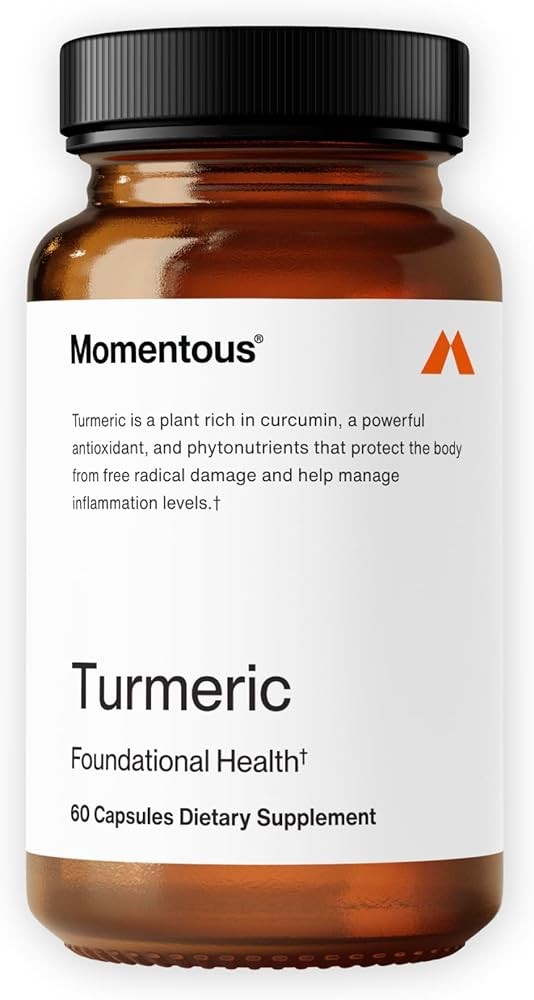
Momentous Turmeric Supplement 1,000 mg - Natural Antioxidant Turmeric Curcumin for Foundational Health - NSF Certifie...
Check Price on AmazonAs an Amazon Associate we earn from qualifying purchases.
Momentous delivers pharmaceutical-grade turmeric curcumin with NSF Certification for Sport—one of the most rigorous third-party testing standards in the supplement industry. This certification verifies the product contains stated ingredients at stated doses and is free from banned substances and contaminants. Each capsule provides 1,000 mg of natural turmeric root standardized to 95% curcuminoids, ensuring consistent therapeutic dosing. The NSF certification is particularly valuable for cancer patients who need absolute confidence in supplement purity during chemotherapy or radiation therapy.
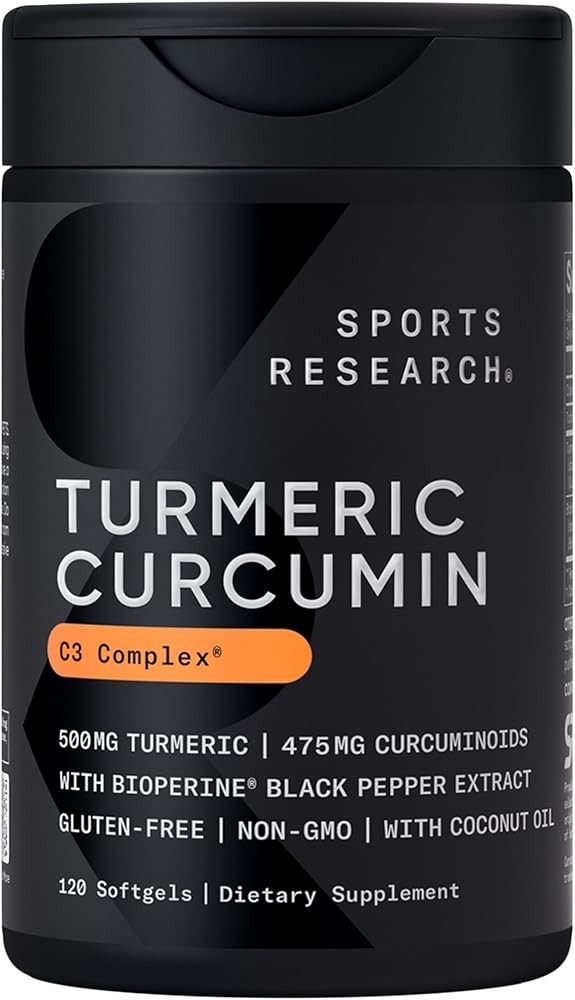
Sports Research® Turmeric Curcumin C3 Complex® w/BioPerine Black Pepper Extract & Organic Coconut Oil - Standardized ...
Check Price on AmazonAs an Amazon Associate we earn from qualifying purchases.
Sports Research combines C3 Complex curcumin extract—the gold standard curcumin used in many clinical trials—with BioPerine black pepper extract for 20-fold bioavailability enhancement. Each softgel contains organic coconut oil, which improves absorption of fat-soluble curcumin and protects the compound from degradation in stomach acid. This formulation provides therapeutic curcumin doses at a fraction of the cost of proprietary formulations, making it ideal for cancer patients requiring consistent long-term supplementation. The C3 Complex is standardized to 95% curcuminoids and has been used in numerous research studies.
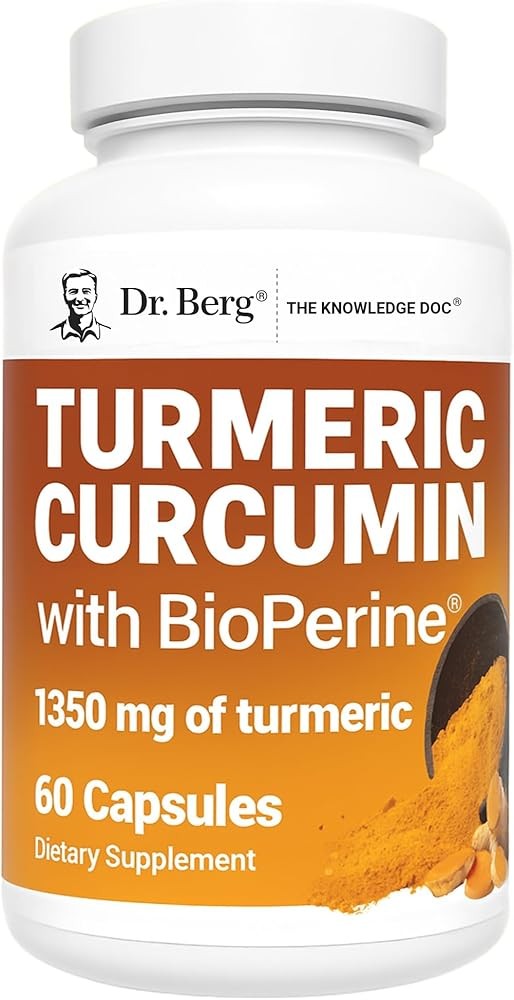
Dr. Berg (Only 2 Per Day) Turmeric Supplement with Black Pepper (BioPerine) - 1350 mg Turmeric Curcumin Supplement wi...
Check Price on AmazonAs an Amazon Associate we earn from qualifying purchases.
Dr. Berg’s formulation delivers 1,350 mg of turmeric curcumin per two-capsule serving—among the highest concentrations available in capsule form. The inclusion of BioPerine (black pepper extract) provides the clinically validated 20-fold bioavailability enhancement that makes therapeutic plasma levels achievable without consuming 6-8 grams daily. This higher concentration reduces pill burden for cancer patients who need therapeutic doses (2,000-4,000 mg daily) but struggle with swallowing multiple capsules. The formulation is standardized to ensure consistent curcuminoid content across batches.
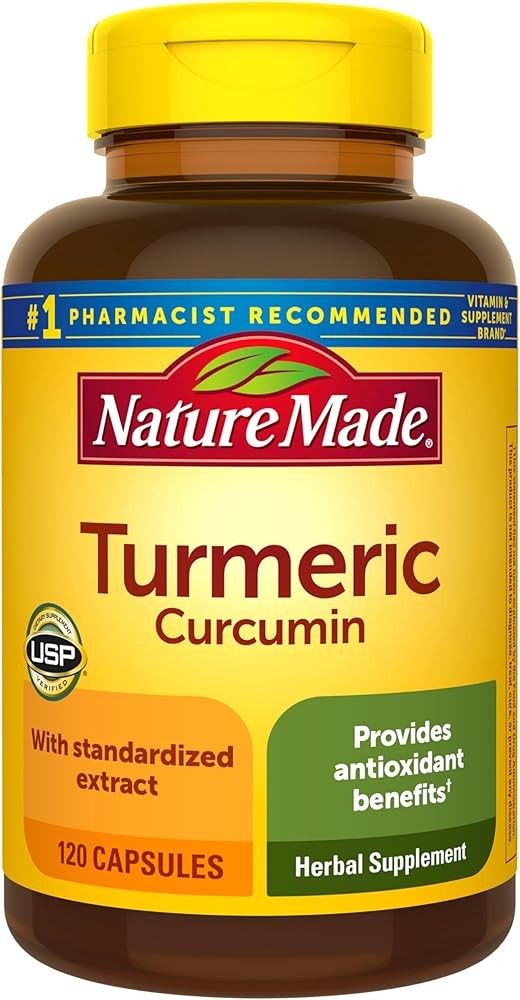
Nature Made Turmeric Curcumin 500 mg, Turmeric Curcumin Supplement for Antioxidant Support, Herbal Supplements, 120 C...
Check Price on AmazonAs an Amazon Associate we earn from qualifying purchases.
Nature Made—a pharmaceutical-grade supplement manufacturer with rigorous quality control—offers USP Verified turmeric curcumin. USP (United States Pharmacopeia) verification confirms the product contains the ingredients listed on the label at declared potency and purity, free from harmful contaminants. Each capsule provides 500 mg of turmeric root extract standardized to curcuminoids. While this formulation lacks bioavailability enhancers like piperine, the trusted manufacturing and third-party verification make it suitable for cancer patients seeking a mainstream, widely available option from a reputable pharmaceutical company. Available at major pharmacy chains nationwide.
📱 Join the discussion: Facebook | X | YouTube | Pinterest
The Bottom Line
For culinary and general wellness purposes, turmeric powder is wonderful. For therapeutic applications in cancer—attempting to achieve the curcumin exposures tested in clinical trials—concentrated curcumin extracts with bioavailability enhancement are necessary.
The clinical evidence we have for curcumin in cancer comes from studies using pharmaceutical-grade concentrated curcumin extracts. Extrapolating those results to low-dose turmeric supplements is scientifically unjustified.
Lifestyle Synergies: Maximizing Curcumin’s Potential
Curcumin’s effects don’t occur in isolation but rather within the complex context of overall diet, lifestyle, and other therapeutic interventions. Certain complementary approaches may enhance curcumin’s anti-cancer activity or share similar mechanisms that create synergistic benefits.
Anti-Inflammatory Dietary Pattern
Curcumin’s primary mechanism involves reducing chronic inflammation, which aligns with broader anti-inflammatory dietary strategies. Combining curcumin supplementation with an overall anti-inflammatory eating pattern may amplify effects:
Emphasize: Colorful vegetables and fruits (rich in polyphenols and antioxidants), fatty fish (omega-3 fatty acids), nuts and seeds, extra virgin olive oil, green tea, berries, cruciferous vegetables, and whole grains.
Minimize: Ultra-processed foods, refined sugars, excessive omega-6 fatty acids from vegetable oils, trans fats, and excessive red and processed meat.
Research shows that dietary patterns characterized by chronic inflammation (high intake of processed meats, refined grains, sugar-sweetened beverages) are associated with increased cancer risk, while anti-inflammatory patterns predict lower cancer incidence.
For comprehensive information, see our detailed guide on anti-inflammatory foods and cancer risk.
Synergistic Compounds
Several other bioactive compounds share mechanisms with curcumin and may produce additive or synergistic effects:
Resveratrol: A polyphenol from grapes and berries that also inhibits NF-κB, induces apoptosis, and has antioxidant properties. Some studies suggest combining curcumin and resveratrol produces superior anti-cancer effects compared to either alone. See our article on resveratrol and cancer.
Green tea EGCG: Epigallocatechin gallate from green tea affects many of the same pathways as curcumin—inhibiting NF-κB and STAT3, inducing apoptosis, and blocking angiogenesis. Clinical trials have combined green tea extracts with curcumin in some cancer prevention studies. Read more in our green tea EGCG and cancer prevention article.
Quercetin: A flavonoid found in onions, apples, and berries with anti-inflammatory and anti-cancer properties. Combined with curcumin, quercetin enhances bioavailability and may amplify anti-cancer effects.
Berberine: An alkaloid from various plants that shares curcumin’s effects on AMPK activation, NF-κB inhibition, and metabolic regulation. See our article on berberine and cancer.
Ginger: Closely related to turmeric, ginger contains gingerols and shogaols with anti-inflammatory properties. Some patients combine ginger and turmeric supplementation, though clinical evidence for this combination specifically is limited. See our comparison of ginger vs turmeric for inflammation.
Healthy Fats for Enhanced Absorption
Curcumin is lipophilic (fat-soluble), meaning absorption improves when taken with dietary fats. Even when using enhanced bioavailability formulations, consuming curcumin with meals containing healthy fats may optimize absorption:
- Extra virgin olive oil
- Avocados
- Nuts and nut butters
- Fatty fish (salmon, mackerel, sardines)
- Full-fat dairy (if tolerated)
- Coconut oil (in moderation)
This doesn’t mean consuming curcumin with unhealthy high-fat meals—trans fats and excessive saturated fat from processed foods promote inflammation and counteract curcumin’s benefits.
Black Pepper and Other Spices
Beyond piperine supplements, consuming curcumin with black pepper in food may enhance absorption. Traditional turmeric-containing curry dishes typically include black pepper, suggesting traditional culinary wisdom anticipated modern pharmacokinetic research.
Other spices with potential health benefits that complement curcumin include:
- Cinnamon (blood sugar regulation, anti-inflammatory)
- Garlic (immune function, cardiovascular health)
- Cayenne pepper (metabolism, pain relief)
Exercise and Physical Activity
Regular exercise reduces systemic inflammation, improves immune function, and reduces cancer recurrence risk in several cancer types. Exercise and curcumin likely work through overlapping mechanisms—reducing inflammatory cytokines, improving insulin sensitivity, and modulating immune function.
Cancer patients should engage in physical activity as tolerated, with physician guidance. Even modest activity (walking 30 minutes daily) provides measurable benefits for inflammation reduction and quality of life during and after cancer treatment.
Stress Management
Chronic psychological stress increases inflammatory cytokines and activates many of the same pathways (NF-κB, cortisol dysregulation) that curcumin aims to inhibit. Stress management practices may complement curcumin’s anti-inflammatory effects:
- Mindfulness meditation (shown to reduce inflammatory biomarkers)
- Yoga (combines movement with stress reduction)
- Deep breathing exercises
- Cognitive behavioral therapy for cancer patients
- Social support and connection
Sleep Optimization
Poor sleep quality increases inflammatory markers and impairs immune function—factors particularly relevant for cancer patients. Curcumin may improve sleep through inflammation reduction, but combining supplementation with good sleep hygiene maximizes benefits:
- Consistent sleep schedule
- Dark, cool bedroom environment
- Limiting screen time before bed
- Addressing sleep disorders (sleep apnea, insomnia) with medical treatment
Avoiding Pro-Inflammatory Lifestyle Factors
While adding beneficial interventions, also consider removing factors that promote inflammation and may counteract curcumin’s effects:
Smoking: Tobacco use dramatically increases inflammatory burden and cancer risk. Smoking cessation is absolutely essential.
Excessive alcohol: While moderate alcohol consumption may have some benefits, excessive intake promotes inflammation and increases cancer risk for multiple cancer types.
Obesity: Excess adipose tissue produces inflammatory cytokines. For overweight cancer patients, modest weight loss (if appropriate and safe during treatment) may amplify anti-inflammatory interventions.
Environmental toxins: Minimize exposure to known carcinogens and endocrine disruptors when possible—choose organic produce when feasible, filter drinking water, avoid plastics with BPA, choose natural personal care products.
The Integrative Approach
The most powerful strategy combines multiple evidence-based interventions rather than relying on any single supplement or lifestyle change. Curcumin supplementation within a comprehensive anti-inflammatory lifestyle—healthful diet, regular exercise, stress management, quality sleep, social connection—likely produces greater benefits than curcumin supplementation alone in the context of an otherwise unhealthy lifestyle.
This integrative approach aligns with the emerging understanding of cancer as a complex, multi-factorial disease requiring multi-modal interventions rather than single “magic bullet” treatments.
Product Recommendations: What to Look For
Recommended Supplements
Given the critical importance of curcumin formulation for bioavailability and clinical efficacy, choosing the right product requires understanding quality markers and avoiding common pitfalls in the supplement marketplace.
Essential Quality Criteria
Curcuminoid content: Look for products standardized to 95% curcuminoids. The label should explicitly state curcuminoid percentage and total mg of curcuminoids per serving, not just total capsule weight.
Bioavailability enhancement: The product should clearly identify its enhancement strategy:
- Curcumin + piperine (BioPerine, typically 5-20 mg per dose)
- Meriva (curcumin-phosphatidylcholine complex)
- Theracurmin (nanoparticle technology)
- BCM-95 or CurQfen (curcumin with turmeric oils)
- Longvida (solid lipid curcumin particles)
Standard curcumin extract without bioavailability enhancement requires very high doses (4,000-8,000 mg daily) to approach therapeutic levels and is generally not the optimal choice.
Third-party testing: Look for certification from:
- USP (United States Pharmacopeia)
- NSF International
- ConsumerLab
- Informed Choice (particularly important for athletes)
These certifications verify that the product contains stated ingredients at stated doses and is free from contaminants and banned substances.
GMP certification: Good Manufacturing Practices certification ensures the product was manufactured under quality-controlled conditions following FDA guidelines for supplement production.
Transparency: Reputable manufacturers provide:
- Complete ingredient lists without “proprietary blends” that hide exact amounts
- Certificates of Analysis showing test results for purity and potency
- Contact information and responsive customer service
- Clear dosing instructions
Recommended Product Categories
For best bioavailability: Meriva curcumin phytosome formulations, given the 29-fold enhancement and clinical evidence in cancer trials. The Meriva brand is licensed to multiple supplement manufacturers.
For budget-conscious consumers: Curcumin extract with BioPerine (piperine) provides 20-fold enhancement at lower cost than proprietary formulations. Many reputable brands offer this combination.
For brain health and neuroprotection (relevant for brain tumors or brain metastases): Longvida formulation, specifically designed to cross the blood-brain barrier.
For maximum absorption: Theracurmin nanoparticle formulation, though typically more expensive. The 27-fold bioavailability enhancement means lower doses achieve therapeutic plasma levels.
For whole-plant advocates: BCM-95 (Biocurcumax) or CurQfen, which combine curcumin extract with natural turmeric components rather than synthetic enhancers.
Specific Product Links
Red Flags to Avoid
Proprietary blends: Products listing “proprietary blend” without specifying curcumin content are problematic—you can’t know if you’re getting therapeutic doses.
Unrealistic claims: Supplements claiming to “eliminate cancer” or “shrink tumors” violate FDA regulations and suggest a disreputable manufacturer.
Extremely low prices: While expensive doesn’t always mean better, suspiciously cheap products often contain low-concentration or adulterated ingredients.
No bioavailability enhancement: Standard curcumin extract without piperine or other enhancement strategy has such poor absorption that it’s generally not worth purchasing unless you plan to take very high doses (4,000+ mg daily).
Turmeric powder instead of extract: Unless specifically seeking turmeric for culinary purposes, products containing only turmeric powder rather than concentrated curcumin extract don’t provide therapeutic curcumin doses.
Dosing Guidance
For general health maintenance and mild inflammation: 500-1,000 mg daily of enhanced bioavailability formulation (or 1,500-2,000 mg standard curcumin with piperine).
For moderate therapeutic use alongside cancer treatment: 1,000-2,000 mg daily enhanced formulation (or 3,600-4,000 mg standard curcumin).
For aggressive adjunctive cancer therapy: 2,000+ mg enhanced formulation daily, or 6,000-8,000 mg standard curcumin, under medical supervision.
Always start with lower doses and gradually increase to assess tolerance and side effects.
Storage and Handling
Curcumin degrades when exposed to light and heat. Store supplements:
- In original container (designed to protect from light)
- In cool, dry place (not bathroom cabinet where humidity is high)
- Away from direct sunlight
- With lid tightly closed
- Before expiration date (potency declines over time)
The Individual Response
Even with high-quality supplements, individual responses vary due to genetic differences in curcumin metabolism, gut microbiota composition, baseline health status, and concurrent medications. If one formulation doesn’t seem effective after 8-12 weeks, consider trying a different bioavailability-enhanced form before concluding curcumin isn’t helpful for you.
For comprehensive supplement guidance, see our best turmeric curcumin supplements guide with detailed product comparisons and testing results.
Practical Takeaways and Clinical Bottom Line
After examining thousands of pages of research, dozens of clinical trials, and extensive mechanistic studies, what can we actually conclude about curcumin and cancer?
What the Evidence Supports
Curcumin has genuine biological activity: The compound demonstrably affects cancer-relevant molecular pathways—inhibiting NF-κB, suppressing COX-2, inducing apoptosis, and blocking angiogenesis. This is not placebo effect or wishful thinking; these mechanisms operate in human cells and tissues.
Bioavailability is the critical barrier: Standard curcumin has abysmal absorption, explaining why early clinical trials showed modest benefits despite strong preclinical rationale. Enhanced formulations (Meriva, curcumin + piperine, Theracurmin) dramatically improve absorption and are essential for therapeutic applications.
Evidence is strongest for colorectal cancer: Oral curcumin reaches meaningful concentrations in gastrointestinal tissue, and trials show effects on precancerous lesions and modest activity in advanced disease. If curcumin has a place in cancer therapy, colorectal cancer is the most promising indication.
Combination with chemotherapy shows promise: The randomized trial demonstrating improved outcomes when combining curcumin with paclitaxel in breast cancer, and the Meriva-gemcitabine trial in pancreatic cancer, suggest curcumin may enhance certain chemotherapy regimens.
Radiosensitization is scientifically compelling: Extensive preclinical evidence and emerging clinical data suggest curcumin enhances radiation therapy effects while potentially protecting normal tissue—a particularly attractive application if confirmed in larger trials.
Safety profile is excellent at moderate doses: Doses up to 8,000 mg daily are generally well-tolerated, with gastrointestinal side effects being dose-limiting for some patients. Serious adverse events are rare.
What the Evidence Does NOT Support
Curcumin is not a definitive solution for cancer: No evidence suggests curcumin can replace standard cancer treatment. Every patient who used curcumin as monotherapy instead of proven treatments has done so at their peril.
Survival benefit remains unproven: While some trials show objective response rates and biomarker changes, we lack definitive evidence that curcumin extends survival in any cancer type. This is the critical endpoint that matters most.
Optimal dosing is unknown: Clinical trials have tested widely varying doses with different formulations, making it impossible to identify “optimal” dosing for any specific cancer type or clinical scenario.
Most cancers lack clinical evidence: Beyond colorectal, pancreatic, breast, and prostate cancer, clinical data for other cancer types is largely absent despite extensive preclinical research.
Honest Risk-Benefit Assessment
For prevention in high-risk individuals: Curcumin supplementation is low-risk and has plausible preventive mechanisms. The evidence for prevention is stronger than for treatment of established cancer.
As adjunct to standard treatment: In combination with chemotherapy (particularly taxanes and gemcitabine) or radiation therapy, curcumin appears safe and may enhance treatment effects. Potential benefits outweigh minimal risks for most patients, assuming oncology team approval.
As palliative support: For patients with advanced cancer where curative options are limited, curcumin’s anti-inflammatory effects may improve quality of life by reducing fatigue and treatment-related side effects.
As alternative to standard treatment: This represents inappropriate use. Curcumin should never replace surgery, chemotherapy, radiation, or immunotherapy with established efficacy.
Implementation Recommendations
If you’re considering curcumin during cancer treatment:
-
Discuss with your oncology team first - Provide details about the specific formulation, dose, and timing you’re considering.
-
Choose enhanced bioavailability formulations - Meriva, curcumin + piperine, or Theracurmin, not standard curcumin or turmeric powder.
-
Start with moderate doses - Begin with 500-1,000 mg daily of enhanced formulation, increasing gradually as tolerated.
-
Monitor for interactions - Be especially vigilant if taking blood thinners, chemotherapy, or medications metabolized by CYP3A4 or CYP2C9.
-
Track subjective and objective responses - Keep a symptom log and monitor relevant biomarkers (inflammatory markers, tumor markers, blood counts).
-
Be patient - Curcumin’s effects accumulate gradually over weeks to months, not days.
-
Maintain realistic expectations - Curcumin might help moderately; it won’t work miracles.
The Research That’s Still Needed
To establish curcumin’s definitive role in cancer therapy, we need:
- Large randomized controlled trials with survival endpoints in specific cancer types
- Head-to-head comparisons of different bioavailability-enhanced formulations
- Standardized dosing protocols based on pharmacokinetic modeling
- Biomarker-driven patient selection to identify which patients are most likely to benefit
- Combination studies systematically testing curcumin with different chemotherapy regimens
- Long-term safety data for chronic high-dose use
Several such trials are underway, and results over the next 5-10 years should clarify curcumin’s clinical utility.
Final Perspective
Curcumin represents a genuinely interesting compound with real biological activity relevant to cancer. The research base is extensive and mechanisms are well-characterized. Enhanced formulations have largely solved the bioavailability problem that plagued early research.
However, we must distinguish between “promising” and “proven.” Curcumin remains in the promising category—showing enough clinical activity to warrant continued investigation but lacking definitive proof of survival benefit.
For patients and physicians navigating the overwhelming complexity of cancer treatment decisions, curcumin can be reasonably considered as a low-risk adjunctive approach, particularly when combined with standard treatments. It should not distract from evidence-based therapies, but neither should it be dismissed as useless or dangerous.
The answer to “Should I take curcumin for cancer?” is not a simple yes or no, but rather “Possibly, depending on your specific cancer type, treatment plan, other medications, and risk factors—discuss with your oncology team to make an informed, individualized decision.”
This nuanced assessment may be unsatisfying to those seeking simple answers, but it accurately reflects the current state of evidence: genuine promise, biological plausibility, emerging clinical support, but not yet definitive proof.
Complete Support System: Complementary Cancer Nutrition Approaches
Curcumin works most effectively as part of a comprehensive nutritional strategy targeting multiple pathways involved in cancer biology and treatment support. These evidence-based complementary approaches share overlapping mechanisms with curcumin and may enhance therapeutic outcomes when combined.
Anti-Inflammatory Polyphenols: Resveratrol from grapes and berries inhibits NF-κB and induces apoptosis through mechanisms similar to curcumin. Green tea EGCG blocks angiogenesis and modulates STAT3 signaling. Clinical trials have tested combinations of these polyphenols with curcumin for synergistic anti-cancer effects.
Metabolic Modulators: Berberine activates AMPK and inhibits mTOR pathways that regulate cancer cell metabolism. When combined with curcumin, berberine may enhance metabolic disruption in cancer cells while supporting healthy mitochondrial function in normal tissues.
Immune Support Compounds: Medicinal mushrooms containing beta-glucans and polysaccharides activate natural killer cells and cytotoxic T lymphocytes. Curcumin’s ability to modulate tumor microenvironment may complement immune-enhancing mushroom extracts during immunotherapy treatment.
Bioavailability Optimizers: Ginger supplements containing gingerols share curcumin’s anti-inflammatory properties and may enhance curcumin absorption when taken together. Black pepper extracts (piperine) remain the most clinically validated bioavailability enhancer for curcumin supplementation.
Foundational Nutrition: Anti-inflammatory dietary patterns emphasizing colorful vegetables, omega-3 fatty acids, and whole food polyphenols create the metabolic environment where supplemental curcumin can exert maximal anti-cancer effects.
Patients should discuss comprehensive supplement protocols with their oncology team, as timing and dosing matter critically when combining curcumin with chemotherapy, radiation, or immunotherapy. Some combinations enhance treatment efficacy while others may interfere with specific drugs.
Turmeric Curcumin and Cancer: What Studies Actually Found - Quick Summary:
Key evidence-based findings from this comprehensive review:
- Clinically studied doses range from 000 mg to 000 mg
- See full article below for detailed clinical trial evidence, dosing protocols, and safety considerations
- Always consult your healthcare provider before starting any new supplement
Full research breakdown below
Related Articles
- Best Turmeric Curcumin Supplements
- Nutrition and Cancer Research: Best Anti-Inflammatory Foods and Cancer Risk
- Resveratrol and Cancer: What the Evidence Actually Says
- Berberine and Cancer Research: What We Know So Far
- Green Tea EGCG and Cancer Prevention Research Review
- Medicinal Mushrooms and Cancer
- Ginger vs Turmeric for Inflammation
Related Reading
- Artificial Sweeteners and Cancer Risk: What Major Studies Found
- Berberine and Cancer Research: What We Know So Far
- Turmeric Juice Vs Curcumin Supplements
- Best Turmeric Curcumin Supplements
- Ketogenic Diet and Cancer: What Clinical Trials Show
- Resveratrol and Cancer: What the Evidence Actually Says
- Turmeric vs Curcumin: Which Is Better? [Complete Comparison Guide]
References
National Cancer Institute. “Curcumin and Cancer (PDQ®).” NCI, 2024. [Source](https://www.cancer.gov/about-cancer/treatment/cam/hp/curcumin-pdq)
Golombick T, et al. “The golden spice curcumin in cancer: A perspective on finalized clinical trials during the last 10 years.” PubMed, 2022. [PubMed 35381757](https://pubmed.ncbi.nlm.nih.gov/35381757/)
Shoba G, et al. “Influence of piperine on the pharmacokinetics of curcumin in animals and human volunteers.” Planta Med, 1998. [PubMed 9619120](https://pubmed.ncbi.nlm.nih.gov/9619120/)
Cuomo J, et al. “Comparative absorption of a standardized curcuminoid mixture and its lecithin formulation.” J Nat Prod, 2011. PMC Article
Marjaneh RM, et al. “Phytosome complex of curcumin as complementary therapy of advanced pancreatic cancer improves safety and efficacy of gemcitabine: Results of a prospective phase II trial.” PubMed, 2018. [PubMed 29614381](https://pubmed.ncbi.nlm.nih.gov/29614381/)
Chen S, et al. “Curcumin in colorectal cancer: mechanistic insights, pharmacological limitations, and translational perspectives.” Front Pharmacol, 2025. [Source](https://www.frontiersin.org/journals/pharmacology/articles/10.3389/fphar.2025.1667731/full)
Cruz-Correa M, et al. “Phase IIa clinical trial of curcumin for the prevention of colorectal neoplasia.” Cancer Prev Res, 2006. [PubMed 21372035](https://pubmed.ncbi.nlm.nih.gov/21372035/)
Singh BN, et al. “Activation of Transcription Factor NF-κB Is Suppressed by Curcumin (Diferuloylmethane).” J Biol Chem, 1995. [Source](https://www.sciencedirect.com/science/article/pii/S0021925818870806)
Huang MT, et al. “Inhibitory effects of curcumin on tumorigenesis in mice.” J Cell Biochem Suppl, 1997. PMC Article
Kanai M, et al. “Mechanism of Apoptosis Induced by Curcumin in Colorectal Cancer.” Int J Mol Sci, 2019. [Source](https://www.mdpi.com/1422-0067/20/10/2454)
Dhillon N, et al. “Phase II trial of curcumin in patients with advanced pancreatic cancer.” Clin Cancer Res, 2008. [PubMed 18628464](https://pubmed.ncbi.nlm.nih.gov/18628464/)
Kanai M, et al. “Curcumin and gemcitabine in patients with advanced pancreatic cancer.” Nutr Cancer, 2010. [PubMed 21058202](https://pubmed.ncbi.nlm.nih.gov/21058202/)
Pastorelli D, et al. “Curcumin-induced antitumor effects on triple-negative breast cancer patient-derived xenograft tumor mice.” PMC Article, 2023. [NIH](https://pmc.ncbi.nlm.nih.gov/articles/PMC9931023/)
Bayet-Robert M, et al. “Phase I dose escalation trial of docetaxel plus curcumin in patients with advanced and metastatic breast cancer.” Cancer Biol Ther, 2010. [PubMed 19901561](https://pubmed.ncbi.nlm.nih.gov/19901561/)
Panahi Y, et al. “Efficacy and safety of curcumin in combination with paclitaxel in patients with advanced, metastatic breast cancer: A comparative, randomized, double-blind, placebo-controlled clinical trial.” Phytomedicine, 2020. [PubMed 32335356](https://pubmed.ncbi.nlm.nih.gov/32335356/)
Choi H, et al. “A randomized, double-blind, placebo-controlled trial to evaluate the role of curcumin in prostate cancer patients with intermittent androgen deprivation.” Prostate, 2019. [PubMed 30671976](https://pubmed.ncbi.nlm.nih.gov/30671976/)
Golombick T, et al. “Monoclonal gammopathy of undetermined significance, smoldering multiple myeloma, and curcumin: a randomized, double-blind placebo-controlled cross-over 4g study and an open-label 8g extension study.” Am J Hematol, 2012. [PubMed 22473809](https://pubmed.ncbi.nlm.nih.gov/22473809/)
Hejazi J, et al. “Curcumin as adjuvant therapy to improve remission in myeloma patients.” PMC Article, 2022. [NIH](https://pmc.ncbi.nlm.nih.gov/articles/PMC9301229/)
Javvadi P, et al. “Analysis of Curcumin as a Radiosensitizer in Cancer Therapy with Serum Survivin Examination: Randomised Control Trial.” PMC Article, 2021. [NIH](https://pmc.ncbi.nlm.nih.gov/articles/PMC8184198/)
Singh M, et al. “Radiosensitization and Radioprotection by Curcumin in Glioblastoma and Other Cancers.” Biomedicines, 2022. [NIH](https://pmc.ncbi.nlm.nih.gov/articles/PMC8869399/)
Gunnink LK, et al. “Curcumin directly inhibits the transport activity of GLUT1.” Biochimie, 2016. [PubMed 27039889](https://pubmed.ncbi.nlm.nih.gov/27039889/)
Unlu A, et al. “Curcumin (Turmeric) and cancer.” J BUON, 2016. PDF
Mansouri K, et al. “Clinical effects of curcumin in enhancing cancer therapy: A systematic review.” BMC Cancer, 2020. [Source](https://link.springer.com/article/10.1186/s12885-020-07256-8)
Cheng AL, et al. “Phase I Clinical Trial of Oral Curcumin: Biomarkers of Systemic Activity and Compliance.” Clin Cancer Res, 2001. [Source](https://aacrjournals.org/clincancerres/article/10/20/6847/96368)
Chainani-Wu N. “Safety and anti-inflammatory activity of curcumin: a component of tumeric (Curcuma longa).” J Altern Complement Med, 2003. Review Article
Jiao Y, et al. “Curcumin, a cancer chemopreventive and chemotherapeutic agent, is a biologically active iron chelator.” Blood, 2009. [Source](https://ashpublications.org/blood/article/113/2/462/24716)
Appiah S, et al. “Iron Deficiency Anemia Due to High-dose Turmeric.” Cureus, 2017. [NIH](https://pmc.ncbi.nlm.nih.gov/articles/PMC6414192/)
Burgos-Morón E, et al. “The dark side of curcumin.” Int J Cancer, 2010. PDF
Nelson KM, et al. “Curcumin Formulations for Better Bioavailability: What We Learned from Clinical Trials Thus Far?” ACS Omega, 2023. [NIH](https://pmc.ncbi.nlm.nih.gov/articles/PMC10061533/)
Antony B, et al. “A Pilot Cross-Over Study to Evaluate Human Oral Bioavailability of BCM-95®CG (Biocurcumax™), A Novel Bioenhanced Preparation of Curcumin.” Indian J Pharm Sci, 2008. [NIH](https://pmc.ncbi.nlm.nih.gov/articles/PMC2792534/)
Schiborr C, et al. “The oral bioavailability of curcumin from micronized powder and liquid micelles is significantly increased in healthy humans and differs between sexes.” Mol Nutr Food Res, 2014. Study Details
Common Questions About Turmeric
What are the benefits of turmeric?
Turmeric has been studied for various potential health benefits. Research suggests it may support several aspects of health and wellness. Individual results can vary. The strength of evidence differs across different claimed benefits. More high-quality research is often needed. Always review the latest scientific literature and consult healthcare professionals about whether turmeric is right for your health goals.
Is turmeric safe?
Turmeric is generally considered safe for most people when used as directed. However, individual responses can vary. Some people may experience mild side effects. It’s important to talk with a healthcare provider before using turmeric, especially if you have existing health conditions, are pregnant or nursing, or take medications.
How does turmeric work?
Turmeric works through various biological mechanisms that researchers are still studying. Current evidence suggests it may interact with specific pathways in the body to produce its effects. Always consult with a healthcare provider before starting any new supplement or health regimen to ensure it’s appropriate for your individual needs.
Who should avoid turmeric?
Turmeric is a topic of ongoing research in health and nutrition. Current scientific evidence provides some insights, though more studies are often needed. Individual responses can vary significantly. For personalized advice about whether and how to use turmeric, consult with a qualified healthcare provider who can consider your complete health history and current medications.
What are the signs turmeric is working?
Turmeric is a topic of ongoing research in health and nutrition. Current scientific evidence provides some insights, though more studies are often needed. Individual responses can vary significantly. For personalized advice about whether and how to use turmeric, consult with a qualified healthcare provider who can consider your complete health history and current medications.
How long should I use turmeric?
The time it takes for turmeric to work varies by individual and depends on factors like dosage, consistency of use, and individual metabolism. Some people notice effects within days, while others may need several weeks. Research studies typically evaluate effects over weeks to months. Consistent use as directed is important for best results. Keep a journal to track your response.
Recommended Products