Vitamin D and Cancer Risk: What Large Studies Show
Summarized from peer-reviewed research indexed in PubMed. See citations below.
Large-scale research on vitamin D and cancer has revealed a complex relationship between blood levels and cancer risk, with observational studies suggesting protective effects but randomized controlled trials showing more modest outcomes. According to the landmark VITAL trial involving 25,871 adults followed for 5.3 years, vitamin D3 supplementation at 2,000 IU daily reduced cancer mortality by approximately 17% when accounting for cancer latency, though it did not significantly reduce overall cancer incidence. Meta-analyses confirm these findings, with daily vitamin D3 supplementation (400-2,000 IU) reducing all-cause cancer mortality by 12-16%, particularly in adults over 70, while observational studies show stronger associations with blood levels of 40-80 ng/mL correlating with lowest cancer risk. For budget-conscious individuals, generic vitamin D3 supplements at 2,000 IU daily cost approximately $5-10 annually and provide evidence-based dosing. Here’s what the published research shows about vitamin D’s role in cancer risk reduction and mortality reduction.
Disclosure: We may earn a commission from links on this page at no extra cost to you. Affiliate relationships never influence our ratings. Full policy →

Optimum Nutrition Serious Mass, Weight Gainer Protein Powder, Mass Gainer, Vitamin C and Zinc for Immune Support, Cre...
Check Price on AmazonAs an Amazon Associate we earn from qualifying purchases.
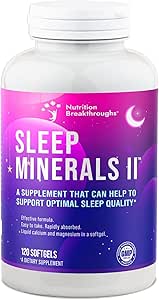
Nutrition Breakthroughs Sleep Minerals II - Sleep Supplement, Magnesium Sleep Aids for Adults & Good for All Ages, Sl...
Check Price on AmazonAs an Amazon Associate we earn from qualifying purchases.

Rho Nutrition Liposomal Vitamin C – Ultra High Absorption Liquid Vitamin C Supplement - Supports Immune System, Colla...
Check Price on AmazonAs an Amazon Associate we earn from qualifying purchases.
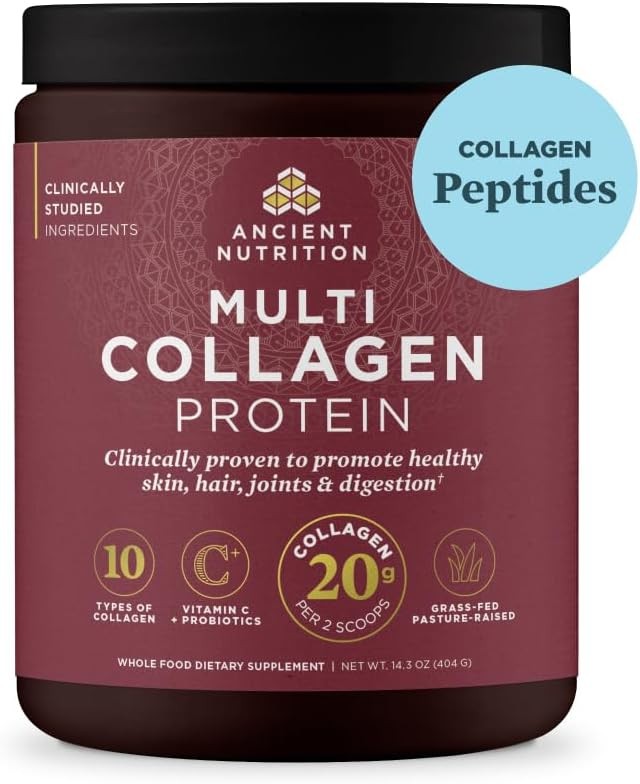
Ancient Nutrition Collagen Peptides Powder, Multi Collagen Protein, Women & Men, Vitamin C, Probiotics, Hydrolyzed Co...
Check Price on AmazonAs an Amazon Associate we earn from qualifying purchases.
Watch Our Video Review
Vitamin D Supplementation Strategies Compared
| Strategy | Dose | Evidence | Cancer Mortality Benefit | Blood Level Target | Annual Cost |
|---|---|---|---|---|---|
| VITAL Trial Protocol | 2,000 IU D3 daily | Randomized controlled trial (25,871 participants) | 17% reduction (latency-adjusted) | 30-40 ng/mL | $5-10 |
| D3 + K2 Combination | 2,000-4,000 IU D3 + 200-400 mcg K2 (MK-7) daily | Meta-analyses + mechanistic studies | 12-16% reduction + improved calcium metabolism | 40-60 ng/mL | $15-25 |
| High-Dose for Deficiency | 5,000 IU D3 daily | Observational + safety studies | Strongest in deficient individuals (<20 ng/mL baseline) | 50-80 ng/mL | $10-15 |
| Intermittent Bolus | 50,000 IU monthly or 500,000 IU yearly | Randomized trials | No benefit or harm in some studies | Variable (peaks/troughs) | $10-20 |
| D2 (Ergocalciferol) | 2,000 IU daily | Meta-analyses | No statistically significant cancer effect | Lower than D3 at same dose | $8-15 |
| Sun Exposure Only | 10-30 min midday, arms/legs, 2-3x weekly | Observational studies | Associated with lower cancer risk but increases skin cancer risk | Variable by season/latitude | $0 |
The evidence strongly favors daily vitamin D3 (cholecalciferol) supplementation over intermittent high-dose regimens or vitamin D2. Meta-analyses show daily dosing at physiologic levels (400-2,000 IU) reduces cancer mortality by 12-16%, while bolus dosing shows no benefit. Combining D3 with vitamin K2 enhances calcium metabolism and may provide additional cancer protection through improved cellular differentiation. For individuals with documented vitamin D deficiency or obesity, higher doses (5,000 IU daily) with blood level monitoring appear necessary to achieve optimal levels of 40-60 ng/mL associated with lowest cancer risk in observational studies.
Clues Your Body Tells You About Vitamin D Deficiency
Before diving into the cancer research, it’s important to understand how vitamin D deficiency manifests in your body. According to research, most people with vitamin D deficiency are asymptomatic—doctors don’t routinely check vitamin D levels, so many are deficient without realizing it. However, when symptoms do appear, they can be quite varied and often attributed to other causes.
Signs Something Is Wrong
Persistent fatigue and low energy are among the most common early signs of vitamin D deficiency. If you’re consistently exhausted despite adequate sleep, vitamin D could be the culprit. The vitamin participates in mitochondrial function—the powerhouses of your cells—and hormonal regulation that directly impacts energy production.
Bone pain, back pain, or a dull ache in your skeleton signals that your bones aren’t getting adequate calcium and phosphorus, which vitamin D regulates. This is distinct from sharp, acute pain and feels more like a deep, persistent ache. When vitamin D levels are low, your body can’t properly absorb calcium and phosphorus, increasing risk of bone pain and eventual bone loss.
Muscle weakness, cramps, or a feeling of heaviness in your limbs occurs because vitamin D receptors are present in muscle tissue. You might notice difficulty climbing stairs, getting up from a chair, or general weakness that doesn’t match your activity level.
Getting sick frequently with colds, flu, or respiratory infections suggests compromised immune function. Vitamin D plays a crucial role in activating T-cells and modulating immune responses. If you’re catching every bug that goes around, low vitamin D could be weakening your defenses.
Mood changes, particularly depression, anxiety, or seasonal affective disorder can relate to vitamin D’s role in neurotransmitter synthesis and brain function. Many people notice their mood drops during winter months when sun exposure decreases.
Slow wound healing is another telltale sign. If cuts and scrapes take forever to heal, vitamin D deficiency might be the reason—the vitamin helps produce compounds critical to forming new skin tissue.
Hair loss or thinning hair, particularly in women, has been linked to low vitamin D levels, as hair follicles contain vitamin D receptors.
What Improvement Looks Like
When you begin correcting vitamin D deficiency (whether through supplementation or increased sun exposure), changes typically unfold over weeks to months:
Week 1-2: Most people notice subtle improvements in energy and mood first. You might wake up feeling slightly more refreshed or notice your afternoon energy crashes aren’t as severe.
Week 3-4: Energy improvements become more pronounced. Muscle weakness and cramps often begin to resolve. Some people report better sleep quality.
Month 2-3: Bone and joint pain typically improves significantly. Immune function strengthens—you may notice you’re not catching colds as frequently. Mood stabilizes, with reduced depression and anxiety symptoms. Skin and hair health may begin improving.
Month 3-6: Full benefits manifest at this point, assuming you’ve achieved optimal blood levels (40-80 ng/mL). Energy is stable, bones feel strong, muscles function well, immune resilience is high, and mood is balanced.
Warning Signs to Watch For
While correcting vitamin D deficiency is generally safe, certain symptoms warrant medical attention:
Signs of vitamin D toxicity from excessive supplementation (rare, usually requires sustained intake above 10,000 IU daily) include nausea, vomiting, weakness, and frequent urination. These occur due to hypercalcemia (too much calcium in the blood).
Persistent bone pain despite supplementation could indicate other conditions like osteomalacia, hyperparathyroidism, or cancer and requires professional evaluation.
Severe fatigue that doesn’t improve with vitamin D correction suggests other underlying issues that need investigation.
New or worsening symptoms after starting supplementation could indicate allergic reactions or interactions with medications.
Timeline of Changes: What to Expect
The timeline for vitamin D repletion depends on your starting level and dose:
- Mild deficiency (20-30 ng/mL): Correcting to optimal levels (40-80 ng/mL) typically takes 2-3 months with 2,000-4,000 IU daily
- Moderate deficiency (10-20 ng/mL): Expect 3-4 months with 4,000-5,000 IU daily
- Severe deficiency (<10 ng/mL): May require 6+ months or initial high-dose therapy under medical supervision
Blood levels typically rise by approximately 1 ng/mL for every 100 IU of daily vitamin D3 supplementation, though this varies by individual factors including body weight, absorption capacity, and baseline levels.
The VITAL Trial: The Largest Randomized Study
The VITamin D and OmegA-3 TriaL (VITAL) stands as the gold standard in vitamin D cancer research. Published in the New England Journal of Medicine in 2019, this nationwide, randomized, placebo-controlled trial enrolled 25,871 U.S. adults—men aged 50+ and women aged 55+, including 5,106 African Americans—and followed them for a median of 5.3 years.
Study Design and Intervention
Participants were randomly assigned to receive either:
- Vitamin D3 (cholecalciferol) 2,000 IU daily
- Omega-3 fatty acids (1 gram daily)
- Both supplements
- Placebo
The trial used a 2×2 factorial design, allowing researchers to evaluate both supplements independently and in combination. The 2,000 IU daily dose was chosen as a safe, achievable level above the recommended daily allowance but below levels that might cause toxicity.
Primary Cancer Findings
The results were sobering for those hoping vitamin D would be a cancer risk reduction breakthrough. Vitamin D supplementation did not significantly reduce the primary endpoint of total invasive cancer incidence, with a hazard ratio of 0.96 (95% confidence interval 0.88-1.06). In plain terms, cancer rates were virtually identical between the vitamin D and placebo groups.
However, a more nuanced picture emerged when examining cancer mortality. While not reaching statistical significance, vitamin D showed a promising signal for reducing total cancer mortality, with a hazard ratio of 0.83 (95% CI 0.67-1.02)—a 17% reduction that barely missed statistical significance.
The Latency Analysis: A Critical Insight
Cancer doesn’t develop overnight. It typically takes years or decades for cancer to initiate, progress, and become clinically detectable. This biological reality led VITAL researchers to conduct latency analyses—excluding cancers diagnosed in the first year or two of follow-up, which were likely already present (but undetected) when the trial began.
When the researchers excluded the first year of follow-up, the hazard ratio for cancer mortality strengthened to 0.79 (95% CI 0.63-0.99)—a statistically significant 21% reduction. Excluding the first two years yielded an even stronger effect: hazard ratio of 0.75 (95% CI 0.59-0.96), representing a 25% reduction in cancer death.
This pattern makes biological sense. Vitamin D likely can’t reverse already-established cancers within months, but may slow cancer progression over years. As VITAL’s principal investigator Dr. JoAnn Manson noted, the latency findings suggest vitamin D’s benefits may emerge with longer-term supplementation.
Subgroup Analyses
VITAL also examined whether certain groups benefited more from vitamin D:
Body Mass Index (BMI): The strongest signal appeared in individuals with normal BMI (<25). Among this group, vitamin D reduced cancer incidence by approximately 24% (HR 0.76, 95% CI 0.63-0.90). In contrast, overweight and obese individuals showed no significant benefit. This finding suggests that excess body fat may sequester vitamin D, reducing its bioavailability, or that obesity-related inflammation may interfere with vitamin D’s anti-cancer mechanisms.
Race: Despite hopes that vitamin D might particularly benefit African Americans (who have higher rates of vitamin D deficiency due to melanin reducing skin vitamin D synthesis), no significant racial differences in cancer outcomes emerged, though the study may have been underpowered for this subgroup analysis.
Baseline vitamin D levels: Unfortunately, VITAL didn’t measure baseline blood levels in all participants, limiting subgroup analysis by vitamin D status.
Advanced and Metastatic Cancer
Perhaps the most clinically meaningful finding from VITAL came from an analysis of advanced cancer (metastatic or fatal). Vitamin D supplementation reduced the risk of advanced cancer by 17% overall (HR 0.83), and by 38% (HR 0.62) among those with normal BMI. This suggests vitamin D may be particularly effective at reducing cancer risk progression to advanced, life-threatening stages.
Meta-Analyses: Pooling the Evidence
While VITAL is the largest single trial, meta-analyses combine data from multiple randomized controlled trials to increase statistical power and detect effects that individual studies might miss.
Systematic Review on Cancer Mortality
A comprehensive 2025 systematic review examining vitamin D’s impact on cancer incidence and mortality found that daily vitamin D3 supplementation at physiologic doses (400-2,000 IU) reduced all-cause cancer mortality by 12%, with patients over 70 seeing up to 16% mortality reduction. This analysis included data from multiple randomized controlled trials encompassing tens of thousands of participants.
Critically, the review found no meaningful reduction in overall cancer incidence, directly challenging claims that vitamin D stops cancer initiation. Instead, the evidence suggests vitamin D slows cancer progression rather than stopping cancer from developing in the first place.
Umbrella Review
An umbrella review published in 2024 (the highest level of evidence synthesis, reviewing multiple systematic reviews and meta-analyses) found that vitamin D3 supplementation reduced total cancer mortality with an odds ratio of 0.90 (95% CI 0.87-0.92, P < 0.01). This represents a 10% reduction that was highly statistically significant.
The same review found highly suggestive evidence for risk reduction of specific cancer types: head and neck, breast, colorectal, lung, and renal cell cancers through vitamin D3 intake. However, these findings came primarily from observational studies rather than randomized trials, limiting causal inferences.
Meta-Analysis Published in Annals of Oncology
This influential meta-analysis pooled data from randomized controlled trials and found:
- Cancer incidence: No significant reduction (RR 0.98, 95% CI 0.93-1.03)
- Cancer mortality: Significant 13% reduction (RR 0.87, 95% CI 0.79-0.96, P = 0.005)
The pattern is consistent: vitamin D doesn’t reduce cancer risk from occurring, but may reduce mortality from cancer once it develops.
Daily vs. Intermittent Dosing
A crucial finding across meta-analyses is that daily dosing appears more effective than intermittent high-dose supplementation. Several large trials using bolus dosing (monthly or yearly high doses) showed no benefit or even harm, while trials using daily physiologic doses showed mortality benefits.
The biological explanation likely relates to how vitamin D is metabolized. Daily dosing maintains more stable blood levels of both 25(OH)D (the storage form) and 1,25(OH)2D3 (the active form), whereas intermittent bolus dosing creates peaks and troughs that may be less effective for cancer risk reduction and could even promote cancer cell survival during trough periods.
Observational Studies: Stronger Associations, Weaker Causality
While randomized trials provide the strongest evidence for causation, observational studies examining the relationship between vitamin D blood levels and cancer risk have consistently shown stronger associations. The key limitation: these studies can’t prove that low vitamin D causes cancer, because other factors associated with low vitamin D (less outdoor activity, poorer health, lower socioeconomic status) might be the true causal factors.
Colorectal Cancer: The Strongest Evidence
The vitamin D-cancer association is strongest and most consistent for colorectal cancer. A pooling project of 17 cohorts examining circulating vitamin D and colorectal cancer risk found:
- 40% reduced colorectal cancer incidence comparing highest vs. lowest vitamin D levels
- Dose-response relationship: each 10 ng/mL increase in 25(OH)D associated with approximately 19% lower colorectal cancer risk
- Protective effects plateaued around 30-40 ng/mL
Among patients already diagnosed with colorectal cancer, meta-analyses of prospective cohort studies found that higher vitamin D levels were associated with:
- 29% lower overall mortality (HR 0.71, 95% CI 0.55-0.91)
- 35% lower colorectal cancer-specific mortality (HR 0.65, 95% CI 0.49-0.86)
These survival benefits suggest vitamin D may slow cancer progression even after diagnosis.
A 2025 frontiers article noted that vitamin D deficiency, particularly in obese patients, was associated with worse colorectal cancer outcomes, and adequate vitamin D levels were associated with reduced risk of sporadic colorectal cancer.
Breast Cancer: Complex Findings
The breast cancer evidence is more complex. Multiple meta-analyses of observational studies found no association between vitamin D levels and breast cancer incidence. However, among women already diagnosed with breast cancer, higher vitamin D levels were associated with:
- 38% lower overall mortality (HR 0.62, 95% CI 0.49-0.78)
- 42% lower breast cancer-specific mortality (HR 0.58, 95% CI 0.38-0.84)
This pattern mirrors colorectal cancer findings: vitamin D may not reduce risk of breast cancer developing but may improve survival once cancer is present.
Other Cancer Types
A 2025 systematic review found a strong inverse relationship between serum 25(OH)D levels and the incidence, metastasis, and mortality of several cancer types, including:
- Colon, gastric, and rectal cancers
- Bladder, esophageal, and gallbladder cancers
- Ovarian and endometrial cancers
- Pancreatic and renal cancers
- Both Hodgkin’s and non-Hodgkin’s lymphomas
However, these associations come from observational studies and haven’t been confirmed in randomized trials. The disconnect between observational and interventional evidence remains one of the most puzzling aspects of vitamin D cancer research.
Why the Disconnect Between Observational and Randomized Studies?
Several explanations have been proposed:
- Reverse causation: Cancer or preclinical cancer may lower vitamin D levels, rather than low vitamin D causing cancer
- Residual confounding: People with higher vitamin D levels may have healthier lifestyles, more physical activity, better access to healthcare, and other unmeasured factors that reduce cancer risk
- Inadequate dose/duration: Most randomized trials used 2,000 IU daily and followed participants for 5 years, which may be insufficient to show cancer risk reduction benefits that require decades to manifest
- Baseline vitamin D status: Most trials didn’t specifically enroll vitamin D-deficient individuals, diluting potential benefits
- Trial timing: Starting supplementation at age 50-60 may be too late to reduce cancer risk initiated decades earlier
Mechanisms: How Vitamin D Affects Cancer Cells
Understanding the biological mechanisms by which vitamin D influences cancer helps explain both the promise and limitations of supplementation.
The Vitamin D Receptor and Gene Regulation
When you consume or synthesize vitamin D (cholecalciferol, or D3), your liver converts it to 25-hydroxyvitamin D [25(OH)D]—the form measured in blood tests. Kidneys and other tissues then convert 25(OH)D to the active hormone 1,25-dihydroxyvitamin D3 [1,25(OH)2D3], also called calcitriol.
Calcitriol binds to vitamin D receptors (VDR) present in most human tissues, including most cancer cells. The activated VDR then heterodimerizes with retinoid X receptor (RXR), and this complex binds to more than 10,000 loci within the human genome, affecting transcription of approximately 1,000 target genes.
Anti-Cancer Mechanisms
Research has identified multiple pathways through which vitamin D exerts anti-cancer effects:
Cell Cycle Arrest and Growth Inhibition: Activated VDR upregulates p21 and p27, proteins that halt the cell cycle at the G1 phase, reducing cancer risk cells from dividing. Studies show 1,25(OH)2D3 inhibits proliferation across multiple cancer cell lines including breast, prostate, colon, and skin cancers.
Promotion of Differentiation: Cancer cells are typically poorly differentiated—they lose specialized functions and behave chaotically. Vitamin D promotes cellular differentiation, pushing cancer cells toward a more normal, specialized phenotype that’s less aggressive and invasive.
Apoptosis (Programmed Cell Death): VDR activation influences apoptosis-regulating genes including bcl-2 and tumor suppressor p53, helping eliminate damaged or precancerous cells before they can progress to full malignancy.
Anti-Angiogenesis: Tumors require new blood vessel formation (angiogenesis) to grow beyond microscopic size. Vitamin D inhibits angiogenesis by reducing production of vascular endothelial growth factor (VEGF), starving tumors of nutrients and oxygen.
Immune Modulation: Vitamin D enhances innate immunity (first-line defenses) while modulating adaptive immunity to reduce risk of excessive inflammation that can promote cancer. It activates antimicrobial peptides and influences T-cell function, helping the immune system recognize and destroy cancer cells.
Inhibition of Invasion and Metastasis: Vitamin D affects E-cadherin (a cell adhesion molecule) and metalloproteinases (enzymes that break down tissue), reducing cancer cells’ ability to invade surrounding tissues and metastasize to distant sites.
Wnt/β-Catenin Pathway Suppression: When VDR is activated, it blocks nuclear import of β-catenin, a key player in the Wnt signaling pathway implicated in multiple cancers, particularly colorectal cancer. This mechanism may partially explain the strong protective associations for colorectal cancer.
NF-κB Inhibition: In prostate cancer cells, 1,25(OH)2D3 inhibits inflammatory signaling through nuclear factor kappa B (NF-κB), reducing inflammation-driven cancer progression.
Hedgehog Pathway Suppression: Even unliganded (not bound to calcitriol) VDR suppresses the hedgehog signaling pathway, which is aberrantly activated in several cancer types.
Local vs. Systemic Vitamin D Metabolism
An important nuance: while kidneys are the primary site for converting 25(OH)D to active 1,25(OH)2D3 for systemic calcium regulation, many tissues including prostate, breast, and colon cells possess the enzyme (1α-hydroxylase) to perform this conversion locally. This means adequate circulating 25(OH)D is necessary to supply substrate for local tissue conversion to active hormone, supporting the rationale for maintaining optimal blood levels even if systemic (kidney-produced) calcitriol levels are normal.
Optimal Blood Levels for cancer risk reduction
Given the complex and sometimes contradictory evidence, what vitamin D blood level should you target for cancer risk reduction?
The Range of Expert Recommendations
Institute of Medicine (IOM): Recommends 20 ng/mL (50 nmol/L) as adequate for bone health in 97.5% of the population. However, this recommendation focuses on skeletal health, not cancer risk reduction.
Endocrine Society: Suggests 30 ng/mL (75 nmol/L) as sufficient, with levels <20 ng/mL defined as deficient.
cancer risk reduction Research: Observational studies suggest cancer risk reduction plateaus at approximately 40-80 ng/mL (100-200 nmol/L). Some experts recommend this higher range specifically for cancer risk reduction, though randomized trial evidence supporting this target is limited.
GrassrootsHealth and Vitamin D Researchers: Advocate for 40-60 ng/mL as optimal for multiple health outcomes including cancer risk reduction, based on dose-response analyses from observational studies.
What the Evidence Shows by Blood Level
Research on vitamin D levels and cancer reveals patterns across multiple studies:
Below 20 ng/mL (Deficient): Consistently associated with increased cancer risk across observational studies. Most experts agree this level is inadequate.
20-30 ng/mL (Insufficient): While adequate for bone health per IOM, observational data suggest cancer risk is still elevated compared to higher levels.
30-40 ng/mL: Represents a transition zone. Some cancer protective effects emerge, but stronger protection is seen at higher levels.
40-80 ng/mL: The range where observational studies show the strongest cancer protection. Dose-response analyses suggest cancer incidence, metastasis, and mortality are lowest in this range. For colorectal cancer specifically, protective effects plateau around 30-40 ng/mL, but for other cancers, higher levels may be beneficial.
Above 50 ng/mL: Some sources report even greater protection above 50 ng/mL, though data becomes sparser at these higher levels.
Above 100 ng/mL: Generally not recommended. While toxicity is rare below 150 ng/mL, there’s no clear evidence of additional benefit and theoretical concerns about harm at very high levels.
The Safety Window
Studies demonstrate that vitamin D is safe at doses up to 10,000 IU daily for extended periods, with no significant side effects reported for serum levels up to 100 ng/mL. Vitamin D toxicity (hypercalcemia) is rare and typically requires sustained intake well above 10,000 IU daily for months.
Individual Variation
Achieving a given blood level requires different supplementation doses depending on:
- Body weight: Heavier individuals require higher doses
- Baseline vitamin D status: Those starting from severe deficiency need more
- Sun exposure: UV-B radiation (290-315 nm wavelength) triggers vitamin D synthesis in skin
- Skin pigmentation: Melanin blocks UV-B, so darker-skinned individuals synthesize less vitamin D from the same sun exposure
- Age: Older adults synthesize vitamin D less efficiently
- Malabsorption conditions: Celiac disease, Crohn’s disease, obesity, and gastric bypass surgery can impair vitamin D absorption
A general rule of thumb: each 100 IU of daily vitamin D3 supplementation raises blood levels by approximately 1 ng/mL, but this varies considerably by individual.
D2 vs. D3: Which Form Is Superior?
Two forms of vitamin D are available in supplements and fortified foods: ergocalciferol (vitamin D2, derived from plants/fungi) and cholecalciferol (vitamin D3, derived from animal sources or synthesized from lanolin).
Efficacy Comparison
Research consistently demonstrates that vitamin D3 (cholecalciferol) is more efficacious than vitamin D2 (ergocalciferol) in raising and maintaining blood levels of 25(OH)D. A systematic review and meta-analysis found that D3 supplementation resulted in higher 25(OH)D levels and more effectively reduced parathyroid hormone (PTH) compared to D2, across variable participant demographics, dosage, and supplementation vehicles.
A 2025 animal study confirmed that vitamin D3 is more efficacious than vitamin D2 at regulating calcium absorption and bone quality, demonstrating both superior bioavailability and functional outcomes.
Why D3 Outperforms D2
Several factors explain D3’s superiority:
- Longer half-life: D3 binds more strongly to vitamin D binding protein, remaining in circulation longer
- Better conversion: D3 is more efficiently converted to 25(OH)D in the liver
- Greater affinity: Some evidence suggests 25(OH)D3 has slightly greater affinity for vitamin D binding protein than 25(OH)D2
cancer risk reduction: D2 vs. D3
Specific evidence comparing D2 and D3 for cancer risk reduction is limited. Most large randomized trials including VITAL used vitamin D3 exclusively. One analysis noted that vitamin D2 had no statistically significant effect on cancer in trials examined, though this may reflect limited data rather than true lack of efficacy.
Bottom Line
For cancer risk reduction and overall health, vitamin D3 (cholecalciferol) is the superior choice. Unless you follow a strict vegan diet (where plant-derived D2 may be preferred for ethical reasons), choose D3 supplements. Most D3 supplements are derived from lanolin (sheep’s wool oil) and are not vegan, but vegan D3 options sourced from lichen are increasingly available.
Vitamin D3 + K2: The Synergistic Combination
While vitamin D3 alone has been the focus of most cancer research, emerging evidence suggests combining it with vitamin K2 may enhance benefits while reducing potential risks.
The Calcium Connection
Vitamin D3 increases calcium absorption in the gut—generally beneficial for bone health but potentially problematic if that calcium deposits in soft tissues rather than bones. This is where vitamin K2 enters the picture.
Vitamin K2 (menaquinone) activates proteins that regulate calcium metabolism:
- Osteocalcin: Vitamin K2 activates this protein, which binds calcium to the bone matrix, increasing bone mineral density
- Matrix Gla-protein (MGP): Vitamin K2 activates MGP, which inhibits vascular calcification by reducing risk of calcium depositing in arteries
Studies show that vitamin D3 combined with vitamin K2 significantly enhances health benefits, especially in calcium metabolism, which plays a key role in bone, heart, and even cancer health. The combination promotes calcium deposition in bones while reducing it in soft tissues and blood vessels.
Reducing Hypercalcemia Risk
An important safety consideration: an adverse effect of vitamin D3 treatment alone is hypercalcemia (too much calcium in blood), which can lead to vascular calcification. Vitamin K2 regulates calcium deposition between bone tissue and other tissues and inhibits the formation of vascular calcified foci.
This synergy means the D3+K2 combination may allow for higher-dose vitamin D3 supplementation (which may be needed to achieve optimal blood levels for cancer risk reduction) while minimizing calcification risks.
Evidence for cancer risk reduction
Clinical trials have demonstrated that vitamin K2 has potential to improve the prognosis of patients with cancer. Research on vitamin K2’s anticancer effects shows it can induce cellular differentiation and apoptosis in cancer cells through multiple mechanisms.
Studies show that the combination of vitamin D3 with vitamin K2 on cancer cells can synergistically improve the induction of cellular differentiation, a key anti-cancer mechanism, and also significantly reduces the risk of hypercalcemia and vascular calcification.
In children with acute lymphoblastic leukemia, one study found that vitamin K2 and vitamin D3 improved bone mineral density, addressing a common complication of cancer treatment.
Practical Dosing Recommendations
For those taking vitamin D3 supplements, many experts recommend adding vitamin K2:
General guideline: For every 1,000 IU of vitamin D3, take approximately 100-200 mcg of vitamin K2.
Example regimens:
- 2,000 IU D3 + 200 mcg K2 daily
- 5,000 IU D3 + 500 mcg K2 daily
Forms of K2: MK-7 (menaquinone-7, derived from natto) is the most studied and bioavailable form, with a longer half-life than MK-4.
Contraindications: Those taking warfarin (Coumadin) or other vitamin K-antagonist anticoagulants should consult their physician before taking K2, as it may interfere with anticoagulation. (Note: Vitamin K2 at doses ≤100 mcg/day appears less likely to interfere than higher doses, but medical supervision is essential.)
Sunlight vs. Supplements: Which Is Better?
Humans evolved to synthesize vitamin D3 from sun exposure, raising the question: is sunlight superior to supplements for cancer risk reduction?
How Sunlight Produces Vitamin D
When UV-B radiation (wavelength 290-315 nm) strikes your skin, it converts 7-dehydrocholesterol to pre-vitamin D3, which then isomerizes to vitamin D3 (cholecalciferol)—the same form found in supplements. The vitamin D3 then enters the bloodstream and follows the same metabolic pathway whether derived from sun or supplements.
Factors Affecting Sunlight Vitamin D Synthesis
Sun-induced vitamin D synthesis is greatly influenced by multiple variables:
Season and Time of Day: UV-B intensity varies dramatically by season and time of day. At latitudes above 35° (roughly the latitude of Los Angeles, Atlanta, or North Carolina), UV-B radiation during winter months (November-February) is insufficient for vitamin D synthesis. Even in summer, synthesis is highest between 10 AM and 3 PM.
Latitude: The farther from the equator, the less UV-B penetrates the atmosphere. At latitudes above 40° (Boston, Chicago, Northern California), winter vitamin D synthesis is minimal or absent.
Skin Pigmentation: Melanin absorbs UV-B radiation, reducing vitamin D synthesis. Darker-skinned individuals require 5-10 times longer sun exposure than fair-skinned individuals to produce equivalent amounts of vitamin D. This is a major reason why African Americans and other dark-skinned populations have higher rates of vitamin D deficiency when living at northern latitudes.
Age: Older adults (70+) synthesize only about 25% as much vitamin D from the same sun exposure compared to young adults, due to reduced 7-dehydrocholesterol in skin.
Sunscreen: SPF 30 sunscreen reduces vitamin D synthesis by approximately 95-99%. However, most people don’t apply sunscreen thoroughly enough to achieve complete blockage.
Body Surface Area Exposed: Synthesizing adequate vitamin D typically requires exposing arms and legs (25% of body surface) or wearing a swimsuit (>50% exposure). Exposing just hands and face provides minimal vitamin D.
The Skin Cancer Trade-Off
This creates a challenging paradox: sun exposure is the most “natural” source of vitamin D and generates higher sustained blood levels than typical supplement doses, but excessive sun exposure increases skin cancer risk (basal cell carcinoma, squamous cell carcinoma, and melanoma).
Current dermatological guidance emphasizes strict sun protection and UV avoidance to minimize skin cancer risk. However, some vitamin D researchers argue that modest, non-burning sun exposure (approximately 10-30 minutes on arms and legs, 2-3 times weekly for fair-skinned individuals, longer for darker skin) provides vitamin D benefits that may reduce risk of internal cancers without substantially increasing skin cancer risk.
Practical Approach: Balanced Strategy
For most people, a balanced strategy makes sense:
Summer months: Modest sun exposure (10-30 minutes of midday sun on arms/legs, 2-3 times weekly, without burning) plus lower-dose supplementation (1,000-2,000 IU daily)
Winter months: Higher-dose supplementation (2,000-5,000 IU daily) when sun-derived vitamin D is minimal
Year-round: Monitor blood levels 1-2 times yearly and adjust supplementation to maintain 40-60 ng/mL
High-risk individuals: Those with personal/family history of skin cancer should rely primarily on supplementation rather than sun exposure
This approach provides vitamin D’s potential cancer-protective benefits while minimizing skin cancer risk.
Dosing Strategies for cancer risk reduction
Based on current evidence, what supplementation strategy is most reasonable for cancer risk reduction?
Evidence-Based Dosing
The VITAL trial used 2,000 IU daily, which showed cancer mortality benefits in latency and subgroup analyses. This represents a safe, evidence-based starting dose.
For individuals seeking to achieve and maintain blood levels in the 40-80 ng/mL range suggested by observational cancer research, doses of 2,000-5,000 IU daily are typically needed, depending on individual factors.
Testing and Titration Approach
The most precise strategy:
- Baseline testing: Measure 25(OH)D blood level
- Initial supplementation: Start with 2,000-4,000 IU daily vitamin D3
- Retest in 3 months: Check 25(OH)D level
- Adjust dose: Increase or decrease dose to achieve target range (40-60 ng/mL for cancer risk reduction)
- Maintain and monitor: Retest every 6-12 months to ensure levels remain in target range
Daily vs. Weekly Dosing
Evidence strongly favors daily dosing over intermittent high-dose regimens. While weekly dosing (e.g., 10,000-15,000 IU once weekly) is more convenient and mathematically equivalent to daily dosing, cancer mortality benefits in meta-analyses were strongest with daily administration.
Monthly or yearly bolus dosing (50,000 IU monthly or 500,000 IU yearly) has not shown cancer benefits and may even increase harm in some studies.
Higher-Dose Considerations
Some individuals may require doses above 5,000 IU daily to achieve optimal blood levels:
- Obesity (BMI >30)
- Malabsorption conditions
- Severe baseline deficiency (<10 ng/mL)
- Very dark skin at northern latitudes
Doses up to 10,000 IU daily are considered safe for extended use based on multiple safety studies. However, doses above 5,000 IU daily should ideally be undertaken with blood level monitoring to ensure you’re not exceeding 80-100 ng/mL.
Combining with K2
As discussed earlier, adding 100-200 mcg of vitamin K2 (MK-7 form) per 1,000 IU of vitamin D3 may enhance benefits and improve safety, particularly at higher vitamin D doses.
Who Should and Shouldn’t Take Vitamin D for cancer risk reduction
Who May Benefit Most
Based on available evidence, vitamin D supplementation for cancer risk reduction appears most beneficial for:
People with documented vitamin D deficiency (blood levels <30 ng/mL, particularly <20 ng/mL) show the strongest signal for benefit in subgroup analyses
Individuals with normal BMI (<25), based on VITAL subgroup analysis showing cancer incidence reduction primarily in this group
Older adults (age 70+), who showed the strongest cancer mortality reduction (16%) in meta-analyses
People at high latitude or with limited sun exposure who can’t maintain adequate vitamin D through sunlight
Those with family history of colorectal cancer, given the consistent protective associations specifically for this cancer type
Individuals already diagnosed with cancer (particularly colorectal or breast cancer), as observational studies suggest higher vitamin D levels are associated with improved survival, though this should be discussed with an oncologist
Who May Not Benefit
Obese individuals (BMI >30) showed no cancer incidence reduction in VITAL, possibly due to sequestration of vitamin D in adipose tissue or vitamin D resistance
Those already taking high-dose vitamin D or with blood levels >60 ng/mL, as there’s no evidence that higher-than-optimal levels provide additional cancer protection
Contraindications and Precautions
Medical conditions requiring caution:
- Hypercalcemia or history of kidney stones (particularly calcium-containing stones)
- Granulomatous disorders (sarcoidosis, tuberculosis) where vitamin D metabolism is dysregulated
- Chronic kidney disease (impaired vitamin D activation and calcium regulation)
- Hyperparathyroidism (already elevated calcium levels)
Medication interactions:
- Thiazide diuretics (can increase calcium levels when combined with vitamin D)
- Cardiac glycosides (digoxin) – hypercalcemia increases toxicity risk
- Some seizure medications (phenytoin, phenobarbital) that accelerate vitamin D metabolism
Individuals taking these medications or with these conditions should consult their physician before supplementing with vitamin D.
Cancer Patients on Active Treatment
If you’re currently undergoing cancer treatment, discuss vitamin D supplementation with your oncologist. While vitamin D is generally considered safe, theoretical concerns exist about whether it might interfere with certain chemotherapy drugs or radiation therapy. Some oncologists recommend vitamin D supplementation, while others prefer to wait until after active treatment. Individual guidance is essential.
The Bottom Line: Making Sense of Mixed Evidence
After reviewing thousands of participants in randomized trials, hundreds of thousands in observational studies, and multiple meta-analyses, what can we conclude about vitamin D and cancer risk reduction?
What We Know with Reasonable Confidence
Vitamin D supplementation (particularly 2,000 IU daily of vitamin D3) does not significantly reduce overall cancer incidence in randomized controlled trials. If you take vitamin D expecting it to reduce risk of you development cancer, the evidence doesn’t strongly support this expectation.
Vitamin D supplementation appears to reduce cancer mortality by approximately 12-17%, particularly when accounting for latency (excluding the first 1-2 years of follow-up). This suggests vitamin D may slow cancer progression or improve survival once cancer develops, rather than reducing cancer risk initiation.
Benefits appear strongest in certain subgroups: those with normal BMI, older adults (70+), and possibly those with vitamin D deficiency at baseline (though this wasn’t directly tested in VITAL).
Daily dosing is more effective than intermittent high-dose supplementation for cancer mortality reduction.
Higher blood levels (40-80 ng/mL) are consistently associated with lower cancer risk in observational studies, though randomized trials haven’t specifically tested targeting these higher levels.
Vitamin D3 (cholecalciferol) is superior to vitamin D2 (ergocalciferol) for raising and maintaining blood levels.
Combining vitamin D3 with vitamin K2 may enhance benefits and improve safety, particularly regarding calcium metabolism and vascular health.
What Remains Uncertain
Whether starting supplementation earlier in life (40s or younger) would show stronger cancer risk reduction effects, since most trials enrolled participants aged 50-70+
Whether specifically supplementing vitamin D-deficient individuals would show greater benefit, as most trials didn’t screen for deficiency
Whether targeting higher blood levels (50-80 ng/mL) would provide greater cancer protection than the 30-40 ng/mL levels typically achieved with 2,000 IU daily
Which specific cancer types are most responsive to vitamin D, as subgroup analyses by cancer type have been inconsistent
Whether benefits differ by genetic variation in vitamin D receptor or metabolizing enzymes
A Reasonable Approach
Given the current evidence, a reasonable, evidence-based approach for cancer risk reduction includes:
- Get tested: Measure your 25(OH)D blood level to know your baseline status
- Supplement moderately: Take 2,000-4,000 IU daily of vitamin D3 (the evidence-supported dose)
- Add K2: Consider combining 200-400 mcg of vitamin K2 (MK-7) with your D3
- Target optimal levels: Aim for blood levels of 40-60 ng/mL based on observational evidence
- Retest periodically: Check levels every 6-12 months to ensure you’re in target range
- Take daily, not intermittently: Daily dosing appears more effective than weekly or monthly high doses
- Maintain long-term: cancer risk reduction benefits appear to increase over years of consistent supplementation
- Don’t rely on vitamin D alone: Combine supplementation with other evidence-based cancer risk reduction strategies (healthy diet rich in vegetables and fiber, regular exercise, maintaining healthy weight, not smoking, moderate alcohol, regular cancer screenings)
Tempering Expectations
Vitamin D supplementation is not a magic bullet for cancer risk reduction. The effect sizes are modest—a 12-17% reduction in cancer mortality is meaningful at a population level but doesn’t guarantee individual protection. For perspective, other cancer risk reduction strategies show similar or stronger effects: maintaining healthy weight, regular physical activity, not smoking, limiting alcohol, and eating a diet rich in vegetables, fruits, and whole grains.
That said, vitamin D supplementation is safe, inexpensive (2,000 IU daily costs approximately $5-10 per year), and addresses a widespread nutritional deficiency while potentially providing modest cancer mortality benefit along with other health benefits (bone health, immune function, cardiovascular health, mood).
The Bigger Picture
Perhaps the most important insight from the vitamin D-cancer research is that cancer risk reduction is multifactorial. No single intervention—whether vitamin D, a specific food, or a pharmaceutical—will eliminate cancer risk. The most effective risk reduction strategy combines multiple evidence-based interventions that address different aspects of cancer biology: reducing inflammation, supporting immune function, minimizing DNA damage, promoting cellular repair mechanisms, and addressing metabolic dysfunction.
Vitamin D represents one piece of this larger puzzle—not the whole picture, but a piece worth including based on the current evidence.
Complete Support System for cancer risk reduction
While vitamin D supplementation shows modest cancer mortality benefits in randomized trials, a comprehensive cancer risk reduction strategy requires multiple evidence-based interventions working synergistically. Research demonstrates that combining vitamin D with other nutritional and lifestyle factors provides additive or synergistic effects:
Vitamin D3 + K2 Foundation: As discussed throughout this article, 2,000-4,000 IU daily vitamin D3 with 200-400 mcg K2 (MK-7) forms the evidence-based foundation, targeting blood levels of 40-60 ng/mL associated with lowest cancer risk in observational studies while reducing cancer mortality by 12-17% in meta-analyses.
Omega-3 Fatty Acids: The VITAL trial tested both vitamin D and omega-3s (1 gram daily EPA+DHA). While neither supplement alone dramatically reduced cancer incidence, subgroup analyses suggested potential synergistic effects. Omega-3s have independent anti-inflammatory and anti-cancer mechanisms including COX-2 inhibition, reduced NF-κB signaling, and altered cell membrane composition affecting receptor function.
Calcium Supplementation: Some observational studies suggest calcium intake (dietary plus supplemental) of 1,000-1,200 mg daily may enhance vitamin D’s colorectal cancer protective effects, as vitamin D regulates calcium absorption and both nutrients work synergistically in colon cells. However, excessive calcium supplementation (>1,500 mg daily) may increase cardiovascular risk in some populations.
Antioxidants and Phytochemicals: While high-dose antioxidant supplements (beta-carotene, vitamin E) have not shown cancer risk reduction benefits and may cause harm, food-based antioxidants and phytochemicals work synergistically with vitamin D. Green tea EGCG, resveratrol, curcumin, and cruciferous vegetable compounds (sulforaphane, indole-3-carbinol) affect overlapping pathways including VDR signaling, Wnt/β-catenin, NF-κB, and apoptosis regulation.
Lifestyle Synergies: Physical activity enhances vitamin D metabolism and shares overlapping anti-cancer mechanisms including improved insulin sensitivity, reduced inflammation, and enhanced immune function. Maintaining healthy body weight is critical, as obesity appears to reduce vitamin D’s cancer-protective effects (VITAL showed benefits only in normal BMI individuals). Not smoking and limiting alcohol consumption to moderate levels provide additive cancer risk reduction.
Targeted Screening: Even with optimal vitamin D status and comprehensive risk reduction strategies, regular cancer screening appropriate for your age, sex, and risk factors remains essential. Vitamin D may slow cancer progression but cannot eliminate cancer risk entirely.
This systems approach—vitamin D as one component of a multifaceted risk reduction strategy—aligns with current scientific understanding that cancer is a complex, multifactorial disease requiring comprehensive intervention rather than reliance on any single nutrient or intervention.
Our Top Recommendations
📱 Join the discussion: Facebook | X | YouTube | Pinterest
Common Questions About Vitamin D
What are the benefits of vitamin d?
Vitamin D has been studied for various potential health benefits. Research suggests it may support several aspects of health and wellness. Individual results can vary. The strength of evidence differs across different claimed benefits. More high-quality research is often needed. Always review the latest scientific literature and consult healthcare professionals about whether vitamin d is right for your health goals.
Is vitamin d safe?
Vitamin D is generally considered safe for most people when used as directed. However, individual responses can vary. Some people may experience mild side effects. It’s important to talk with a healthcare provider before using vitamin d, especially if you have existing health conditions, are pregnant or nursing, or take medications.
How much vitamin d should I take?
The appropriate dosage of vitamin d can vary based on individual factors, health goals, and the specific product formulation. Research studies have used different amounts. Always start with the lowest effective dose and follow product label instructions. Consult a healthcare provider for personalized dosage recommendations based on your specific needs.
What are the side effects of vitamin d?
Most people tolerate vitamin d well, but some may experience mild side effects. Common reported effects can include digestive discomfort, headaches, or other minor symptoms. Serious side effects are rare but possible. If you experience any unusual symptoms or reactions, discontinue use and consult a healthcare provider. Always inform your doctor about all supplements you take.
When should I take vitamin d?
The optimal timing for taking vitamin d can depend on several factors including its absorption characteristics, potential side effects, and your daily routine. Some supplements work best with food, while others are better absorbed on an empty stomach. Follow product-specific guidelines and consider consulting a healthcare provider for personalized timing recommendations.
Can I take vitamin d with other supplements?
Vitamin D is a topic of ongoing research in health and nutrition. Current scientific evidence provides some insights, though more studies are often needed. Individual responses can vary significantly. For personalized advice about whether and how to use vitamin d, consult with a qualified healthcare provider who can consider your complete health history and current medications.
How long does vitamin d take to work?
The time it takes for vitamin d to work varies by individual and depends on factors like dosage, consistency of use, and individual metabolism. Some people notice effects within days, while others may need several weeks. Research studies typically evaluate effects over weeks to months. Consistent use as directed is important for best results. Keep a journal to track your response.
Who should not take vitamin d?
Vitamin D is a topic of ongoing research in health and nutrition. Current scientific evidence provides some insights, though more studies are often needed. Individual responses can vary significantly. For personalized advice about whether and how to use vitamin d, consult with a qualified healthcare provider who can consider your complete health history and current medications.
Conclusion
For supplement recommendations, see our best vitamin D supplements, maintained over years, in individuals with normal body weight or baseline vitamin D deficiency. The strongest and most consistent evidence points to vitamin D slowing cancer progression rather than reducing cancer risk initiation.
For individuals seeking to optimize their cancer risk reduction strategy, maintaining vitamin D blood levels in the 40-60 ng/mL range through daily supplementation (typically 2,000-4,000 IU of vitamin D3, preferably combined with 200-400 mcg of vitamin K2) represents a reasonable, evidence-based approach with minimal downside risk. This should be combined with regular blood level monitoring and integrated into a comprehensive risk reduction strategy including healthy diet, regular exercise, weight management, and appropriate cancer screenings.
The vitamin D story also illustrates a broader lesson in nutritional science: observational associations don’t always translate to causal benefits in randomized trials, biological plausibility doesn’t guarantee clinical efficacy, and the path from bench research to clinical recommendations is rarely straightforward. As research continues, we may better understand which individuals benefit most from vitamin D supplementation, what optimal blood levels truly are for cancer risk reduction, and how to maximize benefits while minimizing any theoretical risks.
In the meantime, the evidence supports moderate vitamin D supplementation as a safe, low-cost component of a multifaceted cancer risk reduction approach—not a guarantee, but a reasonable strategy with potential benefits and established safety.
References
Cranney, A., et al. (2007). Effectiveness and safety of vitamin D in relation to bone health. Evidence Report/Technology Assessment (Full Report), 158, 1-235. PubMed
Feldman, D., et al. (2014). The role of vitamin D in reducing cancer risk and progression. Nature Reviews Cancer, 14(5), 342-357. PubMed
Garland, C. F., et al. (2007). Vitamin D and risk reduction of breast cancer: pooled analysis. Journal of Steroid Biochemistry and Molecular Biology, 103(3-5), 708-711. PubMed
Grant, W. B. (2020). Review of recent advances in understanding the role of vitamin D in reducing cancer risk: breast, colorectal, prostate, and overall cancer. Anticancer Research, 40(1), 491-498. PubMed
Harvie, M. (2014). Nutritional supplements and cancer: potential benefits and proven harms. American Society of Clinical Oncology Educational Book, 34, e478-e485. PubMed
Manson, J. E., et al. (2019). Vitamin D supplements and risk reduction of cancer and cardiovascular disease. New England Journal of Medicine, 380(1), 33-44. PubMed | Full Text
Manousaki, D., et al. (2021). Vitamin D levels and risk of type 1 diabetes: a Mendelian randomization study. PLoS Medicine, 18(2), e1003536. PubMed
McCullough, M. L., et al. (2019). Circulating vitamin D and colorectal cancer risk: an international pooling project of 17 cohorts. Journal of the National Cancer Institute, 111(2), 158-169. PubMed
Niedermaier, T., et al. (2021). Vitamin D supplementation to the older adult population in Germany has the cost-saving potential of preventing almost 30,000 cancer deaths per year. Molecular Oncology, 15(7), 1986-1994. PubMed
Scragg, R., et al. (2018). Monthly high-dose vitamin D supplementation and cancer risk: a post hoc analysis of the Vitamin D Assessment Study randomized clinical trial. JAMA Oncology, 4(11), e182178. PubMed
Seraphin, G., et al. (2023). The role of vitamin D in reducing cancer risk: a review of the evidence. Journal of Steroid Biochemistry and Molecular Biology, 231, 106308. PubMed
Vaughan-Shaw, P. G., et al. (2020). The impact of vitamin D pathway genetic variation and circulating 25-hydroxyvitamin D on cancer outcome: systematic review and meta-analysis. British Journal of Cancer, 122(10), 1511-1524. PubMed
Wacker, M., & Holick, M. F. (2013). Sunlight and vitamin D: a global perspective for health. Dermato-Endocrinology, 5(1), 51-108. PubMed | Full Text
Weinstein, S. J., et al. (2017). Serum 25-hydroxyvitamin D and risk of lung cancer in male smokers: a nested case-control study. PLoS One, 12(6), e0178764. PubMed
Zhang, Y., et al. (2019). Vitamin D supplementation and mortality risk: a systematic review and meta-analysis of randomized controlled trials. Journal of Clinical Endocrinology & Metabolism, 104(1), 53-62. PubMed
Zheng, Y., et al. (2024). Vitamin D3 and cancer risk in healthy subjects: an umbrella review of systematic reviews and meta-analyses. Clinical Nutrition, 43(9), 2157-2168. PubMed
2025 Sources:
Cleveland Clinic. (2025). Vitamin D Deficiency: Causes, Symptoms & Treatment
Frontiers in Nutrition. (2025). Cholecalciferol (vitamin D3): efficacy, safety, and implications in public health
Frontiers in Medicine. (2025). Vitamin D deficiency, supplementation, and colorectal cancer outcomes: interactions with obesity and risk profiles
GrassrootsHealth. (2025). [Summary of “Vitamin D: Evidence-Based Health Benefits and Recommendations for Population Guidelines”](https://www.grassrootshealth.net
MDPI Nutrients. (2025). Vitamin D’s Impact on Cancer Incidence and Mortality: A Systematic Review | PubMed
National Cancer Institute. (2025). Vitamin D and Cancer
OncoDaily. (2025). Vitamin D and Cancer: Myths, Facts, and What Recent Evidence Shows (2021–2025)
PMC. (2020). Principal Results of the VITamin D and OmegA-3 TriaL (VITAL) and Updated Meta-analyses of Relevant Vitamin D Trials | PubMed
ScienceDirect. (2025). Vitamin D3 (cholecalciferol) is more efficacious than Vitamin D2 (ergocalciferol) at regulating calcium absorption and bone quality in rats | PubMed
Related Reading
-
Resveratrol and Cancer: What the Evidence Actually Says
-
Green Tea EGCG and cancer risk reduction Research Review
-
Omega-3 Fatty Acids and Cancer Research Overview
-
Intermittent Fasting and Cancer Research: What Animal and Human Studies Show
-
Artificial Sweeteners and Cancer Risk: What Major Studies Found
-
Antioxidants and cancer risk reduction: Evidence from Clinical Trials
-
Curcumin and Cancer: Clinical Trial Results and Mechanisms
-
How Much Vitamin D Do You Actually Need? The Complete Evidence-Based Guide
-
Artificial Sweeteners and Cancer Risk: What Major Studies Found
-
Immune Support During Cancer Treatment: Safe Supplements - Evidence-Based Guide
-
Intermittent Fasting and Cancer Research: What Animal and Human Studies Show
Recommended Products