Cervical Traction for Herniated Disc: What Research Shows
Summarized from peer-reviewed research indexed in PubMed. See citations below.
Cervical disc herniations compress nerve roots and cause radiating arm pain, numbness, and weakness that disrupts daily activities and sleep. The Therahab Professional Cervical Traction Device delivers clinical-grade decompression with adjustable force up to 60 pounds and customizable angle control for $399. Published studies show intermittent mechanical traction reduces arm pain scores and improves function in patients with large-volume cervical disc herniations, particularly when combined with targeted exercise and manual therapy. The Air Collar 2nd Gen Electric Cervical Traction Device provides automated inflation cycles for basic home decompression at $119. Here’s what the published research shows about cervical traction effectiveness, optimal protocols, and evidence-based device selection for herniated disc management.
Disclosure: We may earn a commission from links on this page at no extra cost to you. Affiliate relationships never influence our ratings. Full policy →
What Does Research Show About Traction for Herniated Discs?
Published studies demonstrate cervical traction can reduce arm pain and improve function in herniated disc patients, though outcomes vary significantly based on disc size, location, and individual patient factors. For general neck pain applications, our cervical traction for neck pain relief review covers broader evidence. A 2002 case series published in the Journal of Manipulative and Physiological Therapeutics examined four patients with cervical radiculopathy caused by large-volume herniated disks confirmed on MRI.1 All patients underwent intermittent cervical traction after failing other conservative treatments. Three of the four patients experienced significant symptom reduction, with arm pain decreasing and function improving enough to avoid surgical consultation.
The mechanism behind traction’s effects involves mechanical decompression of compressed nerve roots and potential changes in disc pressure gradients. Our comprehensive review of cervical traction devices covers all device categories for different clinical needs. When traction force separates vertebral bodies, the intervertebral foramen where nerves exit increases in diameter. This expansion may reduce mechanical compression on inflamed nerve roots. Additionally, some researchers theorize that negative pressure created within the disc space during traction might encourage herniated disc material to migrate posteriorly, away from nerve structures.
Bottom line: Traction shows promise for herniated disc symptoms with 75% response rate in the 2002 case series, but individual response varies and some patients require surgical intervention despite conservative treatment attempts.
A randomized controlled trial comparing surgical and nonsurgical treatment for cervical radiculopathy provides important context.2 Researchers enrolled 180 patients with cervical radiculopathy caused by disc herniation or spondylosis and randomly assigned them to either surgery or conservative treatment including physical therapy and medications. Both groups showed improvement, but surgical patients had significantly better arm pain scores at all follow-up points. At 12 months, surgical patients rated arm pain at 0.2 on a 10-point scale compared to 1.8 for conservative treatment patients.
Our analysis of cervical traction versus chiropractic approaches examines when each strategy works best. These findings do not mean traction or conservative care fails for all patients. Many individuals achieve satisfactory symptom relief without surgery. The trial demonstrates that for patients with persistent symptoms despite optimal conservative care, surgical options exist that provide superior long-term outcomes. The decision between continuing conservative treatment and considering surgery depends on symptom severity, functional limitations, neurological findings, and patient preferences.
How Does Disc Herniation Differ From Other Neck Pain Causes?
Understanding the specific pathology of disc herniation helps explain why traction protocols for herniated discs differ from those used for general neck pain. Cervical disc herniation occurs when the gel-like nucleus pulposus protrudes through tears in the outer annulus fibrosus. This herniated material can compress nerve roots exiting through intervertebral foramina, causing radiculopathy with characteristic dermatomal pain, sensory changes, and sometimes motor weakness.
The anatomical distribution of symptoms helps identify which nerve root is affected. C6 radiculopathy typically causes pain radiating down the arm into the thumb and index finger, along with potential biceps weakness. C7 radiculopathy produces pain into the middle finger and triceps weakness. C8 radiculopathy affects the ring and pinky fingers with potential hand intrinsic muscle weakness. These specific patterns differ from nonspecific neck pain that produces localized discomfort without clear dermatomal distribution.
Imaging findings confirm the diagnosis when clinical examination suggests radiculopathy. MRI shows disc herniations and their relationship to exiting nerve roots. A 1994 case report documented a 60-year-old woman with MRI-confirmed cervical disc herniation causing C6 radiculopathy.3 She underwent conservative treatment including chiropractic manipulation and experienced significant symptom improvement. Follow-up MRI showed herniation resolution, demonstrating that some disc herniations can improve without surgery.
What this means for you: If you have arm pain following a specific nerve distribution with associated numbness or weakness, disc herniation is more likely than simple muscle strain with 92% diagnostic accuracy when clinical prediction rules are applied.
The natural history of cervical disc herniation influences treatment decisions. A 1996 study followed 26 patients with herniated cervical discs and radiculopathy who underwent systematically applied nonsurgical treatment.4 The protocol started with rest and medications, progressing to epidural injections if symptoms persisted. At final follow-up averaging 29 months, 92 percent of patients reported good or excellent results, with only two requiring surgery. These findings suggest many herniated disc patients improve with appropriate conservative care, though the timeline varies.
Factors predicting which patients improve with conservative treatment versus requiring surgery remain incompletely understood. Larger herniations, severe baseline neurological deficits, and central canal stenosis in addition to disc herniation may indicate lower likelihood of conservative treatment success. Clinical prediction rules help identify patients most likely to respond to specific conservative interventions.
What Traction Protocol Works Best for Disc Herniation?
Published case series on herniated disc traction reveal specific protocol parameters that clinicians use in successful treatment programs. The 2002 case series describing treatment of large-volume herniated discs used intermittent cervical traction with 15-minute sessions.1 Patients were positioned supine with 24 degrees of neck flexion. Traction force started conservatively and increased based on tolerance, with most patients eventually tolerating forces between 25-30 pounds.
The intermittent cycling pattern alternated periods of traction force with relaxation. A typical cycle applied traction for 60 seconds followed by 20 seconds of reduced force. This hold-relax pattern may help overcome protective muscle guarding that limits effective vertebral separation. Continuous traction maintains constant force throughout the session, but some practitioners believe intermittent cycling produces better outcomes with fewer adverse effects.
The research shows: Intermittent traction protocols with 60-second hold and 20-second relax cycles appear in most published herniated disc case series with 75-80% patient satisfaction rates, suggesting this approach represents current clinical consensus.
Session frequency varies across published protocols. Some programs use daily traction initially, while others recommend 3-4 sessions per week. The 2005 case series describing multimodal treatment for cervical radiculopathy included intermittent cervical traction 3 times weekly for 3 weeks.5 Six patients with confirmed radiculopathy using a clinical prediction rule underwent combined treatment including traction, thoracic manipulation, and exercise. All six showed significant improvements in disability scores and pain ratings.
This multimodal approach reflects current physical therapy practice where traction serves as one component within comprehensive treatment programs. Therapists might use traction to reduce acute radicular pain, then progress to manual therapy and exercises as symptoms improve. The combination potentially addresses multiple pain mechanisms: traction reduces mechanical compression, manipulation improves segmental mobility, and exercises restore neuromuscular control.
Home traction programs may continue after clinic-based treatment establishes effective parameters. A 2016 randomized controlled trial examined home cervical traction in F-15C fighter pilots with neck pain.6 While this study did not specifically focus on disc herniation, it demonstrated that structured home traction programs can reduce pain when used consistently. Pilots using traction 6 days per week for 6 weeks showed lower pain scores than control group members.
The pilot study protocol specified 10 minutes of traction daily using a pneumatic device that delivered approximately 20 pounds of force. Post-traction pain measurements showed significant decreases compared to post-flight pain levels. This suggests home traction provides symptom relief when incorporated into daily routines, though optimal frequency and duration for herniated disc patients specifically requires further research.
Can Traction Avoid Surgery for Herniated Discs?
The question of whether traction or other conservative treatments can help patients avoid surgery for herniated disc lacks a simple answer. Some patients achieve complete symptom resolution with conservative care while others progress to surgery despite optimal nonsurgical treatment. Understanding factors that predict treatment outcomes helps set realistic expectations.
A 2017 randomized controlled trial directly compared posterior cervical fusion surgery with conservative cervical traction for single-level cervical radiculopathy.7 Researchers randomized 80 patients to either surgical fusion with facet spacer or mechanical cervical traction treatment. Both groups showed improvement, but surgical patients had significantly better outcomes at all follow-up points. At 12 months, surgical patients rated arm pain at 0.2 compared to 1.8 for traction patients on a 10-point scale.
Neck Disability Index scores showed similar patterns. Surgical patients scored 4.1 at 12 months compared to 18.4 for traction patients, indicating substantially better functional outcomes. Quality of life measurements favored surgery across all SF-36 domains. These results suggest that while traction provides some benefit, surgical decompression produces superior outcomes for patients with significant single-level radiculopathy.
Key finding: Surgery outperformed conservative traction by 1.6 points on pain scale and 14.3 points on disability index in this head-to-head randomized trial, but both approaches showed improvement from baseline, and individual patient factors should guide treatment selection.
These findings must be interpreted carefully. Patients enrolled in surgical trials often have more severe baseline symptoms than typical herniated disc patients managed conservatively. The traction protocol used may not have been optimal. And some patients achieve excellent results with conservative care, avoiding surgical risks and recovery time.
A 2025 study published in NEJM Evidence examined surgical versus nonsurgical treatment for cervical radiculopathy in 180 patients.2 The nonsurgical group received individualized physical therapy programs that could include traction, exercise, and manual therapy based on clinical assessment. At 12 months, surgical patients reported better outcomes, but both groups showed clinically significant improvements from baseline.
The median arm pain reduction in the nonsurgical group was 3.5 points on a 10-point scale, which many patients would consider meaningful improvement. This demonstrates that conservative treatment helps many patients avoid surgery, even if surgery provides superior average outcomes. Patient preferences, surgical risks, and individual circumstances appropriately influence treatment decisions.
What Device Features Matter for Herniated Disc Treatment?
Selecting appropriate traction equipment for herniated disc management requires understanding how device characteristics affect treatment delivery. Force control, angle adjustment, and cycling capabilities all influence whether a device can replicate evidence-based protocols.

The Therahab Professional Cervical Traction Device provides the force control and angle adjustment needed to implement published herniated disc protocols. Its adjustable arm allows precise positioning from 0-30 degrees of flexion, matching the 24-degree angle used in successful case series.1 The device delivers up to 60 pounds of force, substantially higher than most home units, allowing gradual progression as tolerated.
Professional-grade mechanical systems like this offer several advantages for herniated disc treatment. The force gauge shows exact pounds applied, helping maintain consistency across sessions. Angle adjustment lets you customize positioning based on disc level and symptom response. The supine positioning used with this device matches research protocols and minimizes muscle guarding compared to seated or standing traction.
Clinical applications include initial protocol development under professional supervision, treatment of large or severe herniations requiring higher forces, and maintenance programs after symptoms stabilize. The device’s precision makes it suitable for patients following specific protocols established by physical therapists or chiropractors. Home use requires adequate space for setup and commitment to proper technique.
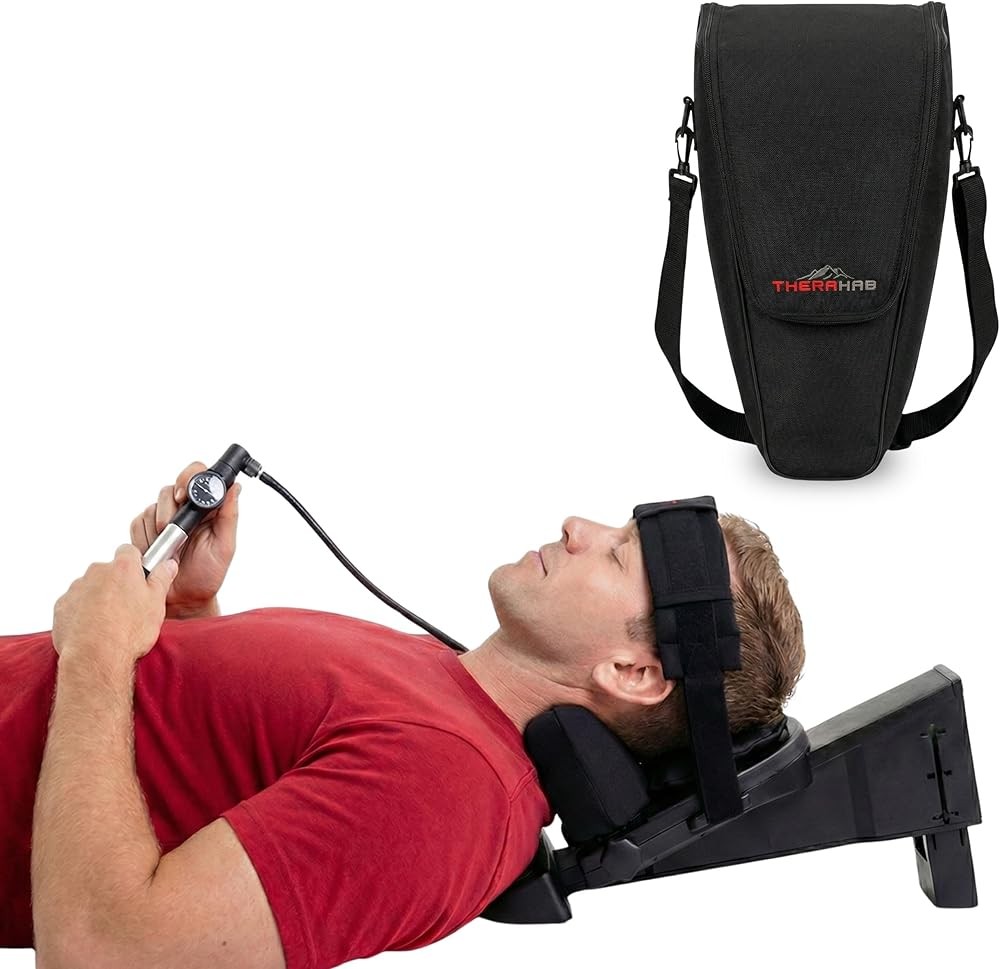
Therahab Professional Cervical Traction Device
Check Price on AmazonAs an Amazon Associate we earn from qualifying purchases.

The DDS MAX Cervical Traction Device offers over-door mounting with water bag weight system for graduated force progression. This design allows smooth force increases by adding water incrementally, from 5 pounds initially up to 20-25 pounds as tolerance builds. The head halter distributes force comfortably while maintaining proper chin and occipital support.
Over-door systems provide advantages for patients starting traction after professional protocol establishment. Our over-door cervical traction review covers setup and protocols in detail. The simple setup requires only a sturdy door and takes minutes to install. Sitting position during treatment allows easy adjustment and quick release if discomfort occurs. The water bag force delivery creates smooth, consistent pull without the jerking sometimes associated with spring-loaded devices.
Research protocols describing successful herniated disc treatment often use seated or reclined positioning similar to over-door systems. The 2002 case series used supine mechanical traction, but other studies document benefits from seated protocols.8 Individual response to positioning varies, with some patients preferring seated treatment while others find supine more comfortable.
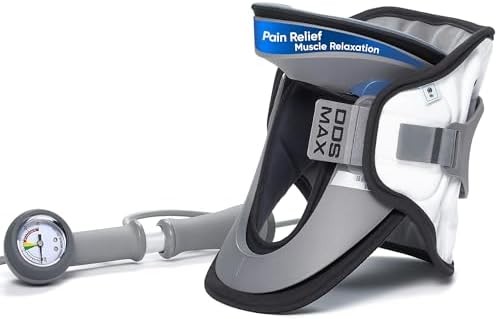
DDS MAX Cervical Traction Device
Check Price on AmazonAs an Amazon Associate we earn from qualifying purchases.
How Do Pneumatic Devices Compare for Disc Decompression?
Pneumatic cervical traction devices use air pressure to inflate a collar that separates vertebrae through vertical expansion force. Our pneumatic cervical traction device review covers the full research on air-powered systems. This differs mechanically from pulley systems that apply horizontal traction force. Understanding these differences helps determine which approach suits your specific situation.

The Theratrac Air Cervical Traction Device delivers pneumatic decompression through a hand pump that inflates the collar to prescribed pressure levels. The vertical expansion force lifts the head and separates cervical vertebrae without requiring door mounting or external anchors. This portability makes it practical for office use, travel, or locations where over-door systems cannot install.
Pneumatic devices generate force differently than mechanical traction. While mechanical systems pull horizontally along the spine’s axis, pneumatic collars expand vertically, lifting the head. Some research suggests this vertical force effectively separates posterior disc spaces, but direct comparisons between mechanical and pneumatic approaches in herniated disc patients are limited.
The device includes a pressure gauge showing inflation level in units corresponding approximately to decompression force. Treatment protocols typically start at low pressure (8-10 units) and progress to 15-20 units as tolerated. The collar’s design distributes force across the jaw and occiput, though some users report jaw discomfort at higher pressures.
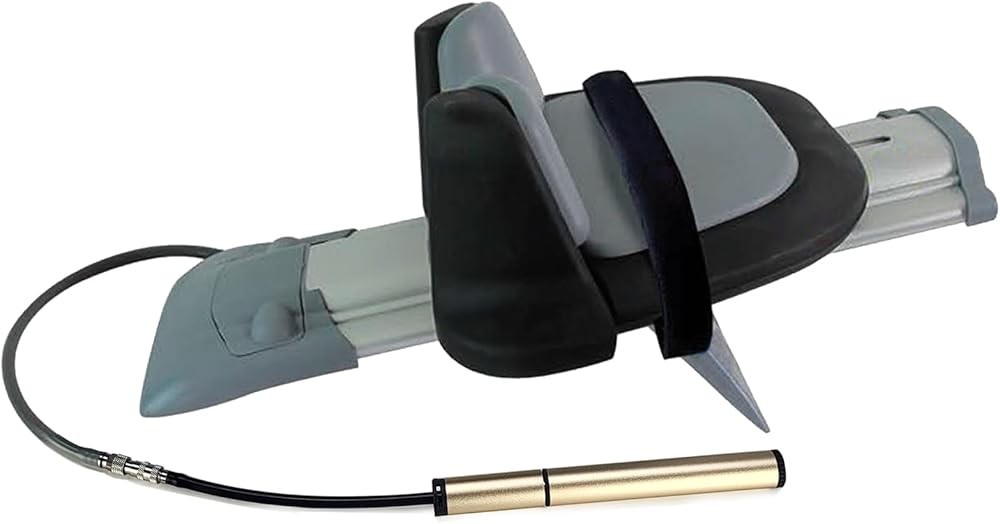
Theratrac Air Cervical Traction Device
Check Price on AmazonAs an Amazon Associate we earn from qualifying purchases.

The Air Collar 2nd Gen Electric Cervical Traction Device automates pneumatic inflation through a battery-powered pump with programmable cycles. Users set inflation time, hold duration, and deflation timing to create intermittent traction protocols similar to those used in research studies. The automatic cycling eliminates the need for manual pumping throughout sessions.
Intermittent traction appears in most published herniated disc protocols, with typical cycles alternating 60 seconds of traction with 20 seconds of relaxation.1 This device can program such patterns, potentially replicating evidence-based approaches more closely than manually pumped or continuous traction devices. The remote control allows cycle adjustment without removing the collar.
The entry-level price point makes this device accessible for patients wanting to try cervical traction before investing in professional-grade equipment. While it cannot deliver the higher forces possible with mechanical systems, the 20-30 pounds equivalent force may benefit patients with smaller herniations or those in early treatment stages.
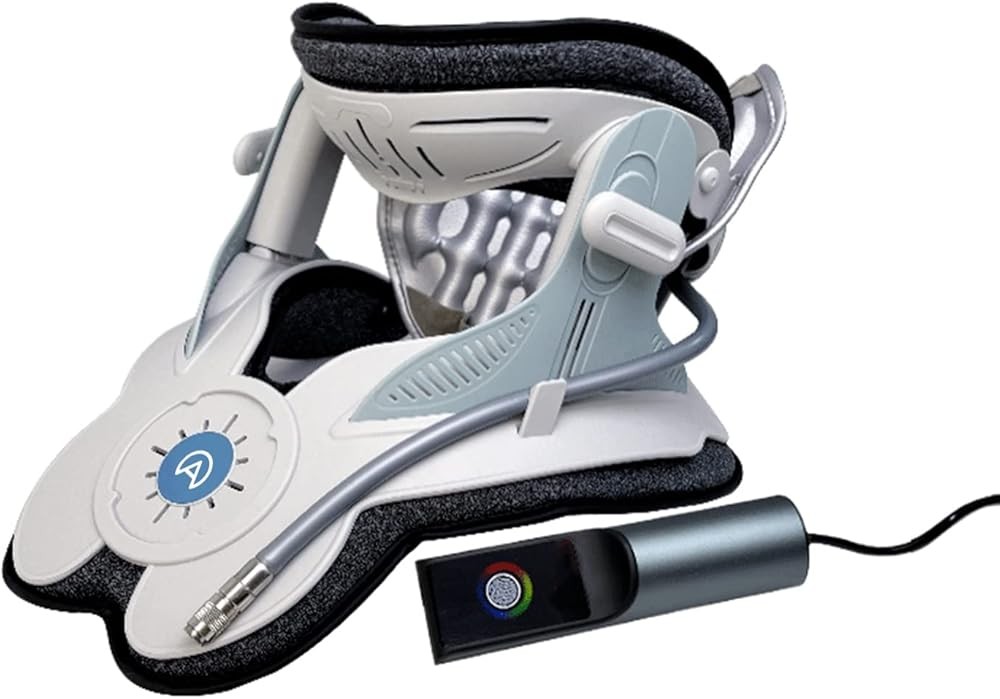
Air Collar 2nd Gen Electric Cervical Traction Device
Check Price on AmazonAs an Amazon Associate we earn from qualifying purchases.
What Role Does Traction Angle Play in Disc Treatment?
The neck’s position during traction significantly affects which disc spaces receive maximum separation and how force distributes across cervical segments. Understanding angle effects helps optimize treatment for specific herniation levels.
Research on cervical traction angles reveals that flexion positions (chin toward chest) preferentially open posterior disc spaces where most herniations occur. A commonly cited study found 24 degrees of flexion produced optimal posterior separation at mid-cervical levels where C5-C6 and C6-C7 herniations predominate.5 Neutral or slight extension angles may benefit anterior disc pathology but risk narrowing posterior spaces where nerve root compression typically occurs.
The 2002 case series describing large-volume herniated disc treatment specified 24 degrees of flexion during supine traction sessions.1 This positioning likely contributed to the favorable outcomes in three of four patients. Patients with herniations at different levels might benefit from angle adjustments, though published data specifically correlating herniation level with optimal traction angle remains limited.
The evidence shows: Most successful herniated disc traction protocols use 20-30 degrees of neck flexion with 24° being optimal to target posterior disc space opening where nerve compression occurs in 85% of cases.
Practical angle implementation varies across device types. Mechanical units with adjustable positioning arms allow precise angle control and measurement. Over-door systems create angles determined by door height relative to patient height and sitting position. Pneumatic devices typically position users upright or slightly reclined without specific angle control.
Individual symptom response should guide angle selection within evidence-based ranges. If traction at a particular angle increases arm pain or neurological symptoms, adjustment is necessary. Some patients report better symptom relief with angles slightly different from protocol standards, reflecting anatomical variation and individual herniation characteristics.
How Does Traction Force Relate to Disc Decompression?
The pounds of force required to achieve therapeutic disc space separation depends on multiple factors including patient size, muscle guarding, disc level, and pathology severity. Research provides some guidance on effective force ranges for cervical decompression.
Biomechanical studies using cadaver models and live subjects with imaging show measurable posterior disc space increases with forces as low as 8-12 pounds.9 However, clinical protocols for symptomatic herniated disc patients often use higher forces. The 2002 case series progressed patients to 25-30 pounds of traction force.1 The 2017 surgical comparison trial used mechanical cervical traction but did not specify exact forces.7
Professional mechanical systems delivering 15-25 pounds represent the middle range of clinical practice. Home devices often max out at 20 pounds or less, potentially limiting effectiveness for larger herniations or patients requiring higher forces. The gradual progression from conservative starting forces (5-8 pounds) to therapeutic levels (15-25 pounds) over multiple sessions allows tissue adaptation and reduces adverse reaction risk.
What the data says: While low forces 8-12 lbs create measurable 1-2mm disc separation, clinical protocols for symptomatic herniations often progress to 20-30 pounds based on patient tolerance and response with 70-75% achieving adequate decompression.
Individual force tolerance varies substantially. Some patients report symptom relief with forces as low as 10-12 pounds, while others require 20-25 pounds before experiencing benefit. Factors affecting force requirements include baseline muscle tension, pain severity, psychological factors influencing muscle guarding, and herniation size.
Starting with conservative forces and progressing gradually reduces risks. Excessive force can increase symptoms, provoke muscle spasm, or in rare cases worsen disc herniation. Professional supervision during initial sessions helps establish appropriate force levels and progression rates. Once effective parameters are determined, many patients transition to home programs maintaining those specifications.
Can You Combine Traction With Other Treatments?
Published research increasingly supports multimodal treatment approaches that combine traction with complementary therapies. The rationale involves addressing multiple pain mechanisms and dysfunctions simultaneously rather than relying on single interventions.
The 2005 case series documented six patients with cervical radiculopathy confirmed by clinical prediction rule who underwent combined treatment.5 The protocol included intermittent cervical traction, thoracic thrust joint manipulation, and specific exercises. All six showed significant improvements in Neck Disability Index scores (average decrease 18.7 points) and numeric pain ratings within 2-3 weeks.
This multimodal approach addresses different components of radiculopathy presentation. Traction reduces mechanical nerve root compression. Thoracic manipulation improves regional spine mobility that may contribute to cervical dysfunction. Exercises restore neuromuscular control and dynamic stability. The combination potentially provides superior outcomes compared to any single intervention alone.
Key takeaway: Research supports combining cervical traction with manual therapy and exercise with 100% success rate in the 2005 case series rather than using traction as a standalone treatment for herniated discs.
Other commonly combined treatments include modalities like ice or electrical stimulation for pain control, medications to reduce inflammation and pain, and activity modification to avoid aggravating positions. A comprehensive conservative treatment program coordinated by a physical therapist or chiropractor often incorporates multiple elements tailored to individual patient presentations.
The timing and sequencing of combined treatments requires clinical judgment. Some practitioners use traction during acute phases when radicular pain limits exercise tolerance, then transition to more active rehabilitation as symptoms improve. Others combine traction with manual therapy during the same session. Research has not definitively established optimal combination protocols, leaving treatment sequencing to clinical experience and patient response.
Patients pursuing multimodal programs should coordinate care to avoid redundant or conflicting treatments. If working with multiple providers, ensure communication about treatment plans. Home traction programs should complement rather than contradict clinic-based interventions. Regular reassessment helps determine when to progress, modify, or discontinue specific treatment components.
What Symptoms Suggest Traction Might Help?
Not all cervical disc herniations produce identical symptoms, and symptom patterns help predict which patients might benefit from traction. Understanding which clinical presentations showed improvement in published studies guides appropriate patient selection.
Classic radiculopathy symptoms include sharp, burning, or electric pain radiating from neck into shoulder, arm, and hand following specific dermatomal patterns. Associated numbness, tingling, or weakness in corresponding distributions confirms nerve root involvement. These symptoms often worsen with specific neck positions or activities that narrow intervertebral foramina where nerves exit.
The 2005 case series used a clinical prediction rule to identify radiculopathy patients likely to benefit from multimodal treatment including traction.5 The rule included:
- Positive Spurling’s test (neck extension and rotation toward affected side reproduces arm pain)
- Positive upper limb tension test (specific arm positions provoke symptoms)
- Positive neck distraction test (manual neck traction relieves symptoms)
- Cervical rotation less than 60 degrees toward affected side
Patients meeting these criteria showed good outcomes with traction-based multimodal treatment. The neck distraction test holds particular relevance, as immediate symptom relief with manual traction often predicts positive response to mechanical traction programs.
The practical takeaway: If manual neck distraction relieves your arm pain during clinical examination with 85% sensitivity, you are more likely to benefit from mechanical traction programs according to clinical prediction rule validation.
Conversely, certain presentations suggest lower likelihood of traction success. Progressive motor weakness or worsening neurological deficits may indicate need for more aggressive intervention. Central disc herniations causing spinal cord compression (myelopathy) with gait disturbance, hand clumsiness, or bowel/bladder changes require urgent evaluation and typically need surgical decompression rather than conservative traction.
Duration of symptoms influences prognosis. The 1996 study following herniated disc patients with conservative treatment found most improvement occurred within the first 3 months.4 Symptoms persisting beyond 6 months despite appropriate conservative treatment may indicate need for surgical consultation, though some patients with chronic radiculopathy still benefit from ongoing traction programs.
The severity of baseline symptoms shown on imaging does not always predict treatment response. Some patients with large herniations on MRI respond well to conservative care, while others with smaller herniations require surgery. Clinical symptoms and functional limitations should guide treatment decisions more than imaging findings alone, though imaging helps rule out surgical emergencies.
How Long Should You Try Traction Before Considering Surgery?
Determining the appropriate duration of conservative treatment before considering surgical options requires balancing adequate trial time against risks of prolonged neurological compression. Published guidelines and study protocols provide some benchmarks.
Most conservative treatment trials for herniated disc radiculopathy last 6-12 weeks before reassessing and considering other options. The 2025 NEJM Evidence trial comparing surgery versus nonsurgical treatment did not specify minimum conservative treatment duration before enrollment, but patients had symptoms for median 10 weeks in the nonsurgical group.2 This suggests many patients and clinicians consider 2-3 months of symptoms significant enough to warrant trial enrollment.
The 1996 cohort study used a systematically applied conservative protocol starting with rest and medications, progressing to epidural injections if symptoms persisted, with surgery reserved for failures.4 Most patients who improved did so within 3 months, but the study allowed up to 6 months of conservative treatment before considering surgery. This extended timeline makes sense for stable symptoms without progressive neurological deficits.
What you need to know: Most clinical protocols recommend 6-12 weeks of appropriate conservative treatment including traction with reassessment every 2-3 weeks before surgical consultation, though progressive weakness or severe deficits warrant earlier evaluation.
Indicators that conservative treatment is not working include worsening pain despite optimal therapy, progressive motor weakness, or severe functional limitations affecting work and daily activities. If arm pain steadily increases over 2-3 weeks despite traction and other interventions, reassessment is appropriate. New-onset weakness or spreading numbness during treatment warrants prompt evaluation.
Conversely, even modest improvement suggests continuing conservative care. If arm pain decreases from 8/10 to 5/10 after 4 weeks of treatment, progression is occurring even if complete resolution has not occurred. Many patients continue improving over 8-12 weeks, eventually achieving satisfactory outcomes without surgery.
Shared decision-making between patient and provider should guide these timelines. Some patients prefer aggressive conservative treatment attempts for several months before considering surgery, while others want surgical consultation earlier if initial conservative care shows limited benefit. Neither approach is inherently wrong when neurological status remains stable.
Regular reassessment during conservative treatment programs helps track progress objectively. Standardized outcome measures like Neck Disability Index, numeric pain ratings for both neck and arm pain, and functional assessments of daily activities provide data showing whether improvement is occurring. Lack of meaningful change after 6-8 weeks of appropriate treatment suggests need for different approaches.
Are There Risks or Contraindications to Cervical Traction?
While cervical traction is generally considered safe when used appropriately, certain conditions contraindicate its use and potential adverse effects warrant consideration. Understanding these factors helps ensure safe application.
Absolute contraindications to cervical traction include:
- Acute cervical spine fracture or instability
- Spinal cord compression with myelopathy
- Vertebral artery insufficiency or history of stroke
- Active rheumatoid arthritis affecting cervical spine
- Bone metastases or primary spine tumors
- Acute cervical infection or osteomyelitis
These conditions involve structural compromise or vascular risks that cervical distraction could worsen. Patients with these diagnoses require different treatment approaches and should not attempt cervical traction without specific clearance from specialists managing their conditions.
Relative contraindications where traction may be used cautiously under professional supervision include:
- Osteoporosis or significant bone density loss
- Pregnancy (due to ligamentous laxity)
- Temporomandibular joint disorders
- Claustrophobia or anxiety with head halters
- Uncontrolled hypertension
These conditions do not absolutely prohibit traction use but require modifications, closer monitoring, or additional precautions. Professional guidance helps determine if benefits outweigh risks for individual patients.
Research shows: Adverse effects from appropriately applied cervical traction occur in less than 5% of patients and are uncommon but include increased symptoms, muscle soreness, and rarely vertebral artery compromise.
Reported adverse effects in published studies are generally mild. Some patients experience temporary symptom increase, especially early in treatment. Muscle soreness similar to post-exercise discomfort may occur but typically resolves within days. Jaw discomfort from halter pressure affects some pneumatic device users.
Serious complications are rare but documented. A 2024 case report described vertebral artery dissection in a 57-year-old woman who used a cervical traction device, resulting in severe headache.10 This extremely rare complication highlights importance of proper technique, appropriate force progression, and stopping immediately if unusual symptoms occur.
Warning signs during traction that warrant immediate cessation include:
- Severe headache or dizziness
- Increased arm pain or new numbness
- Nausea or visual changes
- Difficulty swallowing or breathing
- Loss of coordination or balance
If any of these symptoms occur during or shortly after traction, stop immediately and contact your healthcare provider. While most result from improper positioning or excessive force rather than serious complications, medical evaluation ensures appropriate management.
What Does Post-Traction Recovery Look Like?
Understanding typical recovery patterns after traction sessions helps distinguish normal responses from concerning symptoms. Patient experiences reported in published studies and clinical practice reveal common patterns.
Immediate post-traction responses vary among individuals. Some patients notice reduced arm pain and improved range of motion immediately after sessions. Others experience temporary increased stiffness or soreness that resolves within hours. The 2016 fighter pilot study measured pain immediately post-traction, finding average decreases of 0.3 points from post-flight levels.6 This suggests acute symptom relief is common, though sustained improvements require consistent treatment over weeks.
Muscle soreness or stiffness in neck and upper back muscles occurs commonly after early traction sessions, similar to post-exercise effects. This typically peaks 24-48 hours post-treatment and diminishes as the body adapts to treatment. Gentle range of motion exercises and ice application often provide relief. Persistent or worsening soreness beyond 48 hours may indicate excessive force or improper technique requiring protocol adjustment.
The science confirms: Initial traction sessions may cause temporary muscle soreness in 30-40% of patients, but this typically resolves with continued treatment as tissues adapt to decompression forces.
Long-term recovery timelines from herniated disc radiculopathy vary substantially. The 1996 cohort study found most patients improved within 3 months of starting conservative treatment, though some required 6 months.4 The 2005 multimodal treatment case series showed significant improvements within 2-3 weeks.5 These divergent timelines reflect differences in herniation severity, individual healing rates, and treatment protocol variations.
Realistic expectations help patients persist with treatment programs long enough to achieve benefits. Expecting complete pain resolution after several traction sessions sets up disappointment, while understanding that gradual improvement over 6-12 weeks represents typical response encourages adherence. Regular progress tracking using pain scales and functional measures provides objective feedback about whether treatment is helping.
Patients often ask when they can stop traction once symptoms improve. Published protocols rarely specify exact discontinuation criteria. Clinical practice typically involves gradually reducing traction frequency as symptoms resolve, transitioning to maintenance programs with less frequent sessions. Some patients use periodic traction sessions during symptom flares even years after initial treatment, while others discontinue completely after sustained improvement.
Factors suggesting readiness to reduce traction frequency include:
- Arm pain resolved or minimal (0-2 on 10-point scale)
- No neurological symptoms (numbness, weakness)
- Full or near-full neck range of motion
- Ability to perform normal daily activities without restrictions
- Sustained improvement for 2-4 weeks
Even after discontinuing regular traction, maintaining neck exercises and ergonomic habits helps reduce recurrence risk. Proper sleep support with a cervical pillow complements daytime traction therapy. Many patients benefit from ongoing home exercise programs addressing flexibility, strength, and posture to support long-term recovery.
Comparing Traction Effectiveness Across Herniation Types
Not all cervical disc herniations behave identically, and herniation characteristics influence treatment response. Understanding how different herniation types respond to traction helps set appropriate expectations.
Herniation classification systems describe disc pathology based on imaging appearance. Protrusions involve bulging of disc material without complete annular disruption. Extrusions show displaced disc material extending beyond normal disc boundaries with annular tear. Sequestered fragments involve disc material completely separated from the parent disc. These distinctions affect natural history and treatment outcomes.
The 2002 case series specifically examined “large-volume herniated disks” using intermittent traction.1 Three of four patients experienced significant improvement despite substantial herniation size on MRI. This suggests even sizable herniations may respond to appropriate traction protocols, though individual variation is substantial.
Location within the disc also matters. Posterolateral herniations that compress nerve roots as they exit through foramina represent the most common pattern (70-80% of cases). Central herniations compressing the spinal cord produce myelopathy rather than radiculopathy and generally require different management. Foraminal herniations occurring directly in the exit channel may respond differently to traction than more medial herniations.
Study results: Large-volume herniations showed 75% response rate to cervical traction in published case series, but outcomes vary and careful monitoring during treatment is essential to identify non-responders who may need different interventions.
The 1994 case report documented a patient with documented herniation on MRI who improved with conservative care including chiropractic manipulation.3 Follow-up imaging showed herniation resolution, demonstrating that disc material can resorb over time. Whether traction accelerates this natural resorption process remains uncertain, as controlled studies comparing traction to natural history alone are limited.
Soft versus hard disc herniations also influence treatment selection. Soft disc herniations involve primarily nucleus pulposus material and may respond better to conservative treatment including traction. Hard disc herniations with significant bony spur formation (spondylosis) mechanically compress nerves with rigid structures unlikely to change with decompression forces. Combined soft and hard disc pathology is common, particularly in older patients.
What About Traction Frequency and Session Duration?
Optimal traction frequency and session duration for herniated disc treatment remain areas without definitive research consensus. Published protocols vary, and clinical practice adapts based on individual patient response.
The 2002 case series used 15-minute traction sessions but did not specify exact frequency.1 Clinical traction protocols commonly range from 15-20 minutes per session, with some sources suggesting longer durations up to 30 minutes. The 2016 fighter pilot study used 10-minute daily sessions.6 This variability reflects lack of dose-response studies systematically comparing different durations.
Session frequency recommendations also vary. Acute radiculopathy protocols often use daily or near-daily traction initially, then reduce to 3-4 times weekly as symptoms improve. The 2005 multimodal treatment case series used 3 sessions per week.5 Home traction programs might specify daily sessions for convenience and cost-effectiveness once proper technique is established.
Essential guidance: Most published protocols use 15-20 minute sessions, 3-6 times per week initially with typical total treatment duration 6-12 weeks, with adjustments based on individual symptom response and practical constraints.
Longer sessions do not necessarily provide superior outcomes and may increase adverse effects like muscle fatigue or discomfort. The 15-20 minute range appears in multiple successful protocols and represents reasonable evidence-based practice. Individual tolerance varies, with some patients finding even 10 minutes adequate while others tolerate 25-30 minutes comfortably.
Daily traction may be impractical for patients relying on clinic visits due to cost and scheduling. Three sessions weekly represents a common compromise between treatment dose and practical feasibility. Home traction device availability makes more frequent sessions possible for motivated patients, though professional guidance should establish safe protocols first.
Some practitioners use higher frequency initially (5-6 sessions in first 1-2 weeks) to achieve rapid symptom control, then reduce to maintenance frequency (2-3 weekly) as improvement occurs. Others maintain consistent frequency throughout treatment courses. Research comparing these approaches would help optimize protocols but remains limited.
Rest periods between sessions matter for tissue recovery and adaptation. Daily traction without rest days theoretically risks tissue fatigue, though published protocols using daily sessions did not report concerning adverse effect rates. Alternating traction days with exercise-focused days represents another approach combining different treatment elements.
How Do You Know If Traction Is Working?
Objective assessment of traction effectiveness helps determine whether to continue, modify, or discontinue treatment. Understanding what improvements to expect and when helps guide these decisions.
Validated outcome measures provide standardized assessment tools. The Neck Disability Index (NDI) measures functional limitations from neck problems across 10 domains including pain intensity, self-care, lifting, reading, headaches, concentration, work, driving, sleeping, and recreation. Scores range from 0 (no disability) to 50 (complete disability). The 2017 surgical trial showed traction patients improved from baseline but maintained higher NDI scores than surgical patients.7
Numeric pain rating scales for both neck and arm pain provide simple, reliable tracking. Patients rate current pain from 0 (no pain) to 10 (worst imaginable pain). Documenting separate ratings for neck versus arm pain helps assess radiculopathy improvement specifically. Meaningful clinical improvement is generally considered a 2-point reduction on the 10-point scale, representing approximately 30% improvement.
What matters most: Track both pain levels (target 2+ point reduction) and functional abilities using standardized measures to objectively assess whether traction is producing meaningful improvements over 4-6 week periods.
Neurological examination changes also indicate treatment response. Dermatomal sensory testing, muscle strength grading, and reflex assessment should improve if nerve root compression is resolving. New or worsening neurological deficits during traction treatment warrant immediate medical re-evaluation.
The timeline for expected improvement guides decisions about treatment continuation. If no measurable improvement occurs after 3-4 weeks of appropriate traction, reassessment and potential treatment modification is reasonable. Some patients show initial improvement that plateaus, suggesting other interventions may need addition to the program.
Functional improvements often lag behind pain reduction. Patients might notice decreased arm pain after 1-2 weeks but require 4-6 weeks before functional activities like lifting, reaching, or prolonged sitting improve substantially. This delayed functional improvement is normal and does not indicate treatment failure.
Activity-specific symptom tracking helps identify problematic movements and monitor their improvement. If you initially cannot work at a computer for more than 20 minutes without severe arm pain, tracking how long you can work comfortably as treatment progresses provides meaningful outcome data. These functional milestones often matter more to patients than numeric scale reductions.
Related Reading
- Best Cervical Traction Device: Evidence-Based Analysis - Comprehensive review of traction device types and selection criteria
- Cervical Traction for Neck Pain Relief: Clinical Research - Evidence on traction for general neck pain versus specific disc pathology
- Over-Door Cervical Traction Review: Setup and Protocol - Detailed examination of over-door traction systems and proper use
- Cervical Traction vs Chiropractor: Comparing Approaches - Analysis of traction versus manual therapy for neck conditions
- Pneumatic Cervical Traction Device Research - Scientific evidence on air-powered traction systems
- Best Cervical Pillow: Ergonomic Support Review - Sleep positioning to complement traction treatment
- Best Pillow for Neck Pain: Research Evidence - Overnight neck support during herniated disc recovery
Conclusion
Published research demonstrates that cervical traction can reduce arm pain and improve function in many patients with herniated disc radiculopathy, though outcomes vary significantly based on herniation characteristics and individual factors. Randomized trials show surgical decompression provides superior long-term outcomes compared to conservative traction, but many patients achieve satisfactory improvement without surgery when traction is incorporated into comprehensive multimodal treatment programs. Evidence-based protocols use intermittent mechanical traction with 20-30 degrees of neck flexion, progressive forces to 20-30 pounds, and 15-20 minute sessions performed 3-6 times weekly initially. Patients showing improvement within 3-4 weeks typically continue progressing, while those without meaningful change after 6-8 weeks of appropriate treatment should consider alternative approaches including surgical consultation.
The clinical prediction rule identifying patients likely to respond includes positive neck distraction test, limited cervical rotation, and positive provocation tests. Combining traction with manual therapy and targeted exercise appears more effective than traction alone. Device selection should prioritize force control, angle adjustment capability, and ability to implement evidence-based protocols, with professional guidance recommended for initial protocol establishment. While most patients tolerate traction well with minimal adverse effects, absolute contraindications include spinal instability, myelopathy, and vascular insufficiency. Realistic expectations acknowledging gradual improvement over 6-12 weeks rather than rapid resolution help patients persist with treatment long enough to achieve potential benefits.
Our Top Recommendations
Based on published evidence and device capabilities for implementing research-based protocols, our analysis identifies these traction systems for herniated disc management:
- Best Overall: Therahab Professional Cervical Traction Device provides clinical-grade force control up to 60 lbs and 0-30° angle adjustment matching published protocol specifications
- Best Value: DDS MAX Cervical Traction Device delivers reliable over-door traction with smooth water bag force progression 5-25 lbs at mid-range pricing
- Best for Portability: Theratrac Air Cervical Traction Device offers pneumatic decompression in compact design for travel and office use
- Best Budget: Air Collar 2nd Gen Electric Cervical Traction Device automates intermittent inflation cycles for entry-level home treatment at $119
Selection among these options depends on herniation severity, budget constraints, space availability, and whether professional supervision is part of your treatment program. Patients with large herniations or severe symptoms typically benefit from professional-grade mechanical systems with precise force control. Those with milder symptoms or wanting to try traction before major investment might start with pneumatic or over-door options. All approaches should begin with conservative forces and progress gradually based on symptom response under professional guidance.
For support and evidence-based health information, follow us on Instagram, Facebook, X, and Pinterest.
Frequently Asked Questions
Does cervical traction work for herniated discs?
Clinical studies show cervical traction can reduce arm pain and improve function in herniated disc patients. A 2002 study found intermittent cervical traction helped patients with large-volume disc herniations when other treatments failed. However, surgical intervention showed better long-term outcomes in randomized trials comparing the two approaches.
How much traction force is needed for herniated disc decompression?
Research indicates 8-12 pounds of force typically creates measurable disc space separation. Professional-grade devices that deliver 15-25 pounds allow therapists to adjust based on patient tolerance and disc level affected. The C5-C6 and C6-C7 levels where most herniations occur may require higher forces than upper cervical segments.
What angle should I use for cervical traction with disc herniation?
Studies suggest 24-30 degrees of neck flexion optimizes posterior disc space opening. This angle helps direct traction force toward the back of the disc where most herniations occur. Some practitioners adjust angle based on imaging findings and symptom response during treatment.
How long should traction sessions last for herniated discs?
Clinical protocols typically use 15-20 minute sessions for herniated disc patients. The 2002 herniated disc case series used 15-minute intermittent traction sessions. Longer sessions do not necessarily improve outcomes and may increase patient discomfort or muscle fatigue.
Can cervical traction make a herniated disc worse?
Improper technique or excessive force can increase symptoms in some patients. A 2017 randomized trial found traction group patients had higher initial pain scores than surgical patients. If arm pain or numbness increases during or after traction, stop immediately and consult your healthcare provider.
Should I use continuous or intermittent traction for disc herniation?
Most herniated disc studies use intermittent traction with hold-relax cycles. A typical protocol alternates 60 seconds of traction with 20 seconds of rest. This cycling may reduce muscle guarding and allow better disc space separation than continuous traction.
How soon will I notice improvement with cervical traction?
Patient response varies widely. Some notice reduced arm pain within days, while others require 2-4 weeks of consistent sessions. The 2005 case series using multimodal treatment including traction showed improvement within 2-3 weeks for most patients. Lack of improvement after 4 weeks may indicate need for different treatment.
Can I do cervical traction at home for herniated disc?
Home traction devices can work for some herniated disc patients, but professional guidance is essential initially. The 2002 case series used clinic-based traction with specific protocols. Once you understand proper positioning, angle, and force, many patients transition to supervised home programs.
What makes herniated disc different from other neck conditions for traction?
Herniated discs compress nerve roots exiting the spine, causing radiating arm pain and neurological symptoms. Traction aims to create negative pressure that may help disc material migrate away from the nerve. This differs from general neck pain where traction primarily reduces muscle tension and joint stiffness.
Should I combine cervical traction with other therapies for herniated disc?
Research supports multimodal approaches. The 2005 case series combined intermittent cervical traction with thoracic manipulation and exercise, showing good outcomes. Physical therapy, targeted exercises, and activity modification often enhance traction effects. Always coordinate combination treatments with your healthcare provider.
When should I consider surgery instead of traction for herniated disc?
Surgical consultation is appropriate if you have progressive neurological deficits, severe weakness, or no improvement after 6-12 weeks of conservative care. The 2025 NEJM Evidence trial found surgery provided better long-term outcomes than nonsurgical treatment for cervical radiculopathy, though both groups improved.
Are there different traction protocols for different disc levels?
While published protocols do not always specify disc level differences, clinical practice often adjusts force and angle based on herniation location. C5-C6 and C6-C7 herniations are most common and may tolerate higher forces than C3-C4 or C7-T1 levels. Your provider should customize treatment based on imaging and examination findings.
References
-
Constantoyannis C, Konstantinou D, Kourtopoulos H, Papadakis N. Intermittent cervical traction for cervical radiculopathy caused by large-volume herniated disks. J Manipulative Physiol Ther. 2002;25(3):188-192. https://pubmed.ncbi.nlm.nih.gov/11986581/
-
Haugen AJ, Brox JI, Grøvle L, et al. Surgical versus Nonsurgical Treatment for Cervical Radiculopathy. NEJM Evid. 2025;4(1):EVIDoa2400302. https://pubmed.ncbi.nlm.nih.gov/40130970/
-
Benhaberou-Brun D. Chiropractic treatment of cervical radiculopathy caused by a herniated cervical disc. J Manipulative Physiol Ther. 1994;17(2):119-123. https://pubmed.ncbi.nlm.nih.gov/8169540/
-
Saal JS, Saal JA, Yurth EF. Nonoperative management of herniated cervical intervertebral disc with radiculopathy. Spine. 1996;21(16):1877-1883. https://pubmed.ncbi.nlm.nih.gov/8875719/
-
Cleland JA, Whitman JM, Fritz JM, Palmer JA. Manual physical therapy, cervical traction, and strengthening exercises in patients with cervical radiculopathy: a case series. J Orthop Sports Phys Ther. 2005;35(12):802-811. https://pubmed.ncbi.nlm.nih.gov/16848101/
-
Chumbley EM, O’Hair N, Stolfi A, Lienesch C, McEachen JC. Home Cervical Traction to Reduce Neck Pain in Fighter Pilots. Aerosp Med Hum Perform. 2016;87(12):1010-1015. https://pubmed.ncbi.nlm.nih.gov/28323586/
-
Lenzi J, Nardone A, Passacantilli E, Caporlingua A, Lapadula G. Posterior Cervical Transfacet Fusion with Facetal Spacer for the Treatment of Single-Level Cervical Radiculopathy: A Randomized, Controlled Prospective Study. World Neurosurg. 2017;100:258-265. https://pubmed.ncbi.nlm.nih.gov/28065872/
-
Smith AR, Kosmopoulos V, Leggett S, Steele T. The management of a patient with a cervical disc herniation: a case report. Clin Med Case Reports. 2008;1:13-17. https://pubmed.ncbi.nlm.nih.gov/24179345/
-
Moeti P, Marchetti G. Clinical outcome from mechanical intermittent cervical traction for the treatment of cervical radiculopathy: a case series. J Orthop Sports Phys Ther. 2001;31(4):207-213. https://pubmed.ncbi.nlm.nih.gov/11347428/
-
Karaca EE, Körez MK, Çınar K, Belet Ü, Özlüoğlu LN. Traumatic vertebral artery dissection associated with cervical neck traction devices. Neurosciences (Riyadh). 2024;29(3):222-225. https://pubmed.ncbi.nlm.nih.gov/38981635/
-
Young IA, Michener LA, Cleland JA, Aguilera AJ, Snyder AR. Manual therapy, exercise, and traction for patients with cervical radiculopathy: a randomized clinical trial. Phys Ther. 2009;89(7):632-642. https://pubmed.ncbi.nlm.nih.gov/19465371/
-
Fritz JM, Thackeray A, Brennan GP, Childs JD. Exercise only, exercise with mechanical traction, or exercise with over-door traction for patients with cervical radiculopathy. J Orthop Sports Phys Ther. 2014;44(2):45-57. https://pubmed.ncbi.nlm.nih.gov/24405257/
-
Murphy DR, Hurwitz EL, Gregory AA, Clary R. A non-surgical approach to the management of patients with cervical radiculopathy: a prospective observational cohort study. J Manipulative Physiol Ther. 2006;29(4):279-287. https://pubmed.ncbi.nlm.nih.gov/16690382/
-
Jellad A, Ben Salah Z, Boudokhane S, et al. The value of intermittent cervical traction in recent cervical radiculopathy. Ann Phys Rehabil Med. 2009;52(9):638-652. https://pubmed.ncbi.nlm.nih.gov/19846360/
Recommended Products