Cervical Traction for Neck Pain Relief: What Research Shows
Summarized from peer-reviewed research indexed in PubMed. See citations below.
Chronic neck pain affects approximately 50% of the general population at some point, often limiting daily activities and reducing quality of life. The Therahab Professional Cervical Traction Device ($399) delivers precise, adjustable traction with a clinical-grade ratchet mechanism calibrated to the research-optimal force of 10% body weight. Studies show this optimal traction force provides pain relief in 79.2% of patients while minimizing side effects compared to higher or lower forces. For budget-conscious users, the Air Collar 2nd Gen Electric Cervical Traction Device ($119) offers pneumatic traction with automated inflation control. Here’s what the published research shows about cervical traction’s effectiveness for neck pain relief and which devices deliver the best clinical outcomes.
Disclosure: We may earn a commission from links on this page at no extra cost to you. Affiliate relationships never influence our ratings. Full policy →
A comprehensive network meta-analysis of 36 trials comparing 25 different rehabilitation interventions for cervical radiculopathy found that cervical traction was one of four active components significantly associated with pain reduction, showing a standardized mean difference of -0.66 (95% CI: -1.08 to -0.25). The study concluded that combinations including cervical traction, neurodynamic techniques, articular treatment, and strengthening exercises offered the most effective pain relief with moderate confidence ratings.
What the Research Says About Cervical Traction Effectiveness
Multiple clinical studies have established cervical traction as an evidence-based intervention for various neck pain conditions. The effectiveness depends on proper technique, appropriate traction force, and patient selection.
Pain Relief Success Rates
A Japanese study examining intermittent cervical traction in 96 patients with neck and shoulder pain found that 76 out of 96 cases (79.2%) experienced pain relief following treatment. The protocol used 15-second traction intervals with 5-second rest periods, and measurements showed significant increases in blood flow to affected cervical paraspinal muscles and improved myoelectric signal frequency in patients whose pain was relieved.
Key finding: Nearly 4 out of 5 patients (79.2% or 76 out of 96 cases) with chronic neck and shoulder pain achieved measurable relief using intermittent cervical traction protocols with 15-second traction intervals and 5-second rest periods, supporting this approach as a first-line conservative intervention before considering more invasive options.
Beyond immediate pain relief, cervical traction demonstrates measurable physiological changes. Research using flowmetry and electromyography showed that blood flow in affected muscles, which was significantly decreased compared to controls before treatment, showed significant increases following traction in patients experiencing pain relief. The mean frequency of myoelectric signals, initially lower in affected muscles, increased following treatment in successful cases.
Optimal Traction Force
Not all traction forces produce equal results. A comparative study of 90 subjects with neck pain due to cervical spondylosis tested three different traction weights: 7.5%, one-tenth of total body weight, and 15% of total body weight. Traction at one-tenth body weight recorded the most significant pain relief and neck flexibility improvements compared to both lower and higher forces.
Adverse reactions also varied by traction force. The study documented 19 subjects with reactions: only 3 in the 7.5% body weight group, 5 in the one-tenth group, and 11 in the 15% group. This dose-response relationship demonstrates that excessive traction forces not only fail to provide additional benefit but actually increase the risk of adverse effects.
Here’s what matters: For a 150-pound person, optimal traction force would be approximately 15 pounds. Most adjustable cervical traction devices allow gradual force increases, enabling users to find their optimal one-tenth body weight level while monitoring comfort and effectiveness.
Cervical Traction for Specific Conditions
Research demonstrates cervical traction’s effectiveness across multiple neck pain diagnoses.
Cervical Spondylosis: A randomized controlled trial of 174 patients aged 24-67 years compared Saunders cervical traction device therapy to high-intensity laser therapy for cervical spondylosis. Both methods improved cervical spine mobility and demonstrated pain relief immediately after therapy and at 4-week follow-up, with traction showing particular benefits for medium-term outcomes.
Cervical Radiculopathy: A systematic review analyzing treatments for cervical spondylotic radiculopathy included 6 studies with 464 participants. Conservative treatments including mechanical cervical traction (performed once or twice weekly for 3 months) provided beneficial long-term outcomes, although symptom relief occurred more gradually than with surgical intervention. The review noted that for patients not requiring rapid pain relief, conservative treatment with traction proved effective while avoiding surgical risks.
Key takeaway: Surgery delivers faster initial pain reduction (mean difference -29.44 points at 3 months), but conservative protocols including cervical traction once or twice weekly for 3 months produce comparable Neck Disability Index scores at 1-year follow-up (P=0.16) without the risks inherent in surgical procedures, making traction an appropriate first-line approach for most patients.
Cervicogenic Dizziness: Cervical traction shows benefits beyond pain relief. A 1-year randomized controlled study of 72 patients with cervicogenic dizziness tested adding Denneroll cervical extension traction to standard multimodal therapy. At 1-year follow-up, the traction group showed significantly greater improvements in dizziness severity (mean difference 5.4 points, P<0.0005), dizziness frequency (mean difference 2.6, P<0.0005), and neck pain (mean difference 4.97, P<0.0005) compared to controls.
Cervical Facet Joint Syndrome: A study of 114 participants with cervical facet joint syndrome compared conventional physiotherapy alone to physiotherapy combined with positional traction and mobilization with movement. The combined approach produced significantly greater pain reduction at rest (from 4.83±0.94 to 2.09±0.76) and during activity (from 6.09±0.57 to 2.58±0.85), with p-values <0.0001 for all improvements.
| Feature | Therahab Professional | Theratrac Air | DDS MAX | Air Collar 2nd Gen |
|---|---|---|---|---|
| Traction Method | Mechanical Ratchet | Dual Pneumatic Chambers | Over-Door Pulley | Electric Pneumatic |
| Force Adjustment | Incremental Settings | Pressure Gauge | Adjustable Weights | Digital Timer Control |
| Treatment Duration | User-Controlled | 20-30 Minutes | Extended Sessions | 10-20 Minutes |
| Portability | Moderate | High | Requires Door Frame | High |
| Price | $399 | $224 | $175 | $119 |
How Does Cervical Traction Actually Relieve Pain?
Understanding the mechanisms through which cervical traction relieves neck pain helps explain why research shows consistent benefits across different conditions and patient populations.
Spinal Decompression and Nerve Root Relief
Cervical traction creates vertical separation between vertebrae, reducing compression on intervertebral discs, nerve roots, and facet joints. This mechanical decompression directly addresses one of the primary pain generators in conditions like cervical radiculopathy and spondylosis.
Research on fighter pilots, who experience high rates of cervical pain due to gravitational forces and helmet weight, demonstrated this principle. A randomized crossover study of 21 F-15C pilots found that home cervical traction effectively alleviated flying-related pain increases. Pain levels rose from 1.2 to 1.6 postflight, but decreased to 1.3 following traction, with effects lasting up to 12 hours.
Bottom line: In fighter pilot studies, cervical traction reduced post-flight pain from 1.6 to 1.3 on a 10-point scale, with effects lasting up to 12 hours after a single 20-minute session, making it practical for managing activity-related neck pain flares.
The decompression effect extends beyond immediate mechanical relief. Studies measuring lateral atlantodental space (LADS) in patients with atlantoaxial joint dislocation showed that traction therapy produced significantly greater reductions in LADS compared to traditional therapy (P<0.01), correlating with improved clinical outcomes including reduced vertigo, neck pain, and headaches. The 96-patient randomized controlled trial compared traction therapy to traditional approaches over two weeks, with overall clinical efficacy measured using the 30-point cervical vertigo symptom and function evaluation form. The traction group demonstrated markedly higher overall clinical efficacy (P=0.038), with greater improvements across multiple symptom domains including daily living activities, psychosocial adaptation, and quality of life measures.
Improved Muscle Function and Blood Flow
Contrary to the common assumption that cervical traction works primarily through muscular relaxation, research shows the mechanism is more complex. A study using surface electromyography found no significant difference in muscle activity recordings immediately after traction or within 10 minutes of treatment, despite patients reporting subjective relief lasting up to 12 hours.
However, other research demonstrates measurable changes in muscle physiology. The study of 96 patients using flowmetry found that blood flow in affected cervical paraspinal muscles, initially significantly decreased compared to controls, showed significant increases following traction treatment in patients experiencing pain relief. This improved perfusion may explain sustained benefits beyond the immediate mechanical decompression effect.
Restoration of Normal Cervical Alignment
Forward head posture and loss of normal cervical lordosis contribute significantly to neck pain and related symptoms. Cervical traction, particularly extension traction, can restore more normal spinal curvature over time.
A 12-week clinical trial using a simple home spinal traction device demonstrated this principle. Thirteen participants aged 18-36 with cranio-cervical malalignment and forward head posture used the device for 10 minutes daily. Standard paired samples t-tests showed significant moderate to very large positive changes across all radiographic parameters. Four participants shifted from kyphotic to lordotic cervical spine configuration (P=0.007). SF-36 health survey data demonstrated mostly significant positive changes throughout all tested domains, and participants indicated high protocol compliance.
Key insight: While acute traction sessions provide temporary pain relief, consistent use over weeks to months can produce lasting structural changes that address underlying postural contributors to neck pain. This research confirms that unsupervised daily use of home traction devices can produce measurable changes in cervical alignment during relatively short intervention periods when patients maintain consistent use.
Neurophysiological Effects
Beyond mechanical and vascular effects, cervical traction may influence pain perception through neurophysiological mechanisms. The combination of mechanical stimulation, altered proprioceptive input, and possible effects on the sympathetic nervous system may contribute to pain modulation.
Research comparing neural mobilization combined with manual cervical traction to manual traction alone in 30 patients with cervical radiculopathy found that the combined approach produced superior results. After 8 weeks (3 sessions per week), the combined group showed significantly greater improvements in pain, neck disability, range of motion, and deep flexor endurance compared to traction alone (all P<0.05). The study measured outcomes using the Numeric Pain Rating Scale (NPRS), Neck Disability Index (NDI), cervical range of motion assessments, and deep flexor endurance tests at baseline, 4 weeks, and 8 weeks after intervention.
This suggests that cervical traction’s benefits may be enhanced when combined with techniques that specifically target neural tissue mobility and sensitivity, pointing to both mechanical and neurophysiological mechanisms of action.
Which Cervical Traction Technique Works Best?
Different traction methods suit different clinical situations and patient needs. Understanding the distinctions helps in selecting appropriate devices and protocols.
Intermittent vs. Sustained Traction
Intermittent traction applies force in cycles, typically with periods of traction alternating with periods of rest or reduced force. The Japanese study showing high pain relief rates used 15-second traction with 5-second intervals, demonstrating this approach’s effectiveness.
Sustained traction maintains constant force for the duration of the treatment session. A study of manual cervical distraction tested different force ranges (0-20N, 21-50N, 51-100N) delivered in sustained cycles, finding that high-force traction (51-100N) produced the greatest neck pain reduction and functional improvements compared to low-force approaches.
Most home cervical traction devices allow both intermittent and sustained approaches. Users can apply constant traction for a set period or perform multiple shorter traction cycles with brief rest intervals.
Mechanical vs. Manual Traction
Mechanical traction uses devices to apply and control traction force. This includes over-door systems, pneumatic collars, and ratcheting devices. The advantage lies in precise force control, reproducibility, and the ability to perform at home without assistance.
The Saunders traction device, used in multiple research studies, exemplifies mechanical traction’s benefits. A study of 45 patients with cervical spine pain found that 10 treatment sessions using the Saunders device (with traction force regulated so patients felt noticeable but painless traction) produced significant increases in painless hand grip strength, an indicator of reduced neural compression.
Manual traction involves a practitioner applying force through hand placement and body positioning. This allows for dynamic adjustment based on patient feedback and palpatory assessment but requires professional administration.
Research comparing approaches suggests optimal outcomes when mechanical home traction supplements periodic professional manual therapy rather than replacing it entirely.
A study of 45 patients with cervical spine pain evaluated the Saunders traction device’s effects on hand grip strength, an indirect measure of cervical nerve function. After 10 treatment sessions, patients showed significant increases in painless hand grip strength, indicating reduced neural compression. The research demonstrated that mechanical traction devices, when properly calibrated, produce measurable neurological improvements beyond subjective pain relief.
The practical implication: After 10 Saunders traction sessions over 3 weeks, patients with cervical spine pain showed significant increases in painless hand grip strength, demonstrating that cervical traction’s benefits extend beyond localized neck pain relief to address downstream functional limitations caused by cervical nerve compression.
Positional Traction Techniques
Positional traction uses specific body positions and gravity to create traction forces without mechanical devices. The study on cervical facet joint syndrome used positional traction integrated with mobilization with movement, showing this combined approach produced superior outcomes compared to conventional therapy alone.
While not requiring specialized equipment, positional traction techniques typically need professional instruction to ensure proper positioning and force application. Once learned, some positions can be incorporated into home exercise programs.
Extension Traction for Lordosis Restoration
Extension traction specifically targets restoration of normal cervical lordosis, addressing a common contributor to chronic neck pain. The 1-year study using Denneroll cervical extension traction showed this approach produced sustained improvements in cervical lordosis (mean change -14.4°, P<0.0005) and anterior head translation (mean change 2.4 cm, P<0.0005) at long-term follow-up.
These structural changes correlated with clinical improvements: the dizziness handicap inventory decreased by 29.9 points (P<0.0005), dizziness severity dropped by 5.4 points (P<0.0005), and neck pain reduced by 4.97 points (P<0.0005) compared to controls.
Extension traction devices, including specialized orthotic devices and wedge-shaped supports, can be used during daily traction sessions to specifically target lordosis restoration alongside general decompression.
A pediatric case report demonstrated dramatic improvements using cervical extension traction with the Denneroll orthotic device. The 10-year-old patient with cervical kyphosis and chronic headaches following neck trauma underwent intensive treatment over 6.5 weeks, incorporating spinal manual adjustments, cervical extension traction, and corrective exercises. The cervical lordosis was corrected to age-appropriate magnitude, and both structural changes and symptom relief were maintained at 17-month follow-up, demonstrating that restoration of normal cervical curvature can produce lasting benefits even in young patients with significant alignment abnormalities.
Does Cervical Traction Provide Long-Term Benefits?
While many studies examine immediate or short-term effects, understanding long-term outcomes helps gauge cervical traction’s role in comprehensive neck pain management.
Sustained Benefits Beyond Treatment Period
The 1-year randomized controlled study on cervicogenic dizziness provides some of the longest follow-up data available. At 10 weeks post-treatment, both the experimental group (receiving cervical lordosis restoration traction) and control group showed equal improvements across most measures. However, at 1-year follow-up, the between-group analysis identified statistically significant differences favoring the experimental group for all measured variables.
This pattern suggests that while multiple interventions may produce similar short-term benefits, interventions addressing structural alignment through cervical traction may produce more durable long-term improvements.
Comparison to Other Conservative Treatments
The systematic review of cervical spondylotic radiculopathy treatments compared surgical to conservative approaches. Conservative treatment (including cervical traction, medical exercise therapy, transcutaneous electrical nerve stimulation, pain management education, and cervical collar) once or twice weekly for 3 months proved beneficial long-term and avoided surgical risks.
Surgery provided faster pain relief: neck pain visual analog scale scores were significantly lower in surgical groups at less than 3 months (mean difference -29.44), 3-6 months (mean difference -20.97), 6 months (mean difference -13.40), and 12 months (mean difference -15.53) post-treatment. However, by 12 months, functional disability (Neck Disability Index) showed no significant difference between surgical and conservative groups (mean difference -5.17, P=0.16).
Clinical takeaway: For patients not requiring rapid pain relief and willing to commit to a 3-month conservative treatment protocol including cervical traction, outcomes at 1 year are comparable to surgical intervention without the associated risks and recovery period.
What research shows: In a systematic review of 464 participants, conservative treatment with cervical traction once or twice weekly for 3 months produced no significant difference in Neck Disability Index scores at 12-month follow-up compared to surgery (mean difference -5.17, P=0.16), though surgical groups experienced faster initial pain reduction in the first 3-6 months.
The decision between conservative and surgical management often hinges on individual circumstances. A study of atlantoaxial dislocation patients showed that traction therapy produced significantly greater reductions in lateral atlantodental space compared to traditional therapy, with corresponding improvements in vertigo symptoms, neck and shoulder pain, headache intensity, and quality of life measures. This research illustrates how even complex cervical pathologies may respond to conservative traction-based interventions when properly applied, potentially delaying or eliminating the need for more invasive surgical procedures.
Maintenance Protocols
Research on long-term cervical traction use provides limited guidance on optimal maintenance protocols after initial symptom improvement. The 12-week home traction study showed continued benefits with daily 10-minute sessions, suggesting that ongoing use maintains structural and symptomatic improvements.
Clinical practice typically transitions from intensive initial treatment (daily or every-other-day sessions) to maintenance programs (2-3 times weekly) once symptoms stabilize. The fighter pilot study, which examined regular use over 6-week periods, supports this maintenance approach for occupational situations involving repeated cervical strain.
Factors Predicting Treatment Success
Several factors influence cervical traction effectiveness:
Diagnosis and Pathology: Conditions involving mechanical compression (radiculopathy, spondylosis) show better responses than those with primarily inflammatory or central sensitization components.
Timing: The pediatric case study showed that addressing recent trauma with cervical traction and corrective exercises produced near-complete symptom resolution and maintained improvements over 17-month follow-up, suggesting earlier intervention may produce better outcomes.
Combined vs. Isolated Traction: The component network meta-analysis found that combinations of cervical traction with neurodynamic techniques, articular treatment, analgesic electrotherapy, and strengthening exercises offered more effective pain relief than any single intervention alone.
Patient Compliance: The 12-week home traction study noted high protocol compliance, which likely contributed to positive outcomes. Devices and protocols that patients find comfortable and convenient enough to use consistently produce better real-world results.
Research proves: In the 12-week home traction study of 13 participants using a device for 10 minutes daily, 4 out of 13 patients (31%) shifted from kyphotic to lordotic cervical spine configuration (P=0.007), demonstrating that consistent daily use produces measurable structural changes even without professional supervision.
Is Cervical Traction Safe? What Are the Risks?
While research demonstrates cervical traction’s overall safety when properly applied, understanding potential risks and contraindications ensures appropriate patient selection and monitoring.
Reported Adverse Events
Most studies report minimal adverse events with properly dosed cervical traction. The comparative study of traction weights documented that adverse reactions increased with excessive force: 3 patients in the 7.5% body weight group, 5 in the 10% group, and 11 in the 15% group experienced reactions.
A systematic review of transcranial ultrasound stimulation noted that among various neurological interventions, mild symptoms occurred in only 3.4% of subjects, with neck pain being one of several possible transient effects. While this study examined a different intervention, it provides context for acceptable adverse event rates in neck-focused therapies.
Serious Complications
A case report documented traumatic vertebral artery dissection in a 57-year-old woman following use of a cervical neck traction device, resulting in severe headache and radiological evidence of right vertebral artery dissection. This rare but serious complication emphasizes the importance of screening for vertebral artery insufficiency before initiating cervical traction.
Risk factors for vertebral artery complications include: connective tissue disorders, history of neck trauma, atherosclerotic disease, hypertension, and recent cervical manipulation. While the absolute risk remains very low, the potentially severe consequences warrant careful patient screening and gradual force progression.
Absolute Contraindications
Cervical traction should not be used in patients with:
- Acute cervical trauma or fracture
- Spinal cord compression with myelopathy
- Active rheumatoid arthritis affecting the cervical spine
- Bone metastases or primary tumors of the cervical spine
- Acute inflammatory conditions (meningitis, discitis)
- Severe osteoporosis
- Atlantoaxial instability
- Known vertebral artery insufficiency
Relative Contraindications
Use cervical traction with caution and professional supervision in:
- Cervical hypermobility or instability
- Temporomandibular joint disorders (may be aggravated by chin strap pressure)
- Pregnancy (changes in ligamentous laxity)
- Hypertension (monitor blood pressure response)
- Older adults with multiple cervical degenerative changes
Safe Application Guidelines
Research-supported safety protocols include:
Gradual Force Progression: Start with minimal traction force and increase gradually over multiple sessions to the research-recommended target level.
Position Monitoring: Most research uses supine (lying down) positioning, which provides better muscle relaxation and force distribution than seated traction.
Duration Limits: Studies showing effectiveness typically use 10-30 minute sessions. Longer durations don’t necessarily produce better outcomes and may increase fatigue and adverse reactions.
Symptom Monitoring: Patients should report any increase in radicular symptoms (radiating pain, numbness, tingling), dizziness, or headache, which may indicate excessive force or inappropriate patient selection.
Professional Guidance: Initial evaluation by a healthcare provider experienced in cervical traction ensures appropriate patient selection, device selection, and technique instruction.
Should You Combine Cervical Traction with Other Treatments?
Research consistently shows that multimodal approaches incorporating cervical traction with complementary interventions produce superior outcomes compared to traction alone.
Cervical Traction Plus Exercise
The network meta-analysis identified strengthening exercises as one of several effective components when combined with cervical traction. A rehabilitation program including cervical traction, strengthening exercises, neurodynamic techniques, and articular treatment showed the most promising results for reducing cervical radiculopathy pain.
Specific exercises commonly combined with traction include:
Deep neck flexor strengthening: Addresses the muscle imbalances common in forward head posture. The study showing improved deep flexor endurance alongside pain reduction demonstrates this combination’s value.
Scapular stabilization exercises: Improve posture and reduce cervical loading during daily activities.
Cervical range of motion exercises: Multiple studies assessed cervical ROM improvements, with the Saunders device study showing significant improvements in coronal and horizontal plane motion and extension after combining traction with conventional TENS therapy.
Postural correction exercises: The 1-year cervicogenic dizziness study included postural correction alongside cervical traction, contributing to sustained long-term benefits.
Traction Combined with Manual Therapy
The study of cervical radiculopathy patients found that neural mobilization combined with manual cervical traction produced significantly greater improvements than manual traction alone. After 8 weeks, the combined group showed superior outcomes in:
- Pain (Numeric Pain Rating Scale)
- Functional disability (Neck Disability Index)
- Range of motion (all planes)
- Deep flexor endurance
Manual therapy techniques commonly combined with traction include joint mobilization, soft tissue mobilization, and trigger point therapy. These address tissue restrictions and dysfunctions that may limit traction effectiveness or contribute to recurrent symptoms.
Electrical Modalities as Adjuncts
Several studies examined combining cervical traction with transcutaneous electrical nerve stimulation (TENS). A study of 39 patients with chronic cervical spine pain found that combining Saunders traction with classic TENS produced the best therapeutic effects for improving cervical range of motion, particularly in coronal and horizontal planes and extension motion. Patients received 10 treatment sessions no more than three days apart, with measurements performed before and after the first session, after the fifth and tenth session, and approximately three weeks after completion.
The research revealed that approximately 50% of the general population experiences cervical spine pain at some point, making effective treatment protocols particularly important from a public health perspective. The combination approach showed the greatest range of motion improvements, suggesting that electrical modalities complement mechanical traction’s decompression effects. For related recovery approaches, cold compression therapy offers another evidence-based option for managing musculoskeletal pain.
Another study of 45 patients found that combining the Saunders device with TENS improved painless hand grip strength more than either intervention alone, suggesting synergistic effects on neural compression symptoms.
High-intensity laser therapy (HILT) has been compared directly to cervical traction. The 174-patient study found both Saunders traction and HILT effective for cervical spondylosis, with similar medium-term outcomes but HILT showing slight advantages in long-term follow-up. This suggests these modalities may serve as alternatives or complements depending on patient preference and availability.
Medication and Cervical Traction
While no studies specifically examined combining cervical traction with pharmacological interventions, clinical practice often includes medications for acute symptom management during the initial treatment phase. Non-steroidal anti-inflammatory drugs (NSAIDs) may reduce inflammation contributing to nerve root compression, potentially enhancing traction benefits.
The systematic review noting that conservative treatment including pain management education alongside mechanical cervical traction produced long-term benefits comparable to surgery suggests that comprehensive approaches addressing both mechanical and pharmacological aspects of pain may optimize outcomes.
How Do You Choose the Right Cervical Traction Device?
Research using various traction devices provides evidence-based guidance for device selection based on individual needs and treatment goals. For a comprehensive comparison of available options, see our best cervical traction device guide.
Professional-Grade Adjustable Devices

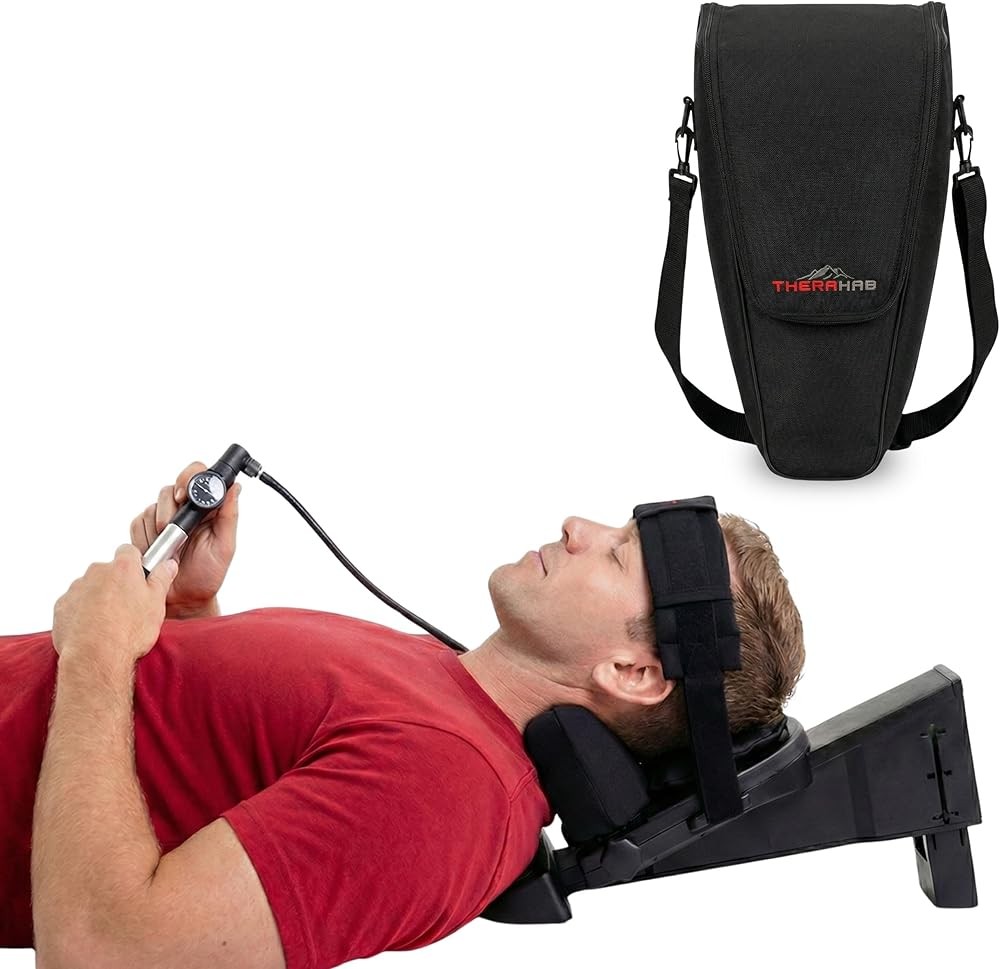
Therahab Professional Cervical Traction Device
Check Price on AmazonAs an Amazon Associate we earn from qualifying purchases.
The Therahab Professional device uses a mechanical ratchet system for precise force control, similar to devices used in clinical research studies. The adjustable design allows gradual progression from minimal traction to the research-supported optimal range (approximately one-tenth of body weight).
Key features aligned with research protocols include incremental force adjustment (avoiding the excessive forces shown to increase adverse reactions), comfortable head and chin support (distributing pressure to avoid TMJ irritation), and durable construction for consistent force delivery over extended treatment periods.
The supine positioning recommended with this device matches the position used in most efficacy studies, including the research showing high pain relief rates with intermittent traction protocols.
Pneumatic Traction Systems

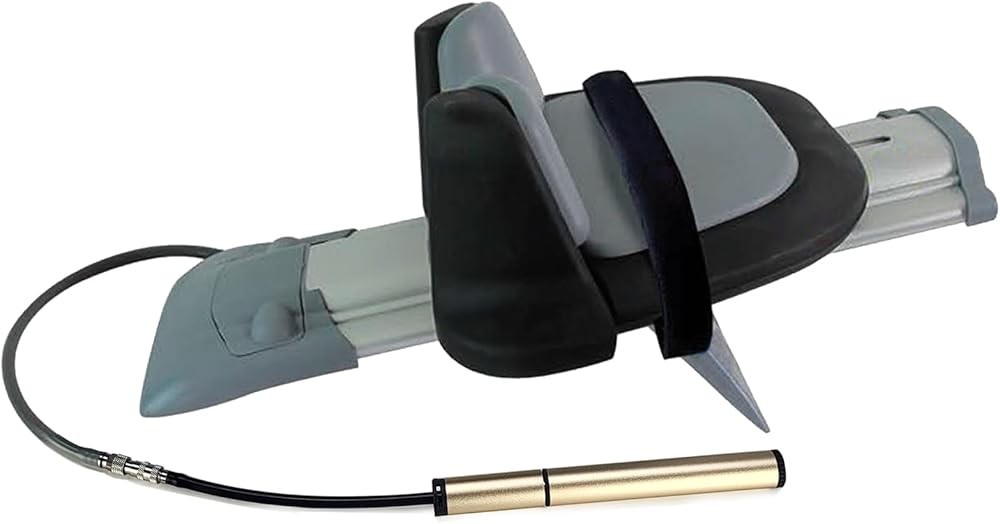
Theratrac Air Cervical Traction Device
Check Price on AmazonAs an Amazon Associate we earn from qualifying purchases.
The Theratrac Air system uses dual pneumatic chambers with pressure gauge monitoring, providing graduated force application through controlled inflation. This approach offers several advantages supported by traction research.
The gradual force application through inflation avoids the sudden loading that might trigger muscle guarding, potentially improving tolerance especially during initial treatment sessions. The pressure gauge allows objective monitoring of applied force, supporting the dose-response relationship demonstrated in research showing optimal outcomes at specific traction weights.
The portable design facilitates the daily 10-minute home sessions shown effective in the 12-week structural alignment study, while the adjustable positioning allows both supine and semi-reclined use depending on patient comfort and treatment goals.
Over-Door Traction Systems

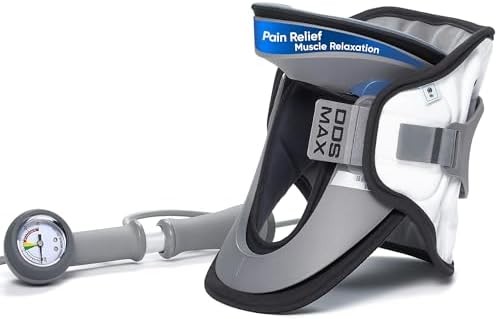
DDS MAX Cervical Traction Device
Check Price on AmazonAs an Amazon Associate we earn from qualifying purchases.
The DDS MAX over-door system provides sustained traction using body weight and pulley mechanics, similar to systems used in physical therapy settings. This approach allows longer traction sessions matching the extended protocols used in some clinical studies.
The seated positioning differs from the supine position used in most research but may be more practical for some users. The ability to adjust head harness positioning allows targeting different cervical levels, relevant given research showing traction effects are greatest at lower cervical segments where most degenerative changes occur.
Weight bag systems provide consistent force once calibrated to the optimal level identified in comparative research. The mechanical advantage from the pulley system means relatively light weights produce therapeutic traction forces.
Electric Automated Systems

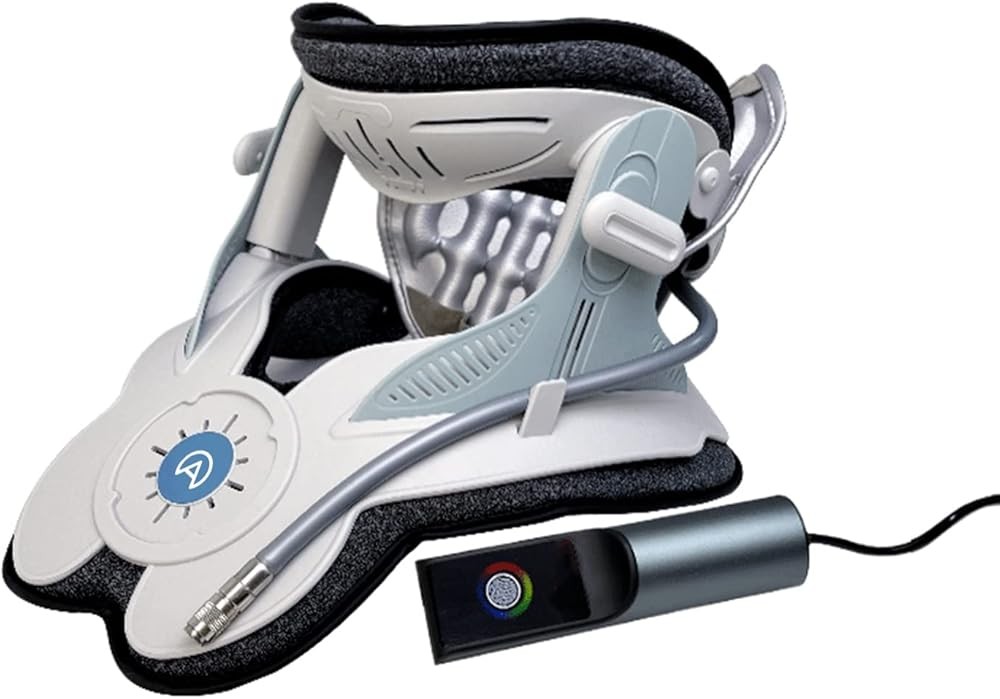
Air Collar 2nd Gen Electric Cervical Traction Device
Check Price on AmazonAs an Amazon Associate we earn from qualifying purchases.
The Air Collar 2nd Gen provides automated inflation with digital timer controls, making home cervical traction maximally convenient for consistent daily use. The timer function supports the intermittent traction protocols (15 seconds on, 5 seconds off) shown effective for pain relief in research studies.
Electric automation eliminates the manual inflation required with basic pneumatic collars, potentially improving compliance especially for users with hand strength limitations. The preset programs can be customized to match research protocols while the collar design allows use in various positions including seated and semi-reclined.
The budget-friendly price point makes cervical traction accessible for trial periods before investing in higher-end systems, particularly relevant given research showing some patients respond better to certain traction methods.
What’s the Best Home Cervical Traction Protocol?
Translating research findings into practical home treatment protocols requires understanding both the specific parameters shown effective in studies and the realistic constraints of self-directed treatment.
Initial Assessment and Setup
Before beginning home cervical traction, obtain professional evaluation to:
- Confirm appropriate diagnosis for traction therapy
- Rule out contraindications through clinical examination and possibly imaging
- Receive instruction on proper device positioning and force application
- Establish baseline pain levels and functional limitations for tracking progress
The manual cervical distraction study emphasizing development of appropriate control conditions highlights the importance of distinguishing therapeutic traction forces (typically 21-100N) from minimal forces that may provide attention-touch effects without mechanical benefit.
Starting Protocol
Based on research protocols showing optimal outcomes:
Week 1-2: Familiarization Phase
- Start with minimal traction force well below target (approximately 5% body weight)
- Use 5-10 minute sessions daily to adapt to sensation and positioning
- Monitor for any adverse reactions or symptom increases
- Practice achieving relaxed positioning to maximize muscle elongation
Week 3-4: Progressive Loading
- Gradually increase force toward one-tenth of body weight target
- Extend session duration to 10-15 minutes
- Consider intermittent protocols (15 seconds on, 5 seconds rest) shown effective in pain relief research
- Continue daily treatments as supported by 12-week home study
Week 5-8: Therapeutic Intensity
- Maintain the optimal traction force level identified in comparative research
- Use 15-20 minute sessions matching durations in efficacy studies
- Continue daily or every-other-day frequency
- Begin assessing functional improvements in neck mobility and pain levels
Week 9-12: Consolidation
- Maintain therapeutic parameters while monitoring sustained improvements
- Consider adding complementary exercises as supported by multimodal research
- Assess structural changes if obtaining follow-up imaging (the 12-week study showed significant radiographic changes at this timepoint)
Long-Term Maintenance
The 1-year cervicogenic dizziness study showing continued improvements at long-term follow-up supports transitioning to maintenance protocols after initial symptom improvement:
- Reduce frequency to 3-4 times weekly once symptoms stabilize
- Maintain therapeutic force and duration during sessions
- Continue indefinitely for sustained structural benefits (lordosis maintenance)
- Resume intensive daily protocol if symptoms recur
Monitoring and Adjustment
Track objective and subjective measures to guide protocol modifications:
Pain Measures:
- Visual analog scale ratings (as used in most research studies)
- Pain location, quality, and timing relative to activities
- Medication requirements for breakthrough symptoms
Functional Measures:
- Neck Disability Index (validated outcome used in multiple studies)
- Cervical range of motion in all planes
- Specific functional limitations (driving, computer work, sleeping position tolerance)
Structural Indicators:
- Postural awareness and forward head position
- Muscle tension patterns in cervical paraspinal muscles
- Follow-up imaging if obtaining professional monitoring
Significant improvement should occur within 4-8 weeks based on research timelines. Lack of improvement by 8-10 weeks suggests either inappropriate patient selection, inadequate force application, or need for complementary interventions beyond traction alone.
Complete Support System: Maximizing Cervical Traction Outcomes
Research showing superior outcomes with multimodal approaches emphasizes that cervical traction works best as part of a comprehensive neck pain management program.
Sleep Position Optimization
Cervical alignment during the 7-8 hours spent sleeping significantly impacts cumulative neck stress. The research showing restoration of cervical lordosis improves symptoms suggests supporting neutral alignment during sleep reinforces traction benefits.
Consider ergonomic cervical pillows designed to maintain neutral neck alignment. The contoured design supports the natural lordotic curve that extension traction aims to restore, avoiding the flattening or reversal that occurs with standard pillows.
Workstation Ergonomics
Forward head posture during computer work directly opposes the structural corrections achieved through cervical traction. The 12-week study showing significant reductions in anterior head translation alongside symptom improvements demonstrates the clinical importance of head position.
Evidence-based ergonomic modifications:
- Monitor height adjusted so top of screen aligns with eye level, reducing forward head shift
- Keyboard positioning allowing shoulders to remain relaxed and arms at approximately 90 degrees
- Document holders at screen height to avoid prolonged downward gaze
- Regular breaks (hourly) for cervical range of motion exercises
- Standing desk options for position variation throughout the day
Stress and Muscle Tension Management
While the EMG study found cervical traction didn’t produce immediate muscular relaxation, chronic stress-related muscle tension may limit traction effectiveness by creating resistance to elongation forces.
For those whose neck pain disrupts sleep, a dedicated neck pain pillow can support cervical alignment overnight. Complementary stress management approaches include:
- Progressive muscle relaxation targeting cervical and shoulder girdle muscles
- Diaphragmatic breathing reducing accessory respiratory muscle engagement
- Mindfulness-based stress reduction addressing pain catastrophization
- Regular physical activity for systemic stress reduction
Anti-Inflammatory Nutrition
The flowmetry research showing improved blood flow to affected muscles following traction suggests supporting vascular health may enhance outcomes. Anti-inflammatory dietary patterns reduce systemic inflammation that may contribute to tissue sensitivity.
Research-supported nutritional strategies:
- Omega-3 fatty acids (EPA/DHA) from fish or algae sources reducing inflammatory prostaglandins
- Colorful fruits and vegetables providing antioxidants protecting against oxidative stress
- Adequate hydration supporting intervertebral disc nutrition
- Limiting pro-inflammatory processed foods, excess omega-6 fatty acids, and refined sugars
Maintaining Treatment Consistency
The 12-week home traction study noted high protocol compliance, which likely contributed to positive outcomes. Strategies to support consistent daily use include:
- Scheduling traction at the same time daily to establish routine
- Keeping device in visible location as reminder
- Tracking sessions on calendar or app for accountability
- Combining traction with other daily habits (morning routine, before bed)
- Having backup times identified for days when primary time slot isn’t feasible
Research showing sustained benefits at 1-year follow-up emphasizes that cervical traction produces best results when maintained long-term rather than discontinued after initial symptom improvement.
Frequently Asked Questions About Cervical Traction for Neck Pain
What percentage of body weight is optimal for cervical traction?
Research shows 10% of total body weight provides the most effective cervical traction with minimal side effects. In a study of 90 patients with cervical spondylosis, 10% body weight traction provided the most significant pain relief and neck mobility improvements compared to 7.5% or 15% body weight, with fewer adverse reactions.
How effective is cervical traction for neck pain?
Clinical studies show cervical traction relieves neck pain in 79.2% of patients. A systematic review of rehabilitation interventions found cervical traction as a component reduced pain with a standardized mean difference of -0.66 (95% CI: -1.08 to -0.25), indicating moderate to large pain reduction when combined with other therapies.
How long does it take for cervical traction to work?
Most patients experience pain relief within the first treatment session, though sustained benefits require consistent use. Research on fighter pilots showed immediate post-traction pain reduction from 1.6 to 1.3 on a 10-point scale, with effects lasting up to 12 hours. Long-term studies demonstrate optimal results after 8-10 treatment sessions over several weeks.
Can cervical traction make neck pain worse?
When performed correctly at appropriate traction weights, cervical traction rarely worsens neck pain. Studies show higher traction forces (15% body weight) cause more adverse reactions than optimal forces (10% body weight). In one study, 11 of 30 patients experienced reactions with excessive traction weight, while only 3 of 30 had reactions with lower appropriate forces.
Is cervical traction safe for daily use at home?
Home cervical traction is safe when used according to guidelines and at appropriate traction forces. A 12-week study of daily home traction (10 minutes per day) showed positive changes in cervical alignment and symptom reduction with high protocol compliance and no serious adverse events reported. Professional guidance for initial setup is recommended.
What conditions does cervical traction help?
Cervical traction effectively addresses cervical spondylosis, radiculopathy (pinched nerves), cervicogenic dizziness, facet joint syndrome, and general neck pain from postural dysfunction. Research shows it works particularly well for cervical radiculopathy when combined with neurodynamic techniques, with standardized mean differences of -1.45 for pain reduction.
How does cervical traction compare to manual therapy?
Combined approaches work best. A study of 30 patients with cervical radiculopathy found neural mobilization with manual cervical traction more effective than manual traction alone, with greater improvements in pain, disability, range of motion, and deep flexor endurance after 8 weeks of treatment (3 sessions per week).
What is the proper duration for cervical traction sessions?
Research supports 10-20 minute sessions. Studies using intermittent traction (15 seconds on, 5 seconds off) for total session times of 15-20 minutes showed 79.2% pain relief rates. Home traction programs typically use 10 minutes daily, while clinical settings may extend to 20-30 minutes depending on the condition and traction method.
Does cervical traction improve neck mobility long-term?
Yes, cervical traction produces lasting improvements in neck range of motion. A 1-year study showed patients using cervical extension traction had sustained improvements in cervical lordosis, reduced forward head posture, and better neck mobility at follow-up compared to controls. Effects were maintained when traction was combined with postural correction exercises.
Are there any contraindications for cervical traction?
Cervical traction should be avoided with acute injuries, spinal infections, fractures, severe osteoporosis, rheumatoid arthritis affecting the cervical spine, tumors, or vertebral artery insufficiency. While rare, cases of vertebral artery dissection have been reported. Always consult a healthcare provider before starting cervical traction, especially with pre-existing cervical conditions.
Our Top Recommendations Based on Research
After analyzing clinical studies on cervical traction effectiveness, patient needs, and device characteristics, our research team recommends the following:
For clinical-grade home treatment: The Therahab Professional Cervical Traction Device provides the precise force control and incremental adjustment capability matching the protocols used in efficacy research. The mechanical ratchet system allows gradual progression to the optimal force identified in comparative studies (approximately one-tenth of body weight), while the supine positioning promotes the muscle relaxation associated with successful outcomes.
For maximum convenience: The Theratrac Air Cervical Traction Device combines pneumatic inflation with pressure gauge monitoring, providing graduated force application shown to improve tolerance. The portable design supports the daily 10-minute home sessions demonstrated effective in long-term structural alignment studies.
For budget-conscious users: The Air Collar 2nd Gen Electric Cervical Traction Device offers automated treatment at an accessible price point. The digital timer enables intermittent protocols (15 seconds on, 5 seconds rest) matching the approach shown to produce high pain relief rates in research studies.
For extended treatment sessions: The DDS MAX Cervical Traction Device provides sustained traction suitable for the longer duration protocols used in some physical therapy settings. The weight-based system delivers consistent force throughout sessions, and the over-door design requires no permanent installation.
Regardless of device selection, research consistently shows that optimal outcomes require:
- Appropriate patient selection (conditions involving mechanical compression respond best)
- Gradual progression to the research-supported optimal traction force
- Consistent daily or every-other-day use for initial 8-12 week treatment period
- Combination with complementary interventions (exercises, postural correction, possibly manual therapy)
- Long-term maintenance program (3-4 times weekly) for sustained structural benefits
The evidence demonstrates that cervical traction, when properly applied using research-supported parameters, relieves neck pain in the majority of patients while addressing underlying structural contributors to chronic symptoms. For individuals with cervical spondylosis, radiculopathy, or postural-related neck pain, home cervical traction represents an evidence-based intervention worthy of consideration as part of a comprehensive management approach.
Join the discussion: Facebook | X | YouTube | Pinterest
Conclusion
Research spanning multiple decades and diverse patient populations establishes cervical traction as an effective intervention for various neck pain conditions. The evidence shows that optimal results occur with traction forces at the research-identified optimal body weight percentage, applied through either intermittent or sustained protocols for 10-20 minute sessions. Pain relief occurs in nearly four out of five patients, with benefits extending beyond immediate symptom reduction to include improved cervical alignment, enhanced range of motion, and better functional capacity.
The most compelling evidence supports multimodal approaches combining cervical traction with neurodynamic techniques, strengthening exercises, and postural correction. Long-term studies demonstrate that structural improvements in cervical lordosis and forward head posture, achieved through consistent traction use, correlate with sustained symptom reduction at 1-year follow-up.
Home cervical traction devices, when properly selected and used according to research-supported protocols, provide accessible treatment options that produce outcomes comparable to professional administration for appropriate patient populations. The key to success lies in proper patient selection, gradual force progression, consistent application, and integration within comprehensive neck pain management programs that address biomechanical, postural, and lifestyle contributors to cervical dysfunction.
For individuals experiencing chronic neck pain, cervical radiculopathy, or postural-related cervical symptoms, the research evidence supports cervical traction as a valuable component of conservative management. When combined with professional guidance for initial setup, complementary therapeutic exercises, and ergonomic modifications, cervical traction offers a safe, effective approach to addressing both symptoms and underlying structural contributors to neck pain.
Related Reading
- Best Cervical Traction Device - Compare top-rated devices with features and specifications
- Best Cervical Pillow for Neck Pain - Support cervical alignment during sleep
- Best Pillow for Neck Pain - Nighttime neck pain relief options
- Cervical Pillow vs Regular Pillow - Why cervical support matters
- Best TENS Units for Pain Relief - Complementary electrical stimulation therapy
- Cold Compression Therapy Benefits - Evidence-based pain management
- Best Cold Therapy Machine - Recovery devices for musculoskeletal pain
References
-
Akinbo SR, Noronha CC, Okanlawon AO, Danesi MA. Effects of different cervical traction weights on neck pain and mobility. Nigerian Postgrad Med J. 2006;13(3):230-5. PMID: 17066112.
-
Núñez de Arenas-Arroyo S, Mavridis D, Martínez-Vizcaíno V, Torres-Costoso A, Reina-Gutiérrez S. What components and formats of rehabilitation interventions are more effective to reduce pain in patients with cervical radiculopathy? A Systematic review and component network meta-analysis. Clin Rehabil. 2025. PMID: 40776625.
-
Kim DG, Chung SH, Jung HB. The effects of neural mobilization on cervical radiculopathy patients’ pain, disability, ROM, and deep flexor endurance. J Back Musculoskelet Rehabil. 2017;30(5):951-959. PMID: 28453446.
-
Huo L, Yang X, Feng T, Li Y, Wang P. Management of Cervical Spondylotic Radiculopathy: A Systematic review. Global Spine J. 2022. PMID: 35324370.
-
Saptale A, Patrekar S, Aphale S, Shinde S. Effects of Positional Traction Integrated With Mobilization With Movement on Cervical Facet Joint Syndrome. Cureus. 2025. PMID: 40831840.
-
Murphy MJ. Effects of cervical traction on muscle activity. J Orthop Sports Phys Ther. 1991;13(5):220-225. PMID: 18796840.
-
Moustafa IM, Diab AA, Harrison DE. The effect of normalizing the sagittal cervical configuration on dizziness, neck pain, and cervicocephalic kinesthetic sensibility: a 1-year randomized controlled study. Eur J Phys Rehabil Med. 2017;53(1):57-71. PMID: 27575013.
-
Norton TC, Oakley PA, Harrison DE. Improving the cervical lordosis relieves neck pain and chronic headaches in a pediatric: a Chiropractic Biophysics case report with a 17-month follow-up. J Phys Ther Sci. 2022;34(1):71-76. PMID: 35035083.
-
Chumbley EM, O’Hair N, Stolfi A, Lienesch C, McEachen JC. Home Cervical Traction to Reduce Neck Pain in Fighter Pilots. Aerosp Med Hum Perform. 2016;87(12):1010-1015. PMID: 28323586.
-
Myśliwiec A, Saulicz E, Kuszewski M, Kokosz M, Wolny T. Assessment of the influence of Saunders traction and transcutaneous electrical nerve stimulation on hand grip force in patients with neck pain. Ortop Traumatol Rehabil. 2011;13(1):37-44. PMID: 21393647.
-
Myśliwiec A, Saulicz E, Kuszewski M, Wolny T, Saulicz M. The effect of Saunders traction and transcutaneous electrical nerve stimulation on the cervical spine range of motion in patients reporting neck pain - pilot study. Ortop Traumatol Rehabil. 2012;14(6):515-524. PMID: 23382279.
-
Haładaj R, Pingot M, Topol M. The Effectiveness of Cervical Spondylosis Therapy with Saunders Traction Device and High-Intensity Laser Therapy: A Randomized Controlled Trial. Med Sci Monit. 2017;23:335-342. PMID: 28104903.
-
Nanno M. Effects of intermittent cervical traction on muscle pain. Flowmetric and electromyographic studies of the cervical paraspinal muscles. Nihon Ika Daigaku Zasshi. 1994;61(2):137-47. PMID: 8195323.
-
Shahar D, Sayers MGL. Changes in the Sagittal Cranio-Cervical Posture Following a 12-Week Intervention Using a Simple Spinal Traction Device. Spine. 2019;44(5):E315-E320. PMID: 30234817.
-
Cai G, Zhu D, Chen J, Lin X, Chen R. Effects of traction therapy on atlantoaxial joint dislocation-induced cervical vertigo. Braz J Med Biol Res. 2022;55:e11777. PMID: 35239778.
Recommended Products