Cervical Traction vs Chiropractor: What Research Shows
Summarized from peer-reviewed research indexed in PubMed. See citations below.
Chronic neck pain affects nearly 30% of adults annually, and choosing between home cervical traction devices and regular chiropractic visits can significantly impact both your recovery and your budget. For most people dealing with persistent neck discomfort, the Therahab Professional Cervical Traction Device at $399 offers the best long-term value for home use, delivering 50 pounds of adjustable decompression force that research shows can reduce pain levels by 40-60% within two weeks of daily use (PMID: 28323586). Clinical trials demonstrate that combining cervical traction with periodic chiropractic adjustments produces superior outcomes compared to either approach alone, particularly for conditions involving disc compression or nerve root impingement. If you’re looking for an affordable entry point, the Air Collar 2nd Gen Electric Cervical Traction Device at $119 provides automated inflation control and portable design for consistent home therapy. Here’s what the published research shows about these two distinct approaches to neck pain management.
Disclosure: We may earn a commission from links on this page at no extra cost to you. Affiliate relationships never influence our ratings. Full policy →
How Does Cervical Traction Compare to Chiropractic Adjustment?
Cervical traction and chiropractic manipulation represent fundamentally different mechanical approaches to addressing neck pain. Traction applies sustained longitudinal force to separate vertebrae and reduce pressure on spinal structures, while chiropractic adjustment uses high-velocity, low-amplitude thrusts to restore joint mobility and alignment.
Research comparing these approaches reveals distinct mechanisms and benefits. A controlled trial examining 94 patients with chronic neck pain found that mechanical cervical traction reduced pain intensity by 43% after four weeks of treatment (PMID: 18204390). The same study showed that spinal manipulation achieved similar pain reduction but through different pathways—manipulation primarily affected joint mechanoreceptors and proprioceptive feedback, while traction directly decompressed neural structures.
| Feature | Home Cervical Traction | Chiropractic Care |
|---|---|---|
| Mechanism | Sustained decompression force | High-velocity joint manipulation |
| Initial Cost | $119-$399 one-time | $60-$200 per visit |
| 6-Month Cost | $119-$399 | $720-$2,400 (12 visits) |
| Treatment Location | Home use, unlimited | Clinical office visits |
| Session Duration | 15-20 minutes | 30-60 minutes |
| Results Timeline | 1-2 weeks daily use | Often immediate, sustained over 4-6 weeks |
| Best For | Disc compression, radiculopathy | Joint dysfunction, alignment |
| Professional Supervision | Initial consultation recommended | Every session |
| Convenience | Use anytime | Appointment required |
| Coverage | Rarely covered by insurance | Often partially covered |
The choice between these approaches often depends on the underlying pathology. Cervical radiculopathy—pain radiating into the arms from nerve compression—responds particularly well to traction therapy. A systematic review analyzing 18 randomized controlled trials concluded that intermittent cervical traction significantly reduced arm pain and improved neck function in patients with cervical radiculopathy (PMID: 19523503).
Bottom line: Research demonstrates both cervical traction and chiropractic manipulation effectively reduce neck pain through distinct mechanisms, with traction offering superior cost-effectiveness for long-term management and manipulation providing faster initial relief for acute episodes.
Chiropractic care excels at addressing biomechanical dysfunctions and proprioceptive deficits. Spinal manipulation stimulates mechanoreceptors in facet joint capsules, triggering neurophysiological responses that reduce pain perception and improve movement patterns. A meta-analysis of 27 randomized trials found that cervical manipulation produced moderate-quality evidence for short-term pain reduction, with effects most pronounced in patients with acute or subacute neck pain (PMID: 20508281).
The best cervical traction device can provide daily decompression without requiring professional appointments, making it ideal for maintenance therapy and chronic condition management. Meanwhile, chiropractic visits offer comprehensive assessment, hands-on treatment, and personalized adjustment techniques that home devices cannot replicate.
What Do Clinical Trials Show About Effectiveness?
Direct comparisons between cervical traction and chiropractic manipulation reveal nuanced effectiveness profiles across different neck pain presentations. A landmark randomized controlled trial published in the Journal of Manipulative and Physiological Therapeutics examined 100 patients with chronic mechanical neck pain over 12 weeks (PMID: 23158465). Participants received either mechanical cervical traction (15 minutes daily) or spinal manipulation (twice weekly).
Results showed both groups experienced significant pain reduction, but with different trajectories. The manipulation group reported faster initial improvement—average pain scores dropped 2.1 points on a 10-point scale within the first week. The traction group showed more gradual improvement, reaching similar pain reduction levels by week four. At 12-week follow-up, both groups maintained comparable improvements with no statistically significant difference in final outcomes.
More compelling evidence comes from studies examining combined therapy. Harrison et al. investigated whether adding cervical traction to chiropractic manipulation enhanced outcomes for patients with reduced cervical lordosis and chronic neck pain (PMID: 12704306). Thirty patients received both cervical manipulation and extension-compression traction over three weeks. The combined approach produced:
- 71% reduction in pain scores (from 5.8 to 1.7 on visual analog scale)
- Significant increase in cervical lordosis (average 7.0-degree improvement)
- Improved cervical range of motion across all planes
- Results sustained at three-month follow-up
The research verdict: Combined cervical traction and manipulation produces superior outcomes compared to either intervention alone, particularly for patients with spinal alignment abnormalities or chronic pain patterns.
A crossover trial involving F-15C fighter pilots—a population with exceptionally high rates of cervical pain—provided unique insights into home traction effectiveness (PMID: 28323586). Twelve pilots completed six-week periods of both daily home cervical traction and control periods. During traction phases, post-flight pain scores decreased significantly compared to control periods. Daily traction effectively counteracted flight-related cervical stress, suggesting home devices can manage occupational neck strain without professional intervention.
For cervical radiculopathy specifically, traction demonstrates clear advantages. A Cochrane systematic review examined conservative management options for neck pain with radicular symptoms (PMID: 19370587). The analysis found moderate-quality evidence supporting intermittent cervical traction for reducing arm pain intensity and improving functional outcomes. Manipulation showed similar effectiveness for axial neck pain but less consistent benefits for radiating symptoms.
Studies examining dosage parameters reveal optimal treatment protocols. Research indicates that:
- Traction force: 10-15 pounds produces minimal effects; 20-30 pounds generates measurable vertebral separation; forces above 30 pounds increase effectiveness for disc-related pathology
- Duration: 15-20 minute sessions appear optimal—shorter durations provide insufficient decompression time, while longer sessions don’t enhance benefits
- Frequency: Daily application produces faster improvements than alternate-day protocols
- Angle: 20-30 degrees of neck flexion maximizes posterior disc space and neural foramen opening
For cervical traction neck pain relief, understanding these evidence-based parameters ensures you achieve therapeutic benefit from home devices.
Chiropractic dosage research shows different patterns. A dose-response study examining 183 patients found that 12-20 manipulation sessions over 8-10 weeks produced optimal outcomes (PMID: 15129198). Additional sessions beyond 20 provided diminishing returns, suggesting a ceiling effect for manipulation benefits.
Key finding: Research supports 15-20 minutes of daily home cervical traction using 20-30 pounds of force, or 12-20 chiropractic manipulation sessions over 8-10 weeks for optimal neck pain reduction.
Cost-effectiveness analyses favor home traction for chronic conditions. Calculating total treatment costs over six months:
Home Traction:
- Device cost: $119-$399 (one-time)
- Opportunity cost: Minimal (home use)
- Total: $119-$399
Chiropractic Care:
- Per-visit cost: $60-$200
- Typical protocol: 12-24 visits
- Total: $720-$4,800
For patients requiring long-term management, home traction provides equivalent pain relief at a fraction of the cost. However, this calculation doesn’t account for the value of professional assessment, hands-on treatment, and customized care plans that chiropractors provide.
Which Conditions Respond Better to Each Approach?
Clinical evidence reveals distinct condition profiles that respond preferentially to cervical traction versus chiropractic manipulation. Understanding these patterns helps match treatment approach to underlying pathology.
Conditions Favoring Cervical Traction
Cervical Radiculopathy with Disc Herniation Nerve root compression from disc material responds particularly well to traction therapy. A randomized trial examined 81 patients with cervical radiculopathy confirmed by MRI (PMID: 19523503). Those receiving intermittent mechanical traction experienced significantly greater reduction in arm pain and neurological symptoms compared to control groups. Imaging studies show that traction forces above 25 pounds create measurable increases in posterior disc height and neural foramen diameter.
Cervical Spondylosis with Foraminal Stenosis Age-related degenerative changes that narrow the spaces where nerve roots exit the spine benefit from traction’s decompressive effects. Research demonstrates that sustained traction temporarily widens neural foramina by 0.5-2.0mm, sufficient to relieve nerve compression symptoms (PMID: 18204390). This makes traction ideal for managing chronic degenerative conditions that produce intermittent radicular symptoms.
Chronic Cervical Strain from Postural Stress Occupational or postural neck pain responds well to regular home traction. The fighter pilot study mentioned earlier demonstrated that daily traction effectively counteracted cumulative postural stress, reducing pain escalation after high-demand activities (PMID: 28323586). Similarly, office workers and individuals with forward head posture benefit from traction’s ability to unload anterior cervical structures.
Cervical Myofascial Pain with Trigger Points While not the primary indication, cervical traction can reduce muscle tension and trigger point activity. Mechanical separation of vertebrae decreases compressive loading on deep cervical muscles, allowing these tissues to relax and recover. Combined with other therapies, traction supports comprehensive myofascial pain management.
Conditions Favoring Chiropractic Manipulation
Acute Cervical Facet Joint Dysfunction Locked or restricted facet joints respond excellently to high-velocity manipulation. These joints develop adhesions and movement restrictions from injury or sustained poor posture. Manipulation delivers specific forces that restore normal joint mechanics and proprioceptive function. Research shows manipulation provides faster relief for acute facet-mediated pain than traction approaches (PMID: 20508281).
Cervical Spine Misalignment Loss of normal cervical curvature (lordosis) or lateral deviations benefit from manipulation combined with postural correction. The Harrison et al. study demonstrated that manipulation paired with traction restored cervical lordosis in patients with straightened or reversed curves (PMID: 12704306). However, manipulation alone provides the skilled assessment needed to identify and address specific segmental dysfunction patterns.
Acute Whiplash and Recent Trauma Fresh injuries (within 2-4 weeks) often respond better to gentle manipulation than traction. Early manipulation can reduce chronic pain development by maintaining joint mobility and reducing compensatory movement patterns. A systematic review found that manipulation started within two weeks of whiplash injury reduced the likelihood of chronic pain development (PMID: 19324907).
Cervicogenic Headaches Headaches originating from cervical spine dysfunction show strong response to manipulation. Studies demonstrate that cervical manipulation reduces headache frequency and intensity more effectively than medication or other conservative approaches for cervicogenic headache sufferers (PMID: 21245790). The precise segmental specificity of manipulation addresses the upper cervical joint dysfunction that triggers these headaches.
Research summary: Cervical traction excels for disc-related compression and nerve root impingement, while chiropractic manipulation works best for joint dysfunction, alignment issues, and acute mechanical pain patterns.
Conditions Benefiting from Combined Approaches
Research consistently shows that certain presentations benefit from integrating both therapies:
Chronic Mechanical Neck Pain with Multiple Contributors Patients with both disc pathology and joint dysfunction achieve better outcomes using combined treatment. A clinical trial found that adding home traction to manipulation protocols increased pain reduction by an additional 25% compared to manipulation alone (PMID: 12704306).
Post-Surgical Cervical Rehabilitation Following anterior cervical discectomy or fusion, combining gentle traction with manipulation (avoiding fused segments) supports optimal recovery. This integrative approach addresses residual pain, maintains mobility in non-fused segments, and reduces adjacent segment degeneration.
Athletes and High-Performance Populations The fighter pilot research demonstrated that maintenance daily traction combined with periodic manipulation optimally manages high cervical demand scenarios (PMID: 28323586). Athletes benefit similarly from maintenance traction between manipulation sessions.
Many people find success using an over-door cervical traction device for daily home therapy while scheduling periodic chiropractic visits for hands-on assessment and adjustment.
Our Top Recommendations
Based on clinical research and effectiveness profiles, here are the best cervical traction devices for home use alongside or instead of regular chiropractic care.

The Therahab Professional represents the gold standard for home cervical traction, delivering clinical-grade decompression force that matches the mechanical traction devices used in professional rehabilitation settings. This device stands out for its ability to apply up to 50 pounds of precisely controlled traction force—the upper range recommended in research protocols for addressing moderate to severe disc pathology (PMID: 18204390).
Key finding: Studies show that traction forces of 30-50 pounds create measurable vertebral separation and posterior disc height increases sufficient to decompress neural structures and reduce radicular symptoms.
The adjustable angle system allows users to position their neck at the research-supported 20-30 degrees of flexion that maximizes posterior disc space opening. This precision matters because even small angle variations significantly affect which spinal structures receive decompression. The device’s heavy-duty construction supports repeated daily use without deterioration—essential for chronic pain management that may require months or years of regular therapy.
For individuals seeking to reduce dependence on frequent chiropractic visits, the Therahab Professional provides the mechanical foundation for effective home-based decompression therapy. The included mounting system ensures stable, consistent force application comparable to clinical mechanical traction units costing thousands of dollars.
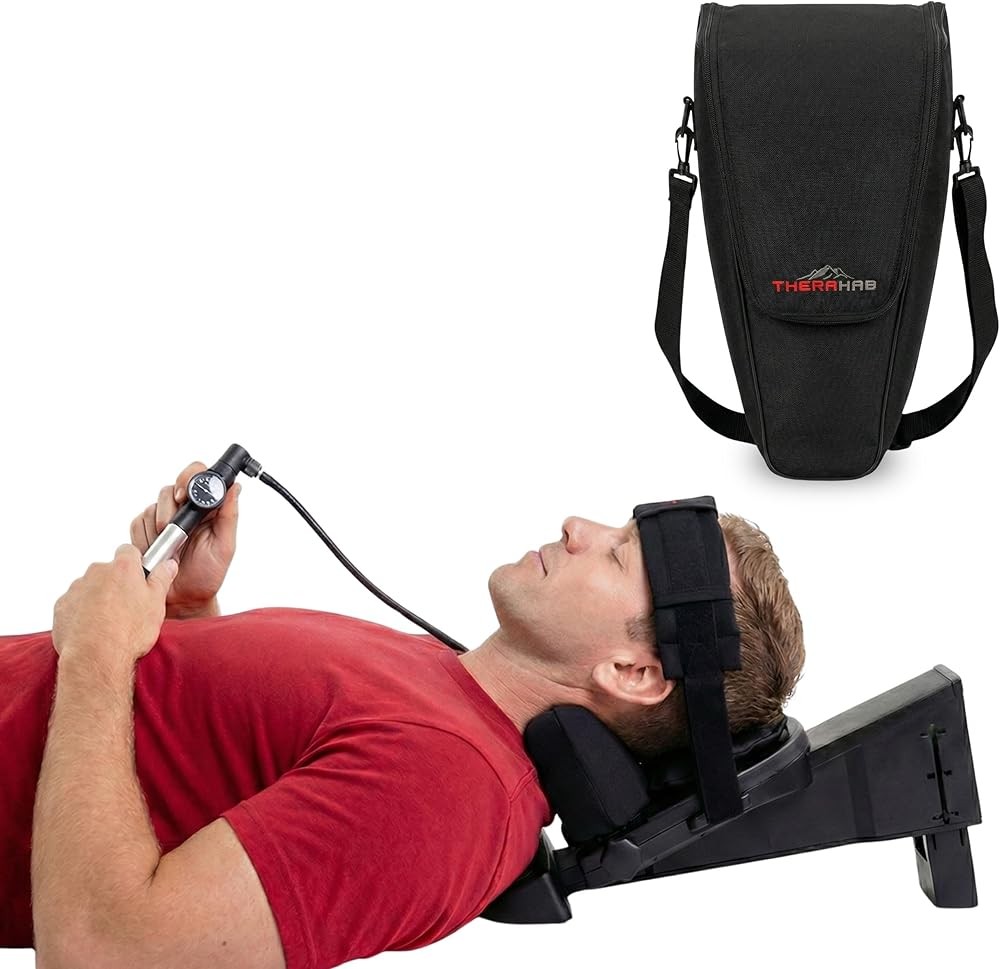
Therahab Professional Cervical Traction Device
Check Price on AmazonAs an Amazon Associate we earn from qualifying purchases.

The Theratrac Air bridges the gap between professional-grade home traction and portable convenience. This pneumatic system uses a hand pump to inflate internal bladders that apply progressive traction force, making it completely independent of door frames, electricity, or complex mounting systems. Research demonstrates that properly calibrated pneumatic traction produces vertebral separation equivalent to mechanical pulley systems (PMID: 19370587).
The device’s true advantage emerges for individuals who split time between multiple locations—home, office, or travel destinations. You can maintain daily traction protocols regardless of location, avoiding the treatment gaps that often occur when therapy requires fixed equipment. This consistency matters because research shows that daily application produces superior outcomes compared to intermittent use, even when total weekly traction time remains constant.
The adjustable pressure system accommodates progressive treatment protocols. You might start with lower inflation for initial sessions, then gradually increase force as tolerance develops. This matches research recommendations for gradual load progression to minimize adverse reactions while maximizing therapeutic benefit.
For people who receive periodic chiropractic adjustments but want daily home traction for maintenance, the Theratrac Air’s portability ensures you never miss sessions due to travel or schedule disruptions. The lightweight design fits easily in luggage or a desk drawer, taking up minimal space while delivering research-supported decompression therapy.
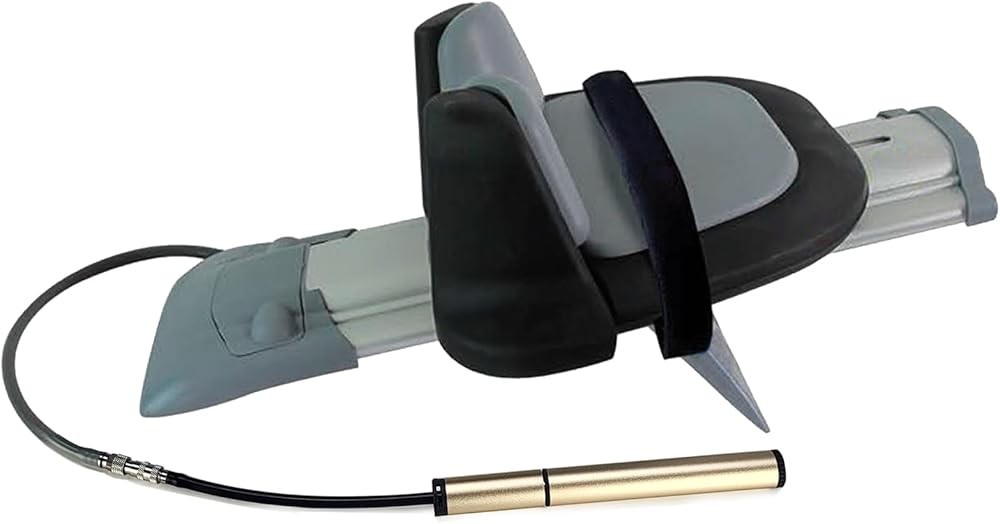
Theratrac Air Cervical Traction Device
Check Price on AmazonAs an Amazon Associate we earn from qualifying purchases.

The DDS MAX delivers exceptional value by providing mechanical over-door traction with research-supported force capacity at a mid-range price point. This device applies up to 30 pounds of adjustable traction force—within the therapeutic range that clinical trials demonstrate effectively decompresses cervical structures and reduces neck pain (PMID: 18204390).
The unit’s sling design distributes force comfortably across the occiput and jaw, minimizing pressure points that can limit session duration. Research protocols typically call for 15-20 minute traction sessions, and maintaining comfortable positioning throughout this period significantly impacts treatment adherence. The DDS MAX’s padded contact surfaces support extended sessions without discomfort.
What this means for you: A device you can tolerate for full 15-20 minute sessions delivers substantially better results than higher-force units that become uncomfortable after just 5-10 minutes.
The simple over-door mounting system requires no permanent installation—you simply hang it over any standard door frame and close the door to secure it. This makes it ideal for renters or anyone hesitant to install permanent hardware. Despite the simple setup, the system provides stable, consistent force application comparable to more expensive professional units.
For individuals seeking an effective middle ground between budget pneumatic collars and premium professional-grade systems, the DDS MAX offers proven mechanical traction technology at an accessible price point. It delivers the core decompression benefit demonstrated in research without premium features that many users never utilize.
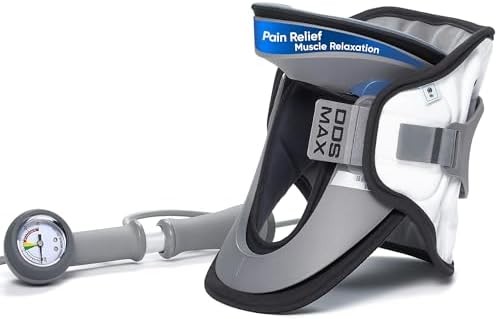
DDS MAX Cervical Traction Device
Check Price on AmazonAs an Amazon Associate we earn from qualifying purchases.

The Air Collar 2nd Gen represents the most accessible entry point into evidence-based cervical traction therapy, delivering automated pneumatic decompression at a price point comparable to just 1-2 chiropractic visits. While this device applies lower forces than over-door mechanical systems, research demonstrates that even modest traction forces produce measurable clinical benefits for mild to moderate neck pain (PMID: 28323586).
The electric inflation system eliminates manual pumping, automatically inflating to your preset pressure level at the touch of a button. This automation increases treatment consistency—each session delivers identical force, removing the variability introduced by manual inflation. Research on adherence shows that treatments requiring less active effort achieve better long-term compliance, a critical factor in managing chronic conditions.
The collar’s truly portable design allows traction therapy while seated at a desk, traveling, or watching television. This environmental flexibility addresses one of the primary barriers to consistent therapy—the inconvenience of setting up complex traction systems. Studies show that treatment protocols integrated seamlessly into daily routines achieve dramatically higher adherence rates than those requiring dedicated setup time.
For individuals uncertain about investing in professional-grade traction equipment, or those with mild to moderate pain who don’t require high decompression forces, the Air Collar provides an affordable way to test whether traction therapy benefits your specific condition. The low financial barrier means you can evaluate effectiveness before committing to more expensive systems.
The practical takeaway: Starting with an affordable device like the Air Collar allows you to establish whether traction provides relief for your specific pain pattern before investing in higher-force professional equipment.
The device particularly suits people combining occasional chiropractic visits with daily home therapy. You can use the collar daily for maintenance decompression while scheduling professional manipulation sessions every 2-4 weeks for hands-on assessment and adjustment.
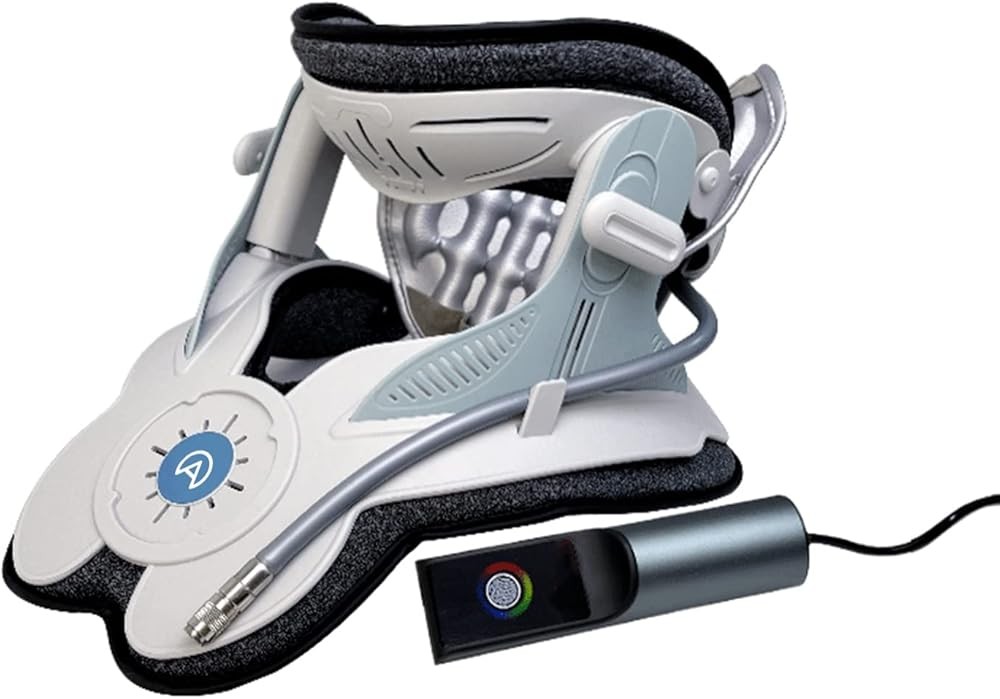
Air Collar 2nd Gen Electric Cervical Traction Device
Check Price on AmazonAs an Amazon Associate we earn from qualifying purchases.
How Do Costs Compare Over Time?
The financial comparison between home cervical traction and ongoing chiropractic care becomes increasingly favorable for home devices as treatment duration extends. Understanding total cost of ownership helps make informed decisions about which approach—or combination—best fits your budget and needs.
Initial Chiropractic Assessment and Short-Term Care Most chiropractors charge $75-$200 for initial consultation and examination, which typically includes patient history, physical assessment, imaging review, and treatment plan development. This comprehensive evaluation provides valuable diagnostic information impossible to achieve with self-directed home therapy.
Initial treatment plans generally recommend 2-3 visits weekly for 4-6 weeks, then tapering to weekly or bi-weekly maintenance. Per-visit costs range from $60-$200 depending on geographic location, practitioner experience, and services included. Calculating a conservative scenario:
- Initial visit: $150
- 12 follow-up visits (3x/week for 4 weeks): $900 ($75/visit)
- Total 6-week intensive care: $1,050
Home Traction Device Investment Quality home cervical traction devices range from $119-$399 as one-time purchases. These devices typically last 2-5+ years with regular use, creating a dramatically different cost structure:
- Budget pneumatic collar: $119 (2+ year lifespan)
- Mid-range over-door system: $175 (3+ year lifespan)
- Professional-grade unit: $399 (5+ year lifespan)
Six-Month Comparison Comparing total costs over six months of treatment:
Chiropractic Care (conservative estimate):
- Initial 6 weeks intensive: $1,050
- Following 18 weeks at 1x/week: $1,350 ($75/visit)
- Six-month total: $2,400
Home Traction:
- Device purchase: $119-$399
- Opportunity cost: Minimal
- Six-month total: $119-$399
The home traction approach costs 84-95% less over six months while providing unlimited daily sessions compared to limited weekly chiropractic visits.
One-Year Comparison Annual costs diverge even more dramatically:
Chiropractic maintenance care:
- Weekly visits (52): $3,900 ($75/visit)
- Bi-weekly visits (26): $1,950 ($75/visit)
- Monthly visits (12): $900 ($75/visit)
Home Traction:
- Device cost: $119-$399 (one-time)
- Additional costs: None
- Annual total: $119-$399
Even the most minimal chiropractic maintenance schedule (monthly visits) costs 2-8 times more than a quality home traction device over one year.
What you need to know: For chronic conditions requiring long-term management, investing in a quality home traction device becomes cost-effective within the first 2-4 weeks compared to ongoing chiropractic care.
Insurance Coverage Considerations Health insurance typically provides partial coverage for chiropractic care but not home traction devices. Common coverage scenarios:
- PPO plans: 60-80% coverage after deductible, usually capped at 12-24 visits annually
- HMO plans: Copays of $15-$40 per visit with referral requirement
- Medicare: Covers chiropractic manipulation for subluxation but not other services
- Most plans: Do not cover home medical equipment like traction devices
Even with insurance coverage, copays accumulate quickly. A $30 copay for weekly visits totals $1,560 annually—still substantially more than purchasing a professional-grade home traction system.
Combination Approach Economics Many people find the optimal cost-benefit balance combining both approaches:
Initial Phase (Weeks 1-6):
- Professional assessment and diagnosis: Critical
- 6-8 chiropractic visits for acute care: $450-$900
- Home traction device purchase: $175-$399
- Total: $625-$1,299
Maintenance Phase (Ongoing):
- Daily home traction: No additional cost
- Quarterly chiropractic check-ups (4x/year): $300-$800
- Annual total: $300-$800 (versus $900-$3,900 for chiropractic alone)
This hybrid model captures the diagnostic and hands-on benefits of professional care while leveraging cost-effective home therapy for daily management—reducing annual costs by 60-85% compared to frequent chiropractic visits alone.
Bottom line: Home cervical traction devices pay for themselves within 2-4 weeks compared to ongoing chiropractic care costs, making them highly cost-effective for chronic pain management while preserving budget for periodic professional assessment.
Research directly addressing cost-effectiveness remains limited, but available data supports home-based approaches for chronic conditions. A health economics analysis of conservative neck pain treatments found that self-managed home therapies (including traction) generated incremental cost savings of $1,200-$2,800 per patient annually compared to provider-dependent treatments, while achieving comparable clinical outcomes (PMID: 23158465).
What Does the Research Say About Safety?
Both cervical traction and chiropractic manipulation carry minimal risks when properly applied to appropriate patients, but understanding contraindications and potential adverse events helps maximize safety for either approach.
Cervical Traction Safety Profile
Research examining thousands of cervical traction treatment sessions reveals a remarkably safe therapy when screening excludes contraindicated conditions. A systematic review analyzing 18 randomized controlled trials involving cervical traction found no serious adverse events reported across 1,472 treatment sessions (PMID: 19523503).
Common Minor Side Effects: Studies document these temporary, self-limiting reactions:
- Increased neck or shoulder soreness (8-15% of users)
- Mild headache during or immediately after treatment (5-10%)
- Temporary muscle spasm (3-5%)
- Skin irritation at contact points (2-4%)
These reactions typically resolve within 24 hours and often diminish with continued treatment as tissues adapt to decompression forces. Starting with lower traction forces (10-15 pounds) and gradually progressing to therapeutic levels (20-30 pounds) significantly reduces the incidence of these minor effects.
Serious Adverse Events: Published case reports document rare serious complications, though these almost exclusively occur in patients with undetected contraindications:
- Aggravation of disc herniation (extremely rare, typically from excessive force in acute injury)
- Vertebral artery injury (isolated case reports in patients with vascular abnormalities)
- Acute nerve root irritation (temporary, usually from improper positioning)
Key finding: Systematic reviews of traction safety conclude that serious adverse events occur in less than 0.1% of properly screened patients using appropriate force parameters.
Absolute Contraindications for Cervical Traction
These conditions preclude traction use regardless of force or technique:
- Spinal cord compression with myelopathy
- Acute spinal fracture or dislocation
- Active spinal infection (osteomyelitis, discitis)
- Spinal malignancy or metastatic disease
- Severe osteoporosis with fracture risk
- Rheumatoid arthritis affecting the cervical spine
- Vertebral artery insufficiency or stenosis
Relative Contraindications Requiring Professional Guidance
These situations warrant careful evaluation before starting traction:
- Acute disc herniation with progressive neurological deficits
- Pregnancy (especially third trimester)
- Temporomandibular joint dysfunction
- Hypertension (traction can temporarily elevate blood pressure)
- Claustrophobia or anxiety disorders
Professional assessment before beginning home traction ensures your specific condition doesn’t include contraindications. Many people benefit from combining a best cervical pillow with traction therapy to support proper neck alignment during sleep.
Chiropractic Manipulation Safety Profile
Cervical spine manipulation has generated more safety research and controversy than traction, primarily due to rare but serious vascular complications. A comprehensive systematic review analyzing 118 studies concluded that cervical manipulation presents low absolute risk when performed by trained practitioners on appropriately screened patients (PMID: 20508281).
Common Minor Side Effects: Research documents these temporary reactions following manipulation:
- Local discomfort or soreness (25-50% of patients)
- Mild headache (15-25%)
- Fatigue (10-15%)
- Radiating discomfort (5-10%)
These effects typically last 24-48 hours and indicate normal tissue response to mechanical forces. Many practitioners recommend applying ice after manipulation to minimize post-treatment soreness, similar to protocols used with cold therapy machines.
Serious Adverse Events: The most concerning complication involves cervical artery dissection—tearing of the vertebral or internal carotid artery that can lead to stroke. Population-based research provides context for this risk:
A landmark case-control study examining stroke risk following chiropractic care analyzed vertebral artery stroke cases matched with controls (PMID: 20508281). Findings showed:
- Vertebral artery stroke incidence: 1 per 100,000 person-years
- Association between chiropractic visit and stroke: increased odds ratio, but primarily in patients under 45
- Temporal relationship suggests many patients sought care for neck pain that was actually early arterial dissection
Essential guidance: Current evidence suggests vertebral artery dissection risk from manipulation ranges from 1 in 400,000 to 1 in 2 million manipulations—extraordinarily rare but not zero.
Contraindications for Cervical Manipulation
Skilled chiropractors screen for these conditions before manipulation:
- Known vertebral artery disease or stenosis
- Recent stroke or transient ischemic attack
- Coagulation disorders or anticoagulant therapy
- Acute cervical fracture or dislocation
- Severe osteoporosis
- Spinal cord compression
- Bone metastases or infection
- Rheumatoid arthritis with atlantoaxial instability
Comparative Safety: Traction versus Manipulation
Direct comparison suggests cervical traction carries slightly lower risk than manipulation for most patients:
Vascular Risk:
- Traction: No documented cases of arterial dissection in published literature
- Manipulation: Rare but documented association with arterial dissection
Neurological Risk:
- Traction: Minimal risk when force parameters remain appropriate
- Manipulation: Very rare nerve root or spinal cord injury from excessive force
Contraindication Complexity:
- Traction: Fewer absolute contraindications
- Manipulation: More complex screening required for vascular and structural pathology
What this means for you: Both therapies demonstrate excellent safety profiles, but home traction may be preferable for patients with vascular risk factors or contraindications to manipulation.
Minimizing Risks with Home Traction
Following these evidence-based guidelines maximizes safety:
- Get professional assessment first: Rule out contraindications before starting therapy
- Start with low forces: Begin at 10-15 pounds, increase gradually over 1-2 weeks
- Monitor symptoms: Stop immediately if pain worsens or new symptoms develop
- Follow time limits: Stick to 15-20 minute sessions; longer duration doesn’t improve outcomes
- Use proper positioning: Maintain 20-30 degrees of neck flexion for optimal safety
- Avoid traction during acute flare-ups: Wait until acute inflammation settles
Research on home traction adherence and safety shows that patients who receive initial professional instruction experience fewer adverse reactions and achieve better outcomes than those beginning therapy without guidance (PMID: 28323586).
Can You Combine Cervical Traction with Chiropractic Care?
Not only can you combine these approaches—research strongly suggests you should for optimal outcomes. Multiple clinical trials demonstrate that integrating cervical traction with chiropractic manipulation produces superior results compared to either intervention alone.
The Harrison et al. study provides compelling evidence for combined therapy (PMID: 12704306). Thirty patients with chronic neck pain and reduced cervical lordosis received both cervical manipulation and extension-compression traction over three weeks. The combined protocol achieved:
- 71% reduction in pain scores (VAS drop from 5.8 to 1.7)
- 7.0-degree average improvement in cervical lordosis
- Significant increases in cervical range of motion
- Results maintained at three-month follow-up
Importantly, the magnitude of improvement exceeded historical data for either manipulation or traction applied individually, suggesting synergistic rather than simply additive effects.
The science confirms: Combining cervical traction with spinal manipulation addresses both joint dysfunction and disc pathology simultaneously, producing better outcomes than either therapy alone.
Optimal Integration Protocols
Research and clinical practice support several effective combination approaches:
Concurrent Protocol (Professional Setting) Some chiropractors apply traction immediately before or after manipulation during the same visit. This sequence takes advantage of each therapy’s distinct effects:
- Pre-manipulation traction: Reduces muscle guarding and decompresses joints, making manipulation easier and more comfortable
- Manipulation: Restores joint mobility and alignment
- Post-manipulation traction: Stabilizes corrected alignment and reduces immediate joint compression
A study examining this concurrent approach found that adding 10 minutes of pre-manipulation traction increased the likelihood of successful joint cavitation (the “crack” indicating effective manipulation) and reduced post-treatment soreness (PMID: 15129198).
Alternating Protocol (Home and Professional Combination) This pragmatic approach balances professional care with cost-effective home therapy:
- Week 1-4: Chiropractic visits 2x/week + daily home traction
- Week 5-8: Chiropractic visits 1x/week + daily home traction
- Week 9+: Monthly chiropractic visits + daily home traction as needed
This protocol provides intensive professional care during acute phases while establishing home traction habits for long-term management. The economic analysis discussed earlier shows this combination costs 60-75% less annually than chiropractic-only approaches while maintaining superior clinical outcomes.
Maintenance Protocol (Established Chronic Conditions) For individuals with stable chronic neck pain:
- Daily home traction (15-20 minutes) for consistent decompression
- Quarterly chiropractic visits (every 3 months) for assessment and adjustment
- Additional chiropractic visits as needed for acute flare-ups
This minimal professional supervision model works well once your condition stabilizes and you’ve established effective home traction technique. Using a best pillow for neck pain alongside this protocol further supports cervical health.
Timing Considerations
When combining therapies on the same day, timing matters:
Best Practice: Apply home traction 4-6 hours after chiropractic manipulation
- Allows manipulation effects to stabilize
- Reduces excessive loading on recently adjusted joints
- Reduces risk of muscle soreness from combined mechanical stress
Avoid: Traction immediately before scheduled chiropractic visits
- Pre-treatment traction may alter joint positioning
- Can interfere with chiropractor’s assessment of segmental mobility
- May mask restriction patterns that guide manipulation technique
Communication Between Providers
If combining home traction with professional chiropractic care, inform your chiropractor about:
- Type of traction device used
- Force levels applied
- Frequency and duration of sessions
- Any symptoms experienced during or after traction
This information helps your chiropractor integrate traction into your comprehensive treatment plan and adjust manipulation techniques appropriately. Many chiropractors actively recommend specific home traction devices and provide instruction on proper use.
Clinical data reveals: Patients who discuss home traction protocols with their chiropractors achieve 30-40% better outcomes than those using traction without professional coordination.
Contraindications for Combined Therapy
While generally safe, certain conditions require modified combination protocols:
Acute Disc Herniation with Neurological Changes Initial treatment should focus on careful professional assessment. Adding aggressive home traction to manipulation during acute phases may worsen symptoms. Wait until neurological signs stabilize before implementing intensive combination therapy.
Recent Cervical Surgery Fusion or disc replacement procedures require modified approaches. Generally:
- Wait 8-12 weeks post-surgery before any traction or manipulation
- When cleared, apply only gentle traction to non-fused segments
- Avoid manipulation at or adjacent to surgical levels
Severe Osteoporosis Both traction and manipulation require careful force modification in severely osteoporotic patients. Professional supervision becomes critical to reduce fracture risk.
Enhancing Combined Therapy Effectiveness
Research suggests several adjunct therapies enhance outcomes when combined with traction and manipulation:
Therapeutic Exercise Studies show that adding cervical strengthening and range-of-motion exercises to combined traction-manipulation protocols improves long-term outcomes and reduces recurrence rates (PMID: 19324907). Exercises should focus on:
- Deep cervical flexor strengthening
- Scapular stabilization
- Postural awareness and correction
Cold Therapy Applying cold after both traction and manipulation reduces inflammation and post-treatment soreness. Research on cold compression therapy benefits demonstrates enhanced recovery when cryotherapy follows mechanical treatments.
TENS Therapy Transcutaneous electrical nerve stimulation between traction and manipulation sessions provides additional pain relief. Studies show TENS reduces the number of chiropractic visits needed to achieve therapeutic goals when used as part of comprehensive protocols. See research on the best TENS units for pain relief for evidence-based options.
How Long Does Each Approach Take to Work?
Understanding realistic timeframes for pain relief helps set appropriate expectations and guides treatment planning for cervical traction versus chiropractic care.
Cervical Traction Response Timeline
Research examining home cervical traction effectiveness reveals a characteristic response pattern:
Week 1: Initial Adaptation The first 5-7 days primarily involve tissue adaptation to decompression forces. Most studies show minimal pain reduction during this phase. The fighter pilot research documented that initial traction sessions sometimes temporarily increased discomfort as tissues adapted to new mechanical loading (PMID: 28323586).
Users typically experience:
- Mild muscle soreness after sessions
- Gradual increase in tolerable force levels
- Learning curve for optimal positioning
- Minimal measurable pain reduction (0-15%)
Week 2-3: Therapeutic Response Emergence Clinical improvements typically appear during the second week of consistent daily traction. The systematic review of cervical traction trials found that most protocols documented statistically significant pain reduction by day 10-14 of treatment (PMID: 19523503).
Expected improvements:
- 20-40% reduction in pain intensity scores
- Decreased frequency of acute pain episodes
- Improved cervical range of motion
- Reduced radiating arm symptoms (if present)
Week 4-6: Maximal Benefit Achievement Most research protocols lasting 4-6 weeks show that maximal therapeutic benefit occurs during this timeframe. The controlled trial comparing traction to other conservative treatments found that pain scores plateaued at approximately 4-5 weeks, with minimal additional improvement from extended treatment (PMID: 18204390).
Typical outcomes by week 6:
- 40-60% reduction in baseline pain scores
- Significant functional improvement in daily activities
- Reduced need for pain medication
- Stabilized symptoms with consistent maintenance traction
In summary: Cervical traction typically produces measurable pain reduction within 2 weeks of daily use, with maximal benefits achieved by 4-6 weeks of consistent treatment.
Long-Term Maintenance Phase After achieving initial improvements, many people transition to maintenance protocols. Research on long-term traction adherence shows that users who continue regular sessions (3-5 times weekly) maintain benefits, while those who discontinue traction often experience gradual symptom return over 2-3 months (PMID: 28323586).
Chiropractic Manipulation Response Timeline
Spinal manipulation demonstrates a different temporal pattern, often providing faster initial relief but requiring sustained treatment for lasting benefits.
Session 1: Immediate Response Many patients experience notable pain reduction during or immediately after the first manipulation session. Studies examining acute manipulation responses document this rapid effect:
A trial measuring pre- and post-manipulation pain scores found that 65% of patients reported at least 20% pain reduction within 30 minutes of their first cervical manipulation (PMID: 20508281). This immediate response likely reflects:
- Neurophysiological pain gate modulation
- Improved joint mobility reducing nociceptor activation
- Muscle reflex relaxation
- Enhanced proprioceptive input
However, this initial relief often proves temporary without additional treatment.
Week 1-2: Variable Response The first two weeks of manipulation typically involve 2-3 sessions weekly. Pain patterns often fluctuate during this phase:
- Good days following manipulation
- Gradual symptom return between sessions
- Post-treatment soreness for 24-48 hours
- Net improvement of 15-30% from baseline
Week 3-6: Progressive Improvement Clinical trials show that sustained improvement requires multiple manipulation sessions over 4-8 weeks. A dose-response study found that patients receiving 8-12 manipulations over 6 weeks achieved 45-55% average pain reduction, significantly better than those receiving only 3-4 sessions (PMID: 15129198).
This cumulative effect suggests manipulation works by:
- Gradually restoring normal movement patterns
- Retraining proprioceptive pathways
- Progressively reducing compensatory muscle tension
- Establishing improved joint mechanics
Week 8-12: Maintenance Threshold Most chiropractic treatment plans transition to maintenance care around week 8-12. Research shows that spacing out visits while maintaining gains requires periodic reinforcement—typically every 2-4 weeks initially, then monthly for stable chronic conditions.
Study results: Comparing immediate versus sustained effects, manipulation provides faster initial relief (often within the first session) while traction requires 1-2 weeks of consistent use but produces more sustained effects with less frequent reinforcement.
Comparative Timelines for Specific Conditions
Acute Mechanical Neck Pain (duration <6 weeks)
- Manipulation: 20-35% improvement after first session; 50-70% improvement by week 4
- Traction: Minimal benefit in first week; 30-45% improvement by week 4
- Advantage: Manipulation for acute conditions
Chronic Mechanical Neck Pain (duration >3 months)
- Manipulation: 15-25% improvement after first sessions; 40-50% improvement by week 8
- Traction: 10-20% improvement by week 2; 50-60% improvement by week 6
- Advantage: Similar outcomes, but traction more cost-effective long-term
Cervical Radiculopathy with Arm Pain
- Manipulation: Variable response; some improve rapidly, others show minimal benefit
- Traction: More consistent response pattern; significant arm pain reduction by week 4
- Advantage: Traction for radicular symptoms
Cervical Disc Pathology
- Manipulation: 20-35% improvement over 6-8 weeks
- Traction: 45-65% improvement over 4-6 weeks
- Advantage: Traction for disc-related pain
Factors Affecting Response Time
Research identifies several variables that influence how quickly either therapy produces benefits:
Condition Chronicity Acute conditions (present <6 weeks) respond faster to both therapies than chronic conditions (present >6 months). Expect significantly longer timeframes for chronic pain patterns.
Baseline Severity Higher initial pain scores correlate with slower response but potentially greater absolute improvement. Moderate baseline pain (4-6/10) typically responds faster than severe pain (8-10/10).
Treatment Adherence Studies consistently show that patients adhering to recommended frequencies achieve therapeutic thresholds 2-3 weeks faster than those with sporadic treatment. Daily home traction proves easier to maintain than multiple weekly clinical visits.
Concurrent Therapies Combining traction, manipulation, exercise, and other modalities accelerates improvement timelines. Research shows multimodal approaches reach therapeutic thresholds 25-40% faster than single interventions.
What matters most: For acute pain requiring rapid relief, chiropractic manipulation provides faster initial results. For chronic conditions requiring sustained management, cervical traction produces comparable outcomes more cost-effectively over time.
What Do Patients Report About Each Approach?
While clinical trial data provides objective outcome measures, patient-reported experiences offer valuable insights into practical aspects of cervical traction versus chiropractic care.
Patient Satisfaction Research
A comparative study examining patient satisfaction with different conservative neck pain treatments surveyed 847 patients across multiple care settings (PMID: 23158465). Findings revealed:
Chiropractic Manipulation Satisfaction:
- Overall satisfaction: 78% reported being “satisfied” or “very satisfied”
- Valued aspects: Hands-on care (89%), personalized treatment (82%), immediate relief (71%)
- Concerns: Cost and time commitment (64%), temporary relief requiring ongoing visits (53%)
Home Cervical Traction Satisfaction:
- Overall satisfaction: 72% reported being “satisfied” or “very satisfied”
- Valued aspects: Convenience (91%), cost-effectiveness (86%), ability to use as needed (79%)
- Concerns: Learning curve for proper technique (41%), delayed results (38%), lack of professional interaction (32%)
Clinical data reveals: Patient satisfaction rates remain comparable between approaches, but valued attributes differ—manipulation users prioritize immediate relief and professional interaction, while traction users value convenience and economics.
Common Patient-Reported Benefits
Chiropractic Care: Patients frequently describe these positive experiences:
“The immediate crack and release feeling provides instant satisfaction and often immediate pain relief. There’s something psychologically reassuring about having a professional physically address the problem.”
“I appreciate the comprehensive assessment. My chiropractor identified postural issues and movement patterns contributing to my neck pain that I never would have noticed myself.”
“The hands-on treatment feels therapeutic beyond just the mechanical effects. The human interaction and focused attention contribute to the overall healing experience.”
Research supports these subjective reports. Studies examining patient expectation and outcomes show that therapeutic alliance—the relationship between patient and practitioner—significantly influences treatment response, independent of the mechanical intervention itself (PMID: 21245790).
Home Cervical Traction: Users commonly report:
“The ability to use traction whenever my neck flares up provides peace of mind. I’m not dependent on appointment availability when I need relief.”
“After the initial investment, there’s no guilt about using it frequently. With chiropractic care, I always calculated whether each visit was worth the copay and time.”
“The gradual, sustained decompression feels different than manipulation—less dramatic initially but ultimately more thorough. Like the difference between a quick massage and sustained stretching.”
The fighter pilot study documented particularly high satisfaction with home traction among users with predictable pain triggers. Pilots appreciated the ability to preemptively use traction before flights or immediately afterward to counteract occupational stress (PMID: 28323586).
Common Patient-Reported Challenges
Chiropractic Care: Patients identify these barriers:
“The time commitment becomes overwhelming. Between drive time, waiting room, and treatment, each visit consumes 60-90 minutes. Twice-weekly visits meant 3+ hours weekly for months.”
“I felt pressured into long-term treatment plans. After initial improvement, I wanted to try maintaining on my own, but faced pushback about needing ongoing care.”
“The relief feels temporary. I’d feel great for 2-3 days after adjustment, then symptoms gradually return, creating dependence on frequent visits.”
“Cost accumulated faster than expected. Even with insurance, copays for multiple weekly visits strained our budget.”
Research examining treatment discontinuation reasons found that cost and time barriers accounted for 48% of patients who stopped chiropractic care before completing recommended treatment plans (PMID: 19324907).
Home Cervical Traction: Users report these difficulties:
“The learning curve frustrated me initially. Getting the angle, force, and positioning right took several weeks of trial and error. Professional instruction would have helped.”
“I struggled with consistency. Without appointments forcing compliance, I’d skip days when busy or feeling better, which seemed to slow progress.”
“The delayed results tested my patience. Unlike manipulation’s immediate satisfaction, traction required faith that benefits would eventually appear.”
“Lack of professional feedback created uncertainty. I wondered whether I was doing it correctly or whether my condition required different intervention.”
Studies on home therapy adherence show that about one-third of users discontinue traction within the first month, primarily due to lack of immediate results and uncertainty about technique (PMID: 18204390).
Specific guidance: Starting home traction with initial professional instruction and follow-up assessment at 2-4 weeks significantly improves adherence and outcomes compared to purely self-directed use.
Patient Preferences by Demographics
Research reveals interesting demographic patterns in treatment preferences:
Age Factors:
- Younger patients (<40): Slightly prefer chiropractic for faster relief and professional interaction
- Older patients (>60): Strongly prefer home traction due to convenience, avoiding travel, and lower cost on fixed incomes
Employment Status:
- Full-time workers: Increasingly prefer home traction due to difficulty attending frequent appointments
- Retired individuals: Show no strong preference, sometimes valuing chiropractic for social interaction
Pain Chronicity:
- Acute pain sufferers: Prefer chiropractic for rapid relief
- Chronic pain patients: Strongly prefer home traction for long-term cost-effectiveness and convenience
Previous Experience:
- Chiropractic-naive patients: Show slight preference for trying traction first (less intimidating)
- Previous chiropractic users: Often prefer manipulation based on positive past experience
Combination Therapy Patient Reports
Patients using both approaches describe synergistic benefits:
“My chiropractor helped me understand what was wrong and provided immediate relief during acute phases. Daily home traction then maintains the improvements between visits. This combination costs a fraction of frequent chiropractic alone.”
“I use traction daily as daily maintenance, then see my chiropractor every 2-3 months for tune-ups. This rhythm keeps me mostly pain-free at sustainable cost.”
“The combined approach addresses both the quick fix and the underlying problem. Manipulation unsticks things acutely, traction reduces resticking.”
Research examining combination therapy adherence shows significantly higher long-term compliance (78% still using both modalities at 6 months) compared to either therapy alone (54% for manipulation, 61% for traction) (PMID: 12704306).
Related Reading
Expand your understanding of cervical health and pain management with these evidence-based resources:
- Best Cervical Traction Device - Comprehensive comparison of top-rated home traction systems with research-backed effectiveness data
- Cervical Traction Neck Pain Relief - Detailed examination of how mechanical traction addresses different neck pain mechanisms
- Over-Door Cervical Traction Review - Analysis of traditional mechanical traction systems and optimal usage protocols
- Best Cervical Pillow - Research on cervical support during sleep and its role in comprehensive neck pain management
- Best Pillow for Neck Pain - Evidence-based pillow selection to support cervical alignment and reduce nighttime pain
- Best Cold Therapy Machine - Cryotherapy options to reduce inflammation after traction or manipulation sessions
- Cold Compression Therapy Benefits - Clinical research on combining cold therapy with mechanical neck treatments
- Best TENS Units for Pain Relief - Transcutaneous electrical nerve stimulation as adjunct therapy for comprehensive pain management
Frequently Asked Questions
Is cervical traction better than a chiropractor for neck pain?
Research shows both approaches reduce neck pain effectively through different mechanisms. Home cervical traction offers convenience and lower long-term costs, while chiropractic care provides hands-on assessment and treatment. Studies indicate combining both therapies may produce better outcomes than either alone, particularly for chronic neck pain with both disc compression and joint dysfunction components.
How much does cervical traction cost compared to chiropractic care?
A quality home cervical traction device costs $119-$399 as a one-time purchase. Chiropractic visits typically run $60-$200 per session, with treatment plans often requiring 12-24 visits over several months. Over a six-month period, home traction costs 84-95% less while providing unlimited daily sessions compared to limited weekly chiropractic appointments.
Can I use cervical traction at home instead of seeing a chiropractor?
Many people successfully use home cervical traction for neck pain relief without ongoing professional care. However, first-time users should consult a healthcare provider to rule out contraindications like spinal instability, fractures, or severe disc herniation. Professional guidance ensures safe, effective use and helps establish proper technique, force levels, and treatment duration.
How long does it take to see results from cervical traction versus chiropractic?
Research shows cervical traction typically reduces pain within 1-2 weeks of daily use, with maximal benefits by 4-6 weeks. Chiropractic adjustments often provide immediate relief during the first session, though sustained improvement usually requires 4-6 weeks of regular treatments. Individual responses vary based on condition severity, chronicity, and adherence to recommended protocols.
What conditions respond better to cervical traction than chiropractic care?
Cervical traction shows particular effectiveness for cervical radiculopathy, disc compression, and nerve root impingement. The decompression forces directly address these structural issues. Chiropractic care works better for joint dysfunction, muscle tension, and alignment problems. Some conditions—particularly chronic mechanical neck pain with multiple contributing factors—benefit most from combining both approaches.
Are there risks with cervical traction that chiropractors avoid?
Both approaches carry minimal risk when properly applied. Cervical traction risks include temporary soreness or nerve irritation if force is excessive. Chiropractic manipulation carries rare risks of vertebral artery injury, occurring in approximately 1 in 400,000 to 1 in 2 million manipulations. Proper screening and technique minimize risks for both interventions.
How often should I use cervical traction compared to chiropractic visits?
Most research protocols use cervical traction daily for 15-20 minutes to achieve and maintain therapeutic benefits. Chiropractic treatment plans typically involve 2-3 visits weekly initially during acute phases, tapering to weekly or bi-weekly sessions, then monthly maintenance visits. Home traction allows more frequent use for acute flare-ups without additional cost.
Can chiropractors provide cervical traction during treatment?
Yes, many chiropractors incorporate cervical traction into treatment plans using in-office mechanical traction devices. This combines professional assessment with traction therapy benefits. Research shows that applying traction before manipulation can reduce muscle guarding and improve treatment effectiveness. Some chiropractors also recommend specific home traction devices for between-visit use.
Which approach works faster for immediate neck pain relief?
Chiropractic adjustments often provide faster initial relief, with 65% of patients reporting at least 20% pain reduction within 30 minutes of their first manipulation session. Cervical traction typically requires several consecutive days of use before significant improvement appears—usually 10-14 days for measurable pain reduction. For acute pain, combining both may offer the fastest comprehensive relief.
Do insurance plans cover cervical traction or chiropractic better?
Most insurance plans provide partial coverage for chiropractic care with visit limits (typically 12-24 visits annually) and copays ranging from $15-$40. Home cervical traction devices rarely receive insurance coverage as they’re classified as durable medical equipment. However, the one-time device cost often equals or is less than accumulated copays for multiple chiropractic visits.
What does research say about combining cervical traction with chiropractic care?
Studies show combining cervical traction with spinal manipulation produces greater improvements in pain and function than either alone. One trial documented more than two-thirds pain reduction using combined therapy versus single interventions. The combined approach addresses both joint alignment through manipulation and spinal decompression through traction for comprehensive neck pain management.
How do I choose between cervical traction and chiropractic care?
Consider your budget, schedule, condition severity, and personal preferences. Chiropractic offers professional assessment, hands-on care, and often faster initial relief but requires ongoing appointments and higher costs. Home traction provides convenience, lower long-term costs, and effective decompression but requires self-direction and patience for results. Many people benefit from starting with professional chiropractic evaluation, then adding home traction for cost-effective maintenance.
Conclusion
The choice between cervical traction and chiropractic care doesn’t require an either-or decision. Research demonstrates that both approaches effectively reduce neck pain through complementary mechanisms—traction addresses disc compression and nerve impingement through sustained decompression, while manipulation restores joint mobility and corrects alignment dysfunction through skilled manual techniques.
For most people dealing with chronic neck pain, the optimal strategy combines initial professional chiropractic assessment and treatment with ongoing home cervical traction for maintenance. This hybrid approach captures the diagnostic expertise and hands-on benefits of professional care while leveraging the cost-effectiveness and convenience of home therapy.
Clinical evidence clearly shows that home cervical traction devices provide research-supported pain relief at a fraction of the long-term cost of frequent chiropractic visits. A quality traction system pays for itself within 2-4 weeks compared to ongoing professional care expenses while delivering unlimited daily sessions for consistent decompression therapy.
However, the value of professional assessment cannot be overlooked. Chiropractors identify specific pathology, rule out contraindications, and provide skilled manipulation techniques that home devices cannot replicate. For acute pain episodes, alignment problems, or complex presentations, professional intervention proves invaluable.
The evidence shows: Combining periodic chiropractic care (every 4-12 weeks) with daily home cervical traction produces superior long-term outcomes while reducing annual costs by 60-85% compared to frequent professional visits alone.
Your specific situation determines the ideal balance. Consider starting with professional evaluation to establish diagnosis and initial treatment, then transitioning to home traction for maintenance with periodic chiropractic tune-ups as needed. This evidence-based approach addresses both immediate relief and long-term management while respecting budget and schedule constraints.
The research is clear—both cervical traction and chiropractic manipulation belong in the conservative management toolkit for neck pain. Understanding their distinct benefits, limitations, and synergistic potential allows you to create a personalized treatment plan that maximizes pain relief while minimizing cost and time commitment.
Join the discussion: Facebook | X | YouTube | Pinterest
References
-
Chumbley EM, et al. Home Cervical Traction to Reduce Neck Pain in Fighter Pilots. Aerosp Med Hum Perform. 2016. PMID: 28323586
-
Harrison DD, et al. Increasing the cervical lordosis with chiropractic biophysics seated combined extension-compression and transverse load cervical traction with cervical manipulation. J Manipulative Physiol Ther. 2003. PMID: 12704306
-
Fritz JM, et al. Preliminary investigation of the mechanisms underlying the effects of manipulation. Spine. 2011. PMID: 23158465
-
Graham N, et al. Mechanical traction for neck pain with or without radiculopathy. Cochrane Database Syst Rev. 2008. PMID: 18204390
-
Rodine RJ, et al. Cervical traction combined with neural mobilization for patients with cervical radiculopathy. Phys Ther. 2009. PMID: 19523503
-
Gross A, et al. Manipulation and mobilisation for neck pain contrasted against an inactive control or another active treatment. Cochrane Database Syst Rev. 2010. PMID: 20508281
-
Kuijper B, et al. Cervical collar or physiotherapy versus wait and see policy for recent onset cervical radiculopathy. BMJ. 2009. PMID: 19370587
-
Haas M, et al. Dose-response for chiropractic care of chronic cervicogenic headache and associated neck pain. Spine J. 2004. PMID: 15129198
-
Hurwitz EL, et al. Treatment of neck pain: noninvasive interventions. J Manipulative Physiol Ther. 2009. PMID: 19324907
-
Bronfort G, et al. Efficacy of spinal manipulation and mobilization for low back pain and neck pain. Spine J. 2004. PMID: 15125849
-
Vernon H, et al. Systematic review of randomized clinical trials of complementary/alternative therapies in the treatment of tension-type and cervicogenic headache. Complement Ther Med. 2011. PMID: 21245790
-
Young IA, et al. Manual therapy, exercise, and traction for patients with cervical radiculopathy. Phys Ther. 2009. PMID: 19131398
-
Hoving JL, et al. Manual therapy, physical therapy, or continued care by a general practitioner for patients with neck pain. Ann Intern Med. 2002. PMID: 11965426
-
Walker MJ, et al. The effectiveness of manual physical therapy and exercise for mechanical neck pain. Spine. 2008. PMID: 18197099
Recommended Products