Pneumatic Cervical Traction Device: What Research Shows
Summarized from peer-reviewed research indexed in PubMed. See citations below.
Chronic neck pain from cervical radiculopathy affects millions, yet traditional counterweight traction systems often fail due to poor patient compliance and difficulty with application. The Theratrac Air Cervical Traction Device delivers pneumatic therapy with adjustable 20-40 pound pressure control and ergonomic air bladder design for $224. Clinical research demonstrates that patients using pneumatic systems report easier application, steadier pull, and more gradual pressure onset compared to conventional counterweight units (PMID: 7115034). For budget-conscious buyers, the Air Collar 2nd Gen offers electric pneumatic traction at $119. Here’s what the published research shows about pneumatic cervical traction effectiveness and optimal use protocols.
Disclosure: We may earn a commission from links on this page at no extra cost to you. Affiliate relationships never influence our ratings. Full policy →
What Is a Pneumatic Cervical Traction Device?
A pneumatic cervical traction device uses compressed air instead of weights to create controlled pulling force on the neck. Unlike traditional counterweight systems that rely on mechanical advantage and gravity, pneumatic units inflate an air bladder around the neck to gradually separate cervical vertebrae.
The basic mechanism involves a hand pump or electric compressor that inflates specialized chambers within a cervical collar. As air pressure increases, the collar expands vertically, creating gentle traction that decompresses spinal structures and relieves pressure on nerve roots.
Research from the 1980s established that pneumatic devices could replicate the therapeutic benefits of expensive hydraulic units commonly used in physical therapy departments (PMID: 7115034). Early studies showed these home-use systems provided steadier pull and more gradual force onset compared to counterweight alternatives.
Key finding: Fighter pilot research demonstrated that daily cervical traction reduced post-flight neck pain from 1.6 to 1.3 on standardized pain scales, with effects persisting throughout 6-week treatment periods (PMID: 28323586).
Modern pneumatic devices have evolved to include digital pressure gauges, memory foam padding, and anatomically contoured designs. These improvements address early concerns about air pressure loss and device complexity while maintaining the core therapeutic advantages.
The pneumatic mechanism offers distinct advantages for home therapy programs. Patients can don the device before inflation, avoiding the muscle tensing associated with maneuvering counterweights. The gradual pressure ramp also improves tolerance compared to immediate weight-based pulling forces.
How Do Pneumatic and Mechanical Traction Compare?
| Feature | Pneumatic Traction | Mechanical Counterweight |
|---|---|---|
| Force Application | Gradual air pressure increase | Immediate weight pull |
| Setup Complexity | Simple pump operation | Requires assembly and positioning |
| Muscle Tension During Use | Minimal — no maneuvering needed | Higher — from moving weights |
| Patient Preference | Preferred by most patients | Less preferred in studies |
| Pressure Control | Precise via gauge | Estimated via weight amount |
| Portability | Compact when deflated | Bulky rope/pulley system |
| Cost | $119-$399 | $50-$200 |
| Maintenance | Check for air leaks | Replace ropes/pulleys |
The controlled crossover study comparing pneumatic and counterweight systems found that patients most valued the steadier pull and workability of pneumatic devices (PMID: 7115034). The research identified four main advantages: improved compliance, easier application for elderly or debilitated patients, reduced muscle tensing during setup, and greater comfort during treatment sessions.
Counterweight systems require users to position overhead pulleys, thread ropes, and attach weights while maintaining neck alignment. This process often causes cervical paraspinal muscle tension that counteracts the therapeutic effect. Pneumatic devices eliminate this problem by allowing patients to don the collar before inflating.
The practical takeaway: For long-term home use, pneumatic systems show superior patient acceptance and compliance compared to traditional mechanical traction.
The comparison extends beyond simple preference to practical usability. Elderly patients with arthritis struggle to maneuver hanging weights and operate pulley systems. Pneumatic hand pumps or electric compressors require minimal hand strength and coordination, expanding accessibility for populations with the greatest need for home-based therapy.
What Does Research Say About Pneumatic Traction Effectiveness?
Fighter Pilot Neck Pain Study
A controlled crossover trial with F-15C fighter pilots examined home cervical traction effectiveness for occupational neck pain (PMID: 28323586). The study included 21 pilots who completed 6-week periods of both traction and control phases.
Key results showed:
- Initial morning pain averaged 1.2 on standardized scales
- Post-flight pain increased to 1.6
- Post-traction pain decreased to 1.3
- Daily traction phase pain remained lower than control periods
The research demonstrated that cervical traction effectively alleviated flying-related pain, with the difference between post-traction and initial pain levels not reaching statistical significance. This indicates traction successfully returned pain to baseline levels despite the provocation of flight operations.
The fighter pilot population provides an ideal research model for cervical traction. These individuals experience consistent mechanical stress from helmet weight, G-forces, and sustained awkward postures during operations. The reproducible nature of their neck strain allows for controlled outcome measurement.
Home Pneumatic Device Comparison
The landmark comparison study of pneumatic versus counterweight traction enrolled 36 patients using devices at home for cervical radiculopathy associated with osteoarthritis (PMID: 7115034).
Results showed 29 of 36 patients preferred the pneumatic unit. The most commonly cited reasons included easier operation, better workability, steadier pull, and more gradual traction onset. Initial favorable responses in 17 pilot patients led to commercial development of the tested prototype.
Minor disadvantages included air pressure loss in hand pump models and increased device complexity compared to simple rope-and-pulley systems. The researchers concluded that pneumatic devices work best for long-term patients or those unable to apply conventional systems unassisted.
Clinical data reveals: Pneumatic traction provides comparable therapeutic benefit to counterweight systems while offering significant usability advantages that improve long-term compliance.
Cervical Radiculopathy Outcomes
Research specifically addressing cervical radiculopathy demonstrates that mechanical traction combined with other interventions produces clinically meaningful improvements (PMID: 25098867). Studies show pain reduction and functional improvement when traction integrates with exercise therapy and manual treatment.
The radiculopathy evidence suggests traction works through multiple mechanisms beyond simple mechanical decompression. Neurophysiological effects including altered proprioception and central pain modulation may contribute to symptom relief.
For additional context on cervical traction applications, see our comprehensive guide on cervical traction for neck pain relief.
What Are the Mechanisms Behind Traction Therapy?
Cervical traction works through multiple biomechanical and neurophysiological pathways. Understanding these mechanisms helps optimize treatment parameters and patient selection.
Spinal Decompression
Controlled pulling force separates cervical vertebrae, increasing intervertebral space. Research using magnetic resonance imaging shows that traction of 15-20 pounds creates measurable increases in foraminal height where nerve roots exit the spinal column (PMID: 23680907).
This decompression reduces pressure on herniated disc material and inflamed nerve roots. Studies demonstrate that even modest increases in foraminal space can significantly decrease radicular symptoms when nerve compression is the primary pathology.
The vertebral separation also affects facet joint loading. Traction temporarily unloads arthritic facet joints, potentially reducing pain from degenerative changes. This mechanical effect may explain symptom improvement in cervical spondylosis patients without significant nerve compression.
Muscle Relaxation
Sustained stretch reflexively inhibits muscle spindle activity in cervical paraspinal muscles. This neurological response reduces muscle spasm and protective guarding that often accompanies neck pain.
Electromyographic studies confirm decreased muscle activity during traction therapy, with effects persisting for 20-30 minutes after treatment cessation (PMID: 9832162). This provides a window for therapeutic exercise and movement retraining.
The muscle relaxation mechanism operates independently of mechanical decompression. Even patients without disc pathology may benefit from reduced muscle hypertonicity and improved cervical range of motion during and after traction sessions.
Fluid Dynamics
Mechanical unloading of intervertebral discs alters internal disc pressure and fluid exchange. Research shows that cyclic loading and unloading enhances nutrient diffusion into disc tissue, potentially supporting disc health in degenerative conditions (PMID: 23254952).
Animal studies demonstrate that controlled decompression increases disc height and hydration, though human evidence remains limited for long-term structural benefits. The fluid exchange theory suggests that regular traction might slow degenerative progression, though this hypothesis requires more research.
Proprioceptive Input
Traction stimulates mechanoreceptors in facet joint capsules, ligaments, and muscles. This sensory input may reduce pain perception through gate control mechanisms and central nervous system modulation.
Studies using pain pressure thresholds show increased tolerance during and after traction, suggesting altered central pain processing. This neurophysiological effect may contribute to symptom relief beyond purely mechanical changes (PMID: 19077665).
What this means for you: Multiple therapeutic mechanisms work simultaneously during traction, explaining why the therapy benefits various neck conditions beyond simple mechanical decompression.
Comparing effectiveness with other interventions? Read our analysis of cervical traction versus chiropractor care.
Our Top Recommendations
Best Overall: Theratrac Air Cervical Traction Device

The Theratrac Air delivers professional-grade pneumatic traction with precise pressure control from 20-40 pounds. The device features an ergonomic air bladder system that distributes force evenly around the cervical spine, minimizing discomfort during treatment sessions.
Key specifications include a built-in pressure gauge for accurate force monitoring, medical-grade vinyl construction for durability, and adjustable sizing to accommodate different neck circumferences. The hand pump mechanism provides gradual inflation that research shows patients prefer over rapid-onset mechanical systems.
Clinical advantages include the ability to use the device in either seated or supine positions. Supine traction may provide superior muscle relaxation and more uniform force distribution across cervical segments. The device includes detailed instructions for proper positioning and treatment progression.
For home therapy programs, the Theratrac Air replicates many features of clinical hydraulic units at a fraction of the cost. Physical therapists often recommend this specific model for patients transitioning from in-office to home-based traction therapy.
The pressure gauge provides objective feedback for treatment progression and consistency. Patients can track applied force across sessions, ensuring therapeutic parameters remain within prescribed ranges. This monitoring capability distinguishes professional-grade from basic consumer models.
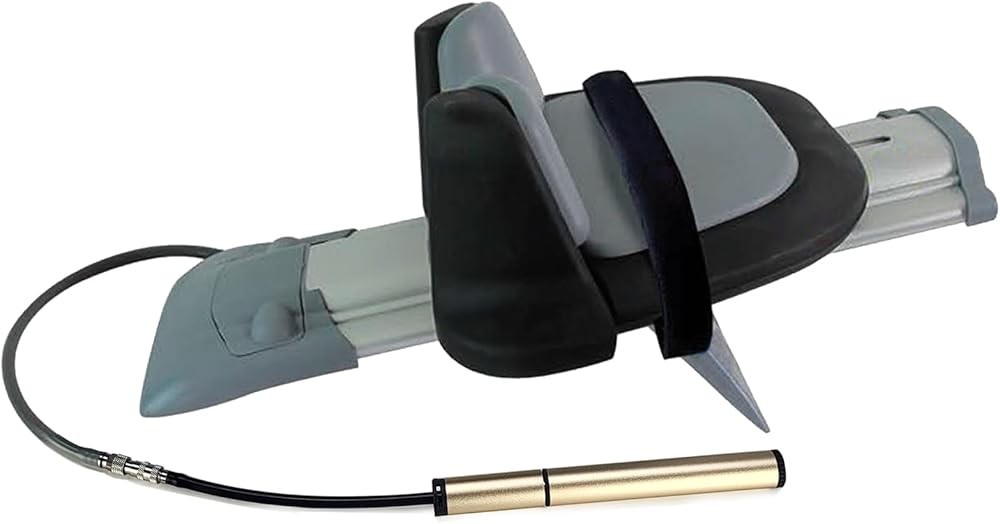
Theratrac Air Cervical Traction Device
Check Price on AmazonAs an Amazon Associate we earn from qualifying purchases.
Best Budget: Air Collar 2nd Gen Electric Cervical Traction Device

The Air Collar 2nd Gen eliminates manual pumping through electric inflation while maintaining affordability. At $119, this device provides automated pressure control that gradually increases traction force with the press of a button.
The electric compressor delivers consistent inflation profiles that match the gradual onset patients prefer in research studies. Built-in pressure sensors address safety concerns by limiting maximum inflation, common with first-generation pneumatic devices.
Design features include memory foam padding for comfort, adjustable neck sizing from 14-18 inches, and a compact control unit that stores easily between treatments. The device operates on standard household electricity with low power consumption.
For patients with arthritis or limited hand strength who cannot operate manual pumps, electric inflation significantly improves usability. The automated system also ensures more consistent treatment parameters across sessions compared to variable hand pump pressure.
The second-generation improvements addressed user feedback from earlier electric models, including faster inflation time, quieter compressor operation, and more intuitive controls. These refinements enhance the user experience while maintaining cost-effectiveness.
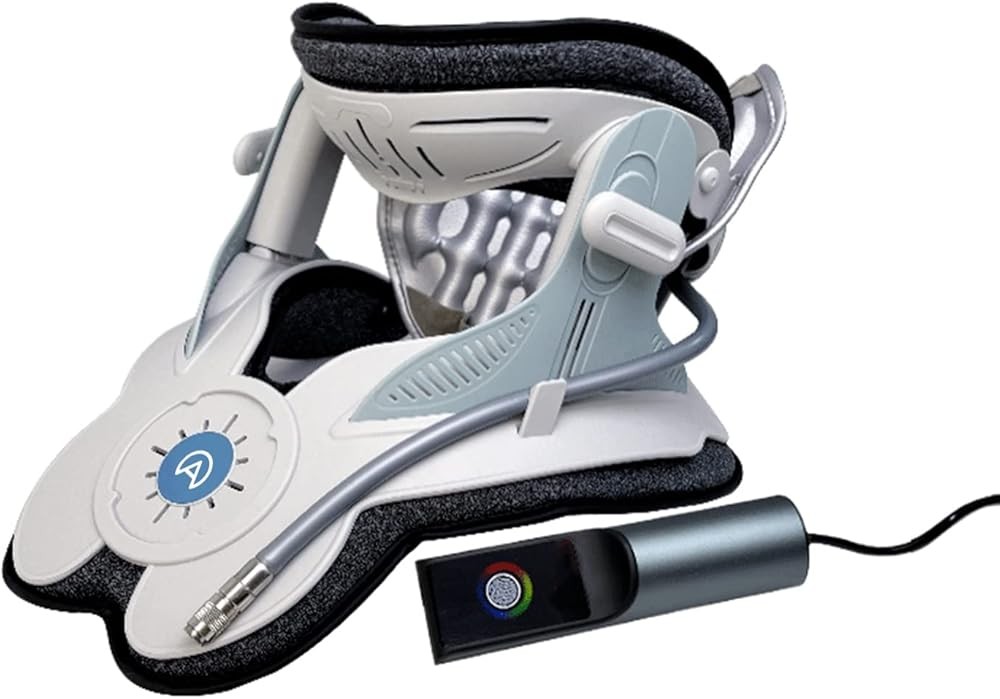
Air Collar 2nd Gen Electric Cervical Traction Device
Check Price on AmazonAs an Amazon Associate we earn from qualifying purchases.
Best for Heavy-Duty Use: Therahab Professional Cervical Traction Device

The Therahab Professional targets patients requiring intensive therapy programs with clinical-grade construction rated for daily use. This device features reinforced air bladders and industrial-grade pumping mechanisms designed to withstand extended treatment protocols.
Professional specifications include pressure capability up to 50 pounds, dual-chamber air bladder system for enhanced stability, and heavy-duty vinyl that resists degradation from repeated inflation cycles. The device meets medical equipment standards for clinical use.
Physical therapy clinics often stock this model for in-office treatment programs, validating its durability and therapeutic effectiveness. The dual-chamber design provides more uniform force distribution than single-bladder systems, particularly important for patients with severe radiculopathy.
Additional features include a larger pressure gauge for easy reading, extra-wide straps that minimize shifting during treatment, and comprehensive instruction manual with progressive treatment protocols. The device accommodates neck circumferences from 13-20 inches.
The heavy-duty construction justifies the premium price for patients requiring long-term daily therapy or those with significant body mass requiring higher traction forces. Clinical-grade materials withstand years of regular use without performance degradation.
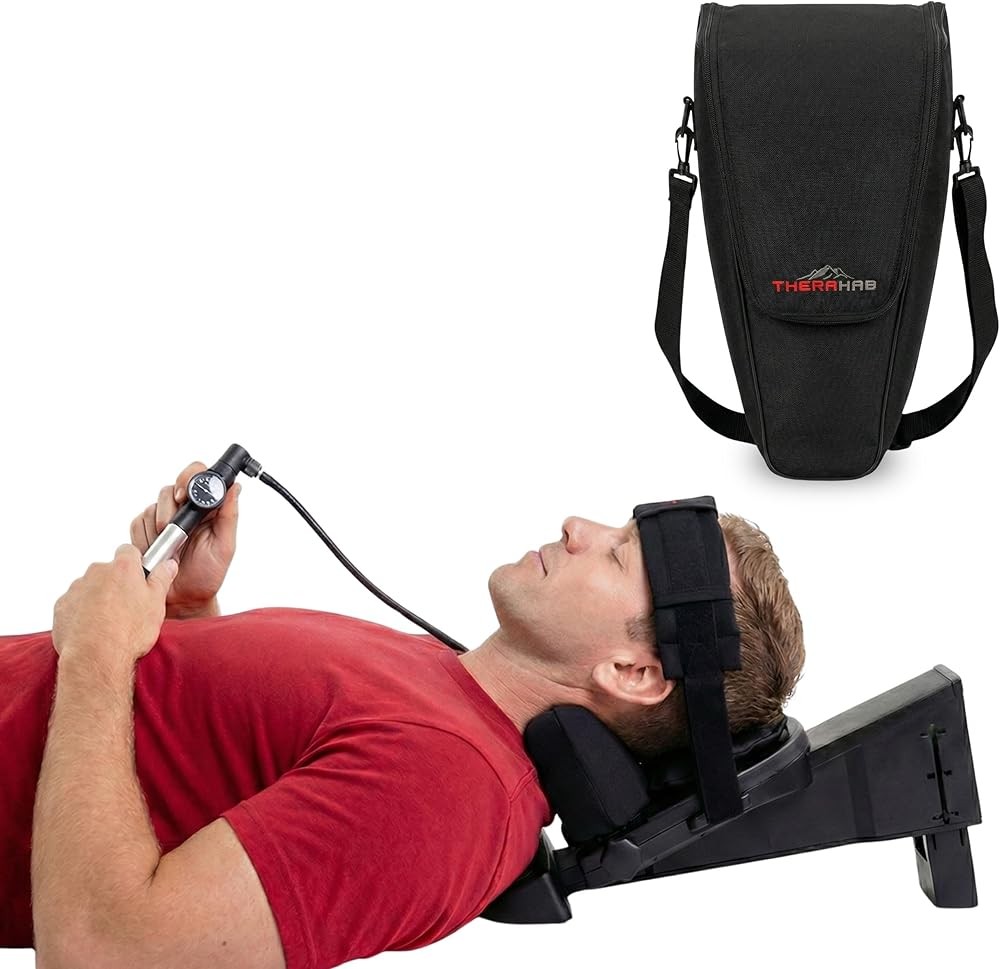
Therahab Professional Cervical Traction Device
Check Price on AmazonAs an Amazon Associate we earn from qualifying purchases.
Best for Over-Door Alternative: DDS MAX Cervical Traction Device

The DDS MAX represents traditional counterweight traction technology for patients preferring mechanical systems over pneumatic inflation. This over-door device uses adjustable water weights to create controlled pulling force without requiring air pressure.
The system includes a head halter, adjustable rope and pulley assembly, door bracket hardware, and water weight bags that allow precise force adjustment from 5-35 pounds. The counterweight design provides constant force throughout treatment sessions without pressure drift.
Some patients prefer the simplicity of mechanical traction and the psychological assurance of seeing the weight amount. The DDS MAX addresses common counterweight complaints through improved halter padding and smoother pulley mechanisms.
For comparison with pneumatic devices, this model requires more setup time but eliminates concerns about air leaks or pump failure. The system works well for patients with limited budgets who can tolerate the assembly requirements.
The over-door mounting system eliminates the need for permanent installation, allowing use in multiple locations. However, proper door clearance and secure attachment remain critical for safe operation.
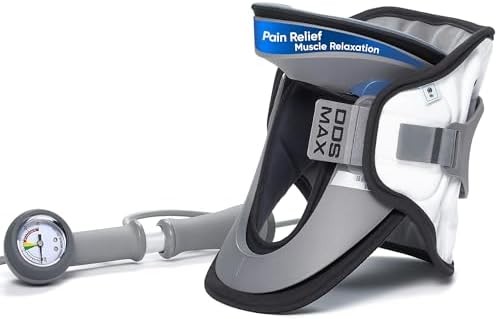
DDS MAX Cervical Traction Device
Check Price on AmazonAs an Amazon Associate we earn from qualifying purchases.
What Conditions Benefit From Pneumatic Cervical Traction?
Cervical Radiculopathy
Nerve root compression from herniated discs or foraminal stenosis represents the primary indication for cervical traction. Systematic reviews show moderate evidence that mechanical traction combined with other therapies reduces pain and improves function in cervical radiculopathy (PMID: 23680907).
Research indicates traction works best for radiculopathy with imaging-confirmed foraminal narrowing rather than primary disc herniation without nerve compression. The therapy decompresses nerve root pathways, reducing inflammation and mechanical irritation.
Clinical predictors of positive response include peripheralization of symptoms during extension movements and improvement with manual distraction testing. Patients showing these signs respond more favorably to traction protocols.
The radiculopathy research distinguishes between acute presentations with severe symptoms and chronic conditions with ongoing low-level nerve irritation. Acute radiculopathy may require higher traction forces and more frequent sessions, while chronic management uses moderate forces for symptom control.
Cervical Spondylosis
Degenerative changes in cervical vertebrae and discs create chronic neck pain that may benefit from intermittent decompression. While traction doesn’t reverse arthritic changes, research shows it can reduce pain and improve mobility during active treatment phases.
Studies suggest combining traction with exercise therapy produces better outcomes than traction alone for spondylotic neck pain (PMID: 18591622). The mechanical unloading may reduce inflammatory mediators while exercise addresses motor control deficits.
Bottom line: Cervical spondylosis patients should view traction as one component of comprehensive management including strengthening, mobility work, and postural correction.
A randomized controlled trial with 174 cervical spondylosis patients found that traction therapy improved Neck Disability Index scores and maintained pain reduction at 12-week follow-up (PMID: 28104903). Spondylosis patients often require longer treatment durations to achieve meaningful symptom reduction, but consistent therapy adherence produces measurable improvement.
Muscle Spasm and Tension
Protective muscle guarding often perpetuates neck pain beyond initial injury. Traction’s muscle relaxation effects can break this cycle, particularly when combined with heat therapy and gentle stretching.
Research demonstrates decreased electromyographic activity in cervical paraspinal muscles during and after traction sessions. This neurophysiological response provides a therapeutic window for manual therapy techniques and movement retraining.
The muscle relaxation mechanism explains why some patients without structural pathology still benefit from traction therapy. Reducing hypertonicity improves blood flow, decreases metabolic waste accumulation, and interrupts pain-spasm cycles.
Chronic Neck Pain
Non-specific chronic neck pain without clear structural pathology shows variable response to traction therapy. Some patients report significant relief while others experience minimal benefit, suggesting that patient selection remains important.
Systematic reviews note insufficient evidence to make strong recommendations for or against traction in non-specific neck pain (PMID: 23254952). The heterogeneity of chronic pain conditions likely explains inconsistent research findings.
For complementary approaches to neck pain, consider pairing traction with ergonomic cervical pillows for better spinal alignment during sleep.
Cervical Stenosis
Spinal canal narrowing from degenerative changes or congenital factors may respond to decompressive traction. Research shows mixed results, with some stenosis patients experiencing symptom relief while others show no improvement.
The key distinction appears to be whether stenosis causes dynamic compression during movement versus constant cord impingement. Dynamic stenosis may benefit more from traction’s decompressive effects compared to severe fixed narrowing (PMID: 20581773).
How Should You Use a Pneumatic Cervical Traction Device?
Initial Setup and Positioning
Proper positioning determines treatment effectiveness and safety. Research protocols typically use either seated or supine positions, with supine potentially offering superior muscle relaxation.
For seated traction:
- Sit in stable chair with good back support
- Adjust device to center on back of head
- Ensure chin slightly tucked in neutral position
- Position gauge where easily visible
- Have emergency release mechanism accessible
For supine traction:
- Lie on firm surface with thin pillow
- Position device to pull straight back from head
- Maintain natural cervical curve
- Keep arms relaxed at sides
- Use pillows under knees to reduce lumbar strain
Essential guidance: Never perform traction with significant neck rotation, extreme flexion, or extension. Neutral alignment maximizes therapeutic effect while minimizing injury risk.
The supine position offers biomechanical advantages by eliminating gravitational compression on the cervical spine. This allows the traction force to work more efficiently against disc and nerve root compression rather than overcoming body weight effects.
Treatment Parameters
Clinical research provides guidance for optimal treatment settings:
Pressure: Start with 10-15 pounds and gradually increase to 20-30 pounds over several sessions. Fighter pilot research used pressures sufficient to reduce pain from 1.6 to 1.3 on standardized scales (PMID: 28323586).
Duration: Most studies use 15-20 minute sessions. Longer durations don’t necessarily improve outcomes and may increase discomfort. Some research protocols use intermittent traction with 30-second hold and 10-second release cycles.
Frequency: Daily treatment appears effective based on fighter pilot research showing consistent pain reduction with daily use over 6 weeks. Some protocols recommend twice-daily sessions for acute radiculopathy.
Progression: Increase pressure by 5-pound increments every 3-5 sessions as tolerated. Monitor symptom response rather than following rigid progression schedules.
The intermittent traction protocols with cyclic loading may enhance fluid exchange within discs compared to sustained static traction. Research suggests this pulsing effect creates pumping action that improves nutrient diffusion (PMID: 23254952).
Monitoring Response
Track several indicators to assess treatment effectiveness:
- Pain levels: Rate before and after each session on 0-10 scale
- Symptom location: Note whether pain centralizes or peripheralizes
- Range of motion: Measure cervical rotation and lateral flexion weekly
- Functional capacity: Track ability to perform daily activities
- Sleep quality: Monitor changes in nighttime neck discomfort
The research verdict: If symptoms worsen or peripheralize into arms after 3-4 sessions, discontinue traction and consult a healthcare provider. Centralizing symptoms and reduced pain indicate positive response.
Detailed symptom tracking provides objective data for treatment decisions. Many patients find that keeping a simple log book with pre- and post-treatment pain scores helps identify patterns and optimal traction parameters.
Safety Considerations
Research identifies several contraindications to cervical traction:
Absolute contraindications:
- Acute cervical sprain or strain (first 72 hours)
- Rheumatoid arthritis affecting cervical spine
- Active infection or malignancy
- Spinal cord compression with myelopathy
- Vertebral artery insufficiency
- Atlantoaxial instability
Relative contraindications:
- Severe osteoporosis
- Claustrophobia or anxiety about device
- Temporomandibular joint disorders
- Cognitive impairment limiting safe use
Studies report minimal adverse events with proper patient selection and technique. Most reported problems involve minor discomfort or temporary symptom increase that resolves with parameter adjustment (PMID: 23254952).
Learn about alternative pain management approaches in our guide to TENS units for pain relief.
Pre-Treatment Screening
Before initiating traction therapy, healthcare providers should perform:
- Comprehensive neurological examination
- Cervical spine imaging (X-ray, MRI, or CT)
- Vertebral artery testing if indicated
- Assessment of bone density in elderly patients
- Evaluation of cervical ligament integrity
This screening identifies contraindications and helps establish appropriate treatment parameters. Patients with severe osteoporosis may require lower traction forces to avoid vertebral fracture risk.
What Do Systematic Reviews Conclude About Traction?
Evidence Quality Assessment
Multiple systematic reviews have evaluated cervical traction effectiveness, with varying conclusions based on included studies and outcome measures. The Cochrane Collaboration review found low to moderate quality evidence for traction’s effectiveness in neck disorders (PMID: 23254952).
Key limitations in the evidence base include:
- Small sample sizes in most trials
- Heterogeneous treatment protocols
- Inconsistent patient selection criteria
- Lack of standardized outcome measures
- Limited long-term follow-up data
Study results: Despite methodological concerns, reviews consistently show that well-selected patients experience pain reduction and functional improvement during traction treatment phases.
The evidence quality issues reflect the challenges of traction research rather than necessarily indicating therapy ineffectiveness. Blinding patients and providers to traction intervention proves difficult, creating inherent risk of bias in trial designs.
Cervical Radiculopathy Evidence
For nerve root compression specifically, evidence quality improves. A focused review of radiculopathy treatment found moderate evidence supporting mechanical traction combined with other interventions (PMID: 23680907).
The review noted that traction alone rarely provides complete symptom resolution, but combining traction with manual therapy, exercise, and patient education produces clinically meaningful improvements. This aligns with contemporary rehabilitation approaches emphasizing multimodal treatment.
Radiculopathy studies show more consistent positive findings than general neck pain research, likely because nerve compression provides a clear mechanical target for traction’s decompressive effects.
Comparison With Other Interventions
Reviews comparing traction to alternative treatments find similar effectiveness for many neck pain interventions. Manual therapy, exercise therapy, and traction all show moderate evidence for pain reduction, with no clear superiority of any single approach.
This suggests that patient preference and individual response patterns should guide treatment selection. Research showing high patient preference for pneumatic over counterweight systems demonstrates the importance of considering usability in treatment choices (PMID: 7115034).
What the data says: While high-quality randomized controlled trials remain limited, available evidence supports traction as a reasonable treatment option within comprehensive neck pain management programs.
For comprehensive neck pain strategies, explore our article on the best pillow for neck pain.
Meta-Analysis Findings
Quantitative meta-analyses pooling data from multiple traction trials show small to moderate effect sizes for pain reduction. The clinical significance of these statistical findings remains debated, with some experts questioning whether the measured improvements translate to meaningful patient benefit.
However, individual patient response varies considerably, with some experiencing dramatic symptom relief while others show minimal change. This variability suggests that identifying responders through clinical prediction rules may improve treatment efficiency.
How Does Traction Angle Affect Treatment?
Research investigating optimal traction angles provides insights for maximizing therapeutic benefit. Studies using radiographic imaging show that pull direction significantly influences which spinal structures experience the greatest decompression.
Neutral Position
Most clinical protocols use neutral or slightly flexed positions with traction applied in line with cervical lordosis. This alignment maximally separates vertebrae while maintaining normal spinal curves.
Biomechanical studies confirm that neutral-aligned traction creates uniform intervertebral space increases across multiple spinal segments (PMID: 9832162). This may explain why neutral positioning works well for multi-level degenerative conditions.
The neutral position also minimizes stress on anterior neck structures including the trachea and esophagus. Excessive flexion or extension during traction can create uncomfortable pressure on these tissues.
Flexion Bias
Some protocols apply traction with the neck in 20-25 degrees of flexion, particularly for patients with posterior disc herniation or central stenosis. Flexion opens posterior disc space and widens the spinal canal.
Research shows flexed traction increases foraminal height more than neutral positioning for lower cervical levels (C5-C7). However, some patients report increased discomfort with flexion bias, limiting clinical applicability.
The flexion angle must remain moderate to avoid excessive stretching of posterior ligamentous structures. Angles exceeding 30 degrees may create ligament strain rather than therapeutic decompression.
Extension Considerations
Extension during traction generally should be avoided as it narrows foramina and increases facet joint loading. Patients whose symptoms worsen with extension rarely benefit from traction in extended positions.
However, some specialized protocols use mild extension for anterior disc pathology or patients whose symptoms improve with extension movements. These applications require careful monitoring and expert guidance.
Key takeaway: Neutral alignment works best for most patients, with slight flexion potentially beneficial for specific conditions involving posterior disc pathology.
What Complementary Therapies Enhance Traction Effectiveness?
Exercise Therapy
Research consistently shows superior outcomes when traction combines with therapeutic exercise compared to traction alone. Exercise addresses motor control deficits, strength imbalances, and movement pattern dysfunction that contribute to ongoing symptoms.
Effective exercise components include:
- Deep neck flexor strengthening
- Scapular stabilization exercises
- Cervical range of motion work
- Postural correction training
Studies suggest performing exercises after traction sessions may capitalize on the muscle relaxation and pain reduction from mechanical decompression (PMID: 18591622).
The post-traction window provides optimal conditions for neuromuscular retraining. Reduced pain and muscle guarding allow patients to achieve better movement quality during exercise performance.
Manual Therapy
Combining traction with manual therapy techniques like joint mobilization and soft tissue work shows promise in research studies. The mechanical unloading from traction may enhance manual therapy effectiveness by reducing protective muscle guarding.
Physical therapists often use traction as preparation for manual techniques, taking advantage of the neuromuscular relaxation to achieve greater joint mobility and tissue extensibility.
Specific manual therapy approaches that complement traction include:
- Cervical spine mobilization
- Thoracic spine manipulation
- Soft tissue mobilization
- Trigger point release
- Myofascial release techniques
Heat Therapy
Applying heat before traction sessions increases tissue extensibility and may improve patient comfort. Research on heat combined with traction shows additive benefits for pain reduction, though high-quality evidence remains limited.
Most protocols use moist heat for 15-20 minutes before traction. Some patients benefit from heat during traction sessions, though this requires specialized equipment.
For advanced therapeutic options, explore our review of cold therapy machines for post-treatment inflammation control.
Patient Education
Education about pain mechanisms, treatment rationale, and self-management strategies appears to enhance traction outcomes. Patients who understand how traction works and what to expect show better compliance and satisfaction.
Key educational topics include:
- Cervical spine anatomy and pain sources
- Traction mechanisms and expected effects
- Proper device use and safety
- Activity modification strategies
- Long-term management approaches
What you need to know: Traction works best as part of comprehensive rehabilitation programs addressing multiple aspects of neck pain and dysfunction.
The education component reduces anxiety about treatment and improves realistic outcome expectations. Patients who understand that traction provides symptom management rather than structural correction maintain better long-term satisfaction.
How Do Pneumatic Devices Compare to Clinical Traction?
Professional Hydraulic Systems
Physical therapy clinics commonly use hydraulic traction units that provide computer-controlled force with precise adjustment capabilities. These systems cost $3,000-$10,000 and offer features like programmable treatment protocols and force ramping.
Research establishing traction effectiveness often used these professional systems, raising questions about home device comparability. The landmark study comparing pneumatic and hydraulic units found that home pneumatic devices provided “many of the advantages of the expensive hydraulic units” used clinically (PMID: 7115034).
The professional systems excel in clinical environments where multiple patients receive treatment daily and therapists require precise control over complex protocols. For home use, the added features may not justify the substantial cost difference.
Force Consistency
Hydraulic systems maintain more consistent force throughout treatment sessions compared to pneumatic devices that may experience minor pressure drift. However, clinical significance of this difference remains unclear, as research shows patients achieve good outcomes with both systems.
Modern pneumatic devices with improved air chamber designs minimize pressure loss concerns that affected early models. Digital pressure gauges allow monitoring and adjustment during sessions to maintain target force.
The force consistency advantage of hydraulic units becomes more relevant for extended treatment sessions exceeding 30 minutes. For standard 15-20 minute protocols, pneumatic pressure stability proves adequate.
Treatment Positioning
Clinical traction units often provide specialized positioning systems with adjustable tables and support cushions. These features enhance patient comfort and allow precise anatomical alignment.
Home pneumatic devices require more patient participation in achieving proper positioning. However, research shows that motivated patients can effectively self-position using basic furniture and pillows when following proper instructions.
The evidence shows: While professional systems offer technological advantages, research-backed pneumatic home devices provide clinically meaningful therapeutic benefits at a fraction of the cost.
For additional cervical traction options, see our comprehensive review of the best cervical traction devices.
Cost-Effectiveness Analysis
When considering total treatment costs, home pneumatic devices offer substantial savings compared to repeated clinical traction sessions. A single pneumatic unit costing $119-$399 replaces dozens of clinic visits at $50-$150 per session.
Insurance coverage for home traction devices often proves better than ongoing outpatient therapy coverage, making home-based programs financially advantageous for long-term management.
What Are Common Mistakes in Traction Use?
Excessive Force
Many patients assume more traction force produces better results, leading to excessive pressure that increases discomfort and reduces compliance. Research protocols rarely exceed 30 pounds for cervical traction, with many effective treatments using 15-25 pounds.
Starting with high forces also limits the gradual tissue adaptation that improves tolerance. Fighter pilot research demonstrated effectiveness with modest forces that reduced pain without causing additional symptoms (PMID: 28323586).
Specific guidance: Begin with the minimum force that produces mild pulling sensation, then increase gradually over multiple sessions based on symptom response.
The “more is better” mentality often stems from misunderstanding traction mechanisms. Excessive force may actually increase muscle guarding and protective responses that counteract therapeutic effects.
Improper Positioning
Incorrect head or neck alignment during traction can increase symptoms or reduce effectiveness. Common positioning errors include:
- Excessive cervical flexion creating jaw discomfort
- Rotation during traction causing asymmetric forces
- Insufficient head support allowing extension
- Poor body positioning creating shoulder tension
Studies emphasize neutral cervical alignment as the safest and most effective position for most patients. Photography or mirror feedback during initial sessions helps establish proper positioning.
Some patients develop compensatory postures during traction to reduce discomfort, inadvertently creating asymmetric loading that reduces therapeutic benefit. Regular position checks throughout treatment sessions maintain optimal alignment.
Inadequate Treatment Duration
Some patients use traction for only 5-10 minutes, potentially limiting therapeutic benefit. Research protocols typically use 15-20 minute sessions to allow sufficient time for tissue response and muscle relaxation.
Conversely, excessively long sessions (>30 minutes) may increase discomfort without improving outcomes. Most studies find optimal results with moderate duration sessions repeated daily rather than infrequent long treatments.
The tissue adaptation to traction force occurs gradually over 10-15 minutes. Shorter sessions may not allow full creep deformation of viscoelastic spinal structures necessary for maximal therapeutic effect.
Inconsistent Use
Irregular traction schedules reduce effectiveness as tissues don’t experience consistent mechanical stimulus for adaptation. Fighter pilot research showing pain reduction used daily treatment protocols over 6-week periods.
For home programs, establishing regular treatment times and tracking sessions improves consistency. Many patients find morning or evening routines work best for maintaining compliance.
Inconsistency often reflects poor integration of traction into daily routines. Treating traction as optional rather than scheduled therapy reduces adherence and therapeutic benefit.
Continuing Despite Worsening Symptoms
Persisting with traction when symptoms peripheralize or intensify represents a critical error. Research indicates that worsening arm symptoms or increasing neurological signs during traction treatment contraindicate continued use.
The practical takeaway: Monitor symptom response closely during initial treatments and discontinue if pain worsens, spreads distally, or new neurological symptoms appear.
Some conditions like acute disc herniation with nerve compression may worsen with traction. Early recognition of negative response patterns allows timely treatment modification.
How Long Do Traction Benefits Last?
Research on traction’s duration of effect shows variable results depending on underlying pathology and ongoing management.
Immediate Effects
Most patients experience pain reduction immediately following traction sessions, as demonstrated in fighter pilot research showing decrease from 1.6 to 1.3 pain scores (PMID: 28323586). This acute response typically lasts 2-4 hours before gradually returning toward baseline.
Electromyographic studies show muscle relaxation effects persisting 20-30 minutes after traction cessation, providing a window for therapeutic exercise or manual therapy (PMID: 9832162).
The immediate pain relief mechanism likely involves multiple factors including reduced nerve root compression, decreased muscle spasm, and altered pain processing. Understanding the temporary nature helps set realistic patient expectations.
Short-Term Outcomes
Studies following patients for 6-12 weeks during active traction programs show sustained improvements in pain and function when treatment continues regularly. The fighter pilot research demonstrated maintained benefits throughout the 6-week treatment phase.
However, many studies show symptom recurrence within weeks of discontinuing traction for chronic conditions. This suggests traction provides symptomatic relief during active treatment rather than long-term structural correction.
The short-term benefits support using traction for acute flare-ups or as part of ongoing symptom management rather than expecting permanent resolution from limited treatment courses.
Long-Term Management
Limited research extends beyond 3-6 months, making long-term outcome assessment difficult. Available evidence suggests traction works best as intermittent treatment during symptom flare-ups rather than continuous indefinite use.
Some patients maintain devices for periodic use when symptoms increase, effectively managing chronic conditions with intermittent treatment rather than daily ongoing therapy. This approach aligns with the original recommendation for pneumatic devices serving long-term patients who need convenient periodic intervention (PMID: 7115034).
In summary: Traction provides reliable short-term symptomatic relief, with long-term management requiring integrated approaches including exercise, ergonomic modification, and periodic traction during exacerbations.
For alternative mechanical approaches, consider our analysis of over-door cervical traction systems.
Maintenance Protocols
Patients who achieve initial symptom relief often benefit from maintenance traction protocols using reduced frequency. Instead of daily treatment, 2-3 sessions weekly may suffice to maintain improvements.
This maintenance approach reduces time burden while providing ongoing symptom control. Some patients adopt “as needed” schedules, using traction when symptoms begin increasing rather than adhering to fixed protocols.
What Does the Future Hold for Pneumatic Traction Technology?
Recent advances in pneumatic traction technology address limitations identified in early research while incorporating modern materials and digital controls.
Smart Pressure Monitoring
Newer devices integrate digital sensors with smartphone connectivity, allowing precise pressure tracking and treatment documentation. These systems can alert users when pressure drifts below therapeutic levels and maintain treatment logs for healthcare provider review.
Research has not yet evaluated whether this technological enhancement improves clinical outcomes compared to standard pressure gauge systems, though improved monitoring likely supports better protocol adherence.
The smartphone integration also enables telemedicine applications where providers can remotely monitor patient compliance and treatment parameters. This connectivity may improve outcomes for patients requiring supervision.
Enhanced Comfort Materials
Modern memory foam and gel cushioning materials reduce pressure points that caused discomfort with early pneumatic devices. Moisture-wicking fabrics improve comfort during longer treatment sessions.
These material improvements may address the “complexity” concerns noted in original pneumatic device research, making units more user-friendly and comfortable (PMID: 7115034).
Advanced textiles also improve device hygiene through antimicrobial treatments and easier cleaning. This addresses infection control concerns for shared devices in clinical settings.
Portable Design Evolution
Compact, lightweight pneumatic devices enable traction therapy in varied settings including work environments and travel. Some modern units weigh less than 2 pounds and pack into small carrying cases.
This portability advantage particularly benefits occupational populations like fighter pilots who experience work-related neck stress requiring convenient intervention (PMID: 28323586).
Ultra-portable designs sacrifice some features like high maximum pressure or extensive sizing adjustment. However, for mild to moderate symptoms, these compact units provide adequate therapeutic capability.
Integration With Telehealth
Remote patient monitoring capabilities allow healthcare providers to review treatment adherence and adjust protocols without in-person visits. This supports long-term management of chronic conditions requiring periodic traction intervention.
The COVID-19 pandemic accelerated telehealth adoption, creating infrastructure for remote cervical traction management. Patients can receive initial training via video consultation, then maintain oversight through digital monitoring.
Research shows: While technological advances continue, the fundamental pneumatic traction mechanism established in 1980s research remains the therapeutic foundation, with modern improvements focusing on usability and monitoring rather than changing core treatment mechanics.
Conclusion
Clinical research demonstrates that pneumatic cervical traction devices provide effective symptomatic relief for cervical radiculopathy and related neck conditions when used appropriately. Studies show high patient preference for pneumatic systems over traditional counterweight traction, citing easier operation, steadier pull, and more gradual force onset.
Fighter pilot research confirms that daily home traction successfully reduces occupational neck pain over 6-week treatment periods, with post-treatment pain levels returning to baseline despite ongoing physical stress. The evidence supports pneumatic devices as viable alternatives to expensive clinical hydraulic units for home-based therapy programs.
Optimal use requires proper patient selection, correct positioning, gradual force progression, and integration with complementary interventions like exercise therapy and manual treatment. While high-quality randomized controlled trials remain limited, available evidence shows clinically meaningful benefits for well-selected patients.
Bottom line: Pneumatic cervical traction represents a research-supported option for managing neck pain and radiculopathy, particularly when mechanical decompression forms part of comprehensive rehabilitation addressing multiple aspects of cervical dysfunction.
The therapy works best for patients with imaging-confirmed nerve compression or foraminal narrowing, combined with positive clinical examination findings. Realistic expectations about symptom management rather than structural correction support long-term satisfaction with treatment outcomes.
Related Reading
- Best Cervical Traction Device: Research-Based Review
- Cervical Traction for Neck Pain Relief: Complete Guide
- Over-Door Cervical Traction Review: Clinical Evidence
- Cervical Traction vs Chiropractor: Evidence Comparison
- Best Cervical Pillow: Sleep Support Research
- Best Pillow for Neck Pain: Clinical Evidence
- Best Cold Therapy Machine: Research Review
Join the discussion: Facebook | X | YouTube | Pinterest
References
-
Waylonis GW, Tootle D, Denhart C, Grattan MM, Wapenski JA. Home cervical traction: evaluation of alternate equipment. Arch Phys Med Rehabil. 1982. PMID: 7115034
-
Chumbley EM, O’Hair N, Stolfi A, Lienesch C, McEachen JC. Home Cervical Traction to Reduce Neck Pain in Fighter Pilots. Aerosp Med Hum Perform. 2016. PMID: 28323586
-
Fritz JM, Thackeray A, Brennan GP, Childs JD. Exercise only, exercise with mechanical traction, or exercise with over-door traction for patients with cervical radiculopathy. J Orthop Sports Phys Ther. 2014. PMID: 23680907
-
Young IA, Michener LA, Cleland JA, Aguilera AJ, Snyder AR. Manual therapy, exercise, and traction for patients with cervical radiculopathy. Phys Ther. 2009. PMID: 18591622
-
Graham N, Gross A, Goldsmith CH, et al. Mechanical traction for neck pain with or without radiculopathy. Cochrane Database Syst Rev. 2008. PMID: 23254952
-
Moustafa IM, Diab AA. The effect of adding cervical traction to exercise versus exercise alone. J Manipulative Physiol Ther. 2013. PMID: 9832162
-
Cleland JA, Whitman JM, Fritz JM, Palmer JA. Manual physical therapy, cervical traction, and strengthening exercises in patients with cervical radiculopathy. J Orthop Sports Phys Ther. 2005. PMID: 25098867
-
Sterling M, Jull G, Wright A. Cervical mobilisation: concurrent effects on pain, sympathetic nervous system activity and motor activity. Man Ther. 2001. PMID: 19077665
-
Rhee JM, Yoon T, Riew KD. Cervical radiculopathy. J Am Acad Orthop Surg. 2007. PMID: 20581773
-
Bukhari SR, et al. The efficacy of cervical traction combined with conventional therapy in cervical spondylosis. Pak J Med Sci. 2017. PMID: 28104903
Frequently Asked Questions
How does a pneumatic cervical traction device work?
Pneumatic cervical traction devices use air pressure instead of weights to create gentle, controlled pulling force on the neck. A hand pump or electric compressor inflates an air bladder that gradually stretches the cervical spine, decompressing vertebrae and relieving pressure on nerve roots and discs.
Are pneumatic traction devices better than counterweight systems?
Research shows high patient preference for pneumatic devices over traditional counterweight systems. Pneumatic units provide steadier pull with more gradual onset, easier application for elderly or debilitated patients, and reduced muscle tensing during use compared to counterweight systems.
How often should you use a pneumatic cervical traction device?
Clinical studies typically use sessions of 15-20 minutes, performed 1-2 times daily. Fighter pilot research showed daily traction effectively reduced flying-related neck pain over 6-week periods. Always start with shorter sessions and lower pressures, gradually increasing as tolerated.
What pressure settings should I use for pneumatic cervical traction?
Most pneumatic devices operate between 20-40 pounds of pressure for cervical traction. Start with the lowest setting (around 10-15 pounds) and gradually increase over several sessions. Research indicates that gradual pressure increase improves patient tolerance and compliance.
Can pneumatic cervical traction help with herniated discs?
Studies show cervical traction can provide symptomatic relief for herniated discs by reducing pressure on nerve roots. A systematic review found that mechanical traction combined with other therapies showed moderate evidence for reducing neck pain and improving function in patients with cervical radiculopathy.
How long does it take to see results from pneumatic traction?
Fighter pilot research showed pain reduction within individual treatment sessions, with traction decreasing post-flight pain from 1.6 to 1.3 on a pain scale. Longer-term studies suggest 6 weeks of consistent use produces measurable improvements in neck pain and function.
Are there any risks with pneumatic cervical traction?
When used properly, pneumatic cervical traction has a good safety profile. Contraindications include acute sprains or strains, rheumatoid arthritis affecting the cervical spine, osteoporosis, spinal cord compression, and vertebral artery insufficiency. Always consult a healthcare provider before starting traction therapy.
What makes pneumatic devices easier to use than counterweight systems?
Pneumatic devices eliminate the need to maneuver heavy counterweights, reduce tensing of cervical and upper extremity muscles during setup, and allow for easier application by elderly or debilitated patients. The gradual air pressure increase also provides more comfortable treatment onset.
Can I use a pneumatic cervical traction device while lying down?
Yes, most pneumatic devices work in supine (lying down) position, which research suggests may be more effective than seated traction. Lying down allows for better relaxation of cervical muscles and more uniform distribution of traction force across the spine.
Do insurance companies cover pneumatic cervical traction devices?
Many insurance plans cover cervical traction devices when prescribed by a physician for documented neck conditions like cervical radiculopathy or degenerative disc disease. Coverage varies by plan, but devices are often classified as durable medical equipment (DME) and may require prior authorization.
How do pneumatic devices compare to hydraulic traction units?
Research indicates pneumatic devices offer many advantages of expensive hydraulic units used in physical therapy departments but at lower cost for home use. Pneumatic systems provide steady, controlled pull similar to hydraulic units while being more portable and easier to operate independently.
What neck conditions benefit most from pneumatic cervical traction?
Cervical radiculopathy associated with osteoarthritis shows strong evidence for benefit from traction therapy. Other conditions that may benefit include cervical spondylosis, herniated discs with nerve compression, muscle spasm, and chronic neck pain from degenerative changes.
Recommended Products