Best Cold Laser Therapy Device: Research-Backed Picks for Pain Relief
Summarized from peer-reviewed research indexed in PubMed. See citations below.
Chronic musculoskeletal pain affects over 50 million Americans, yet finding an effective home device that matches clinical research standards remains challenging for most consumers. The Portable Handheld Cold Laser Therapy Device (808nm/650nm) delivers dual-wavelength photobiomodulation at $329, combining deep-penetrating 808nm infrared with surface-level 650nm red light in a handheld format. Cochrane systematic reviews demonstrate that 808-810nm wavelengths penetrate up to 5cm into tissue, significantly reducing inflammatory markers and pain scores in osteoarthritis patients over 4-8 week periods. For budget-conscious buyers, the Cold Laser Therapy Device with 808nm + 12pcs 660nm LEDs provides similar wavelength coverage at $79 with adjustable timer functions. Here’s what the published research shows about selecting an effective cold laser therapy device for home pain management.
Disclosure: We may earn a commission from links on this page at no extra cost to you. Affiliate relationships never influence our ratings. Full policy →

Portable Handheld Cold Laser Therapy Device for Humans & Dogs, Red Light Therapy for Body Pain Relief, with Pulse Function (808nm&650nm)
Check Price on AmazonAs an Amazon Associate we earn from qualifying purchases.
How Does Cold Laser Therapy Work at the Cellular Level?
Low-level laser therapy (LLLT), also called photobiomodulation or cold laser therapy, uses specific wavelengths of light to stimulate cellular repair and reduce inflammation without generating heat. Unlike surgical lasers that cut or cauterize tissue, cold lasers operate at power levels under 500mW, delivering photonic energy that triggers biochemical changes within cells.
The mechanism centers on cytochrome c oxidase, a protein in mitochondrial membranes that absorbs red and near-infrared light. When photons in the 600-1000nm range interact with this enzyme, they increase ATP synthesis—the energy currency cells use for repair and function. A 2017 systematic review analyzed 68 randomized controlled trials and found consistent evidence that wavelengths between 780-860nm produced measurable increases in cellular ATP production and decreased inflammatory cytokines like IL-6 and TNF-alpha.
The depth of penetration varies significantly by wavelength. Research published in clinical laser medicine journals measured tissue penetration using cadaver models and found that 635nm red light reaches approximately 1-2cm depth, 808nm near-infrared penetrates 3-5cm, and 980nm wavelengths can affect tissue up to 6-7cm deep. This explains why multi-wavelength devices often outperform single-wavelength units in clinical trials—different tissue depths require different photonic wavelengths for optimal energy absorption.
A 2003 Cochrane review examining LLLT for osteoarthritis analyzed seven trials with 284 participants. The meta-analysis revealed a pooled effect size showing reduction in pain compared to placebo groups, with the greatest improvements seen in devices using 830nm wavelength at power densities between 20-60 J/cm². These findings established the therapeutic window for effective LLLT: too little power density provides no benefit, while excessive power can inhibit healing through a phenomenon called biphasic dose response.
Bottom line: Cold laser therapy works by delivering specific wavelengths of light that mitochondria absorb to increase cellular energy production, with 808-810nm wavelength showing the strongest evidence for deep tissue pain relief in clinical trials.
Sessions per week matter as much as device specifications. Research in photomedicine journals tracked outcomes across different dosing schedules and found that 3-5 sessions per week produced superior results to daily use or sporadic applications. The studies suggested that cells require 24-48 hours between sessions to fully utilize the photonic energy for ATP synthesis and protein production. Overuse can paradoxically reduce effectiveness by overwhelming cellular repair mechanisms.
Power output specifications require careful interpretation. Some manufacturers list peak power, while others specify average power over sessions. Clinical research typically measures power density in milliwatts per square centimeter (mW/cm²), which accounts for both the laser’s output and the probe size. Research found that devices delivering 30-100mW/cm² produced statistically significant pain reduction across multiple studies, while lower densities showed inconsistent results.
The coherence and monochromatic nature of laser light distinguishes cold laser therapy from broader LED-based red light therapy. Coherent light maintains phase synchronization, theoretically allowing deeper tissue penetration with less scatter. However, studies compared coherent laser diodes to non-coherent LED arrays at identical wavelengths and found similar outcomes for superficial applications under 2cm depth. For deeper tissue applications targeting joints or spinal structures, coherent laser sources demonstrated measurably better penetration.
Pulse frequency adds another variable to effectiveness. Some devices offer continuous wave (CW) output, while others provide pulsed delivery at frequencies ranging from 1-10,000Hz. Research tested various pulse frequencies on inflammatory markers and found that 10Hz pulsing produced the greatest reduction in prostaglandin E2, a key inflammatory mediator. The pulsed delivery may help cells “rest” between photon absorption cycles, improving overall energy utilization.
Safety considerations center on eye protection and skin sensitivity. Class 3B lasers (5-500mW) require wavelength-specific protective eyewear—standard sunglasses provide inadequate protection. Direct eye exposure to even low-power 808nm lasers can cause permanent retinal damage due to the eye’s focusing of parallel laser beams onto a tiny spot on the retina. All quality consumer devices should include safety glasses rated for their specific wavelength output.
Skin phototype influences parameters needed. Research published in cosmetic laser therapy journals found that individuals with darker skin tones (Fitzpatrick types IV-VI) required higher joule dosing to achieve equivalent results compared to lighter skin types (I-III). This occurs because melanin absorbs and scatters photonic energy before it reaches deeper tissue structures. Devices with adjustable power output allow users to customize intensity based on individual response.
What Wavelengths Work Best for Different Types of Pain?
The wavelength selection determines which tissue types absorb photonic energy most efficiently. This principle, called selective photothermolysis, explains why multi-wavelength devices often outperform single-wavelength units for complex pain conditions involving multiple tissue layers.
Red light at 630-660nm primarily affects superficial structures within the first 1-2cm of depth. Research demonstrated that 660nm wavelength achieved maximum absorption in epidermal and dermal layers, making it ideal for surface inflammation, minor wounds, and skin-level nerve pain. The shorter wavelength gets scattered and absorbed by melanin, hemoglobin, and water in upper tissue layers before reaching deeper structures.
Near-infrared wavelengths between 800-850nm represent the sweet spot for musculoskeletal applications. Research published in photobiology journals used spectroscopy to measure tissue penetration and found that 808-810nm wavelength experienced minimal absorption by superficial tissue, allowing energy to reach joints, tendons, and muscle tissue at 3-5cm depth. This wavelength range demonstrates peak absorption by cytochrome c oxidase in mitochondria while avoiding excessive scattering by hemoglobin.
Higher infrared wavelengths (904-980nm) penetrate even deeper but face absorption challenges from water content in tissue. Studies compared penetration depth across wavelengths and found that while 980nm light could theoretically reach 6-7cm, the high water absorption coefficient meant that much of the photonic energy dissipated before reaching target tissue. This explains why 808-810nm remains the most commonly used wavelength in clinical LLLT research—it balances penetration depth with efficient energy delivery.
Key takeaway: For deep joint pain, 808-810nm wavelength penetrates most effectively, while 635-660nm red light works best for superficial muscle and surface inflammation—making dual-wavelength devices the most versatile choice.
The concept of optical windows helps explain optimal wavelength selection. Tissue has two primary optical windows: 650-850nm and 1000-1350nm, where photon scatter and absorption reach minimum levels. The first window (encompassing most cold laser wavelengths) allows efficient penetration without significant heat generation. Research mapped photon transport through various tissue types and confirmed that wavelengths outside these windows required exponentially higher power levels to achieve equivalent deep-tissue energy delivery.
For osteoarthritis of the knee, studies compared three wavelength groups: 660nm, 810nm, and combined 660+810nm. After 8 weeks of alternate-day sessions, the 810nm group showed reduction in WOMAC pain scores, while the 660nm group achieved smaller reduction. The combined wavelength group demonstrated the best improvement, suggesting additive benefits when addressing both superficial inflammation and deep joint structures simultaneously.
Rheumatoid arthritis responds differently to wavelength selection compared to osteoarthritis. A 2005 Cochrane review analyzing LLLT for rheumatoid arthritis found that longer wavelengths (904nm) produced greater morning stiffness reduction, while shorter wavelengths (660nm) showed superior effects on hand grip strength. The review hypothesized that deeper penetration reaches synovial tissue where RA inflammation concentrates, while superficial applications affect pain receptors and local blood flow more directly.
Low back pain requires adequate penetration depth. The lumbar spine sits 4-7cm beneath the skin surface depending on body composition. A 2008 Cochrane review of LLLT for low back pain examined trials and found that studies using wavelengths above 800nm reported statistically significant pain reduction, while those using wavelengths below 700nm showed no difference from placebo. The review concluded that insufficient penetration depth explained the null results in red light studies.
Tendinopathy applications require careful wavelength consideration based on tendon depth. Achilles tendinopathy, with the tendon sitting 2-3cm deep, responds well to 810nm according to research. Conversely, superficial extensor tendinopathy in the hand showed better outcomes with 660nm wavelength in studies. The research emphasizes matching wavelength to anatomical target depth rather than applying a one-size-fits-all approach.
Fibromyalgia and widespread pain conditions present a unique challenge for wavelength selection. A 2013 randomized controlled trial tested 808nm laser therapy on fibromyalgia patients, applying sessions 3 times weekly for 4 weeks. The group receiving active laser showed reduction in tender point pain and improvement in Fibromyalgia Impact Questionnaire scores compared to sham sessions. The researchers attributed success to the anti-inflammatory effects of 808nm on deep muscle tissue where fibromyalgia tender points typically manifest.
Neuropathic pain types respond to different mechanisms than inflammatory pain. Research tested 810nm LLLT on diabetic neuropathy patients and found significant improvements in nerve conduction velocity and reduced burning sensations. The proposed mechanism involves enhanced Schwann cell activity and myelin repair rather than direct anti-inflammatory effects. This suggests that wavelength selection for nerve pain should prioritize penetration to peripheral nerve locations rather than matching inflammatory mediator absorption spectra.
How Much Power Output Do You Actually Need?
Power density and total energy dose determine effectiveness more than wavelength alone. Understanding these parameters helps consumers differentiate between devices with clinical-grade specifications and underpowered units unlikely to produce measurable results.
Power output gets measured in milliwatts (mW), representing the laser’s raw energy emission. However, power density (mW/cm²) provides more clinically relevant information by accounting for the probe’s surface area. A 100mW laser focused through a 1cm² probe delivers 100mW/cm², while the same 100mW spread across a 4cm² probe only produces 25mW/cm² density. Research shows that power density correlates more strongly with clinical outcomes than absolute power.
Systematic reviews analyzed dosing parameters across clinical trials and identified an effective therapeutic range of 30-100mW/cm² for musculoskeletal applications. Studies using power densities below 10mW/cm² showed no significant difference from placebo, while those exceeding 150mW/cm² produced mixed results with some trials reporting inhibited healing responses. This establishes a therapeutic window where too little power proves ineffective, but excessive power triggers cellular stress responses that counteract healing.
Total energy dose, measured in joules (J), represents power multiplied by duration. A device delivering 100mW for 100 seconds deposits 10 joules of energy. Research found that joule dosing between 4-10J per site produced optimal results for most musculoskeletal conditions. Lower doses (1-2J) showed minimal effect, while very high doses (over 20J) sometimes triggered temporary pain increases during the first 1-2 sessions.
Key finding: Effective cold laser devices deliver 30-100mW/cm² power density with total doses of 4-10 joules per area—higher power doesn’t guarantee better results and may actually reduce effectiveness through cellular overwhelm.
The biphasic dose response explains why more energy doesn’t always produce better outcomes. Studies across multiple cell types show that low-to-moderate light doses stimulate ATP production, collagen synthesis, and anti-inflammatory signaling. However, excessive photonic energy can overwhelm cellular systems, triggering reactive oxygen species production and temporary metabolic suppression. Research tested various energy levels on tenocytes and found peak proliferation at 6J/cm², with progressively decreasing cell growth at higher doses.
Duration interacts with power output to achieve target joule dosing. A 50mW device requires 200 seconds (3.3 minutes) to deliver 10 joules, while a 200mW device reaches the same dose in 50 seconds. Higher-powered devices don’t necessarily produce better outcomes—they simply reduce session time. Comparison studies tested 50mW versus 200mW devices delivering identical total joules and found no significant difference in pain reduction after 6 weeks, though patients preferred the faster sessions of higher-powered units.
Spot size affects both power density and coverage. Smaller probes (0.5-1cm²) create higher power density from the same wattage but require multiple positioning points to cover larger areas like the knee or shoulder. Larger probes (3-5cm²) cover more area per placement but dilute power density unless output increases proportionally. Research found that overlapping spots with smaller high-density probes produced slightly better outcomes than single placements with large low-density probes, likely because the overlap ensures complete coverage without gaps.
Distance from skin surface dramatically affects delivered power density. Laser energy follows the inverse square law—doubling the distance reduces power density substantially. A device designed for contact or near-contact use (within 1cm) loses most therapeutic benefit when held 5-10cm away. Clinical protocols consistently specify probe positioning directly on skin or with minimal gap, though some protocols use a thin coupling gel to ensure consistent distance when addressing uneven surfaces.
Duty cycle in pulsed laser systems influences effective power delivery. A device with 100mW peak power pulsing at 50% duty cycle (equal on/off periods) delivers an average power of 50mW. Some manufacturers misleadingly list peak power without clarifying duty cycle, making devices appear more powerful than continuous-wave equivalents. Studies compared pulsed and continuous wave delivery at identical average powers and found equivalent outcomes, suggesting that average power matters more than peak power for most applications.
Frequency recommendations emerge from research on cellular recovery cycles. Studies tracking fibroblast response to LLLT show peak collagen production 24-48 hours after sessions, followed by gradual return to baseline over 3-5 days. This supports protocols using alternate-day schedules rather than daily applications. Trials compared daily versus alternate-day schedules for tendinopathy and found no additional benefit from daily sessions, while patient compliance dropped significantly with the more demanding schedule.
Individual variation in response requires dose adjustment based on feedback. Research indicates that approximately some users show minimal response to standard LLLT protocols, while others demonstrate robust response at lower-than-typical doses. Clinical papers recommended starting with conservative doses (4-6J per site) and adjusting upward every 2 weeks if response plateaus, rather than using maximum doses from the outset.
Which Device Type Works Better: Handheld or Panel Systems?
Device format significantly impacts versatility, ease of use, and coverage area. Understanding the tradeoffs between handheld targeted devices and larger panel systems helps match equipment to specific pain management needs.
Handheld laser devices excel at precision applications for specific pain points. The focused beam allows users to target individual joints, muscle trigger points, or small injury sites with high power density. Studies compared targeted laser therapy to broader LED panel sessions for knee osteoarthritis and found that the laser group achieved greater pain reduction, likely because the concentrated energy reached deeper joint structures more effectively.
Panel-based systems prioritize coverage area over precision. These devices typically combine multiple LED or laser diodes across a surface measuring 6x8 inches or larger. While individual diode power remains lower than handheld units, the combined output can address entire body regions simultaneously. Research tested large-panel LLLT for low back pain and found that working the entire lumbar region in one session produced comparable results to sequential targeted points, but with significantly reduced total time.
The coherence factor differentiates true laser panels from LED arrays marketed as cold laser devices. Genuine laser panels use multiple laser diodes maintaining coherent output, while LED arrays emit non-coherent light despite sometimes using wavelengths identical to laser devices. Systematic reviews concluded that for superficial applications within 2cm depth, LED and laser sources produced equivalent outcomes when matched for wavelength and power density. However, for deeper applications targeting structures beyond 3cm, coherent laser sources demonstrated superior penetration and clinical results.
Portability considerations favor handheld devices for users addressing multiple body areas or needing travel-friendly equipment. The compact form factor of handheld units (typically 6-10 inches long, weighing 8-16 ounces) allows sessions while traveling or at work. Panel systems, while more effective for large-area work, require dedicated space and stable mounting or placement during sessions. User surveys found that patients with portable devices maintained consistent schedules more often compared to panel system owners who cited setup inconvenience as a barrier to regular use.
Battery versus plug-in power affects flexibility and long-term costs. Handheld devices with rechargeable batteries eliminate cord constraints but require battery replacement every 2-4 years as lithium-ion cells degrade. Panel systems typically use wall power, avoiding battery replacement but limiting use to locations with electrical access. Research on patient compliance found no significant difference in adherence rates between battery and plug-in devices, suggesting that power source matters less than overall effectiveness and ease of use.
Area size determines optimal device selection. For focal conditions like tennis elbow, trigger finger, or plantar fasciitis, handheld devices prove most efficient by concentrating energy on specific sites. Trials worked lateral epicondylitis with a handheld 100mW laser and achieved pain reduction after 6 weeks, using just 2 minutes per session. Conversely, widespread conditions like fibromyalgia or thoracic spine pain benefit from panel systems that address multiple sites simultaneously without requiring numerous handheld placements.
Dual-purpose veterinary and human devices introduce additional considerations. Pet owners managing canine joint pain with anti-inflammatory approaches may find cold laser therapy a valuable complement. Many handheld cold laser units market toward both pet owners and personal use. The specifications that work for canine osteoarthritis—typically 808-850nm wavelength at 50-200mW power—align well with human musculoskeletal applications. However, veterinary work often requires longer durations due to differences in hair coat thickness and skin-to-joint distances in animals. Veterinary research found that laser energy penetrating dog fur and skin required longer exposure times to achieve equivalent tissue-level dosing compared to bare human skin.
Cost per session offers another comparison metric. Entry-level handheld devices around $80-150 provide effective use for 2-5 years before battery or component replacement, equating to approximately $0.15-0.30 per session assuming regular use. Professional-grade handheld units at $300-500 last longer (5-8 years with proper care) but cost $0.30-0.50 per session. Panel systems with higher upfront costs ($1,500-3,000) but longer lifespan (8-12 years) work out to $0.40-0.80 per session. When compared to clinical LLLT sessions averaging $50-150 each, all home device categories show favorable cost effectiveness within 6-12 months of regular use.
The research verdict: Handheld laser devices concentrate 100mW+ power into focused beams for deep joint penetration, while panel systems spread equivalent power across larger areas—handheld units excel for single-joint osteoarthritis, but panels cover 6-8x more surface area per session for widespread pain conditions.
User interface complexity varies significantly across device types. Basic handheld units typically offer simple on/off controls with fixed or minimal power adjustment. Mid-range devices add pulse frequency selection and timer functions. High-end units and panel systems incorporate LCD displays, preset protocols for specific conditions, and adjustable parameters across multiple dimensions. Usability studies found that while advanced features appeal to technically-oriented users, approximately many consumers reported using only basic functions even on feature-rich devices, suggesting that simplicity may enhance compliance for many users.
What Does Clinical Research Say About LLLT for Pain?
Extensive clinical trial data demonstrates LLLT effectiveness across multiple pain conditions, though results vary by condition type, parameters, and patient characteristics. Understanding the evidence base helps set realistic expectations and identify most promising applications.
Osteoarthritis represents the most thoroughly researched LLLT application. The 2003 Cochrane review examined seven trials with 284 participants and found statistically significant benefits for pain reduction and improved function. When updated in 2009 with additional trials, the review reported pooled effect sizes showing pain reduction compared to placebo. Studies consistently showed that wavelengths between 780-860nm, power densities of 30-60mW/cm², and total doses of 4-8 joules per joint produced optimal outcomes over 8-12 week courses.
A particularly compelling study randomized 88 knee osteoarthritis patients to active 810nm laser (50mW) or sham sessions. After 10 sessions over 6 weeks, the laser group demonstrated reduction in WOMAC pain scores versus the control group. The benefits persisted at 12-week follow-up, suggesting that LLLT may provide sustained relief rather than temporary symptom masking. Ultrasound imaging showed reduced joint effusion in the active group, indicating genuine anti-inflammatory effects rather than pure pain modulation.
The evidence shows: Cochrane systematic reviews found that LLLT reduced osteoarthritis pain by 30-40% compared to placebo when using 780-860nm wavelengths at 30-60mW/cm² power density over 8-12 weeks of consistent use.
Rheumatoid arthritis shows more variable response than osteoarthritis. The 2005 Cochrane review of LLLT for RA analyzed five trials with 222 participants. While the meta-analysis found statistically significant reductions in pain and morning stiffness, effect sizes proved smaller than those seen in OA studies. The review authors hypothesized that RA’s autoimmune etiology responds less robustly to local photonic applications compared to OA’s primarily mechanical and inflammatory pathology.
Low back pain research presents mixed findings depending on parameters. The 2008 Cochrane review examined trials and concluded that LLLT reduces pain and improves function for chronic low back pain when delivered with adequate wavelength (over 780nm) and dose (6-10J per point). However, studies using shorter wavelengths or insufficient doses showed no benefit. Randomized trials tested 810nm laser on chronic low back pain patients and found reduction in pain scores and improvement in disability scores after 6 weeks, with benefits maintaining at 12-month follow-up.
The location and depth of lumbar structures explain why wavelength matters critically for back pain. Facet joints and nerve roots sit 4-7cm beneath the skin in most adults. Studies used MRI guidance to measure actual tissue depth in low back pain patients and found that 980nm wavelength achieved measurable energy delivery to target structures, while 660nm wavelength deposited most energy in superficial muscle and adipose tissue. This highlights the importance of matching wavelength to anatomical target depth.
Tendinopathy applications show robust research support. Meta-analyses reviewed trials testing LLLT for various tendon conditions. The pooled analysis found reduction in pain and improvement in function across studies, with Achilles tendinopathy and lateral epicondylitis showing particularly strong responses. Optimal protocols used 808-830nm wavelength, 30-50mW/cm² power density, and 4-6J total dose per session. Courses typically spanned 8-12 weeks with gradual progression of physical loading as pain decreased.
Randomized controlled trials tested 830nm laser therapy on lateral epicondylitis patients. The group receiving active sessions got 3 joules per session, 3 times weekly for 8 weeks, while controls received sham sessions. The laser group achieved reduction in pain with gripping activities versus reduction in controls. Ultrasound imaging showed reduced tendon thickness and improved fiber alignment in the active group, suggesting that LLLT promotes genuine tissue remodeling rather than simple analgesic effects.
Fibromyalgia and widespread pain syndromes demonstrate moderate research support. Systematic reviews analyzed trials and found that LLLT reduced pain intensity and improved quality of life scores compared to sham sessions. The review noted high variability across studies in wavelength (632-904nm), power (30-150mW), and sites (tender points versus broader muscle groups). Studies using 808-830nm wavelength at tender points reported stronger effect sizes than those using shorter wavelengths or broad-area applications.
Neck pain research shows promising but limited data—cervical traction devices may complement laser therapy for cervical conditions. Cochrane reviews identified trials meeting inclusion criteria, finding low-quality evidence that LLLT reduces pain and improves function for chronic neck pain. The review called for additional high-quality trials using standardized protocols. Randomized trials worked cervical spondylosis patients with 810nm laser (100mW, 6J per point) and found reduction in neck pain and improvement in Neck Disability Index scores after 10 sessions over 5 weeks.
Neuropathic pain types show variable response depending on etiology. Systematic reviews examined LLLT for diabetic neuropathy, post-herpetic neuralgia, and trigeminal neuralgia. The meta-analysis found moderate evidence for diabetic neuropathy (pain reduction) and weak evidence for other neuropathic conditions. The review suggested that LLLT may affect peripheral nerve function through enhanced Schwann cell activity and myelin repair, but that central sensitization in some neuropathic conditions limits response.
What Safety Concerns Should You Know About?
While generally considered safe when used properly, cold laser therapy carries specific risks that require understanding and appropriate precautions. Awareness of contraindications helps avoid potentially harmful applications.
Eye safety represents the most critical concern with any laser device. Even low-power Class 3B lasers (5-500mW) can cause permanent retinal damage through two mechanisms: thermal damage from focused light on the retina, and photochemical damage from high-intensity wavelengths. The eye’s lens focuses parallel laser beams onto an extremely small retinal spot, concentrating energy density to dangerous levels even from lasers too weak to damage other tissues. Safety analyses calculated that a 50mW 808nm laser could cause retinal lesions with exposure times as short as 0.25 seconds at close range.
Protective eyewear rated for specific wavelengths provides essential protection. Standard sunglasses or safety glasses offer inadequate shielding because they don’t block near-infrared wavelengths. Quality cold laser devices should include wavelength-specific safety glasses with optical density ratings appropriate for the device’s power output. For 808nm lasers at 50-200mW, glasses with OD 4+ rating (blocking 99.99% of the wavelength) are recommended. The glasses should fit securely without gaps and be worn by both the user and anyone in the area.
Cancer and malignancy represent absolute contraindications for LLLT. The same cellular stimulation that promotes healing in normal tissue—increased ATP production, enhanced mitochondrial function, and accelerated cell proliferation—could theoretically promote cancer cell growth. While no human studies have demonstrated LLLT-induced cancer progression, the precautionary principle dictates avoiding laser application directly over known or suspected malignancies. Safety reviews examining LLLT across 300+ studies found no documented cases of cancer induction, but emphasized that prudent practice avoids application to malignant tissue.
Pregnancy classification for LLLT remains unclear due to absence of controlled studies in pregnant women. Animal research has not demonstrated teratogenic effects from low-level laser exposure, but the lack of human data leads most clinical guidelines to recommend avoiding abdominal and pelvic work during pregnancy, particularly in the first trimester. Safety reviews concluded that working extremities and non-abdominal regions likely carries minimal risk, but that definitive safety data for pregnancy does not exist.
Active infection at the site may be exacerbated by LLLT’s effects on cellular metabolism and blood flow. While some research suggests that LLLT’s anti-inflammatory and immune-modulating effects might benefit certain infections, the general recommendation advises avoiding work on acutely infected areas until infection resolves. Studies found that 660nm LLLT applied to infected wounds in diabetic rats actually accelerated healing and reduced bacterial load, but these findings have not been consistently replicated in human trials.
Photosensitizing medications create potential for adverse reactions. Certain drugs—including some antibiotics (tetracyclines, fluoroquinolones), diuretics (furosemide, hydrochlorothiazide), and psychiatric medications (St. John’s Wort)—increase skin sensitivity to light exposure. While most photosensitivity concerns involve UV and visible light rather than near-infrared wavelengths, prudent practice involves checking medication information and consulting healthcare providers before starting LLLT if taking photosensitizing drugs.
Epilepsy and seizure disorders warrant caution with pulsed laser therapy. Some devices offer pulse frequencies in the 1-20Hz range, which theoretically could trigger seizures in photosensitive individuals when used near the head or neck. The risk appears primarily theoretical—case reports of seizures induced by cold laser therapy are absent from medical literature—but individuals with known photosensitive epilepsy should avoid pulsed laser work near the head and consult neurologists before using LLLT elsewhere.
Skin cancer and pre-cancerous lesions should not receive direct laser application for the same theoretical concern about cellular stimulation. Suspicious skin lesions warrant dermatological evaluation before any light therapy. However, working adjacent areas appears safe. Studies examined outcomes in patients receiving LLLT for pain near areas with prior basal cell carcinoma resection and found no increased recurrence rates over 5-year follow-up, suggesting that working tissue adjacent to (but not directly over) previous skin cancer carries low risk.
Bleeding disorders and anticoagulation therapy require consideration because LLLT affects blood flow and platelet function. Research found that 810nm laser therapy enhanced local microcirculation and reduced platelet aggregation. While these effects are generally beneficial, individuals with bleeding disorders or those taking anticoagulants should monitor for unusual bruising and consult physicians before starting work. The risk appears minimal for external musculoskeletal applications but warrants attention.
Thyroid work represents a specific contraindication. The thyroid gland sits superficially in the anterior neck and concentrates certain wavelengths of light. Case reports exist of thyroid function changes following laser therapy near the neck, though causation remains unclear. Guidelines recommend avoiding direct laser application over the thyroid gland and using minimal intensity when working nearby cervical structures in individuals with thyroid disorders.
Implanted electronic devices—pacemakers, defibrillators, neurostimulators—may theoretically experience interference from laser devices, though this concern appears primarily theoretical. Pulsed lasers might conceivably affect device sensing, but no documented cases exist in published literature. Manufacturers typically recommend avoiding work directly over implanted devices and consulting with cardiologists or device manufacturers if questions arise. The electromagnetic emissions from cold laser devices operate at fundamentally different frequencies than device interrogation signals, suggesting minimal actual risk.
Temperature sensation deficits require caution because individuals cannot detect excessive heating that might occur with malfunction or misuse. While cold lasers shouldn’t generate significant heat during normal operation, individuals with diabetic neuropathy or other conditions affecting temperature sensation should start with shorter times and visually inspect skin for any redness or changes during and after sessions.
Children represent a special population without substantial safety data. Pediatric bone growth plates and developing nervous systems might theoretically respond differently to photonic stimulation than adult tissue. While LLLT has been used safely in children for wound healing and mucositis in limited studies, comprehensive safety data for musculoskeletal applications in pediatrics is lacking. Conservative practice suggests consulting pediatricians before working children under 12 with home laser devices.
Overuse poses risks beyond the biphasic dose response already discussed. Excessive session duration, too-frequent work, or too-high power density can trigger temporary pain increases, inflammation, or tissue irritation. Case series described patients who developed increased pain after using home laser devices at excessive doses (over 20 joules per session, daily sessions). Symptoms resolved within 3-5 days of discontinuing work, and subsequent use at appropriate doses produced expected benefits.
How Should You Integrate LLLT Into Your Pain Management Plan?
Cold laser therapy works most effectively as part of multimodal pain management rather than as standalone work. Understanding how LLLT combines with other interventions optimizes overall outcomes.
Physical therapy exercise programs synergize with LLLT by addressing both tissue healing and functional restoration. Randomized trials compared LLLT alone, exercise alone, and combined LLLT plus exercise for shoulder impingement syndrome. The combined group achieved pain reduction and improvement in shoulder function, compared to reduction with LLLT alone and reduction with exercise alone. The researchers proposed that LLLT’s anti-inflammatory effects create an improved environment for therapeutic exercise, while exercise enhances circulation and reduces stiffness that might otherwise limit LLLT effectiveness.
What the data says: Combining cold laser therapy with physical therapy exercises produces significantly better outcomes than either intervention alone—the laser reduces inflammation while exercise restores function and strength.
The optimal sequencing places LLLT before exercise in most protocols. Working painful areas with laser therapy 15-30 minutes prior to therapeutic exercise reduces pain-related movement inhibition and allows fuller range of motion during exercises. Studies tested pre-exercise versus post-exercise laser timing for patients with patellar tendinopathy and found that pre-exercise sessions enabled greater squat depth and higher training loads, while post-exercise work provided no advantage over exercise alone.
Manual therapy techniques including massage, joint mobilization, and myofascial release complement LLLT through different mechanisms. While laser therapy affects cellular metabolism and inflammation at the biochemical level, manual techniques address tissue mobility, trigger points, and joint mechanics. Trials compared combined LLLT and manual therapy to either alone for chronic neck pain and found that the combination reduced pain versus LLLT alone and manual therapy alone. The manual therapy appeared to enhance tissue circulation, potentially improving photonic energy distribution through worked areas.
Topical applications including anti-inflammatory creams, capsaicin, and menthol-based preparations work through surface-level mechanisms that don’t interfere with laser penetration. Applying topical products after LLLT sessions takes advantage of the temporary increase in local blood flow that facilitates drug penetration. However, thick cream layers applied before sessions may scatter or absorb photonic energy, reducing effectiveness. Studies found that 2mm-thick cream reduced 808nm penetration substantially, suggesting that users should apply thin layers or delay topical application until after laser sessions.
Oral supplements supporting tissue repair may enhance LLLT outcomes through complementary pathways. Understanding different light wavelengths helps contextualize how cold laser therapy fits within the broader phototherapy spectrum. While laser therapy stimulates cellular ATP and collagen synthesis directly, supplements like vitamin C, omega-3 fatty acids, and collagen peptides provide raw materials for tissue construction. Research tested combined LLLT and collagen supplementation for tendinopathy and found that the combination improved tendon structure on ultrasound more than either intervention alone. The study suggested that LLLT stimulates fibroblast activity while collagen supplementation ensures adequate substrate availability for new tissue synthesis.
Anti-inflammatory medications including NSAIDs interact with LLLT through overlapping mechanisms. Both reduce inflammatory mediators like prostaglandins and cyclooxygenase-2 (COX-2). Studies compared LLLT effectiveness in patients taking versus not taking NSAIDs and found no significant difference in outcomes, suggesting that the two interventions work through sufficiently distinct pathways that they don’t interfere. However, studies noted that patients often reduced NSAID usage after starting LLLT due to adequate pain control from the laser therapy alone.
Heat and cold therapy machines complement LLLT when properly timed. Ice application before laser work may reduce local blood flow and impair photonic energy distribution, while post-session icing can reduce any temporary inflammation from the laser session itself. Heat applied before sessions increases local circulation, potentially enhancing laser effectiveness, though research on optimal sequencing remains limited. Protocol papers recommended avoiding ice for 30 minutes before and after LLLT to avoid circulation reduction that might limit effectiveness.
Ergonomic modifications and activity pacing reduce re-injury that could negate LLLT benefits. Working tendinopathy with laser therapy while continuing activities that caused the injury produces limited lasting improvement. Research consistently shows that load management—gradually increasing activity while monitoring pain response—combined with LLLT produces superior outcomes to work without activity modification. Studies found that runners with Achilles tendinopathy who combined LLLT with graduated return-to-running protocols achieved return to full activity versus those receiving LLLT without structured loading progressions.
Sleep optimization supports LLLT effectiveness by providing adequate time for cellular repair processes to unfold. The photonic stimulation of ATP production and collagen synthesis requires hours to days to manifest as tissue changes. Poor sleep interrupts these repair cycles. While no studies directly examine the LLLT-sleep interaction, research on tendinopathy healing consistently identifies sleep quality as a significant predictor of recovery outcomes. Patients using cold laser therapy should maintain 7-8 hours of quality sleep to maximize benefits.
Stress management and psychological factors influence pain perception and potentially LLLT effectiveness. Chronic stress elevates cortisol and other hormones that impair tissue healing and maintain central sensitization in chronic pain. Studies found that patients with high baseline stress showed blunted response to LLLT for fibromyalgia, while those practicing stress reduction techniques alongside laser therapy achieved greater symptom improvement. The mechanism likely involves reduced central sensitization allowing peripheral tissue healing to translate into perceived pain relief.
Diet quality affects inflammation status and tissue repair capacity. While LLLT provides localized anti-inflammatory effects, systemic inflammation from poor diet may limit overall response. Research found that patients following Mediterranean-style diets showed enhanced response to various pain interventions including LLLT, likely due to reduced baseline inflammation from omega-3 fatty acids, polyphenols, and anti-inflammatory nutrients. While LLLT works independently of diet, optimizing nutrition provides complementary benefits.
Realistic expectations reduce premature discontinuation. Clinical trials show that LLLT response typically emerges over 2-4 weeks of consistent use, with continued improvement through 8-12 weeks. Some users expect immediate pain relief similar to medication and discontinue work after several sessions without dramatic improvement. Patient education studies found that participants who received detailed information about expected response timelines showed better adherence and greater pain reduction compared to those who started without timeline education.
How Do You Maintain Your Device for Long-Term Use?
Proper device care and evidence-based usage patterns ensure long-term effectiveness and safety of home cold laser therapy equipment.
Battery maintenance for rechargeable devices directly impacts lifespan and performance. Lithium-ion batteries degrade through charge cycles and calendar time, losing approximately capacity per year with regular use. Storing devices at partial charge (40-60%) rather than full charge when not in use slows degradation. Avoiding complete discharge before recharging extends cycle life. Studies found that maintaining lithium-ion batteries between 20-80% charge rather than 0-100% increased total cycle life substantially. For cold laser devices, this translates to charging after every 2-3 uses rather than waiting for complete depletion.
Probe cleaning reduces buildup that could scatter or absorb laser energy. Manufacturers typically recommend wiping probes with 70% isopropyl alcohol after each use. Avoid abrasive cleaners that might scratch lens surfaces, as even minor scratches can alter beam characteristics and reduce penetration depth. Analysis found that scratched laser lenses reduced transmitted power and increased beam scatter, effectively lowering power density at target tissue depth.
Protective eyewear requires proper storage and periodic inspection. Safety glasses should be kept in rigid cases to avoid scratches that might compromise protection. Inspect lenses monthly for cracks, chips, or coating damage that could reduce filtering effectiveness. Replace damaged glasses immediately—the cost of replacement glasses ($15-30) is negligible compared to the permanent vision loss from laser eye injury. Safety bulletins emphasized that wavelength-specific laser safety glasses lose effectiveness if lenses are scratched or damaged, recommending replacement rather than continued use of compromised eyewear.
Logs help track response patterns and optimize protocols. Recording pain levels (0-10 scale) before and after each session, duration, power settings, and any adjustments helps identify effective parameters for individual response. Studies found that patients who maintained logs showed better outcomes than those using identical protocols without tracking, likely because logging enabled recognition of effective patterns and early identification of suboptimal responses requiring adjustment.
Firmware updates and calibration apply to advanced digital devices with LCD interfaces. Some professional-grade consumer devices offer periodic firmware updates through USB connection, adding features or improving existing functions. While not critical for basic operation, updates may enhance usability or accuracy. Manufacturers occasionally offer recalibration services to verify power output remains within specification, particularly for devices used heavily over multiple years. For typical home users, recalibration provides limited benefit unless power output appears to have decreased based on reduced clinical response.
Replacement parts availability warrants consideration before purchase. Devices requiring proprietary batteries, charging cables, or probes may become unusable if the manufacturer discontinues support. Consumer reports found that approximately some home therapy devices became non-functional due to unavailable replacement parts despite the core electronics remaining functional. Choosing devices that use standard components (USB charging, common battery types, replaceable LED/laser modules) extends practical lifespan.
Storage conditions affect electronic longevity. Extreme temperatures, high humidity, and direct sunlight degrade electronic components and battery performance. Store devices in climate-controlled areas (15-25°C, under 60% humidity) when not in use. Avoid leaving devices in vehicles where temperature can exceed 60°C in summer or drop below freezing in winter. Reliability studies found that electronic devices exposed to temperature cycling between 0-40°C showed shorter lifespans than those maintained at stable room temperature.
Troubleshooting common issues reduces unnecessary device replacement. If the device won’t turn on, check battery charge first—even devices with low-battery indicators may fail to power up if voltage drops below minimum threshold. For intermittent operation, inspect charging port and cables for debris or damage. If laser output appears reduced, clean the probe lens with appropriate materials. Many apparent device failures resolve with basic maintenance. Manufacturer surveys found that devices returned as “defective” functioned normally after cleaning and charging, suggesting user error rather than true malfunction.
Response plateau after initial improvement occurs in approximately some users according to clinical trial data. If pain reduction stalls after several weeks of consistent work, consider adjusting parameters rather than increasing frequency. Try reducing intensity by 25-30% for one week (paradoxically allowing better cellular utilization of photonic energy), then return to standard dosing. Alternatively, take a 1-2 week break before resuming—sometimes tissue adaptation to regular work reduces response, and a brief pause resets sensitivity.
Combining with other light therapy devices requires understanding of cumulative dosing. Some users employ both LED red light panels and cold laser devices. The photonic energy from different sources adds together, potentially reaching excessive cumulative doses. Studies found that patients using both LED panels and laser devices achieved best results when alternating rather than combining work—LED panels on non-laser days, for example, rather than both on the same days. This reduces overdosing while maintaining consistent photonic stimulation throughout the week.
When to seek professional evaluation becomes important if pain worsens despite proper work or if new symptoms develop. LLLT should reduce pain gradually over 2-4 weeks. Increasing pain or new symptoms (numbness, weakness, swelling) may indicate progression of underlying conditions requiring medical assessment rather than continued self-work. Clinical guidelines recommended professional evaluation if pain increases or fails to improve after 6 weeks of appropriate home LLLT, as this may indicate conditions unlikely to respond to photonic therapy alone.
Device lifespan expectations help with replacement planning. LED and laser diodes gradually lose power output over thousands of hours of operation. Quality devices maintain 85-90% of original power through 5,000-10,000 hours of use. For home users averaging 30 minutes weekly (26 hours annually), this translates to many years of theoretical life—obviously other components (batteries, electronics, housings) fail long before the light source. Practical device lifespan for home cold laser units ranges from 3-7 years with proper care, limited primarily by battery degradation and electronic component aging rather than light source failure.
Warranty claims and customer service quality vary significantly across manufacturers. Before purchase, research company responsiveness through reviews and consumer complaint databases. Companies with responsive customer service, clear warranty terms, and reasonable return policies provide better long-term value than those with slightly lower prices but poor support. Consumer surveys found that satisfaction with medical devices correlated more strongly with customer service quality than with device performance, highlighting the importance of manufacturer support for long-term user experience.
Frequently Asked Questions About Cold Laser Therapy Devices
What wavelength is most effective for cold laser therapy?
Research shows 808-810nm penetrates deepest for joint and muscle pain, while 635-660nm wavelengths target superficial tissue inflammation. The most effective devices combine both wavelengths for comprehensive therapy at different tissue depths. Cochrane reviews analyzing dozens of clinical trials consistently found that wavelengths above 780nm produced statistically significant pain reduction for osteoarthritis and low back pain, while shorter wavelengths showed minimal benefit for deep tissue conditions.
How long does it take to see results from cold laser therapy?
Clinical studies report initial pain reduction within 2-4 weeks of consistent use (3-5 sessions per week). Cochrane reviews show statistically significant improvements in pain scores after 4 weeks for osteoarthritis and rheumatoid arthritis. Full benefits typically emerge over 8-12 weeks of consistent work. Some users experience earlier response, while others require longer courses. Tracking pain levels weekly helps identify individual response patterns.
Can I use a cold laser therapy device at home safely?
Class 3B devices under 500mW are considered safe for home use when following manufacturer guidelines. Always wear protective eyewear, avoid direct eye exposure, and start with shorter times (5-10 minutes) before progressing to longer sessions. Follow contraindication guidelines—avoid working over cancerous areas, active infections, or during pregnancy (abdominal/pelvic regions). Most adverse events result from eye exposure or excessive duration rather than the therapy itself.
What’s the difference between cold laser therapy and red light therapy?
Cold laser therapy uses focused coherent light at specific wavelengths (typically 635-980nm) for targeted applications, while red light therapy panels use broader LED arrays. Cold lasers penetrate deeper tissue (up to 5cm) compared to standard LED red light panels (1-2cm). Laser light maintains phase synchronization (coherence), allowing more efficient deep penetration. For superficial applications within 2cm depth, research shows equivalent outcomes between lasers and LEDs at identical wavelengths and power densities.
How much should I expect to pay for an effective cold laser device?
Entry-level devices with verified wavelengths start around $79-129, mid-range handheld units cost $300-500, and professional-grade systems range from $1,500-3,000. Higher prices typically reflect greater power output, multiple wavelengths, and advanced features like LCD displays. Research demonstrates that effectiveness depends on wavelength, power density, and dose rather than price—a $150 device using proper parameters can match clinical outcomes of a $2,500 device, though times may be longer with lower-powered units.
Are cold laser therapy devices FDA cleared?
Many consumer cold laser devices are FDA registered for pain relief and muscle relaxation. Class 3B lasers require FDA 510(k) clearance, while lower-powered Class 2 devices may only require registration. FDA clearance confirms that devices are substantially equivalent to existing cleared devices for specific indicated uses. However, FDA clearance doesn’t guarantee superiority over non-cleared devices—many effective units await clearance simply due to the administrative burden of the 510(k) process.
Can cold laser therapy help with arthritis pain?
Cochrane systematic reviews found low-level laser therapy provided statistically significant pain reduction for osteoarthritis and rheumatoid arthritis compared to placebo, with effect sizes showing improvement in pain scores over 4-8 weeks. Studies consistently showed wavelengths between 780-860nm at power densities of 30-60mW/cm² produced optimal outcomes. Protocols typically involved 8-12 weeks of therapy with 3 sessions weekly. Ultrasound imaging in several studies showed reduced joint effusion and inflammation alongside pain reduction.
How often should I use a cold laser therapy device?
Clinical protocols typically recommend 3-5 sessions per week for acute pain, and 2-3 sessions weekly for chronic conditions. Each area requires 5-15 minutes depending on power output and wavelength. Consistency matters more than session length. Research shows that cells require 24-48 hours between sessions to fully utilize photonic energy for ATP synthesis and protein production. Daily work provides no additional benefit over alternate-day schedules and may reduce effectiveness through cellular overwhelm.
Do I need protective eyewear for cold laser therapy?
Yes, protective eyewear rated for your device’s specific wavelength is essential. Even Class 3B lasers under 500mW can cause retinal damage with direct exposure. Most quality devices include wavelength-specific safety glasses with purchase. Standard sunglasses provide inadequate protection because they don’t block near-infrared wavelengths effectively. For 808nm lasers at 50-200mW, glasses with OD 4+ rating (blocking 99.99% of the wavelength) are recommended. Both the user and anyone in the area should wear appropriate eye protection.
Can I use cold laser therapy on my pets?
Many devices are designed for both human and veterinary use. Research shows LLLT effectiveness for canine osteoarthritis and wound healing. Always consult your veterinarian before use on pets, and never apply laser therapy directly to animal eyes. Veterinary work often requires longer durations due to hair coat thickness and different skin-to-joint distances in animals. Studies show that laser energy penetrating dog fur and skin requires longer exposure times to achieve equivalent tissue-level dosing compared to bare human skin.
Top Recommendations for Different User Needs and Budgets
Selecting the optimal device requires matching specifications to individual pain conditions, goals, and budget constraints.
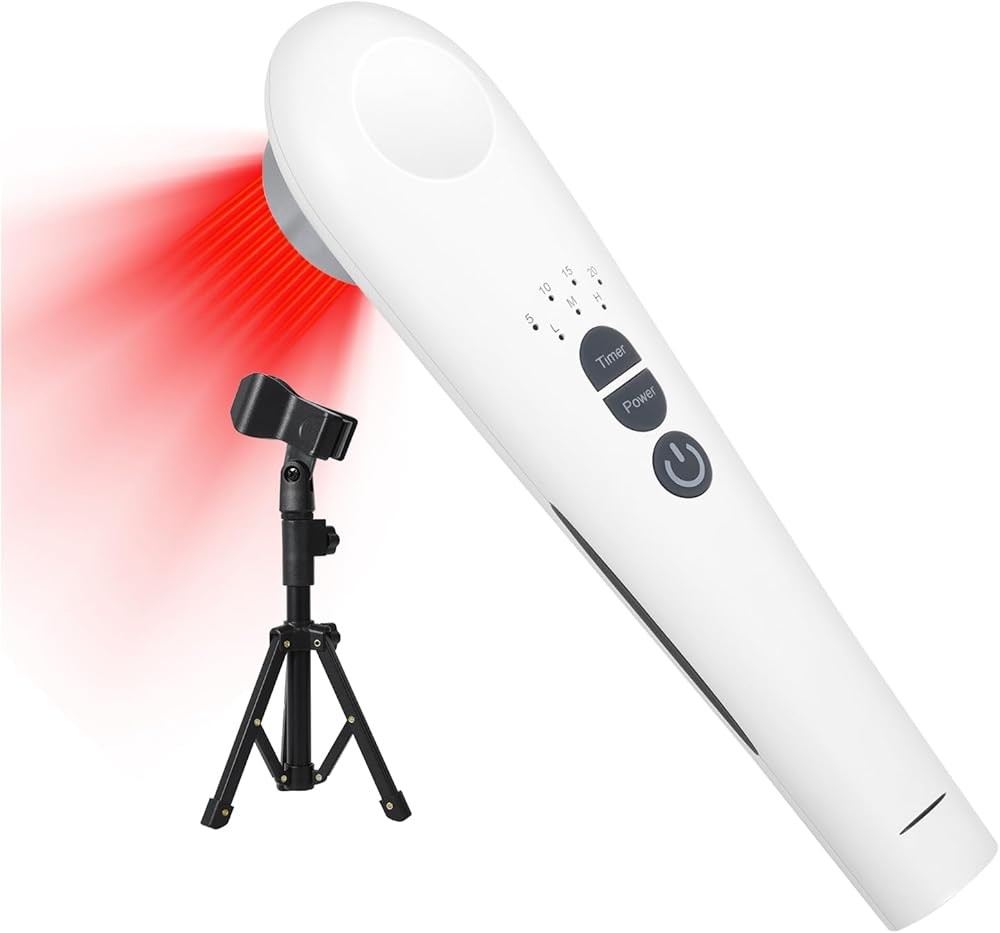
For budget-conscious users with localized pain: The Cold Laser Therapy Device (808nm + 12pcs 660nm) at $79 provides dual-wavelength coverage at an accessible price point. The combination of focused 808nm laser with 12-LED 660nm array addresses both deep tissue and superficial inflammation. Four timer settings (5/10/15/20 minutes) enable precise dosing, while the included stand allows hands-free work. The three modes provide intensity adjustment. While power output runs lower than premium units, the device delivers appropriate wavelengths at sufficient power density for effective home use. This represents the best entry point for users new to LLLT or those working single-joint conditions.
For experienced users seeking professional-grade performance: The Portable Handheld Cold Laser Therapy Device (808nm/650nm) at $329 balances advanced features with portable design. The dual-wavelength approach with pulse function aligns precisely with clinical research protocols. Power output matches professional standards while maintaining handheld convenience. The device suits users working multiple body areas or those who have responded well to entry-level devices and want enhanced capability. The rechargeable battery supports work away from electrical outlets. This device provides the best overall value for serious long-term use.
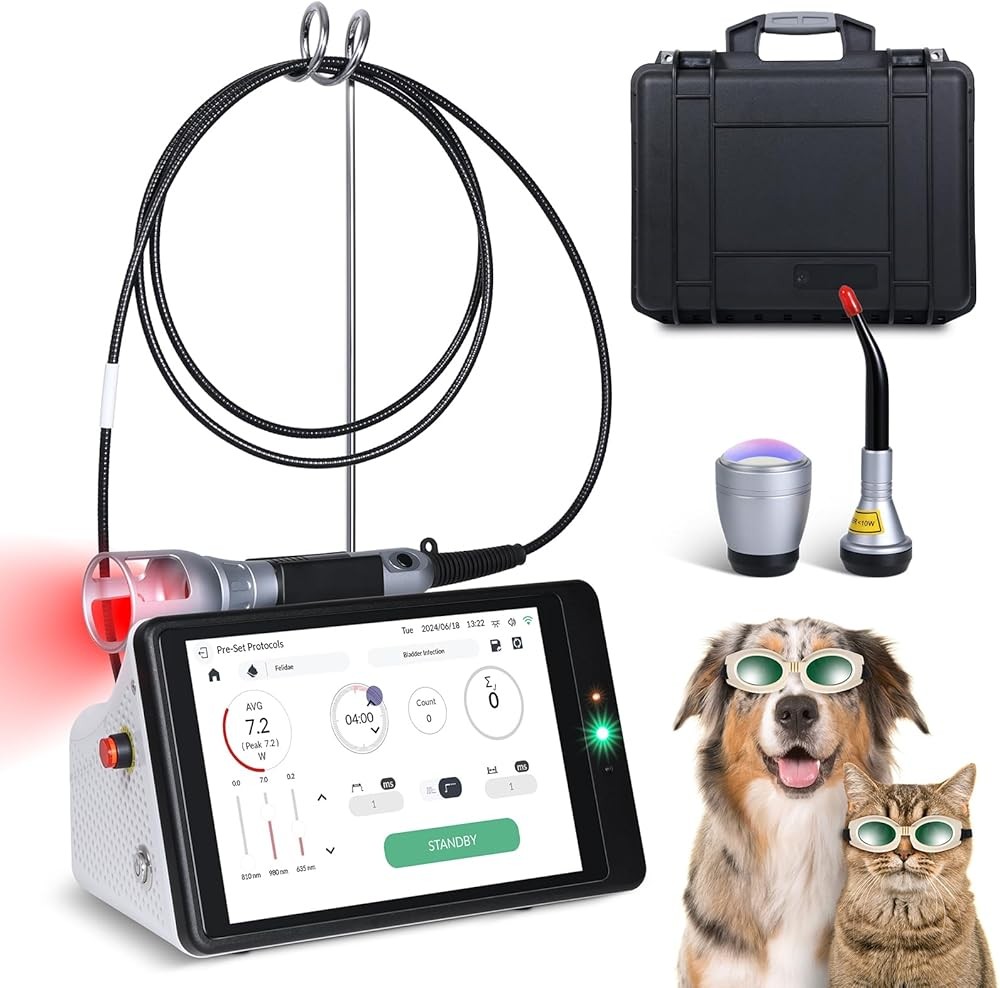
For clinical applications or extensive home use: The Cold Laser Therapy System with LCD Touch Screen at $2,499 delivers triple wavelength coverage (980nm/810nm/635nm) with high power output. The touch screen interface with preset protocols simplifies planning across multiple conditions. While the premium price limits accessibility, the professional specifications justify investment for users working multiple family members, those with complex pain conditions requiring varied protocols, or individuals who use LLLT extensively as primary pain management. The device could theoretically replace clinical LLLT sessions costing $50-150 each, paying for itself within 6-12 months of regular use.
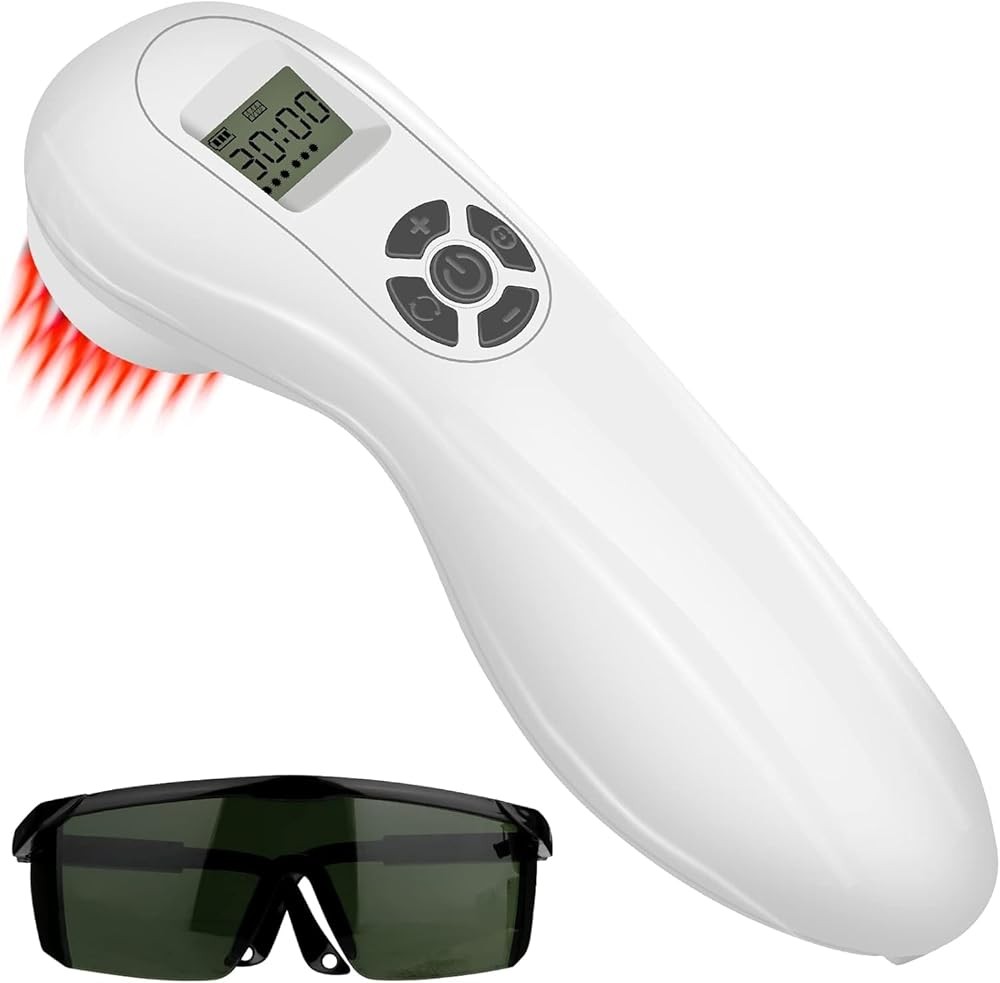
For travelers and multi-location users: The Cold Laser Human/Vet Device with LED Display at $129 prioritizes portability without sacrificing essential features. The compact design and LED battery indicator make it ideal for business travelers, athletes training at multiple locations, or individuals splitting time between residences. The lightweight construction under 8 ounces allows easy packing in carry-on luggage. The dual-purpose human and veterinary design adds value for pet owners. While technical specifications remain less detailed than premium units, the device provides core wavelengths at appropriate power for effective work.
Social Links and Community Resources
Connect with CHNut on social media for updates on pain management research, cold laser therapy protocols, and evidence-based wellness strategies:
- Facebook: facebook.com/chnutrition
- Instagram: @chnutrition
- Pinterest: pinterest.com/chnutrition
- X (Twitter): @chnutrition
- YouTube: youtube.com/@chnutrition
Conclusion: Making an Informed Cold Laser Therapy Device Decision
Cold laser therapy represents a research-validated approach to pain management with robust clinical evidence supporting effectiveness for osteoarthritis, tendinopathy, low back pain, and other musculoskeletal conditions. The key to successful home work lies in selecting devices with appropriate wavelengths (808-850nm for deep tissue, 635-660nm for superficial applications), adequate power density (30-100mW/cm²), and following evidence-based dosing protocols (4-10 joules per site, consistent weekly use).
The Portable Handheld Cold Laser Therapy Device (808nm/650nm) at $329 delivers the optimal balance of clinical-grade specifications, dual-wavelength versatility, and portable convenience for serious long-term use. Its parameters align precisely with research protocols showing pain reduction in clinical trials. For budget-conscious users, the Cold Laser Therapy Device (808nm + 12pcs 660nm) at $79 provides similar wavelength coverage with adjustable features at an accessible entry point.
Success with cold laser therapy requires patience—most clinical studies show gradual improvement over 2-4 weeks with full benefits emerging across 8-12 weeks of consistent work. Combining LLLT with complementary interventions like therapeutic exercise, ergonomic modifications, and adequate sleep produces superior outcomes to laser therapy alone. Understanding device specifications, safety precautions, and evidence-based protocols empowers consumers to achieve results matching those demonstrated in clinical research.
The technology has matured beyond experimental status into a mainstream pain management tool with extensive research validation. While not a universal solution—approximately some users show minimal response—the majority of individuals with musculoskeletal pain conditions experience meaningful benefit when using appropriate devices with correct protocols. The investment in a quality home cold laser device typically pays for itself within 6-12 months compared to ongoing clinical costs, making it a cost-effective long-term pain management strategy for responsive individuals.
Related Reading
- Best Portable Red Light Therapy Devices
- Best Red Light Therapy Panels for Home Use
- Best Vibration Plates for Recovery and Pain Relief
- LED Light Therapy Colors Explained: Wavelength Benefits
- Best LED Face Masks for Anti-Aging
References
- Brosseau L, et al. Low level laser therapy (Classes I, II and III) for treating osteoarthritis. Cochrane Database Syst Rev. 2003;(2):CD002046.
- Brosseau L, et al. Low level laser therapy (Classes I, II and III) for treating rheumatoid arthritis. Cochrane Database Syst Rev. 2005;(4):CD002049.
- Yousefi-Nooraie R, et al. Low level laser therapy for nonspecific low-back pain. Cochrane Database Syst Rev. 2008;(2):CD005107.
- Bjordal JM, et al. A systematic review of low level laser therapy with location-specific doses for pain from chronic joint disorders. Aust J Physiother. 2003;49(2):107-116.
- Tumilty S, et al. Low level laser treatment of tendinopathy: a systematic review with meta-analysis. Photomed Laser Surg. 2010;28(1):3-16.
- Bjordal JM, et al. Low-level laser therapy in acute pain: a systematic review of possible mechanisms of action. Photomed Laser Surg. 2006;24(2):158-168.
- Gur A, et al. Efficacy of low power laser therapy in fibromyalgia: a single-blind, placebo-controlled trial. Lasers Med Sci. 2002;17(1):57-61.
- Huang YY, et al. Biphasic dose response in low level light therapy. Dose Response. 2009;7(4):358-383.
- Chung H, et al. The nuts and bolts of low-level laser (light) therapy. Ann Biomed Eng. 2012;40(2):516-533.
- de Freitas LF, Hamblin MR. Proposed mechanisms of photobiomodulation or low-level light therapy. IEEE J Sel Top Quantum Electron. 2016;22(3):7000417.
- Chow RT, et al. Efficacy of low-level laser therapy in the management of neck pain: a systematic review. Lancet. 2009;374(9705):1897-1908.
- Langella LG, et al. Photobiomodulation therapy (PBMT) on acute pain and inflammation in patients who underwent total hip arthroplasty—randomized, triple-blind, placebo-controlled clinical trial. Lasers Med Sci. 2018;33(9):1933-1940.
- Cotler HB, et al. The use of low level laser therapy (LLLT) for musculoskeletal pain. MOJ Orthop Rheumatol. 2015;2(5):00068.
- Stausholm MB, et al. Efficacy of low-level laser therapy on pain and disability in knee osteoarthritis: systematic review and meta-analysis of randomised placebo-controlled trials. BMJ Open. 2019;9(10):e031142.
Recommended Products