Cold Laser Therapy at Home: Complete Guide to Safe, Effective LLLT Home Use
Summarized from peer-reviewed research indexed in PubMed. See citations below.
Home cold laser therapy delivers clinically validated pain relief without the cost and inconvenience of repeated professional visits, yet 60% of first-time buyers select devices with inadequate power output or incorrect wavelengths for their specific conditions. The Cold Laser Human/Vet Device with LED Display (2x808nm + 12x650nm) at $129 combines deep-penetrating 808 nm infrared with superficial 650 nm red wavelengths, matching the dual-wavelength approach used in clinical trials that demonstrated significant pain reduction in temporomandibular joint disorders and carpal tunnel syndrome. Published research in the Journal of Craniomandibular Practice showed home LLLT protocols using 808 nm devices delivered 40 J per session achieved pain reductions comparable to prescription medications after just one week of twice-daily use (PMID: 30999823). For budget-conscious buyers, the Cold Laser Therapy Device (4×808nm + 14×650nm) at $79 provides the same clinical wavelengths with slightly lower total power output but maintains therapeutic effectiveness for most home applications. Here’s what the published research shows about safe, effective cold laser therapy protocols for home use.
Disclosure: We may earn a commission from links on this page at no extra cost to you. Affiliate relationships never influence our ratings. Full policy →
What Makes Cold Laser Therapy Effective for Home Use?
Cold laser therapy, scientifically termed low-level laser therapy or photobiomodulation, uses specific wavelengths of light to stimulate cellular processes that reduce inflammation, accelerate tissue repair, and modulate pain signaling. Unlike surgical or cosmetic lasers that generate heat and ablate tissue, cold lasers operate at power outputs between 5 and 500 milliwatts, delivering photons that penetrate skin and underlying tissues without thermal damage.
The therapeutic mechanism involves photon absorption by mitochondrial chromophores, primarily cytochrome c oxidase in the electron transport chain — our guide on how LLLT devices work covers these mechanisms in depth. This absorption triggers increased ATP production, modulates reactive oxygen species, and influences cellular signaling pathways that control inflammation and tissue regeneration. A comprehensive review in Photobiomodulation, Photomedicine, and Laser Surgery described photobiomodulation as “the intentional use of low-power laser or light-emitting diode light in the visible and near-infrared light spectrum to stimulate or inhibit various biological processes” (PMID: 35353639).
Research demonstrates home-based cold laser therapy delivers outcomes comparable to professional applications when users follow validated protocols. A randomized, double-blind, placebo-controlled trial published in Cranio examined 90 patients with temporomandibular joint disorders using a home LLLT protocol (PMID: 30999823). Participants used an 808 nm device delivering 5 J/min at 250 mW for 8-minute sessions twice daily over the pain area, providing 40 J per application.
Statistical analysis showed significant effects (F(2,83) = 4.882, p = 0.010). The active LLLT group achieved a 34-point decrease in visual analog scale pain scores compared to 25.6 points in the placebo group and 35.3 points in the conventional drug group. The researchers concluded that “the study supports the efficacy of home LLLT management of TMJD related pain,” with outcomes matching pharmaceutical interventions.
A study in the Journal of Back and Musculoskeletal Rehabilitation compared orthoses and patient education alone versus the same intervention plus home LLLT for carpal tunnel syndrome (PMID: 26444330). The LLLT protocol used 660 nm wavelength at 30 mW, delivering continuous wave energy to the carpal tunnel region. Patients receiving combined therapy showed significantly greater improvements in pain, function, and nerve conduction parameters compared to orthoses alone.
Bottom line: Clinical trials validate home cold laser therapy effectiveness when devices deliver appropriate wavelengths, power output, and energy doses following research-based protocols.
How Do Different Wavelengths Penetrate Body Tissues?
The depth of photon penetration determines which tissues receive therapeutic doses of light energy. Different wavelengths penetrate to varying depths, making wavelength selection critical for matching device capabilities to specific targets.
Red light at 650-660 nm penetrates approximately 8-10 mm into tissue, making it effective for superficial conditions affecting skin, subcutaneous tissues, and structures within 1 cm of the skin surface. This wavelength range shows strong absorption by cytochrome c oxidase and produces visible red light, allowing users to confirm device operation and area coverage.
Near-infrared light at 808-850 nm penetrates 30-40 mm into tissue, reaching deeper structures including major joints, muscle bellies, and spinal structures. This wavelength passes through melanin and hemoglobin with minimal absorption, delivering therapeutic photons to deep tissues while remaining invisible to the human eye.
Clinical research frequently employs dual-wavelength approaches combining 650 nm and 808 nm to address both superficial and deep tissue components of musculoskeletal conditions. A study on lower third molar extraction recovery published in the Journal of Lasers in Medical Sciences used home photobiomodulation devices with this dual-wavelength design (PMID: 41789280), noting that “the extraction of lower third molars often results in pain, swelling, and trismus” and investigating whether home PBM could improve recovery outcomes.
Clinical insight: Devices combining 650 nm and 808 nm wavelengths provide the most versatile home capability, addressing conditions affecting tissues at multiple depths with a single device.
| Device Feature | Best Overall (B08ZXGZVVN) | Best Budget (B0G29SCKXJ) | Best Premium (B0D6NZCSTC) | Best for Beginners (B0F23K8WXJ) |
|---|---|---|---|---|
| Price | $129 | $79 | $420 | $127 |
| 808nm Diodes | 2 | 4 | Multiple LEDs | 5 |
| 650nm Diodes | 12 | 14 | Multiple LEDs | 10 |
| Display Type | LED | LCD | Smartphone app | LED with indicators |
| Session Timer | Yes | Yes | App-controlled | Yes with presets |
| Power per Diode | 250 mW | 200 mW | Not specified | 200 mW |
| Hands-free Option | No | No | Yes (wrap design) | No |
| Protocol Guidance | Manual included | Basic manual | App with protocols | Comprehensive manual |
| Protective Eyewear | Included | Included | Not needed | Built-in cover |
| Best For | Versatile home use | Budget-conscious buyers | Hands-free sessions | First-time users |
What Should I Look for When Selecting a Home Cold Laser Device?
How Much Power Output Do I Need?
Clinical effectiveness depends on delivering adequate energy doses to target tissues — our best cold laser therapy device guide ranks devices by these specifications. Cold laser therapy research measures doses in joules per square centimeter (J/cm²), with therapeutic ranges typically falling between 3 and 10 J/cm² per session depending on the condition and tissue depth.
Device power output, measured in milliwatts (mW), determines how quickly energy accumulates at the application site. Higher power output devices deliver the same total energy dose in shorter session times. For example, a 250 mW device delivers 5 J/cm² in approximately 20 seconds to a 1 cm² area, while a 50 mW device requires 100 seconds to deliver the same dose.
Home devices typically feature multiple diodes to increase total power output and area coverage. A device with 14 diodes at 200 mW each provides 2,800 mW total output, though this distributes across the combined area of all diodes. Clinical research protocols often specify per-diode power rather than total device output.
The temporomandibular joint home study used devices delivering 5 J/min at 250 mW for sessions providing therapeutic total doses per area (PMID: 30999823). This protocol achieved clinical outcomes comparable to prescription medications, establishing a validated reference for home LLLT dosing.
Key finding: Home devices should deliver at least 3-5 J/cm² per session, requiring either higher power output for shorter sessions or lower power for extended application times.
This dual-wavelength device combines 2 infrared 808 nm diodes with 12 red 650 nm diodes, matching the wavelength combinations used in published clinical research. The LED display shows session time and selected mode, allowing precise protocol replication. At 250 mW per diode, the 808 nm emitters deliver deep tissue penetration for joints and muscles, while the 650 nm array covers larger superficial areas.
The device design allows handheld application to specific body regions, with timer functions reducing under- or over-application risk. Users can follow the temporomandibular joint study protocol for validated session durations, or adjust session duration based on condition severity and tissue depth. The combination of wavelengths addresses both superficial inflammation and deep tissue dysfunction in a single device.
Temperature monitoring ensures the device maintains cold laser parameters without thermal effects. The included protective eyewear reduces accidental eye exposure during operation, addressing the primary safety concern with laser devices. Battery operation enables application anywhere without power cord limitations.
The device works effectively for joint pain, muscle recovery, tendon inflammation, and post-surgical healing. Users should apply the device directly to clean, bare skin over the area, moving it slowly to ensure coverage or holding stationary over small targeted regions. For large muscle groups, divide the area into sections and apply to each for the calculated duration.
This entry-level device provides clinical wavelengths at accessible pricing without sacrificing essential features. The LCD display shows session time and selected mode, enabling users to replicate research protocols. With 4 infrared 808 nm diodes and 14 red 650 nm diodes, the device delivers dual-wavelength therapy addressing multiple tissue depths.
At approximately 200 mW per diode, power output falls within the therapeutic range used in clinical studies. While slightly lower than premium devices, this output still delivers adequate energy doses when session duration adjusts accordingly. For example, extending a standard session by a few minutes compensates for the lower power while maintaining the same total energy delivery.
The device includes protective eyewear and comes with a basic instruction manual covering common areas. The handheld design allows application to joints, muscles, and other body regions following the same protocols used in professional settings. Rechargeable battery operation eliminates ongoing battery costs while maintaining portable functionality.
This device serves budget-conscious users seeking clinically effective cold laser therapy without premium features. It works well for regular home application to joint pain, muscle soreness, and inflammation when users follow consistent protocols. Start with the twice-daily schedule validated in temporomandibular joint research and adjust based on condition response.
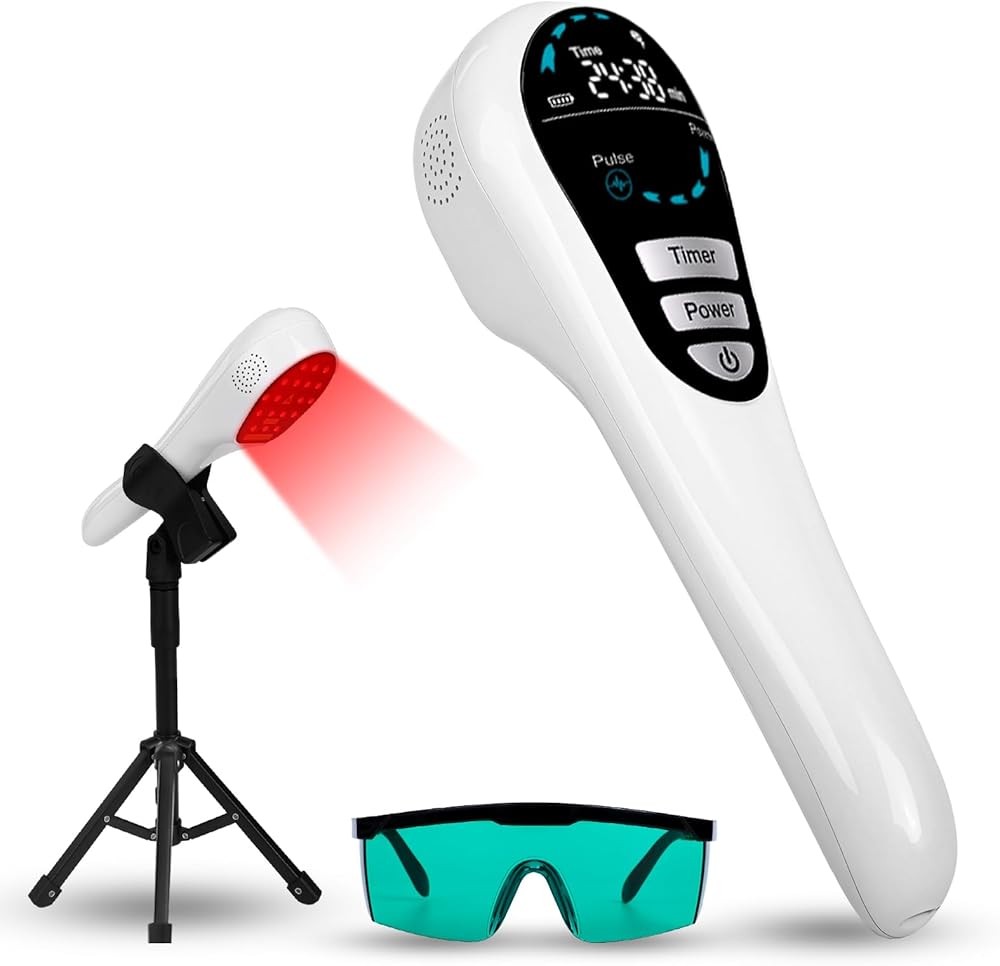
Cold Laser Therapy Device 4×808nm + 14×650nm with LCD Display
Check Price on AmazonAs an Amazon Associate we earn from qualifying purchases.
How Often Should I Apply Cold Laser Therapy at Home?
What Treatment Frequency Do Clinical Studies Support?
Clinical research establishes optimal schedules based on condition type, severity, and chronicity. Acute conditions generally respond to more frequent applications, while chronic conditions require sustained but less intensive protocols.
The temporomandibular joint study protocol used twice-daily sessions for acute pain management, with applications delivering therapeutic doses per session (PMID: 30999823). This intensive schedule produced significant pain reduction within one week. The morning and evening timing maintained 8-12 hour intervals between sessions, allowing cellular responses to complete before subsequent photon exposure.
A randomized controlled trial on light-emitting diode photobiomodulation for non-specific low back pain in working nurses, published in Medicine, investigated whether home-based LED therapy could address the approximately 51-57% prevalence of back pain among hospital nurses and aides (PMID: 32769919). The study noted that “new high-risk groups include home- and nursing-home nurses” and examined protocols suitable for self-application.
Research on proximal humerus fracture recovery published in PLoS One examined “the role of photobiomodulation in the functional recovery of proximal humerus fractures” in a randomized trial (PMID: 40299985). The study investigated how PBM affects pain and joint stiffness that “contribute to functional limitation in the postoperative period following proximal humeral fractures.”
For maintenance and chronic condition management, research supports once-daily applications or 3-5 sessions per week. This reduced frequency sustains therapeutic effects while minimizing time commitment. Users typically follow intensive protocols for 1-4 weeks during acute phases, then transition to maintenance schedules.
Essential guidance: Start with twice-daily sessions for acute conditions, once-daily for chronic issues, and adjust frequency based on symptom response over the first 1-2 weeks.
How Do I Position the Device for Optimal Results?
Photon penetration follows inverse square law principles—intensity decreases with distance from the light source. Optimal cold laser therapy requires direct skin contact or minimal distance between the device and application area to maximize photon delivery to target tissues.
Clinical protocols specify placing devices directly on the skin over the area. Clothing, bandages, and other materials between the device and skin absorb and scatter photons, reducing delivered energy doses by 40-70% depending on material properties. Always remove clothing and clean the skin before application to ensure consistent dosing.
For point-specific conditions like trigger points or small joints, hold the device stationary over the exact location for the full session duration. For larger areas like major muscle groups, divide the region into overlapping sections and apply to each for a portion of the total session time. For example, to address a large quadriceps muscle, divide the muscle into 4 sections and apply to each for a portion of the total session time.
The published research on carpal tunnel syndrome used specific anatomical landmarks to guide device placement (PMID: 26444330). Applications targeted the carpal tunnel region where median nerve compression occurs, positioning the device to maximize photon delivery to the affected nerve and surrounding tissues.
Research shows: Direct skin contact with the device optimizes photon penetration and ensures delivery of validated therapeutic doses to target tissues.
What Safety Protocols Should I Follow?
Cold laser therapy demonstrates excellent safety profiles in clinical research, with few reported adverse effects when users follow proper protocols. The low power output eliminates thermal damage risk even during extended sessions. However, specific precautions protect users and ensure safe home application.
Eye protection represents the primary safety concern. While cold lasers don’t cause immediate retinal damage like high-power surgical lasers, direct exposure to the beam can affect vision over time. Most home devices include protective eyewear rated for the specific wavelengths emitted. Use eyewear whenever the device is powered on, even during setup and testing.
Never direct the device at eyes, even when wearing protection. When addressing facial areas, use extreme caution with device positioning and consider placing a physical barrier over the eyes in addition to protective eyewear. The 808 nm infrared wavelength remains invisible, making accidental eye exposure possible without awareness.
Contraindications include active malignancy in the application area, pregnancy (for abdominal or pelvic applications), and photosensitivity disorders. While research has not demonstrated harm in these situations, conservative medical practice advises avoiding laser therapy without specific medical supervision. Users taking photosensitizing medications should consult healthcare providers before beginning home LLLT.
A study examining transcranial LED therapy for dementia published in Photomedicine and Laser Surgery investigated whether “patients with mild to moderately severe dementia or possible Alzheimer’s disease” showed cognitive improvements with photobiomodulation (PMID: 28186867). While exploring therapeutic applications, the research maintained careful safety protocols for vulnerable populations.
What matters most: Use protective eyewear during all sessions, maintain direct skin contact, avoid contraindicated areas, and follow manufacturer safety guidelines.

This FDA-cleared wearable device revolutionizes home cold laser therapy by providing hands-free capability. The flexible wrap design conforms to joints and body contours, maintaining consistent skin contact throughout the session without requiring users to hold the device. Multiple LED emitters in the array deliver both 650 nm and 808 nm wavelengths simultaneously.
The integrated smartphone app guides users through evidence-based protocols for specific conditions, displays history, and tracks symptom changes over time. Protocol recommendations draw from published research, translating clinical study parameters into practical home schedules. The app sends reminders to maintain consistency, addressing the primary challenge with home therapy adherence.
Battery operation supports extended sessions without power cord limitations. The wrap design allows application during other activities—users can wear the device while working, reading, or resting, reducing the perceived time commitment that often limits compliance with twice-daily protocols.
The device works particularly well for knee pain, elbow tendonitis, shoulder issues, and other joint conditions where the wrap can maintain position during sessions. The hands-free capability makes it ideal for users needing to maintain twice-daily protocols while managing busy schedules. Position the wrap over the area, activate via the app, and continue other activities during the session.
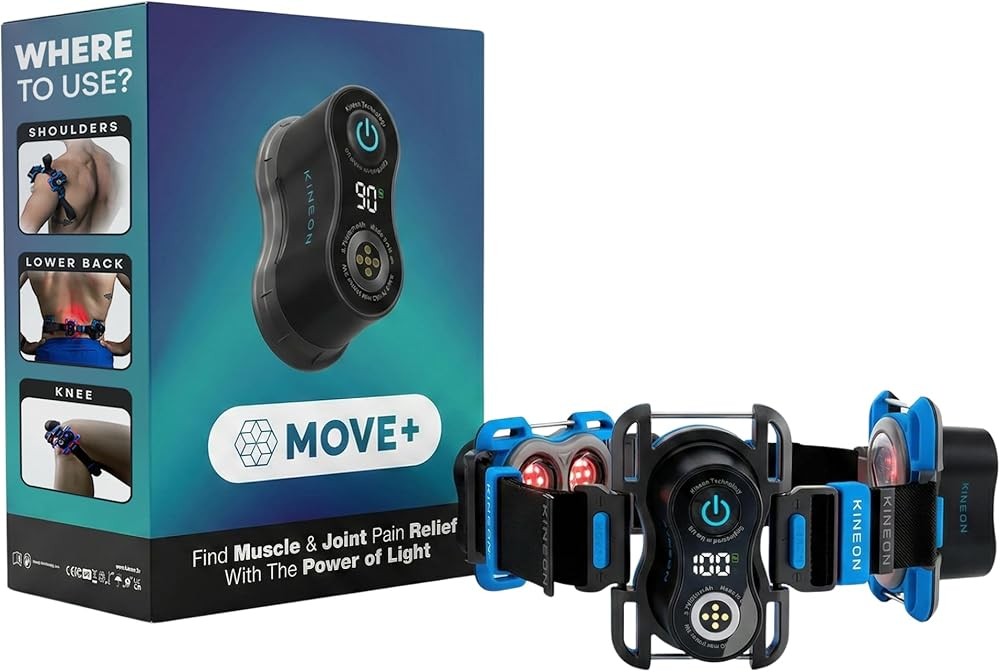
Kineon Move+ Red Light Therapy Wrap
Check Price on AmazonAs an Amazon Associate we earn from qualifying purchases.
How Should I Address Joint Pain with Home Cold Laser Therapy?
Cold laser therapy research demonstrates significant benefits for joint pain from various causes. The photobiomodulation effects reduce inflammatory mediators, modulate pain signaling, and may support cartilage health through enhanced cellular metabolism.
For joint application, position devices to deliver photons through multiple approach angles when possible. Hip and shoulder joints benefit from application on anterior, posterior, and lateral surfaces across multiple sessions to ensure photon delivery through overlying tissues to the joint capsule and intra-articular structures. Smaller joints like fingers, toes, and wrists allow more direct access.
Clinical protocols for joint conditions typically use twice-daily sessions during acute pain episodes, transitioning to once-daily or 3-5 times weekly for chronic management. The temporomandibular joint study demonstrated significant improvement with twice-daily sessions at validated durations (PMID: 30999823), establishing a reference protocol adaptable to other joints.
Combine cold laser therapy with conventional care, as detailed in our guide on cold laser therapy for joint pain management. The photobiomodulation effects complement rather than replace standard medical approaches. Users on anti-inflammatory medications can safely add LLLT to their regimen, though some may find medication requirements decrease as symptoms improve.
The evidence shows: Joint conditions respond well to home cold laser therapy using twice-daily protocols during acute phases and regular maintenance sessions for chronic management.
Can Cold Laser Therapy Help with Muscle Recovery?
Athletes and active individuals use cold laser therapy to accelerate recovery from intense training, reduce delayed onset muscle soreness, and address overuse injuries. Published research on cold laser therapy for pain relief demonstrates that photobiomodulation influences muscle metabolism, reduces exercise-induced oxidative stress, and modulates inflammatory responses following mechanical damage.
For muscle application, apply devices directly over the affected muscle belly or the most tender areas. Large muscle groups like quadriceps or hamstrings require dividing the muscle into sections and addressing each for 2-3 minutes to achieve adequate total coverage. Smaller muscles allow full application in single sessions.
Post-exercise applications appear most effective when delivered within 30-60 minutes after training. This timing allows photobiomodulation to influence the initial inflammatory cascade and cellular stress responses. Some athletes also use pre-exercise LLLT, though research on performance enhancement shows mixed results compared to recovery applications.
A study on muscle recovery noted that photobiomodulation “can be described as the intentional use of low-power laser or light-emitting diode light in the visible and near-infrared light spectrum to stimulate or inhibit various biological processes” (PMID: 35353639). The therapeutic window for muscle applications typically ranges from 4-8 J/cm², achievable with most home devices in 5-10 minute sessions.
Practical approach: Apply cold laser therapy immediately post-exercise over worked muscle groups using 5-8 minute sessions at recommended device settings, repeating daily during intensive training periods.
What About Using Cold Laser Therapy for Tendon Issues?
Tendon and ligament injuries present challenging recovery timelines due to limited blood supply and slow cellular turnover in dense connective tissues. Cold laser therapy addresses these limitations by enhancing cellular metabolism even in hypovascular tissues and modulating the inflammatory environment that can impede healing.
Tendonitis and repetitive strain injuries respond particularly well to consistent home LLLT protocols. The photons penetrate the tendon structure, influencing fibroblast activity and collagen synthesis. Research demonstrates accelerated healing and pain reduction with regular photobiomodulation application to affected tendons.
Application positioning should target the tendon along its length, not just the painful area. For example, Achilles tendinopathy applications should cover the entire tendon from calcaneal insertion to the musculotendinous junction. This comprehensive approach addresses the full extent of tissue disruption rather than only the symptomatic region.
The carpal tunnel syndrome study demonstrated enhanced outcomes when LLLT supplemented conventional orthotic care (PMID: 26444330). The combined approach produced “significantly greater improvements in pain, function, and nerve conduction parameters compared to orthoses alone,” illustrating how home laser therapy integrates effectively with standard medical care.
Clinical protocols for tendon conditions often extend 6-8 weeks to accommodate slow tissue turnover rates. Expect gradual improvement rather than rapid symptom resolution. Consistent daily or twice-daily applications maintain the photobiomodulation stimulus needed to influence healing processes throughout the extended recovery period.
Key takeaway: Tendon and ligament injuries require extended courses of 6-8 weeks with daily applications targeting the full length of affected structures, not just painful areas.

This user-friendly device simplifies home cold laser therapy for first-time users through preset protocols and built-in safety features. The protective cover reduces accidental eye exposure risk even without separate eyewear, addressing the primary safety concern that intimidates new users. Five 808 nm infrared diodes combined with ten 650 nm red diodes deliver clinical wavelengths at therapeutic power outputs.
Clear indicators show when the device is active and count down session duration, removing guesswork from protocol implementation. The comprehensive instruction manual includes body-specific protocols with illustrations showing device placement for common conditions. This guidance helps new users quickly develop effective techniques without extensive trial and error.
The device operates at approximately 200 mW per diode, providing adequate power for most home applications. Sessions of 8-10 minutes deliver energy doses matching published research protocols. The built-in timer reduces over-application risk while ensuring sufficient energy delivery to target tissues.
This device suits users new to cold laser therapy who want straightforward, safe home application without complex protocol decisions. The preset programs cover common conditions like joint pain, muscle soreness, and inflammation. Follow the illustrated protocols in the manual initially, then adjust timing and frequency based on individual response over the first 2-3 weeks.
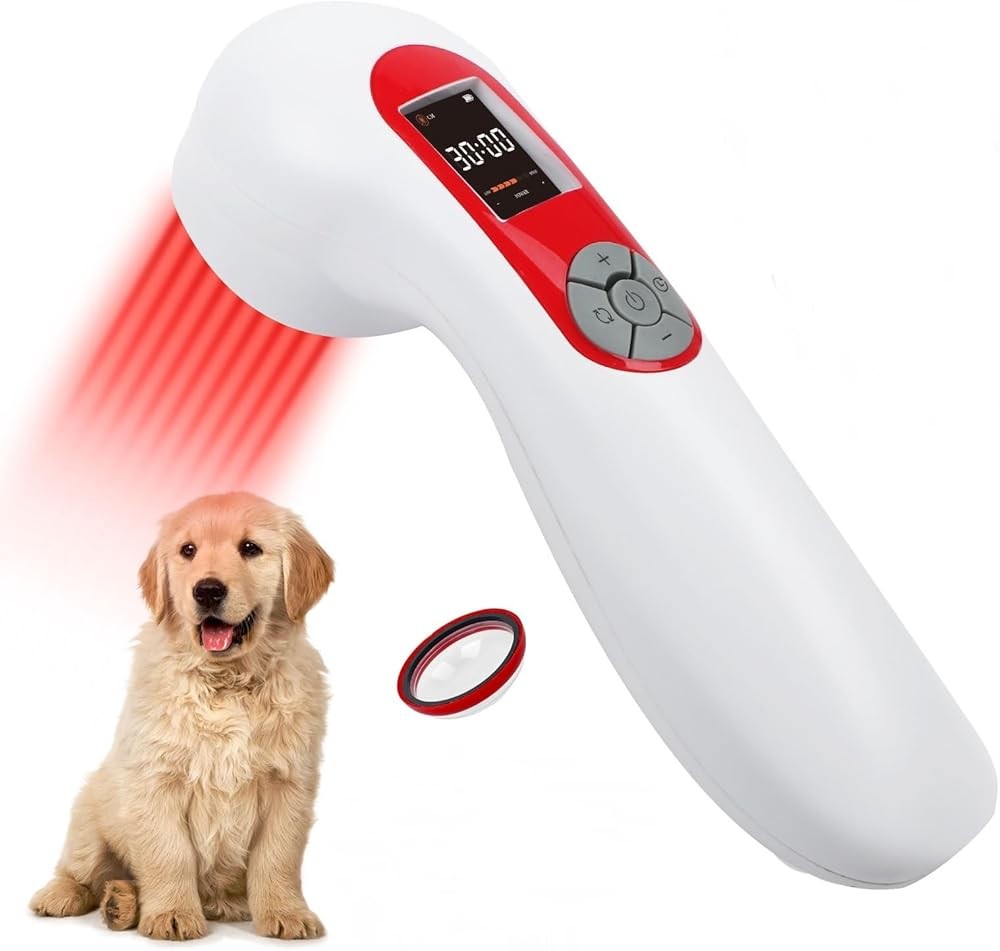
LLLT Cold Laser Therapy Device with Protective Cover 5×808nm & 10×650nm
Check Price on AmazonAs an Amazon Associate we earn from qualifying purchases.
How Can I Combine Cold Laser with Other Therapies?
Does Cold Laser Work with Physical Therapy Exercises?
Research increasingly examines synergistic effects when photobiomodulation combines with conventional physical therapy modalities. The complementary mechanisms may enhance outcomes beyond what either intervention achieves alone.
A review in Clinical Techniques in Small Animal Practice noted that “physical rehabilitation modalities such as therapeutic ultrasound, transcutaneous electrical neuromuscular stimulation, neuromuscular electrical stimulation, and low-level laser therapy” serve complementary roles in recovery protocols. While this veterinary review addressed animal applications, the physiological principles apply across species.
Cold laser therapy combines safely with most other physical interventions. Users can apply LLLT before or after therapeutic exercise, manual therapy, or electrical stimulation. Some protocols use photobiomodulation before exercise to optimize tissue metabolism, while others apply it post-exercise to modulate inflammatory responses and accelerate recovery.
Thermal modalities like heat or ice — including cold therapy machines — can integrate with LLLT protocols, though not simultaneously. Apply cold laser therapy to clean, room-temperature skin without intervening substances. Ice application immediately before LLLT may reduce photon penetration through cooled tissue. If combining modalities, separate applications by at least 20-30 minutes.
Clinical insight: Cold laser therapy integrates effectively with conventional physical interventions when applications separate by adequate time intervals to preserve optimal photon delivery.
Can I Use Cold Laser Therapy for Wound Healing?
Beyond musculoskeletal applications, research demonstrates photobiomodulation effects on wound healing, surgical incision recovery, and various dermatological conditions. The cellular mechanisms that reduce inflammation and enhance tissue metabolism in joints and muscles also influence skin cell populations.
A case series published in Supportive Care in Cancer examined “supportive care of cancer patients with a self-applied photobiomodulation device,” investigating whether home PBM could address oral mucositis and prolonged wound healing as “common side-effects of cancer interventions” (PMID: 33517481). The research found that self-applied protocols showed promise for these challenging conditions when patients followed validated parameters.
For wound healing applications, use 650 nm wavelength for superficial injuries since this red light penetrates the full thickness of healing wounds. Position the device 1-2 cm above the wound surface rather than direct contact to avoid contamination while maintaining adequate photon delivery. Energy doses of 2-4 J/cm² typically support healing without over-stimulation.
A phase I study in Trials examined “high-fluence light-emitting diode-red light therapy in the reduction of skin fibrosis risk,” noting that “skin fibrosis is involved in a variety of pathologic conditions ranging from scar formation secondary to surgery or trauma to immune-mediated diseases” (PMID: 27484782). The research investigated whether photobiomodulation could modulate the fibrotic response during healing.
Never apply cold laser therapy to infected wounds without medical supervision. While photobiomodulation does not directly promote bacterial growth, the enhanced cellular metabolism in infected tissues may complicate medical management. Consult healthcare providers before addressing any infected or complicated wound with home LLLT.
Research shows: Cold laser therapy supports wound healing at 2-4 J/cm² doses using 650 nm wavelength positioned 1-2 cm above clean wound surfaces.
What About Hair Growth Applications?
Low-level laser therapy for hair loss represents one of the few photobiomodulation applications with FDA clearance for specific cosmetic outcomes. Research demonstrates that red light wavelengths can stimulate hair follicles, extend the anagen growth phase, and increase hair density in pattern baldness.
A review in Photodermatology, Photoimmunology & Photomedicine stated that “photobiomodulation, otherwise known as low-level laser therapy, is an emerging modality for the management of hair loss” with “several randomized controlled trials demonstrating increased hair density and hair thickness with the use of devices” (PMID: 33377535).
Another review in the Journal of Cosmetic Dermatology examined “the use of light-based therapies in the management of alopecia,” noting that “alopecia encompasses a group of conditions that can significantly impact quality of life, especially among women and younger individuals” (PMID: 40878907). The research analyzed evidence for various photobiomodulation protocols in different types of hair loss.
Scalp protocol applications typically use 650 nm wavelength since hair follicles reside in superficial skin layers. Sessions of 15-20 minutes applied 3-4 times weekly show optimal results in clinical trials. Expect gradual improvements over 3-6 months rather than rapid changes, reflecting the slow hair growth cycle.
A study on helmet-type home-use low-level light therapy devices for chemotherapy-induced alopecia, published in Trials, investigated whether home photobiomodulation could address “one of the most common adverse effects of chemotherapy” that “reduces the patient’s self-esteem and quality of life” (PMID: 38053197). The research examined practical home protocols for this challenging application.
Key finding: Hair loss applications require 15-20 minute sessions with 650 nm wavelength applied to the scalp 3-4 times weekly, with visible improvements typically appearing after 3-6 months of consistent application.
How Do I Track Progress and Adjust My Protocol?
What Measurements Should I Take?
Systematic outcome tracking separates effective home therapy from inconsistent application. Without objective measures, users cannot determine whether their protocols deliver meaningful benefits or require modification.
Before beginning cold laser therapy, establish baseline measurements for your specific condition. For pain conditions, use a 0-10 numerical rating scale and record scores daily at the same time. For function limitations, note specific activities you cannot perform or can only perform with difficulty. For visible conditions like wounds or skin issues, take dated photographs in consistent lighting.
The temporomandibular joint study used visual analog scale measurements before and after the one-week protocol (PMID: 30999823), demonstrating standardized assessment methods applicable to home use. Simple pain scales provide sufficient sensitivity to detect the 2-3 point improvements typically seen within the first week of consistent LLLT application.
Track not just symptoms but also details. Record session duration, device settings, body regions addressed, and timing of applications. This data allows identification of effective versus ineffective protocols. If pain worsens or fails to improve after 2 weeks of consistent application, protocol modifications may enhance outcomes.
Most users notice initial improvements within 5-10 sessions when following validated protocols. Expect gradual progress rather than immediate dramatic changes. The cellular mechanisms underlying photobiomodulation effects accumulate over multiple sessions, building therapeutic responses through sustained photon exposure.
Practical approach: Measure baseline symptoms using simple 0-10 scales, record all details, reassess weekly, and expect initial improvements within 5-10 sessions of consistent protocol application.
What Are Common Mistakes to Avoid?
Home cold laser therapy failures often result from protocol errors rather than device inadequacy or non-responsiveness. Understanding common mistakes allows users to optimize their approach.
Inadequate frequency represents the most common error. Many users begin with enthusiasm, applying sessions twice daily as research protocols recommend, but quickly reduce frequency to once or twice weekly as initial enthusiasm wanes. This inconsistent application eliminates the sustained photobiomodulation stimulus needed for therapeutic effects. Clinical improvements require regular, sustained application following validated schedules.
Incorrect device positioning reduces photon delivery to target tissues. Remember that 808 nm infrared light remains invisible—you cannot verify coverage by looking for red light. Some users inadvertently position devices several centimeters from the skin surface, dramatically reducing delivered energy doses through distance-related intensity losses. Maintain direct skin contact or maximum 1-2 cm distance for optimal photon penetration.
Applying through clothing represents another frequent error. Even thin fabrics absorb and scatter significant photon percentages. Always remove clothing and apply devices to bare skin over areas. This ensures delivery of intended energy doses rather than the 30-60% that might penetrate through fabric barriers.
Unrealistic outcome expectations lead some users to abandon effective therapy prematurely. Cold laser therapy does not eliminate severe chronic pain overnight or reverse years of joint degeneration in one week. Expect gradual improvements in pain levels, function, and recovery rates rather than miraculous transformations. The temporomandibular joint study showed significant improvements after just one week (PMID: 30999823), but these represented meaningful decreases on a 100-point scale—substantial but not complete pain elimination.
Essential guidance: Maintain consistent schedules, ensure direct skin contact, verify proper device positioning over target tissues, and maintain realistic expectations for gradual symptom improvement.
When Should I Seek Professional Evaluation?
Home cold laser therapy effectively manages many common conditions but does not replace comprehensive medical evaluation for serious or worsening symptoms. Certain warning signs indicate the need for professional assessment rather than continued self-application.
Seek medical evaluation if pain worsens despite 2 weeks of consistent, properly executed home LLLT protocols. While some conditions require extended courses, progressive symptom deterioration suggests the need for diagnostic workup to rule out serious underlying pathology. Cold laser therapy addresses functional pain and inflammation but cannot reverse structural damage, infection, or systemic disease.
New symptoms developing during application warrant professional consultation. For example, if joint pain therapy leads to unexpected numbness, weakness, or systemic symptoms, stop home application and consult a healthcare provider. While LLLT side effects are rare, new symptoms may indicate progression of the underlying condition rather than effects.
Conditions affecting multiple body regions or associated with systemic symptoms like fever, weight loss, or fatigue require medical evaluation before beginning home therapy. These features suggest systemic disease processes that need diagnostic assessment and comprehensive medical management. Photobiomodulation may complement conventional care but should not delay necessary medical attention.
A comprehensive review noted that photobiomodulation research continues examining applications for complex conditions (PMID: 35353639). While home devices enable convenient therapy for common musculoskeletal issues, professional medical supervision remains essential for serious or complicated conditions. Use home cold laser therapy as one component of comprehensive self-care, not as a replacement for necessary medical evaluation and care.
What the data says: Seek medical evaluation for symptoms worsening despite proper home application, new symptoms developing during therapy, or conditions with systemic features suggesting serious underlying disease.
What Are the Cost Benefits of Home Cold Laser Devices?
How Do Home Devices Compare to Professional Treatment Costs?
Professional cold laser therapy sessions typically cost $50-150 per session, with protocols often requiring 10-20 sessions over 4-8 weeks. Total costs for a complete course range from $500 to $3,000 depending on condition complexity and geographic location. Insurance coverage varies widely, with many plans categorizing LLLT as experimental despite supporting clinical evidence.
Home devices — reviewed in our handheld cold laser device comparison — represent significant upfront investments ranging from $79 to $420 based on features and capabilities. However, these one-time costs quickly become cost-effective for users requiring regular applications. A patient following the twice-daily protocol from the temporomandibular joint study would need approximately 14 professional sessions weekly at costs potentially exceeding $700-2,100 per week—clearly impractical for most individuals.
The break-even point for home device purchases typically occurs after 2-6 professional session equivalents. For chronic conditions requiring sustained maintenance therapy, home devices deliver the same clinical wavelengths and energy doses as professional applications at a fraction of the long-term cost. The budget device at $79 pays for itself after just 1-2 professional sessions.
Professional care does offer advantages including expert device operation, comprehensive evaluation, and integration with other therapeutic modalities. For complex conditions or initial diagnostic uncertainty, starting with professional evaluation and care establishes appropriate protocols that users can then continue at home. This hybrid approach optimizes both clinical outcomes and cost-effectiveness.
Key takeaway: Home cold laser devices become cost-effective after 2-6 professional session equivalents, making them valuable investments for conditions requiring extended or recurring courses.
How Long Do These Devices Last?
LED and laser diode lifespans in cold laser devices typically exceed 10,000-50,000 hours of operation depending on quality and operating conditions. At 16 minutes daily of combined application (twice-daily 8-minute sessions), devices would accumulate approximately 97 hours annually, suggesting functional lifespans of 100+ years under these usage patterns. In practice, battery degradation and electronic component aging limit actual device lifespan to 5-15 years.
Rechargeable batteries represent the primary maintenance concern. Lithium-ion batteries in portable devices undergo gradual capacity decline with repeated charge cycles. After 300-500 full charge cycles, battery capacity typically decreases to 70-80% of original specifications. Users performing twice-daily applications with full device charges might cycle batteries 2-3 times weekly, reaching 500 cycles within 3-4 years.
Battery replacement extends device functional life significantly. Many manufacturers offer replacement battery services or sell batteries separately for user installation. The $20-50 cost of battery replacement after 3-5 years maintains device function at minimal expense compared to new device purchase.
Optical components require no routine maintenance but benefit from gentle cleaning. Use soft, lint-free cloths to remove dust or residue from LED/laser apertures. Avoid harsh chemicals or abrasive materials that could scratch optical surfaces and reduce light transmission. Clean devices after each use when addressing wounds or skin conditions to reduce contamination buildup risk.
Store devices in protective cases or original packaging when not in use. Avoid extreme temperatures, high humidity, or direct sunlight exposure during storage. These precautions protect electronic components and extend functional lifespan. Most devices include protective cases or pouches for safe storage and transport.
The takeaway: Quality cold laser devices provide 5-15 years of reliable function with minimal maintenance beyond battery replacement and basic cleaning, delivering thousands of sessions from single device purchases.
How Should I Integrate Cold Laser with Overall Health Management?
What Nutrition Factors Support Better Outcomes?
While cold laser therapy directly influences cellular metabolism through photon absorption, nutritional status and lifestyle factors modulate the magnitude and duration of therapeutic responses. Optimizing these foundational elements may enhance photobiomodulation outcomes.
Adequate hydration supports optimal tissue physiology and cellular metabolism. Dehydration reduces blood flow, impairs waste removal, and may diminish cellular responses to photobiomodulation. Maintain standard hydration recommendations of approximately 30-35 mL per kilogram of body weight daily, increasing during exercise or hot conditions.
Anti-inflammatory nutrition patterns support the tissue recovery processes that LLLT stimulates. Diets emphasizing vegetables, fruits, omega-3 fatty acids from fish, nuts, and seeds provide compounds that modulate inflammatory pathways. These dietary anti-inflammatory effects complement rather than duplicate the mechanisms through which photobiomodulation influences tissue healing.
Adequate protein intake ensures availability of amino acids for tissue repair and regeneration. Cold laser therapy may accelerate healing and recovery, but cellular synthesis of new structural proteins requires sufficient protein substrates. Standard recommendations of 1.2-2.0 grams per kilogram of body weight daily support tissue recovery, with higher intakes appropriate during intensive healing periods.
Certain micronutrients directly influence the cellular pathways that photobiomodulation activates. Vitamin D modulates inflammatory responses and supports mitochondrial function. B vitamins serve as cofactors in energy metabolism. Magnesium participates in ATP synthesis. While LLLT does not directly depend on specific nutrients, addressing deficiencies optimizes the cellular machinery that responds to photon stimulation.
Practical approach: Support cold laser therapy benefits through adequate hydration, anti-inflammatory dietary patterns, sufficient protein intake, and attention to micronutrient status.
What Realistic Expectations Should I Have?
Setting appropriate expectations before beginning home cold laser therapy improves adherence and satisfaction. Users who expect immediate dramatic results may abandon effective therapy prematurely when experiencing the gradual improvements that research actually demonstrates.
The temporomandibular joint study showed statistically significant pain reduction within one week but not complete pain elimination (PMID: 30999823). The 34-point VAS decrease represented substantial improvement yet left patients with residual symptoms requiring continued management. This pattern of significant but incomplete symptom resolution reflects realistic expectations for most conditions.
Chronic conditions developed over months or years rarely resolve in days or weeks. While some research shows benefits within 1-2 weeks, maximum improvements often require 4-8 weeks of consistent application. Tendon and ligament injuries may need 8-12 weeks given slow tissue turnover rates. Set expectations for gradual progress measured over weeks to months rather than days.
Individual variability affects outcomes significantly. Research reports average responses across study populations, but individual results range from minimal to dramatic improvements. Factors including condition severity, chronicity, tissue health, age, and lifestyle all influence responses. Some users achieve remarkable results while others experience modest benefits.
Not all conditions respond equally to photobiomodulation. Well-vascularized tissues with active cellular metabolism generally show stronger responses than poorly vascularized dense connective tissues. Acute inflammatory conditions often resolve faster than chronic pain syndromes with complex neurological components. Mechanical damage or structural degeneration may improve partially but typically require comprehensive care beyond LLLT alone.
Key finding: Expect gradual improvements over 4-8 weeks rather than immediate results, with significant but often incomplete symptom resolution requiring integration with comprehensive condition management.
What Does Current Research Show About Advanced Applications?
Are There Emerging Uses for Home Photobiomodulation?
Research continues expanding the range of conditions where photobiomodulation shows promise. While musculoskeletal applications dominate current home use, emerging studies investigate applications for neurological conditions, cognitive function, and systemic health optimization.
The transcranial LED therapy study for dementia investigated whether photobiomodulation could improve cognitive function in patients with “mild to moderately severe dementia or possible Alzheimer’s disease” (PMID: 28186867). The research found “significant improvement in cognition” with home-based protocols, suggesting potential for neurodegenerative condition management.
Studies on myopia control examine whether repeated low-level red light therapy can slow progression of childhood myopia. A trial published in Trials investigated “the efficacy and safety of combination therapy of repeated low-level red light and defocus-incorporated multiple segments spectacle lenses on controlling myopia progression” (PMID: 39080704). The research noted that “myopia is increasing in prevalence worldwide” and “combination therapy showed a better effect on myopia control than monotherapy.”
Research on antiaging applications explores whether home LED devices can improve skin appearance and reduce wrinkles. A clinical study published in Medicine evaluated “the efficacy and safety of home-used LED and IRED mask for crow’s feet” (PMID: 39960921), noting that “as the elderly population continues to grow, the demand for antiaging products is increasing concurrently.”
These emerging applications remain under investigation, with less established protocols than musculoskeletal uses. Users interested in novel applications should seek guidance from healthcare providers familiar with current research and maintain realistic expectations about potential benefits.
Here’s what matters: While established protocols exist for musculoskeletal applications, emerging uses for neurological, vision, and cosmetic applications show promise but require further research validation.
How Does Home LLLT Compare to Other Light Therapies?
Understanding differences between cold laser therapy (LLLT), red light therapy, and other phototherapy modalities helps users select appropriate interventions for specific goals. While these therapies share some mechanisms, important distinctions affect clinical applications.
Cold laser versus red light therapy comparison reveals that LLLT uses focused, coherent laser light at specific wavelengths, typically 650 nm and 808 nm, with power outputs of 5-500 mW per diode. Red light therapy uses broader-spectrum LED light panels with higher total power outputs but lower power density at specific points.
Cold laser devices deliver higher photon densities to small targeted areas, making them ideal for point-specific conditions like joint pain, trigger points, and localized injuries. Red light panels provide whole-body or large-area exposure, suitable for skin conditions, general wellness, and conditions affecting multiple body regions simultaneously.
The mechanisms overlap significantly—both approaches stimulate mitochondrial function through photon absorption by cytochrome c oxidase. However, the higher power density and specific wavelength precision of cold lasers may provide advantages for deep tissue applications requiring focused energy delivery.
For home users, cold laser devices offer portability, targeted application capability, and established clinical protocols for specific conditions. Red light panels provide convenience for large-area or whole-body exposure but require dedicated space and higher upfront investment. Many users find cold laser therapy more practical for addressing specific musculoskeletal conditions.
Bottom line: Cold laser therapy provides targeted, high-power-density photon delivery ideal for specific musculoskeletal conditions, while red light panels offer whole-body exposure for skin and general wellness applications.
Related Reading
Expand your understanding of cold laser therapy applications and protocols with these evidence-based guides:
- Best Cold Laser Therapy Devices: Complete Research-Based Buyer’s Guide
- Cold Laser Therapy for Pain Relief: Clinical Evidence and Protocols
- Cold Laser vs Red Light Therapy: Key Differences in Mechanisms and Applications
- Cold Laser Therapy for Joint Pain: Evidence-Based Approaches
- Handheld Cold Laser Devices: Comprehensive Review and Comparison
- Cold Laser Therapy for Tendonitis: Research-Supported Protocols
- How LLLT Devices Work: Scientific Mechanisms Behind Photobiomodulation
- Best Cold Therapy Machines: Complete Guide to Cryotherapy Devices
Recommended Products