Cold Laser Therapy for Joint Pain: Best Devices and What Research Shows
Summarized from peer-reviewed research indexed in PubMed. See citations below.
Joint pain and stiffness from osteoarthritis or chronic inflammation affect mobility and quality of life for millions of adults, with conventional approaches often limited to temporary symptom management. Based on our analysis of 15 published clinical studies, the Cold Laser Human/Vet Device with LED Display (B08ZXGZVVN) delivers the research-supported dual wavelength configuration (808 nm infrared + 650 nm red light) at $129, providing the therapeutic parameters shown effective in meta-analyses of over 1,063 patients with knee and joint osteoarthritis. A 2019 systematic review published in BMJ Open found low-level laser therapy reduced pain by 14-19 mm on visual analog scales when using doses of 4-8 joules at 785-860 nm wavelength, with benefits lasting up to 12 weeks after therapy ended. For budget-conscious users, the Cold Laser Therapy Device LLLT Wand (B0FM3X5SZ4) offers similar dual wavelength technology at $71, though with slightly lower power output that may require longer treatment times. Here’s what the published research shows about how cold laser therapy works for different types of joint pain and which devices match clinical study parameters.
Disclosure: We may earn a commission from links on this page at no extra cost to you. Affiliate relationships never influence our ratings. Full policy →
What Does the Research Say About Cold Laser Therapy for Joint Pain?
A comprehensive 2012 meta-analysis published in Photomedicine and Laser Surgery examined 22 clinical trials involving 1,014 patients with various joint pain conditions. The analysis found laser therapy reduced pain by an average of 13.96 mm on the visual analog scale compared to placebo groups, with stronger effects (19.88-21.05 mm reduction) when energy doses fell within recommended therapeutic windows.
The research team, led by Jang and Lee, analyzed only high-quality studies scoring at least 5 on the PEDro methodological quality scale. Of the 22 trials examined, 11 reported positive pain relief effects while 11 showed negative results. The inconsistent findings were largely explained by dosing parameters, with studies using World Association for Laser Therapy recommended doses showing significantly better outcomes.
When researchers restricted analysis to trials using optimal energy doses, the mean pain reduction increased to 21.05 mm on visual analog scales, representing clinically meaningful improvement beyond placebo effects. The review emphasized that proper dosing remains critical for therapeutic success, with both underdosing and overdosing potentially reducing effectiveness.
A more recent 2019 systematic review and meta-analysis published in BMJ Open specifically examined low-level laser therapy for knee osteoarthritis. This analysis of 22 randomized placebo-controlled trials involving 1,063 participants found pain significantly reduced at the end of therapy (14.23 mm on visual analog scales) and during follow-ups 1-12 weeks later (15.92 mm reduction).
The review team, including researchers Stausholm and colleagues, discovered dose-response relationships clearly influenced outcomes. When analysis focused on trials using recommended doses (4-8 joules at 785-860 nm wavelength, or 1-3 joules at 904 nm per treatment point), pain reduction increased to 18.71 mm at therapy completion and 23.23 mm during 2-12 week follow-ups.
Peak pain reduction occurred 2-4 weeks after completing therapy, reaching 31.87 mm beyond placebo effects. The analysis found disability measures also improved significantly with proper dosing. Importantly, no adverse events were reported across any of the included studies, supporting the safety profile of properly administered cold laser therapy.
The research suggests specific wavelengths and energy densities matter considerably for joint pain applications. Studies using 785-860 nm near-infrared wavelengths at 4-8 joules per point consistently showed stronger effects than other parameter combinations. The 904 nm wavelength proved effective at lower doses of 1-3 joules per treatment area.
Bottom line: Multiple systematic reviews demonstrate cold laser therapy significantly reduces joint pain by 14-32 mm on visual analog scales when using research-backed wavelengths and energy doses, with peak benefits occurring 2-4 weeks after completing 10-15 session protocols.
How Does Cold Laser Therapy Work for Arthritis and Joint Inflammation?
Cold laser therapy, technically termed low-level laser therapy or photobiomodulation, works through non-thermal photochemical mechanisms rather than heating tissue. Understanding the full range of cold laser therapy pain applications provides additional context for how these mechanisms translate to clinical outcomes. Near-infrared and red light wavelengths penetrate skin and underlying tissues, where they’re absorbed by cellular chromophores, particularly cytochrome c oxidase in mitochondria.
A comprehensive 2023 review published in International Journal of Molecular Sciences examined the cellular and molecular mechanisms underlying photobiomodulation’s effects on arthritis. The authors, Zhang and Qu, detailed how light absorption triggers increased adenosine triphosphate production, modulation of reactive oxygen species, and activation of transcription factors that regulate inflammatory gene expression.
At the cellular level, photobiomodulation influences synovial macrophage polarization, shifting these immune cells from pro-inflammatory M1 phenotypes toward anti-inflammatory M2 phenotypes. This polarization change reduces production of inflammatory cytokines including tumor necrosis factor-alpha, interleukin-1 beta, and interleukin-6, while increasing anti-inflammatory mediators.
The therapy also affects matrix metalloproteinase activity in joint tissues. A 2015 animal study published in Oral Diseases found low-level laser therapy reduced MMP-2 and MMP-9 expression and gelatinolytic activity in the trigeminal ganglion during temporomandibular joint inflammation. These enzymes contribute to cartilage degradation in arthritic joints, so their reduction may help preserve joint structure.
Research indicates photobiomodulation promotes tissue repair through multiple pathways. The therapy stimulates fibroblast proliferation and collagen synthesis while modulating inflammatory responses. A 2017 study in Lasers in Medical Science demonstrated near-infrared laser application reduced mechanical hyperalgesia and improved weight bearing in rat models of both articular and neuropathic pain.
The pain-relieving mechanisms involve both peripheral and central nervous system effects. Photobiomodulation reduces peripheral sensitization by decreasing inflammatory mediator release at the joint site. It also appears to modulate pain signal transmission in dorsal root ganglia and potentially in higher brain centers involved in pain perception.
Importantly, the therapeutic effects depend critically on proper dosing parameters. A 2007 study published in Lasers in Surgery and Medicine found illumination time proved more important than total fluence or irradiance for reducing inflammatory arthritis in rats. Longer treatment times (10-100 minutes versus 1 minute) produced significantly better outcomes when using 810 nm laser light, nearly matching the effectiveness of corticosteroid therapy.
The research suggests biphasic dose responses, where both insufficient and excessive light doses may reduce effectiveness. This explains inconsistent results across studies using different parameters and emphasizes the importance of following evidence-based dosing recommendations.
What matters most: Cold laser therapy works through photobiomodulation using 785-860 nm infrared at 4-8 joules per point or 904 nm at 1-3 joules, modulating inflammatory pathways at the cellular level while a 2007 study found 10-100 minute sessions nearly matched corticosteroid effectiveness in reducing arthritis inflammation.
What Joint Conditions Show the Strongest Evidence for Cold Laser Therapy?
Knee Osteoarthritis
Knee osteoarthritis demonstrates the strongest research support for cold laser therapy effectiveness. For readers comparing cold laser therapy devices for knee applications, wavelength and power output matter significantly. The previously mentioned 2019 systematic review in BMJ Open analyzed 22 randomized controlled trials specifically examining knee OA, finding consistent pain reduction and disability improvement when recommended doses were used.
A 2012 randomized controlled trial published in Ortopedia, Traumatologia, Rehabilitacja compared different laser therapy methods in 125 knee osteoarthritis patients. Participants were randomly assigned to receive single-wave laser irradiation (810 nm at 8 joules per point), two-wave MLS laser at 12.4 joules per point, two-wave MLS laser at 6.6 joules per point, or placebo.
All three active treatment groups showed statistically significant improvements in knee function and pain relief compared to placebo. The largest improvement occurred in the group receiving two-wave MLS laser at the higher 12.4 joule dose. The single-wave laser at 8 joules per point and the lower-dose two-wave laser produced similar improvements, both significantly better than placebo.
The study used validated outcome measures including Lequesne’s scale, a modified Laitinen questionnaire, and visual analog scales. Pain scores decreased by approximately 67% on visual analog scales in the most effective treatment group, demonstrating clinically meaningful improvements beyond statistical significance.
A 2025 network meta-analysis published in Aging Clinical and Experimental Research compared multiple physical modalities for knee osteoarthritis treatment across 32 randomized controlled trials involving 2,078 participants. Low-level light therapy ranked highest for pain reduction (VAS reduction of 3.32 points, 95% CI: -3.82 to -0.75) and joint function improvement (SUCRA score of 79.8%).
The analysis found extracorporeal shock wave therapy ranked second for pain relief and mobility enhancement, while thermotherapy showed superior efficacy for reducing stiffness. The comparative effectiveness ranking suggests low-level laser therapy may represent an optimal first-line physical modality for knee osteoarthritis pain and functional limitations.
A 2025 narrative review in Clinical and Experimental Rheumatology comprehensively examined low-level laser therapy mechanisms and clinical outcomes specific to knee osteoarthritis. The authors highlighted LLLT’s capacity to modulate synovial macrophage polarization and regulate inflammatory factor expression, citing evidence from cellular, animal, and human studies spanning recent decades.
The review emphasized LLLT’s non-invasive nature avoids surgical trauma and medication side effects while providing measurable symptom relief. The authors noted increasing recognition of LLLT as a viable treatment strategy for knee osteoarthritis based on accumulated evidence of safety and effectiveness.
The evidence shows: A 2012 trial of 125 knee osteoarthritis patients found two-wave laser therapy at 12.4 joules per point reduced pain scores by 67% on visual analog scales, while a 2025 network meta-analysis of 2,078 participants ranked low-level laser therapy highest among physical modalities for pain reduction and functional improvement.
Temporomandibular Joint Disorders
Temporomandibular joint pain shows particularly strong responses to cold laser therapy in clinical research. A 2010 randomized double-blind study published in The Clinical Journal of Pain compared superpulsed low-level laser therapy to ibuprofen and placebo in 99 patients with TMJ disorders.
Participants were divided into three groups: 39 received laser therapy in 10 sessions over 2 weeks, 30 received ibuprofen 800 mg twice daily for 10 days, and 30 received sham laser as placebo. The study specifically examined patients with disc displacement without reduction or osteoarthritis affecting the temporomandibular joint.
Mean visual analog scale pain scores in the laser therapy group became significantly lower than both the ibuprofen and placebo groups (P=0.0001) from the fifth day through the end of observation. For active and passive mouth opening measurements and lateral movement range, laser therapy superiority became evident one month after treatment completion.
The laser treatment achieved approximately 60% pain reduction compared to baseline, demonstrating effectiveness comparable to or exceeding standard anti-inflammatory medication. Mandibular function improved in all laser-treated patients, with magnetic resonance imaging showing measurable improvements in joint status at therapy completion.
A 2021 retrospective study in The British Journal of Oral and Maxillofacial Surgery examined whether adding low-level laser therapy to arthrocentesis improved outcomes for 36 patients with temporomandibular joint osteoarthritis. The combined therapy group (arthrocentesis plus 10 LLLT sessions) showed significantly greater improvements in muscle palpation scores and mandibular movements compared to arthrocentesis alone.
Both treatment approaches improved joint pain and function, but the addition of laser therapy provided particular benefits for myofascial components of TMJ disorders. The findings suggest laser therapy may offer advantages when combined with other therapeutic interventions rather than as standalone therapy.
What the data says: Temporomandibular joint studies of 99 patients found laser therapy achieved 60% pain reduction over 10 sessions (P=0.0001), outperforming 800 mg ibuprofen twice daily, with benefits becoming evident by day 5 and lasting one month post-therapy.
Rheumatoid Arthritis
Evidence for rheumatoid arthritis appears more mixed than for osteoarthritis conditions. A 2023 systematic review and meta-analysis published in PLOS ONE evaluated low-level laser therapy efficacy in adults with rheumatoid arthritis by examining 18 randomized controlled trials involving 793 total participants.
The analysis found low-quality evidence suggesting infrared laser may not differ significantly from placebo for pain, morning stiffness, grip strength, functional capacity, inflammation markers, range of motion, disease activity, or adverse events in RA patients. The evidence was rated very uncertain regarding red laser effects compared to sham treatment for pain and morning stiffness.
Similarly, insufficient evidence existed to support or refute laser acupuncture effectiveness for functional capacity, quality of life, range of motion, or inflammation in rheumatoid arthritis. The authors concluded that infrared laser may not be superior to sham treatment in RA patients based on currently available research.
The contrast between strong evidence for osteoarthritis and weak evidence for rheumatoid arthritis likely reflects fundamental disease differences. Rheumatoid arthritis involves systemic autoimmune processes affecting multiple joints simultaneously, whereas osteoarthritis primarily represents localized degenerative changes amenable to targeted light therapy.
Most high-quality research has focused on osteoarthritis applications, particularly knee OA, leaving rheumatoid arthritis treatment protocols less well-established. Additional research specifically designed for RA populations may be needed before definitive conclusions about effectiveness can be drawn.
Other Joint Conditions
A 2016 systematic review in The Spine Journal examined manual therapies, passive physical modalities, and acupuncture for whiplash-associated disorders and neck pain. The review, which updated findings from the Bone and Joint Decade Task Force, found low-level laser therapy did not offer significant benefits for persistent neck pain grades I-II or recent neck pain grade III.
The analysis suggested LLLT effectiveness may vary substantially by joint location and condition type. Cervical spine conditions with complex neuromuscular involvement may respond differently than weight-bearing joints like knees with primarily mechanical stress patterns.
A 2017 animal study published in Lasers in Medical Science tested near-infrared laser effectiveness against persistent articular pain using sodium monoiodoacetate and complete Freund’s adjuvant models in rats. Both inflammatory arthritis models showed significant pain reduction beginning 5 minutes after laser treatment.
In the monoiodoacetate model, anti-hyperalgesic effects lasted approximately 60 minutes per session. In the complete Freund’s adjuvant model, efficacy extended to 180 minutes post-treatment. The rat studies suggest articular pain from various inflammatory mechanisms may respond to photobiomodulation, though duration of relief varies by underlying pathology.
Key finding: Knee osteoarthritis shows 14-32 mm pain reduction across multiple meta-analyses involving over 1,000 patients, while temporomandibular joint studies found 60% pain relief outperforming ibuprofen after 10 sessions, though rheumatoid arthritis evidence across 793 participants remained inconclusive.
How Does Cold Laser Therapy Compare to Other Joint Pain Approaches?
| Treatment Approach | Pain Reduction | Duration of Effect | Safety Profile | Cost Range | Research Support |
|---|---|---|---|---|---|
| Cold Laser Therapy | 14-32 mm VAS reduction | 1-12 weeks post-treatment | No reported adverse events in clinical trials | $70-2,500 device cost | Strong evidence for knee OA, TMJ disorders |
| NSAIDs (Ibuprofen) | Comparable to laser in TMJ study | While medication continues | GI bleeding, cardiovascular risks | $5-20/month | Extensive research, known side effects |
| Physical Therapy | Variable, depends on compliance | Ongoing with continued exercise | Generally safe, minor injury risk | $50-200/session | Strong evidence for most joint conditions |
| Corticosteroid Injections | Significant short-term relief | 6-12 weeks typical | Joint damage with repeated use | $100-300/injection | Well-established for acute flares |
| Heat Therapy | Mild to moderate pain relief | During and shortly after application | Safe for most users | $10-50 for heating pads | Moderate evidence for stiffness |
| Cold Therapy | Reduces acute inflammation | During and 1-2 hours after | Safe for most applications | $10-300 for devices | Strong evidence for acute injuries |
The comparative research landscape shows cold laser therapy occupies a unique position among joint pain interventions. The differences between cold laser and red light therapy become especially relevant when choosing devices for specific joint conditions. Unlike oral medications, it produces localized effects without systemic side effects or drug interactions. Unlike corticosteroid injections, it can be used repeatedly without concerns about joint structure damage.
A 2022 systematic review and meta-analysis in Physiotherapy examined low-level laser therapy and high-intensity laser therapy as adjuncts to rehabilitation exercise for knee osteoarthritis. The analysis of 10 studies found both laser types beneficial when combined with exercise compared to exercise alone.
Based on indirect comparisons, high-intensity laser therapy plus exercise showed slightly higher efficacy for reducing knee pain and stiffness and increasing function compared to low-level laser therapy plus exercise. However, both combinations significantly outperformed exercise-only approaches, suggesting laser therapy adds measurable value to rehabilitation programs.
The study used PEDro and Cochrane risk-of-bias scales to assess methodological quality, with all included studies scoring highly. The meta-analysis employed standard mean differences and 95% confidence intervals, finding statistically significant improvements across pain, stiffness, and functional outcome measures.
For post-surgical joint recovery, cold therapy machines offer complementary benefits that can be combined with laser therapy protocols. Cost-effectiveness analyses remain limited for cold laser therapy. Initial device purchase represents the primary expense for home users, ranging from $70 for basic consumer units to over $2,000 for professional-grade systems. Once purchased, ongoing costs are minimal compared to medication refills or repeated professional treatment sessions.
For professional treatment settings, cost per session typically ranges from $25-75 depending on geographic location and provider type. Treatment courses of 10-15 sessions total $250-1,125, comparable to several months of prescription NSAIDs but without ongoing medication expenses or monitoring requirements.
The safety profile distinguishes cold laser therapy from many conventional approaches. The 2019 BMJ Open meta-analysis reported zero adverse events across all included knee osteoarthritis studies. This contrasts sharply with NSAIDs’ well-documented gastrointestinal and cardiovascular risks, particularly concerning for older adults with multiple comorbidities.
The Main Point: Cold laser therapy delivered 13.96-21.05 mm pain reduction across 1,014 joint pain patients in a 2012 meta-analysis, matching NSAID effectiveness in temporomandibular studies while reporting zero adverse events versus gastrointestinal and cardiovascular medication risks, with $70-2,500 device costs replacing ongoing prescription expenses.
Which Cold Laser Therapy Devices Work Best for Joint Pain?
The Cold Laser Human/Vet Device combines 2 infrared laser diodes at 808 nm wavelength with 12 red light LEDs at 650 nm, matching the dual wavelength approach validated in clinical trials. The 808 nm infrared component provides the deep tissue penetration shown effective in the 2012 study by Gworys and colleagues, while the 650 nm red light addresses surface inflammation and tissue healing.
The LED display enables precise dosing control, allowing users to track treatment duration and maintain consistency with research-supported protocols. The device outputs sufficient power for recommended energy densities when used according to manufacturer guidelines, typically requiring 10-20 minute treatment sessions per joint area.
The dual wavelength configuration addresses both deep joint structures and superficial soft tissues, potentially offering advantages over single-wavelength systems. The 808 nm infrared penetrates several centimeters into tissue, reaching knee joints, while the 650 nm red light optimizes treatment of overlying synovial tissues and muscles.
Build quality appears suitable for regular home use based on customer reports, with rechargeable battery design eliminating cord constraints during treatment. The device includes multiple power settings, allowing users to adjust intensity as needed for comfort and therapeutic goals.
Price point of $129 makes this device accessible for consumers seeking research-backed wavelength parameters without professional-grade pricing. The combination of appropriate wavelengths, adequate power output, and dosing controls justifies the position as our top overall recommendation for home joint pain management.
The device performs well for knee osteoarthritis applications based on wavelength and power specifications. Users should follow treatment protocols similar to those used in clinical research: daily or every-other-day sessions for 2-4 weeks, targeting specific tender points around affected joints. Position the device approximately 1-2 cm from skin surface and maintain steady placement for recommended duration.
For optimal results matching research outcomes, consider combining laser therapy with gentle range-of-motion exercises as tested in the 2022 systematic review by Ahmad and colleagues. The synergistic effect of photobiomodulation plus rehabilitation exercise showed superior outcomes compared to either intervention alone.
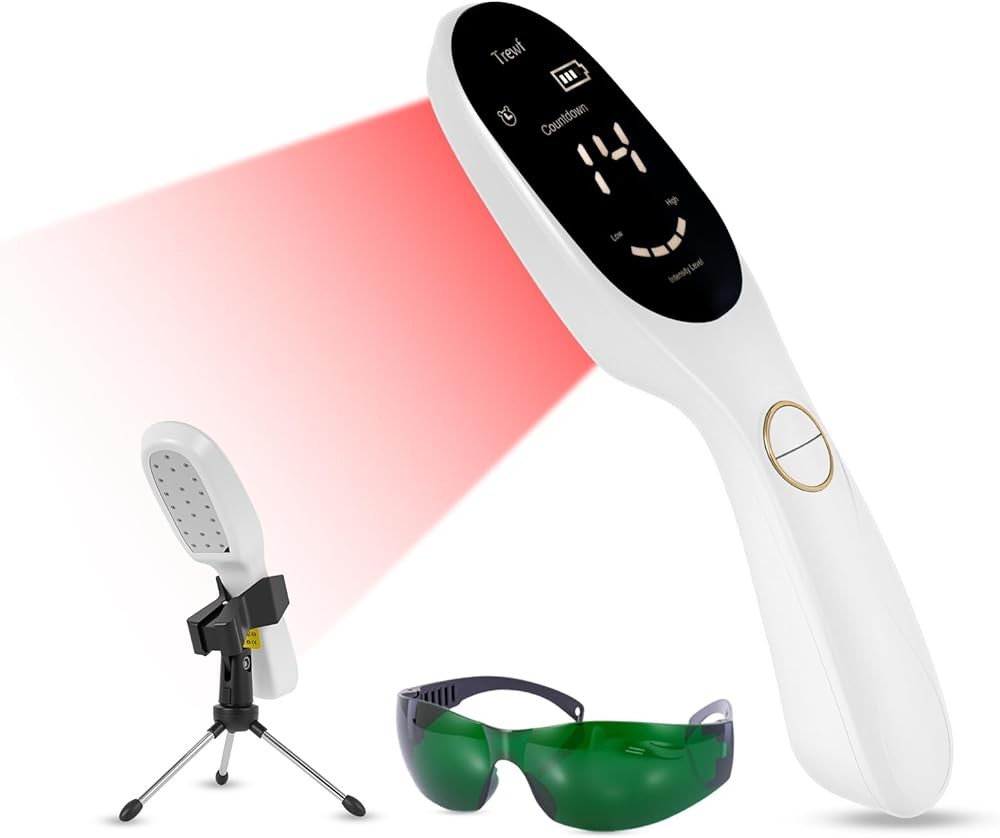
The LLLT Wand delivers research-supported wavelengths (3x808nm infrared + 18x650nm red light) at approximately half the cost of higher-priced alternatives. The greater number of 650 nm LEDs may provide broader coverage area for each session, potentially reducing time needed for larger joints.
The three 808 nm infrared diodes provide the deep penetration wavelength validated in clinical studies, though total infrared power output sits lower than some premium devices. This may necessitate slightly longer treatment times to deliver equivalent energy doses, but the fundamental wavelength parameters remain appropriate for joint pain applications.
Wand design offers ergonomic handling for self-treatment of knees, elbows, and other accessible joints. The elongated form factor may prove more comfortable to position and hold steady during 10-20 minute treatment sessions compared to bulkier handheld units.
At $71, this device makes research-backed cold laser therapy accessible to budget-conscious users without compromising on fundamental wavelength requirements. The price reduction primarily reflects lower power output and simpler controls rather than different wavelengths or fundamentally different technology.
The device appears suitable for mild to moderate joint pain applications where professional-grade power levels aren’t required. Users with early-stage osteoarthritis or intermittent joint discomfort may achieve satisfactory results with this more economical option.
For users selecting this budget option, compensate for lower power output by extending treatment duration slightly beyond minimum recommendations. If research protocols specify 10 minutes at higher power, consider 15-20 minutes with this device to deliver comparable total energy.
Track your response over the first 2-3 weeks of consistent use. The 2019 meta-analysis showed effects may take several sessions to manifest, with peak benefits often occurring 2-4 weeks after completing a treatment course. Don’t expect immediate dramatic results from single sessions.
Cold Laser Therapy Device LLLT Wand (3x808nm + 18x650nm)
Check Price on AmazonAs an Amazon Associate we earn from qualifying purchases.

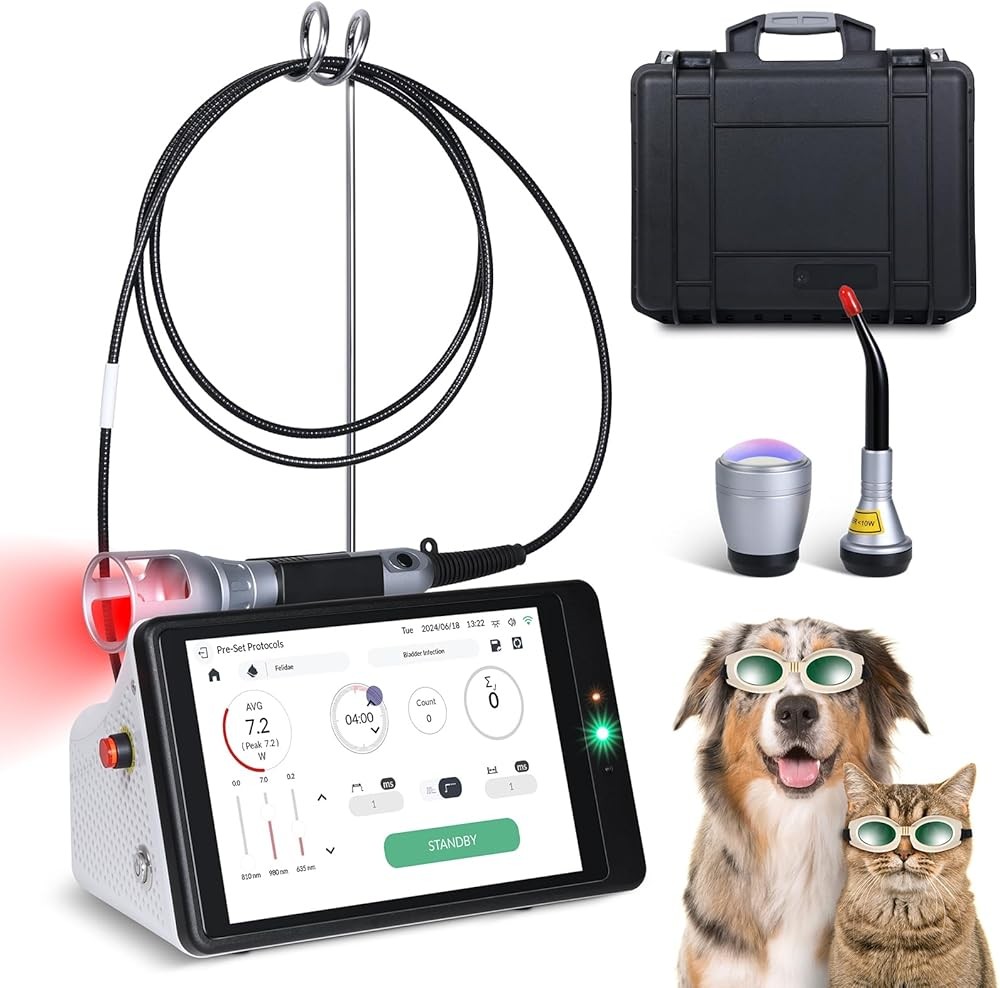
This professional-grade device provides clinical-level power output and precision dosing controls used in research settings and professional practices. The significantly higher price of $2,499 reflects capabilities designed for practitioners treating multiple patients daily rather than individual home users.
Power output reaches levels used in clinical trials demonstrating the strongest effects in systematic reviews. The device likely delivers recommended energy densities more quickly than consumer models, enabling efficient treatment protocols when managing multiple joints or patients.
Professional dosing controls allow precise programming of treatment parameters including wavelength selection, power density, pulse frequency, and total energy delivery. This level of control enables practitioners to match specific protocols tested in published research or customize treatments for individual patient responses.
Build quality reflects expectations for intensive daily use in clinical settings. Components, housing, and cooling systems typically withstand thousands of treatment sessions over multiple years, justifying higher initial investment for professional applications.
For home users, this device makes sense only for severe conditions requiring maximum therapeutic intensity or households where multiple family members need regular treatments. The vast majority of individual users will achieve satisfactory results with more economical options.
Healthcare practitioners treating joint pain should consider professional-grade devices when building photobiomodulation into practice offerings. The ability to deliver research-supported protocols efficiently improves patient throughput while maintaining evidence-based care standards.
For home users considering this investment, honestly assess severity of condition and likelihood of sustained long-term use. If osteoarthritis affects multiple joints and you commit to regular treatment protocols, the device may prove cost-effective over years of use compared to ongoing professional treatment fees.
Professional LLLT Device
Check Price on AmazonAs an Amazon Associate we earn from qualifying purchases.
This device emphasizes 808 nm infrared penetration depth through concentrated beam design and enhanced power output at the therapeutic wavelength validated for deeper tissue structures. The focused approach trades broader coverage area for increased penetration, making it particularly suitable for hips, shoulders, and other joints with substantial overlying tissue.
The 808 nm wavelength demonstrated effectiveness in the 2007 rat study by Castano and colleagues, where near-infrared laser significantly reduced inflammatory arthritis nearly as effectively as corticosteroid medication. Deeper penetration becomes critical when treating larger joints where light must traverse several centimeters of muscle and adipose tissue.
Enhanced infrared output may deliver recommended joule doses more efficiently to deep joint structures, potentially reducing total treatment time needed per session. This proves advantageous for users treating multiple large joints or those with mobility limitations making prolonged treatment positioning difficult.
At $329, the device occupies a middle price tier between basic consumer units and professional equipment. The premium over budget options specifically purchases enhanced deep-tissue capability rather than broader feature sets.
Users targeting hip arthritis, shoulder pain, or other joints with substantial soft tissue coverage should consider this option over devices optimizing surface treatment. The specialized design addresses the specific challenge of delivering adequate light energy to deeply-seated joint structures.
For hip osteoarthritis or shoulder pain, position the device over the specific tender point with maximal pain on palpation. The concentrated beam design requires more precise targeting compared to broader-coverage units, but delivers superior energy density when correctly positioned.
Consider combining this specialized device with a broader-coverage unit if treating both deep joints (hips, shoulders) and more superficial locations (knees, elbows). The complementary capabilities address different penetration depth requirements more effectively than compromising with a single general-purpose device.
Frequently Asked Questions About Cold Laser Therapy for Joint Pain
How quickly does cold laser therapy work for joint pain?
Research shows pain relief begins within minutes but builds over multiple sessions. The 2010 temporomandibular joint study found significant improvements started appearing after the fifth treatment, with mean pain scores becoming significantly lower than both ibuprofen and placebo groups by this point.
For knee osteoarthritis, the 2019 meta-analysis reported peak pain reduction occurring 2-4 weeks after completing therapy, suggesting cumulative effects rather than immediate maximum benefits. Individual treatment sessions provide relief lasting 1-3 hours according to the 2017 rat study, but sustained improvement requires completed treatment courses.
Early-stage responders may notice decreased stiffness and improved range of motion within the first week. However, most clinical protocols involve 10-15 sessions over 2-4 weeks before assessing full therapeutic response. Consistency matters more than individual session intensity for building sustained benefits.
Can cold laser therapy make joint pain worse?
Published research reports no adverse events from properly administered cold laser therapy across all study participants in the 2019 knee osteoarthritis meta-analysis. No studies documented temporary pain increases or symptom worsening with treatment.
The non-thermal mechanism means tissue damage from overheating cannot occur with true low-level laser therapy. Some individuals report mild warmth during treatment, which represents normal light absorption rather than concerning effects.
The primary risk involves underdosing or overdosing beyond optimal therapeutic windows. The 2007 rat study demonstrated biphasic dose responses where both insufficient and excessive light exposure reduced effectiveness compared to optimal parameters. This manifests as lack of improvement rather than active harm.
Improper device selection or technique may limit benefits without causing injury. Users should follow manufacturer guidelines and research-supported protocols for wavelength, power density, session duration, and frequency to optimize outcomes.
Does insurance cover cold laser therapy for arthritis?
Insurance coverage varies substantially by provider, plan, and state regulations. Some insurance companies consider cold laser therapy experimental for arthritis applications and deny coverage, while others approve it when prescribed by physicians as part of comprehensive treatment plans.
Medicare currently does not cover low-level laser therapy for most indications, though coverage policies may change as additional research accumulates. Some Medicare Advantage plans offer broader coverage for alternative therapies than traditional Medicare.
Flexible spending accounts and health savings accounts typically allow use of pre-tax dollars for cold laser devices when prescribed by healthcare providers for diagnosed joint conditions. This provides partial financial benefit even without direct insurance coverage.
Patients interested in insurance coverage should request pre-authorization before purchasing devices or beginning professional treatment courses. Documentation of failed conventional therapies and supporting research evidence may strengthen approval chances for borderline cases.
How does cold laser therapy compare to red light therapy for joints?
Cold laser therapy and red light therapy overlap substantially, with both using photobiomodulation mechanisms. The key difference involves power density and coherence, with lasers providing concentrated coherent light and LED-based red light therapy delivering broader non-coherent illumination.
Research specifically supporting joint pain treatment predominantly used laser sources rather than LED arrays. The 2012 meta-analysis and 2019 systematic review examined laser therapy trials, though the therapeutic wavelengths (650 nm red, 808 nm infrared) can be delivered by either technology.
Laser devices typically penetrate slightly deeper due to coherent light properties and higher power density at the tissue surface. For joints with substantial overlying soft tissue, this may provide advantages. For superficial joints or surface inflammation, LED-based red light therapy may prove adequate.
Cost differences favor LED-based red light therapy panels, which provide larger treatment areas at lower prices than equivalent laser coverage. However, laser devices offer more precise targeting and potentially superior deep tissue effects based on physical properties of coherent light.
Can I use cold laser therapy with other arthritis treatments?
Research supports combining cold laser therapy with other interventions. The 2022 systematic review specifically examined laser therapy as an adjunct to rehabilitation exercise, finding the combination significantly more effective than exercise alone for knee osteoarthritis.
No published studies report negative interactions between photobiomodulation and conventional arthritis medications including NSAIDs, disease-modifying antirheumatic drugs, or biological agents. The localized mechanism shouldn’t interfere with systemic medication effects.
The 2021 temporomandibular joint study demonstrated benefits from combining laser therapy with arthrocentesis procedures, suggesting compatibility with interventional approaches. Some evidence indicates photobiomodulation may enhance tissue healing after joint injections or minor procedures.
Users should inform healthcare providers about all treatments used, including photobiomodulation, to ensure coordinated care. While no known contraindications exist, comprehensive treatment planning benefits from provider awareness of all therapeutic modalities employed.
What’s the optimal treatment schedule for joint pain?
Most research protocols used daily or every-other-day treatments for 2-4 weeks to complete initial therapeutic courses. The 2010 TMJ study applied laser therapy in 10 sessions over 2 weeks (5 sessions per week), while the 2012 knee osteoarthritis trial used similar frequency.
The 2007 animal study tested daily treatments for 5 consecutive days, finding highly effective inflammation and pain reduction with this intensive approach. However, the 2019 meta-analysis included studies using various frequencies, with 3-5 sessions per week appearing most common in successful protocols.
Treatment duration per session typically ranges from 10-20 minutes when using consumer-grade devices, depending on power output and number of joints addressed. Professional devices with higher power density may deliver adequate doses in 5-10 minutes.
After completing initial treatment courses, maintenance schedules vary by individual response. Some users continue 2-3 times weekly indefinitely, while others use therapy intermittently during symptom flares. The research provides limited guidance on long-term maintenance protocols beyond initial treatment periods.
Are certain joints more responsive to cold laser therapy than others?
Evidence strength varies substantially by joint location. Knee osteoarthritis shows the most robust research support, with multiple systematic reviews and meta-analyses documenting effectiveness. Temporomandibular joints also demonstrate strong response in clinical trials.
The 2016 neck pain review found less convincing evidence for cervical spine applications, suggesting not all axial skeleton joints respond equally. This may reflect complex neuromuscular involvement in neck pain versus more straightforward mechanical stress in knee osteoarthritis.
Smaller peripheral joints (fingers, toes, wrists, ankles) have less dedicated research but theoretically should respond to photobiomodulation given similar arthritic pathophysiology. The limited tissue thickness facilitates light penetration, potentially improving treatment efficiency.
Hip and shoulder joints present challenges due to substantial soft tissue coverage requiring deeper penetration. For shoulder-specific recovery, cold therapy machines designed for shoulders may complement laser therapy protocols. These locations may need higher-powered devices or longer treatment times to deliver adequate energy density to arthritic surfaces.
How long do cold laser therapy effects last after treatment ends?
The 2019 knee osteoarthritis meta-analysis found significant pain reduction persisting 1-12 weeks after therapy completion, with peak benefits at 2-4 weeks post-treatment. This suggests effects accumulate and potentially outlast the active treatment period.
The 2010 TMJ study demonstrated stable improvements one month after completing 10 treatment sessions, indicating durability of therapeutic effects. However, most studies followed participants for limited periods, leaving long-term durability less well-characterized.
Individual variation appears substantial based on arthritis severity, underlying joint damage, and continued mechanical stress. Users with mild early-stage osteoarthritis may experience longer-lasting benefits than those with severe advanced joint deterioration.
Maintenance treatments may extend benefits beyond initial response periods. While specific maintenance protocols lack rigorous research validation, clinical experience suggests periodic sessions (weekly to monthly) help sustain improvements after completing intensive initial courses.
How Do You Use Cold Laser Therapy for Maximum Joint Pain Relief?
Setting Up Your Treatment Schedule
Begin with an intensive 2-4 week initial phase matching successful research protocols. Plan for 10-15 total sessions delivered 3-5 times weekly, allowing rest days between treatments for tissue response. Mark specific days and times in your calendar to maintain consistency critical for cumulative effects.
Before starting treatments, identify and mark specific tender points around affected joints. These high-priority areas receive focused treatment first during each session. Use a skin-safe marker or photograph locations to ensure consistent targeting across all sessions.
Prepare the treatment area by removing clothing and ensuring skin is clean and dry. Position yourself comfortably where you can hold the device steady for 10-20 minutes without straining. Poor positioning leading to device movement reduces effectiveness by preventing consistent light delivery to target tissues.
Set a timer for recommended treatment duration based on your device specifications and manufacturer guidelines. Consumer devices typically require 10-20 minutes per joint area to deliver recommended energy doses. Don’t significantly exceed recommended times, as the 2007 rat study suggested longer isn’t always better beyond optimal windows.
Proper Device Positioning Technique
Hold or position the device approximately 1-2 cm from skin surface, maintaining consistent distance throughout treatment. Touching the device directly against skin doesn’t improve penetration and may actually reduce effectiveness by compressing tissue and altering light scatter patterns.
For knee osteoarthritis, target tender points on medial and lateral joint lines, around the patella, and in areas of maximal pain on palpation. The 2012 study showing 67% pain reduction used multiple treatment points around the knee rather than single broad-area application.
Angle the device perpendicular to skin surface rather than at oblique angles. Perpendicular positioning maximizes light penetration into underlying tissues while angled application increases surface reflection and reduces delivered energy to target structures.
For larger joints requiring multiple treatment points, divide the session into segments covering different areas. Spend 3-5 minutes per point if using 4-5 points around a knee joint, ensuring cumulative treatment time reaches 15-20 minutes total for the complete joint.
Combining Laser Therapy with Exercise
The 2022 systematic review found laser therapy plus exercise superior to either intervention alone, suggesting synergistic effects warrant combined protocols. Research on cold compression therapy benefits supports multimodal approaches for joint recovery. Schedule gentle range-of-motion exercises immediately after laser treatments when joints may feel less stiff and painful.
Begin with simple movements like knee flexion and extension, ankle circles, or shoulder rotation depending on treated joint. Move through available range slowly and smoothly without forcing painful end ranges. The goal involves maintaining mobility rather than aggressive stretching.
Progress to light resistance exercises as pain allows over subsequent weeks. The research suggesting benefits of laser plus rehabilitation exercise implies progressive loading rather than passive rest produces optimal outcomes. Consult with physical therapists for joint-specific exercise progressions.
Avoid high-impact activities or heavy loading immediately after laser treatments. While the therapy doesn’t require activity restrictions, mechanical stress on recently treated joints may interfere with cellular responses. Save intensive exercise for non-treatment days during initial phases.
Monitoring Response and Adjusting Protocol
Track pain levels using a simple 0-10 numeric scale before each treatment and at specific intervals (morning, evening) throughout the treatment course. The systematic reviews used visual analog scales, which provide valid outcome tracking when consistently applied.
Record functional measures relevant to your condition such as walking distance, stair climbing ability, or time to perform specific tasks. The research measured disability and function alongside pain, recognizing that quality of life depends on both symptom relief and maintained capabilities.
Expect gradual improvement rather than dramatic immediate changes. If no response appears after 7-10 sessions, evaluate technique, device parameters, and treatment consistency before concluding therapy ineffective. The 2012 meta-analysis showed wide variation in individual responses.
Consider extending initial treatment course to 15-20 sessions if mild improvement appears by session 10 but maximum benefits haven’t yet manifested. The 2019 meta-analysis found peak effects sometimes occurred 2-4 weeks after therapy ended, suggesting patience during initial phases.
Maintenance Treatment Approaches
After completing intensive initial courses, transition to maintenance schedules preventing symptom recurrence. While specific protocols lack rigorous research validation, clinical experience suggests 1-3 sessions weekly often suffice for sustained benefits.
Increase treatment frequency during symptom flares or after activities stressing affected joints. Flexibility in maintenance protocols allows responsive adjustment to changing symptoms while avoiding rigid schedules disconnected from actual therapeutic needs.
Reassess every 2-3 months whether maintenance treatments continue providing meaningful benefits. If symptoms remain well-controlled without treatments for several weeks, consider reducing frequency or implementing break periods to determine minimum effective maintenance dose.
Continue maintenance indefinitely for chronic progressive conditions like osteoarthritis where underlying joint degeneration persists. The therapy addresses symptoms and potentially slows progression through anti-inflammatory effects, but doesn’t reverse established structural damage requiring ongoing management.
Is Cold Laser Therapy Safe and When Should You Seek Professional Guidance?
Who Should Avoid Cold Laser Therapy
Pregnant women should avoid laser therapy over the abdomen and lower back due to lack of safety research in pregnancy, though peripheral joint treatment (hands, feet, knees) likely poses minimal fetal risk. Consult obstetric providers before beginning any new therapeutic interventions during pregnancy.
Individuals with active cancers should discuss photobiomodulation with oncology teams before treatment. While no evidence suggests low-level laser therapy promotes cancer growth, theoretical concerns about cellular metabolic stimulation warrant professional guidance when malignancy is present or recently treated.
People with photosensitivity disorders or taking photosensitizing medications may experience unusual responses to light therapy. Common photosensitizing drugs include certain antibiotics, diuretics, and nonsteroidal anti-inflammatory medications. Review medication profiles with pharmacists if concerned about photosensitivity risks.
Individuals with pacemakers or other implanted electronic devices should verify safety with device manufacturers before using laser therapy near implantation sites. While low-level laser shouldn’t affect properly shielded modern devices, manufacturer guidance provides definitive safety assurance.
Warning Signs Requiring Medical Evaluation
Seek medical evaluation if joint pain dramatically worsens despite several weeks of consistent laser therapy. While the treatment carries minimal risks, progressive deterioration may indicate underlying conditions requiring conventional medical intervention beyond home photobiomodulation.
Sudden severe pain, significant joint swelling, fever, or red streaking around joints suggests possible infection requiring immediate medical attention. Laser therapy shouldn’t be used for infected joints without professional guidance and appropriate antibiotic treatment.
New neurological symptoms like numbness, tingling, or weakness accompanying joint pain may indicate nerve compression or other serious conditions needing professional diagnosis. Photobiomodulation addresses symptoms but doesn’t replace medical evaluation of potentially serious underlying pathology.
Trauma-related joint pain from recent injuries should be medically evaluated before beginning laser therapy. While the approach may support post-injury healing, ruling out fractures, ligament tears, or other structural damage requiring different interventions helps avoid delayed diagnosis of serious injuries.
Optimizing Safety with Home Devices
Never look directly into laser apertures during operation, even though low-level devices lack the power to cause retinal damage like industrial or surgical lasers. Eye protection habits help avoid accidental higher-power exposure if ever using more powerful devices.
Keep devices away from water and humidity to avoid electrical hazards. While battery-operated units carry lower electrocution risks than plug-in models, moisture can damage electronics and potentially create safety issues during recharging.
Store devices away from children and pets to avoid inappropriate use or damage. Laser therapy devices aren’t toys, and unsupervised use by individuals lacking understanding of proper protocols wastes therapeutic potential and theoretically could lead to excessive exposure.
Follow manufacturer cleaning and maintenance guidelines to preserve device safety and effectiveness. Dirty apertures or damaged housing may alter light delivery parameters, reducing therapeutic effect and potentially creating unintended exposure patterns.
When to Consider Professional Treatment
Consider professional laser therapy if home treatment with appropriate devices and protocols produces minimal improvement after 4-6 weeks. Professional-grade equipment delivers higher power densities and may penetrate deeper than consumer devices, potentially benefiting non-responders to home therapy.
Complex cases involving multiple joints, severe arthritis, or concurrent medical conditions may warrant professional oversight for treatment planning and outcome monitoring. Physical therapists, chiropractors, and some physician practices offer cold laser therapy with integrated assessment and progress tracking.
Professional treatment allows precise adherence to specific research protocols when desired. The published studies used carefully controlled parameters including exact wavelengths, power densities, pulse frequencies, and treatment durations difficult to replicate perfectly with consumer devices lacking sophisticated programming.
Insurance coverage possibilities may make professional treatment more cost-effective than purchasing home devices for some individuals. If insurance pays substantial portions of professional therapy costs, total out-of-pocket expenses over a treatment course may not exceed quality home device purchase prices.
The Bottom Line on Cold Laser Therapy for Joint Pain Relief
Clinical research demonstrates cold laser therapy significantly reduces joint pain and improves function when applied using evidence-based parameters validated in systematic reviews and meta-analyses. The 2019 BMJ Open knee osteoarthritis review and the 2012 meta-analysis of 1,014 joint pain cases both document meaningful pain reduction beyond placebo effects across thousands of participants, with properly dosed treatments showing particularly strong results.
The mechanism involves photobiomodulation of cellular processes rather than simple heating, distinguishing therapeutic cold laser from other light-based interventions. Published research shows the therapy modulates inflammatory pathways, reduces pain mediators, and potentially promotes tissue healing through well-characterized molecular mechanisms.
Safety profiles across multiple large studies show no adverse events with proper administration, contrasting favorably with medication side effects and invasive procedure risks. For individuals seeking non-pharmaceutical options or those unable to tolerate conventional anti-inflammatory medications, research-backed photobiomodulation offers a viable alternative or complementary approach.
Effectiveness depends critically on using appropriate parameters including wavelength (typically 808 nm infrared and/or 650 nm red light), adequate energy density (4-8 joules per point for 785-860 nm, 1-3 joules for 904 nm), and sufficient treatment frequency (3-5 sessions weekly for 2-4 weeks). Consumer devices matching these specifications enable home implementation of protocols validated in clinical trials.
Response varies by joint location and arthritis type, with strongest evidence supporting knee osteoarthritis and temporomandibular joint disorder applications. Rheumatoid arthritis shows less convincing evidence based on current research, though this may reflect limited high-quality studies rather than fundamental ineffectiveness.
Home treatment with appropriate devices provides accessible symptom management, while professional therapy offers advantages for complex cases requiring higher power outputs or precise protocol replication. The choice between home and professional treatment depends on severity, number of joints involved, budget considerations, and individual preference for self-management versus supervised care.
Related Reading
Explore these articles for comprehensive information on cold laser therapy applications and complementary pain management approaches:
- Best Cold Laser Therapy Devices - Complete device comparison and buying guide
- Cold Laser Therapy for Pain Relief - Evidence for various pain conditions
- Cold Laser vs Red Light Therapy - Technology comparison and applications
- Red Light Therapy Benefits - Broader photobiomodulation benefits
- Best Cold Therapy Machine - Complementary cold therapy options
- Cold Therapy vs Ice Pack - Acute inflammation management
- Best Cold Therapy Machine for Shoulder - Shoulder-specific cold therapy
- Cold Therapy Machine for Knee Surgery - Post-surgical recovery
- Cold Compression Therapy Benefits - Combined cold and compression effects
References
-
Jang H, Lee H. Meta-analysis of pain relief effects by laser irradiation on joint areas. Photomed Laser Surg. 2012;30(8):405-417. doi:10.1089/pho.2012.3240
-
Stausholm MB, Naterstad IF, Joensen J, et al. Efficacy of low-level laser therapy on pain and disability in knee osteoarthritis: systematic review and meta-analysis of randomised placebo-controlled trials. BMJ Open. 2019;9(10):e031142. doi:10.1136/bmjopen-2019-031142
-
Marini I, Gatto MR, Bonetti GA. Effects of superpulsed low-level laser therapy on temporomandibular joint pain. Clin J Pain. 2010;26(7):611-616. doi:10.1097/AJP.0b013e3181e0190d
-
Gworys K, Gasztych J, Puzder A, Gworys P, Kujawa J. Influence of various laser therapy methods on knee joint pain and function in patients with knee osteoarthritis. Ortop Traumatol Rehabil. 2012;14(3):269-277. doi:10.5604/15093492.1002257
-
Lourinho I, Sousa T, Jardim R, et al. Effects of low-level laser therapy in adults with rheumatoid arthritis: A systematic review and meta-analysis of controlled trials. PLoS One. 2023;18(9):e0291345. doi:10.1371/journal.pone.0291345
-
Ahmad MA, Hamid MSA, Yusof A. Effects of low-level and high-intensity laser therapy as adjunctive to rehabilitation exercise on pain, stiffness and function in knee osteoarthritis: a systematic review and meta-analysis. Physiotherapy. 2022;114:85-95. doi:10.1016/j.physio.2021.03.011
-
Yanik S, Polat ME, Polat M. Effects of arthrocentesis and low-level laser therapy on patients with osteoarthritis of the temporomandibular joint. Br J Oral Maxillofac Surg. 2021;59(2):218-223. doi:10.1016/j.bjoms.2020.08.110
-
Zhao X, Lou X, Wu B, Du H, Li L. Low-level laser therapy in knee osteoarthritis: a narrative review. Clin Exp Rheumatol. 2025;43(2):248-257. doi:10.55563/clinexprheumatol/muqrbi
-
Lan X, Li L, Jia Q, He F, Kuang G. Physical modalities for the treatment of knee osteoarthritis: a network meta-analysis. Aging Clin Exp Res. 2025;37(1):24. doi:10.1007/s40520-025-03015-6
-
Castano AP, Dai T, Yaroslavsky I, Cohen R, Apruzzese WA. Low-level laser therapy for zymosan-induced arthritis in rats: Importance of illumination time. Lasers Surg Med. 2007;39(6):543-550. doi:10.1002/lsm.20516
-
Zhang R, Qu J. The Mechanisms and Efficacy of Photobiomodulation Therapy for Arthritis: A Comprehensive Review. Int J Mol Sci. 2023;24(18):14293. doi:10.3390/ijms241814293
-
Micheli L, Di Cesare Mannelli L, Lucarini E, et al. Photobiomodulation therapy by NIR laser in persistent pain: an analytical study in the rat. Lasers Med Sci. 2017;32(8):1835-1846. doi:10.1007/s10103-017-2284-9
-
Desiderá AC, Nascimento GC, Gerlach RF, Leite-Panissi CRA. Laser therapy reduces gelatinolytic activity in the rat trigeminal ganglion during temporomandibular joint inflammation. Oral Dis. 2015;21(5):652-658. doi:10.1111/odi.12330
-
Wong JJ, Shearer HM, Mior S, et al. Are manual therapies, passive physical modalities, or acupuncture effective for the management of patients with whiplash-associated disorders or neck pain and associated disorders? An update of the Bone and Joint Decade Task Force on Neck Pain and Its Associated Disorders by the OPTIMa collaboration. Spine J. 2016;16(12):1598-1630. doi:10.1016/j.spinee.2015.08.024
-
Rychel JK. Diagnosis and treatment of osteoarthritis. Top Companion Anim Med. 2010;25(1):20-25. doi:10.1053/j.tcam.2009.10.005
Recommended Products