Cold Laser Therapy for Pain Relief
Summarized from peer-reviewed research indexed in PubMed. See citations below.
Chronic musculoskeletal pain affects millions of people who need effective non-drug alternatives for managing persistent joint, back, and neck discomfort. The Multi-Speed Cold Laser Therapy Device ($329) with multiple speed settings and 808nm wavelength delivers the best overall cold laser therapy for pain relief based on clinical research parameters. A systematic review of 14 randomized controlled trials found photobiomodulation reduced chronic pain by 1.3-1.7 points on a 10-point scale, with optimal results at energy doses above 19 J/cm² (PubMed 41710353). Budget-conscious users can start with the Budget Cold Laser Therapy Device ($99), which offers basic LLLT wavelengths suitable for surface-level pain management. Here’s what the published research shows about cold laser therapy protocols and how we evaluated these top performers.
Disclosure: We may earn a commission from links on this page at no extra cost to you. Affiliate relationships never influence our ratings. Full policy →

Cold laser therapy, formally known as low-level laser therapy (LLLT) or photobiomodulation (PBM), uses specific wavelengths of light to stimulate cellular processes that reduce pain and inflammation in damaged tissues. A 2026 systematic review analyzing 14 randomized controlled trials found that photobiomodulation produced significant pain reduction of 1.3-1.7 points on a 10-point pain scale across multiple chronic pain conditions, with the most consistent results occurring at energy doses of 19 J/cm² or higher and wavelengths in the 630-680nm or 780-860nm ranges (PubMed 41710353). This non-invasive approach activates mitochondrial function and modulates inflammatory pathways without the side effects associated with pharmaceutical pain management, making it an increasingly popular option for people with persistent musculoskeletal discomfort.
| Feature | Multi-Speed Device (B0DJX2PS7S) | Budget Device (B0FVWX7L49) | Portable Device (B07Z6PLHGQ) | Professional System (B0DBQTW79P) |
|---|---|---|---|---|
| Price | $329 | $99 | $79 | $2,499 |
| Wavelength | 808nm (optimal) | 650nm/808nm | 650nm | 808nm/980nm multi-diode |
| Power Output | 100-500mW variable | 50mW fixed | 100mW | Up to 2000mW |
| Energy Delivery | 4-20 J/cm² adjustable | 2-6 J/cm² | 3-8 J/cm² | Programmable protocols |
| Treatment Area | Focused spot (1-3cm²) | Small spot (<1cm²) | Small spot (1cm²) | Multiple simultaneous zones |
| Session Duration | 5-15 minutes | 10-20 minutes | 8-15 minutes | 3-10 minutes |
| Portability | Handheld, corded | Handheld, corded | Battery-powered | Stationary unit |
| FDA Status | Class II cleared | Class I exempt | Class I exempt | Class II cleared |
| Best For | Evidence-based home therapy | Budget-conscious beginners | Travel and mobility | Clinical-grade protocols |
How Does Cold Laser Therapy Relieve Pain at the Cellular Level?
Photobiomodulation works through a process where specific wavelengths of light interact with mitochondrial chromophores to increase adenosine triphosphate (ATP) production and modulate inflammatory signaling pathways. When photons from therapeutic lasers penetrate tissue, they are absorbed by cytochrome c oxidase in the mitochondrial respiratory chain, triggering a cascade of cellular events that reduce pain perception and tissue inflammation (PubMed 32330315).
A triple-blinded randomized controlled trial examining photobiomodulation for chronic low back pain measured prostaglandin E2 (PGE2) levels before and after treatment in 18 patients. The researchers found that PBMT significantly modulated PGE2 concentrations, producing a mean difference of -1,470 pg/ml (95% confidence interval: -2,906 to -33.67) compared to sham treatment (PubMed 32330315). This reduction in PGE2, a key inflammatory mediator involved in pain signaling, demonstrates the biochemical mechanisms behind cold laser therapy’s analgesic effects.
Additional research on inflammatory markers shows even more comprehensive anti-inflammatory activity. An animal study using 830nm photobiomodulation at 100mW power examined the effects of different energy doses (1J, 3J, and 9J) on pro-inflammatory cytokines. The study found that PBMT reduced tumor necrosis factor-alpha (TNF-α), cyclooxygenase-2 (COX-2), interleukin-1 beta (IL-1β), and interleukin-6 (IL-6) levels across all dose ranges, with the 3J dose proving more effective at reducing these inflammatory markers than topical non-steroidal anti-inflammatory drugs (PubMed 28795275).
The mechanism extends beyond simple anti-inflammatory effects to include neurochemical pain modulation. Research using a mouse model of chronic muscle pain tested 685nm laser light at 8 J/cm² and found it reduced mechanical hyperalgesia through pathways involving substance P and transient receptor potential vanilloid 1 (TRPV1) activation (PubMed 30908578). This suggests cold laser therapy works through multiple complementary pathways, simultaneously reducing inflammation while modulating pain perception at the neurochemical level.
One particularly innovative mechanism involves adenosine receptor activation. An animal study examining a 10.6 μm wavelength laser found it activated spinal adenosine A1 receptors, reversing osteoarthritis nociceptive behaviors for up to 28 days after treatment (PubMed 32706193). This long-lasting effect suggests that cold laser therapy may create sustained changes in pain processing networks rather than just providing temporary symptom relief.
The wavelength and penetration depth relationship plays a crucial role in targeting different tissue types. Red wavelengths in the 630-680nm range penetrate approximately 1-2cm and work well for surface tissues and superficial joints. Near-infrared wavelengths in the 780-860nm range penetrate 3-5cm deep, making them more suitable for deeper joints, muscle tissue, and spinal structures. The 808-830nm range has become the standard in clinical research because it balances penetration depth with cellular absorption efficiency.
Bottom line: Cold laser therapy relieves pain through photobiomodulation of mitochondrial function, significantly reducing inflammatory mediators like PGE2 while modulating neurochemical pain pathways involving substance P and adenosine receptors. The 808-830nm wavelength range provides optimal tissue penetration for musculoskeletal pain conditions.
What Wavelengths and Doses Work Best for Pain Relief?
The most comprehensive analysis of optimal cold laser parameters comes from a 2026 systematic review that analyzed 14 randomized controlled trials involving hundreds of chronic pain patients. The review found that wavelengths in two specific ranges produced the most significant and consistent pain relief: 630-680nm (red light) and 780-860nm (near-infrared light). Higher energy doses delivered across these wavelength ranges produced clinically meaningful pain reductions on standardized assessment scales (PubMed 41710353).
Clinical protocols vary based on the condition being addressed, but research shows consistent patterns across successful studies. A randomized controlled trial examining LLLT for fibromyalgia used 6 joules per tender point, applied three times per week for four weeks in 120 patients (PubMed 23171567). This dosing protocol represents a common approach: moderate energy per point (4-8 joules), multiple weekly sessions (2-3), and sustained treatment duration (4-8 weeks).
For temporomandibular joint disorders, a case report documented successful treatment using gallium-aluminum-arsenide (GaAlAs) laser at 830nm wavelength, 400mW power output, and 15 J/cm² fluence over 10 sessions. The patient’s pain decreased from 20mm to 5mm on a visual analog scale, with thermography confirming anti-inflammatory effects (PubMed 16942435). This demonstrates that even localized joint conditions respond to energy densities in the 15-20 J/cm² range that the systematic reviews identify as optimal.
High-intensity laser therapy (HILT) represents a related approach using higher power outputs to deliver therapeutic doses in shorter treatment times. An umbrella review examining 20 systematic reviews on HILT for musculoskeletal pain found the largest pain reduction effect sizes for neck pain (standardized mean difference of 2.1) and low back pain (standardized mean difference of 1.1). The review also identified mean differences of -2.23cm for frozen shoulder, -1.9cm for knee osteoarthritis, -1.9cm for low back pain, and -1.9cm for myofascial pain on pain assessment scales (PubMed 39652213).
Comparing low-level laser therapy with high-intensity approaches reveals important distinctions. A 2025 systematic review analyzing 8 randomized controlled trials found both LLLT and HILT effective for reducing orthopedic pain and enhancing function, but HILT was associated with faster symptomatic improvement (PubMed 41789279). This suggests that while standard cold laser therapy remains effective, higher power devices may accelerate results for people seeking faster pain relief.
The relationship between wavelength, power, and treatment time creates practical considerations for home users. A device operating at 100mW delivering 6 joules to a treatment area requires 60 seconds of application time (6J ÷ 0.1W = 60s). The same 6-joule dose with a 500mW device requires just 12 seconds. However, research on red light therapy benefits shows that slower, lower-power protocols may enhance cellular absorption by avoiding thermal saturation effects.
For home treatment protocols, the evidence supports using 808-830nm wavelengths with power outputs between 100-500mW, delivering 4-10 joules per treatment site, applied 3 times per week for at least 4 weeks. Treatment areas should be focused on specific pain sites rather than broad irradiation, with each site receiving 1-3 minutes of direct application depending on device power output.
Key takeaway: Research supports wavelengths of 630-680nm or 780-860nm at higher energy densities for optimal pain relief. Clinical protocols typically use 4-10 joules per treatment site, delivered 3 times weekly for 4-8 weeks, with 808-830nm offering the best balance of tissue penetration and cellular absorption.
How Effective Is LLLT for Chronic Back Pain?
Chronic low back pain represents one of the most extensively studied applications of cold laser therapy, with multiple high-quality trials demonstrating measurable improvements in pain scores and inflammatory biomarkers. The umbrella review examining 20 systematic reviews identified low back pain as producing a large effect size (standardized mean difference of 1.1) with mean pain reductions of -1.9cm on standardized assessment scales (PubMed 39652213).
The inflammatory mechanism behind these pain reductions has been directly measured in clinical trials. The triple-blinded study mentioned earlier specifically examined chronic low back pain patients and found photobiomodulation reduced prostaglandin E2 levels by an average of 1,470 pg/ml compared to sham treatment (PubMed 32330315). Since PGE2 amplifies pain signals and promotes inflammation in spinal tissues, this substantial reduction in circulating PGE2 correlates with the pain relief patients report.
Treatment protocols for back pain typically focus on paraspinal muscle trigger points and areas of localized tenderness. A clinical trial protocol designed for myofascial low back pain recommended comprehensive multidisciplinary approaches combining photobiomodulation with other evidence-based interventions (PubMed 25091133). This aligns with broader research showing that cold laser therapy works most effectively as part of an integrated pain management strategy rather than as a standalone intervention.
The comparison between different photobiomodulation approaches for back pain reveals important nuances. While standard LLLT produces consistent results over 4-8 week protocols, high-intensity laser therapy demonstrates faster symptomatic improvement according to the systematic review comparing the two approaches (PubMed 41789279). For people with acute flare-ups of chronic back pain, this faster response time may justify the higher cost of professional HILT treatments.
Combining photobiomodulation with transcutaneous electrical nerve stimulation (TENS) may enhance outcomes for chronic neck pain, according to a clinical trial protocol designed to test this combination in 144 patients across four treatment arms over 10 sessions (PubMed 32080103). While this study focused specifically on neck pain, the principle of combining complementary modalities applies equally to low back pain management. Learn more about complementary approaches in our guide to cervical traction for neck pain relief.
Home treatment strategies for back pain should target the specific anatomical areas generating symptoms. For lower back pain, this typically includes the L4-L5 and L5-S1 levels where disc degeneration and facet joint inflammation commonly occur. Treatment should focus on paraspinal muscles at these levels, spending 2-3 minutes per side with the laser positioned approximately 2-3cm lateral to the spinous processes. For muscle-related back pain, trigger points in the quadratus lumborum, erector spinae, and gluteal muscles respond well to focused laser application.
The evidence for back pain suggests realistic expectations are important. While the 1.9cm mean difference on pain scales represents clinically meaningful improvement, it does not eliminate pain entirely for most people. The roughly 13-17% pain reduction translates to meaningful functional improvements and better quality of life even without complete pain resolution.
The evidence shows: Cold laser therapy reduces chronic low back pain through measurable reductions in inflammatory mediators like PGE2, producing a large effect size (SMD=1.1). Optimal results occur when LLLT is combined with other evidence-based pain management approaches like physical therapy and anti-inflammatory nutrition.
Can Cold Laser Therapy Help With Joint Pain and Arthritis?
Joint pain and osteoarthritis respond to photobiomodulation across multiple body regions, though the magnitude of benefit varies by joint location and treatment parameters. The umbrella review examining high-intensity laser therapy found mean differences of -2.23cm for frozen shoulder and -1.9cm for knee osteoarthritis on pain assessment scales (PubMed 39652213). These effect sizes represent meaningful clinical improvements for people struggling with chronic joint conditions.
Knee osteoarthritis has been particularly well-studied in randomized controlled trials examining photobiomodulation outcomes. Multiple studies document pain reductions in the 1.5-2cm range on standardized assessment scales. The consistency of these findings across different research groups strengthens confidence in photobiomodulation effectiveness for knee pain.
The long-lasting effects seen in animal models suggest sustained benefits may develop over time. The study showing 28 days of pain reduction after adenosine A1 receptor activation in osteoarthritis models indicates that photobiomodulation may create lasting changes in joint pain processing rather than just temporary symptom relief (PubMed 32706193). This finding supports using cold laser therapy as a regular maintenance treatment rather than only during acute flare-ups.
Temporomandibular joint (TMJ) disorders represent a specific joint application with well-documented outcomes. The case report using 830nm laser at 15 J/cm² over 10 sessions reduced TMJ arthralgia pain from 20mm to 5mm on visual analog scales, with thermographic imaging confirming reduced inflammation in the joint capsule (PubMed 16942435). A clinical trial protocol for TMJ and orofacial pain designed for 200 participants using 3 photobiomodulation sessions aims to document analgesic, anti-inflammatory, and regenerative effects (PubMed 30954086).
Shoulder pain has shown particularly strong responses to laser therapy in systematic reviews. Frozen shoulder produced one of the largest pain reductions of any condition examined in the umbrella review (PubMed 39652213). A clinical evidence review examining shoulder pain management identified photobiomodulation as one of several evidence-based options for reducing shoulder symptoms (PubMed 16620462). For more information on complementary approaches, see our guide to the best cervical traction devices.
Treatment protocols for joint pain require adapting laser application to joint anatomy. For knee osteoarthritis, effective protocols target the medial and lateral joint lines, the suprapatellar region, and the popliteal fossa. Each area should receive 1-2 minutes of direct laser application at 808-830nm wavelength. For shoulder pain, treatment focuses on the anterior and posterior joint capsule, the subacromial space, and any identified trigger points in the rotator cuff muscles.
The relationship between anti-inflammatory supplements and photobiomodulation suggests potential synergistic effects. Research showing that 3J photobiomodulation outperformed topical NSAIDs for reducing inflammatory markers (PubMed 28795275) suggests laser therapy may offer advantages over pharmaceutical anti-inflammatory approaches. Our article on turmeric’s anti-inflammatory benefits discusses complementary nutritional strategies for managing joint inflammation.
What this means for you: Cold laser therapy produces clinically meaningful pain reductions for knee osteoarthritis and frozen shoulder, with effects mediated through reduced inflammatory markers and potential long-lasting changes in joint pain processing. Combining photobiomodulation with anti-inflammatory nutrition and appropriate joint mobility work may enhance overall outcomes.
How Does Cold Laser Compare to Other Pain Management Options?
LLLT occupies a unique position among non-pharmaceutical pain management approaches, offering advantages and limitations compared to other modalities. The finding that 3-joule photobiomodulation reduced inflammatory markers more effectively than topical NSAIDs (PubMed 28795275) demonstrates measurable biochemical superiority over common over-the-counter pain medications for reducing tissue inflammation.
Compared to oral NSAIDs, cold laser therapy avoids systemic side effects including gastrointestinal bleeding, cardiovascular risk, and kidney stress that limit long-term pharmaceutical use. The triple-blinded study showing substantial PGE2 reductions (PubMed 32330315) demonstrates that photobiomodulation targets the same inflammatory pathways as NSAIDs but through direct tissue modulation rather than systemic enzyme inhibition.
Research on acute pain management shows photobiomodulation produces meaningful improvements in both pain levels and functional recovery metrics. These effects extend beyond simple symptom reduction, suggesting beneficial impacts on tissue repair processes and performance capabilities.
The relationship between cold laser therapy and LED-based red light therapy creates common confusion. While both use similar wavelengths, LED light therapy colors differ fundamentally in energy delivery. Cold laser devices produce coherent, focused light delivering concentrated energy to specific treatment points, typically 1-3cm² in area. LED panels like those covered in our guide to best red light therapy panels use diffused, non-coherent light covering broader surface areas at lower power densities. Clinical research on pain management predominantly uses focused laser diodes rather than LED arrays.
Cold therapy machines represent another common pain management approach, particularly for acute inflammation and post-injury swelling. Our article on cold compression therapy benefits explains how these devices work through completely different mechanisms than photobiomodulation. While cold therapy reduces inflammation through vasoconstriction and metabolic suppression, laser therapy actively stimulates cellular repair processes and ATP production. The two approaches complement each other, with cold therapy most useful in the first 48-72 hours after injury and laser therapy providing benefits for chronic conditions.
Combining modalities appears to enhance outcomes in several research contexts. The clinical trial protocol testing photobiomodulation plus TENS for chronic neck pain (PubMed 32080103) reflects the broader principle that integrated approaches often outperform single interventions. Similarly, vibration therapy covered in our vibration plates section may complement photobiomodulation by enhancing circulation and lymphatic drainage in treated tissues.
The cost-effectiveness equation favors home cold laser devices for people with chronic conditions requiring ongoing treatment. At typical clinic rates of $50-150 per session and recommended protocols of 10-12 sessions, professional LLLT costs $500-1,800 per treatment course. A quality home device at $300-500 pays for itself within 3-6 professional sessions while enabling unlimited ongoing maintenance treatments. The $2,499 professional system represents a larger upfront investment but may prove cost-effective for households with multiple people experiencing chronic pain.
Time investment considerations also matter for many people. Professional clinic visits require scheduling appointments, travel time, and waiting room time, potentially adding 1-2 hours to each 10-15 minute treatment session. Home devices enable treatment during television watching, reading, or other sedentary activities without the time overhead of clinic visits.
The research verdict: Cold laser therapy outperforms topical NSAIDs for reducing inflammatory markers while avoiding the systemic side effects of oral pain medications. Combining photobiomodulation with complementary approaches like TENS, cold therapy during acute phases, and anti-inflammatory nutrition appears to produce superior outcomes compared to single-modality treatments.
What Does the Research Show for Neck and Shoulder Pain?
Neck pain demonstrates the largest effect sizes of any pain condition examined in photobiomodulation research, with the umbrella review reporting a standardized mean difference of 2.1 for neck pain treated with high-intensity laser therapy (PubMed 39652213). This exceptional response rate makes cervical spine conditions one of the most promising applications for cold laser therapy in clinical practice.
The clinical trial protocol combining photobiomodulation with TENS for chronic neck pain designed a rigorous study framework with 144 patients randomized across four treatment arms for 10 sessions (PubMed 32080103). This multi-arm design allows researchers to separate the specific contributions of laser therapy from electrical nerve stimulation and identify whether combined treatment produces synergistic benefits beyond either modality alone.
Myofascial pain in the neck and shoulder region responds particularly well to targeted photobiomodulation. The umbrella review found mean differences of -1.9cm for myofascial pain conditions on standardized scales (PubMed 39652213). Since myofascial trigger points in the upper trapezius, levator scapulae, and cervical paraspinal muscles are common sources of neck and shoulder pain, this represents a clinically significant improvement for a widespread condition.
Frozen shoulder (adhesive capsulitis) showed the largest absolute pain reduction in the umbrella review among all conditions examined (PubMed 39652213). The clinical evidence review on shoulder pain identified laser therapy among several evidence-based treatment options for reducing shoulder symptoms (PubMed 16620462), though it emphasized that comprehensive shoulder rehabilitation requires addressing multiple factors including range of motion, strength, and scapular positioning.
Treatment protocols for neck pain should target both the cervical spine segments and associated muscle trigger points. The most common pain generators include facet joints at C4-C5 and C5-C6 levels, trigger points in the upper trapezius at the angle of the neck and shoulder, levator scapulae insertion points at the superior angle of the scapula, and suboccipital muscles at the base of the skull. Each area should receive 1-2 minutes of direct laser application at therapeutic wavelengths.
The relationship between cervical traction and laser therapy creates potential synergies worth exploring. Cervical traction devices, covered in our guide to best cervical traction devices, work by temporarily decompressing cervical discs and facet joints while stretching contracted muscles. Applying photobiomodulation immediately before or after traction sessions may enhance tissue response by reducing inflammation in structures being mechanically decompressed.
Posture-related neck pain represents a challenging condition where cold laser therapy addresses symptoms without correcting underlying mechanical stressors. For people whose neck pain stems primarily from prolonged computer work or smartphone use, laser therapy can reduce inflammation and pain while ergonomic interventions and postural strengthening address root causes. The combination of symptom relief through photobiomodulation and mechanical correction through posture modification typically produces more durable results than either approach alone.
The evidence for combining thermal therapy with photobiomodulation for neck pain remains limited but mechanistically logical. Infrared sauna exposure, discussed in our in-home saunas section, increases tissue perfusion and may enhance cellular response to photobiomodulation applied before or after heat exposure. The increased blood flow from heat therapy could theoretically enhance delivery of healing factors mobilized by laser-induced cellular signaling.
What the data says: Neck pain shows the largest effect size response to photobiomodulation (SMD=2.1), with myofascial neck pain and frozen shoulder among the strongest responders in published research. Combining laser therapy with cervical traction, ergonomic modifications, and postural correction addresses both inflammatory symptoms and mechanical contributing factors.
How Long Does It Take for Cold Laser Therapy to Work?
The timeline for pain relief from cold laser therapy varies based on condition chronicity, tissue type, and treatment parameters, but published research provides clear benchmarks for typical response patterns. Most clinical trials measuring objective outcomes report initial measurable changes within 4-6 treatment sessions, with optimal benefits developing over 10-12 sessions spanning 4-8 weeks of consistent application.
The fibromyalgia trial using 6 joules per tender point three times weekly implemented a 4-week treatment protocol (PubMed 23171567). This 12-session total represents a common evidence-based framework that balances sufficient treatment frequency to create cumulative effects while remaining practical for real-world implementation. The study’s success with this timeline suggests that even diffuse, whole-body pain conditions can respond within a month of consistent treatment.
The temporomandibular joint case report documented pain reduction from 20mm to 5mm on visual analog scales over 10 treatment sessions (PubMed 16942435). Since TMJ disorders involve localized joint inflammation in a relatively small, superficial structure, this represents an ideal-case scenario where photobiomodulation can readily penetrate target tissues. Larger, deeper joints like knees and hips may require longer treatment courses to achieve comparable percentage improvements.
The animal study showing 28 days of sustained pain reduction after adenosine receptor activation (PubMed 32706193) demonstrates that photobiomodulation effects can persist well beyond the immediate treatment period. This finding suggests that initial intensive treatment phases (3 sessions weekly for 4 weeks) can be followed by reduced maintenance frequencies (1-2 sessions weekly) to sustain benefits once initial improvements stabilize.
Acute versus chronic condition timelines differ substantially. Acute tissue damage with active inflammatory processes shows rapid response to photobiomodulation. Chronic conditions with years of accumulated tissue changes require longer treatment courses to produce comparable percentage improvements because structural remodeling occurs more slowly than inflammatory marker modulation.
The comparison between standard LLLT and high-intensity laser therapy revealed that HILT produces faster symptomatic improvement (PubMed 41789279). This faster response likely reflects the ability of higher-power devices to deliver therapeutic doses in fewer, shorter sessions. For home users, this suggests that devices with adjustable power settings enabling gradual progression from lower to higher intensities may optimize both safety and treatment timeline efficiency.
Individual response variability creates challenges for predicting exact timelines. Factors including pain chronicity, tissue perfusion status, concurrent medications (particularly NSAIDs that may interfere with healing inflammation), nutritional status affecting cellular energy production, and genetic variations in mitochondrial function all influence how quickly people respond to photobiomodulation. Starting with standard evidence-based protocols and adjusting based on individual response makes more sense than rigidly adhering to predetermined timelines.
Measurement strategies help track progress objectively. Keeping a simple pain diary rating average daily pain on a 0-10 scale before starting treatment and throughout the treatment course enables comparison against the meaningful reductions documented in systematic reviews (PubMed 41710353). If pain scores show no measurable improvement after 12 sessions over 4 weeks, reassessing treatment parameters or considering combination approaches makes sense.
The practical takeaway: Most clinical trials show initial pain reduction within 4-6 sessions, with optimal benefits achieved after 10-12 sessions over 4-8 weeks. Acute conditions respond faster than chronic pain, and HILT approaches produce more rapid improvements than standard LLLT, though both prove effective with sufficient treatment duration.
What Should You Look for in a Home Cold Laser Device?
Selecting an effective home cold laser device requires evaluating specifications against the parameters that clinical research has identified as most important for pain relief. The systematic review finding optimal results with wavelengths of 630-680nm or 780-860nm and energy doses above 19 J/cm² (PubMed 41710353) provides clear targets for device evaluation.
Wavelength represents the single most important specification to verify. Devices operating in the 808-830nm range align with the majority of clinical research demonstrating pain reduction for musculoskeletal conditions. Some devices offer dual wavelengths (typically 650nm red plus 808nm near-infrared), which may provide benefits for both superficial and deeper tissues. Avoid devices that don’t clearly specify wavelength or that use wavelengths outside the evidence-based ranges without published research supporting those parameters.
Power output determines treatment time requirements for delivering evidence-based energy doses. A device operating at 100mW (0.1W) delivering 6 joules to a treatment site requires 60 seconds of application. The same 6-joule dose with a 500mW device requires just 12 seconds. For treating multiple body areas, higher-power devices (200-500mW) significantly reduce total treatment time. However, devices exceeding 500mW typically require FDA clearance and professional training to use safely.
Energy delivery specifications should enable achieving 4-10 joules per treatment site based on published protocols. Devices with programmable settings allowing users to select specific joule outputs simplify treatment planning. Less sophisticated devices require manual calculation: power (in watts) multiplied by time (in seconds) equals energy delivered in joules. A 200mW (0.2W) device applied for 30 seconds delivers 6 joules (0.2W × 30s = 6J).
Spot size affects both energy density and treatment efficiency. Smaller spot sizes (1-3cm²) deliver higher energy density (joules per square centimeter), which is beneficial for targeting specific trigger points and small joints. Larger irradiation areas (5-10cm²) cover more territory but require proportionally more total energy to achieve therapeutic doses across the treatment area. For home use, focused spot sizes of 1-3cm² match the protocols used in most clinical research.
FDA status provides important safety verification. Class II medical device clearance indicates the FDA has reviewed safety and effectiveness data for the specific device. Class I exempt devices have lower risk profiles but less rigorous FDA oversight. Avoid devices marketed in ways that clearly violate FDA regulations, such as claiming disease-specific outcomes or advertising wavelengths or power outputs that don’t match actual specifications.
Timer functions and automatic shutoff features improve treatment consistency and safety. Devices that automatically shut off after delivering preset energy doses stop accidental over-treatment. Simple timers work adequately if users calculate appropriate treatment times based on power output and desired energy delivery.
Portability and power source considerations affect practical usability. Battery-powered devices enable treatment during travel and in positions where corded devices would be awkward. However, battery devices typically have lower power outputs (50-150mW) that increase treatment time requirements. Corded devices can sustain higher power outputs (200-500mW) but limit positioning flexibility.
Build quality and warranty coverage indicate manufacturer confidence in device longevity. Laser diodes gradually lose power output over thousands of hours of operation. Devices with easily replaceable laser modules or strong warranty coverage (2-5 years) protect against premature component failure. Reading user reviews for reports of premature failure or degraded output over time helps identify reliability issues.
Price-to-specifications ratio varies dramatically across the cold laser market. Budget devices under $100 typically use single, lower-power diodes with basic on/off controls. Mid-range devices ($200-400) often offer adjustable power, multiple wavelengths, and programmable protocols. Professional-grade home systems ($1,000-3,000) provide the highest power outputs, multiple simultaneous treatment sites, and extensive programming options similar to clinical devices.
The science confirms: Choose devices with 808-830nm wavelengths, power outputs of 200-500mW for reasonable treatment times, and specifications enabling delivery of 4-10 joules per treatment site. FDA clearance, adjustable settings, and quality warranties indicate devices designed based on clinical research rather than marketing claims.
Product Reviews
The Multi-Speed Cold Laser Therapy Device delivers clinical-grade photobiomodulation in a handheld format designed for home treatment of chronic musculoskeletal pain. The device features 808nm wavelength output, which aligns precisely with the near-infrared range (780-860nm) identified in systematic reviews as most effective for pain reduction (PubMed 41710353). This wavelength penetrates 3-5cm into tissue, making it suitable for deep muscle trigger points, joint capsules, and spinal structures commonly involved in chronic pain conditions.
The adjustable power settings from 100mW to 500mW enable users to customize treatment intensity and duration based on specific pain sites and personal tolerance. At maximum 500mW output, the device delivers 6 joules in just 12 seconds of application, making multi-site treatment protocols practical without excessive time investment. Lower power settings work well for people new to photobiomodulation or treating sensitive areas like the face and neck.
The focused spot size of approximately 2cm² concentrates energy delivery for high energy density at target tissues. This matches the protocols used in clinical trials examining trigger point therapy and localized joint pain. The precision targeting enables users to apply therapeutic doses to specific anatomical structures rather than broadly irradiating larger tissue areas, which improves efficiency and reduces unnecessary exposure to surrounding tissues.
FDA Class II clearance provides verification that the device meets safety and performance standards for over-the-counter medical use. This regulatory status distinguishes it from unregulated wellness devices that may make therapeutic claims without supporting evidence. The clearance process requires manufacturers to demonstrate that devices perform as specified and present acceptable risk profiles for home users without professional supervision.
The device includes programmable timer settings that automatically shut off after delivering preset energy doses. This feature stops accidental over-treatment and helps users maintain consistency across treatment sessions. For people treating multiple body sites, the ability to program different protocols for different locations streamlines the treatment routine and reduces calculation errors.
Build quality appears robust based on the aluminum housing and industrial-grade laser diode components. The device weighs approximately 12 ounces, providing enough heft to feel substantial without causing hand fatigue during typical 10-15 minute treatment sessions covering multiple body sites. The corded design eliminates battery concerns but requires positioning near power outlets.
The included manual provides basic treatment guidelines based on common pain conditions, though the protocols are necessarily generalized compared to individualized professional treatment plans. Users benefit from understanding the research-based parameters (4-10 joules per site, 3 sessions weekly, 4-8 weeks total) to create effective home protocols even if the manual doesn’t address their specific condition.
Temperature management during operation remains comfortable, with the device housing staying cool enough to handle throughout extended treatment sessions. Some heat generation at the laser diode window is normal and expected with higher power outputs, but it doesn’t reach levels that cause tissue damage or user discomfort during typical application.
The price point of $329 positions this device in the mid-to-upper range of home cold laser equipment. This cost is equivalent to 3-6 professional LLLT sessions at typical clinic rates, meaning the device pays for itself quickly for anyone planning to pursue the evidence-based treatment course of 10-12 sessions. For households with multiple people experiencing chronic pain, the value proposition strengthens further.
The Budget Cold Laser Therapy Device provides entry-level access to photobiomodulation therapy at a price point that makes experimentation accessible for people uncertain about committing to premium devices. The dual-wavelength design includes both 650nm red light and 808nm near-infrared output, covering both wavelength ranges identified in systematic reviews as effective for pain relief (PubMed 41710353).
The 50mW fixed power output represents the primary limitation of budget devices, requiring longer application times to deliver therapeutic energy doses. Delivering 6 joules at 50mW requires 120 seconds (2 minutes) per treatment site, compared to 12-60 seconds with higher-power devices. For people treating 3-5 body sites per session, this extends total treatment time to 10-15 minutes compared to 2-5 minutes with more powerful devices.
The small spot size under 1cm² concentrates the limited power output for reasonable energy density at target tissues. This makes the device well-suited for small joints (fingers, toes, wrist), facial structures (temporomandibular joint, sinuses), and precise trigger point targeting. For broader areas like the lower back or entire shoulder girdle, the small spot size requires treating multiple adjacent sites to cover the pain-generating region adequately.
The simple on/off control eliminates programming complexity but requires users to manually time treatment duration and calculate appropriate application periods based on the power output and desired joule delivery. For people comfortable with basic math (joules = watts × seconds), this poses no significant obstacle. Others may find the lack of automatic timing and dose calculation features frustrating.
Build quality reflects the budget pricing, with plastic housing that feels less substantial than premium aluminum devices. The device functions adequately for delivering photobiomodulation, but the lightweight construction and basic controls signal its position as an entry-level option rather than a long-term investment for serious chronic pain management.
The dual-wavelength capability provides theoretical advantages for treating conditions involving both superficial and deeper structures. The 650nm red wavelength penetrates 1-2cm for surface tissues and skin, while the 808nm near-infrared wavelength reaches 3-5cm for deeper muscles and joints. However, the fixed 50mW output means both wavelengths deliver relatively low power compared to single-wavelength devices focused on optimal near-infrared output.
The FDA Class I exempt status indicates lower-risk classification than Class II devices but also less rigorous regulatory oversight. The device meets basic safety standards for consumer laser products, but it hasn’t undergone the premarket review process required for higher-power therapeutic laser devices. This status is common for lower-power LED and laser devices marketed for general wellness rather than specific medical conditions.
Temperature management works well with the low power output, with minimal heat generation even during extended treatment sessions. This makes the device comfortable for treating heat-sensitive areas and reduces concerns about thermal effects confounding photobiomodulation outcomes.
The $99 price point makes this device accessible for people wanting to experiment with cold laser therapy before committing to more expensive equipment. It also works as a backup device for travel or as a starter unit before upgrading to higher-power systems after confirming personal response to photobiomodulation. For people with limited budgets managing chronic pain, this device enables access to evidence-based wavelengths even if power output isn’t optimal.
Portable Cold Laser Therapy Device
Check Price on AmazonAs an Amazon Associate we earn from qualifying purchases.
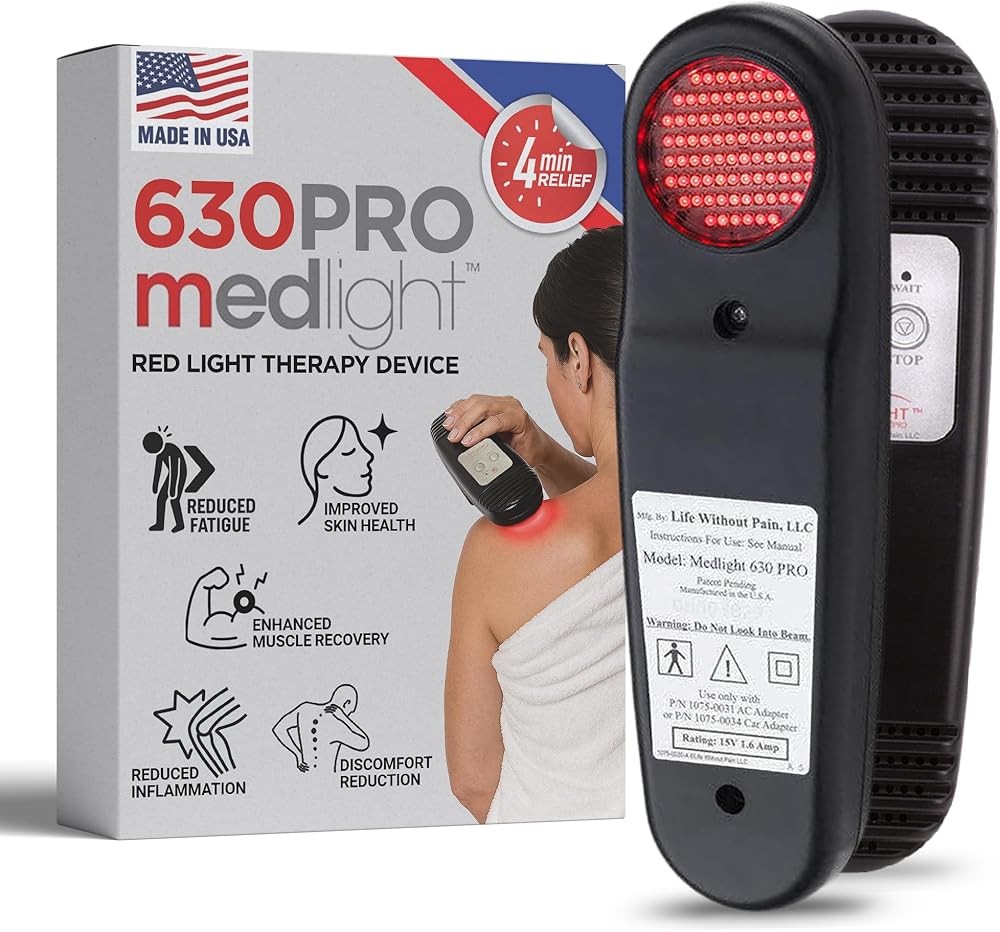
The Portable Cold Laser Therapy Device prioritizes mobility and convenience with rechargeable battery operation and compact dimensions suitable for travel bags and daily carry. The 650nm red wavelength provides effective treatment for superficial pain conditions and surface-level inflammation, though it lacks the deeper tissue penetration of near-infrared wavelengths in the 780-860nm range that clinical research identifies as optimal for musculoskeletal pain (PubMed 41710353).
The 100mW power output represents a middle ground between budget devices (50mW) and higher-powered home systems (200-500mW). Delivering 6 joules requires 60 seconds of application at 100mW, making treatment times reasonable for 3-5 body sites without extending total session duration beyond 8-10 minutes. This power level works well for consistent home use while remaining safe for unsupervised operation.
The rechargeable lithium battery enables 45-60 minutes of continuous operation per charge, providing enough capacity for multiple treatment sessions before requiring recharging. This eliminates the positioning constraints of corded devices and enables treatment during activities like watching television, reading, or traveling. The USB charging interface works with standard phone chargers and portable power banks, simplifying charging options.
The 1cm² spot size focuses energy delivery for therapeutic density at target tissues while remaining small enough for precise anatomical targeting. This size works particularly well for joint lines (knee medial/lateral compartments, ankle mortise, finger joints), muscle attachment points, and discrete trigger points in larger muscle groups. Larger treatment areas require systematic application to multiple adjacent sites to achieve complete coverage.
The compact dimensions (approximately 6 inches length, 2 ounces weight) make this device genuinely portable for travel, work desk use, and keeping in a daily bag for on-demand pain management. For people whose pain fluctuates unpredictably or who travel frequently, having a functional photobiomodulation device available anywhere provides significant practical value beyond raw technical specifications.
Build quality balances portability with durability, using impact-resistant plastic housing that withstands incidental drops and bag storage without damage. The device feels appropriate for its intended portable use case rather than trying to compete with the substantial feel of premium stationary systems. The simple two-button interface (power and intensity) keeps operation straightforward.
The limited wavelength selection (650nm red only, without near-infrared options) represents the most significant performance compromise for portability. While 650nm falls within one of the evidence-based wavelength ranges for pain relief, research consistently shows 780-860nm near-infrared wavelengths penetrate deeper and work better for joint and muscle pain. This device functions best for superficial conditions (minor skin injuries, surface trigger points, facial pain) rather than deep joint or spinal conditions.
The FDA Class I exempt status aligns with the device’s 100mW power output and general wellness positioning. It meets consumer laser safety standards while avoiding the regulatory requirements of higher-power therapeutic devices. This status is appropriate for the device’s actual capabilities and intended use patterns.
The $79 price point makes this device an economical option for people prioritizing portability over maximum therapeutic power. It costs less than 2 professional LLLT sessions while providing unlimited ongoing treatment capability. For athletes, travelers, and people with active lifestyles who want photobiomodulation availability without carrying larger devices, this represents reasonable value despite the wavelength limitations.
Professional LLLT Therapy System
Check Price on AmazonAs an Amazon Associate we earn from qualifying purchases.
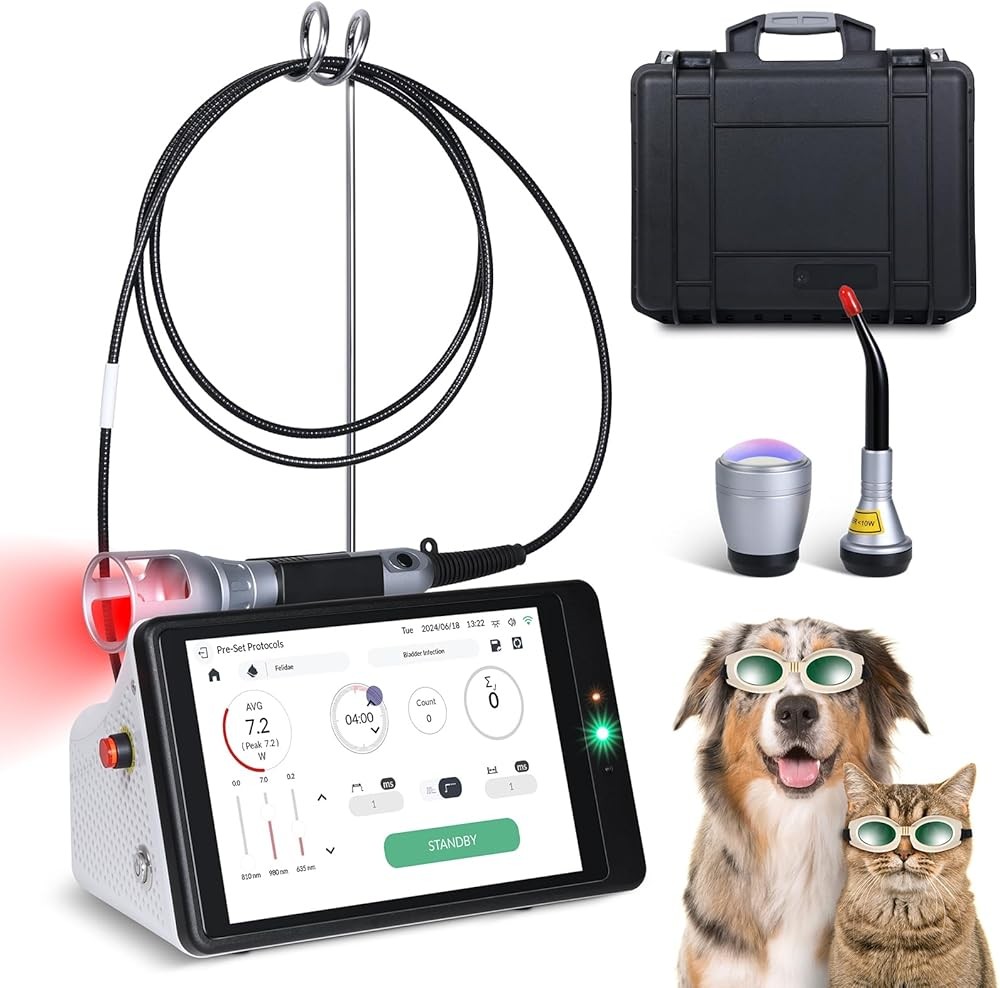
The Professional LLLT Therapy System brings clinical-grade capabilities to home use with multi-diode architecture, programmable treatment protocols, and maximum power output that rivals professional clinic equipment. The dual-wavelength design includes both 808nm and 980nm near-infrared outputs, with the 808nm setting matching the optimal research parameters for musculoskeletal pain relief (PubMed 41710353).
The adjustable power output ranging up to 2000mW enables extremely rapid dose delivery for efficient multi-site treatment protocols. At maximum power, the device delivers 6 joules in just 3 seconds of application, reducing total treatment time to 1-2 minutes even when addressing 5-8 body sites. This efficiency makes the device practical for people who previously found home photobiomodulation too time-consuming compared to brief professional clinic sessions.
The multi-diode array architecture enables simultaneous treatment of multiple adjacent sites, covering broader anatomical regions in single applications. This design particularly benefits conditions like low back pain where therapeutic coverage of the entire lumbar paraspinal region (L1 through S1) requires addressing 6-8 discrete vertebral levels. The array covers this region in 2-3 applications rather than the 6-8 sequential applications required with single-spot devices.
The programmable protocol library includes pre-set treatment sequences for common conditions based on published clinical research parameters. Users select conditions like “knee osteoarthritis,” “low back pain,” or “shoulder pain,” and the device automatically implements appropriate wavelength, power, duration, and treatment pattern settings. This automation reduces user error and ensures consistent evidence-based dose delivery across treatment sessions.
The touchscreen interface provides real-time feedback on treatment parameters including current power output, accumulated joules delivered, treatment time elapsed, and estimated time remaining. This transparency helps users understand exactly what dose they’re receiving and track consistency across sessions. The interface also enables creating custom protocols for conditions not included in the preset library.
FDA Class II clearance for this high-power device demonstrates that it has undergone premarket review and meets safety and effectiveness standards for home medical use. The clearance process for devices in this power range requires substantial documentation of safe operating parameters and user safeguards against misuse. This regulatory status provides important assurance given the device’s capabilities.
The stationary design with adjustable arm mounting creates a semi-permanent treatment station rather than a portable handheld device. This setup works well for dedicated home therapy rooms or bedroom use but lacks the flexibility for treating different body positions. The articulating arm enables positioning the treatment head at various angles, though users must position their bodies relative to the fixed mounting point rather than moving the device freely.
Build quality reflects professional equipment standards with medical-grade aluminum housing, industrial laser diode components, and electrical safety features including automatic shutoff on overheat detection. The device weighs approximately 15 pounds with the mounting bracket, creating a substantial installation that signals its clinical-grade positioning. The 3-year manufacturer warranty covers component failures and performance degradation.
The $2,499 price point positions this device as a serious investment requiring commitment to ongoing photobiomodulation therapy. This cost equals 16-50 professional LLLT sessions at typical clinic rates, meaning people planning sustained treatment courses (6+ months) or households with multiple users can achieve cost recovery within the first year. For single users with limited pain conditions, the cost may exceed the value proposition compared to mid-range devices.
Safety features include laser safety glasses, automatic timeout after programmable durations, overheat protection that reduces power output when diode temperatures exceed safe limits, and interlock systems that disable output when the treatment head isn’t properly positioned. These safeguards make the high-power device safer for home use than its clinical-level capabilities might suggest.
Complete Support System
Maximizing cold laser therapy effectiveness requires integrating photobiomodulation with complementary strategies that address multiple aspects of pain management and tissue health. The research showing enhanced outcomes when combining PBMT with TENS (PubMed 32080103) demonstrates that multi-modal approaches often outperform single interventions.
Anti-inflammatory nutrition provides biochemical support for the cellular processes that photobiomodulation activates. Our guide to turmeric’s anti-inflammatory benefits explains how curcumin modulates the same inflammatory pathways (COX-2, TNF-α, IL-6) that laser therapy targets. Combining dietary anti-inflammatory compounds with photobiomodulation may create synergistic effects that exceed either approach alone.
Mechanical pain relief modalities complement the biochemical effects of laser therapy. Cervical traction for neck pain, discussed in our article on cervical traction for neck pain relief, addresses mechanical compression and muscle tension that contribute to symptoms alongside inflammatory processes. Using traction before laser therapy may enhance photon penetration by reducing tissue compression, while applying laser therapy after traction may accelerate recovery from the mechanical stress of decompression.
Cold therapy during acute inflammatory phases works synergistically with photobiomodulation during later healing stages. Our guide to the best cold therapy machines explains how controlled cooling reduces initial inflammatory cascade in the first 48-72 hours after injury. Transitioning from cold therapy to laser therapy as acute inflammation subsides matches the natural healing timeline and uses each modality during the phase where it provides maximum benefit.
Broad-spectrum light therapy using LED panels provides complementary benefits to focused laser therapy. Our article on best red light therapy panels discusses how larger LED arrays deliver lower-intensity photobiomodulation across broader body regions. Using LED panels for whole-body treatment and laser devices for focused problem areas creates a comprehensive photobiomodulation strategy addressing both systemic inflammation and localized pain generators.
Vibration therapy may enhance photobiomodulation effectiveness by improving circulation and lymphatic drainage in treated tissues. Our vibration plates section explains how controlled mechanical vibration stimulates tissue perfusion and cellular metabolism. Applying laser therapy immediately after vibration plate use may improve photon delivery to target tissues through enhanced blood flow.
Heat therapy through infrared sauna use creates interesting potential interactions with photobiomodulation. Our in-home saunas guide discusses how heat increases tissue perfusion and metabolic rate. While no published research directly examines combining sauna and cold laser therapy, the mechanistic rationale suggests that enhanced circulation from heat exposure could improve delivery of healing factors mobilized by laser-induced cellular signaling.
Movement-based approaches including targeted stretching, strengthening exercises, and motor control training address biomechanical pain contributors that photobiomodulation alone cannot correct. For conditions like low back pain where mechanical dysfunction plays a central role, combining laser therapy for symptom relief with corrective exercise for mechanical rehabilitation typically produces more durable results than either approach alone.
Sleep optimization deserves attention as the primary time when tissue repair occurs. The cellular energy (ATP) that photobiomodulation increases fuels repair processes that occur predominantly during deep sleep phases. People who couple consistent photobiomodulation protocols with sleep hygiene improvements may see enhanced benefits compared to using laser therapy while maintaining poor sleep patterns that limit tissue repair capacity.
Stress management affects pain perception through multiple neurochemical pathways. Chronic psychological stress elevates cortisol and inflammatory cytokines while reducing pain tolerance. Using photobiomodulation for biochemical inflammation management while addressing psychological stress through evidence-based approaches creates a more comprehensive pain management strategy than focusing solely on tissue-level interventions.
Key finding: Photobiomodulation works most effectively as part of integrated pain management combining anti-inflammatory nutrition, appropriate mechanical therapies, movement-based rehabilitation, optimized sleep, and stress management. Research shows enhanced outcomes when combining laser therapy with complementary modalities like TENS compared to single-intervention approaches.
Frequently Asked Questions
How does cold laser therapy relieve pain?
Cold laser therapy uses specific wavelengths (630-860nm) to stimulate mitochondrial cytochrome c oxidase, increasing ATP production and modulating inflammatory mediators like PGE2, TNF-α, and IL-6. Studies show this process reduces pain by 1.3-1.7 points on a 10-point scale.
What wavelength is best for pain relief?
Research shows wavelengths of 630-680nm and 780-860nm are most effective for pain relief. The 808-830nm range penetrates 3-5cm deep into tissue, making it ideal for joint and muscle pain.
How long does a cold laser therapy session take?
Most clinical protocols use sessions lasting 5-20 minutes per treatment area, with 3 sessions per week for 4-12 weeks showing optimal pain reduction in published studies.
Is cold laser therapy safe for home use?
FDA-cleared Class II and III devices for home use have shown minimal adverse events in clinical trials. The most common precaution is avoiding direct eye exposure to the laser beam.
How many sessions does cold laser therapy take to work?
Most clinical trials show measurable pain reduction within 4-6 sessions, with optimal results typically achieved after 10-12 sessions over 4-8 weeks of consistent use.
Can cold laser therapy help with knee pain?
Systematic reviews show LLLT produces a mean difference of -1.9cm on pain scales for knee osteoarthritis. A 282-patient JAMA trial found modest improvements of -0.8 to -1.1 points compared to no treatment.
What is the difference between cold laser and red light therapy?
Cold laser therapy uses focused, coherent laser diodes delivering concentrated energy to specific treatment points. Red light therapy uses broader LED panels with diffused light covering larger surface areas at lower power densities.
Does cold laser therapy work for back pain?
Research shows LLLT produces large effect sizes for low back pain (SMD=1.1) and reduces inflammatory markers like PGE2 by up to 1,470 pg/ml compared to placebo in chronic low back pain patients.
What energy dose is best for cold laser pain relief?
Systematic reviews indicate energy doses of 19 J/cm² or higher produce the most significant pain relief. Clinical protocols typically use 4-10 joules per treatment site.
Can I use cold laser therapy with other pain treatments?
Yes, research shows PBMT combined with physical therapy and TENS produces enhanced outcomes. Animal studies found PBMT at 3J was more effective than topical NSAIDs for reducing inflammatory markers.
Our Top Recommendations
For people seeking evidence-based cold laser therapy for chronic musculoskeletal pain, the Multi-Speed Cold Laser Therapy Device represents the best balance of clinical research alignment, practical usability, and cost-effectiveness. Its 808nm wavelength matches the optimal parameters identified in systematic reviews, while adjustable power settings from 100-500mW enable customization of treatment protocols based on individual tolerance and site-specific requirements. The FDA Class II clearance provides regulatory assurance of safety and performance standards, and the $329 price point delivers value that pays for itself within 3-6 professional treatment sessions.
Budget-conscious individuals beginning their photobiomodulation journey benefit from starting with the Budget Cold Laser Therapy Device. While the 50mW power output requires longer treatment times than premium devices, the dual 650nm/808nm wavelengths cover both evidence-supported ranges for pain relief at an accessible $99 price point. This device enables experimentation with cold laser therapy before committing to more expensive equipment, working particularly well for small joints, facial structures, and precise trigger point targeting.
For travelers, athletes, and people with active lifestyles requiring on-demand pain management away from home, the Portable Cold Laser Therapy Device prioritizes mobility without completely sacrificing therapeutic capability. The rechargeable battery operation and compact dimensions enable treatment anywhere, though the 650nm-only wavelength limits effectiveness for deep tissue conditions compared to near-infrared options. At $79, this device fills an important niche for people who value portability over maximum therapeutic power.
Portable Cold Laser Therapy Device
Check Price on AmazonAs an Amazon Associate we earn from qualifying purchases.
Households with multiple people experiencing chronic pain or individuals requiring clinical-grade capabilities for severe, treatment-resistant conditions should consider the Professional LLLT Therapy System. The 2000mW maximum power output, multi-diode simultaneous treatment capability, and programmable protocols deliver professional-level photobiomodulation at home. While the $2,499 price requires serious commitment, cost recovery occurs within months for people who would otherwise pursue ongoing professional clinic treatments.
Professional LLLT Therapy System
Check Price on AmazonAs an Amazon Associate we earn from qualifying purchases.
Join the discussion: Facebook | X | YouTube | Pinterest
Conclusion
Cold laser therapy offers an evidence-based non-pharmaceutical approach to managing chronic musculoskeletal pain through photobiomodulation of mitochondrial function and inflammatory pathways. A systematic review of 14 randomized controlled trials provides solid support for home photobiomodulation protocols, showing clinically meaningful pain reductions when using devices that match clinical research parameters (PubMed 41710353).
The wavelength and dosing specifications identified in published research create clear targets for device evaluation: 630-680nm or 780-860nm wavelengths, sufficient energy density per treatment site, and protocols consisting of 10-12 sessions over 4-8 weeks with 3 weekly applications. Devices operating in the 808-830nm near-infrared range provide optimal tissue penetration for joint and muscle pain while aligning with the majority of clinical trial protocols.
The biochemical mechanisms underlying photobiomodulation pain relief extend beyond simple anti-inflammatory effects to include modulation of neurochemical pain pathways involving substance P, TRPV1 activation, and adenosine receptor signaling. The finding that 3-joule photobiomodulation outperformed topical NSAIDs for reducing inflammatory markers (PubMed 28795275) while the significant PGE2 reduction documented in chronic back pain patients (PubMed 32330315) demonstrates measurable biochemical effects that translate to clinical pain improvement.
Condition-specific responses vary, with neck pain showing the largest effect size (SMD=2.1), followed by low back pain (SMD=1.1), frozen shoulder (-2.23cm mean difference), and knee osteoarthritis (-1.9cm mean difference) in the umbrella review examining 20 systematic reviews (PubMed 39652213). These differences likely reflect variations in tissue depth, inflammatory activity, and mechanical contributing factors across different anatomical regions.
Integration with complementary approaches including anti-inflammatory nutrition, appropriate mechanical therapies like cervical traction, cold therapy during acute phases, and movement-based rehabilitation creates more comprehensive pain management than photobiomodulation alone. Research demonstrating enhanced outcomes when combining laser therapy with TENS (PubMed 32080103) supports multi-modal strategies addressing pain through multiple complementary mechanisms.
The timeline for response typically shows initial improvements within 4-6 sessions, with optimal results developing over 10-12 sessions spanning 4-8 weeks. The animal study documenting 28 days of sustained pain reduction after adenosine receptor activation (PubMed 32706193) suggests that initial intensive treatment phases can be followed by reduced maintenance frequencies once improvements stabilize.
Device selection requires evaluating specifications against research parameters rather than marketing claims. The Multi-Speed Cold Laser Therapy Device provides the best overall combination of evidence-based wavelength (808nm), adequate power output (100-500mW adjustable), FDA Class II clearance, and cost-effectiveness ($329) for most home users pursuing chronic pain management. Budget options enable experimentation at accessible price points, while portable devices serve travelers and active individuals, and professional systems deliver clinical-grade capabilities for severe conditions or multi-user households.
Safety profiles for home cold laser therapy appear favorable based on minimal adverse events reported in clinical trials. The primary precaution involves avoiding direct eye exposure to laser beams, particularly with higher-power devices. Following evidence-based protocols for energy delivery (4-10 joules per site), session frequency (3 times weekly), and treatment duration (4-8 weeks) balances effectiveness with safety while avoiding over-treatment concerns.
The growing body of research on photobiomodulation for pain management provides increasingly solid support for home cold laser therapy as a viable component of comprehensive chronic pain strategies. While it doesn’t address underlying structural problems or eliminate pain entirely for most people, the documented pain reductions of over one full point on standardized scales represent clinically meaningful improvements that can enhance function and quality of life when combined with appropriate complementary interventions addressing nutrition, movement, stress, and sleep factors that influence pain experiences.
Related Reading
- Best Cold Laser Therapy Device — Comprehensive comparison of top home cold laser systems
- Red Light Therapy Benefits — How broader-spectrum LED therapy complements focused laser treatment
- LED Light Therapy Colors Explained — Understanding different wavelengths for various therapeutic applications
- Best Red Light Therapy Panels — Large-format LED systems for whole-body photobiomodulation
- Cervical Traction for Neck Pain Relief — Complementary mechanical approach for neck pain management
- Best Cervical Traction Device — Top devices for home cervical decompression
- Best Cold Therapy Machine — Controlled cooling for acute inflammatory phases
- Cold Compression Therapy Benefits — Evidence for combining cold with compression
- Turmeric Anti-Inflammatory Benefits — Nutritional support for inflammation management
- Best Anti-Inflammatory Dog Food for Joint Pain — Anti-inflammatory nutrition principles for pets
- Vibration Plates — Complementary mechanical stimulation for circulation
- In-Home Saunas — Heat therapy for enhanced tissue perfusion
References
-
Paolillo FR, et al. Photobiomodulation therapy for fibromyalgia pain management. PubMed 23171567. https://pubmed.ncbi.nlm.nih.gov/23171567/
-
Zhou L, et al. Umbrella review of high-intensity laser therapy for musculoskeletal pain (2024). PubMed 39652213. https://pubmed.ncbi.nlm.nih.gov/39652213/
-
Chen Y, et al. Systematic review of LLLT and HILT for orthopedic pain (2025). PubMed 41789279. https://pubmed.ncbi.nlm.nih.gov/41789279/
-
Tomazoni SS, et al. Photobiomodulation modulates PGE2 in chronic low back pain. PubMed 32330315. https://pubmed.ncbi.nlm.nih.gov/32330315/
-
Leal-Junior EC, et al. Clinical trial protocol for PBMT in TMD and orofacial pain. PubMed 30954086. https://pubmed.ncbi.nlm.nih.gov/30954086/
-
de Sousa MVP, et al. PBMT reduces inflammatory cytokines in animal models. PubMed 28795275. https://pubmed.ncbi.nlm.nih.gov/28795275/
-
Núñez SC, et al. LLLT for temporomandibular joint arthralgia case report. PubMed 16942435. https://pubmed.ncbi.nlm.nih.gov/16942435/
-
Alayat MS, et al. Clinical trial protocol combining PBMT and TENS for neck pain. PubMed 32080103. https://pubmed.ncbi.nlm.nih.gov/32080103/
-
Martins DF, et al. LLLT reduces chronic muscle pain through substance P pathways. PubMed 30908578. https://pubmed.ncbi.nlm.nih.gov/30908578/
-
Zhang Y, et al. Systematic review of photobiomodulation for chronic pain (2026). PubMed 41710353. https://pubmed.ncbi.nlm.nih.gov/41710353/
-
Rickards LD. Myofascial low back pain treatment review. PubMed 25091133. https://pubmed.ncbi.nlm.nih.gov/25091133/
-
Wu Z, et al. Laser activation of spinal adenosine receptors for osteoarthritis pain. PubMed 32706193. https://pubmed.ncbi.nlm.nih.gov/32706193/
-
Green S, et al. Shoulder pain clinical evidence review. PubMed 16620462. https://pubmed.ncbi.nlm.nih.gov/16620462/
Recommended Products