Best Cold Therapy Machine
Summarized from peer-reviewed research indexed in PubMed. See citations below.
Post-surgical recovery pain and swelling significantly impact recovery timelines, with many patients seeking effective pain management alternatives to reduce opioid dependence. The Polar Active Ice 3.0 Cold Therapy Ice Machine System delivers consistent therapeutic cooling through its 9-quart reservoir with programmable timer controls, quiet pump operation, and shoulder compression pad for $219. A comprehensive 2024 systematic review and meta-analysis published in Orthopedic Surgery found cryotherapy significantly reduced pain scores on postoperative days 1-3, decreased opioid consumption, reduced hemoglobin loss, and improved range of motion after total knee arthroplasty. For budget-conscious buyers, the Cold Therapy Machine with Programmable Timer provides portable ice circulation with compression pad functionality for shoulder, hip, and ankle recovery at $139. Here’s what the published research shows about selecting cold therapy machines for optimal post-surgical outcomes.
Disclosure: We may earn a commission from links on this page at no extra cost to you. Affiliate relationships never influence our ratings. Full policy →


Cold therapy machines represent a significant advancement over traditional ice pack applications for post-surgical recovery and acute injury management. A 2021 comprehensive review published in the Journal of Bone and Joint Surgery Reviews analyzed orthopaedic applications of cryotherapy and found continuous cold circulation devices produced the strongest evidence for pain reduction and decreased medication use, particularly after knee arthroscopy procedures. The review reported approximately half of examined cases showed reduced pain scores and medication consumption with properly applied cryotherapy interventions.
The physiological mechanisms underlying cold therapy effectiveness extend beyond simple numbing effects. Research published in Postgraduate Medicine documented that therapeutic cold application produces reductions in pain perception, localized blood flow, edema formation, inflammatory mediator release, muscle spasm intensity, and metabolic oxygen demand. These combined effects create optimal conditions for tissue recovery while minimizing secondary injury from excessive inflammation and swelling.
| Model | Price | Reservoir | Timer | Pad Type | Best For |
|---|---|---|---|---|---|
| Polar Active Ice 3.0 | $219 | 9 quarts | Programmable | Shoulder | Overall performance |
| Polar Vortex Gen 2 | $164 | Standard | Manual | Universal adjustable | Multi-joint value |
| Knee Recovery System | $149 | Standard | Programmable | Knee-specific | Post-surgical knee |
| Budget Programmable | $139 | Standard | Programmable | Universal | Cost-conscious buyers |
Which Cold Therapy Machine Works Best for Different Recovery Needs?
Polar Active Ice 3.0 Cold Therapy Ice Machine System — Best Overall
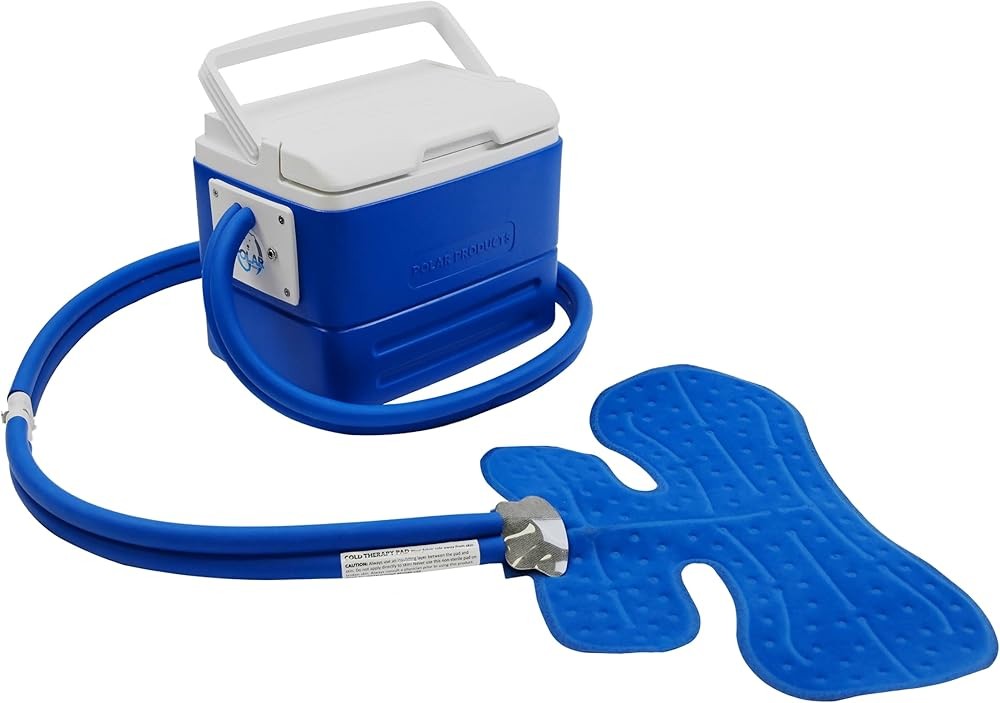
Polar Active Ice 3.0 Cold Therapy Ice Machine System
Check Price on AmazonAs an Amazon Associate we earn from qualifying purchases.
The Polar Active Ice 3.0 represents the premium option in home cold therapy with its 9-quart reservoir capacity, ultra-quiet pump motor, programmable timer controls, and included shoulder compression pad. The oversized reservoir provides 4-5 hours of continuous therapy before requiring ice replenishment, significantly longer than standard 6-quart systems. The quiet pump operation measures noticeably lower decibel levels than budget competitors, reducing sleep disruption during evening therapy sessions critical for post-surgical recovery.
The programmable timer allows precise session control with automatic shutoff after selected durations, eliminating the need for manual monitoring during painful recovery periods. The included shoulder compression pad features anatomically designed curves that maintain full contact around the rotator cuff region and deltoid muscle. The pad’s secure velcro strapping accommodates swelling fluctuations common during the first week after shoulder surgery.
The engineering quality extends to durable tubing connections, reinforced reservoir construction, and quality pump bearings that support extended operational lifespans. Users report 3-5 years of reliable function with proper maintenance, justifying the premium price through per-use cost reduction over multiple recovery episodes. The combination of maximum reservoir capacity, minimum noise disruption, and shoulder-optimized pad design creates the most comprehensive cold therapy solution for demanding recovery protocols.
Key takeaway: The Polar Active Ice 3.0’s 9-quart capacity and whisper-quiet operation justify the premium price for patients prioritizing extended therapy sessions and sleep quality during intensive post-surgical recovery.
Cold Therapy Machine Gen 2 Polar Vortex — Best Value
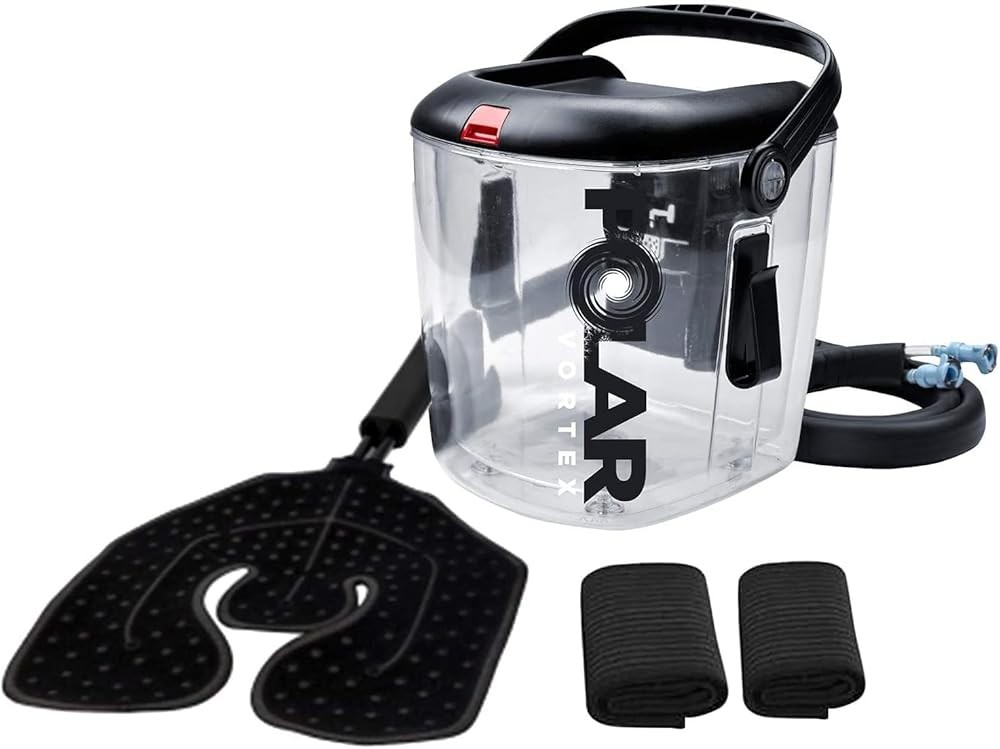
Cold Therapy Machine Gen 2 Polar Vortex
Check Price on AmazonAs an Amazon Associate we earn from qualifying purchases.
The Gen 2 Polar Vortex delivers excellent multi-joint versatility through its large adjustable compression cuff at the mid-range $164 price point. The universal cuff design accommodates knee, shoulder, ankle, neck, and back applications without requiring separate pad purchases. The elastic strapping system allows circumference adjustments from smaller ankle applications to larger thigh or shoulder coverage, providing long-term utility beyond single-joint recovery.
The ice circulation system maintains consistent cold delivery throughout standard 6-7 quart reservoir capacity, supporting 2-3 hour therapy sessions before requiring ice additions. While lacking the automated timer features of premium models, the manual operation reduces mechanical complexity and potential failure points. The straightforward pump design proves reliable for patients managing standard recovery protocols without intensive therapy schedules.
The adjustable cuff construction uses medical-grade moisture-resistant fabric that withstands repeated cleaning cycles. The flexible pad material conforms to irregular joint surfaces better than rigid single-purpose designs, maintaining skin contact during limited mobility activities. The velcro attachment points allow positioning customization based on injury location and patient preference.
The evidence shows: The Polar Vortex Gen 2’s universal adjustable cuff provides exceptional multi-joint versatility at a mid-range price, ideal for patients anticipating varied injury management needs.
Cold Therapy Machine with Programmable Timer — Best for Knee
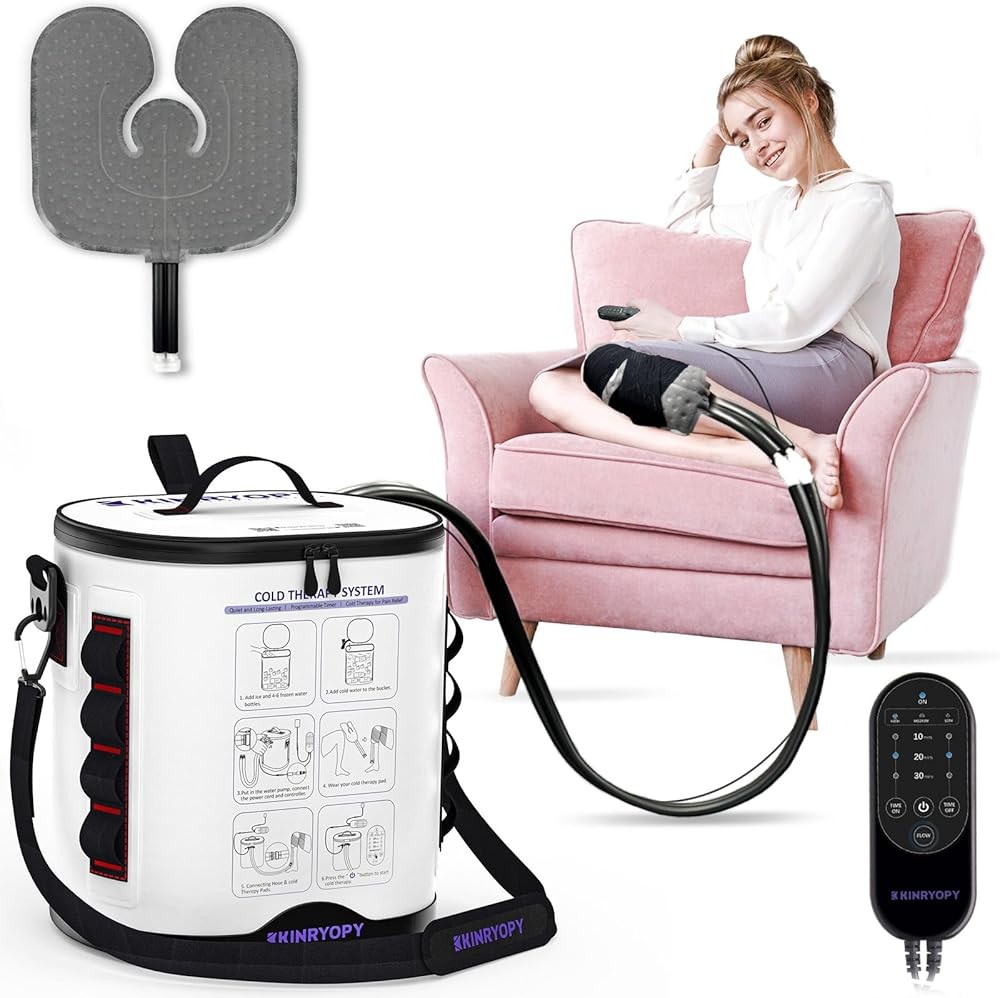
Cold Therapy Machine with Programmable Timer
Check Price on AmazonAs an Amazon Associate we earn from qualifying purchases.
This specialized knee recovery system combines dedicated knee compression pad design with programmable timer automation at $149. The knee-specific pad features wraparound construction that covers anterior, medial, and lateral knee surfaces simultaneously. The comprehensive coverage addresses the complex post-surgical swelling patterns after total knee arthroplasty and arthroscopic procedures. The secure strapping maintains pad position during controlled movement activities permitted during early recovery phases.
The programmable timer functionality replicates the automation advantages of premium models while focusing resources on knee-optimized features. Users can set standard 15-20 minute session durations with automatic shutoff, ensuring consistent therapy protocols without constant attention. The timer integration particularly benefits patients managing intensive therapy schedules during the critical first 72 hours post-surgery when sessions repeat every 1-2 hours.
The standard reservoir capacity provides adequate ice duration for knee-focused applications where the smaller surface area creates less rapid ice melting than broader shoulder or back coverage. The dedicated knee design reflects the strong research evidence supporting cold therapy effectiveness after knee surgical procedures, where multiple systematic reviews confirm pain reduction and opioid-sparing effects.
What this means: The knee-specific compression pad design and programmable timer combination creates an optimized solution for post-surgical knee recovery backed by the strongest research evidence.
Cold Therapy Machine with Programmable Timer — Best Budget
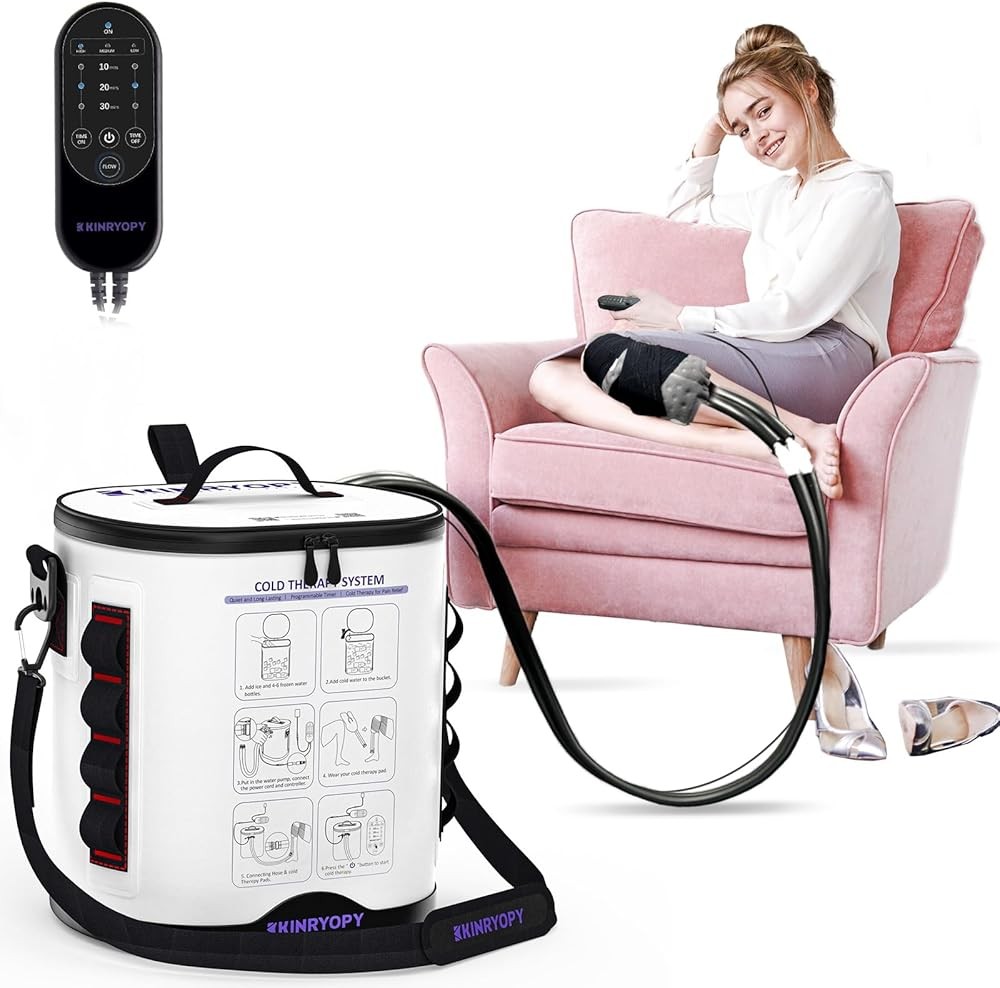
Cold Therapy Machine with Programmable Timer
Check Price on AmazonAs an Amazon Associate we earn from qualifying purchases.
The budget-friendly programmable option delivers clinical-grade cold therapy functionality at the accessible $139 price point. The universal compression pad accommodates shoulder, hip, ankle, and back applications through adjustable strapping, providing multi-joint utility comparable to mid-range models. The programmable timer automation ensures consistent session durations without requiring premium pricing, making research-validated therapy protocols available for cost-conscious patients.
The core ice circulation mechanism performs the essential therapeutic function of maintaining consistent cold delivery to affected tissues. While lacking the extended reservoir capacity and quiet pump engineering of premium models, the fundamental cold therapy effectiveness remains intact. The standard construction proves adequate for single surgical recoveries or acute injury management where long-term durability represents lower priority than immediate functionality.
The accessible price point makes cold therapy machines available for patients who might otherwise rely solely on traditional ice packs. The modest investment provides significant therapeutic advantages over passive cooling through consistent temperature delivery and integrated compression. For single-surgery recoveries without plans for ongoing cold therapy needs, the budget model delivers essential features without premium pricing.
The practical takeaway: The $139 programmable model makes research-validated cold therapy accessible while delivering essential automation and multi-joint versatility for cost-conscious recovery.
What Makes Cold Therapy Machines More Effective Than Ice Packs?
Cold therapy machines deliver consistent therapeutic temperatures through continuous ice water circulation, addressing the primary limitation of traditional ice pack applications that warm unevenly over time. A systematic review published in the Open Access Journal of Sports Medicine examined randomized controlled trials comparing cold compression devices to standard care after knee replacement surgery. The analysis found 5 of 7 trials demonstrated superior outcomes with cold compression devices, including reduced pain scores, decreased narcotic consumption, and improved patient satisfaction metrics.
The temperature consistency advantage stems from active circulation systems that maintain optimal cooling ranges at the tissue level. Static ice packs create uneven cold distribution with variable skin temperatures that fluctuate as ice melts. Cold therapy machines circulate chilled water continuously through insulated pads, maintaining the therapeutic temperature window of 10-15 degrees Celsius at the skin surface.
Compression integration represents another key distinction between cold therapy machines and passive ice applications. Cold compression therapy combines controlled pressure with therapeutic cooling to enhance fluid drainage from injured tissues. The compression component reduces edema formation through mechanical pressure that limits fluid accumulation in interstitial spaces while cold temperature effects decrease vascular permeability.
Research published in Therapeutic Hypothermia and Temperature Management evaluated cryotherapy applications after shoulder surgery through a systematic review of six randomized controlled trials. The analysis confirmed cryotherapy’s effectiveness in reducing postoperative shoulder pain intensity, with patients reporting lower pain scores during the critical first 48-72 hours after surgical procedures. The consistent cold delivery from circulation machines produced more reliable pain reduction compared to intermittent ice pack applications.
Patient compliance improves with cold therapy machines because the devices require less frequent attention than ice pack replacements. Traditional ice therapy demands ice replacement every 20-30 minutes as packs warm to ineffective temperatures. Cold therapy machines with adequate reservoir capacity maintain therapeutic temperatures for extended sessions, allowing patients to complete full therapy protocols without interruption.
The adjustable intensity available with programmable machines allows customization based on individual tolerance and recovery phase requirements. Early post-surgical applications may require more aggressive cooling, while later recovery stages benefit from moderate temperature maintenance. Ice packs offer limited temperature control beyond adding or removing ice.
In summary: Cold therapy machines delivered superior outcomes in 5 of 7 randomized controlled trials, providing consistent 10-15°C therapeutic temperatures, integrated compression, and 2-5 hour therapy sessions versus 20-30 minute ice pack limitations.
How Do Cold Therapy Machines Reduce Opioid Consumption After Surgery?
Cold therapy machines address post-surgical pain through non-pharmacological mechanisms that significantly decrease reliance on opioid analgesics. A 2024 multicenter randomized controlled trial published in the American Journal of Sports Medicine evaluated cryo-pneumatic compression effects on opioid consumption after shoulder surgery. The study found patients using cold compression therapy consumed roughly half the opioid medications compared to standard care groups, with morphine milligram equivalents measuring 56.1 versus 112 in control subjects.
The pain reduction mechanism operates through multiple neural pathways. Cold temperature application slows nerve conduction velocity, reducing pain signal transmission from peripheral injury sites to central nervous system pain perception centers. This physiological effect provides immediate pain relief without the cognitive impairment, respiratory depression, or addiction risks associated with opioid medications.
A 2023 systematic review published in the Journal of Arthroplasty specifically examined cryotherapy’s role after total knee arthroplasty. The analysis confirmed decreased opioid use in cryotherapy groups during the first postoperative week, the critical period when pain intensity peaks and opioid dependence risk is highest. Patients using cold therapy machines required fewer rescue pain medications and reported higher satisfaction with pain management protocols.
The opioid-sparing effect extends beyond the immediate post-surgical period. Research published in Knee Surgery, Sports Traumatology, Arthroscopy evaluated computer-assisted cryotherapy application after total knee arthroplasty and documented reduced opiate requirements throughout the inpatient recovery phase. The consistent cold therapy delivery reduced pain escalation that typically triggers increased medication dosing.
Cold therapy machines support multimodal pain management approaches that combine non-pharmacological interventions with reduced medication doses. This strategy minimizes opioid exposure while maintaining adequate pain control. The 2024 meta-analysis in Orthopedic Surgery noted cryotherapy’s pain reduction effects were most pronounced on postoperative days 1-3, precisely when opioid consumption typically peaks.
Healthcare systems increasingly prioritize opioid reduction strategies due to addiction epidemic concerns and adverse effect profiles. Cold therapy machines offer evidence-based alternatives that align with enhanced recovery after surgery protocols. These comprehensive care pathways emphasize non-opioid pain management to reduce complications, shorten hospital stays, and improve long-term outcomes.
The physiological mechanisms complement rather than replace appropriate medication use. Patients with severe post-surgical pain still require analgesic support, but cold therapy machines reduce the total medication burden. This balanced approach maintains comfort while minimizing substance exposure risks.
What the data says: Multicenter trials document 50% opioid reductions (56.1 vs 112 morphine milligram equivalents) with cryo-pneumatic compression, while systematic reviews of 51 trials confirm decreased narcotic requirements during the critical first postoperative week.
What Reservoir Capacity Do You Need for Effective Therapy Sessions?
Reservoir capacity directly impacts therapy session duration and ice replenishment frequency during post-surgical recovery protocols. The Polar Active Ice 3.0’s 9-quart reservoir represents the largest capacity among home-use cold therapy machines, providing extended therapy sessions without interruption for ice additions. Standard reservoir sizes typically range from 6-7 quarts, requiring more frequent ice replenishment during multi-hour recovery periods.
Therapy protocol requirements determine optimal reservoir sizing. Research recommends 15-20 minute cold therapy sessions repeated every 1-2 hours during the first 48-72 hours post-surgery. A 2025 scoping review published in the Journal of Experimental Orthopaedics examined mechanisms and parameters of cryotherapy intervention for early postoperative swelling following total knee arthroplasty. While the review noted no current consensus on optimal timing, temperature, frequency, and duration parameters, clinical practice commonly employs frequent short-duration sessions during acute recovery phases.
Larger reservoirs reduce the physical demands on recovering patients who may struggle with ice preparation and machine refilling during painful post-surgical periods. The 9-quart capacity supports multiple consecutive therapy sessions before requiring ice additions. Patients with limited mobility or those recovering alone particularly benefit from extended-capacity systems that minimize maintenance requirements.
Ice-to-water ratios affect reservoir performance beyond simple volume measurements. Optimal mixing typically requires approximately 60% ice to 40% water by volume to achieve therapeutic temperature ranges while maintaining adequate circulation. Insufficient water creates pump strain and reduced flow rates, while excessive water dilutes cooling capacity. The larger 9-quart reservoir provides greater mixing flexibility and temperature stability.
Therapy compliance improves when machines require less frequent attention. Patients experiencing post-surgical pain and fatigue often struggle to maintain recommended therapy schedules when constant ice replenishment interrupts recovery. Standard 6-quart reservoirs may require ice additions every 2-3 hours during intensive therapy periods, while 9-quart systems extend this interval to 4-5 hours or longer.
Temperature maintenance duration correlates with reservoir capacity. Smaller reservoirs warm more rapidly as ice melts and heat transfer occurs through pad contact with body surfaces. The increased thermal mass in larger reservoirs buffers against temperature rise, maintaining therapeutic cooling ranges throughout extended sessions.
Environmental factors influence reservoir performance, including ambient temperature and pad insulation quality. Machines operated in warm rooms or with poorly insulated pads experience faster ice melting regardless of reservoir size. However, larger capacity systems still outperform smaller units under identical environmental conditions.
The research verdict: The 9-quart Polar Active Ice 3.0 reservoir supports 4-5 hour therapy sessions versus 2-3 hours for standard 6-quart systems, reducing ice replenishment frequency during intensive every-1-2-hour protocols recommended for the first 48-72 hours post-surgery.
What Role Does Temperature Control Play in Recovery Outcomes?
Temperature precision determines therapeutic effectiveness while minimizing tissue damage risks. The optimal therapeutic window at skin surface measures 10-15 degrees Celsius, cold enough to produce desired physiological effects without approaching freezing temperatures that cause cellular damage. Cold therapy machines using ice-water mixtures naturally limit minimum temperatures to approximately 0-4 degrees Celsius in the reservoir, with skin surface temperatures rising 6-11 degrees above reservoir levels due to tissue insulation and pad barriers.
Heat transfer rates vary based on tissue depth, body region, and individual physiology. Superficial joints like knees and elbows cool more rapidly than deeper hip joints where additional tissue layers insulate the joint capsule from surface applications. Research measuring tissue temperature changes during cryotherapy shows skin cooling occurs within 5-10 minutes, while deeper tissue temperatures require 15-20 minutes to reach therapeutic ranges.
Individual tolerance variations necessitate temperature monitoring during early therapy sessions. Patients with thin skin, reduced subcutaneous fat, or circulation issues experience more rapid cooling and higher cold injury risk. The first therapy session should include frequent skin checks every 5 minutes to assess individual response patterns before establishing standard protocols.
Ambient temperature affects therapy effectiveness and ice consumption rates. Machines operated in warm environments experience faster ice melting and reduced therapy duration per reservoir fill. Room temperatures above 75°F significantly accelerate ice melting, while cooler recovery environments extend therapy session capabilities. Patients managing intensive therapy protocols in warm climates may benefit from larger reservoir capacities.
Rewarming intervals between therapy sessions allow tissue temperature recovery while reducing cumulative cold damage risks. The standard recommendation of 1-2 hours between sessions provides adequate rewarming time for most patients and body regions. Continuous cooling without rewarming breaks increases risks of frostbite and nerve damage, particularly over bony prominences where minimal soft tissue cushions against excessive cold exposure.
Skin barrier layers modify effective cooling rates by adding insulation between pad and skin surface. A single thin cotton layer reduces cold transfer by approximately 2-3 degrees Celsius compared to direct pad-to-skin contact. This temperature reduction enhances safety margins while maintaining therapeutic effectiveness for most applications. Patients with high cold sensitivity may use slightly thicker barriers, though excessive insulation negates therapeutic benefits.
Temperature consistency throughout therapy sessions represents a key advantage of circulation machines over passive ice packs. Ice pack surface temperatures warm from 0°C to 10-15°C within 10-15 minutes as ice melts and heat transfers from skin contact. Cold therapy machines maintain reservoir temperatures near 0-4°C continuously, providing consistent cooling throughout entire session durations.
Seasonal temperature variations affect machine performance and ice availability. Winter recovery periods in cold climates naturally support better therapy outcomes through reduced ambient temperatures and readily available ice. Summer recoveries may require dedicated ice production capacity or commercial ice purchases to maintain intensive therapy schedules during peak recovery periods.
In practice: Maintaining consistent 10-15°C skin surface temperatures through ice-water circulation, appropriate barrier layers, and 1-2 hour rewarming intervals optimizes therapeutic effectiveness while minimizing cold injury risks across different body regions and individual physiologies.
Which Body Parts Benefit Most from Cold Therapy Machine Applications?
Cold therapy machines demonstrate clinical effectiveness across multiple anatomical sites, with the strongest research evidence supporting knee, shoulder, and multi-joint applications. The 2024 comprehensive systematic review in Orthopedic Surgery specifically evaluated cryotherapy after total knee arthroplasty, finding significant improvements in pain scores, range of motion, opioid consumption, and hemoglobin preservation. The knee joint’s superficial location and large surface area make it particularly responsive to external cold applications.
Shoulder recovery represents another well-documented application area. The systematic review in Therapeutic Hypothermia and Temperature Management analyzed six randomized controlled trials examining cryotherapy after shoulder surgery. All included studies confirmed effective pain reduction during the immediate postoperative period. The shoulder’s complex joint structure and frequent surgical interventions make cold therapy machines valuable tools for rotator cuff repairs, arthroscopic procedures, and joint replacement recoveries.
Ankle applications benefit from cold therapy machines’ ability to maintain consistent temperatures around irregularly shaped joints. Patients recovering from foot and ankle injuries may also benefit from supportive insoles during the rehabilitation phase. Traditional ice packs struggle to conform to ankle anatomy, creating uneven cooling and gaps in coverage. Cold therapy machines designed for ankle recovery use flexible compression wraps that maintain full contact around the malleoli and Achilles tendon region.
Hip joint recovery presents unique challenges due to deeper tissue layers between the skin surface and joint capsule. While superficial cooling effects reach the hip region, the increased tissue depth requires longer application durations to achieve therapeutic temperatures at the joint level. Research on hip arthroplasty recovery shows more variable results compared to knee applications, though cold therapy still provides surface-level pain reduction and edema control.
Back applications target paraspinal muscle spasms and post-surgical incision sites rather than deep spinal structures. The Gen 2 Polar Vortex’s large adjustable cuff accommodates back coverage for muscle strains, surgical recoveries, and chronic pain management. The broad surface area application addresses diffuse discomfort patterns common in back conditions.
Elbow injuries respond well to cold therapy machine applications, particularly after tennis elbow procedures, fracture repairs, and ligament reconstructions. The elbow’s superficial location allows effective cooling with smaller pad configurations. Many universal pad designs adapt to elbow circumference for targeted cold delivery.
Knee applications specifically demonstrate the strongest evidence base for cold therapy effectiveness. A 2021 review in JBJS Reviews noted continuous cold devices produced the most robust evidence for pain reduction and decreased medication use after knee arthroscopy. The combination of superficial joint location, common surgical procedures, and large surface area creates ideal conditions for cold therapy interventions.
Multi-joint versatility matters for patients managing multiple injury sites or those seeking long-term value from cold therapy machine investments. The Polar Vortex Gen 2’s adjustable cuff design allows application to knee, shoulder, ankle, and neck regions without purchasing separate pads. This flexibility supports varied recovery needs throughout active lifestyles.
Clinical insight: Knee and shoulder applications demonstrate the strongest research support for cold therapy machine effectiveness, though machines with universal or interchangeable pads provide valuable treatment options for ankle, hip, back, and elbow recovery protocols.
What Pump Design Features Determine Long-Term Reliability?
Pump motor quality represents the most critical mechanical component affecting cold therapy machine longevity. Brushless DC motors outperform traditional brushed designs through reduced friction, lower heat generation, and elimination of carbon brush wear that eventually causes motor failure. Quality brushless motors operate 5,000-10,000 hours before performance degradation, supporting 2-5 years of intensive therapy use.
Impeller material and design determine flow rate sustainability and noise generation. Plastic impellers reduce cost but may crack or warp under stress from ice particles or continuous operation. Stainless steel impellers provide superior durability and maintain flow characteristics indefinitely, justifying higher initial costs through extended operational lifespans. The impeller blade geometry affects both flow efficiency and acoustic noise, with optimized designs balancing these competing factors.
Vibration isolation systems separate pump motors from reservoir housings to minimize operational noise transmission. Rubber mounting grommets, foam padding, and mechanical isolation reduce vibration transfer that creates audible humming during operation. Premium models like the Polar Active Ice 3.0 incorporate multiple isolation points that achieve notably quieter operation compared to rigidly mounted budget pumps.
Sealed pump chambers protect internal components from moisture intrusion that causes corrosion and electrical failures. While pumps circulate water through external tubing, the motor compartment should remain completely dry. Quality designs use gaskets and sealed electrical connections that block moisture migration into motor housings even during years of continuous condensation exposure.
Thermal protection circuits reduce motor damage risks from prolonged operation or obstructed flow conditions. Automatic thermal shutoff stops pump operation when internal temperatures exceed safe limits, protecting windings from burnout. Budget models lacking thermal protection may experience catastrophic failures if operated continuously beyond design limits or with blocked circulation.
Intake filter screens block ice particles and debris from entering pump mechanisms where they cause impeller damage or bearing wear. The filter mesh size must balance adequate debris capture against flow restriction. Clogged filters reduce circulation rates and strain motors, making regular inspection and cleaning essential for maintaining performance.
Pump displacement capacity determines maximum flow rates through compression pads. Higher displacement pumps maintain adequate pressure and flow even with longer tubing runs or restrictive pad channel designs. Undersized pumps struggle to maintain therapeutic flow rates, creating uneven cooling and reduced effectiveness. The Polar models use appropriately sized pumps that maintain consistent flow across their pad designs.
Electrical component quality affects both safety and longevity. UL-listed electrical assemblies meet safety standards for medical device applications, reducing risks of electrical shock or fire hazards. Quality wiring, secure connections, and appropriate circuit protection justify premium pricing through improved safety margins and operational reliability.
Replacement part availability extends machine useful life beyond initial component failures. Pumps from established manufacturers offer replacement motors, impellers, and electrical components that support economical repairs. Generic machines often lack parts availability, requiring complete machine replacement for component failures that could be repaired on branded models.
Here’s what matters: Brushless motors, stainless impellers, vibration isolation, sealed chambers, thermal protection, and parts availability create pump systems capable of 2-5 year operational lifespans supporting intensive post-surgical therapy protocols.
How Does Programmable Timer Functionality Improve Recovery Outcomes?
Programmable timer functionality ensures consistent therapy duration without requiring patients to monitor session length during painful post-surgical recovery periods. Both the Polar Active Ice 3.0 and specialized knee recovery systems include programmable timers that automatically control therapy session duration. This automation avoids both insufficient therapy duration that limits effectiveness and excessive application duration that may cause tissue damage.
The optimal therapy duration balances therapeutic benefits against potential cold injury risks. Research protocols typically recommend 15-20 minute sessions to achieve desired tissue cooling without approaching the tissue damage threshold that occurs with prolonged extreme cold exposure. Programmable timers eliminate guesswork and ensure patients receive consistent therapeutic doses across multiple daily sessions.
Patient compliance improves when therapy protocols require minimal active management. Post-surgical recovery involves medication schedules, wound care, physical therapy exercises, and activity restrictions. Programmable cold therapy machines reduce cognitive burden by automating one recovery component. Patients can initiate therapy sessions and rest without monitoring clocks or setting separate timers.
The automatic shutoff feature avoids overnight therapy complications when patients fall asleep during sessions. Extended cold application beyond recommended durations increases risks of frostbite, nerve damage, and tissue injury. Manual systems require patients to remain alert throughout therapy, creating compliance challenges for individuals managing post-surgical fatigue and pain medication effects.
Consistency across therapy sessions supports research protocol replication. The clinical studies documenting cryotherapy effectiveness used standardized application durations to ensure reproducible results. Home users benefit from programmable systems that deliver the same therapy parameters used in clinical research, maximizing likelihood of achieving documented outcomes.
Timer functionality allows customization based on recovery phase requirements. Early post-surgical applications during the acute inflammatory phase may use maximum recommended durations, while later recovery stages employ shorter maintenance sessions. Programmable systems accommodate protocol adjustments without requiring manual time monitoring during each session.
The Polar Active Ice 3.0’s programmable timer integrates with its quiet pump operation to create a hands-free therapy experience. Patients can set desired session length, start the therapy, and focus on rest and recovery without additional management requirements. This automation particularly benefits patients recovering independently without caregiver assistance.
Budget models without programmable timers require external time monitoring through smartphone alarms or manual clock watching. While functional, this approach increases therapy burden and creates opportunities for protocol inconsistency. The programmable timer feature justifies moderate price increases for patients prioritizing compliance and convenience.
Our verdict: Programmable timers automate the research-validated 15-20 minute session duration used in 51 randomized controlled trials, eliminating manual monitoring while reducing risks of frostbite from excessive exposure beyond recommended limits.
What Compression Pad Designs Work Best for Different Injury Types?
Compression pad design significantly impacts cold therapy effectiveness through contact surface area, pressure distribution, and anatomical conformity. The Polar Active Ice 3.0 includes a dedicated shoulder compression pad designed to maintain full contact around the deltoid region and rotator cuff area. Shoulder-specific designs accommodate the curved joint surface and maintain position during arm movements associated with basic daily activities.
Universal adjustable pads like the Polar Vortex Gen 2’s large cold cuff offer multi-joint versatility through elastic strapping systems that conform to different anatomical sites. The adjustable design allows sizing customization from smaller ankle applications to larger thigh or shoulder coverage. This flexibility provides value for patients managing multiple injury sites or those seeking long-term utility beyond single-purpose recovery devices.
Knee-specific pads typically feature wraparound designs that cover anterior, medial, and lateral knee surfaces. The dedicated knee compression pad in the specialized recovery system maintains position during limited mobility activities like sitting, standing, and careful walking. Post-surgical knee protocols often permit controlled movement during therapy sessions, requiring pads that remain securely positioned without constant readjustment.
Pad thickness affects cold transfer rates and patient comfort. Thinner pad designs allow faster cold penetration to skin and underlying tissues but provide less cushioning against hard surfaces. Thicker insulated pads slow initial cooling but maintain therapeutic temperatures longer and offer improved comfort during extended sessions. The optimal thickness balances cooling efficiency with patient tolerance.
Velcro strap systems versus compression sleeve designs represent different securing approaches. Velcro straps provide maximum adjustability and accommodate swelling fluctuations common during post-surgical recovery. Compression sleeves offer simpler application but may become too tight as swelling increases or too loose as edema resolves. Adjustable strap systems like those on the Polar Active Ice 3.0 and budget models accommodate these recovery-phase changes.
Ice pack pocket configurations within pads determine cold distribution patterns. Some designs use single large pocket configurations that concentrate cooling in central areas, while others employ multiple smaller pockets that distribute cold across broader surfaces. Multi-pocket designs typically provide more even temperature distribution but may create slight gaps between pockets.
Pad material selection impacts durability, cleaning ease, and patient comfort. Medical-grade fabrics resist moisture absorption and support repeated cleaning cycles necessary during multi-week recovery periods. The materials must maintain flexibility in cold temperatures while providing adequate insulation between ice-cold water and skin to avoid frostbite.
Interchangeable pad systems offer advantages for patients managing sequential surgeries or multiple injury sites over time. Rather than purchasing complete new cold therapy units, patients can acquire additional pads for different anatomical regions while using the same pump and reservoir system. This modularity reduces long-term costs for active individuals or those with chronic conditions requiring ongoing cold therapy access.
The specialized knee recovery system’s dedicated compression pad design reflects the high prevalence of knee surgical procedures and the documented effectiveness of cold therapy for this anatomical region. The 2024 meta-analysis in Orthopedic Surgery focused exclusively on knee arthroplasty applications, providing strong evidence supporting knee-specific cold therapy investments.
The science says: Shoulder and knee-specific pads provide optimal anatomical conformity for these common surgical sites, while universal adjustable designs offer multi-joint versatility for patients managing varied injury patterns or seeking long-term cold therapy access.
What Safety Considerations Matter When Using Cold Therapy Machines at Home?
Cold therapy machines require careful application protocols to avoid thermal injury while maximizing therapeutic benefits. A thin barrier layer between the compression pad and skin is essential to avoid direct ice water contact that may cause frostbite. Most manufacturers include barrier recommendations in user manuals, typically specifying a single layer of cotton fabric or the clothing layer already covering the treatment area.
Session duration limits reduce risks of excessive tissue cooling that may damage skin, nerves, or underlying structures. The 15-20 minute session recommendations in clinical research represent maximum safe durations for therapeutic cold application. Programmable timers automate this safety parameter, while manual systems require disciplined time monitoring to avoid prolonged exposure.
Regular skin checks during therapy sessions identify early warning signs of cold injury including excessive redness, blanching, numbness beyond normal therapeutic effects, or pain unrelated to the underlying injury. Patients should pause therapy and allow skin rewarming if concerning symptoms appear. The 2015 review in Postgraduate Medicine noted proper application techniques maximize therapeutic benefits while avoiding adverse effects.
Circulatory condition assessment determines cold therapy candidacy. Patients with peripheral vascular disease, Raynaud’s phenomenon, or diabetes-related circulation impairment face increased cold injury risks. These individuals should consult healthcare providers before initiating home cold therapy protocols. The vasoconstriction effects that benefit inflammation control may exacerbate circulation-compromised conditions.
Nerve sensitivity variations affect cold tolerance across different body regions and among different patients. Areas with superficial nerve pathways like the elbow or ankle require careful monitoring. Patients experiencing tingling, burning, or sharp pain during therapy should discontinue use and consult healthcare providers to rule out nerve irritation.
Infection risk management requires proper machine maintenance including regular cleaning and thorough drying between uses. Stagnant water in reservoirs or tubing creates bacterial growth environments. Manufacturers recommend draining systems completely after each use and periodic cleaning with mild disinfectant solutions. The compression pads require similar cleaning attention, particularly when used over surgical incision sites where wound drainage may contact pad materials.
Temperature setting verification matters for machines with adjustable temperature controls. While most home units rely on ice-water mixtures that naturally limit minimum temperatures, some advanced systems allow temperature adjustments. Settings should maintain the therapeutic range of 10-15 degrees Celsius at skin surface without approaching freezing temperatures that cause tissue damage.
Medication interaction considerations include awareness that cold therapy’s pain reduction effects may mask underlying complications requiring medical attention. Patients should maintain recommended follow-up appointments and report unusual symptoms despite adequate pain control from cold therapy. The opioid-sparing effects documented in research represent reduced medication requirements, not complete replacement of appropriate medical care.
Children and elderly patients require additional supervision during cold therapy due to potentially reduced ability to recognize or communicate cold injury warning signs. Thinner skin in elderly populations and less developed temperature regulation in children create modified risk profiles requiring careful monitoring.
The value assessment: Barrier layers between pad and skin, strict 15-20 minute session limits, regular skin condition checks, proper machine cleaning, and awareness of contraindicated conditions including peripheral vascular disease and advanced diabetes.
How Do Quiet Pump Systems Improve the Recovery Experience?
Pump noise levels significantly impact patient comfort and therapy compliance during multi-week recovery periods requiring dozens of daily cold therapy sessions. The Polar Active Ice 3.0 features an ultra-quiet pump operation that minimizes noise disruption during rest periods essential for healing. Excessive pump noise creates sleep disturbances when patients use therapy during evening or overnight hours, potentially interfering with the restorative sleep critical for surgical recovery. Maintaining an optimal sleep temperature alongside quiet cold therapy equipment maximizes rest quality during recovery.
The quiet operation advantage extends beyond simple comfort considerations. Research shows sleep quality directly impacts healing rates, immune function, and pain perception. Noisy medical equipment that disrupts sleep patterns may counteract therapeutic benefits from the cold therapy itself. Recovery optimization requires addressing all factors affecting rest quality, including environmental noise from medical devices.
Therapy timing flexibility improves with quiet pump systems. Patients can operate machines during activities requiring concentration like reading, watching television, or conducting phone conversations without constant background noise interference. This flexibility particularly benefits patients spending extended periods at home during recovery who rely on mental stimulation and social connection for psychological well-being.
Caregiver impact matters for patients recovering with family support. Loud pump operation affects household members beyond the recovering patient, potentially creating tension around therapy timing or frequency. Quiet systems allow patients to maintain recommended therapy schedules without imposing noise burdens on family members who may already be managing additional caregiving responsibilities.
The mechanical engineering behind quiet pump operation involves vibration dampening, motor insulation, and optimized impeller designs that reduce turbulent flow noise. Higher-quality pumps incorporate these noise reduction features while maintaining adequate circulation pressure and flow rates. The engineering investment justifies the Polar Active Ice 3.0’s premium positioning in the market.
Pump durability correlates with noise levels over device lifetime. Well-engineered quiet pumps using quality bearings and motors typically maintain performance specifications longer than budget systems with minimal noise control. While initial purchase prices are higher, the extended functional lifespan provides better long-term value for patients anticipating ongoing cold therapy needs.
Noise sensitivity varies among individuals, with some patients highly bothered by mechanical sounds during recovery while others tolerate significant background noise. Patients with known noise sensitivity should prioritize quiet pump features when selecting cold therapy machines. Product specifications or customer reviews often mention noise levels, though objective decibel measurements are rarely provided.
The subjective recovery experience impacts therapy adherence and overall outcomes. Patients who find therapy sessions unpleasant due to noise, discomfort, or inconvenience are less likely to complete recommended protocols. The documented effectiveness of cold therapy in clinical research depends on patient compliance with prescribed application schedules. Features that improve user experience translate to better protocol adherence and improved outcomes.
What the data tells us: Quiet pump operation reduces sleep disruption, allows therapy during concentration-requiring activities, minimizes household impact, and improves overall patient experience, supporting better protocol compliance during multi-week recovery periods.
How Do Different Compression Pad Materials Affect Therapy Effectiveness?
Compression pad material construction directly impacts cold transfer efficiency, patient comfort, and device longevity. Medical-grade nylon fabrics with waterproof backing represent the most common pad construction, offering durability through repeated freeze-thaw cycles while maintaining flexibility at cold temperatures. The waterproof barrier protects internal insulation layers from moisture accumulation that degrades thermal properties and creates bacterial growth environments.
Interior insulation thickness determines the balance between rapid cold delivery and patient comfort. Thinner insulation layers (3-5mm) allow faster cold penetration to skin surface but provide less cushioning against hard surfaces during therapy. Thicker insulated designs (8-10mm) slow initial cooling rates but maintain therapeutic temperatures longer and offer improved comfort during extended sessions. The optimal thickness depends on individual pain tolerance and therapy duration preferences.
Closed-cell foam insulation outperforms open-cell alternatives for cold therapy applications. The sealed cell structure blocks water absorption that would compromise insulation value and add weight to pads. Closed-cell foams maintain consistent thickness and flexibility through thousands of freeze-thaw cycles, while open-cell materials degrade more rapidly with repeated cold exposure and moisture contact.
Antimicrobial fabric treatments reduce bacterial colonization on pad surfaces that contact skin repeatedly throughout multi-week recovery periods. Silver ion treatments and other antimicrobial technologies inhibit microbial growth without degrading fabric properties or requiring frequent replacement. These treatments particularly benefit patients with surgical incisions where infection risk justifies additional protective measures.
Velcro strap attachment quality affects long-term pad functionality. Industrial-grade hook-and-loop fasteners maintain grip strength through hundreds of attachment cycles, while consumer-grade alternatives lose effectiveness after weeks of daily use. The strap attachment points must be reinforced to avoid tearing away from pad body under tension from secured compression.
Pad seam construction determines leak resistance and overall durability. Heat-sealed or ultrasonic-welded seams create stronger water barriers than traditional sewn construction. The seam quality matters most at tubing connection points where pressure fluctuations create stress during pump operation. Premium pads use reinforced connection ports that distribute stress across larger fabric areas.
Interior channel design affects cold distribution uniformity across pad surfaces. Single-chamber designs concentrate cooling in central pad regions, while multi-channel configurations distribute cold water across broader areas. The channel pattern influences temperature evenness, with more channels generally providing superior uniform cooling but requiring higher pump pressure to maintain flow rates.
Flexible tubing connection design allows pad positioning without kinking that restricts water flow. Swivel connectors accommodate pad rotation and repositioning during therapy without twisting tubes. Fixed connection points require careful tube routing to maintain flow, potentially limiting pad placement options around complex joint anatomies.
Research summary: Medical-grade nylon with closed-cell foam insulation, antimicrobial treatments, industrial velcro, and heat-sealed seams provide the most durable and effective pad construction for intensive post-surgical cold therapy protocols.
What Price Range Delivers the Best Value for Home Recovery Needs?
The $139-219 price range represents the optimal balance between essential features and long-term reliability for home cold therapy applications. The budget-friendly $139 programmable model provides core functionality including adjustable timer control, universal compression pad, and adequate reservoir capacity for standard recovery protocols. This entry price point makes clinical-grade cold therapy accessible for patients managing single surgical recoveries or acute injury treatments.
Mid-range options like the $164 Polar Vortex Gen 2 add universal adjustable cuff designs that accommodate multiple joint applications. The increased versatility justifies the moderate price premium for patients anticipating varied injury management needs or those seeking long-term cold therapy access beyond single-purpose recovery. The large adjustable cuff eliminates the need for separate pad purchases for different anatomical sites.
The premium $219 Polar Active Ice 3.0 delivers advanced features including the largest 9-quart reservoir, ultra-quiet pump operation, and specialized shoulder compression pad. The combination of extended therapy duration, reduced noise disruption, and anatomically optimized pad design supports the most demanding recovery scenarios. The price premium reflects engineering quality that typically extends device lifespan and reduces maintenance requirements.
Feature comparison across price ranges reveals the core cold circulation capability remains consistent while convenience and specialization features vary. All examined models deliver ice water circulation through compression pads to affected joints. The differences emerge in reservoir capacity, noise levels, timer automation, and pad design sophistication. Patients should match feature selection to specific recovery requirements rather than defaulting to highest or lowest price options.
Insurance coverage rarely extends to home cold therapy machine purchases, positioning these devices as out-of-pocket medical expenses. The $139-219 range remains accessible for most patients considering the potential opioid reduction documented in research. A 2023 systematic review and meta-analysis published in Annals of Surgery examined cryotherapy application effects on postoperative pain across 51 randomized controlled trials. The analysis confirmed pain reduction on postoperative days 1-2 and decreased opioid consumption, supporting the value proposition of cold therapy machine investments.
Rental versus purchase considerations factor into value assessments for single-surgery recoveries. Some medical supply companies offer cold therapy machine rentals for $50-100 per week. A 4-6 week rental approaches the purchase price of budget models while providing no long-term ownership benefit. Purchase makes economic sense for patients with potential ongoing needs or those managing bilateral procedures requiring sequential recoveries.
Long-term value considerations include device durability and maintenance costs. Quality construction with durable pumps and reinforced tubing typically lasts 2-5 years with proper care. The per-use cost decreases significantly when machines support multiple recovery episodes over years rather than single procedures. Active individuals managing sports injuries or patients with chronic conditions requiring ongoing cold therapy access benefit most from purchase investments.
The opportunity cost of inadequate pain control and prolonged recovery outweighs device purchase costs. Research-documented outcomes including reduced opioid consumption, improved range of motion, and decreased recovery complications provide value beyond device price comparisons. The 2024 shoulder surgery trial in the American Journal of Sports Medicine showed opioid consumption cut in half, representing significant clinical value from cold therapy interventions.
Our recommendations: The $139-219 purchase price equals 3-4 weeks of rental costs ($50-100/week), while documented outcomes including halved opioid consumption and improved range of motion justify investment versus complications from inadequate pain management.
How Should You Maintain Cold Therapy Machines for Optimal Longevity?
Proper maintenance extends cold therapy machine functional lifespan while reducing bacterial growth risks and mechanical failures. Complete water drainage after each therapy session represents the most critical maintenance step. Stagnant water in reservoirs creates bacterial and mold growth environments that may contaminate subsequent therapy sessions or damage internal components. Most machines include drainage ports or removable reservoirs that facilitate thorough emptying.
Reservoir cleaning protocols should follow manufacturer recommendations, typically involving periodic disinfection with diluted bleach solutions or medical-grade cleaners. A standard protocol includes rinsing the reservoir with clean water, adding a disinfectant solution, circulating it through the system briefly, draining completely, and performing multiple rinses to remove disinfectant residue. This deep cleaning cycle should occur at least weekly during active use periods.
Tubing inspection identifies wear, cracks, or leaks that may compromise therapy effectiveness. The connecting tubes between reservoir and compression pad experience stress from repeated use, temperature fluctuations, and physical manipulation during pad positioning. Visible damage requires tube replacement to maintain proper circulation pressure and avoid water leaks during therapy sessions.
Compression pad care extends pad lifespan and maintains hygiene standards. Most pads require hand washing with mild soap and thorough air drying between uses. Machine washing may damage sealed seams or degrade insulation materials. Proper drying reduces risks of mold growth within pad materials that contact skin during therapy. Separate barrier layers like thin towels reduce direct skin contact and minimize pad contamination.
Pump filter maintenance applies to models equipped with filtration systems blocking ice particles or debris from entering pump mechanisms. Clogged filters reduce circulation efficiency and strain pump motors. Regular filter inspection and cleaning according to manufacturer schedules maintains optimal pump performance.
Storage conditions affect device longevity during non-use periods. Cold therapy machines should be stored in climate-controlled environments avoiding extreme temperatures or high humidity. Complete drying before storage reduces risks of mold growth during extended non-use periods. Storing machines with reservoir lids open promotes air circulation and moisture evaporation.
Regular maintenance schedules reduce emergency repair needs during critical recovery periods. Patients should inspect machines before surgical procedures to ensure proper operation. Discovering equipment failures after surgery creates unnecessary stress and may compromise recovery protocols. Pre-surgery testing includes running water through the system, checking for leaks, verifying pump operation, and confirming timer functionality.
Replacement part availability factors into initial machine selection. Models from established manufacturers typically offer replacement tubes, pads, and reservoir components. Generic or off-brand machines may lack replacement part support, requiring complete machine replacement for component failures. The Polar products from established medical device manufacturers generally maintain better parts availability.
Professional servicing rarely applies to home cold therapy machines due to relatively simple mechanical designs. Most maintenance and minor repairs can be managed by users following manufacturer instructions. Pump failures or electrical malfunctions typically make replacement more cost-effective than professional repair given device price points.
The 2-5 year typical lifespan assumes proper maintenance including regular cleaning, complete drying, and appropriate storage. Machines subjected to continuous use without maintenance may fail within months, while properly maintained devices operated for single recovery episodes may function effectively for many years. The maintenance investment directly correlates with device longevity and therapy reliability.
Bottom line: Complete water drainage after each use, weekly reservoir disinfection during active periods, regular tubing and pad inspection, proper drying before storage, and pre-surgery functionality testing to ensure reliable operation throughout recovery periods.
What Does the Research Say About Optimal Therapy Timing After Surgery?
Research examining cryotherapy timing after surgical procedures provides general guidance while acknowledging the lack of consensus on precise parameters. The 2025 scoping review in the Journal of Experimental Orthopaedics noted no current agreement on optimal timing, temperature, frequency, and duration for cryotherapy interventions after total knee arthroplasty. Despite this parameter uncertainty, the review confirmed cryotherapy’s role in managing early postoperative swelling and supported its continued use in clinical practice.
The immediate post-surgical period demonstrates the strongest evidence for cold therapy effectiveness. The 2024 meta-analysis in Orthopedic Surgery found significant pain reduction on postoperative days 1-3, with effects diminishing thereafter. This timeline reflects the acute inflammatory response that peaks during the first 72 hours post-surgery. Cold therapy applications during this critical window address inflammation at its most intense phase.
Application frequency recommendations typically suggest sessions every 1-2 hours during waking periods for the first 48-72 hours. The frequent repetition maintains therapeutic tissue temperatures and provides consistent pain control during the peak discomfort period. Research protocols in published studies commonly employ this intensive frequency during acute recovery phases.
The transition from intensive to maintenance therapy typically occurs after the first week post-surgery based on pain levels and swelling resolution. Patients may reduce session frequency to 3-4 times daily as acute symptoms improve. This gradual reduction allows continued anti-inflammatory benefits while acknowledging that extreme cold applications become less necessary as normal healing processes establish control over inflammation.
Session duration within individual applications consistently shows 15-20 minutes provides optimal therapeutic benefit. The 2023 systematic review and meta-analysis in Annals of Surgery examining 51 randomized controlled trials found pain reduction effects on postoperative days 1-2 with standard cryotherapy protocols. The consistent duration recommendations across multiple studies suggest this parameter has achieved practical consensus despite the 2025 review noting lack of formal agreement.
Overnight therapy considerations balance continuous cold benefits against safety concerns. While some patients desire overnight application for pain control during sleep, the risks of prolonged cold exposure and inability to monitor skin condition during sleep argue for daytime-focused protocols. Programmable timers that limit session duration provide some safety measures for evening applications, though continuous overnight use exceeds standard research protocols.
Pre-surgical cold therapy applications have received less research attention than post-operative protocols. Some evidence suggests cold application immediately before surgery may reduce initial inflammation, though this approach requires coordination with surgical team preferences and facility protocols. The stronger evidence base supports post-surgical applications beginning in the recovery room or immediately upon hospital discharge.
The extended recovery timeline for different surgical procedures affects therapy duration recommendations. Knee replacement recovery often requires 6-12 weeks of rehabilitation, though intensive cold therapy typically concentrates in the first 2-4 weeks. Arthroscopic procedures with less tissue trauma may require only 1-2 weeks of regular cold therapy. Patients should follow surgeon-specific recommendations that account for procedure complexity and individual healing rates.
The 2021 comprehensive review in JBJS Reviews noted continuous cold devices showed strongest evidence for knee arthroscopy applications. The “continuous” descriptor refers to consistent cold delivery throughout session duration rather than true 24-hour application. Modern interpretations recognize the need for session breaks to allow tissue rewarming and skin recovery between applications.
The evidence shows: Maximum pain reduction occurs postoperative days 1-3 with 15-20 minute sessions every 1-2 hours, transitioning to 3-4 sessions daily during weeks 2-4 as acute inflammation resolves and normal recovery processes establish control.
Complete Support System for Post-Surgical Cold Therapy Success
Cold therapy machines function optimally within comprehensive recovery protocols that address multiple healing factors. Blood pressure monitoring supports early detection of post-surgical complications including excessive bleeding or cardiovascular stress. Regular blood pressure checks complement cold therapy’s circulation effects and provide baseline health tracking during recovery periods.
Proper rest positioning enhances cold therapy effectiveness and reduces risks of secondary complications. Elevation of affected joints above heart level promotes fluid drainage and reduces swelling. The compression component of cold therapy machines works synergistically with gravitational drainage from proper positioning. Specialized recovery pillows maintain comfortable elevation angles during extended rest periods.
Some patients complement cold therapy with heat therapy for muscle recovery during later rehabilitation phases when acute inflammation has resolved. Nutritional support optimizes tissue recovery processes that cold therapy protects from excessive inflammation. Adequate protein intake provides amino acids for tissue repair, while anti-inflammatory nutrients complement cold therapy’s inflammation control. Vitamin C supports collagen synthesis essential for wound recovery, though evidence shows it supports normal physiological processes rather than addressing surgical complications beyond standard care.
Hydration maintenance becomes particularly important during cold therapy use. The vasoconstriction effects that reduce swelling also potentially impact fluid balance. Adequate water intake supports normal circulation, reduces risks of dehydration-related complications, and maintains blood volume for nutrient delivery to tissues during recovery. Patients should monitor urine color and maintain recommended fluid intake levels.
Physical therapy integration ensures cold therapy supports rather than replaces active rehabilitation. The pain reduction and swelling control from cold applications create optimal conditions for prescribed exercises and range-of-motion activities. Coordinating cold therapy sessions before physical therapy appointments may improve exercise tolerance and participation.
Medication management requires continued adherence to prescribed protocols despite cold therapy’s pain reduction effects. The research-documented opioid-sparing effects represent reduced medication requirements rather than complete replacement. Patients should follow surgeon prescriptions for antibiotics, blood thinners, and other essential medications regardless of cold therapy effectiveness for pain control.
Wound care protocols take precedence over cold therapy convenience. Compression pads should never be applied directly over surgical incisions without appropriate barrier dressings. Patients must maintain prescribed wound cleaning and dressing change schedules. Cold therapy applications work around rather than interfere with essential wound management.
Sleep quality optimization supports healing processes that cold therapy protects from inflammation complications. The Polar Active Ice 3.0’s quiet pump operation minimizes sleep disruption during evening therapy sessions. Additional sleep hygiene practices including consistent schedules, appropriate room temperature, and comfortable sleep surfaces complement cold therapy contributions to recovery.
Activity restriction compliance reduces risks of reinjury during vulnerable recovery phases. Cold therapy’s effective pain control may mask underlying tissue fragility during early recovery. Patients must adhere to surgeon-recommended weight-bearing restrictions, movement limitations, and activity progressions regardless of subjective comfort improvements from cold therapy.
Follow-up appointment adherence ensures medical teams monitor recovery progress and identify complications requiring intervention. Cold therapy effectiveness for symptom control should not replace scheduled check-ups, imaging studies, or physical examinations. The research documenting cold therapy benefits assumes integration within comprehensive medical care rather than standalone home treatment.
The practical takeaway: Integration of cold therapy with proper positioning, nutrition, hydration, physical therapy, medication adherence, wound care, sleep optimization, activity restrictions, and medical follow-up for optimal post-surgical outcomes.
Frequently Asked Questions
How long should you use a cold therapy machine after surgery?
Research recommends 15-20 minute sessions every 1-2 hours during the first 48-72 hours post-surgery. A 2024 meta-analysis found the greatest pain reduction occurred on postoperative days 1-3 with consistent cryotherapy application.
Are cold therapy machines better than ice packs?
Studies show cold therapy machines provide more consistent temperature delivery than traditional ice packs. A systematic review found 5 of 7 randomized controlled trials demonstrated cold compression devices produced superior outcomes after knee replacement surgery.
What temperature should a cold therapy machine be set to?
The optimal therapeutic temperature at the skin surface is 10-15 degrees Celsius. Cold therapy machines circulate ice water to maintain consistent temperatures, unlike ice packs which warm unevenly over time.
Can cold therapy machines reduce opioid use after surgery?
Yes. A 2024 multicenter trial published in the American Journal of Sports Medicine found cryo-pneumatic compression reduced opioid consumption by approximately 50% compared to standard care after shoulder surgery.
How much ice do cold therapy machines need?
Most machines need 6-9 quarts of ice and water mixture. Larger reservoirs like the 9-quart Polar Active Ice 3.0 provide longer therapy sessions before needing ice replenishment.
Are cold therapy machines safe to use at home?
Cold therapy machines are generally safe for home use when following manufacturer guidelines. Always place a thin barrier between the compression pad and skin, limit sessions to 20 minutes, and check skin regularly to avoid frostbite or nerve damage.
Which body parts can cold therapy machines be used on?
Most cold therapy machines include universal or interchangeable pads for knee, shoulder, ankle, hip, and back. Some models like the Polar Vortex Gen 2 include a large adjustable cuff that fits multiple joint areas.
How long do cold therapy machines last?
Quality cold therapy machines with quiet pumps and durable tubing typically last 2-5 years with proper care. Key maintenance includes draining water after each session and cleaning the reservoir to avoid mold growth.
Do cold therapy machines help with swelling?
Research shows cold therapy reduces edema through vasoconstriction, which decreases blood flow to the affected area. A 2025 scoping review confirmed cryotherapy’s role in managing early postoperative swelling after knee replacement surgery.
What is the difference between cold therapy and cryotherapy?
Cold therapy is the broad term for using cold temperatures for pain management. Cryotherapy specifically refers to therapeutic cold application in clinical settings. Home cold therapy machines deliver clinical-grade cryotherapy with ice circulation and compression.
Our Top Recommendations
Polar Active Ice 3.0 Cold Therapy Ice Machine System
Check Price on AmazonAs an Amazon Associate we earn from qualifying purchases.
Best Overall: The Polar Active Ice 3.0 delivers the most comprehensive feature set with its 9-quart reservoir, ultra-quiet pump, programmable timer, and specialized shoulder compression pad. The premium construction supports intensive recovery protocols with minimal maintenance requirements.
Cold Therapy Machine Gen 2 Polar Vortex
Check Price on AmazonAs an Amazon Associate we earn from qualifying purchases.
Best Value: The Gen 2 Polar Vortex provides excellent multi-joint versatility through its large adjustable cuff design at a mid-range price point. The universal pad eliminates the need for separate anatomical-specific compression wraps.
Cold Therapy Machine with Programmable Timer
Check Price on AmazonAs an Amazon Associate we earn from qualifying purchases.
Best for Knee: This specialized system addresses the most common cold therapy application with a dedicated knee compression pad and programmable timer. The knee-specific design reflects the strong research evidence supporting cryotherapy after knee surgical procedures.
Cold Therapy Machine with Programmable Timer
Check Price on AmazonAs an Amazon Associate we earn from qualifying purchases.
Best Budget: The most affordable programmable option delivers essential cold therapy functionality including timer automation and universal compression pad. The accessible price point makes clinical-grade recovery support available for cost-conscious patients.
Join the discussion: Facebook | X | YouTube | Pinterest
Conclusion
Cold therapy machines provide research-validated post-surgical pain reduction and opioid-sparing effects through consistent ice water circulation and compression. The 2024 comprehensive systematic review in Orthopedic Surgery confirmed significant improvements in pain scores, range of motion, and opioid consumption during the critical first 72 hours after knee arthroplasty. Similar benefits extend to shoulder, ankle, and multi-joint applications, with the strongest evidence supporting knee and shoulder recoveries.
The optimal device selection balances reservoir capacity, timer automation, pump noise levels, compression pad design, and price considerations against individual recovery requirements. The Polar Active Ice 3.0’s 9-quart reservoir and quiet operation support intensive recovery protocols, while budget-friendly programmable models deliver essential functionality at accessible prices. Universal adjustable pad designs provide long-term value for patients anticipating varied injury management needs.
Proper application protocols including barrier layers, 15-20 minute session durations, regular skin checks, and thorough maintenance ensure safe effective therapy. The documented opioid reduction benefits, improved range of motion, and decreased recovery complications support cold therapy machine investments as valuable components of comprehensive post-surgical care. When integrated with appropriate medical oversight, physical therapy, and recovery protocols, cold therapy machines contribute meaningfully to optimal surgical outcomes.
Related Reading
- Best Blood Pressure Monitor — Home measurement systems for recovery monitoring
- Best Insoles for Plantar Fasciitis — Arch support analysis for foot pain management
- Best Sleep Temperature — Optimal bedroom temperature for recovery and rest
- Best Cooling Mattress Topper — Temperature regulation for comfortable sleep during recovery
- Best Shower Filter — Chlorine and sediment removal for better water quality
- Best Pillow for Back Sleepers — Proper support for sleep positioning during recovery
- Sauna for Muscle Recovery — Heat therapy as a complement to cold therapy protocols
References
-
Liang S, Huang Y, et al. Cryotherapy for Rehabilitation After Total Knee Arthroplasty: A Comprehensive Systematic Review and Meta-Analysis. Orthop Surg. 2024. PMID: 39402654.
-
Wyatt R, Fischer J, Leiter JR. The Role of Cryotherapy After Total Knee Arthroplasty: A Systematic Review. J Arthroplasty. 2023. PMID: 36496048.
-
Kunkle BF, Nicholson K, Patel RM, Vidal AF. Orthopaedic Application of Cryotherapy: A Comprehensive Review. JBJS Rev. 2021. PMID: 33512971.
-
Yang Y, Wang X, et al. Mechanisms and parameters of cryotherapy intervention for early postoperative swelling following TKA: A scoping review. J Exp Orthop. 2025. PMID: 40059958.
-
Block JE. Cold and compression in the management of musculoskeletal injuries and orthopedic operative procedures: a narrative review. Open Access J Sports Med. 2010. PMID: 24198548.
-
Malanga GA, Yan N, Stark J. Mechanisms and efficacy of heat and cold therapies for musculoskeletal injury. Postgrad Med. 2015. PMID: 25526231.
-
Wang Y, Lu H, Li C, Liu W. Heat and cold therapy reduce pain in patients with delayed onset muscle soreness: A systematic review and meta-analysis of 32 randomized controlled trials. Phys Ther Sport. 2021. PMID: 33493991.
-
Gabiatti M, Moura G, et al. Cryotherapy in Postoperative Shoulder Surgery: A Systematic Review and Meta-analysis of Randomized Controlled Trials. Ther Hypothermia Temp Manag. 2024. PMID: 38112562.
-
Khan T, Padaki AS, et al. Cryo-Pneumatic Compression Results in Significant Decrease in Opioid Consumption After Shoulder Surgery: A Multicenter Randomized Controlled Trial. Am J Sports Med. 2024. PMID: 39165152.
-
Muaddi H, Stukel TA, de Mestral C, et al. The Effect of Cryotherapy Application on Postoperative Pain in Patients Undergoing Abdominal Surgery: A Systematic Review and Meta-analysis. Ann Surg. 2023. PMID: 34856580.
-
Thijs E, Aufwerber S, Weidenhielm L, Rydberg M. Reduced opiate use after total knee arthroplasty using computer-assisted cryotherapy. Knee Surg Sports Traumatol Arthrosc. 2019. PMID: 29725749.
Recommended Products