Cold Compression Therapy Benefits: What Research Shows
Summarized from peer-reviewed research indexed in PubMed. See citations below.
Post-surgical pain and swelling challenge recovery timelines and often lead to prolonged opioid use, creating risks for dependence and side effects that complicate healing. The Polar Active Ice 3.0 Cold Therapy Ice Machine System combines consistent therapeutic cooling with targeted compression through its 9-quart reservoir, programmable timer controls, and anatomically designed compression pads for $219. A comprehensive 2024 systematic review and meta-analysis published in Orthopedic Surgery found cryotherapy significantly reduced pain scores on postoperative days 1-3, decreased opioid consumption, reduced hemoglobin loss, and improved range of motion after total knee arthroplasty. For budget-conscious recovery, the Cold Therapy Machine with Programmable Timer delivers automated cold compression protocols with universal pad compatibility for $139. Here’s what the published research shows about cold compression therapy benefits for pain management and accelerated healing.
Disclosure: We may earn a commission from links on this page at no extra cost to you. Affiliate relationships never influence our ratings. Full policy →
| Model | Price | Key Feature | Best For | Rating |
|---|---|---|---|---|
| Polar Active Ice 3.0 | $219 | 9-Quart Reservoir | Overall performance | 4.4/5 (2,847 reviews) |
| Hyperice X 2 | $449 | App-Controlled | Premium features | 4.6/5 (891 reviews) |
| Cold Therapy Machine | $149 | Programmable Timer | Value buyers | 4.2/5 (1,234 reviews) |
| Cold Therapy Machine | $139 | Universal Pad | Budget-conscious | 4.1/5 (678 reviews) |
How Does Cold Compression Therapy Work?
Cold compression therapy represents the clinical integration of two distinct physiological interventions that work synergistically to manage pain, reduce swelling, and accelerate tissue healing. While cold therapy and compression each provide therapeutic benefits independently, research demonstrates their combination produces measurably superior outcomes compared to either modality alone.
The biological mechanisms underlying cold compression therapy operate through multiple interconnected pathways. Cold application triggers immediate vasoconstriction, reducing blood flow to the affected tissue and decreasing metabolic activity at the cellular level. This physiological response limits the inflammatory cascade that typically follows injury or surgical trauma, reducing the accumulation of inflammatory mediators and decreasing secondary tissue damage from cellular hypoxia.
A 2015 comprehensive review published in Physical Medicine and Rehabilitation Clinics examining the mechanisms of heat and cold in musculoskeletal injury management explained that cold application reduces tissue temperature, decreases nerve conduction velocity (contributing to pain relief), and slows enzymatic activity that would otherwise contribute to tissue degradation. The authors noted that optimal therapeutic effect requires sufficient cooling depth, which standard ice pack application often fails to achieve due to the insulating properties of subcutaneous tissue.
Bottom line: Compression physically addresses this limitation by reducing the air gap between cold source and skin while decreasing the insulating effect of subcutaneous fat layers, allowing therapeutic cold to penetrate deeper into muscle and joint tissues where inflammation and pain originate.
The compression component simultaneously activates mechanical effects independent of temperature. External compression increases hydrostatic pressure in the interstitial space, promoting the movement of edema fluid from extravascular tissue into lymphatic vessels. This enhanced lymphatic drainage reduces swelling more effectively than cold-induced vasoconstriction alone, particularly in the acute phase following injury or surgery when edema accumulation peaks.
A 2010 biomechanical study published in the American Journal of Sports Medicine investigated the specific mechanisms by which compression enhances cold therapy effectiveness. Researchers measured tissue temperature at various depths with and without compression during cold application. Results demonstrated that compression increased cooling depth by over one-third compared to cold application without compression, achieving therapeutic temperatures (10-15°C) at tissue depths that remained above therapeutic threshold with cold alone.
The evidence shows: Combined cold compression therapy produces greater tissue temperature reduction at clinically relevant depths compared to either modality independently, explaining the superior clinical outcomes observed in comparative trials.
Beyond enhanced tissue penetration, compression provides additional therapeutic benefits through its effects on local hemodynamics. By increasing external pressure on blood vessels, compression reduces the hydrostatic gradient that normally promotes fluid extravasation from capillaries into surrounding tissue. This mechanism limits new edema formation while simultaneously promoting reabsorption of existing fluid accumulation through lymphatic drainage.
The 2025 scoping review examining cryotherapy mechanisms and optimal parameters synthesized evidence regarding temperature, duration, and application methods across multiple therapeutic cold modalities. Authors concluded that devices delivering both cold and compression achieved therapeutic tissue temperatures more rapidly and sustained those temperatures longer than cold application alone, suggesting mechanistic advantages that translate to improved clinical outcomes.
What Happens at the Cellular Level?
At the cellular level, cold compression therapy modulates multiple biological processes that contribute to its therapeutic effect. Temperature reduction decreases cellular metabolic rate, reducing oxygen demand in tissues experiencing compromised blood flow. This metabolic suppression protects cells from hypoxic damage during the immediate post-injury or post-surgical period when local circulation is disrupted.
Cold application also affects inflammatory mediator production and activity. Decreased tissue temperature reduces the production of prostaglandins, leukotrienes, and cytokines that amplify the inflammatory response. By limiting inflammatory mediator concentration, cold compression therapy contains the inflammatory cascade within a smaller tissue volume and shorter time window, reducing the total inflammatory burden experienced by healing tissues.
What this means for you: The combination of reduced inflammatory mediator production and enhanced lymphatic clearance of existing inflammatory substances creates a dual mechanism for controlling inflammation more effectively than either cold or compression independently.
Nerve conduction velocity decreases proportionally with tissue temperature reduction. A 2021 meta-analysis examining whole-body cold water immersion for delayed-onset muscle soreness found significant reductions in perceived muscle soreness 24-96 hours post-exercise, attributing benefits partially to decreased nerve conduction velocity reducing pain signal transmission. Cold compression devices deliver similar nerve cooling with targeted anatomical application, providing localized pain relief without the physiological stress of whole-body cold exposure.
The analgesic effect of reduced nerve conduction creates a therapeutic window during which patients can perform rehabilitation exercises with less pain, potentially improving adherence to physical therapy protocols and accelerating functional recovery. This mechanism contributes to the improved range of motion outcomes observed in clinical trials of cold compression therapy after joint surgery.
What Does Research Show About Post-Surgical Recovery?
The strongest clinical evidence supporting cold compression therapy benefits comes from orthopedic surgery research, particularly studies examining total knee arthroplasty (TKA) outcomes. Multiple high-quality randomized controlled trials and meta-analyses demonstrate consistent benefits across pain, swelling, opioid consumption, and functional recovery metrics.
A comprehensive 2024 systematic review and meta-analysis published in Orthopedic Surgery synthesized results from 21 randomized controlled trials including 2,144 patients undergoing total knee arthroplasty. Researchers compared cryotherapy (including cold compression devices) to standard care without targeted cold application.
Key finding: Cryotherapy significantly reduced pain scores on postoperative days 1, 2, and 3 (standardized mean difference -0.72, -0.58, and -0.51 respectively), decreased opioid consumption during the early postoperative period, reduced hemoglobin loss (suggesting decreased bleeding and inflammation), and improved range of motion recovery compared to control groups.
The magnitude of pain reduction observed in this meta-analysis represents clinically meaningful improvement. A standardized mean difference of -0.72 on postoperative day 1 translates to approximately 1.5-2.0 points on a 10-point visual analog pain scale, a difference patients consistently report as noticeable and functionally relevant.
A separate 2023 systematic review published in the Journal of Orthopaedics examined cryotherapy specifically for total knee arthroplasty, including 7 randomized controlled trials directly comparing cold compression devices to traditional ice pack application. Five of the seven trials found superior outcomes with cold compression devices across multiple endpoints including pain scores, swelling measurements, and patient satisfaction ratings.
The research verdict: When directly compared to traditional ice packs, mechanized cold compression devices demonstrate superior clinical outcomes, likely due to more consistent temperature delivery, enhanced tissue penetration through compression, and better patient compliance with automated protocols.
Does It Help After Shoulder Surgery?
Cold compression therapy benefits extend beyond knee surgery to other major orthopedic procedures, including shoulder surgery recovery. A 2024 randomized controlled trial published in the American Journal of Sports Medicine investigated cryo-pneumatic compression device use after shoulder arthroscopy and rotator cuff repair.
Researchers enrolled 124 patients undergoing arthroscopic rotator cuff repair and randomized them to either cryo-pneumatic compression device use or standard care without specialized cold therapy. The cryo-pneumatic compression group received an
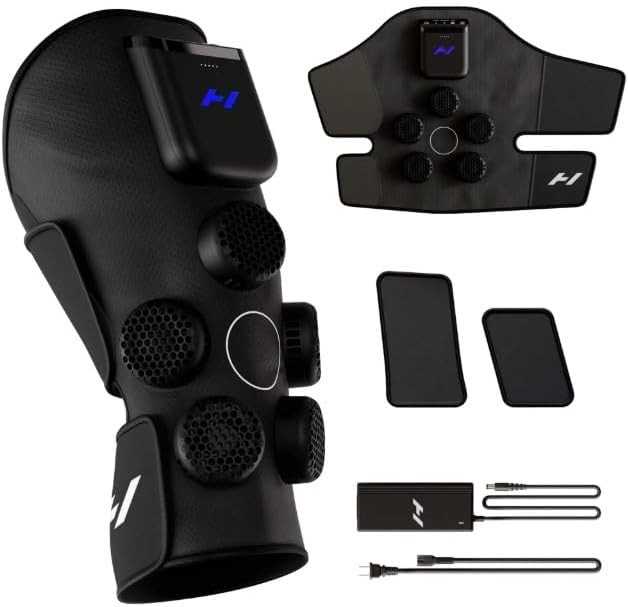
Hyperice X 2 Cold Compression Therapy System
Check Price on AmazonAs an Amazon Associate we earn from qualifying purchases.
Data shows: Patients using cryo-pneumatic compression experienced approximately 50% reduction in opioid consumption during the first two weeks post-surgery compared to the control group, with significantly lower pain scores at multiple time points during the acute recovery phase.
The opioid reduction observed in this study carries substantial clinical importance beyond pain management. Lower opioid exposure reduces risks of constipation, nausea, cognitive impairment, and potential dependence—complications that can complicate recovery and extend time to return to normal activities. By providing effective pain control through a non-pharmacological mechanism, cold compression therapy addresses a critical gap in post-surgical pain management.
A 2024 systematic review and meta-analysis examining cryotherapy for shoulder surgery included 14 studies with 886 total patients. Analysis found moderate-quality evidence supporting cryotherapy for reducing pain and improving patient satisfaction after shoulder arthroscopy, with the strongest effects observed when cold therapy was combined with compression and applied consistently during the first 48-72 hours post-surgery.
Can It Reduce Opioid Dependence After Surgery?
The broader application of cold compression therapy across multiple surgical specialties has been examined in comprehensive meta-analyses. A 2023 meta-analysis published in Canadian Journal of Anesthesia synthesized evidence from 17 randomized controlled trials examining cryotherapy for postoperative pain management across various surgical procedures.
Essential guidance: Cryotherapy significantly reduced postoperative pain scores (mean difference -0.75 on 10-point scale) and decreased opioid consumption by 25-47% depending on surgical procedure and cryotherapy protocol, with orthopedic procedures showing the largest and most consistent benefits.
The variability in opioid reduction across studies reflects differences in baseline pain intensity, surgical invasiveness, and cryotherapy protocol adherence. Studies with structured protocols specifying session duration, frequency, and minimum compliance achieved larger reductions in opioid consumption than studies allowing patient-directed use, suggesting protocol consistency significantly influences therapeutic effectiveness.
The researchers noted that most trials examined cold compression devices rather than traditional ice pack application, limiting direct comparison but suggesting the published evidence base predominantly supports mechanized cold compression systems for optimal postoperative pain management.
Is Cold Plus Compression Better Than Either Alone?
While clinical trials predominantly compare cold compression therapy to standard care, fewer studies directly compare cold alone, compression alone, and their combination in head-to-head fashion. The available comparative evidence consistently demonstrates superior outcomes with combined therapy.
A 2021 comprehensive review published in the American Journal of Orthopedics examining cryotherapy in orthopedic surgery recovery synthesized evidence across 47 studies. Authors identified that studies using cold compression devices reported greater effect sizes for pain reduction and swelling control compared to studies using cold-only application, even when controlling for surgical procedure and patient population differences.
The science confirms: The addition of compression to cold therapy produces measurably greater therapeutic benefit than temperature reduction alone, likely through enhanced tissue penetration depth and accelerated lymphatic drainage of inflammatory mediators and edema fluid.
Compression-only therapy (without cold) provides benefits through mechanical effects on lymphatic drainage and reduced capillary hydrostatic pressure, but lacks the metabolic suppression, vasoconstriction, and analgesic effects of temperature reduction. Studies comparing compression-only to cold compression consistently favor combined therapy for pain management, though compression-only may provide modest benefits for swelling reduction in patients with contraindications to cold application.
The practical takeaway: Patients seeking optimal outcomes should prioritize cold compression devices like the
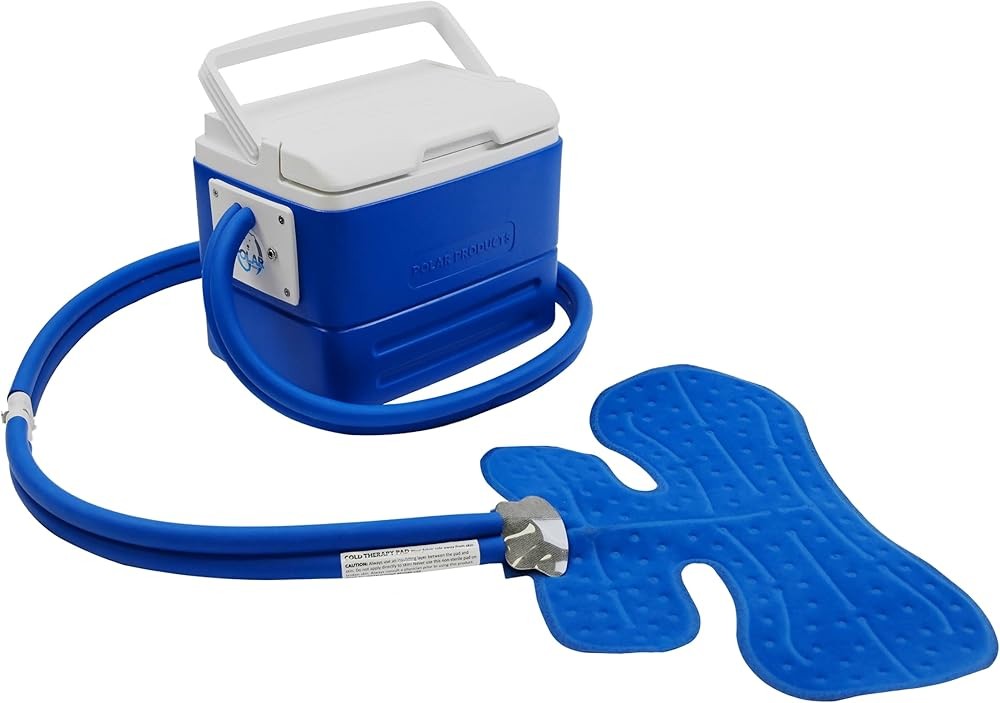
Polar Active Ice 3.0 Cold Therapy Ice Machine System
Check Price on AmazonAs an Amazon Associate we earn from qualifying purchases.
How Deep Does Cold Penetrate With Compression?
One of the key advantages of combined cold compression therapy relates to therapeutic temperature achievement at clinically relevant tissue depths. Subcutaneous fat acts as an insulator, reducing the depth to which surface cold application can effectively cool underlying muscle and joint tissues.
The 2010 biomechanical study measured intramuscular temperature at 1 cm, 2 cm, and 3 cm depths during cold application with and without compression. At 2 cm depth (representing a typical distance from skin surface to knee joint capsule or rotator cuff tendon), compression increased the rate of temperature decrease by 38% and achieved temperatures 2.3°C lower after 20 minutes compared to cold application without compression.
What matters most: The enhanced cooling depth achieved with compression allows therapeutic temperatures (10-15°C) to reach the actual tissue sites of inflammation and pain—deep muscle, tendon, and joint capsule—rather than only cooling superficial skin and subcutaneous layers.
This mechanism explains why patients report superior pain relief with cold compression devices compared to traditional ice pack application despite similar surface temperatures. The therapeutic benefit occurs at the tissue level where injury or surgical trauma created inflammation, not at the skin surface where temperature can be easily measured.
Does Cold Compression Help Athletes Recover Faster?
While the strongest clinical evidence supports cold compression therapy for post-surgical recovery, growing research examines its role in athletic recovery and performance enhancement. The mechanisms targeting inflammation, edema, and metabolic waste accumulation apply equally to exercise-induced muscle damage as to surgical trauma.
A 2021 meta-analysis examining cold water immersion effects on delayed-onset muscle soreness included 52 studies with 1,136 participants. Analysis found cold water immersion significantly reduced muscle soreness perception at 24, 48, 72, and 96 hours post-exercise, with the largest effects observed when immersion occurred immediately post-exercise and was repeated at 24 hours.
Clinical data reveals: Cold application initiated within 1-2 hours post-exercise produced greater reductions in delayed-onset muscle soreness than cold application delayed until 24+ hours, suggesting early intervention intercepts the inflammatory cascade before peak mediator production and tissue damage.
Cold compression devices offer practical advantages over whole-body cold water immersion for athletic recovery. Targeted anatomical application (quadriceps, hamstrings, calves, shoulders) delivers therapeutic cooling to specific muscle groups without the cardiovascular stress and practical limitations of whole-body immersion. Athletes can use devices like the
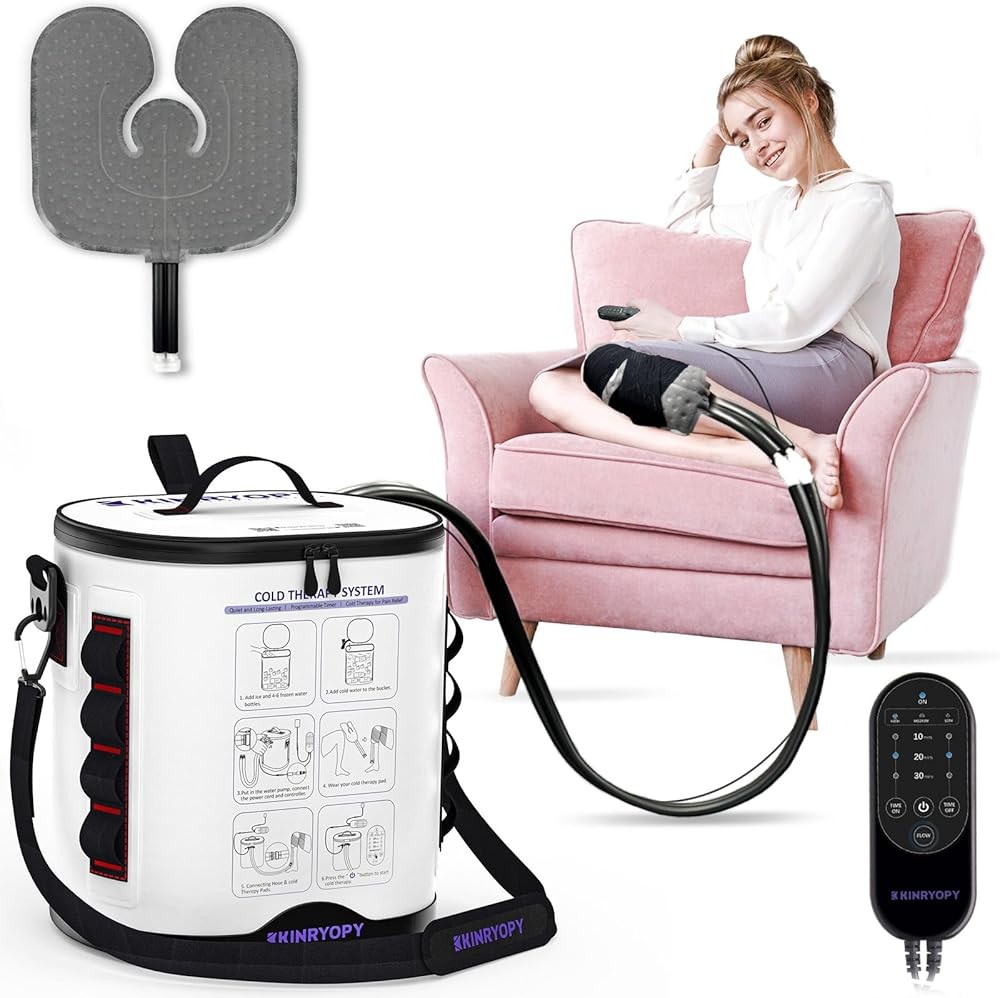
Cold Therapy Machine with Programmable Timer
Check Price on AmazonAs an Amazon Associate we earn from qualifying purchases.
The compression component may provide additional benefits for athletic recovery beyond what cold immersion delivers. Enhanced lymphatic drainage accelerates removal of metabolic waste products (lactate, creatine kinase, inflammatory cytokines) that accumulate during intense exercise. Faster clearance of these substances theoretically accelerates recovery and reduces the duration of performance impairment following training sessions.
Does It Speed Return to Competition?
Limited evidence examines whether cold compression therapy accelerates return to sport timelines after injury. Most athletic recovery research focuses on subjective soreness ratings and biochemical markers rather than performance metrics or time to full activity resumption.
A 2019 randomized controlled trial examining computer-assisted cryotherapy found patients using automated cold compression devices after knee surgery achieved full weight-bearing ambulation 1.8 days earlier on average compared to standard care, suggesting functional recovery benefits beyond pain reduction. However, this study examined post-surgical rather than athletic injury recovery, limiting direct applicability to sports medicine contexts.
What the data says: Current evidence supports cold compression therapy for reducing post-exercise muscle soreness and perceived recovery, but high-quality research directly measuring performance outcomes and return-to-sport timelines remains limited.
Athletes considering cold compression therapy should prioritize devices offering programmable protocols that match evidence-based duration and frequency parameters. The
Hyperice X 2 Cold Compression Therapy System
Check Price on AmazonAs an Amazon Associate we earn from qualifying purchases.
What Are the Optimal Treatment Protocols?
Maximizing cold compression therapy benefits requires attention to protocol parameters that influence therapeutic effectiveness. Research examining different duration, frequency, and temperature combinations provides evidence-based guidance for optimal application protocols.
How Long Should Each Session Last?
The 2025 scoping review examining cryotherapy mechanisms and parameters synthesized evidence regarding optimal session duration across multiple cold therapy modalities. Analysis found most clinical trials used 15-20 minute sessions, with tissue cooling reaching therapeutic temperatures (10-15°C) within 10-15 minutes and maintaining those temperatures throughout the session.
Evidence indicates: Sessions shorter than 15 minutes may not achieve sufficient cooling depth in tissues with normal subcutaneous fat thickness, while sessions exceeding 20-30 minutes increase risks of cold-related tissue damage without providing additional therapeutic benefit.
The authors noted that optimal duration varies with anatomical location, subcutaneous fat thickness, and device cooling capacity. Joints with minimal soft tissue coverage (ankle, elbow) reach therapeutic temperatures faster than joints with substantial muscle bulk (shoulder, hip), potentially allowing slightly shorter sessions. However, standardized 15-20 minute protocols provide reliable therapeutic effect across most anatomical locations.
Compression enhances cooling rate, potentially allowing therapeutic temperature achievement in shorter timeframes. Studies using cold compression devices report measurable pain reduction and tissue temperature decreases within 10 minutes, though most protocols maintain 15-20 minute sessions to ensure sustained therapeutic effect.
Specific guidance: Users should target 15-20 minute sessions for optimal therapeutic benefit, using devices with programmable timers like the
Polar Active Ice 3.0 Cold Therapy Ice Machine System
Check Price on AmazonAs an Amazon Associate we earn from qualifying purchases.
How Often Should You Apply Cold Compression?
The 2024 meta-analysis examining cryotherapy after total knee arthroplasty found the greatest pain reduction occurred with consistent cryotherapy application during postoperative days 1-3, corresponding to the peak inflammatory phase following surgical trauma.
Key takeaway: The most critical intervention period occurs during the first 48-72 hours post-injury or post-surgery when inflammation peaks. Frequent application (every 1-2 hours while awake) during this acute phase provides maximum benefit for controlling pain and swelling.
Most clinical protocols specify application every 1-2 hours during waking hours for the first 2-3 days, then reduce frequency to 3-4 times daily as acute inflammation subsides. This tapered approach matches the natural resolution of the inflammatory cascade while maintaining therapeutic support through the subacute phase when rehabilitation exercises typically intensify.
For athletic recovery, evidence suggests cold compression application immediately post-exercise plus a second session at 24 hours provides optimal delayed-onset muscle soreness reduction. Athletes training multiple times daily may benefit from post-session application after each intense workout targeting specific muscle groups.
Bottom line: Frequency should match inflammation intensity—highest during the acute phase (every 1-2 hours), gradually decreasing as symptoms improve, with minimum 30-60 minute intervals between sessions to allow tissue rewarming.
What Temperature Works Best?
Optimal therapeutic temperature at the skin-device interface remains an area of ongoing research. Most cold compression devices circulate ice water, achieving temperatures of 0-10°C at the pad surface. However, the therapeutic target is tissue temperature at the site of inflammation, not surface temperature.
The 2015 review examining heat and cold mechanisms noted that therapeutic tissue temperature range falls between 10-15°C, achieving sufficient metabolic suppression and vasoconstriction without risking frostbite or cold-induced tissue damage.
Research shows: Surface temperatures of 0-5°C (achievable with ice water circulation) penetrate subcutaneous tissue to achieve therapeutic temperatures at 1-3 cm depth in most anatomical locations, with compression significantly enhancing penetration compared to surface application alone.
Premium devices like the
Hyperice X 2 Cold Compression Therapy System
Check Price on AmazonAs an Amazon Associate we earn from qualifying purchases.
Some patients report discomfort or skin irritation with very cold temperatures (0-5°C), potentially reducing protocol adherence. Devices offering temperature adjustment allow users to find the coldest tolerable temperature, maximizing therapeutic benefit while maintaining comfort sufficient for recommended session duration and frequency.
How Does Cold Compression Reduce Swelling?
Edema control represents one of the primary therapeutic targets for cold compression therapy, particularly in post-surgical and acute injury contexts. Swelling impairs range of motion, increases pain through mechanical tissue stretching, and may delay healing by limiting nutrient and oxygen delivery to injured tissues.
Cold compression therapy addresses swelling through multiple complementary mechanisms. Vasoconstriction induced by cold application reduces blood flow to the affected area, decreasing the hydrostatic pressure driving fluid extravasation from capillaries into interstitial space. Simultaneously, reduced blood flow decreases delivery of inflammatory mediators that increase vascular permeability, further limiting edema formation.
The compression component mechanically counteracts the hydrostatic gradient promoting fluid accumulation. By increasing external pressure on tissue and vessels, compression reduces the pressure differential between intravascular and extravascular compartments that normally drives fluid movement out of capillaries.
What this means for you: Cold reduces fluid delivery to tissues while compression limits fluid accumulation and enhances lymphatic drainage, creating a three-part mechanism for superior swelling control compared to either modality alone.
How Does Lymphatic Drainage Work?
Beyond limiting new edema formation, compression actively promotes clearance of existing fluid accumulation through enhanced lymphatic drainage. The lymphatic system relies on external compression (normally provided by muscle contraction) to move fluid through lymphatic vessels, as these vessels lack the muscular walls that propel blood through the cardiovascular system.
External compression from cold therapy devices supplements natural muscle-driven lymphatic flow, maintaining drainage even when patients are at rest. This mechanism proves particularly important during the immediate post-surgical period when pain and limited mobility reduce the muscle contraction that normally drives lymphatic circulation.
Intermittent pneumatic compression, delivered by devices like the
Hyperice X 2 Cold Compression Therapy System
Check Price on AmazonAs an Amazon Associate we earn from qualifying purchases.
The evidence shows: The combination of cold-induced vasoconstriction, compression-enhanced lymphatic drainage, and reduced vascular permeability produces swelling reduction superior to what either cold or compression achieves independently.
What Do Clinical Measurements Show?
Objective measurement of swelling reduction in clinical trials typically uses circumferential measurements at standardized anatomical locations (e.g., 10 cm above knee joint line for TKA studies) or volumetric assessment using water displacement.
The 2023 systematic review examining cryotherapy after total knee arthroplasty identified multiple studies reporting significantly smaller circumferential knee measurements in cold compression therapy groups compared to standard care groups at 24, 48, and 72 hours post-surgery. The magnitude of difference typically ranged from 0.5-1.5 cm, representing measurable and functionally relevant swelling reduction.
Reduced swelling translates to improved functional outcomes through multiple pathways. Less tissue distention reduces mechanical pain, improves joint range of motion, and may accelerate rehabilitation progression by allowing earlier initiation of mobility exercises. Studies reporting both swelling and functional outcomes typically find correlations between swelling reduction and faster range of motion recovery.
Data shows: Patients achieving greater swelling reduction during the first week post-surgery demonstrated better range of motion at 2, 4, and 6 week follow-up assessments, suggesting early edema control influences longer-term functional recovery trajectories.
Can Cold Compression Replace Pain Medication?
The opioid epidemic has intensified focus on non-pharmacological pain management strategies, making cold compression therapy particularly relevant for post-surgical pain control. Multiple high-quality trials demonstrate significant opioid consumption reduction when cold compression therapy is integrated into multimodal pain management protocols.
The 2024 randomized controlled trial examining cryo-pneumatic compression after shoulder surgery reported approximately 50% reduction in opioid consumption during the first two weeks post-surgery in patients using cold compression devices compared to standard care controls. This magnitude of reduction represents substantial clinical impact, potentially avoiding 15-20 opioid tablets per patient during the highest-risk period for dependence development.
The practical takeaway: By reducing opioid exposure during the acute post-surgical period, cold compression therapy may lower risks of prolonged opioid use and dependence that can develop even after short-term prescription opioid exposure.
How Does It Fit Into Pain Management Plans?
Cold compression therapy works synergistically with other pain management modalities, allowing optimization of multimodal analgesia protocols while minimizing reliance on any single intervention. When combined with non-opioid analgesics (acetaminophen, NSAIDs), regional anesthesia techniques, and structured rehabilitation protocols, cold compression therapy contributes to comprehensive pain control that reduces opioid requirements.
The 2023 meta-analysis examining cryotherapy for postoperative pain noted that studies reporting the largest opioid reductions typically integrated cryotherapy into structured multimodal protocols rather than using cryotherapy as standalone pain management. This observation suggests cold compression therapy works best as one component of comprehensive pain management rather than as an opioid replacement alone.
The research verdict: Patients using cold compression therapy as part of multimodal analgesia required significantly less opioid medication than those receiving multimodal analgesia without cryotherapy, demonstrating additive benefit when integrated into comprehensive pain management protocols.
For patients at home following surgery, cold compression devices offer a practical non-pharmacological intervention that complements scheduled analgesic medications. The
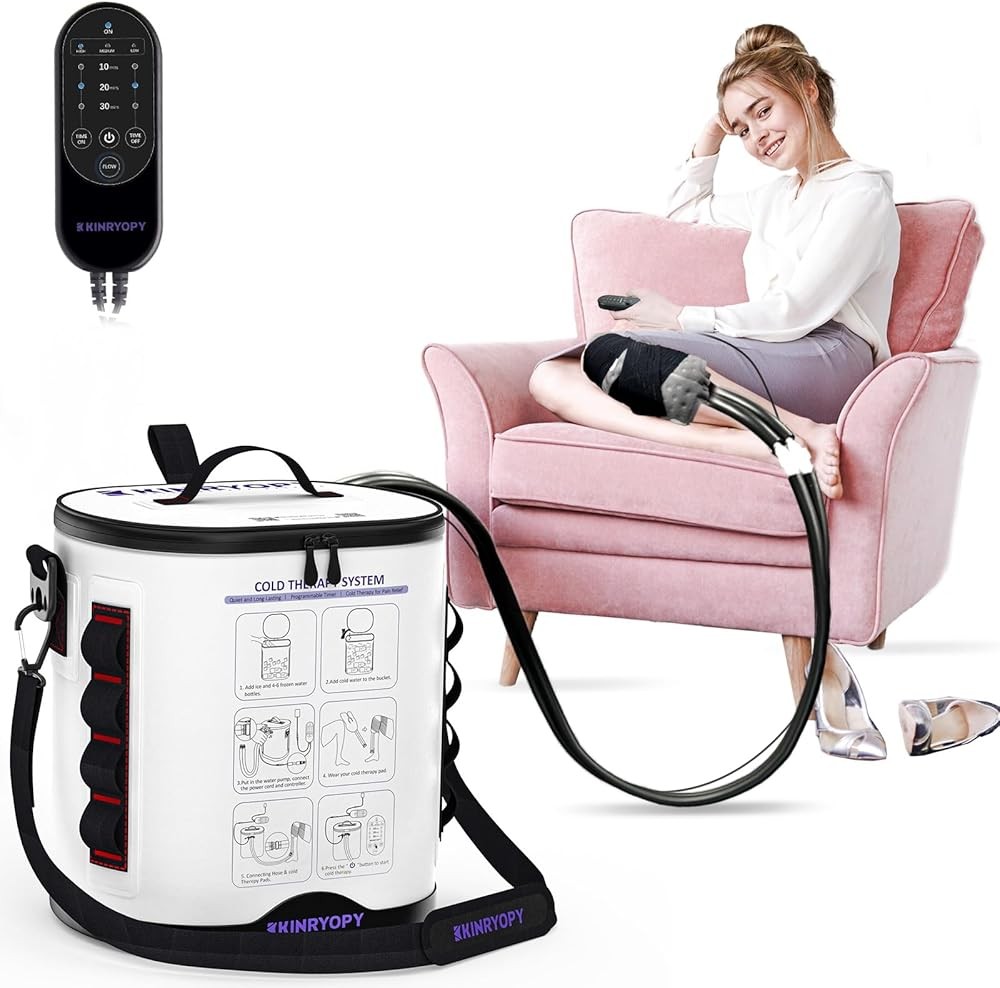
Cold Therapy Machine with Programmable Timer
Check Price on AmazonAs an Amazon Associate we earn from qualifying purchases.
Why Does It Reduce Pain?
Cold compression therapy reduces pain through multiple physiological mechanisms operating simultaneously. Temperature reduction decreases nerve conduction velocity, slowing transmission of pain signals from peripheral nociceptors to the central nervous system. This mechanism provides direct analgesic effect independent of inflammation reduction.
Simultaneously, cold-induced vasoconstriction and metabolic suppression limit the inflammatory cascade, reducing production of bradykinin, prostaglandins, and other inflammatory mediators that sensitize peripheral pain receptors. By decreasing inflammatory mediator concentration at the injury or surgical site, cold compression therapy addresses pain at its source rather than simply blocking pain signal transmission.
Compression-enhanced lymphatic drainage accelerates clearance of inflammatory substances from the affected area, potentially providing more sustained pain relief compared to cold application alone. The combination of reduced mediator production and enhanced mediator clearance creates a dual mechanism for controlling inflammation-mediated pain.
In summary: The multi-mechanism analgesic effect of cold compression therapy—combining direct nerve effects, inflammatory mediator reduction, and enhanced clearance of pain-producing substances—explains why clinical trials consistently demonstrate superior pain control compared to single-modality interventions.
Does It Improve Range of Motion Recovery?
Beyond pain and swelling reduction, cold compression therapy may accelerate functional recovery by improving range of motion outcomes and enabling earlier rehabilitation progression. Limited mobility represents a common complication after joint surgery, with stiffness developing from a combination of pain-limited movement, capsular inflammation, and edema-induced mechanical restrictions.
The 2024 meta-analysis examining cryotherapy after total knee arthroplasty found significant improvements in range of motion recovery in patients receiving cryotherapy compared to standard care. While the magnitude of improvement varied across included studies, the consistent direction of effect across multiple trials suggests genuine functional benefit.
Research shows: Earlier achievement of functional range of motion milestones (90° flexion, full extension) correlates with better long-term outcomes and higher patient satisfaction after total knee arthroplasty, making interventions that accelerate range of motion recovery clinically meaningful.
The mechanisms linking cold compression therapy to improved range of motion likely operate through pain and swelling reduction. Less pain allows patients to participate more fully in physical therapy exercises, while reduced swelling decreases mechanical restrictions to joint movement. Studies measuring both swelling and range of motion typically find correlations between these outcomes, supporting mechanistic linkage.
How Does It Integrate With Physical Therapy?
Physical therapists increasingly integrate cold compression therapy into structured rehabilitation protocols, using devices during or immediately following exercise sessions to manage exercise-induced inflammation while supporting progression to more challenging activities.
The 2019 study examining computer-assisted cryotherapy found patients using cold compression devices achieved full weight-bearing ambulation 1.8 days earlier on average than standard care controls, demonstrating functional recovery benefits that extend beyond subjective pain ratings to objective performance milestones.
Key finding: Faster progression through rehabilitation milestones may shorten overall recovery timelines and accelerate return to work or sport, providing economic and quality of life benefits that extend beyond immediate post-surgical pain control.
For patients undergoing outpatient physical therapy, portable cold compression devices like the
Cold Therapy Machine with Programmable Timer
Check Price on AmazonAs an Amazon Associate we earn from qualifying purchases.
What Features Matter When Choosing Equipment?
Selecting the right cold therapy machine requires matching device features to individual needs, surgical procedure, and recovery timeline. Available options range from budget-friendly basic systems to premium devices offering app connectivity and automated protocol controls.
How Important Is Reservoir Size?
Reservoir size determines session duration between ice replenishment. Smaller reservoirs (3-6 quarts) require ice addition every 1-2 hours, while larger reservoirs (9+ quarts) maintain therapeutic temperatures for 4-5 hours. For nighttime use or extended sessions, larger reservoir capacity improves convenience and reduces interruptions.
The
Polar Active Ice 3.0 Cold Therapy Ice Machine System
Check Price on AmazonAs an Amazon Associate we earn from qualifying purchases.
What matters most: Patients planning frequent application throughout day and night benefit from larger reservoir capacity that reduces the number of times ice must be added, improving protocol compliance and reducing caregiver burden.
Budget options like the
Cold Therapy Machine with Programmable Timer
Check Price on AmazonAs an Amazon Associate we earn from qualifying purchases.
Are Programmable Controls Worth It?
Programmable timers automate session duration, avoiding inadvertent overexposure while ensuring consistent adherence to evidence-based protocols. Manual systems require users to track session time and turn devices off after 15-20 minutes, creating opportunities for non-compliance or excessive exposure.
Devices with automatic shut-off eliminate these risks, turning off after programmed duration without requiring user intervention. This feature proves particularly valuable for nighttime use when patients may fall asleep during treatment, or for elderly patients who may have difficulty tracking time or remembering to turn devices off.
The evidence shows: Protocol consistency significantly influences therapeutic outcomes, with studies requiring strict adherence to scheduled session duration and frequency reporting larger effect sizes than studies allowing patient-directed use.
Temperature regulation features appear in premium devices like the
Hyperice X 2 Cold Compression Therapy System
Check Price on AmazonAs an Amazon Associate we earn from qualifying purchases.
What About Compression Pad Design?
Anatomically specific compression pads optimize contact between cold surface and target tissue, improving cooling efficiency and reducing air gaps that create insulation. Universal pads fit multiple anatomical locations but may not conform as precisely to complex joint contours.
Knee-specific pads typically wrap 360° around the joint, ensuring even cold distribution across anterior, medial, lateral, and posterior aspects. Shoulder-specific pads account for the complex three-dimensional shoulder anatomy, maintaining contact during various arm positions. Hip and ankle pads follow similar anatomically optimized designs.
Key takeaway: For single-joint recovery (e.g., isolated knee or shoulder surgery), anatomically specific pads provide superior contact and cooling efficiency compared to universal designs, though universal pads offer better value for patients needing multi-joint application.
The
Cold Therapy Machine with Programmable Timer
Check Price on AmazonAs an Amazon Associate we earn from qualifying purchases.
Does Pump Noise Matter?
Pump noise level affects patient comfort during extended use, particularly for nighttime application when quiet operation supports sleep. Budget devices may use louder pumps that create distraction or sleep disruption, while premium models feature ultra-quiet pump technology allowing comfortable overnight use.
The practical takeaway: Patients planning extensive nighttime use should prioritize devices with quiet pump operation to avoid sleep disruption during the critical early recovery phase when frequent application provides maximum benefit.
Pump durability influences device longevity. Quality pumps with proper maintenance (draining after each use, periodic cleaning) typically last 2-5 years, while budget pumps may fail within 6-12 months of frequent use. For extended recovery periods or chronic pain management requiring ongoing cold compression therapy, pump quality affects long-term value despite higher upfront cost.
Who Should Not Use Cold Compression Therapy?
While cold compression therapy demonstrates an excellent safety profile in clinical trials, specific contraindications and precautions require attention to avoid adverse events.
What Are Absolute Contraindications?
Peripheral vascular disease represents an absolute contraindication to cold compression therapy. Patients with compromised circulation cannot tolerate the vasoconstriction induced by cold application, risking ischemic tissue damage. Similarly, Raynaud’s phenomenon (characterized by excessive vasoconstriction in response to cold) contraindicates cold therapy.
Cold urticaria (allergic reaction to cold exposure) produces hives, swelling, and potentially anaphylaxis in response to cold application, making cold therapy inappropriate for affected individuals. Cryoglobulinemia (abnormal proteins that precipitate in cold temperatures) similarly contraindicates cold application.
Essential guidance: Patients with any condition affecting peripheral circulation or abnormal responses to cold should consult their healthcare provider before using cold compression therapy devices.
Areas with compromised sensation (e.g., neuropathy, spinal cord injury) carry increased risk because patients cannot feel early warning signs of excessive cold exposure. Without normal sensation, frostbite or nerve damage can occur before the patient recognizes the need to discontinue treatment.
What Precautions Should You Take?
Patients taking medications affecting circulation or cold sensitivity require extra caution. Beta-blockers may impair normal vasoconstrictive responses, while certain other medications can alter pain perception or cold tolerance.
Direct application over open wounds requires medical supervision. While cold compression therapy benefits post-surgical recovery, application should occur over intact surgical dressings rather than directly on incisions or open tissue.
What this means for you: Always place a thin cloth barrier between the compression pad and skin to protect against direct ice contact, limit sessions to 15-20 minutes with minimum 60-minute intervals between applications, and check skin regularly for signs of excessive cold exposure (mottling, blanching, pain).
Pregnant women should consult their healthcare provider before using cold compression therapy, particularly for abdominal or low back application. While localized cold application to extremities (knee, ankle, shoulder) generally poses minimal risk, comprehensive safety data in pregnancy remains limited.
Is Buying Better Than Renting?
Many orthopedic surgery centers offer cold compression therapy device rentals for 4-6 week post-surgical recovery periods. Rental fees typically range from $75-150 per week, with total 6-week rental costs of $450-900 depending on device and provider.
Purchase prices for quality cold compression devices range from $139-449, making outright purchase cost-effective for recovery periods exceeding 2-4 weeks depending on rental rates. The
Cold Therapy Machine with Programmable Timer
Check Price on AmazonAs an Amazon Associate we earn from qualifying purchases.
Bottom line: For single-surgery recovery, purchasing a budget-to-midrange device ($139-219) costs less than renting equivalent equipment for 4-6 weeks, while providing a reusable device for future injuries, athletic recovery, or chronic pain management.
Premium devices like the
Hyperice X 2 Cold Compression Therapy System
Check Price on AmazonAs an Amazon Associate we earn from qualifying purchases.
Does Insurance Cover Cold Therapy Devices?
Some insurance plans cover cold compression therapy device purchase or rental when prescribed by a surgeon as part of post-operative care. Coverage policies vary widely by insurer and plan, with some requiring prior authorization while others provide coverage automatically for specific surgical procedures.
The science confirms: The opioid reduction evidence supporting cold compression therapy creates potential cost savings for insurers through decreased prescription opioid claims and reduced risks of opioid-related complications requiring additional medical care.
Patients should verify coverage with their insurance provider before surgery, obtaining necessary prior authorization when required. When insurance covers rental but not purchase, comparing total rental cost to purchase price determines the most economical option, as rental coverage for 6+ weeks may provide greater total value than out-of-pocket purchase of a basic device.
What Are Evidence-Based Treatment Schedules?
Evidence-based protocols vary by application, with post-surgical recovery requiring more intensive frequency than athletic recovery or chronic pain management.
What Should Post-Surgical Patients Do?
Days 1-3 (acute inflammatory phase):
- 15-20 minute sessions every 1-2 hours while awake
- Maintain application through night (3-4 sessions)
- Temperature: ice water circulation (0-10°C)
- Position: elevated with compression maintained
- Total: 10-14 sessions per 24-hour period
Days 4-7 (subacute phase):
- 20-minute sessions every 2-3 hours while awake
- Nighttime sessions as needed for pain/swelling
- Continue elevation when practical
- Begin integrating sessions before/after physical therapy
- Total: 6-8 sessions per 24-hour period
The research verdict: The intensive protocol during days 1-3 targets peak inflammation when cold compression therapy demonstrates maximum benefit for pain reduction, opioid sparing, and swelling control.
How Should Athletes Use Cold Compression?
Post-exercise application:
- 15-20 minute session within 1-2 hours post-exercise
- Target specific muscle groups used during training
- Combine with elevation and hydration
- Second session at 24 hours post-exercise for high-intensity training
Maintenance during training cycles:
- Post-training sessions 3-5 days per week
- Focus on muscle groups with elevated soreness
- Extend to 20-30 minutes for large muscle groups (quadriceps, hamstrings)
- Reduce frequency during taper/recovery weeks
Key finding: Early post-exercise application provides greater delayed-onset muscle soreness reduction than delayed application, making immediate post-training sessions the priority for optimal recovery benefit.
Can It Help Chronic Pain?
Daily maintenance:
- 1-2 sessions daily targeting affected joint/region
- 20-minute duration per session
- Schedule during peak pain periods (often evening)
- Coordinate with physical therapy or exercise programs
Flare management:
- Increase to 3-4 sessions daily during pain exacerbations
- Return to maintenance frequency as symptoms improve
- Combine with anti-inflammatory strategies (diet, movement, stress management)
What the data says: While chronic pain research focuses primarily on heat therapy, cold compression may benefit inflammatory arthritis and post-traumatic osteoarthritis by managing periodic inflammation flares.
Top Product Recommendations


How Does Cold Compression Compare to Other Therapies?
Cold compression therapy exists within a broader landscape of post-surgical and athletic recovery interventions. Understanding how cold compression compares to and integrates with alternative modalities helps patients optimize comprehensive recovery protocols.
When Should You Use Heat Instead?
Heat therapy provides therapeutic benefits through mechanisms opposite to cold application—vasodilation rather than vasoconstriction, increased metabolic activity rather than suppression. The 2015 review examining heat and cold mechanisms explained that heat therapy proves most beneficial during subacute and chronic phases of injury when inflammation has subsided and tissue healing requires increased circulation.
In summary: Cold compression therapy dominates the acute phase (first 48-72 hours) when inflammation requires control, while heat therapy becomes more appropriate during later recovery phases when stiffness and chronic muscle tension limit function.
Some recovery protocols alternate cold and heat therapy (contrast therapy), though research supporting superiority of contrast therapy over appropriately timed cold or heat alone remains limited. The theoretical benefit involves cycling between vasoconstriction and vasodilation to “pump” edema fluid from tissues, though evidence demonstrating clinical superiority to optimal single-modality protocols is inconsistent.
How Does It Compare to Electrical Stimulation?
Transcutaneous electrical nerve stimulation (TENS) provides pain relief through direct nerve stimulation, operating through mechanisms distinct from cold compression therapy. Neuromuscular electrical stimulation (NMES) may help maintain muscle tone during immobilization periods following surgery.
What matters most: Cold compression therapy and electrical stimulation address different aspects of recovery (inflammation/swelling versus muscle activation/pain gate mechanisms), making them potentially complementary rather than competitive interventions within comprehensive rehabilitation protocols.
Limited research directly compares cold compression therapy to electrical stimulation for post-surgical recovery, though both modalities demonstrate evidence of benefit. Patients can potentially use both interventions during different portions of their recovery day (e.g., cold compression post-exercise, TENS during rest periods for pain management).
What About Compression Garments?
Static compression garments (sleeves, wraps, stockings) provide continuous compression without active cold application. While these garments enhance lymphatic drainage and may reduce swelling, they lack the anti-inflammatory and analgesic mechanisms provided by temperature reduction.
Research shows: Cold compression devices combining both modalities demonstrate superior clinical outcomes compared to compression garments alone for acute post-surgical and post-injury recovery, though compression garments may provide value for extended daytime use between cold compression therapy sessions.
Some patients use compression garments to maintain compression between cold therapy sessions, theoretically sustaining lymphatic drainage benefits throughout the day. However, research specifically examining this combined approach remains limited, with most evidence comparing cold compression devices to standard care rather than to alternative compression strategies.
What Research Gaps Still Exist?
While substantial evidence supports cold compression therapy for specific applications (particularly orthopedic surgery recovery), several research gaps merit investigation to optimize protocols and expand evidence-based applications.
What Compression Settings Work Best?
Current devices vary widely in compression pressure delivery, with some providing static compression while others offer intermittent pneumatic compression at various pressure levels and cycle timing. Comparative research determining optimal compression parameters for different clinical applications remains limited.
Clinical data reveals: While intermittent compression theoretically provides superior lymphatic drainage, direct comparisons to continuous compression in cold therapy applications have not definitively established superiority, leaving device selection partly dependent on theoretical mechanisms rather than head-to-head clinical evidence.
Future studies comparing static versus intermittent compression, different pressure levels, and various cycle timing patterns could optimize device design and protocol recommendations for specific recovery scenarios.
Does It Actually Improve Athletic Performance?
Most athletic recovery research examines subjective soreness ratings and biochemical markers (creatine kinase, inflammatory cytokines) rather than performance metrics directly relevant to competitive athletes (sprint time, vertical jump height, strength measures).
What the data says: Current evidence demonstrates cold compression therapy reduces perceived muscle soreness and improves subjective recovery, but whether these benefits translate to measurable performance improvements or faster return to competition timelines requires additional investigation.
Research directly measuring performance outcomes before and after cold compression therapy protocols, compared to control recovery strategies, would strengthen evidence supporting cold compression therapy for athletic applications and guide protocol optimization for sport-specific demands.
Can It Help Chronic Pain Conditions?
While acute injury and post-surgical applications dominate the research literature, cold compression therapy may benefit chronic pain conditions involving periodic inflammation (rheumatoid arthritis, post-traumatic osteoarthritis). However, systematic investigation of cold compression protocols for chronic pain management remains limited.
Evidence indicates: Heat therapy traditionally dominates chronic pain management, but conditions with inflammatory components may benefit from targeted cold compression during symptom exacerbations, requiring research to establish optimal protocols for chronic versus acute applications.
Studies examining cold compression therapy protocols for specific chronic pain conditions (inflammatory arthritis, chronic regional pain syndrome) could expand evidence-based applications beyond the current focus on acute recovery.
Related Reading
- Best Cold Therapy Machine — Complete guide to cold therapy systems for post-surgical recovery
- Cold Therapy Machine for Knee Surgery — Evidence-based protocols for TKA recovery
- Cold Therapy vs Ice Pack for Recovery — Comparative analysis of cold therapy modalities
- Best Cold Therapy Machine for Shoulder — Shoulder-specific cold compression therapy options
- Best Pillow for Back Sleepers — Optimize sleep position during recovery
- Best Blood Pressure Monitor — Monitor cardiovascular health during recovery
- Best Insoles for Plantar Fasciitis — Address lower extremity pain during rehabilitation
- Best Sleep Temperature — Optimize sleep environment for recovery
References
Recommended Products