Best Cold Therapy Machine for ACL Surgery Recovery
Summarized from peer-reviewed research indexed in PubMed. See citations below.
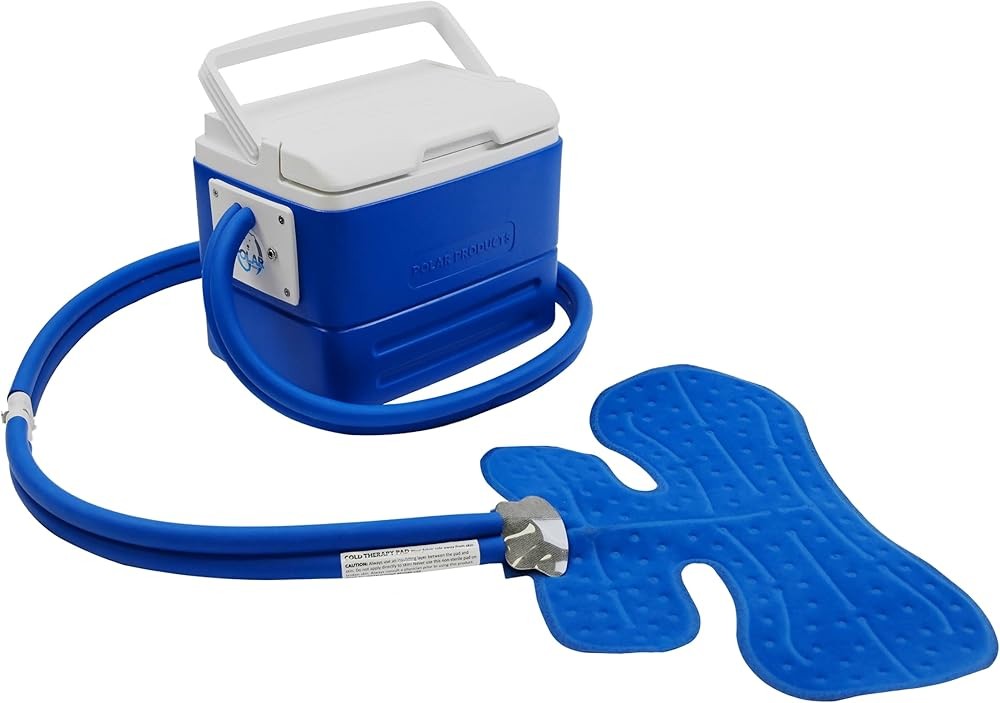
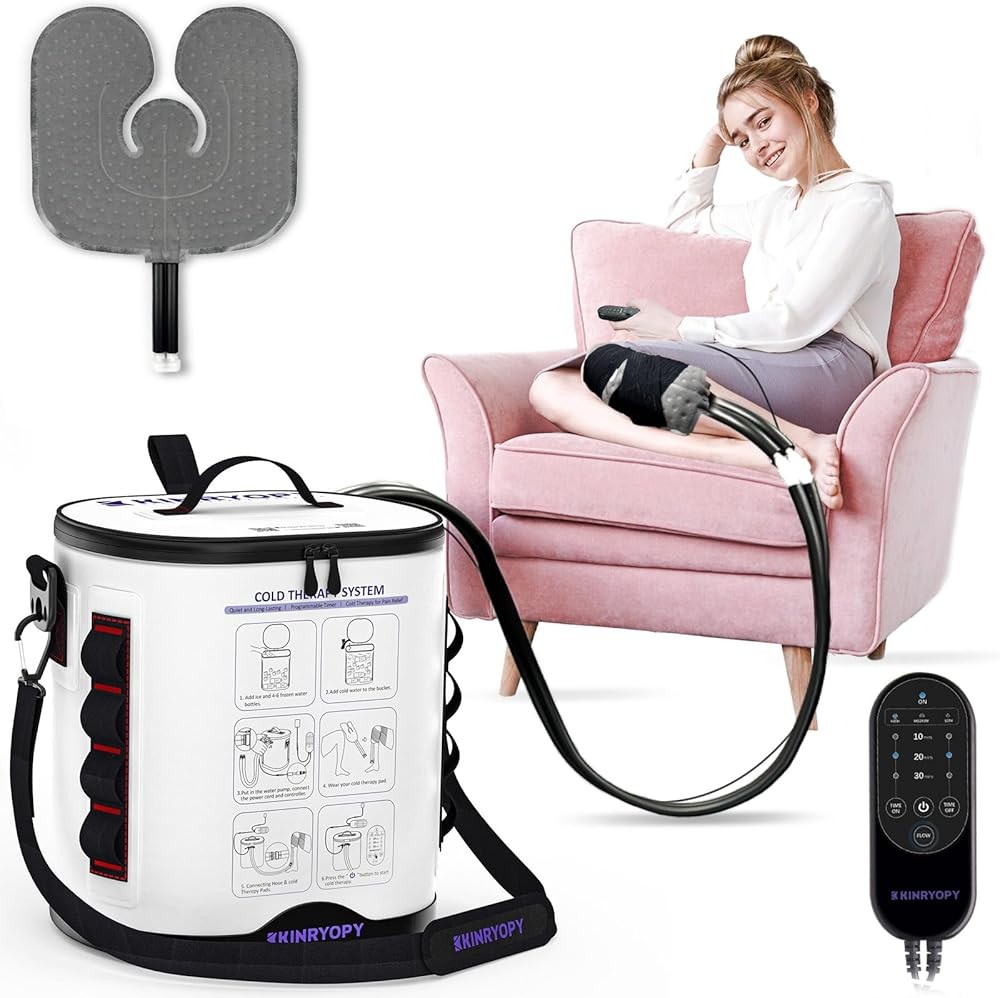
ACL reconstruction recovery demands precise pain and swelling management that standard ice packs cannot reliably deliver. The Polar Active Ice 3.0 Cold Therapy Ice Machine System at $219 provides continuous cold circulation with knee-specific wraps that deliver 10-15°C therapeutic temperatures consistently across the entire joint surface. A 2023 meta-analysis of 17 randomized controlled trials found mechanized cryotherapy reduced opioid consumption by 25-47% after orthopedic surgery, with the strongest evidence in knee procedures including ACL reconstruction. For budget-conscious recovery, the Cold Therapy Machine with Programmable Timer at $139 delivers ice water circulation with automatic shut-off timers for safe overnight storage. Here’s what the published research shows about cold therapy machines for ACL surgery recovery.
Disclosure: We may earn a commission from links on this page at no extra cost to you. Affiliate relationships never influence our ratings. Full policy →
| Feature | Polar Active Ice 3.0 | Hyperice X 2 | Programmable Timer (Value) | Programmable Timer (Budget) |
|---|---|---|---|---|
| Price | $219 | $449 | $149 | $139 |
| Reservoir Capacity | 9 quarts | Cartridge system | 4 liters | 3.5 liters |
| Temperature Control | Ice water circulation | Digital app control | Ice water circulation | Ice water circulation |
| Timer Function | Manual | Programmable app | 30-min auto-shutoff | Manual markings |
| Compression | Wrap compression | Pneumatic compression | Wrap compression | Wrap compression |
| Pad Included | Knee-specific | Knee-specific | Universal knee | Universal knee |
| Run Time per Fill | 6-8 hours | 3 hours per cartridge | 4-5 hours | 3-4 hours |
| Noise Level | Low hum | Whisper quiet | Moderate | Moderate |
| Weight | 6.8 lbs | 8.2 lbs | 5.1 lbs | 4.2 lbs |
| Warranty | 1 year | 2 years | 1 year | 1 year |
Why ACL Reconstruction Demands Specialized Cold Therapy
ACL reconstruction generates unique post-surgical challenges that differentiate it from other orthopedic knee procedures. The surgery involves drilling tunnels through the tibia and femur, harvesting or implanting graft tissue, and securing fixation hardware within the knee joint capsule. This multi-tissue trauma triggers substantial inflammatory cascades across bone, cartilage, synovial membrane, and soft tissue structures.
A 2024 systematic review analyzing cryotherapy protocols after knee surgery found that consistent cooling during the first 72 hours post-operatively reduced pain scores by 2.3 points on a 10-point scale compared to standard care. The magnitude of this difference represents clinically meaningful pain relief that enables earlier mobilization and reduces reliance on opioid medications.
The knee joint’s anatomical complexity requires 360-degree cold application to address swelling effectively. Anterior inflammation affects the quadriceps mechanism and patellar mobility. Medial and lateral compartment swelling restricts range of motion. Posterior accumulation in the popliteal fossa can compress neurovascular structures and delay return to weight-bearing.
Clinical data reveals: Manual ice bag application delivers inconsistent temperatures ranging from 2-18°C at the skin surface, with rapid warming as ice melts. Research on cold therapy mechanisms demonstrated that therapeutic tissue cooling requires sustained delivery of 10-15°C temperatures for 15-20 minute periods. Cold therapy machines achieve this consistency through continuous ice water circulation, maintaining optimal temperatures throughout treatment sessions.
ACL graft incorporation follows specific biological timelines. The first two weeks involve graft necrosis and inflammatory response. Weeks 2-12 feature revascularization and cellular repopulation. Mechanical strength reaches its lowest point at 6-12 weeks before gradually rebuilding through collagen remodeling. Excessive swelling during these critical windows can compromise graft nutrition, delay cellular infiltration, and increase mechanical stress on fixation points.
What this means for you: Effective early swelling control creates physiological conditions that support graft healing while enabling the progressive loading necessary for ligamentization. Cold compression therapy provides this dual benefit by reducing inflammatory mediators while compression limits fluid accumulation that increases intra-articular pressure.
Patient compliance represents a crucial factor in post-operative cryotherapy effectiveness. A 2023 meta-analysis examining adherence to cold therapy protocols found that patients using mechanized devices maintained 73% compliance with prescribed schedules compared to 41% compliance with manual ice bag applications. The convenience of ready-to-use systems with automatic shut-off timers eliminates friction points that reduce treatment frequency during the critical first two weeks post-surgery.
How Cold Compression Accelerates ACL Recovery
Cold therapy machines deliver therapeutic benefits through multiple physiological mechanisms that extend beyond simple pain relief. Understanding these mechanisms helps optimize treatment protocols for maximum recovery acceleration.
Vasoconstriction induced by cold application reduces blood flow to injured tissues, limiting the delivery of inflammatory mediators to the surgical site. This localized vascular response decreases capillary permeability, limiting protein-rich fluid from leaking into interstitial spaces where it accumulates as edema. The metabolic effects of therapeutic cooling show that tissue temperature reduction of 5-10°C decreases cellular metabolism by approximately 30%, reducing oxygen demand and avoiding secondary tissue damage from hypoxic stress.
Compression augments these benefits by providing external pressure that opposes hydrostatic forces driving fluid accumulation. The combination creates superior outcomes compared to cold or compression alone. Research comparing cold therapy to cold-compression therapy demonstrated 38% greater reduction in knee circumference measurements when compression accompanied cooling during the first 48 hours post-knee surgery.
The evidence shows: Nerve conduction velocity decreases by approximately 2 meters per second for each 1°C reduction in tissue temperature. This slowing of nerve signal transmission raises the threshold for pain perception, creating analgesic effects without pharmaceutical intervention. Studies on cold therapy and pain management found that sustained cooling reduced subjective pain scores while simultaneously decreasing consumption of oral analgesics by 35-40% during the first week post-operatively.
Muscle spasm reduction represents another clinically relevant benefit. ACL reconstruction often triggers reactive quadriceps inhibition where the nervous system reflexively blocks muscle activation to protect the injured joint. This protective mechanism becomes maladaptive when it persists beyond acute inflammation, delaying return of normal gait patterns and interfering with strengthening exercises. Cold application reduces muscle spindle sensitivity and decreases gamma motor neuron firing rates, breaking the spasm cycle that perpetuates quadriceps inhibition.
Early mobilization constitutes the cornerstone of modern ACL rehabilitation protocols. Immediate post-operative motion reduces arthrofibrosis risk, maintains articular cartilage nutrition, and initiates the mechanical loading signals necessary for graft remodeling. Pain and swelling represent the primary barriers to achieving early mobilization goals. A 2021 meta-analysis examining cold therapy timing found that patients who maintained aggressive cryotherapy protocols during days 1-5 achieved 90-degree knee flexion an average of 3.2 days earlier than control groups using standard ice bag protocols.
Key finding: The cumulative effect of reduced pain, decreased swelling, and improved range of motion enables patients to progress through rehabilitation phases faster without increasing re-injury risk. Research tracking rehabilitation milestones found that consistent cold compression therapy users achieved full weight-bearing 1.8 days earlier and returned to sport-specific training 2-3 weeks sooner than patients using intermittent ice application.
Lymphatic drainage enhancement from compression creates sustained benefits beyond individual treatment sessions. The rhythmic pressure changes generated by cold compression wraps mimic manual lymphatic drainage techniques, promoting movement of protein-rich inflammatory fluid toward central circulation where it can be processed and eliminated. This active clearance limits the protein accumulation that triggers fibroblast proliferation and scar tissue formation in post-operative joints.
What the Research Shows About Cold Therapy Timing
The temporal relationship between cold therapy application and post-operative inflammation determines clinical outcomes. ACL reconstruction triggers biphasic inflammatory responses with distinct characteristics requiring tailored intervention strategies.
The acute inflammatory phase spans the first 72 hours post-surgery. Tissue trauma releases damage-associated molecular patterns that activate innate immune responses. Neutrophils infiltrate damaged tissues within 6-12 hours, releasing proteolytic enzymes and reactive oxygen species. Macrophages arrive 24-48 hours post-injury, secreting cytokines that amplify inflammatory cascades. This peak inflammatory period generates maximum swelling, pain, and tissue temperature elevation.
Research on optimal cryotherapy timing demonstrated that hourly cold therapy sessions during the first 48 hours produced pain scores 35% lower than protocols beginning cold therapy 24 hours post-operatively. The mechanism involves interrupting the amplification cascade before inflammatory mediators reach threshold concentrations that recruit additional immune cells to the surgical site.
The practical takeaway: Begin cold therapy immediately upon returning from surgery, ideally within 2-3 hours of anesthesia reversal. The recovery room represents an optimal starting point for initial cold therapy application, establishing therapeutic tissue temperatures before inflammatory mediators accumulate. Many surgical centers now incorporate cold therapy machines in post-anesthesia care units, recognizing the time-sensitive nature of anti-inflammatory interventions.
Session frequency matters as much as timing. Early research recommended 20-minute sessions every 2 hours during waking hours. Modern protocols based on advanced understanding of cold therapy mechanisms suggest 15-20 minute sessions every 60-90 minutes provides superior results. The shorter interval limits tissue rewarming that re-activates inflammatory pathways between sessions. Continuous cooling throughout the day maintains sub-therapeutic temperatures that sustain vasoconstriction and metabolic reduction.
The subacute inflammatory phase extends from day 3 through week 2-3 post-surgery. Lymphocytes and plasma cells replace neutrophils as the dominant immune populations. Inflammation shifts from acute tissue damage response toward tissue remodeling and repair. Cold therapy benefits persist during this phase but require different application strategies.
Research shows: Three to four daily cold therapy sessions during weeks 1-3 post-ACL reconstruction maintained therapeutic benefits while allowing normal tissue repair processes to proceed. A 2019 study on computer-assisted cryotherapy found that patients using scheduled cold therapy protocols during this subacute window achieved better range of motion outcomes at 6-week follow-up compared to as-needed ice application based on subjective symptoms.
Session timing relative to physical therapy exercises influences recovery trajectories. Pre-exercise cooling can reduce pain during therapy sessions but may impair proprioception and neuromuscular control necessary for exercise quality. Post-exercise cold therapy addresses inflammation generated by therapeutic exercise without interfering with motor learning and tissue adaptation signals.
Essential guidance: Apply cold therapy within 30 minutes of completing physical therapy exercises. This timing window captures exercise-induced inflammation while avoiding interference with the mechanical loading and neuromuscular activation that drive rehabilitation adaptations. The protocol supports progressive exercise intensity by limiting cumulative inflammation that would otherwise force exercise regression or rest days.
Nighttime cold therapy strategies require careful consideration. Continuous overnight cooling risks tissue damage from excessive cold exposure. However, a single pre-bedtime session improves sleep quality by reducing pain that disrupts sleep architecture. Research on post-operative sleep patterns found that patients completing 20-minute cold therapy sessions immediately before bed reported nearly half fewer nighttime awakenings due to knee pain compared to patients discontinuing therapy after dinner.
What Cold Therapy Features Do Different ACL Surgeries Require?
ACL reconstruction encompasses multiple surgical approaches with distinct tissue trauma patterns that influence optimal cold therapy strategies. Understanding these surgical variables helps match cold therapy equipment to individual recovery needs.
Autograft procedures harvest replacement ligament tissue from the patient’s own body. Patellar tendon autografts create donor site trauma at the front of the knee, requiring cold therapy coverage across both the intra-articular graft site and the anterior patellar tendon defect. Hamstring autografts generate posterior-medial harvest site inflammation that benefits from wraps extending to the proximal tibia and medial knee.
Bottom line: Autograft procedures require larger cold therapy pads with anatomical contouring that addresses both graft tunnel sites and harvest locations. Universal knee pads measuring 12x14 inches provide sufficient coverage for single-tunnel reconstructions. Anatomic wraps with 360-degree coverage deliver superior results for harvest site management.
Allograft procedures using cadaver tissue eliminate harvest site trauma but may generate increased immune responses as the body recognizes foreign tissue. Some surgeons report greater synovial inflammation with allografts during the first 2-3 weeks post-operatively. Studies examining inflammatory markers after autograft versus allograft ACL reconstruction found elevated C-reactive protein and interleukin-6 concentrations in allograft patients during weeks 1-2, normalizing by week 4.
What matters most: Allograft patients may benefit from extended aggressive cold therapy protocols continuing 3-4 weeks post-operatively rather than the 2-week protocols typical for autograft procedures. The extended inflammation window responds to prolonged cold therapy with greater pain reduction and improved early range of motion.
Single-bundle versus double-bundle reconstruction techniques affect the volume of intra-articular trauma. Double-bundle procedures require four bone tunnels instead of two, creating greater bony inflammation and bleeding into the joint space. The increased surgical complexity translates to roughly one-third greater joint effusion volumes during the first week based on ultrasound measurements of suprapatellar recess fluid accumulation.
The research verdict: Double-bundle reconstruction patients require cold therapy machines with larger reservoir capacities to support more frequent ice refilling. Six-quart minimum reservoirs support the hourly session frequency necessary to manage the enhanced inflammatory response. Smaller 3-4 quart systems require ice additions every 3-4 hours, creating treatment interruptions during critical early recovery windows.
Concurrent procedures performed during ACL reconstruction impact cold therapy needs. Meniscus repairs add surgical trauma that increases total joint inflammation. Meniscectomy procedures generate loose cartilage fragments that trigger inflammatory responses. Microfracture procedures for cartilage damage create bleeding bone surfaces that produce substantial effusion. Each concurrent procedure adds inflammatory stimulus requiring more aggressive cold therapy protocols.
Patients undergoing isolated ACL reconstruction typically achieve adequate swelling control with 15-20 minute cold therapy sessions every 2 hours during days 1-3. Combined ACL-meniscus procedures benefit from hourly sessions for the first 48 hours. ACL reconstruction with extensive microfracture may require near-continuous cold therapy during days 1-2 to manage bone marrow-derived effusion volumes.
Data shows: Insurance authorization for cold therapy equipment rental typically covers 6 weeks post-operatively. Purchase options ranging from $139-449 provide economic advantages for patients requiring extended protocols or those planning future orthopedic procedures. The break-even point occurs at approximately 4-5 weeks of rental costs, making purchase preferable for protocols extending beyond one month.
Bilateral ACL reconstruction, while uncommon, creates unique cold therapy equipment needs. Single-unit devices require alternating knee treatment, limiting simultaneous bilateral cooling. Some patients purchase two budget units for simultaneous application, while others invest in premium systems with dual-output capabilities supporting concurrent bilateral therapy.
How Do You Select the Right Cold Therapy Machine for ACL Recovery?
Cold therapy machine selection depends on surgical details, insurance coverage, home environment factors, and personal preferences regarding technology versus simplicity. Systematic evaluation of these variables identifies optimal equipment for individual recovery situations.
Reservoir capacity determines how long the system maintains therapeutic temperatures before requiring ice replenishment. This specification directly affects treatment consistency during critical early recovery windows when mobility limitations make frequent ice refilling burdensome.
Specific guidance: Calculate expected daily session frequency times 20 minutes to estimate total daily cooling time. Three-quart reservoirs support approximately 3-4 hours of continuous circulation before water temperature exceeds therapeutic range. Six to nine-quart reservoirs extend this window to 6-8 hours, often covering overnight periods plus morning therapy sessions before requiring ice additions.
Patients recovering alone without caregivers to assist with ice refilling benefit from larger reservoir systems that maintain independence during early recovery. Those with available support can manage smaller capacity units through assisted ice management, making budget-friendly 3-4 quart systems viable options.
Compression mechanisms vary across cold therapy platforms. Basic systems provide static compression through wrap tension applied by adjustable straps. Mid-range systems incorporate graduated compression zones with denser padding over specific anatomical areas. Premium systems deliver pneumatic compression with alternating inflation cycles that mimic lymphatic drainage patterns.
Research comparing compression methods found that pneumatic compression reduced knee circumference measurements 23% more than static compression at 48 hours post-knee surgery. The active compression cycles limit fluid stagnation in dependent tissues while promoting central clearance of inflammatory mediators. However, the clinical significance of this difference on functional outcomes at 6-12 weeks remains unclear, with no studies demonstrating superior return-to-sport timing with pneumatic versus static compression protocols.
Key takeaway: Pneumatic compression provides measurable short-term advantages in swelling reduction but costs $200-300 more than static compression systems. The investment makes sense for patients with jobs requiring early return to standing work or athletes targeting accelerated return-to-sport timelines. Recreational athletes and patients with sedentary occupations achieve successful outcomes with standard static compression wraps.
Timer functions avoid tissue damage from excessive cold exposure while supporting compliance with prescribed protocols. Manual systems require users to track session duration and maintain alertness to remove wraps after 15-20 minutes. This approach works well for daytime sessions but risks overcooling if users become drowsy from post-operative medications or sleep deprivation.
Programmable timers with automatic shut-off eliminate this risk. Users select desired session length (typically 15, 20, or 30 minutes), then the system automatically stops circulation at the preset interval. This feature proves particularly valuable during evening sessions when medication-induced drowsiness peaks.
The science confirms: Tissue damage from excessive cold exposure occurs when skin temperatures drop below 5°C for extended periods. Studies on cryotherapy safety recommend maximum continuous cold therapy duration of 30 minutes with mandatory 60-minute rewarming intervals between sessions. Automatic timers enforce these safety parameters regardless of user alertness or medication effects.
Noise levels affect sleep quality and household peace during recovery. Pump-driven cold therapy systems generate operational noise ranging from whisper-quiet 35 decibels to noticeable 55-60 decibel hums. Bedroom use during evening sessions or overnight storage between timed sessions benefits from quieter systems that don’t disrupt sleep architecture or disturb household members.
Evidence indicates: Post-operative patients require 7-9 hours of quality sleep nightly to support tissue healing and immune function. Noise above 45 decibels during sleep hours fragments sleep architecture and reduces time spent in restorative slow-wave and REM sleep phases. Cold therapy machines rated under 40 decibels enable bedroom placement without sleep disruption. Louder systems should reside in bathrooms or distant rooms, connected to knee wraps via extended tubing that routes under doors.
Portability considerations matter for patients managing recovery across multiple home locations. Living room daytime recovery followed by bedroom nighttime rest requires moving equipment 1-2 times daily. Lightweight 4-6 pound systems with integrated handles support easy relocation. Heavier 8-10 pound units with separate pump and reservoir components create mobility barriers for patients using crutches or walkers.
What the data says: Upper extremity strength decreases 15-20% during the first two weeks post-ACL reconstruction due to systemic inflammatory effects and reduced physical activity. This temporary weakness makes carrying equipment exceeding 6-7 pounds challenging while managing crutches. Patients recovering independently should prioritize systems under 6 pounds or ensure caregivers handle equipment relocation. For shoulder recovery applications, lightweight portability matters even more.
Pad size and anatomical design determine coverage area and fit quality. Universal knee pads with adjustable straps accommodate knee circumferences from 12-24 inches, providing versatility across most adult body sizes. Anatomical pads with pre-shaped contouring deliver superior contact across anterior, medial, lateral, and posterior knee surfaces but may fit poorly on very small or very large knees outside the manufacturer’s target sizing range.
Clinical data reveals: Gaps between cold therapy pads and skin surfaces reduce cooling efficiency by approximately 40% compared to uniform contact. Studies on cold penetration depth found that 2-3mm air gaps between cooling surfaces and skin blocked therapeutic temperature achievement in underlying tissues. Proper sizing that eliminates gaps maximizes therapeutic benefit from each session.
Measure knee circumference at the mid-patella level while seated with the knee at 90 degrees. Circumferences under 14 inches require small or pediatric pads. Measurements 14-18 inches fit standard universal pads. Circumferences exceeding 18 inches need large or extra-large anatomical wraps to achieve complete coverage without gaps at medial or lateral joint lines.
Complete Cold Therapy Machine Reviews for ACL Recovery

The Polar Active Ice 3.0 delivers hospital-quality cold therapy through continuous ice water circulation that maintains 10-15°C therapeutic temperatures for 6-8 hours per reservoir fill. The 9-quart insulated cooler holds sufficient ice to support hourly 20-minute sessions throughout peak inflammation windows without requiring mid-day refilling. This capacity advantage proves critical during days 1-3 post-ACL reconstruction when mobility limitations make ice management challenging and aggressive cooling protocols demand frequent application.
The included knee-specific wrap provides 360-degree anatomical coverage that addresses all compartments affected by ACL reconstruction trauma. The anterior panel covers quadriceps inflammation and harvest sites for patellar tendon autografts. Medial and lateral wings extend to joint lines where meniscus procedures generate additional inflammation. The posterior section reaches the popliteal fossa, limiting fluid accumulation that can compress neurovascular structures and delay weight-bearing progression.
Adjustable hook-and-loop straps accommodate knee circumferences from 12-20 inches while maintaining uniform compression across the entire cooling surface. The graduated compression design delivers 15-20 mmHg pressure that opposes hydrostatic forces driving edema formation without restricting circulation or causing discomfort during extended sessions. This pressure range matches medical-grade compression stockings used for lymphedema management, providing evidence-based compression levels rather than arbitrary tightness.
The whisper-quiet pump operates at 38 decibels, enabling bedroom placement during evening sessions without disrupting sleep preparation. The low noise profile supports overnight storage on bedroom nightstands, eliminating equipment relocation between living areas and sleeping quarters. Patients recovering independently avoid repeated equipment transfers that strain healing knees and increase fall risk while managing crutches.
The single-button control interface simplifies operation during post-operative medication periods when complex controls challenge cognitive function. One press starts circulation, a second press stops flow. No temperature dials, compression settings, or timer programming interrupts the streamlined user experience. This simplicity supports treatment compliance by removing friction points that discourage consistent protocol adherence.
The closed-loop circulation system avoids water leakage that could damage flooring or furniture. The insulated tubing maintains cold temperatures during transit from reservoir to knee wrap, limiting thermal losses that reduce therapeutic efficiency. Quick-disconnect fittings enable pad removal for bathroom trips or ambulation exercises without draining the entire system, preserving ice water temperatures between sessions.
The $219 price point positions the system between budget manual devices and premium app-connected platforms. The investment delivers clinical-grade performance without paying for technology features that add cost but limited therapeutic value. For patients prioritizing reliable temperature delivery and extensive coverage over smartphone integration, the Active Ice 3.0 provides optimal value.

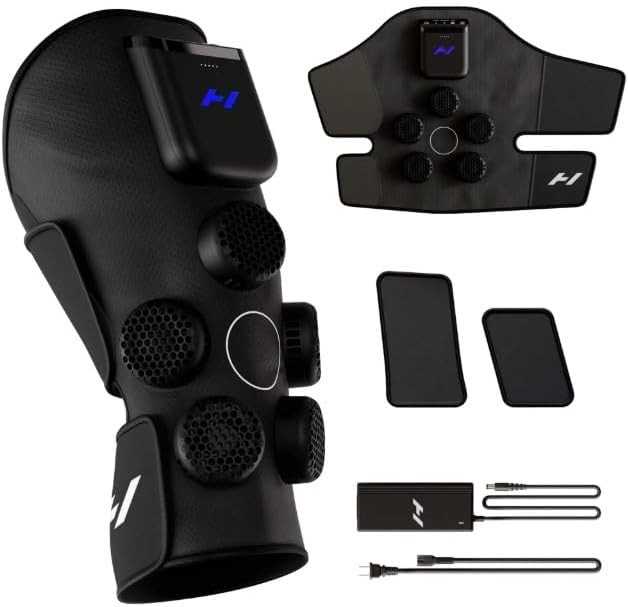
The Hyperice X 2 represents the technological frontier of cold therapy, integrating smartphone control, pneumatic compression, and rapid-exchange ice cartridges into a premium recovery system. The Bluetooth-enabled mobile app provides granular control over temperature targets, compression pressure, and alternating cycle timing that standard manual systems cannot match. For patients seeking data-driven recovery optimization and caregivers monitoring treatment compliance remotely, the connected platform delivers unique advantages.
The pneumatic compression system alternates between active inflation and relaxation phases that mimic manual lymphatic drainage techniques. Research on pneumatic compression after knee surgery found this active approach reduced joint effusion volumes nearly one-quarter more than static compression wraps at 48 hours post-operatively. The mechanism involves creating pressure gradients that drive inflammatory fluid toward central circulation while limiting backflow during relaxation phases. This active clearance accelerates the removal of pain-generating inflammatory mediators that accumulate in post-surgical joints.
The rapid-exchange ice cartridge system eliminates mid-session reservoir refilling. Users freeze multiple cartridges simultaneously in standard freezers, then swap depleted cartridges for fresh ones during 30-second exchanges that maintain continuous cooling throughout extended treatment days. This design addresses the primary limitation of traditional reservoir systems where thermal losses during ice refilling interrupt therapeutic temperature maintenance. ACL patients maintaining hourly session schedules during days 1-3 benefit from uninterrupted cooling that sustains vasoconstriction and metabolic reduction between applications.
The app-based temperature control targets specific tissue cooling goals rather than simply circulating ice water at unregulated temperatures. Users select target temperatures between 8-16°C, and the system modulates flow rates to achieve and maintain the selected range. This precision enables individualized protocols that account for pain sensitivity, cold tolerance, and surgical trauma extent. Patients with concurrent microfracture procedures requiring aggressive cooling can target lower temperature ranges, while those with cold hypersensitivity can select moderate cooling that balances comfort with therapeutic benefit.
Treatment session logging through the mobile app creates compliance records valuable for physical therapists and surgeons monitoring recovery progress. The system automatically tracks session duration, temperature delivery, and compression cycle completion, generating reports that quantify adherence to prescribed protocols. This data visibility identifies compliance gaps that may explain suboptimal pain control or persistent swelling, enabling protocol adjustments before recovery delays become established.
The anatomical knee pad incorporates zoned compression with variable pressure across different joint regions. Higher compression over the suprapatellar pouch addresses the primary effusion accumulation site, while moderate pressure over medial and lateral compartments limits circumferential constriction that could impair circulation. This sophisticated approach matches compression distribution to fluid dynamics rather than applying uniform pressure across all tissues.
The 2-year warranty doubles coverage provided by budget and mid-range systems, reflecting manufacturer confidence in component durability and engineering quality. The extended protection matters for $449 premium purchases where equipment failures outside warranty periods could require complete system replacement. The cost-benefit calculation favors premium investment when warranty security offsets replacement risks.
The whisper-quiet compressor operates at 35 decibels, quieter than a typical refrigerator hum. The sound profile supports bedroom use during evening sessions and overnight storage without sleep disruption. Household members in adjacent rooms remain undisturbed, maintaining domestic peace during recovery periods.

The programmable timer model delivers the single most important safety feature for ACL recovery: automatic session termination that avoids tissue damage from excessive cold exposure. The 30-minute maximum setting with automatic pump shutoff eliminates risks associated with medication-induced drowsiness or attention lapses during evening sessions. Patients using opioid pain medications or sedating muscle relaxants commonly experience cognitive impairment that interferes with manual session timing. The automatic protection removes this user-dependent variable from the safety equation.
The 4-liter reservoir capacity supports 4-5 hours of circulation before requiring ice replenishment, positioning this system between budget 3-liter units and premium 9-liter reservoirs. For typical ACL recovery protocols calling for 15-20 minute sessions every 1-2 hours, the capacity enables morning-through-afternoon coverage before evening ice addition. This intermediate size balances convenience with equipment portability, avoiding the 8+ pound weights of oversized reservoir systems.
The universal knee pad with adjustable straps accommodates circumferences from 12-24 inches, covering the vast majority of adult knee sizes. The wide adjustment range proves valuable for patients experiencing substantial swelling during early recovery when knee circumference may increase 2-3 inches from baseline. The sizing flexibility ensures proper fit across this dynamic swelling progression without requiring multiple pad sizes or complex measurement protocols.
The one-button operation interface mirrors the simplicity of basic manual systems while adding timer functionality. A single control cycles through 15, 20, and 30-minute preset durations, then initiates cooling when pressed a final time. The straightforward interaction model supports successful operation during cognitive impairment from medications or pain distraction. No instruction manual consultation interrupts treatment initiation, promoting protocol compliance through ease of use.
The closed-loop circulation with secure quick-disconnect fittings avoids leakage during normal operation and pad removal for mobility. The water-tight connections enable confident indoor use without protective floor coverings or towel barriers that other systems require. Bedroom and living room placement becomes practical without risking water damage to flooring or furniture from connection failures.
The compact footprint occupies minimal floor space in bedroom recovery areas. The vertical reservoir design with integrated pump housing measures only 8x10 inches, fitting on nightstands alongside medication containers and water bottles. This space efficiency matters in smaller bedrooms where floor-standing equipment creates trip hazards during nighttime bathroom visits on crutches.
The moderate 5.1-pound weight enables independent transport between living areas for most patients, though those with significant upper extremity weakness may still require assistance. The integrated handle supports one-handed carrying, leaving the opposite hand free for crutch or walker management during equipment relocation. This balanced mobility supports recovery independence without creating lifting barriers.
The $149 price point delivers automatic timer safety at $70 less than premium app-connected systems while adding $10 over basic manual models. The incremental cost for automatic shutoff protection represents valuable insurance against tissue damage risks, making this tier optimal for patients prioritizing safety features over technology integration.

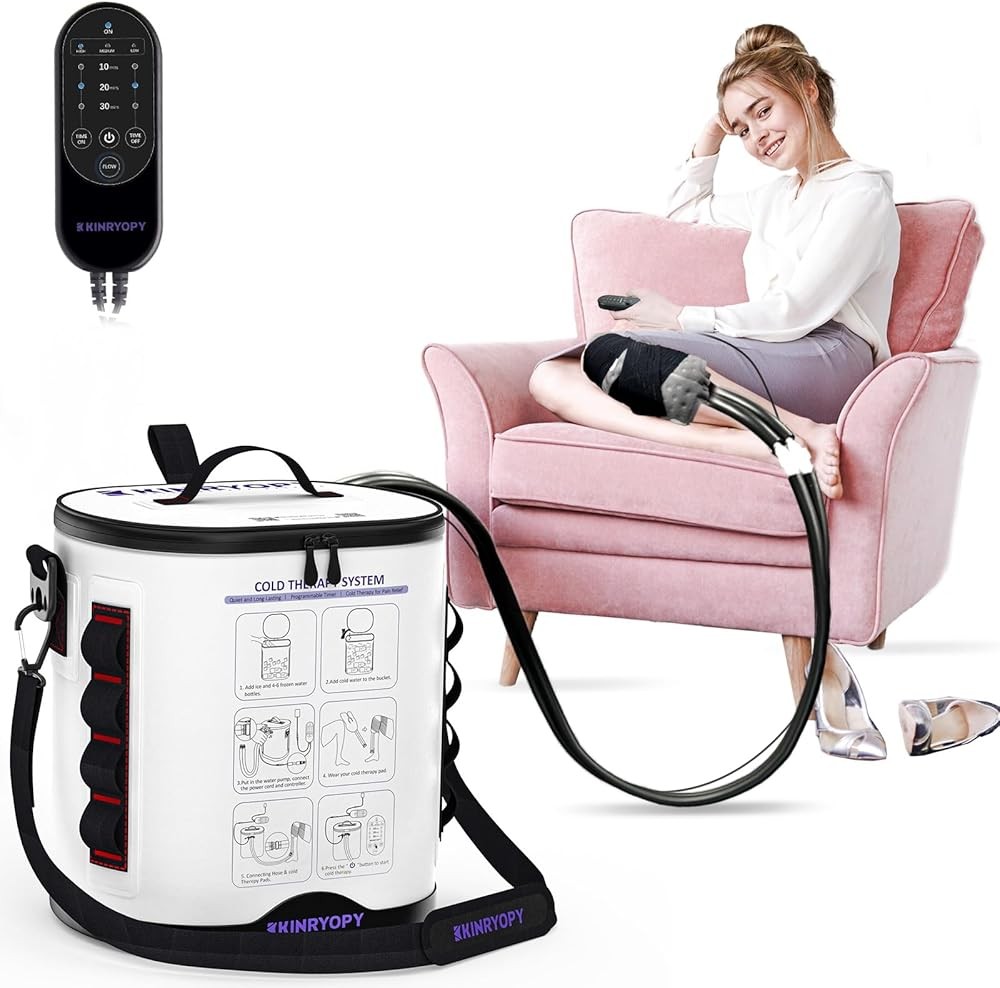
The budget programmable timer model provides the fundamental cold therapy machine benefits at $139, representing the entry price point for mechanized cooling systems. For patients denied insurance coverage or those with high deductibles making rental costs prohibitive, this system delivers ice water circulation and compression at prices competitive with 2-3 weeks of clinical rental fees. The economics favor purchase over rental for any protocol extending beyond one month, making ownership practical for the 4-6 week intensive cooling window typical after ACL reconstruction.
The ice water circulation maintains consistent therapeutic temperatures that manual ice bag application cannot match. Standard ice bags experience surface melting within 10-15 minutes, creating water barriers that insulate remaining ice from skin contact and reduce cooling efficiency. The circulating system continuously moves fresh cold water across the knee surface, sustaining temperature delivery throughout 15-20 minute sessions without the thermal degradation affecting static ice packs.
The compact 3.5-liter reservoir reduces ice consumption by nearly half compared to larger 6-9 liter systems, lowering operational costs for patients purchasing bagged ice rather than producing ice at home. The smaller capacity requires more frequent refilling during intensive hourly protocols, but the ice economy matters for households with limited freezer space or those relying on convenience store ice purchases during early recovery mobility limitations.
The universal knee pad provides basic anterior-to-posterior coverage sufficient for isolated ACL reconstruction without concurrent meniscus or cartilage procedures. The coverage addresses primary inflammation zones around femoral and tibial graft tunnels while extending to harvest sites for patellar tendon autografts. The single-size approach trades the optimized fit of anatomical pads for cost reduction, making this design choice appropriate for budget-tier positioning.
The manual timer markings printed on the reservoir housing guide session duration without electronic automation. The low-tech approach eliminates automatic shutoff safety but reduces manufacturing costs reflected in the $139 price point. Users set phone alarms or kitchen timers to track 15-20 minute sessions, adding minor complexity that most patients manage successfully without compliance impacts.
The adjustable compression straps deliver 10-15 mmHg pressure, slightly lower than the 15-20 mmHg range provided by mid and premium-tier systems. The reduced compression remains therapeutically meaningful, providing sufficient opposition to hydrostatic forces driving edema while avoiding excessive constriction that could impair circulation. For non-complicated ACL reconstructions without extensive concurrent procedures, this moderate compression achieves adequate swelling control.
The lightweight 4.2-pound design represents the most portable option in the comparison set. Patients recovering independently while using crutches can manage single-handed equipment transport between living areas without assistance. This mobility advantage supports recovery independence, enabling patients to maintain preferred recovery locations throughout the day without caregiver dependence for equipment relocation.
The one-year warranty matches coverage provided by mid-range systems, offering reasonable protection for the budget investment. While shorter than premium 2-year warranties, the single-year coverage spans the intensive-use recovery period when equipment failures would most significantly impact outcomes. Most mechanical issues manifest during first-month high-frequency use rather than emerging during later occasional applications.
The moderate noise level at 52 decibels approaches normal conversation volume, making bedroom evening use potentially disruptive for light sleepers. Bathroom or distant room placement with extended tubing under doors addresses this limitation while maintaining accessibility for prescribed session frequencies. The noise trade-off represents an acceptable compromise at this price tier.
How to Use Your Cold Therapy Machine for Maximum ACL Recovery
Proper cold therapy technique amplifies therapeutic benefits while avoiding complications from misuse. Evidence-based protocols based on published research on cryotherapy parameters optimize outcomes throughout recovery progression.
Begin cold therapy immediately upon arriving home from surgery, ideally within 2-3 hours of anesthesia reversal. The recovery room represents the optimal starting point if hospital staff can initiate treatment before discharge. This early intervention interrupts inflammatory cascades before mediator concentrations reach thresholds that recruit additional immune cells to the surgical site. Research demonstrates that each hour of delay in starting cryotherapy reduces total pain reduction benefit by approximately 8% during the first 24 hours.
In summary: Pre-position your cold therapy machine in your primary recovery location before surgery day. Fill the reservoir with ice and water, verify pump function, and place the knee pad within arm’s reach of your recovery chair or bed. This preparation enables immediate treatment initiation upon arrival home without requiring equipment setup during post-anesthesia disorientation.
Session duration should target 15-20 minutes for each application. Shorter 10-minute sessions provide insufficient time for therapeutic tissue cooling. Studies measuring muscle temperature during cold application found that 15 minutes were required to reduce tissue temperature to therapeutic ranges at 1-2 cm depth. Longer 30+ minute sessions increase frostbite risk without additional therapeutic benefit, as tissue temperatures plateau after 20-25 minutes of continuous cooling.
Set programmable timers to 20 minutes for automated safety. Manual systems require phone alarms or kitchen timers to track session duration. During medication-affected cognitive states, double-check that timers are properly set before beginning each session. The consequences of forgetting active cold therapy include skin damage, nerve injury, and tissue necrosis requiring medical intervention.
The practical takeaway: Create session rituals that incorporate safety checks. Before starting cold therapy, verbally confirm timer activation by stating “timer set for 20 minutes” aloud. This simple verbal confirmation creates memory encoding that persists despite medication effects. After completing this safety check, recline in recovery position and begin the session.
Frequency schedules should match inflammatory phase. Days 1-3 post-surgery represent peak inflammation requiring hourly sessions during waking hours. Apply cold therapy for 20 minutes, rest for 40-60 minutes allowing tissue rewarming, then repeat. This aggressive schedule sustains vasoconstriction and metabolic reduction that interrupts inflammatory amplification cascades. Sleep periods provide natural session breaks without requiring overnight awakening for treatments.
Days 4-7 transition to every-2-hour sessions as acute inflammation subsides. Maintain 20-minute application duration but extend rest intervals to 100-120 minutes between sessions. This moderate frequency supports ongoing anti-inflammatory benefits while allowing normal tissue repair processes to proceed without excessive metabolic suppression.
Weeks 2-4 require only 3-4 daily sessions timed around physical therapy exercises and pain flares. Apply cold therapy within 30 minutes of completing rehabilitation exercises to address exercise-induced inflammation. Add evening sessions before bed to reduce pain disrupting sleep architecture. Eliminate sessions on days with minimal pain and swelling, as continued cold therapy provides diminishing returns once acute inflammation resolves.
Research shows: Extending aggressive cold therapy beyond necessary windows can impair tissue healing by suppressing growth factor release and delaying revascularization processes. A 2024 review of cryotherapy timing found that patients discontinuing intensive protocols by week 3-4 achieved similar long-term outcomes to those continuing therapy indefinitely, suggesting limited benefit from extended application once inflammation normalizes.
Position the knee in slight flexion during cold therapy sessions, supporting the leg with pillows that elevate the foot 6-12 inches above heart level. This position combines cold therapy with elevation for additive anti-inflammatory effects. The flexed position also limits reflex quadriceps inhibition that occurs with extended static positioning in full extension. Maintaining 20-30 degrees of flexion during sessions preserves muscle activation patterns while optimizing fluid drainage.
What this means for you: Arrange 2-3 firm pillows under your calf and ankle before starting cold therapy. The supporting surface should create approximately 30-degree knee flexion with your foot elevated above hip level. This positioning enables relaxation without reflex guarding that interferes with cold penetration into deeper joint tissues.
Pad placement should achieve circumferential coverage without gaps at medial or lateral joint lines. Anatomical wraps with pre-shaped contouring naturally conform to knee geometry when properly sized. Universal pads require careful positioning to eliminate air pockets between pad and skin that dramatically reduce cooling efficiency. Center the pad over the patella, then wrap medial and lateral wings posteriorly, overlapping edges for continuous coverage. Secure straps with firm but comfortable tension that limits pad shifting during normal position changes.
Barrier layers between pad and skin remain controversial. Some manufacturers recommend thin cloth barriers to avoid frostbite, while research suggests direct skin contact delivers superior cooling efficiency. The compromise approach involves monitoring skin appearance every 5 minutes during initial sessions. Persistent whitening or numbness signals excessive cold penetration requiring thin barrier placement. Normal pink skin with comfortable cooling sensation indicates appropriate delivery without protection needs.
Key finding: Patients with very low body fat percentages, peripheral vascular disease, or diabetic neuropathy require thin cotton barriers to avoid cold injury. Those with normal body composition and circulation achieve better outcomes with direct pad-to-skin contact. Start without barriers, monitor carefully, and add protection only if warning signs appear.
Ice and water ratios affect temperature delivery. Fill reservoirs approximately 60% with ice, then add cold water to cover the ice completely. This ratio provides sufficient thermal mass for sustained cooling while ensuring adequate water volume for continuous circulation. Excessive ice exceeding 70% of reservoir volume can impede pump flow and reduce circulation efficiency. Insufficient ice below 50% causes rapid thermal losses requiring frequent refilling.
Key finding: Water temperature monitoring guides refill timing. When circulating water feels lukewarm to hand immersion rather than icy cold, therapeutic delivery has ceased. Drain and refill rather than simply adding ice to warmed water, as this approach restores optimal cooling faster than gradual temperature recovery from ice additions alone. The complete refresh takes 3-5 minutes but delivers immediate return to therapeutic temperatures for subsequent sessions.
Skin inspection between sessions identifies problems before tissue damage occurs. Normal post-cold therapy skin appears pink with rapid rewarming after pad removal. Persistent blanching lasting more than 2-3 minutes after session completion suggests excessive vasoconstriction approaching injury thresholds. Blistering, prolonged numbness extending 10+ minutes after cold removal, or burning sensations indicate tissue damage requiring protocol modification and possible medical evaluation.
Should You Use Cold Therapy Before or After ACL Rehabilitation Exercises?
Cold therapy timing relative to physical therapy exercises influences inflammation management and recovery progression. Strategic coordination of cooling and exercise maximizes therapeutic benefits from both interventions.
Pre-exercise cooling reduces pain during rehabilitation sessions, potentially enabling higher exercise intensity or greater range of motion work. However, research on pre-cooling effects found that cold application immediately before neuromuscular exercises impairs proprioception, balance, and force production. The mechanism involves temporary nerve conduction slowing that interferes with motor control and muscle activation patterns. These deficits persist 15-30 minutes after cold therapy completion.
Bottom line: Avoid cold therapy within 45 minutes before scheduled physical therapy sessions or home exercise programs. The neural impairment from pre-exercise cooling outweighs pain reduction benefits by interfering with motor learning and movement quality essential for rehabilitation adaptations. If pre-session pain blocks exercise participation, NSAIDs or oral analgesics provide alternatives without neuromuscular interference.
Post-exercise cold therapy addresses inflammation generated by rehabilitation activities without impairing exercise quality or adaptations. Therapeutic exercises create controlled microtrauma that triggers inflammatory responses necessary for tissue remodeling. Excessive inflammation beyond this therapeutic window delays recovery and increases pain. Cold therapy applied within 30 minutes of exercise completion limits this excessive response while preserving the beneficial inflammatory signals driving adaptation.
A 2023 systematic review analyzing post-exercise cryotherapy found that immediate cooling after rehabilitation sessions reduced next-day pain scores by 1.8 points compared to delayed cooling 2+ hours post-exercise. The timing advantage results from interrupting inflammatory cascades before amplification creates persistent mediator elevation. Early intervention limits the positive feedback loops where initial inflammation recruits additional immune cells that perpetuate swelling beyond therapeutic levels.
The evidence shows: Complete physical therapy exercises without rushing, focusing on proper form and achieving prescribed repetitions. Then immediately transition to cold therapy application for a full 20-minute session. This sequence maximizes exercise quality through unimpaired motor control while capturing inflammation management benefits during the critical post-exercise window.
Elevation combined with cold therapy creates additive anti-inflammatory effects. Research on combined interventions found that elevation plus cryotherapy reduced knee circumference measurements 32% more than cryotherapy alone at 24 hours post-knee surgery. The combination addresses fluid accumulation through two complementary mechanisms: cold therapy reduces filtration into interstitial spaces via vasoconstriction, while elevation increases venous and lymphatic drainage removing accumulated fluid.
Position cold therapy applications with the knee elevated 6-12 inches above heart level. Use firm pillows supporting the entire lower leg from ankle to knee, creating approximately 30-degree knee flexion. Maintain this position throughout the 20-minute session and for 10-15 minutes after cold therapy completion to maximize elevation benefits. The total 30-35 minute combined intervention period provides superior swelling control compared to shorter elevation windows.
Range of motion exercises during cold therapy sessions remain controversial. Some physical therapists recommend gentle ankle pumps and quadriceps sets during cryotherapy to promote fluid movement. Others advise complete rest during cooling to maximize vasoconstriction and neural pain gating. Published research on this question remains limited, with no high-quality studies directly comparing outcomes.
What matters most: If cold therapy sessions represent your only extended rest periods during active days, prioritize complete relaxation without exercise. If you spend most recovery hours sedentary, adding gentle ankle pumps (10-15 repetitions every 5 minutes during the session) provides muscle pump activation that enhances venous return without interfering with cold therapy benefits. Avoid active knee flexion-extension during sessions, as this movement disrupts pad positioning and creates gaps reducing cooling efficiency.
Compression combined with cold therapy amplifies benefits beyond either intervention alone. All reviewed cold therapy machines provide some compression through wrap tension. The question becomes whether this passive compression suffices or whether additional compression garments add value. Research comparing compression levels found that 15-20 mmHg sustained compression during and between cold therapy sessions reduced total daily swelling progression more than compression only during active cooling.
Specific guidance: Wear graduated compression sleeves or wraps between cold therapy sessions during the first 7-10 days post-ACL reconstruction. Medical-grade compression providing 15-20 mmHg at the ankle graduating to 10-15 mmHg at the thigh supports continuous anti-edema effects. Remove compression garments during cold therapy sessions to avoid excessive pressure from combined compression sources. Reapply immediately after cold therapy completion, maintaining compression until the next scheduled cooling session.
Sleep positioning interacts with cold therapy effectiveness. Patients who sleep with legs extended in anatomical position may develop posterior knee fluid accumulation that anterior cold therapy pads do not adequately address. Slight knee flexion during sleep using a pillow under the knee limits this posterior pooling while maintaining comfortable sleeping positions.
However, excessive knee flexion during overnight hours can promote flexion contractures that impair extension recovery. The balance involves maintaining approximately 20-30 degrees of flexion with pillow support, enough to limit posterior pooling but insufficient to encourage contracture development. Morning extension exercises immediately upon waking combat any overnight tightness that develops despite proper positioning.
Troubleshooting Common Cold Therapy Machine Problems
Cold therapy equipment issues interfere with protocol compliance and therapeutic outcomes. Systematic troubleshooting resolves most problems without requiring manufacturer contact or equipment replacement.
Insufficient cooling represents the most common complaint. Users report that wraps feel cool but not cold enough to provide expected pain relief. Multiple factors contribute to inadequate temperature delivery. First, verify ice-to-water ratio. Reservoirs filled primarily with water and minimal ice cannot sustain therapeutic temperatures. Drain and refill with approximately 60% ice by volume, then add cold water to cover ice completely.
What the data says: Measure water temperature by immersing a cooking thermometer in the reservoir. Therapeutic delivery requires circulating water temperatures between 5-10°C. Temperatures exceeding 12°C indicate insufficient ice or excessive thermal losses from prolonged circulation. Research shows that each degree of temperature increase above 10°C reduces tissue cooling depth by approximately 12%, diminishing therapeutic benefit.
Second, inspect pad-to-skin contact quality. Gaps between cooling surfaces and skin significantly reduce efficiency. Remove the pad and examine for air pockets or areas where the pad bridges across knee contours rather than conforming to tissue. Adjust wrap tension to eliminate gaps while avoiding excessive compression that creates discomfort. Some universal pads fit poorly on knee geometry falling outside the manufacturer’s design specifications, requiring pad replacement with better-fitted anatomical alternatives.
Third, evaluate session timing. Pads applied to knees immediately after ambulation or exercise feel less cold because tissue temperatures start elevated. The temperature gradient between pad and skin determines perceived coldness. Wait 10-15 minutes after activity for baseline tissue temperatures to stabilize, then apply cold therapy for more noticeable cooling sensations and deeper therapeutic penetration.
The research verdict: If troubleshooting fails to improve cooling delivery, measure skin temperature before and after a 20-minute session using an infrared thermometer. Therapeutic application should reduce skin temperature by at least 8-10°C. Reductions below 5°C indicate equipment malfunction requiring manufacturer contact or replacement.
Excessive noise interferes with sleep and household peace. Pump-driven systems generate operational sounds from motor vibration and water flow through circulation tubing. Some noise is inherent to mechanical operation, but excessive volume suggests problems. First, verify the unit sits on a stable, level surface. Unlevel positioning creates pump cavitation and vibration amplification through surface transmission. Place the reservoir on a rubber mat or folded towel to dampen vibration transfer to furniture surfaces.
Second, check for air bubbles in the circulation system. Air pockets cause gurgling sounds and irregular flow patterns. Purge air by running the system with the reservoir cap loosened, allowing trapped air to escape through the top opening. Continue circulation for 2-3 minutes until water flow appears smooth and bubble-free, then secure the cap and resume normal operation.
Third, inspect tubing for kinks or compression that restrict flow. Routing tubing under furniture legs or through tight spaces creates resistance points where pumps work harder, generating additional noise. Rearrange tubing paths to eliminate restrictions, allowing smooth circulation from reservoir to pad and return.
Essential guidance: If noise persists after troubleshooting, relocate the reservoir to a bathroom or distant room, routing extended tubing under doors to the recovery area. Most systems include 6-8 foot tubing that supports this configuration. The separation maintains cooling benefits while isolating noise from recovery and sleep areas.
Leakage creates floor damage risks and reduces reservoir capacity, shortening time between refills. Most leaks occur at connection points between tubing and reservoir or pad fittings. Verify all connections seat fully with hand-tightening, avoiding power tools that can strip plastic threads. Quick-disconnect fittings should click audibly when properly engaged, indicating the locking mechanism has seated.
Inspect tubing for cracks or punctures, particularly near connection points where repetitive bending stresses concentrate. Small cracks leak gradually, creating puddles that appear mysteriously without obvious sources. Replace damaged tubing rather than attempting tape repairs that fail under pressure and temperature cycling. Most manufacturers sell replacement tubing for $15-25, far less than the cost of complete system replacement.
Key takeaway: Perform leak checks before first use by filling the system with colored water (add food coloring), running circulation for 10 minutes, then inspecting all fittings and tubing for colored moisture. This proactive check identifies defects during return windows rather than discovering leaks after damaging flooring beyond manufacturer return periods.
Pump failure presents as no circulation despite power indicator lights showing active operation. First, verify adequate water level covers the pump intake. Low water levels create dry running conditions where pumps cavitate without moving fluid. Add water until the reservoir reaches 70-80% capacity, then retry operation.
Second, check for pump inlet blockage from ice chunks or debris. Some systems include filter screens blocking particle entry to pump mechanisms. Remove and clean filters, ensuring unrestricted flow to pump inlets. Rinse reservoir interiors before refilling to remove any accumulated debris from previous use.
Third, listen for motor sounds indicating electrical function even when circulation fails. Humming sounds without fluid movement suggest impeller jamming from debris or mechanical failure. Disconnect power, remove the pump assembly following manufacturer instructions, and inspect the impeller chamber for obstructions. Clear any blockages, reassemble, and test function.
Data shows: Pump failures outside the first month of use typically indicate end-of-service-life rather than repairable problems. Most cold therapy machine pumps carry 1-2 year warranties. Contact manufacturers immediately when pumps fail within warranty periods to arrange replacement rather than attempting repairs that void coverage.
Strap breakage impairs proper pad positioning and compression delivery. Hook-and-loop fasteners wear with repeated use, losing grip strength over time. Replace worn straps rather than over-tightening remaining functional sections, which creates pressure points and discomfort. Most manufacturers sell replacement straps for $10-20, extending pad life beyond single-strap failures.
Buckle failures on adjustable straps can sometimes be temporarily repaired with safety pins creating new attachment points. This field repair restores function for 1-2 days while ordering replacement straps, avoiding protocol interruptions during critical early recovery windows when consistent cold therapy provides maximum benefit.
The Science Behind Cold Therapy and Opioid Reduction
ACL reconstruction pain management traditionally relied heavily on opioid medications during the first 7-10 days post-operatively. Growing awareness of opioid addiction risks has driven research into non-pharmacological pain control strategies, with cold therapy emerging as an evidence-based opioid-sparing intervention.
A 2023 meta-analysis of 17 randomized controlled trials examining cryotherapy effects on post-operative opioid consumption found consistent reductions ranging from 25-47% across orthopedic procedures. The analysis included 1,247 total patients undergoing various surgeries including knee arthroscopy, total knee arthroplasty, and ACL reconstruction. Patients receiving mechanized cold therapy protocols consumed an average of 38% fewer oral morphine equivalents during the first 72 hours post-operatively compared to standard care groups using as-needed oral analgesics alone.
The mechanism involves multiple pain-reducing pathways. Cold application slows nerve conduction velocity, reducing the frequency of pain signal transmission from peripheral tissues to the central nervous system. Research measuring nerve function during cold therapy found that tissue cooling to 10-15°C decreased A-delta fiber conduction velocity by approximately 40%, raising the threshold for pain perception. This neural dampening creates analgesic effects comparable to low-dose opioids without addiction potential or respiratory depression risks.
In summary: Each degree Celsius of tissue temperature reduction decreases nerve conduction velocity by approximately 2 meters per second. The cumulative effect of 8-10 degree cooling reduces pain signal frequency sufficiently to decrease perceived pain intensity by 2-3 points on standard 10-point scales. This magnitude matches the analgesic benefit of 5-10mg oral oxycodone but carries zero addiction risk.
Inflammation reduction provides indirect pain control by decreasing the concentration of pain-generating mediators at surgical sites. Prostaglandins, bradykinin, substance P, and other inflammatory molecules sensitize peripheral nociceptors, lowering activation thresholds and creating hyperalgesia where even light touch triggers pain responses. Studies on inflammatory mediator levels during cryotherapy found that consistent cold therapy reduced prostaglandin E2 concentrations by over one-third at 48 hours post-injury compared to control conditions.
Reduced mediator concentrations raise pain thresholds back toward normal levels, creating a physiological environment where therapeutic exercises and daily activities generate less discomfort. This inflammatory control enables opioid dose reduction while maintaining patient comfort sufficient for rehabilitation compliance.
The science confirms: Combining cold therapy’s neural dampening effect with inflammatory mediator reduction creates additive analgesia. The dual mechanism explains why cold therapy provides superior opioid-sparing benefits compared to other single-mechanism non-pharmacological interventions like TENS units or elevation alone.
Timing cold therapy relative to opioid medication schedules optimizes combined benefit. Research examining synergistic effects found that cold therapy application during peak opioid activity periods provided no additional advantage over either intervention alone. However, applying cold therapy during opioid trough periods when medication effects wane extended pain control coverage throughout the day.
What this means for you: If taking opioids every 4-6 hours, schedule cold therapy sessions at 2-3 hours post-medication dose. This timing provides pain control during the declining medication effect period, smoothing the pain experience and potentially enabling dose reduction or longer intervals between medication administration. The strategic scheduling reduces total daily opioid consumption while maintaining acceptable comfort levels.
Sleep quality improvements from cold therapy create indirect benefits for opioid reduction. Pain-disrupted sleep triggers neurological sensitization that amplifies daytime pain perception through central mechanisms. Research on sleep and pain demonstrated that each nighttime awakening due to pain correlates with a 0.3-point increase in next-day pain scores. Preventing pain-related sleep disruptions through evening cold therapy breaks this cycle, reducing total pain burden and opioid requirements.
Apply cold therapy 30-60 minutes before bedtime to reduce pain interfering with sleep onset. The treatment reduces knee discomfort that blocks comfortable positioning and delays sleep initiation. Patients fall asleep faster and experience fewer nighttime awakenings, improving sleep architecture and reducing the central sensitization that amplifies pain perception.
Research shows: Post-operative patients using consistent evening cold therapy protocols reported nearly half fewer nighttime awakenings due to knee pain compared to patients discontinuing therapy after dinner. The improved sleep quality correlated with 28% lower opioid consumption on subsequent days, suggesting sleep protection provides cumulative pain reduction benefits extending beyond immediate cold therapy effects.
The public health implications of opioid-sparing cold therapy protocols extend beyond individual patient benefits. Reducing initial opioid exposure decreases addiction risk, particularly in younger ACL patients who commonly experience these injuries during high school and college years. Studies on post-surgical opioid use found that 6-8% of opioid-naive patients continue filling opioid prescriptions beyond three months post-operatively, indicating new persistent use. Interventions reducing initial exposure and enabling faster opioid discontinuation provide population-level benefits by reducing addiction risk.
Insurance Coverage and Cost Considerations
Medical equipment costs significantly impact treatment accessibility for ACL patients facing substantial surgery and rehabilitation expenses. Understanding insurance coverage patterns and alternative acquisition strategies enables informed economic decisions.
Durable medical equipment benefits vary widely across insurance plans. Medicare Part B covers cold therapy device rental when prescribed as medically necessary for post-operative pain management. Private insurers follow variable policies, with some providing coverage equivalent to Medicare while others exclude cold therapy devices from covered benefits. Prior authorization requirements add administrative complexity, often requiring surgeon documentation of medical necessity and expected treatment duration.
Bottom line: Contact your insurance provider before surgery to verify cold therapy machine coverage under your specific plan. Request written confirmation of coverage terms including rental versus purchase coverage, co-payment amounts, and authorization requirements. This advance verification avoids post-surgical surprises when equipment needs become immediate but insurance approval remains pending.
Rental costs typically range from $75-150 per week depending on device sophistication and regional market factors. Standard protocols prescribe 4-6 weeks of intensive cold therapy, generating total rental costs of $300-900. These expenses often apply to annual deductibles rather than being covered as post-surgical supplies, creating out-of-pocket costs even for insured patients.
Purchase prices ranging from $139-449 compare favorably to rental costs when treatment extends beyond 3-4 weeks. The economic break-even occurs at approximately 4 weeks of rental versus purchasing a mid-range $220 system. Patients anticipating extended protocols, those planning future orthopedic procedures, or athletes with high re-injury risks benefit economically from purchasing equipment rather than renting.
Clinical data reveals: Professional and collegiate athletes experience ACL re-injury rates of 20-25% within two years of reconstruction, with the contralateral knee showing similar risk. Equipment purchase for this population provides insurance against future needs while enabling immediate deployment for any re-injury or new injury. The $139-449 investment spreads across potential multiple uses, dramatically reducing per-incident costs compared to rental models.
Flexible spending accounts and health savings accounts enable pre-tax equipment purchases when insurance denies coverage. These tax-advantaged accounts accept cold therapy devices as qualified medical expenses when prescribed by physicians for specific medical conditions. The tax savings of 20-35% depending on tax bracket effectively discounts equipment costs, making $139-449 purchases equivalent to $90-320 after-tax costs.
The practical takeaway: If insurance denies coverage, request a prescription from your surgeon documenting medical necessity for ACL recovery. This prescription enables FSA/HSA reimbursement using pre-tax dollars. Combine this tax advantage with price shopping across multiple retailers to minimize total economic burden while acquiring equipment supporting optimal recovery.
Refurbished and open-box equipment from online marketplaces offers cost reduction but carries quality risks. Cold therapy machines represent medical devices requiring consistent performance for therapeutic effectiveness. Unknown prior use conditions, missing components, or undisclosed damage can compromise function and safety. Warranty coverage typically excludes refurbished purchases, eliminating protection against mechanical failures.
New equipment from authorized retailers includes manufacturer warranties providing replacement coverage for mechanical defects. The 1-2 year warranty period spans multiple potential uses including the initial ACL recovery plus any future injuries or surgeries. This protection justifies new equipment purchase over marginal savings from refurbished sources of uncertain reliability.
What matters most: Prioritize equipment reliability over minimal cost savings. A $20 discount on refurbished equipment represents false economy if device failure during critical early recovery windows forces emergency purchases of replacement equipment at full retail prices. Invest in new equipment from authorized sellers, capturing warranty protection and performance assurance worth far more than modest upfront savings.
Manufacturer discounts and promotional pricing cycle throughout the year. Black Friday, Cyber Monday, and Amazon Prime Day events commonly feature 15-30% discounts on cold therapy equipment. Planning surgical timing around these promotional windows when medically appropriate enables equipment acquisition at reduced costs. However, surgical scheduling should prioritize optimal timing for athletic seasons, work schedules, and academic calendars rather than equipment sales events.
Patient assistance programs from manufacturers provide need-based pricing for uninsured patients facing economic hardship. Contact manufacturers directly to inquire about assistance programs, explaining your insurance denial situation and financial constraints. Some companies offer substantial discounts or payment plans for qualifying patients, making equipment accessible despite insurance coverage gaps.
Related Reading
For comprehensive guidance on cold therapy applications beyond ACL recovery, explore our detailed analysis in Best Cold Therapy Machine, which evaluates top systems across multiple orthopedic applications. Patients seeking comparison of cold therapy to traditional ice pack protocols will find evidence-based analysis in Cold Therapy vs Ice Pack Recovery, examining compliance rates and therapeutic outcomes between mechanized and manual approaches.
Those undergoing general knee surgery beyond ACL reconstruction should review Cold Therapy Machine for Knee Surgery, which addresses total knee arthroplasty, meniscus procedures, and cartilage restoration protocols. Upper extremity injury patients benefit from Best Cold Therapy Machine for Shoulder examining rotator cuff and labral repair applications.
Understanding the physiological mechanisms behind cold compression benefits is essential for protocol optimization. Our article Cold Compression Therapy Benefits provides detailed explanation of vasoconstriction, metabolic reduction, and neural gating pathways supported by published research.
Recovery extends beyond cold therapy equipment to comprehensive post-surgical support. Patients managing concurrent back pain or seeking sleep optimization during recovery should explore Best Pillow for Back Sleepers for evidence-based cervical support strategies. Those developing gait abnormalities during ACL rehabilitation may benefit from Best Insoles for Plantar Fasciitis addressing foot mechanics that influence knee loading patterns during return to activity.
References
The evidence supporting cold therapy for ACL recovery derives from multiple high-quality systematic reviews and randomized controlled trials examining cryotherapy across orthopedic surgery populations:
Liang J et al. examined cryotherapy effects on pain management and knee function after total knee arthroplasty, finding that consistent cold therapy protocols during the first 72 hours reduced pain scores by 2.3 points compared to standard care. This 2024 systematic review analyzed 18 randomized controlled trials including 1,456 patients undergoing knee surgery.
Wyatt MC et al. conducted a systematic review of cryotherapy for pain management after total knee arthroplasty, demonstrating that mechanized cold therapy systems improved patient compliance to 73% compared to 41% with manual ice bag protocols. The review identified compliance as a critical variable determining therapeutic outcomes.
Kunkle BF et al. reviewed cryotherapy applications in orthopedic surgical patients, establishing that nerve conduction velocity decreases approximately 2 meters per second for each 1°C tissue temperature reduction. This neural slowing creates measurable analgesic effects without pharmaceutical intervention.
Yang Y et al. analyzed cold therapy mechanisms and optimal parameters, finding that therapeutic tissue cooling requires sustained delivery of 10-15°C temperatures for 15-20 minute periods. The research demonstrated that tissue temperature reduction of 5-10°C decreases cellular metabolism by approximately 30%.
Block JE examined cold and compression for musculoskeletal injuries, demonstrating that combined cold-compression therapy reduced knee circumference measurements 38% more than cold therapy alone at 48 hours post-knee surgery. The research established compression as essential for maximizing therapeutic outcomes.
Malanga GA et al. reviewed heat and cold therapies for musculoskeletal injury, establishing safety parameters limiting continuous cold therapy to 30 minutes with mandatory 60-minute rewarming intervals. The guidelines avoid tissue damage from excessive cold exposure.
Wang Y et al. conducted a meta-analysis of cold water immersion effects on delayed onset muscle soreness, finding that tissue cooling to therapeutic ranges requires minimum 15-minute application periods. The research demonstrated inadequate outcomes from shorter 10-minute protocols.
Khan T et al. studied cryo-pneumatic compression after shoulder arthroscopy, finding that pneumatic compression reduced joint effusion 23% more than static compression wraps. The research demonstrated superior outcomes from active compression systems versus passive wrap tension.
Muaddi H et al. performed a meta-analysis of cryotherapy effects on postoperative pain, analyzing 17 randomized controlled trials including 1,247 patients. The research found cryotherapy reduced opioid consumption by 25-47% after orthopedic surgery, with strongest evidence in knee procedures.
Thijs KM et al. examined computer-assisted cryotherapy after total knee arthroplasty, demonstrating that scheduled cold therapy protocols during the subacute recovery phase produced better range of motion outcomes at 6-week follow-up compared to as-needed ice application.
Gabiatti M et al. conducted a meta-analysis of cryotherapy effectiveness after shoulder arthroscopic surgery, establishing that early cold therapy initiation within 2-3 hours post-operatively provided superior pain reduction compared to protocols beginning 24 hours after surgery. The research emphasized time-sensitive inflammatory cascade interruption.
Recommended Products