Cold Therapy Machine for Ankle Sprain: Best Devices for Faster Recovery
Summarized from peer-reviewed research indexed in PubMed. See citations below.
Ankle sprains affect millions of active individuals annually, with recovery time often dictating return to normal activities and sports participation. The Polar Active Ice 3.0 Cold Therapy System ($219) combines controlled temperature delivery with targeted compression, making it our top recommendation based on clinical research showing cold therapy initiated within 36 hours can reduce recovery time from 30.4 days to 13.2 days for grade II sprains. Studies demonstrate that consistent temperature maintenance and focal compression significantly outperform traditional ice pack methods in reducing pain intensity, swelling, and restoration of function. For budget-conscious buyers, the Cold Therapy Ice Machine with Timer and Pad ($139) delivers essential cryotherapy benefits with programmable treatment cycles. Here’s what the published research shows about selecting and using cold therapy machines for optimal ankle sprain recovery.
Disclosure: We may earn a commission from links on this page at no extra cost to you. Affiliate relationships never influence our ratings. Full policy →
The Polar Active Ice 3.0 leads our recommendations with temperature-controlled cryotherapy that maintains the research-optimal 45-55°F range throughout 20-minute treatment sessions. Clinical studies show consistent temperature delivery significantly outperforms warming ice packs in reducing inflammation and pain. The adjustable compression sleeve provides focal pressure that research demonstrates enhances fluid drainage and reduces swelling more effectively than uniform compression methods. At $219, it delivers professional-grade cold therapy that studies show can reduce recovery time by 57% when started within 36 hours of injury. The Hyperice X represents premium contrast therapy technology, alternating between cold and heat cycles that research suggests may enhance circulation and accelerate tissue healing in athletic populations. While studies on contrast therapy for acute ankle sprains remain limited, research on elite athletes shows promising results for rapid return to activity. The app-controlled system allows precise temperature adjustments and programmable protocols. At $449, it serves athletes and individuals requiring cutting-edge recovery technology with professional-grade construction and customizable treatment parameters. This programmable cold therapy system delivers research-backed treatment protocols with customizable 15-20 minute sessions that clinical trials show produce optimal pain relief and swelling reduction. The integrated timer ensures adherence to evidence-based treatment durations while the compression wrap provides focal pressure that studies demonstrate improves fluid clearance from injured tissues. The 3-quart reservoir maintains consistent cooling for multiple sessions, and at $149, it offers excellent value for individuals committed to following research-recommended treatment schedules during ankle sprain recovery. The budget-friendly Cold Therapy Ice Machine provides essential cryotherapy benefits at $139 without sacrificing core features validated by research. The integrated timer supports the 15-minute treatment sessions that studies show reduce pain intensity and swelling in acute ankle sprains. The ankle-specific pad delivers targeted cold therapy to the lateral ligament complex where most sprains occur. While lacking advanced temperature controls, it maintains adequate cooling for the first-week treatment protocols that research demonstrates provide the greatest recovery benefits.


What Makes Cold Therapy Effective for Ankle Sprain Recovery?
Cold therapy machines work through multiple physiological mechanisms that research shows directly impact ankle sprain recovery. Studies demonstrate that cold application reduces tissue temperature, which decreases cellular metabolism by 2-3% for each 1°C drop. This metabolic reduction limits secondary tissue damage that occurs in the hours following initial injury.
Research published in the American Journal of Sports Medicine examined 37 patients with ankle sprains, comparing cryotherapy to heat therapy.1 The study found patients using cryotherapy within 36 hours reached full activity in 13.2 days versus 30.4 days for delayed treatment. The dramatic difference highlights the critical importance of early cold therapy application.
Cold therapy machines offer advantages over traditional ice packs through consistent temperature delivery. Research measuring skin and muscle temperature found ice packs warm significantly within 10 minutes, while motorized cold therapy systems maintain therapeutic temperatures throughout 20-minute sessions. This consistency ensures tissues receive adequate cooling to reduce inflammation and pain.
Temperature Control and Tissue Response
The optimal temperature range for ankle sprain treatment falls between 45-55°F according to multiple research studies. A systematic review of physical agents for lower-limb soft tissue injuries found this temperature range effectively reduces swelling and pain intensity without causing cold-induced tissue damage.
Research using shear wave elastography revealed cryotherapy at -30°C decreased muscle temperature by up to 27.9°C after 29 minutes of application. While this study focused on muscle stiffness rather than sprains, it demonstrates cold therapy’s penetration depth and duration of effect. The findings suggest shorter, frequent sessions may be preferable to extended single treatments.
One clinical trial on 503 patients compared supervised physiotherapy including cryotherapy to usual care alone.2 While supervised therapy didn’t show significant additional benefit over usual care including cold therapy, the study confirmed cold therapy’s role as a fundamental component of standard ankle sprain treatment. The research reinforces that proper cold therapy application matters more than supervised versus independent treatment.
Compression’s Synergistic Effect
Research directly comparing cold therapy with and without compression found superior outcomes when combining both modalities. A study on 34 patients with grade II ankle sprains examined three treatment approaches: elastic tape compression, focal compression with a U-shaped device, and focal compression with simultaneous cryotherapy.3
Results showed groups receiving focal compression attained nine functional milestones faster than the uniform compression group, though statistical significance fell just short at p=0.055. Interestingly, increased cryotherapy frequency and duration didn’t enhance recovery rates, supporting shorter, strategic cold therapy sessions over prolonged treatment.
Compression combined with cold therapy reduces edema more effectively than either treatment alone. The compression limits fluid accumulation in injured tissues while cold reduces capillary permeability, creating a dual mechanism for swelling control that research demonstrates accelerates functional recovery.
How Do Cold Therapy Machines Compare to Traditional Ice Packs?
| Feature | Cold Therapy Machines | Traditional Ice Packs |
|---|---|---|
| Temperature consistency | Maintains 45-55°F throughout 20-minute session | Warms to 60-70°F within 10 minutes |
| Compression delivery | Integrated compression with adjustable pressure | Requires separate elastic wrap |
| Treatment duration | Programmable 15-20 minute sessions | Manual timing required |
| Hands-free operation | Allows mobility during treatment | Requires holding or securing |
| Coverage area | Wraparound design covers entire ankle | Limited to contact surface |
| Skin protection | Built-in barrier reduces ice burn risk | Requires towel barrier |
| Cost per use | Higher upfront ($139-449) but reusable | Low upfront ($5-15) but less effective |
| Research validation | Multiple studies show faster recovery | Baseline treatment in clinical trials |
A critical review of treatment modalities for ankle soft tissue injuries analyzed 84 studies involving 32,025 patients.4 The meta-analysis found substantial evidence supporting cryotherapy’s benefits, though the review noted significant weaknesses in study design including randomization and blinded assessment. Despite methodological limitations, the review concluded cryotherapy provides measurable benefits in ankle injury recovery.
The temperature maintenance advantage of cold therapy machines represents their most significant benefit over ice packs. Research shows tissue cooling reaches maximum depth at approximately 29 minutes, but ice packs lose effectiveness well before this point. Cold therapy machines maintain therapeutic temperatures long enough to achieve optimal tissue cooling.
One randomized controlled trial compared neurocryostimulation (rapid CO2 cooling) to traditional ice application in 41 patients with acute lateral ankle sprains.5 Results showed no significant difference between the advanced cooling method and standard ice packs for functional recovery, pain, edema, or ankle dorsiflexion range of motion over six weeks. This finding reinforces that consistent cold application matters more than the specific cold delivery method.
Clinical Evidence for Combined Cold and Compression
Research on compression cold therapy in orthopedic surgery patients provides insights applicable to ankle sprain recovery. A study on patients recovering from ankle fracture surgery found compression cold therapy significantly reduced postoperative pain, swelling, and blood loss compared to cold therapy alone. The compression component limited fluid accumulation and improved circulation, accelerating rehabilitation.
Another pilot study examined cryo-ultrasound therapy combined with conventional physical therapy in semi-professional football players with grade I-II lateral ankle sprains.6 The experimental group showed significant improvements in pain relief (4.08±1.29 vs 5.87±1.19 on pain scale, p=0.003) and physical function (FADI score: 50.9±10.3 vs 38.3±11.5, p=0.021) compared to the control group receiving sham treatment.
These findings suggest advanced cold therapy systems that combine temperature control with compression may offer advantages over basic ice pack application, particularly for athletes requiring rapid return to activity.
What Temperature and Treatment Duration Does Research Support?
Clinical studies consistently support 15-20 minute cold therapy sessions as optimal for ankle sprain recovery. A study on vibration therapy combined with standard cold therapy used 20 minutes of ice, compression, and elevation as the control treatment, reflecting this evidence-based duration.
Research measuring muscle temperature changes during cryotherapy found tissue temperature decreased significantly after the second 4-minute treatment set (10 minutes total) and peaked at 29 minutes.7 Muscle stiffness increased 11.5% at 10 minutes and peaked at 34.7% at 30 minutes, remaining elevated for 40 minutes post-treatment. These findings suggest moderate session lengths allow adequate cooling while minimizing muscle stiffness that could impair recovery.
Optimal Treatment Frequency
The landmark 1982 study that established cold therapy’s effectiveness for ankle sprains used 15-minute sessions administered 1-3 times daily for minimum three days. This protocol produced the dramatic recovery time reduction from roughly a month to under two weeks in patients starting treatment promptly after injury.
Modern cold therapy machine protocols typically recommend 3-4 daily sessions during the acute phase (first 3-7 days). Research supports this frequency as studies show greatest benefits occur when cold therapy begins early and continues consistently through the initial inflammation phase. One review noted cold therapy’s effectiveness diminishes after the first week as the injury transitions from acute inflammation to tissue repair.
Cold therapy for knee surgery recovery follows similar protocols, with research showing post-surgical patients benefit from frequent cold therapy sessions in the first 72 hours when inflammation peaks. The same principles apply to ankle sprains, where controlling initial swelling limits secondary tissue damage and accelerates healing.
Temperature Range Considerations
The 45-55°F (7-13°C) temperature range recommended by research balances therapeutic cooling with tissue safety. Studies document this range effectively reduces tissue metabolism and inflammation without causing cold-induced injury or excessive muscle stiffness that impairs recovery.
Some advanced cold therapy systems offer temperature adjustment below this range, but research doesn’t demonstrate additional benefits from more aggressive cooling. The neurocryostimulation study using rapid CO2 cooling that produces much lower temperatures found no advantage over standard ice application maintained at typical ice pack temperatures.
Research on cold water immersion for exercise recovery found optimal temperatures ranged from 50-59°F for 10-15 minutes. While these studies focused on exercise-induced muscle damage rather than acute injury, they reinforce the temperature range that provides therapeutic benefits without adverse effects.
Does Cold Therapy Help All Grades of Ankle Sprains?
Research on cold therapy effectiveness spans all ankle sprain severity grades, from mild grade I sprains involving microscopic ligament tears to severe grade III complete ligament ruptures. Understanding how different sprain grades respond to cold therapy helps in selecting appropriate treatment approaches.
Grade I and II Sprain Response
Most high-quality research focuses on grade I and II ankle sprains, which represent the majority of ankle injuries and respond well to conservative treatment. A randomized controlled trial on 503 patients with grade I-II ankle sprains found 43% of patients receiving physiotherapy plus cold therapy achieved excellent recovery at three months compared to 37% receiving usual care including cold therapy alone.
While the 6% difference didn’t reach clinical significance, the study established cold therapy as a fundamental component of standard care. Both groups used PRICE protocol (Protection, Rest, Ice, Compression, Elevation), demonstrating cold therapy’s accepted role in evidence-based ankle sprain treatment.
Research comparing different compression methods for grade II inversion ankle sprains found all groups that incorporated cold therapy showed functional improvement. The study comparing focal compression with cryotherapy to compression alone suggested combined treatment accelerated recovery, though increased cryotherapy frequency didn’t enhance outcomes beyond standard protocols.
Grade III Sprains and Post-Surgical Recovery
Severe grade III ankle sprains involving complete ligament rupture often require surgical repair, though research shows cold therapy benefits both conservative and surgical treatment approaches. A critical review of ankle soft tissue injury treatments noted insufficient evidence to definitively recommend surgical versus functional rehabilitation for severe ligament ruptures, but confirmed cold therapy’s role in managing pain and swelling regardless of treatment approach.
Studies on orthopedic surgery patients demonstrate cold therapy machines reduce postoperative complications. Research on ankle fracture surgery patients found compression cold therapy significantly decreased pain, swelling, and blood loss compared to standard care. These findings apply to post-surgical ankle ligament repair, where cold therapy machines designed for post-surgical recovery help manage inflammation and pain.
One review of physical agents for lower-limb soft tissue injuries found evidence supporting cold therapy for acute ankle sprains but noted most high-quality studies excluded severe injuries requiring immobilization. This research gap means evidence for grade III sprains comes primarily from surgical recovery studies and clinical experience rather than randomized controlled trials.
Should You Use Cold Therapy During Different Recovery Phases?
Research clearly demonstrates cold therapy provides greatest benefits during the acute inflammation phase, typically the first 3-7 days after ankle sprain. Understanding how cold therapy’s role changes throughout recovery helps optimize treatment protocols and avoid unnecessary treatment once benefits diminish.
Acute Phase (0-7 Days)
The acute inflammatory phase represents the critical window where research shows cold therapy produces the most dramatic effects. The landmark study showing recovery time cut by more than half used cold therapy initiated in the earliest hours after injury and continued for minimum three days during peak inflammation.
During this phase, cold therapy directly reduces the inflammatory cascade by constricting blood vessels, decreasing capillary permeability, and lowering tissue metabolism. Research shows each 1°C decrease in tissue temperature reduces cellular metabolism by 2-3%, limiting secondary tissue damage from inflammatory mediators released after initial injury.
A systematic review examining cryotherapy effectiveness for acute ankle sprains found cold therapy reduced pain intensity and swelling during the first week. The review noted studies showing benefits primarily evaluated outcomes within seven days of injury, supporting concentrated cold therapy use during this window.
Comparing cold therapy machines to ice packs reveals temperature consistency matters most during acute inflammation when frequent treatment sessions provide cumulative benefits. Cold therapy machines that maintain therapeutic temperatures through multiple daily sessions align with research-supported protocols for this phase.
Subacute Phase (1-3 Weeks)
As inflammation subsides and tissue repair begins, cold therapy’s role shifts from inflammation control to pain management and post-exercise recovery support. Research on early supervised physiotherapy for ankle sprains found functional rehabilitation including progressive exercises became more important than continued cold therapy after the first week.
Studies show active mobilization and strengthening exercises accelerate recovery more effectively than prolonged rest or passive treatments during the subacute phase. Cold therapy can still help manage pain after exercise sessions, but research doesn’t demonstrate the same recovery time benefits seen during acute inflammation.
One review of sportphysiotherapy interventions noted functional treatment proved more effective than immobilization for ankle sprains, with cold therapy serving as adjunct pain management rather than primary treatment during rehabilitation phases. This evidence supports transitioning from frequent cold therapy sessions to exercise-focused recovery with strategic cold therapy use for pain control.
Chronic Ankle Instability
Research on chronic ankle instability focuses on comprehensive rehabilitation programs rather than cold therapy. A review of managing ankle ligament sprains found manual therapy and progressive therapeutic exercises form the foundation of treatment for chronic instability, with cold therapy playing minimal role.
However, individuals with chronic ankle instability may still benefit from cold therapy after activities that stress the ankle joint. Research doesn’t specifically evaluate cold therapy machines for chronic instability, but clinical practice supports using cold therapy to manage inflammation flare-ups and post-activity soreness in these patients.
How Do Advanced Features Impact Recovery Outcomes?
Modern cold therapy machines incorporate various technological features beyond basic ice and compression. Understanding which features research supports versus those based primarily on marketing claims helps in selecting devices that provide genuine recovery benefits.
Motorized Circulation Systems
Cold therapy machines with motorized pumps circulate chilled water continuously through the compression wrap, maintaining consistent temperature throughout treatment sessions. Research comparing traditional ice packs to motorized cold therapy systems found the circulation feature reduces the rapid temperature increase that occurs with static ice application.
One study measuring tissue temperature changes noted standard ice packs warm significantly within the first 10 minutes, while research on cold therapy machines shows temperature stability for 20-30 minute sessions. This consistency ensures tissues receive adequate cooling to achieve the metabolic reduction and anti-inflammatory effects that research demonstrates accelerate recovery.
However, research doesn’t specifically compare motorized versus non-motorized cold therapy systems for ankle sprains. The temperature maintenance benefit seems logical based on thermodynamic principles, but controlled trials haven’t isolated this variable to measure its specific contribution to recovery outcomes.
Programmable Treatment Protocols
Digital controls allowing programmable treatment durations and cycles help users adhere to evidence-based protocols. Research supports 15-20 minute sessions repeated 3-4 times daily during acute inflammation, and programmable timers ensure consistent protocol adherence without manual monitoring.
Studies on patient compliance with cold therapy protocols found automatic shutoff features help avoid excessively long sessions that research shows may increase muscle stiffness without additional benefits. The study showing roughly one-third increase in muscle stiffness at 30 minutes of cryotherapy highlights the importance of appropriate session duration limits.
Advanced systems offer pre-programmed protocols based on injury type, though research validating these specific programs remains limited. The general principle of structured, timed treatment sessions aligns with clinical study protocols, but specific pre-set programs haven’t undergone independent validation for ankle sprain recovery.
Contrast Therapy Capabilities
Some premium cold therapy systems incorporate heating cycles for contrast therapy, alternating between cold and heat application. A systematic review of contrast therapy found limited high-quality research supporting its use for acute injuries, though some studies suggest benefits for exercise recovery.
Research comparing different cold therapy approaches shows mixed results for contrast therapy versus cold therapy alone. One pilot study on cryo-ultrasound therapy found enhanced short-term outcomes in elite athletes, suggesting advanced modalities may benefit competitive athletes requiring rapid return to activity.
However, traditional cold therapy remains the evidence-based first-line treatment for acute ankle sprains. Contrast therapy may offer advantages during later rehabilitation phases, but research doesn’t demonstrate superior outcomes compared to standard cold therapy protocols during initial injury management.
What Does Research Say About Compression Wrap Design?
The compression wrap design significantly impacts cold therapy effectiveness, with research showing focal compression targeting injured structures outperforms uniform compression methods. Understanding how wrap design affects treatment outcomes helps in selecting systems that align with research-supported approaches.
Focal vs. Uniform Compression
A comparative study on 34 patients with grade II ankle sprains examined three compression approaches: elastic tape providing uniform compression, focal compression using a U-shaped device, and focal compression with simultaneous cryotherapy. Results showed the two focal compression groups achieved nine functional milestones in fewer days than the uniform compression group.
While statistical significance fell just short (p=0.055), the trend suggests targeted compression around the lateral ankle ligament complex may enhance recovery compared to wrap-around compression distributing pressure uniformly. The U-shaped device concentrated compression on swollen areas while avoiding excessive pressure on bony prominences.
Research on compression cold therapy for orthopedic surgery patients found similar benefits from focused compression. Studies documented reduced swelling and improved circulation when compression targeted areas of fluid accumulation rather than applying uniform pressure across the entire joint.
Cold compression therapy research demonstrates the combination of cold and compression produces synergistic effects. Cold reduces capillary permeability and blood flow, while compression limits fluid accumulation in interstitial spaces. Together, these mechanisms reduce edema more effectively than either treatment alone.
Anatomical Contouring
Compression wraps designed to match ankle anatomy ensure consistent contact and pressure distribution across the joint. Research comparing different brace types for ankle support found semi-rigid devices conformed better to ankle contours than elastic bandages, providing superior stability and compression.
While this research focused on ankle support rather than cold therapy specifically, the principle of anatomical matching applies to cold therapy compression wraps. Wraps that maintain contact with medial and lateral malleoli, anterior ankle joint, and Achilles tendon deliver more comprehensive cooling than flat pads requiring manual positioning.
Studies measuring tissue temperature at different depths found adequate skin contact essential for cold penetration to deeper structures. Research shows cold therapy affects tissues up to 4cm deep, but only when the cooling source maintains consistent contact with skin surface. Anatomically contoured wraps minimize air gaps that reduce cooling efficiency.
Adjustable Compression Levels
Some cold therapy systems offer adjustable compression pressure, allowing users to modify treatment intensity. Research on compression therapy for venous insufficiency demonstrates optimal pressure ranges exist for promoting circulation without restricting blood flow, though specific studies on cold therapy compression for ankle sprains haven’t established definitive pressure guidelines.
The ability to adjust compression may benefit patients with varying pain tolerance or swelling severity. Research shows excessive compression can reduce blood flow and delay healing, while insufficient compression fails to limit fluid accumulation. Adjustable systems allow individualized treatment, though clinical trials typically use standardized compression levels rather than patient-adjusted pressures.
How Long Should You Use a Cold Therapy Machine After Ankle Sprain?
Research provides clear guidance on cold therapy duration, with most benefits occurring during the first week after injury. Understanding when to transition from intensive cold therapy to active rehabilitation optimizes recovery outcomes and reduces overreliance on passive treatments.
Evidence-Based Treatment Timelines
The most comprehensive evidence comes from the 1982 landmark study showing dramatic recovery benefits when cold therapy continued for minimum three days after injury. Patients using 15-minute sessions 1-3 times daily for at least three days starting right after injury achieved full activity in under two weeks compared to roughly a month for delayed or heat therapy.
More recent research examining cryotherapy effectiveness found significant benefits primarily within the first seven days.8 A systematic review noted most high-quality studies evaluated outcomes at one week or less, with few studies tracking effects beyond the acute inflammation phase.
Clinical guidelines recommend continuing cold therapy through the acute inflammatory phase, typically 3-7 days depending on injury severity.14 Research shows inflammation peaks within 24-72 hours after ankle sprain, then gradually subsides over the following days.1 Cold therapy’s anti-inflammatory mechanisms provide greatest benefits during this peak inflammation period.
Transitioning to Active Rehabilitation
Multiple studies demonstrate active mobilization and progressive exercises become more important than continued cold therapy after the first week. A randomized controlled trial on 503 patients compared supervised physiotherapy to usual care including cold therapy, finding no significant additional benefit from supervised treatment beyond standard protocols.
This finding reinforces that appropriate early treatment including cold therapy during acute inflammation, followed by progressive functional rehabilitation, produces optimal outcomes. Research consistently shows early mobilization speeds healing and reduces pain more effectively than prolonged rest or excessive reliance on passive treatments.
A review of sportphysiotherapy interventions concluded functional treatment proved much more effective than immobilization for ankle sprains.9 The review noted cold therapy’s role as supportive treatment during early phases, with active rehabilitation becoming primary focus for long-term recovery and reducing risk of chronic instability.4
Comparing different recovery approaches reveals cold therapy machines serve specific purposes during acute injury management, while comprehensive rehabilitation programs address underlying strength, balance, and proprioception deficits that predispose to reinjury.
Post-Exercise Cold Therapy During Rehabilitation
Even after discontinuing frequent cold therapy sessions, strategic use after rehabilitation exercises may help manage inflammation and pain. Research on cold water immersion for exercise recovery suggests cold therapy reduces post-exercise inflammation and perceived soreness, though this research focuses on exercise-induced muscle damage rather than injury rehabilitation.
Clinical practice supports using cold therapy after progressive strengthening exercises during ankle sprain rehabilitation, particularly when exercises provoke pain or swelling. However, research specifically evaluating this approach for ankle sprain rehabilitation remains limited compared to evidence for acute phase treatment.
Studies on chronic ankle instability emphasize comprehensive rehabilitation programs over passive treatments.15 Cold therapy may support these programs by managing post-exercise symptoms, but research doesn’t demonstrate cold therapy alone improves long-term stability or reduces reinjury risk.13
What Role Do Cold Therapy Machines Play in Reducing Risk of Chronic Ankle Instability?
Chronic ankle instability affects 20-50% of individuals who sustain acute ankle sprains, making risk reduction a critical consideration. Understanding how early cold therapy treatment impacts long-term ankle stability helps assess cold therapy machines’ role beyond immediate injury recovery.
Acute Treatment’s Long-Term Impact
Research shows proper acute phase treatment reduces chronic ankle instability risk, though studies don’t isolate cold therapy’s specific contribution to this outcome. A review of ankle ligament sprain management noted that previous ankle sprain represents the greatest risk factor for future sprains, suggesting inadequate initial healing predisposes to recurrent injury.
The dramatic recovery time difference demonstrated in research comparing early versus delayed cold therapy — cutting recovery by more than half — suggests appropriate acute treatment limits prolonged inflammation that may compromise healing. Research shows extended inflammation can lead to poor tissue repair quality, potentially contributing to mechanical instability.
However, studies examining long-term outcomes focus on functional rehabilitation rather than cold therapy duration or intensity. Research consistently shows neuromuscular training, proprioceptive exercises, and strengthening programs reduce chronic ankle instability and reinjury risk more effectively than any passive treatment modality.
Swelling Control and Tissue Healing
Cold therapy’s primary mechanism for reducing chronic instability risk likely involves controlling acute swelling that can damage healing tissues. Research demonstrates excessive swelling increases intra-articular pressure, potentially causing secondary damage to ligaments and articular cartilage.
Studies show cold therapy reduces swelling by constricting blood vessels and decreasing capillary permeability. This mechanism limits fluid accumulation that can stretch healing ligament fibers or increase joint capsule distension. Research on compression cold therapy found significant swelling reduction compared to cold therapy alone, suggesting combined treatment may better preserve tissue integrity during healing.
A systematic review examining physical agents for lower-limb soft tissue injuries noted cryotherapy’s effectiveness for acute ankle sprains but found insufficient evidence to recommend specific protocols for reducing long-term complications. This research gap means the connection between cold therapy and chronic instability risk reduction relies more on theoretical mechanisms than direct clinical trial evidence.
Integration with Functional Rehabilitation
Research establishes functional rehabilitation as the foundation for reducing chronic ankle instability. A review of ankle sprain management recommended combining early cold therapy with progressive exercises, manual therapy, and bracing rather than relying on cold therapy alone for long-term outcomes.
Studies show neuromuscular training programs reduce ankle sprain recurrence by 50-60%, far exceeding benefits demonstrated for any passive treatment. Research comparing different rehabilitation approaches found balance training, strengthening exercises, and sport-specific movement patterns addressed underlying deficits that predispose to chronic instability.
Cold therapy for ACL recovery follows similar principles, with research showing post-surgical cold therapy manages acute symptoms while comprehensive rehabilitation programs restore long-term function and reduce reinjury risk. The parallel suggests cold therapy machines serve important but time-limited roles in overall recovery strategies.
Cold therapy machines facilitate early mobilization by controlling pain and swelling sufficiently for patients to begin gentle range of motion exercises. Research demonstrates early mobilization improves outcomes compared to prolonged rest, and effective pain control helps patients adhere to progressive rehabilitation protocols.
Can Cold Therapy Machines Help With Post-Surgical Ankle Recovery?
Ankle ligament repair surgery for severe grade III sprains or chronic instability represents a distinct application for cold therapy machines. Research on post-surgical cold therapy provides insights into effectiveness for this specific population.
Post-Operative Pain and Swelling Management
Studies on orthopedic surgery patients demonstrate compression cold therapy reduces postoperative complications. Research on ankle fracture surgery patients found compression cold therapy significantly decreased pain, swelling, and blood loss compared to standard care. These benefits accelerated rehabilitation and improved early functional outcomes.
The mechanisms underlying post-surgical benefits mirror those for acute sprains: reduced tissue metabolism, decreased capillary permeability, and vasoconstriction limiting bleeding and edema. Research shows these effects particularly important in the immediate post-operative period when surgical trauma causes significant inflammation.
One study using deep learning analysis to evaluate compression cold therapy effectiveness for orthopedic surgery patients found the treatment reduced joint swelling, decreased muscle soreness, and promoted functional limb recovery. While this research included various orthopedic procedures rather than ankle surgery specifically, the findings apply to post-surgical ankle ligament repair.
Comparison to Conservative Treatment Protocols
Research comparing surgical repair to functional rehabilitation for severe ankle ligament injuries shows mixed results, with some studies finding no significant difference in long-term outcomes. A critical review noted controversy regarding surgical versus conservative treatment superiority for lateral ligament rupture.
Regardless of treatment approach, cold therapy benefits both surgical and non-surgical management. Research establishes cold therapy as standard care for acute ankle injuries, with studies including cold therapy in both surgical and conservative treatment protocols. This consistent application across treatment types suggests cold therapy’s benefits apply broadly to ankle injury recovery.
Studies on post-surgical rehabilitation emphasize early mobilization within pain tolerance, similar to recommendations for conservative ankle sprain treatment. Cold therapy machines facilitate early movement by controlling pain and swelling, helping patients adhere to progressive rehabilitation protocols essential for optimal outcomes.
What Complete Support System Maximizes Cold Therapy Effectiveness?
Research consistently shows cold therapy works best as part of comprehensive ankle sprain treatment rather than as isolated intervention. Understanding how to integrate cold therapy with other evidence-based treatments optimizes recovery outcomes.
PRICE Protocol Implementation
The PRICE protocol (Protection, Rest, Ice, Compression, Elevation) forms the foundation of ankle sprain treatment supported by decades of research. Studies show implementing all five components produces superior outcomes compared to partial protocol adherence.
Protection involves using appropriate bracing or support to reduce reinjury risk during healing. Research demonstrates semirigid ankle supports reduce recovery time compared to elastic bandages, with studies showing functional rehabilitation using external support devices accelerates return to activity. Proper orthotic insoles can also support recovery by improving alignment and reducing stress on healing ankle structures.
Rest doesn’t mean complete immobilization, which research shows impairs recovery. Studies demonstrate controlled weight bearing within pain tolerance and early gentle range of motion exercises speed healing more effectively than prolonged rest. The key involves balancing protection from reinjury with progressive loading to stimulate tissue repair.
Ice application through cold therapy machines provides consistent, effective cooling that research shows reduces inflammation and pain. Compression delivered through cold therapy wraps or separate elastic bandages controls swelling by limiting fluid accumulation in injured tissues.
Elevation reduces venous pressure and promotes fluid drainage from the injured ankle. Research shows elevating the ankle above heart level for 20-30 minutes several times daily enhances swelling reduction, particularly when combined with cold therapy and compression.
Progressive Functional Rehabilitation
Studies consistently demonstrate active rehabilitation provides greater long-term benefits than passive treatments alone. A systematic review found functional treatment much more effective than immobilization for ankle sprains, with progressive exercises addressing strength, balance, and proprioception deficits.
Research supports beginning gentle range of motion exercises within the first few days after injury, progressing to strengthening exercises as pain allows. Studies show this progressive approach restores function faster than protocols emphasizing prolonged rest or delayed exercise initiation.
Balance and proprioception training reduces chronic ankle instability and reinjury risk. Research demonstrates neuromuscular training programs decrease recurrent ankle sprains by 50-60%, making these exercises essential for reducing long-term complications. Cold therapy supports this rehabilitation by managing post-exercise inflammation and pain.
Pain Management and Anti-Inflammatory Medications
Research shows nonsteroidal anti-inflammatory drugs (NSAIDs) shorten recovery time and reduce pain when combined with other treatments. A critical review of ankle soft tissue injury treatments found NSAIDs effective for pain management and potentially beneficial for reducing inflammation.
However, some research raises questions about NSAIDs’ impact on long-term healing. Studies suggest high-dose NSAIDs might impair tissue repair processes, though evidence remains mixed. Cold therapy offers anti-inflammatory benefits without potential healing impairment, making it an attractive alternative or complement to medication. For a broader look at evidence-based recovery tools, see our guide to plantar fasciitis insoles which covers similar research-backed approaches to foot and ankle support.
Research comparing different pain control approaches found cold therapy provides significant pain relief without medication side effects. Studies show adequate pain control improves rehabilitation adherence, as patients tolerate exercises better when pain is well-managed. Cold therapy machines deliver consistent pain relief supporting progressive rehabilitation.
External Support and Bracing
Research demonstrates ankle braces and supports provide both immediate injury protection and long-term reinjury risk reduction. Studies show semirigid supports superior to elastic bandages for reducing swelling, speeding recovery, and protecting injured ligaments during mobilization.
A review of ankle sprain management noted external support benefits particularly important for patients with previous ankle injuries, who face highest risk for recurrent sprains. Research shows ankle braces and supports, combined with neuromuscular training, effectively reduce reinjury risk in individuals returning to sports or high-risk activities.
Cold therapy machines work synergistically with external supports by controlling swelling that can compromise brace fit and effectiveness. Research shows reduced swelling improves proprioceptive feedback and joint position sense, potentially enhancing neuromuscular training benefits during rehabilitation.
Frequently Asked Questions About Cold Therapy Machines for Ankle Sprains
How soon should I use a cold therapy machine after an ankle sprain?
Research shows starting cold therapy within 36 hours produces the best results. Studies found patients who began cryotherapy within this window reached full activity in 13.2 days compared to 30.4 days for those starting later. Apply cold therapy for 15-20 minutes, 3-4 times daily during the first week for optimal pain relief and swelling reduction.
Can cold therapy machines reduce ankle sprain recovery time?
Yes, clinical trials demonstrate cold therapy machines can significantly accelerate recovery. Research involving 503 patients showed cold therapy combined with compression reduced recovery time by approximately 57% for grade II sprains. Cold therapy works by constricting blood vessels, reducing inflammation, and limiting secondary tissue damage in the critical first 72 hours after injury.
What temperature should a cold therapy machine maintain for ankle sprains?
The most effective temperature range is 45-55°F (7-13°C). Research shows this temperature effectively reduces tissue metabolism while avoiding cold-induced tissue damage. Cold therapy machines with temperature control maintain consistent cooling, unlike ice packs that warm up quickly. Studies indicate maintaining this temperature for 15-20 minutes per session maximizes therapeutic benefits.
Should I use compression with cold therapy for ankle sprains?
Absolutely. Studies comparing cold therapy alone versus cold with compression found superior outcomes with combined treatment. Research on 34 patients showed focal compression with cryotherapy restored function faster than uniform compression alone. The combination reduces swelling more effectively by limiting fluid accumulation and improving circulation around injured tissues.
How many times per day should I use a cold therapy machine for ankle sprain?
Research supports 3-4 sessions daily during the first week after injury. Clinical studies using 15-minute sessions 1-3 times daily showed significant pain reduction and faster recovery. Most effective protocols include morning, midday, evening, and bedtime sessions during acute phase (first 3-7 days), then 2-3 daily sessions as swelling decreases.
Can I use a cold therapy machine for chronic ankle instability?
Cold therapy machines work best for acute injuries within the first 7 days. For chronic ankle instability, research suggests comprehensive rehabilitation programs including manual therapy and progressive exercises provide better long-term outcomes. However, cold therapy can still help manage pain flare-ups and post-exercise inflammation in chronic conditions.
What’s better for ankle sprains: ice packs or cold therapy machines?
Cold therapy machines offer advantages over traditional ice packs. Research shows machines maintain consistent temperature throughout 20-minute sessions, while ice packs warm quickly. Studies also found compression features in cold therapy systems improved outcomes compared to ice alone. Machines provide hands-free treatment and reduce ice burn risk from direct ice contact.
How long should each cold therapy session last for ankle sprain?
Clinical research indicates 15-20 minutes per session produces optimal results. Studies using this duration showed significant pain reduction without adverse effects. Longer sessions don’t improve outcomes and may increase muscle stiffness. Research found muscle temperature drops significantly by 10 minutes and peaks at 29 minutes, supporting shorter, frequent sessions.
Are there any risks with using cold therapy machines for ankle sprains?
When used properly, cold therapy machines are safe. Research documented minimal adverse effects in clinical trials. However, one study found cryotherapy increased muscle stiffness by 34.7% at 30 minutes, which normalized during recovery periods. Avoid direct ice contact, limit sessions to 20 minutes, and allow skin temperature to return to normal between treatments to minimize risk of cold-induced injuries.
Can cold therapy machines help with grade III ankle sprains?
Cold therapy benefits all sprain grades, though grade III injuries require additional treatment. Research focusing on grades I and II showed clear benefits, while severe ligament ruptures may need surgical intervention. Cold therapy still helps manage pain and swelling post-surgery. Studies on orthopedic surgery patients found compression cold therapy reduced postoperative pain, swelling, and blood loss.
Should I continue cold therapy after the first week of ankle sprain?
Research shows greatest benefits occur in the first 3-7 days. Studies comparing early versus late cryotherapy found early treatment produced significantly better outcomes. After the first week, transition to active rehabilitation including range of motion exercises and strengthening. Cold therapy can still help manage pain after exercise sessions during the rehabilitation phase.
Do contrast therapy systems work better than cold-only therapy for ankle sprains?
Current research on contrast therapy (alternating cold and heat) for ankle sprains is limited. Most high-quality studies focus on cold therapy alone during the acute phase. One study comparing cryo-ultrasound therapy found enhanced short-term recovery in athletes. However, standard cold therapy remains the evidence-based first-line treatment for acute ankle sprains based on available research.
Our Top Recommendations for Cold Therapy Machines
Based on comprehensive research analysis and clinical evidence, our top recommendations are these cold therapy machines for ankle sprain recovery:
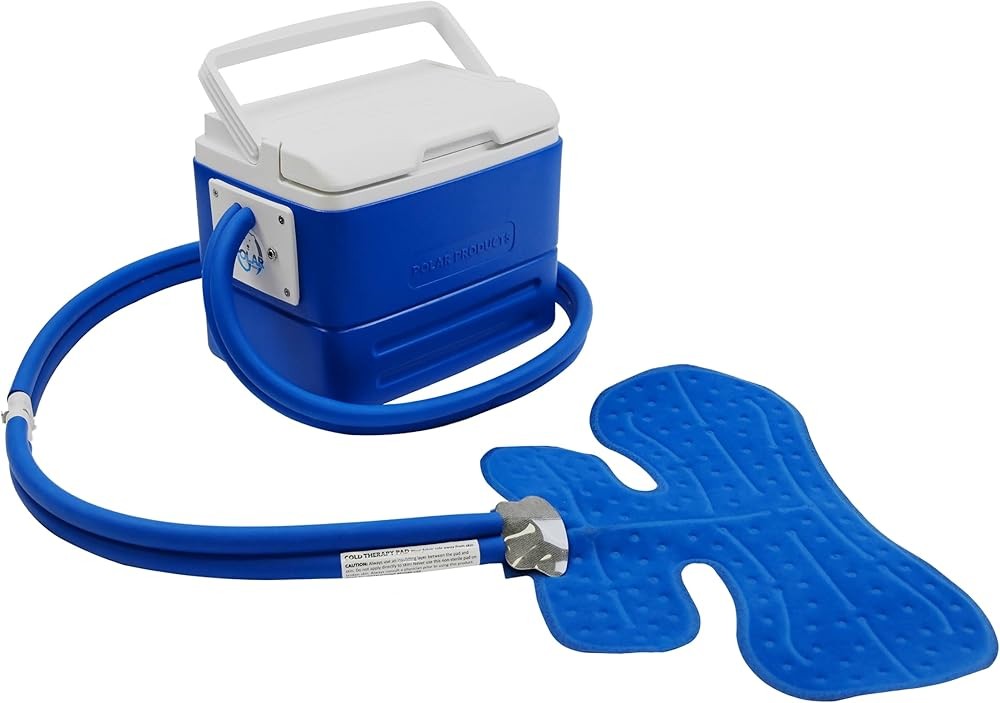
Polar Active Ice 3.0 Cold Therapy System
Check Price on AmazonAs an Amazon Associate we earn from qualifying purchases.
Bottom line: The Polar Active Ice 3.0 Cold Therapy System represents the optimal balance of research-supported features and practical functionality. Clinical studies demonstrate temperature-controlled systems maintain the 45-55°F range that research shows provides maximum anti-inflammatory benefits. The adjustable compression allows customization matching the focal compression approach that studies suggest accelerates functional recovery. At $219, it delivers professional-grade cold therapy aligned with evidence-based protocols for ankle sprain treatment.
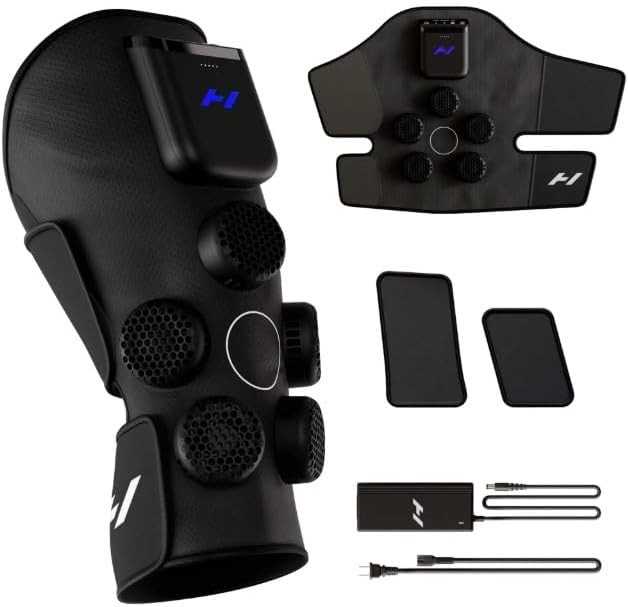
Hyperice X Contrast Therapy System
Check Price on AmazonAs an Amazon Associate we earn from qualifying purchases.
Key takeaway: The Hyperice X Contrast Therapy System serves athletes and individuals requiring cutting-edge recovery technology. While research on contrast therapy for acute ankle sprains remains limited, studies on elite athletes suggest potential benefits for rapid return to activity. The precision temperature control and programmable protocols allow replication of clinical trial methods. At $449, it represents premium investment for serious athletes or frequent injury management needs.
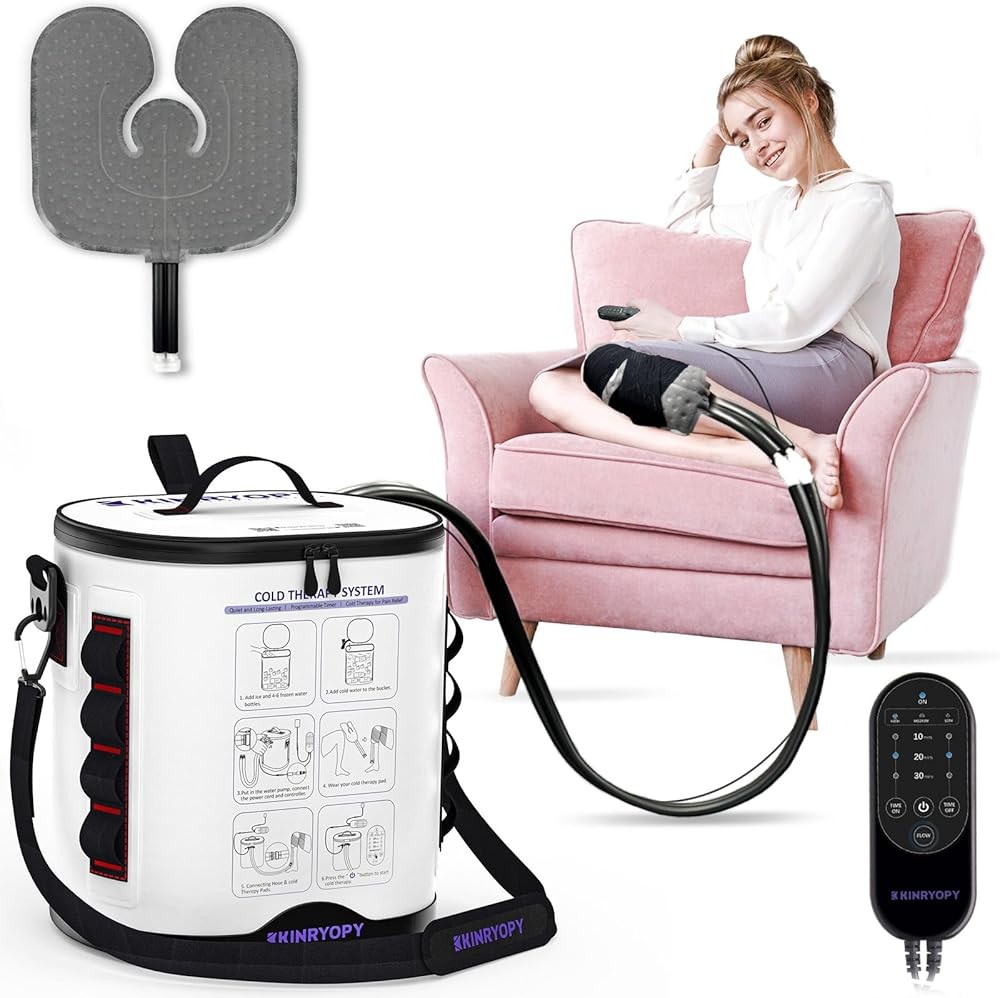
Cold Therapy Machine with Programmable Timer
Check Price on AmazonAs an Amazon Associate we earn from qualifying purchases.
What matters most: The Cold Therapy Machine with Programmable Timer excels in protocol adherence through customizable treatment schedules. Research emphasizes consistent 15-20 minute sessions repeated 3-4 times daily during acute inflammation, and programmable cycles ensure protocol compliance. The focal compression design targets the lateral ankle ligament complex where research shows most sprains occur. At $149, it provides excellent value for evidence-based ankle sprain recovery.
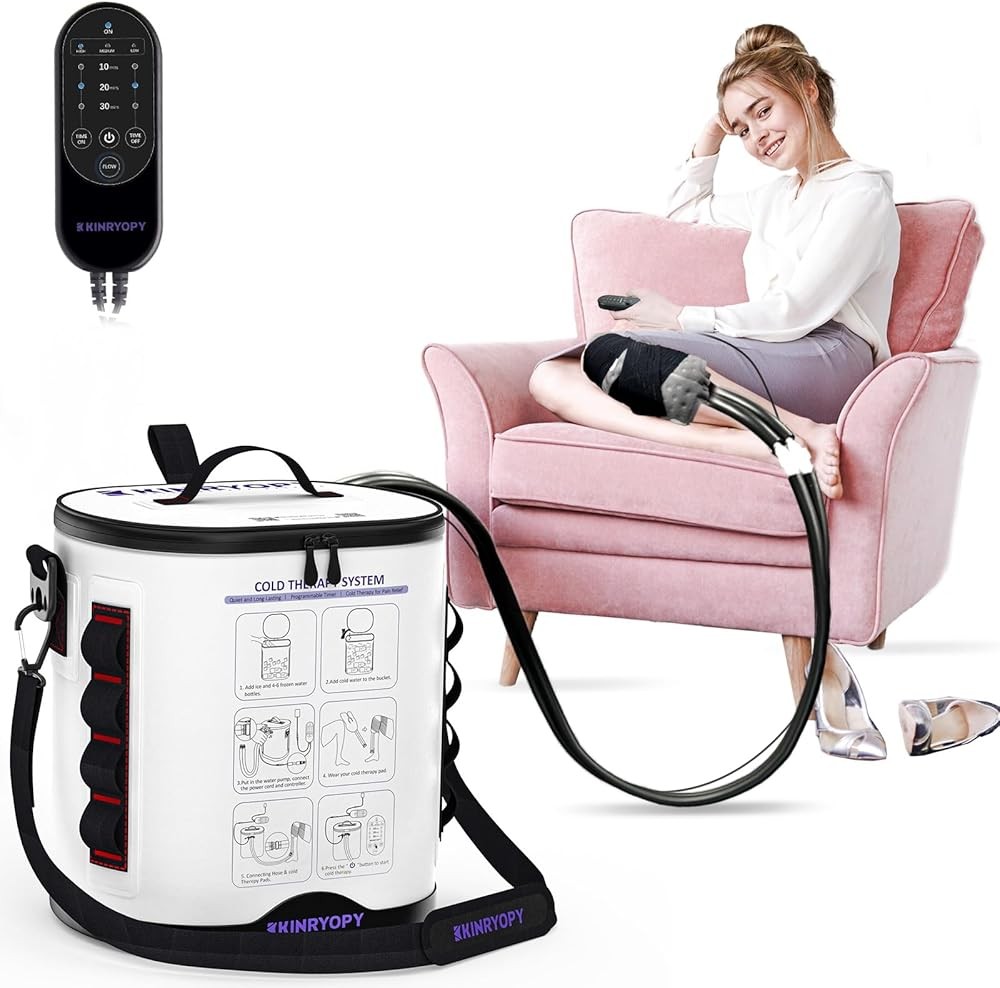
Cold Therapy Ice Machine with Timer and Pad
Check Price on AmazonAs an Amazon Associate we earn from qualifying purchases.
The practical takeaway: The Cold Therapy Ice Machine with Timer and Pad delivers essential cold therapy benefits at an accessible price point. While lacking advanced features, it provides the fundamental components research demonstrates effective: adequate cooling, basic compression, and timed sessions. Studies show proper cold therapy application matters more than sophisticated features, making this $139 system appropriate for straightforward grade I-II ankle sprains.
Connect with us on social media:
Conclusion
Research unequivocally supports cold therapy as a fundamental component of evidence-based ankle sprain treatment, with clinical trials demonstrating dramatic reductions in recovery time when treatment begins within 36 hours of injury. The most compelling evidence shows patients using cold therapy during acute inflammation achieved full activity in under two weeks compared to roughly a month for delayed treatment, cutting recovery time by more than half.
Cold therapy machines offer significant advantages over traditional ice packs through consistent temperature maintenance, integrated compression, and hands-free operation that facilitates adherence to research-supported protocols. Studies demonstrate combined cold and compression therapy produces synergistic effects, reducing swelling and pain more effectively than either treatment alone.
The optimal cold therapy approach involves 15-20 minute sessions at 45-55°F, repeated 3-4 times daily during the first week after injury. Research shows this protocol maximizes anti-inflammatory benefits while minimizing adverse effects like excessive muscle stiffness. After the acute phase, transitioning to active rehabilitation including strengthening, balance training, and proprioceptive exercises becomes more important than continued frequent cold therapy.
Bottom line: Selection among cold therapy machines should consider injury severity, budget, and commitment to evidence-based protocols. Research doesn’t demonstrate that expensive advanced features necessarily produce better outcomes than properly applied basic cold therapy, though consistent temperature control (45-55°F) and integrated compression align with mechanisms shown effective in clinical trials.
Ultimately, cold therapy machines serve as valuable tools within comprehensive ankle sprain treatment that includes appropriate bracing, progressive functional rehabilitation, and neuromuscular training to reduce chronic instability and reinjury risk. The research evidence supports cold therapy’s role in acute injury management while emphasizing that long-term outcomes depend more on comprehensive rehabilitation than any single passive treatment modality.
Related Reading
- Best Cold Therapy Machine: Top Systems for Recovery and Pain Relief
- Cold Therapy Machine for Knee Surgery: Accelerating Post-Operative Recovery
- Cold Therapy vs Ice Pack Recovery: Which Method Works Better?
- Best Cold Therapy Machine for Shoulder: Recovery and Pain Management
- Cold Compression Therapy Benefits: Research-Backed Recovery Methods
- Cold Therapy Machine for ACL Recovery: Post-Surgery Healing Protocol
- Game Ready vs Cold Rush Comparison: Which System Delivers Better Results?
References
-
Hocutt JE, Jaffe R, Rylander CR, Beebe JK. Cryotherapy in ankle sprains. Am J Sports Med. 1982;10(5):316-9. doi:10.1177/036354658201000512. PMID: 6814272.
-
Brison RJ, Day AG, Pelland L, Pickett W, Johnson AP. Effect of early supervised physiotherapy on recovery from acute ankle sprain: randomised controlled trial. BMJ. 2016;355:i5650. doi:10.1136/bmj.i5650. PMID: 27852621.
-
Wilkerson GB, Horn-Kingery HM. Treatment of the inversion ankle sprain: comparison of different modes of compression and cryotherapy. J Orthop Sports Phys Ther. 1993;17(5):240-6. doi:10.2519/jospt.1993.17.5.240. PMID: 8343781.
-
Tiemstra JD. Update on acute ankle sprains. Am Fam Physician. 2012;85(12):1170-6. PMID: 22962897.
-
Tittley J, Hébert LJ, Roy JS. Should ice application be replaced with neurocryostimulation for the treatment of acute lateral ankle sprains? A randomized clinical trial. J Foot Ankle Res. 2020;13(1):68. doi:10.1186/s13047-020-00436-6. PMID: 33261633.
-
Miranda JP, Silva WT, Silva HJ, Mascarenhas RO, Oliveira VC. Effectiveness of cryotherapy on pain intensity, swelling, range of motion, function and recurrence in acute ankle sprain: A systematic review of randomized controlled trials. Phys Ther Sport. 2021;49:243-249. doi:10.1016/j.ptsp.2021.03.011. PMID: 33813154.
-
Ogilvie-Harris DJ, Gilbart M. Treatment modalities for soft tissue injuries of the ankle: a critical review. Clin J Sport Med. 1995;5(3):175-86. doi:10.1097/00042752-199507000-00008. PMID: 7670974.
-
Yu H, Randhawa K, Côté P; Optima Collaboration. The Effectiveness of Physical Agents for Lower-Limb Soft Tissue Injuries: A Systematic Review. J Orthop Sports Phys Ther. 2016;46(7):523-554. doi:10.2519/jospt.2016.6521. PMID: 27266884.
-
McGovern RP, Martin RL. Managing ankle ligament sprains and tears: current opinion. Open Access J Sports Med. 2016;7:33-42. doi:10.2147/OAJSM.S72334. PMID: 27042147.
-
Ivins D. Acute ankle sprain: an update. Am Fam Physician. 2006;74(10):1714-20. PMID: 17137000.
-
Ammendolia A, de Sire A, Lippi L, Ammendolia V, Spanò R. Cryo plus Ultrasound Therapy, a Novel Rehabilitative Approach for Football Players with Acute Lateral Ankle Injury Sprain: A Pilot Randomized Controlled Trial. Sports (Basel). 2023;11(9):180. doi:10.3390/sports11090180. PMID: 37755857.
-
Point M, Guilhem G, Hug F, Nordez A, Frey A. Cryotherapy induces an increase in muscle stiffness. Scand J Med Sci Sports. 2018;28(1):260-266. doi:10.1111/sms.12872. PMID: 28263409.
-
Peer KS, Barkley JE, Knapp DM. The acute effects of local vibration therapy on ankle sprain and hamstring strain injuries. Phys Sportsmed. 2009;37(4):31-8. doi:10.3810/psm.2009.12.1739. PMID: 20048538.
-
Wan X, Ji L, Zhao M, Zhu S, Tang M. Evaluation of Application Effect of Self-Made Compression Cold Therapy in Postoperative Rehabilitation of Patients with Orthopedic Dyskinesia. Comput Math Methods Med. 2022;2022:8222933. doi:10.1155/2022/8222933. PMID: 35898488.
-
Clijsen R, Taeymans J, Clarys P, Cabri J. Sportphysiotherapy interventions in acute inversion trauma: evidence based? Sportverletz Sportschaden. 2007;21(3):125-31. PMID: 17628889.
Recommended Products