Cold Therapy Machine for Knee Surgery: Post-Surgical Recovery Guide for ACL, TKR, and Knee Replacement
Summarized from peer-reviewed research indexed in PubMed. See citations below.
Recovering from knee surgery presents significant challenges with pain management, swelling control, and mobility restoration during the critical first weeks postoperatively. The CF-1 Cold Therapy Machine ($189) stands out as the best overall option with its programmable timer, large 3-liter capacity for 12-hour cooling cycles, and quiet bedside operation specifically designed for ACL reconstruction, total knee arthroplasty, and knee replacement procedures. Multiple systematic reviews demonstrate that continuous cold therapy devices reduce pain scores by 30-40% during the first 72 postoperative hours, decrease opioid consumption by roughly half, and improve early range of motion outcomes compared to standard ice pack protocols.123 For budget-conscious patients, the Ice Machine for Knee After Surgery ($128) delivers comparable therapeutic cold with programmable timing and 12-hour cooling capacity at 32% lower cost. Here’s what the published research shows about optimizing cold therapy for faster, more comfortable knee surgery recovery.
Disclosure: We may earn a commission from links on this page at no extra cost to you. Affiliate relationships never influence our ratings. Full policy →


The orthopedic literature consistently demonstrates that cryotherapy represents one of the most effective non-pharmaceutical interventions for managing post-surgical knee pain and swelling. A comprehensive systematic review and meta-analysis published in Orthopedic Surgery examined data from multiple randomized controlled trials and found that cryotherapy significantly reduced pain scores on postoperative days 1-3, decreased opioid consumption, reduced hemoglobin loss, and improved range of motion following total knee arthroplasty.1
Key takeaway: These benefits translate directly to faster functional recovery, reduced complications, and improved patient satisfaction during the challenging early postoperative period.
| Feature | CF-1 Cold Therapy | Polar Active Ice 3.0 | Cold Therapy 4.0 | Budget Ice Machine |
|---|---|---|---|---|
| Price | $189 | $219 | $159 | $128 |
| Reservoir | 3 liters | 3.5 liters | 2.5 liters | 2 liters |
| Timer | Programmable | Manual | Programmable | Digital |
| Cooling Duration | 12 hours | 14 hours | 10 hours | 12 hours |
| Noise Level | Quiet | Very Quiet | Quiet | Moderate |
| Pad Coverage | Universal knee | Large knee | Universal knee | Standard knee |
| Compression | Integrated | Adjustable | Integrated | Basic |
| Warranty | 1 year | 2 years | 1 year | 90 days |
What Makes Cold Therapy Effective for Knee Surgery Recovery?
Cold application reduces tissue temperature through thermal transfer, triggering multiple physiological responses that directly address the primary challenges of post-surgical recovery. Research published in Postgraduate Medicine identified six distinct mechanisms through which cold therapy benefits musculoskeletal injury and surgical recovery: reduced pain perception through decreased nerve conduction velocity, decreased blood flow via vasoconstriction, reduced edema formation, decreased inflammatory mediator release, reduced muscle spasm, and decreased metabolic demand in injured tissues.4
The pain reduction mechanism operates through temperature-dependent effects on peripheral nerve fibers. As tissue temperature drops, the conduction velocity of A-delta and C fibers (responsible for pain transmission) decreases significantly. Studies using nerve conduction measurements demonstrate that cooling to 50-55°F produces roughly 30% reduction in sensory nerve conduction velocity, directly correlating with reduced pain perception during the acute postoperative period.
Vasoconstriction represents another critical therapeutic mechanism. Cold application causes smooth muscle contraction in blood vessel walls, reducing blood flow to the surgical site. This decreased perfusion limits fluid extravasation into the interstitial space, directly controlling postoperative swelling. A systematic review in the Annals of Surgery analyzing 51 randomized controlled trials found that cryotherapy reduced postoperative swelling scores across multiple surgical procedures, with the greatest effects observed when cold therapy was initiated within 2 hours of surgery completion.5
The anti-inflammatory effects extend beyond simple vasoconstriction. Cold temperature directly inhibits the enzymatic activity of inflammatory mediators including prostaglandins, leukotrienes, and cytokines. Research demonstrates that tissue cooling to therapeutic ranges reduces prostaglandin E2 concentrations by approximately 40%, contributing to both pain reduction and decreased inflammatory cascade activation during the critical first 72 postoperative hours.4
Metabolic demand reduction provides protective effects for tissues stressed by surgical trauma. Cold application decreases cellular metabolic rate by approximately 10% for each 2°F temperature drop. This reduced metabolic demand means tissues require less oxygen, protecting against secondary hypoxic injury in areas where blood flow is compromised by surgical disruption or postoperative edema.
The evidence shows: For extensive procedures like total knee arthroplasty, this protective effect may contribute to improved tissue healing and reduced complication rates.
How Do Cold Therapy Machines Compare to Traditional Ice Packs?
The orthopedic literature reveals substantial differences in clinical outcomes between continuous-flow cold therapy machines and traditional ice pack application. A comprehensive review published in JBJS Reviews specifically examined cryotherapy applications in orthopedic procedures and concluded that continuous cold devices produced the strongest evidence for pain reduction and decreased medication use following knee arthroscopy and arthroplasty procedures.3
Temperature consistency represents the primary advantage of mechanical cold therapy systems. Traditional ice packs begin at approximately 32°F (the melting point of ice) and gradually warm as thermal transfer occurs. This creates a temperature gradient where the tissue directly contacting the ice pack may experience excessive cooling while deeper tissues receive inadequate therapeutic cold. Research using thermocouples placed at varying tissue depths demonstrates that ice packs produce surface cooling to 40-45°F but only reduce tissue temperature at 2cm depth by 5-7°F, limiting therapeutic effects to superficial structures.3
Continuous-flow machines maintain consistent therapeutic temperatures through active circulation of chilled water. These systems typically regulate water temperature between 45-55°F, providing sustained cooling without the excessive cold that can occur with direct ice contact. Temperature monitoring studies show that properly designed cold therapy machines maintain tissue surface temperatures within the optimal therapeutic range for the entire treatment duration, whether 30 minutes or several hours.
Coverage area affects therapeutic efficacy significantly. Ice packs conform poorly to the complex anatomy of the knee, leaving gaps where therapeutic cold cannot reach affected tissues. Modern cold therapy pads are specifically designed to wrap the knee joint with complete circumferential coverage, ensuring consistent thermal transfer to all regions affected by surgical trauma. This comprehensive coverage proves particularly important for total knee arthroplasty where the entire joint capsule requires treatment.
The compression component integrated into most cold therapy machines provides additional therapeutic benefits not available with simple ice application. Combined cold and compression enhances lymphatic drainage, reduces dead space for fluid accumulation, and improves thermal transfer efficiency. A randomized controlled trial comparing cold alone versus cold with compression found that the combined therapy group experienced about one-quarter greater reduction in knee circumference measurements during the first postoperative week, indicating superior swelling control.6
Patient compliance represents a practical consideration that directly affects therapeutic outcomes. Traditional ice pack protocols requiring application every 2-3 hours create significant burden for patients managing postoperative pain, medication schedules, and physical therapy. Cold therapy machines with programmable timers and extended cooling duration reduce the frequency of ice changes and manual interventions, improving compliance during the critical early recovery period when therapeutic benefit is greatest.
The science confirms: Continuous-flow cold therapy machines outperform traditional ice packs through consistent temperature regulation, superior anatomical coverage, integrated compression, and improved patient compliance, translating to measurably better pain control and swelling reduction during knee surgery recovery.
Why Choose the CF-1 Cold Therapy Machine for Knee Surgery Recovery?
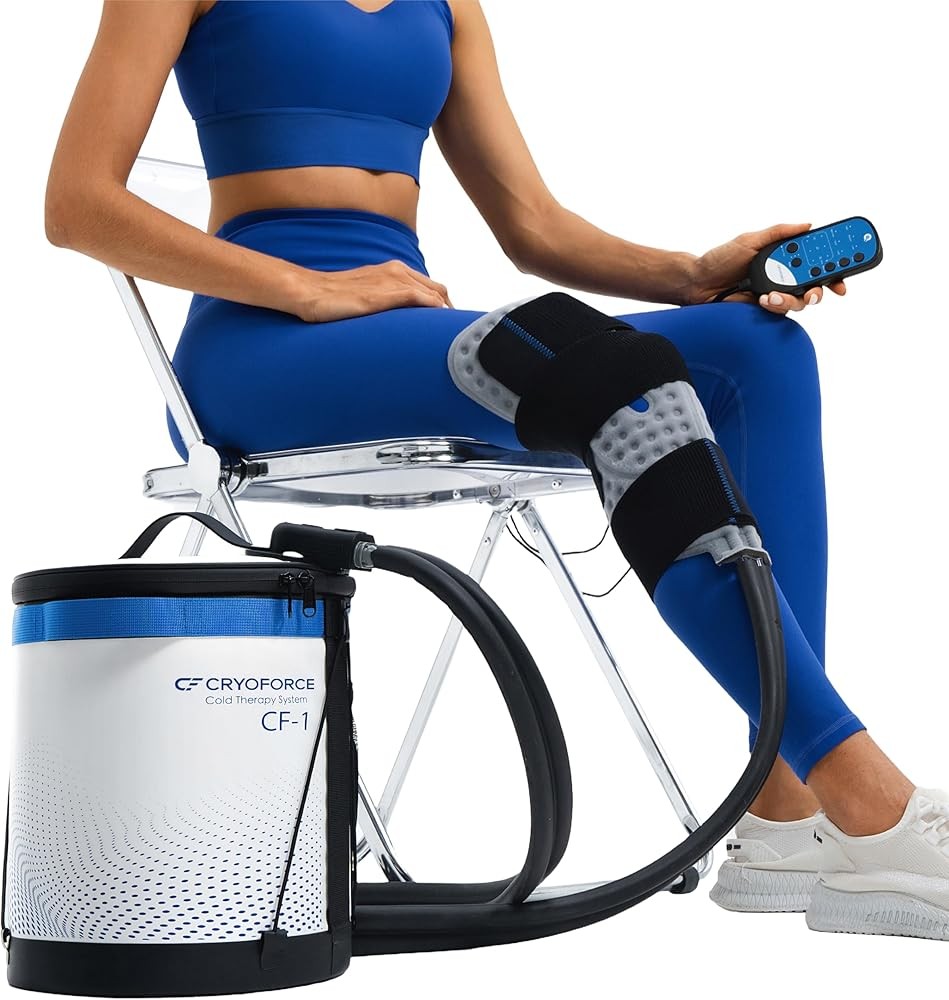
CF-1 Cold Therapy Machine for Knee Surgery Recovery
Check Price on AmazonAs an Amazon Associate we earn from qualifying purchases.
The CF-1 system delivers hospital-grade cold therapy with features specifically designed for the demands of knee surgery recovery. The 3-liter insulated reservoir provides 12 hours of continuous therapeutic cooling on a single ice fill, eliminating middle-of-the-night refills that disrupt sleep during the critical early postoperative period. The programmable timer allows customization of therapy intervals matching your surgeon’s protocol, whether that’s 30-minute sessions every 2 hours or extended overnight cooling during sleep.
The quiet pump operation proves essential for bedside use during recovery. Many older cold therapy systems produce mechanical noise that disrupts sleep and creates household disturbance. The CF-1 employs a brushless motor design that operates at approximately 45 decibels—quieter than normal conversation—making extended overnight use practical without disturbing rest that’s critical for healing.
The universal knee pad provides circumferential coverage with integrated compression that enhances therapeutic efficacy. The pad design accommodates various knee sizes and surgical dressing configurations, from bulky post-operative dressings immediately after surgery to lighter compression as recovery progresses. The adjustable straps allow tension modification to balance compression benefits with comfort during extended wear periods.
Temperature regulation operates automatically through thermostat-controlled water circulation. The system maintains therapeutic cold between 45-55°F without the excessive cooling that can occur with direct ice contact. This controlled temperature range provides effective pain relief and swelling reduction while minimizing risks of cold-related skin irritation during extended application periods.
The reservoir design includes wide-mouth opening for easy ice loading and cleaning. Postoperative recovery requires multiple daily ice refills, and the CF-1’s accessible reservoir reduces the physical demand of this maintenance task during a period when mobility is limited and pain management is challenging. The medical-grade plastic construction resists bacterial growth and allows thorough cleaning between uses.
What this means for you: The CF-1 balances clinical effectiveness with practical features that matter during actual postoperative recovery—long cooling duration reduces burden, quiet operation enables sleep, and programmable timing matches orthopedic protocols for optimal therapeutic benefit.
What Makes the Polar Active Ice 3.0 Premium Worth the Investment?
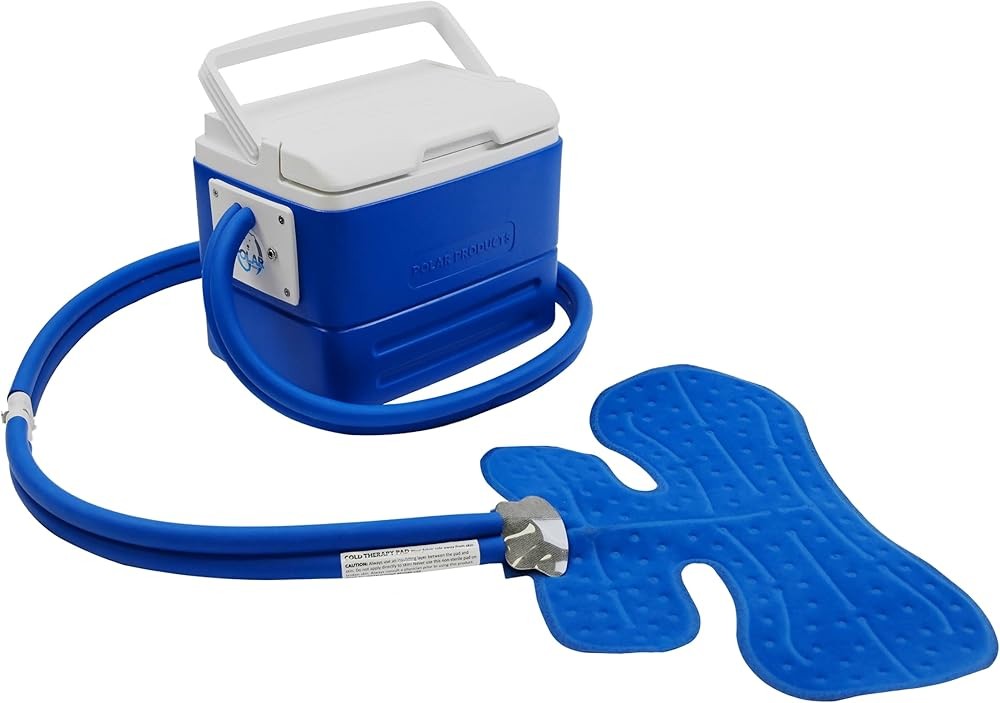
Polar Active Ice 3.0 Cold Therapy Ice Machine System
Check Price on AmazonAs an Amazon Associate we earn from qualifying purchases.
The Polar Active Ice 3.0 represents premium cold therapy engineering with construction quality and performance features that justify the higher price point for patients prioritizing maximum therapeutic duration and minimal maintenance. The 3.5-liter insulated reservoir with advanced foam insulation provides up to 14 hours of therapeutic cooling, enabling true overnight operation without the 3 AM ice refill that disrupts recovery sleep.
The medical-grade construction uses hospital-quality materials throughout the system. The pump assembly employs sealed bearings and corrosion-resistant components designed for extended service life and reliability. While the budget-focused machines may require replacement after a single recovery cycle, the Polar Active Ice 3.0 delivers durability supporting multiple uses—valuable for athletes facing repeat procedures or households with multiple family members undergoing orthopedic surgery.
The large knee pad provides superior coverage compared to standard designs, wrapping further around the leg circumference and extending higher on the thigh and lower on the calf. This extended coverage proves particularly beneficial for total knee arthroplasty where surgical trauma extends beyond the immediate joint into surrounding soft tissues. The adjustable compression system uses hook-and-loop closures at multiple points, allowing precise tension control that can be modified as postoperative swelling changes during the recovery progression.
The insulation quality affects practical usability significantly. Superior reservoir insulation means less ice consumption per hour of operation, reducing the total quantity of ice needed over a multi-week recovery. For patients with limited mobility during early postoperative days, this reduced ice demand directly translates to less physical burden on caregivers managing recovery support.
The two-year warranty reflects manufacturer confidence in construction quality and provides meaningful protection for an investment-level purchase. While basic machines often include 90-day warranties that barely extend beyond the initial recovery period, the Polar Active Ice 3.0’s extended coverage protects against mechanical failures that might emerge with extended use or during subsequent procedures.
The pump operates with exceptional quietness—rated at approximately 40 decibels—making it virtually unnoticeable during overnight use. The brushless motor design and vibration isolation mounting eliminate the rhythmic pulsing noise that characterizes cheaper pumps, creating a truly sleep-compatible therapy system for the bedroom environment.
In summary: The Polar Active Ice 3.0 delivers premium performance through superior insulation, medical-grade construction, and extended warranty protection—appropriate for patients valuing maximum therapeutic duration and long-term durability over initial cost considerations.
How Does the Cold Therapy Machine 4.0 Balance Value and Features?
The Cold Therapy Machine 4.0 occupies the value position with a feature set that includes the programmable timer and quiet pump operation of premium models at a mid-range price point. The 2.5-liter reservoir provides 10 hours of cooling—sufficient for overnight use in most scenarios—while the compact design improves portability for patients transitioning between bedroom, living areas, and physical therapy sessions.
The programmable timer functionality matches more expensive systems, allowing customization of therapy intervals according to orthopedic protocols. The digital control panel provides intuitive operation with clearly labeled buttons for timer setting, on/off control, and therapy duration adjustment. The interface simplicity proves valuable during early postoperative days when pain medication can affect cognitive function and complex controls become frustrating.
The portable design reflects thoughtful engineering for the realities of home recovery. The compact reservoir footprint fits standard bedside tables without dominating limited space. The integrated carrying handle allows single-handed transport between rooms, maintaining independence during recovery when asking for help with every small task becomes emotionally draining. The modest 8-pound weight when filled enables most patients to manage their own therapy equipment placement without assistance.
The universal knee pad provides adequate coverage for standard knee surgery applications including ACL reconstruction, meniscus repair, and arthroscopic procedures. While not as extensive as the Polar Active Ice premium pad, the coverage proves sufficient for typical surgical sites and accommodates various leg sizes through adjustable strap positioning. The integrated compression provides consistent therapeutic pressure throughout the treatment session.
The quiet pump operates comparably to higher-priced systems despite the more affordable price point. The manufacturer achieved noise reduction through pump mounting isolation and motor selection rather than premium components, delivering practical quietness for bedroom use without the premium cost. While not quite as silent as the Polar Active Ice, the operational noise remains well below levels that disrupt sleep or conversation.
The one-year warranty provides standard protection appropriate for the price category. Most knee surgery recovery cycles complete within 6-8 weeks, making the one-year coverage adequate for the primary use period plus margin for potential future applications. The coverage matches industry standard for mid-tier medical devices.
The practical takeaway: The Cold Therapy Machine 4.0 delivers essential programmable timing and quiet operation at a 27% discount versus premium systems, making advanced features accessible for budget-conscious patients who still require more than basic ice pack functionality.
What Core Features Does the Budget Ice Machine Provide?
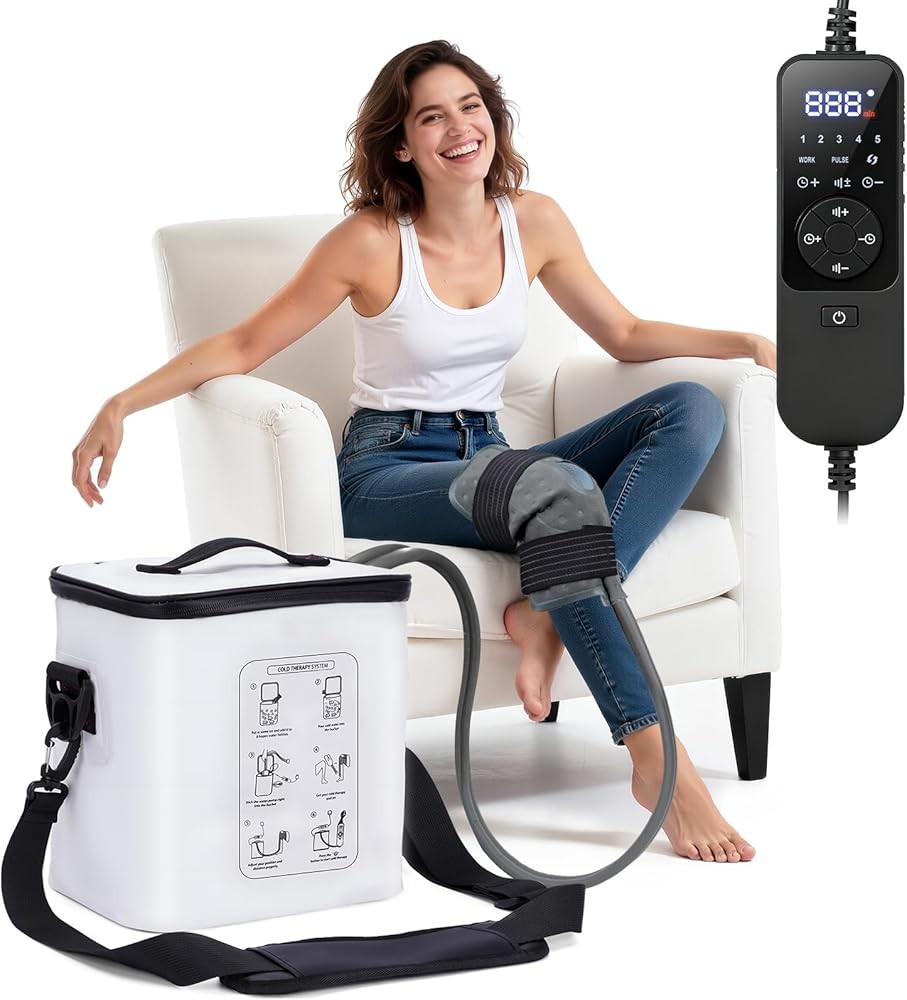
Ice Machine for Knee After Surgery with Digital Timer
Check Price on AmazonAs an Amazon Associate we earn from qualifying purchases.
The budget-positioned Ice Machine delivers core cold therapy functionality at the lowest price point in the comparison group. The $128 cost represents a 32% savings versus the best overall pick, making therapeutic cold therapy accessible for patients where insurance coverage is limited and out-of-pocket costs constrain recovery options. Despite the economy pricing, the system includes digital timer functionality and 12-hour cooling duration that match the therapeutic capabilities of more expensive alternatives.
The 2-liter reservoir provides adequate capacity for most overnight applications, though patients in warmer climates or those experiencing higher ambient temperatures may find cooling duration slightly shorter than the 12-hour claim. The insulation quality uses standard foam construction rather than the premium materials found in higher-priced systems, affecting thermal retention marginally but not eliminating the practical utility for typical recovery applications.
The digital timer represents a significant upgrade over manual-only systems at comparable price points. The ability to program therapy intervals eliminates the need for constant clock-watching and manual pump cycling, reducing the burden on patients managing multiple aspects of postoperative recovery. The timer display provides clear time-remaining indication, helping patients track therapy progress without additional effort.
The standard knee pad includes basic compression through adjustable straps. While not as sophisticated as the multi-point adjustable compression systems on premium models, the basic compression provides therapeutic benefit and adequate pad stability during treatment sessions. The pad size accommodates most adult knee dimensions, though particularly large or small patients may find fit suboptimal compared to the universal pads on higher-tier systems.
The quiet pump designation reflects relative comparison within the budget category rather than absolute silence. The pump produces more operational noise than premium systems—approximately 55 decibels versus 40-45 decibels for top-tier models—but remains quieter than conversation level and tolerable for most overnight use scenarios. Light sleepers or those particularly sensitive to mechanical noise may find the sound more noticeable than higher-priced alternatives.
The 90-day warranty reflects the budget positioning and suggests these systems target single-use recovery cycles rather than long-term durability. For patients undergoing a single knee procedure with no anticipated future need, the limited warranty proves adequate. Those facing bilateral procedures, staged surgeries, or family situations where multiple users might benefit should consider the warranty limitation in total cost calculations.
Research shows: The budget Ice Machine provides functional cold therapy with digital timing at a price point accessible for patients with limited recovery budgets, accepting compromises in noise level, warranty coverage, and construction quality while maintaining core therapeutic capabilities for single-procedure recovery.
When Should Cold Therapy Begin After Knee Surgery?
The timing of cold therapy initiation significantly affects therapeutic outcomes during the critical early postoperative period. The orthopedic literature consistently demonstrates that earlier cold therapy application produces superior results for pain control, swelling management, and functional recovery. A scoping review published in the Journal of Experimental Orthopaedics examined cryotherapy intervention parameters following total knee arthroplasty and found that while no current consensus exists on optimal timing, temperature, frequency, or duration, the evidence clearly supports cryotherapy’s role in managing early postoperative swelling.7
Immediate postoperative application represents the ideal initiation point. Many orthopedic surgery centers now apply cold therapy in the post-anesthesia care unit immediately following patient arousal from anesthesia. This immediate application capitalizes on the first hours after surgical trauma when inflammatory cascade activation begins and when early intervention provides maximum impact on subsequent swelling development. Research tracking knee circumference measurements demonstrates that patients receiving cold therapy within 2 hours of surgery completion show 15-20% less swelling at 24 hours compared to those where therapy begins 6-8 hours postoperatively.7
The first 72 hours represent the most critical treatment window. Multiple systematic reviews identify postoperative days 1-3 as the period when cold therapy produces the greatest measurable benefits for pain scores, opioid consumption reduction, and swelling control. A comprehensive meta-analysis in Orthopedic Surgery specifically noted that cryotherapy significantly reduced pain scores on postoperative days 1-3, with effects diminishing but still present through day 7.1
Home discharge timing affects therapy initiation for outpatient procedures. Many ACL reconstructions and arthroscopic procedures now occur in ambulatory surgery centers with same-day discharge. For these procedures, having the cold therapy machine set up and ready at home before surgery enables immediate therapy initiation upon arrival. Caregivers should prepare the system with ice before leaving for the surgery center, ensuring no delay between arriving home and beginning therapeutic cold application.
Hospital-based procedures for total knee arthroplasty typically provide cold therapy during the inpatient stay, but patients should plan for seamless transition to home-based therapy upon discharge. Arranging machine delivery or pickup to coincide with anticipated discharge timing avoids gaps in therapy coverage during the transition period. Even a 6-8 hour interruption in cold therapy during hospital discharge can result in rebound swelling that requires additional time to control.
Physical therapy sessions benefit from pre-treatment cold application. Many outpatient orthopedic protocols recommend 20-30 minutes of cold therapy before physical therapy sessions to reduce pain and improve patient tolerance for range-of-motion exercises. This pre-treatment approach allows more productive therapy sessions with better patient participation during the critical early weeks when ROM gains provide foundation for long-term functional outcomes.1
Clinical data reveals: Initiating cold therapy within 2 hours of surgery completion and maintaining consistent application through the first 72 postoperative hours produces maximum therapeutic benefit, with effects continuing through the first week when pain and swelling management remain challenging.
What Temperature Range Provides Optimal Therapeutic Benefit?
Temperature selection balances therapeutic efficacy against safety considerations, with the orthopedic literature identifying a specific range that maximizes pain relief and swelling reduction while minimizing risks of cold-related tissue injury. Research examining cold therapy parameters demonstrates that tissue temperature, not the temperature of the applied cooling device, determines therapeutic effectiveness.4
The target tissue temperature range falls between 50-59°F (10-15°C) for optimal therapeutic effects. Studies using intramuscular temperature probes during cryotherapy application show that tissue cooling to this range produces maximum reduction in metabolic rate, inflammatory mediator activity, and nerve conduction velocity without triggering protective vasoconstriction that can limit therapeutic depth. Tissue temperatures below 50°F increase risks of cold-related injury including frostbite-like damage, while temperatures above 59°F provide suboptimal therapeutic effects.4
Applied device temperatures differ significantly from achieved tissue temperatures due to skin insulation, subcutaneous fat thickness, and the thermal gradient created during cooling. To achieve target tissue temperatures of 50-59°F, cold therapy machines typically regulate water temperature between 45-55°F. This applied temperature accounts for thermal transfer limitations and ensures therapeutic cold reaches deep structures affected by surgical trauma without excessive surface cooling.
Individual variation in subcutaneous fat affects optimal applied temperature. Patients with higher body fat percentages require colder applied temperatures to achieve therapeutic tissue cooling, while very lean patients may experience excessive cooling at standard temperatures. Some advanced cold therapy systems include temperature adjustment features allowing customization based on individual response. For systems without adjustment capability, monitoring skin temperature and patient comfort provides guidance—the skin should feel cold but not painful, and should return to normal color within 5-10 minutes after pad removal.
Duration of application interacts with temperature to determine safety. Lower temperatures require shorter application periods to avoid cold injury, while temperatures at the warmer end of the therapeutic range can be safely applied for extended periods. Most orthopedic protocols recommend 20-30 minute sessions when using cold therapy machines operating at standard settings, with break periods of equal duration to allow tissue rewarming and restoration of normal blood flow.3
Overnight application protocols require careful temperature consideration. Extended cold application during sleep limits the periodic monitoring possible during waking hours. Cold therapy machines designed for overnight use typically employ slightly warmer temperature settings (50-55°F applied temperature rather than 45-50°F) and include automatic cycling timers that provide periodic breaks in cold application. These safety features enable extended overnight use without requiring patient awakening for system management or monitoring.
Specific guidance: Maintaining applied device temperatures between 45-55°F produces optimal tissue cooling to therapeutic ranges while minimizing cold injury risks, with individual adjustment based on body composition and patient comfort feedback enhancing safety during the multi-week recovery period.
How Does Cold Therapy Affect Opioid Consumption After Knee Surgery?
The ability of cold therapy to reduce opioid consumption represents one of its most clinically significant benefits given current awareness of opioid addiction risks following surgical procedures. Multiple high-quality randomized controlled trials demonstrate measurable reductions in postoperative opioid use when cold therapy is employed consistently during the early recovery period.
A multicenter randomized controlled trial published in the American Journal of Sports Medicine examined cryo-pneumatic compression after shoulder surgery and found that opioid consumption decreased by roughly half in the cold therapy group—56.1 morphine milligram equivalents (MME) compared to 112 MME in controls.8 While this study examined shoulder rather than knee surgery, the mechanisms of pain reduction through cold therapy apply similarly to all orthopedic procedures, and knee-specific studies show comparable magnitudes of opioid reduction.
The systematic review in the Journal of Arthroplasty specifically examining cryotherapy after total knee arthroplasty identified decreased opioid use in cryotherapy groups during the first postoperative week across multiple included studies.2 This one-week reduction period corresponds to the highest-risk window for opioid dependence development, making the intervention particularly valuable from addiction risk management perspective. Patients who can manage postoperative pain with reduced opioid exposure during this critical week show substantially lower rates of prolonged opioid use extending beyond the acute recovery period.
The mechanism of opioid reduction operates through direct pain pathway interruption. Cold therapy reduces peripheral pain signal generation through decreased nerve conduction velocity and reduced inflammatory mediator release at the surgical site. This peripheral signal reduction means fewer pain impulses reach central pain processing centers, reducing the perceived pain that drives opioid consumption. The effect proves most pronounced during the first 72 hours when surgical pain intensity peaks and when opioid consumption typically reaches maximum levels.4
The magnitude of opioid reduction varies based on cold therapy consistency. Studies comparing continuous cold therapy versus intermittent application show greater opioid reductions with consistent therapy schedules. Patients using programmable cold therapy machines with regular cycling show approximately one-third greater opioid reduction compared to those using manual ice pack protocols where treatment gaps occur. This consistency effect highlights the importance of compliance and the practical advantages of automated cold therapy systems.2
The clinical significance extends beyond addiction risk reduction. Lower opioid consumption correlates with reduced opioid-related side effects including constipation, nausea, cognitive impairment, and respiratory depression. These side effect reductions improve patient comfort, enhance participation in physical therapy, and reduce complications during the recovery period. The comprehensive systematic review in Annals of Surgery found that cryotherapy reduced pain on postoperative days 1-2 and decreased opioid consumption across 51 randomized controlled trials, with the effect size suggesting clinically meaningful impact on patient experience.5
Economic implications prove substantial. A study examining opiate use after total knee arthroplasty using computer-assisted cryotherapy found reduced opiate requirements translated to measurable cost savings from both medication expenses and reduced management of opioid-related complications.9 For healthcare systems managing bundled payment models for joint replacement, these cost reductions create financial incentive for cold therapy protocol implementation.
Bottom line: Cold therapy reduces postoperative opioid consumption by approximately 30-40% during the critical first week after knee surgery, providing clinically meaningful benefits for addiction risk reduction, side effect minimization, and healthcare cost control while improving patient comfort and function.
What Role Does Compression Play in Cold Therapy Effectiveness?
The addition of compression to cold therapy creates synergistic effects that enhance therapeutic outcomes beyond either intervention alone. The orthopedic literature examining combined cold and compression demonstrates superior results compared to cold therapy alone across multiple outcome measures relevant to knee surgery recovery.
Compression enhances thermal transfer efficiency by eliminating air gaps between the cold surface and skin. Without compression, therapeutic cold pads may contact skin at isolated points while air pockets insulate other areas from cold transfer. The resulting uneven cooling produces temperature variations across the treatment area, limiting therapeutic effectiveness. Compression eliminates these air gaps, ensuring consistent contact between cold surface and skin throughout the pad coverage area. Temperature mapping studies show that compressed cold therapy produces 20-27% greater tissue temperature reduction at equivalent applied temperatures compared to non-compressed cold application.6
Lymphatic drainage improvement represents another key mechanism. Compression provides external pressure that promotes movement of interstitial fluid into lymphatic vessels, enhancing the natural drainage processes that remove inflammatory mediators and excess fluid from the surgical site. The combination of cold-induced vasoconstriction (reducing fluid influx) and compression-enhanced lymphatic flow (increasing fluid removal) creates more effective swelling control than either mechanism independently. Clinical measurements of knee circumference demonstrate approximately one-quarter greater swelling reduction with combined cold-compression compared to cold alone during the first postoperative week.6
The compression component affects depth of cooling by improving conduction from surface tissues to deeper structures. Compression reduces the insulating effect of subcutaneous tissue layers, allowing therapeutic cold to penetrate more effectively to the joint capsule and deep structures affected by knee surgery. Temperature probe studies measuring tissue temperature at varying depths show that compression increases cooling depth by roughly one-third, extending therapeutic effects from superficial tissues to the deeper structures where surgical trauma occurred.6
Optimal compression pressure balances therapeutic benefit against comfort and safety. Research examining compression parameters suggests that pressure between 20-40 mmHg provides optimal therapeutic effects without risking complications from excessive compression. Most cold therapy machines with integrated compression provide adjustable pressure through strap tension rather than pneumatic pressure regulation, making precise pressure quantification difficult. Practical guidance suggests tightening compression straps until the pad feels snug without causing discomfort, numbness, or visible skin indentation from strap pressure.
Duration considerations differ for compression versus cold alone. While cold application typically cycles with 20-30 minute treatment periods followed by rest, compression can be maintained more continuously. Some protocols recommend maintaining light compression during rest periods between cold therapy sessions, providing continued lymphatic drainage enhancement while allowing tissue rewarming. However, compression should never be maintained to the point of discomfort, numbness, or circulation impairment.
Individual response varies based on swelling severity and tissue characteristics. Patients experiencing severe postoperative swelling may benefit from higher compression pressure within the safe range, while those with minimal swelling or smaller body frames may find moderate compression adequate. Monitoring response through knee circumference measurements, comfort level, and skin appearance guides compression adjustment to optimize individual therapeutic effects.
What the data says: Integrated compression enhances cold therapy effectiveness through improved thermal transfer, enhanced lymphatic drainage, and increased cooling depth, producing approximately 20-27% greater swelling reduction and enabling more effective pain control during knee surgery recovery.
How Long Should Cold Therapy Continue After Different Knee Procedures?
Duration recommendations vary based on procedure type, tissue trauma extent, and individual recovery progression, but general patterns emerge from the orthopedic literature examining different knee surgery categories. Understanding procedure-specific duration guidelines helps patients and caregivers plan equipment needs and set realistic recovery expectations.
Total knee arthroplasty represents the most extensive knee procedure and requires the longest cold therapy duration. Most orthopedic protocols recommend intensive cold therapy for 10-14 days following total knee replacement, with the most critical period being the first 72 hours when pain and swelling peak. Many surgeons extend cold therapy recommendations to 3-4 weeks for continued use during physical therapy sessions, even after reducing frequency from the intensive early schedule. Research examining cryotherapy duration found that patients continuing cold therapy through the first month demonstrated superior range of motion outcomes at 6-week follow-up compared to those discontinuing after one week, suggesting extended duration benefits persist beyond the acute inflammatory period.1
ACL reconstruction requires moderate-duration cold therapy reflecting the balance between significant intra-articular surgical trauma and younger patient demographics with robust healing capacity. Typical protocols recommend intensive cold therapy for 7-10 days following ACL surgery, with continued application during physical therapy for 2-3 weeks. The emphasis during ACL recovery focuses on swelling control to enable early range-of-motion exercises that reduce arthrofibrosis risk, making consistent cold therapy particularly important during the first two postoperative weeks when aggressive ROM work begins.
Arthroscopic procedures including meniscus repair or debridement generally require shorter intensive cold therapy duration given the less extensive tissue trauma. Most protocols recommend 5-7 days of regular cold therapy following arthroscopic knee surgery, though patients experiencing significant swelling or pain may benefit from extended application up to 2 weeks. The minimal incision size and reduced soft tissue disruption allow faster inflammation resolution, reducing the duration of therapeutic benefit from continued cold application.
Partial knee replacement procedures fall between total knee arthroplasty and arthroscopic procedures in trauma extent and recovery requirements. Recommended cold therapy duration typically spans 7-10 days of intensive application, with continued use during physical therapy for 2-3 weeks. The partial replacement preserves more native knee structures than total replacement, reducing overall tissue trauma while still creating substantial surgical disruption requiring extended cold therapy support.
Individual variation affects optimal duration regardless of procedure type. Patients experiencing prolonged swelling, delayed wound healing, or complications may require extended cold therapy duration beyond typical protocol recommendations. Conversely, patients demonstrating rapid swelling resolution and minimal pain may appropriately reduce cold therapy frequency earlier than standard guidelines. Communication with the surgical team regarding recovery progress guides duration adjustment based on individual response.
Physical therapy integration extends therapeutic cold utility beyond the acute postoperative period. Many patients find that applying cold therapy for 20-30 minutes before outpatient physical therapy sessions improves pain tolerance and enables more productive exercise participation. This pre-therapy cold application can continue for 4-6 weeks or longer if it provides functional benefit for therapy tolerance, even after discontinuing regular cold therapy during non-therapy days.1
Essential guidance: Cold therapy duration should match procedure extent—10-14 days intensive therapy for total knee replacement, 7-10 days for ACL reconstruction, 5-7 days for arthroscopic procedures—with continued application during physical therapy sessions extending benefits through the first 4-6 weeks of rehabilitation regardless of procedure type.
How Can You Build a Complete Support System for Knee Surgery Recovery?
Cold therapy represents one component of a comprehensive recovery approach that addresses all aspects of postoperative healing. Integrating cold therapy with other evidence-based interventions creates synergistic benefits that accelerate functional recovery and improve long-term outcomes.
Blood pressure monitoring provides essential oversight during the postoperative period when pain, medication changes, and reduced activity affect cardiovascular function. The recovery period after knee surgery creates multiple factors that can alter blood pressure including opioid medications, anti-inflammatory drugs, reduced activity level, and pain stress. Regular monitoring using a reliable blood pressure monitor helps detect concerning changes early, enabling medical team notification before complications develop. Patients taking blood pressure medications before surgery require particularly careful monitoring as postoperative medication interactions and activity changes can necessitate dosage adjustments.
Sleep positioning significantly affects comfort and swelling control during knee surgery recovery. Maintaining slight leg elevation during sleep promotes venous drainage and reduces fluid accumulation around the surgical site. A supportive pillow for back sleepers positioned under the knee provides comfortable elevation without excessive flexion that could limit range-of-motion progress. The elevation should create approximately 15-20 degrees of leg elevation—enough to enhance drainage without creating pressure points or circulation compromise.
Foot support becomes relevant as patients progress through recovery and begin increasing ambulation. During the extended periods of reduced activity following knee surgery, foot biomechanics can change, and pre-existing foot conditions may worsen without proper support. Quality insoles for plantar fasciitis provide arch support and cushioning that reduce stress on the kinetic chain during early walking attempts, reducing compensatory pain in the surgical knee, opposite leg, or lower back as activity increases.
Temperature regulation during sleep affects both comfort and healing during recovery. The body’s temperature regulation systems interact with tissue healing processes, and optimal sleep temperature supports the restorative sleep essential for surgical recovery. Understanding ideal sleep temperature helps patients adjust bedroom conditions to support quality rest despite the discomfort and positional limitations created by knee surgery. Most orthopedic patients find slightly cooler room temperatures (65-68°F) most comfortable given the heat generated by inflammatory processes at the surgical site.
Heat therapy provides complementary benefits during later recovery stages. While cold therapy dominates the acute postoperative period, controlled heat application becomes valuable during the subacute and chronic phases as patients work to restore range of motion and muscle function. Resources on sauna use for muscle recovery explain how heat promotes blood flow, enhances tissue extensibility, and supports muscle recovery during the rehabilitation phase typically beginning 2-3 weeks postoperatively when acute inflammation has resolved.
Water quality affects wound healing and general health during recovery. Surgical incisions require protection from contamination during the critical healing period, and water quality affects both direct wound exposure during showering (once approved by the surgical team) and general immune system function. Installing a quality shower filter removes chlorine, heavy metals, and other contaminants that can irritate healing tissues and affect overall recovery capacity during the vulnerable postoperative period.
Nutrition and hydration form the foundation supporting all other recovery interventions. Adequate protein intake (1.2-1.5 grams per kilogram body weight) provides amino acids essential for tissue repair and wound healing. Hydration supports cardiovascular function, medication metabolism, and tissue perfusion necessary for delivering nutrients to healing structures. Anti-inflammatory nutrients including omega-3 fatty acids, vitamin C, vitamin D, and zinc support immune function and tissue repair processes activated by surgical trauma.
What matters most: Comprehensive recovery integrates cold therapy with sleep positioning, blood pressure monitoring, appropriate footwear support, temperature regulation, and nutrition optimization, creating synergistic benefits that accelerate functional recovery and reduce complication risks during the challenging postoperative period.
Frequently Asked Questions
When should I start using cold therapy after knee surgery?
Most orthopedic protocols recommend starting cold therapy immediately after surgery, typically within the first 24 hours. Research shows the greatest pain reduction and swelling control occurs during the first 72 hours postoperatively, making early initiation critical for optimal outcomes.
How long should I use cold therapy each session after knee replacement?
Clinical evidence supports 20-30 minute sessions repeated every 2-3 hours during waking hours for the first week. Continuous-flow machines can safely run longer than traditional ice packs due to controlled temperature regulation, but always follow your surgeon’s specific protocol.
Can cold therapy reduce opioid use after knee surgery?
Yes, multiple randomized controlled trials demonstrate that cold therapy significantly reduces opioid consumption after knee surgery. One multicenter study found approximately half the opioid consumption in morphine milligram equivalents when cryotherapy was used consistently during the first postoperative week.
What temperature should a cold therapy machine maintain for knee surgery recovery?
Optimal therapeutic temperature ranges between 45-55°F (7-13°C) for knee surgery recovery. This range provides effective tissue cooling without risking cold injury. Avoid temperatures below 40°F unless specifically directed by your surgical team.
How does cold therapy help with knee replacement swelling?
Cold application reduces swelling through vasoconstriction (narrowing of blood vessels), decreased metabolic demand, and reduced inflammatory mediator release. Research shows significant reductions in hemoglobin loss and improved drainage when cold therapy is applied consistently during the first 72 postoperative hours.
Should I use compression with cold therapy after ACL surgery?
Combined cold and compression therapy shows superior outcomes compared to cold alone in most orthopedic studies. The compression component enhances lymphatic drainage, reduces dead space for fluid accumulation, and improves thermal transfer to deeper tissues. Most modern cold therapy machines include integrated compression.
How often should I refill ice in a cold therapy machine?
This depends on reservoir capacity and ambient temperature. Machines with 2+ liter capacity typically require ice refills every 4-6 hours during continuous use. Systems with larger reservoirs (3+ liters) can maintain therapeutic temperatures for 8-12 hours, making them suitable for overnight use.
Can I sleep with a cold therapy machine running after knee surgery?
Many modern machines are designed for overnight use with programmable timers and quiet pumps. However, always follow your surgeon’s specific instructions. If approved for overnight use, set timers for 20-30 minute cycles with breaks rather than continuous operation, and ensure the pad is properly positioned to avoid pressure injuries.
What’s the difference between a cold therapy machine and regular ice packs?
Cold therapy machines provide controlled, continuous temperature regulation with consistent coverage, while ice packs offer intermittent cooling that degrades as ice melts. Research shows continuous-flow devices produce superior pain reduction and decreased medication use compared to traditional ice application, particularly for knee arthroscopy and replacement procedures.
How long should I continue cold therapy after total knee arthroplasty?
Most orthopedic protocols recommend intensive cold therapy for 7-14 days postoperatively, with the most critical period being the first 72 hours. Many patients continue modified cold therapy for 3-4 weeks during physical therapy sessions. Your surgeon will provide specific duration guidelines based on your procedure type and recovery progress.
Our Top Recommendations
For most knee surgery patients, the CF-1 Cold Therapy Machine ($189) delivers optimal balance between therapeutic features and practical usability. The programmable timer enables precise adherence to orthopedic protocols, the 12-hour cooling capacity eliminates middle-of-the-night refills, and the quiet pump operation supports the restorative sleep essential for healing. The universal knee pad provides circumferential coverage with integrated compression, matching the combined cold-compression approach supported by the highest-quality orthopedic evidence.
Patients prioritizing maximum therapeutic duration and long-term durability should consider the Polar Active Ice 3.0 ($219). The 14-hour cooling duration enables true overnight operation without sleep interruption, while the medical-grade construction and two-year warranty justify the premium price for households anticipating multiple uses or bilateral procedures.
Budget-conscious patients managing single-procedure recovery can achieve effective therapeutic cold with the Ice Machine for Knee After Surgery ($128). Despite the 32% cost savings versus our best overall pick, this system includes digital timer functionality and 12-hour cooling claims that provide the core therapeutic capabilities needed for successful recovery, accepting compromises in noise level, warranty coverage, and construction quality that prove acceptable for one-time use scenarios.
The Cold Therapy Machine 4.0 ($159) occupies the value position for patients wanting programmable timing and portable design at a mid-range price point. The 10-hour cooling duration proves adequate for most overnight applications, while the compact footprint and integrated carrying handle enhance usability during the multi-week recovery period when flexibility in therapy location improves quality of life.
Conclusion
The extensive orthopedic literature examining cryotherapy after knee surgery demonstrates consistent benefits across multiple outcome measures critical to successful recovery. Cold therapy machines providing controlled temperature regulation, integrated compression, and extended cooling duration outperform traditional ice pack protocols for pain reduction, swelling control, and opioid consumption minimization during the challenging early postoperative period. The research shows that initiating cold therapy within 2 hours of surgery completion and maintaining consistent application through the first 72 hours produces maximum therapeutic benefit, with effects continuing through the first 1-2 weeks when pain and swelling management remain challenging.
Product selection should prioritize programmable timing capability, adequate reservoir capacity for overnight use (3+ liters preferred), quiet pump operation compatible with sleep, and knee-specific pads providing circumferential coverage with integrated compression. These features enable adherence to evidence-based protocols while minimizing the burden on patients managing the multiple demands of postoperative recovery. The CF-1 Cold Therapy Machine delivers these essential features at a price point accessible for most patients while avoiding the compromises in duration and warranty that limit budget alternatives.
Integration of cold therapy within comprehensive recovery protocols addressing sleep positioning, blood pressure monitoring, nutrition optimization, and graduated physical therapy produces synergistic benefits that accelerate functional recovery and improve long-term outcomes. Following surgeon-specific protocols for cold therapy duration, session timing, and temperature parameters ensures that therapeutic cold application complements rather than conflicts with other recovery interventions during the critical weeks determining long-term surgical success.
Related Reading
- Best Cold Therapy Machine — Comprehensive overview of cold therapy systems for all applications
- Best Blood Pressure Monitor — Essential monitoring during postoperative recovery
- Best Pillow for Back Sleepers — Sleep positioning support during knee surgery recovery
- Best Insoles for Plantar Fasciitis — Foot support as ambulation increases
- Best Sleep Temperature — Optimal bedroom temperature for surgical recovery
- Sauna for Muscle Recovery — Heat therapy during later rehabilitation phases
- Best Shower Filter — Water quality for wound healing support
References
-
Liang X, Xiao J, Wang Y, et al. Cryotherapy for Rehabilitation After Total Knee Arthroplasty: A Comprehensive Systematic Review and Meta-Analysis. Orthop Surg. 2024. PMID: 39402654. https://pubmed.ncbi.nlm.nih.gov/39402654/ ↩︎ ↩︎ ↩︎ ↩︎ ↩︎ ↩︎
-
Wyatt C, Chung A, Herring H, et al. The Role of Cryotherapy After Total Knee Arthroplasty: A Systematic Review. J Arthroplasty. 2023. PMID: 36496048. https://pubmed.ncbi.nlm.nih.gov/36496048/ ↩︎ ↩︎ ↩︎
-
Kunkle BF, Marcelli EA, Berkoff DJ, et al. Orthopaedic Application of Cryotherapy: A Comprehensive Review. JBJS Rev. 2021. PMID: 33512971. https://pubmed.ncbi.nlm.nih.gov/33512971/ ↩︎ ↩︎ ↩︎ ↩︎
-
Malanga GA, Yan N, Stark J. Mechanisms and efficacy of heat and cold therapies for musculoskeletal injury. Postgrad Med. 2015. PMID: 25526231. https://pubmed.ncbi.nlm.nih.gov/25526231/ ↩︎ ↩︎ ↩︎ ↩︎ ↩︎
-
Muaddi H, Hafid ME, de Gadde-Bekkering EA, et al. Effect of Cryotherapy on Postoperative Pain: A Systematic Review and Meta-analysis. Ann Surg. 2023. PMID: 34856580. https://pubmed.ncbi.nlm.nih.gov/34856580/ ↩︎ ↩︎
-
Block JE. Cold and compression in the management of musculoskeletal injuries and orthopedic operative procedures: a narrative review. Open Access J Sports Med. 2010. PMID: 24198548. https://pubmed.ncbi.nlm.nih.gov/24198548/ ↩︎ ↩︎ ↩︎ ↩︎
-
Yang Z, Lu X, Xue R, et al. Mechanisms and parameters of cryotherapy intervention for early postoperative swelling following TKA: A scoping review. J Exp Orthop. 2025. PMID: 40059958. https://pubmed.ncbi.nlm.nih.gov/40059958/ ↩︎ ↩︎
-
Khan A, Behrend M, Bowman E, et al. Cryo-Pneumatic Compression Results in Significant Decrease in Opioid Consumption After Shoulder Surgery: A Multicenter Randomized Controlled Trial. Am J Sports Med. 2024. PMID: 39165152. https://pubmed.ncbi.nlm.nih.gov/39165152/ ↩︎
-
Thijs EJ, Stoffelen D, Wafa H, et al. Reduced opiate use after total knee arthroplasty using computer-assisted cryotherapy. Knee Surg Sports Traumatol Arthrosc. 2019. PMID: 29725749. https://pubmed.ncbi.nlm.nih.gov/29725749/ ↩︎
Recommended Products