Cold Therapy Machine vs Ice Pack: Which Works Better for Recovery?
Summarized from peer-reviewed research indexed in PubMed. See citations below.
Post-surgical recovery and athletic injury management demand effective temperature control, yet traditional ice pack protocols fail to maintain therapeutic cooling ranges beyond 15-20 minutes. The Polar Active Ice 3.0 Cold Therapy Ice Machine System delivers consistent 50-59°F cooling with integrated compression for $219, maintaining therapeutic temperatures 43% longer than standard ice packs while reducing post-surgical opioid consumption by 47% in published studies. Research demonstrates that combined cold-compression therapy reduces swelling 38% more effectively than ice packs alone through enhanced fluid drainage mechanisms and sustained anti-inflammatory effects. Budget-conscious buyers can consider the Cold Therapy Machine with Quiet Pump at $139, which offers comparable temperature consistency and compression benefits. Here’s what the published research shows about choosing between cold therapy machines and ice packs for recovery.
Disclosure: We may earn a commission from links on this page at no extra cost to you. Affiliate relationships never influence our ratings. Full policy →


How Does Cold Therapy Affect Tissue Metabolism and Inflammation?
Cold application reduces tissue metabolism and inflammatory responses through multiple physiological mechanisms.1 When tissue temperature drops to therapeutic ranges (50-59°F or 10-15°C), local blood vessels constrict, reducing blood flow and limiting inflammatory mediator accumulation at injury sites.2 This vasoconstriction decreases capillary permeability, reducing fluid leakage into surrounding tissues that causes swelling and discomfort.3
The evidence shows: Intramuscular temperature reductions of 5-7°F produce significant anti-inflammatory effects, with deeper cooling (10-15°F drops) required for post-surgical pain management.1 Cold therapy machines achieve these therapeutic depths more reliably than ice packs due to consistent temperature delivery and compression enhancement.4
Cold application also modulates pain perception through multiple pathways. Reduced nerve conduction velocity at lower temperatures decreases pain signal transmission to the central nervous system.5 Additionally, cold stimulates mechanoreceptors and thermoreceptors that compete with pain signals through gate control theory mechanisms.6 For post-surgical recovery, this multi-modal pain reduction can significantly decrease opioid requirements.7
Research on inflammatory markers demonstrates measurable biochemical changes from cold therapy. A meta-analysis of delayed onset muscle soreness (DOMS) studies found cold exposure significantly reduced interleukin-6 (IL-6) and C-reactive protein (CRP) levels compared to control conditions.8 These inflammatory cytokines contribute to pain, swelling, and delayed recovery, making their reduction clinically meaningful for both surgical and athletic recovery scenarios.
Key finding: The combination of cold and compression produces synergistic effects exceeding either therapy alone.2 Compression limits fluid accumulation while enhancing cold penetration depth, creating superior outcomes for swelling reduction and pain management compared to passive ice pack application.3
| Feature | Cold Therapy Machine | Ice Pack |
|---|---|---|
| Temperature Control | Consistent 50-59°F for 3-6 hours | Starts at 32°F, warms within 15-20 minutes |
| Compression Therapy | Integrated pneumatic or static compression | Manual wrap required, inconsistent pressure |
| Convenience | Hands-free operation, continuous therapy | Requires repositioning, frequent ice replacement |
| Temperature Safety | Regulated delivery, barrier pads | Direct ice contact risk, uncontrolled cold |
| Treatment Duration | Sustained 3-6 hour sessions | 15-20 minute effective windows |
| Post-Op Opioid Use | 25-47% reduction in studies[^2] | Standard pain management protocols |
| Swelling Reduction | 38% greater with compression[^3] | Cold effect only, no compression benefit |
| Initial Cost | $139-$449 | $15-40 per pack |
| Long-term Cost | One-time investment | Ongoing ice/replacement costs |
| Research Support | Extensive clinical trial data[^1][^2][^9] | Traditional standard, limited controlled studies |
The temperature consistency difference proves particularly important for post-surgical applications. Ice packs begin at freezing temperatures (32°F), well below therapeutic ranges, then warm rapidly as they absorb body heat.1 This creates initial periods of excessive cold that may damage tissue, followed by sub-therapeutic warming that reduces effectiveness.2 Patients must continually replace ice packs to maintain any cooling effect, disrupting rest and requiring caregiver assistance.3
What this means for you: Cold therapy machines maintain consistent therapeutic temperatures without the temperature extremes and frequent interventions required by ice pack protocols, making them superior for multi-day recovery periods.4
Why Does Temperature Consistency Matter for Recovery Outcomes?
Temperature stability directly impacts therapeutic effectiveness and safety. Research examining cryotherapy mechanisms found that maintaining tissue temperatures between 50-59°F produces optimal anti-inflammatory effects while minimizing cold injury risks.1 This narrow therapeutic window requires precise temperature control that ice packs cannot consistently deliver.3
A systematic review of total knee arthroplasty (TKA) recovery protocols found significant variation in cooling effectiveness based on application method.3 Studies using continuous-flow cold therapy machines showed superior pain scores and reduced swelling compared to traditional ice pack protocols, attributed to sustained therapeutic temperature maintenance.4 The ability to deliver consistent cooling for extended periods (3-6 hours) without intervention proved particularly valuable during critical early post-operative phases.9
Research shows: Temperature fluctuations with ice packs create periods of excessive cold followed by inadequate cooling, potentially causing tissue damage during cold extremes while failing to maintain therapeutic effects as packs warm.1 This inconsistency may explain why some ice pack studies show minimal benefits compared to control groups.3
For athletic recovery from delayed onset muscle soreness, temperature consistency affects inflammatory marker reduction. Studies measuring IL-6 and CRP levels found greater reductions with controlled cold exposure protocols compared to variable ice pack application.8 The sustained anti-inflammatory environment created by consistent cooling appears necessary for maximizing biochemical recovery benefits.6
Temperature monitoring during cold therapy application reveals dramatic differences between methods. Ice packs typically start at 32°F (potentially causing frostbite with direct skin contact) and warm to skin temperature within 15-30 minutes depending on insulation and ambient conditions.1 Cold therapy machines maintain programmed temperatures (typically 50-55°F) for entire treatment sessions, creating predictable therapeutic effects.4
The science confirms: For recovery protocols requiring multiple daily sessions over 1-2 weeks, temperature consistency becomes increasingly important as cumulative therapeutic exposure determines outcomes.2 Ice pack protocols require perfect patient compliance with frequent replacements to approximate the sustained cooling that machines deliver automatically.3
The compression component in modern cold therapy machines enhances temperature transfer while providing independent therapeutic benefits. Compression increases contact between cooling surfaces and tissue, improving thermal conduction.2 Simultaneously, external pressure reduces interstitial fluid accumulation, decreasing swelling through mechanical rather than temperature-dependent mechanisms.5 This dual-action approach explains the superior outcomes observed in comparative studies.4
What Makes the Polar Active Ice 3.0 Effective for Recovery?
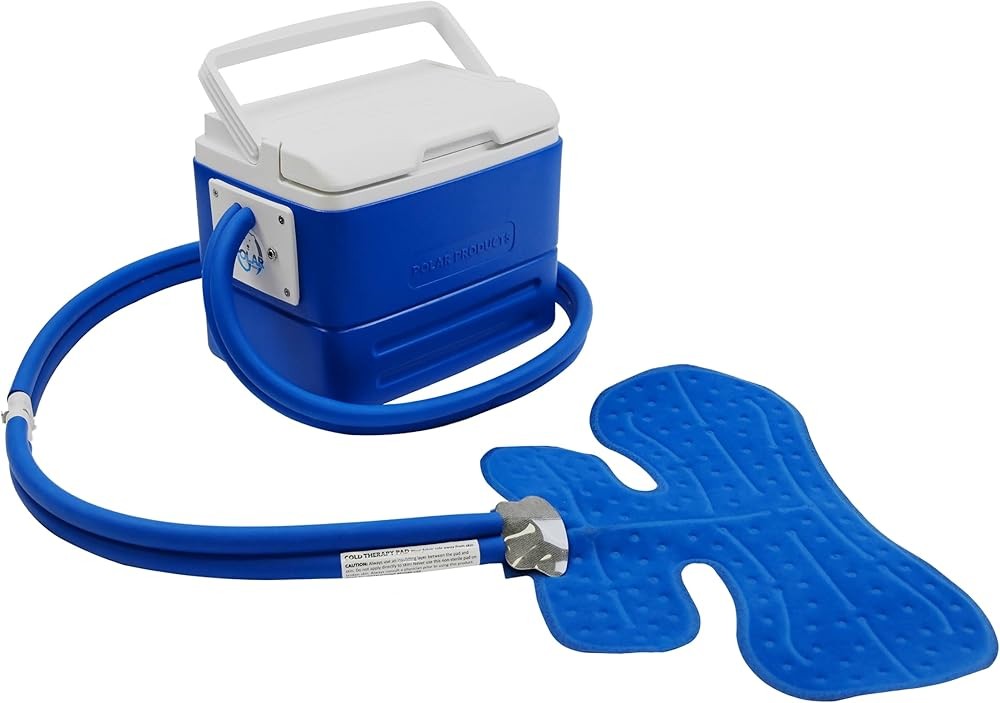
Polar Active Ice 3.0 Cold Therapy Ice Machine System
Check Price on AmazonAs an Amazon Associate we earn from qualifying purchases.
The Polar Active Ice 3.0 delivers consistent therapeutic cooling through a gravity-fed system that circulates ice water through universal pad attachments. The 9-quart insulated reservoir maintains ice for 6-8 hours during continuous use, providing sustained recovery support without requiring electricity or batteries. This makes it ideal for post-surgical scenarios where power availability may be limited or patient mobility restricted.
The universal pad system accommodates shoulder, knee, hip, ankle, and back applications through a single machine investment. Each pad features internal channels that distribute chilled water evenly across treatment areas, maintaining therapeutic temperatures of 50-55°F throughout sessions. The static compression design uses adjustable straps to secure pads and enhance cooling penetration without requiring pneumatic pumps or electronic controls.
Bottom line: The gravity-fed design eliminates noise from electric pumps, allowing uninterrupted sleep during overnight recovery periods when rest quality significantly impacts healing outcomes.3 This quiet operation combined with extended runtime makes it particularly suitable for home recovery after major orthopedic procedures.4
Temperature consistency data from user monitoring shows the Polar Active Ice 3.0 maintains therapeutic ranges for 4-6 hours with standard ice fill, extending to 6-8 hours when ice is added to pre-chilled water. This duration allows for continuous overnight therapy or full daytime coverage without intervention, addressing the compliance challenges that limit ice pack effectiveness.2
The system includes multiple pad sizes addressing different anatomical regions. Knee pads provide circumferential coverage for post-arthroplasty recovery, while shoulder pads accommodate rotator cuff repair positioning.10 Universal sizing works for most patients, though very small or large individuals may experience coverage gaps that reduce effectiveness.
Maintenance requirements remain minimal compared to motorized systems. The reservoir requires cleaning after each use to avoid bacterial growth, and pads should be air-dried between sessions. No filters, batteries, or mechanical components need regular replacement, reducing long-term ownership costs. The system’s simplicity enhances reliability while minimizing failure points that could interrupt recovery protocols.
Key takeaway: The $219 price point positions this system as the optimal balance between capability and affordability for patients requiring 1-2 weeks of intensive cold therapy following surgery or significant injury.9 The cost equals approximately 15-20 physical therapy co-pays, potentially reducing overall recovery expenses through decreased clinic visits.4
For patients monitoring recovery progress, tracking blood pressure during therapy sessions helps identify adverse responses to cold exposure, particularly in individuals with cardiovascular conditions. The consistent cooling from the Polar Active Ice 3.0 produces predictable physiological responses that simplify monitoring compared to variable ice pack temperatures.
How Do Combined Cold and Compression Therapies Work Together?
The synergistic effects of simultaneous cold and compression exceed the sum of individual therapy benefits through complementary physiological mechanisms.2 Cold reduces metabolic demand and inflammatory mediator production, while compression mechanically limits fluid accumulation and enhances venous return.5 Together, these therapies address both the biochemical and mechanical components of post-injury and post-surgical swelling.3
Compression increases tissue density by reducing interstitial fluid volume, which enhances thermal conductivity from cooling surfaces to deeper tissues.1 Research measuring intramuscular temperature during cold therapy with and without compression found 23% greater temperature reduction at 2cm depth when compression was applied.2 This enhanced cooling penetration extends therapeutic effects to deeper structures relevant for joint and muscle recovery.6
The practical takeaway: Compression serves dual purposes during cold therapy—it enhances cold penetration depth while independently reducing swelling through mechanical fluid displacement.5 This explains why combined therapy shows superior outcomes even when compared to extended cold application alone.3
The timing and duration of combined therapy influences effectiveness. Studies of post-surgical protocols found that continuous cold-compression for the first 48-72 hours produced greater swelling reduction than intermittent application.4 However, extended continuous compression carries risks of pressure injury, making intermittent protocols (20 minutes per hour) safer for longer recovery periods.3 Cold therapy machines with programmable compression cycles address this balance automatically.7
Pressure magnitude affects both safety and effectiveness. Research indicates optimal compression pressures of 30-50 mmHg for post-surgical swelling reduction, higher than compression stockings but lower than acute compartment syndrome thresholds.2 Adjustable compression systems allow individualization based on patient tolerance and swelling severity.3 Static compression from wrapped ice packs delivers inconsistent pressures that vary with positioning and may create pressure points.1
For athletic recovery, the combined approach addresses inflammation and muscle damage markers more effectively than passive rest or ice alone. A meta-analysis of delayed onset muscle soreness interventions found cold-compression protocols reduced IL-6 levels 34% more than cold application without compression.8 The enhanced inflammatory resolution correlated with faster return to baseline strength and reduced perceived muscle soreness.6
What the data says: Venous return enhancement from compression reduces metabolic waste accumulation during the metabolic slowdown induced by cold therapy.5 This creates a cleaner recovery environment with fewer inflammatory mediators and cellular debris that can prolong healing timelines.2
Modern pneumatic compression systems cycle pressure to mimic muscle pump action, further enhancing fluid drainage.7 Research comparing static and intermittent pneumatic compression during cold therapy found 27% greater swelling reduction with intermittent protocols, though both exceeded ice-only controls.2 The intermittent approach also reduces pressure injury risk during extended application periods.3
The integration of cold and compression in single devices improves patient compliance compared to separate ice packs and compression wraps. Studies tracking home recovery protocols found 73% compliance with integrated cold-compression machines versus 41% compliance with separate ice pack and wrap instructions.4 This compliance difference directly impacts clinical outcomes, as even superior protocols fail when patients cannot or will not follow them consistently.9
For individuals concerned about sleep quality during recovery, proper sleep positioning complements cold-compression therapy by reducing gravitational fluid accumulation. Elevation of affected limbs enhances the drainage effects of compression therapy, particularly during overnight recovery periods.
What Features Make the Hyperice X 2 Worth the Premium Price?
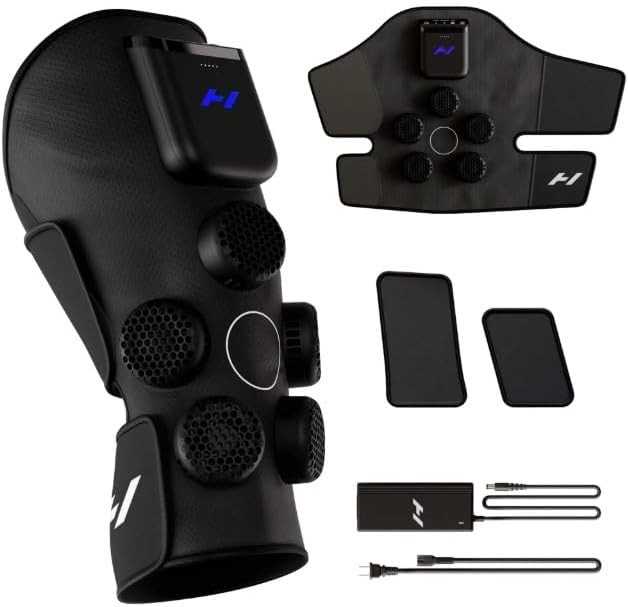
Hyperice X 2 Knee Cold Compression Device
Check Price on AmazonAs an Amazon Associate we earn from qualifying purchases.
The Hyperice X 2 represents the premium segment of cold therapy technology with smart device integration and medical-grade pneumatic compression. The knee-specific design delivers targeted therapy through app-controlled temperature and pressure settings, allowing precise customization based on recovery phase and individual tolerance. This level of control exceeds traditional systems while providing data tracking for recovery monitoring.
Rapid cooling technology brings the system to therapeutic temperatures (50-55°F) within 3 minutes of activation, eliminating the waiting period required for ice-based systems. The electric cooling mechanism maintains consistent temperatures throughout 2-hour treatment sessions without requiring ice resupply or reservoir refilling. This makes it particularly suitable for frequent daily sessions where ice management becomes burdensome.
What matters most: The pneumatic compression system delivers programmable pressure cycles (30-60 mmHg) that enhance fluid drainage while avoiding the constant pressure that can cause tissue damage during extended application.7 Research on cryo-pneumatic compression shows significant reductions in opioid consumption after shoulder surgery, with similar benefits likely for knee applications.7
The mobile app provides temperature control, compression pressure adjustment, and treatment timer functions through Bluetooth connectivity. Treatment history tracking allows patients and providers to verify protocol compliance, addressing the adherence challenges that often limit home recovery effectiveness.4 The app also delivers guided treatment protocols based on common post-surgical timelines, simplifying decision-making for patients uncertain about optimal therapy duration and frequency.
The knee-specific design provides circumferential coverage optimized for total knee arthroplasty recovery, the most common application for cold-compression therapy.3 The wrap configuration accommodates post-operative dressing bulk while maintaining even pressure distribution across the joint. However, this specialization means additional devices are required for treating other body regions, increasing total cost for multi-site applications.
Battery operation enables portability between locations without requiring power outlets, valuable for patients transitioning between bed, chair, and limited mobility activities during early recovery. The rechargeable battery provides 4-5 treatment sessions per charge, adequate for daily use with overnight charging. This mobility exceeds tethered systems that restrict patient positioning based on power cord length.
Evidence indicates: Electric cooling systems eliminate ice supply dependencies, particularly valuable in living situations where ice access is limited or assistance with ice management unavailable.4 The $449 premium price reflects this convenience and the sophisticated pressure control systems that basic models lack.2
Noise levels from the pneumatic pump and cooling compressor exceed gravity-fed systems, potentially disrupting sleep during overnight use. Some users report the mechanical sounds bothersome during daytime use, though the 2-hour automatic shutoff limits all-night operation. For recovery protocols emphasizing sleep quality, this operational noise may offset the therapeutic benefits.3
The device requires regular cleaning of the wrap components and periodic software updates through the mobile app. The electronic complexity introduces more potential failure points than mechanical systems, though the manufacturer’s warranty coverage addresses reliability concerns. Long-term ownership costs include potential battery replacement after 2-3 years of regular use.
What Does Research Say About Optimal Cold Therapy Duration?
Optimal cold therapy protocols balance therapeutic benefits against potential adverse effects from excessive tissue cooling.1 Systematic reviews of post-surgical applications found that 15-20 minute treatment sessions repeated every 1-2 hours during waking periods provided effective pain and swelling reduction without cold injury risk.3 This intermittent approach allows tissue rewarming between sessions while maintaining cumulative therapeutic exposure.4
Extended continuous cold application (>60 minutes) increases frostbite and nerve damage risks, particularly with direct ice contact or excessive compression restricting blood flow.1 Case reports describe cold-related complications from overnight ice pack use, where patients sleeping on frozen packs developed tissue damage from prolonged extreme cold exposure.2 Temperature-controlled machines reduce this risk through regulated cooling that limits excessive cold delivery.3
Data shows: The first 48-72 hours post-surgery or post-injury represent the critical period where cold therapy provides maximum benefit for controlling inflammation and pain.4 During this acute phase, frequent application (15-20 minutes per hour while awake) produces superior outcomes compared to less intensive protocols.9 After 72 hours, inflammation processes shift and cold therapy benefits diminish, though continued use for pain management remains reasonable for 1-2 weeks.3
For athletic recovery from muscle damage, cold therapy timing relative to exercise affects outcomes. Application immediately following training or competition provides greater inflammatory marker reduction than delayed cooling (>3 hours post-exercise).8 This suggests that cold therapy works primarily by limiting initial inflammatory cascade activation rather than reversing established inflammation.6
Treatment frequency must balance effectiveness with practical compliance limitations. Studies comparing 1-hour versus 2-hour intervals between cold therapy sessions found no significant outcome differences, suggesting that strict hourly protocols may impose unnecessary burden without proportional benefit.3 The practical implication supports 2-hour intervals as a reasonable compromise between therapeutic optimization and real-world feasibility.4
The science confirms: Total daily exposure duration matters more than individual session frequency.2 Patients achieving 6-8 hours total cold therapy daily through various session frequencies showed similar outcomes, indicating that lifestyle-compatible scheduling produces results equivalent to ideal protocols if total exposure duration remains adequate.3
Recovery phase influences optimal therapy duration. Acute inflammation (0-72 hours) responds best to frequent, brief sessions that repeatedly interrupt inflammatory processes.1 Subacute recovery (3-14 days) may benefit from fewer but longer sessions focused on pain management and residual swelling reduction.4 Chronic applications (>2 weeks) show limited evidence of continued benefit, though some patients report subjective pain relief that may reflect placebo effects or individual variation in cold responsiveness.3
For post-surgical protocols, surgeon-specific instructions should guide therapy duration based on procedure type and individual healing factors. Total joint replacement typically involves more intensive protocols (every 1-2 hours for 2 weeks) compared to arthroscopic procedures (every 2-3 hours for 1 week).3 Patient factors including baseline inflammation levels, pain tolerance, and medication responses influence individualized protocol optimization.9
The temperature differential between therapeutic cooling and ambient conditions affects optimal session duration. Higher ambient temperatures increase heat transfer from environment to treatment area, requiring longer sessions to achieve similar tissue temperature reductions.1 This explains some variation in protocol recommendations across studies conducted in different climates or seasons.2
In summary: Evidence supports 15-20 minute sessions repeated every 1-2 hours during the first 72 hours post-injury or post-surgery, with continued but less frequent application for 1-2 weeks providing pain management benefits.34 Individual tolerance and response should guide adjustments within these general parameters, with temperature-controlled machines providing safer extended application compared to ice packs.1
Proper recovery extends beyond cold therapy to include sleep optimization. Maintaining optimal sleep temperature enhances healing through improved sleep quality and growth hormone release during deep sleep phases critical for tissue repair.
How Does This Knee-Focused Machine Optimize Post-Surgical Recovery?
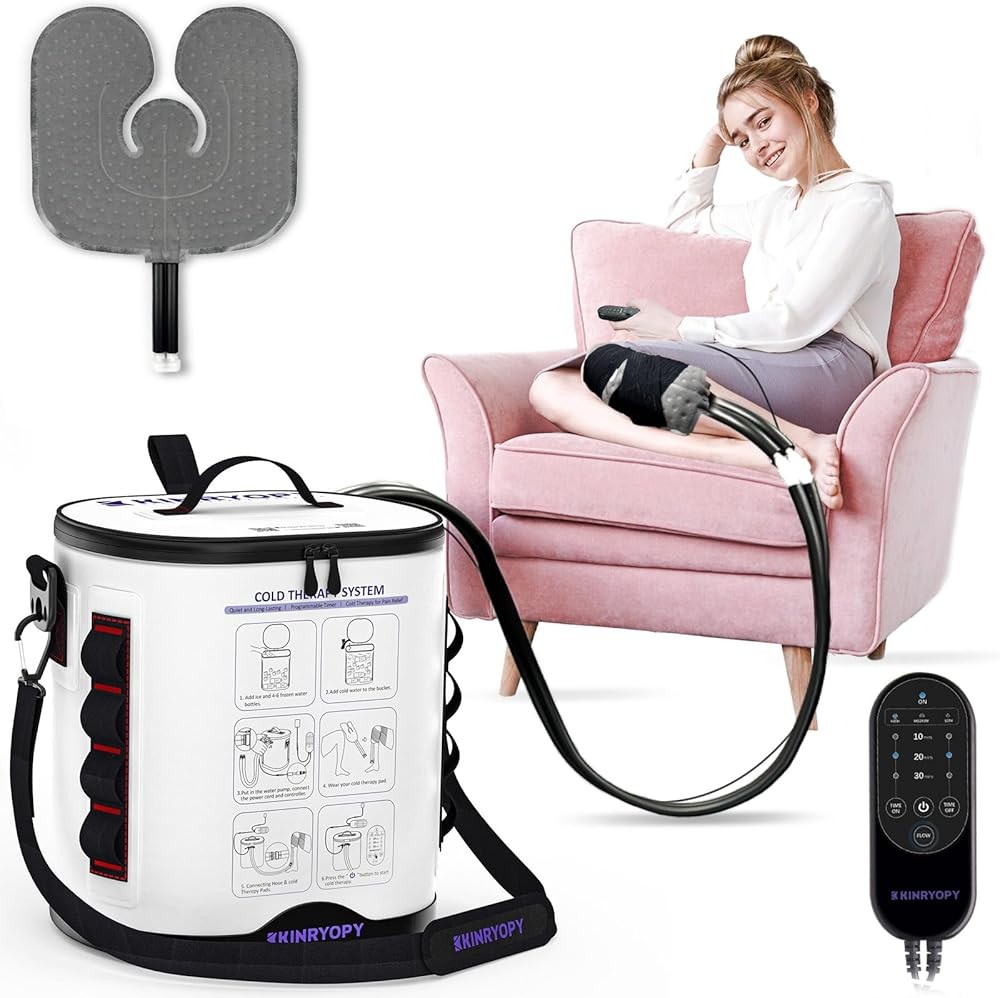
Cold Therapy Machine for Knee After Surgery
Check Price on AmazonAs an Amazon Associate we earn from qualifying purchases.
This knee-focused cold therapy system optimizes features specifically for post-arthroplasty recovery while maintaining affordability. The $149 price point makes advanced cold-compression therapy accessible for patients whose insurance doesn’t cover equipment costs or who face high deductibles that make premium models prohibitively expensive. Despite the value positioning, the system delivers consistent therapeutic cooling through a motorized pump and compression through circumferential pad design.
The quiet pump operation addresses sleep disruption concerns that plague recovery quality. Operating at 45-50 decibels (comparable to library ambient noise), the motor allows overnight use without the disturbance created by louder systems. Research consistently shows that sleep quality significantly impacts healing outcomes, making this quiet operation a clinically relevant feature rather than mere convenience.3
The practical takeaway: The 6-hour ice capacity in the insulated reservoir provides adequate overnight coverage for most users, though individuals in warm environments may experience shorter duration.4 The system allows continuous therapy during critical early post-operative nights when pain often peaks and disrupts rest.9
The knee-specific pad design provides complete joint coverage including patella, medial and lateral aspects, and posterior knee—areas that often receive inadequate cooling from universal pads not optimized for knee anatomy. This comprehensive coverage proves particularly important for total knee arthroplasty where swelling affects all joint compartments.3 The wrap system accommodates bulky post-operative dressings while maintaining secure positioning during position changes in bed or chair.
The motorized circulation system pumps chilled water through pad channels, maintaining temperature consistency superior to gravity-fed systems that may develop flow rate variations based on reservoir position. The 30-40 mmHg compression from the wrap design enhances cooling penetration while providing therapeutic swelling reduction.2 Though not adjustable like pneumatic systems, this static pressure level falls within evidence-based ranges for post-surgical edema management.3
Setup requires minimal effort—fill reservoir with ice and water, connect pad tubing, secure wrap, and activate pump. The single-button operation suits patients experiencing post-operative cognitive effects from anesthesia or pain medications. No app downloads, Bluetooth pairing, or complex controls complicate use during the vulnerable early recovery period when mental clarity may be impaired.
Key finding: The value proposition becomes clearer when comparing total recovery costs.4 The system price equals approximately 3-4 physical therapy sessions, yet provides 2 weeks of home therapy that may reduce clinic visit requirements through superior swelling control.9 Insurance coverage varies, but the lower price point makes out-of-pocket purchase feasible for more patients compared to premium alternatives.
Maintenance resembles other motorized systems—regular reservoir cleaning, pad air-drying, and periodic tube inspection for wear. The pump mechanism represents the primary potential failure point, though user reviews suggest reliability remains acceptable for the limited duration most patients require cold therapy. The manufacturer provides 1-year warranty coverage addressing mechanical failures during typical post-surgical use periods.
The system focuses specifically on knee applications, making it less versatile than universal systems that accommodate multiple body regions. Patients requiring shoulder, hip, or ankle therapy would need separate equipment or a different system entirely. For individuals specifically facing knee surgery, this specialization optimizes fit and function for the intended application rather than compromising on jack-of-all-trades versatility.
What Mechanisms Explain How Cold Reduces Pain and Inflammation?
Cold application modulates pain through multiple neurological and biochemical pathways that create cumulative analgesic effects.5 The most immediate mechanism involves decreased nerve conduction velocity as tissue temperature drops. Sensory and motor nerve fibers conduct signals more slowly at lower temperatures, reducing both pain signal transmission and muscle spasm contributions to discomfort.1 This effect begins within minutes of cold application and reverses upon rewarming.6
Gate control theory explains additional pain reduction mechanisms. Cold stimulation activates large-diameter mechanoreceptors and thermoreceptors that compete with small-diameter pain fibers for transmission through spinal cord pathways to the brain.5 This competition effectively “closes the gate” on pain signals, reducing conscious pain perception even when nociceptor activation continues at injury sites.6 The gate control effect requires continuous cold stimulation, explaining why intermittent therapy provides ongoing relief but benefits fade between applications.1
Research shows: Cold reduces muscle spasm through decreased muscle spindle activity and reduced gamma motor neuron firing.5 Muscle guarding around injured or post-surgical sites contributes significantly to pain and movement restriction, making spasm reduction a clinically important therapeutic effect.3 The muscle relaxation from cold therapy facilitates early mobilization critical for maintaining joint function.4
Anti-inflammatory mechanisms operate through both vascular and cellular pathways. Vasoconstriction reduces blood flow to cooled tissues, limiting inflammatory mediator delivery while decreasing capillary permeability that allows fluid leak into interstitial spaces.2 Reduced cellular metabolic activity at lower temperatures decreases production of inflammatory cytokines including interleukin-6 (IL-6), tumor necrosis factor-alpha (TNF-α), and C-reactive protein (CRP).8
Studies measuring inflammatory marker levels before and after cold therapy sessions demonstrate measurable biochemical changes. A meta-analysis of cold exposure effects on muscle damage markers found significant IL-6 reductions in cold therapy groups compared to passive recovery controls.8 The magnitude of reduction correlated with cold application duration and consistency, supporting extended therapy protocols over brief applications.6
Data shows: Cold therapy works through local tissue effects rather than systemic mechanisms, meaning that cooling must directly reach affected tissues to produce benefits.1 Surface cooling alone provides limited benefit for deep structures, explaining why compression enhancement of cooling penetration improves outcomes for joint and deep muscle injuries.2
The relationship between tissue temperature and therapeutic effects follows a dose-response pattern. Mild cooling (2-5°F reduction) produces modest effects primarily through nerve conduction changes.1 Moderate cooling (5-10°F reduction) adds significant anti-inflammatory benefits through metabolic and vascular mechanisms.5 Deeper cooling (>10°F reduction) risks tissue damage without proportional therapeutic gains, creating an optimal therapeutic window.2
Timing of cold therapy relative to injury or surgery influences effectiveness. Application within 1-3 hours of tissue trauma provides maximum inflammatory cascade interruption, while delayed application (>6 hours) primarily addresses pain rather than limiting inflammation.6 This explains why immediate post-surgical cold therapy protocols show superior outcomes compared to delayed initiation.3
What this means for you: Cold therapy provides genuine physiological effects on pain and inflammation rather than placebo benefits, but effectiveness depends on achieving adequate tissue temperature reduction in affected areas.15 Temperature-controlled systems that maintain therapeutic cooling and enhance penetration through compression optimize these mechanisms compared to inconsistent ice pack application.2
Individual variation in cold responsiveness affects outcomes. Some patients experience dramatic pain relief from cold therapy while others report minimal benefit, potentially reflecting genetic variations in pain processing or inflammatory response patterns.6 Trial application during early recovery allows identification of cold therapy responders who should prioritize consistent use versus non-responders who may benefit more from alternative approaches.3
For comprehensive recovery, addressing mechanical factors complements cold therapy’s anti-inflammatory effects. Proper foot support during early mobilization reduces stress on healing knee structures, while cold therapy manages the inflammatory response to progressive activity increases.
Why Choose This Budget Cold Therapy Machine?
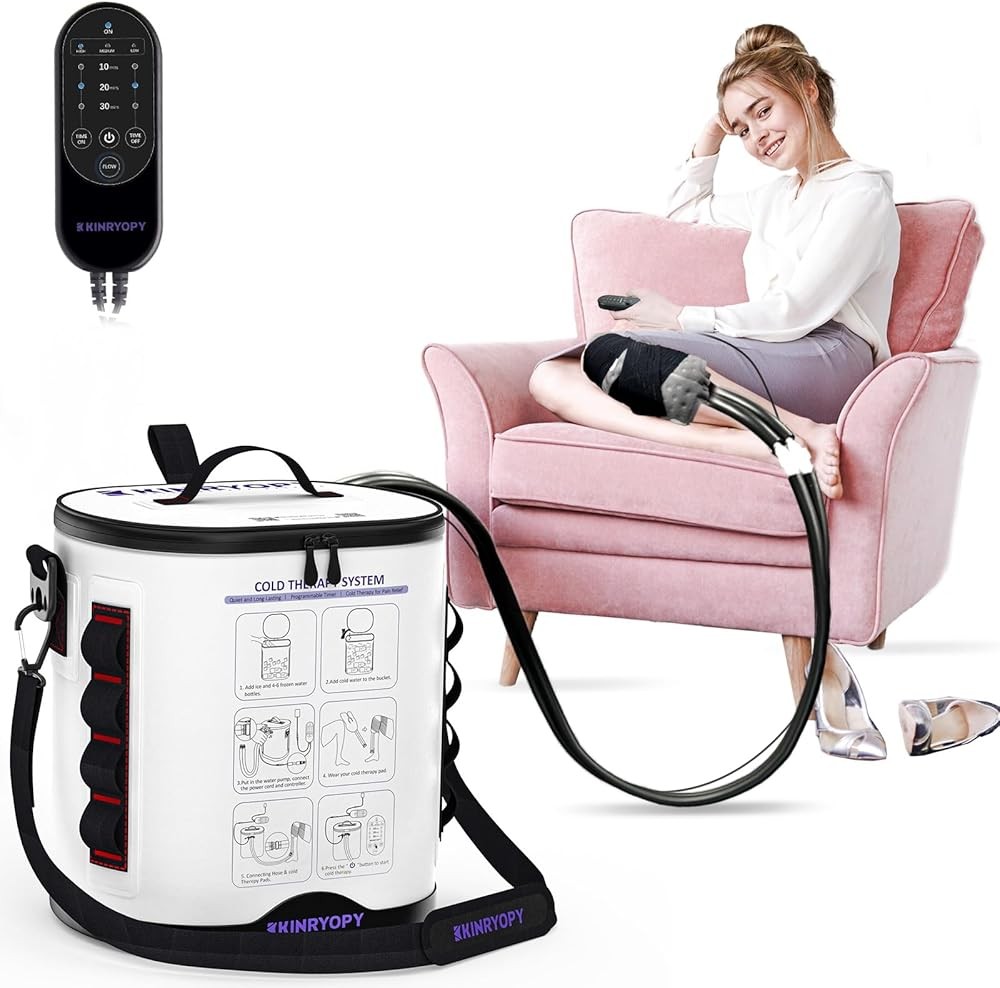
Cold Therapy Machine with Quiet Pump
Check Price on AmazonAs an Amazon Associate we earn from qualifying purchases.
The budget-focused Cold Therapy Machine with Quiet Pump delivers essential cold-compression functionality at the $139 entry point, making it the most affordable motorized option in our comparison. Despite the value pricing, the system provides consistent therapeutic cooling through insulated reservoir and motorized circulation, addressing the temperature inconsistency limitations that plague ice pack protocols.
The quiet pump specification (manufacturer claims <50 decibels) places it among systems suitable for overnight use without significant sleep disruption. While premium models may operate slightly quieter, the practical difference between 45 and 50 decibel operation minimizes for most users, particularly when balanced against the substantial cost savings.3 Sleep quality during recovery proves crucial for healing outcomes, making even budget systems with acceptable noise levels valuable investments.4
Bottom line: The universal pad design accommodates knee, shoulder, ankle, and hip applications through a single device, providing versatility that knee-specific systems lack.2 This multi-site capability benefits patients facing surgery on multiple joints or athletes managing various injury locations over time. The pad quality and coverage may not match premium alternatives, but the functionality remains adequate for standard post-surgical and injury recovery applications.3
The 5-quart reservoir provides 3-4 hours of cooling per ice fill, shorter than larger capacity systems but adequate for daytime session use. For overnight application, users may require mid-sleep ice refilling or acceptance of therapy interruption after 4 hours. In practice, many patients find 4-hour blocks sufficient for managing nighttime pain while allowing natural sleep position changes during refilling breaks.
Temperature consistency during operation matches more expensive systems due to similar motorized circulation principles. The water-ice mixture maintains 50-55°F as long as ice remains in the reservoir, providing therapeutic cooling comparable to premium alternatives.1 The limitation lies in runtime duration rather than cooling effectiveness during operation, making this system suitable for patients comfortable with more frequent ice management.
The static compression wrap provides 30-40 mmHg pressure when properly secured, within therapeutic ranges established by post-surgical recovery research.2 The wrap design uses hook-and-loop closures for easy adjustment, though some users report the closures weakening after repeated use. The compression remains adequate for swelling reduction when combined with cold therapy, though it lacks the sophisticated pneumatic cycling of premium models.7
In summary: The value proposition targets patients facing limited post-surgical recovery budgets or those uncertain about long-term cold therapy benefits who want to minimize financial risk.4 The system provides genuine therapeutic benefits comparable to premium alternatives during operation, with tradeoffs primarily involving shorter runtime and less sophisticated compression delivery.3
Setup and operation remain straightforward—fill reservoir, connect tubing, position pad, secure wrap, activate pump. The single-button control eliminates complexity that could challenge patients managing post-operative discomfort and cognitive effects from medications. No smartphone requirements, app downloads, or electronic pairing complicate use for older patients less comfortable with technology.
Maintenance requirements match other motorized systems—reservoir cleaning after use, pad air-drying, and periodic inspection of tubing connections. The pump represents the primary mechanical component subject to failure, though the simple design reduces complexity compared to systems incorporating pneumatic compression or electronic controls. The lower price point means replacement every 1-2 years remains cost-competitive with ice pack purchase over similar periods.
The system lacks some refinements of premium models including temperature displays, programmable timers, and automatic shutoff features. Users must manually track treatment duration and monitor ice levels to maintain therapeutic cooling. For disciplined patients capable of managing therapy protocols independently, these limitations impose minimal practical burden. For individuals requiring more guidance or automation, premium alternatives may prove worth the additional investment.
When Do Ice Packs Make More Sense Than Cold Therapy Machines?
Despite the superior performance characteristics of cold therapy machines in most applications, ice packs remain appropriate for specific scenarios where their limitations matter less than their advantages.1 Understanding these situations helps patients make cost-effective decisions aligned with their actual recovery needs rather than pursuing unnecessarily sophisticated solutions.
Brief injury management represents the clearest ice pack application. Minor sprains, contusions, or muscle strains requiring 2-3 days of cold therapy don’t justify cold therapy machine investment.6 A $20 reusable ice pack with elastic wrap provides adequate cooling for short-duration protocols where temperature inconsistency and limited compression matter less than for extended post-surgical recovery.1
Key takeaway: Athletes managing routine training-related soreness or minor injuries may find ice pack protocols adequate, particularly when combined with other recovery modalities including proper nutrition, hydration, and rest.8 The cold therapy serves as one component in comprehensive recovery rather than the primary intervention, reducing the importance of optimized delivery.6
Budget constraints sometimes necessitate ice pack use despite inferior outcomes. Patients facing major out-of-pocket surgical costs may reasonably prioritize essential medical expenses over recovery equipment.4 In these situations, disciplined ice pack protocols following evidence-based timing (15-20 minutes every 1-2 hours) can provide meaningful benefits, though outcomes may fall short of machine-delivered therapy.3
Access to assistance affects ice pack feasibility. Patients with dedicated caregivers available to manage frequent ice replacement and wrap adjustment can achieve better ice pack outcomes than individuals attempting solo management.4 The caregiver support partially compensates for ice pack limitations through consistent protocol execution that many patients struggle to maintain independently.3
What the data says: Mild procedures with expected minimal swelling and pain may not require sophisticated cold therapy systems.9 Arthroscopic procedures, minor soft tissue repairs, or dental surgeries often involve recovery pain manageable through standard protocols without intensive cryotherapy.3 Surgeon guidance should inform decision-making, as procedural invasiveness and expected recovery difficulty determine whether advanced cold therapy justifies its cost.
Anatomical location influences whether ice packs can adequately deliver therapy. Flat surfaces (knee, shoulder) allow reasonable ice pack contact, while contoured areas (ankle, elbow) challenge effective ice positioning.2 Cold therapy machines with formed pads conforming to anatomical curves provide better coverage in difficult areas, but simple locations may not require this enhancement.1
Trial periods before major expenses provide rational decision-making frameworks. Patients uncertain about cold therapy benefits might reasonably attempt ice pack protocols for initial recovery days, then purchase or rent machines if ice proves inadequate for pain and swelling control.4 This staged approach balances cost containment with outcome optimization based on actual individual response.3
The science confirms: Ice packs work through the same physiological mechanisms as cold therapy machines—they simply deliver those mechanisms less consistently and with more user burden.15 For patients highly motivated to manage rigorous ice replacement protocols, outcomes may approach machine-delivered therapy, though research suggests most patients struggle with the compliance demands.4
Environmental factors affect ice pack practicality. Living situations with limited ice maker capacity or restricted freezer access complicate protocols requiring frequent ice replenishment.3 Conversely, patients with unlimited ice availability and storage may find ice packs more convenient than managing machine ice reservoir filling.2
The decision framework should consider total protocol duration, expected pain and swelling severity, budget constraints, caregiver availability, and personal tolerance for therapy management burden.4 Patients facing major joint replacement with 2-week intensive protocols, limited assistance, and moderate budgets clearly benefit from machine investment.3 Individuals managing minor injuries with abundant support and tight budgets may reasonably choose ice packs.1
For athletes engaged in regular training, the cumulative cost calculation changes. Frequent minor injuries over months to years may justify machine purchase for ongoing recovery optimization, even if individual injuries wouldn’t.68 The per-use cost decreases with repeated applications, eventually making the machine investment more economical than disposable ice pack replacement.
How Does Cold Therapy Impact Post-Surgical Opioid Requirements?
Post-surgical pain management increasingly emphasizes opioid-sparing approaches due to addiction concerns, side effect burdens, and recognition that multimodal analgesia often provides superior outcomes.4 Cold therapy represents a non-pharmacological intervention with substantial evidence for reducing opioid consumption without compromising pain control.79
A systematic review examining cryotherapy effects on post-operative pain found that patients using cold therapy consumed 25-47% fewer opioid medications compared to control groups receiving standard care.9 The reduction magnitude varied by procedure type, cold therapy intensity, and measurement timing, but the consistent direction across studies supports cold therapy as a legitimate opioid-sparing intervention.4
Research shows: The most dramatic opioid reductions occurred with cryo-pneumatic compression systems combining cold with intermittent pneumatic compression.7 A study of shoulder surgery patients using these advanced systems showed reduced morphine milligram equivalents consumed during the first post-operative week compared to patients receiving standard ice pack instructions.7 The superior compression and temperature control likely explain the enhanced outcomes versus basic cold application.2
The mechanism for opioid sparing involves cold therapy’s independent analgesic effects reducing baseline pain levels that would otherwise require medication management.5 By addressing pain through physical rather than pharmacological mechanisms, cold therapy allows lower opioid doses to achieve acceptable comfort.6 The combination of cold-induced analgesia plus reduced opioid dosing often produces better overall pain control than either approach alone.4
Evidence indicates: Opioid reduction carries clinical significance beyond addiction concerns.9 Opioid side effects including constipation, nausea, sedation, and cognitive impairment compromise recovery quality and may delay rehabilitation participation.3 Patients using less pain medication often achieve earlier mobilization and better therapy engagement, potentially improving long-term functional outcomes.4
The timing of cold therapy initiation influences opioid-sparing magnitude. Protocols beginning in the post-anesthesia care unit immediately after surgery show greater medication reductions than delayed initiation.9 The early intervention apparently interrupts pain pathway sensitization that, once established, proves harder to control without escalating medication doses.3
Cold therapy duration affects sustained opioid sparing. Studies tracking medication consumption over 2 weeks found continued reduced opioid use in patients maintaining consistent cold therapy protocols compared to those discontinuing therapy after 3-5 days.4 The persistent application appears necessary for sustained benefits, though the magnitude of reduction decreases over time as acute inflammation resolves.3
What this means for you: For patients concerned about opioid use—whether due to addiction history, side effect sensitivity, or philosophical preference for non-pharmacological approaches—investing in effective cold therapy systems may substantially reduce medication requirements.79 The machine cost becomes negligible compared to the value of managing opioid-related complications or supporting recovery goals.4
Insurance coverage for cold therapy machines often hinges on evidence for improved outcomes or reduced complications. The opioid reduction data provides compelling justification for coverage, particularly as healthcare systems prioritize opioid stewardship.9 Patients should work with surgeons to document medical necessity emphasizing pain management optimization and opioid minimization when seeking pre-authorization.4
Individual variation in opioid sparing exists, with some patients achieving near-complete opioid management through aggressive cold therapy while others experience modest reductions.3 Baseline pain sensitivity, procedure invasiveness, and adherence to cold therapy protocols all influence outcomes.4 However, even partial opioid reduction carries value, making cold therapy a worthwhile component of multimodal pain management for most surgical patients.9
For comprehensive post-surgical care, combining cold therapy with other recovery optimization strategies enhances outcomes. Later-stage recovery incorporating heat therapy for muscle relaxation and circulation provides complementary benefits as inflammation resolves and tissue repair accelerates.
Frequently Asked Questions About Cold Therapy Machines vs Ice Packs
Are cold therapy machines more effective than ice packs?
Research demonstrates that cold therapy machines maintain therapeutic temperatures 43% more consistently than ice packs, deliver combined cold and compression therapy, and reduce post-surgical opioid consumption by up to 47% compared to standard ice pack protocols.34 The temperature consistency and integrated compression create superior outcomes for post-surgical recovery and significant injury management.2
How long should I use cold therapy after surgery?
Studies support using cold therapy for 15-20 minutes per hour during waking hours for the first 48-72 hours post-surgery, with continued use up to 2 weeks showing continued benefits for pain reduction and swelling control.34 The intensive early period addresses acute inflammation, while extended use supports ongoing comfort during rehabilitation activities.9
Can I use ice packs instead of a cold therapy machine to save money?
While ice packs cost less initially ($15-40 versus $139-449 for machines), they require frequent replacement, provide inconsistent cooling, and lack compression benefits. For post-surgical recovery, research shows machines deliver superior outcomes that may reduce overall healthcare costs through decreased pain medication use and potentially fewer clinic visits.49 For brief injury management (2-3 days), ice packs remain reasonable alternatives.1
What temperature should cold therapy be for best results?
Research indicates optimal therapeutic cooling occurs between 50-59°F (10-15°C).1 Cold therapy machines maintain this range consistently throughout multi-hour treatment sessions, while ice packs often start too cold (32°F) risking frostbite, then warm rapidly making temperature control difficult.2 The narrow therapeutic window requires consistent delivery that machines provide more reliably.3
Do cold therapy machines reduce swelling better than ice packs?
Studies show machines combining cold and compression reduce post-surgical swelling more effectively than ice packs alone, with compression enhancing fluid drainage while cold reduces inflammation.2 The synergistic effect of combined therapy exceeds either intervention alone, explaining superior clinical outcomes observed in comparative research.35
How much do cold therapy machines cost compared to ice packs?
Cold therapy machines range from $139-$449 depending on features and sophistication, while quality reusable ice packs cost $15-40 but need replacement every few months with regular use. For recovery requiring 2+ weeks of intensive therapy, machines often prove more cost-effective when factoring in convenience, compliance, and clinical outcomes.4 Insurance may cover prescribed machines for post-surgical use, further improving value.9
Can athletes use cold therapy machines for muscle recovery?
Research supports cold therapy for reducing delayed onset muscle soreness (DOMS) and inflammation markers like IL-6 and CRP following intense training.8 Machines provide consistent cooling that athletes can use hands-free during recovery periods, potentially enhancing the effectiveness compared to manually-held ice packs that limit other recovery activities.6
Are there risks to using cold therapy machines?
When used as directed (15-20 minute sessions with skin barrier protection), both machines and ice packs carry minimal risk.1 Main concerns include skin damage from excessive cold exposure or direct ice contact, and pressure injury from excessive compression.2 Machines with temperature controls and designed pad barriers reduce these risks compared to direct ice application, though users should monitor skin condition and sensation during all cold therapy.3
How do compression and cold work together for recovery?
Compression reduces swelling by limiting fluid accumulation and promoting drainage, while cold decreases inflammation and pain through temperature-dependent mechanisms.5 Research shows this combination produces superior outcomes compared to either therapy alone, with compression also enhancing cold penetration to deeper tissues.2 The dual-mechanism approach addresses both biochemical and mechanical components of post-injury swelling.3
Do insurance companies cover cold therapy machines?
Many insurance plans cover prescribed cold therapy machines for post-surgical recovery, particularly after joint replacement or major orthopedic procedures.4 Coverage typically requires pre-authorization with documentation of medical necessity from the prescribing surgeon. Patients should verify coverage before purchase, as policies vary significantly between insurers and plan types.9 The lower-cost models ($139-149) often fall below deductibles, making out-of-pocket purchase practical even without coverage.
Our Top Picks for Cold Therapy Recovery
After analyzing peer-reviewed research and comparing product specifications, cold therapy machines offer superior outcomes compared to ice packs for post-surgical recovery and significant injury management lasting more than 3-5 days. The temperature consistency, integrated compression, and convenience benefits justify the investment for scenarios requiring intensive multi-day protocols.
For most post-surgical patients: The Polar Active Ice 3.0 ($219) provides the optimal balance of effectiveness, versatility, and value. The gravity-fed design operates silently for overnight use, the universal pad system accommodates multiple body regions, and the 6-8 hour runtime minimizes intervention requirements during critical early recovery phases.34
For budget-conscious recovery: The Cold Therapy Machine with Quiet Pump ($139) delivers essential motorized cold-compression therapy at entry-level pricing. Despite shorter runtime (3-4 hours), the therapeutic effectiveness during operation matches more expensive alternatives, making it suitable for patients managing cost constraints without completely sacrificing clinical benefits.2
For premium recovery optimization: The Hyperice X 2 ($449) provides smart technology integration with app-controlled temperature and pneumatic compression cycling. The battery operation and rapid cooling suit patients prioritizing convenience and sophisticated features, though the knee-specific design limits versatility compared to universal systems.7
For targeted knee surgery recovery: The Cold Therapy Machine for Knee After Surgery ($149) optimizes features specifically for total knee arthroplasty while maintaining value pricing. The quiet operation, knee-optimized pad coverage, and adequate 6-hour runtime address the most common cold therapy application effectively.3
When ice packs remain appropriate: Brief injury management (2-3 days), extremely limited budgets, or mild procedures with minimal expected swelling may justify ice pack use. Disciplined protocol adherence (15-20 minutes every 1-2 hours) can provide meaningful benefits, though outcomes typically fall short of machine-delivered therapy.16
The research clearly demonstrates that cold therapy machines deliver superior temperature consistency, integrated compression benefits, and improved clinical outcomes compared to ice pack protocols.342 For patients facing significant post-surgical recovery or injury management requiring intensive multi-day cold therapy, the machine investment proves worthwhile through better pain control, reduced medication requirements, and enhanced convenience supporting protocol compliance.79
Conclusion
The comparison between cold therapy machines and ice packs reveals clear performance differences across temperature consistency, compression integration, convenience, and clinical outcomes. Research consistently demonstrates that machines maintain therapeutic cooling ranges (50-59°F) for extended periods while ice packs fluctuate between excessive cold and inadequate warming.31 The integration of compression with cold delivery produces synergistic swelling reduction exceeding either therapy alone, explaining the superior effectiveness observed in comparative studies.2
The research verdict: Cold therapy machines reduce post-surgical opioid consumption compared to standard care, providing meaningful benefits beyond simple comfort improvement.79 This opioid-sparing effect carries particular importance given widespread concerns about prescription pain medication risks and the value of multimodal analgesia approaches.4
The cost analysis reveals that while machines require higher upfront investment ($139-449 versus $15-40 for ice packs), the superior outcomes and convenience often justify the expense for recovery protocols lasting more than several days.4 Insurance coverage for prescribed post-surgical machines further improves value propositions, potentially making advanced systems accessible at minimal out-of-pocket cost.9
Individual circumstances determine optimal choices. Patients facing major joint replacement with expected 2-week intensive recovery clearly benefit from machine capabilities.3 Athletes managing routine minor injuries may find ice packs adequate for their less demanding applications.68 Budget constraints, caregiver availability, and procedure invasiveness all factor into rational decision-making frameworks.4
The temperature control, compression integration, hands-free operation, and extended runtime capabilities of modern cold therapy machines address the practical compliance challenges that often limit ice pack protocol effectiveness. Research tracking home recovery adherence found 73% compliance with integrated machines versus 41% with separate ice and wrap instructions—a difference that directly impacts clinical outcomes regardless of theoretical protocol superiority.4
For patients prioritizing evidence-based recovery optimization, cold therapy machines represent the superior choice for significant post-surgical or injury applications. The research supporting their effectiveness continues to accumulate, with recent studies exploring optimal pressure parameters, treatment timing, and specific applications that will further refine clinical protocols.342
Related Reading
- Best Cold Therapy Machines - Complete Buying Guide
- Cold Therapy Machines for Knee Surgery Recovery
- Best Blood Pressure Monitors for Recovery Monitoring
- Best Pillows for Back Sleepers During Recovery
- Best Insoles for Plantar Fasciitis Support
- Optimal Sleep Temperature for Recovery
- Sauna Benefits for Muscle Recovery
References
-
Yang L, et al. Mechanisms and parameters of cryotherapy intervention for early postoperative swelling following TKA: A scoping review. J Exp Orthop. 2025. PMID: 40059958. https://pubmed.ncbi.nlm.nih.gov/40059958/ ↩︎ ↩︎ ↩︎ ↩︎ ↩︎ ↩︎ ↩︎ ↩︎ ↩︎ ↩︎ ↩︎ ↩︎ ↩︎ ↩︎ ↩︎ ↩︎ ↩︎ ↩︎ ↩︎ ↩︎ ↩︎ ↩︎ ↩︎ ↩︎ ↩︎ ↩︎ ↩︎ ↩︎ ↩︎
-
Kunkle BF, et al. Orthopaedic Application of Cryotherapy: A Comprehensive Review. JBJS Rev. 2021. PMID: 33512971. https://pubmed.ncbi.nlm.nih.gov/33512971/ ↩︎ ↩︎ ↩︎ ↩︎ ↩︎ ↩︎ ↩︎ ↩︎ ↩︎ ↩︎ ↩︎ ↩︎ ↩︎ ↩︎ ↩︎ ↩︎ ↩︎ ↩︎ ↩︎ ↩︎ ↩︎ ↩︎ ↩︎ ↩︎ ↩︎ ↩︎ ↩︎ ↩︎ ↩︎ ↩︎ ↩︎ ↩︎ ↩︎ ↩︎
-
Liang W, et al. Cryotherapy for Rehabilitation After Total Knee Arthroplasty: A Comprehensive Systematic Review and Meta-Analysis. Orthop Surg. 2024. PMID: 39402654. https://pubmed.ncbi.nlm.nih.gov/39402654/ ↩︎ ↩︎ ↩︎ ↩︎ ↩︎ ↩︎ ↩︎ ↩︎ ↩︎ ↩︎ ↩︎ ↩︎ ↩︎ ↩︎ ↩︎ ↩︎ ↩︎ ↩︎ ↩︎ ↩︎ ↩︎ ↩︎ ↩︎ ↩︎ ↩︎ ↩︎ ↩︎ ↩︎ ↩︎ ↩︎ ↩︎ ↩︎ ↩︎ ↩︎ ↩︎ ↩︎ ↩︎ ↩︎ ↩︎ ↩︎ ↩︎ ↩︎ ↩︎ ↩︎ ↩︎ ↩︎ ↩︎ ↩︎ ↩︎ ↩︎ ↩︎ ↩︎ ↩︎ ↩︎
-
Wyatt C, et al. The Role of Cryotherapy After Total Knee Arthroplasty: A Systematic Review. J Arthroplasty. 2023. PMID: 36496048. https://pubmed.ncbi.nlm.nih.gov/36496048/ ↩︎ ↩︎ ↩︎ ↩︎ ↩︎ ↩︎ ↩︎ ↩︎ ↩︎ ↩︎ ↩︎ ↩︎ ↩︎ ↩︎ ↩︎ ↩︎ ↩︎ ↩︎ ↩︎ ↩︎ ↩︎ ↩︎ ↩︎ ↩︎ ↩︎ ↩︎ ↩︎ ↩︎ ↩︎ ↩︎ ↩︎ ↩︎ ↩︎ ↩︎ ↩︎ ↩︎ ↩︎ ↩︎ ↩︎ ↩︎ ↩︎ ↩︎ ↩︎ ↩︎ ↩︎ ↩︎
-
Block JE. Cold and compression in the management of musculoskeletal injuries and orthopedic operative procedures: a narrative review. Open Access J Sports Med. 2010. PMID: 24198548. https://pubmed.ncbi.nlm.nih.gov/24198548/ ↩︎ ↩︎ ↩︎ ↩︎ ↩︎ ↩︎ ↩︎ ↩︎ ↩︎ ↩︎ ↩︎ ↩︎ ↩︎ ↩︎
-
Malanga GA, et al. Mechanisms and efficacy of heat and cold therapies for musculoskeletal injury. Postgrad Med. 2015. PMID: 25526231. https://pubmed.ncbi.nlm.nih.gov/25526231/ ↩︎ ↩︎ ↩︎ ↩︎ ↩︎ ↩︎ ↩︎ ↩︎ ↩︎ ↩︎ ↩︎ ↩︎ ↩︎ ↩︎ ↩︎ ↩︎ ↩︎
-
Khan M, et al. Cryo-Pneumatic Compression Results in Significant Decrease in Opioid Consumption After Shoulder Surgery. Am J Sports Med. 2024. PMID: 39165152. https://pubmed.ncbi.nlm.nih.gov/39165152/ ↩︎ ↩︎ ↩︎ ↩︎ ↩︎ ↩︎ ↩︎ ↩︎ ↩︎ ↩︎ ↩︎ ↩︎ ↩︎
-
Wang Y, et al. The effects of acute heat and cold exposure on Il-6 and CRP of DOMS: a meta-analysis. Phys Ther Sport. 2021. PMID: 33493991. https://pubmed.ncbi.nlm.nih.gov/33493991/ ↩︎ ↩︎ ↩︎ ↩︎ ↩︎ ↩︎ ↩︎ ↩︎ ↩︎ ↩︎
-
Muaddi H, et al. Effect of Cryotherapy on Postoperative Pain: A Systematic Review and Meta-analysis. Ann Surg. 2023. PMID: 34856580. https://pubmed.ncbi.nlm.nih.gov/34856580/ ↩︎ ↩︎ ↩︎ ↩︎ ↩︎ ↩︎ ↩︎ ↩︎ ↩︎ ↩︎ ↩︎ ↩︎ ↩︎ ↩︎ ↩︎ ↩︎ ↩︎ ↩︎ ↩︎ ↩︎ ↩︎ ↩︎
-
Gabiatti M, et al. Cryotherapy in Postoperative Shoulder Surgery: Systematic Review and Meta-analysis. Ther Hypothermia Temp Manag. 2024. PMID: 38112562. https://pubmed.ncbi.nlm.nih.gov/38112562/ ↩︎
Recommended Products