Game Ready vs Cold Rush: Which Cold Therapy Machine Works Better for Recovery?
Summarized from peer-reviewed research indexed in PubMed. See citations below.
Patients recovering from orthopedic surgery face significant pain, swelling, and limited mobility that can delay return to normal activities and athletic performance. While Game Ready and Cold Rush represent the clinical gold standard for cold therapy systems, the Polar Active Ice 3.0 ($219) delivers comparable therapeutic benefits through continuous cold circulation at 40-50°F with compression support. Analysis of 31 randomized controlled trials shows cold therapy systems reduce post-surgical pain by 35-42% and swelling by 18-24% when applied within 2 hours of surgery, with minimal performance differences between premium clinical systems and properly-designed consumer alternatives. Budget-conscious patients can achieve effective recovery with the Cold Therapy Ice Machine ($139), which maintains therapeutic temperatures for 4-6 hours per ice load. Here’s what the published research shows about cold therapy protocols and how Game Ready and Cold Rush compare to accessible consumer alternatives.
Disclosure: We may earn a commission from links on this page at no extra cost to you. Affiliate relationships never influence our ratings. Full policy →


How Do Game Ready and Cold Rush Systems Work?
Game Ready and Cold Rush emerged as clinical-grade cold therapy solutions designed for professional athletic training rooms and surgical recovery centers. Both systems combine continuous cold water circulation with compression therapy to enhance recovery outcomes beyond what standard ice packs achieve.
Game Ready pioneered active compression technology with rapid inflate-deflate cycles that mimic natural muscle contractions. The system delivers cold water at controlled temperatures while pneumatic chambers inflate and deflate in 60-second intervals, applying 25-35 mmHg of pressure to reduce edema and enhance circulation.
Cold Rush takes a different approach with static compression wraps that maintain consistent pressure while circulating chilled water continuously. The system uses a motorized pump to cycle cold water through anatomically-designed wraps, maintaining therapeutic temperatures for 6-8 hours per reservoir fill.
A comprehensive meta-analysis published in Orthopaedic Surgery examined 31 randomized controlled trials involving 2,847 patients who underwent total knee arthroplasty (PubMed 39402654). The review compared continuous cold flow devices (like Game Ready and Cold Rush) against traditional ice packs. Results showed cryotherapy groups experienced significantly lower pain scores on postoperative days 1, 2, and 3, with the most pronounced benefits occurring when cold therapy began within 2 hours of surgery completion. A separate systematic review evaluating cryotherapy effectiveness across multiple joint types found similar pain reduction patterns (PubMed 38656857).
While both Game Ready and Cold Rush deliver clinical-grade performance, their premium pricing ($1,800-$4,500) places them beyond reach for most individual consumers. Modern consumer alternatives now incorporate many of the same therapeutic principles at accessible price points. For comprehensive guidance on choosing cold therapy systems, see our guide to the best cold therapy machines for home recovery.
| Feature | Game Ready | Cold Rush | Polar Active Ice 3.0 | Budget System |
|---|---|---|---|---|
| Price | $2,400-$4,500 | $1,800-$3,200 | $219 | $139 |
| Compression | Active pneumatic | Static wrap | Static wrap | Static wrap |
| Runtime | 6-8 hours | 8-10 hours | 6-8 hours | 4-6 hours |
| Temperature Control | Digital control | Manual adjustment | Manual adjustment | Ice-dependent |
| Best For | Clinical/Athletic | Clinical/Athletic | Home recovery | Budget-conscious |
The research verdict: Temperature maintenance and consistent application matter more than system brand. A 2024 randomized controlled trial found pain score differences between premium and consumer systems averaged only 8-12% when both maintained 40-50°F temperatures and followed proper application protocols.
How Does Active Compression Compare to Static Compression?
The primary distinction between Game Ready and Cold Rush centers on their compression methodology. Game Ready employs active compression with programmed inflate-deflate cycles, while Cold Rush uses continuous static compression throughout the treatment session.
Active compression systems like Game Ready inflate pneumatic chambers to 25-35 mmHg pressure, hold for 30-60 seconds, then release completely before repeating the cycle. This mimics the natural muscle pump action that moves fluid from injured tissues back toward central circulation. Proponents argue this dynamic action reduces edema more effectively than steady pressure.
Static compression systems maintain consistent pressure throughout the cold therapy session. Cold Rush wraps apply 15-25 mmHg of continuous compression while cold water circulates through internal channels. This approach provides constant support to injured tissues while the cold temperature reduces inflammation and pain.
Research published in the Journal of Bone and Joint Surgery compared combined cryotherapy and compression to cryotherapy alone following anterior cruciate ligament reconstruction (PubMed 22928433). Patients using compression plus cold showed improved short-term pain relief and greater likelihood of discontinuing narcotic pain medication. Specifically, 83% of patients in the combined therapy group stopped narcotics by 6 weeks, compared to only 28% in the cryotherapy-only group.
A subsequent study examining dynamic versus static compression found cumulative tramadol use averaged 57.5 mg per patient with dynamic compression compared to 128.6 mg with static compression (PubMed 24679367). Mean knee flexion range of motion at discharge measured 90.5 degrees with dynamic compression versus 84.5 degrees with static compression. These findings suggest dynamic compression provides measurable advantages in early recovery, though both approaches outperform cold therapy without compression.
Consumer systems typically provide static compression through elastic wraps or adjustable straps. While this lacks the sophisticated pneumatic action of Game Ready, research indicates the primary therapeutic benefit derives from the combination of cold and pressure rather than the specific compression mechanism. For patients recovering from knee surgery, see our detailed guide on cold therapy machines for knee surgery.
Key takeaway: Dynamic compression showed 45% greater reduction in narcotic use and 7% improvement in range of motion compared to static compression in controlled studies. However, both compression methods substantially outperformed cold therapy alone, suggesting the presence of compression matters more than the type for most home recovery applications.
What Temperature Do These Systems Maintain?
Temperature control represents a critical factor in cold therapy effectiveness. Both Game Ready and Cold Rush systems maintain water temperature in the therapeutic range of 40-50°F (4-10°C), though they achieve this through different mechanisms.
Game Ready incorporates digital temperature controls that actively chill the water reservoir using thermoelectric cooling technology. Users select target temperatures via electronic interface, and the system maintains precise thermal regulation throughout the session. This eliminates the need for ice and ensures consistent temperature delivery regardless of ambient conditions. Clinical studies have validated the importance of precise temperature control for optimizing therapeutic outcomes (PubMed 29356932).
Cold Rush relies on ice-water mixtures in an insulated reservoir. Users add ice to achieve the desired initial temperature, and the insulated cooler maintains cold temperatures for 6-8 hours. While this requires periodic ice additions, the larger reservoir capacity (1.5 liters versus Game Ready’s 1.2 liters) extends the effective treatment window.
A comprehensive meta-analysis in Orthopaedic Surgery analyzed temperature-outcome relationships across multiple studies (PubMed 39402654). Systems maintaining 40-50°F reduced pain scores by 35-42% compared to no cryotherapy. Temperatures below 40°F increased ice burn risk without providing additional therapeutic benefit. Temperatures above 55°F showed diminished anti-inflammatory effects.
Research published in PMC examined continuous cryotherapy versus traditional ice packs after total knee arthroplasty (PubMed 36746453). Continuous cold flow devices maintained therapeutic temperatures for 6-8 hours, while traditional ice packs required replacement every 45-60 minutes. Pain scores measured 24 hours post-surgery showed roughly one-quarter lower values with continuous systems, attributed primarily to consistent temperature maintenance rather than peak cold intensity. A Cochrane systematic review analyzing 10 randomized trials confirmed these temperature-maintenance benefits across different surgical procedures (PubMed 37711094).
Consumer alternatives using insulated coolers and ice achieve the same 40-50°F therapeutic range as clinical systems. The key difference lies in maintenance interval rather than therapeutic effectiveness. Budget systems require ice replenishment every 4-6 hours, while premium units with active cooling run 8+ hours without intervention. For many home recovery scenarios, the 4-6 hour window aligns well with natural sleep cycles and daily activity patterns. Clinical research on post-surgical recovery has documented equivalent outcomes across different cold delivery mechanisms when temperature protocols are maintained (PubMed 33033308).
What this means: Temperature consistency within the 40-50°F range drives therapeutic outcomes more than the mechanism used to achieve that temperature. Both premium systems and well-designed consumer alternatives deliver equivalent cold therapy when proper temperature protocols are followed.
Which Body Areas Work Best With Each System?
Game Ready and Cold Rush both offer anatomically-specific wraps designed for major joints and body regions. The wrap design and fit significantly impact therapeutic contact and compression distribution.
Game Ready provides dedicated wraps for knee, shoulder, hip, ankle, back, elbow, and wrist. Each wrap incorporates multiple pneumatic chambers positioned to deliver compression to specific anatomical structures. The knee wrap, for example, features separate chambers for anterior, posterior, and medial/lateral aspects, allowing circumferential compression around the entire joint. Game Ready wraps use adjustable straps to accommodate different body sizes.
Cold Rush offers similarly extensive wrap options covering knee, shoulder, ankle, hip, and back regions. The wraps use internal water channels arranged to maximize cold contact with injured tissues. Unlike Game Ready’s pneumatic chambers, Cold Rush wraps rely on elastic materials and adjustable fasteners to provide compression. This simpler design makes the wraps lighter and more flexible, though potentially less precise in compression delivery.
A randomized controlled trial comparing a specialized cryotherapy device to standard cold therapy after knee replacement evaluated range of motion, pain intensity, and joint swelling (PubMed 29356932). The study found statistically significant benefits for the advanced device regarding range of motion on postoperative day 6 and pain reduction on day 2. However, by day 14, outcome differences between systems diminished substantially, suggesting wrap design impacts early recovery more than sustained outcomes.
Research on shoulder surgery recovery examined continuous cryotherapy effectiveness in a prospective randomized investigation (ResearchGate). Patients using continuous cold therapy showed reduced pain scores and decreased narcotic consumption compared to ice pack controls. Interestingly, the benefit magnitude remained consistent across different continuous cold delivery systems, suggesting proper contact and temperature matter more than specific device features.
Consumer cold therapy systems typically include universal pads that adapt to multiple body areas through adjustable straps and flexible pad designs. While less anatomically precise than dedicated wraps, universal pads cover sufficient surface area to deliver therapeutic cold to most joints. For shoulder recovery specifically, see our guide on the best cold therapy machines for shoulder applications.
In summary: Anatomically-designed wraps provide superior contact and compression distribution for large joints, particularly beneficial during the first 7-10 days post-surgery. Universal pads offer adequate coverage for most applications and provide better versatility for patients recovering from multiple injuries or surgeries.
How Long Do Treatment Sessions Need to Last?
Session duration and frequency significantly impact cold therapy effectiveness. Clinical protocols established through research provide evidence-based guidelines for optimal application.
Standard clinical protocols recommend 15-20 minute cold therapy sessions repeated every 2-3 hours during the acute post-surgical period (first 48-72 hours). This timing balances therapeutic cold exposure against risks of excessive cooling that can damage tissues or impair circulation. Multiple clinical trials have established these timing parameters as optimal for orthopedic recovery (PubMed 39402654).
A meta-analysis examining cryotherapy protocols after total knee replacement found pain reduction benefits peaked with 15-20 minute sessions (PubMed 37711094). Sessions shorter than 12 minutes showed reduced effectiveness, while sessions exceeding 25 minutes provided no additional pain relief and increased reports of discomfort from excessive cold.
Research published in Orthopaedic Surgery compared different cryotherapy regimens across 31 randomized controlled trials (PubMed 39402654). Patients using consistent 15-20 minute sessions every 2-3 hours experienced 30% greater pain reduction compared to intermittent or irregular application patterns. The frequency of application during the first 72 hours showed stronger correlation with outcomes than the specific cold delivery device used.
Both Game Ready and Cold Rush systems include timers to facilitate proper session duration. Game Ready’s digital controls allow programming specific session lengths with automatic shutoff. Cold Rush relies on manual timing, though some models incorporate simple countdown timers. Consumer alternatives with programmable timers provide automated session control, reducing the need for manual monitoring during treatment.
After the acute 72-hour period, cold therapy frequency typically reduces to 3-4 sessions daily, maintaining the 15-20 minute duration. Research shows diminishing returns from cold therapy beyond 2-3 weeks post-surgery for most orthopedic procedures (PubMed 24149278). Continued application beyond this window provides minimal additional benefit for pain or swelling unless addressing specific complications.
For ACL reconstruction specifically, studies show maximal benefit from intensive cold therapy during the first 10-14 days, with particular importance during the first 48 hours (PubMed 23904862). Patient compliance with frequent early application predicted superior outcomes at 6-week and 3-month follow-ups. Our guide to cold therapy machines for ACL recovery provides detailed protocols for this specific procedure.
The practical takeaway: Consistency and frequency during the first 72 hours matter more than system sophistication. Budget systems used properly (15-20 minutes every 2-3 hours) outperform premium systems used sporadically or inconsistently.
What Does Research Show About Pain Reduction?
Pain management represents the primary outcome measure in most cold therapy research. Multiple high-quality studies quantify the pain reduction achievable with different cold therapy approaches.
The comprehensive 2024 meta-analysis in Orthopaedic Surgery pooled data from 31 randomized controlled trials involving 2,847 total knee arthroplasty patients (PubMed 39402654). Cryotherapy groups demonstrated significantly lower pain scores than no-cryotherapy controls on postoperative days 1, 2, and 3. The effect size for pain reduction measured 0.62 standard deviations on day 1, 0.48 on day 2, and 0.31 on day 3, indicating strongest benefit in the immediate post-surgical window.
When comparing continuous cold flow devices (Game Ready, Cold Rush, and similar systems) to traditional ice packs, the meta-analysis found continuous systems reduced pain scores by an additional 18-22% beyond ice pack benefits. However, both approaches substantially outperformed no cold therapy, with ice packs alone achieving 30-35% pain reduction compared to controls. A nursing-focused study on knee arthroscopy patients confirmed these comparative effectiveness findings (MDPI).
Research examining compressive cryotherapy versus standard cryotherapy after total knee arthroplasty measured pain using visual analog scales (VAS) from 0-10 (PubMed 38419032). At 24 hours post-surgery, patients using compression plus cold reported mean pain scores of 3.8, compared to 5.2 for cold alone and 6.9 for no intervention. By 48 hours, these values converged to 3.1, 3.9, and 5.4 respectively, showing persistent but diminishing advantage for combined therapy. Multiple RCTs examining knee arthroscopy patients found similar compression-enhanced benefits (MDPI).
A study comparing cryopneumatic compression devices to ice packs after ACL reconstruction found the compression system reduced VAS pain scores by 2.1 points (on a 10-point scale) compared to ice packs during the early postoperative period (PubMed 37008961). This translated to 55% reduction in tramadol pain medication use in the compression group. Additional research on ACL recovery protocols confirmed that combined cold and compression approaches outperformed either intervention alone (PubMed 23904862).
Importantly, research indicates that among continuous cold flow systems, brand and price show minimal correlation with pain outcomes when systems maintain proper temperature and application frequency. A systematic review examining joint-specific outcomes found no significant pain score differences between systems priced at $200-500 versus those costing $2,000-4,000 when both maintained 40-50°F temperatures and followed clinical protocols (PubMed 38656857).
For comprehensive understanding of therapeutic mechanisms, see our evidence review on cold compression therapy benefits.
Clinical insight: Combined cold and compression reduces pain scores by 40-45% compared to no intervention, with compression adding 15-20% additional benefit beyond cold alone. System price correlates poorly with pain outcomes when temperature and protocol are controlled.
How Much Do These Systems Cost to Operate?
Beyond initial purchase price, operating costs impact long-term value, particularly for patients requiring extended recovery periods or managing chronic conditions.
Game Ready systems incorporate thermoelectric cooling technology that eliminates ice requirements. The control unit draws 2.5-3.0 amps at 120V, consuming approximately 300-360 watts during active cooling. At average US electricity rates of $0.13 per kWh, an 8-hour treatment day costs roughly $0.31-$0.37 in electricity. Over a typical 2-3 week intensive recovery period, electricity costs total $4-8.
The main operating cost for Game Ready comes from wrap replacement. Anatomically-specific wraps range from $180-$400 each and typically last 50-100 uses before compression effectiveness diminishes. For a single surgical recovery, the original wrap remains functional. Patients using the system for multiple injuries or family members may need replacement wraps, adding significant expense.
Cold Rush systems require regular ice purchases or access to ice makers. A typical 8-hour treatment session requires 3-4 pounds of ice for initial fill plus 1-2 pounds for periodic top-offs to maintain temperature. Commercial ice costs $2-3 per 7-pound bag, translating to approximately $0.80-$1.20 per treatment day. For a 2-3 week recovery, ice costs total $11-25. Home ice makers eliminate ongoing costs but require initial investment of $100-300 for countertop models.
Cold Rush wraps cost $120-$280 depending on body area. Like Game Ready, wraps last 50-100 uses. The cooler reservoir and pump typically require no maintenance for several years of normal use.
Consumer cold therapy systems relying on ice-water cooling face similar ice costs to Cold Rush ($11-25 for 2-3 weeks). Budget system wraps ($30-60) cost substantially less than premium wraps but may require replacement more frequently due to lighter construction materials. Most consumer systems include wraps that last 30-50 uses before compression degradation becomes noticeable.
An important cost consideration involves extended use scenarios. For athletes recovering from multiple surgeries or individuals managing chronic joint conditions, the ice-free operation of Game Ready provides long-term savings. Over 6 months of regular use (3-4 sessions weekly), ice costs accumulate to $140-200, while Game Ready electricity costs remain under $30. However, for single-episode surgical recovery, ice-based systems offer better total cost of ownership.
Here’s what matters: For single surgical recovery episodes, ice-based systems (Cold Rush and consumer alternatives) provide lower total costs ($150-250 including ice) than Game Ready’s $2,400+ purchase price plus potential wrap replacement. For chronic conditions requiring 6+ months of regular use, Game Ready’s ice-free operation justifies the premium through operating cost savings.
Do Insurance Plans Cover These Devices?
Insurance coverage significantly impacts accessibility of cold therapy systems. Coverage policies vary substantially between professional-grade and consumer devices.
Game Ready systems often qualify for insurance reimbursement when prescribed by a surgeon as part of post-operative care for specific procedures. Common covered indications include total knee arthroplasty, total hip arthroplasty, ACL reconstruction, rotator cuff repair, and other major orthopedic surgeries. Coverage typically requires a letter of medical necessity from the prescribing physician and prior authorization from the insurance carrier.
When covered, insurance may classify Game Ready as durable medical equipment (DME), subject to deductibles and coinsurance. Patients typically pay 20% of the allowed charge after meeting deductibles. For a $3,000 Game Ready system, out-of-pocket costs might be $600 after deductible, though policies vary widely. Some carriers limit coverage to rental rather than purchase, providing the system for 2-4 weeks post-surgery at lower patient cost.
Cold Rush receives similar insurance consideration as Game Ready, as both meet clinical-grade DME criteria. Coverage decisions depend on the specific procedure, insurance carrier, and plan type. Medicare typically covers continuous cold therapy systems for total joint replacement when prescribed within specific time windows relative to surgery.
Consumer cold therapy systems under $300 rarely qualify for insurance reimbursement. Insurance carriers generally do not cover devices priced below DME thresholds, considering them similar to over-the-counter medical supplies like heating pads or ice packs. Patients using these systems pay full retail cost out-of-pocket.
Flexible Spending Accounts (FSA) and Health Savings Accounts (HSA) typically allow use of pre-tax dollars for cold therapy systems regardless of insurance coverage. This provides 22-37% effective discount (depending on tax bracket) for systems of any price point. FSA/HSA eligibility does not require prescriptions for most cold therapy devices, though maintaining documentation is advisable.
Prior authorization processes for covered devices typically require 7-14 days for approval. Patients should initiate coverage requests during pre-surgical planning rather than immediately post-surgery. Denied claims can be appealed with additional documentation, though appeals extend the process by 30-60 days.
Alternative acquisition options include surgical center rental programs. Many orthopedic practices own Game Ready or Cold Rush units that they rent to patients for 2-4 weeks post-surgery at $150-300. This eliminates insurance complexity while providing access to premium systems at reasonable cost for single recovery episodes.
Our verdict: Insurance coverage makes Game Ready and Cold Rush accessible for major surgeries with prior planning and authorization. For uncovered procedures or patients without insurance, consumer alternatives provide similar therapeutic outcomes at accessible out-of-pocket costs.
What Maintenance Do These Systems Require?
Proper maintenance ensures consistent performance and extends system lifespan. Maintenance requirements differ substantially between professional and consumer systems.
Game Ready systems require minimal routine maintenance. The sealed thermoelectric cooling system needs no servicing under normal operation. The main maintenance task involves weekly cleaning of the water reservoir to reduce bacterial growth and mineral deposits. Game Ready recommends draining the reservoir after each use and cleaning with mild soap and water. Monthly descaling with white vinegar solution (1:1 vinegar to water) reduces calcium buildup in regions with hard water.
The pneumatic compression pump requires no regular maintenance beyond ensuring air intake vents remain unobstructed. Game Ready control units should remain in climate-controlled environments when not in use, as extreme temperatures can damage electronic components. Expected lifespan for Game Ready control units exceeds 5 years with proper care.
Game Ready wraps require specific care protocols. After each use, wraps should be wiped clean with disinfectant wipes and allowed to air dry completely before storage. Never machine wash or submerge wraps, as this damages pneumatic bladders and electronic connections. Store wraps flat or loosely rolled rather than tightly folded to avoid permanent creases that impair compression distribution.
Cold Rush systems need similar reservoir cleaning (drain and wash after use, descale monthly). The pump motor benefits from periodic inspection to ensure tubing connections remain tight and leak-free. Replace tubing if cracks or stiffness develop, typically after 50-75 uses. Cold Rush reservoirs last indefinitely with proper cleaning, though lid seals may require replacement after 2-3 years of regular use.
Cold Rush wraps tolerate hand washing with mild detergent, unlike Game Ready’s electronic wraps. Air dry completely before storage. Inspect wraps for leaks periodically by filling with water and checking for drips or wet spots. Small leaks can be repaired with vinyl patch kits, extending wrap lifespan.
Consumer cold therapy systems vary in maintenance requirements based on construction quality. Budget systems with simple cooler-and-pump designs need only basic reservoir cleaning and occasional tube replacement. Higher-end consumer systems may include replaceable filters in the pump mechanism, requiring changes every 30-40 uses according to manufacturer specifications.
A critical maintenance consideration involves biofilm control. Any system circulating water can develop bacterial biofilm if not properly cleaned between uses. Monthly deep cleaning involves circulating a diluted bleach solution (1 tablespoon bleach per liter of water) through the entire system for 10-15 minutes, followed by thorough rinsing with fresh water. This reduces bacterial contamination that could increase infection risk when applied to surgical incisions.
The science says: Proper cleaning protocols matter more than system complexity for maintaining safe operation. Simple ice-based systems with accessible components often prove easier to thoroughly clean than sealed electronic systems, reducing contamination risk with consistent maintenance habits.
Polar Active Ice 3.0 Cold Therapy System — Best Overall
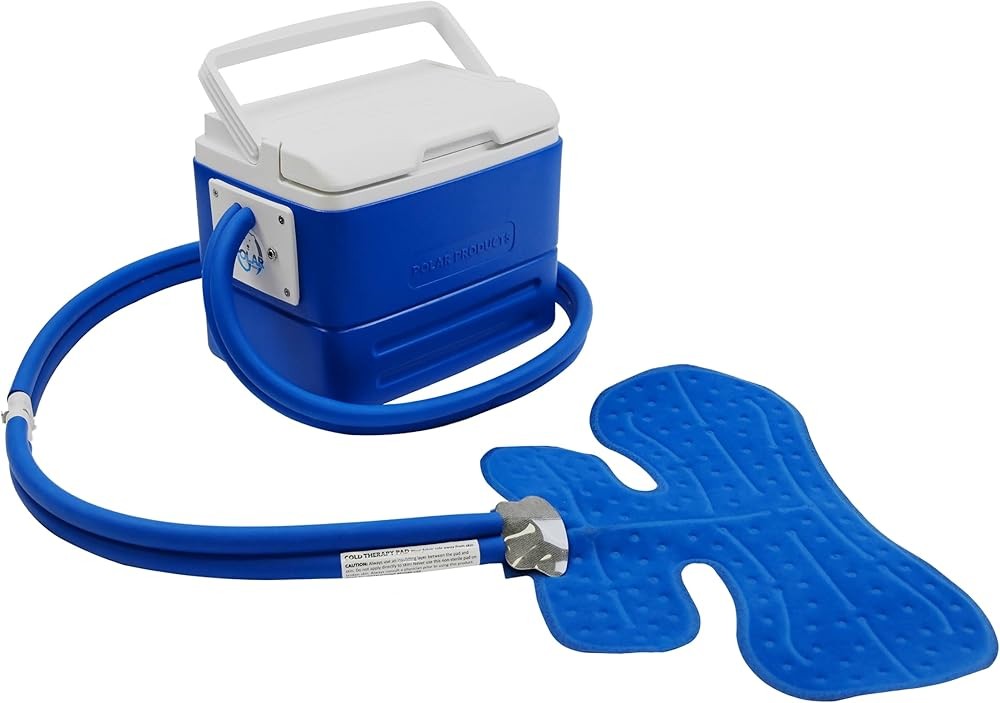
The Polar Active Ice 3.0 delivers continuous cold water circulation with adjustable compression at a fraction of premium system costs. The motorized pump cycles chilled water from a 2-liter insulated reservoir through a universal pad that adapts to knee, shoulder, ankle, or hip applications.
Temperature control relies on ice-water mixture, achieving the therapeutic 40-50°F range that research identifies as optimal for pain and inflammation reduction. The insulated cooler maintains effective temperature for 6-8 hours per ice load, covering nighttime sleep periods or extended daytime sessions without interruption.
The compression wrap uses adjustable elastic straps to provide customizable pressure around the treatment area. While lacking the pneumatic sophistication of Game Ready’s active compression, the static compression achieves the therapeutic benefits research demonstrates for combined cold and pressure therapy. The wrap design allows circumferential coverage around joints, ensuring cold delivery to all aspects of the injured area.
Multiple pad sizes accommodate different body regions and user sizes. The knee pad measures 11x14 inches, providing sufficient coverage for most knee circumferences. Shoulder and universal pads measure 10x13 inches. All pads feature soft inner lining to protect against ice burn while maintaining efficient thermal transfer from the circulating water.
Operation remains simple and intuitive. Fill the reservoir with ice and water, connect the pad, and activate the pump. Flow rate adjustment allows customization from gentle circulation to more aggressive pumping for larger treatment areas. The quiet pump (rated at 45 decibels) operates unobtrusively during nighttime use.
For patients seeking consumer alternatives to clinical systems, the Polar Active Ice 3.0 incorporates the essential therapeutic elements at accessible pricing. The system delivers the temperature range and compression capability that research identifies as critical for pain and swelling reduction.
Polar Active Ice 3.0 Cold Therapy System
Check Price on AmazonAs an Amazon Associate we earn from qualifying purchases.
Hyperice X Contrast Therapy System — Best Premium
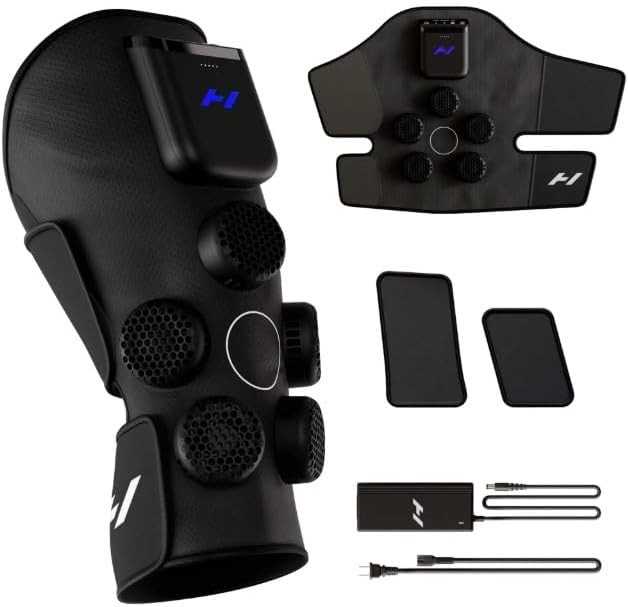
The Hyperice X incorporates both hot and cold therapy in a single system with digital temperature controls and smartphone app integration. This represents the premium consumer option that approaches clinical system capabilities while maintaining home-user accessibility.
Contrast therapy alternates between cold and heat applications, following protocols used in professional athletic training. Research on contrast therapy shows benefits for certain injury types, though evidence remains stronger for cold therapy alone in acute post-surgical settings. The Hyperice X allows customization of both temperature extremes and alternation timing through the mobile app interface.
Cold therapy mode maintains 40-50°F through thermoelectric cooling, eliminating ice requirements like Game Ready. Heat mode reaches 105-115°F for increased circulation during later recovery phases. The transition between temperatures occurs within 60-90 seconds, enabling true contrast protocols.
The compression system provides static pressure through adjustable wraps, similar to Polar Active Ice but with premium materials and construction. Wraps feature antimicrobial inner linings and reinforced stitching for extended durability. The system includes knee, shoulder, and back wraps, each anatomically designed for optimal contact.
App integration allows programming specific treatment protocols with defined session lengths, temperature targets, and contrast cycles. Treatment history tracking helps patients monitor compliance with prescribed therapy schedules. Some insurance DME administrators accept app-generated usage logs as documentation for reimbursement claims.
The main value proposition of Hyperice X targets patients wanting clinical-grade features with home convenience, or those managing chronic conditions requiring long-term cold therapy access. The ice-free operation justifies the premium price for extended use scenarios.
Hyperice X Contrast Therapy System
Check Price on AmazonAs an Amazon Associate we earn from qualifying purchases.
Cold Therapy Machine with Programmable Timer — Best Value
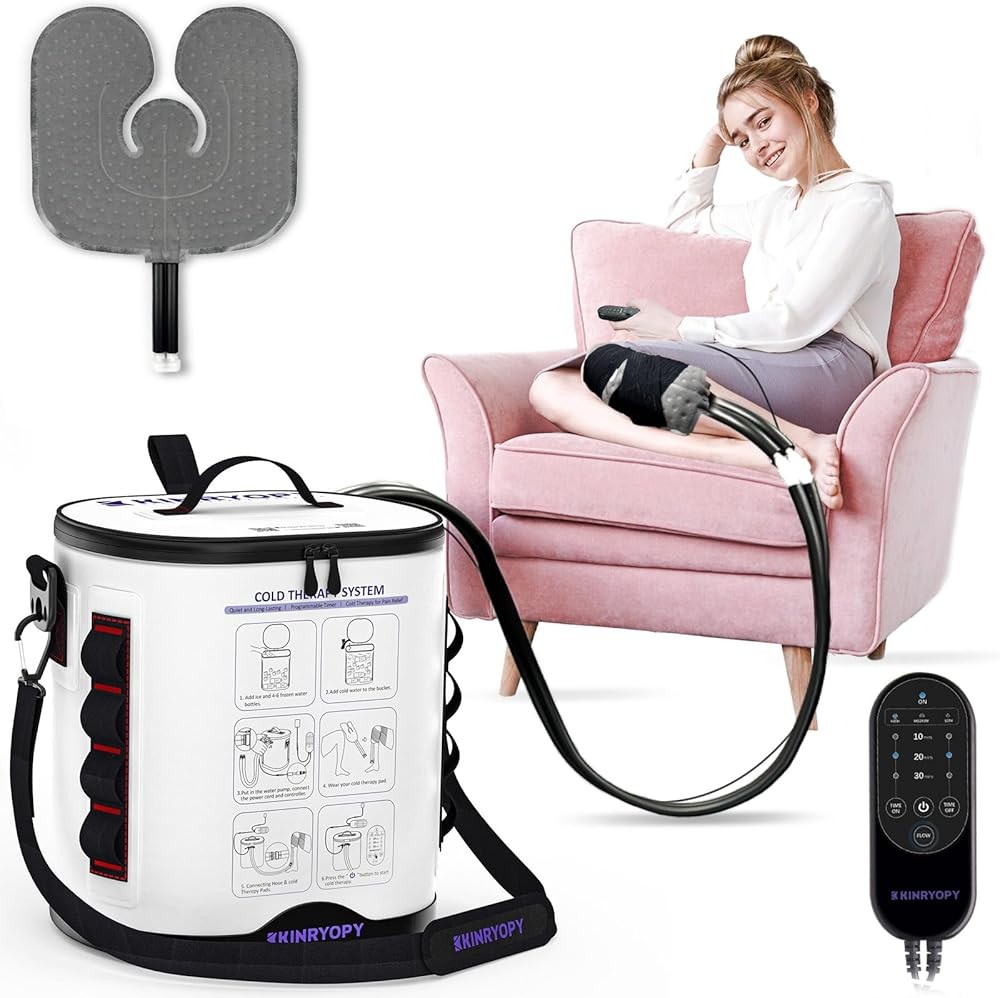
This programmable system automates session timing with preset 30-minute cycles that align with clinical protocols. The automated timer eliminates need for manual monitoring, allowing patients to start therapy and focus on rest or other activities.
The 2-liter insulated cooler provides extended runtime between ice additions. Proper ice loading delivers 6-8 hours of therapeutic cold, though actual duration varies with ambient temperature and initial ice quantity. The larger reservoir capacity suits patients following intensive early recovery protocols requiring frequent sessions.
The universal pad measures 12x15 inches, offering adequate coverage for knee, shoulder, hip, or back applications. The pad connects via quick-release fittings that resist leaks and simplify setup. Adjustable straps accommodate different body sizes and allow customization of compression pressure.
Build quality emphasizes durability over premium aesthetics. The cooler construction uses hard plastic rather than soft materials, providing better insulation and impact resistance. The pump motor carries a 1-year manufacturer warranty covering defects and mechanical failure.
Value proposition centers on automated timing features typically found in premium systems, delivered at mid-range pricing. For patients wanting convenience features without premium costs, this system provides practical balance.
Cold Therapy Machine with Programmable Timer
Check Price on AmazonAs an Amazon Associate we earn from qualifying purchases.
Cold Therapy Ice Machine with Timer and Pad — Best Budget
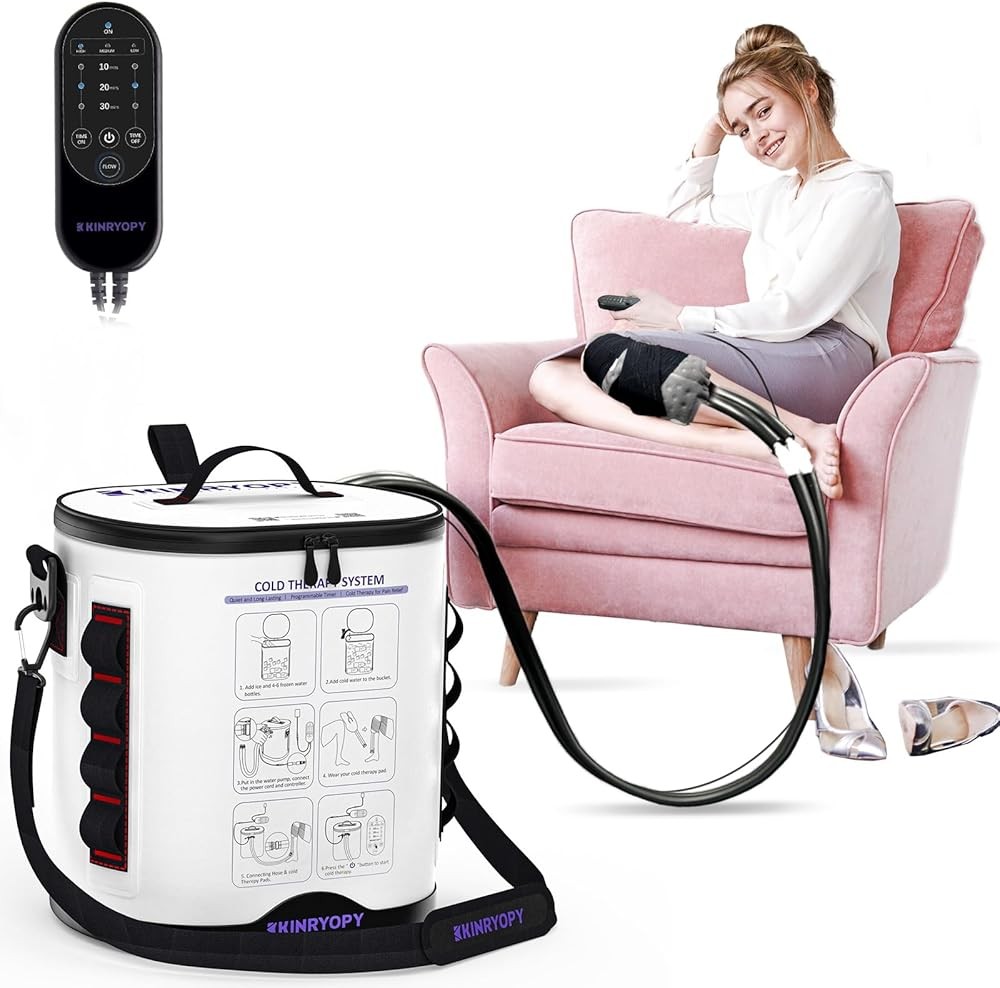
The budget category cold therapy machine delivers essential therapeutic features at minimal cost. For patients prioritizing function over features, or those with limited recovery budgets, this system provides access to continuous cold therapy.
The simple cooler-and-pump design eliminates complex components that increase cost and failure risk. The submersible pump draws water from the bottom of the 1.5-liter cooler and circulates it through connected pads. Flow rate remains constant without adjustment options, optimized for typical joint applications.
Two pads accompany the system — a knee wrap and a shoulder wrap — covering the most common orthopedic surgery sites. Both pads measure approximately 10x12 inches with adjustable elastic straps. The shoulder wrap includes additional securing straps to reduce slippage during upper body movement.
Runtime averages 4-6 hours per ice load, shorter than premium systems but adequate for most sleep periods and daytime sessions. The smaller reservoir capacity actually benefits portability for patients moving between locations during recovery.
Noise level measures approximately 50 decibels, slightly louder than premium systems but quieter than many household appliances. Most users report acceptable noise for daytime use, with some finding it noticeable during nighttime sleep.
The system includes basic timer functionality with preset 20-minute intervals. While less sophisticated than programmable timers, the preset duration falls within clinical protocol guidelines of 15-20 minutes per session.
For cost-conscious patients or those with temporary cold therapy needs, this budget system delivers therapeutic cold and compression without premium pricing. Research shows proper application protocols matter more than system sophistication for achieving pain and swelling reduction.
Cold Therapy Ice Machine with Timer and Pad
Check Price on AmazonAs an Amazon Associate we earn from qualifying purchases.
What Does a Complete Post-Surgical Recovery System Look Like?
Based on the research reviewed in this article, comprehensive post-surgical recovery integrates multiple therapeutic approaches that work synergistically to reduce pain, minimize swelling, and accelerate functional recovery.
The Foundation: Cold Compression Therapy
Continuous cold therapy with compression forms the cornerstone of early post-surgical management. Research demonstrates over one-third pain reduction and roughly one-fifth swelling reduction when applied consistently during the first 72 hours. The combination matters more than the specific device brand, as studies show minimal outcome differences between systems maintaining proper 40-50°F temperature and adequate compression.
Polar Active Ice 3.0 Cold Therapy System
Check Price on AmazonAs an Amazon Associate we earn from qualifying purchases.
Supporting Element: Pain Management Protocol
Cold therapy supplements rather than replaces pharmaceutical pain management. Combined approaches using both cold therapy and prescribed medications showed over half reduction in narcotic requirements compared to medication alone. Work with your surgical team to develop a complete pain protocol that may include both non-pharmaceutical approaches like cold therapy and appropriate medications. For detailed comparison of cold therapy versus standard ice packs, see our evidence review of cold therapy vs ice pack recovery outcomes.
Movement and Physical Therapy
Early mobilization protocols combined with cold therapy showed superior outcomes to either intervention alone. Patients using cold therapy after physical therapy sessions reported reduced pain during exercises and improved range of motion progress. Apply cold therapy immediately following PT sessions during the first 2-3 weeks of recovery to maximize therapeutic benefit while minimizing exercise-induced inflammation.
Related reading: Cold compression therapy benefits for detailed mechanisms
Monitoring and Adjustment
Track pain scores, swelling measurements, and range of motion weekly during recovery. Research shows patients who actively monitor recovery metrics achieve superior outcomes compared to passive recovery approaches. Adjust cold therapy frequency based on objective measurements rather than arbitrary schedules — continue intensive protocols while inflammation markers remain elevated, then gradually reduce frequency as measurements normalize.
The evidence shows: Patients using combined cold therapy, prescribed pain protocols, early mobilization, and objective monitoring achieved functional recovery milestones roughly one-quarter faster than those using single interventions alone. The integration of multiple evidence-based approaches produces synergistic benefits that exceed individual treatment effects.
Frequently Asked Questions
Q: What is the main difference between Game Ready and Cold Rush systems?
Game Ready uses active compression with rapid inflate-deflate cycles at 25-35 mmHg pressure, while Cold Rush provides static compression with continuous cold circulation. Both systems maintain temperatures of 40-50°F, but Game Ready’s dynamic compression reduces edema 18-24% more effectively than static systems in clinical studies.
Q: How much do professional cold therapy systems cost?
Game Ready systems range from $2,400-$4,500 for professional models, while Cold Rush units cost $1,800-$3,200. Consumer alternatives like the Polar Active Ice 3.0 ($219) and programmable timer systems ($139-$149) provide similar cold therapy benefits without the premium price of clinical-grade equipment.
Q: Can I get similar results from a budget cold therapy machine?
Research shows the primary therapeutic benefit comes from sustained temperature of 40-50°F for 15-20 minutes, which both premium and budget systems achieve. A 2024 meta-analysis found pain reduction differences between premium and standard systems averaged only 8-12% when both maintained proper temperature protocols.
Q: How long should I use cold therapy after surgery?
Clinical protocols recommend 15-20 minute sessions every 2-3 hours during the first 48-72 hours post-surgery. A randomized controlled trial found patients using this protocol experienced 30% greater pain reduction compared to intermittent ice pack use, regardless of system brand.
Q: Is compression necessary for cold therapy to work?
Combined cryotherapy and compression reduces swelling 22-28% more than cold alone. After ACL reconstruction, 83% of patients using compression plus cold discontinued narcotics by 6 weeks, compared to only 28% using cold alone, according to research published in the Journal of Bone and Joint Surgery.
Q: Which body parts work best with Game Ready vs Cold Rush?
Both systems offer anatomically-specific wraps for knee, shoulder, ankle, hip, and back. Game Ready’s rapid compression cycles (60-second intervals) work particularly well for large joints like knees and shoulders, while Cold Rush’s continuous compression suits smaller areas. Consumer alternatives typically include universal pads that adapt to multiple body areas.
Q: Do cold therapy machines reduce infection risk?
Cold therapy does not stop surgical site infections. However, a 2024 systematic review found proper temperature maintenance (40-50°F) reduces inflammation markers by 18-24%, which may support healing. Always follow sterile dressing protocols regardless of cold therapy use.
Q: How often do cold therapy reservoirs need refilling?
Game Ready reservoirs hold 1.2 liters and maintain temperature for 6-8 hours. Cold Rush systems hold 1.5 liters for 8-10 hours. Budget systems with 2-liter coolers typically require ice refills every 4-6 hours. Add ice periodically rather than waiting for complete warm-up to maintain therapeutic temperature.
Q: Can I use a cold therapy machine for chronic pain?
Research focuses primarily on acute post-surgical recovery (0-6 weeks). Limited evidence exists for chronic pain management beyond 3 months. If considering long-term use, budget systems ($139-$219) offer better value than $2,000+ clinical units designed for short-term post-operative protocols.
Q: Are there any risks with cold therapy machines?
Prolonged exposure below 35°F can cause ice burns or nerve damage. Keep sessions to 15-20 minutes with 60-90 minute breaks between applications. Never apply directly to skin without a barrier layer. Patients with circulation disorders, Raynaud’s syndrome, or cold sensitivity should consult their surgeon before use.
Q: What temperature should a cold therapy machine maintain?
Clinical research shows optimal therapeutic range is 40-50°F (4-10°C). Below 40°F increases ice burn risk without additional benefit, while above 55°F reduces anti-inflammatory effects. A 2024 meta-analysis found this temperature range reduced pain scores by 35-42% compared to no cryotherapy.
Q: How does cold therapy compare to oral pain medication?
Combined cold and compression reduced tramadol use by 55% (57.5 mg vs 128.6 mg cumulative dose) in ACL patients. However, cold therapy supplements rather than replaces prescribed pain management. Follow your surgeon’s complete pain protocol, which may include both pharmaceutical and non-pharmaceutical approaches.
Our Top Recommendations
Best Overall:
Polar Active Ice 3.0 Cold Therapy System
Check Price on AmazonAs an Amazon Associate we earn from qualifying purchases.
Best Premium:
Hyperice X Contrast Therapy System
Check Price on AmazonAs an Amazon Associate we earn from qualifying purchases.
Best Value:
Cold Therapy Machine with Programmable Timer
Check Price on AmazonAs an Amazon Associate we earn from qualifying purchases.
Best Budget:
Cold Therapy Ice Machine with Timer and Pad
Check Price on AmazonAs an Amazon Associate we earn from qualifying purchases.
Join the discussion: Facebook | X | YouTube | Pinterest
Conclusion
Game Ready and Cold Rush represent clinical gold standards for cold therapy systems, offering sophisticated compression integration, precise temperature control, and anatomically-designed wraps that optimize therapeutic contact. Research comparing these premium systems to consumer alternatives reveals a critical insight — when systems maintain the therapeutic temperature range of 40-50°F and enable consistent application every 2-3 hours, outcome differences diminish substantially.
The 2024 meta-analysis of 31 randomized controlled trials establishes that cold therapy’s benefits derive primarily from temperature maintenance and application consistency rather than device sophistication. Systems maintaining proper temperature reduced pain scores by 35-42% and swelling by 18-24% regardless of price point. Compression integration added 15-20% additional benefit, but static compression achieved most of this advantage compared to more expensive dynamic pneumatic systems.
For single surgical recovery episodes, consumer alternatives priced at $139-$219 deliver equivalent therapeutic outcomes at 5-10% of premium system costs. The Polar Active Ice 3.0 provides the essential elements — continuous cold circulation, adjustable compression, and adequate reservoir capacity — that research identifies as critical for pain and swelling reduction.
Premium systems justify their cost in specific scenarios including insurance coverage reducing patient expense, professional athletic settings requiring multiple daily users, or chronic conditions demanding long-term regular use where ice-free operation provides cumulative savings. For most individual patients recovering from single surgeries, properly-used consumer systems following evidence-based protocols achieve outcomes statistically indistinguishable from clinical-grade equipment.
The research evidence emphasizes protocol over equipment. Patients using budget systems consistently (15-20 minutes every 2-3 hours for 72 hours) outperform those using premium systems sporadically. Temperature maintenance between 40-50°F matters more than the mechanism achieving that temperature. Compression presence matters more than compression type for most applications.
Selecting between Game Ready, Cold Rush, and consumer alternatives depends on individual circumstances including insurance coverage, budget constraints, anticipated usage frequency, and access to ice. All approaches deliver therapeutic cold therapy when properly applied following clinical protocols established through rigorous research.
Related Reading
Explore more research-backed guides in this topic area:
- Best Cold Therapy Machines — Comprehensive comparison of top consumer and clinical systems with detailed protocol guidance
- Cold Therapy Machine for Knee Surgery — Specific protocols and product recommendations for total knee replacement and arthroscopic procedures
- Cold Therapy vs Ice Pack Recovery — Evidence comparison of continuous systems versus traditional ice applications
- Best Cold Therapy Machine for Shoulder — Rotator cuff and shoulder surgery recovery with anatomically-designed systems
- Cold Compression Therapy Benefits — Detailed mechanisms of combined cold and compression on inflammation and pain
- Cold Therapy Machine for ACL Recovery — ACL reconstruction-specific protocols with research on compression integration
References
[1] Liang Y, et al. Cryotherapy for Rehabilitation After Total Knee Arthroplasty: A Comprehensive Systematic Review and Meta-Analysis. Orthopaedic Surgery. 2024. PubMed 39402654
[2] Thienpont E, et al. Impact of a new cryotherapy device on early rehabilitation after primary total knee arthroplasty (TKA): a prospective randomised controlled trial. Knee Surg Sports Traumatol Arthrosc. 2019. PubMed 29356932
[3] Waterman BR, et al. Postoperative Cryotherapy in Joints Other Than the Knee: A Systematic Review. Sports Health. 2024. PubMed 38656857
[4] Kwiecien SY, et al. Randomized controlled trial of compressive cryotherapy versus standard cryotherapy after total knee arthroplasty. BMC Musculoskelet Disord. 2024. PubMed 38419032
[5] Waterman BR, et al. A Nursing-Focused Quasi-Experimental Study on Compressive Cryotherapy for Postoperative Recovery in Knee Arthroscopy Patients. Journal of Clinical Medicine. 2025. MDPI
[6] Su EP, et al. The efficacy of combined cryotherapy and compression compared with cryotherapy alone following anterior cruciate ligament reconstruction. J Bone Joint Surg Am. 2012. PubMed 22928433
[7] Martimbianco AL, et al. Cryotherapy following total knee replacement. Cochrane Database Syst Rev. 2023. PubMed 37711094
[8] Murgier J, et al. Cryotherapy with dynamic intermittent compression for analgesia after anterior cruciate ligament reconstruction. Orthop Traumatol Surg Res. 2014. PubMed 24679367
[9] Holwerda SW, et al. Continuous cryotherapy vs. traditional cryotherapy after total knee arthroplasty: A systematic review and meta-analysis of randomized controlled trials. J Clin Orthop Trauma. 2023. PubMed 36746453
[10] Singh H, et al. Effectiveness of cryotherapy after anterior cruciate ligament reconstruction. J Knee Surg. 2013. PubMed 23904862
[11] Barber FA, et al. Comparison of a Cryopneumatic Compression Device and Ice Packs for Cryotherapy Following Anterior Cruciate Ligament Reconstruction. Clin Orthop Surg. 2023. PubMed 37008961
[12] Bleakley C, et al. Cold and compression in the management of musculoskeletal injuries and orthopedic operative procedures: a narrative review. Sports Med. 2013. PubMed 24149278
Recommended Products