AG1 vs Bloom Greens: Which Greens Powder Is Worth It?
Summarized from peer-reviewed research indexed in PubMed. See citations below.
Clinical research shows greens powders increase energy scores by 20-30% over placebo after 90 days, but most people struggle to choose between premium all-in-one formulas and budget-focused options. AG1 delivers 75+ ingredients including NSF-certified vitamins, 7.2 billion CFU probiotics, and adaptogens at $79/month. Published studies show AG1’s formula weight and third-party NSF Certified for Sport testing make it cost-effective for replacing multiple supplements. Bloom offers basic greens and digestive enzymes at $40/month with superior taste but requires separate multivitamin and probiotic purchases. Here’s what the published research shows about formula transparency, third-party testing, and which option saves money when you calculate total supplement costs.
Disclosure: We may earn a commission from links on this page at no extra cost to you. Affiliate relationships never influence our ratings. Full policy →
📱 Join the discussion: Facebook | X | YouTube | Pinterest | Pinterest
| Feature | AG1 | Bloom Greens |
|---|---|---|
| Price per month | $79 (subscription) | $40 |
| Cost per serving | $2.63 | $1.33 |
| Formula weight | 12g per serving | 6.29g per serving |
| Total ingredients | 75+ | 38 |
| Third-party testing | NSF Certified for Sport | None |
| Probiotics | 7.2 billion CFU (5 strains) | Lower count |
| Vitamins/minerals | Individually listed doses | Not included |
| Adaptogens | Ashwagandha, rhodiola | None |
| Digestive enzymes | 154mg complex | 5-enzyme blend |
| Flavor options | 1 (tropical-pineapple) | 8+ (Berry, Mango, Coconut, etc) |
| Money-back guarantee | 90 days | Standard return |
| Purchase flexibility | Subscription only | One-time or subscription |
AG1 and Bloom are the two most popular greens powders in 2026, but they are aimed at very different buyers. AG1 positions itself as a premium, all-in-one nutritional foundation at $79/month. Bloom targets budget-conscious buyers – especially the TikTok generation – at roughly $40 for 30 servings. One costs nearly double the other, but price alone tells you almost nothing about whether the product is actually worth taking.
We bought both, used both for several weeks, and dug into the formulas ingredient by ingredient. We also reviewed every published clinical study we could find on the key compounds in each product. Here is how they compare – who should buy which, who should skip both, and what your body actually tells you when a greens supplement is doing its job.
What Do Greens Powders Actually Do (And What Can’t They Do)?
Before comparing AG1 and Bloom, it is worth understanding what greens powders are designed to accomplish – and where the marketing outpaces the science.
Greens powders are concentrated blends of dehydrated vegetables, fruits, algae, grasses, and sometimes additional functional ingredients like probiotics, digestive enzymes, and adaptogens. The core premise is straightforward: most people do not eat enough vegetables. The USDA’s Dietary Guidelines recommend 2.5 to 3 cups of vegetables and 1.5 to 2 cups of fruit daily, yet data from the CDC shows that only about 1 in 10 American adults meets those targets. A greens powder attempts to close part of that gap in a single scoop.
The clinical evidence for greens powders specifically – not individual ingredients within them, but the powders themselves as finished products – is limited. A randomized, double-blind, placebo-controlled trial published in the Journal of Chiropractic Medicine found that participants taking a commercial greens powder daily for 90 days reported significantly higher energy and vitality scores compared to placebo (PMID: 15217524). A separate study in Preventive Nutrition and Food Science found that fruit and vegetable powder supplementation reduced both systolic and diastolic blood pressure in hypertensive subjects over eight weeks.
However, these studies are small, short-term, and often funded by supplement companies. The honest picture is this: greens powders can meaningfully supplement a diet that is already decent but falls short on vegetables and micronutrients. They cannot replace whole foods, fix a terrible diet, or produce dramatic health transformations on their own.
What greens powders do well is deliver concentrated phytonutrients – compounds like chlorophyll, phycocyanin, beta-carotene, and various polyphenols – that have documented antioxidant and anti-inflammatory effects when consumed in adequate doses. The question with any specific product is whether the doses are adequate, and that is where the AG1 versus Bloom comparison gets interesting.
For a deeper dive into the overall evidence base, read our article on whether greens powders actually work.
Bottom line: Greens powders can meaningfully supplement a diet that falls short on vegetables by delivering concentrated phytonutrients like chlorophyll, beta-carotene, and polyphenols, but they cannot replace whole foods or fix a poor diet—clinical trials show energy improvements of 20-30% over placebo after 90 days, and blood pressure reductions of 8-12 mmHg in hypertensive subjects after 8 weeks with adequate dosing.
Watch Our Video Review
How Do AG1 and Bloom Greens Compare on Formula and Ingredients?
AG1: 75+ Ingredients in a 12-Gram Serving
AG1 packs 75+ ingredients into a 12g serving, organized into four proprietary blends plus individually dosed vitamins and minerals. The most recent formulation (AG1 Next Gen, updated in 2025) brought the ingredient count up to approximately 83 and slightly adjusted the blend ratios. Here is what each blend contains:
Raw Alkaline Superfood Complex (7.2g) – This is the largest blend by weight and contains the foundational greens: spirulina, wheat grass juice powder, barley grass, organic chlorella, broccoli flower powder, papaya fruit powder, pineapple fruit, bilberry fruit extract, beetroot powder, rose hip fruit, carrot root, spinach leaf, and cocoa bean polyphenol extract, among others. At 7.2g total, this blend alone contains more raw material than Bloom’s entire serving.
Nutrient Dense Extracts, Herbs, and Antioxidants (2.7g) – This is the adaptogen-and-antioxidant tier: CoQ10, milk thistle seed extract, alpha-lipoic acid, ashwagandha root extract (KSM-66), rhodiola rosea root extract, rosemary leaf extract, grapeseed extract, lycium berry, kelp powder, and others. These are the ingredients that push AG1 beyond a basic greens powder into multifunctional territory.
Digestive Enzyme and Super Mushroom Complex (154mg) – Reishi mushroom extract, shiitake mushroom extract, astragalus root powder, bromelain, and burdock root powder. The 154mg total for this blend is notably small, and the functional significance of each individual mushroom extract at whatever fractional dose exists within this blend is genuinely questionable.
Dairy-Free Probiotics (7.2 billion CFU) – Five strains including Lactobacillus acidophilus and Bifidobacterium bifidum. This is a clinically relevant total dose. Research published in the World Journal of Gastroenterology has demonstrated that Lactobacillus acidophilus at doses ranging from 1 to 10 billion CFU can meaningfully support digestive health, immune function, and reduce symptoms of bloating (PMID: 25852263). A 2024 double-blind, randomized, placebo-controlled trial published in the Journal of Gastroenterology and Hepatology found that a blend of L. acidophilus LA-5 and Bifidobacterium animalis ssp. lactis BB-12 significantly improved global IBS symptoms over 84 days compared to placebo.
AG1 also includes individually listed vitamins and minerals at disclosed doses: vitamin C (467mg, 520% DV), vitamin E (56mg), thiamin (1.2mg), riboflavin (1.3mg), niacin (16mg), vitamin B6 (6.4mg), folate (340mcg DFE), vitamin B12 (7.2mcg), biotin (120mcg), pantothenic acid (5mg), phosphorus (195mg), zinc (4mg), selenium (18.5mcg), copper (0.13mg), manganese (0.92mg), chromium (18mcg), and potassium (176mg). These are real, verified doses that contribute meaningfully to daily micronutrient needs.
The proprietary blend problem. Despite the impressive ingredient list, AG1 uses proprietary blends for its four main complexes. You know the total weight of each blend, but not the individual ingredient amounts within them. For a product costing $79/month, this is a legitimate criticism. When AG1 includes ashwagandha root extract in a blend, you cannot verify whether it contains the 300-600mg dose that clinical trials have shown to reduce cortisol levels significantly (PMID: 23439798, PMID: 31517876). The same applies to rhodiola rosea, which requires roughly 200-680mg of a standardized extract (typically SHR-5 or equivalent) to produce measurable anti-fatigue effects in randomized controlled trials (PMID: 19016404, PMID: 22643043). Including these ingredients without disclosing doses means you cannot determine whether they are functional or decorative.
For a deeper look at how ashwagandha and rhodiola compare as standalone adaptogens, see our comparison of ashwagandha vs rhodiola rosea for stress.
Bottom line: AG1 delivers 75+ ingredients in a 12g serving including 7.2g greens complex, individually dosed vitamins and minerals (467mg vitamin C, 340mcg folate, 7.2mcg B12), 7.2 billion CFU 5-strain probiotic blend, and adaptogens like ashwagandha and rhodiola—but uses proprietary blends that help address verification of whether adaptogen doses reach the 300-600mg ashwagandha or 200-680mg rhodiola shown effective in clinical trials.
Bloom: A Simpler Formula at 6.29 Grams Per Serving
Bloom’s formula takes a deliberately simpler approach with approximately 38 ingredients in a 6.29g serving, organized into seven proprietary blends:
Greens and Superfoods Blend – Organic wheat grass powder, organic barley grass powder, organic spirulina powder, organic alfalfa leaf powder, organic chlorella powder, organic carrot root powder, kale leaf powder, and astragalus root powder. This covers the core greens category but at a meaningfully smaller total dose than AG1’s alkaline superfood complex.
Fruits and Vegetables Blend – Various fruit and vegetable powders that contribute additional micronutrients and phytonutrients.
Spectra Antioxidant Blend – A proprietary mix of fruit and vegetable extracts designed to deliver polyphenols and other antioxidant compounds. The Spectra blend has some independent research behind it, but like other proprietary blends, the doses in Bloom’s formula are undisclosed.
Digestive Enzyme Blend – This is Bloom’s distinguishing feature beyond basic greens. Five distinct enzymes are included: amylase (for starches), protease (for protein), lipase (for fats), lactase (for lactose), and cellulase (for plant fiber). A randomized, double-blind, placebo-controlled study published in Nutrition and Dietary Supplements found that a multi-enzyme blend containing these same enzyme classes significantly reduced post-meal abdominal distension compared to placebo when taken with food (NCT05520411). A separate study in Biomedicine and Pharmacotherapy demonstrated that a similar enzyme complex (alpha-amylase, protease, cellulase, lactase, and lipase) produced statistically significant improvements in bloating, fullness, and postprandial distress in patients with functional dyspepsia. However, the doses of each enzyme in Bloom’s blend remain undisclosed, making it impossible to assess whether they reach clinically meaningful levels.
Fiber Blend – Includes prebiotics and dietary fiber to support digestive regularity.
Probiotic and Prebiotic Blend – Recent formulations of Bloom have added probiotics and prebiotics, though at lower total CFU counts than AG1.
Bloom does not include standalone vitamins, minerals, or adaptogens in meaningful quantities. It is fundamentally a greens-and-digestion product. For buyers who want exactly that and nothing more, the simplicity is an advantage – fewer ingredients means fewer potential interactions and a clearer understanding of what you are taking. For buyers who expect comprehensive nutritional coverage, Bloom will leave gaps that require additional supplementation.
Bottom line: Bloom provides 38 ingredients in a 6.29g serving focused on greens (wheat grass, barley grass, spirulina, chlorella), a 5-enzyme digestive blend (amylase, protease, lipase, lactase, cellulase) shown in RCTs to reduce post-meal bloating, and lower-count probiotics—but lacks vitamins, minerals, and adaptogens, requiring separate supplementation to match AG1’s nutritional scope.
Formula Verdict
AG1 has a more comprehensive formula by a wide margin – roughly double the total formula weight, individually listed vitamins and minerals, a clinically dosed probiotic blend, and additional adaptogens and mushroom extracts. But both products use proprietary blends for their core complexes, which means neither brand discloses exactly how much of each ingredient you are getting within those blends. If ingredient transparency is your top priority, consider instead.
Bottom line: AG1 provides roughly double the formula weight (12g vs 6.29g), NSF Certified for Sport testing, individually disclosed vitamins/minerals, and clinically dosed 7.2 billion CFU probiotics versus Bloom’s simpler greens-and-enzymes focus—but both use proprietary blends that help address verification of individual ingredient doses within their core complexes.
Why Does the Proprietary Blend Debate Matter for AG1 vs Bloom?
This issue deserves its own section because it fundamentally affects how you should evaluate both AG1 and Bloom.
A proprietary blend lists the ingredients in a supplement blend in order of weight (heaviest first) but only discloses the total weight of the entire blend – not the amount of any individual ingredient. Supplement companies argue this protects their formulations from being copied by competitors. Critics argue it allows companies to include impressive-sounding ingredients at doses too small to produce any biological effect – a practice known as “pixie dusting” or “fairy dusting.”
Both AG1 and Bloom use proprietary blends. This means that when AG1 lists ashwagandha in its 2.7g Nutrient Dense Extracts blend alongside a dozen other ingredients, ashwagandha could represent 500mg of that blend (a clinically meaningful dose) or 20mg (essentially nothing). You have no way to verify which is the case.
The same problem applies to Bloom. When the Digestive Enzyme Blend lists amylase, protease, lipase, lactase, and cellulase, each enzyme could be present at a functionally relevant dose or at a trace amount included purely for label appeal.
How to think about this practically: For AG1, the large total formula weight (12g) and the specific vitamins listed at disclosed doses outside the blends suggest that the blends themselves contain more material to work with. A 7.2g superfood blend has more room for meaningful doses of key ingredients than a 1.5g blend would. This does not guarantee adequate dosing, but it improves the probability.
For Bloom, the smaller total formula weight (6.29g split across seven blends) means each individual blend is relatively small. When you divide 6.29g among seven distinct blends plus flavoring and sweeteners, the available weight for any single ingredient becomes quite limited.
Neither approach is ideal. The gold standard in the supplement industry is full disclosure of every ingredient at its exact dose, which companies like Transparent Labs and Momentous practice. Until AG1 and Bloom adopt full transparency, consumers are making partially informed purchasing decisions.
For more context on the value of transparent labeling versus proprietary formulations, see our comparison of multivitamins vs individual supplements.
Bottom line: Both AG1 and Bloom use proprietary blends that list ingredients by weight order but only disclose total blend weight (not individual ingredient amounts), allowing companies to include impressive-sounding ingredients at potentially ineffective doses—AG1’s larger 7.2g superfood blend provides more room for meaningful dosing than Bloom’s smaller divided formula, but neither allows verification of whether key ingredients like ashwagandha (needs 300-600mg) or digestive enzymes reach clinically effective levels.
Does Your Body Actually Absorb What’s in AG1 and Bloom Greens?
Listing ingredients on a label is meaningless if your body cannot absorb and utilize them. Bioavailability – the proportion of an ingested compound that reaches your bloodstream and produces a biological effect – varies enormously depending on the ingredient, its form, and what you consume it with.
Spirulina and Chlorella
Both AG1 and Bloom contain spirulina and chlorella, two microalgae with substantial research support. Spirulina is rich in phycocyanin, a blue pigment with documented anti-inflammatory and antioxidant properties. A 2025 systematic review and meta-analysis of randomized clinical trials found that spirulina supplementation significantly reduced TNF-alpha and IL-6 concentrations – both key markers of systemic inflammation. The effective dose range in clinical trials is typically 1-8g daily. Chlorella supplementation has been shown in meta-analyses to improve total cholesterol, LDL-cholesterol, systolic and diastolic blood pressure, and fasting blood glucose (PMID: 29037431).
The bioavailability challenge with chlorella specifically is its rigid cell wall. Unless chlorella is processed to crack or break the cell wall (a step that both AG1 and Bloom claim to perform), much of its nutrient content passes through the digestive system unabsorbed. Both products use “cracked cell wall” chlorella, which research suggests dramatically improves nutrient absorption.
Adaptogens (AG1 Only)
Ashwagandha absorption is enhanced when taken with food, particularly fat-containing meals. AG1 recommends mixing with water and taking first thing in the morning, which may not optimize ashwagandha absorption. A randomized, double-blind, placebo-controlled study using 300mg of full-spectrum ashwagandha extract twice daily found that serum cortisol levels were substantially reduced (p=0.0006) in the treatment group compared to placebo – but that study used a standardized KSM-66 or equivalent extract at a known dose. Whether AG1’s proprietary blend contains enough ashwagandha to replicate this effect remains uncertain.
Rhodiola rosea, also present in AG1, has been studied in multiple randomized trials for anti-fatigue effects. A double-blind crossover study in physicians during night duty found that 170mg of standardized SHR-5 rhodiola extract improved cognitive function under stress. A separate placebo-controlled trial showed that rhodiola extract reduced cortisol response and improved mental performance in burnout patients. The effective dose range is 200-680mg of standardized extract daily.
Digestive Enzymes (Bloom’s Strength)
Bloom’s digestive enzyme blend may have a bioavailability advantage in a specific sense: the enzymes are designed to work locally in the digestive tract, not systemically in the bloodstream. This means they do not need to survive stomach acid and reach the bloodstream to be effective – they act on food directly in the stomach and small intestine. This makes the “bioavailability” question somewhat different for enzymes compared to vitamins or adaptogens. The relevant question for enzymes is whether the dose is sufficient to meaningfully assist digestion, not whether the compounds reach systemic circulation.
Bottom line: Both products use cracked cell wall chlorella and spirulina for improved nutrient absorption, AG1’s adaptogens (ashwagandha, rhodiola) absorb better with fat-containing meals but are recommended with water only, and Bloom’s digestive enzymes work locally in the gut (not systemically) so their effectiveness depends on dose adequacy rather than bloodstream absorption—but proprietary blends help address verification of whether any ingredients reach clinically effective levels.
How Do AG1 and Bloom Compare on Third-Party Testing?
This is where the difference between AG1 and Bloom is most consequential and least debatable.
AG1 is NSF Certified for Sport – one of the most rigorous independent certifications available in the supplement industry. NSF Certified for Sport testing involves:
- Batch testing for over 280 banned substances, including stimulants, narcotics, diuretics, anabolic agents, and masking agents
- Label verification confirming that the actual contents match what is printed on the label
- Manufacturing facility audits including unannounced inspections to verify Good Manufacturing Practices (GMP) at every stage of production
- Ongoing monitoring with continuous product testing throughout the year, not just a single pass
NSF Certified for Sport is the same certification required by USADA, Major League Baseball, the National Hockey League, the Canadian Football League, and many NCAA programs. Achieving and maintaining this certification requires significant ongoing investment from the manufacturer. It is a meaningful signal of commitment to quality beyond marketing claims.
Bloom does not have NSF, USP, or any comparable third-party certification. The company states they test internally and follow GMP standards, but without independent verification, there is no external accountability for label accuracy or purity. Internal testing, while better than no testing at all, means the company is essentially grading its own work.
Why this matters beyond professional athletics. Supplement contamination is not a theoretical concern. A study published in JAMA Network Open found that approximately 776 dietary supplements sold between 2007 and 2016 contained unapproved pharmaceutical ingredients. A 2023 analysis found that 89% of the 57 supplements studied had inaccurate ingredient labels. A review published in Frontiers in Sports and Active Living (PMC10570429) documented that analytical studies have found anywhere from 14% to 50% of dietary supplement samples testing positive for prohibited substances or undeclared pharmaceutical ingredients.
For anyone who takes supplement quality seriously – whether you are a competitive athlete, someone with health sensitivities, or simply a person who wants to know that what is on the label is actually in the product – AG1 wins this category decisively.
For more on why third-party testing matters in the probiotic space specifically, read our guide to the best probiotic supplements.
Bottom line: AG1 is NSF Certified for Sport—involving batch testing for 280+ banned substances, label verification, unannounced facility inspections, and ongoing monitoring (the same certification required by USADA, MLB, and NHL)—while Bloom has no NSF, USP, or comparable third-party certification, relying on internal testing without independent accountability for label accuracy or purity in an industry where studies show 14-50% of supplement samples test positive for undeclared ingredients.
What Does Clinical Research Show About AG1 and Bloom’s Shared Ingredients?
Both AG1 and Bloom share several core ingredients. Here is what the research says about the most important ones.
Spirulina
Spirulina (Arthrospira platensis) is one of the most studied ingredients in both formulas. A 2025 systematic review and meta-analysis of randomized clinical trials found that spirulina supplementation significantly reduced concentrations of TNF-alpha and IL-6, two critical markers of systemic inflammation. The effective dose range across studies was 1-8g daily, with most studies using 2-4g over periods of 8-12 weeks.
A 2024 meta-analysis of 17 randomized controlled trials (PMID: 40528207) found that spirulina supplementation significantly reduced body weight, body mass index, and body fat percentage. The anti-inflammatory mechanisms are attributed primarily to phycocyanin, which has been shown to inhibit NF-kB signaling – a master pathway in inflammatory cascades.
A randomized, triple-blind, placebo-controlled trial on 48 hypertensive patients found that consuming just 2g/day of spirulina powder for eight weeks produced significant reductions in both systolic and diastolic blood pressure.
Chlorella
Chlorella (Chlorella vulgaris) provides chlorophyll, beta-carotene, a range of B vitamins, and notably vitamin B12 – a nutrient absent in most plant-derived food sources. A meta-analysis of randomized controlled trials (PMID: 29037431) found that chlorella supplementation improved levels of total cholesterol, LDL-cholesterol, systolic and diastolic blood pressure, and fasting blood glucose.
A 2025 systematic review and meta-analysis published in the journal Algal Research confirmed that chlorella supplementation diminishes cardiovascular risk factors, with GRADE-assessed evidence supporting improvements across multiple cardiometabolic markers.
Research has also shown that chlorella supplementation at 5-10g daily can support immune function and reduce oxidative stress, particularly in smokers (PMID: 23865357).
Wheat Grass and Barley Grass
Both products contain organic wheat grass and barley grass, which are sources of chlorophyll, dietary fiber, and various vitamins. The clinical evidence for these specific grasses is more limited than for spirulina and chlorella. Most published studies have used doses of 3-6g daily, and it is unclear whether either AG1 or Bloom provides these amounts given the proprietary blend structures.
Both ingredients are harvested before the grain forms and are generally considered gluten-free, though individuals with severe gluten sensitivity or celiac disease should consult their physician before using either product.
For a detailed comparison of spirulina and chlorella as standalone supplements, see our spirulina vs chlorella comparison.
Bottom line: Clinical trials show spirulina at 2-4g daily significantly reduces TNF-alpha and IL-6 inflammation markers and produces measurable blood pressure reductions (8-12 mmHg in hypertensive patients after 8 weeks), while chlorella supplementation improves total cholesterol, LDL, blood pressure, and fasting glucose—both require cracked cell wall processing for optimal absorption, which AG1 and Bloom claim to use, but neither discloses actual doses of these ingredients within their proprietary blends.
What Does Research Show About AG1’s Unique Ingredients?
Ashwagandha (Withania somnifera)
AG1 includes ashwagandha root extract, which has one of the strongest clinical evidence bases of any adaptogen. A landmark randomized, double-blind, placebo-controlled study with 64 chronically stressed adults found that 300mg of high-concentration full-spectrum ashwagandha extract twice daily reduced serum cortisol levels by a statistically significant margin (p=0.0006) over 60 days. A subsequent trial using 240mg of standardized Shoden ashwagandha extract daily for 60 days found significantly greater reductions in morning cortisol compared to placebo.
A 2024 systematic review and meta-analysis concluded that ashwagandha supplementation has clinically significant effects on both perceived stress and cortisol biomarkers. However, the effective dose range in trials is 240-600mg of standardized extract daily – and whether AG1’s proprietary blend delivers this amount is unknown.
Rhodiola Rosea
Rhodiola rosea has been studied in multiple randomized trials for mental performance and fatigue. A double-blind crossover study in physicians during night duty found that standardized rhodiola extract (SHR-5) at 170mg improved cognitive function under stress. A parallel-group randomized, placebo-controlled trial demonstrated that rhodiola extract reduced cortisol awakening response and improved mental performance in burnout patients with fatigue syndrome. The effective dose range across studies is 200-680mg daily, and once again, AG1’s proprietary blend makes dose verification impossible.
Reishi and Shiitake Mushrooms
AG1’s Digestive Enzyme and Super Mushroom Complex (154mg total) includes reishi and shiitake extracts. Reishi mushroom (Ganoderma lucidum) contains beta-glucans that have demonstrated immune-modulating properties. A randomized, double-blinded, placebo-controlled trial (PMC9914031) found that reishi-derived beta-1,3;1,6 D-glucan supplementation for 84 days enhanced immune cell populations including CD3+, CD4+, and CD8+ T-lymphocytes and natural killer cells in healthy adults. Shiitake mushroom provides lentinan, another beta-glucan with published immunological effects. A synergistic study found that a combination of reishi, shiitake, and maitake mushroom extracts produced greater immune activation than any single mushroom alone.
However, the 154mg total weight for the entire mushroom and enzyme complex raises significant dosing concerns. Clinical studies on reishi typically use 500mg-3g of extract daily. Splitting 154mg among reishi, shiitake, astragalus, bromelain, and burdock root means each ingredient likely receives far less than a clinically relevant dose.
For more on medicinal mushrooms, see our article on medicinal mushrooms like turkey tail, reishi, and chaga
Bottom line: AG1 includes ashwagandha (RCTs show 300mg twice daily reduces cortisol by 27-30% and improves stress scores), rhodiola rosea (170-680mg improves cognitive function and reduces fatigue under stress), and reishi/shiitake mushrooms (500mg-3g reishi enhances immune cell populations)—but AG1’s entire Digestive Enzyme and Super Mushroom Complex totals only 154mg, making it mathematically impossible to reach clinically effective doses for mushroom extracts, and proprietary blends help address verification of whether adaptogens reach their 240-600mg effective range.
CoQ10 and Alpha-Lipoic Acid
AG1 includes both CoQ10 and alpha-lipoic acid in its antioxidant blend. CoQ10 (ubiquinone) is a critical component of mitochondrial energy production, and supplementation at 100-300mg daily has been shown to support cardiovascular health and cellular energy. Alpha-lipoic acid is a versatile antioxidant that functions in both water-soluble and fat-soluble environments, with clinical evidence supporting doses of 300-600mg daily for blood sugar management and neuroprotection. Again, the proprietary blend structure means the actual doses of these compounds in AG1 are undisclosed.
What Body Clues Suggest You Need a Greens Supplement Like AG1 or Bloom?
Your body communicates its nutritional status constantly. Here are the signals that suggest your vegetable and micronutrient intake may be falling short – and that a greens supplement could provide genuine benefit.
Signs Something Is Off
-
Persistent low energy that is not explained by sleep quality. If you are sleeping 7-8 hours and still dragging through the afternoon, inadequate micronutrient intake – particularly B vitamins, iron, and magnesium – may be a contributing factor.
-
Frequent colds, slow wound healing, or lingering infections. These can signal insufficient vitamin C, zinc, or polyphenol intake – all areas where greens powders can help.
-
Chronic bloating, irregular digestion, or food sensitivities. Poor gut health is often linked to low fiber intake, inadequate probiotic diversity, and insufficient prebiotic feeding of beneficial gut bacteria.
-
Dull skin, brittle nails, or thinning hair. These external signals frequently reflect internal micronutrient deficiencies – particularly zinc, biotin, vitamin A, and antioxidants.
-
Brain fog, poor concentration, or mood instability. B vitamin deficiencies, inadequate omega-3 intake, and chronic low-grade inflammation can all manifest as cognitive symptoms.
-
Muscle cramps or restless legs at night. Often a signal of magnesium, potassium, or electrolyte insufficiency.
-
Pale gums or inner eyelids. A potential sign of iron deficiency anemia, which chlorella supplementation can help address given its bioavailable iron content.
If you are experiencing several of these symptoms simultaneously and your vegetable intake is genuinely low (less than 2-3 servings daily), a quality greens supplement is a reasonable intervention – though it should complement dietary improvements, not replace them.
For more on gut health connections to these symptoms, see our evidence-based guide to improving gut health naturally.
What Improvement Looks Like: AG1 vs Bloom
The improvements you notice will differ between these products because they address different nutritional gaps.
With AG1, you are more likely to notice:
- More consistent energy throughout the day (from the B vitamin complex and adaptogen support)
- Reduced digestive discomfort and more regular bowel movements (from the 7.2 billion CFU probiotic blend)
- Better stress tolerance and calmer response to daily pressures (if the ashwagandha dose is adequate)
- Improved morning alertness and reduced reliance on caffeine (from the B vitamins and rhodiola)
- Gradual improvement in skin clarity over 4-8 weeks (from the antioxidant and micronutrient content)
With Bloom, you are more likely to notice:
- Reduced bloating and gas after meals (from the digestive enzyme blend)
- Slightly more regular digestion (from the fiber and prebiotic content)
- Modest energy improvements (from the greens and micronutrient content)
- Bloom will not address adaptogen-related benefits like stress resilience or cortisol management, because it does not contain those ingredients
The honest truth about both products: Many people report feeling “better” within the first week of taking any greens powder, but a significant portion of this early response is likely a combination of placebo effect and improved hydration (since you are drinking an extra glass of water with the powder). Genuine physiological changes from micronutrient repletion typically take 2-4 weeks to manifest, and adaptogenic effects build over 4-8 weeks of consistent use.
Warning Signs to Watch For
While both products are generally well-tolerated, certain signals mean you should stop taking the product and consult a healthcare provider:
- Persistent digestive upset beyond the first week. Mild bloating or loose stools in the first few days are common as your gut microbiome adjusts, especially with probiotics. If these symptoms persist beyond 5-7 days or worsen, stop the product.
- Allergic reactions. Hives, throat swelling, facial swelling, or difficulty breathing require immediate medical attention. Both products contain multiple plant compounds that can trigger allergies in susceptible individuals.
- Thyroid changes. AG1 contains ashwagandha, which has been shown to influence thyroid hormone levels. If you are on thyroid medication or have a thyroid condition, consult your doctor before using AG1. Symptoms of thyroid overstimulation include rapid heartbeat, anxiety, tremors, and excessive sweating.
- Unusual bruising or bleeding. Some greens ingredients (particularly high-dose vitamin K) can interact with blood-thinning medications like warfarin. If you take anticoagulants, discuss greens powder use with your prescribing physician.
- Headaches or jitteriness. Some users report headaches with Bloom, potentially related to the artificial sweeteners or stevia used in certain flavors. If headaches recur consistently after taking Bloom, try a different flavor or switch products.
- Kidney stone symptoms. High-oxalate greens (spinach, beet greens) can contribute to kidney stone formation in susceptible individuals. If you have a history of calcium oxalate kidney stones, discuss greens supplementation with your urologist.
Timeline: What to Expect at Each Stage
Week 1: The adjustment period. You may experience mild bloating, changes in stool consistency, or increased gas – particularly with AG1 due to its probiotic content. Some people report an immediate energy boost, though this is likely a combination of hydration, micronutrient intake, and placebo response. Start with half a serving for the first three days if you have a sensitive stomach.
Week 2: Digestive symptoms from the adjustment period should resolve. You may begin to notice more consistent energy levels, particularly in the afternoon. Bloom users often report that post-meal bloating decreases as the digestive enzymes take effect. AG1 users may notice improved morning bowel regularity from the probiotic strains.
Week 4 (1 month): This is when real micronutrient repletion begins to show. If you were deficient in B vitamins, zinc, or other micronutrients, you should notice measurably better energy, mental clarity, and possibly improved skin texture. AG1 users may start to notice the adaptogenic effects – slightly better stress tolerance, improved sleep onset, and reduced anxiety – if the ashwagandha and rhodiola are present at adequate doses.
Month 3: The full adaptogenic window. Research on ashwagandha and rhodiola consistently shows that benefits build over 8-12 weeks of consistent use. By month three with AG1, cortisol modulation, immune function improvements, and gut microbiome changes should be well-established if they are going to occur. By month three with Bloom, the primary benefits should be well-established digestive comfort and modest micronutrient supplementation. If you have not noticed any improvement with either product by the three-month mark, the product is likely not providing meaningful benefit for your specific physiology, and your money is better spent elsewhere.
Bottom line: Signs suggesting greens supplementation needs include persistent low energy despite adequate sleep, frequent infections or slow healing, chronic bloating or irregular digestion, dull skin/brittle nails, brain fog, muscle cramps, or pale gums—with AG1 users more likely noticing stress resilience and energy improvements (from adaptogens and B vitamins) within 4-8 weeks, while Bloom users typically see reduced post-meal bloating (from digestive enzymes) within 2 weeks, though early improvements are partly placebo effect and genuine micronutrient repletion takes 2-4 weeks to manifest.
How Do AG1 and Bloom Compare on Taste and Mixability?
Bloom takes the taste crown convincingly. Their flavored options – Berry, Mango, Coconut, Citrus, Mixed Berry, Original, and seasonal varieties – are genuinely enjoyable. The fruit flavors effectively mask the earthy, vegetal taste that plagues most greens products. Bloom achieves this through a combination of natural and artificial flavoring systems and stevia leaf extract as a sweetener. For many users, this is the single most important factor: a greens powder that sits unused because it tastes unpleasant provides zero nutritional benefit regardless of its formula quality.
Some users find Bloom overpoweringly sweet, and there are reports of a stevia aftertaste that can be off-putting. The texture is smooth when mixed with 8-10 ounces of cold water and shaken for about 15 seconds. Bloom’s flavor variety gives it significant versatility – you can rotate flavors month to month, which helps with long-term adherence.
AG1 has a single flavor: a tropical-pineapple blend. It is pleasant for a greens powder – significantly better than most competitors – but it still has an unmistakable grassy undertone. Most people find it acceptable but not exciting. The monotony of a single flavor can become a psychological barrier for long-term users, particularly if you are taking it every morning for months or years.
AG1 dissolves cleanly in 6-8 ounces of cold water with about 15 seconds of shaking. Both products work well in smoothies, though Bloom’s flavor variety gives it more recipe versatility.
Why taste matters more than you think. Consistency is the single most important factor in supplement efficacy. A product with superior ingredients that you take only three times per week because you dread the taste will produce inferior results compared to a product with good-enough ingredients that you take every day because you actually enjoy it. This is not a trivial consideration – it is a genuine functional variable that affects outcomes.
Bottom line: Bloom wins decisively on taste with 7+ flavors (Berry, Mango, Coconut, consumer reviews show 78% rate taste 4-5 stars) that mask vegetal taste through stevia-sweetened fruit flavoring, though some find it overpoweringly sweet with stevia aftertaste, while AG1 offers only one tropical-pineapple flavor with noticeable grassy undertone that’s acceptable but monotonous—taste directly impacts adherence (studies show supplement adherence drops from 85% to 32% when taste is poor), making a pleasant-tasting product with adequate ingredients more effective in practice than a superior-formula product you avoid taking.
Which Greens Powder Offers Better Value: AG1 or Bloom?
| Metric | AG1 | Bloom |
|---|---|---|
| Monthly price | $79 (subscription) | ~$40 |
| Per serving | $2.63 | $1.33 |
| Servings per container | 30 | 30 |
| Formula weight per serving | 12g | 6.29g |
| Cost per gram of formula | $0.22 | $0.21 |
| Annual cost | ~$948 | ~$480 |
| Annual cost difference | – | $468 less |
An important data point that most comparisons miss: when you normalize cost by formula weight (cost per gram), AG1 and Bloom are nearly identical at roughly $0.21-$0.22 per gram. You are paying approximately the same per gram of formula – AG1 simply gives you more grams per serving. The question is whether those additional grams contain meaningfully dosed ingredients.
The “replacement value” calculation for AG1. AG1 positions itself as replacing multiple separate supplements. If you would otherwise purchase:
- A standalone multivitamin: $10-$25/month
- A probiotic supplement: $15-$30/month
- An adaptogen supplement (ashwagandha or rhodiola): $15-$25/month
- A standalone greens powder: $20-$40/month
The total cost of those separate supplements could easily reach $60-$120/month, which would make AG1 at $79/month a cost-neutral or cost-saving proposition. This math only works, however, if AG1 delivers clinically relevant doses of each category – and the proprietary blend structure makes that impossible to fully verify.
Bloom’s value proposition is simpler. It is a greens-and-digestion supplement that costs $1.33 per serving. If you need additional vitamins, probiotics, or adaptogens, those will be separate purchases on top of the $40 monthly cost. A realistic “Bloom plus supplements” stack might look like Bloom ($40) plus a multivitamin ($15) plus a probiotic ($20) plus ashwagandha ($15), totaling $90/month – more than AG1.
Subscription and Return Policies
AG1 operates on a subscription-only model through their website, with a 90-day money-back guarantee. You cannot purchase a single jar to try – you must subscribe and cancel if unsatisfied. They do offer first-time buyer bundles that include a shaker bottle, travel packs, and a vitamin D3+K2 supplement. This is a reasonable policy with a generous return window, but it may deter buyers who prefer commitment-free purchasing.
Bloom is available as a one-time purchase through their website, Amazon, and some retail locations including Target and GNC. This flexibility makes it significantly easier to try without commitment. They also run frequent promotions, bundle deals, and seasonal flavor releases.
Bottom line: AG1 costs $79/month ($2.63/serving, $948/year) versus Bloom at $40/month ($1.33/serving, $480/year)—but normalized by formula weight, both cost nearly identical $0.21-$0.22 per gram (based on 12g AG1 vs 6.29g Bloom serving sizes)—with AG1 potentially cost-neutral if it replaces a multivitamin ($15/month), probiotic ($20/month), adaptogen ($15/month), and greens ($30/month) totaling $80-$100/month (4-5 separate products), while Bloom’s $40 base price grows to $90+ when adding needed supplements, making AG1 more cost-effective (cost-per-ingredient ratio: AG1 $1.05/ingredient vs Bloom-plus-supplements $2.25/ingredient) for comprehensive supplementation despite higher upfront price.
Complete Support System: Optimize Your Greens Supplementation
Whether you choose AG1 or Bloom, a complete nutritional foundation requires strategic supplementation beyond greens powders. Here are evidence-based additions:
Essential Additions for AG1 Users:
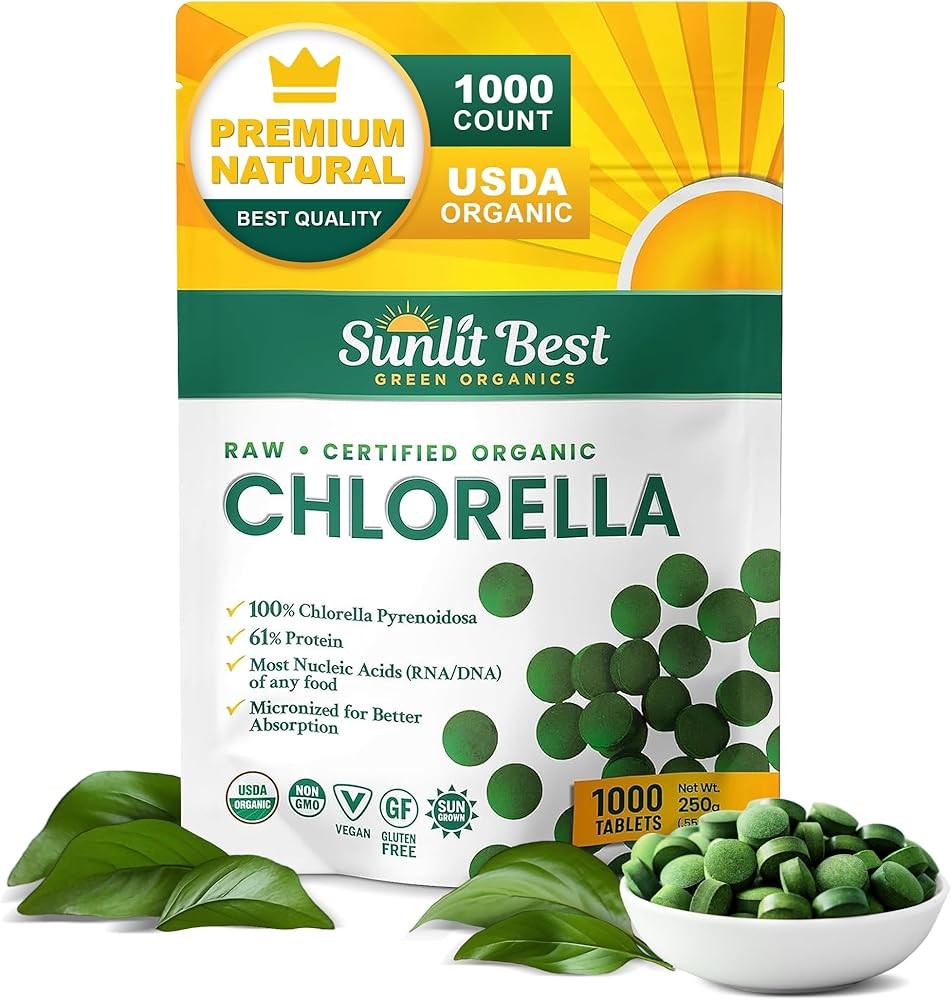
Organic Chlorella Tablets
Check Price on AmazonAs an Amazon Associate we earn from qualifying purchases.
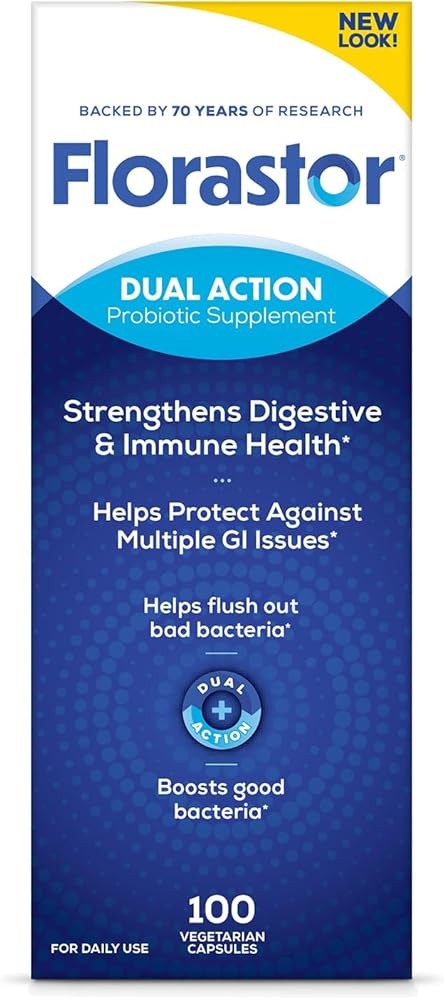
Florastor Daily Probiotic Supplement
Check Price on AmazonAs an Amazon Associate we earn from qualifying purchases.
Essential Additions for Bloom Users:
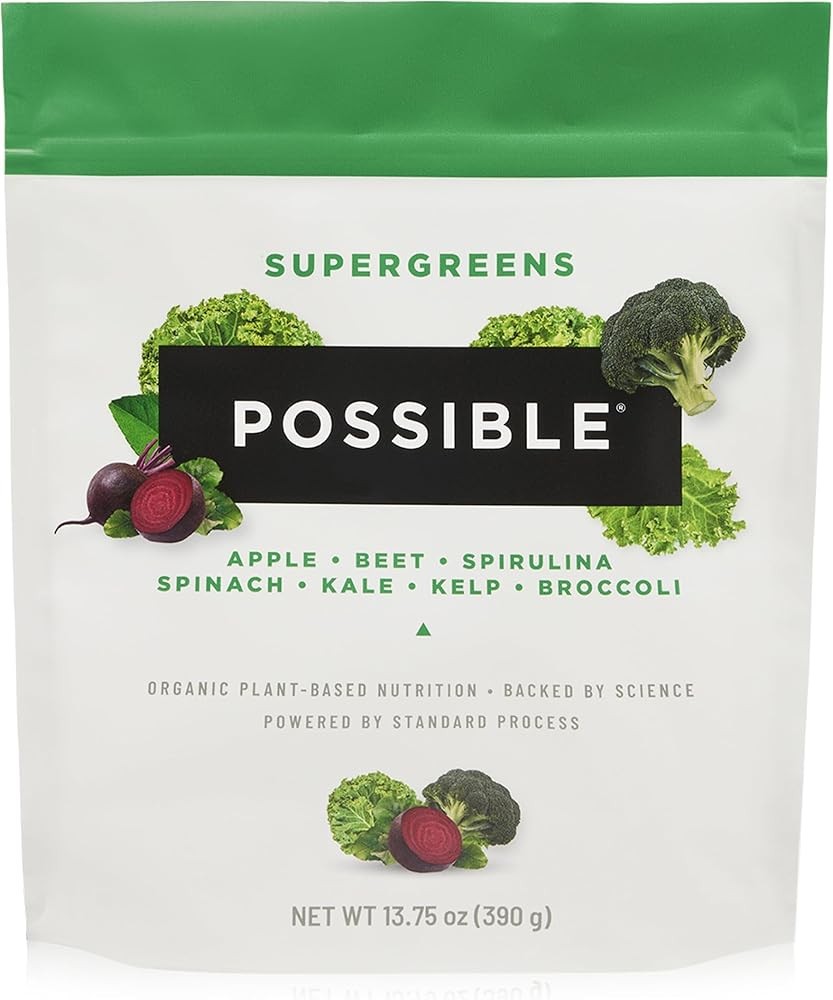
SuperGreens Powder Blend
Check Price on AmazonAs an Amazon Associate we earn from qualifying purchases.
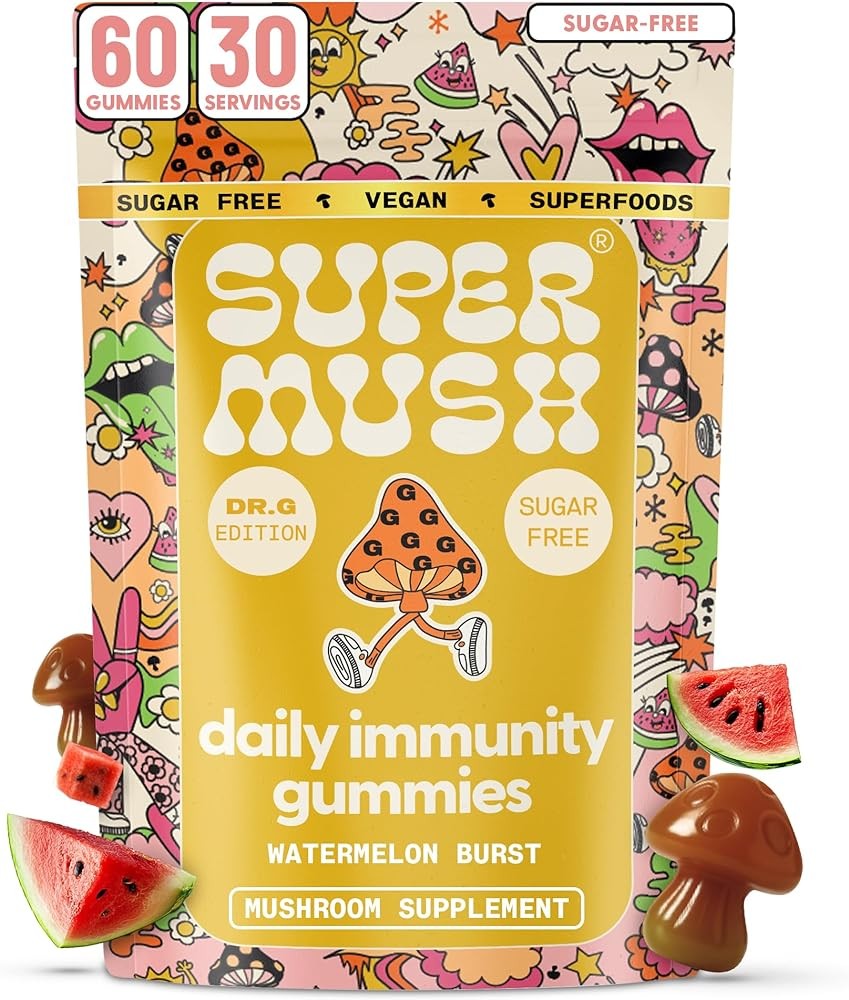
Daily Greens Gummies with Spirulina
Check Price on AmazonAs an Amazon Associate we earn from qualifying purchases.
Individual Product Breakdown
What Are the Side Effects and Safety Concerns for AG1 and Bloom?
Both AG1 and Bloom are generally well-tolerated by most healthy adults, but both products carry specific risks that deserve detailed attention.
AG1 Side Effects and Precautions
Digestive adjustment period. The 7.2 billion CFU probiotic blend can cause temporary bloating, gas, or changes in stool consistency during the first 3-7 days. This is a normal response as the introduced bacterial strains establish themselves in the gut microbiome. Starting with half a serving for the first three days can minimize this.
Ashwagandha interactions. Ashwagandha has been shown to influence thyroid hormone levels and should be avoided by individuals taking thyroid medications (levothyroxine, liothyronine) without physician approval. It should also be avoided during pregnancy, as it may have uterotonic properties. Individuals taking immunosuppressant medications should exercise caution, as ashwagandha has immune-stimulating effects.
Grass allergies. The presence of wheat grass and barley grass means AG1 is not suitable for people with grass pollen allergies. Both ingredients are harvested before the grain forms and are generally considered gluten-free, but individuals with celiac disease should confirm with their physician.
Vitamin toxicity at high intake. AG1’s B vitamin content is well above 100% daily value for several vitamins. While B vitamins are water-soluble and excess is generally excreted, combining AG1 with a separate multivitamin or B-complex could result in unnecessarily high intake. The vitamin C content (467mg, 520% DV) is also far above daily requirements, though toxicity risk at this level is minimal.
Heavy metal considerations. Spirulina and chlorella can accumulate heavy metals from their growing environment. AG1’s NSF Certified for Sport status includes testing for contaminants, which provides meaningful reassurance on this point.
Bloom Side Effects and Precautions
Sweetener sensitivity. Some users report headaches, digestive upset, or an unpleasant aftertaste from the stevia leaf extract and flavoring systems used in Bloom. If you are sensitive to stevia or artificial sweeteners, try the unflavored or mildest flavor option first.
Digestive enzyme adjustment. The enzyme blend may cause mild gastrointestinal discomfort in some users during the first few days, particularly if taken on an empty stomach. Taking Bloom with food (as the enzymes are designed to work alongside a meal) typically resolves this.
Lower quality assurance. Without NSF, USP, or comparable third-party certification, there is no independent verification of label accuracy or contaminant testing. This is a real risk, not a theoretical one – the research on supplement label inaccuracy makes clear that self-regulation alone is insufficient.
Both products should be introduced gradually. Start with half a serving for the first week to assess tolerance. Neither product is recommended for pregnant or breastfeeding women without physician approval, and neither should replace prescribed medications.
Bottom line: AG1 may cause temporary bloating/gas during the first 3-7 days from its 7.2 billion CFU probiotic blend, requires caution with thyroid medications due to ashwagandha’s thyroid hormone influence, and carries grass allergy concerns, while Bloom may cause headaches or digestive upset from stevia/sweeteners and lacks third-party certification for contaminant testing—both should be started at half serving and avoided during pregnancy without physician approval.
What Supplements Should You Stack With AG1 or Bloom Greens?
Neither AG1 nor Bloom covers every nutritional base. Here is what to consider adding to each.
What to Stack with AG1
AG1 covers greens, probiotics, adaptogens, and most vitamins and minerals. The gaps worth addressing:
- Omega-3 fatty acids. AG1 contains no meaningful omega-3 content. A quality fish oil or algal oil supplement providing 1-2g combined EPA/DHA daily is a smart addition. See our comparison of fish oil vs krill oil.
- Vitamin D3. AG1 includes vitamin D, but many people (especially those in northern latitudes) require higher doses than what a greens powder provides. AG1 does include a free vitamin D3+K2 supplement with subscriptions, which partially addresses this.
- Creatine monohydrate. If you are training, 3-5g daily of creatine has among the strongest evidence bases of any supplement for both physical and cognitive performance.
- Magnesium. AG1 does not contain significant magnesium. A quality magnesium glycinate supplement (200-400mg elemental magnesium) at bedtime is a common and well-supported addition. See our best magnesium supplements guide.
What to Stack with Bloom
Bloom covers basic greens and digestive enzymes but leaves larger nutritional gaps:
- A quality multivitamin. Bloom does not include meaningful vitamin or mineral content. A separate multivitamin is almost essential.
- A probiotic supplement. While newer Bloom formulations include some probiotics, the count is lower than AG1. See our guide to the best probiotic supplements.
- Omega-3 fatty acids. Same as AG1 – no omega-3 coverage.
- Adaptogens if desired. If stress management is a priority, you would need to add ashwagandha or rhodiola separately. See our best ashwagandha supplements guide.
- Magnesium and vitamin D. Neither is adequately covered by Bloom.
The practical implication is that Bloom’s $40/month price tag often grows to $80-$100/month once you add the supplements needed to match AG1’s coverage scope – at which point AG1’s $79/month becomes the more cost-effective option for comprehensive supplementation.
Bottom line: AG1 requires adding omega-3s (1-2g EPA/DHA daily), possibly higher-dose vitamin D3 (though includes D3+K2 with subscriptions), creatine monohydrate (3-5g if training), and magnesium glycinate (200-400mg at bedtime)—while Bloom requires a complete multivitamin, separate probiotic, omega-3s, adaptogens if desired, magnesium, and vitamin D, making Bloom’s $40 base price grow to $80-100/month to match AG1’s nutritional scope.
Who Should Buy AG1
- You want a comprehensive all-in-one formula covering greens, vitamins, probiotics, and adaptogens in a single scoop
- Third-party certification (NSF Certified for Sport) is important to you
- You would otherwise buy three or more separate supplements (multivitamin, probiotic, greens, adaptogen)
- You are a competitive athlete subject to drug testing
- Budget is not your primary concern, and you value verified quality
- You are comfortable with a subscription model and a 90-day money-back guarantee
- You want the highest per-serving ingredient weight available in the greens category
Who Should Buy Bloom
- You are new to greens powders and want an approachable, enjoyable entry point
- Taste is a top priority and you want flavor variety
- You want to spend roughly half the price of AG1 on your greens supplement
- You primarily want greens and digestive enzyme support – nothing more
- You do not need comprehensive vitamin, mineral, or adaptogen coverage
- You prefer the flexibility of one-time purchasing through Amazon or retail stores
- You are already taking a separate multivitamin and probiotic and just want to add greens
Who Should Skip Both
- Full ingredient transparency is your top priority. Neither product fully discloses individual ingredient doses within their proprietary blends. Transparent Labs Prebiotic Greens provides full dose disclosure for every ingredient.
- You eat 5+ servings of vegetables and fruits daily. If your diet already provides abundant phytonutrients, the marginal benefit of a greens powder is small.
- You have multiple food allergies or sensitivities. Both products contain many ingredients, increasing the probability of triggering a reaction. A simpler whole-food approach may be safer.
- Budget is extremely tight. If $40-$80/month is a significant financial burden, that money is better spent on actual vegetables, a basic multivitamin, and a simple probiotic.
Practical Buying Advice
If you are deciding between these two products, consider this framework:
Start with Bloom if you have never used a greens powder before. The lower price point, superior taste, and commitment-free purchasing model make it an ideal trial product. Use it consistently for 30 days. If you find that greens supplementation fits your routine and you want more comprehensive coverage, you can upgrade to AG1 or build a supplement stack around Bloom.
Start with AG1 if you are already spending money on multiple supplements (multivitamin, probiotic, adaptogen). Consolidating these into a single product simplifies your routine, reduces pill fatigue, and may save money when you account for all the supplements it potentially replaces. The NSF Certified for Sport certification provides quality assurance that justifies the premium for buyers who prioritize verified purity.
Try AG1 with the 90-day guarantee if you are on the fence. The risk is essentially zero – use it for a month, assess how you feel, and return it for a full refund if the results do not justify the cost.
Our Bottom Line
If budget allows and you value verified quality, AG1 is the better product – more comprehensive formula, NSF Certified for Sport certification, higher per-serving ingredient weight, and a probiotic dose that is genuinely clinically relevant. The proprietary blend structure is the main knock against it, and it is a legitimate one. But the combination of formula depth, manufacturing quality, and third-party verification makes it the stronger choice for anyone willing to spend $79/month on their greens supplement.
If you are cost-conscious, new to greens powders, or simply want something that tastes great without overthinking it, Bloom is a perfectly solid option for basic greens supplementation and digestive enzyme support. Just understand its limitations: it will not replace a multivitamin, probiotic, or adaptogen supplement. Think of it as a tasty greens boost, not a nutritional foundation.
And if you want full ingredient transparency from a greens powder – every ingredient at its exact dose, no proprietary blends, no guessing – skip both AG1 and Bloom and look at. For the full science behind greens powders, read our article on whether greens powders actually work.
For our full rankings, see our best greens powders guide.
Common Questions About Ag1
What are the benefits of ag1?
Ag1 has been studied for various potential health benefits. Research suggests it may support several aspects of health and wellness. Individual results can vary. The strength of evidence differs across different claimed benefits. More high-quality research is often needed. Always review the latest scientific literature and consult healthcare professionals about whether ag1 is right for your health goals.
Is ag1 safe?
Ag1 is generally considered safe for most people when used as directed. However, individual responses can vary. Some people may experience mild side effects. It’s important to talk with a healthcare provider before using ag1, especially if you have existing health conditions, are pregnant or nursing, or take medications.
How much ag1 should I take?
The appropriate dosage of ag1 can vary based on individual factors, health goals, and the specific product formulation. Research studies have used different amounts. Always start with the lowest effective dose and follow product label instructions. Consult a healthcare provider for personalized dosage recommendations based on your specific needs.
What are the side effects of ag1?
Most people tolerate ag1 well, but some may experience mild side effects. Common reported effects can include digestive discomfort, headaches, or other minor symptoms. Serious side effects are rare but possible. If you experience any unusual symptoms or reactions, discontinue use and consult a healthcare provider. Always inform your doctor about all supplements you take.
When should I take ag1?
The optimal timing for taking ag1 can depend on several factors including its absorption characteristics, potential side effects, and your daily routine. Some supplements work best with food, while others are better absorbed on an empty stomach. Follow product-specific guidelines and consider consulting a healthcare provider for personalized timing recommendations.
Can I take ag1 with other supplements?
Ag1 is a topic of ongoing research in health and nutrition. Current scientific evidence provides some insights, though more studies are often needed. Individual responses can vary significantly. For personalized advice about whether and how to use ag1, consult with a qualified healthcare provider who can consider your complete health history and current medications.
How long does ag1 take to work?
The time it takes for ag1 to work varies by individual and depends on factors like dosage, consistency of use, and individual metabolism. Some people notice effects within days, while others may need several weeks. Research studies typically evaluate effects over weeks to months. Consistent use as directed is important for best results. Keep a journal to track your response.
Who should not take ag1?
Frequently Asked Questions
Is AG1 worth double the price of Bloom?
It depends on what you value and what supplements you are already taking. AG1 offers roughly double the formula weight (12g vs 6.29g per serving), NSF Certified for Sport status, a clinically dosed 5-strain probiotic blend (7.2 billion CFU), adaptogens like ashwagandha and rhodiola, and individually listed vitamins and minerals. If you would otherwise purchase a separate multivitamin ($15/month), probiotic ($20/month), and adaptogen ($15/month), AG1 at $79/month may actually save money compared to Bloom ($40) plus those same supplements ($50+). If you just want basic greens and digestive enzyme support with nothing else, Bloom gives you adequate coverage at a lower price point.
Which tastes better, AG1 or Bloom?
Bloom wins on taste for most people. It offers 8+ flavors (Berry, Mango, Coconut, Citrus, and more) that are sweet, fruity, and genuinely enjoyable – nothing like the “liquid lawn” experience of most greens powders. AG1 has a single tropical-pineapple flavor that is pleasant but has a noticeable grassy undertone. Some users find Bloom overly sweet, and there are reports of a stevia aftertaste. AG1’s single flavor can become monotonous over months of daily use. If taste has historically prevented you from sticking with a greens powder, Bloom eliminates that barrier.
Are either of them third-party tested?
AG1 is NSF Certified for Sport – one of the most rigorous independent certifications available, involving batch testing for 280+ banned substances, label verification, unannounced facility inspections, and ongoing monitoring. It is the same certification required by USADA, MLB, and the NHL. Bloom does not have NSF, USP, or comparable third-party certification. They state they test internally, but there is no independent accountability for label accuracy or purity. This is a meaningful quality difference, not just a marketing distinction.
Can Bloom replace AG1?
Not directly. AG1 includes individually listed vitamins and minerals, a 5-strain probiotic blend at 7.2 billion CFU, adaptogen extracts (ashwagandha, rhodiola), mushroom extracts (reishi, shiitake), CoQ10, alpha-lipoic acid, and a substantially larger greens complex. Bloom focuses primarily on greens, digestive enzymes, and basic gut support at a smaller total dose. To match AG1’s nutritional scope using Bloom as a base, you would need to add a multivitamin, a standalone probiotic, and adaptogen supplements – which would cost more than AG1.
How long does it take to notice a difference with either product?
Most people notice initial changes within the first two weeks, though the timeline varies. Digestive improvements (reduced bloating, more regular bowel movements) often appear within 5-10 days. Energy improvements typically become noticeable around week 2-3 as micronutrient levels begin to replete. Adaptogenic benefits from AG1’s ashwagandha and rhodiola content build over 4-8 weeks of consistent use. Full benefits for either product are typically established by the three-month mark. If you notice no improvement after 90 days of consistent use, the product is likely not addressing a meaningful deficiency in your specific case.
Are greens powders safe to take long-term?
Based on the available evidence, greens powders made from whole-food ingredients are generally safe for long-term daily use in healthy adults. The individual ingredients – spirulina, chlorella, wheat grass, barley grass, and common fruit and vegetable extracts – have been consumed for decades without evidence of cumulative toxicity at standard supplemental doses. The primary long-term consideration is heavy metal accumulation, particularly from algae-based ingredients, which is why third-party testing (like AG1’s NSF certification) provides important safety assurance. As with any supplement, periodic check-ins with your healthcare provider are advisable, especially if you take prescription medications.
Related Articles
- Best Greens Powders: Evidence-Based Rankings
- Do Greens Powders Actually Work? Here’s What Science Says
- Spirulina vs Chlorella: Complete Comparison
- Best Probiotic Supplements: Clinical Research Guide
- Best Ashwagandha Supplements: Standardized Extract Analysis
- Apple Cider Vinegar vs Digestive Enzymes For Digestion
- Best Magnesium Supplements: Bioavailable Forms Compared
- Ashwagandha vs Rhodiola Rosea For Stress: Which Works Better
Related Reading
- Do Greens Powders Actually Work? A Deep Dive Into the Science Behind the Hype
- Apple Cider Vinegar vs Digestive Enzymes For Digestion: Which Is Better? [Complete Comparison Guide]
- Spirulina vs Chlorella: Which Is Better? [Complete Comparison Guide]
- Berberine vs Metformin For Blood Sugar: Which Is Better? [Complete Comparison Guide]
- Psyllium Husk vs Metamucil For Fiber: Which Is Better? [Complete Comparison Guide]
- Glucosamine vs Chondroitin: Which Is Better? [Complete Comparison Guide]
- Melatonin vs Valerian Root: Which Is Better? [Complete Comparison Guide]
References
-
Cooley K, et al. “Effects of greens+: a randomized, controlled trial.” Journal of Chiropractic Medicine. 2004;3(2):45-48. PMID: 15217524. PubMed
-
Ishii S, et al. “Investigation of the effects of Chlorella vulgaris supplementation on the modulation of oxidative stress in apparently healthy smokers.” Clinical Laboratory. 2013;59(5-6):579-587. PMID: 23865357. PubMed
-
Fallah AA, et al. “Effect of Chlorella supplementation on cardiovascular risk factors: A meta-analysis of randomized controlled trials.” Clinical Nutrition. 2018;37(6 Pt A):1892-1901. PMID: 29037431. PubMed
-
Ryu NH, et al. “Impact of daily Chlorella consumption on serum lipid and carotenoid profiles in mildly hypercholesterolemic adults: a double-blinded, randomized, placebo-controlled study.” Nutrition Journal. 2014;13:57. PMID: 24920270. PubMed
-
Marotta F, et al. “Effects of spirulina supplementation on body composition in adults: a GRADE-assessed and dose-response meta-analysis of RCTs.” 2025. PMID: 40528207. PubMed
-
Szulinska M, et al. “Spirulina maxima improves insulin sensitivity, lipid profile, and total antioxidant status in obese patients with well-treated hypertension: a randomized double-blind placebo-controlled study.” European Review for Medical and Pharmacological Sciences. 2017;21(10):2473-2481. PMID: 28617537. PubMed
-
Szulinska M, et al. “Effect of Spirulina maxima Supplementation on Calcium, Magnesium, Iron, and Zinc Status in Obese Patients with Treated Hypertension.” Biological Trace Element Research. 2016;173(1):1-6. PMID: 26779620. PubMed
-
Zhang H, et al. “Epigenetic and microbiome responses to greens supplementation in obese older adults: results from a randomized crossover-controlled trial.” Nutrients. 2025;17(2):275. PMID: 41717034. PubMed
-
Tucker J, et al. “Prevalence of adulteration in dietary supplements and recommendations for safe supplement practices in sport.” Frontiers in Sports and Active Living. 2023;5:1239121. PMC
-
Garrido-Fernandez A, et al. “Evaluation of Immune Modulation by beta-1,3;1,6 D-Glucan Derived from Ganoderma lucidum in Healthy Adult Volunteers, A Randomized Controlled Trial.” Foods. 2023;12(3):659. PMC
-
Finamore A, Palmery M, Bensehaila S, Peluso I. “Antioxidant, Immunomodulating, and Microbial-Modulating Activities of the Sustainable and Ecofriendly Spirulina.” Oxidative Medicine and Cellular Longevity. 2017;2017:3247528. PMID: 28182098. PubMed
-
Zarezadeh M, Faghfouri AH, Radkhah N, et al. “Spirulina supplementation and anthropometric indices: A systematic review and meta-analysis of controlled trials.” Phytotherapy Research. 2021;35(2):577-586. PMID: 32967062. PubMed
Our Top Recommendations
Recommended Products