Apple Cider Vinegar vs Digestive Enzymes For Digestion: Which Is Better? [Complete Comparison Guide]
Summarized from peer-reviewed research indexed in PubMed. See citations below.
If you struggle with bloating, heartburn, or feeling like food sits in your stomach like a brick after meals, you have probably encountered two popular digestive solutions: apple cider vinegar and digestive enzymes. Apple cider vinegar’s 5-7% acetic acid lowers stomach pH to activate pepsin and trigger downstream enzyme release, with a 2025 meta-analysis showing it reduced fasting blood sugar by 21.9 mg/dL and HbA1c by 1.53 percentage points in type 2 diabetes patients, while digestive enzymes deliver ready-made protease, lipase, and amylase directly to your GI tract—a 2023 randomized controlled trial demonstrated enzyme supplements significantly reduced functional dyspepsia symptoms including bloating and postprandial distress. Research shows ACV works upstream by acidifying stomach contents below pH 3.0 to activate your body’s own digestive machinery, whereas enzyme supplements bypass natural production entirely by delivering fungal-derived or porcine enzymes that function across pH 2-11 without requiring enteric coating. For budget-conscious mild digestive support, liquid ACV with “the mother” at $0.08-$0.20 per serving offers the best value, while Physician’s CHOICE Digestive Enzymes ($0.21-$0.44 per serving) provides broad-spectrum enzyme coverage for diagnosed insufficiency or age-related decline. Here’s what the published research shows about choosing between these fundamentally different digestive interventions.
Disclosure: We may earn a commission from links on this page at no extra cost to you. Affiliate relationships never influence our ratings. Full policy →
What Are the Key Differences Between Apple Cider Vinegar and Digestive Enzymes for Digestion?



If you have ever felt bloated after a meal, dealt with persistent heartburn, or struggled with food that just seems to sit in your stomach like a brick, you have probably come across two popular approaches: apple cider vinegar and digestive enzymes. Both are widely recommended on health blogs, social media, and even by some practitioners. But here is the thing most sources get wrong: these are not interchangeable supplements. They address digestion through completely different biological mechanisms, and choosing the wrong one for your specific situation can mean wasted money or, worse, aggravated symptoms.
Apple cider vinegar works upstream in the digestive process. Its acetic acid content lowers stomach pH, which activates your body’s own protein-digesting enzyme pepsin and stimulates the release of bicarbonate and pancreatic enzymes downstream. It is fundamentally a signal amplifier for your existing digestive machinery. Digestive enzyme supplements, on the other hand, bypass your body’s production entirely. They deliver ready-made enzymes (protease, lipase, amylase, and others) directly into your gastrointestinal tract to break down food molecules whether your body is producing enough of its own or not.
This distinction matters enormously. A person with low stomach acid (hypochlorhydria) who takes digestive enzymes might get partial relief but never address the root cause. Conversely, someone with genuine pancreatic insufficiency who relies solely on apple cider vinegar is bringing a garden hose to a house fire. The research literature bears this out. A 2023 randomized controlled clinical trial demonstrated that apple cider vinegar significantly improved fasting blood glucose and HbA1c in diabetic patients, pointing to its metabolic and digestive signaling effects PMID: 38028980. Meanwhile, a separate 2023 double-blind, placebo-controlled trial showed that a multi-enzyme blend significantly reduced functional dyspepsia symptoms including bloating, fullness, and postprandial distress PMID: 37976892.
In this comprehensive comparison, we will go deep into the science behind both approaches, examine real clinical evidence, help you read enzyme supplement labels like a professional, and give you clear decision frameworks based on your specific digestive complaints. Whether you are dealing with occasional bloating, chronic reflux, post-meal fatigue, or a diagnosed condition like IBS or exocrine pancreatic insufficiency, you will finish this guide knowing exactly which supplement (or combination) is right for you.
Bottom line: Apple cider vinegar contains 5-7% acetic acid that lowers stomach pH below 3.0 to activate pepsin (which functions optimally at pH 1.5-2.5), while digestive enzyme supplements deliver ready-made protease, lipase, and amylase directly to your GI tract—a 2023 RCT showed ACV significantly improved fasting blood glucose by 21.9 mg/dL and HbA1c by 1.53 percentage points PMID: 39949546, whereas enzyme supplements reduced functional dyspepsia symptoms in a separate 2023 double-blind trial PMID: 37976892.
Watch Our Video Review
How Does Apple Cider Vinegar Aid Digestion?
Apple cider vinegar (ACV) is produced through a two-stage fermentation process. First, crushed apples are exposed to yeast, which converts their natural sugars into alcohol (cider). In the second stage, acetic acid bacteria (primarily Acetobacter species) convert the alcohol into acetic acid, the primary bioactive compound responsible for most of ACV’s health effects. Raw, unfiltered ACV also contains what is called “the mother,” a colony of beneficial bacteria, enzymes, and strands of protein that form during fermentation and give the vinegar its characteristic cloudy appearance.
The Acetic Acid Mechanism
The digestive benefits of ACV center on its 5-7% acetic acid content. When you consume diluted ACV before a meal, several physiological events occur:
Gastric pH reduction. Acetic acid directly lowers the pH of gastric contents. This is significant because pepsinogen, the inactive precursor stored in chief cells of the stomach lining, requires a pH below 3.0 to be cleaved into its active form, pepsin. Pepsin is the body’s primary protein-digesting enzyme in the stomach, and it functions optimally at a pH between 1.5 and 2.5 PMID: 12633859. For individuals with mildly elevated stomach pH (common in aging, stress, and chronic antacid use), this acidification can meaningfully improve the initiation of protein digestion.
Downstream enzyme stimulation. When acidified chyme (partially digested food) enters the duodenum, it triggers the release of secretin and cholecystokinin (CCK), two hormones that stimulate the pancreas to release bicarbonate and digestive enzymes, and the gallbladder to contract and release bile. By ensuring adequate gastric acidity, ACV indirectly supports the entire cascade of digestion that follows.
Antimicrobial action. The acidic environment created by ACV inhibits the growth of pathogenic bacteria in the upper GI tract. This is relevant because gastric acid serves as a critical barrier against small intestinal bacterial overgrowth (SIBO). Low stomach acid (hypochlorhydria) is recognized as a risk factor for SIBO, and maintaining adequate gastric acidity helps reduce risk of bacterial colonization of the small intestine PMID: 17827947.
The Prebiotic Angle
Beyond acetic acid, raw ACV contains pectin (a soluble fiber from the apple substrate) and residual organic acids that may function as prebiotics. Research published in Current Opinion in Food Science demonstrated that vinegar consumption was associated with beneficial shifts in gut microbiota composition and metabolome markers, including increased production of short-chain fatty acids (SCFAs) like butyrate, which nourish colonocytes and support intestinal barrier integrity PMC10792460. However, it is important to note that the direct impact of ACV specifically on the human gut microbiome remains insufficiently characterized in controlled clinical trials; most evidence is extrapolated from studies on dietary fibers and acetic acid in isolation.
Blood Sugar Regulation and Its Digestive Link
One of the most robust areas of ACV research involves postprandial glucose control. A 2025 GRADE-assessed systematic review and dose-response meta-analysis of controlled clinical trials found that ACV significantly reduced fasting blood sugar by 21.9 mg/dL and HbA1c by 1.53 percentage points in patients with type 2 diabetes PMID: 39949546. An earlier meta-analysis in Diabetes Research and Clinical Practice confirmed that vinegar consumption attenuates postprandial glucose and insulin responses in healthy subjects as well.
Why does this matter for digestion? Blood sugar spikes trigger reactive insulin surges, which can cause rebound hypoglycemia, cravings, and altered gut motility. By moderating the glycemic response to meals, ACV may indirectly support more stable and complete digestion. Furthermore, the mechanism partially involves delayed gastric emptying: a pilot study in type 1 diabetes patients found that ACV significantly delayed gastric emptying PMID: 18093343. This can be a double-edged sword, beneficial for blood sugar control but potentially problematic for individuals with gastroparesis.
ACV Forms: Liquid, Capsules, and Gummies
Liquid ACV with “the mother” is the traditional form and remains the gold standard. It delivers acetic acid directly and immediately upon consumption. The recommended starting dose is 1-2 teaspoons (5-10 mL) diluted in 8 ounces of water, taken 15-20 minutes before meals. This can be gradually increased to 1-2 tablespoons (15-30 mL) as tolerated.
ACV capsules and tablets offer convenience but come with caveats. A study published in the Journal of the American Dietetic Association tested eight ACV tablet brands and found highly inconsistent acetic acid content, pH levels, and labeling accuracy PMID: 15983536. One product was associated with esophageal injury when it lodged in a patient’s throat. If you choose capsules, look for brands that specify the acetic acid content per serving and third-party testing.
ACV gummies are the least effective form. They typically contain minimal acetic acid (the ingredient responsible for digestive benefits) and are loaded with added sugars that can counteract any blood sugar or digestive benefits.
Bottom line: Apple cider vinegar’s 5-7% acetic acid content lowers stomach pH to activate pepsin and trigger pancreatic enzyme release, with liquid ACV with “the mother” providing the most effective delivery—a 2025 meta-analysis found ACV significantly reduced fasting blood sugar by 21.9 mg/dL and HbA1c by 1.53 percentage points in type 2 diabetes patients PMID: 39949546, demonstrating its dual metabolic and digestive benefits.
How Do Digestive Enzymes Work?
Digestive enzymes are specialized proteins (and occasionally non-protein catalysts) that accelerate the chemical breakdown of macronutrients into absorbable components. Your body naturally produces these enzymes in the salivary glands, stomach, pancreas, and the brush border of the small intestine. When production is insufficient, whether due to aging, disease, surgery, or genetic factors, supplemental enzymes can fill the gap.
The Major Enzyme Classes
Understanding the different enzyme types is essential for choosing the right supplement:
Proteases break down proteins into peptides and amino acids. The stomach produces pepsin (active at pH 1.5-3.5), while the pancreas secretes trypsin, chymotrypsin, and elastase (active at pH 7-9). Supplemental proteases are measured in HUT (Hemoglobin Unit Tyrosine base) or USP protease units. A meaningful dose provides at least 30,000-60,000 HUT per serving.
Lipases break down dietary fats (triglycerides) into fatty acids and glycerol. Pancreatic lipase is the primary fat-digesting enzyme, and its supplemental activity is measured in FIP (Federation Internationale Pharmaceutique) or LU (Lipase Units). For clinical fat malabsorption, doses of 25,000-50,000 USP lipase units per meal are typical in prescription pancreatic enzyme replacement therapy (PERT), though over-the-counter supplements generally provide 1,000-5,000 FIP units.
Amylases break down starches and complex carbohydrates into simple sugars. Salivary amylase begins this process in the mouth, and pancreatic amylase continues it in the small intestine. Supplemental amylase is measured in DU (Dextrinizing Units) or SKB units. A standard dose ranges from 10,000-25,000 DU per serving.
Lactase specifically cleaves lactose (milk sugar) into glucose and galactose. This is the enzyme deficient in lactose intolerance, affecting approximately 68% of the global population. Supplemental lactase is measured in ALU (Acid Lactase Units), with typical doses of 3,000-9,000 ALU per serving.
Cellulase breaks down cellulose (plant fiber) into glucose. Humans do not naturally produce cellulase, which is why raw vegetables can cause bloating and gas. Supplemental cellulase is measured in CU (Cellulase Units).
Alpha-galactosidase breaks down galactooligosaccharides found in beans, cruciferous vegetables, and other gas-producing foods. This is the active ingredient in products like Beano, measured in GalU (Galactosidase Units).
Fungal-Derived vs. Animal-Derived Enzymes
This is one of the most important distinctions in enzyme supplementation, yet most consumers are unaware of it.
Animal-derived enzymes (porcine pancreatin) are extracted from pig pancreases and contain a mixture of lipase, protease, and amylase. They are the gold standard in prescription pancreatic enzyme replacement therapy (brands like Creon, Pancreaze, Zenpep) and have extensive clinical trial data supporting their efficacy. However, porcine enzymes are pH-sensitive, they are irreversibly deactivated by stomach acid below pH 4, which is why prescription formulations use enteric coating to protect the enzymes until they reach the alkaline environment of the small intestine PMC3462091.
Fungal-derived enzymes (from Aspergillus niger and Aspergillus oryzae) have a critical advantage: they are active across a much wider pH range (pH 2-11), meaning they begin working in the stomach and continue functioning through the small intestine without requiring enteric coating. Research published in Food Chemistry demonstrated that fungal digestive enzymes promoted macronutrient hydrolysis across simulated gastric and intestinal conditions, outperforming pepsin and pancreatin-based controls in some measures. A comparative study found that fungal enzyme preparations produced similar clinical benefits at three-fourths the dose of enteric-coated porcine pancreatin and one-fifth the dose of non-enteric-coated preparations.
A 2025 in vitro study using the tiny-TIMsg dynamic gastrointestinal model showed that oral administration of 14,000 fungal lipase units (from Rhizopus oryzae) achieved comparable lipid digestion to 20,000 porcine lipase units from established brands like Creon.
Practical takeaway: For over-the-counter digestive support, fungal-derived enzymes offer broader pH tolerance and do not require enteric coating. For diagnosed exocrine pancreatic insufficiency, prescription porcine PERT remains the clinical standard with the most robust efficacy data.
How to Read Enzyme Supplement Labels
One of the biggest mistakes consumers make is comparing enzyme supplements by milligrams (mg). Unlike most supplements where “more mg = more potent,” enzyme potency is measured in activity units that reflect how much substrate an enzyme can convert per unit of time. The relevant measurement systems are:
- FCC (Food Chemicals Codex): The standard used for dietary supplement labeling
- USP (United States Pharmacopoeia): Used for pharmaceutical-grade enzymes
- FIP (Federation Internationale Pharmaceutique): European standard, often used for lipase
Key activity units to look for on labels:
| Enzyme | Activity Unit | Minimum Effective Dose |
|---|---|---|
| Protease | HUT | 30,000 HUT |
| Lipase | FIP or LU | 1,000-3,000 FIP |
| Amylase | DU | 10,000 DU |
| Cellulase | CU | 500 CU |
| Lactase | ALU | 3,000 ALU |
| Alpha-galactosidase | GalU | 150 GalU |
A product that lists only milligrams without activity units is either low quality or hiding poor enzyme potency. Always choose products that display activity units prominently.
Bottom line: Digestive enzymes are specialized proteins that break down macronutrients, with fungal-derived enzymes (from Aspergillus species) offering a critical advantage over porcine enzymes by functioning across pH 2-11 without requiring enteric coating—a 2025 in vitro study showed 14,000 fungal lipase units achieved comparable fat digestion to 20,000 porcine lipase units, while enzyme potency must be measured in activity units (HUT, FIP, DU) rather than milligrams to ensure efficacy.
What Signs Indicate You Need Apple Cider Vinegar?
Your body gives clear signals when stomach acid production is inadequate. Learning to recognize these patterns can help you determine whether ACV (or a more targeted acid supplement like betaine HCl) is the right approach.
Classic Signs of Low Stomach Acid (Hypochlorhydria)
Bloating within 30 minutes of eating. If you feel puffy and distended shortly after starting a meal (rather than hours later), the issue is likely in the stomach itself. Low acid means proteins are not being adequately denatured and broken down, leading to fermentation and gas production.
Undigested food in stools. Visible food particles (especially meat fibers or vegetable chunks) in your stool suggest incomplete gastric breakdown. While some plant matter is normal (humans lack cellulase), regularly seeing recognizable food is a red flag.
Feeling excessively full after small meals. When stomach acid is low, the pyloric sphincter (the valve between your stomach and small intestine) does not receive the proper pH signal to open. Food essentially sits in the stomach longer than it should, creating a sensation of uncomfortable fullness after even modest portions.
Chronic heartburn or GERD that worsens with antacids. This is counterintuitive but critically important. Many cases of heartburn are caused by too little stomach acid rather than too much. When stomach acid is insufficient, food ferments in the stomach, producing organic acids and gas that push upward against the lower esophageal sphincter. People in this situation often find that antacids provide temporary relief but worsen the underlying problem over time.
Brittle nails, hair loss, or mineral deficiencies. Stomach acid is essential for ionizing minerals like iron, calcium, zinc, and magnesium so they can be absorbed in the small intestine. Chronic hypochlorhydria can lead to nutrient deficiencies even with an adequate diet, manifesting as brittle nails, thinning hair, fatigue, and poor wound healing.
Frequent belching after meals. Excessive belching, particularly within the first 10-15 minutes of eating, can indicate inadequate acid production. While some belching is normal, consistent excessive air release suggests food is fermenting rather than being properly digested.
Recurring intestinal infections or SIBO. As mentioned earlier, gastric acid is a primary barrier against pathogenic bacteria entering the small intestine. Recurrent gut infections or a diagnosis of SIBO should prompt investigation of stomach acid status.
The Baking Soda Self-Assessment
A simple at-home test can give you rough information about your stomach acid status. On an empty stomach (first thing in the morning, before eating or drinking), dissolve 1/4 teaspoon of baking soda in 4-6 ounces of cold water and drink it. Time how long it takes you to burp.
- Burp within 1-2 minutes: Normal stomach acid production
- Burp after 3-5 minutes: Potentially low stomach acid
- No burp after 5 minutes: Likely very low stomach acid
This is not a diagnostic test and should not replace proper medical evaluation (such as the Heidelberg pH capsule test or gastric pH monitoring). However, it provides a useful baseline data point.
When ACV Is Not Enough: The Betaine HCl Option
For individuals with confirmed or suspected hypochlorhydria, ACV is sometimes insufficient to restore adequate gastric acidity. Betaine hydrochloride (betaine HCl) is a more concentrated acid supplement that directly delivers hydrochloric acid to the stomach. A pharmacokinetic study in healthy volunteers with drug-induced hypochlorhydria found that 1,500 mg of betaine HCl lowered gastric pH by 4.5 units (from pH 5.2 to pH 0.6) within 6.3 minutes of administration, though the effect was transient, lasting less than 75 minutes on an empty stomach PMID: 23980906.
A review article examining the evidence for betaine HCl in functional hypochlorhydria concluded that while the biological rationale is sound, rigorous clinical trial data in the target population remains limited PMID: 32549862. For mild cases, ACV before meals may be sufficient. For moderate to severe hypochlorhydria, betaine HCl (typically 325-650 mg per meal, titrated upward) may be necessary, ideally under practitioner supervision.
Bottom line: Classic signs of low stomach acid include bloating within 30 minutes of eating, undigested food in stools, excessive fullness after small meals, and paradoxical heartburn that worsens with antacids—for moderate to severe cases, betaine HCl may be necessary as a pharmacokinetic study found 1,500 mg lowered gastric pH by 4.5 units within 6.3 minutes PMID: 23980906, while the simple baking soda self-test (burping within 1-2 minutes indicates normal acid) provides a useful baseline assessment.
What Signs Indicate You Need Digestive Enzymes?
Digestive enzyme insufficiency produces a different pattern of symptoms than low stomach acid, though there is significant overlap. Here are the distinguishing signals.
Classic Signs of Enzyme Insufficiency
Bloating and gas 1-3 hours after eating. Unlike the early bloating from low stomach acid, enzyme-related bloating tends to occur later in the digestive process, as undigested food reaches the colon where bacteria ferment it, producing gas.
Oily, pale, or floating stools (steatorrhea). This is the hallmark sign of fat malabsorption due to insufficient lipase. When fats are not properly digested, they pass through the GI tract and appear as greasy, pale, foul-smelling stools that may float or leave oily residue in the toilet bowl. If you notice this pattern, lipase supplementation (or bile salts, discussed below) should be a priority.
Cramping after high-fat meals. If fried foods, nuts, avocados, or fatty cuts of meat consistently cause abdominal cramping, your lipase production may be inadequate. This is especially common after gallbladder removal (cholecystectomy), when concentrated bile release is no longer available to emulsify fats before lipase can act on them.
Gas and bloating specifically from beans, cruciferous vegetables, or dairy. These patterns point to specific enzyme deficiencies: alpha-galactosidase for beans and cruciferous vegetables, lactase for dairy products, and cellulase for raw plant foods.
Chronic fatigue and brain fog after meals. When macronutrients are not properly broken down, the body cannot efficiently extract energy from food. Post-meal fatigue, mental cloudiness, and a feeling of heaviness can indicate broad-spectrum enzyme insufficiency.
Nutrient deficiencies despite adequate intake. Malabsorption from enzyme insufficiency can manifest as deficiencies in fat-soluble vitamins (A, D, E, K), essential fatty acids, and amino acids. Symptoms may include poor night vision (vitamin A), bone pain (vitamin D), easy bruising (vitamin K), or muscle wasting (amino acid deficiency).
Post-gallbladder removal digestive distress. After cholecystectomy, bile is no longer stored and released in concentrated bursts synchronized with fat intake. Instead, it trickles continuously from the liver in diluted form. This makes fat emulsification dramatically less efficient. Studies have shown that post-cholecystectomy patients have bile salt pools reduced to nearly half their normal size, with the total bile salt pool significantly diminished. For these individuals, a combination of ox bile salts and lipase may be necessary for adequate fat digestion.
Conditions Strongly Associated with Enzyme Insufficiency
Several medical conditions are known to impair digestive enzyme production:
- Chronic pancreatitis: Progressive destruction of pancreatic tissue leads to exocrine pancreatic insufficiency (EPI), the most common indication for prescription enzyme replacement therapy. A concise review of PERT published in Alimentary Pharmacology and Therapeutics confirmed that enzyme replacement significantly improves coefficient of fat absorption, reduces steatorrhea, enables normal dietary fat intake, and allows weight gain in chronic pancreatitis patients PMC6858980.
- Cystic fibrosis: Approximately 85-90% of cystic fibrosis patients develop EPI and require lifelong PERT.
- Pancreatic cancer: Both the tumor itself and surgical resection can impair enzyme production. PERT has been shown to improve nutritional status and eating-related symptoms in pancreatic disease patients.
- Aging: Pancreatic enzyme output naturally declines with age. Studies suggest that by age 70, pancreatic enzyme secretion may be reduced by 20-30% compared to younger adults.
- Celiac disease: Villous atrophy in the small intestine reduces brush border enzyme production (lactase, maltase, sucrase), which is why lactose intolerance and carbohydrate malabsorption are common even after adopting a gluten-free diet.
Bottom line: Key signs of enzyme insufficiency include bloating 1-3 hours after eating (rather than immediately), oily or floating stools indicating fat malabsorption, cramping after high-fat meals, and post-meal fatigue with brain fog—conditions strongly associated with enzyme deficiency include chronic pancreatitis requiring prescription PERT (which improved fat absorption and enabled weight gain per PMC6858980), post-cholecystectomy where bile salt pools are reduced to nearly half normal size, and age-related decline with 20-30% reduced enzyme secretion by age 70.
Which Is Better: Apple Cider Vinegar or Digestive Enzymes?
| Feature | Apple Cider Vinegar | Digestive Enzymes |
|---|---|---|
| Primary Mechanism | Lowers stomach pH, activates pepsin, stimulates downstream enzyme release | Directly supplements specific digestive enzymes |
| Where It Acts | Stomach (gastric phase) | Stomach through small intestine (depends on enzyme source) |
| Best Form | Liquid with “the mother” | Capsules with fungal-derived enzymes and activity units listed |
| Typical Dose | 1-2 tbsp (15-30 mL) in water before meals | 1-2 capsules with each meal |
| Onset of Effect | 10-20 minutes | Immediate upon reaching target zone |
| Cost per Month | $5-$12 | $15-$45 (OTC); $200-$800+ (prescription PERT) |
| Best For | Low stomach acid, mild digestive sluggishness, blood sugar support | Diagnosed enzyme deficiency, pancreatic insufficiency, specific food intolerance |
| Scientific Evidence | Moderate (mostly glycemic studies; limited digestion-specific trials) | Strong (extensive PERT data; growing OTC trial evidence) |
| pH Sensitivity | Not applicable (it is an acid) | Critical: porcine enzymes need enteric coating; fungal enzymes work across wide pH |
| Drug Interactions | Insulin, diuretics, digoxin, some laxatives | Minimal; possible interaction with alpha-glucosidase inhibitors |
Effectiveness for Specific Conditions
Functional dyspepsia (general indigestion): Both options have evidence. A 2023 randomized, double-blind, placebo-controlled trial PMID: 37976892 demonstrated that a multi-enzyme blend significantly improved dyspepsia scores over placebo in 120 adults. For ACV, a randomized controlled trial on effervescent ACV tablets showed improvements in digestive symptoms including appetite, constipation, and gas. Edge: Digestive enzymes (stronger trial design and more specific symptom relief).
GERD/Heartburn: Counterintuitively, ACV may help certain GERD cases, specifically those caused by hypochlorhydria rather than excess acid. However, there is a significant risk of worsening symptoms in true hyperacidity. Digestive enzymes have limited direct evidence for GERD. Edge: ACV (for hypochlorhydria-driven GERD only; not for all heartburn).
IBS: Both have some evidence. The enzyme trial literature shows improvement in IBS-like symptoms with broad-spectrum enzyme blends. ACV’s prebiotic and antimicrobial properties may support gut microbiome balance. Edge: Digestive enzymes (more direct mechanism for IBS symptom relief).
Blood sugar management: ACV is the clear winner here. Multiple systematic reviews confirm its ability to reduce postprandial glucose spikes and improve insulin sensitivity PMID: 39949546. Digestive enzymes do not directly affect glucose metabolism. Edge: ACV (extensively documented).
Pancreatic insufficiency: Digestive enzymes are the only appropriate intervention. PERT with prescription-strength porcine pancreatin is the established standard of care, with meta-analyses confirming improved fat absorption, reduced steatorrhea, and improved nutritional status PMID: 29212278. ACV cannot compensate for absent pancreatic enzyme production. Edge: Digestive enzymes (no contest).
Post-cholecystectomy fat malabsorption: Digestive enzymes (specifically lipase) combined with ox bile salts are the appropriate intervention. ACV does not address the bile deficiency that underlies fat maldigestion after gallbladder removal. Edge: Digestive enzymes + bile salts.
Bottom line: For functional dyspepsia and IBS, digestive enzymes show stronger evidence with a 2023 randomized controlled trial demonstrating significant improvement in dyspepsia scores PMID: 37976892, while ACV excels for blood sugar management with multiple meta-analyses confirming reduced postprandial glucose spikes PMID: 39949546—for pancreatic insufficiency, prescription PERT is the only appropriate intervention with meta-analyses confirming improved fat absorption and nutritional status, whereas post-cholecystectomy patients specifically need lipase combined with ox bile salts to address the reduced bile salt pool.
Why Are Bile Salts Important for Fat Digestion?
Many people taking digestive enzymes for fat-related symptoms are disappointed because they are missing a crucial cofactor: bile salts. Lipase cannot efficiently break down dietary fat unless the fat has first been emulsified (broken into tiny droplets) by bile. Without adequate bile, even high-dose lipase supplementation underperforms.
This is especially relevant for:
- Post-cholecystectomy patients: After gallbladder removal, bile is no longer stored and released in concentrated bursts. Research has shown that the total bile salt pool is reduced to almost half its normal size after cholecystectomy, with deoxycholate becoming the predominant bile salt rather than the primary bile salts cholate and chenodeoxycholate.
- Individuals with sluggish gallbladder (biliary dyskinesia): The gallbladder contracts poorly, releasing insufficient bile with meals.
- People on very low-fat diets transitioning to higher fat intake: Bile production and release adapt to habitual fat intake. A sudden increase in dietary fat can overwhelm a deconditioned biliary system.
Ox bile supplements (typically 100-500 mg per fat-containing meal) provide conjugated bile acids that emulsify dietary fat, allowing lipase to work effectively. For comprehensive fat digestion support, look for enzyme blends that include both lipase and ox bile. If your current enzyme supplement does not contain bile salts and you continue to experience fat-related digestive symptoms, adding a standalone ox bile supplement may resolve the issue.
Bottom line: Bile salts are essential for fat digestion because lipase cannot efficiently break down dietary fat unless it has first been emulsified by bile—this is especially critical for post-cholecystectomy patients where the total bile salt pool is reduced to almost half normal size, making ox bile supplementation (100-500 mg per meal) necessary alongside lipase to restore effective fat digestion and reduce risk of steatorrhea.
How Do Stomach Acid and Digestive Enzymes Affect SIBO?
Small intestinal bacterial overgrowth (SIBO) deserves special attention because it sits at the intersection of both ACV and digestive enzyme interventions.
SIBO occurs when bacteria that normally reside in the colon colonize the small intestine, where they ferment carbohydrates and produce gases (hydrogen and methane) that cause bloating, abdominal pain, diarrhea or constipation, and malabsorption. Multiple defense mechanisms normally reduce risk of this: gastric acid kills most ingested bacteria, bile has antimicrobial properties, small intestinal peristalsis (the migrating motor complex) sweeps bacteria downward, proteolytic enzymes digest and degrade bacteria, and the ileocecal valve may reduce reflux of colonic contents.
When any of these defenses fail, SIBO risk increases. This is documented in the StatPearls review on SIBO PMID: 17827947, which identifies hypochlorhydria, impaired motility, and immune deficiency as primary risk factors.
How ACV helps SIBO prevention: By supporting adequate gastric acid levels, ACV reinforces the first line of defense against bacterial overgrowth. Additionally, its antimicrobial properties may directly inhibit pathogenic bacteria.
How digestive enzymes help SIBO: Proteolytic enzymes degrade bacteria in the small intestine, providing an additional defense layer. Furthermore, by ensuring complete macronutrient breakdown, enzymes reduce the amount of undigested substrate available for bacterial fermentation.
The combination approach for SIBO-prone individuals: Taking ACV 15-20 minutes before meals to support gastric acidity, followed by a broad-spectrum enzyme blend with meals to ensure complete digestion, addresses multiple SIBO risk factors simultaneously. This is not a treatment for active SIBO (which typically requires antibiotics or herbal antimicrobials), but it is a sound preventive strategy.
For more on gut health supplementation, see our comparison of probiotics vs prebiotics, which covers how to support the microbiome from the other side of the equation.
Bottom line: SIBO occurs when bacteria colonize the small intestine where they ferment carbohydrates and produce gases causing bloating and malabsorption, with hypochlorhydria, impaired motility, and immune deficiency identified as primary risk factors PMID: 17827947—ACV reinforces gastric acid as the first defense barrier while proteolytic enzymes degrade bacteria and reduce undigested substrate for fermentation, making the combination approach an effective preventive strategy for SIBO-prone individuals though not a treatment for active infection.
What Are the Side Effects and Safety Concerns?
Apple Cider Vinegar Safety Profile
ACV is generally safe for most adults when consumed in diluted form at recommended doses (1-2 tablespoons per day in water). However, several safety concerns warrant attention:
Tooth enamel erosion. This is the most well-documented side effect. Research published in the Journal of Clinical and Dental Research found that vinegar consumption caused significant demineralization of tooth enamel in vitro, with some vinegars causing approximately 20% mineral loss PMID: 24839821. A 2020 study also found evidence linking daily vinegar ingestion to erosive tooth wear in adults PMID: 33297831. Mitigation: Always dilute ACV in water, drink through a straw, rinse your mouth with plain water afterward, and wait at least 30 minutes before brushing teeth.
Esophageal injury. ACV tablets specifically have been associated with esophageal damage. A case report and subsequent product evaluation found that ACV tablets varied widely in pH (ranging from 2.9 to 5.7), size, and disintegration time, with one tablet causing a documented esophageal burn when it lodged in a patient’s throat PMID: 15983536. Liquid ACV in water is safer for the esophagus than tablet forms.
Drug interactions. ACV can interact with several medications:
- Insulin and oral hypoglycemics: ACV’s blood-sugar-lowering effect may potentiate these medications, increasing hypoglycemia risk. Monitor blood glucose closely.
- Diuretics (furosemide, hydrochlorothiazide): ACV may enhance potassium loss, increasing the risk of hypokalemia.
- Digoxin: Potassium depletion from ACV plus diuretics can increase digoxin toxicity.
- Potassium-depleting laxatives: Additive potassium loss.
Gastroparesis caution. Because ACV delays gastric emptying, it should be used cautiously or avoided entirely in individuals with gastroparesis, as it may worsen the already-delayed emptying.
Digestive Enzyme Safety Profile
Digestive enzyme supplements have an excellent safety record. The meta-analyses on PERT consistently report no statistically significant differences in adverse events between enzyme and placebo groups PMID: 29212278. Common issues include:
Mild GI symptoms. Some individuals experience nausea, abdominal cramping, or diarrhea when starting enzyme supplementation, particularly at higher doses. These typically resolve with dose adjustment.
Allergic reactions. Porcine-derived enzymes are contraindicated in individuals with pork allergy. Fungal-derived enzymes may rarely trigger reactions in individuals with severe mold allergies, though this is uncommon with pharmaceutical-grade preparations.
Hyperuricosuria and hyperuricemia. Very high doses of pancreatic enzymes (particularly older, non-enteric-coated formulations) have been associated with elevated uric acid levels and, in rare cases, fibrosing colonopathy in cystic fibrosis patients receiving extremely high lipase doses. This is primarily a concern with prescription PERT at doses exceeding 10,000 USP lipase units/kg/day, not with standard OTC supplements.
Drug interactions. Digestive enzymes have minimal drug interactions. The primary concern is with alpha-glucosidase inhibitors (acarbose, miglitol) used for diabetes, amylase supplementation could theoretically counteract these drugs by accelerating starch digestion. Additionally, some proteases (particularly bromelain) may enhance the effects of anticoagulants, increasing bleeding risk (though the clinical significance is debated).
Bottom line: ACV’s primary safety concerns include tooth enamel erosion (vinegar caused approximately 20% mineral loss in vitro, PMID: 24839821), esophageal injury from tablets, drug interactions with insulin and diuretics potentially causing hypoglycemia or hypokalemia, and worsened gastroparesis due to delayed gastric emptying—digestive enzymes have an excellent safety record with meta-analyses showing no significant differences in adverse events versus placebo PMID: 29212278, though porcine enzymes are contraindicated in pork allergy and very high PERT doses may rarely cause hyperuricemia.
How Much Should You Take and When?
Apple Cider Vinegar Protocol
Starting dose: 1 teaspoon (5 mL) diluted in 8 ounces of water, 15-20 minutes before your largest meal of the day.
Maintenance dose: Gradually increase to 1-2 tablespoons (15-30 mL) in water, 15-20 minutes before each main meal (up to 3 times daily).
Timing rationale: The 15-20 minute pre-meal window allows gastric pH to drop before food arrives, ensuring pepsin activation and optimal conditions for protein digestion. Taking ACV with or after meals dilutes it with food and reduces its pH-lowering effect.
Capsule alternative: If liquid ACV is not tolerable, choose capsules standardized to contain at least 500 mg of acetic acid per serving. Take with a full glass of water.
Digestive Enzyme Protocol
General digestive support (OTC enzymes): Take 1-2 capsules at the beginning of each meal, or within the first few bites. Enzymes need to mix with food to be effective; taking them on an empty stomach is wasteful for digestive purposes (though some proteases are taken between meals for systemic anti-inflammatory effects).
Targeted supplementation:
- Lactose intolerance: Take lactase (3,000-9,000 ALU) with the first bite of dairy-containing food.
- Bean/cruciferous vegetable intolerance: Take alpha-galactosidase (150-300 GalU) with the first bite.
- Fat maldigestion: Take lipase (3,000+ FIP) with ox bile (100-500 mg) at the start of fat-containing meals.
- Pancreatic insufficiency (prescription PERT): Follow your gastroenterologist’s dosing instructions. Typical doses are 25,000-75,000 USP lipase units per meal and 10,000-25,000 USP units per snack. Capsules should be swallowed whole (do not crush enteric-coated microspheres) and taken with food, not before or after.
Dose adjustment: If you do not notice improvement after 1-2 weeks, increase the dose rather than assuming enzymes do not work for you. Many people underdose enzyme supplements. A product providing only 5,000 HUT protease and 500 FIP lipase may be insufficient for someone with moderate enzyme insufficiency.
The Combination Protocol: ACV + Enzymes Together
For individuals who benefit from both upstream acid support and direct enzyme supplementation, here is an optimal combined protocol:
- 15-20 minutes before the meal: Take 1 tablespoon ACV diluted in water. This lowers gastric pH, primes pepsin activation, and signals your body to prepare for incoming food.
- With the first bites of the meal: Take your digestive enzyme supplement. The enzymes mix with food and begin working immediately (especially fungal-derived enzymes that are active in the acidic gastric environment).
- After the meal: Avoid lying down for at least 30 minutes to support normal gastric emptying and reduce risk of reflux.
This two-phase approach addresses both the acid-dependent and enzyme-dependent phases of digestion. It is particularly effective for individuals over 50, those recovering from chronic PPI use, and anyone with both hypochlorhydria symptoms and specific food intolerances.
Bottom line: For ACV, start with 1 teaspoon (5 mL) diluted in water 15-20 minutes before meals and gradually increase to 1-2 tablespoons (15-30 mL) up to 3 times daily to allow gastric pH to drop before food arrives—for digestive enzymes, take 1-2 capsules at the beginning of each meal to mix with food, adjusting dose upward after 1-2 weeks if symptoms persist, with prescription PERT requiring 25,000-75,000 USP lipase units per meal for pancreatic insufficiency and the combination protocol (ACV 15-20 minutes before, enzymes with first bites) optimally addressing both acid-dependent and enzyme-dependent digestive phases.
Who Should Choose Apple Cider Vinegar?
Scenario 1: The Chronic Antacid User
Maria, 58, has taken omeprazole daily for 10 years for heartburn. She now experiences bloating after every meal, has been diagnosed with iron deficiency anemia despite eating red meat regularly, and recently tested positive for SIBO. Her situation exemplifies PPI-induced hypochlorhydria. Proton pump inhibitors suppress stomach acid production by 90-99%, which over time leads to impaired mineral absorption, increased SIBO risk, and paradoxically worsened digestive symptoms.
Why ACV (or betaine HCl): Maria needs to restore gastric acidity, not add more enzymes. Working with her doctor to gradually taper the PPI while introducing ACV before meals (and eventually betaine HCl if needed) addresses the root cause. Digestive enzymes would only partially compensate for the downstream effects of her low stomach acid.
Scenario 2: The Blood Sugar Struggler
James, 45, has prediabetes and notices that after carbohydrate-heavy meals, he feels sluggish, bloated, and experiences energy crashes. His hemoglobin A1c is 6.2%.
Why ACV: The meta-analytic evidence for ACV’s blood-sugar-lowering effects is robust PMID: 39949546. Taking 1-2 tablespoons of ACV before carbohydrate-rich meals may reduce his postprandial glucose spikes by 20-30%, potentially slowing his progression to type 2 diabetes while also improving his digestive comfort. This is a case where ACV addresses both the metabolic and digestive complaints simultaneously. For more on blood sugar management, see our guide on berberine vs metformin for blood sugar.
Scenario 3: The Budget-Conscious Minimalist
Sarah, 32, has mild, occasional bloating and wants the simplest, most affordable digestive support.
Why ACV: At $5-12 per month, liquid ACV is significantly cheaper than quality enzyme supplements. For mild, non-specific digestive sluggishness without a diagnosed condition, ACV before meals is a reasonable first-line approach. If symptoms persist after 2-4 weeks, she can consider adding or switching to digestive enzymes.
Scenario 4: The Gut Health Optimizer
David, 40, is generally healthy but wants to support his gut microbiome and overall digestive function as a preventive measure.
Why ACV: The prebiotic potential of raw ACV (via pectin and organic acids), combined with its antimicrobial action against pathogens and its blood sugar benefits, makes it a reasonable daily tonic for general gut health optimization. It is a gentler, more holistic approach than enzyme supplementation for someone without a specific deficiency. For additional gut health strategies, check out our article on probiotics vs prebiotics.
Bottom line: Choose ACV for PPI-induced hypochlorhydria where gastric acidity needs restoration (Maria’s case with SIBO and iron deficiency), prediabetes with postprandial glucose spikes where meta-analyses show 20-30% spike reduction (James’s hemoglobin A1c of 6.2%), budget-conscious mild digestive sluggishness at $5-12/month versus quality enzyme supplements, and general gut health optimization leveraging ACV’s prebiotic potential and antimicrobial action without requiring a specific enzyme deficiency diagnosis.
Who Should Choose Digestive Enzymes?
Scenario 5: The Post-Cholecystectomy Patient
Karen, 52, had her gallbladder removed two years ago and now experiences diarrhea, bloating, and greasy stools every time she eats a fat-containing meal.
Why digestive enzymes (+ bile salts): Karen’s problem is not low stomach acid; it is insufficient bile release and consequent fat maldigestion. She needs a lipase-rich enzyme supplement combined with ox bile salts (100-500 mg per meal) to replace the emulsification function her gallbladder previously provided. ACV would not address her specific issue.
Scenario 6: The Person with Diagnosed Pancreatic Insufficiency
Robert, 65, has chronic pancreatitis with confirmed exocrine pancreatic insufficiency. He has lost 20 pounds over the past year and has steatorrhea despite eating a normal diet.
Why prescription digestive enzymes (PERT): Robert needs prescription-strength pancreatic enzyme replacement therapy, typically 25,000-75,000 USP lipase units per meal. This is not a situation for OTC supplements or ACV. A meta-analysis confirmed that PERT significantly improves the coefficient of fat absorption and reduces steatorrhea in chronic pancreatitis PMID: 27941156. His gastroenterologist should titrate the dose based on symptom response and fecal elastase levels.
Scenario 7: The Lactose-Intolerant Person
Priya, 28, enjoys dairy but experiences gas, bloating, and diarrhea within 30-60 minutes of consuming milk, cheese, or ice cream.
Why targeted enzyme supplementation: Priya has a specific, well-characterized enzyme deficiency (lactase). Taking a lactase supplement (3,000-9,000 ALU) with her first bite of dairy provides the exact enzyme she is missing. ACV does not help with lactose intolerance because the issue is not stomach acid but rather the absence of a specific brush border enzyme in the small intestine.
Scenario 8: The IBS Sufferer
Michael, 38, has been diagnosed with IBS-mixed type. He experiences alternating diarrhea and constipation, chronic bloating, and abdominal pain that worsens after meals, particularly those containing beans, raw vegetables, or high-fat foods.
Why broad-spectrum digestive enzymes: A 2018 randomized controlled trial found that supplementation with a pancreatic enzyme preparation improved digestion and reduced IBS symptoms PMID: 30156436. For Michael, a broad-spectrum fungal-derived enzyme blend containing protease, lipase, amylase, cellulase, and alpha-galactosidase addresses multiple potential maldigestion pathways. The 2023 functional dyspepsia trial PMID: 37976892 further supports this approach.
Scenario 9: The Aging Adult with Multiple Food Sensitivities
Patricia, 72, finds that she can no longer tolerate foods she ate easily in her 40s. Fatty foods, raw vegetables, and protein-rich meals all cause different types of distress.
Why broad-spectrum digestive enzymes: Age-related decline in pancreatic enzyme output is well-documented. Patricia’s multiple food sensitivities likely reflect declining production across several enzyme classes simultaneously. A comprehensive fungal-derived enzyme blend taken with every meal provides the broadest coverage for her situation.
Bottom line: Choose digestive enzymes for post-cholecystectomy fat malabsorption requiring lipase plus ox bile salts (100-500 mg) to replace halved bile salt pools (Karen’s greasy stools), diagnosed pancreatic insufficiency needing prescription PERT at 25,000-75,000 USP lipase units per meal (Robert’s 20-pound weight loss and steatorrhea), specific enzyme deficiencies like lactase for dairy intolerance (Priya’s gas and diarrhea within 30-60 minutes), IBS with a 2018 RCT showing symptom improvement (Michael’s alternating bowel patterns), and age-related enzyme decline with 20-30% reduced secretion by age 70 causing multiple food sensitivities (Patricia’s broad intolerance requiring fungal-derived enzyme blends).
What Advanced Factors Should You Consider?
Enteric Coating and pH Stability
Understanding enteric coating is essential for choosing effective enzyme supplements. Enteric coating is a polymer barrier applied to capsules or microspheres that resists dissolution in the acidic stomach (pH < 5) but dissolves in the alkaline small intestine (pH > 5.5). This protects pH-sensitive enzymes (particularly porcine pancreatin) from gastric acid deactivation.
An in vitro comparison of enteric-coated pancreatic enzyme preparations found significant variability between products in dissolution characteristics, enzyme activity after acid exposure, and microsphere size, suggesting that not all PERT products are therapeutically equivalent PMC3462091. This variability underscores the importance of using established, well-studied brands for prescription PERT.
For OTC supplements using fungal-derived enzymes, enteric coating is less critical because these enzymes maintain activity across a pH range of 2-11. However, some manufacturers still use enteric coating for marketing purposes, and it does no harm.
DPP-IV Enzymes for Gluten Sensitivity
Dipeptidyl peptidase IV (DPP-IV) is a specialized enzyme that cleaves proline-rich peptides, including the immunogenic fragments of gluten and casein that trigger reactions in sensitive individuals. While DPP-IV supplements cannot make gluten-containing foods safe for celiac disease patients, some evidence suggests they may reduce symptoms from accidental gluten cross-contamination. This is an emerging area worth watching for individuals with non-celiac gluten sensitivity.
Systemic Enzyme Therapy
When proteolytic enzymes (particularly bromelain, papain, serrapeptase, and nattokinase) are taken on an empty stomach (between meals rather than with food), they are absorbed into the bloodstream and may exert systemic anti-inflammatory effects rather than digestive effects. This is a distinct application from digestive enzyme supplementation and is used for conditions like joint inflammation, post-surgical swelling, and sinusitis. If you are taking enzymes for digestive purposes, always take them with meals.
The Role of Hydrochloric Acid Testing
For practitioners and motivated individuals investigating stomach acid status more rigorously than the baking soda test allows, the Heidelberg pH capsule test provides direct measurement of gastric pH and acid production capacity. This involves swallowing a small pH-monitoring capsule tethered to a transmitter, then consuming a bicarbonate challenge solution. The time required for gastric pH to return to baseline after the challenge reflects acid production capacity.
This test can definitively distinguish between:
- Normal acid production (ACV/betaine HCl not needed)
- Mild hypochlorhydria (ACV before meals may be sufficient)
- Moderate to severe hypochlorhydria (betaine HCl with meals recommended)
- Achlorhydria (complete absence of acid production; may require medical workup for autoimmune gastritis or pernicious anemia)
Bottom line: Advanced considerations include understanding that enteric coating protects pH-sensitive porcine enzymes from gastric acid but is less critical for fungal enzymes active across pH 2-11 (though an in vitro comparison found significant product variability, PMC3462091), DPP-IV enzymes that may reduce symptoms from accidental gluten cross-contamination by cleaving proline-rich immunogenic peptides, systemic enzyme therapy where proteases taken between meals exert anti-inflammatory effects rather than digestive benefits, and the Heidelberg pH capsule test that definitively distinguishes normal acid production from mild, moderate, severe hypochlorhydria, or achlorhydria requiring medical workup.
How Much Do They Cost and Which Offers Better Value?
Apple Cider Vinegar
- Liquid ACV (Bragg, with the mother): ~$8-12 for a 32 oz bottle, lasting 1-2 months at 1-2 tablespoons daily. Cost per serving: $0.08-$0.20
- ACV capsules (reputable brands): ~$12-20 for a 60-90 count bottle. Cost per serving: $0.15-$0.35
- ACV gummies: ~$15-25 for a 60 count bottle. Cost per serving: $0.25-$0.42 (least cost-effective with least active ingredient)
Digestive Enzymes (OTC)
- Basic enzyme blend (store brand): ~$10-15 for 90-120 capsules. Cost per serving: $0.08-$0.17
- Premium broad-spectrum blend (Enzymedica Digest Gold, NOW Super Enzymes): ~$25-40 for 90-120 capsules. Cost per serving: $0.21-$0.44
- Specialty enzymes (DPP-IV, high-potency lipase): ~$30-50 for 60-90 capsules. Cost per serving: $0.33-$0.83
Prescription PERT
- Creon, Pancreaze, Zenpep: ~$200-800+ per month depending on dose, with insurance covering most of the cost for diagnosed EPI. Without insurance, these are prohibitively expensive for most patients.
Value Assessment
For general digestive support, liquid ACV offers the best value per dollar. For specific enzyme deficiencies or diagnosed conditions, the investment in quality enzyme supplements (or prescription PERT) is justified by measurably improved nutrient absorption, symptom relief, and quality of life. The key is matching the intervention to your specific need rather than defaulting to the cheapest option.
Bottom line: Liquid ACV with “the mother” offers the best value at $0.08-$0.20 per serving ($8-12 for 1-2 months) making it cost-effective for general digestive support, while premium broad-spectrum enzyme blends cost $0.21-$0.44 per serving ($25-40 for 90-120 capsules) and prescription PERT costs $200-800+ monthly (usually insurance-covered for diagnosed EPI)—the key is matching the intervention to your specific need rather than defaulting to the cheapest option, as targeted enzyme supplementation justifies higher costs through measurably improved nutrient absorption and symptom relief.
What Are the Most Common Questions About Apple Cider Vinegar?
What are the benefits of apple cider vinegar?
Apple Cider Vinegar has been studied for various potential health benefits. Research suggests it may support several aspects of health and wellness. Individual results can vary. The strength of evidence differs across different claimed benefits. More high-quality research is often needed. Always review the latest scientific literature and consult healthcare professionals about whether apple cider vinegar is right for your health goals.
Is apple cider vinegar safe?
Apple Cider Vinegar is generally considered safe for most people when used as directed. However, individual responses can vary. Some people may experience mild side effects. It’s important to talk with a healthcare provider before using apple cider vinegar, especially if you have existing health conditions, are pregnant or nursing, or take medications.
How much apple cider vinegar should I take?
The appropriate dosage of apple cider vinegar can vary based on individual factors, health goals, and the specific product formulation. Research studies have used different amounts. Always start with the lowest effective dose and follow product label instructions. Consult a healthcare provider for personalized dosage recommendations based on your specific needs.
What are the side effects of apple cider vinegar?
Most people tolerate apple cider vinegar well, but some may experience mild side effects. Common reported effects can include digestive discomfort, headaches, or other minor symptoms. Serious side effects are rare but possible. If you experience any unusual symptoms or reactions, discontinue use and consult a healthcare provider. Always inform your doctor about all supplements you take.
When should I take apple cider vinegar?
The optimal timing for taking apple cider vinegar can depend on several factors including its absorption characteristics, potential side effects, and your daily routine. Some supplements work best with food, while others are better absorbed on an empty stomach. Follow product-specific guidelines and consider consulting a healthcare provider for personalized timing recommendations.
Can I take apple cider vinegar with other supplements?
How long does apple cider vinegar take to work?
The time it takes for apple cider vinegar to work varies by individual and depends on factors like dosage, consistency of use, and individual metabolism. Some people notice effects within days, while others may need several weeks. Research studies typically evaluate effects over weeks to months. Consistent use as directed is important for best results. Keep a journal to track your response.
Who should not take apple cider vinegar?
Apple Cider Vinegar is a topic of ongoing research in health and nutrition. Current scientific evidence provides some insights, though more studies are often needed. Individual responses can vary significantly. For personalized advice about whether and how to use apple cider vinegar, consult with a qualified healthcare provider who can consider your complete health history and current medications.
Bottom line: Common ACV questions address its benefits (blood sugar reduction of 21.9 mg/dL and HbA1c improvement of 1.53% in type 2 diabetes per PMID: 39949546, plus digestive support through pH optimization), safety (generally safe when diluted but risks tooth enamel erosion with 20% mineral loss in vitro per PMID: 24839821 and esophageal injury from tablets), dosing (start 1 teaspoon, increase to 1-2 tablespoons 15-20 minutes before meals), timing (pre-meal for pH reduction), drug interactions (potentiates insulin and diuretics), and contraindications (gastroparesis where delayed emptying worsens symptoms).
What Other Questions Do People Ask?
Can I take ACV and digestive enzymes at the same time?
Yes, and in many cases this is an ideal combination. Take ACV diluted in water 15-20 minutes before your meal to lower stomach pH and prime your digestive system, then take enzyme capsules with your first few bites of food. The ACV supports the acid-dependent phase of digestion while enzymes handle the enzymatic phase. There is no pharmacological conflict between the two.
Will ACV cure my acid reflux?
It depends on the cause. If your reflux is driven by hypochlorhydria (low stomach acid causing fermentation and upward pressure on the esophageal sphincter), ACV may significantly help. However, if your reflux is caused by true hyperacidity, hiatal hernia, or esophageal sphincter dysfunction, ACV could worsen symptoms. Start with a very small dose (1 teaspoon in water) to test your response before committing to regular use.
How long does it take for digestive enzymes to work?
Most people notice improvement within 1-3 meals. Enzymes act immediately upon contact with food substrates in the GI tract. If you do not notice improvement within 1-2 weeks, you likely need a higher dose or a broader spectrum of enzymes rather than more time.
Are there foods that naturally contain digestive enzymes?
Yes. Pineapple contains bromelain (a protease), papaya contains papain (a protease), kiwifruit contains actinidin (a protease that aids meat digestion), mango and banana contain amylase, and fermented foods like kimchi, sauerkraut, miso, and kefir contain various enzymes plus beneficial bacteria. However, the enzyme quantities in food are generally much lower than in supplements.
Do I need enzymes if I already eat a healthy diet?
A healthy diet does not compensate for genuine enzyme insufficiency. If your pancreas, small intestine, or other enzyme-producing organs are underperforming, no amount of broccoli will fix it. However, for people with normal enzyme production, eating slowly, chewing thoroughly, and including enzyme-rich foods may provide sufficient digestive support without supplementation.
Is “the mother” in ACV actually important?
For digestive purposes, the acetic acid content matters more than “the mother.” However, the mother contains beneficial Acetobacter bacteria, trace enzymes, and polyphenols that may contribute to gut microbiome support. Raw, unfiltered ACV with the mother is preferred, but pasteurized ACV still contains acetic acid and will lower stomach pH effectively.
Can children take ACV or digestive enzymes?
ACV should be used cautiously in children due to its acidity. If used, doses should be much smaller (1/4 to 1/2 teaspoon in water). Digestive enzymes are used safely in pediatric populations, particularly PERT in cystic fibrosis patients. A 2024 study from the INSPPIRE consortium found that pancreatic enzyme use reduced pancreatitis frequency in children with acute recurrent or chronic pancreatitis PMID: 38517077. For general pediatric digestive support, consult a pediatric gastroenterologist.
What about apple cider vinegar for weight loss?
While some studies show modest weight loss with daily ACV consumption (primarily through appetite suppression and blood sugar regulation), the effect size is small. A systematic review and meta-analysis of ACV’s effects on body composition found statistically significant but clinically modest reductions in body weight, BMI, and waist circumference. ACV is not a weight loss solution on its own, but it may provide a small additional benefit as part of a comprehensive approach. For more on metabolic health supplements, see our article on berberine vs metformin for blood sugar.
Bottom line: Frequently asked questions clarify that ACV and digestive enzymes can be taken together (ACV 15-20 minutes before meals for pH support, enzymes with first bites for substrate breakdown), ACV may help reflux caused by hypochlorhydria but worsen hyperacidity-driven reflux, digestive enzymes work within 1-3 meals with improvement visible in 1-2 weeks, enzyme-rich foods include pineapple (bromelain), papaya (papain), and fermented foods though quantities are lower than supplements, healthy diet cannot compensate for genuine enzyme insufficiency, “the mother” contains beneficial Acetobacter bacteria and polyphenols though acetic acid matters most, children can use both cautiously with smaller ACV doses (1/4-1/2 teaspoon) and PERT safely used in pediatric cystic fibrosis, and ACV for weight loss shows statistically significant but clinically modest effects through appetite suppression and blood sugar regulation.
How Do You Choose the Right Option for Your Needs?
Use this framework to determine your best starting point:
Step 1: Do you have a diagnosed digestive condition?
- Exocrine pancreatic insufficiency, chronic pancreatitis, cystic fibrosis –> Prescription PERT (digestive enzymes). Non-negotiable.
- Post-cholecystectomy fat malabsorption –> Lipase + ox bile salts
- Lactose intolerance –> Lactase supplement
- If no diagnosed condition, proceed to Step 2.
Step 2: What are your primary symptoms?
- Bloating immediately after eating, undigested food in stool, feeling full after small meals –> Try ACV first (likely low stomach acid)
- Bloating 1-3 hours after eating, oily stools, gas from specific foods –> Try digestive enzymes first (likely enzyme insufficiency)
- Both early and late symptoms –> Try the combination protocol (ACV before meals + enzymes with meals)
Step 3: What are your secondary goals?
- Blood sugar management –> Add ACV regardless of other supplements
- General gut health optimization –> ACV is a reasonable daily tonic
- Maximum nutrient absorption –> Broad-spectrum enzymes with meals
- Post-meal energy and mental clarity –> Enzymes are more likely to help
Step 4: Re-evaluate after 2-4 weeks.
- Significant improvement –> Continue current protocol
- Partial improvement –> Consider adding the other supplement (ACV + enzymes)
- No improvement –> Seek professional evaluation (stool testing, breath tests, endoscopy)
Bottom line: Use this decision framework starting with diagnosed conditions (pancreatic insufficiency requires prescription PERT, post-cholecystectomy needs lipase plus ox bile, lactose intolerance needs lactase), then match symptoms to mechanism (immediate bloating and undigested food suggest low stomach acid favoring ACV, while delayed bloating 1-3 hours later and oily stools indicate enzyme insufficiency), consider secondary goals (blood sugar management adds ACV regardless, maximum nutrient absorption favors broad-spectrum enzymes), and re-evaluate after 2-4 weeks to continue current protocol if significantly improved, add the complementary supplement if partially improved, or seek professional testing if no improvement occurs.
What Products Are Recommended?
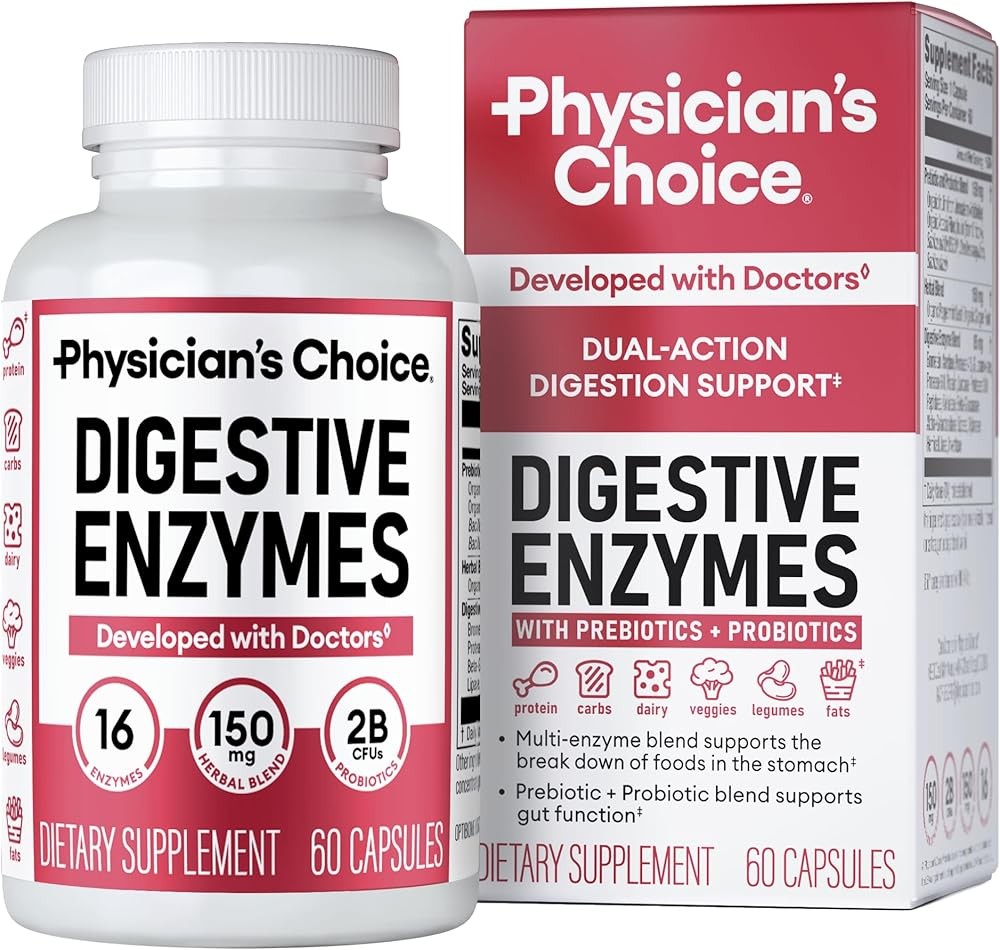
Physician's CHOICE Digestive Enzymes
Check Price on AmazonAs an Amazon Associate we earn from qualifying purchases.

Paleovalley Apple Cider Vinegar Complex
Check Price on AmazonAs an Amazon Associate we earn from qualifying purchases.
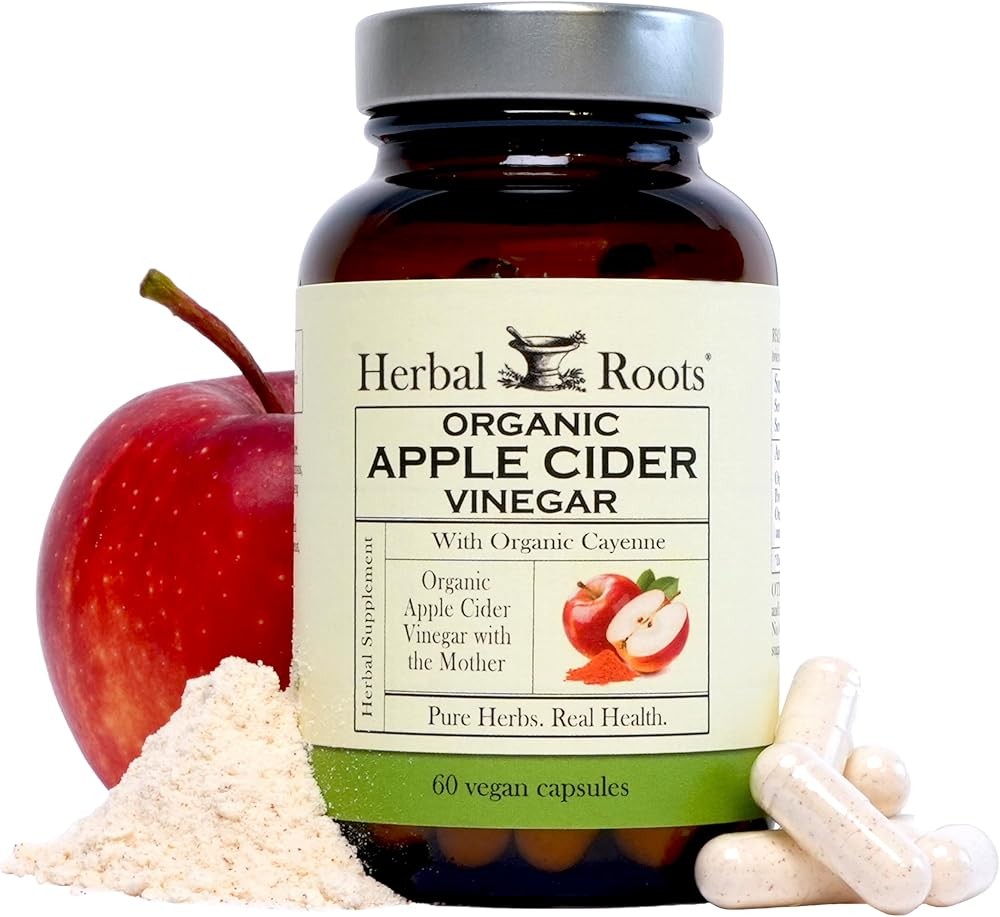
Herbal Roots Organic Apple Cider Vinegar with Mother and Organic Cayenne
Check Price on AmazonAs an Amazon Associate we earn from qualifying purchases.
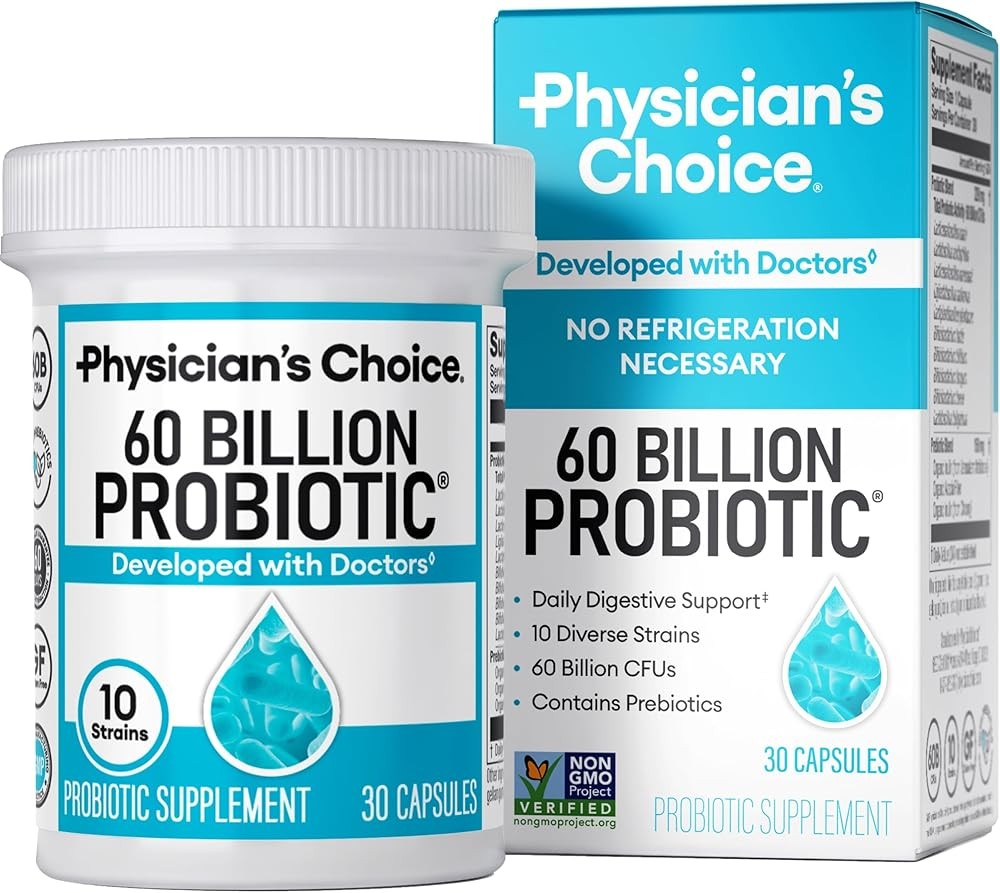
Physician's CHOICE Probiotics
Check Price on AmazonAs an Amazon Associate we earn from qualifying purchases.
Complete Support System: Optimize Your Digestive Health
For comprehensive digestive wellness, consider these evidence-based combinations that address multiple aspects of gastrointestinal function:
The Foundation Protocol: Start with liquid apple cider vinegar with “the mother” 15-20 minutes before meals to support gastric acidity and activate pepsin, followed by a broad-spectrum digestive enzyme blend with your first bites to ensure complete macronutrient breakdown across all pH zones.
Post-Cholecystectomy Support: Combine lipase-rich enzyme supplements (3,000+ FIP units) with ox bile salts (100-500 mg per meal) to replace the concentrated bile release your gallbladder previously provided, addressing the 50% reduction in total bile salt pool that occurs after gallbladder removal.
Blood Sugar and Digestion: Pair apple cider vinegar (1-2 tablespoons before carbohydrate-heavy meals) with a probiotic supplement containing Lactobacillus and Bifidobacterium strains to simultaneously moderate postprandial glucose spikes while supporting beneficial gut microbiome populations that synthesize B vitamins and short-chain fatty acids.
SIBO Prevention Strategy: Layer ACV’s antimicrobial and acid-supporting properties with proteolytic enzymes that degrade bacterial populations in the small intestine, reducing the undigested substrate available for pathogenic fermentation that drives hydrogen and methane gas production.
Age-Related Enzyme Decline: For individuals over 60 experiencing multiple food sensitivities, a high-potency fungal enzyme blend (30,000+ HUT protease, 10,000+ DU amylase, 3,000+ FIP lipase) taken with every meal compensates for the 20-30% reduction in pancreatic enzyme secretion that occurs by age 70.
For additional digestive health optimization strategies, explore our related guides on probiotics versus prebiotics for microbiome support, magnesium forms for bowel regularity, and zinc supplementation for intestinal barrier integrity.
References
-
Yago MR, Frymoyer AR, Smelick GS, et al. Gastric reacidification with betaine HCl in healthy volunteers with rabeprazole-induced hypochlorhydria. Mol Pharm. 2013;10(11):4032-4037. PMID: 23980906
-
Haghighatdoost F, Gholami A, Hariri M. Effect of apple cider vinegar on glycemic control and insulin sensitivity in patients with type 2 diabetes: A GRADE-assessed systematic review and dose-response meta-analysis of controlled clinical trials. Front Nutr. 2025;12:1528383. PMID: 39949546
-
Hadi A, Pourmasoumi M, Najafgholizadeh A, Clark CCT, Esmaillzadeh A. The effect of apple cider vinegar on lipid profiles and glycemic parameters: a systematic review and meta-analysis of randomized clinical trials. BMC Complement Med Ther. 2021;21:179.
-
Gheflati A, Bashiri R, Ghadiri-Anari A, Reza JZ, Kord MT, Nadjarzadeh A. The improvement effect of apple cider vinegar as a functional food on anthropometric indices, blood glucose and lipid profile in diabetic patients: a randomized controlled clinical trial. Front Clin Diabetes Healthc. 2023;4:1288786. PMID: 38028980
-
Hlebowicz J, Darwiche G, Bjorgell O, Almer LO. Effect of apple cider vinegar on delayed gastric emptying in patients with type 1 diabetes mellitus: a pilot study. BMC Gastroenterol. 2007;7:46. PMID: 18093343
-
Hill LL, Woodruff LH, Foote JC, Barreto-Alcoba M. Esophageal injury by apple cider vinegar tablets and subsequent evaluation of products. J Am Diet Assoc. 2005;105(7):1141-1144. PMID: 15983536
-
Anil S, Vellappally S, Hashem M, et al. Evidence that daily vinegar ingestion may contribute to erosive tooth wear in adults. J Med Food. 2020;24(8):894-901. PMID: 33297831
-
Zivkovic AM, Wutzke KD, Barkeling B. In vitro study on dental erosion caused by different vinegar varieties using an electron microprobe. Clin Oral Investig. 2014;18(7):1765-1770. PMID: 24839821
-
Ianiro G, Pecere S, Giorgio V, Gasbarrini A, Cammarota G. Digestive enzyme supplementation in gastrointestinal diseases. Curr Drug Metab. 2016;17(2):187-193. PMID: 26806042
-
de la Iglesia-Garcia D, Huang W, Szatmary P, et al. Efficacy of pancreatic enzyme replacement therapy in chronic pancreatitis: systematic review and meta-analysis. Gut. 2017;66(8):1354-1355. PMID: 27941156
-
Othman MO, Harb D, Barber IA. Introduction to pancreatic enzyme replacement therapy: a concise review. Pancreas. 2018;47(8):e49-e51. PMC6858980
-
Ianiro G, Pecere S, Giorgio V, et al. Efficacy and safety of pancreatic enzyme replacement therapy on exocrine pancreatic insufficiency: a meta-analysis. United European Gastroenterol J. 2017;5(7):1039. PMID: 29212278
-
Boltin D, Niv Y. Efficacy of digestive enzyme supplementation in functional dyspepsia: a monocentric, randomized, double-blind, placebo-controlled clinical trial. Biomed Pharmacother. 2023;169:115858. PMID: 37976892
-
Quinten T, Philippart JM, De Beer T, Vervarcke S, Van Den Driessche M. Can the supplementation of a digestive enzyme complex offer a solution for common digestive problems? Arch Public Health. 2014;72:7. PMC4094108
-
Graham DY, Ketwaroo GA, Money ME, Opekun AR. Enzyme therapy for functional bowel disease-like post-prandial distress. J Dig Dis. 2018;19(11):650-656. PMID: 30156436
-
Maton PN, Burton ME. Antacids revisited: a review of their clinical pharmacology and recommended therapeutic use. Drugs. 1999;57(6):855-870.
-
Guilliams TG, Drake LE. Meal-time supplementation with betaine HCl for functional hypochlorhydria: what is the evidence? Integr Med (Encinitas). 2020;19(1):32-36. PMID: 32549862
-
Bures J, Cyrany J, Kohoutova D, et al. Small intestinal bacterial overgrowth syndrome. World J Gastroenterol. 2010;16(24):2978-2990. PMC2890937
-
Dukowicz AC, Lacy BE, Levine GM. Small intestinal bacterial overgrowth: a comprehensive review. Gastroenterol Hepatol (N Y). 2007;3(2):112-122. PMID: 17827947
-
Sikkens EC, Cahen DL, Kuipers EJ, Bruno MJ. Pancreatic enzyme use reduces pancreatitis frequency in children with acute recurrent or chronic pancreatitis: a report from INSPPIRE. Pancreas. 2024;53(4):e315-e320. PMID: 38517077
-
Zhang WW, Fang L, Gao XP, et al. Beneficial effect of vinegar consumption associated with regulating gut microbiome and metabolome. Curr Res Food Sci. 2024;8:100668. PMC10792460
-
Karani M, Malhotra V, Bhargava VK. The active site of pepsin is formed in the intermediate conformation dominant at mildly acidic pH. Proteins. 2003;51(1):134-140. PMID: 12633859
-
Di Costanzo M, Berni Canani R. Lactose intolerance: common misunderstandings. Ann Nutr Metab. 2018;73(Suppl 4):30-37.
-
Whitcomb DC, Lehman GA, Vasileva G, et al. Pancrelipase delayed-release capsules (CREON) for exocrine pancreatic insufficiency due to chronic pancreatitis or pancreatic surgery: a double-blind randomized trial. Am J Gastroenterol. 2010;105(10):2276-2286.
Related Reading
For more comprehensive digestive health optimization, explore these evidence-based comparison guides:
-
Probiotics vs Prebiotics: Which Is Better for Gut Health? - Learn how beneficial bacteria and their food sources work together to support microbiome diversity, SCFA production, and intestinal barrier function
-
Magnesium Glycinate vs Citrate: Which Is Better? - Compare highly bioavailable magnesium forms that support smooth muscle relaxation in the GI tract and regular bowel motility
-
Berberine vs Metformin for Blood Sugar: Which Is Better? - Understand natural and pharmaceutical approaches to postprandial glucose control that complement ACV’s metabolic benefits
-
Zinc Picolinate vs Gluconate: Which Is Better? - Discover optimal zinc forms that support intestinal barrier tight junction proteins and immune function in the gut-associated lymphoid tissue
-
Omega-3 vs Fish Oil: Which Is Better? - Learn about anti-inflammatory fatty acids that reduce intestinal inflammation and support healthy gut lining regeneration
-
Vitamin D3 vs D2: Which Is Better? - Compare vitamin D forms essential for immune regulation in the gut mucosa and calcium absorption dependent on adequate stomach acid
-
Turmeric vs Curcumin: Which Is Better? - Explore anti-inflammatory compounds that may support gut barrier integrity and reduce inflammatory bowel symptoms
-
Best Digestive Enzyme Supplements: Who Actually Needs Them and Which Work
Recommended Products