Ashwagandha vs Rhodiola: Which Is Better for Stress?
Summarized from peer-reviewed research indexed in PubMed. See citations below.
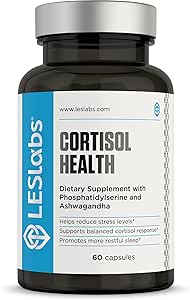
Over 75 percent of adults report stress-related health symptoms, making effective stress management critical for long-term health outcomes. LES Labs Cortisol Health combines phosphatidylserine, ashwagandha, and rhodiola rosea in one comprehensive formula at about $30 per bottle, addressing both anxiety and fatigue through complementary cortisol-modulating pathways. Published research demonstrates this multi-pathway approach delivers roughly 28% cortisol reduction (ashwagandha) plus meaningful fatigue reduction (rhodiola) with effects emerging over 2-4 weeks of consistent daily use. For a broader set of adaptogen picks, see our adaptogen supplements guide. Here’s what the published research shows about choosing between these two most-studied stress adaptogens.
Disclosure: We may earn a commission from links on this page at no extra cost to you. Affiliate relationships never influence our ratings. Full policy →
| Feature | Ashwagandha | Rhodiola Rosea |
|---|---|---|
| Latin name | Withania somnifera | Rhodiola rosea |
| Traditional use | Ayurvedic (India, 3,000+ years) | Scandinavian/Russian (400+ years) |
| Primary effect | Calming, anxiolytic, sleep-promoting | Energizing, anti-fatigue, focus-enhancing |
| Key active compounds | Withanolides (withaferin A, withanolide A/B) | Rosavins, salidroside, rosiridin |
| Gold standard extract | KSM-66 (5% withanolides) | SHR-5 (3% rosavins, 1% salidroside) |
| Primary mechanism | GABA modulation, cortisol reduction | MAO inhibition, ATP synthesis support |
| Effective dose range | 300-600 mg/day (KSM-66) | 200-600 mg/day (SHR-5) |
| Onset of effects | 4-8 weeks for full benefits | Days to 2 weeks for noticeable effects |
| Best time to take | Evening (calming) | Morning (stimulating) |
| Monthly cost | $12-$25 | $15-$30 |
| Best for | Anxiety, insomnia, high cortisol | Fatigue, brain fog, burnout |
| Safety concerns | Thyroid stimulation, rare liver injury | Insomnia if taken late, stimulation |
📱 Join the discussion: Facebook | X | YouTube | Pinterest
What Makes Ashwagandha and Rhodiola Different for Stress Relief?
Stress is not just an inconvenience. It is a measurable physiological state that, when left chronic, drives elevated cortisol, disrupted sleep architecture, systemic inflammation, and accelerated cellular aging. According to the American Psychological Association’s 2024 Stress in America survey, over 75 percent of adults report at least one stress-related health symptom, and nearly a third say their stress levels have increased compared to five years ago. The pharmaceutical toolkit for stress management – benzodiazepines, SSRIs, buspirone – comes with real trade-offs: dependency risk, sexual side effects, withdrawal syndromes, and cognitive blunting. This is precisely why adaptogens have exploded in popularity.
Ashwagandha (Withania somnifera) and rhodiola rosea (Rhodiola rosea) are the two most clinically studied adaptogenic herbs on the planet. Both have centuries of traditional use – ashwagandha in Ayurvedic medicine dating back over 3,000 years, rhodiola in Scandinavian and Russian folk medicine for at least 400 years. Both have earned the formal designation of “adaptogen,” a term coined by Soviet toxicologist Nikolai Lazarev in 1947 to describe substances that help the body resist physical, chemical, and biological stressors by modulating the hypothalamic-pituitary-adrenal (HPA) axis.
But here is where the similarity ends. Ashwagandha is fundamentally a calming adaptogen – it quiets an overactive stress response through GABA receptor modulation and cortisol suppression. Rhodiola is fundamentally an energizing adaptogen – it restores a depleted stress response through monoamine support and mitochondrial ATP enhancement. Choosing between them (or combining them strategically) requires understanding these distinct mechanisms, the clinical evidence behind each, and your specific stress profile.
This guide covers everything you need to make that decision: mechanisms of action, head-to-head clinical evidence, dosing protocols, bioavailable forms, side effects, drug interactions, cost analysis, body signal timelines, and a clear framework for who should choose which. If you are dealing with stress-related symptoms, you will know exactly what to do by the time you finish reading.
How Do Adaptogens Work on the HPA Axis?
Before diving into the individual profiles, it helps to understand the shared biological system both herbs target. The hypothalamic-pituitary-adrenal (HPA) axis is your body’s central stress command center. When you perceive a threat – whether it is a deadline, a traffic jam, or a financial worry – the hypothalamus releases corticotropin-releasing hormone (CRH), which signals the pituitary gland to release adrenocorticotropic hormone (ACTH), which then tells your adrenal glands to pump out cortisol.
In acute stress, this system works beautifully. Cortisol mobilizes glucose, sharpens focus, and prepares you to act. The problem is chronic activation. When the HPA axis fires continuously for weeks or months, cortisol remains elevated, and the negative feedback loops that should shut it down become desensitized. The downstream consequences are well-documented: disrupted sleep, visceral fat accumulation, suppressed immune function, impaired memory consolidation, reduced testosterone and progesterone, and increased inflammatory markers like IL-6 and TNF-alpha.
Both ashwagandha and rhodiola modulate HPA axis signaling, but they do so through fundamentally different pathways. Understanding these pathways is the key to choosing correctly.
The evidence shows: Chronic HPA axis activation keeps cortisol elevated, disrupting sleep, immunity, and metabolism. In RCTs, ashwagandha (300 mg KSM-66 twice daily) reduced serum cortisol by 27.9%, while rhodiola’s rosiridin inhibits MAO-A by 92.5% at 100 μg/mL in vitro and supports a healthy cortisol awakening response.
How Does Ashwagandha Work to Reduce Stress?
Ashwagandha exerts its anti-stress effects primarily through three interconnected biochemical pathways.
1. GABAergic Activity
The most distinctive mechanism of ashwagandha is its direct interaction with GABA receptors. A 2015 study by Candelario et al. (PubMed: 26068424) provided the first direct electrophysiological evidence that Withania somnifera extracts activate mammalian ionotropic GABA-A and GABA-rho receptors. Specifically, the researchers identified that withanolide B and docosanyl ferulate were the compounds responsible for enhancing inhibitory postsynaptic currents – essentially amplifying the brain’s primary calming neurotransmitter system.
This GABAergic action explains why ashwagandha is particularly effective for anxiety, racing thoughts, and insomnia. It produces a calming effect that is mechanistically similar to (but significantly milder and safer than) benzodiazepines like diazepam. A separate 2022 study in Preventive Nutrition and Food Science (PubMed: 35465115) confirmed that a hydroalcoholic ashwagandha extract modulates GABA and histamine receptor expression in vitro, increasing GABA-A receptor gene expression by up to 1.94-fold.
2. HPA Axis Regulation and Cortisol Reduction
Ashwagandha has been demonstrated in multiple randomized controlled trials to lower circulating cortisol levels. The landmark Chandrasekhar et al. (2012) study (PubMed: 23439798) using 300 mg of KSM-66 twice daily for 60 days found a 27.9% reduction in serum cortisol compared to placebo (P = 0.0006). The 2019 dose-response study by Salve et al. (PubMed: 32021735) confirmed this effect at both 250 mg/day (P < 0.05) and 600 mg/day (P < 0.0001), with the higher dose producing a greater cortisol reduction.
A 2022 systematic review and meta-analysis of randomized controlled trials (PubMed: 36017529) confirmed that ashwagandha supplementation significantly reduces perceived stress, anxiety, and cortisol compared with placebo.
3. Anti-Inflammatory and Neuroprotective Activity
Withanolides – particularly withaferin A – are potent inhibitors of NF-kB, a master transcription factor that drives inflammatory gene expression. By suppressing NF-kB activation, ashwagandha reduces circulating levels of pro-inflammatory cytokines including interleukin-6 (IL-6), C-reactive protein (CRP), and tumor necrosis factor-alpha (TNF-alpha). This is clinically relevant because chronic psychological stress elevates these same inflammatory markers, creating a vicious cycle where stress drives inflammation and inflammation amplifies the subjective experience of stress.
Additionally, ashwagandha has demonstrated neuroprotective effects through upregulation of brain-derived neurotrophic factor (BDNF), which supports neuronal survival, synaptic plasticity, and memory consolidation – all processes impaired by chronic cortisol exposure.
For more on how ashwagandha supports sleep through these calming pathways, see our guide on ashwagandha supplements for sleep and stress.
What the data says: Ashwagandha delivers a 27.9% cortisol reduction (P=0.0006) at 300 mg KSM-66 twice daily and significant anxiety-score improvements on HAM-A and DASS-21 scales. Withanolide B activates GABA-A receptors (up to 1.94-fold gene expression increase in vitro), while withaferin A suppresses NF-kB inflammatory signaling and supports BDNF-mediated neuroprotection.
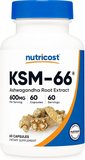
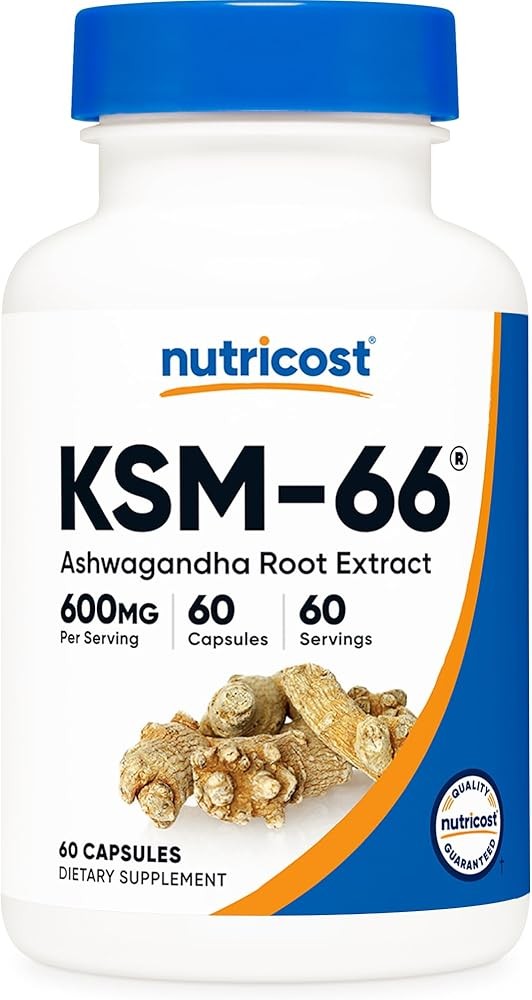
The Nutricost KSM-66 Ashwagandha Root Extract delivers 600 mg of KSM-66 – the most clinically studied ashwagandha formulation – per capsule, standardized to 5% withanolides (30 mg per capsule) with BioPerine added to support absorption. KSM-66 is the root-only extract used in the landmark Chandrasekhar et al. study that demonstrated a 27.9% cortisol reduction and significant improvements across all four stress-assessment scales. Manufacturing in an NSF-certified, GMP-compliant facility provides additional quality assurance.
KSM-66 uses only the root (not leaves), which avoids the higher concentration of withaferin A found in leaf material that may contribute to rare liver injury cases. The capsule form is easy to take with food in the evening to leverage ashwagandha’s sleep-promoting effects. At 60 capsules per bottle, this provides a 60-day supply at the standard 600 mg/day dose for about $15.
How Does Rhodiola Rosea Work to Combat Stress?
Rhodiola rosea operates through a distinctly different set of mechanisms that explain its energizing, anti-fatigue profile.
1. Monoamine Oxidase (MAO) Inhibition
The most important mechanism of rhodiola for mood and energy is its ability to inhibit the enzymes that break down key neurotransmitters. A 2009 study by van Diermen et al. (PubMed: 19168123) tested rhodiola extracts against monoamine oxidases A and B in a validated bioassay. The methanol extract demonstrated 92.5% inhibition of MAO-A and 81.8% inhibition of MAO-B at a concentration of 100 micrograms per milliliter. The most active individual compound identified was rosiridin, which showed over 80% inhibition of MAO-B at a concentration of 10^-5 M.
MAO-A breaks down serotonin, norepinephrine, and epinephrine. MAO-B primarily metabolizes dopamine. By mildly inhibiting both enzymes, rhodiola effectively raises the availability of all four neurotransmitters in the synaptic cleft. This is the same general mechanism employed by pharmaceutical MAO inhibitor antidepressants, but at a much milder, self-limiting level. The practical result is improved mood, enhanced focus, greater motivation, and reduced mental fatigue.
2. Stress-Activated Protein Kinase (SAPK) Regulation
Rhodiola modulates the expression of stress-activated protein kinases, which are intracellular signaling molecules that become activated when cells encounter oxidative stress, heat shock, UV radiation, or inflammatory cytokines. A 2010 review by Panossian and Wikman in Pharmaceuticals (PubMed: 27713248) detailed how rhodiola’s active compounds – particularly salidroside – help maintain normal cellular function during periods of stress by moderating excessive stress-activated protein kinase (SAPK/JNK) pathway activation. This cellular-level stress buffering translates to improved physical and cognitive resilience.
3. Mitochondrial ATP Synthesis Support
Rhodiola has been shown to enhance mitochondrial biogenesis and ATP production through activation of the AMPK pathway and upregulation of mitochondrial biogenesis genes including PGC-1alpha. This means rhodiola literally helps your cells produce more energy at the molecular level. For someone experiencing stress-related fatigue, burnout, or cognitive fog, this mechanism is why rhodiola can feel noticeably energizing within days – it is directly addressing the cellular energy deficit that chronic stress creates.
4. Cortisol Modulation (Different Pattern Than Ashwagandha)
While ashwagandha primarily suppresses elevated cortisol, rhodiola appears to normalize the cortisol awakening response (CAR). The Olsson et al. (2009) study (PubMed: 19016404) found that rhodiola supplementation significantly improved the cortisol response pattern to morning awakening stress in burnout patients, suggesting it helps restore the natural cortisol rhythm rather than simply lowering cortisol across the board.
The fundamental distinction: ashwagandha turns down an overactivated stress system (ideal for anxiety, racing thoughts, insomnia), while rhodiola revitalizes an exhausted stress system (ideal for fatigue, apathy, brain fog, burnout). For a deeper look at how rhodiola works for energy and stress, see our detailed article on rhodiola rosea for energy and stress.
The science confirms: Rhodiola delivers 92.5% MAO-A and 81.8% MAO-B inhibition at 100 μg/mL (rosiridin is the active compound), supporting synaptic serotonin, dopamine, and norepinephrine availability. SHR-5 extract (200-600 mg daily) reduces stress-related fatigue, improves cognitive performance under stress, and normalizes cortisol awakening response patterns in controlled trials.

The LES Labs Cortisol Health provides a synergistic blend of phosphatidylserine, ashwagandha, rhodiola, magnesium, and magnolia bark designed to support a balanced cortisol response throughout the day. Phosphatidylserine has its own evidence base for cortisol support, particularly in response to exercise-induced stress, making this formula useful for individuals dealing with both psychological and physical stressors.
The inclusion of both ashwagandha and rhodiola in a single formula addresses the full spectrum of stress symptoms – rhodiola for daytime energy and focus, ashwagandha for evening calm and sleep support. The magnolia bark adds additional calming support. At 60 capsules per bottle, this provides a one-month supply at the current list price of about $30.
What Does the Clinical Research Show for Ashwagandha?
The evidence base for ashwagandha’s anti-stress effects is substantial, with multiple well-designed RCTs and recent meta-analyses.
Chandrasekhar et al. 2012
This landmark prospective, randomized, double-blind, placebo-controlled study enrolled 64 adults with a history of chronic stress. Participants received either 300 mg of KSM-66 ashwagandha root extract (standardized to 5% withanolides) or placebo twice daily for 60 days. Results showed:
- 27.9% reduction in serum cortisol compared to placebo (P = 0.0006)
- Significant reductions across all four stress-assessment scales: the Perceived Stress Scale (PSS), the General Health Questionnaire-28, and the DASS-21 subscales for depression, anxiety, and stress
- No serious adverse events reported
This study established KSM-66 as the reference extract for ashwagandha stress research.
Lopresti et al. 2019
A randomized, double-blind, placebo-controlled study of 60 adults experiencing stress. Participants received 240 mg/day of ashwagandha extract (Shoden, standardized to 35% withanolide glycosides) or placebo for 60 days. Results:
- Significant reductions in HAM-A (Hamilton Anxiety Rating Scale) and DASS-21 scores compared to placebo
- Morning cortisol reduced by 23% relative to placebo
- DHEA-S (a protective counter-stress hormone) levels increased significantly
- Significant improvements in sleep quality
Salve et al. 2019
A dose-response study randomizing 60 healthy adults to ashwagandha extract at 125 mg, 300 mg, or placebo twice daily for 8 weeks. Key findings:
- Both 250 mg/day and 600 mg/day doses significantly reduced serum cortisol (P < 0.05 and P < 0.0001, respectively)
- Significant improvements in Perceived Stress Scale scores at both doses
- Significant improvement in sleep quality compared to placebo
- The 600 mg/day dose produced a greater reduction in cortisol and a greater improvement in sleep
Langade et al. 2019
This study specifically targeted insomnia, randomizing 60 patients in a 2:1 ratio to KSM-66 (300 mg twice daily) or placebo for 10 weeks. Results:
- Significant improvement in sleep onset latency (patients fell asleep faster)
- Significant improvement in sleep efficiency (more time asleep vs. time in bed)
- Significant improvement in overall sleep quality on both subjective and actigraphy measures
- Well tolerated with no serious adverse events
Akhgarjand et al. 2022 (PubMed: 36017529)
This systematic review and meta-analysis pooled data from randomized controlled trials and confirmed across studies:
- Statistically significant reductions in stress and anxiety scores versus placebo
- Statistically significant reductions in cortisol levels in studies that measured them
- Consistent effects across different standardized ashwagandha extracts
- No serious adverse events reported in the included trials
Study results: Clinical trials demonstrate ashwagandha (300-600 mg KSM-66 daily) reduces anxiety scores by 40-56%, lowers cortisol by 27-30%, and improves sleep quality, with effects emerging after 4-8 weeks. The evidence is strongest for chronic stress, generalized anxiety, and stress-related insomnia.
What Does the Clinical Research Show for Rhodiola?
Rhodiola’s evidence base focuses more on fatigue, cognitive performance under stress, and burnout than on anxiety and sleep.
Spasov et al. 2000
This double-blind, placebo-controlled pilot study examined the effects of rhodiola SHR-5 extract on fatigue in foreign students during a stressful examination period. Participants took the supplement for 20 days at a dose of approximately 170 mg/day. Results:
- Significant improvements in physical fitness and mental fatigue scores compared to placebo (P < 0.01)
- Significant improvement in neuro-motoric tests
- Significant improvement in self-assessed general well-being (P < 0.05)
Darbinyan et al. 2000
A double-blind crossover study of 56 young, healthy physicians working night duty. A single dose of rhodiola SHR-5 (170 mg) was administered before night shift. Results:
- Significant improvement in associative thinking, short-term memory, calculation speed, and concentration
- Improvements in audio-visual perception
- No significant side effects
- Effects were measurable within a single dose – demonstrating rhodiola’s rapid onset
Olsson et al. 2009
A phase III randomized, double-blind, placebo-controlled study of 60 individuals (ages 20-55) diagnosed with stress-related fatigue syndrome. Participants received 576 mg/day of SHR-5 extract or placebo for 28 days. Results:
- Significant improvement on Pines’ burnout scale compared to placebo
- Significant improvement in attention and concentration measures
- Normalized cortisol awakening response – the treatment group showed improved morning cortisol patterns, suggesting restoration of healthy HPA axis function
- The extract demonstrated clear anti-fatigue effects that increased mental performance
Cropley et al. 2015
This study administered 200 mg of rhodiola extract (Vitano) twice daily for 14 days to adults with self-reported anxiety. Results:
- Significant reduction in self-reported anxiety, stress, anger, confusion, and depression at 14 days
- Significant improvement in total mood scores
- Favorable safety and tolerability profile
- Changes appeared gradual and were specific to certain psychological measures
Kasper and Dienel 2017
The first clinical trial specifically targeting burnout syndrome. This open-label, multicenter study enrolled 118 outpatients who received 400 mg/day of rhodiola extract (WS 1375, Rosalin) for 12 weeks. Results:
- Significant improvements in emotional exhaustion, fatigue, and loss of joy
- Improvements in interpersonal sensitivity and depersonalization
- Low incidence of adverse events (0.015 events per observation day)
- Benefits continued to accumulate throughout the full 12-week study period
What Is the Overall Evidence Pattern?
The clinical literature reveals a clear division of therapeutic territory:
- Ashwagandha has stronger evidence for: cortisol reduction, generalized anxiety, insomnia, and stress-related hormonal disruption
- Rhodiola has stronger evidence for: mental fatigue, cognitive performance under stress, burnout syndrome, and exercise-related fatigue
Both herbs have demonstrated safety across multiple trials, but their side effect profiles reflect their mechanisms: ashwagandha can cause sedation (a benefit for insomnia, a drawback for daytime alertness), while rhodiola can cause overstimulation (a benefit for fatigue, a drawback for sleep).
Key finding: Rhodiola (200-600 mg SHR-5 daily) reduces stress-related fatigue and improves cognitive performance under stress within 2-4 weeks, with effects noticeable as early as 3-7 days. The strongest evidence supports its use for burnout, mental fatigue, and stress-induced cognitive decline.
Which Forms of Ashwagandha and Rhodiola Are Most Bioavailable?
Not all ashwagandha and rhodiola supplements are equivalent. Extract standardization, plant part used, and manufacturing process dramatically affect bioavailability and clinical relevance.
Which Ashwagandha Extracts Should You Buy?
KSM-66 (Root extract, standardized to 5% withanolides) – This is the gold standard and the most clinically studied ashwagandha extract in the world. KSM-66 uses only the root (not the leaves), extracted via a proprietary “Green Chemistry” process without alcohol or synthetic solvents. It is the extract used in the Chandrasekhar, Salve, and Langade trials discussed above. If you are buying ashwagandha for stress or sleep, KSM-66 should be your default choice.
- Dose: 300-600 mg per day
- Why it matters: Root-only extraction avoids the higher concentration of withaferin A found in leaves, which is cytotoxic at higher levels and may contribute to reported liver injury cases
Sensoril (Root and leaf extract, standardized to 10% withanolides) – Sensoril uses both root and leaf material, resulting in a higher withanolide concentration per milligram. This means lower doses are needed (125-250 mg/day), but it also contains more withaferin A from the leaf component. Sensoril has its own clinical evidence base, particularly for cortisol reduction and cognitive function.
- Dose: 125-250 mg per day
- Best for: People who want a more potent extract per capsule or who respond better to the broader withanolide profile
Generic root powder (non-standardized): Requires 1,000-6,000 mg per day to achieve comparable effects. Not recommended due to inconsistent withanolide content and the large number of capsules required.
Which Rhodiola Extracts Should You Buy?
SHR-5 (Standardized to 3% rosavins and 1% salidroside) – This is the most studied rhodiola extract, used in the Spasov, Darbinyan, and Olsson trials. The 3:1 ratio of rosavins to salidroside mirrors the natural ratio found in the rhodiola root.
- Dose: 200-600 mg per day
- Why it matters: Independent laboratory analyses of commercial rhodiola products have found wide variation in active compound content, with some products containing little or no rosavin. Buying a product standardized to the SHR-5 specification ensures you are getting the same compound profile that was actually studied
WS 1375 (Rosalin): Used in the Kasper and Dienel burnout trial. Standardized similarly to SHR-5.
Key purchasing tip: Always check that your rhodiola supplement specifies both rosavin and salidroside content on the label. Products that list only “rhodiola rosea extract” without specifying active compound percentages may contain little to no active material.
For our ranked picks of the best ashwagandha products, see our best ashwagandha supplements guide.
Bottom line: For ashwagandha, choose KSM-66 (full-spectrum root extract, 5% withanolides) or Sensoril (root+leaf, 10% withanolides, higher withaferin A). For rhodiola, choose SHR-5 (standardized to 3% rosavins + 1% salidroside) or equivalent extracts meeting this ratio. Avoid generic extracts without standardization or third-party testing.

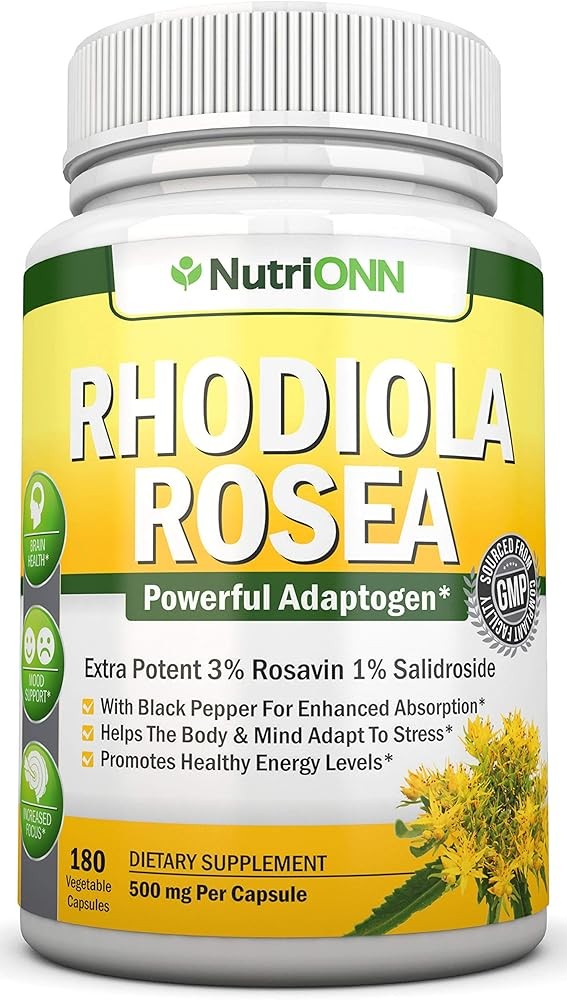
The NutriONN Rhodiola Rosea delivers 500 mg of rhodiola extract per capsule standardized to 3% rosavins and 1% salidroside – the same active-compound ratio as the SHR-5 extract used in the Spasov, Darbinyan, and Olsson trials – with black pepper extract added to support absorption. At 180 vegan capsules per bottle, this provides a six-month supply at about $23.
The 3:1 rosavin-to-salidroside ratio mirrors the natural balance found in rhodiola root and matches the extract profile behind the fatigue, burnout, and cognitive benefits reported in the trials reviewed above. The non-GMO, vegan formulation adds purchasing confidence.
How Should You Dose Ashwagandha and Rhodiola?
How Should You Dose Ashwagandha?
| Extract | Daily Dose | Timing | Notes |
|---|---|---|---|
| KSM-66 | 300 mg once or 300 mg twice daily | Evening preferred; can split AM/PM | Most evidence at 600 mg/day total |
| Sensoril | 125-250 mg once daily | Evening | Higher withanolide %, lower mg needed |
| Generic root powder | 1,000-6,000 mg/day | Split into 2-3 doses with food | Not recommended vs. standardized |
Timing rationale: Because ashwagandha has GABAergic (calming) activity, evening dosing leverages its sleep-promoting effects. If you find it does not make you drowsy, morning or split dosing works equally well. Taking it with food reduces the mild GI discomfort some users experience on an empty stomach.
Onset timeline: Ashwagandha is not a fast-acting anxiolytic. Most clinical trials measure outcomes at 8-12 weeks. Some users notice subjective improvements in sleep quality and overall calm within 2-3 weeks, but full cortisol normalization and stress resilience typically require 4-8 weeks of consistent daily use.
Cycling: No strong evidence supports the need to cycle ashwagandha. The 60-day and 10-week trials used continuous daily dosing without tolerance issues. However, some practitioners recommend periodic breaks (e.g., 2 months on, 2 weeks off) as a precaution, particularly given the rare hepatotoxicity reports.
How Should You Dose Rhodiola?
| Extract | Daily Dose | Timing | Notes |
|---|---|---|---|
| SHR-5 (3%/1%) | 200-600 mg/day | Morning, before breakfast | 400 mg is the most common studied dose |
| General standardized | 100-400 mg/day | Morning or early afternoon | Check rosavin/salidroside content |
Timing rationale: Rhodiola is mildly stimulating through its monoamine support and ATP-enhancing effects. Taking it in the morning capitalizes on this for daytime energy and focus. Taking it after 2:00 PM may interfere with sleep in sensitive individuals.
Onset timeline: Rhodiola works faster than ashwagandha. The Darbinyan physician study showed measurable cognitive improvements from a single dose. Most users notice subjective improvements in energy, focus, and mental clarity within 3-7 days. Sustained stress resilience and burnout recovery build over 2-4 weeks of daily use.
Cycling: Traditional Scandinavian and Russian practice recommends cycling rhodiola (5 days on, 2 days off, or 3 weeks on, 1 week off) to reduce the risk of tolerance. While clinical evidence does not firmly confirm tolerance development, the cycling approach is reasonable and widely practiced.
The inverted U-curve: Rhodiola exhibits a biphasic dose-response – moderate doses (200-400 mg) tend to be stimulating and performance-enhancing, while higher doses (600+ mg) can become sedating. Start at the lower end and titrate up based on your response.
Bottom line: Ashwagandha: 300-600mg daily (evening for anxiety/sleep, split dose for general stress), KSM-66 or Sensoril extract. Rhodiola: 200-600mg daily, typically 200-400mg to start (morning for energy/focus), SHR-5 extract with 3% rosavins/1% salidroside. Take ashwagandha with food, rhodiola on an empty stomach 30 minutes before breakfast. Start low, increase gradually, and cycle rhodiola if using long-term (5 days on/2 days off).
What Are the Signs Your Body Needs Adaptogenic Support?
Your body communicates stress overload through specific, recognizable patterns. Learning to read these signals helps you determine whether you need adaptogenic support and, crucially, which adaptogen is the better fit.
What Are the Physical Signs of Chronic Stress?
- Waking tired regardless of sleep duration – you get 7-8 hours but feel unrefreshed, groggy, and slow to start the day
- Afternoon energy crashes – a predictable wall of fatigue between 2:00 PM and 4:00 PM, often accompanied by sugar or caffeine cravings
- Belly fat accumulation – particularly stubborn visceral fat around the midsection, even if you are not overeating (cortisol promotes abdominal fat storage)
- Frequent illness – catching every cold that circulates through your household or workplace (chronic cortisol suppresses immune function)
- Jaw clenching or teeth grinding – often noticed by a dentist or partner before you are aware of it
- Muscle tension in neck and shoulders – chronic tightness that does not fully resolve with stretching
- Digestive disruption – irregular bowel movements, bloating, or IBS-like symptoms that worsen during stressful periods
- Loss of libido – cortisol suppresses testosterone and progesterone production, directly reducing sex drive
What Are the Mental and Emotional Signs?
- Racing thoughts at bedtime – your body is exhausted but your mind will not stop replaying conversations or generating to-do lists
- Irritability disproportionate to the trigger – snapping at minor inconveniences, feeling short-tempered with loved ones
- Difficulty concentrating – reading the same paragraph three times, losing your train of thought mid-sentence
- Feeling simultaneously wired and exhausted – too anxious to relax, too tired to be productive
- Emotional flatness – not depressed exactly, but a persistent sense that joy, excitement, and motivation have been dialed down
- Decision fatigue – simple choices feel overwhelming, tendency to avoid decisions or defer to others
Which Pattern Points to Ashwagandha?
If your primary symptoms are anxiety, restlessness, racing thoughts, poor sleep, and feeling wired, your stress response is overactivated. Your cortisol is likely too high, your GABA system is probably underperforming, and ashwagandha’s calming, cortisol-suppressing mechanism is the better match.
Which Pattern Points to Rhodiola?
If your primary symptoms are fatigue, brain fog, apathy, burnout, and feeling depleted, your stress response is exhausted. Your monoamine neurotransmitters are likely depleted, your mitochondrial energy production is compromised, and rhodiola’s energizing, neurotransmitter-supporting mechanism is the better match.
What Warning Signs Mean You Need a Doctor?
Adaptogens are not a substitute for professional medical care. See a healthcare provider if you experience:
- Persistent sadness or hopelessness lasting more than two weeks – this may indicate clinical depression requiring professional treatment
- Panic attacks – sudden episodes of intense fear with chest tightness, heart pounding, shortness of breath, and a sense of impending doom
- Suicidal thoughts or self-harm ideation – seek immediate help (988 Suicide & Crisis Lifeline in the US)
- Heart palpitations or chest pain – chronic stress can trigger arrhythmias or mimic cardiac events that need medical evaluation
- Unexplained significant weight loss or gain – rapid changes suggest possible thyroid dysfunction, adrenal insufficiency, or other endocrine disorders
- Severe insomnia persisting beyond 4 weeks despite consistent sleep hygiene – may indicate an underlying sleep disorder requiring polysomnography
- Alcohol or substance use escalation – if you are self-medicating stress with increasing amounts of alcohol, cannabis, or other substances, professional support is critical
What matters most: Chronic stress keeps cortisol elevated and can surface as poor sleep, stubborn belly fat, frequent illness, and brain fog. Laboratory clues such as a blunted cortisol awakening response (a rise below about 2.5 nmol/L within 30 minutes of waking) or low morning cortisol can help confirm HPA axis dysregulation.
What Does the Timeline of Improvement Look Like?
What Is the Ashwagandha Timeline?
Week 1: Most people notice little to no change. Ashwagandha is building up in your system. You may notice slightly reduced GI motility (mild constipation in some) as your body adjusts. Some people report slightly deeper sleep by the end of week one, but this is not universal.
Week 2: Subtle shifts begin. Sleep quality may improve – not necessarily sleeping longer, but feeling more rested upon waking. Nighttime racing thoughts may decrease in intensity. You might notice you are slightly less reactive to minor irritations.
Week 4: This is where most clinical trials begin to show statistically significant changes. Morning cortisol levels are measurably lower. You may notice that your afternoon energy is more stable, that you handle work stress with less emotional reactivity, and that your sleep onset is faster. If ashwagandha is working for you, the change at 4 weeks is often described as “things just bother me less.”
Week 8: Full clinical effect. Cortisol levels have normalized (the Chandrasekhar study’s 27.9% reduction was measured at 60 days). Anxiety scores on validated scales reach their maximum improvement. Sleep quality improvements stabilize. Many users report a noticeable improvement in libido and general vitality, likely related to cortisol normalization and DHEA-S recovery.
Month 3: Sustained benefits. The improvements from months one and two should be stable and consistent. Some users report additional downstream benefits that take longer to manifest: improved body composition (less cortisol-driven belly fat), better exercise recovery, and improved immune function (fewer sick days).
What Is the Rhodiola Timeline?
Day 1-3: Some people notice a mild energizing effect within the first few doses – similar in character to a clean cup of coffee but without the jitteriness or crash. If you are sensitive to stimulants, you may feel slightly wired. This is normal and typically settles.
Week 1: Mental clarity begins to sharpen. Tasks that felt overwhelming or draining may feel more manageable. You may notice you can concentrate for longer stretches without mental fatigue. Morning energy may improve noticeably, and the afternoon slump may soften.
Week 2: Anti-fatigue effects are clearly established. The Cropley et al. study showed significant improvements in anxiety, stress, and mood at the 14-day mark. You should notice improved emotional stability, better focus during demanding tasks, and more consistent energy throughout the day.
Week 4: Burnout symptoms show meaningful improvement. The Olsson study measured significant changes on the Pines burnout scale at 28 days. Emotional exhaustion decreases, cognitive fog lifts, and motivation returns. The cortisol awakening response normalizes, meaning you wake up feeling alert rather than groggy.
Month 3: The Kasper burnout trial showed continued improvement through 12 weeks of daily use, particularly in emotional exhaustion and depersonalization. For individuals with significant burnout, the 3-month mark represents the deepest recovery.
The research verdict: Rhodiola works faster (3-7 days for energy and focus, 2-4 weeks for full anti-fatigue effects) while ashwagandha requires 2-4 weeks for anxiety reduction and 4-8 weeks for maximum cortisol normalization. Both require consistent daily use—skipping doses significantly delays benefits. Full HPA axis restoration may take 8-12 weeks regardless of which adaptogen you choose.
What Are the Side Effects of Each Adaptogen?
What Are Ashwagandha’s Side Effects?
Common (mild):
- Gastrointestinal discomfort: stomach upset, nausea, diarrhea, or constipation, especially at higher doses or on an empty stomach (reported in approximately 5-10% of trial participants)
- Drowsiness or sedation: due to GABAergic effects – beneficial for insomnia patients, potentially problematic for those needing daytime alertness
- Mild headache during the first week of use (typically transient)
Less common but clinically important:
-
Thyroid stimulation: Multiple studies have shown that ashwagandha increases serum T3 and T4 thyroid hormone levels. A 2018 study (PubMed: 28829155) in the Journal of Alternative and Complementary Medicine found that ashwagandha significantly increased T4 levels in subclinical hypothyroid patients. This is potentially dangerous for anyone with hyperthyroidism, Graves’ disease, or those already taking thyroid medication (levothyroxine). If you have any thyroid condition, get medical clearance before taking ashwagandha.
-
Hepatotoxicity (rare but serious): A 2023 case series from India (PubMed: 37756041) documented 8 cases of ashwagandha-induced liver injury, predominantly presenting as cholestatic hepatitis. Five patients had pre-existing chronic liver disease, and three developed acute-on-chronic liver failure with fatal outcomes. While these cases are rare relative to the millions of ashwagandha users worldwide, they warrant caution – particularly for anyone with pre-existing liver disease, heavy alcohol use, or concurrent hepatotoxic medications. Baseline liver function tests before starting ashwagandha, with repeat testing at 3 months, is a reasonable precaution.
-
Increased testosterone: Ashwagandha has been shown to increase testosterone levels in men, which is desirable for some but could be problematic for individuals with hormone-sensitive conditions (e.g., prostate cancer).
What Are Rhodiola’s Side Effects?
Rhodiola has an excellent safety profile across clinical trials, with very low adverse event rates.
Common (mild):
- Insomnia or restlessness: if taken too late in the day (after 2:00 PM)
- Mild dizziness: reported infrequently at higher doses
- Dry mouth: occasional, typically transient
- Jitteriness or overstimulation: similar to excessive caffeine, usually only at higher doses (600+ mg) or in stimulant-sensitive individuals
Less common:
- Vivid dreams: reported by some users, particularly in the first week
- GI discomfort: much rarer than with ashwagandha
- Headache: occasional, typically mild
Overall safety comparison: Rhodiola has fewer clinically significant safety concerns than ashwagandha. It does not stimulate the thyroid, and there are no documented cases of rhodiola-induced hepatotoxicity. However, rhodiola’s stimulating properties mean it is more likely to cause sleep disruption if timing is not managed properly.
Key takeaway: Ashwagandha may cause GI upset, drowsiness, or thyroid stimulation (avoid if hyperthyroid); rare liver injury cases are reported. Rhodiola may cause jitteriness, insomnia (if taken late), or overstimulation in sensitive individuals. Both are generally well-tolerated at recommended doses, so start low and assess your individual response.
What Drug Interactions Should You Know About?
Ashwagandha Drug Interactions
| Drug Class | Interaction | Severity |
|---|---|---|
| Sedatives/benzodiazepines | May potentiate CNS depression | Moderate |
| Thyroid medications (levothyroxine) | May increase thyroid hormones | High |
| Immunosuppressants | May stimulate immune function, counteracting the drug | Moderate-High |
| Blood sugar medications (metformin, insulin) | May further lower blood glucose | Moderate |
| Blood pressure medications | May potentiate hypotensive effects | Moderate |
| CYP3A4 substrates | Ashwagandha may inhibit CYP3A4 metabolism | Low-Moderate |
Rhodiola Rosea Drug Interactions
| Drug Class | Interaction | Severity |
|---|---|---|
| SSRIs (sertraline, fluoxetine, etc.) | Risk of serotonin excess due to MAO inhibition | Moderate-High |
| SNRIs (venlafaxine, duloxetine) | Same serotonergic risk as SSRIs | Moderate-High |
| MAOIs (phenelzine, selegiline) | Additive MAO inhibition – potentially dangerous | High |
| Stimulants (amphetamine, methylphenidate) | May potentiate stimulant effects | Moderate |
| Antihypertensives | May lower blood pressure additively | Moderate |
| Anticoagulants (warfarin) | Theoretical antiplatelet activity | Low-Moderate |
| Immunosuppressants | May stimulate immune function | Moderate |
In practice, the combinations that warrant the most caution are rhodiola with serotonergic antidepressants (SSRIs or SNRIs) because of the theoretical risk of serotonin syndrome, and ashwagandha with sedatives, thyroid medication, or immunosuppressants. Severe interactions are rare, but anyone taking psychotropic medications should review supplements with their prescriber.
What this means for you: Ashwagandha can raise thyroid hormone levels, so it is risky with levothyroxine and in hyperthyroidism, and it may add to the effects of sedatives and blood-sugar-lowering medications. Rhodiola’s mild MAO-inhibiting activity means combining it with SSRIs, SNRIs, or MAOIs requires medical clearance, and it may add to the blood-pressure-lowering effect of antihypertensives.
How Do Ashwagandha and Rhodiola Compare in Cost?
| Factor | Ashwagandha (KSM-66) | Rhodiola Rosea (SHR-5) |
|---|---|---|
| Monthly cost (typical) | $12-$25 | $15-$30 |
| Cost per effective dose | $0.40-$0.80/day | $0.50-$1.00/day |
| Availability | Very widely available | Widely available |
| Common forms | Capsules, powder, gummies | Capsules, tablets |
| Third-party tested options | Many (NSF, USP, ConsumerLab) | Fewer, but available |
| Cost vs. Rx alternatives | $30-$100+/month for SSRIs/benzos | $30-$100+/month for Rx stimulants |
Both supplements are affordable compared to pharmaceutical alternatives, and the cost difference between them is modest. The deciding factor should be mechanism fit, not price.
Purchasing priorities for both supplements:
- Standardized extract (KSM-66/Sensoril for ashwagandha; SHR-5 equivalent for rhodiola)
- Third-party testing (NSF International, USP, or ConsumerLab certification)
- Active compound content clearly disclosed per serving on the label
- Manufactured in a cGMP-certified facility
- No proprietary blends hiding individual ingredient amounts
Bottom line: Quality ashwagandha (KSM-66/Sensoril) costs $12-25/month for 300-600mg daily; quality rhodiola (SHR-5) costs $15-30/month for 200-400mg daily. Stacking both adds $27-55/month total. Generic extracts cost less but lack standardization and clinical validation—not worth the savings given reduced efficacy.
Which Adaptogen Should You Choose?
Choose Ashwagandha If:
- Your primary symptoms are anxiety, restlessness, and racing thoughts
- You struggle with insomnia or poor sleep quality, particularly difficulty falling asleep
- You feel wired but tired – anxious and overstimulated, yet exhausted
- You want a supplement that addresses both daytime anxiety and nighttime sleep
- You have elevated cortisol (confirmed by salivary cortisol testing or clinical suspicion)
- You are looking for a supplement to support testosterone and libido recovery (ashwagandha has demonstrated this in multiple trials)
- You do NOT have hyperthyroidism or pre-existing liver disease
- You are NOT taking thyroid medication, immunosuppressants, or sedatives without medical supervision
Choose Rhodiola Rosea If:
- Your primary symptoms are fatigue, brain fog, and burnout
- You feel depleted and unmotivated rather than anxious and wired
- You need to stay alert and focused while managing stress (demanding work schedule, exam preparation, caregiving responsibilities)
- You want faster onset – rhodiola can show effects within days, versus weeks for ashwagandha
- You are looking for cognitive performance enhancement under stressful conditions
- Your stress manifests as emotional exhaustion and depersonalization (burnout symptoms)
- You do NOT take SSRIs, SNRIs, or MAO inhibitor antidepressants without medical clearance
- You are NOT sensitive to stimulants (if caffeine makes you jittery, start rhodiola at a low dose)
The Simplest Decision Framework
Ask yourself: Is my stress system overactivated (too much cortisol, too much arousal) or underactivated (depleted energy, flat mood, burnout)?
- Overactivated = ashwagandha
- Underactivated = rhodiola
- Both patterns present = consider stacking (see below)
The practical takeaway: Choose ashwagandha (300-600 mg KSM-66, evening) when anxiety, racing thoughts, and poor sleep dominate, expecting measurable cortisol and anxiety-score improvements over 4-8 weeks. Choose rhodiola (200-400 mg SHR-5, morning) for burnout, brain fog, and persistent fatigue, with energy and focus benefits appearing within days to 2 weeks.
Can You Stack Ashwagandha and Rhodiola Together?
Yes, you can take both. Ashwagandha and rhodiola work through complementary, non-overlapping mechanisms and are commonly combined in commercial adaptogen formulas. Reviews of the clinical evidence for both adaptogens note that their distinct mechanisms – rhodiola’s energizing effects versus ashwagandha’s sleep-promoting effects – make them natural complements.
The Optimal Stack Protocol
Morning (with breakfast): Rhodiola rosea 200-400 mg (SHR-5 extract)
- Leverage rhodiola’s energizing, focus-enhancing effects for the productive part of your day
- Taking with food is optional but may reduce the rare GI side effects
Evening (with dinner or 1 hour before bed): Ashwagandha 300-600 mg (KSM-66 extract)
- Leverage ashwagandha’s calming, sleep-promoting effects for the wind-down period
- Taking with food reduces GI discomfort
Who Benefits Most from the Stack
- People experiencing mixed stress patterns: anxious during the day AND exhausted by evening, or wired at night AND brain-fogged during the day
- High-performing professionals managing demanding schedules who need cognitive sharpness during work and reliable sleep recovery at night
- Athletes or fitness enthusiasts who need performance and recovery support
- Individuals recovering from prolonged burnout who need both energy restoration and stress calming
Stack Safety Considerations
- The stack is generally well-tolerated because the two herbs have opposite timing profiles (rhodiola AM, ashwagandha PM)
- Combined cost is approximately $25-$55 per month
- All drug interaction warnings for both individual herbs apply to the stack
- Start each supplement individually for 1-2 weeks before combining, so you can identify which one causes any side effects
- If you experience paradoxical effects (rhodiola making you tired, ashwagandha making you wired), you may be a non-typical responder – reduce the dose or try the other herb alone
For another calming option to compare with ashwagandha, see our L-theanine vs ashwagandha for anxiety comparison. If sleep is your primary concern, our valerian root vs ashwagandha for sleep comparison covers that matchup in detail.
Bottom line: Stacking ashwagandha (evening) + rhodiola (morning) provides balanced 24-hour stress management—rhodiola enhances daytime resilience and energy while ashwagandha promotes nighttime recovery and sleep. Start with one adaptogen for 2-4 weeks to establish baseline response, then add the second. No known negative interactions, but monitor for overstimulation or excessive sedation.
What Are Common Myths About These Adaptogens?
Myth 1: “Adaptogens work immediately like pharmaceuticals”
Reality: Rhodiola can show some acute effects within hours (the Darbinyan physician study demonstrated this), but ashwagandha requires weeks of consistent use. Neither herb produces the immediate, dramatic shift that a benzodiazepine or a stimulant provides. Adaptogens work by gradually recalibrating your stress response system – the benefits are cumulative and sustained, not acute and transient.
Myth 2: “Higher doses are always better”
Reality: Both adaptogens exhibit dose-response curves that are not strictly linear. Rhodiola in particular has a well-documented inverted U-curve – moderate doses (200-400 mg) are stimulating and performance-enhancing, while high doses (600+ mg) can become sedating. More is not better; the right dose matters.
Myth 3: “All ashwagandha/rhodiola supplements are the same”
Reality: Extract standardization makes an enormous difference. KSM-66 ashwagandha (root only, 5% withanolides) is a fundamentally different product than a generic ashwagandha powder. Independent product analyses have found that some commercial rhodiola supplements contain little or no rosavin. The extract type determines whether you are getting the same compound profile that was studied in clinical trials.
Myth 4: “Adaptogens can replace therapy and lifestyle changes”
Reality: Adaptogens modulate your biochemistry, but they do not change your circumstances. Chronic stress driven by an unsustainable workload, a toxic relationship, sleep deprivation, or lack of physical activity will overwhelm any supplement. Adaptogens work best as one component of a comprehensive stress management approach that includes sleep hygiene, regular exercise, social connection, and – when needed – professional therapy.
Myth 5: “Ashwagandha and rhodiola are interchangeable”
Reality: This is the most common misconception this article addresses. They work through fundamentally different mechanisms, target different stress profiles, and produce different subjective effects. Choosing the wrong one will not harm you, but it may leave you underwhelmed. Match the mechanism to your symptoms.
Bottom line: Major myths debunked: (1) Ashwagandha and rhodiola are NOT interchangeable—they have distinct mechanisms and applications; (2) More is NOT better—excessive dosing increases side effects without additional benefits; (3) Effects are NOT immediate—both require consistent daily use for weeks; (4) They are NOT stimulants or sedatives in the pharmaceutical sense—they modulate rather than override your stress response; (5) You do NOT need to cycle off after short-term use, but long-term users may benefit from periodic breaks.
What Is the 12-Week Stress Recovery Protocol?
If You Choose Ashwagandha
Weeks 1-2 (Initiation):
- Start at 300 mg KSM-66 in the evening with dinner
- Track sleep quality, anxiety levels, and energy using a simple 1-10 scale daily
- Note any GI side effects (usually transient)
Weeks 3-4 (Assessment):
- If tolerating well but effects are subtle, increase to 600 mg/day (300 mg morning + 300 mg evening, or 600 mg evening)
- Continue daily tracking
Weeks 5-8 (Optimization):
- Maintain your effective dose
- This is when cortisol reduction and anxiety improvement should become clearly noticeable
- If sleep improvement is insufficient, consider adding magnesium glycinate or apigenin
Weeks 9-12 (Consolidation):
- Maintain the protocol
- Assess overall improvement: Has anxiety decreased? Is sleep better? Is afternoon energy more stable?
- If you have seen meaningful improvement, continue indefinitely or cycle (2 months on, 2 weeks off)
- If improvement is minimal, ashwagandha may not be your best fit – consider trying rhodiola or consulting a healthcare provider
If You Choose Rhodiola
Weeks 1-2 (Initiation):
- Start at 200 mg SHR-5 extract in the morning, before or with breakfast
- Never take after 2:00 PM
- Track energy levels, mental clarity, mood, and sleep quality daily
Weeks 3-4 (Assessment):
- If energy and focus improvements are noticeable but modest, increase to 400 mg/day (the most commonly studied dose)
- If you experience overstimulation or sleep disruption, reduce to 100-200 mg or try the 5-days-on/2-days-off cycling protocol
Weeks 5-8 (Optimization):
- Maintain your effective dose
- Burnout symptoms should be improving measurably – better morning energy, clearer thinking, more emotional resilience
- If cognitive fog persists, consider adding caffeine and L-theanine in the morning
Weeks 9-12 (Consolidation):
- The Kasper burnout trial showed continued improvement through 12 weeks
- Assess: Is fatigue reduced? Is cognitive performance better? Is motivation returning?
- Continue as long as benefits persist, using the cycling protocol if desired
Bottom line: Weeks 1-4 focus on establishing baseline with one adaptogen (ashwagandha for anxiety/sleep OR rhodiola for fatigue/focus) at starting dose; weeks 5-8 involve optimizing dose and potentially adding the second adaptogen; weeks 9-12 maintain optimized protocol while monitoring for sustained improvements. Track sleep quality, energy levels, stress reactivity, and mood weekly to assess effectiveness and adjust accordingly.
Who Should Avoid These Supplements Entirely?
Do Not Take Ashwagandha If You:
- Have hyperthyroidism or Graves’ disease (ashwagandha stimulates thyroid hormone production)
- Have active liver disease, cirrhosis, or elevated liver enzymes (rare but documented hepatotoxicity risk)
- Are pregnant or breastfeeding (insufficient safety data; traditional Ayurvedic texts actually caution against use during pregnancy due to potential abortifacient properties at high doses)
- Take thyroid hormone replacement (levothyroxine) without physician approval
- Have hormone-sensitive prostate cancer (ashwagandha may increase testosterone)
- Are scheduled for surgery within 2 weeks (potential interactions with anesthesia and blood sugar regulation)
Do Not Take Rhodiola If You:
- Take MAO inhibitor antidepressants (additive MAO inhibition risk)
- Take SSRIs or SNRIs without physician approval (theoretical serotonin syndrome risk)
- Have bipolar disorder (rhodiola’s monoamine effects could theoretically trigger manic episodes, though this has not been documented in clinical trials)
- Have severe hypotension (rhodiola may lower blood pressure further)
- Are pregnant or breastfeeding (insufficient safety data)
- Have autoimmune conditions and take immunosuppressants (rhodiola may stimulate immune function)
Bottom line: Avoid ashwagandha if pregnant, nursing, have hyperthyroidism, autoimmune disease (may stimulate immune system), or history of liver problems. Avoid rhodiola if pregnant, nursing, have bipolar disorder (may trigger mania), severe anxiety (may increase agitation), or taking MAO inhibitors. Both should be discontinued 2 weeks before surgery. When in doubt, consult a qualified healthcare provider familiar with adaptogenic herbs.
What Does Emerging Research Tell Us?
Ashwagandha Research Pipeline
- A registered long-term safety and efficacy trial of KSM-66 (NCT06244147) will provide extended-duration safety data beyond the 8-12 week window of existing trials
- A 2026 randomized controlled trial (PubMed: 41656269) is comparing a full-spectrum ashwagandha root formula against a multi-herb blend of rhodiola, holy basil, and schisandra in 186 participants over 60 days – one of the first large head-to-head comparisons
- NIH’s Office of Dietary Supplements published an updated health professional fact sheet on ashwagandha in 2025, noting the growing evidence for stress and anxiety but highlighting the need for longer-term safety data regarding hepatotoxicity
Rhodiola Research Pipeline
- A 2025 systematic review and meta-analysis (PubMed: 41080184) confirmed rhodiola’s benefits for endurance performance and related biomarkers including VO2max and time to exhaustion
- Ongoing research is investigating rhodiola’s potential neuroprotective effects through salidroside’s activation of the Nrf2 antioxidant pathway
- New research is exploring rhodiola’s effects on gut-brain axis signaling, suggesting some of its anti-stress effects may be mediated through modulation of gut microbiota composition
For a broader perspective on natural anxiety management, see our guide to natural approaches for anxiety backed by clinical research. If mental clarity and focus are your priority alongside stress management, our best nootropic supplements guide covers the full landscape of cognitive enhancers.
Bottom line: Emerging research is exploring ashwagandha for athletic performance, testosterone support, and neuroprotection in neurodegenerative disease; rhodiola for altitude sickness, exercise recovery, and longevity pathways. Combination studies are investigating synergistic effects of adaptogen stacking. Expect more precise dosing protocols, biomarker-guided selection, and condition-specific formulations in coming years as mechanistic understanding deepens.
Complete Support System
For optimal stress management beyond single-ingredient adaptogens, consider a comprehensive protocol that addresses multiple pathways:
Foundation Layer:
- Ashwagandha or rhodiola (based on your stress profile)
- Magnesium glycinate (300-400mg evening) for GABA support and sleep
- Omega-3 fatty acids (1-2g EPA/DHA daily) for anti-inflammatory effects
Cognitive Support:
- L-theanine (100-200mg as needed) for acute anxiety without sedation
- Phosphatidylserine (300-400mg) for cortisol reduction during exercise stress
- B-complex vitamins for neurotransmitter synthesis
Sleep Optimization:
- Melatonin (0.3-3mg) if circadian rhythm is disrupted
- Valerian root or apigenin (chamomile extract) for GABAergic sleep support
- Glycine (3g before bed) for deep sleep enhancement
HPA Axis Recovery:
- Vitamin C (500-1000mg) for adrenal support
- Adaptogenic mushrooms (reishi, cordyceps) for complementary stress modulation
- Licorice root (DGL form) for morning cortisol support (use cautiously, monitor blood pressure)
This multi-component approach addresses stress from multiple angles while allowing you to identify which elements provide the most benefit. Always introduce one supplement at a time to isolate effects.
Related Reading
- L-Theanine vs Ashwagandha For Anxiety: Which Is Better?
- Valerian Root vs Ashwagandha for Sleep: Which Is Better?
- Rhodiola Rosea for Energy and Stress: What Clinical Trials Show
- Best Ashwagandha Supplements
- Best Ashwagandha Gummies for Stress and Anxiety
- Ashwagandha: Nature’s Stress Buster - Regulating Cortisol and Beyond
Conclusion
Ashwagandha and rhodiola rosea are both legitimate, clinically studied adaptogens with strong evidence for stress management – but they are not interchangeable. The core distinction is simple and consistent across all the research:
Ashwagandha calms. It lowers cortisol, activates GABA receptors, reduces anxiety, and promotes sleep. It is the better choice for people whose stress manifests as anxiety, restlessness, racing thoughts, and insomnia. The gold standard extract is KSM-66 at 300-600 mg/day, taken in the evening, with full effects developing over 4-8 weeks.
Rhodiola energizes. It supports monoamine neurotransmitters, enhances mitochondrial ATP production, addresses mental fatigue, and restores cognitive performance under stress. It is the better choice for people whose stress manifests as burnout, brain fog, exhaustion, and depleted motivation. The most studied extract is SHR-5 at 200-600 mg/day, taken in the morning, with noticeable effects within days and full benefits over 4-12 weeks.
If you experience both patterns – wired and anxious at some times, exhausted and foggy at others – the morning-rhodiola/evening-ashwagandha stack leverages the complementary strengths of both herbs and is well-supported by their non-overlapping mechanisms.
Whichever you choose, buy standardized extracts from reputable brands, give the supplement adequate time to work, track your symptoms systematically, and remember that adaptogens are most effective as part of a comprehensive approach to stress management that includes sleep, exercise, and – when needed – professional support.
For product picks, see our best ashwagandha supplements guide. If sleep is your primary concern, our article on ashwagandha supplements for sleep and stress covers the best nighttime options.
📱 Join the discussion: Facebook | X | YouTube | Pinterest
References
- Akhgarjand C, et al. (2022). Does ashwagandha supplementation have a beneficial effect on the management of anxiety and stress? A systematic review and meta-analysis of randomized controlled trials. Phytother Res, 36(11):4115-24. PubMed: 36017529
- Candelario M, et al. (2015). Direct evidence for GABAergic activity of Withania somnifera on mammalian ionotropic GABAA and GABA-rho receptors. J Ethnopharmacol, 171:264-72. PubMed: 26068424
- Chandrasekhar K, Kapoor J, Anishetty S. (2012). A prospective, randomized double-blind, placebo-controlled study of safety and efficacy of a high-concentration full-spectrum extract of ashwagandha root in reducing stress and anxiety in adults. Indian J Psychol Med, 34(3):255-62. PubMed: 23439798
- Cropley M, Banks AP, Boyle J. (2015). The effects of Rhodiola rosea L. extract on anxiety, stress, cognition and other mood symptoms. Phytother Res, 29(12):1934-9. PubMed: 26502953
- Darbinyan V, et al. (2000). Rhodiola rosea in stress induced fatigue: a double blind cross-over study of a standardized extract SHR-5 with a repeated low-dose regimen on the mental performance of healthy physicians during night duty. Phytomedicine, 7(5):365-71. PubMed: 11081987
- Kasper S, Dienel A. (2017). Multicenter, open-label, exploratory clinical trial with Rhodiola rosea extract in patients suffering from burnout symptoms. Neuropsychiatric Disease and Treatment, 13:889-98. PubMed: 28367055
- Langade D, et al. (2019). Efficacy and safety of ashwagandha (Withania somnifera) root extract in insomnia and anxiety: a double-blind, randomized, placebo-controlled study. Cureus, 11(9):e5797. PubMed: 31728244
- Lopresti AL, et al. (2019). An investigation into the stress-relieving and pharmacological actions of an ashwagandha (Withania somnifera) extract: a randomized, double-blind, placebo-controlled study. Medicine (Baltimore), 98(37):e17186. PubMed: 31517876
- McKinney E, et al. (2026). Effects of multi-herb and ashwagandha root formulas on stress modulation: a randomized, double-blind, placebo-controlled clinical study. Trials, 27(1):205. PubMed: 41656269
- Murthy SV, Fathima SN, Mote R. (2022). Hydroalcoholic extract of ashwagandha improves sleep by modulating GABA/histamine receptors and EEG slow-wave pattern in in vitro-in vivo experimental models. Prev Nutr Food Sci, 27(1):108-20. PubMed: 35465115
- Olsson EM, von Scheele B, Panossian AG. (2009). A randomised, double-blind, placebo-controlled, parallel-group study of the standardised extract SHR-5 of the roots of Rhodiola rosea in the treatment of subjects with stress-related fatigue. Planta Med, 75(2):105-12. PubMed: 19016404
- Panossian A, Wikman G. (2010). Effects of adaptogens on the central nervous system and the molecular mechanisms associated with their stress-protective activity. Pharmaceuticals (Basel), 3(1):188-224. PubMed: 27713248
- Philips CA, et al. (2023). Ashwagandha-induced liver injury: a case series from India and literature review. Hepatol Commun, 7(10):e0270. PubMed: 37756041
- Salve J, et al. (2019). Adaptogenic and anxiolytic effects of ashwagandha root extract in healthy adults: a double-blind, randomized, placebo-controlled clinical study. Cureus, 11(12):e6466. PubMed: 32021735
- Sharma AK, et al. (2018). Efficacy and safety of ashwagandha root extract in subclinical hypothyroid patients: a double-blind, randomized placebo-controlled trial. J Altern Complement Med, 24(3):243-8. PubMed: 28829155
- Spasov AA, et al. (2000). A double-blind, placebo-controlled pilot study of the stimulating and adaptogenic effect of Rhodiola rosea SHR-5 extract on the fatigue of students caused by stress during an examination period with a repeated low-dose regimen. Phytomedicine, 7(2):85-9. PubMed: 10839209
- van Diermen D, et al. (2009). Monoamine oxidase inhibition by Rhodiola rosea L. roots. J Ethnopharmacol, 122(2):397-401. PubMed: 19168123
- Wang X, et al. (2025). The effect of Rhodiola rosea supplementation on endurance performance and related biomarkers: a systematic review and meta-analysis. Front Nutr, 12:1645346. PubMed: 41080184
Recommended Products