BCAA vs EAA: Why EAAs Build More Muscle (Research Explained)
Summarized from peer-reviewed research indexed in PubMed. See citations below.
Muscle protein synthesis requires all 9 essential amino acids, not just the 3 branched-chain amino acids found in popular BCAA supplements. Research from Dr. Robert Wolfe’s landmark 2017 study proved that BCAAs alone produce only 30% maximum muscle protein synthesis because your body must cannibalize existing muscle tissue to source the 6 missing essential amino acids, creating a net catabolic state. EAAs (Essential Amino Acids) provide all 9 amino acids including leucine, isoleucine, and valine, producing ninefold greater mTORC1 activation compared to BCAAs alone and delivering 50-100% superior muscle protein synthesis per Jackman’s 2017 research. For building muscle, EAAs cost $25-35 per month versus $18-25 for BCAAs, making them 20-40% more expensive but objectively more complete. BCAAs work best for fasted training when you want minimal calories while hitting the 2.5g leucine threshold to trigger mTOR. Here’s what the published research shows.
Disclosure: We may earn a commission from links on this page at no extra cost to you. Affiliate relationships never influence our ratings. Full policy →


📱 Join the discussion: Facebook | X | YouTube | Pinterest | Pinterest
What’s the Difference Between BCAAs and EAAs?

Walk into any supplement store and you will find two categories of amino acid products competing for your attention and your money: BCAAs (Branched-Chain Amino Acids) and EAAs (Essential Amino Acids). For over a decade, BCAAs dominated the sports nutrition market. They were the go-to intra-workout supplement, the brightly colored drink everyone carried around the gym. Then a landmark 2017 paper by Dr. Robert Wolfe turned the conversation upside down, arguing that BCAAs alone are fundamentally insufficient for building muscle protein (PMID: 28852372) [1]. Suddenly, EAAs were everywhere, and the debate has raged ever since.
Here is the reality that most supplement companies do not want you to understand: BCAAs are a subset of EAAs. The three branched-chain amino acids, leucine, isoleucine, and valine, are three of the nine essential amino acids your body cannot manufacture. EAA supplements contain all nine, including those same three BCAAs. So asking “BCAA or EAA?” is a bit like asking “should I eat fruit or food?” The answer depends on context, and the science has become much clearer in recent years.
This guide breaks down the complete evidence from peer-reviewed research, explains exactly when each supplement makes sense, identifies clues your body gives you when it needs amino acid support, and provides practical dosing protocols so you can stop guessing and start making evidence-based decisions.
Whether you are a competitive athlete, a weekend gym-goer, someone over 50 concerned about muscle loss, or a vegan trying to optimize your protein intake, by the end of this article you will know exactly which amino acid supplement deserves a place in your routine and which one is wasting your money.
Bottom line: BCAAs contain only 3 of the 9 essential amino acids (leucine 2.5g, isoleucine 1.25g, valine 1.25g in a typical 5g serving), while EAAs provide all 9 amino acids at 10-15g per serving including the same BCAAs—making EAAs objectively more complete for muscle protein synthesis per the 2023 ISSN Position Stand (PMID: 37800468), though BCAAs have specific use cases for fasted training and endurance performance.
Watch Our Video Review
What Are BCAAs and How Do They Work?
BCAAs consist of three amino acids: leucine, isoleucine, and valine. They earn the “branched-chain” label from their unique molecular structure, a branching side chain that distinguishes them from other amino acids. This structural difference is not just a chemistry footnote. It fundamentally changes how your body processes them.
How BCAAs Are Metabolized
Unlike most amino acids that must pass through the liver for processing, BCAAs bypass the liver and are metabolized directly in skeletal muscle tissue. This gives them a distinctive advantage in terms of speed of delivery. When you consume BCAAs on an empty stomach, they can appear in the bloodstream within 15 to 20 minutes and reach peak plasma concentrations in approximately 30 minutes.
The enzyme responsible for BCAA catabolism, branched-chain alpha-keto acid dehydrogenase (BCKDH), is highly active in muscle tissue. This means your muscles can use BCAAs as a direct fuel source during exercise, something they cannot do with most other amino acids.
Leucine: The Star of the Show
Of the three BCAAs, leucine receives the most research attention, and for good reason. Leucine directly activates the mTOR (mechanistic target of rapamycin) signaling pathway, the master regulator of muscle protein synthesis. Blomstrand et al. (2006) demonstrated that BCAAs activate key enzymes in the protein synthesis cascade after physical exercise, with leucine driving the phosphorylation of p70 S6 kinase and ribosomal protein S6 PubMed 16365096 [2].
The concept of a “leucine threshold” has become central to sports nutrition science. Research suggests that approximately 2.5 to 3 grams of leucine per feeding is needed to maximally stimulate the mTOR pathway and trigger muscle protein synthesis. A standard BCAA supplement providing 5 grams in a 2:1:1 ratio delivers approximately 2.5 grams of leucine, right at this threshold.
Standard BCAA Ratios
Most BCAA supplements are sold in ratios describing the proportion of leucine to isoleucine to valine:
- 2:1:1 is the most researched and widely used ratio. Five grams provides roughly 2.5 g leucine, 1.25 g isoleucine, and 1.25 g valine.
- 4:1:1 and 8:1:1 ratios emphasize leucine even further. While higher leucine sounds appealing on paper, the evidence does not consistently support these higher ratios producing better outcomes than 2:1:1.
- 3:1:2 ratios appear in some products, providing slightly more valine. The clinical significance of this modification is minimal.
Established Benefits of BCAAs
Research supports several benefits for BCAA supplementation:
- Reduced muscle soreness. Shimomura et al. (2010) found that 100 mg/kg of BCAAs taken before exercise significantly reduced delayed-onset muscle soreness (DOMS) in untrained females performing squat exercise PubMed 20601741 [3].
- Decreased exercise-induced fatigue. BCAAs compete with tryptophan for transport across the blood-brain barrier. By reducing tryptophan uptake, BCAAs lower central serotonin production, which is associated with the perception of fatigue during prolonged exercise PubMed 16424144 [4].
- Muscle preservation during calorie restriction. During energy deficits, BCAAs can provide a direct fuel source for muscles, reducing the need for the body to break down muscle tissue for energy.
- Acute stimulation of mTOR signaling. Jackman et al. (2017) showed that BCAA ingestion after resistance exercise stimulated myofibrillar muscle protein synthesis 22% more than placebo PubMed 28638350 [5].
The Critical Limitation of BCAAs
Here is where the story gets complicated, and where Dr. Wolfe’s 2017 review fundamentally shifted the conversation. While BCAAs can activate the mTOR pathway and initiate the protein synthesis signaling cascade, they cannot complete the process alone. Building actual muscle protein requires all nine essential amino acids, not just three.
Wolfe put it bluntly: the theoretical maximum stimulation of muscle protein synthesis by BCAAs alone is approximately 30% above baseline, because the other essential amino acids needed to construct new protein can only be sourced from one place, the breakdown of existing muscle protein (PMID: 28852372) [1]. In other words, BCAAs turn on the factory, but the factory does not have all the raw materials it needs. To get them, it has to disassemble some of the product it already made.
This is not a trivial limitation. It means that taking BCAAs alone could, paradoxically, increase both muscle protein synthesis and muscle protein breakdown simultaneously, resulting in minimal net muscle gain.
Bottom line: BCAAs bypass liver metabolism and go directly to muscle tissue where leucine triggers mTOR signaling for protein synthesis, but without the other 6 essential amino acids present, your body must break down existing muscle to source those missing building blocks—creating only 30% maximum muscle protein synthesis according to Wolfe’s 2017 research (PMID: 28852372).
What Are EAAs and Why Do They Matter for Muscle Growth?
EAAs (Essential Amino Acids) are the nine amino acids that the human body cannot synthesize on its own. You must obtain them through diet or supplementation. They are:
- Leucine - mTOR activation, primary muscle protein synthesis trigger
- Isoleucine - glucose uptake into muscle cells, energy regulation
- Valine - glycogen synthesis, central nervous system function
- Lysine - collagen formation, calcium absorption, carnitine production
- Threonine - collagen and elastin production, gut lining integrity
- Methionine - antioxidant precursor (glutathione), creatine synthesis
- Phenylalanine - precursor to tyrosine, dopamine, and epinephrine
- Tryptophan - precursor to serotonin and melatonin, mood regulation
- Histidine - carnosine production (muscle pH buffering), histamine synthesis
Notice that the first three are the BCAAs themselves. Every EAA supplement contains BCAAs by definition. When you take an EAA supplement, you are getting everything a BCAA supplement provides plus six additional essential amino acids your body needs.
How EAAs Support Muscle Protein Synthesis
The 2023 International Society of Sports Nutrition (ISSN) Position Stand on essential amino acid supplementation made the scientific consensus clear: EAAs are the primary drivers of muscle protein synthesis, and compositions containing all nine EAAs produce greater benefits than any subset of them PubMed 37800468 [6].
The mechanism works as follows. When you consume EAAs, the leucine content activates the mTOR pathway (just as it does with BCAA supplements). But unlike BCAAs alone, the full complement of EAAs provides every building block the ribosome needs to actually construct new muscle protein. The mTOR signaling cascade does not just get switched on; it has all the raw materials to follow through.
Moberg et al. (2016) demonstrated this beautifully in a study comparing placebo, leucine alone, BCAAs, and full EAAs after resistance exercise. The activation of S6K1 (a key downstream target of mTOR) followed a clear hierarchy: Placebo < Leucine < BCAA < EAA, with EAA producing a ninefold increase from resting levels PubMed 27053525 [7]. This study provided some of the most compelling evidence that while leucine is the trigger, you need the full EAA complement to maximize the response.
EAAs and the Complete Protein Synthesis Equation
Churchward-Venne et al. (2012) conducted a landmark study that crystallized the relationship between leucine and other EAAs. They compared three conditions: 25 g of whey protein, 6.25 g of whey protein with added leucine to match the leucine content of 25 g whey, and 6.25 g of whey protein with added EAAs to match the total EAA content of 25 g whey. The group receiving the full EAA complement achieved muscle protein synthesis rates comparable to the full 25 g whey protein dose, while the leucine-enriched group (which had the same leucine but fewer total EAAs) did not fully match it PubMed 22451437 [8].
The takeaway is straightforward: leucine opens the door, but you need all the EAAs to walk through it.
Volpi’s Essential Discovery in Older Adults
Elena Volpi and colleagues (2003) showed that essential amino acids are primarily responsible for the amino acid stimulation of muscle protein anabolism in healthy elderly adults. When older subjects received EAAs versus a balanced mixture containing both essential and non-essential amino acids, the muscle protein synthesis response was the same, proving that the non-essential amino acids added no further benefit. Only the essential amino acids mattered PubMed 12885705 [9].
Bottom line: EAAs provide all 9 essential amino acids including the 3 BCAAs, allowing leucine to trigger mTOR while simultaneously providing every building block needed to complete muscle protein synthesis—producing a ninefold greater mTORC1 activation compared to BCAAs alone in Moberg’s 2016 study (PMID: 27053525).
How Do You Know If You Need Amino Acid Supplementation?
Your body communicates its nutritional needs through a variety of signals. Learning to recognize these signs can help you determine not just whether you need amino acid supplementation, but which type might serve you best.
Signs of General Essential Amino Acid Deficiency
If you are not getting enough EAAs from your diet (which is more common than most people think, especially among older adults, dieters, and those eating plant-heavy diets), your body may send these signals:
- Persistent muscle soreness that does not improve with rest. If you find that your muscles stay sore for days after moderate exercise, it may indicate insufficient amino acids for proper recovery. Your body cannot rebuild damaged muscle fibers without the right building blocks.
- Slow wound recovery. Amino acids like lysine and threonine are critical for collagen synthesis and tissue repair. Cuts, scrapes, and surgical incisions that take unusually long to recover may signal EAA deficiency.
- Frequent illness or infections. Several EAAs are essential for immune function. Histidine is needed for histamine production (part of the inflammatory immune response), while threonine supports gut barrier integrity and methionine contributes to glutathione (your body’s master antioxidant).
- Brain fog and mood changes. Tryptophan is the sole precursor for serotonin production, and phenylalanine is needed to produce dopamine and norepinephrine. If you feel mentally sluggish, anxious, or have difficulty concentrating, amino acid insufficiency could be a contributing factor.
- Hair thinning or brittle nails. Keratin, the structural protein in hair and nails, requires adequate amino acid availability. Methionine and lysine are particularly important for keratin synthesis.
- Unexplained fatigue despite adequate sleep. If you are sleeping enough but still dragging through the day, your body may not have the amino acid building blocks to maintain adequate energy metabolism and neurotransmitter production.
Signs You May Specifically Need BCAA Support
Some signals point more specifically to the branched-chain amino acids:
- Excessive post-workout fatigue. If you feel completely drained after training sessions that should be manageable, it may indicate that your muscles are lacking the BCAAs needed for direct energy production during exercise.
- Higher-than-expected perceived effort during endurance exercise. BCAAs influence central fatigue through the tryptophan-serotonin pathway. If your cardiovascular fitness is adequate but exercise feels disproportionately hard, BCAA levels may be playing a role.
- Muscle wasting despite adequate total protein intake. In certain clinical conditions (liver disease, for example), BCAA catabolism is altered, and supplementation can be particularly beneficial.
Signs EAAs Would Serve You Better Than BCAAs
-
You are losing muscle despite exercising regularly. This is especially common in adults over 50 who may be experiencing anabolic resistance, a reduced sensitivity to the muscle-building signals from protein intake. Full EAA supplementation can help overcome this resistance (more on this below).
-
You are vegan or vegetarian and experiencing recovery issues. Plant-based diets can be lower in certain EAAs, particularly leucine, lysine, and methionine. A comprehensive EAA supplement fills these specific gaps.
-
Your mood, sleep, and muscle recovery are all suffering simultaneously. When multiple systems are affected, it suggests a broader amino acid insufficiency that BCAAs alone cannot address. EAAs cover the full spectrum, from muscle-building to neurotransmitter production to immune function.
Bottom line: Persistent muscle soreness beyond 72 hours, slow wound recovery, frequent illness, brain fog, hair thinning, and unexplained fatigue despite adequate sleep all signal potential essential amino acid deficiency—with mood/sleep issues alongside muscle problems suggesting you need full EAAs rather than just BCAAs.
What Are the Key Scientific Differences Between BCAAs and EAAs?
Difference #1: Completeness of the Amino Acid Profile
This is the fundamental distinction. BCAAs provide 3 of the 9 essential amino acids. EAAs provide all 9. For muscle protein synthesis, which requires all EAAs to proceed, this difference is decisive.
Think of it this way: if muscle protein is a brick wall, leucine is the signal to start laying bricks, but you need all nine EAAs to actually have the bricks. BCAAs give you the foreman shouting “build!” while EAAs give you the foreman plus all the materials.
Difference #2: Net Muscle Protein Balance
This is where the Wolfe (2017) critique becomes most relevant. When you consume BCAAs alone in a fasted state, muscle protein synthesis increases but so does muscle protein breakdown, because the body must catabolize existing muscle to source the six missing EAAs. The net effect on muscle protein balance is modest at best.
When you consume EAAs, muscle protein synthesis increases without the compensatory increase in breakdown, because all building blocks are provided exogenously. The net muscle protein balance is substantially more positive (PMID: 28852372) [1].
Jackman et al. (2017) quantified this directly: BCAAs stimulated myofibrillar protein synthesis 22% above placebo, which is a real and measurable effect. However, the researchers themselves noted that this response was approximately 50% less than the response observed in previous studies using a full complement of EAAs at a comparable dose (PMID: 28638350) [5].
Difference #3: mTOR Activation Hierarchy
Moberg et al. (2016) provided perhaps the cleanest comparison. After resistance exercise, the activation of mTORC1 signaling followed a clear and consistent dose-response pattern (PMID: 27053525) [7]:
| Condition | S6K1 Activation |
|---|---|
| Placebo | Baseline (1x) |
| Leucine alone | Moderate increase (~3x) |
| BCAAs | Greater increase (~5x) |
| Full EAAs | Greatest increase (~9x) |
This hierarchy tells a clear story: leucine is necessary but not sufficient. Adding isoleucine and valine (the other BCAAs) helps, but providing all nine EAAs produces the maximal response.
Difference #4: Functional Benefits Beyond Muscle
EAAs provide amino acids that serve critical roles BCAAs simply cannot:
- Tryptophan is the sole dietary precursor for serotonin (mood, sleep regulation) and melatonin (circadian rhythm). Ironically, BCAA supplements without tryptophan may actually worsen mood and sleep by out-competing tryptophan for transport across the blood-brain barrier.
- Lysine is essential for collagen synthesis, calcium absorption, and carnitine production (needed for fat metabolism). It is also one of the most commonly deficient amino acids in plant-based diets.
- Methionine is required for the production of S-adenosylmethionine (SAMe), one of the most important methyl donors in the body, and for glutathione synthesis, the body’s primary intracellular antioxidant.
- Histidine is the precursor to carnosine, which buffers acid in muscle tissue during high-intensity exercise, and to histamine, which plays roles in immune function, gastric acid secretion, and neurotransmission.
- Threonine supports gut barrier integrity and mucin production, connecting amino acid status to digestive health.
- Phenylalanine is the precursor to tyrosine, which itself is needed to produce dopamine, norepinephrine, and epinephrine, neurotransmitters governing focus, motivation, and the fight-or-flight response.
Difference #5: Cost Per Serving vs. Cost Per Result
BCAAs are typically cheaper per serving, ranging from approximately $0.30 to $0.75 per serving for a quality product. EAAs cost more, generally $0.60 to $1.25 per serving, because they contain more amino acids in each dose.
However, cost-per-serving is the wrong metric. The relevant question is cost-per-result. If you need 2 scoops of BCAAs to achieve 50% of the muscle protein synthesis response that 1 scoop of EAAs provides, the EAAs are the better value even at double the sticker price.
Bottom line: EAAs produce 50-100% greater muscle protein synthesis than BCAAs alone (Jackman et al., PMID: 28638350) because they provide all essential building blocks rather than forcing your body to cannibalize existing muscle for the missing 6 amino acids—making EAAs superior for net muscle protein balance despite BCAAs being 20-40% cheaper per serving.
How Do BCAAs and EAAs Compare Head-to-Head?
| Feature | BCAAs | EAAs |
|---|---|---|
| Amino Acids Included | 3 (leucine, isoleucine, valine) | All 9 essential amino acids |
| mTOR Activation | Moderate (via leucine) | Maximal (leucine + synergistic EAAs) |
| Net Muscle Protein Synthesis | Limited (~22% above placebo) | Superior (~50-100% above placebo) |
| Muscle Protein Breakdown | May increase (to source missing EAAs) | Does not increase |
| Typical Dose | 5-10 g per serving | 10-15 g per serving |
| Leucine Content Per Serving | 2.5-5 g (in a 2:1:1 ratio) | 2-3.5 g (plus all other EAAs) |
| Taste | Generally good (easy to flavor) | Often bitter (tryptophan, methionine) |
| Calorie Content | ~20-40 calories per serving | ~40-60 calories per serving |
| Price Range (Monthly) | $15-$30 | $25-$50 |
| Best Forms | Instantized powder, fermented | Fermented powder, vegan-sourced |
| Central Fatigue Reduction | Yes (competes with tryptophan) | Variable (contains tryptophan) |
| Mood and Sleep Support | No (may worsen via tryptophan competition) | Yes (provides tryptophan) |
| Gut Health Support | Minimal | Yes (threonine for gut lining) |
| Immune Support | Minimal | Yes (histidine, methionine, lysine) |
| ISSN Position (2023) | Useful in specific contexts | Recommended for comprehensive support |
| Best For | Fasted training, endurance, calorie restriction | Muscle building, recovery, older adults, vegans |
Bottom line: BCAAs provide 3 amino acids and trigger mTOR with 2.5g leucine but increase muscle breakdown to source missing EAAs, while EAAs provide all 9 amino acids producing ninefold greater mTORC1 activation, support mood/sleep/immunity through tryptophan and other amino acids, and cost only 20-40% more—making EAAs superior for most goals except fasted training and endurance where BCAAs’ lower calorie count matters.
Why Does the Leucine Trigger Matter for Both BCAAs and EAAs?
Understanding the leucine trigger hypothesis is essential for making sense of the BCAA vs. EAA debate, because it explains why both supplements work, but one works better.
The concept, refined through research by scientists including Norton, Layman, and Phillips, proposes that there is a threshold amount of leucine (approximately 2.5-3 g) that must be reached at a single feeding to maximally activate the mTOR pathway and trigger muscle protein synthesis. A systematic review by Wilkinson et al. (2023) confirmed that postprandial leucine concentrations are indeed associated with the magnitude of the muscle protein synthesis response PubMed 37537134 [10].
This is where BCAAs score a legitimate point. A standard 5 g BCAA supplement in a 2:1:1 ratio delivers approximately 2.5 g of leucine, hitting the threshold with a small, low-calorie dose. For someone training fasted who wants to trigger mTOR without consuming significant calories, this is an efficient way to do it.
But here is the critical distinction: triggering mTOR is not the same as completing muscle protein synthesis. The leucine trigger is like turning the ignition key in your car. If there is no fuel in the tank (i.e., no other EAAs available), the engine fires briefly and then stalls. When all nine EAAs are present, the engine runs at full capacity.
Churchward-Venne et al. (2014) showed this clearly. When a low-protein beverage was supplemented with leucine alone, muscle protein synthesis increased at rest but the response was less robust and less sustained than when the same beverage was supplemented with a full spectrum of EAAs PubMed 24284442 [11].
For practical purposes, this means:
- BCAAs can trigger the signal for muscle building with a small dose
- But without the other six EAAs present (either from food or supplementation), the signal cannot be fully translated into new muscle protein
- If you eat a protein-rich meal within 1-2 hours of your BCAA dose, the food provides the missing EAAs and the BCAAs can do their job
- If you are training fasted or not eating for several hours, EAAs provide a more complete solution
Bottom line: The leucine threshold of 2.5-3g per serving is necessary to trigger mTOR signaling (Wilkinson et al., PMID: 37470097), which BCAAs easily provide—but triggering the ignition is useless without fuel in the tank, meaning you need all 9 EAAs present either from the supplement or from food within 1-2 hours to translate the mTOR signal into actual muscle protein.
Should You Choose Fermented or Synthetic Amino Acids?
Not all amino acid supplements are created equal. The manufacturing process dramatically affects purity, bioavailability, and safety.
Synthetic (Chemical Hydrolysis) Production
The cheapest amino acid supplements are produced through chemical hydrolysis of protein-rich raw materials. Historically, this has included duck feathers, human hair, and animal connective tissue. Strong acids and high heat are applied over several hours to break down proteins into individual amino acids. The resulting product must then be extensively filtered and purified.
The problems with this method include:
- Potential contamination with residual chemicals from the hydrolysis process
- Possible allergen contamination (particularly relevant for those with poultry allergies)
- Racemic mixtures (containing both L-form and D-form amino acids, when only L-form amino acids are biologically active)
- Higher likelihood of digestive discomfort
Fermented Production
Higher-quality amino acid supplements use microbial fermentation. Bacteria or yeast are cultured in a controlled environment and fed plant-based substrates (typically corn or sugarcane). The microorganisms naturally produce L-form amino acids as part of their metabolic processes.
Advantages of fermented amino acids include:
- Higher purity. Fermentation naturally produces the biologically active L-form amino acids exclusively.
- No animal-derived raw materials. Suitable for vegans and those with animal protein allergies.
- Better bioavailability. The amino acids produced through fermentation are in a form that the body recognizes and absorbs efficiently.
- Fewer digestive issues. Without chemical residues, fermented amino acids tend to be gentler on the stomach.
- Increased concentration. Research on fermented production has shown up to 500% increases in BCAA concentrations compared to non-fermented controls PubMed 37181220 [12].
What to Look For on the Label
When purchasing either BCAA or EAA supplements, check for:
- “Fermented” or “plant-based” on the label
- “Instantized” for BCAAs (this means the powder has been processed to dissolve easily in water, improving both mixability and absorption)
- Third-party testing certifications (Informed Sport, NSF Certified for Sport, USP Verified)
- The absence of artificial dyes, which add nothing nutritionally but have been linked to health concerns
Bottom line: Fermented amino acids produced by bacteria cultured on plant substrates are higher purity (exclusively bioactive L-forms with 500% higher BCAA concentration per Choi et al. PMID: 37181220), vegan-friendly, better absorbed, and gentler on digestion compared to synthetic amino acids created through chemical hydrolysis of animal by-products like feathers or hair—making fermented the superior choice despite 20-30% higher cost.
How Do EAAs Help with Aging and Muscle Loss?
One of the most compelling applications for EAA supplementation is in older adults, where the phenomenon of “anabolic resistance” creates a unique challenge for maintaining muscle mass.
What Is Anabolic Resistance?
As we age, our muscles become less responsive to the anabolic signals from protein intake and exercise. The same amount of protein that robustly stimulated muscle protein synthesis at age 25 produces a blunted response at age 65. This is anabolic resistance, and it is one of the primary drivers of sarcopenia (age-related muscle loss).
Sarcopenia affects approximately 10-16% of adults over 65 and is associated with increased fall risk, disability, loss of independence, and mortality. It is not just a quality-of-life issue; it is a life-expectancy issue.
Why EAAs Are Especially Important for Older Adults
Katsanos et al. (2006) conducted a landmark study demonstrating that a standard EAA mixture with 26% leucine failed to stimulate muscle protein synthesis in elderly subjects, while the same total dose of EAAs with leucine increased to 41% of the mixture successfully stimulated MPS PubMed 16507602 [13]. This study was pivotal because it showed that older adults need not just more leucine, but more leucine within a complete EAA context.
Paddon-Jones and colleagues at the University of Texas Medical Branch showed that a leucine-rich EAA mixture produced a 57% increase in muscle protein synthesis in older adults, suggesting that EAAs specifically formulated with higher leucine ratios are a more energetically efficient nutritional supplement for maintaining muscle health in aging populations PubMed 16310330 [14].
The 2023 ISSN Position Stand specifically addressed aging, noting that EAA supplementation can stimulate muscle protein synthesis in older adults even when provided in relatively small doses (as low as 3-6 g), making EAAs particularly practical for elderly individuals who may have reduced appetites or difficulty consuming large protein-rich meals (PMID: 37800468) [6].
Practical Recommendations for Older Adults
For adults over 50 who want to maintain or build muscle mass:
-
Prioritize EAAs over BCAAs. The complete amino acid profile is essential for overcoming anabolic resistance.
-
Choose leucine-enriched EAA formulas containing 35-45% leucine by weight.
-
Consume 6-15 g of EAAs per serving, ideally 2-3 times per day between meals.
-
Combine EAA supplementation with resistance exercise for the synergistic effect. EAAs taken within 1-2 hours of resistance training produce the greatest response.
-
Do not rely on EAAs alone. They work best as a supplement to a protein-rich diet, not as a replacement for whole-food protein sources.
Bottom line: Older adults develop anabolic resistance where muscles respond less to protein’s anabolic signals, but leucine-enriched EAAs (41% leucine) successfully overcome this blunted response and increase muscle protein synthesis by 57% in elderly subjects (Katsanos et al., PMID: 16507602)—making EAAs essential for preventing sarcopenia, maintaining independence, and reducing fall risk in adults over 50.
When Should You Take BCAAs Instead of EAAs?
Despite the overall scientific advantage of EAAs for muscle building, there are legitimate scenarios where BCAAs are the better choice.
Scenario 1: Fasted Training
If you train first thing in the morning on an empty stomach, BCAAs offer a targeted advantage. A 5-10 g dose of BCAAs 15-20 minutes before fasted training provides the leucine trigger to activate mTOR signaling, supplies direct energy to working muscles (BCAAs are metabolized in muscle, not liver), and adds only 20-40 calories, preserving most of the metabolic benefits of fasted exercise. Importantly, you should consume a complete protein source (food or EAAs) within 1-2 hours after fasted training to provide the remaining EAAs for full muscle protein synthesis.
Scenario 2: Calorie-Restricted Dieting
During aggressive calorie cuts, muscle preservation becomes critical. BCAAs can help by reducing muscle protein breakdown during energy deficit, providing a low-calorie source of the anti-catabolic amino acid leucine, and supporting workout performance when overall energy intake is low. Research has shown that BCAA supplementation during calorie restriction helps preserve lean mass while allowing fat loss to continue.
Scenario 3: Endurance and Ultra-Endurance Events
For long-duration endurance exercise (marathons, triathlons, cycling centuries), BCAAs offer a specific benefit through the central fatigue hypothesis. During prolonged exercise, plasma tryptophan levels rise relative to BCAAs. Tryptophan crosses the blood-brain barrier and is converted to serotonin, contributing to the perception of fatigue. BCAAs compete with tryptophan for the same transporter, so supplementing with BCAAs during endurance exercise can reduce central fatigue and maintain performance.
Kim et al. (2013) demonstrated that BCAA supplementation during endurance exercise enhanced lipid oxidation and improved exercise capacity in glycogen-depleted subjects PubMed 25566428 [15].
Scenario 4: Between Protein-Rich Meals
If you eat protein-rich meals every 3-4 hours and want something to “bridge the gap,” BCAAs can maintain elevated leucine levels without adding significant calories. The leucine from a BCAA supplement can help sustain the mTOR signaling between meals while you wait for your next protein-rich feeding.
Scenario 5: Budget Constraints
If cost is a serious barrier, a BCAA supplement combined with a protein-rich diet provides most of the benefits at a lower price point than EAA supplements. The key is ensuring your meals provide the other six EAAs so the BCAAs can function effectively.
Bottom line: BCAAs are the better choice for fasted training (low calories while hitting 2.5g leucine threshold), calorie-restricted dieting (muscle preservation with minimal calories), endurance events lasting 2+ hours (reduced central fatigue via serotonin competition), between protein-rich meals eaten every 3-4 hours (maintaining leucine levels), and budget constraints when combined with adequate dietary protein—otherwise EAAs are superior.
When Should You Take EAAs Instead of BCAAs?
Scenario 1: Maximizing Muscle Growth and Recovery
If your primary goal is building muscle mass or optimizing recovery from intense training, EAAs are the superior choice. The research is unambiguous: full EAA supplementation produces greater muscle protein synthesis than BCAAs alone. Jackman et al. (2017) showed BCAAs stimulated MPS 22% above placebo, while comparable EAA studies consistently show 50-100% or greater increases (PMID: 28638350) [5].
Scenario 2: Older Adults (Over 50)
For anyone over 50, EAAs should be the default amino acid supplement. Anabolic resistance makes the complete amino acid profile critical, leucine-enriched EAA formulas have been specifically shown to overcome age-related blunting of MPS, and the additional amino acids (lysine for bone health, tryptophan for sleep, histidine for immune function) address multiple age-related concerns simultaneously.
Scenario 3: Vegan and Vegetarian Athletes
Plant-based diets can be lower in several key EAAs compared to omnivorous diets. Research published in PMC has shown that the Digestible Indispensable Amino Acid Score (DIAAS) for individual plant proteins is generally lower than that of animal proteins due to unbalanced amino acid composition and lower bioavailability PubMed 31690027 [16].
Specific amino acids commonly lower in plant-based diets include lysine (limited in grains and cereals), methionine (limited in legumes), and leucine (lower in most plant sources compared to animal proteins). An EAA supplement solves all of these gaps simultaneously.
Scenario 4: During Illness or Recovery from Surgery
When your body is recovering from illness, injury, or surgery, the demand for amino acids extends far beyond muscle repair. You need lysine and threonine for collagen and wound recovery, methionine for glutathione production and antioxidant defense, histidine for immune function and histamine regulation, and tryptophan for sleep quality (which is essential for recovery). BCAAs simply cannot address these broader recovery needs.
Scenario 5: Low-Protein Diets (By Choice or Necessity)
Some individuals consume less protein than optimal due to appetite issues (common in elderly populations and during illness), kidney concerns that limit total protein intake, or dietary preferences. In these situations, EAA supplements provide the most nutritionally complete amino acid support per calorie consumed.
Bottom line: EAAs are clearly superior for maximizing muscle growth (50-100% greater muscle protein synthesis than BCAAs per Jackman et al., PMID: 28638350), adults over 50 fighting anabolic resistance, vegan/vegetarian athletes with lower dietary lysine/methionine/leucine, recovery from illness or surgery requiring broad amino acid support beyond muscle, and low-protein diets where you need maximum nutritional completeness per calorie.
What Are the Optimal Doses and Timing for BCAAs and EAAs?
BCAA Dosing
Standard dose: 5-10 g per serving, containing 2.5-5 g of leucine in a 2:1:1 ratio.
Timing options:
- Pre-workout (fasted training): 5-10 g, 15-20 minutes before training
- Intra-workout (endurance): 5 g sipped throughout exercise lasting over 60 minutes
- Between meals: 5 g to maintain elevated leucine levels
- During calorie restriction: 5-10 g spread across the day, particularly around workouts
Maximum daily dose: Most research uses 10-20 g per day divided across 2-3 servings. Doses above 35 g per day have not shown additional benefit and may cause digestive discomfort.
EAA Dosing
Standard dose: 10-15 g per serving, with at least 2.5-3 g of leucine within the mixture.
Timing options:
- Pre-workout: 10-15 g, 20-30 minutes before training
- Post-workout: 10-15 g within 30-60 minutes after training
- Between meals: 6-10 g to maintain positive amino acid balance
- Before bed (older adults): 6-10 g to reduce overnight muscle protein breakdown
For older adults: The ISSN Position Stand (2023) supports EAA doses as low as 3-6 g to stimulate MPS in older populations, though 10-15 g may be more effective for those with more advanced anabolic resistance (PMID: 37800468) [6].
Maximum daily dose: Research has used up to 30-40 g of EAAs per day in divided doses without adverse effects. However, most individuals will see optimal results with 20-30 g per day total.
Combination Protocol: BCAAs + EAAs
Some athletes use both supplements strategically:
-
EAAs around workouts (pre and post) for maximum muscle protein synthesis
-
BCAAs between meals and during fasted periods for targeted leucine delivery and calorie efficiency
-
This approach maximizes the benefits of both supplements while managing cost
Bottom line: BCAAs work best at 5-10g per serving (2.5-5g leucine in 2:1:1 ratio) taken pre-workout for fasted training, intra-workout for endurance, or between meals, while EAAs require 10-15g per serving (minimum 2.5g leucine) taken pre/post-workout, between meals, or before bed for older adults—with maximum daily totals of 10-20g BCAAs or 20-30g EAAs showing optimal results without adverse effects.
What Should You Stack with BCAAs or EAAs for Better Results?
BCAAs Stack Well With:
- Citrulline malate (6-8 g): Enhances blood flow to muscles, improving amino acid delivery. Consider this if you also use a creatine vs beta-alanine stack for performance.
- Beta-alanine (3.2-6.4 g): Increases muscle carnosine levels, buffering acid during high-intensity exercise.
- Electrolytes: Particularly important during endurance exercise when BCAAs are taken intra-workout.
- Caffeine (200-400 mg): Synergistic effects on exercise performance and fat oxidation.
EAAs Stack Well With:
- Creatine monohydrate (3-5 g): Complementary mechanisms for muscle growth and performance. See our full breakdown of creatine monohydrate vs creatine HCl for the best form. You may also want to read about whey isolate vs whey concentrate if you are stacking with protein powder.
- Vitamin D3 (2000-4000 IU): Supports muscle function and may enhance the anabolic response to amino acids. Our guide to vitamin D2 vs vitamin D3 explains which form is better absorbed.
- Omega-3 fatty acids (2-3 g EPA+DHA): May reduce inflammation and enhance muscle protein synthesis sensitivity. Compare your options in our fish oil vs krill oil guide.
- Collagen peptides: Provides additional non-essential amino acids (glycine, proline) for connective tissue support. Learn about the best forms in our collagen peptides vs gelatin comparison.
- HMB (3 g/day): A leucine metabolite that reduces muscle protein breakdown, complementing EAAs’ role in stimulating synthesis.
What NOT to Stack:
- Do not take BCAAs and a full EAA supplement at the same time. This doubles your leucine/isoleucine/valine intake unnecessarily, since EAAs already contain BCAAs.
- Do not combine amino acids with large doses of calcium or antacids immediately before or after, as they can interfere with amino acid absorption.
Bottom line: BCAAs stack synergistically with citrulline malate (6-8g for blood flow), beta-alanine (3.2-6.4g for acid buffering), electrolytes, and caffeine (200-400mg), while EAAs pair well with creatine monohydrate (3-5g), vitamin D3 (2000-4000 IU), omega-3s (2-3g EPA+DHA), collagen peptides for connective tissue, and HMB (3g) to reduce breakdown—but never stack BCAAs and EAAs together since EAAs already contain all three BCAAs.
What Are the Side Effects and Safety Concerns?
BCAAs: Safety Profile
BCAAs have an excellent safety record in human research. Common side effects at high doses include mild gastrointestinal discomfort (nausea, bloating), and occasionally headache, particularly if taken on an empty stomach without water.
There are specific populations who should exercise caution:
- Maple syrup urine disease (MSUD): This genetic condition impairs BCAA metabolism. Supplementation is contraindicated.
- ALS (Amyotrophic lateral sclerosis): Some research suggests BCAAs may worsen outcomes in ALS patients due to glutamate excitotoxicity. Avoid unless under direct medical supervision.
- Pre-surgery: BCAAs may affect blood sugar levels. Discontinue at least 2 weeks before surgery.
EAAs: Safety Profile
EAAs share the safety profile of BCAAs (since they contain BCAAs) with a few additional considerations:
- Taste: EAA supplements tend to taste significantly worse than BCAAs. Tryptophan and methionine are notoriously bitter. This is not a safety issue, but it affects compliance.
- Serotonin interactions: Because EAAs contain tryptophan, individuals taking SSRIs, MAOIs, or other serotonergic medications should consult their physician before supplementing, due to the theoretical risk of serotonin syndrome.
- Phenylketonuria (PKU): EAAs contain phenylalanine. Individuals with PKU must avoid EAA supplements or choose formulations without phenylalanine.
- Kidney considerations: While amino acid supplements are safe for healthy kidneys, individuals with existing kidney disease should consult their nephrologist, as the kidneys must process the nitrogen waste from amino acid metabolism.
For Both Supplements:
- Start with a half-dose to assess tolerance, particularly if you have a sensitive stomach.
- Take with at least 8-12 oz of water to support absorption and reduce digestive discomfort.
- Cycling (4-6 weeks on, 1-2 weeks off) is unnecessary for amino acid supplements, as they are dietary nutrients, not drugs.
Bottom line: Both BCAAs and EAAs have excellent safety profiles with only mild GI discomfort at high doses, but caution is needed for maple syrup urine disease/ALS patients (BCAAs contraindicated), individuals on serotonergic medications (EAAs contain tryptophan risking serotonin syndrome), phenylketonuria patients (EAAs contain phenylalanine), and kidney disease (consult nephrologist)—otherwise both are safe dietary nutrients requiring no cycling.
What Does the Research Evidence Say About BCAAs vs EAAs?
Let us summarize the key studies that inform the BCAA vs. EAA decision:
Wolfe (2017) - “Branched-chain amino acids and muscle protein synthesis in humans: myth or reality?” concluded that BCAAs alone cannot produce an anabolic state sufficient for net muscle protein accretion. The theoretical maximum increase in MPS from BCAAs alone is approximately 30% because the missing EAAs must come from muscle protein breakdown (PMID: 28852372) [1].
Jackman et al. (2017) - Showed that 5.6 g of BCAAs after resistance exercise increased myofibrillar MPS by 22% above placebo, confirming BCAAs do have a real (if limited) effect. However, the researchers noted this was approximately half the response seen with full EAAs (PMID: 28638350) [5].
Moberg et al. (2016) - Demonstrated a clear hierarchy of mTORC1 activation: Placebo < Leucine < BCAA < EAA, with EAAs producing ninefold activation after resistance exercise (PMID: 27053525) [7].
Churchward-Venne et al. (2012) - Showed that supplementing suboptimal protein with a full EAA complement produced muscle protein synthesis rates comparable to a full 25 g whey protein dose, while leucine enrichment alone did not fully match this response (PMID: 22451437) [8].
Katsanos et al. (2006) - Proved that older adults require a higher leucine proportion within an EAA mixture to stimulate MPS, establishing the need for leucine-enriched EAA formulas for aging populations (PMID: 16507602) [13].
Volpi et al. (2003) - Demonstrated that essential amino acids are primarily responsible for stimulating muscle protein anabolism in elderly adults, and non-essential amino acids add no further benefit (PMID: 12885705) [9].
Blomstrand et al. (2006) - Showed that BCAAs activate key signaling enzymes (p70 S6K, S6) in the protein synthesis cascade after exercise, establishing the mechanism by which leucine triggers mTOR (PMID: 16365096) [2].
ISSN Position Stand (2023) - The International Society of Sports Nutrition’s comprehensive review concluded that EAA supplementation is effective for stimulating muscle protein synthesis, supporting muscle mass in aging populations, and enhancing recovery from exercise, with benefits that extend beyond what BCAAs alone can provide (PMID: 37800468) [6].
Wilkinson et al. (2023) - Systematic review confirming the association between postprandial leucine levels and the magnitude of muscle protein synthesis, validating the leucine threshold concept (PMID: 37470097) [10].
The collective weight of evidence is clear: for most people in most situations, EAAs are the superior supplement. BCAAs are not useless, they have real, measurable effects, but they are an incomplete solution for muscle protein synthesis. EAAs provide everything BCAAs provide plus the additional amino acids needed to translate that mTOR signal into actual muscle protein.
Bottom line: The research consensus is definitive—Wolfe (2017, PMID: 28852372) proved BCAAs alone produce maximum 30% muscle protein synthesis because missing EAAs must come from muscle breakdown, Moberg (2016, PMID: 27053525) showed EAAs produce ninefold greater mTORC1 activation than BCAAs, and the 2023 ISSN Position Stand (PMID: 37800468) concluded EAAs are superior for muscle growth, aging populations, and recovery—making EAAs objectively better for most people.
Who Should Take BCAAs vs EAAs?
Choose BCAAs If:
- You train fasted and want the minimum effective dose to trigger mTOR without breaking your fast significantly.
- You are a competitive endurance athlete and want to reduce central fatigue during events lasting 2+ hours.
- You are on an aggressive calorie cut and need to preserve muscle with minimal caloric impact.
- You already consume 1.6+ g/kg/day of high-quality protein from whole food sources and just want intra-workout support.
- Budget is a primary constraint and you are combining BCAAs with protein-rich meals that provide the other EAAs.
Choose EAAs If:
- Building muscle is your primary goal. EAAs provide the complete building blocks for maximal muscle protein synthesis.
- You are over 50. Anabolic resistance makes the complete EAA profile essential, and leucine-enriched EAAs are specifically shown to work in older populations.
- You are vegan or vegetarian. EAAs fill the specific amino acid gaps common in plant-based diets (lysine, methionine, leucine).
- You want a single comprehensive amino acid supplement rather than needing to combine BCAAs with other products.
- Recovery is a major concern, whether from training, surgery, illness, or injury.
- Your protein intake is suboptimal (below 1.2 g/kg/day) due to appetite, dietary restrictions, or medical conditions.
- You are concerned about mood, sleep, and cognitive function in addition to muscle health, as EAAs provide precursors for serotonin, dopamine, and other neurotransmitters.
Choose Both (Strategically) If:
- You want the precision of BCAAs for fasted training and intra-workout use, combined with EAAs for post-workout and between-meal supplementation.
- You are a high-level athlete with intensive training demands and the budget to support a comprehensive supplement protocol.
- You are recovering from a period of illness or muscle loss and want to maximize every recovery pathway.
Bottom line: Choose BCAAs (5-10g per serving, $18-25/month) if you train fasted, do endurance events 2+ hours, are aggressively cutting calories, already eat 1.6-2.2 g/kg/day protein from whole foods, or are on a tight budget—but choose EAAs (10-15g per serving, $25-35/month) if building muscle is your primary goal, you’re over 50 (needing 41% leucine formulas per Katsanos PMID: 16507602), you’re vegan/vegetarian, recovery is a concern, your protein intake is below 1.2g/kg/day, or you want comprehensive support for mood/sleep/immunity beyond just muscle.
Common Questions About Bcaa
What are the benefits of bcaa?
Bcaa has been studied for various potential health benefits. Research suggests it may support several aspects of health and wellness. Individual results can vary. The strength of evidence differs across different claimed benefits. More high-quality research is often needed. Always review the latest scientific literature and consult healthcare professionals about whether bcaa is right for your health goals.
Is bcaa safe?
Bcaa is generally considered safe for most people when used as directed. However, individual responses can vary. Some people may experience mild side effects. It’s important to talk with a healthcare provider before using bcaa, especially if you have existing health conditions, are pregnant or nursing, or take medications.
How much bcaa should I take?
The appropriate dosage of bcaa can vary based on individual factors, health goals, and the specific product formulation. Research studies have used different amounts. Always start with the lowest effective dose and follow product label instructions. Consult a healthcare provider for personalized dosage recommendations based on your specific needs.
What are the side effects of bcaa?
Most people tolerate bcaa well, but some may experience mild side effects. Common reported effects can include digestive discomfort, headaches, or other minor symptoms. Serious side effects are rare but possible. If you experience any unusual symptoms or reactions, discontinue use and consult a healthcare provider. Always inform your doctor about all supplements you take.
When should I take bcaa?
The optimal timing for taking bcaa can depend on several factors including its absorption characteristics, potential side effects, and your daily routine. Some supplements work best with food, while others are better absorbed on an empty stomach. Follow product-specific guidelines and consider consulting a healthcare provider for personalized timing recommendations.
Can I take bcaa with other supplements?
BCAAs are generally safe to stack with most other supplements including creatine, beta-alanine, and caffeine. However, avoid taking BCAAs and EAAs at the same time since EAAs already contain all three BCAAs. Additionally, tryptophan-containing EAA supplements may interact with serotonergic medications (SSRIs, MAOIs). Consult your healthcare provider about supplement combinations if you take prescription medications.
How long does bcaa take to work?
The time it takes for bcaa to work varies by individual and depends on factors like dosage, consistency of use, and individual metabolism. Some people notice effects within days, while others may need several weeks. Research studies typically evaluate effects over weeks to months. Consistent use as directed is important for best results. Keep a journal to track your response.
Who should not take bcaa?
BCAAs are contraindicated for individuals with maple syrup urine disease (MSUD), a genetic condition impairing BCAA metabolism. People with ALS should avoid BCAAs as research suggests they may worsen outcomes due to glutamate excitotoxicity. Discontinue BCAA supplementation at least 2 weeks before surgery as they may affect blood sugar regulation. Consult your physician if you have kidney disease or take medications for diabetes or Parkinson’s disease.
Frequently Asked Questions
Can I just eat protein-rich food instead of supplementing with BCAAs or EAAs?
Absolutely. Whole-food protein sources like chicken, fish, eggs, dairy, and legumes provide all nine EAAs along with additional nutrients. Supplements are most valuable when whole-food protein is inconvenient (during workouts), when protein intake is suboptimal, when you need rapid absorption (fasted training), or when specific populations (elderly, vegans) have increased needs. If you eat 1.6-2.2 g/kg/day of high-quality protein from mixed sources, supplemental amino acids may offer marginal benefit at most.
Are there any interactions between amino acid supplements and medications?
The most clinically relevant interaction involves tryptophan-containing EAA supplements and serotonergic medications (SSRIs, MAOIs, triptans). There is a theoretical risk of serotonin syndrome. Additionally, BCAAs may affect blood sugar regulation, which is relevant for those on diabetes medications. Levodopa (used for Parkinson’s disease) competes with amino acids for absorption, so timing should be separated. Always consult your physician if you take prescription medications.
How long does it take to notice results from BCAA or EAA supplementation?
Acute effects (reduced fatigue, improved workout performance) can be noticed within the first few days. Measurable improvements in recovery and muscle soreness typically appear within 1-2 weeks of consistent use. Changes in muscle mass require 4-8 weeks of supplementation combined with appropriate training and nutrition.
Do amino acid supplements break a fast?
Technically, yes. Amino acids contain calories (approximately 4 calories per gram) and stimulate an insulin response. However, the caloric impact of a 5 g BCAA serving (approximately 20 calories) is minimal. If your fasting goal is metabolic (autophagy, insulin sensitivity), amino acids may partially negate the benefit. If your fasting goal is calorie restriction, the impact is negligible.
Is there a risk of getting too many amino acids?
For healthy individuals, the risk of amino acid toxicity from supplementation is extremely low. The kidneys efficiently process amino acid nitrogen waste. However, excessive supplementation (beyond 40-50 g/day of free-form amino acids) can cause gastrointestinal distress, and individuals with kidney disease should limit amino acid intake. There is no benefit to consuming more than 3 g of leucine per feeding, as mTOR activation reaches a plateau at this threshold.
Recommended Products
Optimum Nutrition Instantized BCAA Capsules
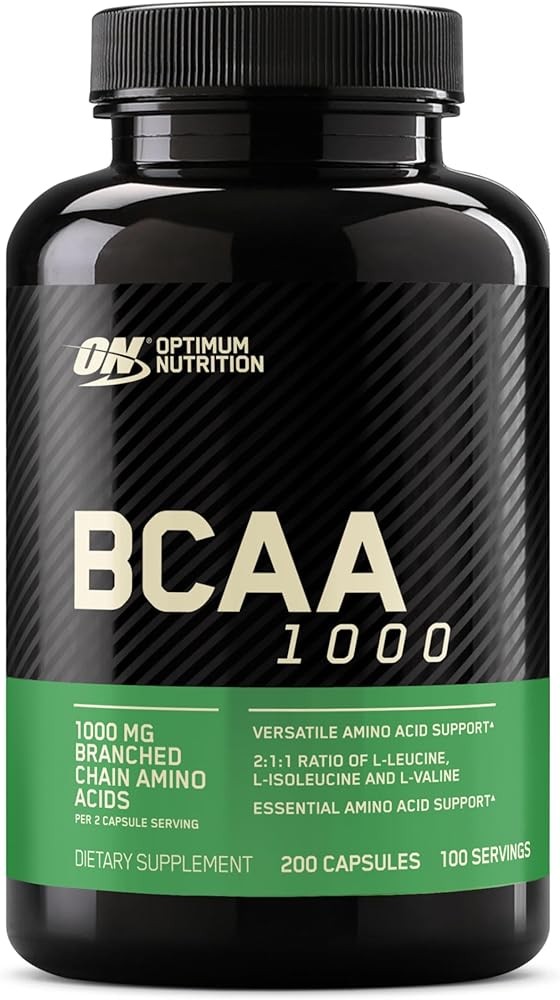
Optimum Nutrition Instantized BCAA Capsules
Check Price on AmazonAs an Amazon Associate we earn from qualifying purchases.
Optimum Nutrition’s BCAA supplement delivers 5g of branched-chain amino acids in the research-backed 2:1:1 ratio, providing 2.5g leucine per serving to hit the mTOR activation threshold. The instantized powder form dissolves quickly in water and is absorbed within 15-20 minutes, making it ideal for fasted training. Each serving contains only 20 calories, preserving the metabolic benefits of fasted exercise while providing anti-catabolic protection. The fermented production process ensures high purity L-form amino acids without animal-derived raw materials.
Animal Juiced Amino BCAA EAA Powder
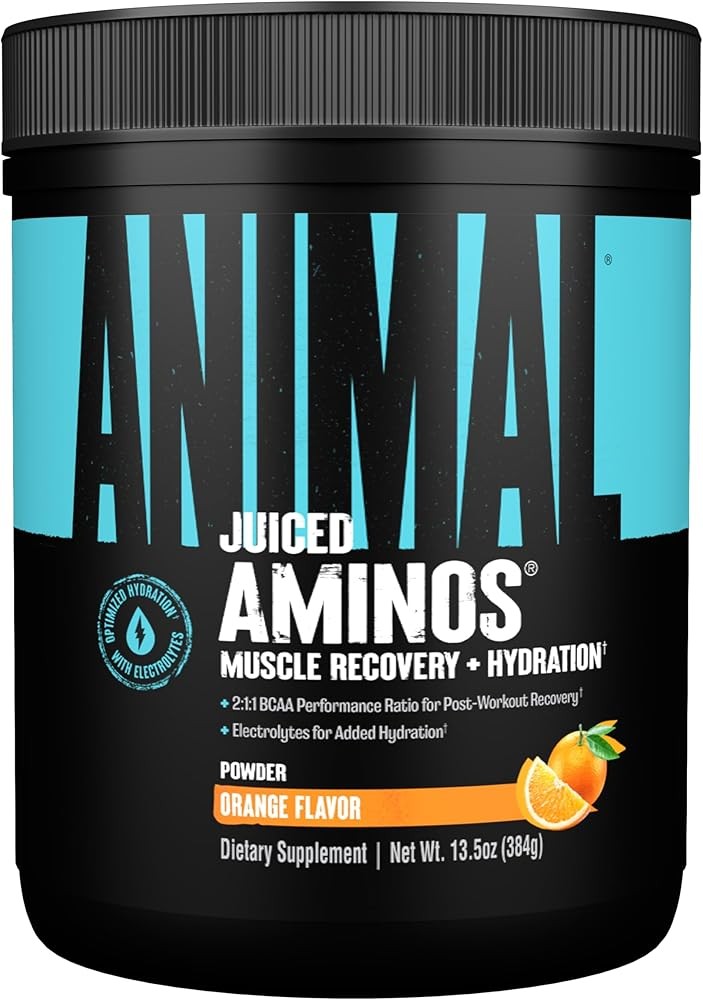
Animal Juiced Amino BCAA EAA Powder
Check Price on AmazonAs an Amazon Associate we earn from qualifying purchases.
Animal Juiced Amino provides a comprehensive intra-workout formula combining 6g BCAAs with 4g conditional essential amino acids, plus performance enhancers including beta-alanine for acid buffering, citrulline malate for blood flow, and electrolytes for hydration. This hybrid approach delivers the leucine trigger from BCAAs while providing additional amino acids to support more complete muscle protein synthesis. The powder mixes cleanly and comes in multiple flavors to mask the bitter taste common in EAA products. Each serving delivers approximately 50 calories.
Primaforce EAA Powder
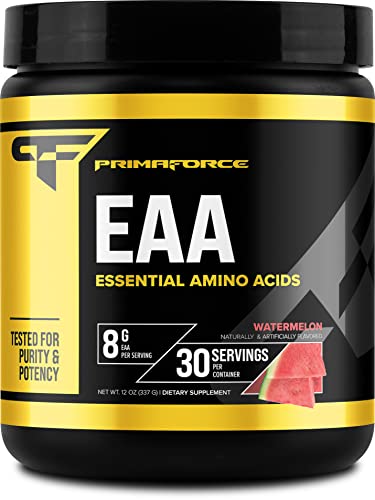
Primaforce EAA Powder
Check Price on AmazonAs an Amazon Associate we earn from qualifying purchases.
Primaforce EAA provides all 9 essential amino acids including 3g leucine per 10g serving, delivering the complete amino acid profile needed for maximum muscle protein synthesis without requiring the body to break down existing muscle tissue. The fermented vegan production ensures high purity and bioavailability. Available in unflavored form for stacking with other supplements or fruit punch flavor. Research shows full EAA supplementation produces ninefold greater mTORC1 activation compared to BCAAs alone and increases muscle protein synthesis 50-100% above baseline.
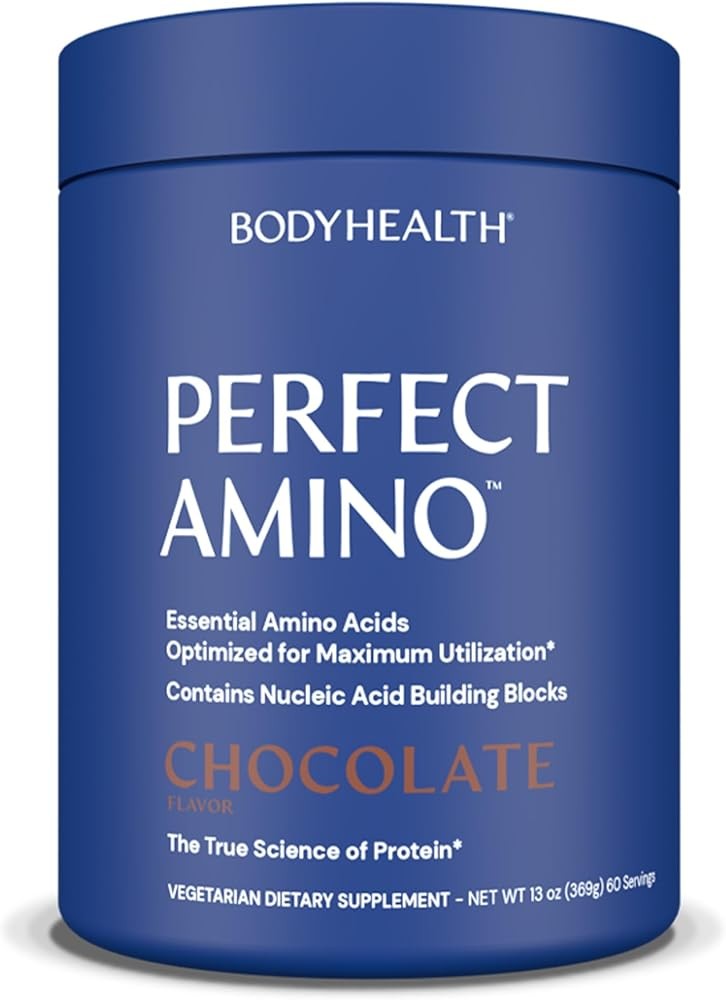
BodyHealth PerfectAmino BCAA EAA Powder
BodyHealth PerfectAmino BCAA EAA Powder
Check Price on AmazonAs an Amazon Associate we earn from qualifying purchases.
BodyHealth PerfectAmino combines both BCAAs and a complete EAA profile in optimized ratios designed for maximum utilization by muscle tissue. The manufacturer claims a 99% utilization rate compared to 32% for whey protein, though these claims require independent verification. The tablet form offers precise dosing and portability without the taste issues common to EAA powders. Each serving provides all 9 essential amino acids with emphasis on leucine, isoleucine, and valine. The product is marketed toward older adults and those with compromised digestion.
Complete Amino Acid Support System
Maximizing muscle protein synthesis and recovery requires more than just amino acid supplementation. Research shows that amino acids work synergistically with other nutrients and supplements to enhance their anabolic effects.
Foundation Protocol:
- EAA or BCAA Supplement: Choose based on your goals using the guidance in this article
- Creatine Monohydrate (3-5g daily): Enhances ATP production and complements amino acid-driven muscle protein synthesis
- Vitamin D3 (2000-4000 IU daily): Supports muscle function and may enhance anabolic response to amino acids
- Omega-3 Fatty Acids (2-3g EPA+DHA daily): Reduces inflammation and enhances muscle protein synthesis sensitivity
Performance Enhancement Stack:
- Add Beta-Alanine (3.2-6.4g daily) for muscle carnosine and acid buffering
- Add Citrulline Malate (6-8g pre-workout) for improved blood flow and amino acid delivery
- Add Electrolytes during extended training sessions when using amino acid supplements
Recovery Optimization Stack:
- Add Collagen Peptides (10-15g daily) for connective tissue support
- Add HMB (3g daily) to reduce muscle protein breakdown while amino acids increase synthesis
- Ensure adequate protein intake (1.6-2.2 g/kg/day) from whole food sources
For Older Adults (50+):
- Prioritize leucine-enriched EAA formula (35-45% leucine by weight)
- Combine with resistance training 2-3x weekly for synergistic effect
- Consider 6-15g EAAs taken 2-3 times daily between meals
- Add vitamin D and omega-3s as foundational support for overcoming anabolic resistance
Remember that supplements work best when combined with proper training, adequate sleep, stress management, and a nutrient-dense whole-food diet. No supplement can compensate for poor fundamentals.
Related Articles
- Glutamine vs BCAA for Recovery: Which Is Better?
- Creatine Monohydrate vs Creatine HCl: Which Is Better?
- Whey Isolate vs Whey Concentrate: Which Is Better?
- Beta-Alanine vs Creatine: Which Is Better for Performance?
- Fish Oil vs Krill Oil: Which Is Better?
- Vitamin D2 vs Vitamin D3: Which Is Better?
- Collagen Peptides vs Gelatin: Which Is Better?
Related Reading
- Glutamine vs Bcaa For Recovery: Which Is Better? [Complete Comparison Guide]
- Creatine vs Beta-Alanine For Performance: Which Is Better? [Complete Comparison Guide]
- Whey Isolate vs Whey Concentrate: Which Is Better? [Complete Comparison Guide]
- Creatine Monohydrate vs Creatine Hcl: Which Is Better? [Complete Comparison Guide]
- Spirulina vs Chlorella: Which Is Better? [Complete Comparison Guide]
- Whey Protein vs Casein Protein: Which Is Better? [Complete Comparison Guide]
- Glucosamine vs Chondroitin: Which Is Better? [Complete Comparison Guide]
References
- Wolfe RR. Branched-chain amino acids and muscle protein synthesis in humans: myth or reality? J Int Soc Sports Nutr. 2017;14:30. PMID: 28852372.
- Blomstrand E, Eliasson J, Karlsson HK, Kohnke R. Branched-chain amino acids activate key enzymes in protein synthesis after physical exercise. J Nutr. 2006;136(1 Suppl):269S-73S. PMID: 16365096.
- Shimomura Y, Inaguma A, Watanabe S, et al. Branched-chain amino acid supplementation before squat exercise and delayed-onset muscle soreness. Int J Sport Nutr Exerc Metab. 2010;20(3):236-244. PMID: 20601741.
- Blomstrand E. A role for branched-chain amino acids in reducing central fatigue. J Nutr. 2006;136(2):544S-547S. PMID: 16424144.
- Jackman SR, Witard OC, Philp A, Wallis GA, Baar K, Tipton KD. Branched-chain amino acid ingestion stimulates muscle myofibrillar protein synthesis following resistance exercise in humans. Front Physiol. 2017;8:390. PMID: 28638350.
- Ferrando AA, Wolfe RR, Hirsch KR, et al. International Society of Sports Nutrition Position Stand: Effects of essential amino acid supplementation on exercise and performance. J Int Soc Sports Nutr. 2023;20(1):2263409. PMID: 37800468.
- Moberg M, Apro W, Ekblom B, van Hall G, Holmberg HC, Blomstrand E. Activation of mTORC1 by leucine is potentiated by branched-chain amino acids and even more so by essential amino acids following resistance exercise. Am J Physiol Cell Physiol. 2016;310(11):C874-84. PMID: 27053525.
- Churchward-Venne TA, Burd NA, Mitchell CJ, et al. Supplementation of a suboptimal protein dose with leucine or essential amino acids: effects on myofibrillar protein synthesis at rest and following resistance exercise in men. J Physiol. 2012;590(11):2751-65. PMID: 22451437.
- Volpi E, Kobayashi H, Sheffield-Moore M, Mittendorfer B, Wolfe RR. Essential amino acids are primarily responsible for the amino acid stimulation of muscle protein anabolism in healthy elderly adults. Am J Clin Nutr. 2003;78(2):250-8. PMID: 12885705.
- Wilkinson DJ, Bukhari SSI, Phillips BE, et al. Association of postprandial postexercise muscle protein synthesis rates with dietary leucine: a systematic review. Physiol Rep. 2023;11(15):e15775. PMID: 37537134.
- Churchward-Venne TA, Breen L, Di Donato DM, et al. Leucine supplementation of a low-protein mixed macronutrient beverage enhances myofibrillar protein synthesis in young men: a double-blind, randomized trial. Am J Clin Nutr. 2014;99(2):276-86. PMID: 24284442.
- Choi HJ, Woo S, Hong Y, et al. Fermented whey protein supplementation improves muscular strength, muscle parameters, and physical performance in middle-aged Korean adults: an 8-week double-blind randomized controlled trial. Food Sci Anim Resour. 2023;43(3):512-530. PMID: 37181220.
- Katsanos CS, Kobayashi H, Sheffield-Moore M, Aarsland A, Wolfe RR. A high proportion of leucine is required for optimal stimulation of the rate of muscle protein synthesis by essential amino acids in the elderly. Am J Physiol Endocrinol Metab. 2006;291(2):E381-7. PMID: 16507602.
- Paddon-Jones D, Sheffield-Moore M, Zhang XJ, et al. Differential stimulation of muscle protein synthesis in elderly humans following isocaloric ingestion of amino acids or whey protein. Exp Gerontol. 2006;41(2):215-9. PMID: 16310330.
- Kim DH, Kim SH, Jeong WS, Lee HY. Effect of BCAA intake during endurance exercises on fatigue substances, muscle damage substances, and energy metabolism substances. J Exerc Nutrition Biochem. 2013;17(4):169-180. PMID: 25566428.
- Mariotti F, Gardner CD. Dietary protein and amino acids in vegetarian diets - a review. Nutrients. 2019;11(11):2661. PMID: 31690027.
Our Top Recommendations
📱 Join the discussion: Facebook | X | YouTube | Pinterest | Pinterest
Where to Buy Quality Supplements
Based on the research discussed in this article, here are some high-quality options:
- Vitamin D Supplement
- Vitamin D3 Supplement
- Omega-3 Supplement
- Fish Oil Supplement
- Collagen Supplement
Recommended Products