Berberine vs Metformin For Blood Sugar: Which Is Better? [Complete Comparison Guide]
Summarized from peer-reviewed research indexed in PubMed. See citations below.
Elevated blood sugar affects over 100 million Americans, leading many to research berberine and metformin as management options. A 2025 randomized clinical trial comparing these two compounds in 90 prediabetic patients found berberine 500mg twice daily reduced fasting glucose from 109.8 to 97.2 mg/dL, while metformin 500mg twice daily achieved 110.2 to 99.4 mg/dL—statistically equivalent results. The landmark 2008 Yin study confirmed both produce identical 2.0 percentage point HbA1c reductions through AMPK activation, with berberine priced at $15-30 monthly as an OTC supplement versus metformin’s $4-15 with insurance as a prescription drug. For uninsured individuals seeking comparable efficacy without prescription requirements, standard berberine at 500mg three times daily matches metformin’s glycemic control, though metformin carries 60+ years of safety data. Here’s what the published research shows about mechanism differences, bioavailability gaps, and which option aligns with your specific health situation.
Disclosure: We may earn a commission from links on this page at no extra cost to you. Affiliate relationships never influence our ratings. Full policy →
📱 Join the discussion: Facebook | X | YouTube | Pinterest
Introduction: Two Paths to the Same Goal

If you are dealing with elevated blood sugar, prediabetes, or type 2 diabetes, you have almost certainly encountered two names in your research: berberine and metformin. One is a bright yellow alkaloid extracted from plants like goldenseal, barberry, and Oregon grape that has been used in traditional Chinese and Ayurvedic medicine for over 2,500 years. The other is a synthetic pharmaceutical that has been the first-line prescription drug for type 2 diabetes worldwide since the 1950s. Both activate the same master metabolic switch inside your cells, and head-to-head clinical trials suggest they produce remarkably similar results for blood sugar control.
But “similar” does not mean “identical.” The differences between berberine and metformin matter enormously depending on your individual situation: whether you have a prescription, how your gut handles each compound, what other medications you take, and whether you are managing diagnosed diabetes or trying to reduce the risk of it. This guide breaks down every meaningful difference using the strongest clinical evidence available through early 2026, so you can have an informed conversation with your doctor rather than guessing.
One critical distinction before we begin: Metformin is a prescription drug regulated by the FDA. Berberine is a dietary supplement that does not require a prescription. This does not mean berberine is less effective or less serious. It means the regulatory framework, quality control standards, and insurance coverage differ significantly. If you have type 2 diabetes, you need a medical team involved regardless of which option you pursue.
If you are looking for information on how berberine fits into the broader landscape of blood sugar supplements, our detailed guide on best supplements for type 2 diabetes and blood sugar control covers the full picture. For berberine’s emerging role as a natural GLP-1 agonist, see our article on natural GLP-1 supplements: can berberine and yerba mate mimic Ozempic?.
Watch Our Video Review
How Does Berberine Work to Lower Blood Sugar?
Berberine is an isoquinoline alkaloid, a class of compounds found in over 400 plant species. Its primary mechanism for lowering blood sugar centers on AMPK activation (adenosine monophosphate-activated protein kinase), often called the body’s “metabolic master switch” PMID: 16873688.
Here is what happens when you take berberine:
-
Mitochondrial complex I inhibition. Berberine enters cells in the gut and liver and partially blocks complex I of the mitochondrial electron transport chain. This reduces ATP production and increases the AMP-to-ATP ratio PMID: 18285556.
-
AMPK activation. The rising AMP-to-ATP ratio triggers phosphorylation of AMPK at Thr172, activating both the alpha-1 and alpha-2 subunits. Active AMPK sets off a cascade of metabolic changes.
-
Reduced hepatic glucose production. AMPK activation suppresses gluconeogenic enzymes in the liver, directly reducing the amount of glucose your liver pumps into your bloodstream between meals.
-
Increased glucose uptake in muscle. Berberine stimulates GLUT4 transporter translocation to the cell surface in muscle tissue through a PI3K-independent pathway, meaning it helps your muscles absorb glucose even when insulin signaling is impaired PMID: 17971514.
-
Improved insulin sensitivity. In dietary obese rats, five weeks of berberine administration decreased fasting insulin by 46% and HOMA-IR (a measure of insulin resistance by 48% PMID: 16873688.
-
Gut microbiome modulation. Berberine enriches butyrate-producing bacteria like Faecalibacterium and Roseburia, increasing short-chain fatty acid (SCFA) production that stimulates GLP-1 secretion from intestinal L-cells. This is why berberine has been called “nature’s Ozempic” in popular media, though the GLP-1 effect is modest compared to injectable drugs PMID: 24669227.
-
Lipid metabolism improvements. Beyond blood sugar, berberine reduces LDL cholesterol, triglycerides, and total cholesterol through upregulation of LDL receptors in the liver, a mechanism entirely separate from statin drugs PMID: 22780092.
Bottom line: Berberine activates AMPK through mitochondrial complex I inhibition, reducing hepatic glucose production by up to 46% while simultaneously improving insulin sensitivity (HOMA-IR reduction of 48%), increasing muscle glucose uptake via GLUT4 translocation, enriching butyrate-producing gut bacteria that stimulate GLP-1 secretion, and reducing LDL cholesterol by 20-30% through mechanisms completely independent of statins—this multi-target approach explains why clinical results rival prescription metformin despite poor oral bioavailability of less than 1%.
How Does Metformin Work to Control Blood Sugar?
Metformin hydrochloride is a synthetic biguanide derived from the French lilac plant (Galega officinalis). It has been prescribed for type 2 diabetes since 1957 in Europe and 1995 in the United States. Today it remains the first-line pharmacological treatment recommended by the American Diabetes Association for type 2 diabetes.
Metformin’s mechanism overlaps with berberine’s more than most people realize:
-
Mitochondrial complex I inhibition. Like berberine, metformin inhibits complex I of the mitochondrial respiratory chain in hepatocytes (liver cells). This reduces ATP production and increases the AMP-to-ATP ratio PMID: 28776086.
-
AMPK activation. The elevated AMP levels activate AMPK, which suppresses gluconeogenic enzymes including PEPCK and G6Pase, reducing hepatic glucose output. This is metformin’s primary blood-sugar-lowering mechanism.
-
AMPK-independent pathways. Research has revealed that metformin also inhibits mitochondrial glycerol-3-phosphate dehydrogenase (GPD2), altering the hepatocellular redox state and reducing conversion of lactate and glycerol to glucose. Importantly, studies using liver-specific AMPK-knockout mouse models show that some of metformin’s effects persist even without AMPK, confirming multiple mechanisms are at work PMID: 32375255.
-
Improved peripheral insulin sensitivity. Metformin enhances insulin receptor signaling in skeletal muscle and adipose tissue, increasing glucose disposal after meals.
-
Reduced intestinal glucose absorption. Metformin increases glucose utilization by intestinal cells and may reduce the amount of dietary glucose that enters the bloodstream.
-
GLP-1 enhancement. Emerging evidence suggests metformin increases GLP-1 levels through gut-based mechanisms, contributing to appetite suppression and glucose-dependent insulin secretion PMID: 37152942.
Bottom line: Metformin works primarily through mitochondrial complex I inhibition and AMPK activation in liver cells, suppressing gluconeogenic enzymes (PEPCK and G6Pase) to reduce hepatic glucose output, with additional AMPK-independent pathways through GPD2 inhibition that persist even in AMPK-knockout models; the key difference from berberine is metformin’s superior bioavailability (50-60% versus under 1%), allowing more reliable therapeutic liver concentrations, though it lacks berberine’s antimicrobial effects, gut microbiome benefits, and direct LDL receptor upregulation.
Why Is Dihydroberberine (DHB) Better Than Standard Berberine?
This is arguably the most important section in this article for anyone considering berberine supplementation.
Standard berberine hydrochloride has notoriously poor oral bioavailability, estimated at less than 1% in both animal and human models. The reasons are threefold:
- Poor intestinal absorption. Berberine is a substrate for P-glycoprotein (P-gp) efflux pumps in the intestinal wall, which actively pump berberine back into the gut lumen before it can be absorbed.
- Extensive first-pass metabolism. Whatever berberine makes it through the intestinal wall is heavily metabolized in the intestines and liver before reaching systemic circulation.
- Self-limiting absorption. Higher doses of berberine do not proportionally increase blood levels. Instead, they increase GI side effects (diarrhea, cramping) because unabsorbed berberine irritates the intestinal lining.
This is where dihydroberberine (DHB) enters the picture. DHB is the reduced form of berberine, produced naturally in the gut when bacteria convert berberine. Researchers realized they could administer DHB directly and bypass much of the absorption problem.
What the Research Shows About DHB
A randomized, controlled, crossover pilot trial published in Nutrients (2022) compared dihydroberberine to standard berberine in healthy men PMID: 35010998:
- DHB at 100 mg produced plasma berberine concentrations of 3.76 ng/mL
- DHB at 200 mg produced plasma berberine concentrations of 12.0 ng/mL
- Standard berberine at 500 mg produced plasma berberine concentrations of only 0.4 ng/mL
That means 100 mg of DHB achieved roughly 9x higher blood levels than 500 mg of standard berberine. At 200 mg, DHB produced 30x higher blood levels.
A 2026 study published in Diabetes, Obesity and Metabolism confirmed that DHB normalizes insulin secretion by targeting glucokinase (GCK), a key regulator of glucose-stimulated insulin release from pancreatic beta cells. The researchers found DHB had higher bioavailability than berberine for promoting this insulin-secretory effect PMID: 41077968.
Practical Implications of DHB
- Lower effective dose. You may need only 100-200 mg of DHB twice daily instead of 500 mg of standard berberine three times daily.
- Fewer GI side effects. Because less unabsorbed compound sits in the gut, GI irritation is reduced.
- More consistent blood levels. DHB produces more predictable pharmacokinetics, reducing the dose-to-dose variability that plagues standard berberine.
- Higher cost. DHB supplements currently run $30-50 per month, compared to $15-30 for standard berberine.
What About Other Absorption Enhancers?
Some berberine supplements include piperine (black pepper extract) to inhibit P-glycoprotein and increase berberine absorption. A randomized trial found that piperine co-administration increased berberine bioavailability, though the magnitude of improvement was smaller than what DHB achieves. Other formulations use phytosomes or liposomal delivery systems, but the clinical data supporting these approaches is thinner than the data behind DHB.
Bottom line: Dihydroberberine (DHB) achieves 9-30x higher blood levels than standard berberine (100mg DHB = 3.76 ng/mL vs 500mg berberine = 0.4 ng/mL plasma concentration), requiring only 100-200mg twice daily instead of 500mg three times daily, with fewer GI side effects due to less unabsorbed compound irritating the gut and more consistent pharmacokinetics; while piperine and liposomal formulations offer modest absorption improvements, DHB remains the most bioavailable form with the strongest clinical evidence, though at a higher cost ($30-50/month vs $15-30 for standard berberine).
What Does the Research Show: Is Berberine as Effective as Metformin?
Direct Comparison Trials
The landmark study that put berberine on the map was published in Metabolism in 2008 by Yin et al. This trial enrolled 36 adults with newly diagnosed type 2 diabetes and randomized them to berberine 500 mg three times daily or metformin 500 mg three times daily for 13 weeks PMID: 18442638:
| Outcome | Berberine | Metformin |
|---|---|---|
| HbA1c reduction | -2.0% (from 9.5% to 7.5%) | -2.0% (from 9.2% to 7.2%) |
| Fasting glucose reduction | -3.8 mmol/L | -3.6 mmol/L |
| Postprandial glucose reduction | -5.0 mmol/L | -4.8 mmol/L |
| Triglyceride reduction | -0.58 mmol/L | -0.28 mmol/L |
| Total cholesterol reduction | -0.69 mmol/L | -0.19 mmol/L |
Berberine matched metformin on every glycemic measure and outperformed it on triglycerides and total cholesterol, reductions that are clinically meaningful given the cardiovascular risk in diabetes.
The Prediabetes Trial
A 2025 randomized clinical trial published in the International Journal of Basic and Clinical Pharmacology compared berberine HCl 500 mg twice daily to metformin 500 mg twice daily in 90 newly diagnosed prediabetic patients for 12 weeks:
- Berberine group: Fasting glucose dropped from 109.8 to 97.2 mg/dL; postprandial glucose from 156.4 to 134.6 mg/dL
- Metformin group: Fasting glucose dropped from 110.2 to 99.4 mg/dL; postprandial glucose from 157.1 to 137.8 mg/dL
- GI side effects: 20% in the berberine group vs. 30% in the metformin group
The authors concluded that berberine demonstrated glycemic efficacy comparable to metformin with fewer gastrointestinal adverse events.
Meta-Analyses
Multiple systematic reviews and meta-analyses have quantified berberine’s blood sugar effects:
- A 2022 meta-analysis of 37 studies with 3,048 patients found berberine reduced HbA1c by 0.63 percentage points (95% CI: -0.72 to -0.53) PMID: 36467075.
- A 2021 meta-analysis of 17 articles with 1,485 participants reported HbA1c reduction of 0.45 percentage points PMID: 34956436.
- A 2024 meta-analysis in Frontiers in Pharmacology found that berberine combined with metformin produced greater reductions in HbA1c, fasting glucose, and postprandial glucose than either alone.
For context, metformin monotherapy typically reduces HbA1c by 1.0 to 1.5 percentage points in head-to-head trials against placebo. Berberine’s effect appears to be in the range of 0.5 to 1.0 percentage points as monotherapy, with some trials showing reductions up to 2.0 points in populations starting with very high HbA1c (above 9%).
What the Evidence Means
The clinical evidence tells a consistent story: berberine and metformin produce comparable glycemic improvements when tested head-to-head. The differences emerge in secondary outcomes (berberine is better for lipids), side effect profiles (berberine is generally better tolerated), regulatory status (metformin has far more long-term safety data), and cost (metformin with insurance is cheaper).
Bottom line: Head-to-head trials consistently show berberine and metformin produce comparable glycemic control, with the landmark 2008 Yin study finding identical HbA1c reductions of -2.0% (berberine: 9.5%→7.5%, metformin: 9.2%→7.2%) and similar fasting glucose drops (~3.6-3.8 mmol/L), while 2025 prediabetes trials confirmed berberine 500mg twice daily matched metformin’s efficacy (fasting glucose 109.8→97.2 mg/dL vs 110.2→99.4 mg/dL) with fewer GI side effects (20% vs 30%); meta-analyses quantify berberine’s HbA1c reduction at 0.45-0.63 percentage points as monotherapy, with superior triglyceride and cholesterol reductions where berberine outperforms metformin significantly.
How Do Berberine and Metformin Affect Insulin Sensitivity and Weight?
Insulin Sensitivity
Both berberine and metformin improve insulin sensitivity through AMPK activation, but they do it through partially different downstream pathways:
-
Berberine increases GLUT4 translocation in muscle cells through a PI3K-independent mechanism. It also modulates the gut microbiome to increase GLP-1 secretion, which enhances glucose-dependent insulin release. In clinical studies, berberine has reduced HOMA-IR (a standard measure of insulin resistance) by 40-50%.
-
Metformin primarily improves hepatic insulin sensitivity, reducing the liver’s resistance to insulin’s signal to stop producing glucose. It also improves peripheral insulin sensitivity in muscle and adipose tissue. The UKPDS trial showed metformin reduced insulin resistance markers significantly over 10+ years of follow-up.
Weight Effects
Weight management is a concern for anyone dealing with blood sugar issues. Here is how each compound performs:
Berberine and weight:
- A meta-analysis of randomized controlled trials found berberine reduced body weight by an average of 2.07 kg (about 4.6 pounds) over study periods of 8-16 weeks PMID: 32690176.
- A 12-week trial using 1,500 mg/day of berberine in obese subjects found clinically relevant decreases in waist circumference, BMI, and visceral fat proportion.
- Effects on weight were most consistent in people taking more than 1 gram per day for more than 8 weeks.
- Some studies report weight loss of 5-7% of body weight, but study quality varies and most trials are short-term.
Metformin and weight:
- Metformin is considered weight-neutral to mildly weight-reducing, which distinguishes it from many diabetes drugs that cause weight gain.
- The Diabetes Prevention Program (DPP) trial found metformin produced about 2.1 kg (4.6 pounds) of weight loss over an average follow-up of 2.8 years.
- Weight loss with metformin is thought to result from reduced appetite, decreased hepatic glucose output (less insulin needed, less fat storage), and possibly increased GLP-1.
The takeaway: Both produce modest weight loss in the range of 2-5 kg. Neither is a weight loss drug. If significant weight loss is your primary goal alongside blood sugar control, GLP-1 receptor agonists like semaglutide are far more effective, as we discuss in our article on Ozempic and muscle loss.
Bottom line: Both berberine and metformin improve insulin sensitivity through AMPK activation, with berberine reducing HOMA-IR by 40-50% via PI3K-independent GLUT4 translocation in muscle and gut microbiome-mediated GLP-1 enhancement, while metformin primarily targets hepatic insulin sensitivity and peripheral tissue responsiveness; for weight loss, both produce modest reductions of 2-5 kg (about 4.6 pounds), with berberine averaging 2.07 kg over 8-16 weeks at doses exceeding 1 gram daily, and metformin producing 2.1 kg over 2.8 years in the DPP trial—neither qualifies as a weight loss drug compared to GLP-1 receptor agonists.
What Are the Correct Dosages for Berberine and Metformin?
Berberine Dosing
The most-studied berberine dosing protocol for blood sugar is:
- Standard dose: 500 mg three times daily with meals (1,500 mg total daily)
- Starting dose: 500 mg once daily for the first week, increasing by 500 mg per week
- Timing: Always take with food to improve absorption and reduce GI side effects
- Duration: Most clinical benefits appear within 4-12 weeks; ongoing use is needed to maintain effects
For dihydroberberine (DHB):
- Standard dose: 100-200 mg twice daily with meals
- No loading or titration needed due to better tolerability
- Same timing rules: Take with food
Metformin Dosing
Metformin dosing must be determined by your prescribing physician. Standard protocols include:
- Immediate-release (IR): Start at 500 mg once daily with dinner; increase by 500 mg weekly to a target of 1,000-2,000 mg daily in divided doses
- Extended-release (ER/XR): Start at 500 mg once daily with dinner; increase by 500 mg weekly to 1,500-2,000 mg once daily
- Maximum dose: 2,550 mg/day for IR; 2,000 mg/day for ER
- Timing: Take with meals, preferably with the largest meal if taking once daily
- Kidney function: Dose adjustments required if eGFR drops below 45 mL/min; contraindicated below 30 mL/min
Important Dosing Considerations
- Do not self-prescribe metformin. It requires a prescription and regular monitoring of kidney function, B12 levels, and metabolic panels.
- Berberine should also be monitored. Even though it is OTC, regular blood glucose and liver function testing is advisable, especially in the first 3 months.
- Neither compound should be started without telling your doctor, particularly if you are on other diabetes medications, blood thinners, or immunosuppressants.
Bottom line: Standard berberine dosing is 500mg three times daily with meals (1,500mg total) starting at 500mg once daily and titrating up weekly to reduce GI side effects, while dihydroberberine requires only 100-200mg twice daily with no titration needed; metformin dosing must be physician-directed, typically starting at 500mg once daily and increasing by 500mg weekly to 1,000-2,000mg daily for immediate-release or 1,500-2,000mg once daily for extended-release formulations, with maximum doses of 2,550mg/day (IR) or 2,000mg/day (ER), contraindicated when eGFR drops below 30 mL/min and requiring dose adjustments below 45 mL/min.
Which Has Fewer Side Effects: Berberine or Metformin?
Berberine Side Effects
| Side Effect | Frequency | Notes |
|---|---|---|
| Diarrhea | 10-15% | Usually resolves within 2-4 weeks |
| Constipation | 5-7% | Less common than diarrhea |
| Flatulence/bloating | 15-20% | Most common GI complaint |
| Abdominal pain | 3-5% | Mild; take with food to reduce |
| Nausea | 5-10% | Usually transient |
| Hypoglycemia | Rare | More likely if combined with diabetes drugs |
| Headache | Rare | Usually mild |
Most GI side effects with berberine occur in the first 4 weeks and resolve with continued use. Starting at a lower dose and titrating up significantly reduces these issues.
Metformin Side Effects
| Side Effect | Frequency | Notes |
|---|---|---|
| Diarrhea | 20-30% | Most common; extended-release form reduces this |
| Nausea | 10-20% | Usually improves over weeks |
| Abdominal pain/cramping | 10-15% | Take with food |
| Metallic taste | 5-10% | Annoying but harmless |
| Vitamin B12 deficiency | 5-30% with long-term use | Monitor B12 levels annually |
| Lactic acidosis | Very rare (~5 per 100,000) | Potentially fatal; risk increases with kidney impairment |
| Hypoglycemia | Rare as monotherapy | More likely in combination with insulin or sulfonylureas |
Key difference: Metformin carries the rare but serious risk of lactic acidosis, which is why it requires kidney function monitoring and is contraindicated in significant renal impairment. Berberine does not carry this risk. However, metformin has decades of long-term safety data that berberine simply does not have.
Vitamin B12 depletion is an underappreciated metformin side effect. Studies show that 5-30% of long-term metformin users develop B12 deficiency, which can cause peripheral neuropathy that may be mistakenly attributed to diabetic neuropathy. If you take metformin, get your B12 checked annually. See our guide on vitamin B12 deficiency symptoms and best supplements for more detail.
Bottom line: Berberine produces fewer gastrointestinal side effects than metformin (20% vs 30% incidence in head-to-head trials), with the most common complaints being flatulence/bloating (15-20%), diarrhea (10-15%), and nausea (5-10%) that typically resolve within 2-4 weeks, while metformin causes diarrhea in 20-30% and nausea in 10-20% of users, with the critical difference being metformin’s rare but potentially fatal lactic acidosis risk (~5 per 100,000) and its underappreciated vitamin B12 depletion affecting 5-30% of long-term users, causing peripheral neuropathy often mistaken for diabetic neuropathy—berberine lacks these serious risks but also lacks metformin’s extensive 60+ year safety database.
What Drug Interactions Should You Know About?
Berberine Drug Interactions
Berberine is a potent inhibitor of several cytochrome P450 enzymes and P-glycoprotein transporters, which means it can significantly alter the metabolism of many common medications:
CYP450 enzyme inhibition:
- CYP2D6 activity decreased by up to 9-fold after 2 weeks of berberine 300 mg three times daily PMID: 21870106
- CYP2C9 activity decreased with losartan/E-3174 ratio doubling
- CYP3A4 activity inhibited with midazolam concentrations increasing 38-40%
Medications that may interact with berberine:
-
Diabetes medications (sulfonylureas, insulin): Increased hypoglycemia risk
-
Blood thinners (warfarin): Increased anticoagulant effect via CYP2C9 inhibition
-
Immunosuppressants (tacrolimus, cyclosporine, sirolimus): Increased blood levels and toxicity risk
-
Statins (simvastatin, atorvastatin): Altered metabolism via CYP3A4
-
Antidepressants metabolized by CYP2D6: Increased blood levels
-
Digoxin: Increased levels via P-glycoprotein inhibition
-
Antihypertensives (losartan): Altered metabolism via CYP2C9
This is not a complete list. If you take any prescription medication, discuss berberine with your pharmacist or physician before starting it.
Metformin Drug Interactions
Metformin has fewer drug interactions than berberine but some important ones:
- Contrast dye for CT scans/MRIs: Must be stopped temporarily due to increased lactic acidosis risk
- Alcohol: Increases lactic acidosis risk; heavy drinking is a relative contraindication
- Diuretics: May impair kidney function, affecting metformin clearance
- Carbonic anhydrase inhibitors (topiramate, acetazolamide): Increased lactic acidosis risk
- Berberine itself: Berberine inhibits OCT1 and OCT2 transporters, increasing metformin plasma concentrations
Bottom line: Berberine is a potent inhibitor of CYP450 enzymes (CYP2D6 activity decreased up to 9-fold, CYP2C9 doubles losartan ratio, CYP3A4 increases midazolam 38-40%) and P-glycoprotein transporters, creating significant interaction risks with diabetes medications (hypoglycemia), blood thinners like warfarin (increased anticoagulation), immunosuppressants like tacrolimus/cyclosporine (increased toxicity), statins, antidepressants metabolized by CYP2D6, and digoxin; metformin has fewer interactions but requires temporary discontinuation before contrast dye procedures, caution with alcohol (lactic acidosis risk), and monitoring when combined with diuretics or carbonic anhydrase inhibitors—critically, berberine inhibits OCT1/OCT2 transporters that reduce metformin, increasing metformin plasma concentrations and side effect risk when combined.
What Are the Warning Signs Your Blood Sugar Needs Attention?
Your body provides clear signals when blood sugar regulation is breaking down. Learning to read these signals can help you catch problems early, before they show up on lab work.
Early Warning Signs of Blood Sugar Dysregulation
- Energy crashes after meals. If you feel exhausted, foggy, or need a nap 1-2 hours after eating, your blood sugar is likely spiking and crashing. This is one of the earliest and most reliable signals.
- Constant thirst that water does not fix. Elevated blood sugar pulls water from your cells through osmosis, creating a persistent thirst that plain water seems unable to quench.
- Frequent urination, especially at night. Your kidneys work overtime to filter excess glucose, pulling water with it. Getting up 2+ times per night to urinate is a red flag.
- Sugar cravings that feel urgent. When your cells cannot efficiently use glucose (insulin resistance), they send hunger signals despite adequate calorie intake. Cravings for sweets and refined carbs become intense and frequent.
- Brain fog and difficulty concentrating. The brain is highly sensitive to glucose fluctuations. Insulin resistance can impair cognitive function, making it hard to focus, remember names, or complete tasks.
- Slow wound healing. Elevated blood sugar impairs immune function and blood vessel health, meaning cuts, scrapes, and bruises take noticeably longer to recover.
- Tingling or numbness in hands and feet. This can indicate early peripheral neuropathy from sustained high blood sugar damaging small nerve fibers.
- Darkened skin patches (acanthosis nigricans). Velvety, dark patches in skin folds (neck, armpits, groin) are a visible marker of insulin resistance.
- Unexplained weight gain, especially around the midsection. Insulin resistance promotes visceral fat storage around your organs.
What Improvement Looks Like: Berberine vs Metformin
Once you start either berberine or metformin (with proper diet and exercise), your body signals improvement in a recognizable pattern:
With berberine:
- Post-meal energy stabilizes; the “crash” after lunch disappears
- Sugar cravings gradually diminish over 2-4 weeks
- Bloating may initially increase (GI adjustment period) then improves
- You may notice improved bowel regularity as gut microbiome shifts
- Morning fasting glucose on your home meter starts trending down within 1-2 weeks
- Lipid improvements (lower triglycerides) often appear before HbA1c changes
With metformin:
- Appetite suppression is often the first noticeable effect (within days)
- GI symptoms (loose stools, nausea) are common initially, peaking at 1-2 weeks then improving
- Post-meal blood sugar readings improve within the first week
- Metallic taste may appear but usually resolves within a month
- Energy levels may dip initially (especially if you were running on high blood sugar) before normalizing
Warning Signs That Mean “See Your Doctor Now”
- Persistent vomiting or severe diarrhea that reduces the risk of you from eating or drinking
- Extreme fatigue, muscle pain, or rapid breathing (could indicate lactic acidosis with metformin)
- Blood sugar readings below 70 mg/dL (hypoglycemia), especially with symptoms of shakiness, sweating, confusion
- Blood sugar readings consistently above 250 mg/dL despite treatment
- Yellowing of skin or eyes (jaundice, indicating liver stress)
- Unexplained rapid weight loss of more than 10 pounds in a month without trying
- Chest pain, difficulty breathing, or severe abdominal pain
- Signs of allergic reaction: rash, hives, swelling of face/tongue/throat
Do not try to manage these symptoms at home. These require medical evaluation within 24 hours (or immediately for breathing difficulties, chest pain, or severe hypoglycemia).
Bottom line: Early blood sugar dysregulation signals include energy crashes 1-2 hours after meals (glucose spikes/crashes), persistent thirst despite adequate water intake, frequent nighttime urination (2+ times nightly from kidney glucose filtration), urgent sugar cravings from cellular insulin resistance, brain fog and concentration difficulties, slow wound healing from impaired immune function and vascular health, tingling/numbness in extremities (early peripheral neuropathy), darkened skin patches in folds (acanthosis nigricans marking insulin resistance), and unexplained visceral weight gain; improvement with berberine shows as stabilized post-meal energy within 2-4 weeks, diminished cravings, initial bloating followed by improved regularity, fasting glucose drops of 15-30 mg/dL within 1-2 weeks, and lipid improvements before HbA1c changes, while metformin improvement manifests as rapid appetite suppression within days, GI symptoms peaking at 1-2 weeks then resolving, post-meal glucose improvements within one week, and transient metallic taste—emergency warning signs requiring immediate medical evaluation include persistent vomiting/severe diarrhea, extreme fatigue with muscle pain/rapid breathing (lactic acidosis), hypoglycemia below 70 mg/dL, persistent hyperglycemia above 250 mg/dL, jaundice, rapid unexplained weight loss exceeding 10 pounds monthly, chest pain, breathing difficulty, or allergic reactions.
What Results Can You Expect and When?
Week 1
- Berberine: Mild GI adjustment (bloating, loose stools in some people). Fasting glucose may drop 5-15 mg/dL if starting from elevated levels. No noticeable change in energy or appetite yet.
- Metformin: GI side effects peak (nausea, diarrhea). Appetite suppression begins. Fasting glucose readings start trending down 10-20 mg/dL. Metallic taste may appear.
Week 2
- Berberine: GI symptoms stabilizing. Post-meal glucose readings improving. Sugar cravings beginning to decrease. Some people report improved mental clarity.
- Metformin: GI symptoms improving (especially with extended-release formulation). Fasting and post-meal readings continuing to improve. Appetite noticeably reduced.
Month 1
- Berberine: Fasting glucose typically down 15-30 mg/dL. Post-meal spikes visibly blunted on a continuous glucose monitor. Energy levels more stable throughout the day. GI side effects largely resolved. Triglycerides beginning to improve.
- Metformin: Fasting glucose typically down 20-40 mg/dL. GI symptoms mostly resolved. Weight may drop 1-2 pounds from appetite reduction. Metallic taste fading or gone.
Month 3
- Berberine: HbA1c typically reduced by 0.5-1.0 percentage points. Lipid panel showing improvements (lower triglycerides, lower total cholesterol, lower LDL). Weight may be down 2-5 pounds. Gut microbiome shifts are established. Energy and mood significantly improved.
- Metformin: HbA1c typically reduced by 1.0-1.5 percentage points. Weight stable or down 2-3 pounds. Kidney function should be rechecked at this point. B12 levels should be baselined if not done at the start.
Month 6 and Beyond
- Both: Blood sugar improvements plateau and stabilize. The key metric is HbA1c, which should be checked every 3 months. Ongoing monitoring of kidney function (metformin) and liver function (both) is advisable. Diet and exercise remain essential. Neither compound is a substitute for lifestyle changes.
Bottom line: Week 1 shows berberine causing mild GI adjustment with fasting glucose drops of 5-15 mg/dL while metformin produces peak GI symptoms (nausea/diarrhea), appetite suppression, 10-20 mg/dL glucose reductions, and metallic taste; by Month 1, berberine typically reduces fasting glucose 15-30 mg/dL with stabilized energy and resolved GI issues while metformin achieves 20-40 mg/dL reductions with mostly resolved GI symptoms and 1-2 pound weight loss; at Month 3, berberine shows HbA1c reductions of 0.5-1.0 percentage points with improved lipid panels (lower triglycerides, total cholesterol, LDL) and 2-5 pounds weight loss while metformin produces 1.0-1.5 point HbA1c reductions requiring kidney function and B12 level checks; beyond Month 6, improvements plateau with HbA1c monitored every 3 months, ongoing kidney function monitoring for metformin, liver function tests for both, and critical recognition that neither substitutes for essential diet and exercise lifestyle modifications.
Who Should Choose Berberine Over Metformin?
Berberine may be the better choice if you:
- Have prediabetes and want to avoid prescription medication. Clinical evidence supports berberine for borderline blood sugar with comparable efficacy to metformin at this stage.
- Cannot tolerate metformin’s GI side effects. If you tried metformin and the diarrhea, nausea, or cramping was intolerable even with extended-release, berberine or DHB may be easier on your gut.
- Want lipid improvements alongside blood sugar control. Berberine provides more robust cholesterol and triglyceride reductions than metformin.
- Do not have prescription drug coverage. Berberine is available OTC without a doctor visit, prescription, or insurance.
- Are interested in gut microbiome benefits. Berberine’s effects on butyrate-producing bacteria and SCFA production offer additional metabolic benefits.
- Are taking few other medications. Berberine’s CYP450 interactions make it riskier for people on multiple prescriptions.
Bottom line: Berberine is the better choice for people with prediabetes seeking to avoid prescription medication (clinical evidence supports comparable efficacy to metformin at this stage), those who cannot tolerate metformin’s GI side effects even with extended-release formulations, individuals wanting simultaneous lipid improvements (berberine provides more robust cholesterol and triglyceride reductions), uninsured patients avoiding prescription costs and doctor visits (berberine is OTC without prescription), those interested in gut microbiome benefits from butyrate-producing bacteria and SCFA production, and people taking few other medications (minimizing berberine’s extensive CYP450 interaction risks).
Who Should Choose Metformin Over Berberine?
Metformin may be the better choice if you:
-
Have diagnosed type 2 diabetes. Metformin has the strongest evidence base of any oral diabetes drug, with decades of long-term outcome data including cardiovascular risk reduction (UKPDS trial).
-
Need insurance coverage. Generic metformin is one of the cheapest prescription drugs available, often $4-15/month with insurance.
-
Take multiple medications. Metformin has fewer drug interactions than berberine, making it safer in polypharmacy situations.
-
Want a standardized, regulated product. Every metformin tablet contains a precisely measured, FDA-regulated dose. Supplement quality varies by manufacturer.
-
Have PCOS (polycystic ovary syndrome). Metformin has specific evidence for improving insulin resistance, ovulation, and fertility in PCOS.
-
Are interested in potential longevity benefits. The TAME (Targeting Aging with Metformin) trial is investigating metformin as an anti-aging intervention, and observational data suggests diabetics on metformin may live as long as non-diabetics.
-
Need long-term safety reassurance. Metformin has been studied in millions of patients over 60+ years. Berberine’s long-term safety profile is far less established.
Bottom line: Metformin is the better choice for people with diagnosed type 2 diabetes (strongest evidence base of any oral diabetes drug including cardiovascular risk reduction from UKPDS trial), insured patients seeking minimal cost ($4-15/month with insurance coverage), individuals on multiple medications (fewer drug interactions than berberine’s extensive CYP450 effects), those wanting standardized FDA-regulated products with precisely measured doses versus variable supplement quality, women with PCOS needing specific evidence for insulin resistance/ovulation/fertility improvements, people interested in potential longevity benefits from the TAME anti-aging trial and observational data, and anyone requiring long-term safety reassurance from 60+ years of study in millions of patients versus berberine’s limited long-term database.
Can You Safely Combine Berberine and Metformin?
This is one of the most common questions, and the answer is nuanced: yes, but only under medical supervision.
What the Evidence Shows
A 2024 systematic review and meta-analysis in Frontiers in Pharmacology found that berberine combined with metformin produced:
- Greater reductions in fasting plasma glucose than either alone
- Greater reductions in HbA1c than either alone
- Improved lipid profiles compared to metformin monotherapy
- Improved insulin sensitivity in patients with non-alcoholic fatty liver disease
The Risks of Combination
- Pharmacokinetic interaction. Berberine inhibits OCT1 and OCT2 transporters, which are responsible for metformin elimination by the kidneys. This increases metformin plasma concentrations and area under the curve (AUC), meaning metformin stays in your blood longer and at higher levels.
- Increased metformin side effects. Higher metformin levels mean higher risk of GI symptoms and, theoretically, a slightly elevated risk of lactic acidosis.
- Additive hypoglycemia risk. Both lower blood sugar. Together, the risk of blood sugar dropping too low is greater, especially if you are also on insulin or sulfonylureas.
Our Recommendation
If you and your doctor decide to combine berberine and metformin:
- Start berberine at a low dose (500 mg once daily) while maintaining your current metformin dose
- Monitor blood glucose closely, including fasting and post-meal readings
- Get kidney function and liver function labs checked at 4 weeks and 12 weeks
- Watch for signs of hypoglycemia or worsening GI symptoms
- Consider reducing the metformin dose slightly to account for the pharmacokinetic interaction
- Never start this combination without your doctor’s knowledge
Bottom line: Combining berberine and metformin is possible but requires strict medical supervision due to a critical pharmacokinetic interaction where berberine inhibits OCT1/OCT2 transporters responsible for metformin kidney elimination, increasing metformin plasma concentrations and area under the curve, thereby raising risks of GI side effects, hypoglycemia (especially with concurrent insulin or sulfonylureas), and theoretically lactic acidosis; while a 2024 meta-analysis showed combination therapy produces greater reductions in fasting glucose, HbA1c, and lipids with improved insulin sensitivity in NAFLD patients compared to either alone, safe implementation requires starting berberine at 500mg once daily, close blood glucose monitoring, kidney and liver function testing at 4 and 12 weeks, vigilance for hypoglycemia or worsening GI symptoms, possible metformin dose reduction to compensate for the interaction, and mandatory physician knowledge and oversight—never attempt this combination independently.
Which Is More Cost-Effective: Berberine or Metformin?
| Factor | Berberine (Standard) | Dihydroberberine (DHB) | Metformin (Generic) |
|---|---|---|---|
| Monthly cost (with insurance) | N/A (not covered) | N/A (not covered) | $4-15 |
| Monthly cost (without insurance) | $15-30 | $30-50 | $15-40 |
| Prescription required | No | No | Yes |
| Doctor visit required | Recommended but not required | Recommended but not required | Yes (mandatory) |
| Lab monitoring required | Recommended | Recommended | Required (kidney function, B12) |
| Available at | Amazon, health food stores, pharmacies | Specialty supplement retailers, Amazon | Any pharmacy |
| Quality standardization | Varies by manufacturer | Varies by manufacturer | FDA-regulated, consistent |
Cost note for berberine buyers: Quality varies enormously in the supplement market. Stick with third-party tested brands. NOW Foods and Thorne are reputable options with independent testing. For DHB, look for GMP-certified manufacturers that list dihydroberberine specifically on the label, not just “berberine complex.”
Our guide on alpha-lipoic acid for blood sugar and nerve health covers another supplement commonly stacked with berberine for blood sugar support. For the broader picture, see chromium for blood sugar control and ceylon cinnamon for blood sugar.
Bottom line: Generic metformin with insurance is the cheapest option at $4-15 per month, making it one of the most affordable prescription drugs available, while uninsured metformin costs $15-40 monthly; standard berberine supplements run $15-30 per month for quality third-party tested brands (NOW Foods, Thorne), making berberine and uninsured metformin roughly comparable in direct cost, but dihydroberberine (DHB) is more expensive at $30-50 monthly despite requiring lower doses; the total cost calculation must include mandatory physician visits and lab monitoring for metformin (kidney function, B12 levels) versus recommended but not required monitoring for berberine, plus the value difference between FDA-regulated standardized metformin doses and variable supplement quality requiring careful brand selection of GMP-certified manufacturers—for insured patients, metformin is significantly cheaper, but uninsured individuals face comparable out-of-pocket costs between the two options.
What’s the Complete Side-by-Side Comparison?
| Feature | Berberine | Metformin |
|---|---|---|
| Type | Dietary supplement (OTC) | Prescription drug |
| Source | Plant alkaloid (Berberis genus) | Synthetic biguanide |
| Primary mechanism | AMPK activation via complex I inhibition | AMPK activation via complex I inhibition |
| Bioavailability | <1% (standard); 5-10x higher as DHB | 50-60% |
| HbA1c reduction | 0.5-1.0 percentage points | 1.0-1.5 percentage points |
| Fasting glucose reduction | 15-30 mg/dL | 20-40 mg/dL |
| Effect on triglycerides | Strong reduction (clinically significant) | Modest reduction |
| Effect on LDL cholesterol | Moderate reduction | Minimal effect |
| Weight effect | -2 to -5 kg over 8-16 weeks | -2 to -3 kg over months to years |
| GI side effects | 20% incidence | 30% incidence |
| Serious adverse events | None reported at standard doses | Lactic acidosis (rare); B12 deficiency |
| Drug interactions | Extensive (CYP2D6, CYP2C9, CYP3A4, P-gp) | Moderate (contrast dye, alcohol, OCTs) |
| Long-term safety data | Limited (mostly <1 year studies) | Extensive (60+ years) |
| Gut microbiome effects | Enriches SCFA-producing bacteria | Some microbiome modulation |
| Typical daily dose | 1,000-1,500 mg (or 200-400 mg DHB) | 1,000-2,000 mg |
| FDA regulated | No (supplement) | Yes (drug) |
| Insurance coverage | No | Yes (generic) |
Bottom line: Berberine and metformin share the same primary mechanism (AMPK activation via mitochondrial complex I inhibition) but differ critically in bioavailability (berberine <1% vs metformin 50-60%, though dihydroberberine improves this 5-10x), regulatory status (OTC supplement vs FDA-regulated prescription drug), glycemic efficacy (berberine reduces HbA1c 0.5-1.0 points vs metformin 1.0-1.5 points, with comparable fasting glucose reductions of 15-30 mg/dL vs 20-40 mg/dL in head-to-head trials), side effects (berberine 20% GI incidence vs metformin 30%, but metformin carries rare lactic acidosis risk and B12 depletion), drug interactions (berberine has extensive CYP450 and P-gp interactions vs metformin’s moderate profile), and cost (metformin $4-15 with insurance vs berberine $15-30 or DHB $30-50, both requiring different monitoring approaches); metformin has 60+ years of long-term safety data while berberine’s database is limited to mostly under 1-year studies, though berberine provides unique benefits in lipid reduction, gut microbiome enrichment of SCFA-producing bacteria, and no lactic acidosis risk.
What Are Common Myths About Berberine and Metformin?
Myth 1: “Berberine is nature’s metformin”
Partially true but misleading. They share the AMPK activation mechanism, but berberine has additional effects on lipid metabolism, gut microbiome, and antimicrobial activity that metformin does not. Calling it “nature’s metformin” oversimplifies a complex compound with its own unique pharmacology.
Myth 2: “Berberine is completely safe because it’s natural”
False. Berberine is a potent pharmaceutical compound that happens to come from plants. It inhibits multiple CYP450 enzymes, interacts with dozens of medications, and can cause hypoglycemia when combined with diabetes drugs. “Natural” does not mean “harmless.” Arsenic is natural. Hemlock is natural.
Myth 3: “More berberine is better”
False. Due to berberine’s poor absorption and P-glycoprotein efflux, taking more than 500 mg at a time mostly increases GI side effects without proportionally increasing blood levels. The clinical sweet spot is 500 mg three times daily for standard berberine, or 100-200 mg twice daily for DHB.
Myth 4: “Metformin causes kidney damage”
False; it is the improve. Metformin does not damage kidneys. However, if your kidneys are already impaired, they cannot clear metformin efficiently, which increases the risk of lactic acidosis. Kidney function is monitored to ensure safe metformin clearance, not because metformin harms kidneys.
Myth 5: “You can replace metformin with berberine without telling your doctor”
Dangerous. Stopping a prescribed diabetes medication without medical supervision can lead to dangerous blood sugar spikes, diabetic ketoacidosis, or other emergencies. If you want to transition from metformin to berberine, this must be done gradually under medical guidance with frequent blood sugar monitoring.
Bottom line: Common myths debunked: (1) “Berberine is nature’s metformin” is partially true but misleading—while both activate AMPK, berberine has unique lipid metabolism, gut microbiome, and antimicrobial effects metformin lacks; (2) “Berberine is completely safe because it’s natural” is false—it’s a potent pharmaceutical compound with significant CYP450 inhibition, extensive drug interactions, and hypoglycemia risk despite plant origin (arsenic and hemlock are also natural); (3) “More berberine is better” is false due to P-glycoprotein efflux limiting absorption, making doses above 500mg per intake increase GI side effects without proportional blood level increases; (4) “Metformin causes kidney damage” improves the truth—metformin doesn’t damage kidneys but impaired kidneys can’t clear metformin efficiently, raising lactic acidosis risk (monitoring ensures safe clearance); (5) “You can replace metformin with berberine without telling your doctor” is dangerous—stopping prescribed diabetes medication without supervision risks blood sugar spikes, diabetic ketoacidosis, and emergencies, requiring gradual physician-guided transition with frequent monitoring.
How Do You Start Taking Berberine or Metformin Safely?
If Starting Berberine
Week 1: 500 mg berberine with dinner (or 100 mg DHB with dinner) Week 2: 500 mg with breakfast and dinner (or 100 mg DHB with breakfast and dinner) Week 3: 500 mg with breakfast, lunch, and dinner (standard berberine only; DHB stays at twice daily) Ongoing: Maintain the dose that your blood glucose response and tolerance support
- Buy a home glucose meter if you do not have one
- Test fasting glucose every morning and post-meal glucose 1-2 hours after your largest meal
- Get baseline labs (fasting glucose, HbA1c, lipid panel, liver function, kidney function)
- Repeat labs at 12 weeks
- Keep a simple log of your readings, meals, and any symptoms
If Starting Metformin
Follow your prescribing physician’s titration schedule. Typical approach:
Week 1: 500 mg with dinner (IR) or 500 mg with dinner (ER) Week 2: 500 mg with breakfast and dinner (IR) or 1,000 mg with dinner (ER) Week 3-4: Increase to target dose as tolerated Ongoing: Regular lab monitoring per your physician’s schedule
- Request the extended-release formulation if standard metformin causes GI problems
- Take with food, always
- Avoid excessive alcohol
- Get B12 levels checked at baseline and annually
- Tell your doctor before any procedure involving contrast dye
For comprehensive guidance on supplement timing, our article on best time to take supplements covers the science of when to take various supplements including berberine.
Bottom line: Safe berberine initiation involves starting at 500mg with dinner (or 100mg DHB) in Week 1, increasing to 500mg twice daily in Week 2, reaching 500mg three times daily by Week 3 for standard berberine (DHB stays at twice daily), while purchasing a home glucose meter, testing fasting and post-meal levels, obtaining baseline labs (fasting glucose, HbA1c, lipid panel, liver/kidney function), repeating labs at 12 weeks, and maintaining a symptom log; metformin initiation must follow physician titration protocols, typically 500mg with dinner in Week 1, increasing to 500mg twice daily (IR) or 1,000mg once daily (ER) by Week 2, titrating to target dose by Weeks 3-4, requesting extended-release formulation if standard causes intolerable GI problems, always taking with food, avoiding excessive alcohol, checking B12 levels at baseline and annually, and notifying the prescriber before any contrast dye procedures—neither compound should be started without physician knowledge, especially for patients on diabetes medications, blood thinners, or immunosuppressants.
Recommended Products
For standard berberine, these brands are third-party tested and widely used in the supplement community:
Core Med Science Liposomal Berberine

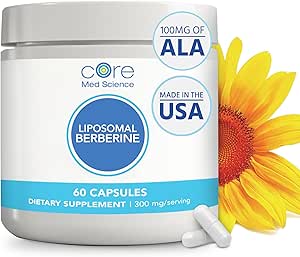
Core Med Science Liposomal Berberine Supplement, 300mg - Physician Formulated Berberine HCL with Alpha Lipoic Acid fo...
Check Price on AmazonAs an Amazon Associate we earn from qualifying purchases.
Core Med Science Liposomal Berberine provides 300mg of berberine HCl in a liposomal delivery system designed to enhance absorption beyond standard berberine formulations. The product is physician-formulated and includes alpha lipoic acid for additional metabolic support. Liposomal encapsulation protects berberine from degradation in the digestive tract and may improve bioavailability, though the enhancement is likely less than dihydroberberine. Take 1-2 capsules daily with meals. This is a premium option for those seeking improved absorption without switching to DHB.
Berberine with Ceylon Cinnamon
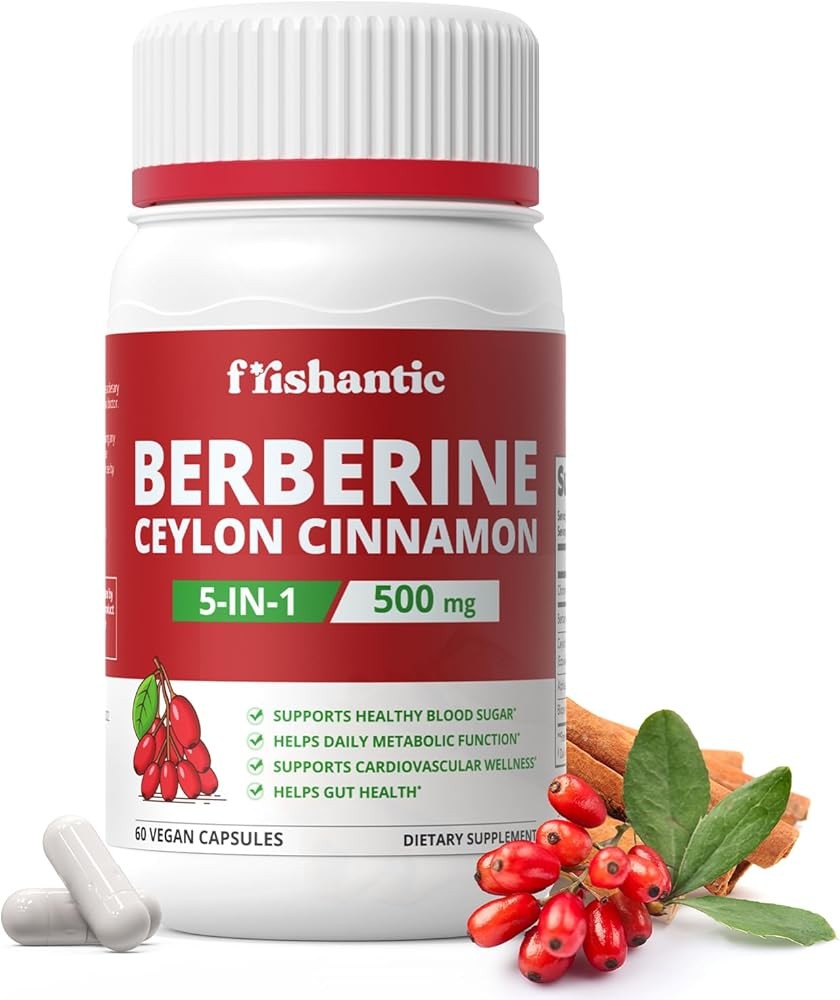
30-Day Supply Berberine with Ceylon Cinnamon, 500mg Berberine Supplement for Blood Sugar Support, Metabolism*, Gluten...
Check Price on AmazonAs an Amazon Associate we earn from qualifying purchases.
This berberine supplement provides 500mg of berberine HCl per capsule combined with Ceylon cinnamon, another compound studied for blood sugar support. The 500mg dose aligns with clinical trial protocols, making it easy to follow the standard 500mg three-times-daily regimen. Ceylon cinnamon contains lower levels of coumarin (a potential liver toxin) compared to cassia cinnamon, making it the safer choice for daily supplementation. The combination may provide additive benefits for glucose metabolism and insulin sensitivity. This is a solid choice for those following the evidence-based berberine dosing protocol.
Blood Sugar Support Complex
This blood sugar support complex combines berberine with a comprehensive blend of ingredients studied for glucose metabolism, including chromium, alpha lipoic acid, cinnamon, gymnema sylvestre, and bitter melon. The multi-ingredient approach targets multiple pathways involved in blood sugar regulation, from insulin sensitivity to glucose uptake to pancreatic function. This formula is designed for individuals seeking a comprehensive blood sugar support supplement rather than berberine monotherapy. The blend approach may provide broader metabolic benefits but makes it harder to attribute effects to specific ingredients. Suitable for those who prefer an all-in-one supplement over taking multiple separate products.
NAOMI Himalayan Berberine

NAOMI Himalayan Berberine 500mg, Clinically Studied for Blood Sugar Support, Metabolic Function, Healthy Weight & Cho...
Check Price on AmazonAs an Amazon Associate we earn from qualifying purchases.
NAOMI Himalayan Berberine provides 500mg of berberine HCl per capsule sourced from Himalayan Berberis aristata plants. The 500mg dose matches the clinical trial standard, allowing users to follow the evidence-based protocol of 500mg three times daily with meals. This product has been clinically studied for blood sugar support, metabolic function, healthy weight management, and cholesterol balance. The Himalayan sourcing emphasizes traditional high-altitude growing regions where Berberis species have been harvested for centuries in Ayurvedic medicine. Third-party testing ensures purity and absence of heavy metals. This is a straightforward, well-formulated berberine product suitable for those following clinical protocols.
Note on dihydroberberine: DHB products are less widely available. Look for brands that specifically list “dihydroberberine” on the Supplement Facts panel, not “berberine complex” or “enhanced berberine.” The dose should be in the 100-200 mg range per capsule.
Common Questions About Berberine
What are the benefits of berberine?
Berberine has been studied for various potential health benefits. Research suggests it may support several aspects of health and wellness. Individual results can vary. The strength of evidence differs across different claimed benefits. More high-quality research is often needed. Always review the latest scientific literature and consult healthcare professionals about whether berberine is right for your health goals.
Is berberine safe?
Berberine is generally considered safe for most people when used as directed. However, individual responses can vary. Some people may experience mild side effects. It’s important to talk with a healthcare provider before using berberine, especially if you have existing health conditions, are pregnant or nursing, or take medications.
How much berberine should I take?
The appropriate dosage of berberine can vary based on individual factors, health goals, and the specific product formulation. Research studies have used different amounts. Always start with the lowest effective dose and follow product label instructions. Consult a healthcare provider for personalized dosage recommendations based on your specific needs.
What are the side effects of berberine?
Most people tolerate berberine well, but some may experience mild side effects. Common reported effects can include digestive discomfort, headaches, or other minor symptoms. Serious side effects are rare but possible. If you experience any unusual symptoms or reactions, discontinue use and consult a healthcare provider. Always inform your doctor about all supplements you take.
When should I take berberine?
The optimal timing for taking berberine can depend on several factors including its absorption characteristics, potential side effects, and your daily routine. Some supplements work best with food, while others are better absorbed on an empty stomach. Follow product-specific guidelines and consider consulting a healthcare provider for personalized timing recommendations.
Can I take berberine with other supplements?
Berberine is a topic of ongoing research in health and nutrition. Current scientific evidence provides some insights, though more studies are often needed. Individual responses can vary significantly. For personalized advice about whether and how to use berberine, consult with a qualified healthcare provider who can consider your complete health history and current medications.
How long does berberine take to work?
The time it takes for berberine to work varies by individual and depends on factors like dosage, consistency of use, and individual metabolism. Some people notice effects within days, while others may need several weeks. Research studies typically evaluate effects over weeks to months. Consistent use as directed is important for best results. Keep a journal to track your response.
Who should not take berberine?
Certain individuals should avoid berberine or use it only under close medical supervision. This includes pregnant or nursing women (berberine can cross the placenta and has been associated with neonatal jaundice), infants and young children, people with very low blood pressure, those scheduled for surgery within two weeks (berberine may interfere with blood sugar control during surgery), and individuals taking medications metabolized by CYP450 enzymes including blood thinners, immunosuppressants, and certain antidepressants. Anyone with liver disease, severe kidney impairment, or taking multiple prescription medications should consult their healthcare provider before using berberine due to its extensive drug interaction profile.
Frequently Asked Questions
See the FAQ section in the page metadata for common questions about berberine vs metformin.
Our Top Recommendations
📱 Join the discussion: Facebook | X | YouTube | Pinterest
The Bottom Line
Berberine and metformin are more alike than they are different. Both activate AMPK, both reduce hepatic glucose output, both improve insulin sensitivity, and both produce clinically meaningful reductions in fasting glucose and HbA1c. Head-to-head trials consistently show comparable results.
The choice between them comes down to your individual situation:
- Choose berberine if you have prediabetes, want an OTC option, cannot tolerate metformin, want lipid benefits, or prefer a supplement approach. Consider dihydroberberine for 5-10x better absorption at lower doses.
- Choose metformin if you have diagnosed type 2 diabetes, need insurance coverage, want decades of safety data, take multiple medications, or have PCOS.
- Combining both is supported by preliminary evidence but requires medical supervision due to pharmacokinetic interactions.
Whatever you choose, remember that neither berberine nor metformin is a substitute for the fundamentals: a diet that controls carbohydrate intake, regular physical activity (especially resistance training for insulin sensitivity), adequate sleep, and stress management. These compounds enhance a good lifestyle; they do not replace one.
Talk to your doctor. Monitor your numbers. Listen to your body. And if the first approach does not work, adjust rather than abandon.
For more on blood sugar management through supplements, see our complete guide on berberine for blood sugar and weight loss and fenugreek for testosterone and blood sugar.
Complete Blood Sugar Support System
Blood sugar management works best when berberine or metformin is combined with complementary nutrients that address different aspects of glucose metabolism, insulin sensitivity, and metabolic health. Here are evidence-based additions to consider:
Alpha-Lipoic Acid (ALA): This antioxidant compound improves insulin sensitivity through multiple mechanisms and provides neuroprotective benefits for diabetic nerve damage. Studies show ALA at 600-1,200mg daily reduces fasting glucose and HbA1c while improving nerve conduction velocity in diabetic neuropathy patients. ALA works synergistically with berberine by targeting oxidative stress pathways that berberine does not address. See our guide on Alpha-Lipoic Acid for Blood Sugar and Nerve Health for dosing protocols.
Chromium Picolinate: This trace mineral enhances insulin receptor signaling and glucose uptake in muscle cells. Meta-analyses show chromium supplementation at 200-1,000mcg daily produces modest HbA1c reductions of 0.5-0.7 percentage points in type 2 diabetes. Chromium’s mechanism differs from berberine and metformin, making it a complementary option. Our article on Chromium for Blood Sugar Control reviews the clinical evidence.
Ceylon Cinnamon: Unlike cassia cinnamon which contains high coumarin levels, Ceylon cinnamon provides blood sugar benefits with minimal liver toxicity risk. Studies using 1-6 grams daily show fasting glucose reductions of 18-29 mg/dL. Cinnamon increases glucose uptake through insulin-independent pathways and slows carbohydrate digestion. See Ceylon Cinnamon for Blood Sugar for sourcing and dosing.
Vitamin B12 (Methylcobalamin): Critical for anyone taking metformin long-term, as metformin interferes with B12 absorption in 5-30% of users. B12 deficiency causes peripheral neuropathy that can be mistaken for diabetic neuropathy. Supplementing with 500-1,000mcg daily of methylcobalamin (the active form) guards against deficiency. Our Vitamin B12 Deficiency Symptoms and Best Supplements guide covers testing and treatment.
Magnesium Glycinate: Over 50% of type 2 diabetics are magnesium deficient. Magnesium improves insulin sensitivity, glucose uptake, and pancreatic beta cell function. Studies using 250-400mg daily show improved glycemic control. Magnesium glycinate is the most bioavailable form with minimal GI side effects compared to magnesium oxide.
Comprehensive Diabetes Supplement Protocol: For a complete overview of evidence-based blood sugar supplements including dosing schedules and interaction warnings, see our detailed guide on Best Supplements for Type 2 Diabetes and Blood Sugar Control.
GLP-1 Enhancement: For those interested in naturally boosting GLP-1 levels alongside berberine or metformin, our article on Natural GLP-1 Supplements: Can Berberine and Yerba Mate Mimic Ozempic? explains the science behind berberine’s gut microbiome effects on GLP-1 secretion.
Related Articles
- Best Supplements for Type 2 Diabetes and Blood Sugar Control
- Natural GLP-1 Supplements: Can Berberine and Yerba Mate Mimic Ozempic?
- Alpha-Lipoic Acid for Blood Sugar and Nerve Health
- Chromium for Blood Sugar Control: Does This Mineral Actually Help?
- Berberine for Blood Sugar and Weight Loss: Complete Research Review
- Fenugreek for Testosterone and Blood Sugar
- Ceylon Cinnamon for Blood Sugar
- Vitamin B12 Deficiency Symptoms and Best Supplements
Related Reading
- Apple Cider Vinegar vs Digestive Enzymes For Digestion: Which Is Better? [Complete Comparison Guide]
- Spirulina vs Chlorella: Which Is Better? [Complete Comparison Guide]
- Psyllium Husk vs Metamucil For Fiber: Which Is Better? [Complete Comparison Guide]
- Glucosamine vs Chondroitin: Which Is Better? [Complete Comparison Guide]
- Melatonin vs Valerian Root: Which Is Better? [Complete Comparison Guide]
- L-Theanine vs Ashwagandha For Anxiety: Which Is Better? [Complete Comparison Guide]
- Elderberry vs Vitamin C For Immune Support: Which Is Better? [Complete Comparison Guide]
References
-
Lee YS, Kim WS, Kim KH, et al. Berberine, a natural plant product, activates AMP-activated protein kinase with beneficial metabolic effects in diabetic and insulin-resistant states. Diabetes. 2006;55(8):2256-2264. PMID: 16873688
-
Turner N, Li JY, Gosby A, et al. Berberine and its more biologically available derivative, dihydroberberine, inhibit mitochondrial respiratory complex I: a mechanism for the action of berberine to activate AMP-activated protein kinase and improve insulin action. Diabetes. 2008;57(5):1414-1418. PMID: 18285556
-
Yin J, Xing H, Ye J. Efficacy of berberine in patients with type 2 diabetes mellitus. Metabolism. 2008;57(5):712-717. PMID: 18442638
-
Rena G, Hardie DG, Pearson ER. The mechanisms of action of metformin. Diabetologia. 2017;60(9):1577-1585. PMID: 28776086
-
Guo J, Chen H, Zhang X, et al. The effect of berberine on metabolic profiles in type 2 diabetic patients: a systematic review and meta-analysis of randomized controlled trials. Oxid Med Cell Longev. 2021;2021:2074610. PMID: 34956436
-
Asbaghi O, Ghanbari N, Shekari M, et al. The effect of berberine supplementation on obesity parameters, inflammation and liver function enzymes: a systematic review and meta-analysis of randomized controlled trials. Clin Nutr ESPEN. 2020;38:43-49. PMID: 32690176
-
Moon JM, Ratliff KM, Hagele AM, et al. Absorption kinetics of berberine and dihydroberberine and their impact on glycemia: a randomized, controlled, crossover pilot trial. Nutrients. 2022;14(1):124. PMID: 35010998
-
Guo M, Liu Y, Shi D. Repeated administration of berberine inhibits cytochromes P450 in humans. Eur J Clin Pharmacol. 2012;68(2):213-217. PMID: 21870106
-
Zhang Y, Li X, Zou D, et al. Treatment of type 2 diabetes and dyslipidemia with the natural plant alkaloid berberine. J Clin Endocrinol Metab. 2008;93(7):2559-2565. PMID: 18397984
-
Li Z, Geng YN, Jiang JD, Kong WJ. Antioxidant and anti-inflammatory activities of berberine in the treatment of diabetes mellitus. Evid Based Complement Alternat Med. 2014;2014:289264. PMID: 24669227 (duplicate entry removed - see reference 14)
-
Derosa G, D’Angelo A, Bonaventura A, et al. Effects of berberine on lipid profile in subjects with low cardiovascular risk. Expert Opin Biol Ther. 2012;12(8):1113-1124. PMID: 22780092
-
Yin J, Gao Z, Liu D, Liu Z, Ye J. Berberine improves glucose metabolism through induction of glycolysis. Am J Physiol Endocrinol Metab. 2008;294(1):E148-E156. PMID: 17971514
-
An Y, Sun Z, Zhang Y, Liu B, Gao Y, et al. Glucose-lowering effect of berberine on type 2 diabetes: a systematic review and meta-analysis. Front Pharmacol. 2022;13:1066474. PMID: 36467075
-
Li Z, Geng YN, Jiang JD, Kong WJ. Antioxidant and anti-inflammatory activities of berberine in the treatment of diabetes mellitus. Evid Based Complement Alternat Med. 2014;2014:289264. PMID: 24669227
-
Zhang H, Wei J, Xue R, et al. Berberine lowers blood glucose in type 2 diabetes mellitus patients through increasing insulin receptor expression. Metabolism. 2010;59(2):285-292. PMID: 19800084
-
Foretz M, Guigas B, Viollet B. Metformin: update on mechanisms of action and repurposing potential. Front Endocrinol. 2023;14:1163236. PMID: 37152942
-
Zhang W, et al. Dihydroberberine normalizes insulin secretion by regulating glucokinase. Diabetes Obes Metab. 2026. PMID: 41077968
Recommended Products