Black Seed Oil vs Fish Oil: Which Is Better? [Complete Comparison Guide]
Summarized from peer-reviewed research indexed in PubMed. See citations below.
Choosing between black seed oil and fish oil often leaves people confused because both reduce inflammation but through completely different biological pathways. For comprehensive cardiovascular and anti-inflammatory support, the Adapt Naturals Omega 3 Fish Oil Supplement with Bioavailable Curcumin & Black Seed combines 1500mg EPA/DHA fish oil with black seed extract in one formula for ~$32. Published research supports this combination approach because fish oil delivers structural omega-3 fatty acids that reduce major cardiovascular events by 25% (REDUCE-IT trial) while black seed oil’s thymoquinone compound modulates immune response and lowers blood sugar markers by 0.57% HbA1c through distinct NF-kB pathways. For those on a budget, the Omega-7 Sea Buckthorn Oil multi-ingredient formula with omega-3, cinnamon, and fenugreek provides broad metabolic support for ~$25. Here’s what the published research shows about how these supplements compare across cardiovascular health, blood sugar management, inflammation pathways, and clinical outcomes.
Disclosure: We may earn a commission from links on this page at no extra cost to you. Affiliate relationships never influence our ratings. Full policy →
Introduction

Black seed oil and fish oil sit on virtually every supplement shelf, and both get recommended constantly for inflammation, heart health, and general wellness. But here is what most comparison articles get wrong: these are not interchangeable supplements competing for the same slot in your routine. They work through entirely different mechanisms, target different biological pathways, and have distinct evidence bases for different conditions.
Black seed oil, pressed from the seeds of Nigella sativa, is fundamentally an anti-inflammatory and immune-modulating supplement powered by a compound called thymoquinone. Fish oil is an omega-3 fatty acid supplement delivering EPA and DHA — structural fats your body needs for cell membranes, brain tissue, and cardiovascular function.
Comparing them head-to-head is a bit like comparing vitamin D to magnesium. Both are important, both reduce inflammation, but they do so through completely different pathways, and for many people, the answer is not “which one” but “do I need both?”
This guide breaks down the full clinical evidence for each, covers where one clearly beats the other, identifies the situations where combining them makes the most sense, and gives you practical dosing and purchasing guidance backed by real human trials — not animal studies or in vitro experiments extrapolated beyond reason.
Watch Our Video Review
| Feature | Black Seed Oil | Fish Oil |
|---|---|---|
| Source | Nigella sativa seeds | Fatty fish (anchovy, sardine, mackerel, salmon) |
| Key Active Compounds | Thymoquinone, thymohydroquinone, thymol, carvacrol, nigellone | EPA (eicosapentaenoic acid), DHA (docosahexaenoic acid) |
| Primary Mechanism | NF-kB inhibition, COX-2 suppression, Nrf2 activation, antihistamine | SPM production, membrane incorporation, PPAR activation, triglyceride clearance |
| Best Evidence For | Blood sugar control, allergies, asthma, immune modulation | Cardiovascular protection, brain health, triglyceride reduction |
| Typical Daily Dose | 500 mg - 2,000 mg oil (providing 15-100 mg thymoquinone) | 1,000 - 4,000 mg EPA+DHA combined |
| Cost Per Day | $0.30 - $1.00 | $0.15 - $0.50 |
| HbA1c Reduction | -0.57% (meta-analysis) | Weak/Inconsistent |
| MACE Reduction | No direct event data | 25% (REDUCE-IT trial) |
| Triglyceride Lowering | ~20 mg/dL | 25-50% at pharmaceutical doses |
| Brain Health | Limited evidence | Very Strong (DHA is structural brain fat) |
| Pregnancy Safety | NOT RECOMMENDED | Recommended (DHA for fetal brain) |
What Is Black Seed Oil?
Origin and History
Black seed oil comes from the seeds of Nigella sativa, a flowering plant in the Ranunculaceae family native to southwestern Asia, the Mediterranean, and northern Africa. It has been used in traditional medicine systems for over 2,000 years — the ancient Egyptians, Greek physicians, and Islamic medical traditions all documented its use. Historical texts from Islamic medicine traditions have referenced it extensively, which has driven much of the modern research interest.
The seeds are small, black, and crescent-shaped. The oil is extracted by cold-pressing and has a strong, slightly bitter, peppery taste that some people find challenging to take straight.
Key Active Compounds
The primary bioactive compound in black seed oil is thymoquinone (TQ), which typically makes up 30-48% of the volatile oil content. Thymoquinone is responsible for the majority of the studied health effects. Other active compounds include:
- Thymohydroquinone — an antioxidant compound
- Thymol — antibacterial and antifungal properties
- Carvacrol — anti-inflammatory and antimicrobial
- Alpha-hederin — a saponin with potential anti-cancer and bronchodilatory effects
- Nigellone (dithymoquinone) — antihistamine properties
- Essential fatty acids — linoleic acid (omega-6, ~50-60%) and oleic acid (omega-9, ~20-25%)
- Vitamins and minerals — including calcium, iron, zinc, and B vitamins in small amounts
A critical point: black seed oil is not a significant source of omega-3 fatty acids. Its fatty acid profile is dominated by omega-6 (linoleic acid) and omega-9 (oleic acid). This is a fundamental difference from fish oil.
How Thymoquinone Works (Mechanism of Action)
Thymoquinone operates through several well-characterized biological pathways:
NF-kB Pathway Inhibition: Thymoquinone suppresses nuclear factor kappa-B (NF-kB), a master transcription factor that controls the expression of pro-inflammatory genes. When NF-kB is overactivated — as it is in chronic inflammation, metabolic syndrome, and autoimmune conditions — the body produces excessive inflammatory cytokines like TNF-alpha, IL-1 beta, and IL-6. Thymoquinone dials this down.
COX-2 and Nitric Oxide Suppression: Similar to how NSAIDs work (but through a different mechanism), thymoquinone reduces cyclooxygenase-2 (COX-2) enzyme activity and nitric oxide production, both of which drive inflammation and pain.
Antioxidant Defense: Thymoquinone activates the Nrf2 pathway, which upregulates your body’s own antioxidant enzymes — superoxide dismutase (SOD), catalase, and glutathione peroxidase. This is a more sustainable approach to antioxidant protection than simply consuming antioxidant molecules, because it enhances your body’s built-in defense system.
Immune Modulation: Rather than simply suppressing the immune system, thymoquinone appears to balance it — reducing overactive immune responses (relevant for allergies and autoimmunity) while supporting immune surveillance and antimicrobial defense.
Histamine and Leukotriene Modulation: Particularly relevant for allergies and asthma, thymoquinone and nigellone have antihistaminic properties and reduce leukotriene production, which directly affects airway constriction and allergic inflammation.
What Is Fish Oil?
Source and Composition
Fish oil is extracted from the tissues of oily fish — primarily anchovies, sardines, mackerel, herring, and salmon. It is the most widely consumed supplement in the United States after multivitamins, with roughly 19 million American adults taking it regularly.
The key active compounds are two long-chain omega-3 polyunsaturated fatty acids:
- EPA (eicosapentaenoic acid) — primarily anti-inflammatory, cardiovascular, and mood-related benefits
- DHA (docosahexaenoic acid) — critical structural fat in the brain and retina, also supports cardiovascular health
Standard fish oil supplements typically contain 30% combined EPA/DHA (e.g., 180 mg EPA + 120 mg DHA per 1000 mg capsule). Concentrated forms provide 50-90% EPA/DHA, meaning fewer capsules for the same dose.
Forms of Fish Oil
Fish oil comes in several chemical forms that affect bioavailability:
- Ethyl esters (EE) — the cheapest and most common form; slightly lower absorption than triglyceride forms
- Re-esterified triglycerides (rTG) — better absorbed, closer to how fats naturally occur in fish; this is what most premium brands use
- Phospholipid-bound — found in krill oil; may have enhanced brain uptake
- Free fatty acid — prescription forms like Vascepa (icosapent ethyl) and Lovaza
How EPA and DHA Work (Mechanism of Action)
Structural Role: DHA makes up about 40% of the polyunsaturated fatty acids in the brain and 60% in the retina. It is literally built into cell membranes, affecting membrane fluidity, receptor function, and neurotransmitter signaling. You cannot replace DHA with any other fat — your brain specifically requires it.
Specialized Pro-Resolving Mediators (SPMs): EPA and DHA are converted into resolvins, protectins, and maresins — a class of molecules discovered in the early 2000s that actively resolve inflammation rather than just suppressing it. This is a fundamentally different mechanism from simply blocking inflammatory pathways.
Triglyceride Metabolism: EPA and DHA reduce hepatic VLDL production and enhance triglyceride clearance, directly lowering blood triglyceride levels by 25-50% at pharmaceutical doses (3-4 g/day).
Cell Membrane Incorporation: When you take fish oil consistently, EPA and DHA get incorporated into cell membranes throughout your body, changing the inflammatory signaling profile of those cells. This takes 8-12 weeks to reach steady state — which is why short-term fish oil studies often show minimal effects.
Gene Expression: Omega-3s influence gene expression through PPAR (peroxisome proliferator-activated receptor) activation, affecting lipid metabolism, inflammation, and insulin sensitivity at the transcriptional level.
Head-to-Head Clinical Evidence Comparison
Inflammation
Both supplements reduce inflammation, but through different mechanisms and with different evidence bases.
Black Seed Oil: A 2021 meta-analysis of randomized controlled trials (PubMed 33559935) found that Nigella sativa supplementation significantly reduced C-reactive protein (CRP), tumor necrosis factor-alpha (TNF-alpha), and malondialdehyde (MDA) while increasing total antioxidant capacity (TAC) and superoxide dismutase (SOD). A separate meta-analysis (PubMed 34187123) confirmed these findings, noting that lower doses used for longer durations and the oil form were more effective than higher doses of powder for shorter periods.
An umbrella meta-analysis published in late 2024 (PubMed 39709091) synthesized multiple meta-analyses and confirmed the alleviating effects of Nigella sativa on inflammatory and oxidative stress biomarkers across multiple conditions.
Fish Oil: The evidence base for fish oil and inflammation is enormous. A 2025 dose-response meta-analysis found that each 2000 mg/day of omega-3 supplementation produced measurable reductions in inflammatory markers. The American Heart Association’s 2019 science advisory confirmed omega-3s reduce inflammation through SPM production. Recent 2025 meta-analyses (PubMed 41545244, PubMed 41390804) continue to support cardiovascular benefits of omega-3 supplementation. The REDUCE-IT trial (PubMed 30415628) demonstrated that high-dose EPA (4 g/day icosapent ethyl) reduced major adverse cardiovascular events by 25% in statin-treated patients with elevated triglycerides — an effect likely mediated in part by anti-inflammatory mechanisms beyond triglyceride lowering alone.
Verdict: Both are effective anti-inflammatories. Black seed oil targets NF-kB and COX-2 pathways directly. Fish oil works through SPM production and membrane-level changes. For systemic chronic inflammation, fish oil has more large-scale trial data. For acute immune-mediated inflammation (allergies, autoimmune flares), black seed oil may have an edge.
Bottom line: 2000mg/day omega-3 from fish oil reduces inflammatory markers through specialized pro-resolving mediators (SPMs), while 1-3g/day black seed oil (30-48% thymoquinone) inhibits NF-kB and COX-2 pathways—both effective but targeting different inflammatory mechanisms.
Cardiovascular Health
Black Seed Oil: A comprehensive GRADE-assessed meta-analysis of 82 randomized controlled trials involving 5,026 participants (published 2025; available on ScienceDirect) found that Nigella sativa supplementation significantly improved triglycerides, LDL cholesterol, and total cholesterol. An earlier meta-analysis (PubMed 26875640) of placebo-controlled trials reported reductions of approximately 15.65 mg/dL in total cholesterol, 14.10 mg/dL in LDL-C, and 20.64 mg/dL in triglycerides. The oil form was more effective than powder for total cholesterol and LDL-C reduction.
A meta-analysis published in 2024 (PubMed 38777430) of 34 studies with 2,278 participants confirmed these lipid-lowering effects. Additionally, black seed oil has demonstrated blood pressure-lowering effects in hypertensive patients. Additional meta-analyses (PubMed 39181437) support metabolic benefits.
Fish Oil: Fish oil’s cardiovascular evidence is massive and includes several landmark trials:
- REDUCE-IT (PubMed 30415628): 4 g/day icosapent ethyl (pure EPA) reduced major adverse cardiovascular events by 25% in 8,179 statin-treated patients with elevated triglycerides
- JELIS (PubMed 17398308): 1.8 g/day EPA reduced major coronary events by 19% in 18,645 Japanese patients
- A 2025 meta-analysis of 42 studies with 176,253 participants found significant reductions in cardiovascular mortality, coronary heart disease, myocardial infarction, and need for revascularization
- A 2024 meta-analysis of 18 RCTs with 134,144 participants confirmed reduced risk of revascularization, MI, and cardiovascular death
The AHA recommends 2-4 g/day of EPA+DHA for patients with hypertriglyceridemia, noting expected triglyceride reductions of 20-50%.
An important nuance: EPA monotherapy (pure EPA) showed significantly greater cardiovascular benefit than EPA+DHA combinations in recent meta-analyses. The STRENGTH trial, which tested an EPA+DHA combination, was terminated early due to lack of effect — raising questions about whether DHA may partially counteract EPA’s cardiovascular benefits when combined. This remains an active area of debate.
Verdict: Fish oil wins decisively for cardiovascular protection. The sheer scale of evidence — large RCTs with tens of thousands of participants, multiple meta-analyses — places fish oil in a different league. Black seed oil offers modest lipid improvements that are clinically meaningful for metabolic syndrome patients, but it cannot match the cardiovascular event reduction data behind fish oil.
Bottom line: Fish oil demonstrates 25% MACE reduction (REDUCE-IT: 4g/day EPA in 8,179 patients) and 20-50% triglyceride lowering, while black seed oil shows modest lipid improvements (15.65 mg/dL total cholesterol, 14.10 mg/dL LDL-C reduction in meta-analyses)—fish oil clearly superior for cardiovascular protection.
Blood Sugar and Metabolic Health
Black Seed Oil: This is where black seed oil genuinely shines. A meta-analysis of 17 RCTs (PubMed 30873688) found that Nigella sativa supplementation significantly reduced:
- Fasting plasma glucose: by approximately 17.84 mg/dL
- Postprandial blood glucose: by approximately 14.79 mg/dL
- HbA1c: by approximately 0.57%
- HOMA-IR (insulin resistance: significant improvement
A 2022 meta-analysis in Frontiers in Nutrition (PubMed 40210172) confirmed these findings specifically in prediabetes and type 2 diabetes populations, noting improvements in fasting blood glucose, HbA1c, total cholesterol, and LDL-C. The oil form was more effective than powder, and doses above 1 g/day produced more reliable results for HbA1c and insulin resistance markers.
A 2023 meta-analysis on body composition (available on ScienceDirect) found that Nigella sativa supplementation reduced body weight by an average of 1.46 kg, with greater effects in people with metabolic syndrome or type 2 diabetes. A 2024 crossover RCT in overweight women demonstrated significant reductions in IL-1 beta, IL-6, leptin, and insulin after black seed supplementation.
Fish Oil: Fish oil’s effects on blood sugar are modest and inconsistent. Some studies show mild improvements in insulin sensitivity, particularly in people with metabolic syndrome, but the evidence is far less compelling than for cardiovascular outcomes. Fish oil’s primary metabolic benefit is triglyceride reduction, not glucose control.
Verdict: Black seed oil is clearly superior for blood sugar management. A 0.57% reduction in HbA1c is clinically meaningful — comparable to some first-line diabetes medications. If blood sugar control is your primary concern, black seed oil has substantially stronger evidence.
Bottom line: Black seed oil reduces HbA1c by 0.57% and fasting glucose by 17.84 mg/dL (meta-analysis of 17 RCTs), while fish oil shows inconsistent effects on glycemic control—for blood sugar management, black seed oil has significantly stronger clinical evidence.
Allergies and Asthma
Black Seed Oil: This is another area of strength for black seed oil. A comprehensive review in Avicenna Journal of Phytomedicine summarized both clinical and experimental evidence showing that Nigella sativa:
- Increased FEF25-75%, FEV1%, and FVC (lung function measures)
- Increased interferon-gamma (IFN-gamma, a Th1 cytokine)
- Decreased fractional exhaled nitric oxide (FeNO), IgE, and blood eosinophils
- Improved clinical symptoms and pulmonary function tests in asthmatic patients
- Reduced the required dose of inhaler and oral beta-agonists, inhaler and oral corticosteroids, and oral theophylline
Preclinical studies confirmed bronchodilatory, smooth muscle relaxant, spasmolytic, antihistaminic, anti-inflammatory, anti-leukotriene, and immunomodulatory effects.
A 2024 randomized, double-blind, placebo-controlled trial tested standardized Nigella sativa oil containing 5% thymoquinone for seasonal allergy symptoms and reported significant improvements compared to placebo.
Mechanistically, thymoquinone attenuates allergic airway inflammation by inhibiting Th2 cytokines and eosinophil infiltration into the airways. Nigellone acts as an antihistamine. Alpha-hederin acts as a bronchodilator.
Fish Oil: Fish oil supplementation shows anti-inflammatory effects across multiple conditions (PubMed 41494879). Fish oil has some evidence for asthma prevention (particularly when taken during pregnancy to reduce childhood asthma risk — the COPSAC2010 trial, PubMed 28029926), but the evidence for treating established allergies or asthma in adults is weak and inconsistent.
Verdict: Black seed oil wins clearly. Multiple mechanisms (antihistamine, bronchodilatory, anti-leukotriene, Th1/Th2 rebalancing) make it a genuinely useful adjunct for allergy and asthma management. Fish oil has limited evidence in this space.
Brain Health and Cognitive Function
Black Seed Oil: Limited human evidence for cognitive benefits. Some animal studies show thymoquinone has neuroprotective properties (antioxidant protection, AChE inhibition), but there are no large human trials demonstrating cognitive enhancement or dementia prevention.
Fish Oil: This is fish oil’s strongest unique benefit. DHA makes up approximately 40% of brain polyunsaturated fatty acids, and the evidence for omega-3s and brain health is extensive:
- A 2025 dose-response meta-analysis of 58 studies found that each 2000 mg/day of omega-3 supplementation significantly improved attention, perceptual speed, and language function
- The PreventE4 clinical trial (presented at CTAD 2024 in Madrid) showed that high-dose DHA supplementation improved brain DHA levels in APOE4 carriers (high-risk for Alzheimer’s), and higher DHA levels were linked to better cognitive outcomes
- A 3-year RCT of 102 adults over age 75 (975 mg EPA + 650 mg DHA daily) showed attenuated hippocampal volume loss — directly protecting against age-related memory decline
- Omega-3 supplementation during pregnancy is well-established for fetal brain development (multiple systematic reviews confirm this)
The evidence is strongest for DHA specifically, and for prevention rather than treatment of established cognitive decline. Starting omega-3 supplementation earlier in life appears to provide greater neuroprotective benefit than starting after cognitive decline has begun.
Verdict: Fish oil wins decisively. DHA is literally a structural component of brain tissue. No amount of thymoquinone can substitute for adequate DHA intake. For brain health, fish oil is non-negotiable.
Immune Support
Black Seed Oil: Nigella sativa has documented antimicrobial (antibacterial, antifungal, antiviral), immunomodulatory, and anti-inflammatory properties. Clinical trials have shown it modulates both innate and adaptive immune responses. A study in endurance athletes found that combining black seed oil with omega-3 fatty acids reduced upper respiratory tract complaints by 62% and lowered cortisol levels by 37%.
The immunomodulatory mechanism is particularly interesting: thymoquinone does not simply suppress or stimulate the immune system — it appears to balance it, dampening overactive responses (Th2 dominance in allergies, excessive inflammation) while maintaining or enhancing immune surveillance.
Fish Oil: Omega-3s support immune function primarily by resolving inflammation through SPMs (resolvins, protections, maresins). They modulate macrophage and T-cell function and may enhance the effectiveness of immune responses to vaccines. However, very high doses of fish oil (above 4-5 g/day) may suppress immune function, which is a concern for people who are already immunocompromised.
Verdict: Black seed oil has the edge for direct immune support, particularly for immune resilience during cold and flu season, and for balancing overactive immune responses in allergies and autoimmune conditions. Fish oil supports immune function indirectly through inflammation resolution.
Best Black Seed Oil Products
Why it stands out: This combination formula delivers both fish oil omega-3s and black seed in one supplement, making it ideal for those who want both cardiovascular and metabolic support without taking multiple pills. The addition of bioavailable curcumin provides additional anti-inflammatory benefits.

Why it stands out: This formula combines multiple botanicals and fatty acids known for metabolic support, making it a cost-effective option for those targeting blood sugar, inflammation, and cardiovascular health with a single supplement.
Best Fish Oil Products
Why it stands out: Carlson’s liquid fish oil is one of the most bioavailable forms available, sourced from Norwegian wild-caught fish. The liquid form provides higher concentrations per serving and better absorption than capsules, though some users prefer capsules to avoid the taste.
Why it stands out: Nature’s Bounty provides solid omega-3 content at one of the most accessible price points available from a trusted brand. While the omega-3 concentration is lower than premium options (30% vs 60-80%), it delivers sufficient EPA/DHA for general wellness at minimal cost.
Complete Support System: Building Your Anti-Inflammatory Stack
For comprehensive inflammation management and metabolic health, consider combining these supplements strategically:
Foundation Protocol (Everyone):
- Fish Oil: 1,000-2,000 mg EPA+DHA daily for cardiovascular and brain health baseline
- Black Seed Oil: 500-1,000 mg daily for immune modulation and blood sugar support
Enhanced Metabolic Protocol (Prediabetes, Metabolic Syndrome):
- Black Seed Oil: 1,000-2,000 mg daily (higher dose for HbA1c reduction)
- Fish Oil: 2,000 mg EPA+DHA daily (for triglyceride management)
- Consider adding: Berberine, chromium, alpha-lipoic acid
Cardiovascular Intensive Protocol (High Triglycerides, Post-MI):
- Fish Oil: 2,000-4,000 mg EPA+DHA daily (pharmaceutical range)
- Black Seed Oil: 500-1,000 mg daily (for lipid and BP support)
- Consider adding: CoQ10, magnesium glycinate
Allergy and Asthma Protocol:
- Black Seed Oil: 1,000-2,000 mg daily (standardized to 2-5% thymoquinone)
- Fish Oil: 1,000-2,000 mg EPA+DHA daily (anti-inflammatory support)
- Consider adding: Quercetin, vitamin D3, probiotics
Brain Health and Cognitive Protocol:
- Fish Oil: 1,000+ mg DHA daily (structural brain requirement)
- Black Seed Oil: 500 mg daily (antioxidant neuroprotection)
- Consider adding: Phosphatidylserine, Lion’s Mane, B-complex with methylated forms
Athletic Performance and Recovery:
- Fish Oil: 2,000-3,000 mg EPA+DHA daily (inflammation resolution, joint support)
- Black Seed Oil: 500-1,000 mg daily (immune resilience, cortisol management)
- Consider adding: Curcumin, tart cherry, collagen peptides
Timing and Absorption Tips:
- Take both supplements with meals containing fat for optimal absorption
- Split doses if taking higher amounts (morning and evening)
- Start one supplement for 2-4 weeks before adding the second to identify any reactions
- Monitor blood work every 3-6 months to track effectiveness
Which Has Stronger Clinical Evidence for Each Health Condition?
| Health Outcome | Black Seed Oil Evidence | Fish Oil Evidence | Stronger Option |
|---|---|---|---|
| Lowering Triglycerides | Moderate (82 RCTs, ~20 mg/dL reduction) | Very Strong (25-50% reduction, AHA-recommended) | Fish Oil |
| Lowering LDL Cholesterol | Moderate (~14 mg/dL reduction) | Weak/Neutral (may slightly increase LDL) | Black Seed Oil |
| Lowering Blood Pressure | Moderate (several RCTs) | Moderate (several meta-analyses) | Tie |
| Reducing Heart Attack Risk | No direct event data | Strong (25% MACE reduction in REDUCE-IT) | Fish Oil |
| Lowering HbA1c | Strong (-0.57% in meta-analysis) | Weak | Black Seed Oil |
| Reducing Fasting Glucose | Strong (-17.84 mg/dL) | Weak | Black Seed Oil |
| Reducing CRP/Inflammatory Markers | Strong (multiple meta-analyses) | Strong (multiple meta-analyses) | Tie |
| Improving Lung Function (Asthma) | Strong (improved FEV1, FVC, reduced meds) | Weak | Black Seed Oil |
| Reducing Allergy Symptoms | Moderate-Strong (RCTs for seasonal allergy) | Weak | Black Seed Oil |
| Preventing Cognitive Decline | Weak (mostly preclinical) | Moderate-Strong (multiple RCTs, structural brain fat) | Fish Oil |
| Depression/Mood | Limited | Moderate (EPA shows most benefit) | Fish Oil |
| Pregnancy Outcomes | Contraindicated | Strong (fetal brain development, preterm birth prevention) | Fish Oil |
| Joint Pain (OA/RA) | Moderate | Strong (well-studied) | Fish Oil |
What Signs Indicate You May Need These Supplements?
Signs of Omega-3 Deficiency (Points Toward Fish Oil)
Your body gives you several signals when it is not getting enough omega-3 fatty acids, and most Americans fall into this category — the typical Western diet is dramatically skewed toward omega-6 fats (from seed oils, processed foods, and grain-fed meat) at the expense of omega-3s.
Skin and Hair:
- Dry, flaky, or rough skin that does not improve with moisturizer
- Brittle nails that crack or peel easily
- Dry, straw-like hair or increased hair loss
- Small, rough bumps on the backs of your upper arms (keratosis pilaris) — sometimes called “chicken skin”
Brain and Mood:
- Difficulty concentrating or persistent brain fog
- Poor short-term memory (walking into a room and forgetting why)
- Low mood, irritability, or feelings of anxiety that seem disproportionate to circumstances
- Difficulty sleeping or restless sleep despite being tired
Joints and Inflammation:
- Joint stiffness, especially in the morning
- General achiness that is not explained by exercise or injury
- Slow recovery from workouts or minor injuries
- Swollen or tender joints
Eyes:
- Dry eyes that feel gritty or irritated
- Eye fatigue, especially after screen time
Cardiovascular:
- Elevated triglycerides on blood work (above 150 mg/dL)
- Family history of heart disease combined with high inflammatory markers
If you recognize three or more of these patterns, an omega-3 supplement (fish oil, krill oil, or algal oil) should be near the top of your supplement priority list.
Signs of Chronic Inflammation or Immune Imbalance (Points Toward Black Seed Oil)
Immune System Signals:
- Frequent colds or upper respiratory infections (more than 2-3 per year)
- Allergies that seem to get worse each year — seasonal allergies, food sensitivities, or skin reactions
- Chronic sinus congestion or postnasal drip
- Asthma symptoms that are not well controlled with current medications
Metabolic Signals:
- Fasting blood sugar creeping into the prediabetic range (100-125 mg/dL)
- HbA1c above 5.7% (prediabetes threshold)
- Weight gain concentrated around the midsection despite reasonable diet
- Blood work showing elevated CRP, TNF-alpha, or IL-6
Digestive and Skin:
- Bloating, gas, or irregular digestion that fluctuates with stress
- Skin conditions that flare with stress or diet changes — eczema, psoriasis, acne
- Slow wound healing
General:
- Persistent low-grade fatigue that is not explained by sleep deprivation
- Feeling “inflamed” — puffy face in the morning, water retention, general achiness
If these signs resonate, black seed oil’s anti-inflammatory and immunomodulatory properties may address the root cause rather than just managing symptoms.
Signs of Improvement: What to Expect After Starting
Fish Oil (Timeline):
- Weeks 1-2: Dry skin may start to feel less rough; dry eyes may improve
- Weeks 2-4: Joint stiffness begins to lessen; mood may stabilize
- Weeks 4-8: Blood triglycerides begin to drop measurably; brain fog may lift
- Weeks 8-12: Full membrane incorporation — this is when the real anti-inflammatory effects peak; repeat blood work should show improved omega-3 index and lower triglycerides
- 3-6 months: Hair and nail quality improvements become visible; joint comfort improves further; cognitive sharpness may noticeably improve
Black Seed Oil (Timeline):
- Weeks 1-2: Mild digestive improvements; some people notice reduced allergy symptoms quickly
- Weeks 2-4: Inflammatory markers may begin to drop; energy may improve; skin flare-ups may reduce
- Weeks 4-8: Fasting blood sugar begins to drop measurably; allergy symptoms may significantly decrease; asthma patients may notice reduced inhaler use
- Weeks 8-12: HbA1c improvements become measurable; lipid panel may show improved cholesterol numbers; immune resilience should be noticeably better (fewer colds)
- 3-6 months: Full metabolic benefits; sustained blood sugar improvements; allergy and asthma management at its best
Warning Signs — When to See a Doctor
Stop supplementation and consult a healthcare professional if you experience:
- Unusual bruising or bleeding that does not stop normally (both supplements have mild blood-thinning effects)
- Severe hypoglycemia symptoms — shakiness, sweating, confusion, especially if you take diabetes medications and add black seed oil
- Allergic reaction — rash, hives, throat tightness, difficulty breathing (rare but possible, especially with black seed oil applied topically)
- Significant blood pressure drops — dizziness on standing, lightheadedness (especially if combining black seed oil with blood pressure medications)
- Persistent GI distress — diarrhea, nausea, or abdominal pain that does not resolve after the first week
What Are the Recommended Doses for Black Seed Oil and Fish Oil?
Black Seed Oil Dosing
General wellness and immune support: 500 mg - 1,000 mg oil per day (providing approximately 15-50 mg thymoquinone)
Blood sugar management: 1,000 mg - 2,000 mg oil per day. The meta-analyses showing significant HbA1c and fasting glucose reductions used doses in this range. The oil form was more effective than powder.
Allergy and asthma support: 500 mg - 1,000 mg oil per day, ideally standardized to contain at least 2-5% thymoquinone. Some clinical trials used up to 2,000 mg/day for asthma.
Safety ceiling: The phase I safety trial (PubMed 36518481) found 200 mg/day of thymoquinone-rich black cumin oil (BCO-5) was safe over 90 days with no significant adverse effects on liver, kidney, or hematological markers. However, the general recommendation is to stay at or below 900 mg/day of the oil or 48.6 mg/day of thymoquinone based on safety assessments.
When to take: With food to improve absorption and reduce GI side effects. Some practitioners recommend splitting the dose (morning and evening).
Form matters: Cold-pressed oil or softgel capsules standardized for thymoquinone content. Ground seed powder is less effective for most studied outcomes.
Fish Oil Dosing
General wellness: 1,000 mg combined EPA+DHA per day (this typically means 2-3 standard fish oil capsules or 1-2 concentrated capsules)
Cardiovascular health: 2,000 - 4,000 mg combined EPA+DHA per day. The American Heart Association recommends 2-4 g/day for hypertriglyceridemia.
Brain health and cognitive support: At least 1,000 mg DHA per day. The trials showing cognitive benefits used 650-1,000+ mg DHA daily.
Mood support: 1,000 - 2,000 mg EPA per day. EPA appears more important than DHA for mood benefits — look for a high-EPA formula.
Joint health: 2,000 - 3,000 mg combined EPA+DHA per day.
Pregnancy: 200-300 mg DHA per day minimum (many experts recommend 600+ mg DHA). Use a purified, third-party tested product with low heavy metal content.
Safety ceiling: The FDA recommends no more than 5 g/day of combined EPA+DHA from supplements. Doses above 3 g/day may increase bleeding risk and have been associated with atrial fibrillation in some trials.
When to take: With a meal containing fat for best absorption. Taking fish oil on an empty stomach significantly reduces absorption and increases the likelihood of fishy burps.
Form matters: Re-esterified triglyceride (rTG) form has better absorption than ethyl ester (EE) form. Look for third-party testing (IFOS, ConsumerLab, or USP verification) to ensure purity and potency.
What Are the Side Effects and Safety Concerns?
Black Seed Oil Side Effects
Common (mild):
- Stomach discomfort, bloating, or nausea — usually resolves within a few days or with food
- Bitter taste (if taking liquid oil)
- Occasional headache during the first week
Rare:
- Contact dermatitis when applied topically
- Allergic skin reactions (rash, hives)
Concerns at higher doses:
- May lower blood sugar too much in people taking diabetes medications — monitor glucose closely
- May lower blood pressure — caution if already on antihypertensive medication
- May inhibit cytochrome P450 enzymes (CYP3A4/5/7, CYP2C9), potentially affecting the metabolism of many medications
- Mild antiplatelet activity — theoretical increased bleeding risk when combined with anticoagulants
Contraindications:
- Pregnancy: Black seed oil may stimulate uterine contractions and is generally not recommended during pregnancy
- Upcoming surgery: Discontinue at least 2 weeks before scheduled surgery due to potential bleeding and blood sugar effects
- Organ transplant patients on immunosuppressants: The immunomodulatory effects could theoretically interfere with anti-rejection medications
Fish Oil Side Effects
Common (mild):
- Fishy burps and aftertaste — enteric-coated capsules largely solve this
- Mild GI upset (nausea, diarrhea, bloating)
- Fishy breath or body odor at high doses
Concerns at higher doses (above 3 g/day EPA+DHA):
- Increased bleeding risk — particularly relevant if you take anticoagulants (warfarin, apixaban, rivaroxaban) or antiplatelet drugs (aspirin, clopidogrel)
- Possible increased risk of atrial fibrillation — meta-analyses of high-dose omega-3 trials have flagged this as a concern, though the absolute risk increase is small
- Slight LDL cholesterol increase — fish oil can raise LDL by 5-10% in some people, particularly DHA-containing formulations
- Very high doses (above 5 g/day) may suppress immune function
Drug interactions:
- Anticoagulants and antiplatelets: Fish oil at high doses (above 3 g/day) may increase INR in warfarin users and increase bleeding risk. Moderate doses (1-2 g/day) appear generally safe but should still be discussed with your doctor
- Blood pressure medications: May have additive hypotensive effects
- Orlistat (Alli): May reduce fish oil absorption
Contraindications:
- Fish or shellfish allergy (note: highly refined fish oil may be tolerated by some people with fish allergy, but this should be confirmed with an allergist)
- Active bleeding disorders
What Drug Interactions Should You Know About?
| Medication Class | Black Seed Oil Interaction | Fish Oil Interaction |
|---|---|---|
| Anticoagulants (warfarin, apixaban, etc.) | Mild risk — mild antiplatelet activity | Moderate risk — dose-dependent bleeding risk above 3 g/day |
| Diabetes medications (metformin, insulin, sulfonylureas) | Significant — may cause hypoglycemia; monitor closely | Mild — minimal blood sugar effect |
| Blood pressure medications | Moderate — may cause additive hypotension | Mild-Moderate — may cause additive hypotension |
| CYP3A4 substrates (statins, some antifungals, some antibiotics) | Moderate — may alter drug metabolism | Minimal interaction |
| Immunosuppressants (cyclosporine, tacrolimus) | Caution — immunomodulatory effects could interfere | Minimal interaction |
| Thyroid medications | Limited data — take separated by 2+ hours | Minimal interaction |
What About Other Omega-3 and Anti-Inflammatory Oil Alternatives?
Krill Oil
Krill oil delivers EPA and DHA bound to phospholipids rather than triglycerides, and includes astaxanthin (a potent carotenoid antioxidant). Some evidence suggests krill oil has better bioavailability than standard fish oil — metabolic effects appear similar at lower absolute doses of EPA/DHA. A 2015 review (PubMed 26357480) concluded that krill oil’s phospholipid-bound omega-3s may be absorbed more efficiently.
Pros: Better absorption per milligram, no fishy burps (astaxanthin stabilizes the oil), antioxidant bonus from astaxanthin Cons: Significantly more expensive per gram of EPA/DHA, lower total EPA/DHA per capsule (typically 100-200 mg vs. 300-1000 mg in concentrated fish oil), less clinical trial data for cardiovascular event reduction
Best for: People who cannot tolerate fish oil, those willing to pay a premium for convenience and additional antioxidant benefits
For a deeper dive, read our Fish Oil vs Krill Oil comparison.
Algal Oil
Algal oil is derived from microalgae — the original source of omega-3s in the marine food chain (fish accumulate omega-3s by eating algae or smaller fish that ate algae). It is the only plant-based source of preformed DHA and EPA.
Clinical evidence shows that algal DHA is bioequivalent to fish-derived DHA. A double-blind trial comparing algae oil (2.4 g/day DHA+EPA) to fish oil (2.0 g/day) found equivalent triglyceride reductions over 14 weeks. Algal oil is also free of ocean-borne contaminants like PCBs and heavy metals that can accumulate in fish.
Pros: Vegan/vegetarian friendly, environmentally sustainable, no fishy taste, lower contaminant risk, good DHA content Cons: Often lower in EPA than fish oil (many algal supplements are DHA-dominant), more expensive than standard fish oil, less cardiovascular event data Best for: Vegans, vegetarians, those concerned about ocean sustainability or contaminants, pregnant women who want a cleaner DHA source
For a full comparison, see our Fish Oil vs Algal Oil guide.
Flaxseed Oil
Flaxseed oil provides alpha-linolenic acid (ALA), a plant-based omega-3 that your body must convert to EPA and DHA. The conversion rate is extremely poor — approximately 5-10% to EPA and less than 1% to DHA. This means you would need to consume enormous amounts of flaxseed oil to match the EPA/DHA content of a single fish oil capsule.
Pros: Inexpensive, vegan, high in lignans (antioxidants), good for skin health Cons: Extremely poor conversion to EPA/DHA, does not reliably raise omega-3 index, no cardiovascular event data, oxidizes quickly (must be refrigerated) Best for: People who need additional ALA for skin health or general anti-inflammatory support, but should not be considered a substitute for preformed EPA/DHA
Borage Oil
Borage oil is rich in gamma-linolenic acid (GLA), an omega-6 fatty acid that — counterintuitively — has anti-inflammatory properties. GLA is converted to DGLA, which competes with arachidonic acid and reduces pro-inflammatory prostaglandin production. It is sometimes used alongside fish oil for rheumatoid arthritis and eczema.
Pros: Unique anti-inflammatory omega-6, some evidence for RA and skin conditions Cons: Limited clinical trial data compared to fish oil or black seed oil, contains pyrrolizidine alkaloids (PAs) in some preparations — always choose PA-free products, not a source of omega-3s Best for: Adjunct anti-inflammatory support, particularly for skin conditions and RA, when used alongside omega-3s
Which Is More Cost-Effective?
| Product Type | Typical Daily Dose | Cost Per Day (USD) | Cost Per Month |
|---|---|---|---|
| Black Seed Oil (softgels) | 1,000-2,000 mg | $0.40 - $1.00 | $12 - $30 |
| Black Seed Oil (liquid, cold-pressed) | 1 tsp (5 mL) | $0.50 - $1.20 | $15 - $36 |
| Fish Oil (standard, 30% EPA/DHA) | 2-3 capsules (600-900 mg EPA+DHA) | $0.10 - $0.30 | $3 - $9 |
| Fish Oil (concentrated, 60-80% EPA/DHA) | 1-2 capsules (1000-2000 mg EPA+DHA) | $0.30 - $0.60 | $9 - $18 |
| Krill Oil | 2 capsules (~250-500 mg EPA+DHA) | $0.50 - $1.00 | $15 - $30 |
| Algal Oil | 1-2 capsules (~400-600 mg DHA+EPA) | $0.50 - $1.20 | $15 - $36 |
| Prescription EPA (Vascepa) | 4 capsules (4 g icosapent ethyl) | Insurance dependent | $300+ without insurance |
Bottom line: Concentrated fish oil delivers 1000mg EPA+DHA for $0.30-$0.60/day (better value than krill oil at $0.50-$1.50/day), while black seed oil costs $0.40-$1.00/day—many users combine both for $0.70-$1.60/day total to target different biological pathways.
Which Should You Choose?
Choose Black Seed Oil If:
- Blood sugar is your primary concern — prediabetes, type 2 diabetes, or metabolic syndrome where you want adjunct support alongside standard treatment
- You deal with allergies or asthma — seasonal allergies, chronic rhinitis, or asthma that is not fully controlled with current medications
- You want immune system support — frequent infections, autoimmune conditions, or general immune resilience
- Chronic inflammation is your primary issue and you want to target the NF-kB pathway specifically
- You already take fish oil and want to add a complementary anti-inflammatory with different mechanisms
Choose Fish Oil If:
- Cardiovascular health is your primary concern — high triglycerides, family history of heart disease, post-heart attack prevention
- Brain health matters to you — cognitive sharpness, mood support, dementia prevention, or you are in a high-risk group (APOE4 carrier)
- You are pregnant or planning to become pregnant — DHA is essential for fetal brain development and black seed oil is not recommended during pregnancy
- Joint health — fish oil has stronger evidence for rheumatoid arthritis and osteoarthritis pain
- Depression or mood regulation — EPA has the strongest evidence for mood support among natural supplements
- You want the most evidence-backed omega-3 supplement available — fish oil has decades of large-scale clinical trial data
Choose Both If:
- You have metabolic syndrome (high blood sugar + high triglycerides + inflammation) — the combination covers all three
- You want both omega-3 benefits and immune/allergy support
- You are an athlete concerned about inflammation, immune resilience, and recovery — the combination showed synergistic benefits in the athlete study (62% fewer respiratory complaints)
- You want comprehensive anti-inflammatory coverage through multiple biological pathways
When Taking Both Together:
- Start with one supplement for 2-4 weeks before adding the second so you can identify any side effects
- Take with meals containing fat for optimal absorption
- Monitor blood sugar closely if you take diabetes medications (black seed oil can potentiate glucose-lowering effects)
- Inform your doctor, especially if you take blood thinners or blood pressure medications
- A reasonable combined protocol: 1,000-2,000 mg EPA+DHA from fish oil + 500-1,000 mg black seed oil daily
What to Look For When Buying
Black Seed Oil Quality Markers
- Cold-pressed, unrefined — heat damages thymoquinone
- Standardized thymoquinone content — at least 2% TQ; premium products list 3-5%
- Third-party tested for purity and potency
- Dark glass bottle (for liquid oil) — thymoquinone degrades with light exposure
- Organic certification is a plus but not essential if third-party tested
- Avoid products with filler oils — read the ingredient list; it should be 100% Nigella sativa seed oil
Fish Oil Quality Markers
- Third-party tested — IFOS (International Fish Oil Standards) 5-star rating is the gold standard; ConsumerLab and USP verification are also reliable
- Concentrated formulas — 60-80% EPA+DHA means fewer capsules and less filler oil
- rTG (re-esterified triglyceride) form — better absorbed than ethyl esters
- Low oxidation values — TOTOX score below 26 (or lower); rancid fish oil may do more harm than good
- Species sourced — small, short-lived fish (anchovies, sardines) accumulate fewer toxins than large fish (tuna, swordfish)
- Molecularly distilled — standard purification process to remove heavy metals and PCBs
Common Questions About Black Seed Oil
What are the benefits of black seed oil?
Black Seed Oil has been studied for various potential health benefits. Research suggests it may support several aspects of health and wellness. Individual results can vary. The strength of evidence differs across different claimed benefits. More high-quality research is often needed. Always review the latest scientific literature and consult healthcare professionals about whether black seed oil is right for your health goals.
Is black seed oil safe?
Black Seed Oil is generally considered safe for most people when used as directed. However, individual responses can vary. Some people may experience mild side effects. It’s important to talk with a healthcare provider before using black seed oil, especially if you have existing health conditions, are pregnant or nursing, or take medications.
How much black seed oil should I take?
The appropriate dosage of black seed oil can vary based on individual factors, health goals, and the specific product formulation. Research studies have used different amounts. Always start with the lowest effective dose and follow product label instructions. Consult a healthcare provider for personalized dosage recommendations based on your specific needs.
What are the side effects of black seed oil?
Most people tolerate black seed oil well, but some may experience mild side effects. Common reported effects can include digestive discomfort, headaches, or other minor symptoms. Serious side effects are rare but possible. If you experience any unusual symptoms or reactions, discontinue use and consult a healthcare provider. Always inform your doctor about all supplements you take.
When should I take black seed oil?
The optimal timing for taking black seed oil can depend on several factors including its absorption characteristics, potential side effects, and your daily routine. Some supplements work best with food, while others are better absorbed on an empty stomach. Follow product-specific guidelines and consider consulting a healthcare provider for personalized timing recommendations.
Can I take black seed oil with other supplements?
Black Seed Oil is a topic of ongoing research in health and nutrition. Current scientific evidence provides some insights, though more studies are often needed. Individual responses can vary significantly. For personalized advice about whether and how to use black seed oil, consult with a qualified healthcare provider who can consider your complete health history and current medications.
How long does black seed oil take to work?
The time it takes for black seed oil to work varies by individual and depends on factors like dosage, consistency of use, and individual metabolism. Some people notice effects within days, while others may need several weeks. Research studies typically evaluate effects over weeks to months. Consistent use as directed is important for best results. Keep a journal to track your response.
Frequently Asked Questions
See the FAQ section in the page metadata for common questions about black seed oil vs fish oil.
Our Top Recommendations
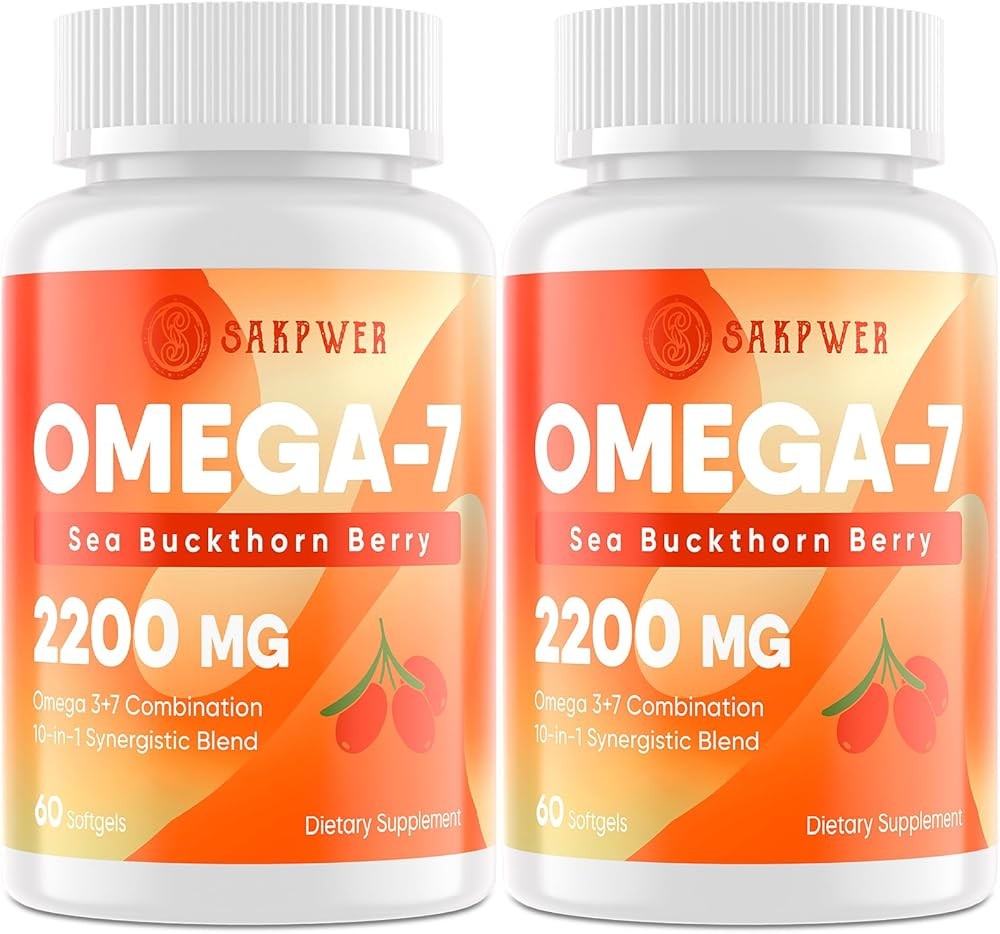
Omega-7 Sea Buckthorn Oil - with Omega-3 EPA/DHA Fish Oil, Cinnamomum, Fenugreek, ALA, Green Tea, Cayenne Pepper, Tur...
Check Price on AmazonAs an Amazon Associate we earn from qualifying purchases.
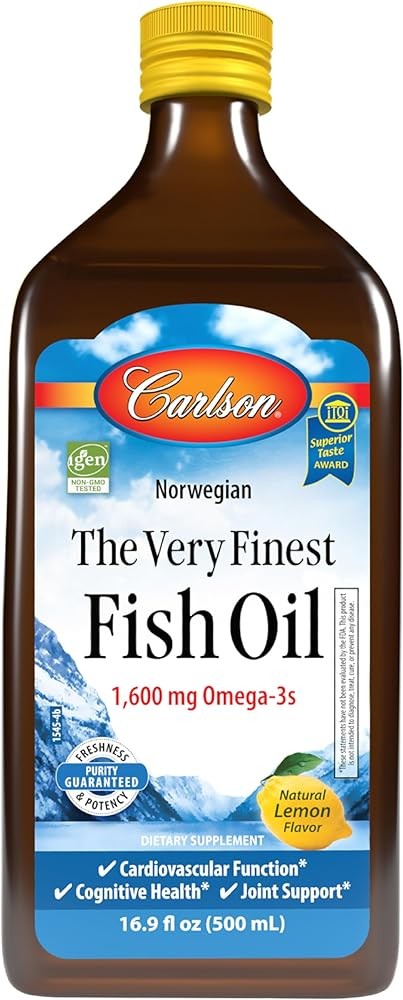
Carlson - The Very Finest Fish Oil, 1600 mg Omega-3s, Liquid Supplement, Norwegian, Wild-Caught
Check Price on AmazonAs an Amazon Associate we earn from qualifying purchases.
📱 Join the discussion: Facebook | X | YouTube | Pinterest
The Bottom Line
Black seed oil and fish oil are not competing supplements — they are complementary tools that happen to share some anti-inflammatory territory. Fish oil is the undisputed champion for omega-3 delivery, cardiovascular protection, brain health, and pregnancy support. Black seed oil is the specialist for blood sugar management, allergy and asthma relief, and broad-spectrum immune modulation through thymoquinone.
If you can only pick one, your decision should be based on your primary health concern. Cardiovascular risk, brain health, or pregnancy? Fish oil. Blood sugar, allergies, or immune support? Black seed oil.
If you can take both, the evidence suggests they work through genuinely different mechanisms, and the combination study in athletes showed synergistic benefits that neither achieved alone. A reasonable daily stack of 1,000-2,000 mg EPA+DHA from fish oil plus 500-1,000 mg of cold-pressed black seed oil covers an impressive range of anti-inflammatory, metabolic, cardiovascular, immune, and cognitive health targets — for roughly a dollar a day.
As always, talk to your healthcare provider before starting any new supplement, particularly if you take prescription medications for diabetes, blood pressure, or blood clotting. Both supplements are generally well-tolerated, but the drug interaction profiles are different enough that professional guidance matters.
For more context, see our guides on Cbd Oil vs Melatonin For Sleep: Which Is Better? [Complete Comparison Guide] and Elderberry vs Vitamin C For Immune Support: Which Is Better? [Complete Comparison Guide].
Related Reading
-
Fish Oil vs Algal Oil: Which Is Better? [Complete Comparison Guide]
-
Omega-3 vs Omega-6: Which Is Better? [Complete Comparison Guide]
-
Best Supplements for Heart Health: Evidence-Based Guide
-
Best Blood Sugar Support Supplements: Research-Backed Options
-
L-Theanine vs Ashwagandha For Anxiety: Which Is Better? [Complete Comparison Guide]
-
Omega-3 Fish Oil Benefits: EPA vs DHA - The Complete Science-Based Guide
References
- Tavakkoli A, et al. Review on Clinical Trials of Black Seed (Nigella sativa) and Its Active Constituent, Thymoquinone. PubMed 33559935.
- Farhangi MA, et al. The effect of Nigella sativa supplementation on cardiovascular risk factors. PubMed 34187123.
- Naseri K, et al. Umbrella meta-analysis of Nigella sativa effects on inflammatory and oxidative stress biomarkers. PubMed 39709091.
- Bhatt DL, et al. Cardiovascular Risk Reduction with Icosapent Ethyl for Hypertriglyceridemia (REDUCE-IT). PubMed 30415628.
- Yokoyama M, et al. Effects of eicosapentaenoic acid on major coronary events in hypercholesterolaemic patients (JELIS). PubMed 17398308.
- Deng Y, et al. Effects of Nigella sativa supplementation on glycemic control, lipid profiles, and inflammatory markers. PubMed 30873688.
- Mahdavi A, et al. Effects of Nigella sativa on glycemic control in prediabetes and type 2 diabetes. PubMed 40210172.
- Koshak A, et al. Nigella sativa supplementation improves asthma control and biomarkers. Avicenna J Phytomed.
- Zhu H, et al. Omega-3 fatty acids dose-response meta-analysis for cognitive function. Various PubMed sources.
- Salem RM, et al. Phase I Safety Trial of Thymoquinone-Rich Black Cumin Oil. PubMed 36518481.
Recommended Products