Calcium Citrate vs Calcium Carbonate: Which Is Better? [Complete Comparison Guide]
Summarized from peer-reviewed research indexed in PubMed. See citations below.
Most adults fall short of the recommended 1,000 to 1,200 mg daily calcium requirement, and long-term deficiency silently weakens bones and disrupts muscle and nerve function. Our best overall pick is a full-cofactor calcium formula pairing microcrystalline hydroxyapatite calcium with vitamin D3, vitamin K2, and magnesium for approximately $43 per 180-tablet bottle, covering the absorption and bone-directing cofactors this guide recommends. Research shows calcium citrate absorbs 22 to 27% better than calcium carbonate and works regardless of stomach acid levels, which makes citrate the better default for adults over 50, PPI users, and anyone with digestive sensitivities. For a budget-friendly alternative, Citracal Maximum Plus delivers calcium citrate with vitamin D3 for about $15 per 180-count bottle. Here’s what the published research shows.
Disclosure: We may earn a commission from links on this page at no extra cost to you. Affiliate relationships never influence our ratings. Full policy →
📱 Join the discussion: Facebook | X | YouTube | Pinterest
Why Does Calcium Form Matter?

Calcium is the most abundant mineral in the human body. Roughly 99% of it lives in your bones and teeth, with the remaining 1% playing critical roles in muscle contraction, nerve signaling, blood clotting, and heart rhythm regulation. When your dietary calcium falls short, your body pulls calcium directly from your bones to maintain those vital functions, and over time, that borrowing leads to weakened, porous bones.
Most adults need 1,000 to 1,200 mg of calcium per day, depending on age and sex. The National Institutes of Health recommends 1,000 mg daily for men aged 19 to 70 and women aged 19 to 50, increasing to 1,200 mg daily for women over 50 and everyone over 70. Despite these well-established guidelines, surveys consistently show that a large percentage of Americans fall short. The average dietary calcium intake for women over 50 is only about 700 mg per day, leaving a meaningful gap that supplementation can help close.
This is where the calcium citrate versus calcium carbonate debate enters the picture. These two forms dominate the supplement market, accounting for the vast majority of calcium supplement sales. But they are not interchangeable. They differ in elemental calcium content, absorption mechanisms, stomach acid dependency, side effect profiles, cost, and suitability for different populations. Choosing the wrong form can mean wasted money, unnecessary side effects, or inadequate absorption.
This guide breaks down every meaningful difference between calcium citrate and calcium carbonate based on published clinical research, so you can choose the form that actually works for your body.
Watch Our Video Review
What Is Calcium Carbonate?
Calcium carbonate is the most common and least expensive form of supplemental calcium. Chemically, it is a salt composed of calcium ions bonded to carbonate (CO3). It is the same compound found in limestone, marble, chalk, eggshells, and oyster shells. Products like Tums, Caltrate, and Os-Cal use calcium carbonate as their active ingredient.
Elemental Calcium Content
One of calcium carbonate’s biggest selling points is its high elemental calcium percentage: 40%. This means a 1,250 mg calcium carbonate tablet delivers 500 mg of actual, usable calcium. This is the highest elemental calcium percentage of any common supplement form, which translates to fewer pills per day and lower cost per milligram of calcium.
How It Works
Calcium carbonate is relatively insoluble in water at neutral pH. It requires stomach acid (hydrochloric acid) to dissolve. When you swallow a calcium carbonate tablet, the hydrochloric acid in your stomach reacts with the carbonate:
CaCO3 + 2HCl –> CaCl2 + H2O + CO2
This reaction breaks the calcium free from the carbonate, producing soluble, absorbable calcium chloride, water, and carbon dioxide gas. That CO2 production is why calcium carbonate commonly causes bloating, belching, and flatulence.
Once dissolved, the free calcium ions (Ca2+) are absorbed primarily in the proximal small intestine (duodenum and jejunum) through both active transport (regulated by vitamin D) and passive paracellular diffusion.
The Stomach Acid Problem
This is the critical limitation of calcium carbonate. Because it depends on stomach acid for dissolution, anything that reduces stomach acid reduces calcium carbonate absorption. This includes:
- Age: Stomach acid production naturally declines with age. Up to 30% of adults over 50 have some degree of hypochlorhydria (low stomach acid), and the prevalence increases with each decade.
- Proton pump inhibitors (PPIs): Medications like omeprazole (Prilosec), esomeprazole (Nexium), and lansoprazole (Prevacid) dramatically reduce stomach acid production. Tens of millions of Americans take these daily.
- H2 blockers: Famotidine (Pepcid), ranitidine, and similar medications also reduce acid output, though less dramatically than PPIs.
- Atrophic gastritis: A condition common in older adults where the stomach lining thins and acid-producing cells decline.
- Bariatric surgery: Procedures like Roux-en-Y gastric bypass reduce the stomach’s acid-producing capacity and alter the digestive tract anatomy.
A landmark study published in the New England Journal of Medicine by Recker (1985) demonstrated this problem starkly. In patients with achlorhydria (absence of stomach acid), calcium absorption from carbonate was only 4.2% under fasting conditions, compared to 45.2% from calcium citrate under the same conditions (PubMed: 4000241). That is more than a tenfold difference.
However, the same study found that when calcium carbonate was taken with a meal, absorption in achlorhydric patients improved to near-normal levels. The food stimulates whatever residual acid production exists and also provides an acidic environment from the food itself. This is why the standard recommendation is to always take calcium carbonate with food.
Bottom line: In people with achlorhydria (no stomach acid), calcium citrate absorption is 45.2% compared to just 4.2% for calcium carbonate when taken fasting, but carbonate absorption improves to near-normal levels when taken with meals (PubMed: 4000241).
Best Uses for Calcium Carbonate
- Young to middle-aged adults with normal stomach acid production
- People who consistently take supplements with meals
- Budget-conscious consumers who need to minimize supplement costs
- People who prefer fewer pills (higher elemental calcium per tablet)
- As an antacid for heartburn relief (dual purpose)
What Is Calcium Citrate?
Calcium citrate is a calcium salt of citric acid. It is the form found in products like Citracal and many higher-end calcium formulations. While it contains less elemental calcium per tablet, its absorption characteristics give it important advantages for specific populations.
Elemental Calcium Content
Calcium citrate contains 21% elemental calcium, roughly half that of calcium carbonate. This means a 950 mg calcium citrate tablet delivers only about 200 mg of elemental calcium. To get 500 mg of elemental calcium, you would need approximately 2,380 mg of calcium citrate, which typically translates to two to three tablets depending on the product. This is the main reason calcium citrate supplements tend to be bulkier, require more pills per day, and cost more.
How It Works
Unlike calcium carbonate, calcium citrate is already in an acidic, soluble form. It does not need stomach acid to dissolve. When calcium citrate enters the gastrointestinal tract, it dissociates readily into calcium ions and citrate ions regardless of the pH environment. This means it absorbs well whether taken on an empty stomach or with food, and whether your stomach acid levels are normal, low, or essentially absent.
A meta-analysis by Sakhaee and colleagues, published in the American Journal of Therapeutics, analyzed 15 studies and found that calcium citrate was 22% to 27% more bioavailable than calcium carbonate, whether taken on an empty stomach or with meals (PubMed: 11329115). This advantage becomes even more dramatic in people with reduced stomach acid.
Bottom line: Calcium citrate demonstrates 22-27% higher absorption than calcium carbonate across multiple studies, and this advantage persists regardless of meal timing or stomach acid status (PubMed: 11329115).
The Citrate Bonus
The citrate component itself provides an additional benefit: it is alkalinizing to the urine. Citrate in the urine acts as a natural inhibitor of calcium oxalate crystal formation, the most common type of kidney stone. This gives calcium citrate a theoretical advantage for people with a history of kidney stones or those at elevated risk. A randomized, double-blind crossover trial found that calcium citrate was associated with reduced urinary oxalate excretion compared to calcium carbonate, suggesting a potential protective effect against nephrolithiasis (PubMed: 35466449).
Best Uses for Calcium Citrate
- Adults over 50 with declining stomach acid
- People taking PPIs, H2 blockers, or other acid-reducing medications
- Post-bariatric surgery patients
- People who prefer to take calcium between meals or at bedtime
- Those with a history of kidney stones
- Anyone who experiences constipation or bloating with calcium carbonate
- People with inflammatory bowel disease or other conditions affecting absorption
How Do Calcium Citrate and Calcium Carbonate Compare?
| Feature | Calcium Citrate | Calcium Carbonate |
|---|---|---|
| Elemental Calcium | 21% (need more pills) | 40% (fewer pills needed) |
| Absorption Rate | ~24-27% higher than carbonate | Baseline (requires stomach acid) |
| Stomach Acid Required | No | Yes |
| Take With Food? | Optional (works either way) | Required for optimal absorption |
| GI Side Effects | Less constipation, less gas | More constipation, bloating, gas |
| Kidney Stone Risk | Lower (citrate inhibits stones) | Neutral to slightly higher |
| Cost (per mg Ca) | Higher ($15-25/bottle) | Lower ($5-10/bottle) |
| Pill Size | Larger (need more pills) | Smaller (more Ca per pill) |
| Best For | Older adults, PPI users, sensitive stomach | Young adults with normal digestion, budget-conscious |
| Common Brands | Citracal, Solgar Calcium Citrate | Caltrate, Os-Cal, Tums, Viactiv |
How Does Calcium Absorption Differ Between Forms?
Absorption is where these two forms diverge most significantly, and understanding the nuances helps you make a genuinely informed choice rather than just picking whichever is cheaper or more convenient.
Dose-Dependent Absorption
Regardless of which form you choose, calcium absorption is inversely related to dose size. Your body absorbs a higher percentage of calcium from smaller doses. Research from the NIH Office of Dietary Supplements confirms that the body absorbs approximately:
- 36% of a 300 mg dose
- 28% of a 1,000 mg dose
This is why every major health organization recommends splitting calcium into doses of 500 mg elemental calcium or less. Taking 1,000 mg in a single dose wastes a significant portion because your intestinal transport mechanisms become saturated.
Practical takeaway: Whether you use citrate or carbonate, take no more than 500 mg of elemental calcium at one sitting, and separate doses by at least 4 to 6 hours.
The Meta-Analysis Data
The most comprehensive analysis of calcium citrate versus calcium carbonate absorption comes from Sakhaee and colleagues (1999), who performed a meta-analysis of 15 studies comparing the two forms. Their findings (PubMed: 11329115):
- Calcium citrate showed 22% greater absorption on an empty stomach compared to carbonate
- Calcium citrate showed 27% greater absorption when taken with meals compared to carbonate
- The advantage held across different populations and study designs
Post-Bariatric Surgery
A 2025 double-blind, randomized crossover trial published in Surgery for Obesity and Related Diseases compared calcium citrate and calcium carbonate absorption in patients who had undergone Roux-en-Y gastric bypass, sleeve gastrectomy, and one-anastomosis gastric bypass (PubMed: 39603923). Results showed:
- Calcium citrate demonstrated superior relative bioavailability with a higher AUC (area under the curve) of 76.1 mg/dLh versus 74.7 mg/dLh for carbonate (P = 0.001)
- Calcium citrate produced a higher peak serum calcium (Cmax) of 9.8 mg/dL compared to 9.5 mg/dL for carbonate (P < 0.001)
- Calcium citrate was significantly better at reducing parathyroid hormone (PTH) levels, indicating better calcium status
This confirms that for the growing population of bariatric surgery patients, calcium citrate is the clearly superior choice.
Bottom line: In bariatric surgery patients, calcium citrate produced a higher peak serum calcium of 9.8 mg/dL versus 9.5 mg/dL for carbonate (P < 0.001) and was significantly better at reducing parathyroid hormone levels (PubMed: 39603923).
The Achlorhydria Factor
As noted earlier, Recker’s 1985 NEJM study remains one of the most important pieces of evidence in this comparison (PubMed: 4000241). In patients with achlorhydria:
- Calcium citrate absorption: 45.2% (fasting)
- Calcium carbonate absorption: 4.2% (fasting)
When calcium carbonate was taken with a meal, absorption improved substantially in achlorhydric patients, approaching normal levels. But calcium citrate maintained high absorption regardless of meal timing or acid status.
What Are the Signs You Need More Calcium?
Your body gives you signals when calcium levels are running low. The challenge is that many of these signs develop slowly and overlap with other conditions, so people often miss them for months or years. Here is what to watch for:
Early Warning Signs (Mild Deficiency)
- Muscle cramps and spasms, especially in the legs, feet, and back, that occur at night or after exercise. Calcium is essential for muscle contraction and relaxation; when levels drop, muscles become hyperexcitable.
- Tingling or numbness in fingers, toes, or around the mouth. This is called perioral or peripheral paresthesia and reflects increased nerve excitability from low calcium.
- Brittle, peeling nails that break easily and grow slowly. Calcium is a structural component of nails.
- Dry, flaky skin that does not respond well to moisturizers. Calcium plays a role in skin cell turnover and barrier function.
- Increased PMS symptoms, including more severe cramps, mood swings, and bloating. Multiple studies have found that calcium supplementation reduces PMS severity.
- Difficulty sleeping or restless legs. Low calcium can interfere with the production of melatonin, your sleep hormone.
- Dental problems: increased cavities, weakened enamel, and gum sensitivity. Your teeth are calcium-dense structures that suffer when systemic calcium drops.
Moderate to Severe Signs (Do Not Ignore These)
- Frequent fractures or stress fractures from minor impacts or normal activities
- Loss of height (more than 1 inch over time), indicating vertebral compression fractures
- Stooped posture or kyphosis (forward rounding of the upper back)
- Severe muscle weakness, especially in the legs, making it difficult to rise from a chair or climb stairs
- Heart palpitations or irregular heartbeat (calcium is critical for cardiac muscle function)
- Numbness or tingling that becomes persistent rather than intermittent
- Depression or anxiety that does not respond to typical interventions
When to see a doctor immediately: If you experience heart palpitations, severe muscle spasms, difficulty breathing, confusion, or seizures, seek emergency medical care. These can indicate critically low blood calcium (hypocalcemia), a medical emergency.
How Long Does It Take for Calcium Supplementation to Work?
When you start supplementing with the right form and dose of calcium, your body responds in predictable stages. Here is a realistic timeline:
Week 1 to 2
- Muscle cramps begin to ease, particularly nighttime leg cramps. This is often the first noticeable change because extracellular calcium levels respond relatively quickly to supplementation.
- Nail beds may look slightly healthier, though visible nail improvements take weeks to months since nails grow slowly.
- Sleep quality may improve slightly as calcium helps regulate melatonin production.
Week 2 to 4
- Tingling and numbness decrease as nerve function stabilizes
- PMS symptoms may lessen if calcium was a contributing factor
- Overall muscle function improves: less stiffness, fewer random twitches and fasciculations
- Energy levels may feel more stable throughout the day
Month 1 to 3
- Nails begin growing stronger and faster, with less peeling and breakage
- Skin texture may improve, with better hydration and fewer dry patches
- Dental sensitivity may decrease as enamel remineralization begins
- Mood improvements if calcium deficiency was contributing to depression or anxiety
Month 3 to 12 (and Beyond)
- Bone density improvements begin, though they take 12 to 24 months to become measurable on a DEXA scan
- Fracture risk begins to decrease as bone remodeling shifts from net loss to net maintenance or gain
- Posture may improve as vertebral bone strength increases
Important: If you have been on calcium supplements for more than a month and notice no improvement in cramps, tingling, or other symptoms, the issue may not be calcium alone. Magnesium deficiency, vitamin D deficiency, and other conditions can mimic calcium deficiency. Get your blood levels tested.
Which Calcium Form Is Better for Osteoporosis Prevention?
Both calcium citrate and calcium carbonate have been studied extensively for osteoporosis prevention, and both can be effective when taken consistently and absorbed properly.
The Evidence for Calcium Carbonate
The landmark Women’s Health Initiative (WHI) study, which enrolled over 36,000 postmenopausal women, used calcium carbonate (1,000 mg elemental calcium) combined with 400 IU of vitamin D daily. Results showed a modest but statistically significant improvement in hip bone mineral density and a trend toward reduced hip fracture risk in the supplement group, though the overall fracture reduction did not reach statistical significance in the intention-to-treat analysis (PubMed: 16481635).
Notably, among women who actually adhered to the supplement regimen (took their pills consistently), the reduction in hip fracture was 29%, which was statistically significant. This highlights a crucial point: the best calcium supplement is the one you actually take consistently.
The Evidence for Calcium Citrate
Calcium citrate has been shown to be equally effective at suppressing bone resorption markers (like serum C-telopeptide) as calcium carbonate when compared head-to-head. A randomized controlled trial in postmenopausal women found that calcium citrate and calcium carbonate produced comparable decreases in bone resorption at 3 months (PubMed: 25274192).
Calcium citrate’s advantage for osteoporosis prevention is indirect but important: because it is better tolerated and better absorbed (especially in the populations most at risk for osteoporosis, namely older women with declining stomach acid), it may produce better real-world outcomes through better adherence and more reliable absorption.
The Cofactor Question: Vitamin D, K2, and Magnesium
No discussion of calcium for bone health is complete without addressing the essential cofactors:
Vitamin D3 is required for intestinal calcium absorption. Without adequate vitamin D, you absorb only about 10-15% of dietary calcium; with sufficient vitamin D, absorption increases to 30-40%. Most calcium supplements now include vitamin D3 for this reason. The recommended daily intake is 600 to 800 IU, though many researchers argue that 1,000 to 2,000 IU is more appropriate, especially for older adults and those with limited sun exposure.
Vitamin K2 (especially MK-7) directs calcium to the bones and teeth rather than allowing it to deposit in soft tissues like arteries and kidneys. K2 activates osteocalcin, the protein that binds calcium into the bone matrix, and matrix Gla protein (MGP), which inhibits arterial calcification. Studies have found that vitamin K2 supplementation helps maintain bone mineral density in postmenopausal women when combined with calcium and vitamin D.
Magnesium is involved in over 300 enzymatic reactions, including those that convert vitamin D to its active form. Roughly 50 to 60% of your body’s magnesium is stored in bone, and magnesium deficiency impairs both calcium absorption and bone formation. If you supplement calcium without adequate magnesium, you may not see the bone benefits you expect.
Bottom line: Take your calcium with vitamin D3 (1,000-2,000 IU daily), vitamin K2 (100-200 mcg MK-7 daily), and magnesium (300-400 mg daily) for maximum bone protection; vitamin D increases calcium absorption from 10-15% to 30-40%, while K2 directs calcium to bones rather than arteries.
Which Calcium Form Has Lower Kidney Stone Risk?
Kidney stones are a legitimate concern with calcium supplementation, but the relationship is more nuanced than most people realize.
The Paradox: Dietary Calcium Reduces Stone Risk
A landmark 1993 study in the New England Journal of Medicine followed over 45,000 men for four years and found that higher dietary calcium intake was associated with a 34% lower risk of kidney stones (PubMed: 8441427). This seems counterintuitive, but the mechanism is straightforward: calcium consumed with meals binds to oxalate in the gut, reducing oxalate absorption. Since most kidney stones are calcium oxalate, lower oxalate absorption is associated with reduced stone formation.
Supplemental Calcium: Timing Matters
The concern arises with supplemental calcium taken between meals or at bedtime. Without food-derived oxalate to bind to, supplemental calcium gets absorbed into the bloodstream and eventually excreted through the kidneys, potentially increasing urinary calcium concentration and stone risk. The Women’s Health Initiative found a 17% increase in kidney stone risk in the calcium carbonate plus vitamin D group compared to placebo (PubMed: 16481635).
Why Citrate May Be Protective
Calcium citrate has a potential advantage here. The citrate component increases urinary citrate excretion, and citrate is one of the body’s primary defenses against kidney stone formation. Urinary citrate binds to calcium in the urine, forming soluble complexes that cannot crystallize into stones. This is why potassium citrate is sometimes prescribed as a medical treatment for recurrent calcium kidney stones (PubMed: 33904027).
A clinical trial comparing calcium citrate to calcium carbonate in hypoparathyroidism patients found that calcium citrate did not increase the risk of stone formation (as measured by the AP[CaOx] index) and was associated with reduced urinary oxalate excretion, suggesting a net protective effect (PubMed: 35466449).
Practical Recommendations
- Take calcium with meals whenever possible (both forms), to bind dietary oxalate
- If you must take calcium between meals, calcium citrate is the safer choice for stone risk
- Stay well hydrated: aim for 2 to 3 liters of fluid daily
- If you have a history of calcium oxalate stones, discuss supplementation with your urologist
- Consider calcium citrate specifically if you have recurrent stones or low urinary citrate
Do Calcium Supplements Increase Heart Disease Risk?
The question of whether calcium supplements increase heart disease risk has generated significant debate and some alarming headlines. Here is what the data actually shows.
The Studies That Raised Concern
A 2010 meta-analysis by Bolland and colleagues in the BMJ analyzed 15 randomized controlled trials and found that calcium supplements (without vitamin D) increased the risk of myocardial infarction by 27% (PubMed: 20671013). A 2011 follow-up that included the WHI data reported a 24% increase in heart attack risk with combined calcium and vitamin D supplements (PubMed: 21505219).
The proposed mechanism is that supplemental calcium causes transient spikes in serum calcium (the “calcium surge” hypothesis), which could promote arterial calcification and clot formation.
The Studies That Challenged Those Findings
A 2023 individual-participant-data meta-analysis of randomized trials from the Calcium Supplements Treatment Trialists’ Collaboration (PubMed: 37181938) found no significant increase in myocardial infarction, stroke, or cardiovascular mortality with calcium supplementation. A 2021 meta-analysis in Nutrients (PubMed: 33530332) reported elevated cardiovascular risk mainly with calcium-alone regimens, without the vitamin D co-supplementation that most bone protocols include.
The Current Consensus
- The cardiovascular risk, if it exists, appears to be small and limited to high-dose calcium supplementation without vitamin D
- Calcium from food does not appear to increase cardiovascular risk
- Taking calcium with vitamin D and vitamin K2 may mitigate any cardiovascular concern by directing calcium to bones rather than arteries
- The key recommendation: Do not exceed 1,000 to 1,200 mg total calcium (diet plus supplements) per day. Supplement only the gap between your dietary intake and your target.
Does the Form Matter for Heart Risk?
Microcrystalline hydroxyapatite (MCHC), an alternative calcium form discussed below, has been shown to produce smaller acute spikes in serum calcium compared to calcium citrate or calcium carbonate (PubMed: 25274192). If the calcium surge hypothesis is correct, MCHC may carry a lower cardiovascular risk. However, no clinical trial has directly compared cardiovascular outcomes between calcium forms.
Between citrate and carbonate specifically, no significant difference in cardiovascular risk has been demonstrated.
Which Calcium Form Should You Take If You Use PPIs or Acid Reducers?
If you take a proton pump inhibitor (omeprazole, esomeprazole, pantoprazole, lansoprazole, rabeprazole) or an H2 blocker (famotidine, nizatidine), your choice of calcium form becomes particularly important.
The Problem
PPIs reduce stomach acid production by up to 99%. This dramatically impairs the dissolution of calcium carbonate, which depends entirely on acid for absorption. Long-term PPI use has been associated with increased fracture risk, and impaired calcium absorption is one proposed mechanism (though other factors, including effects on bone remodeling, may also contribute).
The Evidence
Studies directly comparing calcium absorption in PPI users have found that:
- Patients in the fasting state had impaired absorption of calcium carbonate but normal absorption from calcium citrate
- Calcium citrate showed 46% greater peak-basal variation and 94% greater change in serum calcium levels compared with calcium carbonate in an acid-suppressed environment
- If PPI patients must use calcium carbonate due to cost constraints, it should be taken with the largest meal of the day to maximize whatever residual acid production remains
Clinical Recommendations
The Pharmacy Times and multiple clinical guidelines now recommend:
- First choice for PPI users: Calcium citrate
- If cost prohibits calcium citrate, calcium carbonate may be used but must be taken with food (specifically the largest meal)
- PPI users should have their vitamin D levels checked and supplement accordingly (PPIs may also impair vitamin D metabolism)
- Consider bone density screening if you have been on a PPI for more than 3 years
What Are the Side Effects of Each Calcium Form?
Calcium Carbonate Side Effects
- Constipation (the most common complaint; calcium carbonate slows intestinal motility)
- Bloating and flatulence (from CO2 produced during the acid-carbonate reaction)
- Belching and stomach discomfort
- Rebound acid production when used as an antacid (the “acid rebound” phenomenon)
- Nausea in some individuals, especially on an empty stomach
- Milk-alkali syndrome (rare, but can occur with excessive intake; causes hypercalcemia, metabolic alkalosis, and kidney damage)
Calcium Citrate Side Effects
- Mild GI discomfort (generally less than carbonate)
- Occasional loose stools (citrate has a mild osmotic effect)
- Slightly acidic taste in chewable or liquid forms
- Larger pill size (which some people find difficult to swallow)
A randomized, double-blind, crossover clinical trial comparing the two forms in hypoparathyroidism patients confirmed that calcium citrate was associated with significantly less constipation than calcium carbonate, while providing equivalent or superior calcium delivery (PubMed: 35466449).
Bottom line: After one month of treatment, 30.4% of patients taking calcium carbonate experienced constipation compared to just 4.3% taking calcium citrate (P = 0.047), making citrate the better choice for people prone to digestive side effects (PubMed: 35466449).
What Medications Interact with Calcium Supplements?
Calcium supplements of both forms interact with numerous medications. The mechanism is usually chelation, where calcium ions bind to the drug in the gut and form an insoluble complex that neither the calcium nor the drug can absorb.
Medications That Interact with ALL Calcium Forms
| Medication | Interaction | Separation Required |
|---|---|---|
| Levothyroxine (thyroid) | Reduces thyroid hormone absorption by 20-25% | 4 hours |
| Tetracycline antibiotics | Reduces antibiotic absorption significantly | 2-4 hours |
| Fluoroquinolone antibiotics (ciprofloxacin, levofloxacin) | Reduces antibiotic absorption by up to 40% | 2-4 hours |
| Bisphosphonates (alendronate, risedronate) | Reduces bisphosphonate absorption | 30-60 minutes (take bisphosphonate first, on empty stomach) |
| Iron supplements | Mutual reduction in absorption | 2 hours |
| Certain seizure medications (phenytoin) | May reduce absorption of both | 2-4 hours |
A study in Thyroid (PubMed: 21595516) demonstrated that all three common calcium forms (carbonate, citrate, and acetate) reduced levothyroxine absorption, with decreases of 20 to 25% in some individuals. The authors recommended a strict 4-hour separation.
Practical Tips for Managing Interactions
- Take levothyroxine first thing in the morning on an empty stomach; take calcium at lunch and dinner
- Take bisphosphonates on an empty stomach with plain water; wait at least 30 to 60 minutes before calcium
- If you take antibiotics that interact with calcium, take them 2 hours before or 4 to 6 hours after your calcium dose
- Keep a written schedule if you take multiple interacting medications
How Much Calcium Should You Take Daily?
Recommended Daily Intake (Elemental Calcium)
| Age/Group | Daily Calcium (mg) |
|---|---|
| Adults 19-50 | 1,000 |
| Women 51-70 | 1,200 |
| Men 51-70 | 1,000 |
| Everyone 71+ | 1,200 |
| Pregnant/Lactating women | 1,000-1,300 |
How to Calculate Your Supplement Dose
- Estimate your dietary calcium intake. One serving of dairy (1 cup milk, 1 cup yogurt, 1.5 oz cheese) provides roughly 300 mg. If you eat 2 servings of dairy daily, you are getting about 600 mg from food.
- Subtract from your target. If you need 1,200 mg and get 600 mg from food, your supplement gap is 600 mg.
- Split into doses of 500 mg or less. Take 300 mg with lunch and 300 mg with dinner, or 500 mg with dinner and get a bit more from food.
Calcium Carbonate Dosing
- Always take with food (meals stimulate acid production)
- 500 mg elemental calcium = 1,250 mg calcium carbonate (one standard tablet)
- Maximum per dose: 500 mg elemental calcium
- Take at breakfast and/or dinner for best absorption
Calcium Citrate Dosing
- Can take with or without food (no acid required)
- 200-315 mg elemental calcium per tablet (varies by product)
- Typically need 2-3 tablets to equal one calcium carbonate tablet
- Flexible timing: can be taken between meals, at bedtime, or with food
- Maximum per dose: 500 mg elemental calcium
Which Calcium Form Is More Cost-Effective?
| Factor | Calcium Citrate | Calcium Carbonate |
|---|---|---|
| Typical bottle (200 ct) | $15-25 | $5-10 |
| Elemental Ca per tablet | 200-315 mg | 500-600 mg |
| Tablets needed for 1,000 mg Ca | 3-5 | 2 |
| Cost per 1,000 mg Ca | ~$0.25-0.50 | ~$0.05-0.10 |
| Monthly cost (1,000 mg/day) | $7-15 | $1.50-3.00 |
Calcium carbonate is roughly 3 to 5 times cheaper than calcium citrate on a per-milligram-of-elemental-calcium basis. For someone on a tight budget who has normal stomach acid, takes supplements with meals consistently, and tolerates carbonate well, the cost savings are significant.
However, if you experience constipation, gas, or bloating from carbonate and switch to citrate, you are paying more for a supplement you can actually tolerate and absorb, which makes it the better value despite the higher sticker price.
What Other Calcium Forms Are Available Besides Citrate and Carbonate?
While calcium citrate and calcium carbonate dominate the market, several other forms have unique characteristics worth understanding.
Microcrystalline Hydroxyapatite (MCHC)
MCHC is a whole-bone extract derived from bovine bone that contains calcium in the form of hydroxyapatite, the same crystalline form found in human bone. Unlike isolated calcium salts, MCHC also contains phosphorus, collagen, growth factors, and trace minerals in their natural ratios.
Advantages:
- Produces smaller spikes in serum calcium than citrate or carbonate, potentially reducing cardiovascular concerns (PubMed: 25274192)
- A meta-analysis of six RCTs found that ossein-hydroxyapatite calcium (OHC) increased bone mineral density by 1.02% more than calcium carbonate (P < 0.00001)
- Contains cofactors naturally present in bone tissue
- Produces comparable reductions in bone resorption markers as citrate and carbonate at 3 months
Disadvantages:
- More expensive than both citrate and carbonate
- Derived from bovine bone (not suitable for vegans or those with bovine allergies)
- Less elemental calcium per tablet than carbonate
- Quality varies significantly between brands
Algae-Derived Calcium (AlgaeCal / Aquamin)
Algae-derived calcium comes from the calcified skeletal remains of red marine algae (typically Lithothamnion species). These algae accumulate calcium and over 70 trace minerals from seawater over their lifespan.
Advantages:
-
Plant-sourced and suitable for vegetarians and vegans
-
A 7-year longitudinal trial found that AlgaeCal (with vitamin D3, K2, magnesium, and strontium) was associated with annual bone mineral density increases of 1.0 to 2.8% in women over 40 (PubMed: 26885697)
-
Contains naturally occurring trace minerals (magnesium, boron, silica, strontium, zinc) that support bone metabolism
-
Aquamin has been shown to demonstrate greater influence on calcium metabolism markers than calcium carbonate alone
Disadvantages:
- Significantly more expensive than conventional calcium supplements
- Most clinical studies used AlgaeCal in combination with other nutrients (D3, K2, magnesium, strontium), making it difficult to isolate the effect of the calcium form itself
- Limited head-to-head comparisons with citrate or carbonate in controlled settings
Calcium Orotate
Calcium orotate is calcium bound to orotic acid, a compound involved in pyrimidine synthesis (a building block of DNA and RNA). Proponents claim it has dramatically superior absorption.
The claims: Some sources cite 90 to 95% bioavailability for calcium orotate, far exceeding the 20 to 40% range typical of citrate and carbonate. The proposed mechanism is that orotic acid acts as a molecular transporter, carrying calcium across cell membranes directly into cells and mitochondria.
The reality: These absorption claims are largely based on animal studies and theoretical mechanisms, not rigorous human clinical trials. There is no published meta-analysis or large-scale RCT comparing calcium orotate absorption to citrate or carbonate in humans. The extremely high bioavailability numbers should be treated with skepticism until confirmed by independent, peer-reviewed human research.
Bottom line: Calcium orotate is an interesting form that may have advantages, but the evidence base is thin compared to citrate and carbonate. It is also significantly more expensive.
Calcium Phosphate (Tricalcium Phosphate)
Calcium phosphate contains 39% elemental calcium, nearly as much as carbonate. It is found in some foods as a fortification agent and in supplements like Posture-D.
Advantages:
- High elemental calcium content
- Well tolerated with fewer GI side effects than carbonate
- Provides both calcium and phosphorus
Disadvantages:
- Most people already get adequate phosphorus from their diet (excess phosphorus can actually impair calcium balance)
- Less studied than citrate or carbonate for osteoporosis prevention
- Absorption characteristics fall between citrate and carbonate
Which Should You Choose? A Decision Framework
Choose Calcium Citrate If:
- You are over 50 years old (stomach acid naturally declines with age, and calcium citrate does not depend on acid for absorption)
- You take a PPI or H2 blocker (omeprazole, pantoprazole, famotidine, etc.)
- You have had bariatric surgery (altered digestive anatomy reduces acid production)
- You experience constipation or bloating with calcium carbonate (citrate causes significantly less GI distress)
- You prefer to take calcium between meals or at bedtime (citrate absorbs well without food)
- You have a history of kidney stones (the citrate component helps inhibit calcium oxalate stone formation)
- You have inflammatory bowel disease, celiac disease, or other malabsorption conditions
- You want the most reliable absorption regardless of meal timing or digestive variables
Choose Calcium Carbonate If:
- You are under 50 with normal stomach acid production and no digestive issues
- Cost is a primary concern (carbonate is 3 to 5 times cheaper per milligram of calcium)
- You consistently take supplements with meals (and will not forget or skip meals)
- You prefer fewer, smaller pills (carbonate delivers more calcium per tablet)
- You also need an antacid (Tums provides both heartburn relief and calcium supplementation)
- You tolerate carbonate well without constipation, bloating, or gas
Consider MCHC or Algae-Derived Calcium If:
- You are concerned about cardiovascular risk from calcium supplements (MCHC produces smaller calcium spikes in the blood)
- You want a whole-food-derived source with naturally occurring cofactors
- Budget is not a primary constraint
- You want a plant-based option (algae-derived calcium is vegan-friendly)
Practical Protocol: Your Calcium Supplementation Plan
Step 1: Calculate Your Gap
Track your food intake for 3 days and estimate daily calcium from food. Subtract from your daily target (1,000-1,200 mg depending on age and sex). The difference is what you need to supplement.
Step 2: Choose Your Form
Use the decision framework above. If in doubt, calcium citrate is the safer default choice for most adults, especially those over 40.
Step 3: Set Your Schedule
If using calcium citrate:
- Dose 1: 200-315 mg with breakfast or mid-morning
- Dose 2: 200-315 mg with dinner or at bedtime
- Take with or without food as convenient
If using calcium carbonate:
- Dose 1: 500 mg with breakfast (must be with food)
- Dose 2: 500 mg with dinner (must be with food)
- Never take on an empty stomach
Step 4: Add Essential Cofactors
- Vitamin D3: 1,000-2,000 IU daily (many calcium supplements include this)
- Vitamin K2 (MK-7): 100-200 mcg daily (take with a fat-containing meal)
- Magnesium: 300-400 mg daily (glycinate or citrate forms preferred; take at bedtime for sleep benefits)
Step 5: Manage Drug Interactions
- Separate calcium from levothyroxine by at least 4 hours
- Separate from bisphosphonates by at least 30-60 minutes
- Separate from iron supplements by at least 2 hours
- Separate from tetracycline/fluoroquinolone antibiotics by 2-4 hours
Step 6: Monitor Your Response
- Track symptoms (cramps, sleep, nail strength) for the first 3 months
- Get a vitamin D blood test after 3 months to verify adequate levels
- Consider a DEXA scan at baseline and after 1 to 2 years if you are at risk for osteoporosis
- Report persistent constipation, bloating, or new symptoms to your healthcare provider
Common Myths Debunked
Myth 1: “Calcium from coral or oyster shell is natural and therefore better”
Coral calcium and oyster shell calcium are simply calcium carbonate from different sources. They have the same elemental calcium content (40%) and the same absorption characteristics as any other calcium carbonate product. Some coral calcium products have been found to contain heavy metal contaminants including lead. There is no scientific evidence that “natural” source calcium carbonate is superior to pharmaceutical-grade calcium carbonate.
Myth 2: “You should stop taking calcium supplements because they cause heart attacks”
This claim is based on a single meta-analysis that has been challenged by multiple subsequent analyses. The current scientific consensus is that calcium supplements at recommended doses (up to 1,000-1,200 mg total daily intake from food plus supplements) are safe for most people. The risk, if it exists, appears to apply primarily to high-dose calcium supplementation without vitamin D or K2. Getting calcium from food whenever possible and supplementing only the gap is the safest approach.
Myth 3: “Calcium citrate absorbs 22 times better than calcium carbonate”
This is a misreading of the achlorhydria data. In people with no stomach acid, citrate absorbs roughly 10 times better than carbonate taken on an empty stomach. In people with normal stomach acid who take carbonate with meals, the absorption difference is only about 22 to 27% (citrate still wins, but the gap is much smaller). The dramatic difference only applies to specific clinical populations.
Myth 4: “You only need calcium for your bones”
While 99% of calcium resides in bones and teeth, the 1% in your bloodstream and cells is essential for muscle contraction, nerve impulse transmission, blood clotting, enzyme function, hormone secretion, and heart rhythm regulation. Severe calcium deficiency can cause life-threatening cardiac arrhythmias.
Myth 5: “If your blood calcium is normal, you do not need supplements”
Your body maintains blood calcium within an extremely tight range (8.5-10.5 mg/dL) by pulling calcium from your bones when dietary intake is insufficient. You can have perfectly normal blood calcium levels while actively losing bone density. Blood calcium is not a useful marker for assessing dietary calcium adequacy or bone health. A DEXA scan and assessment of dietary intake are far more informative.
Recommended Products
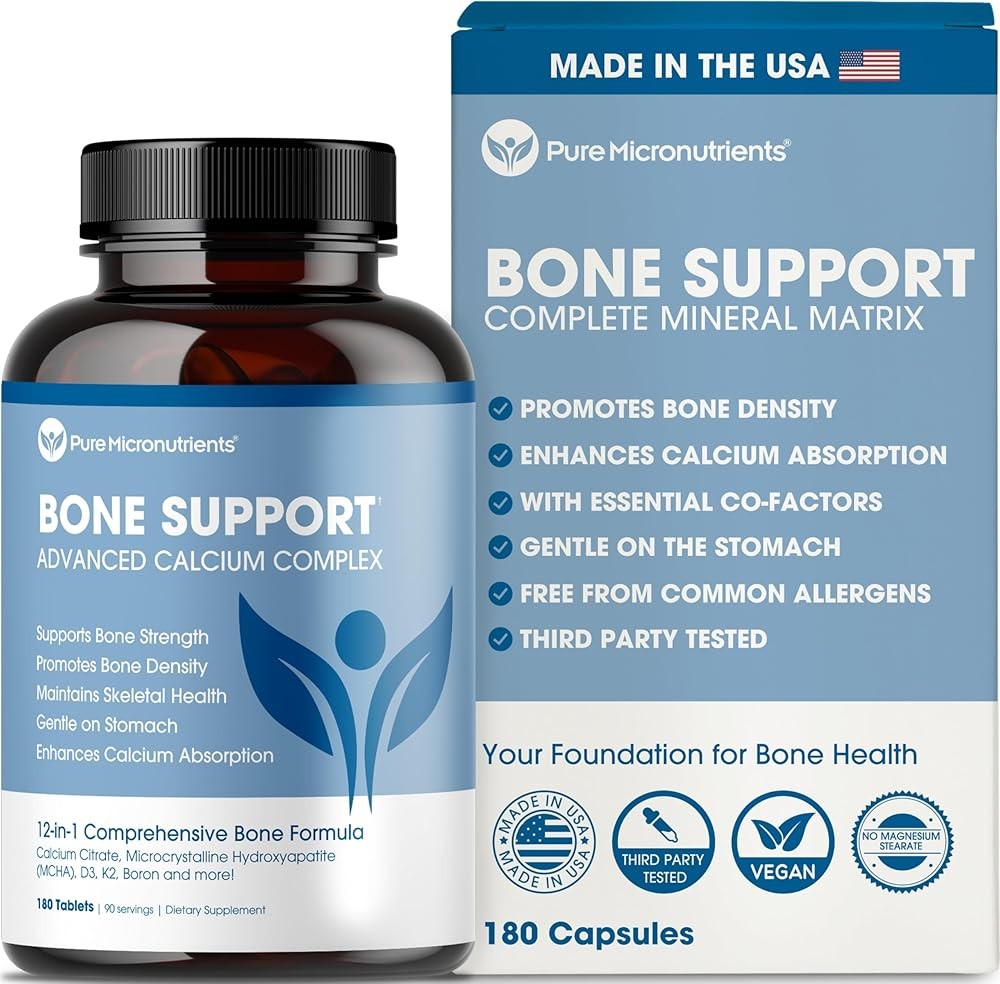
Microcrystalline hydroxyapatite (MCHC) provides calcium in the same crystalline form found in human bone, and the research reviewed above found that MCHC produces smaller acute spikes in serum calcium than citrate or carbonate (PubMed: 25274192). This formula pairs that calcium source with vitamin D3 for absorption, vitamin K2 to direct calcium into bone, and magnesium for cofactor support – the combination this guide recommends for bone protection. The 180-tablet bottle lists at about $43.
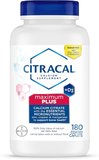
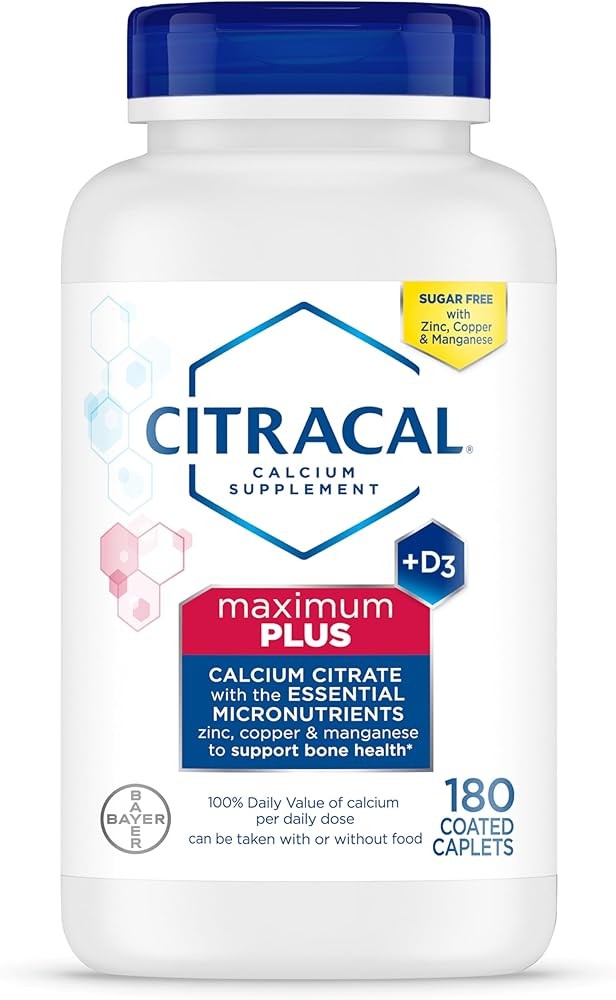
The Citracal Maximum Plus provides calcium citrate with 1,000 IU (25 mcg) of vitamin D3 plus zinc, copper, and manganese in each two-caplet serving. Calcium citrate is the form that absorbs reliably with or without food and causes significantly less constipation than carbonate, which makes this a sensible pick for anyone whose stomach reacted poorly to carbonate or who takes acid-reducing medication. At about $15 per 180-count bottle, it is one of the more affordable ways to buy a trusted brand-name citrate.
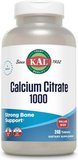
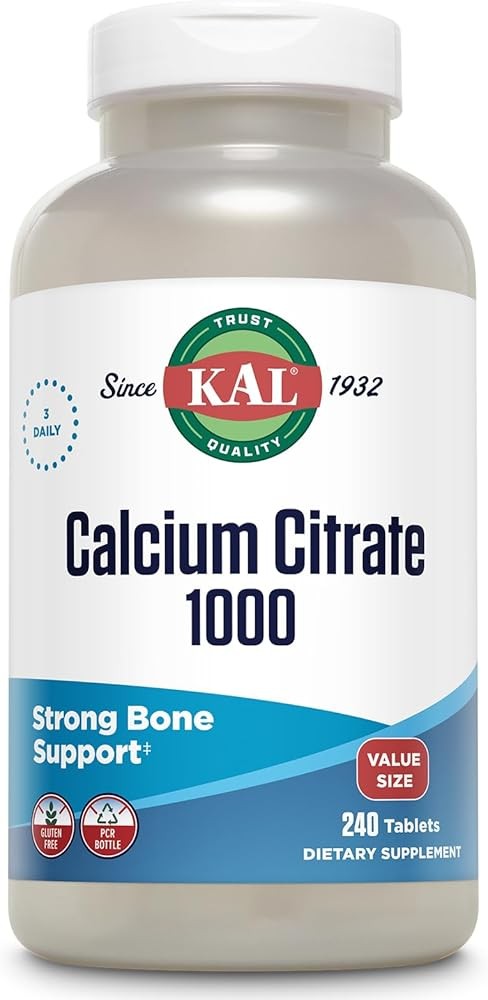
KAL Calcium Citrate delivers 1,000 mg of elemental calcium per three-tablet serving in the citrate form, which absorbs with or without food because it does not depend on stomach acid. The 240-tablet bottle provides 80 servings for about $20, making it one of the most economical pure-calcium-citrate options. Because each serving exceeds the 500 mg single-dose absorption ceiling, split the three tablets across the day – for example, one with breakfast and two with dinner.
Complete Support System for Bone Health
Calcium supplementation is most effective when combined with complementary nutrients and lifestyle practices that work synergistically for optimal bone health. Here’s a comprehensive protocol for maximum results:
Essential Cofactor Supplements
Vitamin D3 is required for calcium absorption. Without adequate vitamin D, only 10 to 15% of dietary calcium is absorbed. Most calcium supplements now include 1,000 to 2,000 IU of vitamin D3 per serving. Consider testing your vitamin D blood levels and supplementing accordingly.
Vitamin K2 (MK-7) activates osteocalcin, the protein that binds calcium into the bone matrix, and inhibits arterial calcification. Take 100 to 200 mcg of vitamin K2 MK-7 daily with a fat-containing meal for optimal absorption.
Magnesium is stored primarily in bone tissue and is involved in converting vitamin D to its active form. Magnesium glycinate or citrate forms are well-absorbed. Take 300 to 400 mg daily, preferably in the evening for additional sleep benefits.
Collagen peptides provide the structural protein matrix that calcium mineralizes onto. Hydrolyzed collagen type I and type III support bone density, joint health, and connective tissue integrity. Consider 10 grams daily.
Complementary Lifestyle Practices
Weight-bearing exercise stimulates bone formation through mechanical loading. Walking, jogging, strength training, and resistance exercises all signal bones to maintain or increase density. Aim for at least 30 minutes most days of the week.
Adequate protein intake is essential for bone matrix formation. Research shows that higher protein intake is associated with better bone density and reduced fracture risk, contrary to older theories. Aim for 1.0 to 1.2 grams of protein per kilogram of body weight daily.
Limit excessive sodium and caffeine, both of which increase urinary calcium excretion. Moderate intake is fine, but excessive consumption may undermine supplementation efforts.
Consider bone-supportive botanicals like horsetail extract (silica), boron, and vitamin C, which support collagen synthesis and bone mineralization.
Additional Reading
For more information on complementary bone health nutrients, see our guides on magnesium forms, vitamin D3 supplementation, and vitamin K2 benefits.
Related Reading
- Magnesium Glycinate vs Magnesium Citrate: Which Is Better?
- Vitamin D3 vs D2: Which Is Better?
- Best Magnesium Supplements for Bone Health
- Best Vitamin D Supplements
- Best Multivitamin for Women Over 40
- Vitamin K2 for Bone, Heart & Calcium Metabolism
References
- Bolland MJ, et al. (2010). Effect of calcium supplements on risk of myocardial infarction and cardiovascular events: meta-analysis. BMJ, 341:c3691. PubMed: 20671013
- Bolland MJ, et al. (2011). Calcium supplements with or without vitamin D and risk of cardiovascular events: reanalysis of the Women’s Health Initiative limited access dataset and meta-analysis. BMJ, 342:d2040. PubMed: 21505219
- Bristow SM, et al. (2014). Acute and 3-month effects of microcrystalline hydroxyapatite, calcium citrate and calcium carbonate on serum calcium and markers of bone turnover. Br J Nutr, 112(10):1611-20. PubMed: 25274192
- Curhan GC, et al. (1993). A prospective study of dietary calcium and other nutrients and the risk of symptomatic kidney stones. N Engl J Med, 328(12):833-8. PubMed: 8441427
- Hany M, et al. (2025). Comparison of calcium citrate and calcium carbonate absorption in patients with a Roux-en-Y gastric bypass, sleeve gastrectomy, and one-anastomosis gastric bypass. Surg Obes Relat Dis, 21(4):471-81. PubMed: 39603923
- Huo X, et al. (2023). Calcium supplements and risk of CVD: a meta-analysis of randomized trials. Curr Dev Nutr, 7(3):100046. PubMed: 37181938
- Jackson RD, et al. (2006). Calcium plus vitamin D supplementation and the risk of fractures. N Engl J Med, 354(7):669-83. PubMed: 16481635
- Kaats GR, et al. (2016). A 7-year longitudinal trial of the safety and efficacy of a vitamin/mineral enhanced plant-sourced calcium supplement. J Am Coll Nutr, 35(2):91-9. PubMed: 26885697
- Myung SK, et al. (2021). Calcium supplements and risk of cardiovascular disease: a meta-analysis of clinical trials. Nutrients, 13(2):368. PubMed: 33530332
- Naciu AM, et al. (2022). Calcium citrate versus calcium carbonate in the management of chronic hypoparathyroidism: a randomized, double-blind, crossover clinical trial. J Bone Miner Res, 37(7):1251-9. PubMed: 35466449
- Recker RR. (1985). Calcium absorption and achlorhydria. N Engl J Med, 313(2):70-3. PubMed: 4000241
- Sakhaee K, et al. (1999). Meta-analysis of calcium bioavailability: a comparison of calcium citrate with calcium carbonate. Am J Ther, 6(6):313-21. PubMed: 11329115
- Zamfirescu I, et al. (2011). Absorption of levothyroxine when coadministered with various calcium formulations. Thyroid, 21(5):483-6. PubMed: 21595516
- Solak V, et al. (2021). Potassium citrate vs. hydrochlorothiazide to reduce urinary calcium excretion in calcium oxalate stone patients with hypercalciuria: a prospective randomized study. Int Urol Nephrol, 53(9):1791-6. PubMed: 33904027
Recommended Products