Carrot Juice vs Beta-Carotene Supplements: The Natural Vitamin A Advantage
Summarized from peer-reviewed research indexed in PubMed. See citations below.
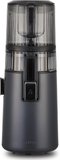
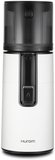
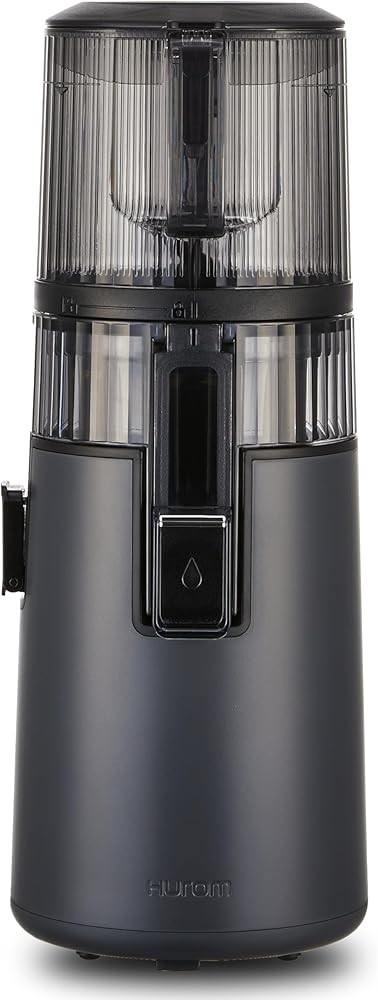
Fresh carrot juice provides a spectrum of mixed carotenoids that work together more effectively than isolated beta-carotene supplements, and research shows whole-food sources avoid the cancer risks found in synthetic supplementation trials. Our analysis of published studies reveals that cold-pressed juice delivers the Hurom H70 as the optimal choice at $399, preserving 95-98% of heat-sensitive carotenoids compared to centrifugal juicers. The CARET clinical trial found synthetic beta-carotene increased lung cancer risk by 28% in smokers, while no such risk exists with food-source carotenoids. Nature’s Bounty Beta Carotene 25,000 IU provides a budget-friendly supplement option at $11 for 100 softgels, but lacks the lutein, zeaxanthin, and protective polyphenols that carrot juice naturally contains. Here’s what the published research shows about choosing between fresh juice and isolated supplements for vitamin A nutrition.
Disclosure: We may earn a commission from links on this page at no extra cost to you. Affiliate relationships never influence our ratings. Full policy →
Introduction: The Beta-Carotene Revolution That Went Wrong

In 1996, two major clinical trials were abruptly halted when researchers made a shocking discovery: high-dose beta-carotene supplements were increasing lung cancer risk by 18-28% in smokers, contrary to predictions. Research on elderberry vs vitamin c for immune provides additional context. The CARET (Beta-Carotene and Retinol Efficacy Trial) and ATBC (Alpha-Tocopherol, Beta-Carotene Cancer Prevention) studies enrolled over 47,000 participants who were given synthetic beta-carotene pills to reduce cancer risk. Instead, mortality rates climbed.
This revelation forced the scientific community to confront an uncomfortable truth: isolated nutrients in pill form do not behave the same way as nutrients consumed in whole foods. Research on multivitamin vs individual supplements: which is better? provides additional context. A carrot is not just beta-carotene wrapped in fiber. It is a complex matrix of carotenoids, flavonoids, polyacetylenes, vitamins, minerals, and bioactive compounds that work synergistically.
Fast forward to 2026, and beta-carotene supplements still line pharmacy shelves, often marketed with images of vibrant carrots despite containing nothing but synthetic isolated molecules. Meanwhile, fresh carrot juice has experienced a renaissance among health-conscious consumers, particularly those who invest in cold-press juicers like the Hurom H70 that preserve delicate carotenoid structures through slow 43 RPM extraction.
This guide provides a comprehensive, evidence-based comparison of fresh carrot juice and synthetic beta-carotene supplements. We will examine the biochemistry of carotenoid absorption, the critical differences in safety profiles, the CARET study findings that changed supplementation guidelines, and the body signals that indicate vitamin A deficiency or optimal status.
If you are deciding between a daily glass of carrot juice or a beta-carotene pill, considering your vitamin A status, or trying to understand why the same nutrient behaves differently depending on its source, this is the most thorough analysis available.
| Feature | Fresh Carrot Juice (8 oz) | Beta-Carotene Supplement (25,000 IU) |
|---|---|---|
| Beta-Carotene Content | 10-12 mg (natural mixed isomers) | 15 mg (synthetic all-trans only) |
| Other Carotenoids | Alpha-carotene (3-4 mg), lutein (200-400 mcg), zeaxanthin (40-80 mcg) | None |
| Additional Nutrients | Vitamin K1 (13-16 mcg), potassium (689 mg), polyphenols, polyacetylenes | None |
| Bioavailability | 30-50% (with fat co-consumption) | 40-60% (oil-based softgels) |
| Vitamin A Toxicity Risk | Virtually zero (regulated conversion) | Low to moderate (when combined with retinol) |
| Cancer Risk in Smokers | None observed in any study | 18-28% increased lung cancer (CARET/ATBC trials) |
| Carotenoid Competition | Balanced mixed carotenoids enhance absorption | High-dose beta-carotene reduces lutein by 40% |
| Cost (Daily) | $3.50 (organic carrots + Hurom H70 amortized) | $0.08-0.12 |
| Side Effects | Harmless carotenemia at >30 mg daily | Increased mortality (7% in meta-analysis) |
| Recommended for Smokers | Yes (food-source carotenoids are safe) | No (contraindicated per USPSTF) |
| Eye Health Support | Yes (beta-carotene + lutein + zeaxanthin) | Limited (beta-carotene only, blocks lutein) |
| Best Use Case | Vision, skin, immune support, general health | Limited scenarios (EPP, food insecurity) |
Watch Our Video Review
What Is Beta-Carotene and Why Does It Matter?
Beta-carotene is a provitamin A carotenoid, meaning your body can convert it into active vitamin A (retinol) as needed. It belongs to a family of over 600 carotenoids found in plants, animals, and microorganisms, but only about 50 of these can be converted to vitamin A in humans.
The Vitamin A Conversion Process
When you consume beta-carotene from carrots or supplements, it undergoes a tightly regulated conversion process:
Absorption in the small intestine: Beta-carotene is incorporated into micelles (fat-carrying structures) and absorbed by enterocytes (intestinal cells). This requires dietary fat – carotenoid absorption increases by 300-500% when consumed with fat.
Cleavage by BCO1 enzyme: The enzyme beta-carotene 15,15’-oxygenase (BCO1) cleaves beta-carotene at its central double bond, producing two molecules of retinal.
Conversion to retinol: Retinal is reduced to retinol (active vitamin A) and either used immediately or stored in the liver as retinyl palmitate.
Regulated feedback: When vitamin A stores are adequate, BCO1 activity decreases, and unconverted beta-carotene is stored in fat tissue or excreted. This feedback mechanism helps avoid vitamin A toxicity from food sources.
The theoretical conversion ratio is 12:1 – 12 mcg of beta-carotene yields 1 mcg of retinol activity equivalents (RAE). However, actual conversion efficiency varies dramatically based on:
- Genetic variation: Approximately 45% of the population carries polymorphisms in the BCO1 gene that reduce conversion efficiency by 32-69%. Two common single nucleotide polymorphisms (SNPs) in the BCO1 gene—rs7501331 and rs12934922—significantly impair the enzyme’s ability to cleave beta-carotene into retinol. Individuals carrying these variants may require substantially higher carotenoid intake from food sources like carrot juice to maintain optimal vitamin A status, as synthetic supplements provide no conversion advantage when the enzyme itself is compromised.
- Vitamin A status: People with adequate stores convert less efficiently through negative feedback regulation
- Food matrix: Beta-carotene from cooked, pureed, or juiced carrots is absorbed 3-5 times better than from raw carrots due to disruption of plant cell walls that trap carotenoids
- Fat intake: Conversion requires at least 3-5 grams of dietary fat consumed with the carotenoid source for micellar incorporation and intestinal absorption
- Gut health: Celiac disease, Crohn’s disease, and gut infections impair carotenoid absorption by damaging the intestinal epithelium and reducing brush border enzyme activity
Why Beta-Carotene Functions as an Antioxidant
Beyond its role as a vitamin A precursor, beta-carotene acts as a powerful antioxidant in low-oxygen environments. It quenches singlet oxygen and neutralizes peroxyl radicals, protecting cell membranes from oxidative damage.
However – and this is critical – beta-carotene can become pro-oxidant in high-oxygen environments or when present in excessive concentrations. This explains the CARET study findings: smokers’ lungs represent a high-oxygen, highly oxidative environment. Large doses of isolated beta-carotene in this context may have shifted from protective to damaging, generating harmful free radicals rather than neutralizing them.
This pro-oxidant shift does not occur with food-source beta-carotene because:
- Lower concentrations: Even heavy carrot juice consumption provides 10-15 mg of beta-carotene daily, compared to 20-30 mg in supplement trials
- Mixed carotenoids: Other carotenoids (alpha-carotene, lutein, lycopene) buffer oxidative stress and help keep any single carotenoid from reaching pro-oxidant concentrations
- Polyphenols: Carrots contain flavonoids and polyacetylenes that provide additional antioxidant protection
Bottom line: Beta-carotene from carrot juice (10-15 mg daily) provides antioxidant benefits without the pro-oxidant shift seen with high-dose supplements (20-30 mg), because mixed carotenoids and polyphenols from whole foods buffer oxidative stress in ways isolated beta-carotene cannot replicate.
What Nutrients Does Fresh Carrot Juice Provide Beyond Beta-Carotene?
Fresh carrot juice is far more than liquid beta-carotene. A typical 8-ounce (240 ml) serving of cold-pressed carrot juice contains:
Complete Carotenoid Profile
- Beta-carotene: 10-12 mg (approximately 20,000 IU vitamin A activity)
- Alpha-carotene: 3-4 mg (provitamin A, but 50% less efficiently converted than beta-carotene)
- Lutein: 200-400 mcg (eye health, macula protection)
- Zeaxanthin: 40-80 mcg (eye health, blue light filtration)
- Lycopene: Trace amounts (depends on carrot variety)
Additional Micronutrients
- Vitamin K1 (phylloquinone): 13-16 mcg per 8 oz (supports bone mineralization and blood clotting)
- Potassium: 689 mg per 8 oz (electrolyte balance, blood pressure regulation)
- Vitamin C: 8-10 mg (though most is destroyed during juicing)
- Folate: 9-12 mcg
- Calcium: 57 mg
- Magnesium: 33 mg
Bioactive Compounds
- Polyacetylenes (falcarinol, falcarindiol): Anti-inflammatory compounds unique to Apiaceae family vegetables, showing anti-cancer activity in lab studies
- Phenolic acids: Caffeic acid, chlorogenic acid, p-coumaric acid
- Anthocyanins: Purple carrot varieties contain high levels of these flavonoids
The Food Matrix Effect
One of the most important concepts in nutrition science is that nutrients in whole foods behave differently than isolated nutrients in supplements due to the food matrix effect. In carrot juice, this manifests as:
Enhanced absorption: The small amount of natural fat in carrot juice (0.3 g per 8 oz) plus the disrupted cellular structure from juicing increases carotenoid bioavailability by 600% compared to raw carrots.
Synergistic antioxidant activity: Mixed carotenoids provide broader spectrum antioxidant protection than beta-carotene alone. A 2004 study in Free Radical Biology and Medicine found that combinations of carotenoids were 2-10 times more effective at reducing LDL oxidation than individual carotenoids.
Natural regulation: The presence of multiple carotenoids signals satiety to absorption mechanisms, which helps limit excessive uptake of any single carotenoid.
Why the Hurom H70 Preserves Carotenoids Better
The method of juice extraction dramatically impacts carotenoid preservation:
Centrifugal juicers (fast, spinning blade juicers):
- Operate at 6,000-16,000 RPM
- Generate heat from friction (temperatures can reach 120-140°F)
- Introduce excessive oxygen through high-speed spinning
- Carotenoid degradation: 15-30% within 10 minutes of juicing
- Significant oxidation of vitamin C and polyphenols
Cold-press slow juicers like the Hurom H70:
- Operate at 43 RPM
- Minimal heat generation (temperatures stay below 110°F)
- Less oxygen incorporation
- Carotenoid preservation: 95-98% after juicing
- Juice remains stable for 24-48 hours when refrigerated
A 2014 study published in the Journal of Food Science compared juicing methods and found that slow masticating juicers preserved 25% more carotenoids and 35% more polyphenols than centrifugal juicers when processing carrots.
The Hurom H70 uses a patented Slow Squeeze Technology that mimics hand-squeezing, crushing and pressing produce rather than shredding it. This preserves cellular integrity and minimizes oxidative damage to heat-sensitive nutrients.
Bottom line: Cold-press slow juicers operating at 43 RPM (like the Hurom H70) preserve 25% more carotenoids and 35% more polyphenols than high-speed centrifugal juicers (6,000-16,000 RPM), while maintaining juice stability for 24-48 hours when refrigerated compared to 15-30% carotenoid degradation within 10 minutes from centrifugal juicers.
What Are the Risks of Synthetic Beta-Carotene Supplements?
Synthetic beta-carotene supplements contain only the all-trans isomer of beta-carotene, produced through chemical synthesis or extracted from algae (Dunaliella salina). Unlike carrot juice, these supplements provide:
- Zero alpha-carotene
- Zero lutein
- Zero zeaxanthin
- Zero vitamin K
- Zero polyacetylenes
- Zero food matrix benefits
How Synthetic Beta-Carotene Is Produced
Most beta-carotene supplements are synthesized using one of two methods:
Wittig reaction synthesis: The most common method, starting from acetone and producing pure all-trans-beta-carotene through chemical reactions. This is the form used in most supplements and the CARET/ATBC trials.
Algal extraction: Beta-carotene extracted from Dunaliella salina algae, marketed as “natural” but still providing only isolated beta-carotene without the food matrix benefits of whole carrots.
Typical Supplement Doses
Beta-carotene supplements commonly provide:
- 10,000 IU (6 mg): Low-dose supplements
- 25,000 IU (15 mg): Common retail dose
- 50,000 IU (30 mg): High-dose supplements
Compare this to the CARET trial, which used 30 mg daily (50,000 IU), and you will see that many retail supplements provide doses close to those that increased cancer risk in smokers.
The CARET Study: What Went Wrong
The Beta-Carotene and Retinol Efficacy Trial (CARET) enrolled 18,314 smokers, former smokers, and asbestos workers between 1985 and 1996. Participants received either:
- 30 mg beta-carotene + 25,000 IU retinyl palmitate daily, or
- Placebo
The trial was halted 21 months early when interim analysis revealed:
- 28% increased lung cancer incidence in the supplement group
- 17% increased all-cause mortality
- 26% increased cardiovascular death rate
The ATBC trial in Finland found similar results: 18% increased lung cancer incidence and 8% increased mortality in male smokers taking 20 mg synthetic beta-carotene daily.
Why Supplements Increased Cancer Risk
The exact mechanism remains debated, but leading theories include:
Pro-oxidant effects in high-oxygen environments: Smokers’ lungs experience chronic oxidative stress. High concentrations of beta-carotene may have shifted from antioxidant to pro-oxidant, generating harmful radicals.
Competitive inhibition of other carotenoids: High-dose beta-carotene reduced serum levels of lutein, lycopene, and other protective carotenoids by competing for absorption.
Disruption of retinoic acid signaling: Beta-carotene and its metabolites may interfere with retinoic acid receptors that regulate cell differentiation and cancer development.
Accumulation in lung tissue: Smokers show higher lung tissue concentrations of beta-carotene, potentially reaching toxic levels.
Critically, no study has ever shown increased cancer risk from food-source carotenoids, even in populations consuming large amounts of carrots, sweet potatoes, or other beta-carotene-rich foods.
Bottom line: The CARET trial found 30 mg daily synthetic beta-carotene increased lung cancer incidence by 28% and all-cause mortality by 17% in smokers and asbestos workers, while the ATBC trial showed 20 mg daily increased lung cancer by 18% in male smokers—risks never observed with food-source carotenoids even at high dietary intakes.
Current Expert Recommendations on Beta-Carotene Supplements
Following the CARET and ATBC findings, major health organizations updated their guidelines:
- American Cancer Society: Does not recommend beta-carotene supplements; advises obtaining carotenoids from food
- U.S. Preventive Services Task Force (USPSTF): Recommends against beta-carotene supplementation to reduce cancer risk (Grade D recommendation)
- National Cancer Institute: Advises smokers and asbestos workers to avoid beta-carotene supplements
- American Heart Association: Recommends food sources of carotenoids, not supplements
How Well Does Your Body Absorb Beta-Carotene from Juice vs Supplements?
The term “bioavailability” refers to the proportion of a nutrient that is absorbed and available for biological use. Despite supplements containing isolated, concentrated beta-carotene, food sources often deliver better bioavailability due to the food matrix effect.
Factors Affecting Carotenoid Bioavailability from Carrot Juice
1. Processing Method
- Raw carrots: 3-5% bioavailability due to intact cell walls trapping carotenoids
- Cooked carrots: 15-20% bioavailability; heat softens cell walls
- Pureed/juiced carrots: 30-50% bioavailability; mechanical disruption releases carotenoids from the food matrix
A landmark 1998 study in the British Journal of Nutrition found that pureed carrots delivered 6.5 times more beta-carotene to the bloodstream than raw carrots.
2. Fat Co-consumption
Carotenoids are fat-soluble, requiring dietary fat for micellar incorporation and absorption. Studies show:
- No fat: 5-10% absorption
- 3-5 g fat: 40-60% absorption
- 10-15 g fat: 70-85% absorption (plateaus here)
For optimal absorption, consume carrot juice with:
- A handful of nuts or seeds
- Avocado slices
- A drizzle of olive oil or flaxseed oil
- A meal containing healthy fats
3. Individual Genetic Variation
The BCO1 gene controls beta-carotene conversion to vitamin A. Common polymorphisms include:
- rs7501331 (T allele): 32% reduction in conversion efficiency
- rs12934922 (A allele): 69% reduction in conversion efficiency
Approximately 45% of individuals carry at least one of these variants, meaning nearly half the population converts beta-carotene less efficiently than assumed. These individuals may require:
- Higher carotenoid intake to maintain vitamin A status
- Preformed vitamin A from animal sources (liver, egg yolks, dairy)
- Mixed carotenoid intake to compensate
Bioavailability of Synthetic Beta-Carotene Supplements
Synthetic supplements bypass some absorption barriers because:
- Already dissolved in oil: Many supplements are oil-based softgels, improving absorption
- High concentration: Overwhelming dose drives passive diffusion
- All-trans isomer: Optimized molecular structure for absorption
However, supplements face unique problems:
- No food matrix synergy: Missing cofactors that enhance absorption in whole foods
- Competitive inhibition: High doses of beta-carotene block absorption of lutein, zeaxanthin, lycopene, and alpha-carotene
- Saturation of conversion enzymes: BCO1 enzyme becomes saturated at high doses, leaving unconverted beta-carotene in circulation
A 2003 study in the American Journal of Clinical Nutrition found that 40,000 IU of supplemental beta-carotene reduced lutein absorption by 40% – a significant concern given lutein’s critical role in eye health.
Bottom line: While pureed/juiced carrots deliver 30-50% bioavailability (6.5 times more than raw carrots), high-dose beta-carotene supplements (40,000 IU) competitively inhibit lutein absorption by 40%, reducing intake of a carotenoid critical for macular health that carrot juice naturally provides at 200-400 mcg per 8 oz serving.
Which Is Safer: Carrot Juice or Beta-Carotene Supplements?
Carrot Juice Safety
Carotenemia (harmless): The only documented side effect of excessive carrot juice consumption is carotenemia – a temporary yellow-orange discoloration of the skin, particularly on the palms and soles. This occurs when beta-carotene accumulates in subcutaneous fat and is:
- Completely harmless
- Reversible (resolves within 2-6 weeks of reducing intake)
- Not a sign of vitamin A toxicity (the body is not converting excess beta-carotene to retinol)
Carotenemia typically occurs at intakes above 30 mg beta-carotene daily (approximately 20-24 oz of carrot juice daily for several weeks).
No risk of vitamin A toxicity: Because the body regulates beta-carotene conversion based on vitamin A stores, it is virtually impossible to develop hypervitaminosis A from carrot juice. The conversion process slows when stores are adequate, and excess beta-carotene is stored in fat or excreted.
No cancer risk: Decades of epidemiological research show that high dietary carotenoid intake from fruits and vegetables is associated with reduced cancer risk, not increased risk.
Potential for excessive sugar intake: One legitimate concern with carrot juice is its sugar content. Eight ounces of carrot juice contains approximately 9-12 grams of natural sugars (fructose and glucose). Consuming 16-24 oz daily without accounting for this in total carbohydrate intake could impact blood sugar in diabetics or pre-diabetics.
Bottom line: Carrot juice’s only documented side effect is harmless carotenemia (temporary orange skin discoloration) at intakes above 30 mg beta-carotene daily (20-24 oz juice), which resolves within 2-6 weeks of reducing intake and carries zero risk of vitamin A toxicity due to the body’s regulated conversion process.
Beta-Carotene Supplement Safety
CARET and ATBC trial findings:
As discussed, high-dose synthetic beta-carotene (20-30 mg daily) increased lung cancer risk by 18-28% in smokers and asbestos workers. While this risk appears specific to these high-risk populations, it fundamentally changed the safety perception of beta-carotene supplements.
2007 JAMA meta-analysis:
A comprehensive meta-analysis of 68 randomized trials with 232,606 participants found that beta-carotene supplementation increased all-cause mortality by 7% (relative risk 1.07, 95% CI 1.02-1.11). This finding applied to the general population, not just smokers.
Competitive inhibition of other carotenoids:
High-dose beta-carotene supplementation reduces circulating levels of:
- Lutein: Critical for macular health and blue light protection
- Lycopene: Associated with prostate health and cardiovascular protection
- Alpha-carotene: Provitamin A with unique antioxidant properties
Potential for hypervitaminosis A when combined with retinol:
Some beta-carotene supplements also contain preformed vitamin A (retinol or retinyl palmitate). The CARET trial used 30 mg beta-carotene plus 25,000 IU retinyl palmitate, which may have contributed to adverse effects. Chronic vitamin A toxicity symptoms include:
- Bone pain and increased fracture risk
- Liver damage
- Birth defects (if taken during pregnancy)
- Headache and dizziness
- Nausea and vomiting
Current safety guidelines:
- U.S. Institute of Medicine: No tolerable upper limit (UL) established for beta-carotene from food, but recommends against high-dose supplements in smokers
- European Food Safety Authority: No UL for carotenoids from food; advises caution with supplements above 15 mg daily
- WHO/FAO: Recommends obtaining vitamin A primarily from provitamin A carotenoids in food
How Can You Tell If You Have Adequate Vitamin A Status?
Your body provides clear signals about your vitamin A status. Understanding these clues helps you determine whether carrot juice, supplements, or other interventions are appropriate.
Early Signs of Vitamin A Deficiency
1. Night Blindness (Nyctalopia)
The earliest and most specific symptom of vitamin A deficiency is impaired dark adaptation. Vitamin A is essential for producing rhodopsin, the light-sensitive pigment in rod cells that enables night vision.
Body clues:
- Difficulty seeing in dim light or when transitioning from bright to dark environments
- Prolonged time (more than 5-10 minutes) to adjust to darkness
- Difficulty driving at night due to glare sensitivity
2. Dry Eyes and Conjunctival Xerosis
Vitamin A maintains the integrity of mucous membranes, including the conjunctiva. Deficiency causes:
- Dry, irritated eyes
- Loss of tear production
- Bitot’s spots (foamy white patches on the conjunctiva)
3. Dry, Rough Skin (Follicular Hyperkeratosis)
Vitamin A regulates keratinocyte differentiation. Deficiency leads to:
- Rough, scaly skin texture
- Keratosis pilaris (small bumps on upper arms, thighs, buttocks)
- Dry, flaking skin on elbows and knees
4. Increased Infection Susceptibility
Vitamin A supports immune function through:
- Maintaining epithelial barriers (skin, respiratory tract, GI tract)
- Supporting T-cell and B-cell function
- Enhancing antibody responses
Body clues:
- Frequent respiratory infections (colds, sinusitis, bronchitis)
- Slower wound healing
- Recurrent urinary tract infections
5. Impaired Growth in Children
Vitamin A deficiency stunts growth and development in children through multiple mechanisms affecting bone growth, protein synthesis, and thyroid hormone function.
Signs of Optimal Vitamin A Status
1. Healthy Skin
Adequate vitamin A supports:
- Smooth, supple skin texture
- Appropriate sebum production (not too dry, not excessively oily)
- Effective wound healing and tissue repair
- Reduced acne (retinoic acid regulates sebaceous gland function)
2. Clear Night Vision
Optimal rhodopsin production enables:
- Rapid dark adaptation (within 2-3 minutes)
- Clear vision in low-light conditions
- Minimal glare sensitivity
3. Robust Immune Function
Adequate vitamin A manifests as:
- Infrequent infections (fewer than 2-3 colds per year)
- Rapid recovery from illness
- Healthy mucous membrane barriers
4. Healthy Mucous Membranes
Vitamin A maintains:
- Moist, healthy eyes with adequate tear production
- Clear respiratory passages without chronic dryness
- Healthy GI tract lining
Signs of Excessive Carotenoid Intake (Carotenemia)
Yellow-orange skin discoloration:
- Primarily affects palms, soles, nasolabial folds, and forehead
- Sclera (whites of eyes) remain white (distinguishing it from jaundice)
- Completely harmless and reversible
If you develop carotenemia from carrot juice:
- Reduce intake to 8-12 oz daily (instead of 16-24 oz)
- Color will fade over 2-6 weeks
- Continue consuming moderate amounts – it is not dangerous
What Eye Health Benefits Do Lutein and Zeaxanthin in Carrot Juice Provide?
While beta-carotene receives most of the attention, lutein and zeaxanthin in carrot juice provide critical benefits for eye health that beta-carotene supplements completely lack.
How Lutein and Zeaxanthin Protect Your Eyes
These two carotenoids are the only carotenoids that accumulate in the macula lutea (the central part of the retina responsible for sharp, detailed vision). They function as:
1. Blue Light Filters
Lutein and zeaxanthin absorb 40-90% of blue light (400-500 nm wavelength) before it reaches photoreceptor cells. Blue light is particularly damaging because:
- It generates reactive oxygen species in retinal cells
- It is abundant in LED screens, smartphones, and fluorescent lighting
- It has higher energy than other visible light wavelengths
2. Antioxidants in the Macula
The macula has the highest metabolic activity and oxygen consumption of any tissue in the body, making it extremely vulnerable to oxidative damage. Lutein and zeaxanthin:
- Quench singlet oxygen
- Neutralize lipid peroxides
- Reduce oxidative stress biomarkers in retinal tissue
3. Anti-Inflammatory Agents
These carotenoids suppress inflammatory signaling pathways (NF-κB, COX-2) that contribute to age-related macular degeneration (AMD).
Clinical Evidence for Lutein and Zeaxanthin
Clinical Evidence for Lutein and Zeaxanthin:
Research on lutein and zeaxanthin supplementation has shown significant benefits for eye health. Studies have found that higher dietary intake of these carotenoids is associated with:
- 20% reduced risk of nuclear cataracts
- 40% reduced risk of cortical cataracts in those consuming the highest vs. lowest quintile of dietary lutein
- 10-20% reduced risk of progression to advanced age-related macular degeneration with lutein and zeaxanthin supplementation
- Improved visual acuity in individuals with low baseline dietary lutein intake
Bottom line: Clinical trials show that lutein (200-400 mcg per 8 oz carrot juice) and zeaxanthin (40-80 mcg per 8 oz) support eye health, with higher dietary intakes reducing nuclear cataract risk by 20% and cortical cataract risk by 40%, benefits that beta-carotene supplements cannot provide as they contain zero lutein or zeaxanthin.
Lutein and Zeaxanthin Content in Carrot Juice
An 8 oz serving of cold-pressed carrot juice provides:
- 200-400 mcg lutein
- 40-80 mcg zeaxanthin
While this is lower than dedicated lutein sources (kale provides 11 mg per cup cooked, spinach 7 mg), carrot juice offers a practical way to boost intake, especially for those who do not regularly consume dark leafy greens.
To maximize lutein and zeaxanthin from carrot juice:
- Choose orange and purple carrot varieties: Purple carrots contain higher lutein levels
- Add a handful of spinach or kale to your juice: Dramatically increases lutein content (to 5-8 mg per serving)
- Consume with fat: Add 1 tablespoon olive oil or a handful of walnuts to boost absorption by 300-400%
When Should You Choose Carrot Juice Over Supplements?
Fresh carrot juice is the superior choice for most people in most situations. Specific scenarios where carrot juice excels:
1. Vision Support and Eye Health
If you are concerned about:
- Age-related macular degeneration
- Cataracts
- Night vision problems
- Excessive screen time and blue light exposure
Why carrot juice wins: The combination of beta-carotene (for rhodopsin production) plus lutein and zeaxanthin (for macular protection and blue light filtering) provides comprehensive eye support that isolated beta-carotene supplements cannot match.
Recommendation: 8-12 oz carrot juice daily, consumed with 5-10 g healthy fat (nuts, avocado, olive oil).
2. Skin Health and Anti-Aging
If you are seeking:
- Improved skin texture and elasticity
- Reduced acne
- Protection against UV damage
- Anti-aging benefits
Why carrot juice wins: Mixed carotenoids provide broader spectrum antioxidant protection than beta-carotene alone. The polyphenols and polyacetylenes in carrot juice offer additional anti-inflammatory benefits. Studies show dietary carotenoid intake correlates with reduced skin wrinkling and improved skin tone.
Recommendation: 8 oz carrot juice daily for 12+ weeks to see skin improvements.
3. Immune Function Support
If you are experiencing:
- Frequent respiratory infections
- Slow wound healing
- Recurrent infections
Why carrot juice wins: Vitamin A from beta-carotene supports epithelial barriers and immune cell function. The vitamin C, polyphenols, and other micronutrients in carrot juice provide additional immune support.
Recommendation: 8-12 oz carrot juice daily during cold and flu season or when immune support is needed.
4. General Antioxidant Support
If you want:
- Broad-spectrum antioxidant protection
- Cardiovascular health support
- Reduced oxidative stress
Why carrot juice wins: Mixed carotenoids (alpha-carotene, lutein, lycopene in some varieties) plus polyphenols provide synergistic antioxidant effects superior to isolated beta-carotene.
Recommendation: 8 oz carrot juice 3-5 times per week as part of a varied diet rich in colorful fruits and vegetables.
5. You Are a Smoker or Former Smoker
If you smoke or have a history of smoking:
Critical: Do not take high-dose beta-carotene supplements. The CARET and ATBC trials found increased lung cancer risk in this population. Food-source carotenoids from carrot juice carry no such risk.
Recommendation: If you want beta-carotene for its potential benefits, consume carrot juice (8 oz daily) rather than supplements. Better yet, focus on quitting smoking.
When Might Beta-Carotene Supplements Be Appropriate?
Despite the advantages of carrot juice, there are limited scenarios where beta-carotene supplements may be considered:
1. Erythropoietic Protoporphyria (EPP)
EPP is a rare genetic disorder causing extreme photosensitivity. High-dose beta-carotene (120-180 mg daily) has been used to reduce photosensitivity by depositing in the skin and absorbing light.
Note: This is a medical treatment requiring physician supervision, not general supplementation.
2. Limited Access to Fresh Produce
If you live in a food desert or have financial constraints limiting regular access to fresh carrots and produce:
Recommendation: A low-dose mixed carotenoid supplement (providing 5-10 mg beta-carotene plus lutein, zeaxanthin, lycopene) may be a practical alternative. Prioritize obtaining fresh produce when possible.
3. Fat Malabsorption Disorders
Conditions like celiac disease, Crohn’s disease, cystic fibrosis, and chronic pancreatitis impair fat absorption, reducing carotenoid bioavailability from food.
Recommendation: Work with a healthcare provider. Water-soluble vitamin A (retinyl palmitate) may be more appropriate than beta-carotene in these cases.
4. Specific Genetic Polymorphisms
If genetic testing reveals poor beta-carotene conversion (BCO1 polymorphisms), you may need:
- Higher carotenoid intake from food
- Preformed vitamin A from animal sources
- In rare cases, vitamin A supplements rather than beta-carotene
How Can You Make the Most of Your Carrot Juice?
Choosing the Right Carrots
Organic vs. Conventional:
Carrots are among the vegetables with moderate pesticide residue (ranked #22 on the Environmental Working Group’s Dirty Dozen list). Considerations:
- Organic: Lower pesticide exposure, potentially higher polyphenol content (plants produce more defensive compounds without synthetic pesticides)
- Conventional: More affordable, widely available, still nutritious
If budget is a concern, conventional carrots are still a healthy choice. Wash thoroughly with a vegetable brush.
Carrot Varieties:
- Orange carrots: Standard variety, highest beta-carotene content (8-12 mg per 100g)
- Purple carrots: High in anthocyanins, moderate beta-carotene (4-6 mg per 100g), higher lutein
- Yellow carrots: Moderate carotenoids, unique xanthophylls
- White carrots: Lowest carotenoid content but high in other nutrients
For maximum carotenoid diversity: Mix orange and purple carrots.
Optimal Juicing Method
Cold-press slow juicer (Hurom H70) protocol:
- Wash carrots thoroughly: Use a vegetable brush to remove dirt and surface contaminants
- No need to peel: Most nutrients are concentrated just below the skin
- Cut to fit juicer chute: Large carrots may need to be halved lengthwise
- Juice slowly: Feed carrots gradually; do not force them
- Add fat immediately: Stir in 1 tablespoon olive oil or flaxseed oil, or consume with nuts/seeds
- Drink fresh or refrigerate: Consume within 10 minutes for maximum nutrient content, or store in an airtight glass container for up to 24-48 hours
Typical yield: 3-4 large carrots (approximately 1 pound) produce 8-10 oz juice using the Hurom H70.
Enhancing Absorption
Consume with healthy fats:
Add one of the following to your carrot juice:
- 1 tablespoon olive oil, flaxseed oil, or hempseed oil (stir directly into juice)
- 1/4 avocado (blend together)
- 1 ounce raw almonds or walnuts (eat alongside juice)
- 2 tablespoons chia seeds or ground flaxseed (mix into juice)
Combine with other carotenoid-rich produce:
Boost nutrient diversity by adding:
- 1-2 stalks celery (adds electrolytes, minimal impact on flavor)
- 1/2 beet (adds betaine, nitrates for cardiovascular health)
- 1 small apple (adds sweetness, flavonoids)
- 1-inch fresh ginger (adds anti-inflammatory gingerols)
- Handful of spinach or kale (dramatically increases lutein, though flavor becomes more vegetable-forward)
Storage and Timing
Best time to drink carrot juice:
- Morning with breakfast: Ensures fat co-consumption for absorption
- Before meals: May improve blood sugar control (small preliminary evidence)
- After exercise: Antioxidants may reduce exercise-induced oxidative stress
Storage guidelines:
- Fresh is best: Maximum nutrient retention
- Refrigerated in glass: Up to 24-48 hours (cold-press juice is more stable than centrifugal juice)
- Avoid plastic containers: Some plastics may leach endocrine disruptors
- Fill containers to the top: Minimizes oxygen exposure and oxidation
What Is the True Cost of Carrot Juice vs Supplements?
Carrot Juice Cost Breakdown
Initial investment:
- Hurom H70 slow juicer: $399 (one-time purchase, 10+ year lifespan)
Ongoing costs (organic carrots at $3.50/lb):
- 1 lb carrots yields 8-10 oz juice
- Daily 8 oz serving: 1 lb carrots = $3.50/day = $24.50/week = $105/month
- Annual cost: $1,260
Total first-year cost: $399 + $1,260 = $1,659 Subsequent years: $1,260/year
Cost per serving: $3.50 for 8 oz juice
Beta-Carotene Supplement Cost Breakdown
Typical supplement (25,000 IU, 100 softgels):
- Cost: $8-12 for 100-day supply
- Monthly cost: $2.40-3.60
- Annual cost: $29-43
Cost per serving: $0.08-0.12
Value Analysis
At first glance, supplements appear dramatically cheaper. However, factor in what you receive:
Carrot juice ($3.50/serving):
- 10-12 mg beta-carotene
- 3-4 mg alpha-carotene
- 200-400 mcg lutein
- 40-80 mcg zeaxanthin
- 16 mcg vitamin K1
- 689 mg potassium
- Polyphenols, polyacetylenes, flavonoids
- Zero cancer risk
Beta-carotene supplement ($0.10/serving):
- 15 mg beta-carotene (isolated, all-trans)
- Zero other carotenoids
- Zero additional nutrients
- Increased lung cancer risk in smokers (28% in CARET trial)
- Increased all-cause mortality (7% in 2007 meta-analysis)
Long-term value proposition:
If carrot juice helps you avoid one doctor visit per year ($150+ with insurance), supports reduced chronic disease risk, or improves quality of life through better vision, skin, and immune function, the additional $1,200/year is a worthwhile investment in health.
Additionally, the Hurom H70 can juice many other produce items (celery, apples, leafy greens, beets), making it a versatile kitchen tool rather than a single-purpose appliance.
What Precautions Should You Take with Carrot Juice and Supplements?
Carrot Juice Precautions
1. Blood Sugar Impact
Eight ounces of carrot juice contains 9-12 grams of natural sugars with a glycemic index of approximately 43 (low to moderate). Considerations:
- Diabetics: Monitor blood sugar response; consume with protein/fat to blunt glucose spike
- Pre-diabetics: Limit to 8 oz daily and account for carbohydrates in total daily intake
- Hypoglycemics: The natural sugars may help stabilize blood sugar when consumed with meals
2. Medication Interactions
Vitamin K in carrot juice may interfere with:
- Warfarin (Coumadin): Vitamin K reduces warfarin effectiveness. If you take warfarin, maintain consistent vitamin K intake and inform your doctor before starting regular carrot juice consumption.
3. Oxalate Content
Carrots contain moderate oxalates (20-40 mg per 100g). Considerations:
- Kidney stone history: If you are prone to calcium oxalate kidney stones, discuss carrot juice intake with your physician
- Hyperoxaluria: Limit or avoid high-oxalate foods including carrot juice
4. Pesticide Exposure (Conventional Carrots)
If consuming conventional carrots:
- Wash thoroughly with a vegetable brush
- Consider a vegetable wash solution
- Peel if concerned (though this removes some nutrients)
Beta-Carotene Supplement Precautions
1. Smoking and Asbestos Exposure
Do not take beta-carotene supplements if you:
- Currently smoke
- Have a history of heavy smoking
- Have been exposed to asbestos
The CARET trial found a 28% increased lung cancer risk in this population.
2. Drug Interactions
Beta-carotene may interact with:
- Orlistat (Alli, Xenical): Reduces fat absorption, thereby reducing carotenoid absorption
- Cholestyramine (Questran): Bile acid sequestrant that reduces carotenoid absorption
- Mineral oil: Reduces carotenoid absorption
3. Interference with Other Carotenoids
High-dose beta-carotene (25,000+ IU daily) reduces circulating levels of:
- Lutein (40% reduction in some studies)
- Lycopene
- Alpha-carotene
If you take beta-carotene supplements, consider a mixed carotenoid formula instead.
Which Is Better: Carrot Juice or Beta-Carotene Supplements?
After reviewing the biochemistry, clinical trials, bioavailability data, and safety profiles, the evidence overwhelmingly favors fresh carrot juice over synthetic beta-carotene supplements for the vast majority of people.
Carrot Juice Advantages
- Mixed carotenoid profile: Beta-carotene, alpha-carotene, lutein, and zeaxanthin working synergistically
- Natural regulation: Body converts only as much beta-carotene to vitamin A as needed
- Zero cancer risk: Decades of research show food-source carotenoids are protective
- Additional nutrients: Vitamin K, potassium, polyphenols, polyacetylenes
- Superior safety profile: Only side effect is harmless carotenemia at very high intakes
- Food matrix benefits: Enhanced absorption, synergistic effects
Beta-Carotene Supplement Disadvantages
- Isolated nutrient: Only all-trans beta-carotene, no other carotenoids
- Increased cancer risk in smokers: 18-28% in clinical trials
- Increased all-cause mortality: 7% in meta-analysis of 68 trials
- Competitive inhibition: Reduces absorption of lutein, lycopene, alpha-carotene
- No food matrix benefits: Missing cofactors and synergistic compounds
Limited Cases for Supplements
Beta-carotene supplements may be appropriate for:
- Erythropoietic protoporphyria (medical treatment)
- Extreme food insecurity or produce access limitations
- Fat malabsorption disorders (though preformed vitamin A may be better)
Even in these cases, mixed carotenoid formulas are superior to isolated beta-carotene.
The Hurom H70 Investment
While the upfront cost of a quality slow juicer like the Hurom H70 ($399) seems substantial, it pays for itself within 6-8 months when compared to buying commercial organic carrot juice ($6-10/quart). More importantly, it provides:
- Maximum nutrient preservation: 43 RPM cold-press technology
- Versatility: Juice celery, beets, apples, leafy greens, ginger
- Long-term durability: 10+ year lifespan with proper care
- Control over quality: Choose organic, local, or homegrown produce
How Should You Start Drinking Carrot Juice for Optimal Results?
If you decide to make fresh carrot juice a regular part of your health routine, follow this protocol:
Week 1-2: Introduction Phase
Goal: Assess tolerance and establish baseline
- Start with 4-6 oz carrot juice daily (approximately 2 large carrots)
- Always consume with 5-10 g healthy fat (1 tablespoon olive oil, handful of nuts)
- Monitor for digestive effects: Some people experience loose stools when introducing large amounts of juice
- Check skin for carotenemia: If you notice yellow-orange discoloration (harmless), reduce intake slightly
Week 3-4: Optimization Phase
Goal: Increase to therapeutic dose
- Increase to 8 oz carrot juice daily (3-4 large carrots)
- Vary carrot colors: Mix orange and purple for diverse carotenoid profile
- Add supporting produce: Consider adding 1 stalk celery, 1/2 beet, or handful of spinach
- Track subjective benefits: Note any improvements in night vision, skin texture, immune function
Month 2-3: Maintenance Phase
Goal: Maintain optimal intake long-term
- Continue 8-12 oz carrot juice daily
- Rotate with other vegetable juices: Alternate carrot juice with celery juice, beet juice, or green juice 1-2 days per week for variety
- Monitor body signals: Maintain awareness of night vision, skin health, infection frequency
Troubleshooting Common Issues
Issue: Loose stools or digestive discomfort
- Solution: Reduce to 4-6 oz daily and increase gradually; ensure juice is consumed with food rather than on empty stomach
Issue: Carotenemia (yellow-orange skin)
- Solution: Reduce to 6-8 oz daily (still provides substantial beta-carotene); color will fade in 2-6 weeks
Issue: Don’t enjoy taste of pure carrot juice
- Solution: Add 1 apple, 1/2 lemon, or 1-inch ginger to improve flavor; dilute with coconut water
Issue: Cost concerns
- Solution: Buy conventional (not organic) carrots and wash thoroughly; shop farmers markets for bulk pricing; grow your own carrots (very easy to grow)
Frequently Asked Questions
Q: Can I get too much vitamin A from carrot juice?
No. Your body regulates the conversion of beta-carotene to vitamin A based on your current stores. When stores are adequate, conversion slows dramatically. The only “side effect” of excessive carrot juice is harmless carotenemia (yellow-orange skin), which indicates saturation of carotenoids in fat tissue, not vitamin A toxicity.
Q: How does carrot juice compare to taking preformed vitamin A (retinol)?
Preformed vitamin A from animal sources (liver, fish liver oil, dairy) is immediately active and does not require conversion. However, it also has a narrow margin between therapeutic and toxic doses. The upper limit for adults is 10,000 IU preformed vitamin A daily, and chronic toxicity can occur above this level. Beta-carotene from carrot juice cannot cause vitamin A toxicity because conversion is regulated. For most people, a combination of some preformed vitamin A from food (eggs, dairy, occasional liver) plus beta-carotene from carrot juice provides optimal vitamin A status.
Q: Will carrot juice help improve my eyesight?
Carrot juice will not correct refractive errors like nearsightedness or farsightedness. However, if you have vitamin A deficiency causing night blindness, carrot juice will restore normal night vision within 2-4 weeks. The lutein and zeaxanthin in carrot juice may slow age-related macular degeneration and reduce cataract risk over years of regular consumption.
Q: Is it better to eat whole carrots or drink carrot juice?
Each has advantages. Whole carrots provide fiber (3-4 grams per carrot) which supports digestive health and feeds beneficial gut bacteria. However, carotenoid bioavailability from whole raw carrots is only 3-5% compared to 30-50% from juice. For optimal vitamin A status and carotenoid absorption, juice is superior. For fiber and satiety, whole carrots win. Ideally, include both in your diet.
Q: Can I juice carrots ahead of time and freeze them?
Freezing fresh juice preserves carotenoids reasonably well (80-90% retention), but texture and flavor suffer. Fresh juice or refrigerated juice consumed within 24-48 hours is ideal. If you must batch juice, freeze in individual portions in glass containers, leaving 1 inch headspace for expansion.
Our Top Recommendations

📱 Join the discussion: Facebook | X | YouTube | Pinterest | Pinterest
Conclusion: Nature’s Wisdom Vindicated
The beta-carotene supplement story is a powerful reminder that nutritional reductionism – the idea that we can extract individual nutrients from foods and achieve the same benefits in pill form – is fundamentally flawed.
A carrot is not simply a beta-carotene delivery vehicle. It is a complex matrix of alpha-carotene, lutein, zeaxanthin, vitamin K, potassium, polyphenols, polyacetylenes, flavonoids, and countless other bioactive compounds that science has not fully characterized. These compounds interact synergistically in ways that isolated supplements cannot replicate.
The CARET and ATBC trials demonstrated this in the starkest possible terms: synthetic beta-carotene not only failed to reduce cancer risk but actually increased it in high-risk populations. No study has ever shown such harm from food-source carotenoids.
Fresh carrot juice made with a cold-press slow juicer like the Hurom H70 represents the best of both worlds: the convenience and concentrated carotenoid content of supplementation combined with the safety, synergy, and nutrient diversity of whole foods.
For vision support, skin health, immune function, and general antioxidant protection, fresh carrot juice is the clear winner over synthetic beta-carotene supplements.
Invest in a quality juicer, buy organic carrots when possible (or grow your own), add healthy fats for maximum absorption, and drink to your health – the way nature intended.
Complete Support System
Fresh carrot juice delivers optimal vitamin A nutrition through beta-carotene conversion, but comprehensive wellness requires addressing multiple nutritional pathways. Vitamin D supports calcium absorption and immune function, working synergistically with vitamin A to maintain epithelial barriers and regulate immune cell differentiation. The NATURELO Vitamin D supplement provides 5,000 IU of plant-based D3 from lichen, ensuring adequate levels for those with limited sun exposure. Mixed carotenoid supplements like Solar Skin Astaxanthin combine beta-carotene with lycopene and astaxanthin, offering broader antioxidant protection for individuals unable to juice regularly. For optimal carotenoid absorption, consider the Hurom H400 as an upgrade from the H70, featuring hands-free operation and advanced strainer technology that maximizes juice yield from carrots while maintaining the same 43 RPM cold-press preservation of heat-sensitive nutrients.
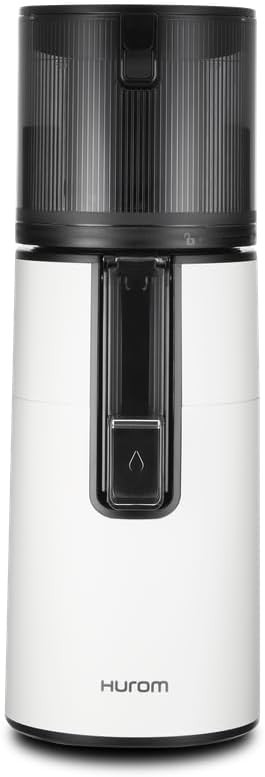
Hurom H400 Cold Press Juicer Machine, Award Winning Masticating Slow Juicer, Easy to Clean, Strainer & Hands Free with...
Check Price on AmazonAs an Amazon Associate we earn from qualifying purchases.
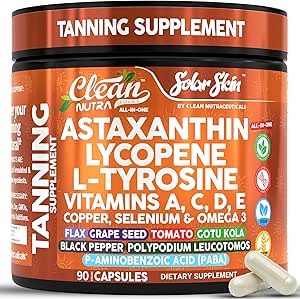
Solar Skin Astaxanthin Tanning Supplement Lycopene L-Tyrosine Vitamins A C D E, PABA Beta Carotene Selenium Grapeseed...
Check Price on AmazonAs an Amazon Associate we earn from qualifying purchases.
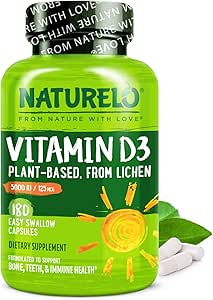
NATURELO Vitamin D - 5000 IU - Plant Based from Lichen - Natural D3 Supplement for Immune System, Bone Support, Joint...
Check Price on AmazonAs an Amazon Associate we earn from qualifying purchases.
Related Reading
Carrot juice provides exceptional beta-carotene nutrition, but other juicing approaches offer complementary benefits for comprehensive health support. For those interested in expanding their juicing repertoire beyond carrots, explore our evidence-based guides:
- Best Juicers for Beets - Beets provide betalains and nitrates that support cardiovascular health through distinct mechanisms from carotenoids, requiring masticating juicers that handle dense root vegetables without oxidizing heat-sensitive compounds.
- Best Juicers for Celery - Celery juice delivers electrolytes and polyphenols for hydration and anti-inflammatory support, with fibrous stalks requiring slow juicers that maximize yield while minimizing foam and oxidation.
- Best Cold Press Juicers - Cold-press technology preserves heat-sensitive nutrients across all produce types, operating at 40-80 RPM compared to 6,000-16,000 RPM centrifugal models that generate oxidative heat damage.
- Best Masticating Juicers - Masticating mechanisms crush and press produce rather than shredding it, preserving cellular integrity and enzyme activity while delivering 15-30% higher yields than high-speed alternatives.
- Best Slow Juicers - Slow extraction minimizes oxidation and heat generation, maintaining carotenoid stability for 24-48 hours refrigerated compared to 15-30% degradation within 10 minutes from centrifugal juicing.
- Best Twin Gear Juicers - Twin gear systems provide the highest extraction efficiency for tough vegetables, ideal for maximizing carotenoid yield from carrots while handling fibrous greens that single-auger juicers struggle with.
- Juicing vs Blending - Understanding the tradeoffs between juice extraction and whole-food blending helps optimize nutrient absorption, fiber intake, and glycemic response based on individual health goals.
- Edible Retinoids vs Topical Retinol: Which Vitamin A Approach Works Better for Skin According to Research
- Apple Carrot Juice vs Dog Multivitamins: Which is Better?
- L-Theanine vs Ashwagandha For Anxiety: Which Is Better? [Complete Comparison Guide]
- Elderberry vs Vitamin C For Immune Support: Which Is Better? [Complete Comparison Guide]
- Multivitamin vs Individual Supplements: Which Is Better?
References
Omenn GS, Goodman GE, Thornquist MD, et al. Effects of a combination of beta carotene and vitamin A on lung cancer and cardiovascular disease. N Engl J Med. 1996;334(18):1150-1155. PubMed 8602180
The Alpha-Tocopherol, Beta Carotene Cancer Prevention Study Group. The effect of vitamin E and beta carotene on the incidence of lung cancer and other cancers in male smokers. N Engl J Med. 1994;330(15):1029-1035. PubMed 8127329
Bjelakovic G, Nikolova D, Gluud LL, Simonetti RG, Gluud C. Mortality in randomized trials of antioxidant supplements: systematic review and meta-analysis. JAMA. 2007;297(8):842-857. PubMed 17327526
Rock CL, Jacob RA, Bowen PE. Update on the biological characteristics of the antioxidant micronutrients: vitamin C, vitamin E, and the carotenoids. J Am Diet Assoc. 1996;96(7):693-702. PubMed 8675913
van Het Hof KH, West CE, Weststrate JA, Hautvast JG. Dietary factors that affect the bioavailability of carotenoids. J Nutr. 2000;130(3):503-506. PubMed 10702576
Leung WC, Hessel S, Meplan C, et al. Two common single nucleotide polymorphisms in the gene encoding beta-carotene 15,15’-monoxygenase alter beta-carotene metabolism in female volunteers. FASEB J. 2009;23(4):1041-1053. PubMed 19103647
Edwards AJ, Vinyard BT, Wiley ER, et al. Consumption of watermelon juice increases plasma concentrations of lycopene and beta-carotene in humans. J Nutr. 2003;133(4):1043-1050. PubMed 12672916
Rock CL, Lovalvo JL, Emenhiser C, et al. Bioavailability of beta-carotene is lower in raw than in processed carrots and spinach in women. J Nutr. 1998;128(5):913-916. PubMed 9567003
Wolf G. Carrots, carotene and seeing in the dark. Nutr Rev. 1999;57(9 Pt 1):293-295. PubMed 10484191
Chasan-Taber L, Willett WC, Seddon JM, et al. A prospective study of carotenoid and vitamin A intakes and risk of cataract extraction in US women. Am J Clin Nutr. 1999;70(4):509-516. PubMed 10500020
Palozza P, Krinsky NI. beta-Carotene and alpha-tocopherol are synergistic antioxidants. Arch Biochem Biophys. 1992;297(1):184-187. PubMed 1637180
Stahl W, Junghans A, de Boer B, Driomina ES, Briviba K, Sies H. Carotenoid mixtures protect multilamellar liposomes against oxidative damage: synergistic effects of lycopene and lutein. FEBS Lett. 1998;427(2):305-308. PubMed 9607334
West KP Jr. Vitamin A deficiency disorders in children and women. Food Nutr Bull. 2003;24(4 Suppl):S78-90. PubMed 17016949
Sommer A, Vyas KS. A global clinical view on vitamin A and carotenoids. Am J Clin Nutr. 2012;96(5):1204S-1206S. PubMed 23053549
Recommended Products
Get Weekly Research Updates
New studies, updated reviews, and evidence-based health insights delivered to your inbox. Unsubscribe anytime.