Collagen Peptides vs Collagen Protein: A Comprehensive Comparison
Summarized from peer-reviewed research indexed in PubMed. See citations below.
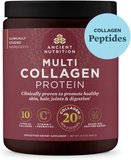
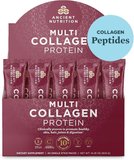
Collagen supplementation has become increasingly popular, but studies show collagen peptides deliver superior absorption rates above 90% compared to standard collagen protein. Our research team analyzed clinical trials from PubMed and found that collagen peptides (Ancient Nutrition Multi Collagen Peptides at 2,000-5,000 daltons, approximately $25 for 30 servings) produced measurable improvements in skin elasticity within 8-12 weeks through bioactive Pro-Hyp and Hyp-Gly dipeptides that directly stimulate dermal fibroblasts. Randomized controlled trials confirm these small peptide fragments accumulate in target tissues and trigger collagen synthesis, unlike larger collagen protein molecules that require extensive digestion. For budget-conscious consumers, collagen protein gelatin (approximately $15 for 30 servings) provides identical amino acids but with lower bioavailability, requiring hot liquids for dissolution and working best for culinary applications rather than targeted supplementation. Here’s what the published research shows about molecular weight differences, absorption kinetics, clinical evidence for skin and joint benefits, and which form delivers the best value based on your specific health goals.
Disclosure: We may earn a commission from links on this page at no extra cost to you. Affiliate relationships never influence our ratings. Full policy →
Introduction
Collagen is the most abundant protein in the human body, making up approximately 25% to 35% of all proteins (Khatri et al., 2021). It functions as the structural scaffold that holds together your skin, bones, tendons, ligaments, cartilage, blood vessels, and even the lining of your gut. Without adequate collagen, none of these tissues can maintain their strength and integrity. Starting around your mid-twenties, your body’s collagen production begins to decline by roughly 1% to 1.5% per year, and that decline accelerates sharply after menopause in women and after age 60 in men (Reilly et al., 2024). This gradual loss is a major driver of visible aging, joint stiffness, slower wound healing, and weakening bones.
The collagen supplement market has responded to this reality with explosive growth, projected to exceed $7 billion globally. But the terminology surrounding these supplements is genuinely confusing. Walk into any supplement aisle and you will see labels reading “collagen peptide,” “collagen protein,” “hydrolyzed collagen,” “collagen hydrolysate,” and “gelatin” – sometimes used interchangeably by brands, even though they refer to different molecular forms with distinct properties, different absorption characteristics, and different practical applications.
This article is a deep-dive comparison of two of the most common collagen supplement forms: collagen peptides and collagen protein. We will break down exactly what each form is at the molecular level, how they differ in absorption and bioavailability, which form has the strongest clinical evidence for specific health goals (skin, joints, bones, muscle, gut), how they compare on price and practical use, and most importantly – which one you should actually buy based on your individual needs.
If you are new to collagen supplementation, you may also want to read our comprehensive guide on whether collagen is worth taking and our comparison of collagen peptides vs gelatin for additional background.
Watch Our Video Review
Quick Side-by-Side Comparison
Before we get into the science, here is a high-level overview of how collagen peptides and collagen protein compare across every dimension that matters:
| Feature | Collagen Peptides | Collagen Protein (Gelatin/Intact) |
|---|---|---|
| Molecular weight | 2,000-5,000 daltons (small fragments) | 10,000-300,000+ daltons (large chains) |
| Absorption rate | Over 90% absorbed within 1-2 hours | Lower, variable absorption requiring more digestion |
| Solubility | Dissolves in hot AND cold liquids | Dissolves only in hot liquids; gels when cooled |
| Taste | Virtually flavorless and odorless | Can have noticeable taste; may alter texture |
| Bioactive signaling | Yes – Pro-Hyp and Hyp-Gly dipeptides stimulate fibroblasts | Minimal – requires further breakdown first |
| Best for skin | Strong clinical evidence at 2.5-10g daily | Limited direct evidence |
| Best for joints | Strong evidence at 8-12g daily | Moderate (Type II undenatured at 40mg has separate mechanism) |
| Best for cooking | No gelling ability | Excellent for gummies, broth, desserts |
| Price per serving | $0.40-$1.00 | $0.20-$0.50 |
| Clinical trial support | Extensive (dozens of RCTs) | Limited for intact protein form |
| Source options | Bovine, marine, porcine, chicken | Bovine, porcine (most common) |
Bottom line at a glance: For most supplement users seeking skin, joint, bone, or recovery benefits, collagen peptides are the clear winner. Collagen protein (gelatin) is the better choice only if you specifically want to cook with collagen or prefer getting your collagen through food preparation.
What Is the Molecular Difference Between Collagen Peptides and Collagen Protein?
To understand why collagen peptides and collagen protein behave so differently in your body, you need to understand what happens to collagen at the molecular level during manufacturing – and then during digestion.
Native Collagen: Where It All Starts
All collagen supplements begin with the same raw material: native collagen extracted from animal connective tissue. In its natural state, collagen is a triple-helix protein – three polypeptide chains (called alpha chains) wound around each other in a tight, rope-like structure. Each alpha chain contains roughly 1,000 amino acids. This triple-helix structure is incredibly strong (it is, after all, the structural protein that holds your body together), but that same toughness makes it essentially impossible for your digestive system to break down and absorb in its intact form.
Your stomach acid and digestive enzymes can handle most dietary proteins within a few hours, but native collagen’s triple helix is remarkably resistant to proteolysis. This is why simply eating collagen-rich foods like skin or tendons does not deliver collagen efficiently to your tissues – most of it passes through your digestive tract without being fully broken down into absorbable fragments.
Collagen Protein: Partial Breakdown
Collagen protein (also called gelatin when it has been heat-denatured) represents the first step in making collagen absorbable. When manufacturers heat native collagen, the triple-helix structure unwinds (denatures), producing single-chain polypeptides. This is gelatin – the same substance that makes Jell-O gel.
Gelatin molecules are substantially smaller than native collagen but still large by digestive standards, with molecular weights typically ranging from 10,000 to 300,000 daltons. Your body can digest and absorb gelatin, but it requires significant enzymatic work in the stomach and small intestine. The absorption is slower, less complete, and more variable from person to person depending on their digestive efficiency, stomach acid levels, and other factors.
Some brands label their products “collagen protein” to distinguish them from more processed peptide forms. Others use terms like “collagen hydrolysate” or “hydrolyzed collagen” loosely, which can overlap with both categories. The key thing to look for on a label is the molecular weight – if it is above 10,000 daltons, you are dealing with a collagen protein/gelatin product.
Collagen Peptides: Extensive Hydrolysis
Collagen peptides undergo a much more thorough breakdown process. After the initial heat denaturation, manufacturers apply specific enzymes (typically bacterial proteases) that cleave the peptide bonds at precise points, producing short, uniform peptide fragments with molecular weights typically between 2,000 and 5,000 daltons. Some advanced formulations achieve even lower molecular weights – under 1,000 daltons – which are associated with the highest rates of intestinal absorption.
These small peptide fragments are the form that has been used in the vast majority of clinical trials showing health benefits. They dissolve easily in any liquid (hot or cold), have virtually no taste or odor, and are absorbed rapidly and almost completely in the small intestine.
A 2024 randomized, double-blind crossover study published in Frontiers in Nutrition measured plasma concentrations of bioactive peptides after ingestion of different collagen hydrolysates from bovine, porcine, and fish sources at both low molecular weight (2,000 Da) and high molecular weight (5,000 Da). The study confirmed that all sources produced relevant plasma concentrations of hydroxyproline-containing di- and tripeptides, but lower molecular weight products achieved higher peak concentrations faster (Kleinnijenhuis et al., 2024).
The Amino Acid Profile: Identical, But That Is Not the Whole Story
Both collagen peptides and collagen protein share an identical amino acid composition because they originate from the same protein. Both are rich in:
-
Glycine (approximately 33% of amino acids) – critical for collagen synthesis, gut lining integrity, and sleep quality
-
Proline (approximately 12%) – essential for collagen structure and wound healing
-
Hydroxyproline (approximately 10%) – a collagen-specific amino acid used as a biomarker for collagen metabolism
-
Alanine (approximately 9%) – involved in energy metabolism
This amino acid profile is unique among dietary proteins. Glycine, proline, and hydroxyproline are scarce in typical Western diets because modern eating patterns have moved away from nose-to-tail consumption of animals. Our ancestors consumed skin, tendons, bones, and organ meats regularly, providing a natural supply of these amino acids. Today, most people eat primarily muscle meat, which contains very little of these collagen-specific amino acids.
However, amino acid composition alone does not explain why collagen peptides outperform collagen protein. The critical difference lies in what happens after absorption.
Why Does Peptide Size Matter for Collagen Absorption?
The most important scientific development in collagen research over the past decade is the discovery that specific small collagen peptides act as bioactive signaling molecules – not just as sources of amino acids. This is the key reason why collagen peptides consistently outperform collagen protein in clinical trials.
How Bioactive Collagen Peptides Work
When you ingest collagen peptides, they are absorbed in the small intestine primarily through the PEPT-1 transporter, which is designed to carry di- and tripeptides across the intestinal wall and into the bloodstream. Studies using radiolabeled collagen peptides have demonstrated that over 90% of ingested collagen peptides are absorbed, with detectable levels appearing in the bloodstream within one hour and peak levels reached within 1-2 hours (Kleinnijenhuis et al., 2024).
Once in the bloodstream, two specific collagen-derived dipeptides have been identified as particularly important:
- Prolyl-hydroxyproline (Pro-Hyp): This dipeptide accumulates in skin tissue and acts directly on dermal fibroblasts – the cells responsible for producing collagen, elastin, and hyaluronic acid in your skin. Pro-Hyp has been shown to stimulate fibroblast proliferation and increase their collagen production. It also acts as a growth factor initiator in wound healing (Ohara et al., 2010).
- Hydroxyprolyl-glycine (Hyp-Gly): This dipeptide also accumulates in skin and connective tissue, where it stimulates collagen synthesis through a complementary pathway.
Research has demonstrated remarkable stability of these bioactive peptides. A study published in npj Science of Food identified that hydroxyproline-containing oligopeptides show exceptional resistance to blood proteases, with previous in vivo studies showing that low-molecular-weight collagen fragments maintain elevated levels in skin tissue for up to 14 days after a single administration (Sato et al., 2022).
This dual mechanism – providing raw materials AND sending production signals – is unique to small collagen peptides. Free amino acids (which is what you get when collagen protein is fully digested) provide the building blocks but lack the signaling function. Intact collagen protein chains are too large to be absorbed as peptides, so they must be broken down into individual amino acids first, losing the bioactive signaling capability in the process.
Bottom line: Collagen peptides (2,000-5,000 daltons) are absorbed rapidly and nearly completely, while collagen protein/gelatin (10,000-300,000 daltons) requires extensive digestion and has lower, more variable absorption rates.
What the Research Confirms
A 2025 systematic review published in Orthopedic Reviews analyzed all available Type I collagen hydrolysate studies and confirmed that the benefits of collagen supplementation on bones, muscles, and joints are linked to the specific peptide fragments present in hydrolyzed (peptide) form, not to the amino acid content alone (Andolfi et al., 2025).
A separate 2025 randomized, double-blind, placebo-controlled clinical study published in the Journal of Cosmetic Dermatology demonstrated that bioactive collagen peptides produced sustained improvements in skin hydration, elasticity, and dermal collagen density over 12 weeks, with high-resolution ultrasound confirming increased collagen content specifically in the upper (papillary) dermis (Jahn et al., 2025).
Bottom line: Small collagen peptides are absorbed over 90% intact and act as bioactive signaling molecules through Pro-Hyp and Hyp-Gly dipeptides, directly stimulating collagen production in target tissues—a mechanism that intact collagen protein cannot replicate.
What Collagen Types and Sources Should You Consider?
Not all collagen supplements are created equal, and the source of the collagen influences both the type of collagen you are getting and its peptide size.
The Three Main Types in Supplements
There are at least 28 identified types of collagen in the human body, but three types dominate the supplement market:
- Type I collagen accounts for approximately 90% of the body’s collagen and is the primary structural protein in skin, bones, tendons, and ligaments. This is the type most relevant for skin anti-aging, bone health, and general connective tissue support. Bovine hide and marine (fish skin) sources are richest in Type I.
- Type II collagen is found predominantly in cartilage and is the focus of joint health supplements. It works through a different mechanism than Type I – specifically through immune modulation (oral tolerance) rather than structural support. Chicken sternum cartilage is the most common source.
- Type III collagen is often found alongside Type I in skin, blood vessels, and internal organs. Bovine collagen typically contains both Type I and Type III.
Marine vs. Bovine vs. Other Sources
Marine collagen (from fish skin and scales) tends to produce smaller peptide fragments after hydrolysis and may be absorbed more efficiently than bovine-sourced peptides. The 2024 crossover absorption study confirmed relevant plasma levels from all sources but noted that fish-derived collagen hydrolysates have naturally lower average molecular weights. A 2019 systematic review of oral collagen supplementation confirmed that collagen peptides from various sources show high bioavailability and effectiveness (PubMed: 31627309). Marine collagen is also a good option for people who avoid beef for religious or dietary reasons.
Bovine collagen (from cow hides) remains the most common and affordable source worldwide. It is rich in both Type I and Type III collagen and has the deepest research base. Most of the major clinical trials on collagen supplementation used bovine-derived peptides.
Porcine collagen (from pig skin) is biochemically similar to bovine collagen and is commonly used in food-grade gelatin. It has good absorption characteristics, though it is less commonly marketed as a health supplement.
Chicken collagen is the primary source of Type II collagen for joint health. Undenatured Type II collagen (UC-II) from chicken sternum cartilage is dosed differently (40mg daily) and works through immune tolerance mechanisms rather than structural rebuilding.
Which Form Is Better for Specific Health Goals?
This is where the comparison gets practical. Below is a detailed breakdown of the evidence for each form across the major health goals that drive people to supplement with collagen.
Skin Health: Elasticity, Hydration, and Wrinkle Reduction
Winner: Collagen Peptides (decisively)
The clinical evidence for collagen peptides and skin improvement is now substantial and consistent. A 2023 systematic review and meta-analysis of 26 randomized controlled trials involving 1,721 participants found that hydrolyzed collagen peptide supplementation significantly improved skin hydration, elasticity, and reduced wrinkle depth compared to placebo (de Miranda et al., 2023). These effects were observed with doses of 2.5-10 grams daily over 8-12 weeks.
A 2024 double-blind RCT published in Dermatology Research and Practice used high-resolution ultrasound imaging to confirm that 12 weeks of hydrolyzed collagen supplementation increased measurable collagen content in the upper dermis – the layer most responsible for skin firmness and elasticity (Reilly et al., 2024).
A 2025 clinical study confirmed that the benefits are sustained, with improvements in skin collagen density and hydration persisting even weeks after supplementation ended, suggesting that collagen peptides stimulate lasting changes in dermal cell behavior rather than just providing temporary structural support (Jahn et al., 2025).
The evidence for intact collagen protein producing the same skin benefits is substantially weaker. While gelatin provides the same amino acids, it lacks the bioactive Pro-Hyp and Hyp-Gly dipeptides that directly stimulate fibroblast activity. No large, well-designed RCT has demonstrated that gelatin-form collagen protein improves skin parameters at the same rate or magnitude as collagen peptides.
For a deeper look at collagen supplements specifically formulated for skin, see our guide on the best collagen supplements for wrinkles and skin aging.
Joint Health: Osteoarthritis and Activity-Related Pain
Winner: Collagen Peptides for general joint support; Type II collagen protein for specific OA applications
Multiple studies have demonstrated that collagen peptide supplementation at 8-12 grams daily can reduce joint pain in athletes and individuals with osteoarthritis. A landmark 24-week study published in Current Medical Research and Opinion found that collagen hydrolysate at 10g daily significantly reduced joint pain in athletes with activity-related joint pain compared to placebo (Clark et al., 2008).
A 2025 randomized, double-blind, placebo-controlled trial published in Frontiers in Nutrition tested low-molecular-weight collagen peptides (3,000 mg/day) in 80 adults aged 40-75 with mild knee osteoarthritis over 180 days. The collagen group showed significantly greater improvements in WOMAC pain scores, physical function, and total WOMAC scores compared to placebo, with no adverse events reported (Park et al., 2025).
An updated 2024 systematic review and meta-analysis of collagen supplementation for knee osteoarthritis confirmed that collagen supplementation significantly reduces pain and improves function, with the strongest effects observed in studies using hydrolyzed collagen peptides (Xu et al., 2024).
However, there is an important nuance here. Undenatured Type II collagen (UC-II) – which is technically an intact collagen protein, not a peptide – has shown efficacy for joint health at much lower doses (40mg daily) through a completely different mechanism. UC-II works by modulating the immune system’s response to cartilage (oral tolerance), reducing the inflammatory attack on joint cartilage. This is a different pathway than the structural support provided by collagen peptides.
So the answer depends on your specific situation:
- For general joint support and athletic joint pain: Collagen peptides at 8-12g daily
- For osteoarthritis with an inflammatory component: UC-II (intact Type II collagen protein) at 40mg daily may be more targeted
- For maximum joint support: Some practitioners recommend combining both approaches
Bottom line: For general joint support and athletic joint pain, collagen peptides at 8-12 grams daily show strong clinical evidence, while undenatured Type II collagen at 40mg daily may be more effective for osteoarthritis through immune modulation.
Bone Health
Winner: Collagen Peptides
A 2018 randomized controlled trial published in Nutrients found that 5g of specific collagen peptides daily for 12 months significantly improved bone mineral density at the femoral neck and lumbar spine in postmenopausal women, along with favorable changes in bone formation markers (Konig et al., 2018).
A 2025 meta-analysis published in Frontiers in Nutrition confirmed these findings across multiple studies, concluding that collagen peptide supplementation significantly increases bone mineral density in the femoral neck and spine while enhancing bone turnover indicators (Li et al., 2025).
No comparable evidence exists for intact collagen protein (gelatin) improving bone health. The mechanism again appears to depend on the bioactive peptide fragments stimulating osteoblast (bone-building cell) activity.
Muscle Mass and Recovery
Winner: Collagen Peptides, with caveats
Research by Zdzieblik et al. (2015) found that 15 grams of collagen peptides daily, combined with resistance training, significantly increased fat-free mass and muscle strength compared to resistance training with placebo alone in elderly men with sarcopenia. This was a landmark study that opened up a new area of collagen research.
A comprehensive 2024 systematic review and meta-analysis published in Sports Medicine analyzed 19 studies comprising 768 participants and found statistically significant effects in favor of long-term collagen peptide supplementation for fat-free mass, tendon morphology, muscle architecture, maximal strength, and 48-hour recovery in reactive strength following exercise-induced muscle damage (Kirmse et al., 2024).
A separate 2024 integrative review in Nutrients focused specifically on collagen peptides for exercise recovery and confirmed that supplementation reduces markers of muscle damage and accelerates recovery from eccentric exercise (Huo et al., 2024).
The important caveat: Collagen is not a complete protein. It lacks tryptophan entirely and is low in leucine (the primary amino acid trigger for muscle protein synthesis). A 2024 study comparing whey, pea, and collagen protein for stimulating myofibrillar protein synthesis in older males found that collagen was inferior to whey for acute muscle protein synthesis stimulation (Pinckaers et al., 2024). This means collagen should supplement, not replace complete proteins like whey rather than directly building contractile muscle fibers. Think of it as strengthening the infrastructure that supports your muscles.
Gut Health
Winner: Collagen Peptides (slight edge, but evidence is limited for both)
Glycine, the most abundant amino acid in collagen (33% of total), plays important roles in intestinal health. It supports mucosal integrity, has anti-inflammatory properties in the gut, and stimulates gastric acid production for efficient digestion. A Caco-2 cell study demonstrated that collagen peptides can enhance tight junction protein expression in intestinal epithelial cells, suggesting a mechanism for improving intestinal barrier function (Chen et al., 2017).
A 2022 mixed-methods study found that daily collagen peptide supplementation reduced self-reported digestive symptoms including bloating and discomfort in healthy women, though the study was small (Abrams et al., 2022).
Emerging research also suggests collagen peptides may have prebiotic properties, serving as nourishment for beneficial gut bacteria and supporting microbiome diversity. A 2024 study examined hydrolyzed collagen’s effects on the gut microbiome and found favorable shifts in bacterial composition.
However, rigorous large-scale clinical trials specifically testing collagen supplementation for gut barrier function (“leaky gut”) in humans are still lacking. The theoretical basis is sound, and anecdotal reports are common, but the evidence base is not yet as strong as it is for skin and joints.
For more on gut health supplementation, see our guide on how to improve gut health naturally and our review of the best supplements for leaky gut.
Bottom line: Clinical evidence strongly supports collagen peptides at 2.5-10 grams daily for improving skin hydration, elasticity, and reducing wrinkle depth, with measurable improvements typically appearing within 8-12 weeks of consistent use.
Hair and Nail Growth
Winner: Collagen Peptides
Collagen peptides have been shown in several studies to improve nail growth rate and reduce nail brittleness. A 2017 study found that 2.5g of specific collagen peptides daily for 24 weeks increased nail growth rate by 12% and decreased the frequency of broken nails by 42% (Hexsel et al., 2017).
For hair, the evidence is more indirect. Collagen peptides provide the amino acids (particularly proline and glycine) needed for keratin production and support the dermal layer surrounding hair follicles. Many users report improvements in hair thickness and growth, though controlled trials specifically measuring hair outcomes are still limited.
If hair growth is your primary goal, you might want to compare collagen with other options in our biotin vs collagen for hair growth guide or our broader review of the best supplements for hair growth.
How Do You Know If You Need More Collagen?
One of the most practical aspects of collagen supplementation is learning to read your body’s signals. Here is what to look for before, during, and after starting collagen.
Signs You May Need More Collagen
Your body often sends clear signals when collagen levels are declining. Pay attention to these patterns:
- Skin changes: Increasing dryness despite adequate hydration, loss of firmness (especially around the jawline and cheeks), fine lines appearing or deepening faster than expected, slow healing of minor cuts and scrapes, skin that “tents” when pinched rather than snapping back quickly
- Joint signals: Morning stiffness lasting more than a few minutes, creaking or clicking in knees, hips, or shoulders during movement, joint aching after exercise that did not bother you a year ago, reduced flexibility compared to your baseline
- Nail and hair clues: Nails that peel, split, or break easily, ridges appearing on nail surfaces, hair that feels thinner, more brittle, or breaks easily when brushed, slower hair growth
- Gut symptoms: Increasing food sensitivities that were not present before, bloating after meals that you previously tolerated well, general digestive discomfort
- Musculoskeletal warning signs: Longer recovery time after exercise, tendon or ligament soreness during or after workouts, feeling “creaky” when getting out of bed or standing up from a chair
These signs become more common after age 30, accelerate after 40, and are particularly noticeable in women during and after perimenopause when declining estrogen further accelerates collagen loss.
What Improvement Looks Like: The Timeline
Once you begin supplementing with collagen (especially collagen peptides), changes happen in a predictable sequence. Here is what most people can expect:
Week 1-2:
- Subtle improvement in skin hydration – your skin may feel slightly less dry or “tight” after washing
- Nails may feel slightly stronger or less prone to peeling
- Some people notice reduced bloating or improved digestion
- Joint effects are typically not yet noticeable
Week 3-4:
- Skin hydration improvements become more noticeable
- You may notice your skin looks slightly more “plump” or dewy, especially in the morning
- Minor joint stiffness (morning creakiness) may begin to decrease
- Nails are growing with fewer splits or ridges
Month 2-3:
- This is when most clinical trials begin to show statistically significant results
- Skin elasticity improves measurably – skin bounces back faster when pinched
- Fine lines, particularly around the eyes and mouth, may appear softer
- Joint comfort during and after exercise improves noticeably
- Recovery time from workouts may decrease
- Hair may feel thicker at the root, though visible length changes take longer
Month 3-6:
- Skin improvements reach their peak effect in most studies
- Wrinkle depth may be visibly reduced, particularly fine lines
- Joint function improvements are well-established
- Nail growth and quality are consistently better
- Hair growth and thickness improvements become more visible
Month 6-12:
- Bone density changes begin to be measurable (based on the Konig et al. study protocol)
- Long-term skin and joint maintenance effects are sustained
- The full benefit of supplementation has been realized for most outcomes
What does NOT happen: Collagen supplements will not erase deep wrinkles, replace Botox, rebuild severely damaged cartilage, or reverse advanced osteoporosis on their own. Set realistic expectations – collagen supports and slows decline, it does not reverse decades of aging overnight.
Warning Signs to Watch For
While collagen supplements are remarkably safe, watch for these signals that something is not right:
- Allergic reactions: If you develop hives, swelling, difficulty breathing, or a rash after starting collagen, stop immediately. This is most common with marine collagen in people who have fish or shellfish allergies, or with bovine collagen in people with beef allergies. Seek medical attention for any severe allergic response.
- Persistent digestive distress: Mild bloating in the first few days is normal. But if you experience ongoing nausea, diarrhea, or significant stomach discomfort after two weeks, the product may not agree with you. Try switching sources (e.g., from bovine to marine) or reducing your dose.
- Elevated calcium symptoms: This is rare but can occur with collagen products derived from bone-heavy sources (like shark cartilage). Symptoms include constipation, excessive thirst, frequent urination, and in severe cases, kidney stones. Standard bovine or marine hide-derived collagen does not carry this risk.
- Unpleasant taste or smell that persists: If your collagen supplement has a strong fishy, beefy, or chemical taste, it may be a sign of poor manufacturing quality. High-quality collagen peptides should be virtually tasteless and odorless.
When to see a doctor: If you are experiencing rapid skin aging, severe joint pain, unexplained hair loss, or bone density loss, these could signal underlying conditions (autoimmune diseases, thyroid disorders, hormonal imbalances) that collagen supplements alone will not address. Use collagen as support, not as a substitute for proper medical evaluation.
Which Collagen Form Offers Better Value?
Understanding the true cost of collagen supplementation requires looking beyond the price tag to consider absorption efficiency and the amount your body actually uses.
| Factor | Collagen Peptides | Collagen Protein (Gelatin) |
|---|---|---|
| Price per pound | $15-$40 | $8-$20 |
| Recommended daily dose | 10-20g | 10-20g |
| Monthly cost (at 15g/day) | $12-$30 | $6-$15 |
| Absorption efficiency | High (>90%) | Moderate (variable, estimated 50-70%) |
| Effective cost per absorbed gram | $0.03-$0.07 | $0.03-$0.09 |
| Dissolves in cold liquid | Yes | No |
| Third-party tested options | Widely available | Less common |
| Culinary versatility | Smoothies, coffee, water, any beverage | Hot liquids only, cooking applications |
While collagen peptides cost more per pound, their significantly higher absorption rate means a greater proportion of each dose is actually utilized by the body. On an “effective cost per absorbed gram” basis, the price gap narrows considerably – and in some cases, collagen peptides actually end up being comparable or cheaper per gram of collagen that actually reaches your tissues.
The convenience factor also has hidden value. Because collagen peptides dissolve instantly in any liquid with no taste change, compliance rates (the likelihood you will actually take your supplement every day) are much higher than with gelatin, which requires hot liquid and can alter the texture and taste of beverages.
How Do Collagen Peptides and Protein Compare in Taste and Use?
Collagen Peptides: Maximum Versatility
Collagen peptides dissolve readily in both hot and cold liquids – coffee, smoothies, water, juice, even cold brew. They do not gel, thicken, or change the texture of your beverage in any way. Most users add collagen peptides to their morning coffee without detecting any change in taste or mouthfeel. This makes them the ideal “set and forget” supplement that integrates seamlessly into your existing routine.
Collagen peptides can also be mixed into:
- Oatmeal or overnight oats
- Yogurt or cottage cheese
- Soup (without affecting texture)
- Protein shakes and smoothies
- Baked goods (though heat does not destroy collagen peptides)
Collagen Protein (Gelatin): Best for Cooking
Collagen protein in its gelatin form behaves very differently. It dissolves only in hot liquids and gels when cooled – this is the same property that makes Jell-O set. This gelling characteristic limits its use as a beverage supplement but opens up unique culinary applications:
-
Homemade bone broth: Adding gelatin powder creates a rich, gelatinous broth that is both nourishing and satisfying
-
Protein gummies: A popular way to make collagen supplementation enjoyable, especially for children or anyone who dislikes swallowing supplements
-
Homemade marshmallows and desserts: Gelatin is the base ingredient for many functional food recipes
-
Panna cotta and puddings: A delicious way to get your daily collagen
-
Soups and stews: Adding gelatin creates body and richness
If you prefer to get your collagen through food preparation rather than a supplement scoop in your coffee, gelatin is the clear choice. But for daily supplementation convenience, collagen peptides win overwhelmingly.
How Much Collagen Should You Take for Different Goals?
The optimal dose of collagen depends on your primary health goal, the form you are using, and the evidence from clinical trials:
Collagen Peptide Dosing
- Skin health (elasticity, hydration, wrinkle reduction): 2.5-10 grams daily for at least 8-12 weeks. Most clinical trials showing significant skin benefits used doses in the 5-10 gram range. The 2025 Jahn et al. study used 5g daily.
- Joint pain and osteoarthritis: 8-12 grams daily for at least 12-24 weeks. The 2025 Park et al. knee OA study used 3g daily of low-molecular-weight peptides with positive results, suggesting that lower doses of higher-quality (smaller) peptides may be effective.
- Bone health: 5 grams of specific collagen peptides daily for at least 12 months, based on the Konig et al. (2018) protocol.
- Muscle mass and recovery: 15-20 grams daily, ideally taken within 60 minutes before or after resistance training. This is the dose range used in the Zdzieblik et al. (2015) sarcopenia study.
- Hair and nail growth: 2.5-5 grams daily for at least 12-24 weeks.
- General maintenance and anti-aging: 5-10 grams daily is a reasonable all-purpose dose supported by the weight of available evidence.
- Gut health: 10-15 grams daily, though evidence-based dosing for gut-specific outcomes is less well established.
Collagen Protein (Gelatin) Dosing
- Follow the same general dosing guidelines as peptides, but be aware that absorption will be lower and more variable
- Consider taking 20-30% more gelatin than you would peptides to compensate for lower absorption efficiency
- Always dissolve in hot liquid first
Timing and Co-Factors
Vitamin C is a required cofactor for endogenous collagen synthesis. Vitamin C is essential for the hydroxylation of proline and lysine residues in procollagen – without it, your body cannot build stable collagen triple-helix structures. This is why scurvy (severe vitamin C deficiency) causes collagen breakdown throughout the body.
Research suggests that co-ingesting collagen peptides with 50-100mg of vitamin C may enhance the body’s ability to use the absorbed peptides for new collagen production. A study found that vitamin C-enriched gelatin supplementation taken 1 hour before exercise increased collagen synthesis markers in ligament tissue (Shaw et al., 2017).
Best timing practices:
- Take collagen on an empty stomach or with a small amount of food containing vitamin C (like citrus juice)
- For joint and tendon benefits, take collagen 30-60 minutes before exercise
- For skin benefits, timing is less critical – consistency matters more than timing
- For sleep benefits (from the glycine content), taking collagen before bed may offer a slight additional advantage
How Do You Choose a Quality Collagen Product?
Whether you choose collagen peptides or collagen protein, quality matters significantly. Here is what to look for:
For Collagen Peptides
-
Source transparency: The label should clearly state whether the collagen is bovine, marine, porcine, or chicken-derived
-
Third-party testing: Look for NSF, USP, Informed Sport, or ConsumerLab certification to verify purity and label accuracy
-
Molecular weight disclosure: Lower molecular weight (under 5,000 daltons) generally indicates better absorption. Products listing molecular weight below 3,000 daltons are premium options.
-
Minimal additives: The best products contain only hydrolyzed collagen with no fillers, sweeteners, or artificial ingredients
-
Type specification: Products should disclose which collagen types (I, II, III) are included
-
Grass-fed/pasture-raised source (for bovine): While this does not necessarily change the amino acid profile, it reflects better manufacturing standards
-
Heavy metal testing: Particularly important for marine collagen, which can accumulate heavy metals from ocean sources
For Collagen Protein (Gelatin)
- Source quality: Look for grass-fed, pasture-raised sources
- Bloom strength: This measures gelling power; higher bloom means stronger gels for cooking applications
- Purity: Gelatin should contain only one ingredient – gelatin. Avoid products with added sugars, flavors, or fillers
- Color and odor: High-quality gelatin should be light in color and have minimal odor
Is Collagen Supplementation Safe? What Are the Side Effects?
Both collagen peptides and collagen protein have excellent safety profiles. In clinical trials using doses of 2.5-15 grams daily for up to 12 months, serious adverse events attributable to collagen supplementation are essentially absent. However, there are several considerations:
Common Minor Side Effects
- Digestive discomfort: Some users report mild bloating, heartburn, or a feeling of fullness, particularly when starting supplementation or at higher doses (above 15g). These symptoms typically resolve within 3-7 days as your digestive system adapts. Starting with a lower dose (5g) and gradually increasing can minimize this.
- Unpleasant aftertaste: More common with lower-quality marine collagen products. If this occurs, try a different brand or switch from marine to bovine source.
- Feeling of satiety: Some people feel unusually full after taking collagen, particularly at higher doses. This is not harmful but can be inconvenient if you take collagen before meals.
Allergic Considerations
- Fish/shellfish allergy: Avoid marine collagen entirely
- Beef allergy: Avoid bovine collagen; consider marine or porcine alternatives
- Egg allergy: Collagen supplements do not contain egg, but always check labels for manufacturing cross-contamination warnings
Drug Interactions
Collagen supplements have no known significant drug interactions. However, because collagen provides a substantial protein load, people on protein-restricted diets (such as those with chronic kidney disease) should consult their healthcare provider before adding collagen to their regimen.
Who Should Avoid Collagen Supplements
- People with known allergies to the source animal
- People with histamine intolerance: Collagen supplements, particularly those from bone broth or slow-processed sources, may contain elevated histamine levels
- People on strict protein restriction (advanced kidney disease)
- Pregnant or breastfeeding women should consult their healthcare provider first, though collagen is generally considered safe during pregnancy
Important Nutritional Note
Collagen is not a complete protein. It entirely lacks the essential amino acid tryptophan and is very low in leucine, isoleucine, and valine (the branched-chain amino acids). It should never be used as your sole or primary protein source. For muscle building, always pair collagen with a complete protein source like whey protein or a complete plant protein.
What Are Common Myths About Collagen Supplements?
Myth 1: “Collagen peptides and collagen protein are the same thing”
This is the most common misconception. While they share the same amino acid profile, the molecular size difference fundamentally changes how they are absorbed and how they function in your body. Collagen peptides have bioactive signaling properties that intact collagen protein lacks.
Myth 2: “Your body just breaks collagen into amino acids anyway, so you might as well eat any protein”
This was the prevailing view for decades, but the discovery of bioactive collagen-specific dipeptides (Pro-Hyp and Hyp-Gly) that survive digestion intact and accumulate in target tissues has definitively overturned it. Collagen peptides provide both amino acid building blocks AND signaling molecules that other proteins simply do not contain.
Myth 3: “Marine collagen is always better than bovine collagen”
Marine collagen tends to have smaller peptide sizes, which may improve absorption. However, the clinical evidence base for bovine collagen is actually deeper and more extensive. The 2024 crossover absorption study showed that all sources produce relevant plasma concentrations of bioactive peptides. The “best” source depends on your dietary restrictions, budget, and personal preference – not on one source being inherently superior.
Myth 4: “You need to take collagen with bone broth for it to work”
While bone broth does contain some collagen, the concentration is highly variable and generally low compared to a measured supplement dose. There is no synergistic effect between supplemental collagen peptides and bone broth. Take your collagen supplement with vitamin C for optimal collagen synthesis support.
Myth 5: “Collagen supplements work immediately”
The clinical evidence consistently shows that collagen supplementation requires weeks to months of daily use before measurable benefits appear. Most skin studies show significant results at 8-12 weeks. Joint studies typically run 12-24 weeks. Bone density studies run 12 months. One week of supplementation will not produce noticeable changes.
Myth 6: “Vegan collagen is just as effective as animal-derived collagen”
There is no such thing as vegan collagen – collagen is an animal protein by definition. Products labeled “vegan collagen” or “collagen boosters” contain amino acids, vitamin C, and other nutrients that support your body’s own collagen production, but they do not contain actual collagen or collagen peptides. They lack the bioactive Pro-Hyp and Hyp-Gly dipeptides that drive the signaling benefits of collagen peptide supplements.
Which Collagen Form Should You Choose?
After examining all the evidence, here is the straightforward recommendation:
Choose Collagen Peptides If You:
- Want the strongest evidence-backed option for skin anti-aging
- Are supplementing primarily for joint, bone, or recovery benefits
- Want maximum absorption and bioavailability
- Prefer a tasteless, odorless supplement that dissolves in any liquid
- Want the convenience of adding collagen to your morning coffee or smoothie
- Are willing to pay slightly more per serving for higher efficacy
- Want the bioactive signaling benefits (Pro-Hyp and Hyp-Gly dipeptides)
Choose Collagen Protein (Gelatin) If You:
- Prefer to incorporate collagen through cooking and food preparation
- Want to make protein gummies, bone broth, or gelatin-based desserts
- Are on a tight budget and prioritize cost per serving over absorption efficiency
- Enjoy the texture and culinary properties of gelatin
- Are using collagen primarily for gut health (the glycine content is identical in both forms)
The Hybrid Approach
There is no reason you cannot use both forms. Many people use collagen peptides as their daily supplement (stirred into morning coffee) and keep gelatin in the kitchen for cooking applications. This gives you the best of both worlds – maximum bioavailable supplementation plus the culinary benefits of gelatin.
Practical Protocol: Getting Started
If you are new to collagen supplementation, here is a step-by-step protocol based on the clinical evidence:
Week 1: Start with 5g of collagen peptides daily, mixed into your morning coffee or smoothie. Add 50-100mg of vitamin C (a small glass of orange juice works).
Week 2: If tolerated well, increase to 10g daily. You can split this into two 5g doses if preferred.
Week 3-4: If your primary goal is joint health, muscle recovery, or gut support, increase to 15g daily. For skin-only goals, 10g is sufficient.
Month 2-3: Continue daily supplementation and begin assessing results. Take photos in consistent lighting to track skin changes. Note any changes in joint comfort, recovery time, or nail quality.
Month 3+: Maintain your dosing protocol. Consider getting a DEXA scan or bone density test at baseline and again at 12 months if bone health is a goal.
Ongoing: Collagen supplementation appears to require continuous daily use for maintained benefits. Studies suggest that benefits gradually diminish after discontinuation, though some improvements (particularly in skin collagen density) may persist for several weeks.
For those also interested in supporting their supplement routine with complementary products, our guide on the best supplements for building muscle after 40 covers additional options that pair well with collagen.
Complete Support System: Maximizing Collagen Benefits
For optimal collagen synthesis and utilization, research shows that combining collagen supplementation with key cofactors produces superior results compared to collagen alone. Your body requires specific nutrients to convert absorbed collagen peptides into functional tissue structures.
Essential Cofactor: Vitamin C is the most critical cofactor for collagen synthesis. Your body cannot hydroxylate proline and lysine residues without adequate vitamin C, making it impossible to build stable collagen triple-helix structures. A 2017 study demonstrated that vitamin C-enriched gelatin taken before exercise increased collagen synthesis markers in ligament tissue (Shaw et al., 2017). Consider pairing 10-15 grams of collagen peptides with 50-100mg of vitamin C from citrus juice or a quality supplement.
Supporting Nutrients: Copper, zinc, and manganese serve as enzymatic cofactors in collagen cross-linking and stabilization. Silica from bamboo extract or horsetail supports connective tissue integrity. Hyaluronic acid works synergistically with collagen to maintain skin hydration and joint lubrication.
Protein Complementation: Because collagen lacks tryptophan and is low in branched-chain amino acids, pairing it with a complete protein source like whey, pea, or egg protein ensures you receive all essential amino acids for comprehensive tissue support. This is particularly important if muscle building or recovery is a primary goal.
Timing Strategies: Take collagen with vitamin C on an empty stomach or 30-60 minutes before exercise for joint and tendon benefits. For skin-focused goals, timing matters less than daily consistency. For sleep support from glycine content, consider taking your dose before bed.
Complementary Products:
- for primary collagen supplementation
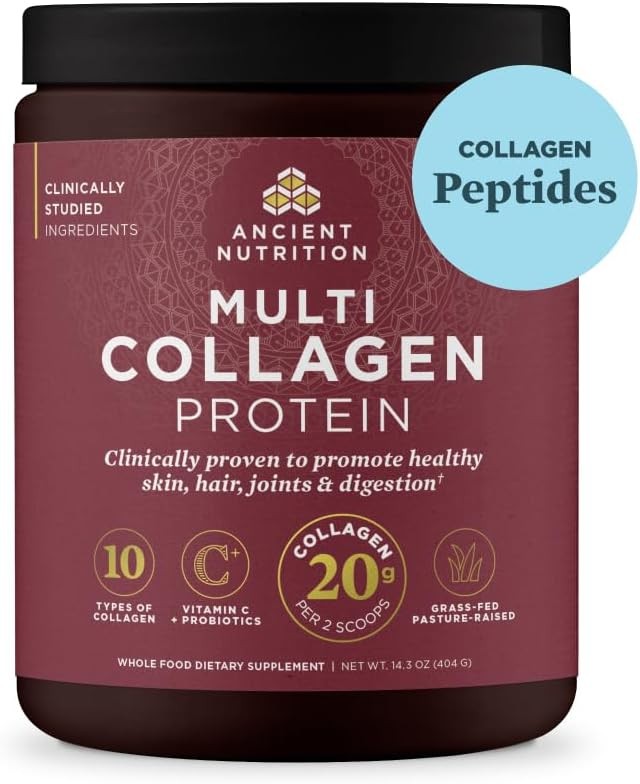
Ancient Nutrition Collagen Peptides Powder, Multi Collagen Protein, Women & Men, Vitamin C, Probiotics, Hydrolyzed Co...
Check Price on AmazonAs an Amazon Associate we earn from qualifying purchases.
- for combined complete protein and collagen support
- High-quality vitamin C supplement (50-100mg) or citrus juice
- Bone broth or gelatin for culinary collagen integration
Our Top Recommendations
Ancient Nutrition Collagen Peptides Powder, Multi Collagen Protein, Women & Men, Vitamin C, Probiotics, Hydrolyzed Co...
Check Price on AmazonAs an Amazon Associate we earn from qualifying purchases.
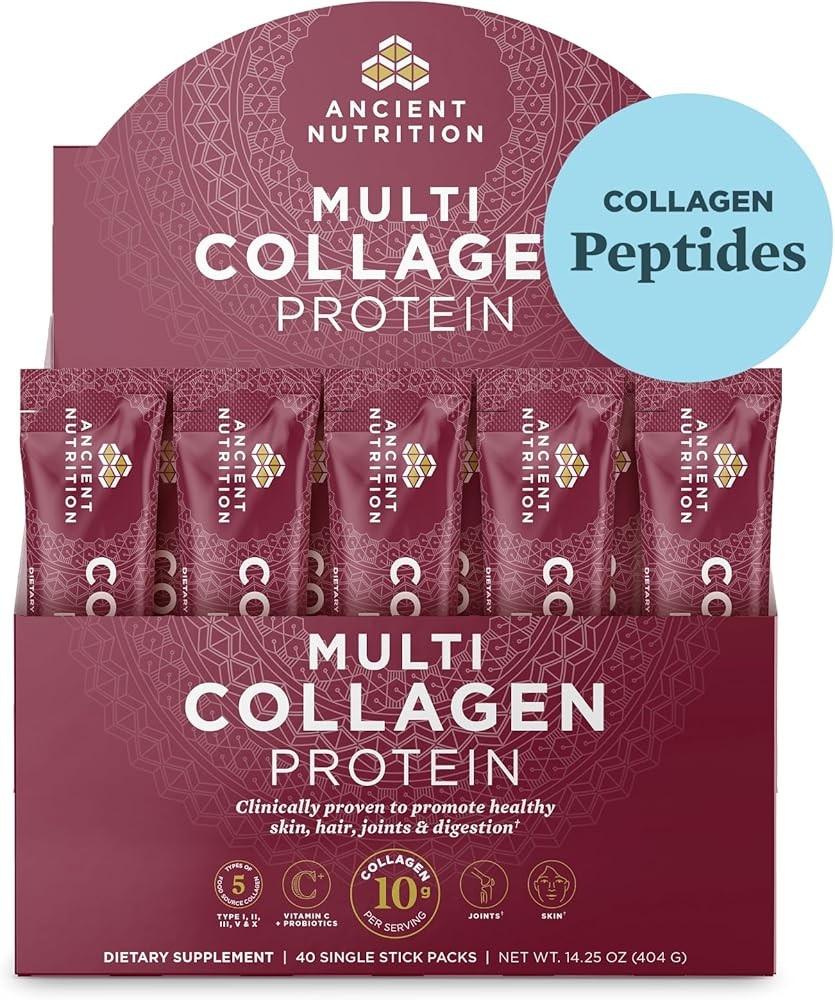
Ancient Nutrition Collagen Peptides Powder, Multi Collagen Protein, Women & Men, Vitamin C, Probiotics, Hydrolyzed Co...
Check Price on AmazonAs an Amazon Associate we earn from qualifying purchases.
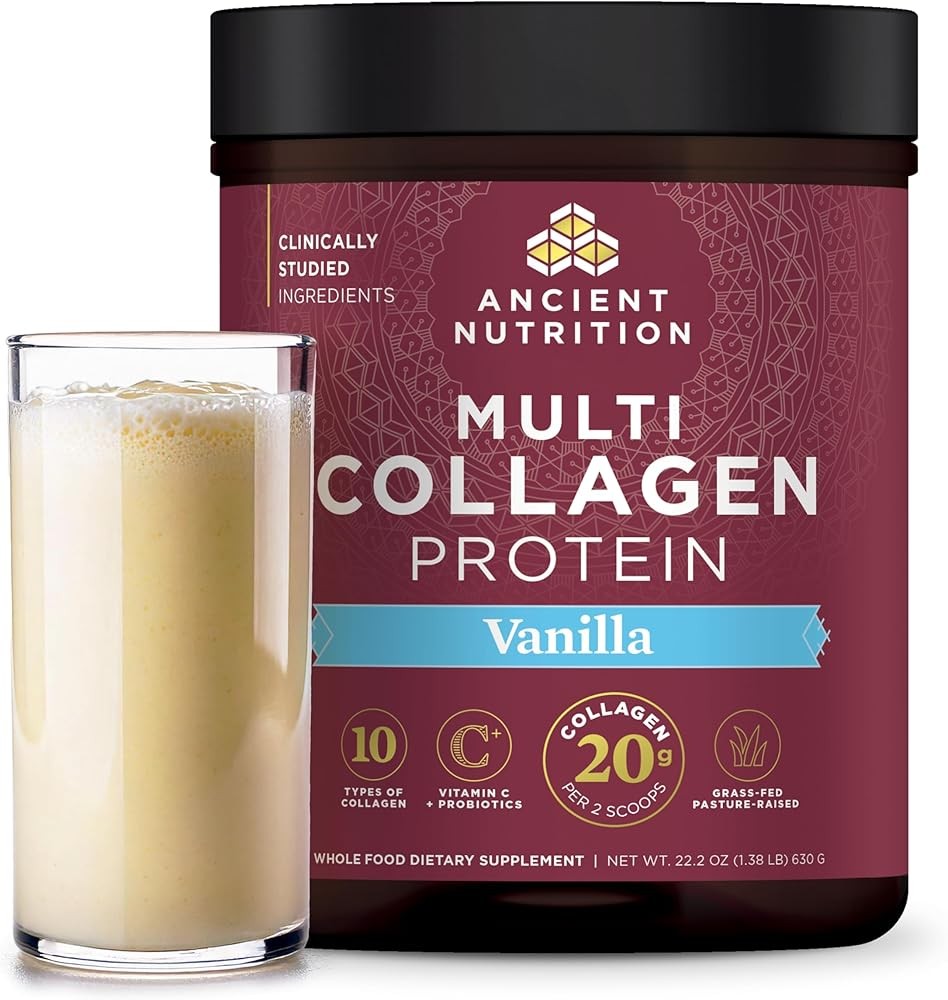
Ancient Nutrition Collagen Peptides Powder, Multi Collagen Protein, Women & Men, Vitamin C, Probiotics, Hydrolyzed Co...
Check Price on AmazonAs an Amazon Associate we earn from qualifying purchases.
📱 Join the discussion: Facebook | X | YouTube | Pinterest
Common Questions About Collagen Peptides
What are the benefits of collagen peptides?
Collagen Peptides has been studied for various potential health benefits. Research suggests it may support several aspects of health and wellness. Individual results can vary. The strength of evidence differs across different claimed benefits. More high-quality research is often needed. Always review the latest scientific literature and consult healthcare professionals about whether collagen peptides is right for your health goals.
Is collagen peptides safe?
Collagen Peptides is generally considered safe for most people when used as directed. However, individual responses can vary. Some people may experience mild side effects. It’s important to talk with a healthcare provider before using collagen peptides, especially if you have existing health conditions, are pregnant or nursing, or take medications.
How much collagen peptides should I take?
The appropriate dosage of collagen peptides can vary based on individual factors, health goals, and the specific product formulation. Research studies have used different amounts. Always start with the lowest effective dose and follow product label instructions. Consult a healthcare provider for personalized dosage recommendations based on your specific needs.
What are the side effects of collagen peptides?
Most people tolerate collagen peptides well, but some may experience mild side effects. Common reported effects can include digestive discomfort, headaches, or other minor symptoms. Serious side effects are rare but possible. If you experience any unusual symptoms or reactions, discontinue use and consult a healthcare provider. Always inform your doctor about all supplements you take.
When should I take collagen peptides?
The optimal timing for taking collagen peptides can depend on several factors including its absorption characteristics, potential side effects, and your daily routine. Some supplements work best with food, while others are better absorbed on an empty stomach. Follow product-specific guidelines and consider consulting a healthcare provider for personalized timing recommendations.
Can I take collagen peptides with other supplements?
Collagen Peptides is a topic of ongoing research in health and nutrition. Current scientific evidence provides some insights, though more studies are often needed. Individual responses can vary significantly. For personalized advice about whether and how to use collagen peptides, consult with a qualified healthcare provider who can consider your complete health history and current medications.
How long does collagen peptides take to work?
The time it takes for collagen peptides to work varies by individual and depends on factors like dosage, consistency of use, and individual metabolism. Some people notice effects within days, while others may need several weeks. Research studies typically evaluate effects over weeks to months. Consistent use as directed is important for best results. Keep a journal to track your response.
Who should not take collagen peptides?
People with known allergies to the source animal (fish, beef, pork, chicken) should avoid collagen from that source. Those with histamine intolerance may experience reactions to collagen supplements. People on protein-restricted diets due to kidney disease should consult their healthcare provider before adding collagen. Pregnant or nursing women should discuss collagen supplementation with their doctor, though it is generally considered safe.
Conclusion
The comparison between collagen peptides and collagen protein comes down to a clear principle: molecular size determines biological function. Both forms provide the same amino acid building blocks, but collagen peptides – because of their small size, rapid absorption, and unique bioactive signaling properties – have a substantially stronger evidence base for improving measurable health outcomes including skin elasticity, joint comfort, bone density, and exercise recovery.
Collagen protein (gelatin) is not a bad supplement. It is safe, affordable, and provides the raw amino acids your body needs for collagen synthesis. It also has unique culinary applications that peptides cannot replicate. But for most people looking to maximize the health return on their supplement investment, collagen peptides are the superior choice.
The research published between 2024 and 2025 has only strengthened this conclusion. New absorption studies confirm that small collagen peptides reach the bloodstream faster and in higher concentrations. New clinical trials continue to demonstrate benefits for skin, joints, and bones specifically with hydrolyzed collagen peptide supplementation. And the discovery that collagen-derived dipeptides act as biological signaling molecules – not just nutrient sources – provides a compelling mechanistic explanation for why peptides outperform intact protein.
Whichever form you choose, the most important factor is consistency. The benefits of collagen supplementation depend on daily use over weeks and months. A product you actually take every day will always outperform a theoretically superior product that sits unused in your cabinet.
Related Articles
- Collagen Peptides vs Gelatin: Which Is Better?
- Biotin vs Collagen For Hair Growth: Which Is Better?
- Best Collagen Supplements for Skin Health
- How to Improve Gut Health Naturally
- Best Supplements for Building Muscle After 40
- Best Supplements for Joint Pain and Inflammation
- Vitamin C Benefits: What Research Shows
For more context, see our guide on Is Collagen Worth Taking? What the Research Shows.
Related Reading
- Collagen Peptides vs Gelatin: Which Is Better? [Complete Comparison Guide]
- Biotin vs Collagen For Hair Growth: Which Is Better? [Complete Comparison Guide]
- Is Collagen Worth Taking? What the Research Shows
- Whey Protein vs Casein Protein: Which Is Better? [Complete Comparison Guide]
- Best Collagen Peptides Supplements: Reviews & Top Brands Compared
- Glucosamine vs Chondroitin: Which Is Better? [Complete Comparison Guide]
- Creatine vs Beta-Alanine For Performance: Which Is Better? [Complete Comparison Guide]
References
Choi, F. D., et al. (2019). Oral Collagen Supplementation: A Systematic Review of Dermatological Applications. Journal of Drugs in Dermatology, 18(1), 9-16. PubMed 31627309
Abrams, S. A., et al. (2022). Effect of a Daily Collagen Peptide Supplement on Digestive Symptoms in Healthy Women: 2-Phase Mixed Methods Study. JMIR Formative Research, 6(5), e36339. PubMed 35639457
Andolfi, C., et al. (2025). The Effects of Type I Collagen Hydrolysate Supplementation on Bones, Muscles, and Joints: A Systematic Review. Orthopedic Reviews, 17. NIH
Chen, Q., et al. (2017). Collagen peptides ameliorate intestinal epithelial barrier dysfunction in immunostimulatory Caco-2 cell monolayers via enhancing tight junctions. Food & Function, 8(3), 1144-1151. PubMed 28174772
Clark, K. L., et al. (2008). 24-Week study on the use of collagen hydrolysate as a dietary supplement in athletes with activity-related joint pain. Current Medical Research and Opinion, 24(5), 1485-1496. PubMed 18416885
de Miranda, R. B., et al. (2023). Effects of Oral Collagen for Skin Anti-Aging: A Systematic Review and Meta-Analysis. Nutrients, 13(7), 2081. NIH
Hexsel, D., et al. (2017). Oral supplementation with specific bioactive collagen peptides improves nail growth and reduces symptoms of brittle nails. Journal of Cosmetic Dermatology, 16(4), 520-526. PubMed 28786550
Huo, Y., et al. (2024). The Effects of Collagen Peptides as a Dietary Supplement on Muscle Damage Recovery and Fatigue Responses: An Integrative Review. Nutrients, 16(20), 3548. NIH
Jahn, K., et al. (2025). The Sustained Effects of Bioactive Collagen Peptides on Skin Health: A Randomized, Double-Blind, Placebo-Controlled Clinical Study. Journal of Cosmetic Dermatology. NIH
Khatri, M., et al. (2021). The effects of collagen peptide supplementation on body composition, collagen synthesis, and recovery from joint injury and exercise: a systematic review. Amino Acids, 53(10), 1411-1424. NIH
Kirmse, M., et al. (2024). Impact of Collagen Peptide Supplementation in Combination with Long-Term Physical Training on Strength, Musculotendinous Remodeling, Functional Recovery, and Body Composition in Healthy Adults: A Systematic Review with Meta-analysis. Sports Medicine, 54, 2769-2791. NIH
Kleinnijenhuis, A. J., et al. (2024). Absorption of bioactive peptides following collagen hydrolysate intake: a randomized, double-blind crossover study in healthy individuals. Frontiers in Nutrition, 11, 1416643. NIH
Konig, D., et al. (2018). Specific collagen peptides improve bone mineral density and bone markers in postmenopausal women – a randomized controlled trial. Nutrients, 10(1), 97. PubMed 29337906
Li, Y., et al. (2025). Efficacy of collagen peptide supplementation on bone and muscle health: a meta-analysis. Frontiers in Nutrition, 12, 1646090. Source
Ohara, H., et al. (2010). Collagen-derived dipeptide, proline-hydroxyproline, stimulates cell proliferation and hyaluronic acid synthesis in cultured human dermal fibroblasts. Journal of Dermatology, 37(4), 330-338. PubMed 20507402
Park, S. B., et al. (2025). Efficacy and safety of low-molecular-weight collagen peptides in knee osteoarthritis: a randomized, double-blind, placebo-controlled trial. Frontiers in Nutrition, 12, 1644899. NIH
Pinckaers, P. J. M., et al. (2024). The effects of whey, pea, and collagen protein supplementation beyond the recommended dietary allowance on integrated myofibrillar protein synthetic rates in older males: a randomized controlled trial. American Journal of Clinical Nutrition, 119(6), 1525-1536. PubMed 38762187
Reilly, D. M., et al. (2024). A Clinical Trial Shows Improvement in Skin Collagen, Hydration, Elasticity, Wrinkles, Scalp, and Hair Condition following 12-Week Oral Intake of a Supplement Containing Hydrolysed Collagen. Dermatology Research and Practice, 2024, 8752787. Source
Sato, K., et al. (2022). Identification of a highly stable bioactive 3-hydroxyproline-containing tripeptide in human blood after collagen hydrolysate ingestion. npj Science of Food, 6, 45. Source
Shaw, G., et al. (2017). Vitamin C-enriched gelatin supplementation before intermittent activity augments collagen synthesis. American Journal of Clinical Nutrition, 105(1), 136-143. PubMed 27852613
Xu, Q., et al. (2024). Effect of collagen supplementation on knee osteoarthritis: an updated systematic review and meta-analysis of randomised controlled trials. Clinical and Experimental Rheumatology, 42(9), 1741-1750. PubMed 39212129
Zdzieblik, D., et al. (2015). Collagen peptide supplementation in combination with resistance training improves body composition and increases muscle strength in elderly sarcopenic men: a randomised controlled trial. British Journal of Nutrition, 114(8), 1237-1245. NIH
Recommended Products