Copper vs Zinc: Balance, Antagonism, and When to Take Each
Summarized from peer-reviewed research indexed in PubMed. See citations below.
High-dose zinc supplementation above 50mg daily depletes copper stores within 4-6 weeks by inducing metallothionein production in intestinal cells, which traps copper and blocks absorption regardless of dietary intake. Research by Fischer et al. demonstrated that 50mg zinc daily for six weeks reduced serum copper by 24% and ceruloplasmin by 21%, triggering clinical copper deficiency in several subjects despite adequate dietary copper intake. The ideal copper-to-zinc supplementation ratio is 1:10—meaning 1mg copper for every 10mg zinc—with Dr. Mercola Zinc Plus Selenium providing 30mg highly absorbable zinc with selenium support for around $18 per 90 capsules. For budget-conscious supplementation, Thorne Copper Bisglycinate delivers 2mg medical-grade copper in the most bioavailable form for approximately $12. Here’s what the published research shows about copper-zinc antagonism, absorption competition, and evidence-based supplementation strategies.
Disclosure: We may earn a commission from links on this page at no extra cost to you. Affiliate relationships never influence our ratings. Full policy →


| Feature | Dr. Mercola Zinc Plus Selenium | Thorne Copper Bisglycinate | Primal Harvest Multivitamin |
|---|---|---|---|
| Zinc Content | 30mg (glycinate) | None | 15mg (bisglycinate) |
| Copper Content | None | 2mg (bisglycinate) | 1mg (chelated) |
| Best For | Daily immune support | Adding to high-dose zinc | Comprehensive nutrition |
| Bioavailability | Excellent (glycinate) | Superior (bisglycinate) | Excellent (chelated forms) |
| Price per Month | ~$18 | ~$12 | ~$35 |
| Additional Nutrients | Selenium 100mcg | None | 19 vitamins/minerals |
| Dosing Frequency | 1 capsule daily | 1 capsule daily | 2 capsules daily |
Copper and zinc are essential trace minerals that your body needs for hundreds of biochemical reactions. But here’s the problem: they hate each other. Not in a metaphorical way—they literally compete for the same absorption pathways in your intestines, and taking too much of one can create a dangerous deficiency of the other.
This antagonistic relationship has sent countless people down a rabbit hole of mineral imbalances. Athletes supplementing with high-dose zinc for testosterone support suddenly develop copper deficiency anemia. Women taking copper for hair health unknowingly suppress their immune systems by depleting zinc. The human body is extremely sensitive to the copper-zinc ratio, and getting it wrong can trigger symptoms ranging from fatigue and brain fog to serious neurological damage.
This article will explain the critical 1:10 copper-to-zinc ratio, the competitive absorption mechanisms that make these minerals antagonistic, signs your balance is off, and exactly when you should supplement each mineral. We’ll cover the research on zinc-induced copper deficiency, copper toxicity, testing methods, and eight evidence-based supplements that maintain proper balance.
What Is the Critical Copper-to-Zinc Ratio?
The ideal ratio of copper to zinc in your body is approximately 1 mg copper for every 10 mg zinc. This 1:10 ratio appears repeatedly in research as the sweet spot for maintaining mineral homeostasis and preventing antagonistic effects.
Why does this specific ratio matter so much? Because copper and zinc share the same intestinal transporters—specifically ZIP4 (SLC39A4), CTR1 (SLC31A1), and DMT1 (SLC11A2). When both minerals are present in your digestive tract, they compete for binding to these transport proteins. The mineral present in higher concentration wins, getting absorbed while the other gets excreted.
A landmark 1984 study by Fischer et al. demonstrated this competitive relationship in human subjects. Researchers gave healthy adults 50 mg of zinc daily for six weeks while monitoring their copper status. The result? Serum copper dropped by 24%, ceruloplasmin (the main copper-carrying protein) fell by 21%, and several subjects developed clinical copper deficiency despite consuming adequate dietary copper.1
The mechanism behind this zinc-induced copper deficiency involves a protein called metallothionein. High zinc intake triggers intestinal cells to produce more metallothionein, which binds tightly to copper and reduces the risk of its absorption. The copper-metallothionein complex remains trapped in intestinal cells and gets shed when those cells naturally turn over every few days. The copper is lost in feces rather than entering your bloodstream.
This is why the 1:10 ratio is so critical. If you’re taking 50 mg of zinc daily (a common dose for immune support or testosterone optimization), you need at least 5 mg of copper to maintain balance. If you’re taking 100 mg of zinc (occasionally used therapeutically), you need 10 mg of copper. The ratio scales.
What Happens When the Ratio Gets Skewed
Too much zinc, too little copper:
- Copper deficiency anemia (looks like iron deficiency but doesn’t respond to iron supplementation)
- Neutropenia (low white blood cells, frequent infections)
- Peripheral neuropathy (numbness, tingling in hands and feet)
- Premature graying of hair (copper is needed for melanin production)
- Bone abnormalities (osteoporosis, increased fracture risk)
- Ataxia (loss of coordination)
Too much copper, too little zinc:
- Immune suppression (zinc is critical for T-cell function)
- Impaired wound healing
- Reduced testosterone in men
- Skin issues (acne, dermatitis)
- Loss of taste and smell
- However, this is rare except in Wilson’s disease (genetic copper accumulation disorder)
The human body maintains copper-zinc balance through several homeostatic mechanisms, but these systems can be overwhelmed by supplementation. Your body can’t protect you from a 100 mg zinc capsule—that’s far beyond what evolutionary adaptation prepared your mineral regulation systems to handle.
Bottom line: Maintain a 1:10 copper-to-zinc ratio when supplementing. Taking 50mg+ zinc daily without copper supplementation will deplete copper stores within weeks, potentially causing anemia, immune dysfunction, and neurological symptoms.
How Do Copper and Zinc Compete for Absorption?
Understanding exactly how copper and zinc compete for absorption helps explain why timing, dosing, and ratio matter so much.
The Shared Transporter Problem
Both copper and zinc are divalent cations (positively charged ions with +2 charge). This structural similarity means they can both bind to the same transport proteins. The three main shared transporters are:
ZIP4 (SLC39A4): A zinc transporter on the apical (intestinal lumen-facing) membrane of enterocytes. ZIP4 has a higher affinity for zinc than copper, but it will transport copper if zinc isn’t present. Mutations in ZIP4 cause acrodermatitis enteropathica, a severe zinc deficiency disorder.2
DMT1 (SLC11A2): Originally identified as an iron transporter, DMT1 also transports zinc, copper, and other divalent metals. It’s expressed on the brush border of intestinal cells and is upregulated in iron deficiency states (which can inadvertently affect copper and zinc absorption).3
CTR1 (SLC31A1): The high-affinity copper transporter. While primarily selective for copper, high concentrations of zinc can competitively inhibit CTR1-mediated copper transport. This is one mechanism by which excessive zinc directly blocks copper uptake.4
The competition happens at the binding stage. Imagine these transporters as parking spots. If zinc fills all the spots, copper can’t park. The mineral that doesn’t get absorbed passes through the intestines and leaves in feces.
The Metallothionein Trap
The metallothionein mechanism deserves special attention because it’s the primary driver of long-term zinc-induced copper deficiency.
When you ingest a large dose of zinc (anything above 40-50 mg), the high zinc concentration in intestinal cells triggers transcription of the metallothionein gene. Within a few hours, intestinal cells are producing large amounts of this small, cysteine-rich protein.5
Metallothionein has a much higher affinity for copper than zinc (about 1000-fold higher). When present in high concentrations, metallothionein binds any copper that enters the intestinal cell, forming a stable copper-metallothionein complex. This complex is too large and too tightly bound to be released into the bloodstream.
The trapped copper sits in the intestinal cell for 2-3 days (the normal lifespan of an enterocyte), then gets sloughed off when the cell dies and is shed into the intestinal lumen. You excrete it in your stool. Even if you consume adequate dietary copper, it never makes it into your body.
This mechanism has a delayed effect. The first few days of high-dose zinc supplementation may not immediately tank your copper levels. But after a week or two of sustained zinc-induced metallothionein expression, copper deficiency sets in. This is why the Fischer study took six weeks to show clear copper depletion—it’s a cumulative process.
Individual Variation in Susceptibility
Not everyone responds identically to high zinc intake. Several factors influence how quickly you’ll develop copper deficiency:
Baseline copper status: If you’re already low in copper (common in people who avoid organ meats, shellfish, and nuts), you have less buffer. Zinc supplementation will push you into deficiency faster.
Genetic polymorphisms: Variations in genes encoding copper transporters (ATP7A, ATP7B, SLC31A1) and zinc transporters (SLC39A4, SLC30A family) affect how efficiently you absorb and utilize these minerals.6
Gastrointestinal health: Inflammatory bowel diseases (Crohn’s, ulcerative colitis), celiac disease, and gastric bypass surgery all impair mineral absorption. These conditions increase risk of both copper and zinc deficiency, and supplementation becomes more complex.
Dietary copper intake: If you regularly eat copper-rich foods (oysters, liver, dark chocolate, cashews), you have more dietary copper competing with metallothionein. If your diet is copper-poor (mostly chicken, rice, and processed foods), zinc supplementation is more likely to cause problems.
The research suggests that the threshold for zinc-induced copper deficiency is around 50 mg zinc per day for more than a few weeks. Below that, most people maintain adequate copper status. Above that, especially at 100+ mg daily, copper deficiency becomes likely unless you’re also supplementing copper.7
Bottom line: Zinc above 50mg daily triggers metallothionein production in intestinal cells, which traps copper and blocks absorption regardless of dietary copper intake, making copper co-supplementation essential.
When to Supplement Copper
Copper supplementation is less common than zinc supplementation, and for good reason—copper deficiency is relatively rare in people eating varied diets. However, there are specific situations where copper supplementation becomes essential.
1. High-Dose Zinc Supplementation (>50 mg/day)
This is the most common scenario requiring copper supplementation. If you’re taking zinc for immune support, wound healing, acne treatment, or testosterone optimization at doses above 50 mg daily, you must also supplement copper to reduce the risk of deficiency.
The research is clear: prolonged zinc supplementation at 50 mg or higher significantly reduces copper status.1 A 2005 study in the Journal of the American College of Nutrition found that 12 weeks of 50 mg zinc daily reduced copper status markers by 18-25% across multiple biomarkers.8
Recommended approach:
- For 50 mg zinc daily: Take 5 mg copper daily (10:1 ratio)
- For 100 mg zinc daily: Take 10 mg copper daily (10:1 ratio)
- Take copper and zinc at different times (separate by at least 2 hours to reduce direct competition)
- Use copper bisglycinate for best absorption
Consider this especially critical if you’re an athlete or bodybuilder using high-dose zinc for extended periods. The anemia, neutropenia, and neuropathy from copper deficiency can devastate your performance and health.
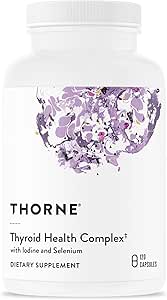
THORNE - Thyroid Health Complex (Formerly Thyrocsin) - Thyroid Cofactors for Thyroid Function Support* - Vitamins B12...
Check Price on AmazonAs an Amazon Associate we earn from qualifying purchases.
2. Post-Gastric Bypass Surgery
Gastric bypass (Roux-en-Y) and other bariatric surgeries dramatically reduce mineral absorption by bypassing the duodenum and proximal jejunum—the primary sites of copper absorption. A 2012 study found that copper deficiency occurs in 10-18% of gastric bypass patients, often developing 1-3 years post-surgery.9
Copper deficiency in this population is particularly dangerous because it presents with neurological symptoms that can be mistaken for vitamin B12 deficiency (which is also common post-bariatric surgery). The key difference: copper deficiency causes anemia that’s normocytic (normal-sized red blood cells) or microcytic (small red blood cells), while B12 deficiency causes macrocytic anemia (large red blood cells).
Recommended approach:
- Gastric bypass patients should take a comprehensive bariatric multivitamin containing at least 2 mg copper
- Monitor copper status annually (serum copper, ceruloplasmin)
- If deficiency develops, therapeutic doses of 3-6 mg copper daily may be needed under medical supervision
THORNE - Thyroid Health Complex (Formerly Thyrocsin) - Thyroid Cofactors for Thyroid Function Support* - Vitamins B12...
Check Price on AmazonAs an Amazon Associate we earn from qualifying purchases.
3. Malabsorption Disorders
Celiac disease, Crohn’s disease, and other inflammatory bowel conditions impair absorption of all minerals, including copper. Copper deficiency has been observed in celiac disease patients, especially those with untreated or severe malabsorption.
Even after starting a gluten-free diet, celiac patients may have persistent malabsorption due to intestinal damage. Crohn’s disease patients, especially those with extensive small bowel involvement, are at particularly high risk.
Recommended approach:
- Patients with confirmed malabsorption disorders should have baseline copper and zinc testing
- If copper is low or low-normal (below 80 mcg/dL), supplement with 2-3 mg copper daily
- Retest every 3-6 months until levels normalize
- Use highly bioavailable forms (bisglycinate or citrate)
4. Clinical Signs of Copper Deficiency
If you’re experiencing symptoms that suggest copper deficiency, supplementation may be warranted even without obvious risk factors. Key signs include:
Anemia that doesn’t respond to iron supplementation: Copper is required for iron metabolism. Specifically, copper is a cofactor for ceruloplasmin, which oxidizes Fe²⁺ to Fe³⁺, allowing iron to bind to transferrin for transport. Without adequate copper, you develop what’s called “sideroblastic anemia”—you have iron stored in your cells but can’t mobilize it for hemoglobin synthesis.
Neutropenia and frequent infections: Copper deficiency suppresses white blood cell production in the bone marrow, leading to low neutrophil counts. If your absolute neutrophil count (ANC) is below 1500 cells/μL without explanation, check copper status.
Premature graying: Copper is required for the enzyme tyrosinase, which converts tyrosine to melanin. Copper deficiency can cause rapid graying of hair, especially in people under 40. While not dangerous, it’s a visible marker of deficiency.
Neurological symptoms: Copper deficiency can cause a myelopathy (spinal cord dysfunction) that mimics vitamin B12 deficiency: numbness and tingling in hands and feet, difficulty walking, loss of balance, and in severe cases, paralysis. This is a medical emergency.10
If you have any of these symptoms, get tested before supplementing. Copper deficiency is serious and requires medical evaluation to rule out underlying causes.
Best Copper Supplement Forms
Not all copper supplements are absorbed equally. Here’s the bioavailability hierarchy:
Copper bisglycinate: Chelated to two glycine molecules. Superior absorption (85-90% bioavailable), gentle on stomach, bypasses some competitive inhibition from other minerals. This is the gold standard.
Copper citrate: Bound to citric acid. Good absorption (75-80% bioavailable), widely available, cost-effective.
Copper gluconate: Bound to gluconic acid. Moderate absorption (65-70% bioavailable), very gentle, good for sensitive individuals.
Copper sulfate and copper oxide: Inorganic forms with poor absorption (30-40% bioavailable). Avoid these forms in favor of chelated options.
For therapeutic use, stick with bisglycinate or citrate. For maintenance alongside high-dose zinc, bisglycinate is ideal because its chelated structure reduces direct competition with zinc in the gut.
Bottom line: Copper supplementation is essential when taking zinc above 50mg daily, after bariatric surgery, with malabsorption disorders, or when experiencing symptoms of copper deficiency like unexplained anemia or neuropathy. Use copper bisglycinate for optimal absorption.
When to Supplement Zinc
Zinc is one of the most commonly supplemented minerals, and for good reason—it plays critical roles in immune function, protein synthesis, wound healing, DNA synthesis, and cell division. However, indiscriminate zinc supplementation without considering copper balance is a recipe for problems.
1. Immune Support and Infection Recovery
Zinc is absolutely critical for immune function. It’s required for development and function of neutrophils, natural killer cells, and T lymphocytes. Zinc deficiency impairs every aspect of innate and adaptive immunity.
Research shows that zinc supplementation may reduce the duration of common cold symptoms when started within 24 hours of symptom onset. The effective dose range was 75-100 mg per day for the duration of illness (typically 5-7 days).
For general immune support in healthy individuals, lower doses are appropriate: 15-30 mg daily.
Recommended approach:
- For acute illness (cold/flu): 75-100 mg zinc daily for 5-7 days (take 7.5-10 mg copper during this period)
- For chronic immune support: 15-30 mg zinc daily (consider adding 1.5-3 mg copper if using long-term)
- Zinc lozenges for colds: Use zinc acetate or zinc gluconate lozenges providing 15-25 mg per lozenge, dissolved in mouth every 2-3 hours while awake
2. Wound Healing and Surgery Recovery
Zinc is essential for collagen synthesis, fibroblast proliferation, and epithelialization—all critical processes in wound healing. Zinc deficiency is associated with impaired wound healing and increased infection risk.
A 2018 systematic review found that zinc supplementation significantly accelerates healing of chronic wounds, surgical incisions, and burns in zinc-deficient patients. In zinc-replete individuals, the benefit was modest but still present at higher doses (50 mg daily).11
Recommended approach:
- Post-surgery or major wound: 50 mg zinc daily for 2-4 weeks (add 5 mg copper)
- Chronic wounds (diabetic ulcers, pressure ulcers): 50 mg zinc daily until healed, check copper status monthly
- Minor cuts/abrasions: Standard multivitamin dose (15 mg) is sufficient
Surgical patients should discuss zinc supplementation with their surgeon, as some evidence suggests it may reduce post-operative infection rates.
3. Testosterone Support in Men
Zinc deficiency significantly impairs testosterone production. A classic 1996 study by Prasad et al. showed that marginal zinc deficiency reduced serum testosterone by 75% in healthy young men after 20 weeks of zinc-restricted diet.12 Supplementation in zinc-deficient men restored testosterone to normal levels.
However—and this is critical—zinc supplementation does not boost testosterone in men who are already zinc-replete. Research indicates no testosterone increase from zinc supplementation in men who are already zinc-replete.
The takeaway: zinc supplementation for testosterone makes sense only if you’re deficient or at high risk of deficiency (heavy sweating from intense training, restricted diet, malabsorption).
Recommended approach:
- If zinc-deficient (serum zinc <70 mcg/dL): 50 mg zinc daily for 8-12 weeks, then retest
- Athletes with heavy sweat losses: 25-50 mg zinc daily (zinc is lost in sweat)
- If zinc-replete: No testosterone benefit from supplementation; stick to maintenance dose (15 mg)
offers 30 mg per capsule in a highly absorbable form.
4. Acne and Skin Health
Zinc has anti-inflammatory effects and reduces sebum production, making it useful for acne treatment. A 2020 meta-analysis of 14 clinical trials found that oral zinc supplementation significantly reduces acne lesions, with an effect size comparable to tetracycline antibiotics.13
The effective dose appears to be 30-50 mg daily for at least 12 weeks. Higher doses (100 mg daily) showed greater efficacy but also higher rates of gastrointestinal side effects and copper depletion.
Recommended approach:
- Mild-moderate acne: 30 mg zinc daily for 12-16 weeks
- Severe acne: 50 mg zinc daily for 12 weeks, monitor copper status, consider adding 5 mg copper
- Maintenance: 15-30 mg daily long-term if effective
Zinc gluconate and zinc sulfate are the most studied forms for acne, but zinc bisglycinate offers better absorption with fewer GI side effects.
5. Addressing Copper Toxicity or Wilson’s Disease
In the rare situation where copper levels are too high, zinc is the treatment of choice. This primarily occurs in Wilson’s disease, a genetic disorder where mutations in the ATP7B gene cause copper accumulation in the liver, brain, and other organs.
Zinc works as a copper antagonist in this context. High-dose zinc (150 mg daily in divided doses) induces metallothionein in intestinal and liver cells, which binds copper and reduces the risk of its absorption while promoting its excretion. This is one of the few situations where you want zinc to deplete copper.
Wilson’s disease requires medical management—this is not a DIY situation. However, it illustrates the power of the copper-zinc antagonism when used therapeutically.
Best Zinc Supplement Forms
Like copper, zinc bioavailability varies significantly by form:
Zinc picolinate: Chelated to picolinic acid. Best absorption among common forms (80-85% bioavailable), crosses gut lining efficiently.
Zinc bisglycinate: Chelated to two glycine molecules. Excellent absorption (75-80% bioavailable), very gentle on stomach, ideal for higher doses or long-term use.
Zinc citrate and zinc acetate: Good absorption (70-75%), well-tolerated, citrate is popular in multivitamins.
Zinc gluconate: Moderate absorption (60-65%), very gentle, often used in lozenges for colds.
Zinc sulfate and zinc oxide: Poor absorption (40-50%), can cause nausea, not recommended unless you’re on a tight budget.
OptiZinc (zinc monomethionine): Proprietary form with high bioavailability and antioxidant properties. Slightly more expensive but worth it for long-term supplementation.
For therapeutic doses (50+ mg daily), use picolinate or bisglycinate to maximize absorption and minimize GI distress. For maintenance doses in a balanced formula, any chelated form is fine.
Bottom line: Zinc supplementation makes sense for immune support, wound healing, and addressing deficiency, but doses above 50mg daily require copper co-supplementation. Most people need 15-30mg zinc daily for maintenance, not the megadoses often promoted online.
What Are the Signs of Copper-Zinc Imbalance?
One of the most valuable skills in supplement optimization is learning to read your body’s signals. Mineral imbalances produce predictable symptoms that, once you know what to look for, can alert you to problems before they become serious.
Signs You’re Low in Copper (Often from Too Much Zinc)
Week 1-2 of high zinc intake:
- Usually no symptoms yet (copper stores are buffering)
- Some people notice minor digestive changes from the high zinc dose itself
Week 3-6:
- Fatigue that doesn’t respond to sleep: Copper is required for cytochrome c oxidase, the final enzyme in the mitochondrial electron transport chain. Without adequate copper, your cells can’t produce ATP efficiently. You feel tired despite adequate rest.
- Exercise intolerance: Workouts that were manageable suddenly feel exhausting. Your muscles fatigue faster.
- Subtle loss of color in hair: Premature graying starts at the roots. Most noticeable in people with dark hair.
Week 6-12:
- Anemia symptoms: Pale skin, shortness of breath, dizziness upon standing, cold hands and feet. If you check labs, hemoglobin and hematocrit are dropping, but iron studies are normal or show high ferritin (stored iron) with low transferrin saturation (functional iron deficiency from copper deficiency).
- Recurrent infections: More frequent colds, slower recovery from illness. Copper deficiency impairs neutrophil production and function.
- Numbness or tingling: Usually starts in feet and toes, may progress to hands. This is peripheral neuropathy from copper-dependent myelin synthesis impairment.
Beyond 12 weeks:
- Severe anemia: Hemoglobin may drop to 8-10 g/dL (normal is 13.5-17.5 for men, 12-15.5 for women). Extreme fatigue, weakness, difficulty with daily activities.
- Neutropenia: White blood cell count drops. Absolute neutrophil count may fall below 1000 (normal is 1500-8000). High infection risk.
- Neurological deterioration: Balance problems, difficulty walking, loss of coordination. In severe cases, myelopathy resembling B12 deficiency—this can become irreversible if not caught early.10
Timeline of improvement when you restore copper balance:
- 3-7 days: Energy starts returning, brain fog lifts slightly
- 2-4 weeks: Hemoglobin begins rising, fatigue noticeably improved
- 6-8 weeks: Anemia resolves, neutrophil count normalizes
- 3-6 months: Neurological symptoms gradually improve (may take longer for severe cases, some damage can be permanent)
Signs You’re Low in Zinc
Week 1-2 of deficiency:
- Loss of taste and smell: Zinc is required for proper function of taste buds and olfactory receptors. Food tastes bland, you can’t smell things as well.
- Minor skin changes: Dry skin, small patches of dermatitis, slower healing of minor cuts
- Mild appetite loss: Related to taste/smell changes
Week 2-6:
- Frequent colds: Zinc deficiency impairs T-cell function and interferon production. You catch every bug that goes around.
- Slow wound healing: Cuts and scrapes take twice as long to recover as they should.
- Hair thinning: Diffuse hair loss, not usually complete baldness but noticeable shedding
- White spots on nails: Leukonychia—small white spots that move up the nail as it grows
Beyond 6 weeks:
- Severe immune dysfunction: Constant infections, inability to shake colds/flu
- Skin lesions: In severe zinc deficiency (acrodermatitis enteropathica), distinctive rash around mouth, genitals, hands and feet
- Growth retardation in children: Zinc is critical for growth hormone function
- Hypogonadism in men: Low testosterone, reduced libido, erectile dysfunction
Timeline of improvement when you restore zinc balance:
- 3-7 days: Taste and smell return to normal
- 1-2 weeks: Immune function improves, skin starts healing
- 4-6 weeks: Hair shedding slows, new hair growth visible
- 2-3 months: Full resolution of deficiency symptoms, testosterone normalizes
The Subtle Signs: Cognitive and Mood Changes
Both copper and zinc deficiencies affect brain function, but in different ways:
Copper deficiency cognitive signs:
- Difficulty concentrating, brain fog
- Memory problems (especially short-term memory)
- Feeling “mentally sluggish”
- Depression and anxiety (copper is required for dopamine and norepinephrine synthesis)
Zinc deficiency cognitive signs:
- Poor memory consolidation (zinc is critical for hippocampal function)
- Increased anxiety and irritability
- Depression (zinc modulates NMDA and GABA receptors)
- In children: ADHD-like symptoms, learning difficulties
The overlap in symptoms is why testing is so important—you can’t reliably differentiate copper from zinc deficiency based on symptoms alone.
Red Flags That Mean See a Doctor Immediately
Some symptoms indicate severe mineral imbalance requiring urgent medical evaluation:
- Severe anemia: Hemoglobin below 8 g/dL, extreme fatigue, shortness of breath at rest
- Neurological symptoms: Difficulty walking, loss of balance, numbness spreading rapidly, muscle weakness
- Neutropenia with fever: Absolute neutrophil count below 500 with any fever is a medical emergency (risk of life-threatening infection)
- Cardiac symptoms: Irregular heartbeat, chest pain (severe copper deficiency can cause cardiomyopathy)
Don’t try to self-address severe deficiencies. Get lab work and work with a physician.
How Do You Test Your Copper-Zinc Balance?
Guessing at mineral status based on symptoms is useful for initial suspicion, but testing provides definitive answers and guides dosing decisions.
Essential Tests
Serum Copper:
- Normal range: 70-140 mcg/dL (some labs use 80-155 mcg/dL)
- Optimal: 90-120 mcg/dL
- Below 70: Copper deficiency likely
- Above 140: Copper excess (investigate for hemolysis, infection, pregnancy, or Wilson’s disease)
Important caveat: Serum copper includes both ceruloplasmin-bound copper (95%) and free copper (5%). Ceruloplasmin is an acute phase reactant that increases during inflammation, infection, pregnancy, and estrogen therapy. This can artificially elevate serum copper even if your functional copper status is low.
Serum Zinc:
- Normal range: 60-120 mcg/dL (some labs use 66-110 mcg/dL)
- Optimal: 80-110 mcg/dL
- Below 60: Zinc deficiency
- Above 120: Zinc excess (usually from supplementation)
Like copper, serum zinc can be affected by albumin levels (zinc circulates bound to albumin). Low albumin (from malnutrition, liver disease, nephrotic syndrome) can cause falsely low serum zinc.
Ceruloplasmin:
- Normal range: 20-50 mg/dL
- Low ceruloplasmin (<20 mg/dL) with high free copper suggests Wilson’s disease
- Low ceruloplasmin with low total copper confirms copper deficiency
- Ceruloplasmin is a more reliable marker of copper status than serum copper alone
Copper-Zinc Ratio:
- Calculated as serum copper (mcg/dL) divided by serum zinc (mcg/dL)
- Normal range: 0.7-1.5
- Below 0.7: Relative copper deficiency (too much zinc or too little copper)
- Above 1.5: Relative zinc deficiency or copper excess
Example: If your serum copper is 90 mcg/dL and serum zinc is 80 mcg/dL, your ratio is 90/80 = 1.125, which is optimal.
Advanced Testing
RBC (Red Blood Cell) Zinc and Copper:
- Measures intracellular mineral levels, considered more reflective of long-term status
- Less affected by acute changes, inflammation, or recent supplementation
- More expensive and not always covered by insurance
- Consider if serum levels are borderline but symptoms suggest deficiency
24-Hour Urine Copper:
- Used to diagnose Wilson’s disease (elevated urine copper >100 mcg/24h)
- Also used to monitor copper excretion in Wilson’s disease treatment
- Not useful for diagnosing copper deficiency
Zinc Tolerance Test:
- Research tool, not clinically available
- Measures change in plasma zinc after oral zinc dose
- Helps assess zinc absorption efficiency
When to Test
Baseline testing before starting high-dose zinc or copper supplementation:
- Know your starting point so you can monitor changes
- Especially important if you have risk factors (malabsorption, restrictive diet, genetic factors)
6-12 weeks after starting supplementation:
- Verify that your intervention is working (e.g., if supplementing copper due to zinc-induced deficiency, confirm copper is rising)
- Check for overcorrection (taking too much can swing you the other direction)
If symptoms develop despite supplementation:
- Rule out other causes of anemia, neuropathy, immune dysfunction
- Verify that your supplement is actually absorbing (malabsorption, drug interactions)
Annually for at-risk populations:
- Post-bariatric surgery patients
- People with inflammatory bowel disease
- Individuals on long-term high-dose zinc for medical reasons
Interpreting Results in Context
Lab values don’t exist in a vacuum. A serum copper of 75 mcg/dL (technically low-normal) in someone with microcytic anemia, fatigue, and high-dose zinc supplementation is functionally deficient. The same value in an asymptomatic person with normal hemoglobin and no zinc supplementation is probably fine.
Similarly, serum zinc of 65 mcg/dL (low-normal) in someone with frequent infections, poor wound healing, and low dietary zinc intake is deficient. In someone with robust health and high zinc intake, it may just reflect that person’s individual set point.
Work with a clinician who understands functional interpretation of mineral status, not just reference ranges.
What Foods Provide Copper and Zinc Balance?
While supplementation is necessary in certain situations, foundational mineral balance starts with diet. Here’s where to find copper and zinc in food.
Top Copper-Rich Foods (per 100g serving)
- Beef liver: 14.6 mg (1460% DV)
- Oysters: 7.6 mg (760% DV)
- Shiitake mushrooms (dried): 5.2 mg (520% DV)
- Cashews: 2.2 mg (220% DV)
- Dark chocolate (70-85% cocoa): 1.8 mg (180% DV)
- Sunflower seeds: 1.8 mg (180% DV)
- Hazelnuts: 1.7 mg (170% DV)
- Crab: 1.0 mg (100% DV)
- Lobster: 1.0 mg (100% DV)
- Spirulina: 0.9 mg (90% DV)
The RDA for copper is 0.9 mg/day for adults. As you can see, organ meats and shellfish absolutely dominate the copper rankings. A single 100g serving of beef liver provides over two weeks’ worth of copper.
Top Zinc-Rich Foods (per 100g serving)
- Oysters: 78.6 mg (715% DV)
- Beef (chuck roast): 7.0 mg (64% DV)
- Alaska King Crab: 6.5 mg (59% DV)
- Beef liver: 6.0 mg (55% DV)
- Hemp seeds: 5.0 mg (45% DV)
- Pumpkin seeds: 7.8 mg (71% DV)
- Lamb: 5.3 mg (48% DV)
- Cashews: 5.8 mg (53% DV)
- Chickpeas (cooked): 1.5 mg (14% DV)
- Oats: 2.7 mg (25% DV)
The RDA for zinc is 11 mg/day for adult men and 8 mg/day for adult women. Animal sources dominate again, with oysters being an absolutely ridiculous source—a single oyster provides about 8 mg zinc.
Balancing Through Whole Foods
Notice that several foods appear on both lists: oysters, beef liver, crab, cashews. This is not coincidental. Foods that evolved to support animal life tend to provide minerals in balanced ratios.
If you eat 100g of beef liver, you get:
- Copper: 14.6 mg
- Zinc: 6.0 mg
- Ratio: 14.6/6.0 = 2.4 (higher in copper than the ideal 1:10, but not problematic when consumed occasionally)
If you eat 100g of oysters, you get:
- Copper: 7.6 mg
- Zinc: 78.6 mg
- Ratio: 7.6/78.6 = 0.097, or about 1:10 (nearly perfect)
Oysters are nature’s balanced mineral supplement. They provide massive amounts of both minerals in the ideal ratio. If you can tolerate shellfish and have access to fresh oysters, eating them weekly is one of the best strategies for maintaining copper-zinc balance.
For people who don’t eat organ meats or shellfish (whether due to taste preference, dietary restrictions, or access), seeds and nuts provide decent amounts of both minerals, though you’d need to eat them daily in significant quantities to meet needs through food alone.
The Plant-Based Dilemma
Vegetarians and especially vegans are at higher risk for both copper and zinc deficiency, but for different reasons:
Zinc: Plant sources of zinc are less bioavailable than animal sources due to phytic acid (found in grains, legumes, seeds), which binds zinc and reduces the risk of absorption. Phytic acid can reduce zinc absorption by 50% or more.14 Vegans need about 50% more zinc than omnivores to compensate.
Copper: While plant foods contain copper, the richest sources (liver, shellfish) are animal-based. Vegans relying on nuts and seeds can meet copper needs, but it requires intentional planning.
Plant-based copper-zinc strategy:
- Consume nuts and seeds daily (especially pumpkin seeds for zinc, cashews for both)
- Soak, sprout, or ferment grains and legumes to reduce phytic acid
- Consider supplementing zinc (15-30 mg daily) and possibly copper (1-2 mg daily) if lab work shows low status
- Get tested annually to verify adequacy
Complete Support System: Optimizing Mineral Balance
Copper and zinc don’t work in isolation. Here’s how to build a comprehensive mineral support system:
Foundation Layer:
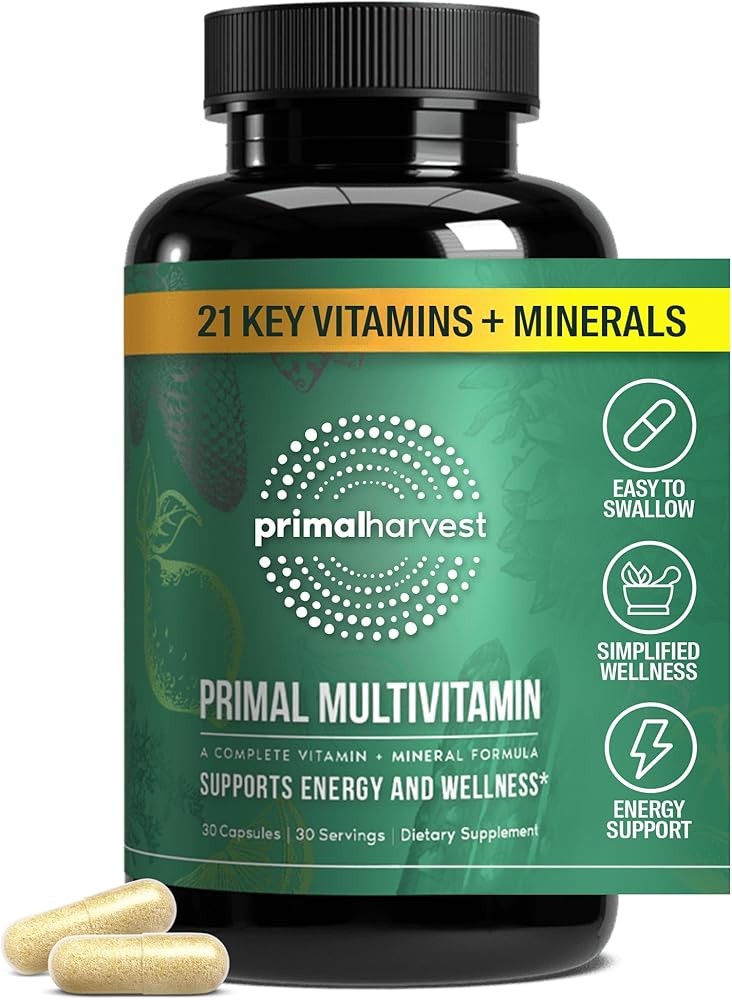
Primal Harvest Primal Multivitamin - Daily Multi-Vitamin Supplement with 21 Essential Vitamins & Minerals for Women &...
Check Price on AmazonAs an Amazon Associate we earn from qualifying purchases.
Targeted Immune Support: offers 30mg zinc glycinate with selenium for enhanced immune function during high-stress periods or cold season.
High-Dose Zinc Therapy Protection:
THORNE - Thyroid Health Complex (Formerly Thyrocsin) - Thyroid Cofactors for Thyroid Function Support* - Vitamins B12...
Check Price on AmazonAs an Amazon Associate we earn from qualifying purchases.
Hormonal Balance:
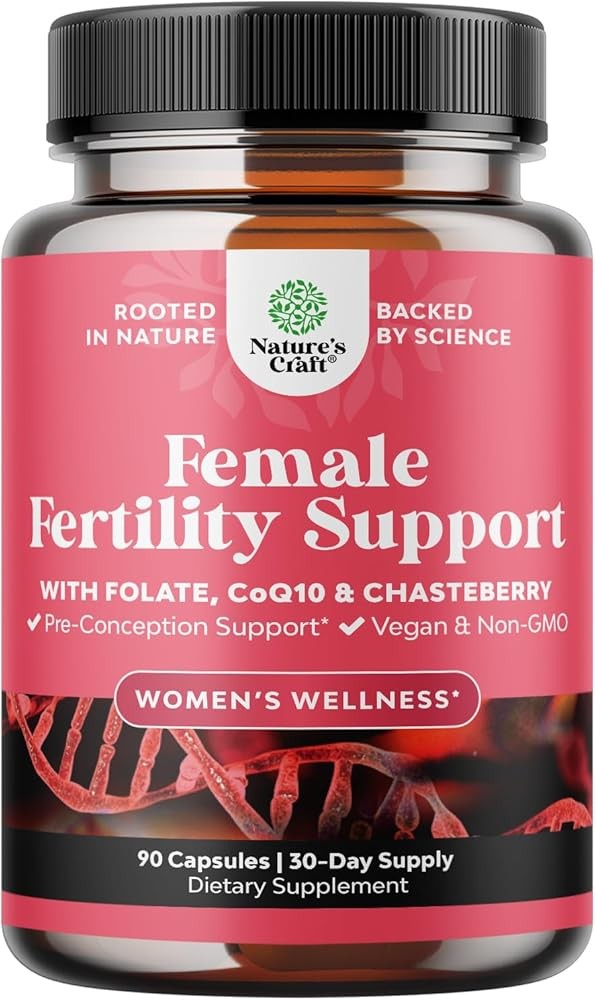
Fertility Supplements for Women with Inositol & Folic Acid - Preconception Vitamins for Women for Hormone Balance wit...
Check Price on AmazonAs an Amazon Associate we earn from qualifying purchases.
This protocol ensures you maintain optimal copper-zinc ratios whether you’re on maintenance doses or therapeutic interventions.
Our Top Recommendations
📱 Join the discussion: Facebook | X | YouTube | Pinterest
For more context, see our guide on Vitamin C vs Zinc For Immune Support: Which Is Better? [Complete Comparison Guide].
Related Reading
-
Best Multivitamin for Men Over 40: Nutrients That Matter Most
-
Iron Bisglycinate vs Ferrous Sulfate: Absorption and Side Effects
-
Vitamin D3 and K2: Why You Should Take Them Together
-
Best Zinc Supplement for Immune Support: Forms and Dosing
-
Chelated Minerals vs Standard Forms: What the Research Shows
-
Best Supplements for Testosterone: Evidence-Based Guide
-
Vitamin C vs Zinc For Immune Support: Which Is Better? [Complete Comparison Guide]
-
Zinc Picolinate vs Zinc Gluconate: Which Is Better? [Complete Comparison Guide]
Frequently Asked Questions
Q: How long can I safely take high-dose zinc (50+ mg) without copper supplementation?
Research suggests problems begin after 4-6 weeks of high-dose zinc without copper. Some individuals may develop issues sooner, especially if baseline copper status is low. The safest approach: don’t exceed 50 mg zinc daily for more than 2 weeks without adding copper. If you need high-dose zinc long-term (for acne, immune support, etc.), take copper from day one.
Q: Can I take copper and zinc at the same time, or should I separate them?
They compete for absorption when taken together, so separating by 2-3 hours is ideal if you’re taking therapeutic doses of each. For example, take zinc with breakfast and copper with dinner. However, if you’re taking a balanced formula with both minerals or maintenance doses in a multivitamin, taking them together is fine—the doses are low enough that competition isn’t a major concern.
Q: I’m taking a multivitamin with 15 mg zinc. Do I need to add copper?
Most quality multivitamins already include copper in appropriate ratios (usually 1-2 mg copper with 15 mg zinc). Check your label. If your multi contains copper, you’re covered. If it only has zinc, consider adding 1.5 mg copper or switching to a balanced formula.
Q: How do I know if my fatigue is from copper deficiency or something else?
You don’t, without testing. Fatigue has hundreds of possible causes: iron deficiency, B12 deficiency, thyroid dysfunction, sleep disorders, depression, chronic infections, autoimmune disease, etc. If you’re on high-dose zinc and develop fatigue, copper deficiency is likely and worth testing. Otherwise, work with a doctor to systematically rule out common causes.
Q: Can I get too much copper from food alone?
Extremely unlikely unless you’re eating liver multiple times per week. Acute copper toxicity from food would require consuming massive amounts (several servings of liver daily). The body regulates copper absorption and excretion quite well when intake comes from food. Supplement toxicity is a much bigger concern than food-based toxicity.
Q: I have Wilson’s disease. Should I avoid copper supplements?
Yes, absolutely. Wilson’s disease means you accumulate copper pathologically. You should be working with a hepatologist and possibly taking zinc therapeutically (150 mg daily in divided doses) to block copper absorption. Never take copper supplements with Wilson’s disease.
Q: Does cooking in copper cookware increase copper intake?
Slightly, but not significantly. Acidic foods (tomatoes, vinegar-based sauces) cooked in unlined copper pots can leach copper, potentially adding 0.1-0.3 mg per serving. This is negligible compared to the amounts in food or supplements. Modern copper cookware is usually lined with stainless steel or tin to reduce the risk of leaching.
Q: My hair started graying rapidly after I started taking 100 mg zinc daily. Is this copper deficiency?
Very likely. Premature or accelerated graying is a classic sign of copper deficiency. Copper is required for tyrosinase, the enzyme that produces melanin (hair pigment). Get your copper and ceruloplasmin tested. If low, add copper supplementation (10 mg daily with that dose of zinc) and the graying should slow or stop, though existing gray hair won’t improve.
Q: Can I use zinc lozenges for colds without worrying about copper?
Yes, if you’re only using them for 5-7 days during an acute cold. The short duration isn’t long enough to significantly deplete copper. However, if you find yourself using zinc lozenges frequently (multiple colds per winter, for weeks at a time), consider adding copper supplementation during those periods.
Q: I’m pregnant. Should I change my copper or zinc supplementation?
Pregnancy increases needs for both minerals. Prenatal vitamins typically provide 15-20 mg zinc and 1-2 mg copper, which should meet needs for most women. Serum copper naturally rises during pregnancy due to increased ceruloplasmin (not a problem). Don’t exceed 40 mg zinc daily during pregnancy without medical supervision, as very high zinc may interfere with copper absorption at a time when copper needs are elevated. Always consult your OB-GYN before changing supplementation.
Conclusion
Copper and zinc are locked in a delicate dance. Get the balance right, and both minerals perform their hundreds of essential functions flawlessly. Get it wrong, and you trigger a cascade of deficiency symptoms that can range from annoying (fatigue, hair loss) to dangerous (severe anemia, neurological damage).
The critical points to remember:
The 1:10 ratio is non-negotiable. For every 10 mg of zinc you supplement, take 1 mg of copper. This ratio reduces the risk of zinc-induced copper deficiency while maintaining adequate zinc status.
High-dose zinc (50+ mg daily) for more than 2-4 weeks requires copper co-supplementation. Zinc induces metallothionein, which traps copper in intestinal cells and reduces the risk of absorption. This mechanism is powerful and can deplete your copper stores in a matter of weeks.
Test, don’t guess. Serum copper, serum zinc, and ceruloplasmin testing definitively shows your mineral status and guides supplementation decisions. Symptoms alone can’t reliably differentiate copper deficiency from zinc deficiency or the dozens of other conditions that cause fatigue and immune dysfunction.
Food first, supplements second. Oysters, beef liver, shellfish, nuts, and seeds provide both minerals in balanced ratios. Supplementation is necessary in specific situations (high-dose zinc therapy, malabsorption, post-bariatric surgery), but foundational mineral balance starts with diet.
Separate therapeutic doses by 2-3 hours. If you’re taking 50 mg zinc and 5 mg copper daily, take them at different meals to reduce competitive inhibition and maximize absorption of both.
Monitor for body signals. Fatigue that doesn’t respond to sleep, premature graying, frequent infections, numbness and tingling—these are your body’s way of telling you something is wrong. Listen to those signals and investigate.
The copper-zinc relationship illustrates a fundamental truth about supplementation: more is not always better, and single-nutrient thinking is dangerous. Minerals exist in a complex web of interactions. Optimizing one while ignoring its antagonists and synergists is a recipe for creating new problems while trying to solve old ones.
Respect the ratio. Test your status. Balance your intake. Your mitochondria, immune system, and nervous system will thank you.
References
-
Fischer PWF, Giroux A, L’Abbé MR. Effect of zinc supplementation on copper status in adult man. Am J Clin Nutr. 1984;40(4):743-746. PubMed ↩︎ ↩︎
-
Küry S, Dréno B, Bézieau S, et al. Identification of SLC39A4, a gene involved in acrodermatitis enteropathica. Nat Genet. 2002;31(3):239-240. PubMed ↩︎
-
Gunshin H, Mackenzie B, Berger UV, et al. Cloning and characterization of a mammalian proton-coupled metal-ion transporter. Nature. 1997;388(6641):482-488. PubMed ↩︎
-
Lee J, Prohaska JR, Thiele DJ. Essential role for mammalian copper transporter Ctr1 in copper homeostasis and embryonic development. Proc Natl Acad Sci USA. 2001;98(12):6842-6847. PubMed ↩︎
-
Davis SR, Cousins RJ. Metallothionein expression in animals: a physiological perspective on function. J Nutr. 2000;130(5):1085-1088. PubMed ↩︎
-
Bandmann O, Weiss KH, Kaler SG. Wilson’s disease and other neurological copper disorders. Lancet Neurol. 2015;14(1):103-113. PubMed ↩︎
-
Fosmire GJ. Zinc toxicity. Am J Clin Nutr. 1990;51(2):225-227. PubMed ↩︎
-
Milne DB, Davis CD, Nielsen FH. Low dietary zinc alters indices of copper function and status in postmenopausal women. Nutrition. 2001;17(9):701-708. PubMed ↩︎
-
Kumar N. Copper deficiency myelopathy (human swayback). Mayo Clin Proc. 2006;81(10):1371-1384. PubMed ↩︎
-
Kumar N, Gross JB Jr, Ahlskog JE. Copper deficiency myelopathy produces a clinical picture like subacute combined degeneration. Neurology. 2004;63(1):33-39. PubMed ↩︎ ↩︎
-
Lin PH, Sermersheim M, Li H, Lee PHU, Steinberg SM, Ma J. Zinc in wound healing modulation. Nutrients. 2017;10(1):16. PubMed ↩︎
-
Prasad AS, Mantzoros CS, Beck FW, Hess JW, Brewer GJ. Zinc status and serum testosterone levels of healthy adults. Nutrition. 1996;12(5):344-348. PubMed ↩︎
-
Cervantes J, Eber AE, Perper M, Nascimento VM, Nouri K, Keri JE. The role of zinc in the treatment of acne: A review of the literature. Dermatol Ther. 2018;31(1):e12576. PubMed ↩︎
-
Lönnerdal B. Dietary factors influencing zinc absorption. J Nutr. 2000;130(5S Suppl):1378S-1383S. PubMed ↩︎
Recommended Products