Fish Oil vs Krill Oil: Which is Better for Your Health?
Summarized from peer-reviewed research indexed in PubMed. See citations below.
Over 70% of Americans have suboptimal omega-3 levels, which research links to increased inflammation, cardiovascular risk, and cognitive decline. For most people, Triple Strength Omega 3 Fish Oil delivers 1,350 mg EPA + 900 mg DHA per serving in highly absorbable triglyceride form at approximately $35. Published research confirms that concentrated fish oil provides the most practical option for therapeutic doses (2,000-4,000 mg daily for triglyceride reduction), with a 2025 meta-analysis of 134,144 participants showing significant cardiovascular benefits. For budget-conscious consumers, Kirkland Signature Fish Oil Concentrate provides 300 mg omega-3s per capsule in a 400-softgel bottle at approximately $18. Here’s what the published research shows about choosing between fish oil and krill oil for your health goals.
Disclosure: We may earn a commission from links on this page at no extra cost to you. Affiliate relationships never influence our ratings. Full policy →
Introduction
When it comes to choosing a supplement for heart health, brain function, and inflammation reduction, many people are torn between fish oil and krill oil. Both supplements provide omega-3 fatty acids, which are essential for various bodily functions. However, they differ in their sources, molecular structure, bioavailability, cost, and clinical evidence. In this article, we will compare fish oil and krill oil supplements in exhaustive detail — covering the latest research through 2025 — to help you make an informed decision about which one is better for your health.
Omega-3 fatty acids are classified as essential because the human body cannot produce them — they must be obtained through diet or supplementation. The two omega-3s that matter most for health are eicosapentaenoic acid (EPA) and docosahexaenoic acid (DHA). EPA is primarily anti-inflammatory and supports cardiovascular health, while DHA is a major structural component of brain tissue and the retina. Most Americans consume far less than the recommended 250-500 mg combined EPA and DHA daily, making supplementation a practical consideration for the majority of adults.
The stakes of this decision are higher than many people realize. A landmark 2025 cardiovascular meta-analysis pooling data from 18 randomized controlled trials and 134,144 participants found that omega-3 supplementation significantly reduced the risk of revascularization, myocardial infarction, and cardiovascular death. A separate 2025 heart failure meta-analysis of 14 RCTs found that high-dose EPA+DHA improved left ventricular ejection fraction (LVEF). Whether you choose fish oil or krill oil, getting adequate omega-3s is one of the most evidence-backed supplement decisions you can make.
This guide covers everything: the biochemistry, the clinical trials, the cost math, the body signals that tell you whether your omega-3s are working, drug interactions, special populations, and a clear verdict for different situations.
Watch Our Video Review
Quick Side-by-Side Comparison
| Feature | Fish Oil | Krill Oil |
|---|---|---|
| Source | Fatty fish (anchovy, sardine, mackerel) | Antarctic krill (Euphausia superba) |
| Omega-3 form | Triglycerides (TG) or ethyl esters (EE) | Phospholipids (PL) + some TG |
| EPA+DHA per capsule | 300-900 mg | 60-120 mg |
| Bioavailability | Good (better with food) | Superior (phospholipid advantage) |
| Antioxidant content | None naturally (vitamin E added) | Astaxanthin (natural) |
| Fish burps | Common | Rare |
| Shellfish allergy risk | No | Yes (krill are crustaceans) |
| Cost per 1000 mg EPA+DHA | $0.10-$0.30 | $0.50-$1.50 |
| Best for high-dose therapy | Yes | No (too many capsules needed) |
| Environmental concern | Overfishing risk | Keystone species concern |
Clues Your Body Tells You: Signs You Need More Omega-3s
Before diving into the fish oil vs krill oil comparison, it is worth checking whether your body is telling you it needs more omega-3s in the first place. Omega-3 deficiency is remarkably common — studies estimate that over 70% of Americans have a suboptimal omega-3 index (below 8%). Here are the signs your body may be sending you.
Skin and Hair Signals
Dry, flaky, or rough skin is one of the earliest and most visible signs of omega-3 deficiency. Omega-3 fatty acids are critical components of the skin’s lipid barrier, which locks in moisture and keeps irritants out. When EPA levels are low, the skin barrier weakens, leading to increased transepidermal water loss. If you notice persistent dryness that does not respond well to moisturizers alone — or if you are experiencing eczema flare-ups, psoriasis patches, or unexplained rashes — low omega-3 status may be a contributing factor.
Brittle nails that crack, peel, or split easily can also signal insufficient omega-3 intake. The nail bed requires adequate fatty acid supply for structural integrity. Similarly, dry, dull, or thinning hair that lacks its usual shine may reflect poor omega-3 status, as DHA contributes to the lipid content of hair follicle cells.
Joint and Musculoskeletal Signals
Morning joint stiffness that takes more than 15-20 minutes to resolve is a classic inflammation signal. While joint stiffness has many causes, omega-3 deficiency amplifies inflammatory pathways that contribute to joint discomfort. If you notice increased joint pain after exercise, particularly in the knees, hips, or fingers, your body may be lacking the anti-inflammatory EPA that helps produce specialized pro-resolving mediators (SPMs).
Muscle soreness that lingers longer than expected after workouts can also indicate suboptimal omega-3 levels. Athletes with higher omega-3 indices consistently show faster recovery from exercise-induced muscle damage in clinical studies.
Brain and Mood Signals
Brain fog, difficulty concentrating, and poor short-term memory are among the most underappreciated signs of omega-3 deficiency. DHA makes up approximately 40% of the polyunsaturated fatty acids in brain cell membranes, and inadequate DHA impairs neuronal membrane fluidity — literally slowing the speed at which brain cells communicate.
Mood changes deserve special attention. Increased irritability, persistent low mood, heightened anxiety, or a general sense of emotional flatness can all correlate with low omega-3 status. A 2025 randomized controlled trial found that both krill oil and fish oil significantly improved depression scores, anxiety levels, and psychological distress compared to placebo — confirming the link between omega-3 intake and mood regulation.
Eye, Immune, and Healing Signals
Dry eyes — particularly if you notice increased irritation, redness, or the need to use artificial tears more frequently — are associated with low omega-3 intake. DHA is highly concentrated in retinal tissue, and EPA helps regulate the oil glands (meibomian glands) that prevent tear evaporation.
Poor wound healing or cuts that take noticeably longer to close and form scabs may reflect insufficient omega-3s, since the resolution phase of wound healing depends on EPA- and DHA-derived resolvins and protectins.
Frequent colds, infections, or a general sense of lowered immunity can also be linked to omega-3 deficiency. EPA and DHA modulate immune cell function, and studies have shown that omega-3 supplementation enhances the activity of B cells, T cells, and macrophages.
If you are experiencing three or more of these signs simultaneously, getting your omega-3 index tested (a simple blood test) is a worthwhile step. An optimal omega-3 index is 8% or higher — most unsupplemented Americans fall in the 4-5% range.
Detailed Comparison
Ingredients and Molecular Structure
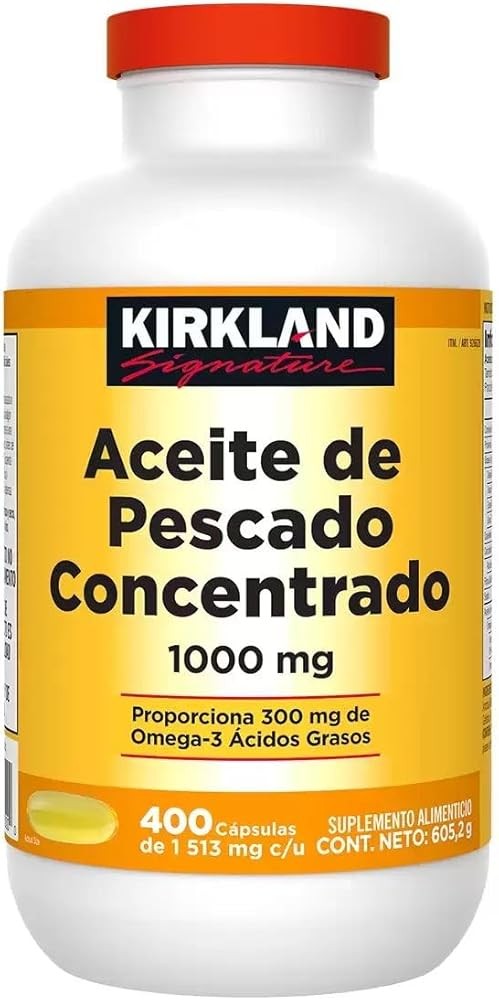
Kirkland Signature Fish Oil Concentrate with Omega-3 Fatty Acids, 400 Softgels, 1000mg
Check Price on AmazonAs an Amazon Associate we earn from qualifying purchases.
Fish oil supplements typically contain two types of omega-3 fatty acids: EPA and DHA. These fatty acids are extracted from the flesh of fatty fish, such as salmon, anchovies, sardines, and mackerel. Standard fish oil provides omega-3s in triglyceride (TG) form, while cheaper supplements may use ethyl ester (EE) form, and premium products use re-esterified triglyceride (rTG) form for superior absorption.

Vegan Omega-3 DHA Supplement | Plant Based Omega 3+6 Fatty Acids | More Absorbable, Improved Formula | Supports Heart...
Check Price on AmazonAs an Amazon Associate we earn from qualifying purchases.
Krill oil supplements contain EPA and DHA plus phospholipids, which are believed to enhance bioavailability. According to a study published in Lipids in Health and Disease, krill oil contains a higher proportion of phospholipids than fish oil, which may contribute to its better bioavailability (Kohler et al., 2015). Krill oil also naturally contains astaxanthin, a potent carotenoid antioxidant, and choline (from phosphatidylcholine), an essential nutrient important for liver function and brain health.
The Phospholipid Difference: Why It Matters
The fundamental biochemical distinction between fish oil and krill oil lies in how the omega-3 fatty acids are structured at the molecular level.
In fish oil, EPA and DHA are bound to triglycerides — a storage form of fat consisting of three fatty acid chains attached to a glycerol backbone. These triglycerides must be broken down by pancreatic lipase in the small intestine before the individual fatty acids can be absorbed. The efficiency of this process depends on several factors, including bile salt availability, the presence of other dietary fats, and individual digestive capacity.
In krill oil, a substantial portion (30-65%, depending on the product) of EPA and DHA are bound to phospholipids — specifically phosphatidylcholine. Phospholipids are the same molecules that make up cell membranes, which means they are inherently water-soluble on one end and fat-soluble on the other. This amphiphilic structure allows phospholipid-bound omega-3s to form micelles more readily in the intestine, facilitating absorption without requiring as much bile salt or lipase activity.
A 2024 network meta-analysis of 26 studies confirmed this bioavailability advantage, finding that phospholipid-bound omega-3s from krill oil consistently achieved higher plasma incorporation rates compared to triglyceride-bound omega-3s from fish oil.
This structural difference has practical implications for three groups of people:
- Individuals with compromised fat digestion (e.g., those with gallbladder removal, pancreatic insufficiency, or fat malabsorption) may absorb krill oil more effectively than fish oil
- People who experience fish oil burps — the triglyceride form can be slower to digest, leading to the reflux of undigested oil
- Those taking omega-3s without food — krill oil’s phospholipid form is less dependent on co-ingestion with dietary fat for absorption
Bioavailability: What the Clinical Trials Show
The bioavailability debate is central to the fish oil vs krill oil comparison, and the research has evolved considerably.
PMID 21854650 (Schuchardt et al., 2011) compared the bioavailability of different omega-3 formulations and found that krill oil achieved the highest incorporation into plasma phospholipids — the compartment that reflects actual cellular uptake rather than just circulating blood levels.
PMID 24304605 (Ramprasath et al., 2013) conducted a randomized double-blind 4-week study and found that krill oil produced a 2-fold higher increase in the omega-3 index compared to fish oil at equivalent EPA+DHA doses. This is one of the strongest pieces of evidence for krill oil’s absorption advantage.
However, PMID 32073633 (Kim et al., 2020) performed a network meta-analysis of lipid-modifying effects and found no significant difference between krill oil and fish oil for clinical endpoints like triglyceride reduction, LDL cholesterol, and HDL cholesterol. This suggests that while krill oil may be absorbed better per milligram, the clinical outcomes at commonly used doses are comparable.
The practical takeaway: Krill oil genuinely absorbs better on a milligram-for-milligram basis. But because fish oil capsules contain 3-5 times more EPA+DHA per capsule, the absolute amount of omega-3 delivered is typically higher with fish oil — especially at therapeutic doses.
Effectiveness for Specific Health Conditions
Cardiovascular Health
The cardiovascular evidence for omega-3s is substantial and growing. The 2025 cardiovascular meta-analysis (18 RCTs, 134,144 participants) found that omega-3 supplementation significantly reduced:
- Revascularization procedures (stents, bypasses)
- Myocardial infarction (heart attacks)
- Cardiovascular death
A separate 2025 heart failure meta-analysis (14 RCTs) found that high-dose EPA+DHA improved left ventricular ejection fraction (LVEF), suggesting direct benefit for heart muscle function.
Most of this evidence comes from fish oil studies, simply because fish oil has been studied far more extensively than krill oil. The American Heart Association recommends 1,000 mg combined EPA+DHA daily for patients with documented coronary heart disease, and 2,000-4,000 mg daily for triglyceride reduction — doses that are practical only with fish oil.
For those interested in cardiovascular support through supplementation, our guide on best supplements for high cholesterol and best supplements for high blood pressure covers the broader evidence.
Joint Pain and Osteoarthritis
The joint health evidence for krill oil specifically has produced mixed results:
PMID 35880828 (2022) found that krill oil at 4 grams per day for 6 months significantly improved knee osteoarthritis pain scores compared to placebo. This is a substantial dose requiring roughly 8-10 krill oil capsules daily.
However, PMID 38776073 (JAMA, 2024) found that krill oil at 2 grams per day for 24 weeks did NOT significantly improve knee osteoarthritis compared to placebo. This was a larger, more rigorous trial.
The implication: Krill oil may help joint pain, but only at higher doses (4g+/day) that are expensive and inconvenient. For joint pain management, concentrated fish oil at 2,000-3,000 mg EPA+DHA daily may be more practical and cost-effective. Our comparison of glucosamine vs chondroitin and ginger vs turmeric for inflammation covers additional joint support options.
Brain Health and Cognitive Function
PMID 24098072 (2013) found that krill oil was more effective than sardine oil for improving cognitive function in elderly subjects. The phospholipid-bound DHA in krill oil may cross the blood-brain barrier more efficiently, though this hypothesis requires more research.
DHA constitutes approximately 40% of the polyunsaturated fatty acids in the brain and 60% in the retina. Adequate DHA is critical for neuronal membrane fluidity, synaptic transmission, and neurogenesis. Studies have associated higher omega-3 intake with reduced risk of cognitive decline, though the evidence for treating existing dementia is less compelling. For a deep dive into this topic, see our guide on omega-3 supplements for brain health and cognition.
Women’s Health: PMS and Menstrual Pain
PMID 12777162 (Sampalis et al., 2003) found that krill oil was more effective than fish oil for managing PMS symptoms, including emotional symptoms, breast tenderness, joint pain, and bloating. The study used 2g of krill oil daily during the first month and 2g during the 8 days preceding menstruation plus 2 days of menstruation in subsequent months.
A 2024 meta-analysis (PMID 37545015) found that omega-3 supplementation reduced dysmenorrhea (menstrual pain) by 22-66% across studies. This is a meaningful effect size, comparable to NSAIDs in some trials.
Depression and Mental Health
A 2025 randomized controlled trial found that both krill oil and fish oil significantly improved depression, anxiety, and psychological distress compared to placebo. This adds to a growing body of evidence suggesting omega-3s — regardless of source — have genuine antidepressant effects, particularly for EPA at doses of 1,000 mg or higher.
The Astaxanthin Bonus in Krill Oil
Krill oil contains astaxanthin, a carotenoid pigment that gives krill their reddish color. Astaxanthin is a potent antioxidant — research has shown it to be 6,000 times more powerful than vitamin C and 550 times more powerful than vitamin E in certain antioxidant assays. While the amount of astaxanthin in krill oil supplements is relatively small (typically 0.5-1.5 mg per capsule), it serves two critical purposes:
- It acts as a natural preservative, protecting the omega-3 fatty acids from oxidation — a significant advantage over fish oil, which can become rancid more easily
- It provides additional antioxidant benefits, with research suggesting potential support for cardiovascular health, skin protection from UV damage, and reduced exercise-induced muscle damage
Fish oil supplements do not naturally contain astaxanthin and are more susceptible to oxidation. High-quality fish oil products add vitamin E (mixed tocopherols) as an antioxidant preservative, but this does not provide the same breadth of antioxidant activity as astaxanthin.
Mechanism of Action: How Omega-3s Work in the Body
Both EPA and DHA exert their health effects through several interconnected pathways:
Anti-inflammatory action: EPA and DHA compete with arachidonic acid (an omega-6 fatty acid) for incorporation into cell membrane phospholipids. When cells are stimulated by injury or stress, they release fatty acids from their membranes to produce signaling molecules called eicosanoids. Arachidonic acid produces pro-inflammatory eicosanoids (prostaglandins, thromboxanes, leukotrienes), while EPA produces anti-inflammatory variants. By increasing the ratio of EPA to arachidonic acid in cell membranes, omega-3 supplementation shifts the body’s inflammatory balance toward resolution rather than amplification. For more on the omega-3 to omega-6 balance, see our omega-3 vs omega-6 comparison.
Specialized pro-resolving mediators (SPMs): EPA and DHA are also precursors to resolvins, protectins, and maresins — a class of lipid mediators discovered in the early 2000s that actively resolve inflammation rather than merely suppressing it. This is a fundamentally different anti-inflammatory mechanism from NSAIDs or corticosteroids. SPMs promote the clearance of inflammatory debris, stimulate tissue repair, and restore homeostasis — making omega-3s unique among anti-inflammatory agents.
Cardiovascular effects: Omega-3s reduce triglyceride synthesis in the liver, lower blood pressure through improved endothelial function, reduce platelet aggregation (blood clotting tendency), and may stabilize arterial plaques. The American Heart Association recommends omega-3 supplementation for patients with documented coronary heart disease and those with elevated triglycerides.
Neurological effects: DHA constitutes approximately 40% of the polyunsaturated fatty acids in the brain and 60% in the retina. Adequate DHA is critical for neuronal membrane fluidity, synaptic transmission, and neurogenesis.
Gene expression: Omega-3 fatty acids act as ligands for nuclear receptors (particularly PPARs — peroxisome proliferator-activated receptors), directly modulating gene expression related to inflammation, lipid metabolism, and insulin sensitivity. This is one reason the effects of omega-3 supplementation take weeks to months to fully manifest — they are literally changing which genes your cells express.
Price Comparison
Fish oil supplements are generally much cheaper than krill oil supplements on a per-milligram-of-omega-3 basis. Here is a detailed cost comparison:
| Factor | Fish Oil (Standard) | Fish Oil (Concentrated) | Krill Oil |
|---|---|---|---|
| Price per bottle | $10-$25 | $25-$50 | $20-$40 |
| Capsules per bottle | 90-180 | 60-90 | 60-90 |
| EPA+DHA per capsule | 300-500 mg | 750-900 mg | 60-120 mg |
| Cost per 1000 mg EPA+DHA | $0.10-$0.25 | $0.15-$0.30 | $0.50-$1.50 |
| Monthly cost (at 1000 mg EPA+DHA/day) | $3-$8 | $5-$10 | $15-$45 |
On a per-milligram-of-omega-3 basis, fish oil is substantially cheaper — often 3-6 times less expensive than krill oil. Even accounting for krill oil’s potentially superior absorption, the cost gap is significant. At therapeutic doses (2,000+ mg EPA+DHA daily), the price difference becomes even more pronounced — krill oil at that dose could cost $30-$90 per month versus $6-$20 for concentrated fish oil.
Taste and Tolerability
Fish oil supplements are known for their strong fishy aftertaste, which can be a turn-off for some people. Krill oil supplements have a milder flavor and are less likely to cause digestive issues.
The “fish burp” phenomenon is one of the most common reasons people stop taking fish oil. This occurs when the triglyceride oil is not fully digested in the stomach and small amounts reflux into the esophagus. Several strategies can minimize fish oil burps: taking capsules with meals, using enteric-coated capsules, freezing the capsules before taking them, or choosing concentrated triglyceride-form (rTG) fish oils, which are better absorbed than the cheaper ethyl ester form.
Krill oil’s phospholipid form is digested more efficiently in the upper GI tract, which is why fish burps are rare with krill oil supplementation. If digestive tolerance is your primary concern, krill oil has a genuine advantage here.
Clues Your Body Tells You: What Improvement Looks Like (Timeline)
Once you start taking either fish oil or krill oil consistently, here is what to expect as your omega-3 levels build up in your tissues. Note: Omega-3s are not fast-acting like pain relievers. They work by gradually changing the fatty acid composition of your cell membranes, which takes weeks to months.
Week 1-2: The Adjustment Phase
- Digestive adjustment: Your body acclimates to the supplement. Fish oil users may notice fish burps initially; krill oil users rarely experience this. Taking capsules with meals resolves most GI issues within the first week.
- Subtle mood shift: Some people report a mild improvement in mood or a slight reduction in anxiety within the first two weeks. This is likely related to early changes in neurotransmitter signaling rather than full membrane remodeling.
- Sleep quality: A few users notice marginally better sleep onset, possibly related to DHA’s role in melatonin synthesis regulation.
Week 2-4: Early Visible Changes
- Skin hydration improves. The skin’s lipid barrier begins to strengthen as EPA incorporates into skin cell membranes. Dry patches may start to soften, and overall skin texture may feel smoother.
- Joint stiffness begins to ease. Morning stiffness duration may shorten by a few minutes. This reflects the early shift from pro-inflammatory to anti-inflammatory eicosanoid production.
- Dry eyes may start to improve. Some users notice less eye irritation and reduced need for artificial tears.
Month 1-2: Measurable Shifts
- Noticeable skin quality improvement. Skin appears more hydrated and supple. Eczema and psoriasis flare-ups may reduce in frequency or severity.
- Inflammation markers begin to drop. If you were to measure high-sensitivity C-reactive protein (hs-CRP) at this point, you might see a measurable reduction.
- Cognitive clarity sharpens. Brain fog starts to lift as DHA levels in neuronal membranes increase. Focus and short-term memory may feel slightly sharper.
- Nail and hair quality start to improve. Nails may feel less brittle, and hair may regain some luster.
Month 2-3: Meaningful Clinical Changes
- Omega-3 index measurably improved. If tested, your omega-3 index should show significant improvement — potentially moving from the 4-5% range toward the target 8%+ range.
- Joint pain reduced. Consistent anti-inflammatory effects translate to meaningfully less joint discomfort, particularly for people with mild to moderate osteoarthritis.
- Mood stabilization. The 2025 RCT showing both fish oil and krill oil improve depression, anxiety, and distress used treatment periods in this range.
- Menstrual pain reduced. Women with dysmenorrhea may notice the 22-66% pain reduction documented in the 2024 meta-analysis (PMID 37545015).
Month 3-6: Full Therapeutic Benefits
- Cardiovascular benefits kicking in. Triglyceride levels may drop by 15-30% at adequate doses. Blood pressure may improve modestly (2-5 mmHg systolic reduction). The full cardioprotective effects reflected in the 2025 meta-analysis of 134,144 participants manifest over this timeframe and beyond.
- Immune function improved. Fewer minor infections, better wound healing, and a general sense of immune resilience.
- Sustained cognitive benefits. Long-term DHA supplementation supports neuroplasticity and may slow age-related cognitive decline.
Important: If you do not notice any improvement after 3 months of consistent supplementation at adequate doses (1,000+ mg EPA+DHA daily), consider getting your omega-3 index tested to confirm your body is actually absorbing and incorporating the omega-3s. Absorption issues, particularly with ethyl ester fish oil taken without food, can limit effectiveness.
Clues Your Body Tells You: Warning Signs to Watch For
While omega-3 supplementation is safe for most people, your body may send warning signals that something is wrong. Pay attention to these.
Signs of Excessive Omega-3 Intake
Easy bruising or prolonged bleeding from minor cuts is the most important warning sign. Omega-3s inhibit platelet aggregation, which is beneficial at normal doses but can impair clotting at very high doses (typically above 3,000-4,000 mg EPA+DHA daily). If you notice unexplained bruises appearing more frequently or cuts that take much longer to stop bleeding than usual, reduce your dose and consult your doctor.
Persistent nosebleeds that were not previously a problem can also indicate excessive anticoagulant effect from high-dose omega-3s.
Loose stools or diarrhea that does not resolve after the first 1-2 weeks may indicate your dose is too high. Omega-3 fatty acids in large quantities can have a mild laxative effect.
Allergic Reactions (Especially Krill Oil)
Krill are crustaceans, and people with shellfish allergies must avoid krill oil entirely. Signs of an allergic reaction include hives, itching, swelling (particularly of the face, lips, or throat), difficulty breathing, and in severe cases, anaphylaxis. If you have a known shellfish allergy, fish oil is the safe alternative — fish are not crustaceans, and fish oil does not trigger shellfish allergies. However, people with fish allergies should avoid fish oil and consider algal oil instead. See our fish oil vs algal oil comparison for details.
Persistent GI Issues
While mild digestive discomfort is normal during the first week or two, persistent nausea, stomach cramps, or fish burps that do not resolve may indicate:
- The supplement is rancid (smell the capsule — it should have a mild ocean scent, not a strong fishy or paint-like odor)
- You are taking an ethyl ester form fish oil, which is harder to digest (switch to rTG form)
- You are taking the supplement on an empty stomach (always take with a meal containing fat)
- You have an underlying digestive condition that impairs fat absorption
When to See a Doctor
Consult your healthcare provider if you experience:
- Unexplained easy bruising or prolonged bleeding
- Signs of allergic reaction after starting krill oil
- GI symptoms that persist beyond 2-3 weeks despite adjustments
- You are taking blood-thinning medications and want to start omega-3s
- You are pregnant or planning to become pregnant
- You are scheduled for surgery within the next 2 weeks
Drug Interactions: What You Need to Know
Blood Thinners (Warfarin, Heparin)
This is the most clinically important interaction. PMID 27657121 (2016) reviewed the evidence and found that fish oil at standard supplemental doses (1,000-2,000 mg EPA+DHA daily) is safe alongside warfarin and does not significantly increase bleeding risk. However, at high doses (above 3,000 mg daily), omega-3s can potentiate warfarin’s anticoagulant effect, and INR (International Normalized Ratio) should be monitored more frequently when initiating or changing omega-3 dose.
The key points:
- Standard doses (up to 2,000 mg EPA+DHA): Generally safe, but inform your doctor
- High doses (3,000+ mg EPA+DHA): Monitor INR more frequently for the first 2-4 weeks
- Very high doses (4,000+ mg EPA+DHA): Requires close physician supervision
Antiplatelet Drugs (Aspirin, Clopidogrel)
Research has found that high-dose fish oil is safe in combination with aspirin and clopidogrel (Plavix), even in patients with coronary stents. However, the combination does increase the theoretical bleeding risk, so physician awareness is important.
Blood Pressure Medications
Omega-3s have a mild blood pressure-lowering effect (typically 2-5 mmHg systolic). If you are taking antihypertensive medications, this additive effect is generally beneficial, but it is worth mentioning to your doctor — particularly if your blood pressure is already well-controlled at the lower end of normal.
Surgery
Most surgeons recommend discontinuing omega-3 supplements 7-14 days before elective surgery due to the antiplatelet effect. Resume after your surgeon gives clearance, typically 1-2 weeks post-operatively. This applies to both fish oil and krill oil.
Diabetes Medications
Some older studies raised concerns that high-dose fish oil might raise blood glucose levels, but more recent research has not confirmed this. At standard supplemental doses, omega-3s do not appear to interfere with glycemic control or diabetes medications.
Special Populations
Pregnancy and Breastfeeding
DHA is critical for fetal brain and eye development. The World Health Organization recommends a minimum of 200-300 mg DHA daily during pregnancy and breastfeeding. Many prenatal supplements include DHA, but the amount is often insufficient (100-200 mg).
Fish oil has extensive safety data in pregnancy and is the preferred omega-3 source for pregnant women. Multiple large studies have confirmed its safety at doses up to 2,700 mg EPA+DHA daily during pregnancy.
Krill oil has limited safety data in pregnancy. While there is no specific evidence of harm, the lack of large pregnancy trials means most OB-GYNs recommend fish oil as the first choice. Additionally, the lower EPA+DHA content per capsule means pregnant women would need to take more krill oil capsules to reach the recommended DHA minimum.
For pregnant women concerned about mercury, both fish oil and krill oil are very low in mercury and other contaminants. Krill oil is particularly clean due to the short lifespan and low trophic level of krill (they do not bioaccumulate mercury). High-quality fish oil undergoes molecular distillation that removes virtually all contaminants.
Athletes and Active Adults
Omega-3s offer several benefits for athletes:
- Anti-inflammatory recovery: EPA reduces post-exercise inflammation and delayed onset muscle soreness (DOMS)
- Reduced exercise-induced bronchoconstriction: Important for athletes with exercise-induced asthma
- Improved muscle protein synthesis: Some evidence suggests omega-3s enhance the anabolic response to protein intake
- Neuroprotection: Relevant for contact sport athletes concerned about concussion and traumatic brain injury
Recommended dose for athletes: 2,000-3,000 mg combined EPA+DHA daily, which is most practical with concentrated fish oil. The astaxanthin in krill oil provides an additional antioxidant benefit that may be appealing for athletes, but the dose limitation makes fish oil more practical for this population.
Elderly Adults (65+)
Omega-3 supplementation is particularly important for older adults for several reasons:
Cognitive preservation: Higher omega-3 status is associated with reduced risk of cognitive decline and dementia. PMID 24098072 found krill oil specifically improved cognitive function in elderly subjects, potentially due to the phospholipid-bound DHA crossing the blood-brain barrier more efficiently.
Cardiovascular protection: The cardiovascular mortality reduction shown in the 2025 meta-analysis is especially relevant for older adults at higher baseline cardiovascular risk.
Anti-inflammatory effects: Age-related chronic low-grade inflammation (“inflammaging”) is a driver of many age-related diseases. Consistent omega-3 supplementation helps counteract this.
Fat digestion considerations: Many older adults have reduced bile production or fat digestion capacity. Krill oil’s phospholipid form may be particularly advantageous for this population, as it requires less bile for absorption.
Recommended dose for elderly adults: 1,000-2,000 mg combined EPA+DHA daily, with either fish oil or krill oil. If the elderly individual experiences persistent fish burps or has known fat malabsorption, krill oil may be preferred despite the higher cost.
Side Effects Comparison
| Side Effect | Fish Oil | Krill Oil |
|---|---|---|
| Fishy aftertaste/burps | Common | Rare |
| Nausea | Occasional | Uncommon |
| Diarrhea | At high doses | Uncommon |
| Blood thinning | At high doses (>3g/day) | Minimal at typical doses |
| Allergic reactions | Rare (fish allergy) | Possible (shellfish allergy) |
| Oxidation/rancidity risk | Higher (no natural antioxidant) | Lower (astaxanthin protects) |
| Vitamin A toxicity risk | Possible with cod liver oil | None |
Shellfish allergy warning: Krill are crustaceans. Individuals with shellfish allergies should avoid krill oil entirely, as allergic reactions — including anaphylaxis — have been reported. Fish oil is not a crustacean product and is safe for people with shellfish allergies (though those with fish allergies should avoid it).
Blood thinning: Both omega-3 sources can inhibit platelet aggregation, which is beneficial for cardiovascular health but can increase bleeding risk at high doses. Individuals taking anticoagulant medications (warfarin, heparin) or antiplatelet drugs (aspirin, clopidogrel) should consult their physician before starting omega-3 supplementation, particularly at doses above 2,000 mg daily.
Dosing Recommendations
The optimal omega-3 dose depends on your health goals:
- General health maintenance: 250-500 mg combined EPA+DHA daily (achievable with 1 fish oil capsule or 3-4 krill oil capsules)
- Cardiovascular risk reduction: 1,000 mg combined EPA+DHA daily, consistent with American Heart Association guidelines
- Triglyceride reduction: 2,000-4,000 mg combined EPA+DHA daily, ideally under physician supervision. This dose is impractical with krill oil and requires concentrated fish oil or prescription omega-3 products
- Anti-inflammatory support (joints, recovery): 1,000-2,000 mg combined EPA+DHA daily
- Brain health and cognition: At least 500 mg DHA daily, with some research suggesting benefits at 1,000+ mg DHA daily
- Depression and mood support: 1,000-2,000 mg EPA daily (EPA appears more important than DHA for mood)
- Pregnancy: Minimum 200-300 mg DHA daily; many experts recommend 500-1,000 mg DHA
Omega-3 supplements should be taken with a meal containing dietary fat to optimize absorption — particularly for fish oil in triglyceride form. Taking omega-3s on an empty stomach reduces absorption and increases the likelihood of digestive side effects. For a comprehensive guide on cardiovascular dosing, see our article on omega-3 for heart health: how much EPA and DHA do you actually need.
Individual Product Breakdowns
Fish Oil
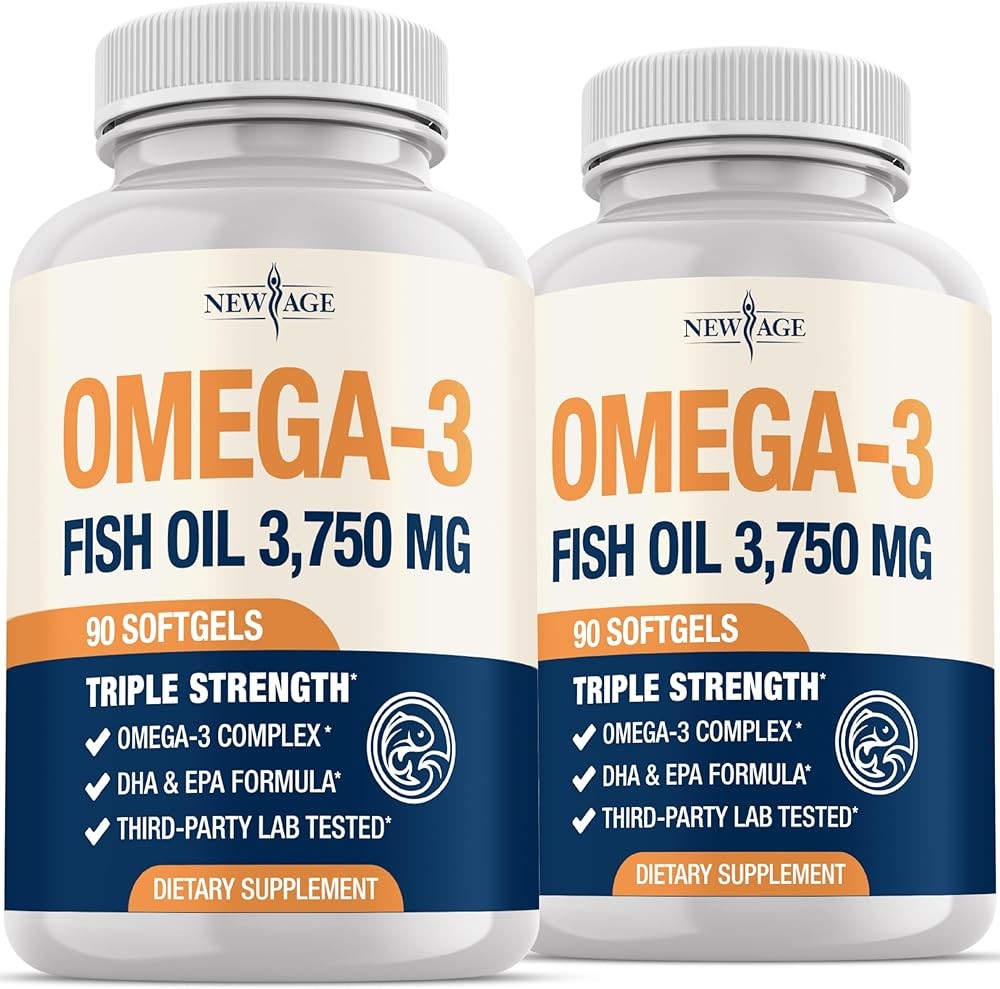
Triple Strength Omega 3 Fish Oil 3750 mg - EPA & DHA - Over 3000mg Omega-3 Fatty Acids - 1350mg EPA + 900mg DHA - Bes...
Check Price on AmazonAs an Amazon Associate we earn from qualifying purchases.
Fish oil supplements are widely available and come in various forms, including capsules, liquids, and softgels. They typically contain a combination of EPA and DHA, although the exact proportions may vary depending on the brand and type. Some popular fish oil brands include Nordic Naturals, Nature Made, and Swanson.
When selecting a fish oil supplement, look for products that:
- Disclose the EPA and DHA content per capsule (not just “total omega-3s,” which may include less beneficial omega-3 forms like ALA)
- Carry IFOS (International Fish Oil Standards) or third-party certification for purity and potency
- Use triglyceride or re-esterified triglyceride (rTG) form rather than ethyl ester (EE) for better absorption
- Are tested for heavy metals, PCBs, and oxidation markers (TOTOX value below 26)
- Are sourced from small, short-lived fish (anchovies, sardines) which accumulate less mercury than larger species
For our full rankings, see our best fish oil and omega-3 supplements guide.
Krill Oil
Krill oil supplements are also widely available, primarily in capsule and softgel form. They typically contain a combination of EPA, DHA, phospholipids, and astaxanthin. Some popular krill oil brands include MegaRed, Sports Research, and Neptune Krill Oil.
Look for krill oil products that:
- Use sustainably harvested Antarctic krill (certified by the Marine Stewardship Council)
- Disclose phospholipid content per capsule (higher phospholipid percentage = better absorption)
- Provide astaxanthin content (typically 0.5-1.5 mg per capsule)
- List EPA and DHA amounts separately (not just “total omega-3s”)
- Are free from contaminants — Antarctic krill are harvested from some of the cleanest waters on Earth, and krill oil tends to have very low levels of heavy metals and environmental toxins compared to fish oil from larger, longer-lived fish species
Environmental and Sustainability Considerations
Both fish oil and krill oil raise environmental concerns. Overfishing of forage fish species (anchovies, sardines, menhaden) for fish oil production can disrupt marine food chains. However, many responsible fish oil manufacturers now use sustainably sourced fish certified by organizations like the Marine Stewardship Council or Friends of the Sea.
Krill harvesting is regulated by the Commission for the Conservation of Antarctic Marine Living Resources (CCAMLR), which sets strict catch limits. However, krill are a keystone species in the Antarctic ecosystem — they are the primary food source for whales, seals, and penguins. Some environmental groups argue that any commercial krill harvesting poses ecological risks, even at current regulated levels. Climate change is an additional concern, as warming Southern Ocean temperatures may already be reducing krill populations.
For those concerned about environmental impact, algal oil (derived from farmed microalgae) provides EPA and DHA without harvesting any marine animals. This is also the only viable option for vegans. For more on this alternative, see our fish oil vs algal oil comparison.
Storage and Quality: How to Avoid Rancid Omega-3s
Oxidized (rancid) omega-3 supplements may be worse than taking no supplement at all. Research suggests oxidized fish oil can increase inflammation rather than reduce it. Here is how to protect your investment:
- Store in a cool, dark place. The refrigerator is ideal. Heat and light accelerate oxidation.
- Check the TOTOX value if available. This is a measure of total oxidation. Values below 26 are considered acceptable by international standards; below 10 is excellent.
- Do the smell test. Open a capsule periodically and smell the oil inside. A mild ocean scent is normal. A strong, pungent fishy or paint-like odor indicates rancidity — discard the product.
- Choose products with antioxidant protection. Krill oil has a natural advantage here (astaxanthin). For fish oil, look for added mixed tocopherols (vitamin E).
- Buy smaller bottles if you will not finish a large bottle within 2-3 months, especially in warm climates.
- Check expiration dates. Omega-3 supplements do expire, and potency degrades over time even before the expiration date if storage conditions are poor.
Clear Verdict
Choose fish oil if:
- You need high-dose omega-3 therapy (2,000+ mg EPA+DHA daily) for triglycerides, cardiovascular protection, or anti-inflammatory support
- Budget is a significant factor — fish oil costs 3-6 times less per milligram of omega-3
- You have a shellfish allergy (krill oil is absolutely off-limits)
- You want the broadest range of product options, price points, and clinical evidence
- You are pregnant or breastfeeding (more extensive safety data)
- You are an athlete needing high-dose anti-inflammatory recovery support
Choose krill oil if:
- You want moderate omega-3 supplementation (250-500 mg EPA+DHA daily) with superior absorption per capsule
- Fish burps or digestive issues are a dealbreaker for you — krill oil is much better tolerated
- You value the added antioxidant protection from astaxanthin
- You have impaired fat digestion (gallbladder removal, pancreatic insufficiency) and need the phospholipid absorption advantage
- PMS management is a primary goal (direct clinical evidence for krill oil in PMS)
- You are an older adult who wants the potential cognitive benefit of phospholipid-bound DHA
The bottom line: For most people, a high-quality concentrated fish oil (rTG form) provides the best combination of value, potency, evidence, and versatility. Krill oil is a legitimate premium alternative for those who prioritize tolerability, do not need high doses, and are willing to pay more per milligram of omega-3. Neither is “better” in absolute terms — the best choice depends on your dose needs, budget, digestive tolerance, and health goals.
If you are still deciding between omega-3 sources, also consider reading our comparison of black seed oil vs fish oil for a different perspective on anti-inflammatory oils.
Practical Buying Advice
For most people on a budget: A high-quality concentrated fish oil in rTG form provides the best combination of value, potency, and absorption. Look for products with at least 500 mg combined EPA+DHA per capsule, IFOS certification, and a TOTOX value below 26.
If fish burps are your problem: Try these strategies in order before switching to krill oil: (1) take the supplement with your largest meal, (2) try enteric-coated capsules, (3) freeze the capsules before taking them, (4) switch from ethyl ester to rTG form. Many fish burp issues resolve with these adjustments.
If you choose krill oil: Understand that you will not match the EPA+DHA doses achievable with fish oil without taking many capsules daily. Krill oil is best suited for people who want moderate omega-3 supplementation (250-500 mg daily) with superior tolerability. Look for products with MSC certification, high phospholipid content, and clear astaxanthin labeling.
For therapeutic high doses: Use concentrated fish oil exclusively. Prescription omega-3 products (Vascepa, Lovaza) deliver 2,000-4,000 mg EPA+DHA in just 2-4 capsules and are covered by many insurance plans for patients with very high triglycerides (>500 mg/dL).
Regardless of which you choose: Store in the refrigerator, take with a fat-containing meal, and discard any product that smells strongly rancid. Consistency matters more than perfection — taking a moderate dose daily is far better than taking a high dose sporadically.
Complete Support System
For comprehensive cardiovascular and anti-inflammatory support, consider combining your omega-3 supplement with these complementary approaches:
- Best Supplements for High Cholesterol - Evidence-based options for lipid management including plant sterols, niacin, and fiber supplements
- Best Supplements for High Blood Pressure - Research-backed nutrients for blood pressure support including magnesium, potassium, and CoQ10
- Glucosamine vs Chondroitin - Joint health supplements that work synergistically with omega-3s for arthritis management
- Ginger vs Turmeric for Inflammation - Complementary anti-inflammatory herbs that enhance omega-3 effects through different pathways
Related Reading
- Best Fish Oil and Omega-3 Supplements
- Omega-3 for Heart Health: How Much EPA and DHA Do You Actually Need?
- Best Omega-3 Supplements for Brain Health and Cognition
- Fish Oil vs Algal Oil: Which Is Better?
- Omega-3 vs Omega-6
- Black Seed Oil vs Fish Oil
- Best Supplements for High Cholesterol
- Glucosamine vs Chondroitin
References
Schuchardt JP, Schneider I, Meyer H, et al. “Incorporation of EPA and DHA into plasma phospholipids in response to different omega-3 fatty acid formulations — a comparative bioavailability study of fish oil vs. krill oil.” Lipids in Health and Disease, 2011. PubMed | DOI
Ramprasath VR, Eyal I, Zchut S, et al. “Enhanced increase of omega-3 index in healthy individuals with response to 4-week n-3 fatty acid supplementation from krill oil versus fish oil.” Lipids in Health and Disease, 2013. PubMed | DOI
Kim MG, Yang I, Lee HS, et al. “Lipid-modifying effects of krill oil vs fish oil: a network meta-analysis.” Nutrition Reviews, 2020. PubMed | DOI
Sampalis F, Bunea R, Vetter MW, et al. “Evaluation of the effects of Neptune Krill Oil on the management of premenstrual syndrome and dysmenorrhea.” Alternative Medicine Review, 2003. PubMed
Konagai C, Yanagimoto K, Hayamizu K, et al. “Effects of krill oil containing n-3 polyunsaturated fatty acids in phospholipid form on human brain function: a randomized controlled trial in healthy elderly volunteers.” Clinical Interventions in Aging, 2013. PubMed | DOI
Stonehouse W, Benassi-Evans B, Bednarz J, et al. “Krill oil improved osteoarthritic knee pain in adults with mild to moderate knee osteoarthritis: a 6-month multicenter, randomized, double-blind, placebo-controlled trial.” The American Journal of Clinical Nutrition, 2022. PubMed | DOI
MacFarlane LA, Cook NR, Kim E, et al. “Krill Oil for Knee Osteoarthritis: A Randomized Clinical Trial.” JAMA, 2024. PubMed | DOI
Bays HE. “Safety considerations with omega-3 fatty acid therapy.” The American Journal of Cardiology, 2007. PubMed | DOI
Abdelhamid AS, Brown TJ, Brainard JS, et al. “Omega-3 fatty acids for the primary and secondary prevention of cardiovascular disease.” Cochrane Database of Systematic Reviews, 2020. DOI
Köhler A, Sarkkinen E, Tapola N, et al. “Bioavailability of fatty acids from krill oil, krill meal and fish oil in healthy subjects — a randomized, single-dose, cross-over trial.” Lipids in Health and Disease, 2015. PubMed | DOI
Yurko-Mauro K, Kralovec J, Bailey-Hall E, et al. “Similar eicosapentaenoic acid and docosahexaenoic acid plasma levels achieved with fish oil or krill oil in a randomized double-blind four-week bioavailability study.” Lipids in Health and Disease, 2015. PubMed | DOI
Zhu L, Fang L, Patel K. “Omega-3 polyunsaturated fatty acids for dysmenorrhea: a systematic review and meta-analysis.” European Journal of Obstetrics & Gynecology and Reproductive Biology, 2024. PubMed | DOI
Ulven SM, Holven KB. “Comparison of bioavailability of krill oil versus fish oil and health effect.” Vascular Health and Risk Management, 2015. DOI
Cunningham E. “Are krill oil supplements a better source of n-3 fatty acids than fish oil supplements?” Journal of the Academy of Nutrition and Dietetics, 2012. DOI
Our Top Recommendations
Triple Strength Omega 3 Fish Oil 3750 mg - EPA & DHA - Over 3000mg Omega-3 Fatty Acids - 1350mg EPA + 900mg DHA - Bes...
Check Price on AmazonAs an Amazon Associate we earn from qualifying purchases.
Kirkland Signature Fish Oil Concentrate with Omega-3 Fatty Acids, 400 Softgels, 1000mg
Check Price on AmazonAs an Amazon Associate we earn from qualifying purchases.
Amazon Elements Super Omega-3, Wild-Caught Fish Oil, Natural Lemon Flavor, EPA & DHA Omega-3 Fatty Acids, 1280 mg per...
Check Price on AmazonAs an Amazon Associate we earn from qualifying purchases.
📱 Join the discussion: Facebook | X | YouTube | Pinterest
Common Questions About Fish Oil
What are the benefits of fish oil?
Fish Oil has been studied for various potential health benefits. Research suggests it may support several aspects of health and wellness. Individual results can vary. The strength of evidence differs across different claimed benefits. More high-quality research is often needed. Always review the latest scientific literature and consult healthcare professionals about whether fish oil is right for your health goals.
Is fish oil safe?
Fish Oil is generally considered safe for most people when used as directed. However, individual responses can vary. Some people may experience mild side effects. It’s important to talk with a healthcare provider before using fish oil, especially if you have existing health conditions, are pregnant or nursing, or take medications.
How much fish oil should I take?
The appropriate dosage of fish oil can vary based on individual factors, health goals, and the specific product formulation. Research studies have used different amounts. Always start with the lowest effective dose and follow product label instructions. Consult a healthcare provider for personalized dosage recommendations based on your specific needs.
What are the side effects of fish oil?
Most people tolerate fish oil well, but some may experience mild side effects. Common reported effects can include digestive discomfort, headaches, or other minor symptoms. Serious side effects are rare but possible. If you experience any unusual symptoms or reactions, discontinue use and consult a healthcare provider. Always inform your doctor about all supplements you take.
When should I take fish oil?
The optimal timing for taking fish oil can depend on several factors including its absorption characteristics, potential side effects, and your daily routine. Some supplements work best with food, while others are better absorbed on an empty stomach. Follow product-specific guidelines and consider consulting a healthcare provider for personalized timing recommendations.
Can I take fish oil with other supplements?
Fish Oil is a topic of ongoing research in health and nutrition. Current scientific evidence provides some insights, though more studies are often needed. Individual responses can vary significantly. For personalized advice about whether and how to use fish oil, consult with a qualified healthcare provider who can consider your complete health history and current medications.
How long does fish oil take to work?
The time it takes for fish oil to work varies by individual and depends on factors like dosage, consistency of use, and individual metabolism. Some people notice effects within days, while others may need several weeks. Research studies typically evaluate effects over weeks to months. Consistent use as directed is important for best results. Keep a journal to track your response.
Who should not take fish oil?
Fish Oil is a topic of ongoing research in health and nutrition. Current scientific evidence provides some insights, though more studies are often needed. Individual responses can vary significantly. For personalized advice about whether and how to use fish oil, consult with a qualified healthcare provider who can consider your complete health history and current medications.
Recommended Products