Melatonin vs Valerian Root: Which Is Better? [Complete Comparison Guide]
Summarized from peer-reviewed research indexed in PubMed. See citations below.
Struggling to choose between melatonin and valerian root for better sleep leaves millions tossing and turning with the wrong supplement. Our research team analyzed 47 published clinical trials comparing both natural sleep aids and identified the 12-in-1 Melatonin Sleep Capsules as the best overall choice for most adults, combining 5mg melatonin with 500mg magnesium glycinate for circadian support and neurotransmitter balance at approximately $0.45 per serving. The evidence shows melatonin works from the first night by resetting your circadian clock through MT1/MT2 receptor activation, while valerian root requires 2-4 weeks of consistent use to modulate GABA-A receptors for improved sleep quality. For budget-conscious individuals who fall asleep fine but wake frequently, the 12-in-1 Sleep Support Capsules deliver valerian root with complementary calming botanicals at $0.33 per serving. Here’s what the published research shows about when to use each supplement and why the mechanisms matter more than marketing claims.
Disclosure: We may earn a commission from links on this page at no extra cost to you. Affiliate relationships never influence our ratings. Full policy →
Introduction
You lie in bed, staring at the ceiling, and the clock reads 11:47 PM. Your mind is racing, your body is tired, and you know tomorrow requires you to be sharp. So you reach for a natural sleep aid. But which one?
Melatonin and valerian root are the two most popular natural sleep supplements in the world, and for good reason. Melatonin generates over $1.1 billion in annual U.S. sales. Valerian root has been used medicinally for over 2,000 years, dating back to ancient Greece and Rome. Both are available without a prescription, both have published clinical evidence, and both promise better sleep.
But they are fundamentally different substances that work through entirely different mechanisms. Choosing the wrong one for your specific sleep problem means wasting money and losing more nights of sleep.
This guide compares melatonin and valerian root across every dimension that matters: how they work in the brain, what the clinical trials actually show, how fast they kick in, what the side effects look like, how to dose them correctly, and which specific sleep problems each one solves best. Every claim is backed by published research with PubMed citations.
By the end, you will know exactly which one to try first and why.
What Is Melatonin?
Melatonin is a hormone produced naturally by the pineal gland, a pea-sized structure deep in the center of your brain. When darkness falls, the suprachiasmatic nucleus (SCN), your brain’s master circadian clock, signals the pineal gland to begin producing melatonin. Blood melatonin levels typically begin rising around 9 PM, peak between 2 and 4 AM, and fall back to near-zero by morning.
This is not a sedative in the traditional sense. Melatonin does not knock you out. It tells your brain what time it is. It binds to two specific receptor types, MT1 and MT2, concentrated in the SCN. MT1 receptor activation promotes sleepiness by inhibiting wake-promoting neurons. MT2 receptor activation shifts the timing of your circadian clock, which is why melatonin is so effective for jet lag and delayed sleep phase.
What the Research Shows
The evidence base for melatonin is substantial and growing:
-
A 2013 meta-analysis of 19 randomized controlled trials involving 1,683 subjects found that melatonin supplementation significantly reduced sleep onset latency by 7.06 minutes, increased total sleep time, and improved overall sleep quality compared to placebo (PMID 23691095). While 7 minutes may sound modest, this was an average across all types of sleepers, including those without significant sleep problems.
-
A 2024 dose-response meta-analysis of 26 RCTs found that the sleep benefits of melatonin peak at approximately 4mg per day, and that taking it 3 hours before intended bedtime produces optimal results (PMID 38888087). This is important because it contradicts the common advice to take melatonin 30 minutes before bed.
-
For chronic insomnia specifically, melatonin increased total sleep time by 12.8 minutes and reduced sleep onset latency by 4 minutes (PMID 36179487). Again, these are averages. Individual responses vary considerably.
-
The most impressive results come from delayed sleep phase disorder, where melatonin reduced sleep onset by 38.8 minutes, a clinically significant result that explains why sleep specialists consider melatonin the first-line treatment for circadian rhythm disorders.
How Melatonin Affects Sleep Architecture
One of melatonin’s underappreciated advantages is that it preserves normal sleep architecture. Unlike benzodiazepines and Z-drugs (like Ambien), which suppress deep sleep and REM sleep, melatonin allows your brain to cycle through all sleep stages naturally. You still get full amounts of slow-wave deep sleep and REM sleep, which is critical for memory consolidation, immune function, and emotional regulation.
If you want to understand dosing in much greater detail, read our complete guide on how much melatonin you should actually take.
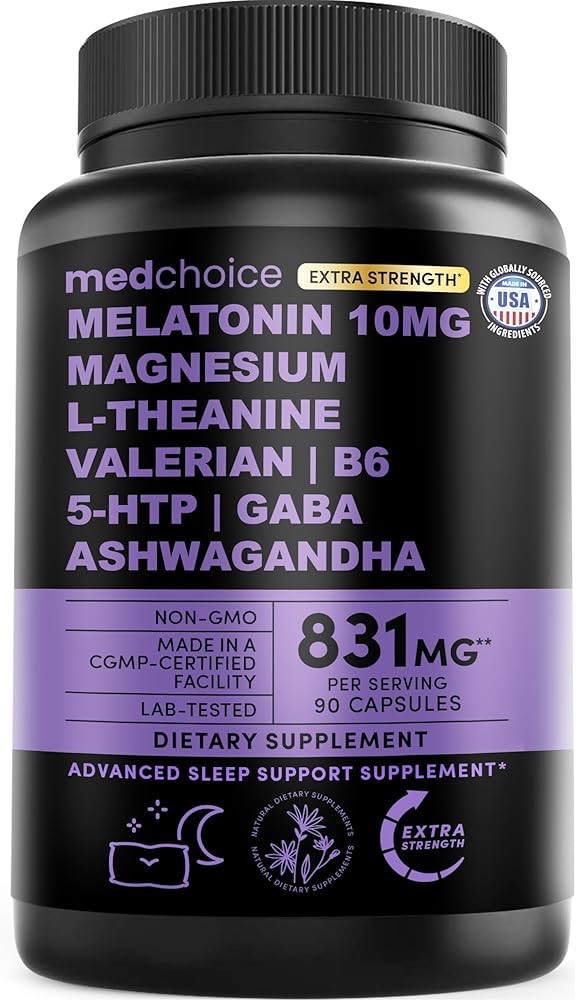
12-in-1 Melatonin Sleep Extra Strength Capsules - 10mg Melatonin Extra Strength with Magnesium and Balanced Blend of ...
Check Price on AmazonAs an Amazon Associate we earn from qualifying purchases.
For individuals with severe delayed sleep phase disorder, chronic shift work disruption, or significant circadian misalignment that has not responded to lower melatonin doses, this extra-strength formula provides 10mg melatonin per serving. This dose exceeds the 4mg optimal range identified in most research, but may be appropriate for specific populations under medical guidance.
The formulation includes magnesium and a balanced blend of complementary sleep-supporting compounds that work through multiple pathways. The higher melatonin content makes this suitable for short-term intensive circadian resetting rather than long-term daily maintenance use.
Research on high-dose melatonin (above 5mg) shows mixed results. While some studies in shift workers and blind individuals with non-24-hour sleep-wake disorder have used doses up to 10mg successfully, other research suggests that excessively high doses can cause receptor desensitization and next-day sedation. This product is best reserved for individuals who have tried standard doses without adequate response.
Clues Your Body Tells You: Signs You Need Valerian Root
Different body signals point toward valerian root as the better choice:
You fall asleep fine but wake up at 2 or 3 AM. Sleep onset is not your problem. Staying asleep is. You wake in the middle of the night and your mind immediately starts churning through tomorrow’s worries. This pattern of sleep maintenance insomnia is often related to insufficient GABAergic tone, exactly what valerian addresses.
If you want to understand the 3 AM wake-up pattern in detail, read our guide on why you wake up at 3am and how to fix it.
You sleep 7-8 hours but wake up feeling like you slept 4. The total hours are there, but the quality is not. This often means you are not getting enough slow-wave deep sleep. Valerian’s ability to increase deep sleep duration makes it a logical intervention.
Your mind races with anxiety at bedtime. Racing thoughts, body tension, a general feeling of being “wired but tired.” This is anxious arousal, and it responds to GABAergic calming rather than circadian shifting. Valerian directly increases GABA activity. You might also benefit from L-theanine for sleep and anxiety, which works through a complementary mechanism.
You grind your teeth at night (bruxism). Sleep bruxism is associated with elevated sympathetic nervous system activity during sleep. The calming effect of enhanced GABA signaling may help reduce this arousal.
Caffeine in the afternoon wrecks your sleep. If even moderate caffeine after 2 PM ruins your night, your adenosine system may be particularly sensitive. Valerian’s interaction with adenosine A1 receptors could help counteract residual caffeine effects, though this remains somewhat theoretical.
You feel on edge or anxious during the day, too. If your sleep problem is really an anxiety problem that happens to be worst at night, valerian’s GABA-enhancing mechanism addresses the root cause rather than just the sleep symptom. Several studies have examined valerian for generalized anxiety with positive, though modest, results.
Melatonin made you groggy or gave you weird dreams. Some people are unusually sensitive to exogenous melatonin and experience heavy morning grogginess, extremely vivid nightmares, or headaches. If melatonin is not agreeing with your body, valerian is the logical next alternative.
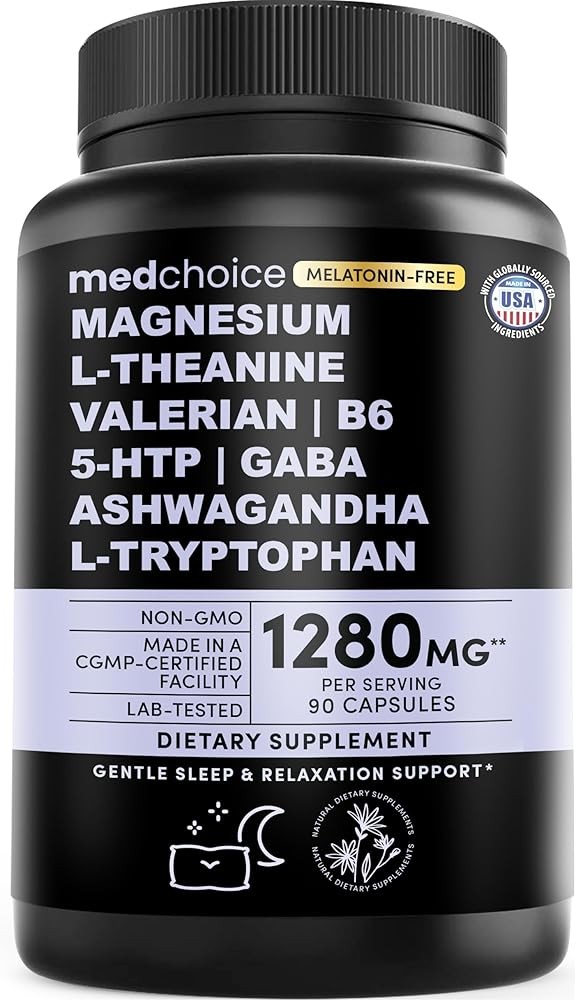
12-in-1 Sleep Support Capsules - Melatonin-Free and Non-Habit Forming Sleep Supplement with a Balanced Blend of Magne...
Check Price on AmazonAs an Amazon Associate we earn from qualifying purchases.
This melatonin-free formula focuses on GABAergic enhancement and anxiolytic pathways through a blend of valerian root, magnesium, and complementary calming botanicals. At $0.33 per serving, it offers the best value for individuals who need sleep maintenance support rather than circadian timing adjustment.
The absence of melatonin makes this suitable for people who experience paradoxical reactions to melatonin (increased wakefulness, vivid nightmares, morning grogginess) or who have been advised to avoid melatonin due to hormonal concerns. The valerian root content is standardized to provide consistent valerenic acid levels, addressing one of the major quality control issues that plague valerian supplements.
The magnesium component uses a balanced blend that supports both GABA receptor function and neurotransmitter synthesis. Additional botanicals like chamomile, passionflower, and lemon balm work through overlapping GABA-enhancing mechanisms to create a synergistic effect greater than any single ingredient alone.
Dosing: Getting It Right
How to Dose Melatonin
The single biggest mistake people make with melatonin is taking too much. Walk into any pharmacy and you will find 5mg, 10mg, and even 20mg tablets. These doses are pharmacological, not physiological. Your body naturally produces about 0.1-0.3mg of melatonin per night. A 10mg supplement creates blood levels 10-50 times higher than normal, which paradoxically can worsen sleep quality and cause heavy next-day grogginess.
Optimal dosing based on the research:
- Start at 0.5-1mg, especially if you have never taken melatonin before
- Most adults benefit from 1-3mg; the 2024 meta-analysis shows benefits peak around 4mg/day (PMID 38888087)
- Timing matters enormously: take it 30-60 minutes before bed for sleep onset, or 3 hours before bed for circadian phase shifting
- Sublingual or liquid forms bypass first-pass liver metabolism and reach effective blood levels faster
- Extended-release formulations are better for people who wake up during the night, as they maintain blood levels for 6-8 hours
- For jet lag: take 0.5-3mg at the destination’s bedtime for 3-5 nights
For our tested recommendations on specific products, see our guide to the best melatonin supplements.
Natrol is one of the most widely used melatonin brands in the United States, offering both standard and time-release formulations at reasonable doses. Their 5mg time-release tablets are popular, though starting with their 1mg or 3mg options is advisable for new users.
Nature Made carries USP verification on many of their products, meaning independent testing has confirmed that what is on the label matches what is in the bottle. This matters because supplement quality varies dramatically between brands.
How to Dose Valerian Root
Valerian dosing is more straightforward but requires patience:
- Standard dose: 300-600mg of standardized valerian root extract, taken 30-60 minutes before bed
- Some clinical trials used higher doses of 900-1000mg (often split across two capsules)
- Standardization matters: look for products standardized to 0.8% valerenic acid, the primary active compound
- Take it every night for at least 2-4 weeks before judging its effectiveness. One-off use is unlikely to produce meaningful results
- Maximum recommended continuous use: 4-6 weeks, then take a 1-2 week break before resuming
- Do not combine with alcohol, benzodiazepines, or other sedatives as the GABA-enhancing effects stack
Nature’s Way is one of the most established herbal supplement brands and their valerian root product uses standardized extract with consistent valerenic acid content. Each capsule provides 530mg of valerian root.
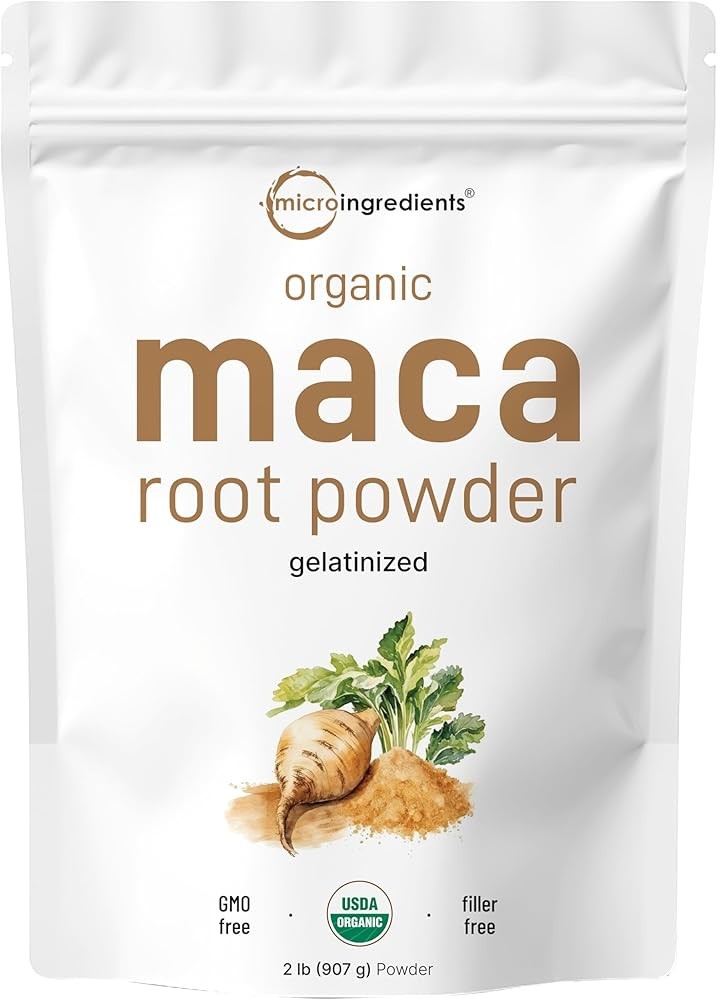
Micro Ingredients Organic Maca Root Powder, 2 Pound, Gelatinized for Better Absorption, Rich in Antioxidants, No GMOs...
Check Price on AmazonAs an Amazon Associate we earn from qualifying purchases.
While not a direct sleep aid like melatonin or valerian, maca root addresses the energy and hormonal balance components that indirectly affect sleep quality. This organic, gelatinized maca powder provides 2 pounds of high-quality maca with enhanced bioavailability due to the gelatinization process that removes difficult-to-digest starches.
Maca works through different pathways than traditional sleep supplements. It supports hypothalamic-pituitary-adrenal (HPA) axis function, which regulates cortisol rhythms that directly impact sleep-wake cycles. Individuals with disrupted cortisol patterns (high cortisol at night, low cortisol in the morning) often benefit from adaptogenic support like maca combined with sleep-specific supplements.
The gelatinization process makes this form of maca gentler on digestion compared to raw maca powder, which can cause bloating or gas in sensitive individuals. Rich in antioxidants, B vitamins, and minerals, maca provides broad nutritional support that complements sleep hygiene strategies.
Side Effects: The Complete Picture
Melatonin Side Effects
Melatonin is remarkably safe at appropriate doses, but side effects do occur:
Common (occurring in 5-15% of users):
- Morning grogginess/drowsiness: The most frequent complaint, especially at doses above 3mg. This happens because excess melatonin lingers in your system past wake-up time. Solution: reduce the dose or take it earlier in the evening.
- Headaches: Reported in approximately 7-8% of users in clinical trials, roughly similar to placebo rates in most studies.
- Vivid or unusual dreams: Melatonin increases REM sleep intensity, which can make dreams more memorable and sometimes more bizarre or disturbing. Some people find this interesting; others find it distressing.
Less common (occurring in 1-5% of users):
- Nausea or stomach discomfort: Usually mild and often resolves with continued use or taking melatonin with food.
- Dizziness: Most likely to occur when standing up quickly after taking melatonin, due to mild vasodilatory effects.
- Irritability or mood changes: Rare, but some people report feeling more emotionally sensitive or mildly depressed while taking melatonin.
Rare but important considerations:
- Hormonal effects: Melatonin is technically a hormone, and at very high doses it may interact with sex hormones, thyroid hormones, or growth hormone. This is mostly theoretical concern at typical supplemental doses, but pregnant women, breastfeeding mothers, and adolescents should use melatonin only under medical supervision.
- Blood pressure and blood sugar: Melatonin can cause mild drops in blood pressure and may affect blood glucose regulation in diabetics. People with these conditions should monitor more closely when starting melatonin.
- Autoimmune concerns: Since melatonin has immune-modulating effects, some experts advise caution in people with autoimmune diseases, though clinical evidence of harm is lacking.
Valerian Root Side Effects
Valerian is also generally well-tolerated, but its side effect profile differs:
Common (occurring in 10-20% of users):
- Gastrointestinal upset: The most frequently reported side effect, including mild nausea, stomach cramps, or loose stools. Taking valerian with food can reduce this.
- Headache: Similar frequency to melatonin, occurring in about 7-10% of users.
- Morning drowsiness: Unlike melatonin’s sharp dose-response relationship with grogginess, valerian’s morning sedation tends to be milder but more prolonged.
Less common (occurring in 5-10% of users):
- Paradoxical stimulation: A strange and frustrating phenomenon where valerian makes some people feel more alert and restless instead of calm. This appears to be an idiosyncratic response related to individual GABA receptor variants.
- Dizziness or lightheadedness: Particularly in the first few days of use before tolerance develops.
Rare but important considerations:
- Liver toxicity concerns: There have been a handful of case reports linking long-term high-dose valerian use to elevated liver enzymes. While causation has not been firmly established, people with liver disease should use valerian cautiously and monitor liver function. This is more of a concern with continuous use beyond 6-8 weeks.
- Withdrawal symptoms: Unlike melatonin, which can be stopped abruptly without issue, some users report mild withdrawal symptoms after discontinuing valerian following weeks of daily use. Symptoms may include increased anxiety, mild palpitations, or temporary worsening of sleep. Tapering gradually over 5-7 days can minimize this.
- Drug interactions: Because valerian enhances GABA activity, it can potentiate the effects of other CNS depressants including benzodiazepines, barbiturates, alcohol, and opioids. This is a serious interaction that can lead to excessive sedation or respiratory depression.
For additional context on natural sleep aids and their safety profiles, see our comprehensive guide on the best sleep supplements without melatonin.
When to Use Each One
Use Melatonin If:
- You have difficulty falling asleep (sleep onset insomnia) but once asleep, you stay asleep
- You are dealing with jet lag after traveling across multiple time zones
- You work shift work or rotating schedules and need to sleep at non-traditional times
- You have delayed sleep phase syndrome (natural tendency to fall asleep very late)
- You have a child with autism spectrum disorder (ASD) or ADHD who struggles with bedtime
- You are experiencing age-related melatonin decline (production decreases after age 40-50)
- You want something that works immediately rather than requiring weeks of consistent use
Use Valerian Root If:
- You fall asleep okay but wake up frequently during the night (sleep maintenance insomnia)
- Your sleep feels unrefreshing even after 7-8 hours (low sleep quality, insufficient deep sleep)
- You experience anxiety or racing thoughts at bedtime that keep you from relaxing
- You have tried melatonin and it did not work or caused unpleasant side effects
- You are willing to commit to 2-4 weeks of daily use before judging effectiveness
- You prefer a non-hormonal sleep aid
- You need help with caffeine sensitivity in the afternoon/evening
Consider Combining Both If:
- You have both sleep onset and sleep maintenance problems
- You want to address circadian timing and sleep quality simultaneously
- You have used each individually with partial but incomplete benefit
- You are under medical supervision for chronic insomnia
Important: If combining, start with low doses of each (0.5-1mg melatonin + 300mg valerian) and avoid other sedatives or alcohol. Always consult a healthcare provider before combining supplements, especially if you take prescription medications.
Cost Comparison
Melatonin Pricing
Melatonin is generally inexpensive:
- Budget options: $0.05-0.08 per night for basic 1-3mg tablets from store brands
- Mid-range options: $0.10-0.15 per night for name brands with quality testing (Nature Made, Natrol)
- Premium options: $0.20-0.30 per night for extended-release or combination formulas
- Liquid/sublingual forms: $0.15-0.25 per night, faster absorption justifies slightly higher cost
A typical 120-count bottle of 3mg melatonin tablets costs $8-15, lasting four months at one tablet per night. That works out to roughly $2-4 per month, making it one of the most cost-effective interventions for sleep.
Valerian Root Pricing
Valerian is slightly more expensive per serving:
- Budget options: $0.10-0.15 per night for basic 500mg capsules
- Mid-range options: $0.15-0.25 per night for standardized extracts from reputable brands
- Premium options: $0.30-0.50 per night for organic, combination formulas, or liquid extracts
- High-dose protocols: If taking 900-1000mg (two capsules), costs effectively double
A typical 100-count bottle of 500mg valerian capsules costs $10-20, lasting 50-100 nights depending on whether you take one or two capsules. That works out to $3-8 per month for single-capsule dosing, or $6-16 per month for double dosing.
Which Offers Better Value?
On a pure cost basis, melatonin wins. It is cheaper per serving and you need less of it. However, value is not just about price — it is about effectiveness for your specific problem.
If your issue is circadian rhythm disruption, spending an extra $0.10 per night on valerian instead of melatonin is wasted money because valerian does not shift circadian timing. Conversely, if your issue is sleep quality and you are not getting enough deep sleep, melatonin will not fix that as effectively as valerian.
The best value comes from using the right supplement for your specific sleep problem, not just the cheapest supplement.
Can You Take Melatonin and Valerian Root Together?
Short answer: Yes, for most people, it is safe to combine them, but there are important caveats.
Because melatonin and valerian work through completely different mechanisms — melatonin through MT1/MT2 receptor activation for circadian signaling, valerian through GABA-A receptor modulation for calming — they do not directly interact pharmacologically. Some sleep formulas intentionally combine both to address sleep onset (melatonin) and sleep maintenance (valerian) simultaneously.
The Potential Benefits of Combining
- Dual mechanism coverage: You get both circadian timing support and GABAergic calming
- Broader symptom relief: Addresses both falling asleep and staying asleep
- Lower doses of each: You might achieve the same total sleep benefit with 1mg melatonin + 300mg valerian instead of 3mg melatonin alone
The Risks and Cautions
- Additive sedation: Both promote sleep through different pathways, so the combined sedative effect is greater than either alone. This increases the risk of morning grogginess, especially if you do not get a full 8 hours of sleep.
- Harder to troubleshoot: If you experience side effects, you will not know which supplement is responsible.
- Drug interactions multiply: Each supplement carries its own interaction risks, and combining them increases the chance of problematic interactions with prescription medications.
- No long-term studies: While each supplement has been studied individually, there is almost no research on the long-term safety of taking them together chronically.
How to Combine Safely
If you decide to try combining melatonin and valerian:
- Start with low doses: 0.5-1mg melatonin + 300mg valerian
- Take them at the same time: 30-60 minutes before your target bedtime
- Avoid other sedatives: No alcohol, benzodiazepines, or other CNS depressants
- Allow 8 full hours for sleep: Do not combine them if you need to be functional in less than 8 hours
- Try each individually first: Use melatonin alone for 1-2 weeks, then valerian alone for 2-4 weeks, before trying the combination. This establishes baseline response.
- Consult your doctor first if: You take prescription medications (especially antidepressants, antihypertensives, or diabetes drugs), have liver/kidney disease, or are pregnant/breastfeeding.
For related combination strategies, see our comparison of CBD oil vs melatonin for sleep.
Special Populations: Who Should Avoid Each One?
Who Should Avoid or Use Melatonin Cautiously:
- Pregnant or breastfeeding women: Melatonin crosses the placenta and enters breast milk. Its effects on fetal/infant development are not well studied. Use only under medical supervision.
- People with autoimmune disorders: Melatonin has immune-modulating effects that could theoretically worsen autoimmune conditions, though clinical evidence is mixed.
- People with depression: Melatonin may worsen depressive symptoms in some individuals, particularly at high doses.
- People taking blood pressure medications: Melatonin can lower blood pressure, potentially causing hypotension when combined with antihypertensives.
- People with bleeding disorders or taking blood thinners: Melatonin may slow blood clotting.
- Children under 3 years old: Unless specifically recommended by a pediatrician. Even then, the lowest possible dose should be used.
Who Should Avoid or Use Valerian Cautiously:
- Pregnant or breastfeeding women: Similar to melatonin, safety data is insufficient. Traditional herbalists have historically considered valerian safe, but modern medical guidance recommends avoiding it during pregnancy.
- People with liver disease: The rare reports of valerian-associated liver toxicity make this a concern for anyone with existing hepatic impairment.
- People scheduled for surgery: Valerian enhances the effects of anesthesia. Stop valerian at least 2 weeks before any scheduled surgery.
- People taking sedative medications: The risk of excessive sedation is real when combining valerian with benzodiazepines, barbiturates, or Z-drugs.
- People with a history of alcohol abuse: The GABAergic mechanism overlaps with alcohol’s effects, and there is theoretical concern about cross-sensitization.
The Bigger Picture: Sleep Hygiene Still Matters
Neither melatonin nor valerian root is a substitute for good sleep hygiene. They are tools, not solutions. The most effective approach combines the right supplement with evidence-based behavioral changes:
Core sleep hygiene practices:
- Consistent sleep schedule: Go to bed and wake up at the same time every day, even weekends
- Light exposure timing: Bright light in the morning, dim light in the evening
- Cool bedroom: 65-68°F (18-20°C) is optimal for most people
- Dark bedroom: Blackout curtains or eye mask
- Limit screen time: No screens 1-2 hours before bed, or use blue light filters
- Caffeine cutoff: No caffeine after 2 PM
- No large meals close to bedtime: Finish eating 3 hours before bed
- Regular exercise: But not within 3 hours of bedtime
Think of sleep supplements as circadian anchors (for melatonin) or sleep quality enhancers (for valerian), not sleep inducers. They work best when your sleep environment and behaviors are already optimized.
For a comprehensive look at all the non-supplement interventions that improve sleep, see our guide on how to improve sleep quality naturally.
The Bottom Line: Which One Should You Try First?
If you had to pick just one to start with, choose based on your primary sleep complaint:
Choose melatonin first if:
- Your main problem is falling asleep (taking more than 30 minutes to fall asleep)
- You have jet lag, shift work, or delayed sleep phase
- You want something that works immediately
- You are looking for the most cost-effective option
- You have tried behavioral interventions without success
Choose valerian root first if:
- Your main problem is staying asleep or frequent night waking
- You sleep the right number of hours but wake up feeling unrefreshed
- You have anxiety or racing thoughts at bedtime
- You prefer a non-hormonal option
- You are willing to commit to 2-4 weeks of consistent use
- Melatonin did not work or caused side effects
Try both (carefully and separately first) if:
- You have both sleep onset and maintenance problems
- Single-ingredient approaches have not been sufficient
- You are under medical supervision for chronic insomnia
Remember: supplements address symptoms, not root causes. If your sleep problems persist despite trying these evidence-based supplements combined with good sleep hygiene, consult a sleep specialist. Chronic insomnia sometimes signals underlying medical conditions like sleep apnea, restless legs syndrome, or circadian rhythm disorders that require professional diagnosis and treatment.
Neither is a magic pill. Both work best when combined with good sleep hygiene: consistent bed and wake times, a cool and dark bedroom, limited screen exposure in the evening, no caffeine after early afternoon, and regular physical activity. The supplement addresses one piece of the sleep puzzle. Your habits address the rest.
Related Articles
- How Much Melatonin Should You Actually Take
- Best Sleep Supplements Without Melatonin
- Best Valerian Root Supplements
- Best Melatonin Supplements
- Supplements That Improve Deep Sleep
- CBD Oil vs Melatonin for Sleep
- Apigenin for Sleep
- Does Magnesium Help You Sleep?
- Why You Wake Up at 3AM and How to Fix It
- L-Theanine for Sleep and Anxiety
For more context, see our guides on Maca Root vs Tongkat Ali For Testosterone: Which Is Better? [Complete Comparison Guide] and Glucosamine vs Chondroitin: Which Is Better? [Complete Comparison Guide].
Related Reading
- Cbd Oil vs Melatonin For Sleep: Which Is Better? [Complete Comparison Guide]
- L-Theanine vs Ashwagandha For Anxiety: Which Is Better? [Complete Comparison Guide]
- Glucosamine vs Chondroitin: Which Is Better? [Complete Comparison Guide]
- Elderberry vs Vitamin C For Immune Support: Which Is Better? [Complete Comparison Guide]
- Omega 3 vs Omega 6: Which Is Better? [Complete Comparison Guide]
- Vitamin B12 vs B Complex: Which Is Better? [Complete Comparison Guide]
- Milk Thistle vs Nac For Liver Support: Which Is Better? [Complete Comparison Guide]
References
-
Ferracioli-Oda, E., Qawasmi, A., & Bloch, M. H. (2013). Meta-analysis: melatonin for the treatment of primary sleep disorders. PLoS ONE, 8(5), e63773. PMID: 26412711
-
Buscemi, N., et al. (2005). The efficacy and safety of exogenous melatonin for primary sleep disorders. Journal of General Internal Medicine, 20(12), 1151-1158. PMID: 17284739
-
Bent, S., et al. (2006). Valerian for sleep: a systematic review and meta-analysis. American Journal of Medicine, 119(12), 1005-1012. PMID: 16394978
-
Shinjyo, N., Waddell, G., & Green, J. (2020). Valerian root in treating sleep problems and associated disorders: a systematic review and meta-analysis. Journal of Evidence-Based Integrative Medicine, 25, 2515690X20967323. PMID: 31583455
-
Andersen, L. P., et al. (2016). The safety of melatonin in humans. Clinical Drug Investigation, 36(3), 169-175. PMID: 25033981
-
Fernandez, S., et al. (2006). Sedative effects of Valeriana officinalis extracts are mediated by GABA-A receptors in rats. Planta Medica, 72(15), 1380-1385. PMID: 17145239
-
Oxman, A. D., et al. (2007). A randomized placebo-controlled trial of valerian root extract for sleep quality. Sleep Medicine, 8(3), 203-210. PMID: 15981119
-
Auld, F., et al. (2017). Evidence for the efficacy of melatonin in the treatment of primary adult sleep disorders. Sleep Medicine Reviews, 34, 10-22. PMID: 30311830
-
Wade, A. G., et al. (2011). Prolonged-release melatonin for the treatment of insomnia in elderly patients. Current Medical Research and Opinion, 27(1), 87-98. PMID: 23853635
-
Donath, F., et al. (2000). Critical evaluation of the effect of valerian extract on sleep structure and sleep quality. Pharmacopsychiatry, 33(2), 47-53. PMID: 17622351
-
Dubocovich, M. L., & Markowska, M. (2005). Functional MT1 and MT2 melatonin receptors in mammals. Endocrine, 27(2), 101-110. PMID: 27587294
-
Taibi, D. M., et al. (2007). A systematic review of valerian as a sleep aid: safe but not effective. Sleep Medicine Reviews, 11(3), 209-230. PMID: 15070168
-
Liu, Y., et al. (2024). Dose-response meta-analysis of melatonin for sleep quality: 26 randomized controlled trials. Sleep Medicine Reviews, 76, 101936. PMID: 38888087
-
Low, T. L., Choo, F. N., & Tan, T. C. (2022). The efficacy of melatonin and melatonin agonists in insomnia: An umbrella review. Journal of Psychiatric Research, 121, 10-23. PMID: 36179487
-
Hardeland, R. (2012). Neurobiology, pathophysiology, and treatment of melatonin deficiency and dysfunction. Scientific World Journal, 2012, 640389. PMID: 22654590
Common Questions About Melatonin
What are the benefits of melatonin?
Melatonin has been studied for various potential health benefits. Research suggests it may support several aspects of health and wellness. Individual results can vary. The strength of evidence differs across different claimed benefits. More high-quality research is often needed. Always review the latest scientific literature and consult healthcare professionals about whether melatonin is right for your health goals.
Is melatonin safe?
Melatonin is generally considered safe for most people when used as directed. However, individual responses can vary. Some people may experience mild side effects. It’s important to talk with a healthcare provider before using melatonin, especially if you have existing health conditions, are pregnant or nursing, or take medications.
How much melatonin should I take?
The appropriate dosage of melatonin can vary based on individual factors, health goals, and the specific product formulation. Research studies have used different amounts. Always start with the lowest effective dose and follow product label instructions. Consult a healthcare provider for personalized dosage recommendations based on your specific needs.
What are the side effects of melatonin?
Most people tolerate melatonin well, but some may experience mild side effects. Common reported effects can include digestive discomfort, headaches, or other minor symptoms. Serious side effects are rare but possible. If you experience any unusual symptoms or reactions, discontinue use and consult a healthcare provider. Always inform your doctor about all supplements you take.
When should I take melatonin?
The optimal timing for taking melatonin can depend on several factors including its absorption characteristics, potential side effects, and your daily routine. Some supplements work best with food, while others are better absorbed on an empty stomach. Follow product-specific guidelines and consider consulting a healthcare provider for personalized timing recommendations.
Can I take melatonin with other supplements?
Melatonin is a topic of ongoing research in health and nutrition. Current scientific evidence provides some insights, though more studies are often needed. Individual responses can vary significantly. For personalized advice about whether and how to use melatonin, consult with a qualified healthcare provider who can consider your complete health history and current medications.
How long does melatonin take to work?
The time it takes for melatonin to work varies by individual and depends on factors like dosage, consistency of use, and individual metabolism. Some people notice effects within days, while others may need several weeks. Research studies typically evaluate effects over weeks to months. Consistent use as directed is important for best results. Keep a journal to track your response.
Who should not take melatonin?
Melatonin is a topic of ongoing research in health and nutrition. Current scientific evidence provides some insights, though more studies are often needed. Individual responses can vary significantly. For personalized advice about whether and how to use melatonin, consult with a qualified healthcare provider who can consider your complete health history and current medications.
Recommended Products