Milk Thistle vs Nac For Liver Support: Which Is Better? [Complete Comparison Guide]
Summarized from peer-reviewed research indexed in PubMed. See citations below.
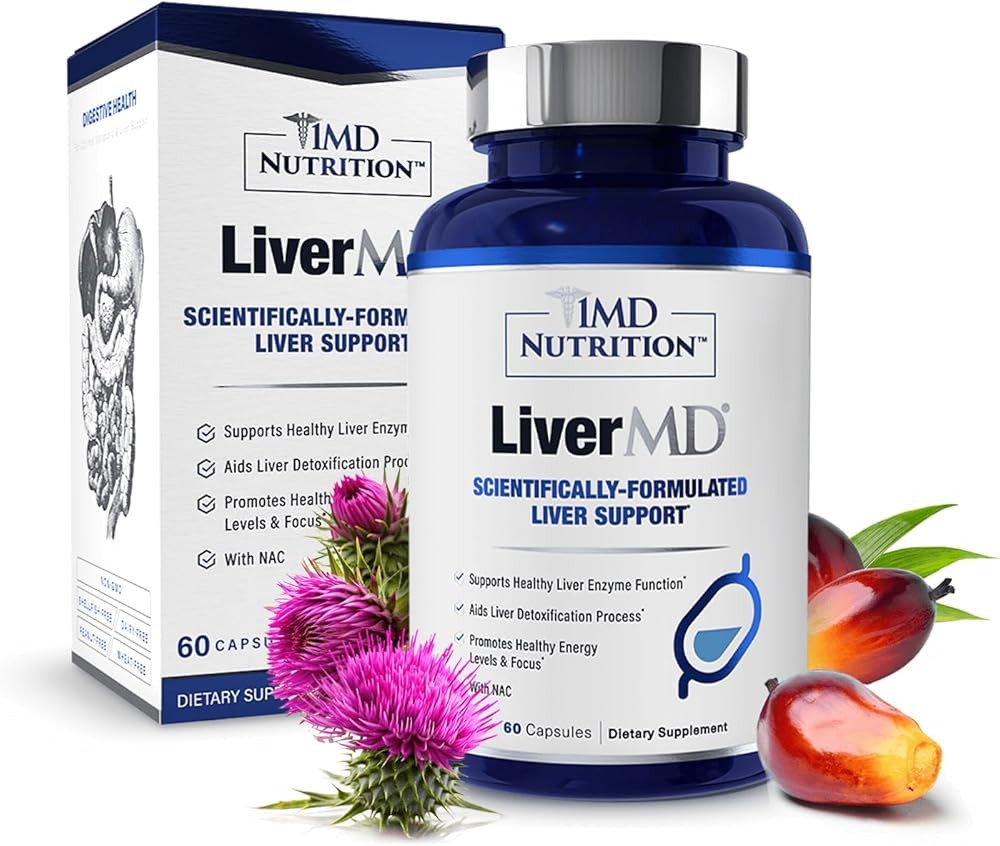
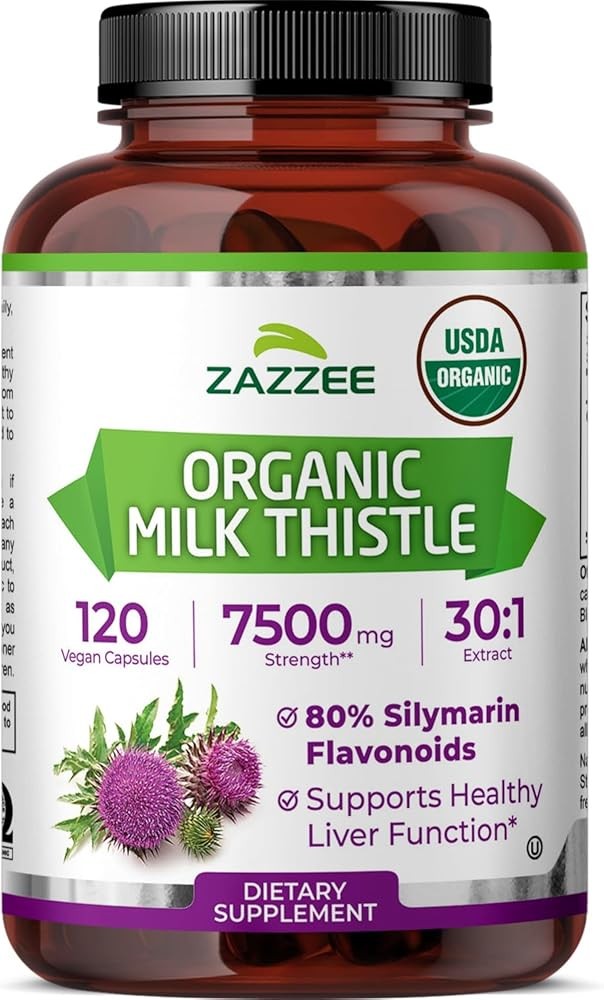
Non-alcoholic fatty liver disease now affects 30.2% of adults globally, and with alcohol consumption, acetaminophen use, and environmental toxin exposure climbing, your liver needs all the support it can get. For comprehensive liver protection, 1MD Nutrition LiverMD combines bioavailable Siliphos milk thistle extract with NAC in one formula at about $49 per bottle, delivering both direct hepatoprotection and glutathione replenishment. A 2024 meta-analysis of 26 clinical trials confirmed that silymarin significantly reduces liver enzymes and hepatic steatosis in NAFLD patients, while NAC remains the FDA-approved gold standard for acetaminophen toxicity and glutathione restoration. For those on a budget, Zazzee USDA Organic Milk Thistle delivers a 30:1 extract standardized to 80% silymarin at about $28 per 120-capsule bottle. Here’s what the published research shows about these two powerhouse liver supplements.
Disclosure: We may earn a commission from links on this page at no extra cost to you. Affiliate relationships never influence our ratings. Full policy →
Why Is Your Liver Under Siege?
Your liver processes every toxin, medication, and metabolic byproduct your body encounters. It filters approximately 1.4 liters of blood per minute, runs over 500 biochemical reactions, and serves as the body’s primary detoxification organ. And in 2024, it is under more stress than at any other point in human history.
Non-alcoholic fatty liver disease (NAFLD) now affects an estimated 30.2% of the global adult population — roughly 2.5 billion people — according to a 2024 meta-analysis published in Hepatology International that analyzed data from 78 million individuals across 38 countries (PubMed: 39094335). That number has surged by over 50% since the early 2000s, when prevalence sat around 25%. In adults with obesity, the figure climbs to a staggering 57.5%. Among young adults aged 15-39, NAFLD rates are accelerating faster than in any other age group.
Add to that the burden of prescription medications (acetaminophen alone accounts for roughly 50% of acute liver failure cases in the United States), alcohol consumption, environmental toxin exposure, and ultra-processed diets, and you start to understand why liver support supplements have become one of the fastest-growing categories in the entire supplement industry.
Two supplements consistently rise to the top of every liver health conversation: milk thistle and NAC (N-acetyl cysteine). Both have decades of research behind them. Both are used in clinical settings. But they work through fundamentally different mechanisms, and choosing the right one — or deciding to use both — depends on understanding exactly what each one does, how well it does it, and what your liver actually needs.
This is not a surface-level comparison. Over the next several thousand words, we will examine every published clinical trial, every mechanism of action, every dosing nuance, and every bioavailability consideration that matters. By the end, you will know exactly which supplement — or which combination — is right for your specific liver health goals.
| Feature | Milk Thistle (Silymarin) | NAC (N-Acetyl Cysteine) |
|---|---|---|
| Primary Active Compound | Silymarin complex (silybin A & B dominant) | N-acetyl cysteine (cysteine prodrug) |
| Primary Mechanism | Direct hepatoprotection, membrane stabilization | Glutathione precursor, thiol donor |
| Antioxidant Type | Direct ROS scavenger + Nrf2 activator + glutathione booster | Glutathione replenishment + direct thiol antioxidant |
| Anti-inflammatory Pathway | NF-kB, MAPK, TLR4, JAK-STAT3 inhibition | NF-kB inhibition via thiol maintenance |
| Anti-fibrotic Activity | Strong — inhibits hepatic stellate cells and TGF-beta-1 | Moderate — indirect via glutathione and antioxidant effects |
| NAFLD Evidence | Strong — 2024 meta-analysis of 26 RCTs positive | Moderate — individual trials positive, pooled meta-analysis mixed |
| Acetaminophen Overdose | Supportive evidence (oral, comparable to NAC in one trial) | Gold standard — FDA-approved antidote, highly effective when started within 8 hours |
| Alcoholic Liver Disease | Moderate — reduced liver-related mortality in cirrhosis (p=0.01) | Animal evidence strong; human data limited |
| Acute Liver Failure | Limited evidence | Strong — improves transplant-free survival in non-APAP ALF |
| Phase II Detoxification | Indirect — modestly increases glutathione | Direct — provides rate-limiting substrate for glutathione synthesis |
| Standard Dose | 420-600 mg/day silymarin (divided doses) | 600-1800 mg/day (divided doses) |
| Bioavailability (Standard Form) | Low — 23-47% oral absorption | Moderate — approximately 6-10% but rapidly utilized |
| Best Bioavailable Form | Silybin-phosphatidylcholine complex (Siliphos): 4-10x better | Sustained-release NAC or liposomal NAC |
| Cost per Day | $0.30-0.60 (standard); $0.50-1.00 (phytosome) | $0.20-0.50 |
| Side Effects | Mild GI symptoms in 2-10%; rare allergic reactions | Nausea, GI upset at higher doses; sulfurous taste/odor |
| Best For | NAFLD, chronic liver disease, fibrosis prevention, metabolic liver support | Acetaminophen protection, detoxification, glutathione optimization, acute liver support |
What Is Milk Thistle?
A 2,000-Year-Old Liver Medicine
Milk thistle (Silybum marianum) is a flowering plant in the Asteraceae (daisy) family that has been used for liver and gallbladder disorders since the time of Pliny the Elder in the first century A.D. The medicinal value comes from its seeds, which contain a complex of flavonolignans collectively called silymarin.
Silymarin itself is not a single compound. It is a mixture of at least seven distinct flavonolignans and one flavonoid:
- Silybin A and Silybin B (also called silibinin) — the most abundant and pharmacologically active components, comprising 50-70% of silymarin
- Isosilybin A and Isosilybin B
- Silychristin
- Silydianin
- Taxifolin (the flavonoid component)
When you buy a “milk thistle” supplement, you are typically getting a silymarin extract standardized to contain 70-80% total flavonolignans by weight. But as we will discuss in detail later, the form of silymarin you choose dramatically affects how much your body can actually use.
How Milk Thistle Protects the Liver: Mechanism of Action
Silymarin’s hepatoprotective effects operate through at least four distinct pathways, and understanding each one reveals why this supplement has maintained clinical relevance for decades.
1. Cell Membrane Stabilization
Silymarin integrates into the phospholipid bilayer of hepatocyte (liver cell) membranes, physically reinforcing the membrane structure. This makes liver cells more resistant to damage from toxins, alcohol metabolites, and reactive oxygen species. Research has demonstrated that silymarin interacts with hepatocyte membranes in ways that interfere with toxin entry, which underpins its clinical use against death cap mushroom (Amanita phalloides) poisoning, where intravenous silibinin is standard therapy in parts of Europe (PubMed: 39286715).
2. Potent Antioxidant Activity
Silymarin is a powerful direct scavenger of reactive oxygen species (ROS) and reactive nitrogen species (RNS). But its antioxidant effects go beyond simple scavenging. It increases intracellular glutathione levels by 35-50% in liver cells by stimulating de novo synthesis of glutathione through activation of the enzyme gamma-glutamylcysteine synthetase. It also activates the Nrf2 pathway — the master regulator of cellular antioxidant defenses — which upregulates protective enzymes including superoxide dismutase (SOD), catalase, and glutathione peroxidase (PubMed: 39286715).
3. Anti-inflammatory Action via NF-kB Inhibition
Chronic liver disease is fundamentally an inflammatory condition, and silymarin directly addresses this. It inhibits nuclear factor kappa B (NF-kB), the master transcription factor that drives inflammatory gene expression. Silymarin also modulates the MAPK, TLR4, and JAK-STAT3 signaling pathways, reducing production of pro-inflammatory cytokines including TNF-alpha, IL-1-beta, and IL-6. A 2024 comprehensive review concluded that silymarin’s antioxidant and anti-inflammatory effects are clinically meaningful across chronic liver conditions (PubMed: 39286715).
4. Anti-fibrotic Effects
Perhaps most importantly for people with chronic liver disease, silymarin inhibits hepatic stellate cell activation — the cellular process that produces collagen and drives liver fibrosis (scarring). It reduces production of transforming growth factor beta-1 (TGF-beta-1), the primary pro-fibrotic cytokine, and has been shown to slow fibrosis progression in experimental models (PubMed: 39286715).
Clinical Evidence for Milk Thistle
NAFLD and NASH
The strongest clinical evidence for milk thistle comes from its use in non-alcoholic fatty liver disease. A landmark 2024 meta-analysis of 26 randomized controlled trials published in Annals of Hepatology found that silymarin significantly improved ALT levels, AST levels, hepatic steatosis (fat accumulation), and insulin resistance compared to placebo in NAFLD and NASH patients (PubMed: 38579127). Patients treated with 600 mg/day of silymarin for 12 months demonstrated significantly lower fasting insulin levels and improved HOMA-IR scores, suggesting that silymarin addresses the metabolic root causes of fatty liver, not just the symptoms.
A 2024 network meta-analysis comparing different interventions for NAFLD found that silymarin-based therapies were among the most effective options, particularly when combined with lifestyle modifications (PMC12310429).
What the data says: A 2024 meta-analysis of silymarin trials in NAFLD reported significant reductions in ALT and AST, improved hepatic steatosis, and better insulin-resistance markers, making milk thistle the best-evidenced supplement option for fatty liver (PubMed: 38579127).
Alcoholic Liver Disease
For alcoholic liver cirrhosis, the classic Ferenci trial of 170 patients found a 4-year survival rate of 58% in the silymarin group versus 39% in the placebo group, with the survival advantage concentrated in patients with less advanced disease (PubMed: 2671116). Updated systematic reviews of silymarin in liver disease report meaningful mortality benefits in alcoholic cirrhosis (PubMed: 18334810).
Drug-Induced Liver Injury
Silymarin has an established clinical role in Amanita phalloides (death cap mushroom) poisoning, where intravenous silibinin is used in parts of Europe. In acetaminophen poisoning, a controlled trial found that oral silymarin supported liver recovery comparably to N-acetylcysteine (PMC5051100), though NAC remains the standard of care.
Hepatitis C
While oral silymarin has not shown significant antiviral effects against hepatitis C, intravenous silibinin at doses of 15-20 mg/kg produced viral load reductions of 2-3 log drops in some patients (PubMed: 18771667). Oral silymarin in hepatitis C patients may still provide hepatoprotective benefits even without direct antiviral activity (PubMed: 16255756).
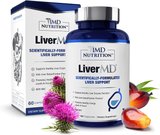
1MD Nutrition LiverMD stands out as the best overall liver support supplement because it combines two of the most clinically validated hepatoprotective compounds in bioavailable forms: Siliphos milk thistle extract (the phosphatidylcholine-complexed form with roughly 4-10x better absorption than standard silymarin) and NAC for glutathione replenishment.
This combination addresses liver health through complementary mechanisms. The Siliphos component provides direct hepatoprotection through membrane stabilization, NF-kB inhibition, and anti-fibrotic effects — all backed by the 2024 meta-analysis showing significant improvements in NAFLD patients. The NAC component ensures your liver never runs out of the cysteine needed for glutathione synthesis, maintaining optimal Phase II detoxification capacity.
The formula also includes alpha-lipoic acid, selenium, and zinc — additional compounds that support glutathione metabolism and antioxidant defenses. At about $49 per bottle, LiverMD is priced like other all-in-one liver formulas; it costs more than buying plain milk thistle and NAC separately, but it packages both in bioavailable forms with supporting nutrients.
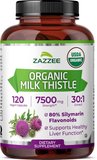
For those seeking pure milk thistle support at an exceptionally affordable price, Zazzee USDA Organic Milk Thistle Extract delivers outstanding value. Each capsule provides 250mg of a 30:1 concentrated extract standardized to 80% silymarin, equivalent to 7500mg of raw milk thistle seed.
The USDA organic certification ensures the milk thistle is grown without synthetic pesticides or herbicides — an important consideration for a supplement specifically used for liver detoxification. The high-concentration 30:1 extract means you get substantial silymarin content without needing to take multiple large capsules.
While this formula uses standard silymarin rather than the more bioavailable Siliphos form found in premium products, the exceptional affordability makes up for the absorption difference — you can simply take a slightly higher dose at a fraction of the cost. At 120 capsules per bottle and a typical dose of 1-2 capsules daily, this provides a 2-4 month supply for about $28.
What Is NAC (N-Acetyl Cysteine)?
The Glutathione Precursor
N-acetyl cysteine (NAC) is a modified form of the amino acid L-cysteine with an acetyl group attached to the nitrogen atom. This chemical modification serves a critical purpose: it makes cysteine stable enough to survive oral ingestion and absorption through the gastrointestinal tract, whereas free L-cysteine would be rapidly oxidized and destroyed in the stomach.
Once NAC enters your cells, it is deacetylated (the acetyl group is removed) to yield free L-cysteine. This cysteine then becomes the rate-limiting precursor for glutathione (GSH) synthesis. Your body cannot make glutathione without adequate cysteine, and NAC is the most efficient oral delivery vehicle for cysteine ever developed.
Why Glutathione Matters So Much for Your Liver
Glutathione is not just another antioxidant. It is the liver’s primary Phase II detoxification molecule — the workhorse that conjugates (attaches to) toxins, drug metabolites, heavy metals, and environmental pollutants to make them water-soluble for excretion through bile and urine. Without adequate glutathione, your liver’s detoxification capacity drops dramatically.
The liver contains the highest concentration of glutathione of any organ in the body — approximately 5-10 millimoles per liter of hepatic tissue. This glutathione pool is constantly being depleted by:
- Acetaminophen (Tylenol) metabolism — the toxic metabolite NAPQI directly depletes hepatic glutathione
- Alcohol metabolism — ethanol metabolism via CYP2E1 generates ROS that consume glutathione
- Environmental toxins — pesticides, heavy metals, and industrial chemicals all require glutathione for detoxification
- Aging — glutathione levels tend to decline with age as synthesis and recycling efficiency drop
- Chronic disease — conditions like diabetes, obesity, and chronic infections accelerate glutathione depletion
When hepatic glutathione drops below a critical threshold (roughly 30% of normal), liver cells become vulnerable to oxidative damage. This is precisely the mechanism behind acetaminophen-induced liver failure: the drug’s toxic metabolite NAPQI depletes glutathione faster than the liver can regenerate it, leaving hepatocytes defenseless against oxidative attack.
How NAC Protects the Liver: Mechanism of Action
1. Glutathione Replenishment
The primary mechanism is straightforward: NAC provides the cysteine needed for glutathione synthesis. Within hours of oral NAC administration, intracellular glutathione levels begin to rise. Studies show that NAC supplementation at 600-1200 mg/day can increase blood glutathione levels by 30-60% within 2-4 weeks (PMC: 4536296). In acute settings (like acetaminophen overdose), intravenous NAC can restore hepatic glutathione within hours.
2. Direct Antioxidant Activity
Beyond its role as a glutathione precursor, NAC itself possesses direct antioxidant properties. The sulfhydryl (thiol) group on the cysteine molecule can directly scavenge reactive oxygen species, providing immediate antioxidant protection while the glutathione-replenishing effects build up (PubMed: 26946308). This provides immediate antioxidant protection while the glutathione-replenishing effects build up.
3. Anti-inflammatory Effects
NAC modulates inflammatory signaling through several pathways. It inhibits NF-kB activation (similar to silymarin but through a different mechanism — by maintaining the reduced state of thiol groups on NF-kB subunits). It also reduces levels of pro-inflammatory cytokines including IL-6, TNF-alpha, and IL-1-beta. In critically ill patients, NAC has been shown to reduce markers of systemic inflammation (PubMed: 26946308).
4. Mucolytic and Chelation Properties
NAC breaks disulfide bonds in mucoproteins, which is why it is used as a mucolytic in respiratory conditions, and it can chelate certain heavy metals, including lead and mercury, facilitating their excretion. These properties provide additional detoxification support beyond glutathione replenishment.
Clinical Evidence for NAC
Acetaminophen Overdose: The Gold Standard
NAC is the only FDA-approved antidote for acetaminophen (paracetamol) overdose, and it has been the standard of care for more than 40 years. When started within 8 hours of ingestion, NAC keeps serious hepatotoxicity from developing in the large majority of overdose cases, and standard-dose therapy remains effective even in massive overdose (PubMed: 33620007).
The standard IV protocol involves a 150 mg/kg loading dose over 1 hour, followed by 50 mg/kg over 4 hours, then 100 mg/kg over 16 hours. The oral protocol uses 140 mg/kg initially followed by 70 mg/kg every 4 hours for 72 hours (NBK537183).
Non-Acetaminophen Acute Liver Failure
In a landmark multicenter trial, NAC improved transplant-free survival in patients with early-stage non-acetaminophen acute liver failure (PubMed: 19524577), and meta-analyses of acetylcysteine in this setting report broadly supportive results (PubMed: 25732608). This has led many hepatologists to use NAC empirically in acute liver failure, regardless of cause.
NAFLD
The evidence for NAC in NAFLD is promising but less robust than for milk thistle. Individual trials have reported enzyme improvements with NAC in NAFLD and NASH: a three-month study at 1,000 mg/day found significant reductions in ALT, AST, and GGT, a four-week study at 600 mg/day reduced ALT, and a three-month trial at 1,200 mg/day also improved liver enzymes (PMC3270338).
However, a meta-analysis of eight controlled clinical trials found that while NAC significantly increased albumin and decreased bilirubin levels, it did not significantly affect ALT, AST, or alkaline phosphatase across all pooled studies. The authors noted that heterogeneity in dosing, duration, and patient populations likely explains the inconsistency.
A 2023 comprehensive transcriptomic analysis and meta-analysis confirmed supportive effects of NAC in NAFLD through modulation of oxidative stress and lipid metabolism pathways (PubMed: 37256235).
Alcohol-Related Liver Protection
In animal models, pretreatment with NAC significantly protects against acute ethanol-induced liver damage by attenuating lipid peroxidation and glutathione depletion; NAC-pretreated mice showed markedly lower oxidative stress markers in liver tissue after ethanol exposure (PubMed: 16439183). However, human clinical trials have been less definitive — a randomized trial found that NAC had no significant impact on hangover symptoms or oxidative stress markers in binge-drinking volunteers (PMC: 8238992), though this may reflect the limitations of a single-dose protocol rather than consistent supplementation.
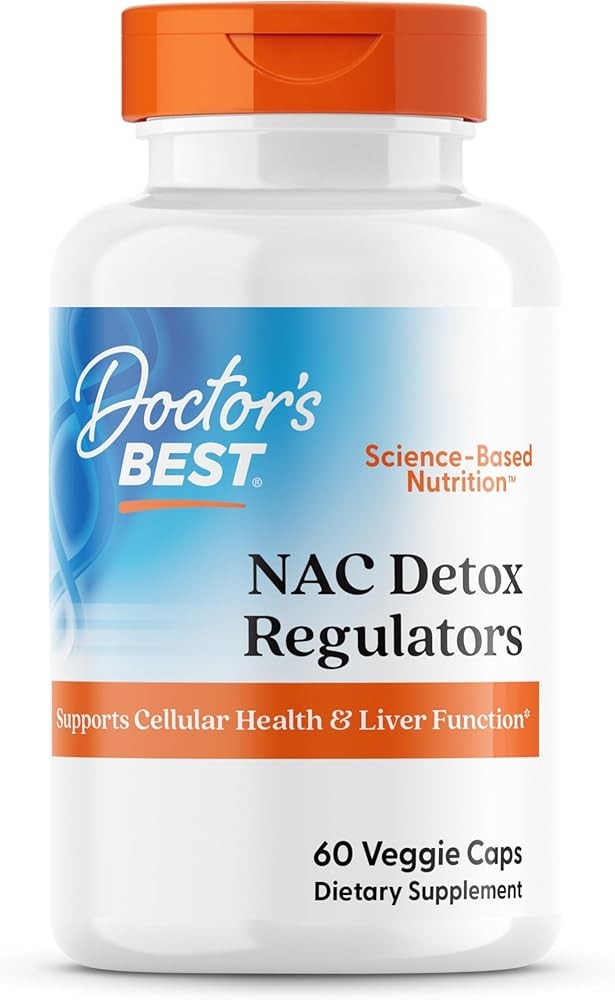
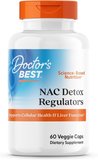
Doctor’s Best NAC Detox Regulators delivers N-acetyl cysteine at the clinically validated dose of 600 mg per capsule — the dose used in much of the published research on glutathione restoration — alongside 50 mcg each of selenium and molybdenum, cofactors for the antioxidant enzymes that work with glutathione.
The formula is straightforward, without proprietary blends or unnecessary fillers. The 600 mg dose allows flexible dosing: one capsule daily for maintenance support, or 2-3 capsules (1,200-1,800 mg) per day for more intensive protocols under healthcare supervision.
Doctor’s Best has a long track record of science-based formulations. The product is manufactured in GMP-certified facilities and third-party tested for purity and potency. At about $0.17 per capsule (roughly $10 per 60-capsule bottle), it is one of the most affordable ways to take a clinically relevant NAC dose.
Which Liver Conditions Does Each Supplement Address?
Non-Alcoholic Fatty Liver Disease (NAFLD/NASH)
Winner: Milk Thistle (with NAC as a strong complement)
NAFLD is the most common liver disease worldwide, and it is where milk thistle has its most compelling evidence. The pathophysiology of NAFLD involves insulin resistance driving excessive fat accumulation in hepatocytes, which triggers oxidative stress and inflammation, eventually progressing to NASH (non-alcoholic steatohepatitis) and potentially fibrosis and cirrhosis.
Silymarin addresses multiple nodes in this pathological cascade simultaneously. The 2024 meta-analysis (PubMed: 38579127) demonstrated that silymarin:
- Reduced ALT and AST levels (markers of liver cell damage)
- Decreased hepatic steatosis (liver fat accumulation) on ultrasound
- Improved insulin resistance as measured by HOMA-IR
- Lowered fasting insulin levels — particularly significant at 600 mg/day over 12 months
NAC also shows benefit in NAFLD through glutathione replenishment and oxidative stress reduction, but the clinical trial evidence is less consistent. A meta-analysis of animal studies found dramatic ALT and AST reductions with NAC (SMD: -3.3 and -3.1 respectively, p<0.01), but human trials have produced mixed results (PubMed: 37256235). NAC may be most useful in NAFLD as an adjunct to milk thistle, providing the glutathione substrate that silymarin’s Nrf2 activation demands.
Acetaminophen-Induced Liver Injury
Winner: NAC (overwhelmingly)
There is no contest here. NAC is the only FDA-approved antidote for acetaminophen toxicity and has been saving lives in this role since the 1970s. The mechanism is elegant: acetaminophen’s toxic metabolite NAPQI is normally detoxified by conjugation with glutathione. In overdose, glutathione stores are depleted and NAPQI accumulates, causing hepatocyte necrosis. NAC rapidly replenishes glutathione and provides additional cysteine for direct NAPQI conjugation.
Started within 8 hours of acetaminophen ingestion, NAC keeps serious hepatotoxicity from developing in the large majority of cases, and even delayed treatment improves outcomes (PubMed: 33620007). This is one of the strongest evidence-based applications of any supplement in all of medicine.
One controlled trial found that oral silymarin supported liver recovery comparably to NAC in acetaminophen poisoning (PMC5051100), which has led some researchers to suggest milk thistle could serve as a backup where NAC is unavailable. NAC remains the established standard of care.
Alcohol-Related Liver Damage
Advantage: Milk Thistle for chronic damage; NAC for acute protection
For chronic alcoholic liver disease and cirrhosis, milk thistle has the stronger evidence base. The randomized Ferenci trial reported markedly better 4-year survival in silymarin-treated patients with alcoholic cirrhosis, with the benefit most apparent in those with less advanced disease (PubMed: 2671116). Silymarin’s anti-fibrotic properties are particularly relevant here, as alcoholic liver disease is fundamentally a fibrotic condition.
For acute alcohol exposure, NAC has theoretical advantages because alcohol metabolism via CYP2E1 directly depletes hepatic glutathione. Animal studies confirm that NAC pretreatment significantly protects against acute ethanol-induced liver damage and attenuates lipid peroxidation (PubMed: 16439183). However, human trials of NAC for hangover prevention have been disappointing (PMC: 8238992), suggesting that the relationship between acute alcohol exposure and NAC’s protective effects is more complex in humans than in rodent models.
The practical recommendation: For regular drinkers concerned about liver health, chronic daily milk thistle supplementation appears better supported by the evidence. For occasional heavy drinking events, pretreatment with NAC (taken before drinking, not after) may help preserve glutathione reserves.
Drug-Induced Liver Injury (Beyond Acetaminophen)
Advantage: NAC
Many prescription medications can cause liver injury, particularly antibiotics, statins, NSAIDs, and anti-tuberculosis drugs. While milk thistle has shown hepatoprotective effects in some drug-induced liver injury studies, NAC has broader evidence for supporting liver health during medication use.
Reviews of NAC’s pharmacology note that co-administration can reduce drug-induced hepatotoxicity across multiple drug classes by replenishing glutathione reserves and providing direct antioxidant protection (PubMed: 26946308). For people who must take potentially hepatotoxic medications long-term, prophylactic NAC supplementation may provide meaningful protection.
Detoxification and Environmental Toxin Exposure
Advantage: NAC
For people concerned about environmental toxin exposure — heavy metals, pesticides, industrial chemicals, air pollution — NAC offers distinct advantages. As the rate-limiting precursor for glutathione, NAC directly supports Phase II detoxification, the metabolic pathway that conjugates toxins for excretion.
NAC also has direct chelating properties for certain heavy metals including lead and mercury, facilitating their removal from the body. While milk thistle does support glutathione production indirectly, NAC’s direct provision of cysteine makes it the more efficient choice for intensive detoxification protocols.
Fibrosis and Cirrhosis Prevention
Advantage: Milk Thistle
If the primary concern is preventing or slowing progression of liver fibrosis (scarring), milk thistle has the more compelling mechanistic and clinical evidence. Silymarin directly inhibits hepatic stellate cell activation and reduces TGF-beta-1 production — the two key cellular processes driving fibrogenesis.
Animal studies have demonstrated that silymarin can slow fibrosis progression and even partially reverse early-stage fibrosis (PubMed: 39286715). While NAC’s antioxidant effects may indirectly reduce fibrotic drivers, it does not have the same direct anti-fibrotic mechanisms as silymarin.
What Are the Key Differences Between Milk Thistle and NAC?
Antioxidant Mechanisms: Two Different Strategies
The fundamental difference between milk thistle and NAC as liver protectors comes down to how each one defends against oxidative stress — and understanding this distinction is essential for choosing the right supplement.
Milk thistle operates as both a shield and an activator. The silymarin flavonolignans physically embed themselves in liver cell membranes, creating a barrier that may help reduce risk of toxin entry. Simultaneously, silymarin activates the Nrf2 pathway — think of Nrf2 as the master switch that turns on your entire endogenous antioxidant defense system. When Nrf2 is activated, it upregulates the production of glutathione, superoxide dismutase, catalase, glutathione peroxidase, heme oxygenase-1, and NAD(P)H quinone dehydrogenase. This creates a broad, sustained antioxidant response that persists as long as silymarin is present in the system (PubMed: 39286715).
NAC operates as a supply-chain solution. Rather than directly shielding cells or activating defense pathways, NAC ensures that the liver’s own detoxification machinery never runs out of fuel. The rate-limiting step in glutathione synthesis is the availability of cysteine, and NAC is the most efficient way to deliver cysteine orally. Without adequate glutathione, every other antioxidant defense becomes less effective because glutathione recycles and regenerates other antioxidants, including vitamins C and E. NAC essentially ensures the entire antioxidant network continues to function.
The practical implication: Milk thistle is particularly effective when the liver is under chronic, sustained inflammatory assault (as in NAFLD, alcoholic liver disease, or chronic hepatitis), because its membrane-stabilizing and anti-inflammatory effects directly address ongoing damage. NAC is particularly effective when the liver faces acute toxic challenges (acetaminophen exposure, alcohol binges, environmental toxin surges) or when glutathione reserves are depleted by aging, chronic disease, or medication use.
Bioavailability: The Hidden Variable
Both supplements face significant bioavailability challenges, but the solutions are different.
Milk Thistle’s Bioavailability Problem
Standard silymarin extract has notoriously poor oral bioavailability — only about 23-47% of the silymarin you swallow is actually absorbed, and much of what is absorbed undergoes extensive first-pass metabolism in the liver and rapid biliary excretion. This means that a standard 420 mg dose of silymarin delivers considerably less active compound to the liver than the label suggests.
The solution is the silybin-phosphatidylcholine complex, marketed as Siliphos or various “phytosome” formulations. In this formulation, silybin (the most active component) is complexed with phosphatidylcholine, creating a structure that dramatically improves absorption across the intestinal wall. A 2019 study in healthy volunteers found that silybin bioavailability from the phosphatidylcholine complex in soft-gel capsules was 9.6 times higher than from conventional silymarin tablets (PubMed: 30635055). Earlier reviews of milk thistle phytosome products reported improvements of roughly 3 to 5-fold depending on the formulation and measurement method (PubMed: 16164374).
This means that 120-240 mg of silybin-phytosome may deliver more active compound to the liver than 600-800 mg of standard silymarin extract. This has profound implications for both efficacy and cost-effectiveness.
NAC’s Bioavailability Considerations
NAC has moderate oral bioavailability — roughly 6-10% reaches systemic circulation intact after oral dosing. However, this number is somewhat misleading because NAC is rapidly deacetylated to cysteine in the gut wall and liver during absorption, and this cysteine is immediately available for glutathione synthesis. The “low” bioavailability of intact NAC does not mean low efficacy — it means the NAC is being converted to its active form (cysteine) very efficiently during first-pass metabolism.
That said, newer formulations offer potential advantages. Sustained-release NAC may maintain more consistent cysteine delivery over time, avoiding the spike-and-trough pattern of standard NAC. Liposomal NAC encapsulates the compound in phospholipid vesicles for potentially improved cellular delivery. However, head-to-head clinical trials comparing these formulations are limited, and standard NAC capsules remain the most studied and cost-effective option.
How Much Milk Thistle and NAC Should You Take?
Milk Thistle Dosing
Standard Silymarin Extract (70-80% silymarin)
- General liver support: 420-600 mg/day divided into 2-3 doses
- NAFLD/NASH: 600-900 mg/day divided into 2-3 doses for at least 12 weeks
- Alcoholic liver disease: 420-600 mg/day long-term
- Cirrhosis: 420-600 mg/day long-term (studies used 2-4 years)
Silybin-Phosphatidylcholine Complex (Siliphos)
- General liver support: 160-240 mg/day divided into 1-2 doses
- NAFLD/NASH: 240-360 mg/day divided into 2 doses
- Note: Due to 4-10x better bioavailability, Siliphos doses are proportionally lower
Timing: Take with meals to improve absorption and reduce gastrointestinal side effects.
NAC Dosing
General Liver Support and Detoxification
- Maintenance dose: 600 mg twice daily (1200 mg/day total)
- Intensive detox protocols: 600 mg three times daily (1800 mg/day total)
- Maximum typical dose: 2400 mg/day divided into 3-4 doses
Acetaminophen Overdose (Medical Emergency)
- Oral protocol: 140 mg/kg loading dose, then 70 mg/kg every 4 hours for 72 hours
- IV protocol: 150 mg/kg over 1 hour, then 50 mg/kg over 4 hours, then 100 mg/kg over 16 hours
- Note: This requires immediate medical supervision
NAFLD
- Research-supported dose: 1000-1200 mg/day for at least 12 weeks
Timing: NAC can be taken with or without food, though taking it on an empty stomach may improve absorption. Dividing the daily dose into 2-3 separate administrations maintains more consistent blood levels throughout the day.
Combination Protocol: Milk Thistle + NAC
Many hepatologists and functional medicine practitioners recommend using both supplements together for comprehensive liver support. A typical combination protocol:
- Silymarin (standard extract): 200-400 mg twice daily OR Siliphos: 120-180 mg twice daily
- NAC: 600 mg twice daily
- Duration: Minimum 12 weeks, ideally long-term for chronic conditions
This combination provides both direct hepatoprotection (milk thistle) and glutathione replenishment (NAC), addressing liver health through complementary mechanisms. Research in animal models has demonstrated synergistic effects, with the combination preventing liver damage more effectively than either supplement alone (PubMed: 37860953).
The evidence shows: Milk thistle (420-600 mg silymarin daily, or 160-240 mg of a silybin-phosphatidylcholine complex) and NAC (600-1,200 mg daily) work through complementary mechanisms, and a 12-week minimum is the standard duration used in clinical trials of both.
What Are the Side Effects and Safety Considerations?
Milk Thistle Side Effects
Milk thistle is exceptionally well-tolerated in clinical trials, with side effect rates often indistinguishable from placebo.
Common (2-10% of users):
- Mild gastrointestinal symptoms: bloating, gas, loose stools, nausea
- Headache (rare)
Rare (<1%):
- Allergic reactions (rash, itching, difficulty breathing) — primarily in people with known allergies to plants in the Asteraceae/Compositae family (ragweed, chrysanthemums, marigolds, daisies)
Theoretical concerns:
- Estrogenic activity: Silymarin has very weak estrogenic activity in vitro, but no clinical evidence suggests this is relevant at standard doses. People with hormone-sensitive conditions (breast cancer, uterine cancer, endometriosis) should consult their healthcare provider
- Drug interactions: Silymarin may inhibit certain CYP enzymes and P-glycoprotein at high doses, potentially affecting metabolism of some drugs. However, clinical interaction studies have found minimal effects at standard supplemental doses
Pregnancy and lactation: Insufficient safety data. Milk thistle has a long history of traditional use during lactation (hence the name “milk” thistle), but modern controlled safety studies in pregnancy are lacking.
NAC Side Effects
NAC has a longer list of potential side effects, though most are dose-dependent and manageable.
Common (especially above 1200 mg/day):
- Nausea, vomiting, diarrhea
- Sulfurous taste or odor (rotten egg smell from the sulfhydryl group)
- Heartburn or indigestion
Less common:
- Headache
- Rash or flushing
- Fatigue or drowsiness
Rare but important:
- Bronchospasm: NAC can trigger bronchospasm in people with asthma, particularly when inhaled. Oral NAC is generally safe for asthmatics, but caution is warranted
- Bleeding: NAC may inhibit platelet aggregation and potentiate anticoagulant effects. People on warfarin, heparin, or antiplatelet drugs should use NAC only under medical supervision
- Anaphylactoid reactions: Rare hypersensitivity reactions have been reported with IV NAC (much less common with oral)
- Drug interactions: NAC significantly potentiates the effects of nitroglycerin and may increase the risk of hypotension and headache. It may also interact with activated charcoal (reduces NAC absorption)
High-dose concerns:
- Doses above 3000 mg/day have been associated with oxidative damage in some animal studies (pro-oxidant effect at very high concentrations)
- Very high doses may theoretically increase kidney stone risk in susceptible individuals due to cysteine metabolism
Pregnancy and lactation: NAC crosses the placenta and is present in breast milk. It has been used safely in pregnancy for acetaminophen overdose, but routine supplementation during pregnancy should be discussed with a healthcare provider.
Key takeaway: Both supplements are well tolerated at standard doses. Milk thistle’s side effects are mostly mild gastrointestinal complaints, while NAC’s are dose-dependent (nausea, sulfurous taste) and require caution with anticoagulants and nitroglycerin; NAC should be stopped 1-2 weeks before scheduled surgery.
Contraindications
Milk Thistle:
- Known allergy to Asteraceae/Compositae family plants
- Relative caution in hormone-sensitive cancers (theoretical concern, not established risk)
NAC:
- Active bleeding or bleeding disorders (relative contraindication)
- Concurrent use of nitroglycerin or other nitrates
- Severe asthma (particularly for inhaled NAC; oral usually safe)
- Upcoming surgery (discontinue 1-2 weeks prior due to bleeding risk)
How Do Milk Thistle and NAC Compare on Cost?
Understanding the true cost-effectiveness of liver supplements requires looking beyond the sticker price to consider bioavailability, dosing frequency, and actual liver protection delivered per dollar spent.
Milk Thistle Cost Breakdown
Standard Silymarin Extract (70-80%)
- Typical cost: $15-30 for 60-120 capsules of 420-500 mg extract
- Per-day cost at 420 mg/day: $0.25-0.50
- Per-day cost at 600 mg/day: $0.40-0.70
- Value assessment: Good baseline value, but limited by poor bioavailability
Silybin-Phosphatidylcholine Complex (Siliphos)
- Typical cost: $25-50 for 60-120 capsules of 120-180 mg silybin
- Per-day cost: $0.40-1.00
- Value assessment: Higher sticker price but dramatically better absorption (4-10x). Delivers more active compound per dollar when bioavailability is factored in. At 9.6x better absorption, a $0.80/day Siliphos regimen may deliver equivalent hepatic silymarin to a $7-8/day standard extract regimen — making Siliphos the more cost-effective option for serious liver support.
Multi-ingredient liver formulas with milk thistle
- Typical cost: $1.00-2.00 per day
- Value assessment: Varies greatly depending on ingredient quality, dosing, and whether additional compounds are evidence-based or just marketing filler
NAC Cost Breakdown
Standard NAC Capsules
- Typical cost: $10-20 for 100-120 capsules of 600 mg
- Per-day cost at 600 mg: $0.10-0.20
- Per-day cost at 1200 mg: $0.20-0.40
- Per-day cost at 1800 mg: $0.30-0.60
- Value assessment: Exceptional value for a clinically validated compound with FDA drug status for acetaminophen overdose
Sustained-Release NAC
- Typical cost: $20-35 for 60-90 tablets of 600 mg
- Per-day cost: $0.40-0.70
- Value assessment: Premium price for theoretical advantage (more consistent blood levels), but head-to-head clinical trials vs. standard NAC are lacking
Liposomal NAC
- Typical cost: $35-60 for 30-60 servings
- Per-day cost: $1.00-2.00
- Value assessment: Significant price premium with limited clinical validation of superiority over standard NAC
Combination Protocols: Total Cost
Budget Protocol
- Zazzee Organic Milk Thistle (30:1 extract, 80% silymarin): ~$0.23/day
- Doctor’s Best NAC (1,200 mg/day): ~$0.34/day
- Total: ~$0.57/day
- Value: Outstanding value for comprehensive liver support using clinically validated compounds
Mid-Range Protocol
- Quality Siliphos product (180-240 mg): $0.60/day
- Quality NAC (1200 mg/day): $0.30/day
- Total: $0.90/day
- Value: Optimal balance of bioavailability and cost
Premium Protocol
- 1MD Nutrition LiverMD: about $49 per bottle
- Value: Convenience of an all-in-one formula with multiple supportive compounds, though not necessarily superior to high-quality milk thistle + NAC
Study results: Standard milk thistle and NAC protocols cost roughly $0.25-0.70 per day, an all-in-one formula about $1.60 per day at typical bottle prices, and combination protocols about $0.60-0.90 per day – a small fraction of the cost of managing progressive liver disease.
Cost Comparison: Supplements vs. Liver Disease
To put these costs in perspective:
- Liver transplant: $500,000-800,000 initial cost plus $25,000+/year lifelong immunosuppression
- Hepatitis C treatment: $50,000-100,000 (though now covered by most insurance)
- NAFLD progression to NASH and cirrhosis: Incalculable costs in quality of life, disability, and mortality risk
Even a premium liver support protocol at $1.50/day costs $550/year — a trivial investment compared to the financial and human costs of progressive liver disease. For people with known liver conditions or significant risk factors (obesity, metabolic syndrome, regular alcohol use, medication burden), the cost-benefit analysis overwhelmingly favors proactive supplementation.
Which Should You Choose: Milk Thistle, NAC, or Both?
The decision between milk thistle, NAC, or a combination depends on your specific liver health needs, risk factors, and health goals.
Choose Milk Thistle If:
- You have NAFLD or NASH — Strongest clinical evidence of any liver supplement for fatty liver disease
- You have chronic liver disease (hepatitis, cirrhosis, fibrosis) — Long-term studies show reduced mortality
- You drink alcohol regularly — Silymarin has specific anti-fibrotic effects relevant to alcohol-induced liver damage
- You are concerned about liver fibrosis progression — Direct anti-fibrotic mechanisms through hepatic stellate cell inhibition
- You want broad anti-inflammatory effects — Multiple inflammatory pathway inhibition
- Budget is a primary concern — Standard silymarin extract is very affordable
Optimal choice: Silybin-phosphatidylcholine complex (Siliphos) for maximum bioavailability, or high-quality organic silymarin extract for budget-conscious support.
Choose NAC If:
- You regularly use acetaminophen (Tylenol) or other potentially hepatotoxic medications — NAC is the gold-standard protective agent
- You have glutathione depletion from aging, chronic disease, or oxidative stress — Direct glutathione precursor
- You are focused on detoxification — Critical for Phase II conjugation reactions
- You have acute liver injury or elevated liver enzymes from toxin/drug exposure — Fastest-acting hepatoprotective supplement
- You need heavy metal chelation support — NAC has direct binding capacity for lead and mercury
- You want the most cost-effective option — NAC delivers exceptional value per dollar
Optimal choice: Standard pharmaceutical-grade NAC at 600-1200 mg/day divided into 2-3 doses.
Choose Both (Combination Protocol) If:
- You have significant liver disease or high risk — Complementary mechanisms provide comprehensive protection
- You want maximum liver support — Covers both direct hepatoprotection and glutathione replenishment
- You have multiple risk factors — Alcohol use + medication burden + metabolic syndrome, etc.
- You are willing to invest in prevention — Research suggests synergistic benefits
- You have chronic inflammatory conditions affecting the liver
Optimal protocol:
- Siliphos 120-180 mg twice daily OR standard silymarin 200-400 mg twice daily
- NAC 600 mg twice daily
- Take for minimum 12 weeks; ideally long-term for chronic conditions
Special Populations
If you have diabetes or metabolic syndrome:
- Milk thistle is superior — Improves insulin resistance and addresses metabolic drivers of NAFLD
If you are over 60:
- NAC may be more critical — Age-related glutathione depletion accelerates after 45-50
- Add milk thistle if you have any liver disease risk factors
If you have autoimmune conditions:
- Both have immune-modulating effects, but milk thistle’s NF-kB inhibition may be particularly relevant
- Consult with your healthcare provider before starting, especially if on immunosuppressants
If you are on multiple medications:
- NAC is first priority — Protects against drug-induced liver injury
- Check for milk thistle interactions with your specific medications (generally minimal at standard doses)
Related Reading
- NAC (N-Acetyl Cysteine): The Master Antioxidant Booster for Glutathione, Liver Health, and Detoxification
- Best Glutathione Supplements: The Master Antioxidant Guide
- Phosphatidylcholine for Brain Health and Liver Function
- Betaine (TMG) for Methylation and Liver Health
References
- Amini-Salehi E, et al. (2024). Global prevalence of nonalcoholic fatty liver disease: an updated review meta-analysis comprising 78 million individuals. Arch Med Res, 55(7):103043. PubMed: 39094335
- Li S, et al. (2024). Administration of silymarin in NAFLD/NASH: a systematic review and meta-analysis. Ann Hepatol, 29(2):101174. PubMed: 38579127
- Network meta-analysis of interventions for nonalcoholic fatty liver disease. PMC12310429
- Dhande D, et al. (2024). Silymarin as an antioxidant therapy in chronic liver diseases: a comprehensive review. Cureus, 16(8):e67083. PubMed: 39286715
- Ferenci P, et al. (1989). Randomized controlled trial of silymarin treatment in patients with cirrhosis of the liver. J Hepatol, 9(1):105-13. PubMed: 2671116
- Saller R, et al. (2008). An updated systematic review with meta-analysis for the clinical evidence of silymarin. Forsch Komplementmed, 15(1):9-20. PubMed: 18334810
- Downs JW, et al. (2021). Clinical outcome of massive acetaminophen overdose treated with standard-dose N-acetylcysteine. Clin Toxicol (Phila), 59(10):932-6. PubMed: 33620007
- Lee WM, et al. (2009). Intravenous N-acetylcysteine improves transplant-free survival in early stage non-acetaminophen acute liver failure. Gastroenterology, 137(3):856-64. PubMed: 19524577
- Hu J, et al. (2015). Efficacy and safety of acetylcysteine in non-acetaminophen acute liver failure: a meta-analysis. Clin Res Hepatol Gastroenterol, 39(5):594-9. PubMed: 25732608
- Elbini Dhouib I, et al. (2016). A minireview on N-acetylcysteine: an old drug with new approaches. Life Sci, 151:359-63. PubMed: 26946308
- Yang K, et al. (2023). Comprehensive transcriptomic analysis and meta-analysis identify therapeutic effects of N-acetylcysteine in nonalcoholic fatty liver disease. Front Pharmacol, 14:1186582. PubMed: 37256235
- Effects of N-acetylcysteine, oral glutathione (GSH) and a novel sublingual form of GSH on oxidative stress markers. PMC4536296
- Mayer KE, et al. (2005). Silymarin treatment of viral hepatitis: a systematic review. J Viral Hepat, 12(6):559-67. PubMed: 16255756
- Kidd P. (2005). A review of the bioavailability and clinical efficacy of milk thistle phytosome: a silybin-phosphatidylcholine complex. Altern Med Rev, 10(3):193-203. PubMed: 16164374
- Mendez-Sanchez N, et al. (2019). Superior silybin bioavailability of silybin-phosphatidylcholine complex in oily-medium soft-gel capsules versus conventional silymarin tablets in healthy volunteers. BMC Pharmacol Toxicol, 20(1):5. PubMed: 30635055
- Ferenci P, et al. (2008). Silibinin is a potent antiviral agent in patients with chronic hepatitis C not responding to pegylated interferon/ribavirin therapy. Gastroenterology, 135(5):1561-7. PubMed: 18771667
- Wang AL, et al. (2006). A dual effect of N-acetylcysteine on acute ethanol-induced liver damage in mice. Hepatol Res, 34(3):199-206. PubMed: 16439183
- Hepatoprotective property of oral silymarin is comparable to N-acetyl cysteine in acetaminophen poisoning. PMC5051100
- The use of N-acetylcysteine in the prevention of hangover: a randomized trial. PMC8238992
- N-acetylcysteine improves liver function in patients with non-alcoholic fatty liver disease. PMC3270338
- Kawaguchi-Suzuki M, et al. (2014). The effects of milk thistle (Silybum marianum) on human cytochrome P450 activity. Drug Metab Dispos, 42(10):1611-6. PubMed: 25028567
- Dos Santos AC, et al. (2024). Experimental effects of silymarin and N-acetylcysteine on multifactorial liver injury. J Biochem Mol Toxicol, 38(1):e23560. PubMed: 37860953
- Acetaminophen toxicity. StatPearls. NBK537183
Recommended Products