Multivitamin vs Individual Supplements: Which Is Better?
Summarized from peer-reviewed research indexed in PubMed. See citations below.
Many people struggle to decide whether a single multivitamin pill or targeted individual supplements better addresses their nutritional needs. Individual supplements offer superior bioavailability and dosing control, with methylated B vitamins showing 2-3x better absorption than synthetic forms and magnesium glycinate absorbing nearly 5x better than the magnesium oxide found in most multivitamins. Research analysis of clinical trials including COSMOS (n=21,442) and the Physicians’ Health Study II (n=14,641) shows multivitamins provide modest cognitive benefits in older adults but cannot deliver therapeutic doses for documented deficiencies like vitamin D insufficiency or iron-deficiency anemia. A quality multivitamin costs $0.03-0.50 daily versus $1.00-2.50 for a comprehensive individual supplement stack, making multivitamins the budget option for general nutritional insurance. Here’s what the published research shows about bioavailability, absorption competition, and cost-effectiveness of each approach.
Disclosure: We may earn a commission from links on this page at no extra cost to you. Affiliate relationships never influence our ratings. Full policy →
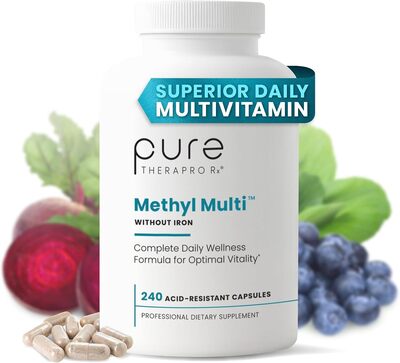
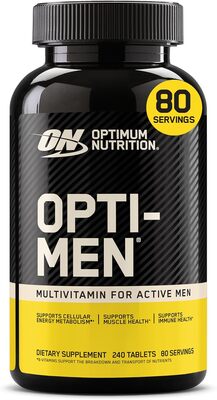

The supplement aisle presents you with a fundamental choice that shapes everything about your nutritional strategy: do you grab one bottle that promises to cover all your bases, or do you build a custom stack of individual supplements tailored to your specific needs? This is not a trivial decision. A multivitamin and a carefully chosen set of individual supplements can produce dramatically different outcomes — not because one category is inherently superior, but because the details of formulation, dosing, timing, and your personal biochemistry determine whether those nutrients actually reach your cells and do their jobs.
The multivitamin market generates over $6 billion annually in the United States alone. Meanwhile, individual supplements like vitamin D, magnesium, and omega-3 fatty acids consistently rank among the most popular supplements sold. Millions of people take both without understanding the tradeoffs they are making.
| Feature | Multivitamin | Individual Supplements |
|---|---|---|
| Form Control | Fixed (often cheaper forms) | You choose (premium bioavailable forms) |
| Dose Control | Fixed at ~100% RDA | Therapeutic doses possible (200-500% RDA) |
| Timing | All nutrients at once | Strategic timing to avoid competition |
| Cost | $0.03-0.50/day | $1.00-2.50/day for full stack |
| Convenience | 1 pill daily | 4-8 pills across day |
| Bioavailability | Mineral competition reduces absorption | Optimized when timed correctly |
| Customization | None | Complete control over each nutrient |
| Best For | General nutritional insurance | Documented deficiencies, specific goals |
What Are Multivitamins and What Can They Do?
A multivitamin is a supplement containing three or more vitamins and minerals at doses that do not exceed the Tolerable Upper Intake Level (UL) established by the National Academies of Sciences. Most commercial multivitamins contain 20-30 different nutrients including vitamins A, C, D, E, K, all eight B vitamins, and minerals like calcium, magnesium, zinc, iron, selenium, and chromium.
The Broad-Spectrum Convenience Factor
The core appeal of a multivitamin is simplicity. One pill (or two to three, for comprehensive formulas) taken once daily provides a baseline of essential micronutrients. For people who do not want to think about individual nutrients, this is the path of least resistance.
Most one-a-day multivitamins deliver nutrients at or near the Recommended Dietary Allowance (RDA) — the amount considered sufficient to meet the needs of 97-98% of healthy individuals. This sounds reassuring, but there are important caveats:
- The RDA is a minimum to address deficiency, not an optimal dose. The RDA for vitamin D, for example, is 600-800 IU — but research increasingly suggests that 1,000-2,000 IU or more is needed to reach and maintain optimal blood levels of 40-60 ng/mL.
- Multivitamins cannot include meaningful doses of every nutrient. Calcium and magnesium are bulky minerals. Including the full RDA of both (1,000 mg calcium, 400 mg magnesium) would make each pill enormous. Most multivitamins include only 100-200 mg of each — a fraction of what you actually need.
- The forms used matter enormously. To keep costs low and pills small, many multivitamins use the cheapest available form of each nutrient.
What the Major Clinical Trials Say About Multivitamins
Two landmark trials have shaped the scientific conversation about multivitamin effectiveness.
The Physicians’ Health Study II (PHS-II) followed 14,641 male U.S. physicians aged 50 and older for a median of 11.2 years. Daily multivitamin use (Centrum Silver) produced a modest but statistically significant 8% reduction in total cancer incidence (HR 0.92, 95% CI 0.86-0.998, p=0.04). However, it did not reduce cardiovascular events, and the cancer benefit was modest — about one fewer cancer per 1,000 men per year (PMID: 23162860).
The COSMOS Trial (COcoa Supplement and Multivitamin Outcomes Study) enrolled 21,442 adults aged 60 and older. The cognitive substudies — COSMOS-Mind (n=2,158), COSMOS-Web (n=2,472), and COSMOS-Clinic (n=573) — found that daily multivitamin use significantly improved global cognition, episodic memory, and executive function. A meta-analysis across all three substudies estimated that the multivitamin slowed cognitive aging by approximately 2-3 years compared to placebo (PMID: 38244989, PMID: 37244291).
The U.S. Preventive Services Task Force (USPSTF) reviewed the totality of evidence in 2022 and concluded there was insufficient evidence to recommend for or against multivitamin supplementation for reducing the risk of cardiovascular disease, cancer, or mortality in healthy adults (PubMed: 35727272). This does not mean multivitamins are useless — it means the evidence is not strong enough to make a blanket recommendation.
What the data says: In the PHS-II trial, a daily multivitamin reduced total cancer incidence by 8% in male physicians over 11 years (PubMed: 23162860), and the COSMOS cognitive substudies estimated that daily multivitamin use slowed cognitive aging by roughly 2-3 years in adults 60 and older (PubMed: 38244989). Neither trial found cardiovascular benefit, and the USPSTF still finds the overall evidence insufficient for a blanket recommendation.
What Are Individual Supplements and When Do They Excel?
Individual supplements are single-nutrient or small-combination products that let you control five critical variables:
- Choose the most bioavailable form of each nutrient — methylcobalamin B12 instead of cyanocobalamin, magnesium glycinate instead of oxide, L-methylfolate instead of folic acid
- Dose to your actual need based on blood work, symptoms, or clinical recommendations — not a one-size-fits-all RDA
- Time each nutrient optimally — taking iron on an empty stomach in the morning, magnesium before bed, fat-soluble vitamins with a meal containing dietary fat
- Avoid nutrients you do not need — men and postmenopausal women generally should not supplement iron unless blood work shows a deficiency
- Reach therapeutic doses that no multivitamin provides — 2,000-5,000 IU of vitamin D, 400-600 mg of magnesium glycinate, or 2-3 grams of EPA/DHA from fish oil
When Targeted Supplementation Clearly Wins
There are several well-established scenarios where individual supplements outperform any multivitamin:
Vitamin D deficiency or insufficiency — Multivitamins typically contain 400-1,000 IU of vitamin D. For someone with a blood level of 15 ng/mL (deficient), research supports taking 2,000-5,000 IU daily to reach optimal levels of 40-60 ng/mL. A 2024 review recommended 2,000 IU daily for general health maintenance, noting that this dose maintains serum 25(OH)D above 30 ng/mL in over 90% of the general population (PMID: 38337676). No multivitamin provides this dose.
Iron-deficiency anemia — Treatment requires 100-200 mg of elemental iron daily, often as ferrous sulfate or (preferably) iron bisglycinate for better tolerability. Multivitamins contain 8-18 mg of iron — a maintenance dose, not a therapeutic one.
Omega-3 fatty acids — These essential fats are critical for cardiovascular health, brain function, and inflammatory regulation, with research-backed doses of 1-4 grams of combined EPA/DHA daily depending on the indication. No multivitamin contains meaningful omega-3 doses. You need a separate fish oil or algal oil supplement.
Pregnancy and prenatal needs — Pregnant women need iron (27 mg or more), DHA (at least 300 mg), choline (450 mg), and iodine (220 mcg). Analyses of commercially available prenatal vitamins have found that few provide adequate amounts of every key nutrient — folic acid, iron, DHA, vitamin D, and calcium — which is why targeted DHA and choline supplementation is commonly recommended in pregnancy. Many women need a prenatal multi plus individual DHA and choline supplements.
Athletic performance — Athletes have elevated needs for iron (especially female endurance athletes, with deficiency rates up to 52%), vitamin D (1,000-2,000 IU minimum), magnesium (lost heavily through sweat), and specific ergogenic nutrients like creatine. No multivitamin provides the therapeutic doses athletes require for peak performance and recovery.
What Is the Bioavailability Difference Between Multivitamin and Individual Supplement Forms?
| Nutrient | Common Multivitamin Form | Premium Form (Available Individually) | Bioavailability Difference |
|---|---|---|---|
| Vitamin B12 | Cyanocobalamin | Methylcobalamin, Hydroxocobalamin | Methylcobalamin is better retained; cyanocobalamin is more readily excreted and requires more metabolic conversion |
| Folate (B9) | Folic acid | L-Methylfolate (5-MTHF) | Folic acid must be converted to 5-MTHF; up to 60% of the population has MTHFR variants that impair this conversion |
| Magnesium | Magnesium oxide | Magnesium glycinate, citrate, threonate | Magnesium oxide: ~4% absorption. Magnesium glycinate: ~18.8% absorption — nearly 5x better (PMID: 7815675) |
| Zinc | Zinc oxide | Zinc picolinate, zinc glycinate, zinc citrate | Zinc oxide is among the least bioavailable forms; picolinate and glycinate show significantly higher absorption |
| Iron | Ferrous sulfate | Iron bisglycinate (Ferrochel) | Iron bisglycinate is 2-4x better absorbed with significantly fewer GI side effects |
| Calcium | Calcium carbonate | Calcium citrate | Citrate does not require stomach acid for absorption; carbonate requires acidic conditions |
| Vitamin D | D2 (ergocalciferol) | D3 (cholecalciferol) | D3 is approximately 87% more effective at raising and maintaining serum 25(OH)D than D2 (PMID: 22552031) |
| Vitamin K | K1 (phylloquinone) | K2 as MK-7 (menaquinone-7) | MK-7 has a much longer half-life (~72 hours vs. ~1-2 hours) and is more effective for bone and cardiovascular health |
When you buy an individual magnesium supplement, you can choose magnesium glycinate and absorb nearly five times more magnesium per milligram than the magnesium oxide packed into most budget multivitamins. This is not a minor difference — it is the difference between a supplement that works and one that mostly passes through your digestive tract.
The evidence shows: Nutrient form determines real-world effect. Magnesium glycinate absorbs roughly 5x better than magnesium oxide (PubMed: 7815675), vitamin D3 raises serum levels about 87% more than D2 (PubMed: 22552031), and calcium taken alongside iron can cut non-heme iron absorption by up to 60% (PubMed: 1984335).
The MTHFR Problem: Why Folic Acid in Multivitamins Fails Many People
The MTHFR gene produces an enzyme that converts folic acid into its active form, L-methylfolate (5-MTHF). Variants in this gene are remarkably common:
- About 25% of Hispanics and 10-15% of Caucasians carry two copies of the C677T variant (homozygous), losing up to 70% of enzyme activity
- Up to 60% of the general U.S. population carries at least one MTHFR variant, reducing conversion efficiency by 30% or more
For these individuals, the folic acid in most multivitamins is poorly converted to its active form. Unmetabolized folic acid (UMFA) can accumulate in the bloodstream, and a 2025 review of excessive folic acid consumption discusses the potential implications for people with the MTHFR C677T variant (PubMed: 40130142).
The individual supplement solution: Take L-methylfolate (5-MTHF) directly. It bypasses the MTHFR enzyme entirely, requires no conversion, and is immediately usable by the body. You cannot get this from most standard multivitamins — only from premium formulations or individual methylfolate supplements.
Mineral Competition: The Hidden Problem Inside Every Multivitamin
When you swallow a multivitamin containing calcium, iron, zinc, magnesium, and copper simultaneously, these minerals compete for the same absorption pathways in your gut. This is not theoretical — it is well-documented biochemistry:
Calcium blocks iron absorption. Calcium and iron compete for uptake through divalent metal transporter-1 (DMT1). Studies show that calcium can reduce non-heme iron absorption by up to 60% when taken at the same time (PMID: 1984335). If your multivitamin contains both (as most do), you are significantly undermining your iron absorption.
Zinc blocks copper absorption. High zinc intake stimulates production of metallothionein, a protein that preferentially binds copper in intestinal cells and blocks it from reaching your bloodstream. Long-term zinc supplementation above 50 mg daily without copper co-supplementation can induce clinical copper deficiency (PMID: 2407097). Even at moderate doses, simultaneous zinc and copper in a multivitamin creates competition.
With individual supplements, you solve this problem by separating doses:
- Take iron in the morning on an empty stomach (or with vitamin C to enhance absorption)
- Take calcium with a meal, but at a different meal from iron and zinc
- Take zinc and copper together in a properly balanced ratio (typically 15:1 zinc to copper)
- Take magnesium in the evening, away from calcium and iron
This kind of strategic timing is impossible with a multivitamin. Everything goes down together, and the minerals fight it out in your gut.
How Do You Know If You Have Nutrient Gaps?
The answer is straightforward but often ignored: get blood work done. Guessing about your nutrient status based on symptoms or diet quality is unreliable. Blood testing reveals exactly where you stand.
The Essential Nutrient Panel
Request these tests from your healthcare provider:
Vitamin D: 25-hydroxyvitamin D [25(OH)D]. Optimal range: 40-60 ng/mL. Deficiency is defined as below 20 ng/mL, insufficiency as 20-30 ng/mL. A 2011 analysis of NHANES data found that 41.6% of U.S. adults are vitamin D deficient, with the highest rates among Black adults (82.1%) and Hispanic adults (69.2%) (PubMed: 21310306).
Iron status: Serum ferritin (storage iron), serum iron, total iron-binding capacity (TIBC), and transferrin saturation. Ferritin below 30 ng/mL often indicates depleted iron stores even if hemoglobin is normal. Women of reproductive age, endurance athletes, and vegetarians are at highest risk.
Vitamin B12: Serum B12 or (preferably) methylmalonic acid (MMA), which is more sensitive for detecting functional B12 deficiency. Optimal serum B12: above 400 pg/mL. MMA should be below 270 nmol/L.
Folate: Serum or red blood cell (RBC) folate. RBC folate is preferred because it reflects longer-term status. Optimal RBC folate: above 400 ng/mL.
Magnesium: RBC magnesium or ionized magnesium. Standard serum magnesium misses intracellular deficiency because the body maintains serum levels at the expense of tissue stores. Roughly half of Americans consume less than the Estimated Average Requirement (EAR) for magnesium (PubMed: 21865568).
Omega-3 index: Measures EPA and DHA as a percentage of total red blood cell fatty acids. Target: 8% or higher for cardiovascular protection. Most Americans fall between 4-6%.
What Your Diet Actually Provides
Even a “healthy” diet often has gaps. A 2011 analysis using NHANES data found that substantial portions of the U.S. population fail to meet the Estimated Average Requirement (EAR) from food alone (PMID: 21865568):
- Vitamin D: 70% of Americans do not meet the EAR from food (600 IU)
- Vitamin E: 60% fall short
- Magnesium: 45-48% consume less than the EAR (men: 330 mg, women: 255 mg)
- Calcium: 38% of adults do not meet the EAR (800 mg)
- Vitamin A: 34-45% depending on age and sex
For strict vegetarians and vegans, the list expands significantly to include vitamin B12 (found only in animal products), iron (plant-based non-heme iron is poorly absorbed), zinc, iodine, and omega-3 fatty acids (EPA and DHA are primarily found in fish).
Blood testing eliminates guesswork. Instead of taking a multivitamin “just in case,” you can target the specific nutrients your body actually needs.
How Much Do Multivitamins vs Individual Supplements Cost?
Cost is one of the clearest differentiators between the two approaches.
Multivitamin Economics
Budget multivitamins: Generic store-brand one-a-day formulations cost $0.03-0.10 per day. These typically use the cheapest forms of each nutrient (cyanocobalamin, folic acid, magnesium oxide, zinc oxide, ferrous sulfate, calcium carbonate).
Mid-tier multivitamins: Brands like Centrum, One A Day, or Nature Made cost $0.10-0.30 per day. Formulations are similar to budget brands but may include slightly better forms of select nutrients.
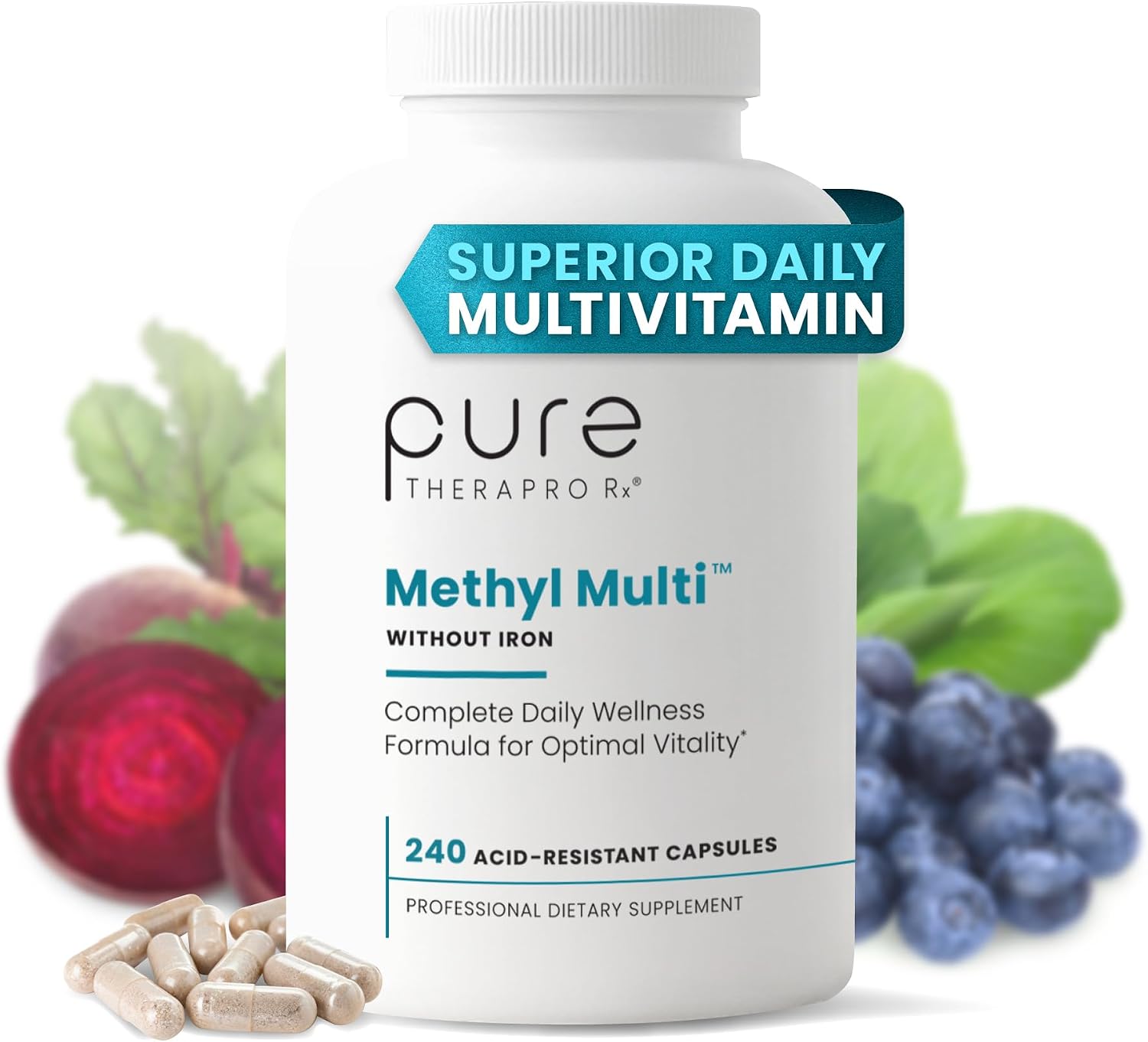
Premium multivitamins: Brands using methylated B vitamins, chelated minerals, and higher doses (like Thorne Basic Nutrients 2/Day, Pure Encapsulations O.N.E. Multivitamin, or Life Extension Two-Per-Day) cost $0.30-0.60 per day.
For $10-20 per month, a multivitamin provides broad-spectrum coverage of 20-30 nutrients. This is the most cost-effective option for people who need general nutritional insurance but do not have documented deficiencies.
Individual Supplement Economics
Building a targeted stack costs more:
- Vitamin D3 (2,000-5,000 IU): $0.05-0.15 per day
- Magnesium glycinate (400 mg): $0.15-0.30 per day
- Omega-3 fish oil (1,000-2,000 mg EPA/DHA): $0.30-0.60 per day
- Methylfolate (400-1,000 mcg): $0.10-0.25 per day
- Methylcobalamin B12 (1,000 mcg): $0.05-0.15 per day
- Zinc picolinate (30 mg): $0.05-0.10 per day
A basic individual supplement stack (vitamin D, magnesium, omega-3) costs $0.50-1.05 per day, or $15-30 per month. A comprehensive stack addressing multiple deficiencies can reach $1.50-2.50 per day, or $45-75 per month.
Study results: Multivitamins run $3-15 per month and a targeted three-supplement stack (vitamin D, magnesium, omega-3) runs $15-30 per month, so the difference is modest. The deciding factor is not sticker price but whether the nutrients you pay for are in bioavailable forms and therapeutic doses you actually need.
The cost-effectiveness calculation depends on what you need. If you have normal iron, zinc, and B vitamin status but are deficient in vitamin D and magnesium, paying for a multivitamin with 25 nutrients you do not need is less efficient than buying two targeted supplements. Conversely, if you have minor insufficiencies across multiple nutrients, a quality multivitamin may be the most economical solution.
The “Insurance Policy” Argument: Is It Valid?
One of the most common justifications for multivitamin use is the “insurance policy” metaphor: even if your diet is good, a multivitamin fills in any nutritional gaps you might have missed.
This argument has some merit but also limitations:
The case for multivitamins as insurance:
- NHANES data consistently shows that large percentages of Americans fail to meet the EAR for multiple nutrients from food alone
- Modern agricultural practices and food processing reduce the nutrient density of many foods compared to historical levels
- Stress, medications, aging, and certain health conditions increase nutrient requirements beyond standard RDAs
- Soil depletion has reduced the magnesium, zinc, and selenium content of crops over the past 50-70 years
The limitations of the insurance metaphor:
- An “insurance policy” only works if it actually pays out when needed. If your multivitamin contains poorly absorbed forms that do not raise your blood levels, it provides no real insurance.
- For nutrients where you have a documented deficiency, insurance-level doses are insufficient. You need therapeutic intervention — individual supplementation at higher doses.
- The mineral competition problem means that some of the nutrients in your multivitamin are actively blocking absorption of others. This is like buying an insurance policy with exclusions buried in the fine print.
The hybrid approach makes the most sense: Use a quality multivitamin with good forms as a baseline, then add targeted individual supplements (vitamin D, magnesium, omega-3) based on blood work. This gives you broad-spectrum coverage plus therapeutic intervention where you need it most.
Who Benefits Most From a Multivitamin?
Multivitamins make the most sense in these situations:
1. People with generally good diets who want broad-spectrum coverage — If you eat a varied diet including vegetables, fruits, whole grains, lean proteins, and healthy fats, but want to address minor gaps, a quality multivitamin provides convenient insurance.
2. Older adults concerned about cognitive decline — The COSMOS trial provides good evidence that daily multivitamin use protects cognitive function in people aged 60 and older. The effect size (slowing cognitive aging by 2-3 years) is meaningful.
3. People who will not take multiple pills daily — Compliance is critical. If the choice is between taking one multivitamin or skipping supplementation entirely because you hate managing multiple bottles, the multivitamin wins.
4. Budget-constrained individuals without documented deficiencies — If $10-15 per month is your supplement budget and you do not have severe deficiencies, a quality multivitamin delivers the most nutrients per dollar.
5. People with restrictive diets — Vegans, vegetarians, and people with multiple food allergies or intolerances often have gaps across multiple nutrients. A multivitamin provides baseline coverage while you work on optimizing your diet.
Who Benefits Most From Individual Supplements?
Individual supplements are the better choice in these scenarios:
1. People with documented nutrient deficiencies — If blood work shows vitamin D at 18 ng/mL, ferritin at 12 ng/mL, or magnesium RBC below range, you need therapeutic doses that no multivitamin provides. Individual supplementation is the only way to correct these deficiencies effectively.
2. Athletes and highly active individuals — Training increases nutrient turnover dramatically. Magnesium losses through sweat, iron demands from impact exercise and increased red blood cell production, and elevated vitamin D requirements for muscle function often require doses above what multivitamins provide.
3. People with MTHFR gene variants — If you carry one or two copies of the MTHFR C677T or A1298C variants, you need L-methylfolate instead of folic acid, and methylcobalamin B12 instead of cyanocobalamin. Most multivitamins do not provide these forms. Individual supplements do.
4. Pregnant or breastfeeding women — Prenatal multivitamins often fall short on DHA (need 300+ mg), choline (need 450 mg), and iron (need 27+ mg). Most women benefit from a prenatal multi plus individual DHA and choline supplements.
5. People taking medications that deplete specific nutrients — Metformin depletes B12. Proton pump inhibitors (PPIs) reduce magnesium, calcium, and B12 absorption. Statins may reduce CoQ10. Oral contraceptives can lower folate, B6, and magnesium. If you are on chronic medications, individual supplementation of the affected nutrients often makes more sense than a multivitamin.
6. People optimizing specific health outcomes — If your goal is raising your omega-3 index to 8% for cardiovascular protection, or bringing vitamin D to 50 ng/mL for immune function, or taking 400 mg of magnesium glycinate for migraine prevention, individual supplementation lets you dose precisely to your target.
Which Should You Choose? A Decision Framework
Use this flowchart to determine your optimal approach:
Step 1: Get blood work done
- Essential panel: vitamin D, iron status (ferritin, serum iron, TIBC), B12, folate, magnesium RBC, omega-3 index
- Optional but useful: homocysteine (B vitamin status), zinc, selenium
Step 2: Identify documented deficiencies
- If you have deficiencies requiring therapeutic doses (vitamin D below 30 ng/mL, ferritin below 30 ng/mL, etc.), individual supplementation is mandatory for those nutrients
- Calculate the doses needed to correct each deficiency based on your provider’s recommendations
Step 3: Assess your diet quality
- Track your food intake for 3-7 days using an app like Cronometer
- Identify nutrients where you consistently fall short of the RDA from food alone
Step 4: Consider your compliance
- Be honest: will you actually take 5-8 pills daily at different times? Or will you skip doses and waste money?
- If compliance is a concern, simplicity wins
Step 5: Calculate costs
- Price out a quality multivitamin with good forms (methylated B vitamins, chelated minerals)
- Price out individual supplements for the nutrients you actually need
- Factor in the value of your time managing multiple bottles
Step 6: Choose your approach
Multivitamin alone: Good choice if you have no documented deficiencies, want broad-spectrum coverage, prefer simplicity, and have a limited budget.
Individual supplements alone: Best choice if you have documented deficiencies, need therapeutic doses, have MTHFR variants, or are optimizing specific health outcomes. Requires higher budget and compliance.
Hybrid approach (recommended for most people): Quality multivitamin as a baseline + individual supplements for your 2-3 biggest needs (typically vitamin D, magnesium, omega-3). This balances cost, convenience, and effectiveness.
Practical Protocol: The 4-Week Optimization Plan
Here is a step-by-step protocol to optimize your supplement strategy:
Week 1: Testing and Tracking
- Schedule blood work for the essential nutrient panel
- Start tracking your diet for 7 days to identify nutritional patterns
- Inventory your current supplements and calculate total nutrient intake
Week 2: Analysis
- Review blood work results with your healthcare provider
- Identify nutrients where you are deficient, insufficient, or optimal
- Calculate which nutrients your diet reliably provides vs. where you have gaps
Week 3: Build Your Stack
- For documented deficiencies: purchase individual supplements in therapeutic doses with bioavailable forms
- For minor gaps across multiple nutrients: select a quality multivitamin with methylated B vitamins and chelated minerals
- For the hybrid approach: choose a multivitamin plus individual vitamin D, magnesium, and omega-3
Week 4: Observe and Adjust
- Pay attention to early changes: better sleep (magnesium), improved mood (vitamin D, B vitamins), more energy (iron, B12)
- Note any side effects: nausea (take with food), loose stools (reduce magnesium dose), constipation (switch iron form)
- Plan to retest blood work in 3 months to verify your protocol is working
Complete Support System
For a complete approach to nutritional optimization, view the multivitamin-versus-individual decision as one layer of a broader protocol. These complementary guides cover the pieces around it:
Digestive optimization — Even the best supplement cannot help if you are not absorbing it. If bloating, low stomach acid, or gut issues are a concern, our guide to digestive enzymes explains who actually benefits from enzyme support and how it interacts with mineral and fat-soluble vitamin absorption.
Methylation support — If you carry MTHFR variants or have elevated homocysteine, our methylfolate vs folic acid comparison explains why the active form bypasses a common genetic bottleneck and how to choose between the two.
Omega-3 optimization — Most multivitamins provide zero omega-3s, so this is the single most common individual supplement to add. Our fish oil vs algal oil comparison covers source, dose, and EPA/DHA ratios for cardiovascular and brain health.
Vitamin D strategies — Because multivitamin doses of vitamin D are far below what deficiency correction requires, see our guide on how much vitamin D you need and our ranked vitamin D supplement picks for dosing based on baseline blood levels.
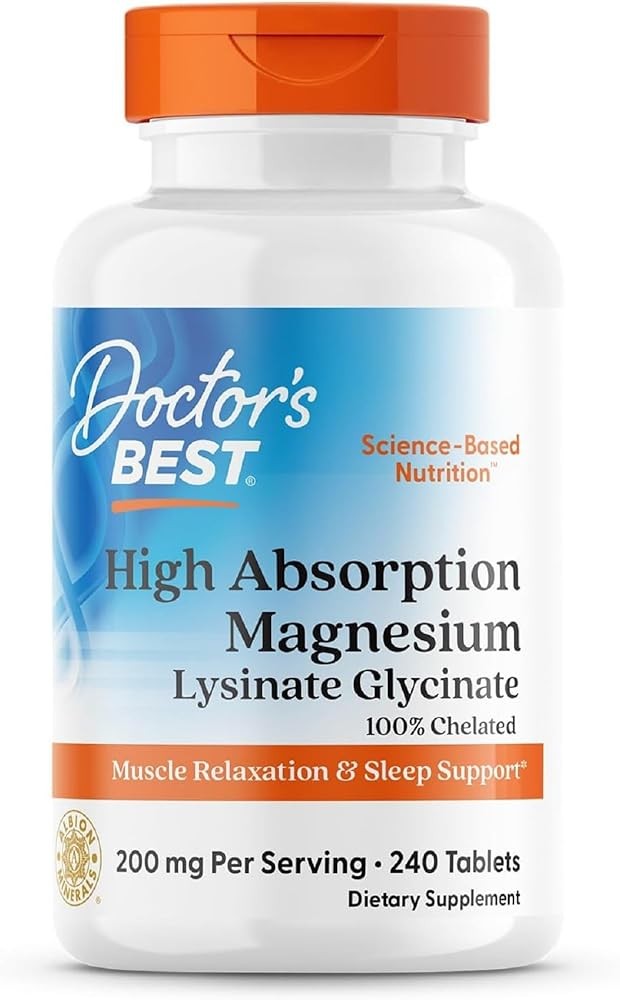
Magnesium forms — Not all magnesium is equal. Our magnesium glycinate vs citrate comparison shows which form suits sleep, muscle recovery, and digestive goals, and why the oxide in budget multivitamins absorbs poorly.
Related Reading
-
Iron Bisglycinate vs Ferrous Sulfate: Which Is Better? — Detailed comparison of iron forms showing why bisglycinate offers 2-4x better absorption with fewer side effects, critical information for anyone with iron-deficiency anemia or considering iron supplementation.
-
Methylfolate vs Folic Acid: Which Is Better? — Essential guide for anyone with MTHFR gene variants explaining why L-methylfolate bypasses genetic conversion issues that affect up to 60% of the population.
-
Magnesium Glycinate vs Citrate vs Oxide: Which Form Is Best? — Absorption data showing magnesium glycinate delivers nearly 5x more bioavailable magnesium than the oxide found in most multivitamins.
-
Fish Oil vs Krill Oil: Which Is Better for Omega-3? — No multivitamin provides therapeutic omega-3 doses; learn which individual supplement delivers the best EPA/DHA bioavailability for cardiovascular and brain health.
-
Best Vitamin D Supplements: Evidence-Based Guide for Raising Low Levels — Therapeutic dosing protocols (2,000-5,000 IU) for correcting vitamin D deficiency, far beyond what any multivitamin can provide.
References
- Vyas CM, et al. (2024). Effect of multivitamin-mineral supplementation versus placebo on cognitive function: results from the clinic subcohort of the COcoa Supplement and Multivitamin Outcomes Study (COSMOS) randomized clinical trial and meta-analysis of 3 cognitive studies within COSMOS. Am J Clin Nutr, 119(3):692-701. PubMed: 38244989
- Yeung LK, et al. (2023). Multivitamin supplementation improves memory in older adults: a randomized clinical trial. Am J Clin Nutr, 118(1):273-82. PubMed: 37244291
- Gaziano JM, et al. (2012). Multivitamins in the prevention of cancer in men: the Physicians’ Health Study II randomized controlled trial. JAMA, 308(18):1871-80. PubMed: 23162860
- O’Connor EA, et al. (2022). Vitamin and mineral supplements for the primary prevention of cardiovascular disease and cancer: updated evidence report and systematic review for the US Preventive Services Task Force. JAMA, 327(23):2334-47. PubMed: 35727272
- Pludowski P, et al. (2024). Vitamin D supplementation: a review of the evidence arguing for a daily dose of 2000 international units (50 mcg) of vitamin D for adults in the general population. Nutrients, 16(3):391. PubMed: 38337676
- Schuette SA, et al. (1994). Bioavailability of magnesium diglycinate vs magnesium oxide in patients with ileal resection. JPEN J Parenter Enteral Nutr, 18(5):430-5. PubMed: 7815675
- Hallberg L, et al. (1991). Calcium: effect of different amounts on nonheme- and heme-iron absorption in humans. Am J Clin Nutr, 53(1):112-9. PubMed: 1984335
- Fosmire GJ. (1990). Zinc toxicity. Am J Clin Nutr, 51(2):225-7. PubMed: 2407097
- Tripkovic L, et al. (2012). Comparison of vitamin D2 and vitamin D3 supplementation in raising serum 25-hydroxyvitamin D status: a systematic review and meta-analysis. Am J Clin Nutr, 95(6):1357-64. PubMed: 22552031
- Fulgoni VL 3rd, et al. (2011). Foods, fortificants, and supplements: where do Americans get their nutrients? J Nutr, 141(10):1847-54. PubMed: 21865568
- Chen N, et al. (2025). Adverse effects of excessive folic acid consumption and its implications for individuals with the methylenetetrahydrofolate reductase C677T genotype. Cureus, 17(2):e79374. PubMed: 40130142
- Forrest KYZ, Stuhldreher WL. (2011). Prevalence and correlates of vitamin D deficiency in US adults. Nutr Res, 31(1):48-54. PubMed: 21310306
Recommended Products