Natural vs Artificial Sweeteners: Which Is Safer?
Summarized from peer-reviewed research indexed in PubMed. See citations below.
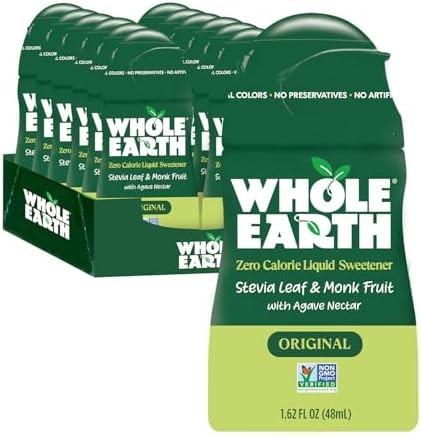
Growing evidence shows artificial sweeteners disrupt gut health and may undermine cancer treatment effectiveness. The 2022 landmark Cell study found saccharin and sucralose significantly impaired glucose tolerance through microbiome disruption, while stevia showed no such effects. Whole Earth Sweetener Co. NATURE SWEET Stevia & Monk Fruit ($6.99 for 80 packets) combines two natural sweeteners with zero glycemic impact and no artificial ingredients. Research published in Nature Medicine raised cardiovascular concerns about erythritol, demonstrating that not all “natural” options are automatically safer. For liquid sweetening, Whole Earth Stevia & Monk Fruit Liquid Sweetener ($8.99) works well in coffee and tea without the aftertaste of artificial options. Here’s what the published research shows about the safety and health effects of 8 popular sweeteners.
Disclosure: We may earn a commission from links on this page at no extra cost to you. Affiliate relationships never influence our ratings. Full policy →
Introduction: Why Your Sweetener Choice Matters More Than You Think
The debate between natural and artificial sweeteners has evolved dramatically in the past five years. What was once a simple question of “sugar vs. diet” has become a complex conversation about gut bacteria, immune function, cardiovascular risk, and metabolic health that extends far beyond calorie counting.
Here is the bottom line up front: the latest research through 2025 increasingly favors natural sweeteners — particularly stevia and monk fruit — over artificial alternatives like sucralose, aspartame, and saccharin. The reasons go beyond vague notions of “natural is better.” Randomized controlled trials have now demonstrated that specific artificial sweeteners disrupt the human gut microbiome, impair glucose tolerance, and may even undermine cancer treatment. These are not fringe findings from questionable studies — they come from top-tier journals including Cell, Nature Medicine, and Cancer Discovery.
But the picture is not black and white. Erythritol, a “natural” sugar alcohol, raised serious cardiovascular concerns in a 2023 Nature Medicine study. And some artificial sweeteners may pose less risk than others. Allulose, a newer natural option, shows promising metabolic benefits that could make it the best sweetener for people with type 2 diabetes.
This article breaks down eight specific sweeteners — four natural (stevia, monk fruit, erythritol, allulose) and four artificial (aspartame, sucralose, saccharin, acesulfame potassium) — covering how each one is made, what it does inside your body, what the clinical evidence says about safety, and who should use which one. We will also cover the body signals that tell you whether your sweetener choice is working for or against your health.
For more context on how sweeteners relate to cancer risk, see our detailed articles on artificial sweeteners and cancer risk, stevia and cancer, and monk fruit sweetener safety.
Watch Our Video Review
Master Comparison Table: Natural vs. Artificial Sweeteners at a Glance
| Sweetener | Type | Calories | Sweetness vs. Sugar | Glycemic Index | FDA Status | Gut Microbiome Impact | Key Concern |
|---|---|---|---|---|---|---|---|
| Stevia | Natural (plant extract) | 0 | 200-350x | 0 | GRAS | Neutral to positive | Bitter aftertaste in some forms |
| Monk Fruit | Natural (fruit extract) | 0 | 150-250x | 0 | GRAS | Neutral to positive | High cost; limited long-term human data |
| Erythritol | Natural (sugar alcohol) | 0.2/g | 0.7x | 0 | GRAS | Neutral | Cardiovascular risk (emerging evidence) |
| Allulose | Natural (rare sugar) | 0.2-0.4/g | 0.7x | 0 | GRAS (not counted as sugar on labels) | Neutral to positive | GI discomfort at high doses; limited long-term data |
| Aspartame | Artificial (synthetic dipeptide) | 0 | 200x | 0 | Approved (ADI: 50 mg/kg) | Possible disruption | IARC Group 2B “possibly carcinogenic”; PKU contraindication |
| Sucralose | Artificial (chlorinated sugar) | 0 | 600x | 0 | Approved (ADI: 5 mg/kg) | Significant disruption | Gut microbiome damage; impaired immunotherapy response; heat degradation products |
| Saccharin | Artificial (benzoic sulfimide) | 0 | 300-500x | 0 | Approved (ADI: 15 mg/kg) | Significant disruption | Strongest microbiome disruption evidence; metallic aftertaste |
| Acesulfame-K | Artificial (potassium salt) | 0 | 200x | 0 | Approved (ADI: 15 mg/kg) | Possible disruption | Long-lasting microbiome structural changes in animal studies |
| Acesulfame-K | Artificial (potassium salt) | 0 | 200x | 0 | Approved (ADI: 15 mg/kg) | Possible disruption | Long-lasting microbiome structural changes in animal studies |
The Natural Sweeteners: What They Are and How They Work
Stevia: The Most Researched Natural Alternative
What it is: Stevia is derived from the leaves of Stevia rebaudiana, a plant native to South America that has been used as a sweetener for centuries by indigenous Guarani people. The sweet compounds are steviol glycosides, primarily stevioside and rebaudioside A (Reb A). Modern stevia products use purified steviol glycosides extracted from the plant leaves.
How it is made: Stevia leaves are harvested, dried, and steeped in water. The resulting extract is purified through filtration and crystallization to isolate specific steviol glycosides. Reb A is the most commercially popular form because it has the cleanest taste profile with less of the bitter or licorice-like aftertaste associated with stevioside. Newer glycosides like Reb M and Reb D, produced through fermentation-based bioconversion, offer even cleaner taste but at higher cost.
How it works in your body: Steviol glycosides activate the sweet taste receptors (T1R2/T1R3) on the tongue but are not broken down in the upper GI tract. They pass intact to the colon, where gut bacteria hydrolyze them into steviol, which is absorbed, conjugated in the liver to steviol glucuronide, and excreted in urine. Because they bypass normal carbohydrate metabolism entirely, they contribute zero calories and produce no glycemic or insulin response.
Safety profile: The Joint FAO/WHO Expert Committee on Food Additives (JECFA) has established an acceptable daily intake of 4 mg/kg body weight for steviol glycosides. For a 150-pound (68 kg) adult, this translates to about 272 mg of steviol equivalents daily — far more than typical consumption. Systematic reviews have found no evidence of carcinogenicity, genotoxicity, or reproductive toxicity at normal intake levels. The FDA granted GRAS (Generally Recognized as Safe) status to high-purity steviol glycosides (95% or greater purity) in 2008.
Blood pressure benefits: A two-year randomized, double-blind, placebo-controlled trial published in Clinical Therapeutics (Chan et al., 2000) found that stevioside (500 mg three times daily) significantly reduced both systolic and diastolic blood pressure in patients with mild essential hypertension. A meta-analysis of randomized clinical trials confirmed this effect, finding a mean reduction of approximately 6.32 mmHg in systolic blood pressure (Onakpoya & Heneghan, 2015). However, studies using lower doses of rebaudioside A in normotensive individuals did not find significant blood pressure effects, suggesting the benefit may be specific to higher doses of stevioside in hypertensive populations.
Gut microbiome: Unlike artificial sweeteners, stevia has not shown significant disruption of gut microbiota in human trials. The 2022 randomized controlled trial by Suez et al. in Cell — which tested saccharin, sucralose, aspartame, and stevia in 120 healthy adults — found that stevia did not significantly impair glycemic responses, in contrast to saccharin and sucralose, which did (Suez et al., Cell, 2022; PMID: 35987213).
Monk Fruit: The Premium Natural Option
What it is: Monk fruit (Siraitia grosvenorii), also called luo han guo, is a small melon native to southern China and northern Thailand. It has been used as a sweetener and traditional remedy in Chinese medicine for centuries. The sweet compounds are mogrosides — specifically mogroside V, which provides 150-250 times the sweetness of sugar with zero calories.
How it is made: The fruit is harvested, crushed, and infused with hot water. The resulting juice is filtered to remove the bitter compounds and seeds, then processed to concentrate the mogrosides. Many commercial monk fruit sweeteners are blended with erythritol, inulin, or other bulking agents because pure mogroside extract is extremely concentrated and difficult to measure in small quantities.
How it works in your body: Mogrosides, like steviol glycosides, activate sweet taste receptors without being metabolized for energy. They pass through the upper GI tract largely intact and are hydrolyzed by colonic bacteria. Mogroside V is metabolized into mogroside IIIE and ultimately the aglycone mogrol, which has demonstrated antioxidant properties in laboratory studies.
Safety profile: Monk fruit extract received GRAS designation from the FDA. No adverse effects have been identified at typical consumption levels. The sweetener has been consumed in China for hundreds of years without reported safety issues. There are no established ADI limits because no safety threshold has been identified — it is considered safe at any reasonable dietary intake.
Antioxidant and anti-inflammatory properties: Mogrosides have shown significant inhibitory effects against reactive oxygen species (superoxide, hydrogen peroxide, and hydroxyl radicals) and DNA oxidative damage in laboratory studies (Takasaki et al., Journal of Natural Products, 2003). A 2024 clinical study by Wu et al. found that monk fruit extract supplementation led to a 25% reduction in inflammatory cytokines compared to placebo (p = 0.03). However, most health benefits beyond sweetening — including anti-cancer, anti-diabetic, and hepatoprotective effects — have been demonstrated primarily in animal models and cell cultures, with limited human clinical trial data. A 2025 PRISMA-guided systematic review in Nutrients (PMC12073669) concluded that while the results are promising, larger and longer human trials are needed.
Practical limitations: Cost is the biggest drawback. Monk fruit is significantly more expensive than stevia, sucralose, or aspartame because the fruit is difficult to cultivate outside its native growing region, the harvest window is narrow, and the extraction process is complex. Most affordable “monk fruit sweetener” products contain primarily erythritol with a small amount of monk fruit extract.
Erythritol: The Best Baker’s Sweetener With a Cardiovascular Question Mark
What it is: Erythritol is a four-carbon sugar alcohol (polyol) that occurs naturally in small amounts in fruits like grapes, pears, and watermelon, as well as in fermented foods like wine, beer, and cheese. Commercial erythritol is produced through fermentation of glucose by yeasts such as Moniliella pollinis or Trichosporonoides megachiliensis.
How it is made: Glucose (typically derived from corn starch) is fermented by specific yeast strains, which convert it into erythritol. The resulting product is purified through crystallization. This is a natural fermentation process, not a chemical synthesis.
How it works in your body: Erythritol is unique among sugar alcohols in that approximately 90% of ingested erythritol is absorbed in the small intestine and excreted unchanged in urine within 24 hours. It is not metabolized for energy, providing only about 0.2 calories per gram (compared to 4 calories per gram for sugar). Because it is absorbed before reaching the colon, it causes significantly less GI distress (bloating, gas, diarrhea) than other sugar alcohols like sorbitol, xylitol, or maltitol, which are fermented by colonic bacteria.
Safety profile — the cardiovascular controversy: For decades, erythritol was considered one of the safest sugar substitutes. That changed in February 2023, when a study published in Nature Medicine by Witkowski et al. from the Cleveland Clinic (PMID: 36849732) found that higher circulating erythritol levels were associated with a significantly increased risk of major adverse cardiovascular events (MACE) — heart attack, stroke, and cardiovascular death — in a cohort of over 4,000 patients. The researchers also demonstrated in vitro that erythritol enhanced platelet reactivity and thrombus (clot) formation at physiologically relevant concentrations.
A follow-up 2024 study from the same Cleveland Clinic group, published in Arteriosclerosis, Thrombosis, and Vascular Biology, provided intervention data showing that consuming erythritol-containing foods increased platelet reactivity in healthy volunteers, strengthening the case for a causal mechanism. The 2025 ARIC (Atherosclerosis Risk in Communities) Study further found that higher erythritol and erythronate concentrations were significantly associated with heart failure risk over a median follow-up of 8.41 years (PMID: 39983608).
However, a 2025 editorial in Cardiovascular Research (PMID: 40444390) noted that Mendelian randomization studies and data from critically ill patients have not consistently linked sugar alcohols to significant cardiovascular risks, and that the observed associations could partly reflect endogenous erythritol production (the body naturally produces small amounts of erythritol through the pentose phosphate pathway, and production may increase under metabolic stress). The debate remains active, but the precautionary principle suggests people with existing cardiovascular disease or multiple cardiac risk factors should limit erythritol intake until longer-term intervention studies are completed.
Baking performance: Erythritol is the closest substitute to sugar in terms of bulk, texture, and browning. It measures cup-for-cup at about 70% the sweetness of sugar. It does not raise blood sugar, does not feed cavity-causing bacteria, and is heat-stable. The main baking drawback is a slight cooling sensation on the tongue and a tendency to crystallize when cooled, which can make frostings or glazes feel gritty.
Allulose: The Emerging Star for Blood Sugar Control
What it is: Allulose (D-psicose) is a rare monosaccharide — a “rare sugar” — that exists naturally in very small quantities in foods like figs, raisins, jackfruit, and wheat. Structurally, it is an epimer of fructose (the sugar carbon at the C-3 position is flipped), which makes it taste like sugar but may help reduce risk of your body from metabolizing it the way it metabolizes fructose.
How it is made: Commercial allulose is produced enzymatically by converting fructose (derived from corn) using the enzyme D-psicose 3-epimerase. The process is considered a natural enzymatic conversion rather than chemical synthesis.
How it works in your body: This is where allulose gets interesting. Unlike other non-nutritive sweeteners that are either not absorbed or simply excreted, allulose is absorbed in the small intestine but not metabolized for energy. About 70-84% of ingested allulose is absorbed and then excreted unchanged in urine. It provides roughly 0.2-0.4 calories per gram — effectively negligible. But the truly remarkable property is that allulose appears to actively improve glucose metabolism rather than simply being metabolically inert.
Blood sugar evidence: A 2024 meta-analysis published in Diabetes & Metabolic Syndrome: Clinical Reviews (PMID: 39583955) pooled data from six clinical studies encompassing 126 participants and found that allulose significantly reduced glucose area under the curve (AUC) in patients with type 2 diabetes. A 2023 systematic review and meta-analysis in PLOS ONE (PMID: 37023000) confirmed that allulose significantly attenuates postprandial blood glucose levels secretion — the same hormone that drugs like Ozempic and Wegovy target.
Weight and metabolic effects: A 2024 study in Nutrients (PMID: 38931176) examining a 12-week allulose-rich diet found reduced body weight gain, improved insulin resistance at high doses, typically above 0.4 g/kg body weight in a single serving (roughly 27 grams for a 150-pound adult). Long-term human safety data beyond 12 weeks is still limited, and larger clinical trials are needed. Cost is higher than erythritol or stevia but has been decreasing as production scales up.
The Artificial Sweeteners: What They Are and What the Research Shows
Aspartame (Equal, NutraSweet): The Most Controversial Sweetener in History
What it is: Aspartame is a synthetic dipeptide composed of two amino acids — L-aspartic acid and L-phenylalanine — linked to a methyl ester group. It was discovered accidentally in 1965 by a chemist who licked his finger while working on an ulcer drug and noticed intense sweetness. It is approximately 200 times sweeter than sugar.
How it is made: Aspartame is synthesized by chemically coupling L-aspartic acid with the methyl ester of L-phenylalanine. It is entirely a laboratory product — the amino acids used are produced through fermentation and then chemically joined.
How it works in your body: When consumed, aspartame is rapidly hydrolyzed in the GI tract into its three components: aspartic acid, phenylalanine, and methanol. Each of these is metabolized through normal biochemical pathways. The methanol component has drawn safety concerns, but the amount produced from aspartame is small — a glass of tomato juice actually contains more methanol than a can of diet soda. The phenylalanine component is the reason people with phenylketonuria (PKU) — a genetic disorder affecting phenylalanine metabolism — must completely avoid aspartame.
The cancer question: In July 2023, the International Agency for Research on Cancer (IARC) classified aspartame as “possibly carcinogenic to humans” (Group 2B), based on limited evidence from epidemiological studies suggesting a possible association with hepatocellular carcinoma (liver cancer). However, context is critical:
- Group 2B is the lowest level of carcinogenicity concern that IARC assigns. It means “limited evidence that warrants further study” — not a definitive finding of harm. The same category includes aloe vera extract, pickled vegetables, and radiofrequency electromagnetic fields from cell phones.
- The WHO/JECFA simultaneously reviewed the same evidence and reaffirmed the existing ADI of 40 mg/kg body weight (50 mg/kg in the US), concluding that aspartame is safe at current consumption levels. A 150-pound adult would need to drink approximately 12-19 cans of diet soda daily to exceed the ADI.
- Follow-up analyses through 2024 examined over 40 epidemiological studies and multiple animal experiments and concluded that the overall evidence does not demonstrate a clear carcinogenic effect in humans at typical consumption levels. The original IARC finding relied on data from only three studies of four cohorts, with inconsistent results across them.
Gut microbiome: The Suez et al. 2022 Cell study found that aspartame altered stool and oral microbiome composition and plasma metabolome, but its effects on glycemic responses were less pronounced than those of saccharin or sucralose. Aspartame appears to be the least harmful of the four artificial sweeteners from a microbiome perspective.
ADI and practical limits: The FDA’s ADI for aspartame is 50 mg/kg body weight. A 12-ounce can of diet soda contains approximately 180-200 mg of aspartame. A 150-pound adult could safely consume about 3,400 mg daily — roughly 17-19 cans of diet soda — before exceeding the FDA limit.
Sucralose (Splenda): Growing Evidence of Serious Concerns
What it is: Sucralose is a synthetic sweetener created by selectively replacing three hydroxyl groups on a sucrose (table sugar) molecule with chlorine atoms. This chemical modification makes it approximately 600 times sweeter than sugar and renders it largely indigestible. It was discovered in 1976 and approved by the FDA in 1998.
How it is made: Sucralose is manufactured through a multi-step chemical process that selectively chlorinates sucrose. The resulting molecule is structurally similar to sugar but cannot be broken down by human digestive enzymes passes through the GI tract unabsorbed and is excreted in feces. The approximately 15% that is absorbed is excreted unchanged in urine. Because it is not metabolized, it provides zero calories. However, the fact that it reaches the colon largely intact means it comes into direct contact with gut bacteria — and this is where the problems begin.
Gut microbiome disruption — the strongest evidence against any sweetener:
The evidence against sucralose has accumulated rapidly:
-
Suez et al., Cell, 2022 (PMID: 35987213): In this landmark randomized controlled trial of 120 healthy adults, two-week supplementation with sucralose at doses below the ADI significantly altered stool and oral microbiome composition and impaired glycemic responses. Transferring gut microbiomes from affected humans to germ-free mice reproduced the glucose intolerance, demonstrating a causal microbiome-mediated mechanism.
-
Bian et al., Frontiers in Physiology, 2017: A 6-month mouse study found that sucralose consumption reduced beneficial bacteria (Bifidobacterium, Lactobacillus) while increasing pro-inflammatory bacteria, and these changes persisted even after sucralose consumption stopped.
-
A 2025 study in Asian Indian adults (ScienceDirect, 2025) found that sucralose intervention decreased alpha diversity and increased beta diversity in gut microbiome communities of adults with type 2 diabetes. Fourteen primarily sugar-fermenting or short-chain fatty acid-producing Firmicutes bacteria were reduced, while Enterococcus and Pediococcus increased.
-
A 2025 Frontiers in Microbiology study comparing five sweeteners found that synthetic sweeteners (including sucralose) caused more severe and longer-lasting damage to gut microbial communities than non-synthetic alternatives.
Sucralose and cancer immunotherapy — the most alarming finding:
A November 2025 study published in Cancer Discovery by researchers at the University of Pittsburgh and UPMC Hillman Cancer Center found that sucralose consumption ablated (eliminated) cancer immunotherapy response through microbiome disruption (PMID: 40742298). The mechanism: sucralose shifted the composition of the gut microbiome, increasing bacterial species that degrade arginine, which reduced levels of this amino acid in blood, tumor fluid, and stool. Since T-cells require arginine to function, the sucralose-driven arginine depletion restricted T-cell metabolism and function, limiting the effectiveness of immune checkpoint inhibitor (anti-PD-1) therapy. This was demonstrated in both preclinical mouse models and human patients with melanoma and NSCLC. The researchers found that supplementing with arginine or citrulline, or performing fecal microbiome transfer from anti-PD-1 responder mice, completely restored T-cell function and immunotherapy response.
This finding has significant implications for anyone undergoing cancer treatment, and it underscores why sucralose’s effects on the microbiome are not merely academic. For more on how sweeteners interact with cancer biology, see our articles on what sweeteners cancer cells cannot metabolize generates chloropropanols and other potentially genotoxic chlorinated compounds. This means sucralose should not be used in baking or any high-heat cooking application — despite years of marketing claiming it was heat-stable.
Insulin response concerns: Some studies have found that sucralose consumption, even without calories, can amplify the insulin response to subsequent glucose intake. A study in 40 non-diabetic individuals found a slight, transient increase in insulin levels after sucralose exposure, though without significant metabolic consequences in that particular study. The clinical relevance of this effect over years of daily consumption remains uncertain.
Saccharin (Sweet’N Low): The Original Artificial Sweetener
What it is: Saccharin (benzoic sulfimide) is the oldest artificial sweetener, discovered in 1879 by a Johns Hopkins University researcher. It is 300-500 times sweeter than sugar with zero calories. It has a notable metallic or bitter aftertaste, especially at higher concentrations, which is why it is often blended with other sweeteners.
How it is made: Saccharin is synthesized from toluene or anthranilic acid through a chemical process. It is entirely a synthetic laboratory product.
Cancer history: Saccharin was nearly banned in the US in the 1970s after studies found it caused bladder cancer in rats. Products containing saccharin were required to carry warning labels from 1977 to 2000. The labels were removed after subsequent research determined that the mechanism of bladder cancer in rats (involving sodium microcrystals in urine) is not relevant to humans. Current consensus is that saccharin does not cause cancer in humans at normal consumption levels, and it is not classified as carcinogenic by the IARC.
Gut microbiome — the strongest disruptor: Saccharin may be the most potent disruptor of gut bacteria among all sweeteners studied. The original 2014 Nature study by Suez et al. that launched the entire field of sweetener-microbiome research primarily focused on saccharin, showing that it induced glucose intolerance in mice and some humans through microbiome alteration. The 2022 follow-up Cell trial confirmed that saccharin significantly impaired glycemic responses in humans through microbiome-mediated mechanisms. A 2025 Frontiers in Microbiology study found that saccharin “heavily suppressed several bacterial species” and reduced community resilience, making the gut microbiome more susceptible to external stressors.
Acesulfame Potassium (Ace-K, Sunett, Sweet One)
What it is: Acesulfame potassium (Ace-K) is a synthetic sweetener discovered in 1967. It is approximately 200 times sweeter than sugar and is often used in combination with other sweeteners (particularly aspartame or sucralose) because it helps mask the bitter aftertaste of other artificial sweeteners. It is found in over 5,000 food products worldwide.
How it is made: Ace-K is synthesized by combining acetoacetic acid with potassium and sulfamic acid. It is entirely a chemical product.
How it works in your body: Unlike aspartame, Ace-K is not metabolized at all — it is absorbed and excreted unchanged in urine. This means it has no direct metabolic effects. However, its interactions with gut bacteria and taste receptors may produce indirect effects.
Gut microbiome concerns: While fewer human studies have focused specifically on Ace-K compared to sucralose and saccharin, the available evidence is concerning. A 2017 study in PLOS ONE found that Ace-K induced sex-dependent alterations in mouse gut microbiota and increased body weight gain, with males showing increased Bacteroides, Anaerostipes, and Sutterella, while females showed decreased Lactobacillus and Clostridium with increased Mucispirillum. Most notably, a 2025 Frontiers in Microbiology minibioreactor study found that Ace-K was the only sweetener whose structural harm to the microbiome did not begin to reverse after treatment was withdrawn, implying that its damage may be more pervasive and longer-lasting than that of other sweeteners.
Insulin and metabolic effects: Some research suggests Ace-K may stimulate insulin secretion by acting on sweet taste receptors (T1R2/T1R3) in pancreatic beta cells, but the clinical significance of this effect in humans consuming normal dietary amounts remains unclear.
The Critical Battleground: Gut Microbiome Effects
The gut microbiome — the community of trillions of bacteria, fungi, and other microorganisms living in your digestive tract — has emerged as the single most important factor differentiating natural from artificial sweeteners. Your gut microbiome influences immune function:** This was the bombshell that changed the conversation. Israeli researchers showed that mice fed saccharin, sucralose, or aspartame developed glucose intolerance — a precursor to diabetes. The effect was mediated entirely through gut microbiome changes: when gut bacteria from sweetener-fed mice were transplanted into germ-free mice, the recipients developed the same glucose intolerance. In a small human pilot (7 participants), four of seven developed significantly worsened glycemic responses after just one week of saccharin supplementation.
The 2022 Cell study (Suez et al., PMID: 35987213): Eight years later, the same research group conducted a much larger, more rigorous randomized controlled trial. 120 healthy adults were assigned to receive sachets of saccharin, sucralose, aspartame, stevia, or controls (glucose or no supplement) for two weeks at doses below the ADI. Key findings:
- Saccharin and sucralose significantly altered gut microbiome composition and impaired glycemic responses
- Aspartame altered the microbiome but had less clear glycemic effects
- Stevia did not significantly impair glycemic responses
- The effects were personalized — some individuals were more susceptible than others, with their pre-existing microbiome composition predicting response
- Microbiome changes transferred to germ-free mice reproduced the glycemic effects seen in human donors, establishing a causal chain
The 2025 Cancer Discovery study: As detailed in the sucralose section above, this study from the University of Pittsburgh demonstrated that sucralose-driven microbiome disruption had clinical consequences beyond metabolic health — it impaired T-cell function and ablated cancer immunotherapy response. This represents the most severe clinical consequence of sweetener-induced microbiome damage documented to date.
How Natural Sweeteners Compare
The contrast between natural and artificial sweeteners on gut health is striking:
- Stevia: Did not significantly disrupt the human gut microbiome or impair glycemic responses in the Suez et al. 2022 trial. Some animal studies suggest steviol glycosides may actually promote beneficial bacteria like Lactobacillus and Bifidobacterium, though this has not been confirmed in large human trials.
- Monk fruit: Limited human microbiome data. No studies have identified adverse effects on gut bacteria. In vitro studies suggest mogrosides may have prebiotic-like properties, but human confirmation is needed.
- Erythritol: Because 90% is absorbed in the small intestine before reaching colonic bacteria, erythritol has minimal interaction with the gut microbiome. This is an advantage from a microbiome perspective, though it does not address the cardiovascular concerns.
- Allulose: Emerging evidence suggests allulose may have beneficial prebiotic effects, potentially promoting short-chain fatty acid production. Its ability to stimulate GLP-1 secretion may also partly operate through gut microbiome pathways.
Blood Sugar and Insulin Response: A Detailed Comparison
For the roughly 37 million Americans with diabetes and the 96 million with prediabetes, the glycemic effects of sweeteners are a primary concern. For more on blood sugar management, see our article on supplements for type 2 diabetes confirmed this effect across six clinical trials in type 2 diabetes patients.
Artificial Sweeteners and Blood Sugar
| Sweetener | Direct Glycemic Effect | Insulin Response | Net Blood Sugar Impact |
|---|---|---|---|
| Aspartame | Zero | Minimal (possible CPIR) | Neutral to slightly negative (microbiome-mediated) |
| Sucralose | Zero | May amplify subsequent insulin response | Negative — impaired glucose tolerance in susceptible individuals |
| Saccharin | Zero | Possible cephalic phase response | Negative — strongest glucose intolerance induction |
| Acesulfame-K | Zero | May stimulate insulin via beta-cell receptors | Uncertain |
The “cephalic phase insulin response” (CPIR) refers to a small, transient release of insulin triggered by the sensation of sweetness before any actual calories arrive. A study found that sucralose and sucrose exposure elicited similarly significant increases in serum insulin within 2 minutes, with solid forms producing greater CPIR than beverages (Dhillon et al., Physiology & Behavior, 2017). A 2025 review in Frontiers in Nutrition noted that while CPIR effects from individual sweetener exposures are small, the metabolic consequences of daily, chronic stimulation of this pathway remain poorly understood.
Weight Management: Do Sweeteners Help or Hurt?
The Paradox
One of the most counterintuitive findings in nutrition research is that artificial sweetener use is consistently associated with weight gain in observational studies — the exact opposite of what you would expect from calorie-free products. The San Antonio Heart Study, the Framingham Heart Study offspring cohort, and the Nurses’ Health Study all found positive associations between diet soda consumption and weight gain, obesity, and metabolic syndrome.
What Controlled Trials Show
A 2025 systematic review and meta-analysis of randomized controlled trials (PMID: 40668953) found that replacing daily caloric sugars with non-nutritive sweeteners produced an average weight change of -0.79 kg — a statistically significant but modest reduction. However, this effect was significant only in studies lasting fewer than 18 weeks. In studies lasting longer than 18 weeks, the weight benefit largely disappeared.
The 2025 SWEET Project — a large multicenter, randomized controlled trial published in Nature Metabolism — found that long-term consumption of sweeteners and sweetness enhancers improved body weight control and produced beneficial gut microbiota changes in adults with overweight or obesity. However, the sweetener used in this trial was primarily stevia-based, not artificial sweeteners.
Notably, a 2025 meta-analysis (PMID: 40913681) found that the weight-loss effect of non-nutritive sweeteners was statistically significant only in normal-weight and mixed-weight groups — not in the obese group — raising questions about their practical utility for the people who need weight management most.
The “Caloric Compensation” Hypothesis
Several mechanisms may explain why calorie-free sweeteners do not reliably produce weight loss:
- Caloric compensation: When the brain detects sweetness but no calories arrive, it may increase appetite and food-seeking behavior to compensate for the expected (but missing) energy, leading to greater caloric intake at subsequent meals.
- Sweet taste threshold escalation: Regular consumption of intensely sweet (but calorie-free) substances may elevate the sweetness threshold, making naturally sweet foods like fruit taste bland, and driving greater overall consumption of sweetened products.
- Metabolic effects: Microbiome disruption from artificial sweeteners may impair metabolic efficiency, promote insulin resistance, and alter energy balance independent of calorie intake.
- Psychological licensing: People who consume “diet” products may unconsciously give themselves permission to eat more calories from other sources (“I had a diet soda, so I can have the dessert”).
The Verdict on Weight
Simply swapping sugar for any sweetener — natural or artificial — is unlikely to produce significant long-term weight loss as an isolated strategy. The most effective approach, supported by both the controlled trial evidence and the mechanistic understanding, is to reduce overall sweet taste exposure to recalibrate taste preferences toward less sweet foods. When sweeteners are used as part of a comprehensive dietary strategy, stevia, monk fruit, and allulose appear to be better choices than artificial alternatives because they do not carry the additional metabolic burden of microbiome disruption.
Taste Profiles and Cooking Applications
Taste Comparison
| Sweetener | Taste Quality | Aftertaste | Onset Speed | Best Use |
|---|---|---|---|---|
| Stevia (Reb A) | Clean sweet, some bitterness | Licorice-like in some products | Slightly delayed | Beverages, smoothies, light baking |
| Stevia (Reb M/D) | Very clean, sugar-like | Minimal | Quick | Premium beverages, any application |
| Monk Fruit | Round, fruity sweetness | Minimal | Quick | Beverages, baking (when blended) |
| Erythritol | Cool, clean, 70% as sweet | Cooling sensation | Immediate | Baking, frostings, sauces |
| Allulose | Most sugar-like of all alternatives | None | Immediate | Baking, caramel, ice cream, syrups |
| Aspartame | Clean sweet | Slightly chemical | Quick | Cold beverages only (heat-unstable) |
| Sucralose | Very sweet, slightly chemical | Lingering sweetness | Quick | Cold beverages, cold preparations only |
| Saccharin | Sweet with metallic edge | Bitter/metallic at high concentrations | Quick | Tabletop sweetener, beverages |
| Acesulfame-K | Sweet, slightly bitter | Bitter at high concentrations | Very quick | Best in blends with other sweeteners |
Baking and Cooking Guide
Best for baking: Allulose is the clear winner for baking applications. It browns through Maillard reactions (like real sugar), does not crystallize upon cooling, provides good bulk and moisture, and creates caramel. Erythritol is the second-best option for baking but can crystallize and feel gritty when cooled. Monk fruit/erythritol blends offer a good middle ground.
Best for beverages: Stevia and monk fruit dissolve easily and provide clean sweetness in hot and cold beverages. Allulose also works well but adds slight bulk to drinks.
What to avoid when cooking: Do not heat sucralose above 246 degrees Fahrenheit (119 degrees Celsius) due to toxic decomposition product formation. Do not bake with aspartame — it breaks down and loses sweetness at high temperatures.
Conversion guide:
- 1 cup sugar = 1 teaspoon stevia powder (but lose bulk — need to add fiber or erythritol for structure)
- 1 cup sugar = 1 cup monk fruit/erythritol blend
- 1 cup sugar = 1 1/3 cups erythritol (it is 70% as sweet)
- 1 cup sugar = 1 1/3 cups allulose (it is 70% as sweet, and browns beautifully)
Clues Your Body Tells You: How to Know if Your Sweetener Is Working For or Against You
Your body provides clear signals about how it is responding to the sweeteners in your diet. Learning to read these signals is essential for making the right choice. For more on listening to your gut, see our guide to improving gut health naturally.
- Worsening blood sugar control despite using zero-calorie sweeteners. If your fasting glucose, HbA1c, or continuous glucose monitor readings are trending upward despite eliminating caloric sugars, your sweetener choice may be contributing to microbiome-mediated glucose intolerance.
- Persistent headaches — reported by a subset of aspartame-sensitive individuals. While controlled studies have produced mixed results on this association, some people consistently report headaches triggered by aspartame that resolve when they switch to stevia or monk fruit.
- Skin breakouts or increased inflammation — gut microbiome disruption from artificial sweeteners can manifest as increased systemic inflammation, which may appear as skin issues, joint stiffness, or general malaise in sensitive individuals.
- Feeling hungrier despite consuming no additional calories from sweeteners — this is the caloric compensation response in action.
What Improvement Looks Like When You Switch to Better Sweeteners
When people switch from artificial sweeteners to natural alternatives (or reduce total sweetener use), these are the typical positive changes:
- Reduced cravings within 1-2 weeks — as the gut microbiome begins to rebalance and sweet taste receptors recalibrate, the intense desire for sweet foods typically diminishes
- More stable energy levels — without the metabolic perturbations from microbiome disruption, blood sugar regulation improves, reducing the energy rollercoaster
- Improved digestion — resolution of bloating, gas, or irregular bowel movements as gut bacterial populations normalize
- Food tastes better — as your sweet taste threshold resets downward, naturally sweet foods like berries and stone fruits become more satisfying, and you may find your old level of sweetness overwhelmingly sweet
- **Improved mood and mental clarity that do not resolve after switching sweeteners or reducing intake — this may indicate an underlying condition like IBS, SIBO, or food intolerance including hives, throat swelling, or breathing difficulty. Seek emergency care for anaphylaxis symptoms.
- Significant blood sugar spikes on a continuous glucose monitor when using supposedly zero-glycemic sweeteners — this may indicate that you are a “responder” whose microbiome converts the sweetener into metabolically active compounds. Discuss with your endocrinologist.
- Heart palpitations or chest discomfort after consuming erythritol — while the cardiovascular evidence is still emerging, individuals with cardiac history should report any such symptoms to their cardiologist
Timeline of Changes When Switching Sweeteners
Days 1-3: You may experience stronger cravings for sweet foods as your palate adjusts. This is normal and temporary. Taste receptors that were calibrated to the extreme sweetness of artificial sweeteners (200-600x sugar) need time to recalibrate.
Week 1: Initial gut microbiome shifts begin. You may notice transient changes in bowel habits as bacterial populations start to adjust. Some people experience temporary increased gas as the gut rebalances.
Weeks 2-3: Cravings typically diminish significantly. Blood sugar stability begins to improve. The Suez et al. 2022 study showed measurable microbiome and glycemic changes within the first two weeks of sweetener exposure, so improvements should be visible on a similar timeline when removing the offending sweetener.
Week 4: Most people report that their former level of artificial sweetener use now tastes “too sweet” — a sign that taste receptor recalibration is complete. Digestive regularity is typically restored.
Months 1-3: Deeper microbiome remodeling occurs. Bacterial diversity metrics improve. If weight changes are going to occur from the switch alone, they typically become apparent during this window. Inflammatory markers (if being tracked) may show improvement.
Months 3-6: Long-term metabolic adaptation. If erythritol cardiovascular risk is real and reversible, platelet function normalization would be expected in this window. Sustained improvements in glucose tolerance and insulin sensitivity for individuals who were affected by artificial sweetener-induced microbiome disruption.
Who Should Use Which Sweetener: Specific Recommendations
For People With Type 2 Diabetes or Prediabetes
Best choice: Allulose, followed by stevia and monk fruit.
Allulose is the only sweetener that actively improves postprandial glucose control rather than simply being metabolically neutral. The 2024 meta-analysis confirmed significant reductions in glucose AUC in type 2 diabetes patients. For people already on blood sugar medications, see our article on berberine vs. metformin for blood sugar.
For Cancer Patients on Immunotherapy
Best choice: Stevia or monk fruit.
Absolutely avoid: Sucralose. The 2025 Cancer Discovery study directly demonstrated that sucralose consumption ablated immune checkpoint inhibitor response. Cancer patients on anti-PD-1 therapy (pembrolizumab/Keytruda, nivolumab/Opdivo) or similar immunotherapies should eliminate sucralose from their diet entirely and switch to stevia or monk fruit. This is not a theoretical concern — the study showed clinical impact in human patients with melanoma and NSCLC. If you or a family member is undergoing immunotherapy, check ingredient labels carefully — sucralose is found in thousands of processed foods, protein shakes, sugar-free gum, and even some medications.
For People Focused on Gut Health
Best choice: Stevia, monk fruit, or allulose. For comprehensive gut health strategies, see our evidence-based guide to improving gut health naturally | $0.20-$0.40 | Cheapest | | Saccharin (Sweet’N Low) | $0.25-$0.45 | Very cheap | | Sucralose (Splenda) | $0.30-$0.60 | Cheap | | Stevia (powder) | $0.50-$1.00 | Moderate | | Erythritol (granulated) | $0.40-$0.80 | Moderate | | Allulose (granulated) | $0.80-$1.50 | Moderate-high | | Monk fruit blend | $1.00-$2.00 | Higher | | Monk fruit (pure extract) | $2.00-$4.00 | Premium | | Raw honey | $1.50-$3.00 | Premium (caloric) |
Artificial sweeteners are the cheapest options per unit of sweetness. Among natural alternatives, stevia and erythritol offer the best value. Allulose has come down significantly in price as production has scaled up but remains more expensive than stevia. Pure monk fruit extract is the most expensive option, but monk fruit/erythritol blends are reasonably affordable and widely available.
Side Effects Comparison Table
| Sweetener | Common Side Effects | Serious Concerns | Contraindications |
|---|---|---|---|
| Stevia | Mild GI discomfort at high doses; bitter aftertaste in stevioside-heavy products | None established | None known |
| Monk Fruit | Rare allergic reactions (gourd/cucurbit family allergy) | None established | Gourd allergy |
| Erythritol | Minimal GI effects; cooling sensation | Possible cardiovascular risk (platelet activation, MACE association) | Caution with cardiovascular disease |
| Allulose | GI discomfort (bloating, gas, diarrhea) at doses above ~0.4 g/kg | None established; long-term data limited | None known; moderate doses |
| Aspartame | Headaches (reported, not consistently confirmed); GI discomfort | IARC Group 2B possibly carcinogenic; microbiome alteration | Phenylketonuria (PKU) |
| Sucralose | GI disturbance; altered taste perception | Gut microbiome disruption; impaired immunotherapy; heat decomposition products; insulin amplification | Cancer patients on immunotherapy; avoid heating |
| Saccharin | Metallic/bitter aftertaste; GI discomfort | Strongest gut microbiome disruption evidence; glucose intolerance induction | Pregnancy (precautionary); caution with diabetes |
| Acesulfame-K | Bitter aftertaste at high concentrations | Long-lasting microbiome structural damage (animal data); possible insulin stimulation | None firmly established |
Common Myths Debunked
Myth 1: “Natural sweeteners are always safer than artificial ones.”
Reality: Not always. Erythritol — a natural sugar alcohol — has raised cardiovascular concerns that are more serious than some of the risks associated with aspartame. And honey, a natural sweetener, raises blood sugar similarly to table sugar and can cause infant botulism. “Natural” is not synonymous with “safe,” and each sweetener must be evaluated on its own evidence. That said, the overall trend in the research does favor the natural category when comparing the best options from each group.
Myth 2: “Artificial sweeteners cause cancer.”
Reality: This is an oversimplification. Aspartame was classified as IARC Group 2B (“possibly carcinogenic”), which is the lowest carcinogenicity concern category and is based on limited, inconsistent evidence. Over 40 epidemiological studies have not established a clear causal link between aspartame and cancer at normal consumption levels. Saccharin was cleared of cancer concerns decades ago. The more legitimate concern with artificial sweeteners is gut microbiome disruption, not direct carcinogenicity.
Myth 3: “Zero-calorie sweeteners automatically help you lose weight.”
Reality: Controlled trials show an average weight loss of less than 1 kg when non-nutritive sweeteners replace sugar, and this effect disappears in studies lasting longer than 18 weeks. Observational data actually shows associations between artificial sweetener use and weight gain. The most effective weight management strategy is reducing overall sweet taste exposure, not switching to calorie-free alternatives.
Myth 4: “Stevia is just as processed as artificial sweeteners.”
Reality: While commercial stevia undergoes purification, the process involves water extraction and crystallization — the same techniques used for centuries to make sugar, salt, and countless other food products. The active compounds (steviol glycosides) are the same molecules found in the plant. In contrast, artificial sweeteners like sucralose require selective chlorination of sucrose, and aspartame requires chemical coupling of amino acid derivatives — processes that create molecules not found in nature.
Myth 5: “All sugar alcohols cause digestive problems.”
Reality: Erythritol is dramatically better tolerated than sorbitol, maltitol, or xylitol because 90% of it is absorbed in the small intestine before reaching colonic bacteria. While other sugar alcohols are notorious for causing bloating, gas, and diarrhea (the “sugar-free gummy bear” phenomenon), erythritol rarely causes these issues at normal doses.
Myth 6: “Sucralose is safe for cooking because Splenda says so.”
Reality: Research published in Food Chemistry demonstrated that heating sucralose above 119 degrees Celsius (246 degrees Fahrenheit) generates chloropropanols and other potentially genotoxic chlorinated compounds. Despite decades of marketing as a heat-stable cooking sweetener, sucralose should not be used in any application involving temperatures above this threshold — which includes most baking, frying, and roasting. Use allulose or erythritol instead.
The Final Verdict: Clear Recommendations Ranked by Evidence
Tier 1 — Best Overall Choices
Recommended Supplements
-
Stevia (Reb A, Reb M, or Reb D): The most researched natural sweetener with zero calories, zero glycemic impact, no microbiome disruption, possible blood pressure benefits, and an extensive safety record. Reb M and Reb D versions offer the cleanest taste. Best for daily use in beverages and light cooking.
-
Monk Fruit: Comparable safety profile to stevia with a taste that many people prefer (rounder, more fruit-like, less bitter). The main downsides are higher cost and less human clinical research. Best for those who dislike stevia’s taste.
-
Allulose: The most promising newcomer, with unique metabolic benefits including active blood sugar reduction and GLP-1 stimulation. Best baking properties of any natural alternative. The main limitation is that long-term human safety data beyond 12 weeks is still accumulating. Best for baking, cooking, and for people managing blood sugar.
Tier 2 — Use With Awareness
- Erythritol: Excellent baking properties, minimal GI side effects, and zero glycemic impact. However, the cardiovascular concerns from the Cleveland Clinic and ARIC studies warrant caution, particularly for individuals with existing heart disease or multiple cardiac risk factors. If you have no cardiovascular risk factors, moderate use is likely fine.
Tier 3 — Acceptable in Moderation
- Aspartame: The least harmful of the artificial sweeteners based on current evidence. The IARC Group 2B classification and microbiome effects are concerning but modest compared to sucralose and saccharin. Acceptable for occasional use in cold beverages for people without PKU, but there are better options available.
Tier 4 — Minimize or Avoid
-
Acesulfame-K: Insufficient human data to assess confidently, but the animal evidence for long-lasting microbiome structural damage and possible insulin stimulation is concerning. Usually found in blends rather than alone — check ingredient labels.
-
Saccharin: Strong evidence for gut microbiome disruption and glucose intolerance induction. The strongest negative evidence of any sweetener in the landmark Nature and Cell studies. Minimize use.
-
Sucralose: The most problematic sweetener based on the cumulative 2022-2025 evidence. Proven gut microbiome disruption in human RCTs, demonstrated impairment of cancer immunotherapy response, heat degradation into toxic compounds, and possible insulin response amplification. Individuals should consider eliminating sucralose from their diet, particularly those with gut health concerns, metabolic conditions, or undergoing cancer treatment. Switch to stevia, monk fruit, or allulose.
The One-Line Summary
If you are going to use a sweetener, make it stevia, monk fruit, or allulose. If you are currently using sucralose or saccharin daily, the evidence now strongly supports switching.
Practical Transition Protocol: How to Switch Sweeteners in 4 Weeks
Week 1: Audit and Awareness
- Read the ingredient labels on every sweetened product you consume for one week
- Identify all sources of artificial sweeteners in your diet (diet sodas, protein powder
- Purchase your replacement sweeteners: stevia drops for beverages, monk fruit/erythritol blend for general use, allulose for baking
Week 2: Direct Substitution
- Replace all sucralose, saccharin, and Ace-K sources with natural alternatives
- Swap diet soda for sparkling water with stevia drops and a squeeze of citrus
- Replace Splenda in coffee or tea with stevia or monk fruit
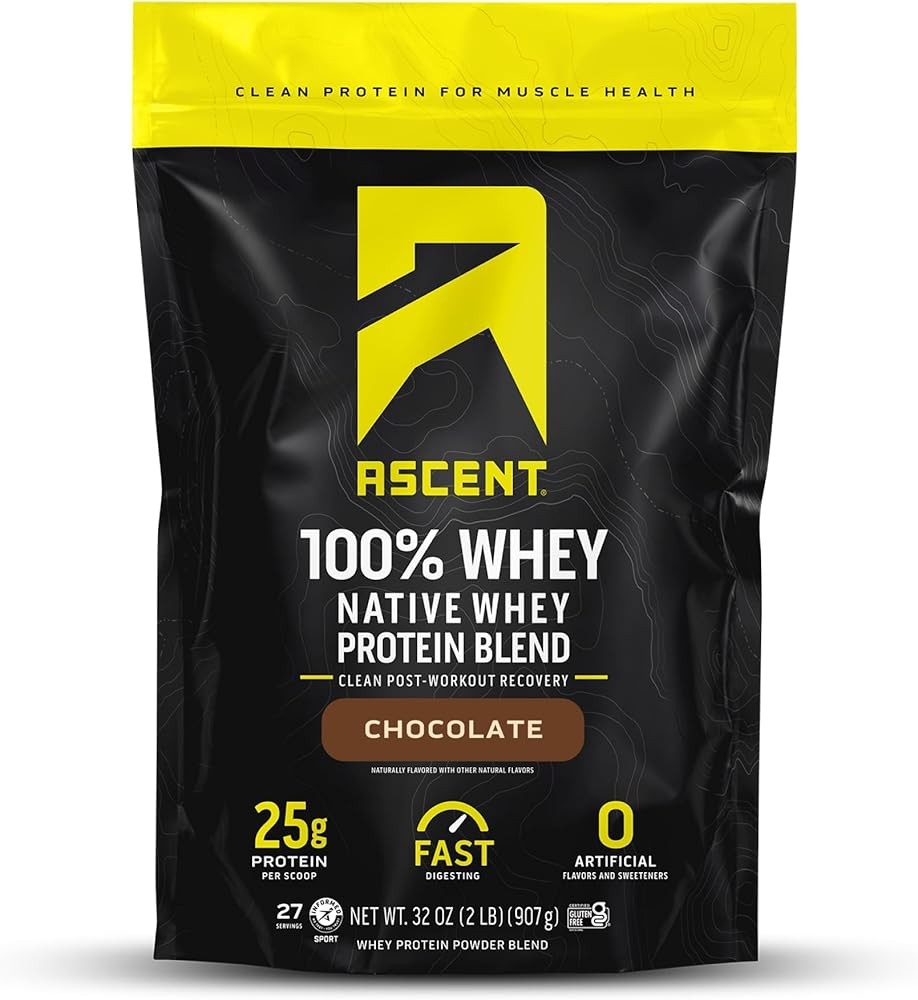
- Swap sugar-free protein powder for one sweetened with stevia or monk fruit
Week 3: Dose Reduction
- Begin reducing the amount of sweetener you use by 25-30%
- If you used 2 packets of stevia in coffee, try 1.5
- Start drinking plain water for at least half of your daily fluid intake
- Try eating fruit (berries, apple slices) when you crave something sweet
Week 4: Recalibration
- Continue the 25-30% reduction — you should now be at roughly 50% of your original sweetener volume
- Notice how foods taste different — naturally sweet foods should be more satisfying
- Assess your body signals: cravings, digestion, energy levels, blood sugar (if monitoring)
- Establish your sustainable long-term sweetener use pattern
Natural Sweetener Products Worth Trying
Related Articles
- Artificial Sweeteners and Cancer Risk: What Major Studies Found
- Elderberry vs Vitamin C For Immune Support: Which Is Better? [Complete Comparison Guide]
- Vitamin B12 vs B Complex: Which Is Better? [Complete Comparison Guide]
- Milk Thistle vs Nac For Liver Support: Which Is Better? [Complete Comparison Guide]
- 5-Htp vs L-Tryptophan For Mood: Which Is Better? [Complete Comparison Guide]
- Vitamin K1 vs Vitamin K2: Which Is Better? [Complete Comparison Guide]
- Iron Bisglycinate vs Ferrous Sulfate: Which Is Better? [Complete Comparison Guide]
For more context, see our guides on Elderberry vs Vitamin C For Immune Support: Which Is Better? [Complete Comparison Guide], Multivitamin vs Individual Supplements: Which Is Better?, and B12 vs B Complex: Which Should You Take?.
Related Reading
- Boron vs Calcium: Synergy for Stronger Bones
- Astaxanthin vs Lutein: Which is Better for Eye Health?
- L-Theanine vs Ashwagandha For Anxiety: Which Is Better? [Complete Comparison Guide]
- Elderberry vs Vitamin C For Immune Support: Which Is Better? [Complete Comparison Guide]
- Multivitamin vs Individual Supplements: Which Is Better?
- Vitamin B12 vs B Complex: Which Is Better? [Complete Comparison Guide]
- Milk Thistle vs Nac For Liver Support: Which Is Better? [Complete Comparison Guide]
References
Suez, J., Cohen, Y., Valdés-Mas, R., et al. (2022). Personalized microbiome-driven effects of non-nutritive sweeteners on human glucose tolerance. Cell, 185(18), 3307-3328.e19. PubMed: PMID 35987213 | DOI: 10.1016/j.cell.2022.07.016
Suez, J., Korem, T., Zeevi, D., et al. (2014). Artificial sweeteners induce glucose intolerance by altering the gut microbiota. Nature, 514(7521), 181-186. PubMed: PMID 25231862 | DOI: 10.1038/nature13793
Witkowski, M., Nemet, I., Alamri, H., et al. (2023). The artificial sweetener erythritol and cardiovascular event risk. Nature Medicine, 29, 710-718. PubMed: PMID 36849732 | DOI: 10.1038/s41591-023-02223-9
Witkowski, M., Wilcox, J., Province, V., et al. (2024). Erythritol consumption and cardiovascular risk. Arteriosclerosis, Thrombosis, and Vascular Biology, 44(8), e207-e219. Cleveland Clinic Newsroom
Rebholz, C.M., Yu, B., Engel, S.M., et al. (2025). Erythritol, erythronate, and cardiovascular outcomes in older adults in the ARIC study. JACC: Advances, 4(3), 101605. PubMed: PMID 39983608
Ferraris, C., Turner, A., Katsikari, A., et al. (2025). Sucralose consumption ablates cancer immunotherapy response through microbiome disruption. Cancer Discovery, 15(11), 2278-2295. PubMed: PMID 40742298 | DOI: 10.1158/2159-8290.CD-24-1486
Chan, P., Tomlinson, B., Chen, Y.J., et al. (2000). A double-blind placebo-controlled study of the effectiveness and tolerability of oral stevioside in human hypertension. Clinical Therapeutics, 22(7), 797-808. PubMed: PMID 10945507
Hossain, M.S., Arafat, Y., Akter, S., et al. (2024). Impact of allulose on blood glucose in type 2 diabetes: A meta-analysis of clinical trials. Diabetes & Metabolic Syndrome: Clinical Reviews, 18(11-12), 103153. PubMed: PMID 39583955
Hayashi, N., Iida, T., Yamada, T., et al. (2023). Allulose for the attenuation of postprandial blood glucose levels in healthy humans: A systematic review and meta-analysis. PLOS ONE, 18(4), e0281150. PubMed: PMID 37023000
Onakpoya, I.J. & Heneghan, C.J. (2015). Effect of the natural sweetener, steviol glycoside, on cardiovascular risk factors: A systematic review and meta-analysis of randomised clinical trials. European Journal of Preventive Cardiology, 22(12), 1575-1587. PubMed: PMID 25412840
Takasaki, M., Konoshima, T., Murata, Y., et al. (2003). Anticarcinogenic activity of natural sweeteners, cucurbitane glycosides, from Momordica grosvenorii. Cancer Letters, 198(1), 37-42. PubMed: PMID 12893428
Dhillon, J., Lee, J.Y., & Mattes, R.D. (2017). The cephalic phase insulin response to nutritive and low-calorie sweeteners in solid and beverage form. Physiology & Behavior, 181, 100-109. PubMed: PMID 28899680
Santos-Marcos, J.A., Rangel-Zuñiga, O.A., Jimenez-Lucena, R., et al. (2024). The metabolic and endocrine effects of a 12-week allulose-rich diet. Nutrients, 16(12), 1821. PubMed: PMID 38931176
Bian, X., Chi, L., Gao, B., et al. (2017). The artificial sweetener acesulfame potassium affects the gut microbiome and body weight gain in CD-1 mice. PLOS ONE, 12(6), e0178426. PMC: PMC5464538
WHO/IARC (2023). Aspartame hazard and risk assessment results released. [IARC Press Release](https://www.iarc.who.int/news-events
Baldassarre, M.E., Palladino, V., Amoruso, A., et al. (2025). Synthetic vs. non-synthetic sweeteners: Their differential effects on gut microbiome diversity and function. Frontiers in Microbiology, 16, 1531131. Frontiers
Fitch, C. & Keim, K.S. (2012). Position of the Academy of Nutrition and Dietetics: Use of nutritive and nonnutritive sweeteners. Journal of the Academy of Nutrition and Dietetics, 112(5), 739-758. DOI: 10.1016/j.jand.2012.03.009
Our Top Recommendations
As an Amazon Associate we earn from qualifying purchases.
As an Amazon Associate we earn from qualifying purchases.

As an Amazon Associate we earn from qualifying purchases.
📱 Join the discussion: Facebook | X | YouTube | Pinterest | Pinterest
Common Questions About Natural
What are the benefits of natural?
Natural has been studied for various potential health benefits. Research suggests it may support several aspects of health and wellness. Individual results can vary. The strength of evidence differs across different claimed benefits. More high-quality research is often needed. Always review the latest scientific literature and consult healthcare professionals about whether natural is right for your health goals.
Is natural safe?
Natural is generally considered safe for most people when used as directed. However, individual responses can vary. Some people may experience mild side effects. It’s important to talk with a healthcare provider before using natural, especially if you have existing health conditions, are pregnant or nursing, or take medications.
How much natural should I take?
The appropriate dosage of natural can vary based on individual factors, health goals, and the specific product formulation. Research studies have used different amounts. Always start with the lowest effective dose and follow product label instructions. Consult a healthcare provider for personalized dosage recommendations based on your specific needs.
What are the side effects of natural?
Most people tolerate natural well, but some may experience mild side effects. Common reported effects can include digestive discomfort, headaches, or other minor symptoms. Serious side effects are rare but possible. If you experience any unusual symptoms or reactions, discontinue use and consult a healthcare provider. Always inform your doctor about all supplements you take.
When should I take natural?
The optimal timing for taking natural can depend on several factors including its absorption characteristics, potential side effects, and your daily routine. Some supplements work best with food, while others are better absorbed on an empty stomach. Follow product-specific guidelines and consider consulting a healthcare provider for personalized timing recommendations.
Can I take natural with other supplements?
Natural is a topic of ongoing research in health and nutrition. Current scientific evidence provides some insights, though more studies are often needed. Individual responses can vary significantly. For personalized advice about whether and how to use natural, consult with a qualified healthcare provider who can consider your complete health history and current medications.
How long does natural take to work?
The time it takes for natural to work varies by individual and depends on factors like dosage, consistency of use, and individual metabolism. Some people notice effects within days, while others may need several weeks. Research studies typically evaluate effects over weeks to months. Consistent use as directed is important for best results. Keep a journal to track your response.
Who should not take natural?
Natural is a topic of ongoing research in health and nutrition. Current scientific evidence provides some insights, though more studies are often needed. Individual responses can vary significantly. For personalized advice about whether and how to use natural, consult with a qualified healthcare provider who can consider your complete health history and current medications.
Recommended Products