NMN vs NR for Anti-Aging: Which Is Better?
Summarized from peer-reviewed research indexed in PubMed. See citations below.
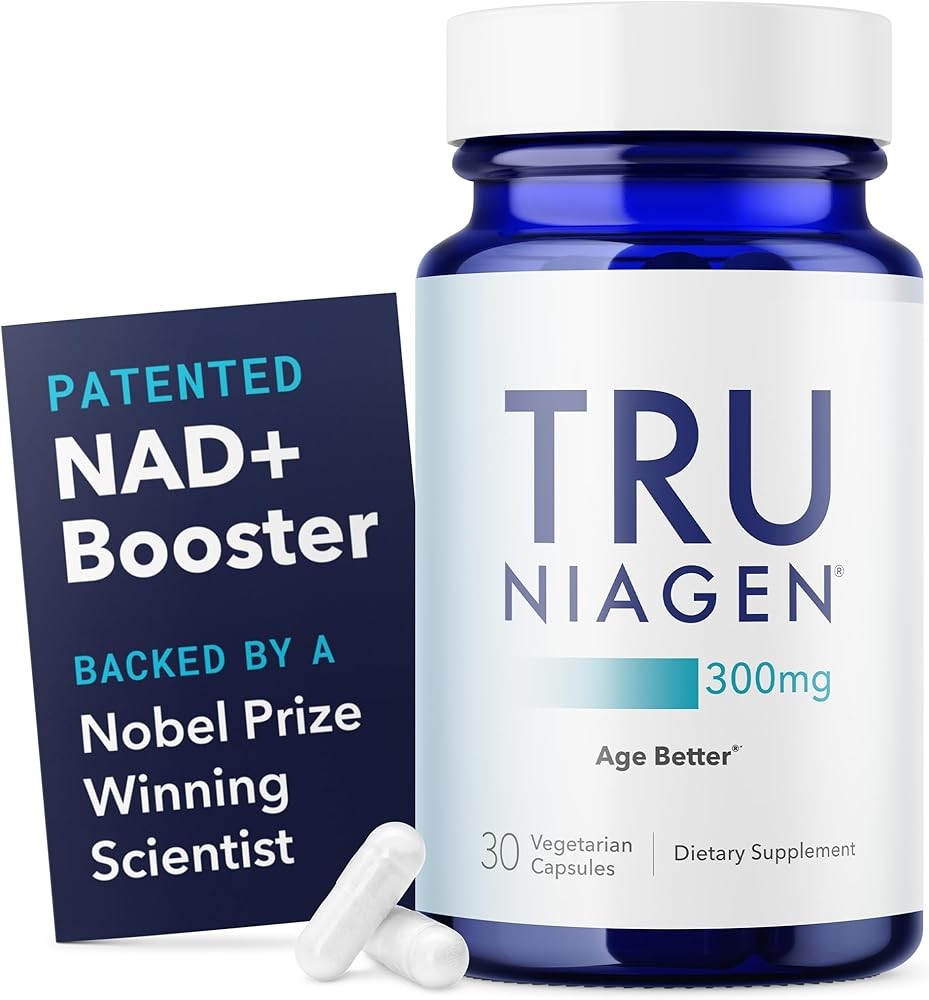
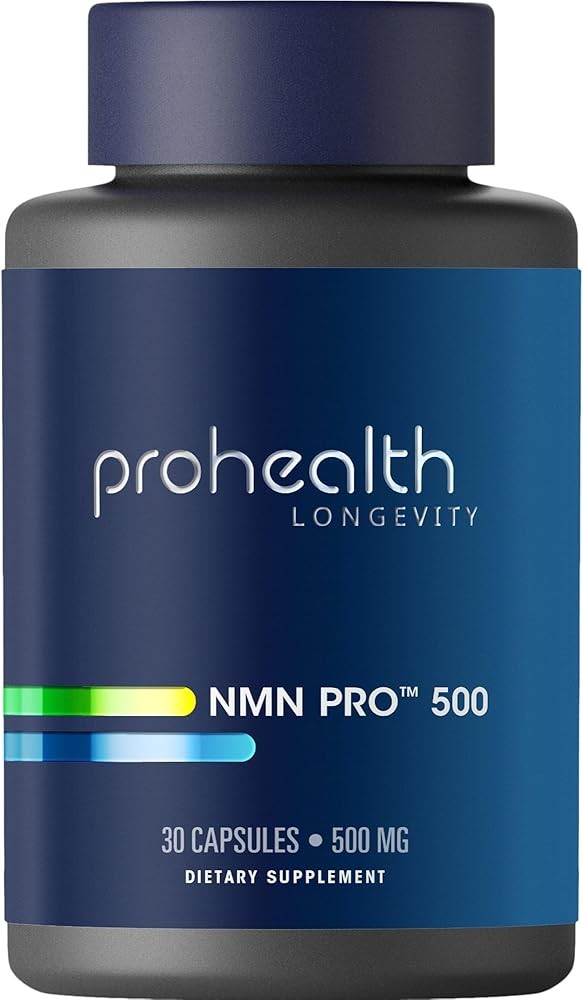
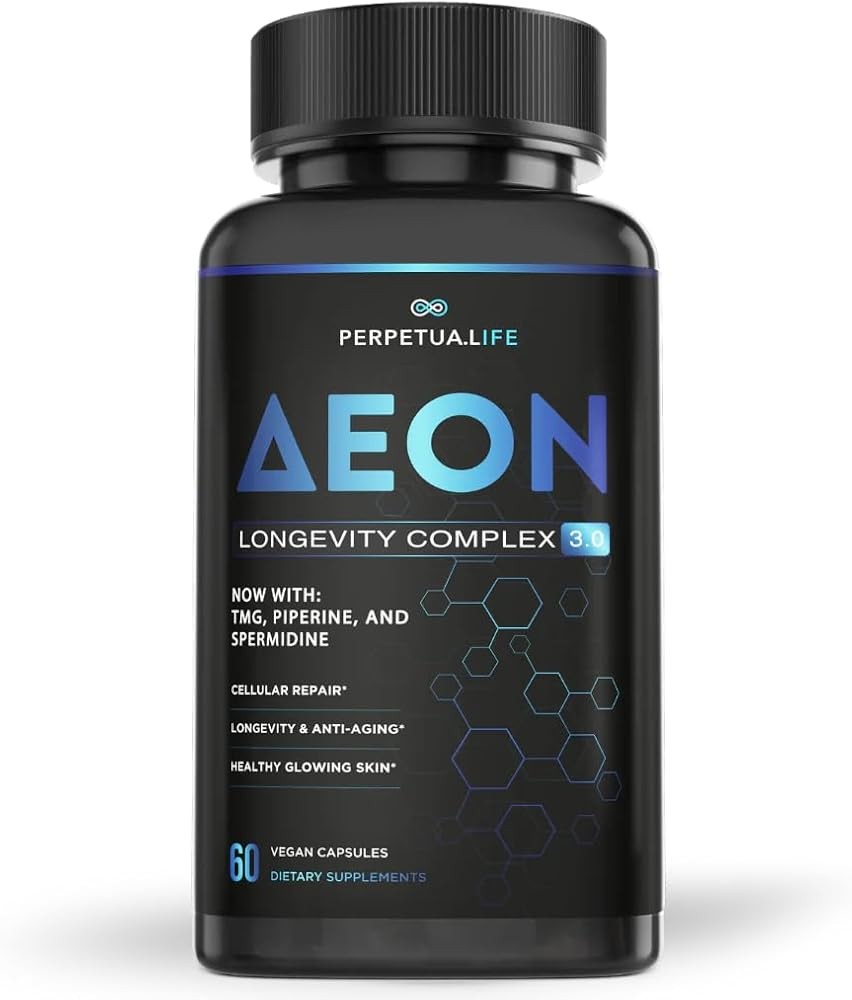
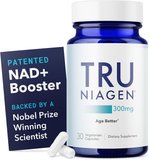
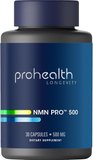
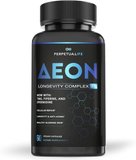
NAD+ levels decline by roughly 40-60% between young adulthood and age 60, contributing to mitochondrial dysfunction, DNA damage accumulation, and metabolic decline that accelerate aging. TRU NIAGEN delivers 300 mg of nicotinamide riboside per serving in a patented, GRAS-status form backed by more than 40 published clinical studies, at about $1.60 per day, making it the most clinically documented NAD+ precursor on the market. For a more economical option, ProHealth NMN Pro 500 provides 500 mg of clinically studied Uthever NMN per capsule at roughly $1.40 per day, and all-in-one formulas like the AEON Liposomal NAD+ Complex bundle NAD+ precursors with CD38 inhibitors, resveratrol, and TMG for readers who want the full longevity stack in one bottle. Here’s what the published research shows about NAD+ precursors and cellular anti-aging strategies.
Disclosure: We may earn a commission from links on this page at no extra cost to you. Affiliate relationships never influence our ratings. Full policy →
Why Is Everyone Talking About NMN vs NR for Anti-Aging?
If you have spent any time researching longevity supplements, you have almost certainly encountered the NMN versus NR debate. These two molecules — nicotinamide mononucleotide (NMN) and nicotinamide riboside (NR) — are the most popular NAD+ precursors on the market, and both promise to replenish a coenzyme that declines steadily as you age. That decline in NAD+ is now recognized as one of the central mechanisms of aging itself, linked to everything from mitochondrial dysfunction and DNA damage accumulation to metabolic slowdown and cognitive decline.
The problem is that choosing between NMN and NR is not straightforward. NMN has captured enormous public attention thanks to Harvard geneticist Dr. David Sinclair, whose personal supplementation protocol and animal research have made NMN a household name in the biohacking community. NR, on the other hand, has the backing of ChromaDex and its consumer brand Tru Niagen, with over 40 published clinical studies and a robust intellectual property portfolio of 90+ patents. Both raise NAD+ levels. Both have clinical trial data in humans. But the devil is in the details — and those details matter if you are spending your money on one of these supplements every month.
This guide breaks down everything you need to know: the science of NAD+ decline, how each molecule works, the Slc12a8 transporter controversy, what human clinical trials actually show, bioavailability differences, the FDA regulatory saga around NMN, dosing protocols, side effects, cost analysis, and which supplement makes the most sense for your situation. Every claim is backed by published research with real PubMed citations so you can verify the evidence yourself.
Bottom line: NMN and NR are both NAD+ precursors with 40+ clinical studies combined showing 40-90% increases in blood NAD+ levels, but neither has definitively proven superior for anti-aging in head-to-head human trials.
How Do NMN and NR Compare at a Glance?
| Feature | NMN | NR |
|---|---|---|
| Molecular weight | 334.22 g/mol | 255.25 g/mol |
| Steps to NAD+ | 1 step (via NMNAT) | 2 steps (via NRK, then NMNAT) |
| Cell entry | Debated (Slc12a8 and/or conversion to NR) | Well established (ENT transporters) |
| Typical daily dose | 250-1,000 mg | 300-1,000 mg |
| NAD+ increase | 40-90% at standard doses | 40-90% at standard doses |
| Published human trials | 15-20 completed | 40+ completed |
| Clinical evidence | Insulin sensitivity (prediabetic women); walking speed and sleep (older adults) | NAD+ increases in multiple populations; mild effects in early Parkinson’s |
| Regulatory status | Reinstated as a supplement ingredient (Sept 2025) | GRAS status since 2016 |
| Leading brands | ProHealth, Renue, DoNotAge | Tru Niagen (ChromaDex) |
| Stability | More stable in GI tract and blood | Less stable than NMN |
| Price range | $0.50-2.50/day | $1.30-1.70/day (Tru Niagen) |
| Side effects | Mild (occasional nausea, headache) | Mild (occasional nausea, headache) |
| Safety record | 1,250 mg/day studied for up to 4 weeks | Up to 2,000 mg/day studied for 8-12 weeks |
Bottom line: Both NMN and NR effectively raise NAD+ levels by 40-90%, but NR has more published clinical trials (40+ vs 15-20), stronger patent protection, and established regulatory status, while NMN is more affordable per dose and shows greater stability in the digestive system.
What Do Human Clinical Trials of NMN and NR Show?
NMN Clinical Trials in Humans
As of early 2024, there are approximately 15 to 20 completed human clinical trials evaluating NMN supplementation. The largest and most rigorous studies include:
1. Yoshino et al. (2021) — Insulin Sensitivity in Prediabetic Women
This double-blind, placebo-controlled trial published in Science enrolled 25 postmenopausal women with prediabetes (Yoshino et al., 2021; PMID: 33888596). Participants received 250 mg of NMN daily for 10 weeks.
Key findings:
- NMN supplementation increased muscle insulin sensitivity by approximately 25% compared to placebo, as measured by hyperinsulinemic-euglycemic clamp (the gold standard for insulin sensitivity assessment).
- Skeletal muscle biopsy analysis showed upregulation of genes involved in muscle remodeling and growth.
- No significant changes in body weight, liver fat, or blood pressure.
This trial is considered one of the highest-quality NMN studies to date because of its rigorous design and direct measurement of a clinically meaningful metabolic outcome.
2. Morifuji et al. (2024) — Walking Speed and Sleep Quality
This randomized, placebo-controlled trial published in GeroScience enrolled 108 adults aged 65 and older (Morifuji et al., 2024; PMC: 11336149). Participants received either placebo or NMN at doses ranging from 250 mg to 500 mg daily for 12 weeks.
Key findings:
- Participants receiving NMN showed improved walking speed and better sleep quality compared to placebo.
- Blood NAD+ levels increased in a dose-dependent manner, with the 500 mg group showing the largest gains.
- No serious adverse events were reported.
3. Huang et al. (2022) — Safety and NAD+ Elevation
This multicenter, dose-response trial in healthy middle-aged adults tested NMN doses ranging from 300 mg to 1,200 mg per day for 60 days (Huang et al., 2022; PMID: 36482258).
Key findings:
- All doses were well-tolerated with no serious adverse events.
- Blood NAD+ levels increased significantly at all doses, with peak increases occurring at 600 mg/day.
- No changes in standard clinical biomarkers of liver, kidney, or cardiovascular function.
NR Clinical Trials in Humans
NR has a much larger body of published human data, with over 40 completed clinical trials. The most notable studies include:
1. Martens et al. (2018) — NAD+ Elevation in Healthy Adults
This was the first rigorous human trial to demonstrate that oral NR supplementation sustainably elevates NAD+ levels (Martens et al., 2018; PMID: 29599478). The study enrolled 140 healthy adults aged 55 to 79 who received either placebo, 250 mg NR, or 500 mg NR twice daily (total daily dose: 500 mg or 1,000 mg) for 6 weeks.
Key findings:
- NR supplementation increased blood NAD+ levels by approximately 40% at 500 mg/day and 90% at 1,000 mg/day.
- NR was well-tolerated with no serious adverse events.
- No changes in blood pressure, body weight, or glucose metabolism were observed.
2. Dellinger et al. (2017) — NRPT Combination Formula
This trial tested a combination product called NRPT (nicotinamide riboside + pterostilbene, a methylated resveratrol analog) in 120 healthy adults aged 60 to 80 (Dellinger et al., 2017; PMID: 29184669). Participants received either placebo, 250 mg NRPT, or 500 mg NRPT twice daily for 8 weeks.
Key findings:
- NAD+ levels increased by 40% at 500 mg/day and 90% at 1,000 mg/day.
- Significant reductions in circulating inflammatory markers, including C-reactive protein (CRP) and IL-6.
- Improved cholesterol profiles in some participants.
3. Brakedal et al. (2022) — Parkinson’s Disease
This landmark trial enrolled 30 patients with newly diagnosed Parkinson’s disease and randomized them to receive either placebo or 1,000 mg of NR per day for 30 days, followed by an open-label extension (Brakedal et al., 2022; PMID: 35235774).
Key findings:
- Brain NAD+ levels increased by approximately 10% as measured by MRI spectroscopy.
- NR was safe and well-tolerated in this patient population.
- Modest improvements in some motor and non-motor symptoms were observed, though the trial was not powered to detect clinically meaningful efficacy.
Direct Comparison: NMN vs NR Trial Data
| Parameter | NMN Trials | NR Trials |
|---|---|---|
| Number of Published Trials | 15-20 | 40+ |
| Largest Trial Size | ~100 participants | ~140 participants |
| Dose Range Tested | 250-1,250 mg/day | 300-2,000 mg/day |
| NAD+ Increase | 40-90% at 250-500 mg | 40-90% at 500-1,000 mg |
| Metabolic Outcomes | Improved insulin sensitivity (prediabetic women) | Mixed results; some trials show lipid improvements |
| Functional Outcomes | Improved walking speed, sleep quality (older adults) | Modest improvements in Parkinson’s patients |
| Safety | Well-tolerated up to 1,250 mg/day for 4 weeks | Well-tolerated up to 2,000 mg/day for 12 weeks |
| Head-to-Head Trials | None | None |
Bottom line: NR has more published human trials (40+ vs 15-20 for NMN) and a longer safety track record, but NMN has shown measurable improvements in insulin sensitivity and physical function; both raise blood NAD+ levels by 40-90% at standard doses, and neither has been tested head-to-head in humans.
How Does Bioavailability Differ Between NMN and NR?
The bioavailability question is not as simple as “which molecule is absorbed better.” Both NMN and NR are absorbed orally and both raise blood NAD+ levels. The real question is: which pathway is more efficient in vivo?
NMN Bioavailability
NMN has a molecular weight of 334.22 g/mol, making it larger than NR (255.25 g/mol). This size difference matters because larger molecules generally have more difficulty crossing cell membranes.
A 2016 study in mice by Mills et al. published in Cell Metabolism found that long-term oral NMN administration mitigated age-associated physiological decline and boosted NAD+ across multiple tissues (PubMed: 28068222). The researchers detected intact NMN in the blood, suggesting that at least some NMN survives the digestive process without being immediately degraded.
However, whether that circulating NMN enters cells directly (via Slc12a8 or other transporters) or must first be converted to NR extracellularly remains unresolved.
Stability advantage: NMN appears to be more stable in the acidic environment of the stomach and in circulating blood compared to NR. This may give NMN a practical bioavailability advantage even if the cellular uptake mechanism is debated.
NR Bioavailability
NR has a well-established absorption pathway via equilibrative nucleoside transporters (ENTs). These transporters are ubiquitously expressed on cell membranes and facilitate the passive diffusion of nucleosides across the lipid bilayer.
A 2016 pharmacokinetic study by Trammell et al. in Nature Communications showed that oral NR is bioavailable in both mice and humans, raising blood NAD+ levels measurably within hours of dosing (PubMed: 27721479).
NR is rapidly metabolized in the liver and other tissues. Once inside cells, NR is phosphorylated by NRK enzymes to form NMN, which is then converted to NAD+.
Degradation concern: NR may be partially degraded in the gut and bloodstream by enzymes like purine nucleoside phosphorylase (PNP), which can cleave NR into nicotinamide and ribose. This could reduce the effective dose that reaches target tissues.
Sublingual and Liposomal Formulations
To bypass first-pass metabolism and improve bioavailability, some NMN and NR products are marketed in sublingual or liposomal formulations.
- Sublingual NMN/NR: Designed to be absorbed directly through the mucous membranes under the tongue, entering the bloodstream without passing through the stomach. However, there is limited clinical data proving that sublingual NAD+ precursors are more effective than standard oral capsules.
- Liposomal NMN/NR: Encapsulates the NAD+ precursor in phospholipid vesicles to protect it from degradation and enhance cellular uptake. Some studies suggest liposomal delivery can improve bioavailability of certain nutrients, but rigorous human trials comparing liposomal vs. standard NMN or NR are lacking.
Bottom line: NMN may have superior stability in the digestive tract and bloodstream compared to NR, but NR’s absorption via established nucleoside transporters is better characterized; both achieve similar 40-90% increases in blood NAD+ at standard doses, and evidence for sublingual or liposomal superiority remains limited.
What Is the FDA Regulatory Status of NMN and NR?
The NMN Regulatory Saga
In November 2022, the FDA sent warning letters to several NMN supplement companies, stating that NMN did not qualify as a dietary supplement under the Dietary Supplement Health and Education Act (DSHEA) because it was being investigated as a new drug by Metro International Biotech prior to its marketing as a supplement.
This was a seismic event in the longevity supplement world. Overnight, major retailers like Amazon pulled NMN products from their shelves. The NMN industry faced an existential regulatory threat.
Following legal challenges from supplement manufacturers, in September 2025 the FDA announced it would exercise enforcement discretion, allowing NMN to remain on the market as a dietary supplement ingredient. NMN products marketed before the enforcement discretion announcement can continue to be sold; new products are expected to follow the New Dietary Ingredient (NDI) notification process.
As of late 2025, NMN is again legally available as a dietary supplement in the United States, though the regulatory landscape remains more complex than for NR.
NR Regulatory Status
NR has had a much smoother regulatory path. ChromaDex’s Niagen (nicotinamide riboside chloride) received GRAS (Generally Recognized as Safe) status from the FDA in 2016 for use in certain food and beverage categories (GRAS Notice No. GRN 000635).
GRAS status is a significant regulatory achievement. It means that a panel of qualified experts has reviewed the available safety data and concluded that NR is safe for use as a food ingredient under the intended conditions of use. GRAS status also opens the door for NR to be added to functional foods and beverages, not just supplements.
NR has also been approved as a dietary supplement ingredient in the European Union, Canada, and Australia. This global regulatory acceptance gives NR a competitive edge over NMN in terms of market access and consumer trust.
Bottom line: NMN was briefly removed from the supplement market in late 2022 but, after legal challenges, was allowed back on the market in September 2025 under FDA enforcement discretion; NR holds GRAS status and established dietary ingredient recognition, giving it stronger regulatory standing and broader market access globally.
What Are the Side Effects and Safety Concerns With NMN and NR?
Common Side Effects
Both NMN and NR are generally well-tolerated in clinical trials. The most commonly reported side effects are mild and transient:
- Nausea: More common at higher doses (>1,000 mg/day) or when taken on an empty stomach.
- Digestive discomfort: Some users report bloating, gas, or loose stools, particularly during the first few days of supplementation.
- Headache: Occasionally reported, though it is unclear whether this is causally related to NAD+ precursor supplementation or is coincidental.
- Flushing: A few users report mild facial flushing, possibly related to increased blood flow or histamine release.
In the Martens et al. (2018) NR trial, adverse event rates were similar between the NR and placebo groups, suggesting that most reported side effects may not be directly caused by the supplement (PMID: 29599478).
Long-Term Safety Data
The long-term safety of NMN and NR supplementation (beyond one year) has not been rigorously studied in humans. Most clinical trials have lasted between 4 and 12 weeks.
Theoretical concerns:
- Cancer risk: NAD+ is required for cellular proliferation. Some researchers have raised concerns that boosting NAD+ levels could theoretically accelerate the growth of existing tumors. However, there is no evidence from animal or human studies that NMN or NR supplementation increases cancer risk. In fact, some studies suggest that NAD+ boosting may have anti-cancer effects by enhancing DNA repair and reducing oxidative stress.
- Methylation depletion: The body clears excess nicotinamide (a byproduct of NAD+ metabolism) by methylating it, a process that consumes methyl groups from S-adenosylmethionine (SAMe). High-dose NAD+ precursors could theoretically deplete methyl donor reserves. For this reason, some longevity protocols include trimethylglycine (TMG, also called betaine) as a methyl donor to offset this potential effect.
Who Should Avoid NMN or NR?
- Individuals with active cancer: Until more data is available, people with active cancer should exercise caution with NAD+ precursor supplementation.
- Pregnant or nursing women: There is no safety data for NMN or NR use during pregnancy or lactation.
- People taking immunosuppressive drugs or chemotherapy: NAD+ precursors may interact with these medications.
Bottom line: Both NMN and NR are well-tolerated at doses up to 1,000-2,000 mg/day for up to 12 weeks, with mild and infrequent side effects including nausea, digestive discomfort, and headache; long-term safety beyond one year has not been rigorously studied, and individuals with cancer, pregnancy, or immunosuppressive therapy should consult healthcare providers before use.
How Do NMN and NR Compare on Cost?
NMN Pricing
NMN supplement prices vary widely depending on brand, purity, and form (powder vs. capsule):
- Budget NMN powder: $0.30 to 0.50 per 250 mg dose
- Mid-range NMN capsules: $0.60 to 1.00 per 250 mg dose
- Premium NMN (sublingual, liposomal): $1.50 to 2.50 per 250 mg dose
Popular NMN brands include:
- ProHealth Longevity NMN Pro (500 mg capsules)
- Renue by Science NMN (powder and sublingual)
- DoNotAge.org NMN (bulk powder)
Cost for a 250 mg daily dose:
- Budget: ~$0.40/day
- Premium: ~$2.00/day
NR Pricing
NR is dominated by ChromaDex’s Tru Niagen brand, though a few competitors offer generic NR:
- Tru Niagen (300 mg capsules): $1.30 to 1.70 per 300 mg dose (depending on subscription discounts)
- Generic NR: $0.80 to 1.20 per 300 mg dose
Cost for a 300 mg daily dose:
- Tru Niagen: ~$1.50/day
- Generic NR: ~$1.00/day
Cost-Effectiveness Analysis
On a per-milligram basis, NMN is generally cheaper than NR, especially if you buy powder in bulk. However, Tru Niagen’s GRAS status, pharmaceutical-grade manufacturing, and extensive clinical trial backing may justify the higher cost for some users.
If cost is your primary concern and you are comfortable with less-established brands, NMN powder is the most economical option. If you prioritize regulatory assurance and clinical validation, Tru Niagen is worth the premium.
Bottom line: NMN is generally more cost-effective at $0.40-2.00 per day for 250 mg compared to NR at $1.00-1.70 per day for 300 mg, but Tru Niagen’s GRAS status, pharmaceutical-grade manufacturing, and 40+ clinical trials may justify its premium for users prioritizing regulatory assurance and quality control.
Which Should You Choose: NMN or NR?
Choose NMN If:
- You prioritize cost-effectiveness and want to minimize daily supplementation expense.
- You are comfortable with a New Dietary Ingredient that has a shorter regulatory track record than NR.
- You are drawn to the Slc12a8 transporter hypothesis and want to take a precursor that may enter cells directly.
- You want to follow the protocol used by Dr. David Sinclair and other longevity researchers.
- You prefer powder or sublingual formulations for faster absorption.
Choose NR If:
- You prioritize regulatory assurance and want a supplement with GRAS status and global regulatory approval.
- You want a precursor backed by 40+ published human clinical trials and a well-documented safety profile.
- You prefer a branded product (Tru Niagen) with pharmaceutical-grade manufacturing and third-party testing.
- You are willing to pay a modest premium for quality assurance and intellectual property protection.
- You want a supplement with proven bioavailability via established nucleoside transporters.
Consider Stacking Both If:
Some longevity enthusiasts take both NMN and NR together, reasoning that:
- They may enter cells via different pathways (Slc12a8 for NMN vs. ENTs for NR).
- Redundancy may provide insurance against individual variability in transporter expression or enzyme activity.
- The cost of adding a low dose of one to the other is relatively modest.
However, there is no published clinical trial testing the combination, so this approach is speculative.
Add CD38 Inhibitors
Whether you choose NMN or NR, consider adding quercetin (500 mg/day) or apigenin (50 mg/day) as natural CD38 inhibitors. This may help preserve NAD+ levels by reducing its degradation. A 2013 study by Escande et al. showed that apigenin inhibits CD38 and increases intracellular NAD+ levels (PMID: 23172919).
Add a Methyl Donor
To offset potential methylation depletion from high-dose NAD+ precursor supplementation, consider adding trimethylglycine (TMG) at 500 to 1,000 mg/day. This will help replenish methyl groups consumed during nicotinamide clearance.
A Simple Starting Protocol
If you are new to NAD+ precursors, a conservative ramp avoids most side effects and makes it easy to identify what is working:
- Weeks 1-2: 300 mg of NR (one Tru Niagen capsule) or 250 mg of NMN, taken in the morning with food. Morning dosing fits the natural circadian rhythm of NAD+ synthesis, and food reduces the nausea some people get on an empty stomach.
- Weeks 3-4: If tolerated, increase NMN to 500 mg daily or NR to 600 mg (two capsules) if you want a higher target. Splitting the dose morning and afternoon is gentler than one large bolus.
- Weeks 4-8: Optionally add a CD38 inhibitor such as quercetin (500 mg/day) or apigenin (50 mg/day), and TMG (500-1,000 mg/day) if you are taking higher doses.
- Week 12: Assess. Blood NAD+ can be measured by several commercial labs, and functional markers (sleep, energy, training recovery) are worth tracking in a simple journal. If nothing has changed by three months at a consistent dose, there is little reason to expect a different result from more of the same.
This protocol mirrors the doses and durations used in the human trials cited throughout this guide, which is the safest template available.
Bottom line: Choose NMN for cost-effectiveness and alignment with emerging research on direct cellular transport; choose NR for established regulatory status, pharmaceutical-grade manufacturing, and 40+ clinical trials; consider stacking both with CD38 inhibitors (quercetin or apigenin) and methyl donors (TMG) for a comprehensive NAD+ optimization protocol.
How Long Before NMN or NR Starts Working?
The honest answer has two parts: blood NAD+ rises fast, but whole-body effects build over weeks.
NAD+ levels respond within hours to days. In pharmacokinetic research, a single oral dose of NR raises blood NAD+ measurably within hours (PubMed: 27721479), and daily dosing sustains the elevation. The same is true for NMN, where dose-ranging trials show clear, dose-dependent NAD+ increases within days to weeks (PubMed: 36482258).
Clinical outcomes are measured in weeks to months. The trials that reported meaningful effects ran for defined periods: Martens et al. measured NAD+ after 6 weeks of NR (PubMed: 29599478), Yoshino et al. found improved muscle insulin sensitivity after 10 weeks of NMN (PubMed: 33888596), and Morifuji et al. saw walking speed and sleep benefits after 12 weeks of NMN (PMC11336149). NRPT (NR plus pterostilbene) showed NAD+ and inflammatory-marker changes at 8 weeks (PubMed: 29184669).
One more nuance: blood NAD+ is not the same as tissue NAD+. NR trials that biopsied muscle found meaningful rises in skeletal muscle NAD+ metabolites alongside the blood changes (PubMed: 31412242), which is reassuring, but whole-blood readings still only approximate what is happening in specific organs.
What this means in practice: if you supplement, give the compound 8-12 weeks at a consistent daily dose before judging it, and remember that blood NAD+ levels are a biomarker, not proof that a specific health outcome is changing. If you are supplementing for a measurable goal (blood NAD+, sleep, metabolic markers), retesting at the 3-month mark is the earliest point at which a verdict is meaningful.
What About Niacin, Nicotinamide, and Lifestyle NAD+ Boosters?
NMN and NR are not the only ways to raise NAD+, and for some people they are not even the best first step.
Niacin (vitamin B3). At doses around 500-1,000 mg, immediate-release niacin raises NAD+ substantially, in some studies by 30-50%, because it feeds the same salvage pathway. The trade-off is the classic niacin flush (red, warm skin from prostaglandin release), which is harmless but unpleasant, and higher doses require liver enzyme monitoring. Niacin is inexpensive and well studied, but its side-effect profile is why most longevity users prefer NMN or NR.
Nicotinamide (NAM). The amide form of B3 also raises NAD+, but at high doses it can inhibit the sirtuin enzymes that NAD+ is supposed to activate, which is why most researchers favor precursors that bypass this effect. It is cheap and widely available, but the sirtuin-inhibition concern makes it a less popular longevity choice.
Lifestyle inputs matter more than any pill. Exercise increases NAD+ synthesis and mitochondrial turnover, resistance training raises muscle NAD+ capacity, and adequate sleep and calorie control reduce NAD+ consumption through lower inflammatory and DNA-repair demand. Supplements work best on top of these levers, not instead of them.
Key takeaway: NMN and NR are the most targeted oral precursors, but niacin is the budget option if you tolerate the flush, and exercise and sleep are the unglamorous NAD+ boosters that every clinical protocol assumes you are already doing.
When Should You Stop or See a Doctor?
Most people tolerate NMN and NR well, but stop and check with a clinician if you experience:
- Persistent nausea, vomiting, or diarrhea that does not settle within the first two weeks or after lowering the dose
- Facial flushing with headache at higher doses, which can resemble a niacin reaction and may need dose adjustment
- Unexplained fatigue, muscle aches, or dark urine, which are nonspecific but worth ruling out
- Changes in blood sugar control if you take medication for diabetes, since NAD+ precursors can affect glucose metabolism and may require dose adjustment of your medication
People who should not start NMN or NR without medical clearance include anyone with active cancer (NAD+ fuels cellular proliferation), women who are pregnant or nursing (no safety data), and anyone on immunosuppressive therapy. Long-term safety beyond one year has not been established in humans, so it is reasonable to review your regimen with a clinician annually and to pause supplementation before any major surgery until your care team signs off.
What you need to know: Start at a low dose (250-300 mg), take it daily for at least 8-12 weeks before judging it, and get medical clearance if you have cancer, are pregnant, take glucose-lowering medication, or develop persistent side effects.
What Goes Into a Complete NAD+ Support System?
For readers who want a comprehensive approach to NAD+ optimization, here is a stack that combines multiple strategies:
- NAD+ precursor: NMN (250-500 mg/day) or NR (300-500 mg/day)
- CD38 inhibitor: Quercetin (500 mg/day) or apigenin (50 mg/day)
- Methyl donor: Trimethylglycine/TMG (500-1,000 mg/day)
- Sirtuin activator: Trans-resveratrol (250-500 mg/day)
- Mitochondrial support: Coenzyme Q10 (ubiquinol form, 100-200 mg/day)
This protocol addresses NAD+ production, NAD+ preservation, methylation support, sirtuin activation, and mitochondrial function simultaneously.
For product recommendations in each category, see our related guides on resveratrol supplementation, CoQ10 forms, and methylation support.
Related Reading
- NMN vs NR for Anti-Aging: Which NAD+ Booster Is Better According to Research
- NAD+ Precursors: NMN, NR, and Niacin for Longevity
- Best NAD+ Supplements: NMN, NR, and Other NAD+ Boosters Reviewed
- Resveratrol vs Quercetin for Antioxidant Support
- CoQ10: Ubiquinol vs Ubiquinone
- TMG (Betaine) for Methylation and Liver Health
References
- Imai SI, Guarente L. (2014). NAD+ and sirtuins in aging and disease. Trends Cell Biol, 24(8):464-71. PubMed: 24786309
- Zhu XH, et al. (2015). In vivo NAD assay reveals the intracellular NAD contents and redox state in healthy human brain and their age dependences. Proc Natl Acad Sci USA, 112(9):2876-81. PubMed: 25730862
- Camacho-Pereira J, et al. (2016). CD38 dictates age-related NAD decline and mitochondrial dysfunction through an SIRT3-dependent mechanism. Cell Metab, 23(6):1127-39. PubMed: 27304511
- Escande C, et al. (2013). Flavonoid apigenin is an inhibitor of the NAD+ase CD38: implications for cellular NAD+ metabolism, protein acetylation, and treatment of metabolic syndrome. Diabetes, 62(4):1084-93. PubMed: 23172919
- Grozio A, et al. (2019). Slc12a8 is a nicotinamide mononucleotide transporter. Nat Metab, 1(1):47-57. PubMed: 31131364
- Schmidt MS, Brenner C. (2019). Absence of evidence that Slc12a8 encodes a nicotinamide mononucleotide transporter. Nat Metab, 1(7):660-1. PubMed: 32694648
- Yoshino M, et al. (2021). Nicotinamide mononucleotide increases muscle insulin sensitivity in prediabetic women. Science, 372(6547):1224-9. PubMed: 33888596
- Song Q, et al. (2023). The safety and antiaging effects of nicotinamide mononucleotide in human clinical trials: an update. Adv Nutr, 14(6):1416-35. PubMed: 37619764
- Morifuji M, et al. (2024). Ingestion of beta-nicotinamide mononucleotide increased blood NAD levels, maintained walking speed, and improved sleep quality in older adults in a double-blind randomized, placebo-controlled study. GeroScience. PMC11336149
- Huang P, et al. (2022). The efficacy and safety of beta-nicotinamide mononucleotide (NMN) supplementation in healthy middle-aged adults: a randomized, multicenter, double-blind, placebo-controlled, parallel-group, dose-dependent clinical trial. GeroScience, 45(1):29-43. PubMed: 36482258
- Martens CR, et al. (2018). Chronic nicotinamide riboside supplementation is well-tolerated and elevates NAD+ in healthy middle-aged and older adults. Nat Commun, 9(1):1286. PubMed: 29599478
- Dellinger RW, et al. (2017). Repeat dose NRPT (nicotinamide riboside and pterostilbene) increases NAD+ levels in humans safely and sustainably: a randomized, double-blind, placebo-controlled study. NPJ Aging Mech Dis, 3:17. PubMed: 29184669
- Dollerup OL, et al. (2018). A randomized placebo-controlled clinical trial of nicotinamide riboside in obese men: safety, insulin-sensitivity, and lipid-mobilizing effects. Am J Clin Nutr, 108(2):343-53. PubMed: 29992272
- Brakedal B, et al. (2022). The NADPARK study: a randomized phase I trial of nicotinamide riboside supplementation in Parkinson’s disease. Cell Metab, 34(3):396-407. PubMed: 35235774
- Elhassan YS, et al. (2019). Nicotinamide riboside augments the aged human skeletal muscle NAD+ metabolome and induces transcriptomic and anti-inflammatory signatures. Cell Rep, 28(7):1717-28. PubMed: 31412242
- Gomes AP, et al. (2013). Declining NAD+ induces a pseudohypoxic state disrupting nuclear-mitochondrial communication during aging. Cell, 155(7):1624-38. PubMed: 24360282
- Bieganowski P, Brenner C. (2004). Discoveries of nicotinamide riboside as a nutrient and conserved NRK genes establish a Preiss-Handler independent route to NAD+ in fungi and humans. Cell, 117(4):495-502. PubMed: 15137942
- Remie CME, et al. (2020). Nicotinamide riboside supplementation alters body composition and skeletal muscle acetylcarnitine concentrations in healthy obese humans. Am J Clin Nutr, 112(2):413-26. PubMed: 32320006
Recommended Products