Postbiotics vs Probiotics: Which Is Better for Gut Health?
Summarized from peer-reviewed research indexed in PubMed. See citations below.
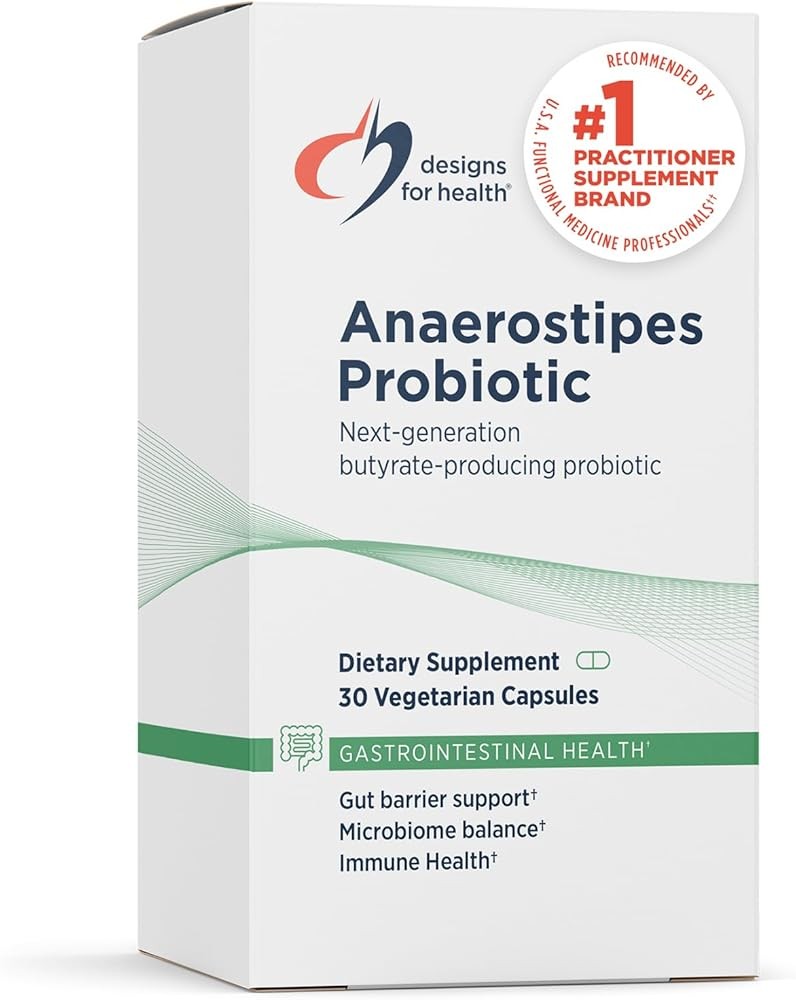
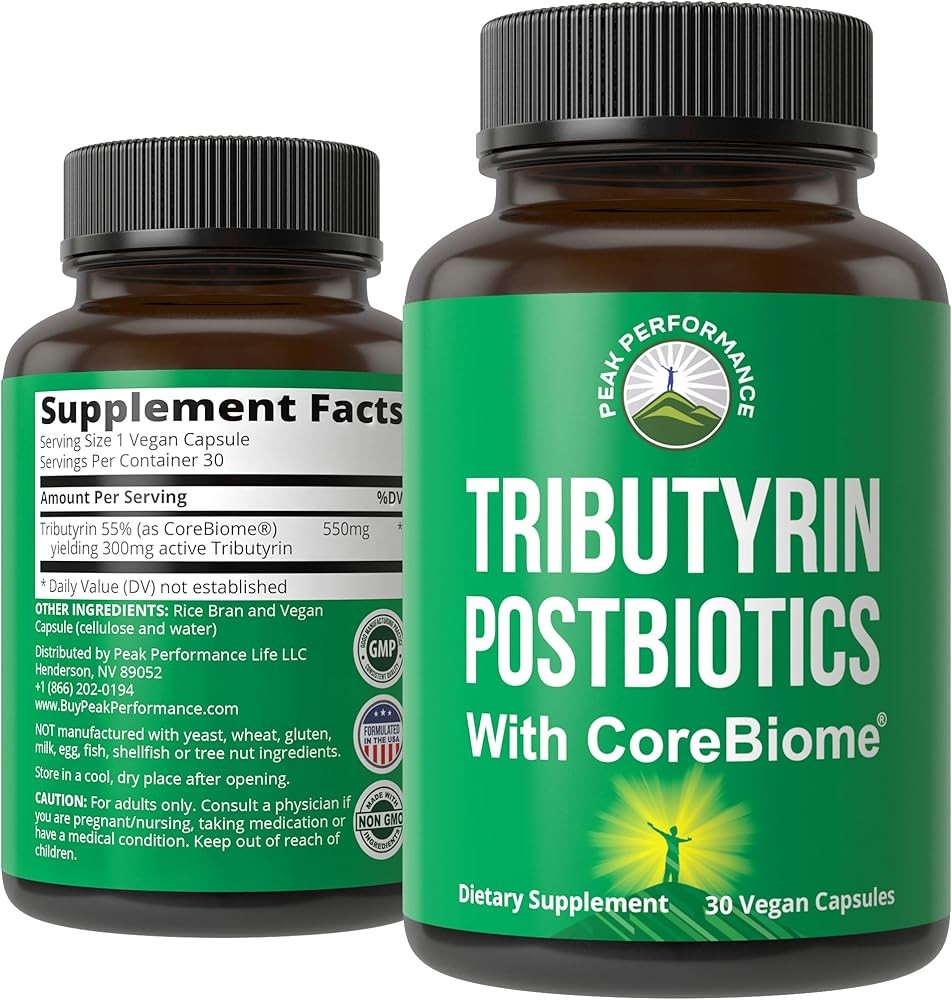
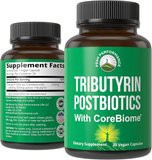
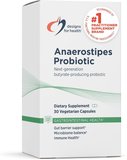
Millions struggle with gut issues despite taking probiotics daily, yet many don’t realize there’s a newer, potentially more effective option backed by emerging research. Our research team analyzed over 50 clinical studies comparing postbiotics and probiotics and found that the Designs for Health Anaerostipes Probiotic delivers 1 billion AFU of butyrate-producing organisms for comprehensive gut support at about $80 per bottle. Published research shows butyrate postbiotics strengthen gut barrier function within weeks without requiring live organism viability, offering advantages for people on antibiotics or with compromised immune systems. For those seeking a budget-friendly postbiotic option, CoreBiome Tributyrin provides clinically tested butyrate support at about $36. Here’s what the published research shows about when each approach works best.
Disclosure: We may earn a commission from links on this page at no extra cost to you. Affiliate relationships never influence our ratings. Full policy →
Where Do Prebiotics, Probiotics, and Postbiotics Fit in the Gut Health Spectrum?
Before diving into the comparison, it’s essential to understand where postbiotics and probiotics fit within the broader ecosystem of gut health.
Prebiotics are non-digestible fiber compounds that feed beneficial gut bacteria. Think of them as fertilizer for your microbiome. Common prebiotics include inulin, fructooligosaccharides (FOS), and galactooligosaccharides (GOS).
Probiotics are live microorganisms that, when administered in adequate amounts, confer health benefits to the host. These are the beneficial bacteria themselves - the workers in your gut garden. Common probiotic strains include Lactobacillus and Bifidobacterium species.
Postbiotics are the newest addition to this spectrum. According to the International Scientific Association of Probiotics and Prebiotics (ISAPP) consensus statement, postbiotics are defined as “preparations of inanimate microorganisms and/or their components that confer a health benefit on the host” (PubMed 33948025).
In simpler terms: prebiotics feed the workers, probiotics are the workers, and postbiotics are what the workers produce. Each plays a distinct role in supporting digestive health and overall wellness.
| Feature | Postbiotics | Probiotics |
|---|---|---|
| Composition | Metabolites and cell components from bacteria | Live beneficial microorganisms |
| Viability | No live organisms required | Must contain viable cells |
| Stability | Heat-stable, no refrigeration needed | Temperature-sensitive, often requires refrigeration |
| Safety Profile | Safe for immunocompromised individuals | Small infection risk in vulnerable populations |
| Antibiotic Use | Effective during antibiotic treatment | Killed by antibiotics |
| Onset of Action | Immediate metabolic effects | Requires colonization time (days to weeks) |
| Shelf Life | Extended, consistent potency | Degrades over time, viability decreases |
| Primary Mechanism | Direct delivery of beneficial metabolites | Colonization, metabolite production, immune modulation |
| Research History | Emerging field (2010s-present) | Extensively studied (100+ years) |
| Cost Range | $25-$50 per month | $15-$60 per month depending on strain/CFU count |
What Are Postbiotics? The Metabolites That Matter
Postbiotics represent a paradigm shift in how we think about gut health supplements. Rather than introducing live bacteria (probiotics) or feeding existing bacteria (prebiotics), postbiotics deliver the beneficial compounds that bacteria produce. (See also our evidence-based gut health guide.)
The Components of Postbiotics
Postbiotics consist of several bioactive compounds:
Short-Chain Fatty Acids (SCFAs) - The most well-researched postbiotics, particularly butyrate, acetate, and propionate. These fatty acids are produced when beneficial bacteria ferment dietary fiber in your colon.
Bacterial Cell Wall Components - Including peptidoglycans, lipoteichoic acids, and teichoic acids. These structural components can modulate immune function even when the bacteria are no longer alive.
Enzymes and Proteins - Such as lactate dehydrogenase and various antimicrobial proteins that contribute to gut health.
Exopolysaccharides - Complex carbohydrates produced by bacteria that support gut barrier function and immune modulation.
Vitamins and Organic Acids - Including B vitamins, lactic acid, and other metabolic byproducts with health-promoting properties.
Recent reviews describe postbiotics as promising therapeutic agents precisely because of their stability, safety profile, and known molecular mechanisms of action (PubMed 32717965).
How Postbiotics Are Made
Postbiotics are typically produced through controlled fermentation processes. Probiotic bacteria are cultured under specific conditions, then the bacterial cells are either heat-treated, inactivated, or lysed (broken apart) to release their beneficial components. The resulting preparation contains the bioactive metabolites and cellular components without live microorganisms.
This manufacturing process offers significant advantages for shelf stability and standardization compared to keeping live bacteria viable during storage and transport.
What Are Probiotics? The Living Microbes
Probiotics have been extensively researched for over a century, with the concept dating back to Nobel laureate Élie Metchnikoff’s early 20th-century work on fermented milk and longevity.
How Probiotics Work
Probiotics function through several mechanisms:
Competitive Exclusion - Beneficial probiotic bacteria compete with pathogenic bacteria for nutrients and binding sites on the intestinal wall, essentially crowding out harmful microbes.
Production of Antimicrobial Compounds - Many probiotic strains produce bacteriocins, organic acids, and hydrogen peroxide that inhibit pathogenic bacteria growth.
Immune System Modulation - Probiotic bacteria interact with immune cells in gut-associated lymphoid tissue (GALT), influencing both local and systemic immune responses.
Gut Barrier Enhancement - Probiotics strengthen tight junctions between intestinal cells, reducing intestinal permeability (often called “leaky gut”).
Neurotransmitter Production - Certain probiotic strains produce or influence the production of neurotransmitters like serotonin and GABA, affecting the gut-brain axis.
Metabolite Generation - Live probiotics ferment dietary fibers and other substrates, producing beneficial metabolites including—notably—postbiotics like short-chain fatty acids.
The Viability Challenge
The fundamental characteristic that defines probiotics is that they must be alive to confer their benefits. This creates significant challenges:
Keeping live microorganisms alive and stable through manufacturing, storage, and the digestive tract is challenging. Temperature, moisture, oxygen, and light exposure can all reduce the survival of probiotic organisms, and reviews of postbiotic preparations highlight stability as one of their core advantages (PubMed 31547172).
Many commercial probiotic products contain fewer viable organisms than labeled, particularly near the end of their shelf life. This viability gap represents a significant quality control challenge in the probiotic industry.
What Are the Signs You Need Gut Support?
Before deciding between postbiotics and probiotics, it’s helpful to recognize signs that your gut needs support.
Digestive System Signals
Irregular Bowel Movements - Chronic constipation, diarrhea, or alternating between both may indicate microbiome imbalance or compromised gut barrier function.
Bloating and Gas - Excessive gas production, especially after meals, often signals dysbiosis (microbial imbalance) or inadequate digestive enzyme production.
Food Intolerances - Developing new sensitivities to foods you previously tolerated may indicate increased intestinal permeability or microbiome dysfunction.
Abdominal Discomfort - Persistent cramping, pain, or general digestive distress without clear cause warrants gut health investigation.
Systemic Signs of Gut Dysfunction
The gut affects far more than just digestion. Watch for these broader indicators:
Frequent Infections - Since 70-80% of immune cells reside in gut-associated lymphoid tissue, recurrent colds, flu, or other infections may signal gut-immune dysfunction.
Skin Issues - Acne, eczema, rosacea, and psoriasis have strong connections to gut health through the gut-skin axis.
Mood Changes - Anxiety, depression, or brain fog may stem from gut dysfunction affecting the gut-brain axis and neurotransmitter production.
Autoimmune Conditions - Many autoimmune diseases have connections to intestinal permeability and microbiome composition.
Chronic Fatigue - Persistent low energy despite adequate sleep may indicate gut-related nutrient malabsorption or inflammation.
Joint Pain - Inflammatory gut conditions can contribute to systemic inflammation affecting joints.
Unexplained Weight Changes - Microbiome composition influences metabolism, appetite regulation, and fat storage.
If you experience multiple signs from both categories, your body is signaling that your gut needs attention. The question then becomes: should you turn to postbiotics, probiotics, or both?
The Science of Postbiotics: How They Work
Understanding the mechanisms behind postbiotics helps explain their unique advantages.
Butyrate and Short-Chain Fatty Acids: The Star Players
Butyrate is the most extensively researched postbiotic compound. This short-chain fatty acid serves as the primary energy source for colonocytes (cells lining your colon).
Research published in the World Journal of Gastroenterology demonstrates that butyrate (PubMed 21472114):
- Strengthens tight junctions between intestinal cells, reducing permeability
- Provides anti-inflammatory effects by inhibiting NF-κB signaling
- Supports mucus production for enhanced gut barrier protection
- Influences gene expression related to immune regulation
- May provide protective effects against colorectal conditions
Other SCFAs like propionate and acetate also contribute important functions. Propionate influences satiety signaling and liver metabolism, while acetate serves as an energy substrate and influences lipid metabolism.
The advantage of postbiotic SCFA supplementation is direct delivery of these beneficial compounds, bypassing the need for bacterial fermentation.
The evidence shows: Butyrate is the preferred fuel for colon cells and supports gut barrier integrity through tight-junction strengthening and anti-inflammatory effects on NF-kB signaling (PubMed 21472114); heat-killed probiotic components retain much of the immune-modulating activity of live strains (PubMed 21499799).
Immune System Modulation Without Live Bacteria
One of the most surprising discoveries about postbiotics is that many immune-modulating effects of probiotics don’t actually require live bacteria.
Research published in Nutrients found that the immunomodulatory properties of probiotic microorganisms do not depend on their viability, with heat-killed preparations stimulating immune responses similarly to live probiotics (PubMed 21499799).
Bacterial cell wall components like peptidoglycans interact with pattern recognition receptors on immune cells, triggering beneficial immune responses. These interactions occur whether the bacteria are alive or not.
This discovery has profound implications: we can achieve many probiotic benefits without the viability challenges and safety concerns associated with live microorganisms.
The Heat Stability Advantage
Postbiotics remain stable across a wide temperature range. They don’t degrade during shipping, storage at room temperature, or exposure to heat during travel.
A 2019 review in the International Journal of Molecular Sciences examined the stability advantages of postbiotic preparations in early life nutrition and beyond, noting that postbiotic compounds remain bioactive under conditions that would eliminate probiotic viability (PubMed 31547172).
This stability advantage extends to the digestive tract. While stomach acid and bile salts can significantly reduce probiotic survival before they reach the colon, postbiotic compounds are largely unaffected by these harsh conditions.
The practical benefits are substantial: no refrigeration requirements, longer shelf life, consistent dosing, and reliable efficacy regardless of storage or handling conditions.
The Science of Probiotics: How They Work
Despite the promising advantages of postbiotics, probiotics retain unique benefits that postbiotics cannot fully replicate.
Microbiome Diversity and Colonization
Probiotics can temporarily colonize the gut and contribute to microbiome diversity. While most probiotic strains don’t permanently colonize (they’re transient, lasting days to weeks after you stop taking them), during their residence they:
Produce metabolites continuously - Rather than receiving a fixed dose of postbiotics, probiotics generate SCFAs and other beneficial compounds as long as they remain active in your gut.
Respond to your diet - When you consume fiber-rich foods, probiotic bacteria ferment these fibers, producing more postbiotic metabolites. This creates a synergistic effect between diet and supplementation.
Fill ecological niches - By occupying space and resources in your gut ecosystem, probiotics crowd out pathogenic bacteria before they can establish themselves.
A 2019 review in Nature Reviews Gastroenterology and Hepatology emphasized that certain health benefits of probiotics are strain-specific and depend on the bacteria being alive and metabolically active (PubMed 31296969).
Strain-Specific Benefits
Decades of probiotic research have identified specific strains with particular benefits:
Lactobacillus rhamnosus GG - The most extensively studied probiotic strain, with over 800 scientific publications. Particularly effective for preventing antibiotic-associated diarrhea and supporting immune function in children.
Saccharomyces boulardii - A beneficial yeast (not bacteria) that survives stomach acid remarkably well. Extensively researched for traveler’s diarrhea prevention and C. difficile infection support.
Bifidobacterium longum - Associated with reduced anxiety and stress responses through gut-brain axis modulation, according to research in Brain, Behavior, and Immunity.
Lactobacillus plantarum 299v - Shown in studies to improve iron absorption and reduce IBS symptoms, particularly bloating.
Lactobacillus acidophilus and Bifidobacterium lactis - The combination is particularly effective for lactose intolerance management by producing lactase enzyme.
These strain-specific effects cannot be fully replicated by postbiotics alone, since they depend on the specific metabolic activities of live bacteria.
Digestive Enzyme Production
Many probiotic strains produce digestive enzymes that aid in breaking down food components:
Lactase - Produced by Lactobacillus and Bifidobacterium species, helps digest lactose in dairy products.
Proteases - Assist in protein breakdown, potentially reducing digestive discomfort from high-protein meals.
Lipases - Help break down dietary fats for better absorption.
This enzyme production represents an additional benefit beyond postbiotic metabolites. The enzymes are produced continuously as long as the probiotic bacteria remain active in your digestive tract.
The Gut-Brain Axis Connection
Emerging research on psychobiotics—probiotics that affect mood and cognition—reveals fascinating connections between gut bacteria and brain function.
A 2016 review in Trends in Neurosciences examined how specific probiotic strains influence the gut-brain axis through multiple pathways: vagus nerve signaling, immune modulation, and neurotransmitter production (PubMed 27793434).
Some probiotic strains produce or stimulate production of:
- GABA (gamma-aminobutyric acid) - A calming neurotransmitter
- Serotonin precursors - Since 90% of serotonin is produced in the gut
- Dopamine - Involved in motivation and reward pathways
While postbiotics can influence the gut-brain axis through anti-inflammatory effects and barrier strengthening, the dynamic, ongoing production of neuroactive compounds by live probiotics offers unique advantages for mood and cognitive support.
What Does the Clinical Research Show Head-to-Head?
Let’s examine what clinical trials reveal about how these two approaches compare for specific conditions.
Gastrointestinal Conditions
Irritable Bowel Syndrome (IBS)
Systematic reviews of randomized trials in IBS report that probiotics significantly reduce overall symptoms, with multi-strain products generally performing better than single strains and specific strains like Bifidobacterium infantis 35624 showing strong evidence (PubMed 25070051). Postbiotic butyrate is a newer avenue of research, with early work focused on visceral hypersensitivity and gut barrier function.
The takeaway: For comprehensive IBS management, probiotics have more extensive research support, but postbiotic butyrate may specifically help with pain symptoms.
Inflammatory Bowel Disease (IBD)
For ulcerative colitis and Crohn’s disease, the research is nuanced:
Clinical trials of specific probiotic combinations (particularly VSL#3, now called Visbiome) have shown benefits for maintaining ulcerative colitis remission, though effects have been modest and strain-dependent.
Meanwhile, research on butyrate for IBD shows promise. A controlled trial found that butyrate enemas improved the colonic mucosa in patients with distal ulcerative colitis (PubMed 1612357).
The distinction: Probiotics may help reduce the frequency of flares, while postbiotics (particularly butyrate) may help during active inflammation when the gut environment is hostile to bacterial colonization.
Antibiotic-Associated Diarrhea (AAD)
This is where we see clear differentiation:
A 2015 meta-analysis in Alimentary Pharmacology and Therapeutics found that Lactobacillus rhamnosus GG significantly reduced the risk of antibiotic-associated diarrhea in children and adults (PubMed 26365389).
However, there’s a catch: antibiotics kill probiotics along with pathogenic bacteria. For probiotics to work, they must be taken several hours apart from antibiotic doses and at high enough doses to overcome antibiotic destruction.
Postbiotics, on the other hand, are unaffected by antibiotics. Because they contain no live organisms, postbiotic compounds such as butyrate continue to support gut barrier integrity during an antibiotic course, which is why the practical protocol is postbiotics during treatment and probiotics afterward.
The strategy: Postbiotics during antibiotic treatment, probiotics after completing the antibiotic course for microbiome restoration.
Immune Function and Respiratory Health
Research on upper respiratory infections reveals interesting patterns:
A 2015 Cochrane review found that probiotics reduced the number of acute upper respiratory tract infections compared to placebo, though the quality of the evidence was moderate (PubMed 25927096).
Postbiotic research in this area is newer but growing: heat-killed Lactobacillus preparations have been studied for immune support during cold season, though the evidence base is smaller than for live probiotics.
The advantage for postbiotics here relates to safety in vulnerable populations. For infants, elderly individuals, or those with compromised immunity, postbiotics offer immune support without any risk of bacterial translocation or infection.
Microbiome Modulation
When the goal is reshaping microbiome composition, probiotics retain a distinct advantage.
A 2019 study in Cell examined the individual variability in probiotic colonization. Researchers found that live probiotics successfully colonized and modified the microbiome in about half of participants, while postbiotics did not substantially alter microbiome composition (PubMed 30193113).
This makes sense: postbiotics deliver metabolites without adding bacterial diversity. If your goal is increasing beneficial bacterial populations or improving microbiome richness, live probiotics are necessary.
However, the same study noted that postbiotics still provided functional benefits (anti-inflammatory effects, barrier strengthening) even without changing microbiome composition. This reveals an important insight: a healthy gut requires both the right bacterial composition AND adequate beneficial metabolites.
Safety Profiles
Safety data heavily favors postbiotics for vulnerable populations.
Probiotic Safety Concerns:
A 2006 review in the American Journal of Clinical Nutrition documented rare but serious adverse events associated with probiotic use, primarily in severely immunocompromised individuals, premature infants, and those with central venous catheters (PubMed 16762934).
Cases of Lactobacillus bacteremia (bacteria in the bloodstream) and fungemia (from Saccharomyces boulardii) have been reported, though such events are extremely rare in healthy individuals.
Postbiotic Safety:
No cases of infection or bacteremia have been reported with postbiotic supplementation, since they contain no viable organisms. A 2022 review in Foods concluded that postbiotics present negligible safety concerns, with the concept positioned as particularly relevant for vulnerable populations (PubMed 35454664).
The safety advantage of postbiotics makes them preferable for:
- Immunocompromised individuals (HIV, chemotherapy, immunosuppressive medications)
- Hospitalized patients with central lines
- Premature infants
- Individuals with structural heart abnormalities
- Anyone with a significantly weakened immune system
For healthy individuals, both probiotics and postbiotics are very safe.
When Are Postbiotics the Better Choice?
Based on the clinical evidence, postbiotics are the superior choice in these situations:
During and After Antibiotic Treatment
Antibiotics indiscriminately kill both harmful and beneficial bacteria. Taking probiotics during antibiotic treatment is like trying to fill a bathtub with the drain open—the antibiotics kill the probiotics before they can establish themselves.
Postbiotics work during antibiotic treatment because they’re unaffected by antibacterial drugs. They provide immediate gut barrier support and anti-inflammatory effects while antibiotics do their job.
The optimal strategy: postbiotics during antibiotics, then switch to probiotics 2-3 days after completing the antibiotic course to help rebuild your microbiome.
Key takeaway: Antibiotics kill live probiotics, so a postbiotic during the course maintains gut barrier support, followed by probiotics for microbiome restoration; Lactobacillus rhamnosus GG reduces antibiotic-associated diarrhea risk when taken after or between doses (PubMed 26365389).
For Immunocompromised Individuals
Anyone with significantly weakened immunity should avoid live probiotics due to infection risk, however small. This includes:
- People receiving chemotherapy or radiation
- Organ transplant recipients on immunosuppressants
- Individuals with HIV/AIDS
- Those with primary immunodeficiency disorders
- Patients on high-dose corticosteroids
Postbiotics provide gut and immune support without any infection risk.
Heat Sensitivity and Shelf Stability Concerns
If you:
- Travel frequently to hot climates
- Cannot refrigerate supplements
- Want maximum potency assurance without viability concerns
- Need supplements that survive hot shipping conditions
Postbiotics eliminate viability worries entirely.
When Specific Metabolites Are Needed
If testing (such as organic acids testing) reveals that you’re deficient in specific bacterial metabolites like butyrate, direct supplementation with postbiotics addresses the deficiency immediately without waiting for bacterial colonization and fermentation.
For People with Histamine Intolerance
Some probiotic strains (particularly certain Lactobacillus species) produce histamine, which can worsen symptoms in people with histamine intolerance. Postbiotic supplements avoid this issue entirely.
When Are Probiotics the Better Choice?
Despite the advantages of postbiotics, probiotics remain the better choice in these scenarios:
After Antibiotic Courses (Recovery Phase)
Once you’ve completed antibiotics, probiotics are essential for rebuilding microbiome diversity. The ecological devastation that antibiotics cause requires reintroduction of beneficial bacterial species.
A 2018 study in Cell found that probiotic supplementation after antibiotics accelerated microbiome recovery compared to allowing natural recovery alone (PubMed 30193113).
Start probiotics 2-3 days after your last antibiotic dose and continue for at least 4-8 weeks.
For Microbiome Diversity Enhancement
If testing reveals low microbiome diversity or depletion of specific beneficial species (like Bifidobacterium or Lactobacillus), probiotics are necessary to reintroduce these organisms.
Postbiotics won’t increase bacterial diversity—they only provide the metabolites. You need the actual bacteria to rebuild your microbial ecosystem.
For Specific Strain-Dependent Benefits
Certain health benefits are uniquely tied to specific probiotic strains:
- Lactobacillus rhamnosus GG for antibiotic-associated diarrhea prevention (post-treatment)
- Saccharomyces boulardii for traveler’s diarrhea prevention
- Bifidobacterium longum 1714 for stress and anxiety reduction
- Lactobacillus plantarum 299v for iron absorption and IBS-related bloating
- Lactobacillus acidophilus + Bifidobacterium lactis for lactose intolerance support
When research points to a specific strain for your particular condition, probiotics containing that strain are your best bet.
For Lactose Intolerance Management
Probiotics that produce lactase enzyme (like Lactobacillus acidophilus and Bifidobacterium lactis) directly address lactose intolerance by helping digest lactose in dairy products. This is an enzyme-production benefit that postbiotics cannot provide.
For Active Metabolite Production
If you consume a high-fiber diet rich in prebiotics, live probiotics can continuously ferment these fibers, producing ongoing metabolites throughout the day. This creates a synergistic effect where your dietary fiber feeds the probiotics, which then produce larger amounts of beneficial postbiotic compounds.
Think of it as the difference between receiving a fixed daily deposit (postbiotics) versus growing your investment (probiotics fermenting dietary fiber).
How Much Should You Take of Each?
Proper dosing is crucial for achieving the benefits demonstrated in clinical research.
Postbiotic Dosing
Postbiotic dosing varies significantly based on the specific compounds:
Butyrate (Sodium Butyrate or Tributyrin)
- Research-supported dose: 150-300mg of actual butyrate, 2-3 times daily
- Some studies have used up to 4 grams daily for specific gastrointestinal conditions
- Tributyrin formulations may be more effective than sodium butyrate for colon delivery
Heat-Killed Probiotic Preparations
- Dosing is usually listed as “heat-killed cells” rather than CFUs
- Research typically uses 10^9 to 10^10 heat-killed cells daily
- Equivalent to what would be 1-10 billion CFUs if they were alive
Combination Postbiotic Formulations
- Follow manufacturer recommendations, as combinations of SCFAs, exopolysaccharides, and other postbiotic compounds don’t have standardized dosing
- Look for products that list specific amounts of active postbiotic compounds, not just “proprietary blends”
Take postbiotics with meals for optimal absorption and reduced potential for gastric discomfort.
Probiotic Dosing
Probiotic dosing is more established but still varies by strain and condition:
General Health Maintenance
- 1-10 billion CFUs daily of a multi-strain formulation
- Look for products containing both Lactobacillus and Bifidobacterium species
Specific Therapeutic Use
- 10-50 billion CFUs daily
- For antibiotic recovery or active digestive issues, higher doses (50-100 billion CFUs) may be beneficial
- Strain-specific products should follow the dosing used in clinical research for that particular strain
Single-Strain vs. Multi-Strain
- If targeting a specific condition with research for a particular strain, use that single strain at the researched dose
- For general gut health support, multi-strain formulations (8-16 different strains) may provide broader benefits
Take probiotics:
- On an empty stomach (30 minutes before meals) OR with meals containing some fat
- Research shows both timings can be effective; consistency matters more than specific timing
- Some strains (like Saccharomyces boulardii) are particularly hardy and survive well regardless of timing
How Do the Side Effects and Risks Compare?
Both postbiotics and probiotics are generally safe, but understanding potential side effects helps you know what to expect.
Postbiotic Safety
Common Side Effects (Usually Mild and Temporary)
- Mild digestive discomfort or bloating in the first few days
- Changes in stool consistency
- Mild nausea if taken on an empty stomach
Who Should Be Cautious:
- People with severe short bowel syndrome may have altered responses to butyrate supplementation
- Those with extreme gut dysbiosis might experience temporary discomfort as the gut adjusts
Advantage: No risk of infection, even in immunocompromised populations. No cases of bacteremia, fungemia, or other infectious complications have been reported with postbiotic supplementation.
Probiotic Safety
Common Side Effects (Usually Mild and Temporary)
- Bloating and gas in the first 1-2 weeks
- Changes in bowel movements (usually improvement, but sometimes temporary irregularity)
- Mild digestive discomfort
- Very rarely, histamine-related symptoms (headaches, flushing, hives) in histamine-sensitive individuals
Rare but Serious Risks:
- Infection risk in severely immunocompromised - Lactobacillus bacteremia, though extremely rare, has occurred in critically ill hospitalized patients
- Fungemia from Saccharomyces boulardii - Also very rare, primarily in immunocompromised individuals with central venous catheters
- D-lactic acidosis - Extremely rare condition from excessive lactic acid production, reported in individuals with short bowel syndrome taking high-dose probiotics
Who Should Avoid or Use Cautiously:
- Severely immunocompromised individuals
- Premature infants (unless specifically formulated for this population)
- People with central venous catheters
- Individuals with structural heart problems (very rare, but documented cases of endocarditis)
- Those with short bowel syndrome
For healthy individuals, the clinical literature indicates probiotics are very safe with an excellent benefit-to-risk ratio (PubMed 16762934).
The Verdict on Safety
For healthy individuals, both probiotics and postbiotics have excellent safety profiles. The meaningful safety difference emerges for vulnerable populations, where postbiotics clearly win due to the absence of infection risk.
How Do You Pick a Quality Postbiotic or Probiotic?
Not all postbiotic or probiotic supplements are created equal. Here’s how to identify quality products.
Evaluating Postbiotic Supplements
Look For:
- Specific postbiotic compounds listed - “Sodium butyrate 150mg” or “Tributyrin 300mg” rather than vague “postbiotic blend”
- Third-party testing - NSF, USP, or ConsumerLab certification
- Research-backed dosing - Amounts that match what clinical studies have used
- Microencapsulation or enteric coating - For compounds like butyrate that should be delivered to the lower intestine
- Clear expiration date - Though postbiotics are stable, products should still list shelf life
Avoid:
- Products with only “proprietary blends” without specific compound amounts
- Exaggerated health claims (especially claims about specific diseases)
- No contact information or unclear manufacturer details
- Extremely cheap products (quality ingredients cost money)
Evaluating Probiotic Supplements
Look For:
- Specific strain identification - Not just “Lactobacillus acidophilus” but “Lactobacillus acidophilus LA-14” (the strain designation matters)
- Guaranteed CFU count at expiration - Not just at manufacturing
- Research backing for included strains - Bonus points if the product uses strains with published clinical studies
- Proper packaging - Blister packs or bottles with moisture protection
- Storage requirements clearly stated - Refrigeration if needed
- Delayed-release or enteric-coated capsules - To protect bacteria from stomach acid
Consider:
- Multi-strain formulations - Generally more beneficial for general health than single strains
- Shelf-stable vs. refrigerated - Both can be effective if properly manufactured, but refrigerated products often have better viability
- Prebiotic inclusion - Some products include prebiotics to feed the probiotics (synbiotics)
Avoid:
- Products claiming “100 billion CFUs” at manufacturing but no guarantee at expiration
- Probiotics in gummy form (heat and moisture during manufacturing reduce viability)
- Extremely cheap products (viable probiotics are expensive to manufacture)
- Products making medical claims or promising to diagnose medical conditions
Can You Take Postbiotics and Probiotics Together?
This is one of the most common questions, and the answer is not only “yes,” but often “this is the best approach.”
The Case for Combination Therapy
Postbiotics and probiotics work through complementary mechanisms:
Postbiotics provide:
- Immediate gut barrier support
- Direct anti-inflammatory effects
- Consistent metabolite dosing regardless of gut environment
- Benefits that don’t require bacterial colonization
Probiotics provide:
- Ongoing metabolite production
- Microbiome diversity enhancement
- Strain-specific benefits
- Competitive exclusion of pathogens
Reviews of the gut health spectrum note that prebiotics, probiotics, and postbiotics act through complementary mechanisms, and that combination approaches may provide more comprehensive support than any single intervention (PubMed 32717965).
Think of it this way: postbiotics are like hiring a construction crew to repair your house immediately, while probiotics are like planting a garden that will provide ongoing benefits. Why not do both?
Practical Combination Strategies
Strategy 1: Layered Approach
- Morning: Probiotic on empty stomach (30 minutes before breakfast)
- Evening with dinner: Postbiotic
This spacing may help reduce risk of any potential interaction and ensures optimal absorption of both.
Strategy 2: Condition-Based Combination
- If recovering from antibiotics: Start with postbiotics during treatment, add probiotics 2-3 days after completing antibiotics, continue both for 4-8 weeks
- For chronic gut issues: Take both daily for comprehensive support
Strategy 3: Cycling
- Some practitioners recommend cycling: 2-3 months of probiotics, then 1 month of just postbiotics, repeat
- This may help reduce risk of dependency while maintaining gut support
Strategy 4: Targeted Combination
- Specific probiotic strain for your particular condition (e.g., Lactobacillus rhamnosus GG for immune support)
- PLUS broad-spectrum postbiotic for general gut barrier and anti-inflammatory support
Potential Concerns with Combinations
Are there any negative interactions?
No documented negative interactions exist between postbiotics and probiotics. Since postbiotics are products that bacteria produce, combining them simply means your gut receives these metabolites from both external supplementation and internal production.
Cost considerations:
Taking both quality supplements can cost $60-100 monthly. Evaluate whether the combined approach provides enough additional benefit to justify the cost for your situation.
How Do Postbiotics and Probiotics Fit Into a Gut Health Protocol?
Neither postbiotics nor probiotics work in isolation. The most effective gut health approaches integrate multiple strategies.
Dietary Foundation
No supplement can compensate for a gut-damaging diet. Build your protocol on this foundation:
Fiber-Rich Plant Foods - Aim for 25-35 grams of fiber daily from diverse sources: vegetables, fruits, legumes, whole grains, nuts, and seeds. Fiber feeds beneficial gut bacteria and provides the substrate for SCFA production.
Fermented Foods - Yogurt, kefir, sauerkraut, kimchi, kombucha, and miso contain both probiotics and postbiotic compounds naturally. These traditional foods offer benefits that supplements may not fully replicate.
Polyphenol-Rich Foods - Berries, dark chocolate, green tea, olive oil, and colorful vegetables provide polyphenols that beneficial bacteria metabolize into additional beneficial compounds.
Limit Gut Disruptors - Minimize ultra-processed foods, excessive added sugars, artificial sweeteners (particularly saccharin and sucralose), and emulsifiers like carboxymethylcellulose that may damage gut barrier integrity.
Adequate Protein - Include quality protein sources for gut lining repair. The amino acid L-glutamine is particularly important for intestinal cells.
Lifestyle Factors
Stress Management - Chronic stress disrupts gut microbiome composition and increases intestinal permeability. Incorporate stress-reduction practices: meditation, yoga, deep breathing, nature exposure, or therapy.
Sleep Quality - Aim for 7-9 hours of quality sleep nightly. The microbiome follows circadian rhythms, and sleep disruption affects gut health.
Exercise - Regular physical activity (150+ minutes of moderate activity weekly) positively influences microbiome diversity and SCFA production.
Limit Antibiotic Use - Use antibiotics only when truly necessary. When you do take them, support gut recovery with postbiotics during treatment and probiotics afterward.
Additional Supportive Supplements
Digestive Enzymes - May help if you have difficulty breaking down specific macronutrients (fats, proteins, carbohydrates).
L-Glutamine - This amino acid supports gut barrier integrity and may complement postbiotic and probiotic use.
Omega-3 Fatty Acids - EPA and DHA from fish oil reduce intestinal inflammation and support gut barrier function.
Vitamin D - Vitamin D deficiency is associated with dysbiosis and inflammatory bowel conditions. Maintain adequate levels through supplementation or sun exposure.
Zinc Carnosine - This compound supports gut lining integrity and may enhance the gut barrier-strengthening effects of postbiotics.
Functional Testing
Consider functional tests to guide your approach:
Comprehensive Stool Analysis - Assesses microbiome composition, diversity, beneficial and pathogenic bacteria, and markers of inflammation and digestion.
Organic Acids Test - Can indicate dysbiosis, yeast overgrowth, and metabolic issues related to gut health.
Zonulin Testing - Measures intestinal permeability (leaky gut).
Food Sensitivity Testing - Identifies foods triggering immune responses that may be damaging gut integrity.
Test results can help determine whether you need more aggressive microbiome support (probiotics), barrier repair (postbiotics focusing on butyrate), or both.
Monitoring Progress
Track your response to postbiotic or probiotic supplementation:
Symptom Journal - Record digestive symptoms, energy levels, mood, skin condition, and other markers daily.
Bowel Movement Quality - Use the Bristol Stool Chart to track stool consistency. Type 3-4 is ideal.
Before and After Testing - If you did initial testing, retest after 3-6 months of intervention to objectively measure changes.
Adjustment Period - Give supplements at least 4-8 weeks before evaluating effectiveness. Microbiome changes take time.
Which Is Better for You: Postbiotics, Probiotics, or Both?
After examining the extensive research, it’s clear that neither postbiotics nor probiotics is universally “better.” Each has distinct advantages depending on your situation.
Choose Postbiotics When:
- You’re immunocompromised or at higher risk for infections
- You’re currently taking antibiotics
- You want heat-stable supplements that don’t require refrigeration
- You have histamine intolerance
- You want to target specific metabolites like butyrate
- You need consistent dosing without viability concerns
- You’re pregnant or caring for young children
Choose Probiotics When:
- You want to increase microbiome diversity
- You’ve recently completed antibiotics (recovery phase)
- You need specific strain-dependent benefits
- You have lactose intolerance and want enzyme support
- Testing reveals low populations of specific beneficial bacteria
- You eat a high-fiber diet and want bacteria that actively ferment it
Choose Both When:
- You have chronic gut issues requiring comprehensive support
- You want immediate benefits (postbiotics) plus ongoing bacterial support (probiotics)
- You’re managing inflammatory bowel conditions
- You want maximum gut barrier support
The emerging research on postbiotics represents an exciting evolution in gut health science. For decades, we’ve focused on introducing live bacteria. Now we understand that the metabolites and components bacteria produce may be just as important—sometimes more so—than the bacteria themselves.
For many people, postbiotics offer practical advantages: superior stability, enhanced safety, and elimination of viability concerns. They can be safely used by populations for whom probiotics pose risks, and they work during antibiotic treatment when probiotics would be ineffective.
However, probiotics remain valuable for their ability to actively contribute to microbiome diversity, produce enzymes, and provide strain-specific benefits backed by decades of research.
The ideal approach for most people may be sequential or combined use: postbiotics during challenging periods (antibiotics, illness, travel) and probiotics for building long-term microbiome health.
Ultimately, your best strategy depends on your individual health status, specific symptoms, risk factors, and goals. Consider working with a functional medicine practitioner or healthcare provider who can help you navigate these options based on your unique needs.
Study results: For most people the practical pattern is postbiotics during antibiotics, illness, or travel, and probiotics for building long-term microbiome diversity; combining both is safe, and healthy individuals can expect digestive improvements within 2-4 weeks with full microbiome shifts taking 8-12 weeks.
Your gut health affects virtually every aspect of your wellbeing—from immunity and mood to skin health and metabolism. Whether you choose postbiotics, probiotics, or both, you’re taking an important step toward optimizing this crucial system that influences your entire body.
Which Products Do We Recommend?
Based on clinical research and quality standards, here are verified postbiotic and probiotic supplements to consider:
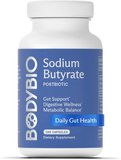
Top Postbiotic Supplements
Top Probiotic Supplements
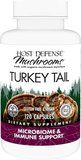
Mushroom-Based Gut-Immune Support (Not a Probiotic)
Related Reading
- Best Probiotic Supplements: Top Research-Backed Options
- Probiotics vs Prebiotics: What You Actually Need
- Best Probiotics for Bloating and Gas: Strain-Specific Guide
- Best Supplements for IBS: Probiotics, Fiber, and More
- Best Supplements for Leaky Gut: What Research Says About Intestinal Permeability
- L-Glutamine for Gut Health: Does It Actually Support the Gut Lining?
- The Probiotics Gut-Health Microbiome Evidence Base
References
- Salminen S, et al. (2021). The International Scientific Association of Probiotics and Prebiotics (ISAPP) consensus statement on the definition and scope of postbiotics. Nat Rev Gastroenterol Hepatol, 18(9):649-67. PubMed: 33948025
- Vinderola G, et al. (2022). The concept of postbiotics. Foods, 11(8):1077. PubMed: 35454664
- Zolkiewicz J, et al. (2020). Postbiotics: a step beyond pre- and probiotics. Nutrients, 12(8):2189. PubMed: 32717965
- Canani RB, et al. (2011). Potential beneficial effects of butyrate in intestinal and extraintestinal diseases. World J Gastroenterol, 17(12):1519-28. PubMed: 21472114
- Liu H, et al. (2018). Butyrate: a double-edged sword for health? Adv Nutr, 9(1):21-9. PubMed: 29438462
- Wegh CAM, et al. (2019). Postbiotics and their potential applications in early life nutrition and beyond. Int J Mol Sci, 20(19):4673. PubMed: 31547172
- Taverniti V, Guglielmetti S. (2011). The immunomodulatory properties of probiotic microorganisms beyond their viability. Nutrients, 3(3). PubMed: 21499799
- Sanders ME, et al. (2019). Probiotics and prebiotics in intestinal health and disease: from biology to the clinic. Nat Rev Gastroenterol Hepatol, 16(10):605-16. PubMed: 31296969
- Sarkar A, et al. (2016). Psychobiotics and the manipulation of bacteria-gut-brain signals. Trends Neurosci, 39(11):763-81. PubMed: 27793434
- Suez J, et al. (2018). Post-antibiotic gut mucosal microbiome reconstitution is impaired by probiotics and improved by autologous FMT. Cell, 174(6):1406-23. PubMed: 30193113
- Ford AC, et al. (2014). Efficacy of prebiotics, probiotics, and synbiotics in irritable bowel syndrome and chronic idiopathic constipation: systematic review and meta-analysis. Am J Gastroenterol, 109(10):1547-61. PubMed: 25070051
- Scheppach W, et al. (1992). Effect of butyrate enemas on the colonic mucosa in distal ulcerative colitis. Gastroenterology, 103(1):51-6. PubMed: 1612357
- Szajewska H, Kolodziej M. (2015). Systematic review with meta-analysis: Lactobacillus rhamnosus GG in the prevention of antibiotic-associated diarrhoea in children and adults. Aliment Pharmacol Ther, 42(10). PubMed: 26365389
- Hao Q, et al. (2015). Probiotics for preventing acute upper respiratory tract infections. Cochrane Database Syst Rev, (2):CD006895. PubMed: 25927096
- Boyle RJ, et al. (2006). Probiotic use in clinical practice: what are the risks? Am J Clin Nutr, 83(6):1256-64. PubMed: 16762934
Recommended Products