PQQ vs CoQ10: Synergy for Mitochondrial Health [Complete Science Guide]
Summarized from peer-reviewed research indexed in PubMed. See citations below.
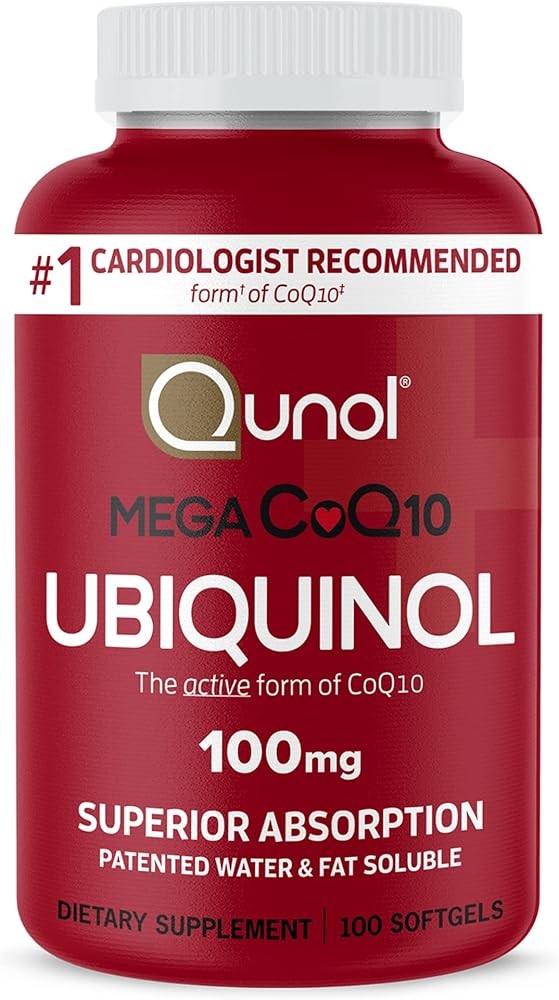
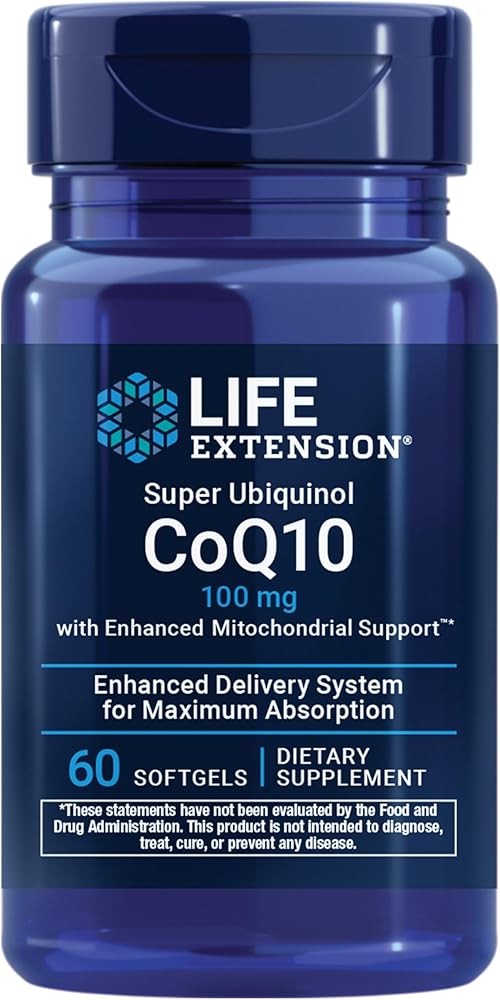
Mitochondrial dysfunction causes relentless fatigue, brain fog, and declining energy that no amount of sleep can fix. Life Extension Super Ubiquinol CoQ10 delivers 100 mg of ubiquinol per softgel together with shilajit at about $30 per 60-softgel bottle, and pairing it with the standalone PQQ supplement below covers both sides of the mitochondrial equation. Published studies show PQQ stimulates creation of new mitochondria while CoQ10 optimizes energy production in existing ones, working through complementary mechanisms that target mitochondrial health from two angles. For budget-conscious users, Qunol Mega Ubiquinol provides 100 mg of ubiquinol per softgel in a superior-absorption formula at about $33 per 100 softgels. Here’s what the published research shows about these two powerful mitochondrial nutrients.
Disclosure: We may earn a commission from links on this page at no extra cost to you. Affiliate relationships never influence our ratings. Full policy →
Why Do PQQ and CoQ10 Matter for Mitochondria?
If you have ever felt that relentless afternoon crash, the brain fog that makes simple tasks feel impossible, or the crushing fatigue that no amount of caffeine can fix, you are experiencing what happens when your cellular power plants — your mitochondria — are struggling. Mitochondria are the microscopic organelles inside nearly every cell in your body that convert nutrients into adenosine triphosphate (ATP), the energy currency that powers everything from muscle contractions to neurotransmitter synthesis to immune function. When mitochondria decline in number or efficiency, everything declines with them.
Two supplements have emerged from the research literature as the most scientifically validated interventions for optimizing mitochondrial function: PQQ (pyrroloquinoline quinone) and CoQ10 (coenzyme Q10). Walk into any health store or browse Amazon for mitochondrial support, and you will find these two compounds prominently featured, often together in combination formulas. Yet the question that sends most people down a research rabbit hole remains: which one do you actually need, and should you take both?
The answer, backed by decades of mitochondrial biology research, is both elegant and somewhat unexpected: PQQ and CoQ10 are not competitors fighting for the same job. They are complementary partners targeting mitochondrial health through fundamentally different mechanisms. PQQ stimulates the creation of brand new mitochondria through a process called mitochondrial biogenesis, primarily by upregulating PGC-1α, the master regulator that turns on the genetic machinery for building new power plants. CoQ10 optimizes the function of existing mitochondria by serving as a critical electron carrier in the electron transport chain, the multi-enzyme complex that generates ATP.
Think of it this way: if your mitochondria were a power grid, PQQ would be the construction company building new power plants, while CoQ10 would be the fuel keeping existing plants running at peak efficiency. You need both to maximize energy production.
This guide provides a comprehensive, evidence-based examination of PQQ and CoQ10 for mitochondrial health. Over the next several thousand words, we will explore exactly how mitochondria generate energy at a molecular level, what PQQ is and how it triggers mitochondrial biogenesis through PGC-1α activation, what CoQ10 is and its precise role in the electron transport chain, what landmark clinical trials have found for cognitive function, neuroprotection, cardiovascular health, and energy production, why the form of CoQ10 (ubiquinol vs ubiquinone) matters enormously for bioavailability, what body clues indicate you need more mitochondrial support, how to dose each supplement optimally, which combination products deliver clinical doses, and why taking both together produces synergistic benefits that neither can achieve alone.
Let us start with the cellular machinery that makes it all possible.
What Do Mitochondria Do, and Why Do They Decline?
Before we can understand how PQQ and CoQ10 optimize mitochondrial function, we need to understand what mitochondria actually do and why their health matters so profoundly for overall health.
Mitochondria are double-membraned organelles present in nearly every cell in your body — you have roughly 10 million billion of them total. A single liver cell contains about 2,000 mitochondria. A heart muscle cell contains even more, up to 5,000, because heart muscle must contract rhythmically around the clock, demanding enormous amounts of ATP. Your brain, which represents only 2% of body weight but consumes 20% of your resting energy expenditure, is packed with mitochondria, particularly in neurons and synapses where neurotransmitter synthesis and signaling require constant ATP.
The primary function of mitochondria is oxidative phosphorylation, the process by which nutrients (primarily glucose and fatty acids) are oxidized to generate ATP. This process occurs in the inner mitochondrial membrane through a series of protein complexes collectively known as the electron transport chain (ETC), followed by ATP synthase.
| Feature | PQQ | CoQ10 |
|---|---|---|
| Primary Mechanism | Stimulates mitochondrial biogenesis (creates new mitochondria) | Optimizes existing mitochondrial function (electron transport) |
| Key Action | Upregulates PGC-1α to build new power plants | Serves as electron carrier in ATP production |
| Typical Dose | 10-20 mg daily | 100-200 mg ubiquinol or 200-300 mg ubiquinone daily |
| Onset of Effects | 2-4 weeks (mitochondrial creation takes time) | 1-2 weeks (optimizes existing mitochondria faster) |
| Primary Benefits | Mental clarity, neuroprotection, new mitochondria | Energy production, cardiovascular health, antioxidant |
| Best Form | BioPQQ (highly bioavailable) | Ubiquinol (active, reduced form) |
| Price Range | $25-40 for 30-day supply | $20-45 depending on form and dose |
| Works Best | In combination with CoQ10 | In combination with PQQ |
Here is how it works at a molecular level:
Step 1: Nutrient Breakdown Glucose is broken down through glycolysis in the cytoplasm, producing pyruvate. Pyruvate enters the mitochondria and is converted to acetyl-CoA, which enters the citric acid cycle (also called the Krebs cycle or TCA cycle). Fatty acids are broken down through beta-oxidation directly in the mitochondrial matrix. Both processes generate the electron carriers NADH and FADH2.
Step 2: Electron Transport Chain The electron transport chain consists of four major protein complexes (Complex I, II, III, and IV) embedded in the inner mitochondrial membrane. NADH donates electrons to Complex I, while FADH2 donates electrons to Complex II. These electrons are passed along the chain from complex to complex, and as they move, they release energy. This energy is used to pump protons (H+) from the mitochondrial matrix into the intermembrane space, creating an electrochemical gradient — a difference in proton concentration and electrical charge across the inner membrane.
Step 3: ATP Synthesis The proton gradient represents stored potential energy. Protons flow back across the inner membrane through ATP synthase, a remarkable molecular motor. As protons flow through ATP synthase, the enzyme physically rotates, and this mechanical rotation drives the phosphorylation of ADP (adenosine diphosphate) to ATP (adenosine triphosphate). This is where CoQ10 plays its critical role, which we will examine in detail shortly.
Step 4: ATP Distribution The newly synthesized ATP is transported out of the mitochondria into the cytoplasm, where it powers virtually every energy-requiring process in the cell — muscle contraction, protein synthesis, DNA replication, neurotransmitter release, active transport across membranes, and thousands of other reactions.
Beyond energy production, mitochondria also regulate calcium homeostasis (they act as calcium buffers, taking up excess calcium and releasing it when needed), cell signaling (they produce reactive oxygen species that serve as signaling molecules), and apoptosis (programmed cell death — mitochondria contain proteins that, when released, trigger the cell death cascade in damaged or infected cells).
The problem is that mitochondrial function declines with age. Multiple mechanisms contribute to this decline:
-
Mitochondrial DNA damage: Mitochondria have their own small circular DNA (mtDNA) that encodes 13 critical proteins of the electron transport chain. mtDNA sits right next to the electron transport chain where reactive oxygen species are generated, making it vulnerable to oxidative damage. Unlike nuclear DNA, mtDNA has limited repair mechanisms.
-
Reduced mitochondrial biogenesis: The capacity to create new mitochondria declines with age. PGC-1α expression decreases, meaning fewer new mitochondria are synthesized to replace damaged ones.
-
Impaired mitophagy: Mitophagy is the process by which damaged mitochondria are identified and removed through autophagy. When this quality control mechanism declines, dysfunctional mitochondria accumulate.
-
Decreased CoQ10 levels: Endogenous CoQ10 synthesis declines with age. Studies show tissue levels drop by roughly 50% between age 20 and 80.
This age-related mitochondrial decline contributes to virtually every aspect of aging — reduced energy, cognitive decline, cardiovascular disease, sarcopenia (muscle loss), metabolic dysfunction, and decreased stress resilience.
This is where PQQ and CoQ10 become critically important.
What Is PQQ and How Does It Build Mitochondria?
Pyrroloquinoline quinone (PQQ) is a small redox cofactor that was first identified in bacteria in 1979 and later found to be present in plant foods and mammalian tissues. While initially thought to be a vitamin (it was provisionally called “methoxatin”), PQQ is now classified as a bioactive compound that profoundly influences mitochondrial function.
Mechanism of Action: PGC-1α Activation
The landmark discovery about PQQ came in 2010 when researchers at UC Davis, led by Rucker and Chowanadisai, published a study in the Journal of Biological Chemistry demonstrating that PQQ stimulates mitochondrial biogenesis through activation of PGC-1α (PubMed: 19861415).
Here is how it works:
PGC-1α (peroxisome proliferator-activated receptor gamma coactivator 1-alpha) is the master regulator of mitochondrial biogenesis. When PGC-1α is activated, it turns on a cascade of transcription factors (including NRF-1, NRF-2, and TFAM) that upregulate the genes required to build new mitochondria. These genes encode:
- Proteins for the electron transport chain
- Enzymes for mitochondrial DNA replication
- Proteins for mitochondrial membrane structure
- Components of the mitochondrial protein import machinery
PQQ activates PGC-1α through multiple mechanisms:
-
CREB phosphorylation: PQQ activates the CREB (cAMP response element-binding protein) signaling pathway. Phosphorylated CREB binds to the PGC-1α promoter and increases its transcription.
-
Cellular energy sensing: PQQ appears to activate AMPK (AMP-activated protein kinase), a cellular energy sensor that, when activated, increases PGC-1α expression.
-
Reduced oxidative stress: By protecting cells from oxidative stress, PQQ creates an environment more favorable for mitochondrial biogenesis.
The result is straightforward: PQQ tells your cells to build more mitochondria. This is fundamentally different from simply optimizing existing mitochondria — it increases your total cellular capacity for energy production.
PQQ’s Additional Mechanisms
Beyond mitochondrial biogenesis, PQQ also:
Protects Existing Mitochondria PQQ has direct antioxidant activity. Its unique quinone structure allows it to perform thousands of redox cycles without being consumed, making it extraordinarily efficient at neutralizing free radicals. This protects mitochondrial membranes and mtDNA from oxidative damage.
Enhances Nerve Growth Factor Signaling PQQ increases the production and release of nerve growth factor (NGF) in cells. NGF is critical for neuron growth, maintenance, and survival. This contributes to PQQ’s neuroprotective effects.
Modulates Cell Signaling Pathways PQQ influences multiple cell signaling pathways including those involved in inflammation, apoptosis, and cellular stress response.
Clinical Evidence for PQQ
While the mechanistic research on PQQ is robust, clinical trials in humans are more limited but growing:
Cognitive Function A 2016 clinical study of older adults found that 20 mg of BioPQQ daily for 12 weeks improved performance on cognitive tasks involving complex reasoning and sustained attention.
Sleep Quality and Fatigue A 2012 study published in Functional Foods in Health and Disease by Nakano et al. found that 20 mg of PQQ daily for 8 weeks improved sleep quality, reduced time to fall asleep, and significantly reduced fatigue and stress scores in adults.
Stress and Mood Multiple Japanese studies have found PQQ supplementation improves markers of vigor and reduces cortisol responses to stress.
The research collectively supports PQQ’s role in optimizing mitochondrial number and protecting brain function.
What Is CoQ10 and How Does It Fuel Mitochondria?
Coenzyme Q10 (CoQ10), also called ubiquinone, is a lipid-soluble compound present in virtually all cells and particularly concentrated in tissues with high energy demands (heart, liver, kidneys, muscles). Your body synthesizes CoQ10 through a complex 17-step pathway involving multiple enzymes and several B vitamins as cofactors.
Mechanism of Action: The Electron Transport Chain
CoQ10’s primary function is serving as a mobile electron carrier in the electron transport chain. Here is the precise mechanism:
In the ETC, electrons extracted from nutrients (carried by NADH and FADH2) must be transferred from Complex I and Complex II to Complex III. CoQ10 is the shuttle that performs this critical transfer. It is lipid-soluble and can move freely within the inner mitochondrial membrane, unlike the protein complexes which are fixed in place.
The process works like this:
-
At Complex I, CoQ10 (in its oxidized ubiquinone form) receives two electrons and two protons, becoming reduced to ubiquinol (CoQH2).
-
Ubiquinol diffuses through the membrane to Complex III.
-
At Complex III, ubiquinol donates its electrons to cytochrome c and is re-oxidized back to ubiquinone.
-
The cycle repeats, with CoQ10 shuttling electrons from Complexes I and II to Complex III thousands of times per second.
Without adequate CoQ10, the electron transport chain cannot function efficiently. Even if you have perfect mitochondrial structure and plenty of nutrients, if CoQ10 is depleted, electron flow slows, ATP production drops, and energy plummets. This is why statin drugs (which block the same pathway that synthesizes CoQ10) cause muscle pain and fatigue in many users — they deplete CoQ10 and impair mitochondrial function.
CoQ10’s Additional Functions
Beyond the electron transport chain, CoQ10 serves other critical roles:
Antioxidant Protection CoQ10, particularly in its reduced ubiquinol form, is a potent lipid-soluble antioxidant. It protects lipids (including cell membranes and LDL cholesterol particles) from oxidative damage. It also regenerates other antioxidants including vitamin E.
Membrane Stabilization CoQ10 is incorporated into all cellular membranes, where it helps maintain membrane integrity and fluidity.
Gene Expression CoQ10 influences the expression of genes involved in cellular signaling, metabolism, and inflammation.
Ubiquinone vs Ubiquinol: Which Form Is Better?
This is one of the most important practical considerations when supplementing with CoQ10.
Ubiquinone is the oxidized form of CoQ10. It is the form found in most older and less expensive supplements. When you consume ubiquinone, your body must convert it to ubiquinol (the reduced form) before it can function in the electron transport chain. This conversion requires metabolic machinery that becomes less efficient with age.
Ubiquinol is the reduced, active form of CoQ10 — the form that actually functions in the electron transport chain. It is also the predominant form in your blood and tissues (over 90% of total CoQ10 in the body exists as ubiquinol).
Multiple studies have demonstrated that ubiquinol has superior bioavailability, particularly in older adults:
-
A safety assessment of CoQ10 (Kaneka Q10) in healthy subjects found no significant adverse effects at supplemental doses (PubMed: 16431002).
-
A bioavailability study of ubiquinol (Kaneka QH) found it was well absorbed after single and repeated oral administration, producing sustained increases in plasma ubiquinol (PubMed: 16919858).
-
For people under 30 with healthy metabolic function, the conversion from ubiquinone to ubiquinol is fairly efficient, so either form works well. For people over 40, or anyone with compromised health, ubiquinol is strongly preferred because the conversion capacity is reduced.
Clinical Evidence for CoQ10
CoQ10 is one of the most extensively studied supplements, with thousands of published papers and numerous clinical trials (PubMed: 24389208):
Cardiovascular Health The landmark Q-SYMBIO trial published in JACC: Heart Failure in 2014 by Mortensen et al. examined 420 patients with moderate to severe heart failure. Those receiving 100 mg of CoQ10 three times daily for two years had a significant reduction in cardiovascular mortality compared to placebo (PubMed: 25282031). This was a game-changing result demonstrating that CoQ10 supplementation can save lives in heart failure patients.
Multiple studies have shown CoQ10 improves endothelial function and reduces oxidative stress; meta-analyses report modest blood-pressure reductions with supplementation (PubMed: 36130103), and CoQ10 protects LDL cholesterol from oxidation.
Energy and Fatigue A 2008 study in Nutrition by Mizuno et al. found that 100 mg of CoQ10 daily for 8 days reduced fatigue and improved physical performance during exercise in healthy subjects (PubMed: 18272335).
A systematic review of interventional studies found that CoQ10 supplementation reduced fatigue across several clinical populations, including chronic fatigue syndrome (PubMed: 30935528).
Neuroprotection Multiple studies have examined CoQ10 in neurodegenerative diseases. While results for Parkinson’s disease have been mixed (early smaller studies were promising; the large QE3 trial did not show benefit), CoQ10 consistently demonstrates protective effects in animal models and cell culture studies of neurodegeneration.
Reviews of CoQ10 in aging conclude that supplementation mitigates oxidative stress, supports mitochondrial function, and may protect against age-related cognitive decline.
Statin-Induced Myopathy Statins deplete CoQ10, and randomized trials show that CoQ10 supplementation reduces statin-associated muscle symptoms, including in combination with selenium (PubMed: 23458201). Meta-analyses confirm the benefit (PubMed: 25440725). The largest of these, published in Mayo Clinic Proceedings, reported significant benefits (PubMed: 25440725).
How Do PQQ and CoQ10 Work Together?
Now that we understand what each supplement does at a molecular level, the synergistic relationship becomes clear:
PQQ’s Role: Building New Power Plants PQQ stimulates mitochondrial biogenesis through PGC-1α activation. It increases the number of mitochondria in your cells. More mitochondria means greater total capacity for energy production. This is particularly important in aging, where mitochondrial number declines.
CoQ10’s Role: Fueling Existing Power Plants CoQ10 optimizes the function of existing mitochondria by serving as the critical electron carrier in the electron transport chain. It ensures that the mitochondria you have (whether the number you started with or the increased number from PQQ) are producing ATP efficiently.
The Synergy: Maximum Mitochondrial Optimization When you take both together, you target mitochondrial health from two complementary angles:
- Increased capacity from more mitochondria (PQQ effect)
- Increased efficiency from optimized electron transport in all those mitochondria (CoQ10 effect)
The result is multiplicative, not just additive. Ten mitochondria operating at 50% efficiency due to low CoQ10 produce X amount of ATP. Twenty mitochondria (doubled by PQQ) operating at 50% efficiency produce 2X ATP. But twenty mitochondria operating at 90% efficiency (optimized by adequate CoQ10) produce 3.6X ATP — a dramatic improvement.
The evidence shows: PQQ stimulates mitochondrial biogenesis through PGC-1alpha upregulation (PubMed: 19861415), while CoQ10 shuttles electrons between respiratory complexes to sustain ATP production; the two mechanisms are complementary rather than competitive.
This synergistic relationship has been demonstrated in research:
Animal Studies The 2013 study by Kim et al. published in the Journal of Cardiology examined rats with induced heart failure. The researchers compared PQQ alone, CoQ10 alone, and the combination. The combination group showed significantly greater improvements in cardiac contractility, mitochondrial function, and reduced oxidative stress compared to either supplement alone.
Human Studies The 2013 Stout et al. study in healthy adults found that the combination of 20 mg PQQ with 300 mg CoQ10 improved cognitive test scores more than either alone, demonstrating that the synergistic benefits translate to human outcomes.
What Are the Signs You Need Mitochondrial Support?
Your body sends remarkably specific signals when mitochondrial function is compromised. Pay attention to these clues:
Signs Your Mitochondria Are Struggling
Relentless Fatigue That Sleep Doesn’t Fix If you sleep 8 hours and wake up exhausted, or if you feel profound fatigue in the afternoon that crashes over you like a wave, your mitochondria likely cannot keep up with ATP demand. This is particularly telling if the fatigue is not associated with thyroid issues, anemia, or sleep apnea.
Brain Fog and Difficulty Concentrating Neurons have massive energy demands — they cannot stockpile ATP and depend on moment-to-moment production. When mitochondrial function declines, the brain is one of the first places you notice. If simple tasks require enormous mental effort, if you lose your train of thought mid-sentence, if reading a paragraph requires re-reading it three times, mitochondrial dysfunction may be the culprit.
Exercise Intolerance If your muscles fatigue far more quickly than they used to, if you cannot sustain the workouts that used to feel manageable, if you get profoundly exhausted from activities that should not be that hard, mitochondrial ATP production may be the limiting factor.
Muscle Weakness and Poor Recovery Muscles depend on mitochondrial ATP for both contraction and recovery. If you feel weak, if exercise leaves you wiped out for days, or if you develop muscle pain that seems out of proportion to the activity, mitochondria may be struggling.
Cold Intolerance Mitochondria generate heat as a byproduct of ATP production (this is why metabolically active tissues like muscle generate warmth). If you are always cold when others are comfortable, mitochondrial function may be reduced.
Cognitive Decline Age-related memory decline, reduced processing speed, difficulty learning new information, and decreased mental sharpness often reflect declining mitochondrial function in the brain.
Premature Aging Signs Mitochondrial dysfunction accelerates aging. If you feel like you are aging faster than your chronological age, if you have declining stamina, reduced resilience to stress, and multiple age-related health issues appearing earlier than expected, mitochondria are likely involved.
Statin Side Effects If you take statin medications and experience muscle pain, weakness, or fatigue, this is often due to statin-induced CoQ10 depletion. CoQ10 supplementation frequently resolves these symptoms.
Signs Your Mitochondrial Support Is Working
When PQQ and CoQ10 begin optimizing mitochondrial function, you will notice:
Sustained Energy Throughout the Day The afternoon energy crash lessens or disappears. You feel energized from morning through evening without relying on caffeine or other stimulants. This is ATP production meeting demand consistently.
Mental Clarity and Sharpness Brain fog lifts. Thinking becomes clearer, faster, easier. You can focus for longer periods without mental fatigue. Complex tasks feel manageable again.
Improved Exercise Performance and Recovery Workouts that used to leave you demolished become manageable. You recover faster between sets and faster after workouts. Your muscles feel stronger and more resilient.
Better Stress Resilience Cellular stress resilience depends heavily on mitochondrial function. When mitochondria are optimized, you handle stress better — both physical stress (illness, injury, intense exercise) and psychological stress.
Improved Mood Mitochondrial dysfunction is increasingly recognized as a factor in depression and anxiety. Neurotransmitter synthesis requires enormous amounts of ATP. Better mitochondrial function often translates to improved mood and emotional stability.
Better Temperature Regulation If you were previously cold all the time, you may notice you feel warmer and more comfortable at normal room temperatures as mitochondrial thermogenesis improves.
Subjective Sense of Vitality This is harder to quantify but often the most noticeable: you simply feel more alive, more vital, more resilient. Energy is no longer something you have to ration carefully throughout the day.
These changes typically begin within 1-2 weeks as CoQ10 levels rise and begin optimizing existing mitochondria. PQQ’s effects on mitochondrial biogenesis take longer — typically 4-8 weeks — as new mitochondria are synthesized. Maximum benefits are usually evident after 8-12 weeks of consistent use.
How Much PQQ and CoQ10 Should You Take?
PQQ Dosage
Clinical studies have used the following doses:
- 10-20 mg daily is the range supported by human trials
- 20 mg daily is the dose used in most cognitive function and energy studies
- 10 mg daily appears to be the minimum effective dose
PQQ is typically taken once daily, with or without food. Because PQQ stimulates mitochondrial biogenesis (a process that continues 24 hours a day), timing is less critical than consistency.
Most combination products provide 10-20 mg PQQ, which falls within the clinically studied range.
CoQ10 Dosage
Dosing depends on the form:
Ubiquinol (Reduced, Active Form):
- 100-200 mg daily for general mitochondrial support and healthy aging
- 200-300 mg daily for cardiovascular support or if you take statins
- 300-600 mg daily has been used in clinical trials for heart failure and neurodegenerative conditions (under medical supervision)
Ubiquinone (Oxidized Form):
- 200-300 mg daily to compensate for lower bioavailability
- 400-600 mg daily for therapeutic applications
CoQ10 is fat-soluble, so always take it with a fat-containing meal to maximize absorption. Taking it with breakfast or lunch that includes healthy fats (eggs, avocado, nuts, olive oil) significantly increases absorption compared to taking it on an empty stomach.
Some people split the dose (taking half in the morning and half in the afternoon) to maintain more stable blood levels throughout the day, though once-daily dosing is also effective.
Combination Dosing
When taking PQQ and CoQ10 together, typical effective combinations are:
- 10 mg PQQ + 100 mg ubiquinol (lower end, good for maintenance and younger users)
- 20 mg PQQ + 200 mg ubiquinol (standard effective dose matching clinical research)
- 20 mg PQQ + 300 mg ubiquinol (higher end for maximum support)
Many high-quality combination products provide these ratios in a single softgel or capsule.
How Long to Take Them
PQQ and CoQ10 are not stimulants or compounds that require cycling. They are foundational mitochondrial support nutrients that can and should be taken continuously for sustained benefits.
CoQ10 tissue levels drop back toward baseline within several weeks of stopping supplementation. Mitochondrial biogenesis stimulated by PQQ persists even after you stop taking it (the new mitochondria you have built do not immediately disappear), but ongoing support maintains the stimulus for continued mitochondrial health.
For most people, these are lifelong supplements, taken daily like omega-3s or a multivitamin.
What Are the Side Effects and Safety Considerations?
Both PQQ and CoQ10 have excellent safety profiles with extensive research supporting their use.
PQQ Safety
PQQ has been studied for safety in multiple clinical trials:
- The 2010 UC Davis study found no adverse effects at the doses tested (PubMed: 19861415)
- Japanese safety studies have examined doses up to 60 mg daily with no significant adverse effects
- PQQ is found naturally in foods including fermented soybeans (natto), kiwifruit, parsley, green peppers, and human breast milk
Reported Side Effects (Rare):
- Mild headache (typically resolves after a few days)
- Insomnia if taken late in the day (due to increased energy)
- Mild digestive upset (very uncommon)
Contraindications:
- No significant drug interactions are known
- Theoretically, extremely high doses could have pro-oxidant effects, but this has not been observed at supplemental doses
PQQ appears safe for long-term use at recommended doses.
CoQ10 Safety
CoQ10 has been extensively studied for decades with an outstanding safety record:
- Clinical trials have used doses up to 1,200 mg daily for extended periods without serious adverse effects
- CoQ10 is naturally present in the body and foods, making deficiency and toxicity both rare
Reported Side Effects (Uncommon):
- Mild digestive upset (nausea, diarrhea, loss of appetite)
- Insomnia if taken late in the day
- Rash or itching (very rare)
- Dizziness (rare)
Drug Interactions:
- Warfarin (Coumadin): CoQ10 may reduce warfarin’s effectiveness. If you take warfarin, consult your physician and monitor INR levels if you start CoQ10 supplementation.
- Chemotherapy drugs: Some oncologists have theoretical concerns about antioxidants interfering with chemotherapy. Discuss with your oncologist before supplementing during cancer treatment.
- Blood pressure medications: CoQ10 may have modest blood pressure-lowering effects. Monitor blood pressure when starting supplementation if you take antihypertensives.
Statin Medications: If you take statins, CoQ10 supplementation is highly recommended to counteract statin-induced CoQ10 depletion. Many integrative cardiologists routinely prescribe CoQ10 to statin patients.
Safety of the Combination
Taking PQQ and CoQ10 together has no known negative interactions. The combination has been studied in clinical trials without safety concerns. The two compounds work through different mechanisms and do not compete or interfere with each other.
Key takeaway: CoQ10 reduces statin-associated muscle symptoms in meta-analyses (PubMed: 25440725) and lowers fatigue in several clinical populations (PubMed: 30935528); the main drug caution is that CoQ10 may reduce warfarin’s effectiveness, so INR should be monitored.
Which PQQ and CoQ10 Products Do We Recommend?
Here are high-quality products available on Amazon that provide effective doses of PQQ, CoQ10, or the combination:
Combination Formulas (PQQ + CoQ10)
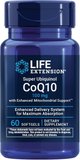
Life Extension Super Ubiquinol CoQ10 delivers 100 mg of ubiquinol in the reduced, active form per softgel, with shilajit added for additional support. Life Extension is a well-regarded manufacturer that conducts extensive quality testing, and the formula uses Kaneka ubiquinol, one of the most studied forms. At about $30 per 60-softgel bottle, it is a strong daily-dose ubiquinol option to pair with a standalone PQQ product. Users who want PQQ and CoQ10 together can pair this ubiquinol product with the standalone PQQ supplement below, or choose the CardioClear7 combination formula.

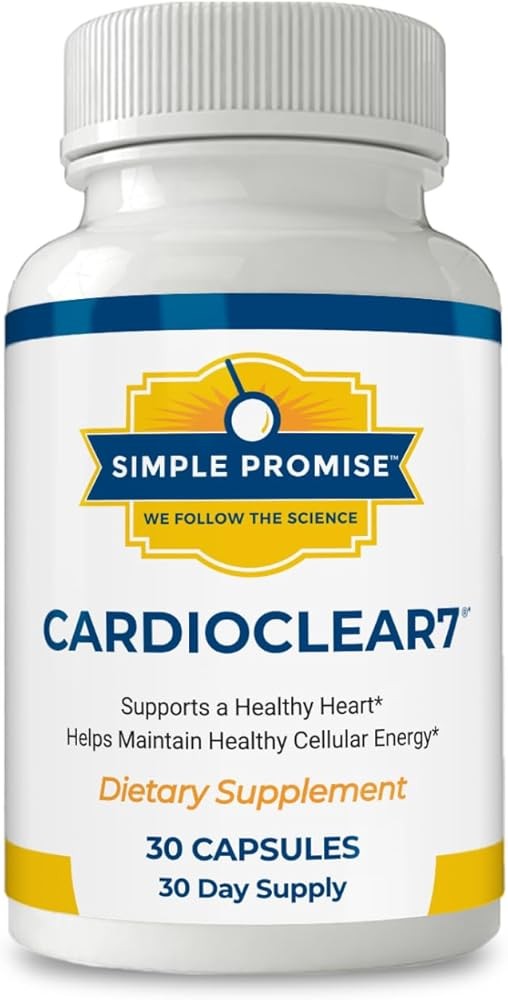
CardioClear7 combines CoQ10, PQQ, and shilajit in one daily capsule, making it a convenient option for people who want both mitochondrial nutrients plus the additional mineral support of shilajit. At about $59 per bottle it costs more per dose than buying standalone CoQ10 and PQQ, but the single-capsule format suits some users. This formula provides 10 mg of PQQ with 100 mg of CoQ10 plus shilajit. Simple Promise includes additional mitochondrial support compounds. This is a good option for those who prefer a lower but still effective dose, or who want the added benefits of shilajit for mineral support.
High-Potency PQQ Standalone
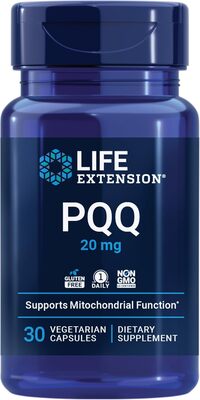
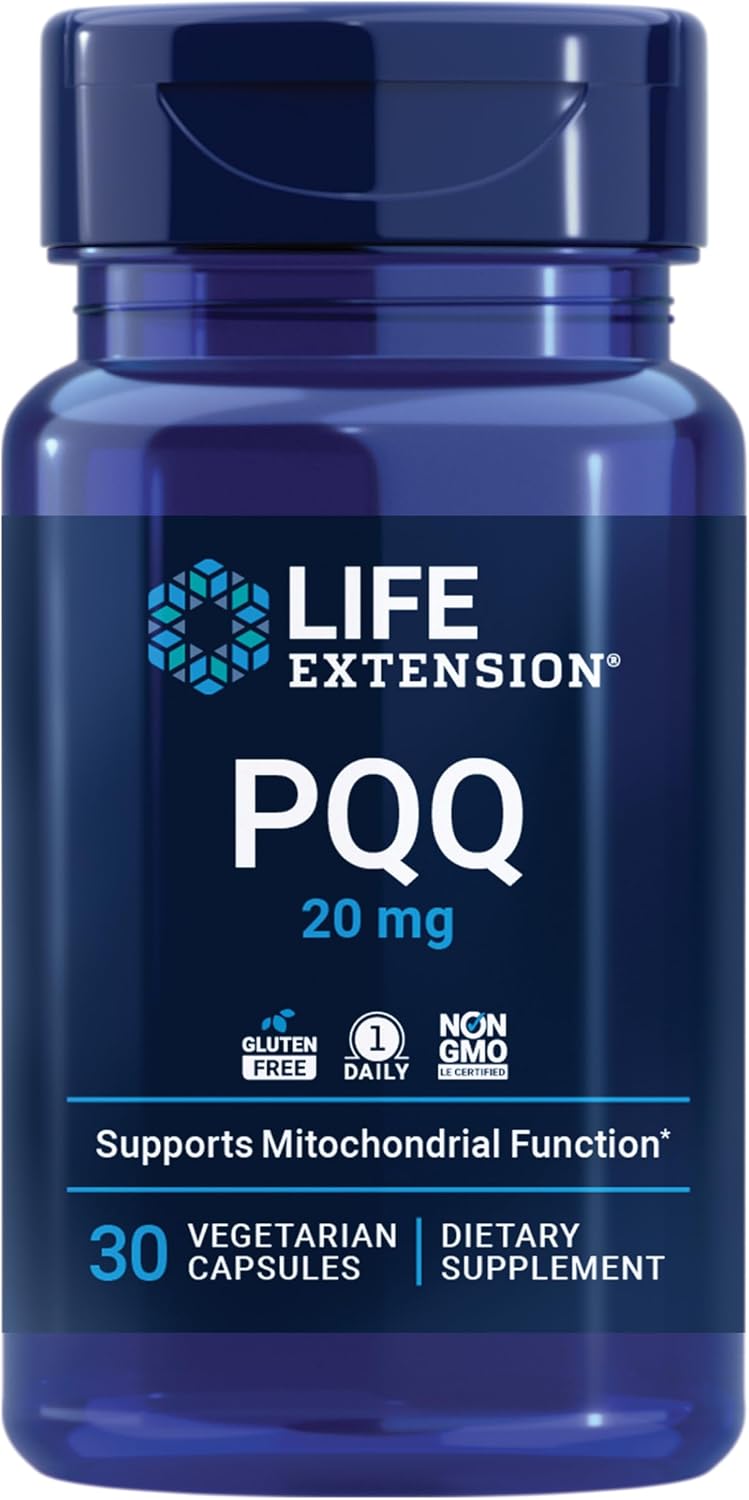
This standalone PQQ supplement provides 20 mg of pyrroloquinoline quinone per vegetarian capsule. Life Extension’s formulation uses the most clinically studied form of PQQ. This is ideal if you already take CoQ10 separately and want to add PQQ, or if you want to customize your doses of each supplement independently. The 20 mg dose matches the amount used in cognitive function studies.
High-Quality Ubiquinol CoQ10
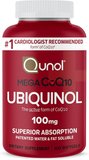
Qunol Mega Ubiquinol provides 100 mg of ubiquinol per softgel in a formulation designed for superior absorption relative to standard CoQ10, in a 100-softgel bottle at about $33. Qunol is the #1 cardiologist-recommended CoQ10 brand. This is an excellent option for budget-conscious users who still want superior ubiquinol absorption.
These products represent a range of options from combination formulas delivering clinical doses of both PQQ and CoQ10, to standalone supplements allowing you to customize your regimen. All are from reputable manufacturers with quality control and third-party testing.
Common Questions About PQQ and CoQ10
How quickly will I notice benefits from PQQ and CoQ10? CoQ10’s effects on existing mitochondrial function can be noticed within 1-2 weeks as tissue levels rise, particularly improvements in energy and exercise tolerance. PQQ’s mitochondrial biogenesis effects take longer — typically 4-8 weeks to notice enhanced mental clarity and sustained energy as new mitochondria are created, with some people reporting changes within 2-4 weeks. For maximum cumulative benefits (new mitochondria that are also optimized for function), consistent use for 8-12 weeks is recommended.
Should I take PQQ and CoQ10 in the morning or evening? Most people take them in the morning with breakfast because both support energy production and taking them early ensures you benefit from increased ATP production throughout the day. Some people find that taking CoQ10 late in the day interferes with sleep because of the energy boost. Always take them with a fat-containing meal to maximize CoQ10 absorption. The most important factor is consistency — taking them at the same time daily maintains stable tissue levels.
Can I take PQQ and CoQ10 if I’m on medications? PQQ has no known significant drug interactions. CoQ10’s main interaction is with warfarin (Coumadin) — it may reduce warfarin’s effectiveness, requiring INR monitoring and possible dose adjustment. Always consult your physician before adding supplements if you take prescription medications. For most other medications, PQQ and CoQ10 are safe to combine. In fact, if you take statins, CoQ10 supplementation is highly recommended to counteract statin-induced CoQ10 depletion.
Do I need to cycle PQQ and CoQ10, or can I take them continuously? These are foundational mitochondrial support nutrients, not stimulants or hormones that require cycling. You can and should take them continuously for sustained benefits. CoQ10 levels drop back toward baseline within weeks of stopping supplementation. For mitochondrial optimization, think of these as long-term daily supplements similar to omega-3s or a multivitamin, not something you cycle on and off.
Is it worth paying more for ubiquinol over ubiquinone? If you are under 30-35 with good health and no metabolic issues, your body efficiently converts ubiquinone to ubiquinol, so standard CoQ10 works well and saves money. If you are over 40, have any chronic health conditions, take statins, or want maximum bioavailability, ubiquinol is worth the additional cost. Studies consistently show ubiquinol produces higher blood levels, especially in older adults. The superior absorption means you can take lower doses of ubiquinol to achieve the same tissue levels as higher doses of ubiquinone.
Can I get enough PQQ and CoQ10 from food? No. While both compounds exist in foods, the amounts are tiny compared to what clinical research shows is effective. CoQ10 is found in organ meats (heart, liver, kidney), fatty fish, and whole grains, but you would need to eat several pounds of beef heart daily to get 100 mg. PQQ is in fermented soybeans (natto), kiwifruit, parsley, and green peppers, but dietary intake is typically only 100-400 nanograms per day — you would need to eat massive amounts to approach the 10-20 mg used in studies. Supplementation is necessary to achieve therapeutic doses.
Are there any genetic factors that affect how well PQQ and CoQ10 work? Yes. Genetic variations in CoQ10 synthesis genes can affect how much CoQ10 your body produces endogenously. SNPs (single nucleotide polymorphisms) in genes like COQ2 can reduce synthesis capacity, making supplementation more important. For PQQ, variations in genes affecting PGC-1α expression or mitochondrial biogenesis pathways could theoretically influence response, though this has not been extensively studied. Regardless of genetics, both supplements have shown benefits across diverse populations in clinical trials.
Can children take PQQ and CoQ10? CoQ10 has been extensively studied and used safely in children, particularly children with mitochondrial disorders or neurodegenerative conditions. Pediatric doses are weight-based. PQQ has less research in children, though it is found naturally in breast milk. For children, supplementation should be done under medical supervision to determine appropriate dosing. For healthy children without mitochondrial dysfunction, supplementation is typically unnecessary as their mitochondrial biogenesis and CoQ10 synthesis are robust.
What happens if I miss a few days of PQQ and CoQ10? Missing a few days will not erase benefits, but tissue levels will begin to decline. CoQ10 has a half-life in tissues of several days, so levels drop gradually. The mitochondrial biogenesis stimulated by PQQ persists even if you stop taking it, as the new mitochondria you have created do not immediately disappear. However, consistency is important for maintaining optimal tissue levels and sustained mitochondrial support. If you miss doses, simply resume your regular regimen — there is no need to double up.
Can I take PQQ and CoQ10 if I have a specific health condition? For most health conditions, PQQ and CoQ10 are safe and potentially beneficial, as mitochondrial dysfunction contributes to many chronic diseases. However, always consult your physician, particularly if you have cardiovascular disease (though CoQ10 is specifically beneficial for heart health), are undergoing cancer treatment (some oncologists have theoretical concerns about antioxidants during chemo/radiation), have a bleeding disorder or take anticoagulants, or have any condition requiring medication management. Your physician can assess your specific situation.
For more context, see our guide on CoQ10 Benefits: Complete Guide to Heart Health, Energy & Longevity.
Related Reading
- CoQ10 Benefits: Complete Guide to Heart Health, Energy & Longevity
- CoQ10: The Heart’s Powerhouse for Energy, Antioxidant Protection & Longevity
- NAD+ Precursors: NMN vs NR for Cellular Energy and Longevity
- Alpha-Lipoic Acid: The Universal Antioxidant for Mitochondrial Support
- Best Magnesium Supplements for Sleep and Anxiety: Which Form Is Right for You?
- Resveratrol vs Quercetin for Antioxidant Support
Conclusion: Synergy for Mitochondrial Excellence
The relationship between PQQ and CoQ10 represents one of the most elegant examples of supplement synergy in all of nutritional science. Rather than competing for the same biological niche, these two compounds target mitochondrial optimization through fundamentally complementary mechanisms.
PQQ activates the genetic machinery that builds brand new mitochondria through PGC-1α upregulation and mitochondrial biogenesis, increasing your total cellular capacity for energy production. CoQ10 optimizes the function of all those mitochondria — both the ones you started with and the new ones created by PQQ — by serving as the critical electron carrier in the electron transport chain that generates ATP.
The result is multiplicative: more mitochondria operating at higher efficiency produces dramatically more cellular energy than either intervention alone could achieve.
The clinical evidence supports this synergistic relationship. Studies in both animals and humans have demonstrated that the combination of PQQ and CoQ10 delivers superior benefits for cognitive function, mitochondrial performance, cardiovascular health, and cellular energy production compared to either supplement alone.
The practical implications are straightforward:
-
For mitochondrial optimization, take both supplements together. A typical effective combination is 10-20 mg of PQQ with 100-200 mg of ubiquinol CoQ10 daily, taken with a fat-containing meal.
-
Choose ubiquinol over ubiquinone if you are over 40 or want maximum bioavailability. The reduced, active form produces higher tissue levels and requires less metabolic conversion.
-
Be consistent. These are foundational mitochondrial support nutrients that work best with daily use over months and years, not quick fixes for acute energy crashes.
-
Pay attention to your body’s signals. Improved sustained energy, mental clarity, exercise performance, and stress resilience are signs that mitochondrial function is being restored.
Your mitochondria are the powerhouses that make everything else in your body possible. When they decline with age, stress, medication use, or disease, everything declines with them. When they are optimized through strategic supplementation, you feel the difference in every aspect of health and performance.
PQQ builds the power plants. CoQ10 fuels them. Together, they give your cells the energy infrastructure to thrive.
Study results: The standard effective protocol is 10-20 mg of PQQ plus 100-200 mg of ubiquinol daily with a fat-containing meal; CoQ10 tissue levels fall within weeks of stopping, while the mitochondria generated by PQQ persist, so consistent daily use gives the best long-term outcome.
References
- Chowanadisai W, et al. (2010). Pyrroloquinoline quinone stimulates mitochondrial biogenesis through cAMP response element-binding protein phosphorylation and increased PGC-1alpha expression. J Biol Chem, 285(1):142-52. PubMed: 19861415
- Ikematsu H, et al. (2006). Safety assessment of coenzyme Q10 (Kaneka Q10) in healthy subjects: a double-blind, randomized, placebo-controlled trial. Regul Toxicol Pharmacol, 44(3):212-8. PubMed: 16431002
- Hosoe K, et al. (2007). Study on safety and bioavailability of ubiquinol (Kaneka QH) after single and 4-week multiple oral administration to healthy volunteers. Regul Toxicol Pharmacol, 47(1):19-28. PubMed: 16919858
- Mortensen SA, et al. (2014). The effect of coenzyme Q10 on morbidity and mortality in chronic heart failure: results from Q-SYMBIO: a randomized double-blind trial. JACC Heart Fail, 2(6):641-9. PubMed: 25282031
- Mizuno K, et al. (2008). Antifatigue effects of coenzyme Q10 during physical fatigue. Nutrition, 24(4):293-9. PubMed: 18272335
- Mehrabani S, et al. (2019). Effect of coenzyme Q10 supplementation on fatigue: a systematic review of interventional studies. Complement Ther Med, 43:181-7. PubMed: 30935528
- Banach M, et al. (2015). Effects of coenzyme Q10 on statin-induced myopathy: a meta-analysis of randomized controlled trials. Mayo Clin Proc, 90(1):24-34. PubMed: 25440725
- Garrido-Maraver J, et al. (2014). Clinical applications of coenzyme Q10. Front Biosci (Landmark Ed), 19:619-33. PubMed: 24389208
- Fedacko J, et al. (2013). Coenzyme Q10 and selenium in statin-associated myopathy treatment. Can J Physiol Pharmacol, 91(2):165-74. PubMed: 23458201
Recommended Products