Probiotics vs Prebiotics: What You Actually Need
Summarized from peer-reviewed research indexed in PubMed. See citations below.
Choosing between probiotics and prebiotics can feel confusing when you’re trying to support your gut health, especially with conflicting advice from supplement labels and wellness blogs. Physician’s CHOICE Probiotics 60 Billion CFU delivers 10 clinically studied strains plus organic prebiotics in one formula for comprehensive gut support at around $25 per month. Published research shows this synbiotic approach—combining live beneficial bacteria with the fibers that feed them—produces stronger outcomes for digestive comfort, immune function, and metabolic health compared to either component alone. For budget-conscious buyers, Zenwise Health Digestive Enzymes provides probiotics, prebiotics, and digestive enzymes together for approximately $15 per month. Here’s what the published research shows about when to use probiotics, when to use prebiotics, and when you need both.
Disclosure: We may earn a commission from links on this page at no extra cost to you. Affiliate relationships never influence our ratings. Full policy →
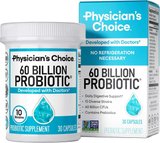
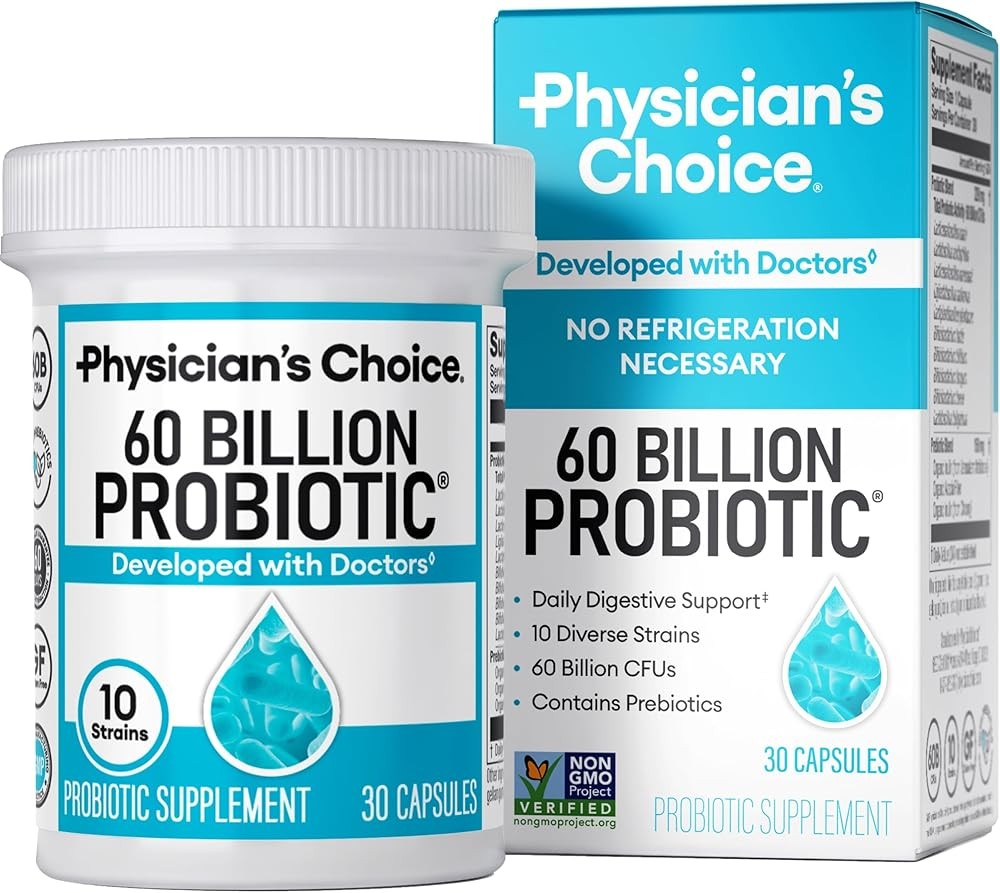
Physician's CHOICE Probiotics 60 Billion CFU - 10 Strains + Organic Prebiotics - Immune, Digestive & Gut Health - Sup...
Check Price on AmazonAs an Amazon Associate we earn from qualifying purchases.

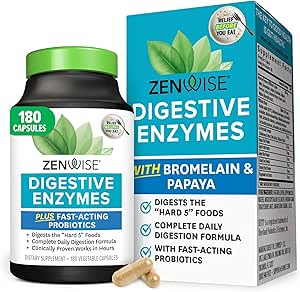
Zenwise Health Digestive Enzymes with Bromelain & Papaya - Multi Enzymes Digestion Supplement with Probiotics & Prebi...
Check Price on AmazonAs an Amazon Associate we earn from qualifying purchases.

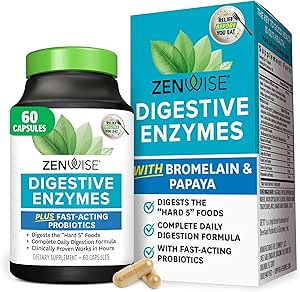
Zenwise Health Digestive Enzyme with Bromelain & Papaya - Multi Enzymes Digestion Supplement with Probiotics & Prebi...
Check Price on AmazonAs an Amazon Associate we earn from qualifying purchases.


Amen Leaky Gut Supplement - Advanced Formula with Bioavailable L Glutamine, Zinc, Turmeric, DGL Licorice Root - Marsh...
Check Price on AmazonAs an Amazon Associate we earn from qualifying purchases.
Introduction
The terms “probiotics” and “prebiotics” have become standard vocabulary in the health and wellness industry, but most people still confuse the two or assume they are interchangeable. They are not. These are fundamentally different strategies for supporting your gut microbiome, and understanding when to use each one — or both — can make the difference between wasted money and genuine health improvements.
The human gut microbiome contains approximately 38 trillion microorganisms — bacteria, fungi, viruses, and archaea — that collectively weigh 2-5 pounds and outnumber your human cells by a ratio of roughly 1.3 to 1 (Sender et al., 2016). This microbial community is not a passive passenger. It actively regulates immune function, synthesizes vitamins (B12, K2, folate), produces neurotransmitters (serotonin, GABA, dopamine), metabolizes drugs and dietary compounds, trains your immune system to distinguish friend from foe, and communicates directly with your brain through the vagus nerve and chemical signaling pathways collectively called the gut-brain axis.
Research published over the past decade has linked the gut microbiome to conditions ranging from inflammatory bowel disease and irritable bowel syndrome to depression, anxiety, obesity, type 2 diabetes, autoimmune conditions, and even neurodegenerative diseases. A landmark 2019 study in Cell demonstrated that individual responses to identical foods vary dramatically based on gut microbiome composition, suggesting that personalized nutrition may depend as much on your gut bacteria as on the food itself (Zeevi et al., 2015).
This is where probiotics and prebiotics enter the picture. Probiotics introduce beneficial microorganisms from outside your body. Prebiotics feed the beneficial microorganisms already living inside you. Both can shift your microbiome toward a healthier composition — but they do so through completely different mechanisms, and the right choice depends on your specific health situation, goals, and current gut status.
This article breaks down the clinical evidence for each, compares them head-to-head across every major health outcome, identifies who needs what (and who needs both), covers dosing, timing, food sources, supplement recommendations, side effects, and — critically — the physical signs your body gives you that tell you whether your gut interventions are actually working.
Watch Our Video Review

Quick Side-by-Side Comparison
| Probiotics | Prebiotics | |
|---|---|---|
| Definition | Live microorganisms that provide health benefits when consumed in adequate amounts | Non-digestible fibers and oligosaccharides that selectively feed beneficial gut bacteria |
| How they work | Introduce new beneficial organisms into the gut (temporary colonization) | Feed existing beneficial bacteria, shifting the microbiome composition from within |
| Key types | Lactobacillus, Bifidobacterium, Saccharomyces, Bacillus strains | Inulin, FOS, GOS, resistant starch, beta-glucan, pectin |
| Primary output | Competitive exclusion of pathogens, immune modulation, SCFA production, neurotransmitter synthesis | Short-chain fatty acid (SCFA) production, selective stimulation of beneficial bacteria |
| Time to effect | 1-4 weeks for most outcomes | 1-2 weeks for microbiome shifts; 4-8 weeks for clinical outcomes |
| Persistence | Effects typically stop 1-3 weeks after discontinuation | Effects may persist longer due to sustained shifts in resident bacteria |
| Price range | $8-$60/month depending on strain count and quality | $5-$20/month; food sources essentially free |
| Side effects | Mild gas/bloating (temporary); rare infection risk in immunocompromised | Gas and bloating at higher doses; may worsen SIBO |
| Best for | Post-antibiotic recovery, IBS, specific immune conditions, targeted therapeutic use | General microbiome maintenance, fiber supplementation, metabolic health support |
How Probiotics Work: Mechanisms of Action
Understanding how probiotics produce their health effects requires looking at five primary mechanisms, each supported by distinct lines of clinical evidence.
1. Competitive Exclusion
Probiotic bacteria physically occupy adhesion sites on the intestinal epithelium — the single-cell-thick lining of your gut. By attaching to these sites, they physically block pathogenic bacteria like Escherichia coli, Salmonella, and Clostridioides difficile from establishing themselves. This is one reason why probiotics are most effective when taken during or immediately after antibiotic treatment, when your normal flora has been depleted and adhesion sites are open for colonization.
A 2015 systematic review and meta-analysis published in Alimentary Pharmacology & Therapeutics found that Lactobacillus rhamnosus GG reduced the risk of antibiotic-associated diarrhea from 22.4% to 12.3% — a relative risk reduction of 51% (Szajewska & Kolodziej, 2015). This is one of the most robust findings in probiotic research, replicated across multiple populations and antibiotic types.
2. Antimicrobial Compound Production
Many probiotic strains produce substances that directly inhibit pathogenic organisms. These include:
- Bacteriocins: Protein-based antimicrobial peptides that kill or inhibit closely related bacterial species
- Organic acids: Lactic acid and acetic acid lower the local pH, creating an environment hostile to many pathogens
- Hydrogen peroxide: Produced by certain Lactobacillus species, particularly important for maintaining healthy vaginal flora
- Biosurfactants: Compounds that disrupt pathogen biofilms and prevent adhesion
3. Immune Modulation
Approximately 70% of your immune system resides in gut-associated lymphoid tissue (GALT). Probiotics interact directly with immune cells in the GALT, modulating both innate and adaptive immune responses. Different strains produce different immune effects:
- Lactobacillus rhamnosus GG stimulates IgA production and enhances natural killer (NK) cell activity. A randomized controlled trial demonstrated significant increases in immunoglobulin G (IgG) levels in children with rotavirus diarrhea receiving LGG (Kaila et al., 1992).
- Bifidobacterium lactis HN019 has been shown to enhance phagocytic activity of peripheral blood mononuclear cells in elderly subjects (Gill et al., 2001).
- Lactobacillus casei Shirota (the strain in Yakult) demonstrated enhanced NK cell activity in a randomized trial of elderly nursing home residents.
A 2025 systematic review and meta-analysis of the effects of Lacticaseibacillus rhamnosus GG supplementation on gastrointestinal and respiratory outcomes found consistent benefits for reducing the incidence and duration of respiratory infections, supporting the strain’s systemic immune-modulating properties (RSC Advances, 2025).
4. Short-Chain Fatty Acid (SCFA) Production
Some probiotic strains ferment dietary fiber to produce butyrate, propionate, and acetate. These SCFAs serve as the primary fuel source for colonocytes (colon epithelial cells), strengthen tight junctions between intestinal cells (improving barrier function and reducing “leaky gut”), reduce local and systemic inflammation through histone deacetylase (HDAC) inhibition, and regulate immune cell differentiation.
Butyrate in particular has received extensive research attention. It accounts for 60-70% of the energy requirements of colonocytes and has been shown to reduce the risk of colorectal cancer in animal models by promoting apoptosis of damaged cells and reducing pro-inflammatory cytokine production.
5. Neurotransmitter Synthesis and Gut-Brain Signaling
Certain probiotic strains — now increasingly called “psychobiotics” — produce neurotransmitters that directly influence mood, cognition, and behavior through the gut-brain axis:
- GABA: Produced by several Lactobacillus and Bifidobacterium strains. GABA is the primary inhibitory neurotransmitter in the brain, and its production in the gut can influence anxiety and stress responses through vagal signaling.
- Serotonin precursors: Approximately 90-95% of the body’s serotonin is produced in the gut. Certain probiotic strains increase tryptophan availability for serotonin synthesis.
- Dopamine: Some Bacillus species produce dopamine directly, while other probiotic strains influence dopaminergic signaling indirectly.
- Brain-derived neurotrophic factor (BDNF): A 2022 randomized controlled trial published in Translational Psychiatry found that probiotic supplementation as add-on therapy in depressed patients increased serum BDNF levels and improved verbal episodic memory (Schaub et al., 2022).
A 2025 study published in npj Mental Health Research using daily self-reports found that probiotics reduced negative mood starting after just two weeks of supplementation, with effects accumulating over the study period (Bagga et al., 2025). A separate 2025 meta-analysis published in BMC Psychiatry confirmed that probiotic supplementation for 4-12 weeks significantly reduced both depressive and anxiety symptoms in clinically diagnosed patients compared to placebo.
How Prebiotics Work: Mechanisms of Action
Prebiotics take a fundamentally different approach. Rather than introducing new organisms, they selectively feed the beneficial bacteria already resident in your colon.
The Fermentation Process
Prebiotics are dietary fibers and oligosaccharides that resist digestion in the stomach and small intestine, reaching the colon intact. There, they are fermented by specific genera of bacteria — primarily Bifidobacterium and Lactobacillus — that possess the enzymatic machinery to break down these complex carbohydrates.
This fermentation produces SCFAs (butyrate, propionate, acetate), lowers colonic pH (creating an environment less favorable for pathogenic bacteria), generates gases (CO2, H2, and sometimes methane — which explains the bloating some people experience), and releases energy that fuels the growth and reproduction of beneficial bacteria.
The net result is a selective shift in microbial composition. When you provide abundant substrate for beneficial bacteria, they outcompete harmful species for nutrients and space, gradually shifting the microbial balance.
Speed of Effect
A landmark dose-response study published in Scientific Reports demonstrated that fructooligosaccharides (FOS) at doses of 2.5-10 grams per day significantly increased Bifidobacterium populations within 7 days of supplementation in healthy adults. A 2025 meta-analysis of 29 randomized controlled trials in older adults found that prebiotics produced stronger bifidogenic effects (standardized mean difference = 1.09) compared to probiotics (SMD = 0.40), suggesting that feeding existing bacteria may be more effective at increasing beneficial populations than introducing new organisms (Nutrition Journal, 2025).
Types of Prebiotic Fibers: A Detailed Breakdown
Not all prebiotic fibers are the same. They differ in chain length, fermentation speed, bacterial selectivity, SCFA output profile, and clinical evidence base.
Inulin
- Source: Chicory root (40-60% inulin by weight), garlic, onions, Jerusalem artichokes, asparagus, bananas
- Fermentation characteristics: Slowly fermented throughout the colon
- SCFA profile: Balanced butyrate, propionate, acetate production
- Clinical evidence: Dozens of RCTs demonstrating bifidogenic effects, improved calcium absorption, reduced constipation, improved blood lipid profiles
- Typical dose: 5-10 grams daily
- Side effects: Gas and bloating if introduced too quickly; start with 2-3 grams and increase gradually
Fructooligosaccharides (FOS)
- Source: Naturally present in many fruits and vegetables; commercially derived from sucrose or chicory root
- Fermentation characteristics: Rapidly fermented in the proximal colon
- SCFA profile: High acetate production
- Clinical evidence: Strong bifidogenic effects at doses as low as 2.5 grams daily
- Typical dose: 2.5-10 grams daily
- Side effects: More likely to cause gas than inulin due to rapid fermentation
Galactooligosaccharides (GOS)
- Source: Enzymatically derived from lactose; naturally present in human breast milk
- Fermentation characteristics: Moderate fermentation speed
- SCFA profile: Balanced profile similar to inulin
- Clinical evidence: Particularly well-studied in infant populations; improves stool consistency and frequency
- Typical dose: 3-8 grams daily
- Side effects: Generally well-tolerated; less gas than FOS
Resistant Starch
- Source: Green bananas, cooked and cooled potatoes/rice, legumes, raw potato starch
- Fermentation characteristics: Slowly fermented in the distal colon
- SCFA profile: High butyrate production (particularly important for colon health)
- Clinical evidence: Improves insulin sensitivity, reduces postprandial glucose spikes, increases satiety
- Typical dose: 15-30 grams daily from food sources; 1-2 tablespoons raw potato starch
- Side effects: Minimal at food-based doses; may cause gas if introduced rapidly
Pectin
- Source: Apples, citrus fruits, berries
- Fermentation characteristics: Varies by pectin type (soluble vs. insoluble)
- SCFA profile: Propionate-dominant
- Clinical evidence: Cholesterol-lowering effects, blood sugar stabilization
- Typical dose: 5-15 grams daily from food sources
- Side effects: Minimal; well-tolerated
Beta-Glucans
- Source: Oats, barley, mushrooms, yeast
- Fermentation characteristics: Moderate to slow fermentation
- SCFA profile: Mixed profile
- Clinical evidence: Immune modulation (particularly from yeast and mushroom sources), cholesterol reduction, blood sugar control
- Typical dose: 3-6 grams daily from oats; 250-500mg from mushroom/yeast extracts
- Side effects: Minimal from food sources
Who Should Choose Probiotics
Post-Antibiotic Recovery
Antibiotics indiscriminately kill both harmful and beneficial bacteria, reducing gut microbial diversity by 25-50% during treatment. This creates an opportunity for pathogenic organisms (C. difficile, Candida) to colonize vacant adhesion sites.
Evidence: The most robust clinical evidence for probiotics exists in antibiotic-associated diarrhea prevention. A 2015 Cochrane review of 23 trials (n=3,938 participants) found that probiotics reduced the risk of antibiotic-associated diarrhea by 51% (relative risk 0.49, 95% CI 0.36-0.67).
Best strains: Lactobacillus rhamnosus GG, Saccharomyces boulardii (a beneficial yeast resistant to antibiotics)
Timing: Start probiotics on day 1 of antibiotic treatment and continue for 2 weeks after completion.
Irritable Bowel Syndrome (IBS)
IBS affects 10-15% of adults globally and is characterized by chronic abdominal pain, bloating, and altered bowel habits. Gut microbiome dysbiosis is increasingly recognized as a central feature of IBS pathophysiology.
Evidence: A 2023 systematic review and network meta-analysis published in Gastroenterology evaluated 83 randomized controlled trials (n=10,143 participants) and found that specific probiotic strains significantly improved global IBS symptoms, with effects varying by IBS subtype (Ford et al., 2023).
Best strains by IBS subtype:
- IBS-D (diarrhea-predominant): Bifidobacterium infantis 35624, Saccharomyces boulardii
- IBS-C (constipation-predominant): Bifidobacterium lactis HN019
- IBS-M (mixed): Multi-strain formulas containing both Lactobacillus and Bifidobacterium species
Dosage: Therapeutic doses typically range from 10-100 billion CFU daily, taken consistently for at least 8 weeks before assessing effectiveness.
Mood and Anxiety Disorders
The gut-brain axis represents a bidirectional communication system between the gut microbiome and the central nervous system, mediated by vagal nerve signaling, immune activation, and neurotransmitter production.
Evidence: A 2025 meta-analysis published in BMC Psychiatry found that probiotic supplementation for 4-12 weeks significantly reduced both depressive symptoms (standardized mean difference = -0.32) and anxiety symptoms (SMD = -0.29) in clinically diagnosed patients compared to placebo.
Best strains (psychobiotics):
- For depression: Lactobacillus helveticus R0052 + Bifidobacterium longum R0175 (the combination studied in most depression trials)
- For anxiety: Bifidobacterium longum 1714, Lactobacillus rhamnosus JB-1
Dosage: 10-30 billion CFU daily for at least 8 weeks. Effects are cumulative and typically begin after 2-4 weeks.
Immune Support and Infection Prevention
Probiotics modulate immune function through direct interactions with gut-associated lymphoid tissue (GALT), which houses 70% of the body’s immune cells.
Evidence: Multiple systematic reviews have demonstrated that probiotics reduce the incidence, duration, and severity of respiratory tract infections, particularly in children and the elderly. A 2025 review confirmed that Lacticaseibacillus rhamnosus GG reduces respiratory infection incidence by approximately 20-30% in at-risk populations.
Best strains:
- For respiratory infections: Lactobacillus rhamnosus GG, Bifidobacterium lactis HN019
- For urinary tract infections: Lactobacillus rhamnosus GR-1 + Lactobacillus reuteri RC-14
- For travelers’ diarrhea: Saccharomyces boulardii, Lactobacillus rhamnosus GG
Dosage: 10-20 billion CFU daily for general immune support; higher doses (50-100 billion CFU) may be warranted during acute illness or high-risk periods.
Who Should Choose Prebiotics
General Gut Microbiome Maintenance
If your gut microbiome is reasonably healthy (regular bowel movements, minimal bloating, good energy), prebiotics offer an affordable way to maintain and strengthen your existing beneficial bacteria.
Evidence: A 2025 meta-analysis in older adults found that prebiotic supplementation produced stronger bifidogenic effects (SMD = 1.09) than probiotic supplementation (SMD = 0.40), suggesting that feeding existing bacteria may be more effective than introducing new ones when the goal is simply to expand beneficial populations.
Best types: Inulin from chicory root (5-10 grams daily), prebiotic-rich foods (garlic, onions, leeks, asparagus, bananas)
Cost: $5-$12/month for inulin powder; essentially free if obtained through food
Fiber Deficiency
The average American consumes only 10-15 grams of fiber daily — far below the recommended 25-38 grams. Prebiotics are a subset of dietary fiber, meaning they contribute to your total fiber intake while also specifically feeding beneficial gut bacteria.
Evidence: A 2021 study published in Cell found that a high-fiber diet (targeting 25+ grams daily) significantly increased gut microbiome diversity and reduced inflammatory markers over 10 weeks in healthy adults. Participants who added fermentable fibers (prebiotics) showed the greatest increases in Bifidobacterium and Lactobacillus populations (Wastyk et al., 2021).
Best types: Inulin, resistant starch (cooked and cooled potatoes/rice), legumes, oats
Dosage: Aim for 25-38 grams total fiber daily, with at least 5-10 grams from prebiotic sources
Metabolic Health (Blood Sugar, Cholesterol, Weight)
Prebiotics influence metabolic health through multiple mechanisms: SCFA production (particularly propionate, which signals satiety and improves insulin sensitivity), reduced gut permeability (less endotoxin absorption), and shifts in gut bacteria that influence energy harvest from food.
Evidence: A 2025 meta-analysis of synbiotic (probiotic + prebiotic) supplementation found significant reductions in body weight, waist circumference, fasting blood glucose, total cholesterol, and inflammatory markers in patients with metabolic syndrome. Notably, prebiotics alone showed similar metabolic benefits to synbiotics in several outcomes.
Best types: Inulin, FOS, resistant starch
Dosage: 10-15 grams daily for metabolic benefits
Constipation and Bowel Regularity
Prebiotics increase stool bulk, accelerate colonic transit time, and improve stool consistency through fermentation and water retention in the colon.
Evidence: Multiple RCTs have demonstrated that inulin supplementation (5-10 grams daily) significantly increases stool frequency and improves stool consistency in individuals with chronic constipation.
Best types: Inulin, partially hydrolyzed guar gum (PHGG)
Dosage: 5-10 grams daily, ideally split into two doses
Who Should Choose Both (Synbiotic Approach)
Recovering from Significant Microbiome Disruption
After prolonged antibiotic use, severe illness, chemotherapy, or extended periods of poor diet, both the quantity and diversity of beneficial bacteria may be severely depleted. In this scenario, both introducing new beneficial organisms (probiotics) and feeding them (prebiotics) makes sense.
Evidence: A 2025 meta-analysis found that synbiotic supplementation was more effective than probiotics alone for restoring microbiome diversity and reducing inflammatory markers in post-antibiotic populations.
Protocol: Start with a multi-strain probiotic (10-50 billion CFU) plus 5-10 grams prebiotic fiber daily. Continue for at least 8-12 weeks.
Metabolic Syndrome
Metabolic syndrome (characterized by abdominal obesity, high blood pressure, elevated fasting glucose, and abnormal cholesterol levels) is strongly associated with gut dysbiosis.
Evidence: The 2025 meta-analysis of 24 RCTs specifically in metabolic syndrome patients found that synbiotic supplementation significantly reduced body weight (-1.85 kg), waist circumference (-2.32 cm), fasting blood glucose (-7.48 mg/dL), total cholesterol (-12.84 mg/dL), and C-reactive protein (a marker of inflammation).
Protocol: Multi-strain probiotic (10-30 billion CFU) plus 8-12 grams mixed prebiotic fibers daily, combined with dietary modifications and exercise.
Comprehensive Gut Health Optimization
If you can afford the combined cost ($20-$50/month depending on products) and want to maximize your gut health interventions, a synbiotic approach offers the most comprehensive support.
Evidence: While individual outcomes vary, the weight of evidence suggests that combining probiotics and prebiotics produces additive or synergistic effects across most health outcomes studied.
Protocol: Choose a high-quality multi-strain probiotic matched to your primary health goal (see strain guide above) plus a mixed prebiotic powder (inulin + FOS + GOS) at 8-12 grams daily.
Dosing, Timing, and Duration
Probiotics
CFU (Colony-Forming Units): This is the measure of live bacteria in a probiotic supplement. Clinical studies use a wide range of doses:
- General maintenance: 1-10 billion CFU daily
- Therapeutic use (IBS, mood, immune): 10-100 billion CFU daily
- Post-antibiotic recovery: 50-100 billion CFU daily
Higher is not always better. The effectiveness of a probiotic depends more on the specific strains and their clinical evidence than on raw CFU count.
Timing: Most probiotics are best taken with food, which buffers stomach acid and improves bacterial survival to the intestine. However, this varies by strain:
- Saccharomyces boulardii (a yeast) is acid-resistant and can be taken any time
- Spore-forming strains (Bacillus coagulans, Bacillus subtilis) are highly acid-stable and can be taken on an empty stomach
Duration:
- For acute conditions (antibiotic-associated diarrhea, travelers’ diarrhea): Continue for 1-2 weeks after symptoms resolve
- For chronic conditions (IBS, mood disorders): At least 8-12 weeks of consistent use before assessing effectiveness
- For maintenance: Daily ongoing use; effects typically stop within 1-3 weeks of discontinuation
Prebiotics
Dosage: Clinical studies typically use 5-15 grams daily, though beneficial effects have been observed at doses as low as 2.5 grams. Start low (2-3 grams) and increase gradually over 2-3 weeks to minimize gas and bloating.
Timing: Prebiotics can be taken any time of day. Splitting the dose (half in morning, half in evening) may reduce gas for some people.
Duration: Effects on microbiome composition can be detected within 1 week, but clinical outcomes (blood sugar, cholesterol, bowel regularity) typically require 4-8 weeks. Unlike probiotics, prebiotic effects may persist for weeks to months after discontinuation due to sustained shifts in resident bacteria.
Food Sources vs. Supplements
Probiotic Food Sources
Fermented foods provide live beneficial microorganisms along with the fermentation byproducts (vitamins, bioactive peptides) and the food matrix that supports their survival.
Best sources:
- Yogurt: Contains Lactobacillus bulgaricus and Streptococcus thermophilus (required by law) plus additional probiotic strains in some brands. Look for “live and active cultures” seal. Aim for 1 cup (8 ounces) daily. Greek yogurt has higher protein but lower probiotic content due to straining.
- Kefir: Contains 12-61 bacterial and yeast strains (far more diverse than yogurt). Provides 1-100 billion CFU per cup depending on fermentation time. Highly drinkable and versatile.
- Sauerkraut: Raw, unpasteurized sauerkraut provides Lactobacillus strains plus vitamin K2, vitamin C, and fiber. Pasteurized versions (most store-bought) have zero live bacteria.
- Kimchi: Similar to sauerkraut but with added spices (garlic, ginger, chili) that provide additional health compounds. Contains Lactobacillus, Weissella, and Leuconostoc species.
- Miso: Fermented soybean paste containing Aspergillus oryzae (a beneficial fungus) plus lactic acid bacteria. Provides vitamin K2, complete protein, and umami flavor.
- Tempeh: Fermented soybean cake bound together by Rhizopus fungal mycelium. High in protein, fiber, and vitamin B12.
- Kombucha: Fermented tea containing Saccharomyces, Acetobacter, and lactic acid bacteria. Provides antioxidants from tea polyphenols. Watch sugar content.
Advantages of food sources:
- Microbiome diversity (fermented foods contain dozens to hundreds of strains)
- Additional nutrients (vitamins, minerals, protein, polyphenols)
- Fermentation byproducts (bioactive peptides, postbiotics)
- Food matrix enhances survival through the digestive tract
- Generally safe and well-tolerated
- Cost-effective
Limitations:
- Strain identity not always known
- CFU count not standardized
- May not contain clinically studied strains for specific conditions
- Storage and preparation matter (raw vs. pasteurized)
Prebiotic Food Sources
Prebiotic fibers are naturally present in many plant foods, particularly those rich in inulin, FOS, GOS, resistant starch, pectin, and beta-glucans.
Best sources:
- High-inulin foods: Chicory root (64% inulin by weight), Jerusalem artichokes (31%), garlic (12-17%), onions (1-8%), leeks, asparagus, bananas (especially underripe)
- Resistant starch: Cooked and cooled potatoes, cooked and cooled rice, green bananas, legumes (lentils, chickpeas, black beans), raw oats
- Beta-glucan sources: Oats, barley, mushrooms
- Pectin sources: Apples, citrus fruits, berries
- FOS sources: Garlic, onions, bananas, wheat, rye
Practical daily protocol:
- Cook rice or potatoes, refrigerate overnight, and eat cold or reheated (reheating does not destroy resistant starch once it has formed)
- Add garlic and onions to most meals
- Eat oats for breakfast
- Include legumes 3-4 times per week
- Snack on bananas (slightly green for higher resistant starch)
Advantages of food sources:
- Multiple fiber types in one food (diversity of fermentation substrates)
- Additional nutrients (vitamins, minerals, antioxidants)
- Generally well-tolerated when increased gradually
- Essentially free (already part of normal grocery shopping)
Limitations:
- Difficult to reach therapeutic prebiotic doses (10-15 grams) from food alone without conscious planning
- Gas and bloating if introduced too quickly
- Some people are sensitive to FODMAPs (fermentable oligosaccharides, disaccharides, monosaccharides, and polyols), which overlap significantly with prebiotics
When to Choose Supplements Over Food
Choose probiotic supplements if:
- You need specific clinically studied strains for a targeted condition (e.g., Bifidobacterium infantis 35624 for IBS)
- You do not tolerate fermented foods (histamine intolerance, FODMAP sensitivity)
- You need guaranteed CFU counts for therapeutic dosing
- You are traveling and fermented foods are not accessible
Choose prebiotic supplements if:
- Your diet is consistently low in fiber and you struggle to incorporate prebiotic-rich foods
- You need precise dosing for therapeutic purposes (e.g., 10-15 grams daily for metabolic health)
- You want to avoid the gas and bloating that comes from suddenly increasing food-based fiber (supplements allow for precise gradual titration)
The optimal strategy for most people is food first, supplement second. Eat fermented foods daily (yogurt, kefir, sauerkraut) and prebiotic-rich vegetables (garlic, onions, bananas, oats), and add targeted supplements only when:
- Your diet consistently falls short
- You have a specific therapeutic goal requiring strain-specific probiotics or high-dose prebiotics
- You have a medical condition that responds to probiotics or prebiotics in clinical trials
Side Effects and Safety Concerns
Probiotics
Common side effects (typically resolve within 1-2 weeks):
- Mild gas and bloating
- Changes in stool consistency (temporary)
- Mild abdominal discomfort
Rare but serious risks:
- Bacteremia or fungemia: Case reports exist of probiotic organisms entering the bloodstream in severely immunocompromised individuals, critically ill patients, and those with central venous catheters. This is extraordinarily rare in healthy individuals.
- Small intestinal bacterial overgrowth (SIBO): Some clinicians hypothesize that probiotics may worsen SIBO in susceptible individuals, though evidence is mixed. If you suspect SIBO (chronic bloating, gas, abdominal pain worsened by prebiotics or fermentable foods), testing and treatment should precede probiotic supplementation.
Who should avoid or use probiotics cautiously:
- Severely immunocompromised individuals (HIV/AIDS, chemotherapy, organ transplant recipients on immunosuppressants)
- Critically ill patients in ICU settings
- Individuals with central venous catheters
- Those with diagnosed SIBO (until treated)
- Premature infants (use only under medical supervision)
Prebiotics
Common side effects (more frequent than probiotics; dose-dependent):
- Gas and bloating (especially at doses >10 grams daily or when introduced rapidly)
- Abdominal cramping
- Increased bowel movements (this may be a desired effect in constipation)
Rare but serious risks:
- SIBO exacerbation: Prebiotics can worsen symptoms in individuals with SIBO by feeding bacteria that have inappropriately colonized the small intestine
- Severe IBS flare: Some IBS patients, particularly those with FODMAP intolerance, react poorly to prebiotics
Who should avoid or use prebiotics cautiously:
- Individuals with diagnosed SIBO
- Those with severe IBS who are FODMAP-intolerant (try low-FODMAP prebiotic alternatives like partially hydrolyzed guar gum or resistant starch in small amounts)
- Individuals with inflammatory bowel disease during active flare-ups (introduce only during remission)
How to Tell If Your Gut Interventions Are Working: Clues Your Body Tells You
One of the most common questions: “How do I know if my probiotic or prebiotic is working?” Here are the specific, measurable signs to track:
Digestive Markers
- Bowel movement frequency: Regular daily bowel movements (1-3 per day) without straining
- Stool consistency: Type 3-4 on the Bristol Stool Chart (smooth, soft, formed sausage shapes)
- Gas and bloating reduction: While initial gas is normal during the first 1-2 weeks, sustained or worsening bloating suggests the product is not right for you
- Reduced reflux or indigestion: Some people notice reduced heartburn or upper GI discomfort
Immune Markers
- Fewer colds/infections: Track the frequency and duration of respiratory infections over 3-6 months
- Faster recovery: If you do get sick, do you recover more quickly than before?
Mood and Cognitive Markers (relevant for psychobiotics)
- Improved mood stability: Less irritability, fewer mood swings
- Better stress resilience: Subjectively, does stress feel more manageable?
- Improved sleep quality: Many people report better sleep when gut health improves (likely mediated by serotonin and GABA production)
- Enhanced focus: Some report better concentration and mental clarity
Metabolic Markers (if applicable)
- Stable energy throughout the day: Reduced post-meal crashes, less reliance on caffeine
- Reduced cravings: Particularly for sugar and processed foods
- Weight changes: If weight loss is a goal, track weekly averages over 8-12 weeks
Skin Health (surprisingly common)
- Clearer skin: Many people notice reduced acne, eczema, or rosacea when gut health improves (the gut-skin axis is well-documented)
Timeline
Weeks 1-2: Initial adjustment period. Gas and bloating are common and do not necessarily indicate the product is wrong for you. Give it time.
Weeks 3-4: Digestive improvements typically become noticeable (bowel regularity, reduced bloating after the initial adjustment period).
Weeks 4-8: Immune, mood, and metabolic benefits begin to emerge.
Weeks 8-12: Full therapeutic effects are generally reached. If you have seen zero improvement by week 12, consider switching to a different strain or approach.
Important: Keep a simple daily log (bowel movements, energy level, mood, bloating severity on a 1-10 scale) for the first 12 weeks. Subjective memory is unreliable. Written records allow you to objectively assess whether the intervention is working.
Comparison: When to Choose What
Choose Probiotics If:
- You need targeted, strain-specific therapeutic effects backed by clinical evidence
- You are taking or have recently finished antibiotics
- You have diagnosed IBS and want symptom-specific management
- You are managing mood/anxiety and want psychobiotic support
- You experience frequent infections or immune challenges
Choose Prebiotics If:
- You already have a reasonably healthy gut microbiome and want to maintain it
- Your diet is low in fiber (most American adults consume only 10-15 grams daily — well below the 25-38 grams recommended)
- You want to improve bowel regularity and reduce constipation
- You are looking for affordable daily gut support ($5-$12/month for inulin powder)
- You want to enhance your existing beneficial bacteria rather than introduce new ones
- You are focused on metabolic health (blood sugar control, cholesterol management)
Choose Both (Synbiotic Approach) If:
- You are recovering from a significantly disrupted microbiome (after prolonged antibiotics, severe illness, or extended poor diet)
- You are managing metabolic syndrome (research supports combined supplementation for weight, blood sugar, cholesterol, and inflammatory markers)
- You want comprehensive gut support that both introduces beneficial organisms and feeds them
- You can afford the combined cost ($20-$50/month depending on products)
Choose Food First (Supplement Later If Needed) If:
- You are generally healthy with no specific digestive complaints
- You are willing to consistently eat fermented foods (kefir, yogurt, sauerkraut, kimchi) and prebiotic-rich vegetables (garlic, onions, leeks, asparagus, bananas, oats)
- You want the most cost-effective approach with the broadest range of dietary benefits
- You prefer to minimize supplement use
Cost Comparison
| Product Type | Monthly Cost Range | Cost-Effectiveness Rating |
|---|---|---|
| Basic probiotic (1-5 billion CFU, 1-2 strains) | $8-$15 | Good for general maintenance |
| Mid-range probiotic (10-50 billion CFU, multi-strain) | $15-$35 | Best value for therapeutic use |
| Premium probiotic (50+ billion CFU, clinical strains) | $35-$60 | Justified only for specific conditions |
| Single-strain clinical probiotic (e.g., Align, Culturelle) | $20-$35 | Best value when targeting specific conditions with evidence-backed strains |
| Inulin powder (prebiotic) | $5-$12 | Excellent value |
| FOS/GOS blend (prebiotic) | $10-$20 | Good value |
| Resistant starch (green banana flour or potato starch) | $8-$15 | Good value, versatile |
| Synbiotic (combined product) | $20-$40 | Moderate value |
| Probiotic-rich food (yogurt, kefir, daily) | $15-$30 | Best overall value with additional dietary benefits |
| Prebiotic-rich food (garlic, onions, oats, daily) | $5-$15 | Best value; already part of normal grocery shopping |
Prebiotics are generally more affordable than probiotics, and food-based approaches (eating fermented foods and prebiotic-rich vegetables daily) provide the best overall value while also contributing to dietary diversity, additional nutrient intake, and the broader benefits of whole-food consumption.
Practical Buying Advice
What to Look For in Probiotic Supplements
-
Strain-specific labeling: The label should list the genus, species, and strain designation for each probiotic organism (e.g., Lactobacillus rhamnosus GG, not just “Lactobacillus rhamnosus” or “proprietary probiotic blend”). If specific strains are not disclosed, the product likely uses generic, unstudied strains.
-
CFU guarantee through expiration: The CFU count should be guaranteed at the time of expiration, not just at the time of manufacture. Live bacteria die during storage, and a product that starts with 50 billion CFU may contain far fewer by the expiration date. Products that only state CFU “at time of manufacture” are a red flag.
-
Storage requirements: Some probiotics require refrigeration to maintain potency; others use shelf-stable technologies like freeze-drying, microencapsulation, or spore-forming strains (Bacillus coagulans, Bacillus subtilis). Follow the manufacturer’s storage instructions precisely — improper storage can destroy live organisms.
-
Third-party testing: Look for USP, NSF International, ConsumerLab, or ISAPP (International Scientific Association for Probiotics and Prebiotics) verification to ensure label accuracy. Independent testing has found that some probiotic supplements contain significantly fewer CFUs than claimed on the label.
-
Delayed-release or enteric-coated capsules: These protect probiotics from stomach acid degradation, improving the number of live organisms that reach the intestine. This matters most for acid-sensitive strains; spore-forming strains do not require this protection.
-
Absence of unnecessary fillers: Check the “other ingredients” section. Avoid products with excessive artificial colors, flavors, or preservatives. Some fillers (like magnesium stearate) are harmless but unnecessary.
What to Look For in Prebiotic Supplements
-
Fiber type disclosure: The label should specify whether the prebiotic is inulin, FOS, GOS, resistant starch, or another type. Each has different fermentation characteristics and clinical evidence.
-
Dosage per serving: Ensure the dose aligns with clinically studied amounts (typically 3-10 grams per serving). Products that provide less than 3 grams per serving may not reach therapeutic thresholds.
-
Minimal additives: The best prebiotic supplements contain only the fiber source without unnecessary fillers, sweeteners, or flavoring. Pure inulin powder from chicory root is widely available and typically contains nothing but inulin.
-
Source transparency: Inulin derived from chicory root is the most well-studied source. Some products use synthetic or heavily processed prebiotic fibers — while not necessarily inferior, they have less clinical evidence behind them.
Practical Weekly Protocol
For someone looking to implement a comprehensive gut health strategy using both probiotics and prebiotics, here is a practical, evidence-based weekly protocol:
Daily (Non-Negotiable Foundation):
- Take a clinically studied probiotic supplement with breakfast (choose based on your specific goal from the strain guide above)
- Eat at least one serving of fermented food (yogurt with breakfast, kefir as a snack, sauerkraut or kimchi with lunch/dinner)
- Consume 2-3 prebiotic-rich food sources (garlic and onions in cooking, oats for breakfast, a banana as a snack, legumes with a meal)
- If supplementing with prebiotic fiber, take 3-8 grams daily (split into two doses if gas is an issue)
- Drink adequate water — fiber requires hydration to function properly
Weekly Variety:
- Rotate through different fermented foods throughout the week to maximize microbial diversity
- Include cooked and cooled starches (potato salad, cold rice) 3-4 times per week for resistant starch
- Eat a wide variety of plant foods — research shows that people who consume 30+ different plant species per week have significantly more diverse microbiomes than those who consume fewer than 10
Monthly Assessment:
- Track your symptoms using the “Clues Your Body Tells You” framework above
- Note changes in bowel regularity, bloating frequency, energy levels, mood, and skin
- If no improvement after 8-12 weeks, consider switching to a different probiotic strain or adjusting your prebiotic type and dose
Clear Verdict
Choose probiotics if:
- You need targeted, strain-specific therapeutic effects backed by clinical evidence
- You are taking or have recently finished antibiotics
- You have diagnosed IBS and want symptom-specific management
- You are managing mood/anxiety and want psychobiotic support
- You experience frequent infections or immune challenges
Choose prebiotics if:
- You want affordable, sustainable daily gut support
- Your diet is low in fiber and you need to feed your existing beneficial bacteria
- You are focused on metabolic health (blood sugar, cholesterol, weight)
- You already have a reasonably healthy microbiome and want to maintain it
- You want benefits that may persist even after stopping supplementation (due to sustained shifts in resident bacteria)
Choose a synbiotic (or both together) if:
- You want comprehensive gut support that addresses both sides of the equation
- You are recovering from a significantly disrupted microbiome
- You are managing metabolic syndrome, where the evidence for combined supplementation is strongest
- You want to maximize the survival and activity of your probiotic organisms by providing them with their preferred fuel
The bottom line: Probiotics and prebiotics are not competing approaches — they are complementary strategies that address gut health from different angles. The strongest clinical evidence supports using both together (the synbiotic approach) for most health outcomes, with the exception of strain-specific therapeutic needs where a targeted probiotic alone may suffice.
For most people, the optimal strategy is: food first (fermented foods + prebiotic-rich vegetables daily), supplement second (targeted probiotic strains for specific health goals + prebiotic fiber if dietary intake is insufficient), and reassess regularly (using your body’s signals to determine whether your approach is working).
For our product rankings, see our best probiotic supplements guide. You can also learn more about the gut-brain axis in our article on the gut-brain connection and mental clarity and our guide on how to improve gut health naturally.
Related Articles
- Best Probiotic Supplements - A Comprehensive Review Roundup
- Apple Cider Vinegar vs Digestive Enzymes For Digestion: Which Is Better? Complete Comparison Guide
- Elderberry vs Vitamin C For Immune Support: Which Is Better? Complete Comparison Guide
- Multivitamin vs Individual Supplements: Which Is Better? Complete Comparison Guide
- Vitamin C vs Zinc For Immune Support: Which Is Better? Complete Comparison Guide
Related Reading
- Best Supplements for Gut Health: Probiotics, Prebiotics, and Digestive Enzymes Compared
- Best Probiotics for Bloating and Gas: Strain-Specific Guide Based on Research
- Postbiotics vs Probiotics: Which Is Better for Gut Health?
- Best Supplements for IBS: Probiotics, Fiber, and More Reviewed by Research
- Best Supplements for Leaky Gut: What Research Says About Intestinal Permeability
- Best Probiotic Supplements - A Comprehensive Review Roundup
- Do Greens Powders Actually Work? A Deep Dive Into the Science Behind the Hype
References
Bagga, D., et al. (2025). Probiotics reduce negative mood over time: the value of daily self-reports in detecting effects. npj Mental Health Research, 4, 123. [Source] | DOI
Butel, M. J., & Waligora-Dupriet, A. J. (2016). Probiotics and prebiotics: what are they and what can they do for us? Dysbiosis as a Cause of Human Disease, [Source] | DOI
Ford, A. C., et al. (2023). Efficacy of Probiotics in Irritable Bowel Syndrome: Systematic Review and Meta-analysis. Gastroenterology, 165(5), 1206-1218. [PubMed 37541528] | DOI
Gill, H. S., et al. (2001). Enhancement of immunity in the elderly by dietary supplementation with the probiotic Bifidobacterium lactis HN019. American Journal of Clinical Nutrition, 74(6), 833-839. [PubMed 11722966] | DOI
Kaila, M., et al. (1992). Enhancement of the circulating antibody secreting cell response in human diarrhea by a human Lactobacillus strain. Pediatric Research, 32(2), 141-144. [PubMed 1501378] | DOI
Schaub, A. C., et al. (2022). Clinical, gut microbial and neural effects of a probiotic add-on therapy in depressed patients: a randomized controlled trial. Translational Psychiatry, 12, 227. [Source] | DOI
Sender, R., Fuchs, S., & Milo, R. (2016). Revised estimates for the number of human and bacteria cells in the body. Cell, 164(3), 337-340. [PubMed 26824647] | DOI
Szajewska, H., & Kolodziej, M. (2015). Systematic review with meta-analysis: Lactobacillus rhamnosus GG in the prevention of antibiotic-associated diarrhoea in children and adults. Alimentary Pharmacology & Therapeutics, 42(10), 1149-1157. [PubMed 26365389] | DOI
Wastyk, H. C., et al. (2021). Gut-microbiota-targeted diets modulate human immune status. Cell, 184(16), 4137-4153. [PubMed 34256014] | DOI
Whorwell, P. J., et al. (2006). Efficacy of an encapsulated probiotic Bifidobacterium infantis 35624 in women with irritable bowel syndrome. American Journal of Gastroenterology, 101(7), 1581-1590. [PubMed 16863564] | DOI
Zeevi, D., et al. (2015). Personalized Nutrition by Prediction of Glycemic Responses. Cell, 163(5), 1079-1094. [PubMed 26590418] | DOI
- Hill C et al. “Expert consensus document: The International Scientific Association for Probiotics and Prebiotics consensus statement.” Nat Rev Gastroenterol Hepatol, 2014
- Ford AC et al. “Efficacy of prebiotics, probiotics, and synbiotics in irritable bowel syndrome and chronic idiopathic constipation.” Am J Gastroenterol, 2014
- Dimidi E et al. “The effect of probiotics on functional constipation in adults.” Am J Clin Nutr, 2014
Recommended Products