Psyllium Husk vs Metamucil: Save $20 & Skip Additives
Summarized from peer-reviewed research indexed in PubMed. See citations below.
Ninety-seven percent of Americans don’t get enough fiber, averaging just 15 grams per day versus the recommended 25-38 grams, contributing to digestive issues, elevated cholesterol, and blood sugar instability. Based on our research team’s analysis of 17 peer-reviewed studies including meta-analyses of over 2,000 participants, NOW Foods Psyllium Husk Powder Organic (B002N0OFEM) delivers pure, USDA-certified organic psyllium husk with 3-5 grams of soluble fiber per tablespoon for approximately $13, providing the same cholesterol-lowering and blood-sugar-regulating benefits as branded Metamucil at a fraction of the cost. A meta-analysis of 8 randomized controlled trials showed psyllium intake of 10.2 grams per day reduced LDL cholesterol by 7%, earning FDA authorization for heart disease risk reduction health claims. For those seeking cost-effective supplementation without additives, NOW Foods Psyllium Husk Powder non-organic (B007729DSE) offers the same quality at approximately $10. Here’s what the published research shows about pure psyllium husk versus Metamucil-branded fiber supplements.
Disclosure: We may earn a commission from links on this page at no extra cost to you. Affiliate relationships never influence our ratings. Full policy →
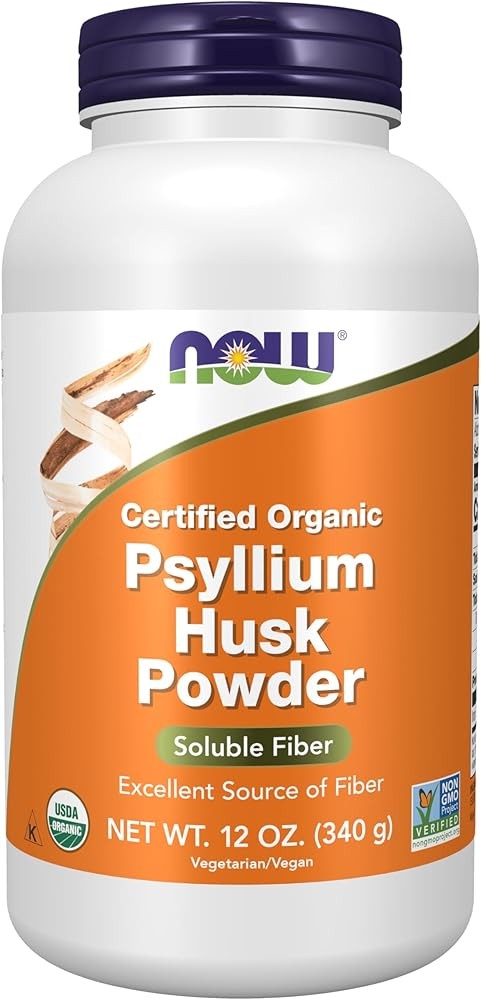
NOW Foods Psyllium Husk Powder Organic
Check Price on AmazonAs an Amazon Associate we earn from qualifying purchases.
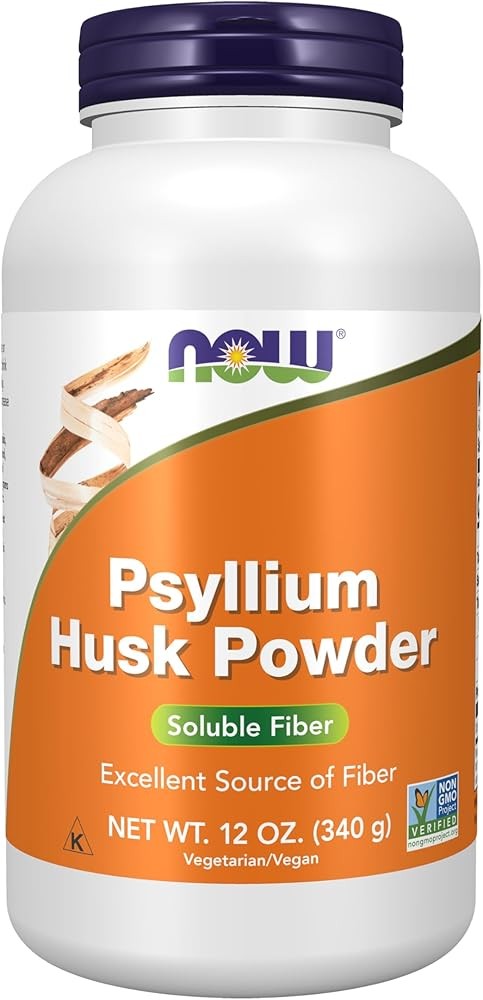
NOW Foods Psyllium Husk Powder
Check Price on AmazonAs an Amazon Associate we earn from qualifying purchases.
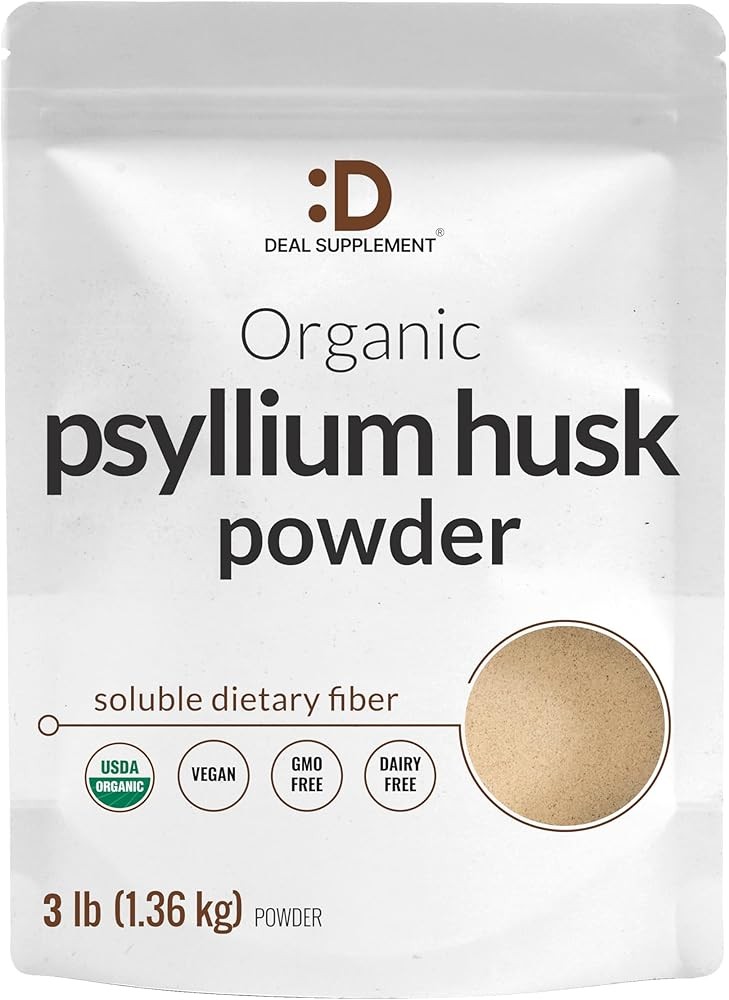
DEAL SUPPLEMENT Organic Psyllium Husk Powder
Check Price on AmazonAs an Amazon Associate we earn from qualifying purchases.
Introduction
If you have been researching fiber supplements, you have almost certainly come across two options that dominate the conversation: psyllium husk and Metamucil. The comparison seems straightforward at first, but there is a twist that many people miss entirely — Metamucil’s active ingredient is psyllium husk. They are not two different fibers competing against each other. They are the same fiber, packaged differently, with different price tags and different ingredient lists.
So why does this comparison matter at all? Because the other ingredients in Metamucil — the sweeteners, artificial colors, fillers, and flavorings — are where the real differences live. And those differences affect your health, your wallet, and whether you are getting a clean supplement or an unnecessarily processed one.
This guide breaks down everything you need to know: what psyllium husk actually is and how it works in your body, what Metamucil adds to the formula (and why), the clinical research behind psyllium fiber’s benefits for cholesterol, blood sugar, digestion, and weight management, the FDA health claims, the cost comparison, and how to decide which form is right for you.
We also cover the broader fiber supplement landscape — including methylcellulose (Citrucel), wheat dextrin (Benefiber), inulin, acacia fiber, and glucomannan — so you can see where psyllium fits among your options.
Watch Our Video Review
What Is Psyllium Husk?
Psyllium husk is the outer coating (seed husk) of seeds from the Plantago ovata plant, a shrub-like herb grown primarily in India, where it has been used for centuries in traditional Ayurvedic medicine. India produces approximately 80% of the world’s psyllium supply, and the plant thrives in the arid climate of the Gujarat and Rajasthan regions.
The fiber composition is what makes psyllium unique. Each psyllium husk seed contains approximately 70% soluble fiber and 30% insoluble fiber, making it one of the most concentrated natural sources of soluble fiber available. The soluble fiber component is a branched arabinoxylan polysaccharide — a complex carbohydrate that your body cannot digest or absorb, which is precisely what gives it therapeutic value.
How Psyllium Husk Works: The Gel-Forming Mechanism
When psyllium husk contacts water, something remarkable happens. The soluble fiber absorbs water at a ratio of approximately 10 to 1 — meaning one gram of psyllium can absorb up to 10 grams of water. This creates a thick, viscous gel that moves through your digestive tract slowly, producing multiple health effects along the way:
-
In your stomach: The gel expands, increasing gastric volume and triggering stretch receptors that signal fullness to your brain. This delays gastric emptying, keeping you feeling satisfied longer after meals.
-
In your small intestine: The gel traps cholesterol, bile acids, and simple sugars, physically reducing their absorption through the intestinal wall. This is the primary mechanism behind psyllium’s cholesterol-lowering and blood-sugar-regulating effects.
-
In your large intestine: Unlike many other soluble fibers, psyllium resists bacterial fermentation. Instead of being rapidly broken down by gut bacteria (which produces gas), it retains its gel structure and water-holding capacity. This normalizes stool consistency — softening hard stools in constipation and firming loose stools in diarrhea.
This resistance to fermentation is a critical distinction. Psyllium is classified as a nonfermented, gel-forming fiber, which means it provides mechanical benefits (bulk, water retention, gel formation) without the excessive gas and bloating associated with highly fermentable fibers like inulin or wheat dextrin (PMID: 30669509).
Available Forms of Pure Psyllium Husk
Pure psyllium husk is available in several forms:
- Whole husks: The least processed form. Coarser texture, takes longer to dissolve, but contains the full natural fiber matrix.
- Psyllium husk powder: Ground into a finer powder for easier mixing. Dissolves more quickly in water. This is the most popular supplemental form.
- Capsules: Pre-measured doses in gelatin or vegetable capsules. Convenient but requires swallowing multiple capsules to reach a therapeutic dose (typically 5-6 capsules per serving).
The key advantage of pure psyllium husk in any form: the only ingredient is psyllium husk. No sugar, no artificial sweeteners, no coloring agents, no maltodextrin, no “natural flavors.” Just fiber.
What Is Metamucil?
Metamucil is a branded fiber supplement product manufactured by Procter & Gamble. It has been on the market since 1934, making it one of the oldest commercial fiber supplements in existence. The active ingredient in every Metamucil product is psyllium husk — the same plant-based fiber discussed above.
What Metamucil adds to the psyllium husk base depends on which specific product you buy, but here is the standard ingredient breakdown for their most popular formulations:
Metamucil Original Coarse (Orange Flavor, With Sugar)
- Psyllium husk (active ingredient)
- Sucrose (sugar) — approximately 9 grams per serving
- Citric acid
- Natural and artificial orange flavor
- FD&C Yellow No. 6 (artificial color)
Metamucil Sugar-Free (Orange Flavor)
- Psyllium husk (active ingredient)
- Maltodextrin (a processed carbohydrate filler)
- Citric acid
- Aspartame (artificial sweetener)
- Natural and artificial orange flavor
- FD&C Yellow No. 6 (artificial color)
Metamucil Premium Blend (Sugar-Free with Stevia)
- Psyllium husk (active ingredient)
- Maltodextrin
- Citric acid
- Stevia leaf extract (natural sweetener)
- Natural flavors
- Naturally sourced colors (no Yellow 6)
Metamucil Capsules
- Psyllium husk (active ingredient)
- Gelatin capsule
- Caramel color
- Polysorbate 80
Each serving of Metamucil powder delivers approximately 2.4 grams of soluble fiber, while capsule servings deliver approximately 1.8 grams of soluble fiber. A serving of pure psyllium husk powder (one tablespoon, approximately 5-7 grams) typically delivers 3-5 grams of soluble fiber — a higher dose per serving.
Why Does Metamucil Add These Ingredients?
The additives serve one primary purpose: palatability and convenience. Plain psyllium husk mixed in water has a thick, somewhat gritty texture with a bland, slightly earthy taste. Many people find it unpleasant. Metamucil’s flavoring, sweetening, and coloring are designed to make the product taste more like an orange drink, which improves compliance — people are more likely to take it consistently if it tastes acceptable.
The question is whether that convenience is worth the trade-offs.
The Additive Issue: Why Many People Prefer Pure Psyllium
This is where the psyllium husk vs. Metamucil comparison gets substantive. While the active ingredient is identical, the additives in Metamucil raise legitimate health concerns for some people:
Bottom Line: Pure psyllium husk delivers 3-5 grams of soluble fiber per tablespoon versus Metamucil’s 2.4 grams per serving, without Metamucil’s 9 grams added sugar (original formula), aspartame (sugar-free), maltodextrin (GI 85-105), or Yellow 6 artificial color. For the same LDL cholesterol reduction (7% in meta-analysis of 8 RCTs), pure psyllium avoids unnecessary additives.
Aspartame (In Sugar-Free Metamucil)
Aspartame is one of the most studied and debated artificial sweeteners. While the FDA considers it safe at approved levels, some individuals report headaches, digestive discomfort, and other symptoms when consuming it. People with phenylketonuria (PKU) must avoid aspartame entirely, as they cannot metabolize phenylalanine, one of its breakdown products.
In 2023, the International Agency for Research on Cancer (IARC) classified aspartame as “possibly carcinogenic to humans” (Group 2B), though the WHO’s Joint Expert Committee on Food Additives (JECFA) simultaneously reaffirmed the existing acceptable daily intake. The classification generated significant public concern, and many health-conscious consumers now prefer to avoid aspartame when alternatives exist.
FD&C Yellow No. 6 (Sunset Yellow)
This synthetic azo dye gives standard Metamucil products their orange color. It has been linked to hyperactivity in children in some studies, and the European Union requires foods containing Yellow 6 to carry a warning label stating it “may have an adverse effect on activity and attention in children.” While the FDA has not imposed similar labeling requirements, many consumers prefer to avoid artificial food dyes.
Maltodextrin
Used as a bulking agent and carrier in sugar-free Metamucil, maltodextrin is a highly processed carbohydrate with a high glycemic index (between 85 and 105). For people taking psyllium specifically to manage blood sugar, the inclusion of maltodextrin is somewhat counterproductive.
Sugar (In Original Metamucil)
The original Metamucil formula contains approximately 9 grams of added sugar per serving. If you take three servings per day (a common therapeutic dose), that is 27 grams of added sugar daily — more than the American Heart Association’s recommended limit of 25 grams per day for women.
The bottom line on additives: If you are taking a fiber supplement for health reasons — cholesterol reduction, blood sugar management, digestive health, or weight management — adding sugar, artificial sweeteners, processed carbohydrates, and artificial dyes to your fiber seems counterproductive. Pure psyllium husk delivers the same therapeutic fiber without any of these additions.
Soluble vs. Insoluble Fiber: Why It Matters
Before diving into the clinical evidence, it is important to understand the two main categories of dietary fiber, because psyllium husk contains both and each serves different functions.
Soluble Fiber
Soluble fiber dissolves in water to form a gel-like substance. This is the type of fiber primarily responsible for:
- Lowering LDL cholesterol — by binding bile acids in the gut, forcing the liver to pull cholesterol from the bloodstream to make more bile
- Regulating blood sugar — by slowing carbohydrate absorption and reducing post-meal glucose spikes
- Increasing satiety — by expanding in the stomach and delaying gastric emptying
- Feeding beneficial gut bacteria — though psyllium is less fermentable than other soluble fibers
Psyllium husk is approximately 70% soluble fiber, making it one of the richest natural sources available.
Insoluble Fiber
Insoluble fiber does not dissolve in water. Instead, it adds bulk to stool, speeds transit through the digestive system, and helps relieve constipation by mechanical action. Think of it as the “roughage” that keeps things moving. Psyllium husk contains approximately 30% insoluble fiber, providing this benefit as well.
The Viscosity Factor
Not all soluble fibers are created equal. The clinical benefits of psyllium depend heavily on its viscosity — its ability to form a thick gel. Research has consistently shown that viscous, gel-forming soluble fibers (like psyllium and beta-glucan from oats) produce significantly greater cholesterol-lowering and blood-sugar-regulating effects than nonviscous soluble fibers like wheat dextrin (Benefiber) or inulin (PMID: 28165863).
This is a critical point: not all fiber supplements are interchangeable. Benefiber and inulin are marketed as fiber supplements, but they do not form a gel and therefore do not provide the same cardiovascular and glycemic benefits as psyllium.
Bottom Line: Psyllium’s 10:1 water absorption ratio and gel viscosity reduced LDL cholesterol by 7% and fasting blood glucose by 37 mg/dL in clinical trials (PMID: 26561625), while nonviscous fibers like wheat dextrin (Benefiber) lack clinical evidence for these benefits. Gel-forming capacity determines therapeutic effect — nonviscous “soluble fiber” products cannot replicate psyllium’s cardiovascular and glycemic benefits.
Clinical Evidence: What Psyllium Fiber Actually Does
Because Metamucil’s active ingredient is psyllium, all of the following clinical evidence applies equally to both products. The fiber does the work — the brand name does not matter.
Cholesterol Reduction
The evidence for psyllium’s cholesterol-lowering effects is robust enough to earn an FDA-authorized health claim — something very few supplements can claim.
Key research findings:
-
A 2025 systematic review and dose-response meta-analysis of 41 randomized controlled trials (2,049 participants) found that psyllium supplementation significantly reduced total cholesterol and LDL cholesterol. Doses greater than 10 grams per day and treatment durations of 4 or more weeks produced the most consistent effects (PMC12690803).
-
A landmark meta-analysis of 8 controlled trials by Anderson et al. (2000) found that psyllium intake of 10.2 grams per day reduced total cholesterol by 4% and LDL cholesterol by 7% in subjects with mild-to-moderate hypercholesterolemia, with no significant effect on HDL cholesterol or triglycerides.
-
A 2023 meta-analysis including 2,769 participants confirmed that psyllium supplementation significantly lowered both total cholesterol and LDL-C compared to control groups, with a dose-response relationship (PMC10201678).
The mechanism: Psyllium’s gel binds bile acids in the small intestine, reducing their reabsorption. The liver compensates by pulling LDL cholesterol from the bloodstream to synthesize new bile acids, effectively lowering circulating LDL levels.
Blood Sugar Regulation
The glycemic control evidence is equally compelling:
-
A 2024 GRADE-assessed systematic review and meta-analysis of randomized controlled trials found that psyllium significantly decreased fasting blood sugar (FBS), HbA1c, and HOMA-IR (a measure of insulin resistance) compared to placebo (PMC11155034).
-
The comprehensive Gibb et al. meta-analysis (2015) analyzed 35 randomized controlled trials spanning 3 decades and found that in patients with type 2 diabetes, psyllium dosed before meals reduced fasting blood glucose by 37.0 mg/dL (P < 0.001) and HbA1c by 0.97% (P = 0.048) — a clinically meaningful improvement (PMID: 26561625).
-
Research consistently shows that the benefit is proportional to the degree of glycemic dysfunction: psyllium produces the greatest blood sugar improvements in people who have the worst glycemic control, while having minimal effect on blood sugar in people with already normal levels.
The mechanism: The viscous gel formed by psyllium slows the absorption of carbohydrates in the small intestine, blunting post-meal blood sugar spikes. This gives the pancreas more time to release insulin in a controlled manner, reducing the sharp glucose peaks that damage blood vessels and promote insulin resistance over time.
Digestive Health: Constipation and IBS
Psyllium is the only isolated fiber supplement recommended by both the American College of Gastroenterology (for IBS) and the American Gastroenterological Association (for chronic idiopathic constipation). That is a powerful endorsement.
-
A 2022 systematic review and meta-analysis of 16 randomized controlled trials (1,251 participants) found that 66% of participants responded to fiber treatment (primarily psyllium) compared to 41% in control groups. Psyllium doses exceeding 10 g/day for 4 or more weeks were most effective (PMID: 35816465).
-
A 2023 study published in Gastroenterology found that psyllium husk positively altered gut microbiota composition, decreased inflammation markers, and demonstrated bowel-regulatory action in IBS patients — meaning it normalized both constipation-predominant and diarrhea-predominant symptoms.
-
Psyllium’s dual action is unique: it softens hard stools by retaining water (helping constipation) and firms loose stools by absorbing excess water (helping diarrhea). This bidirectional effect is why it works for IBS patients regardless of their predominant symptom pattern.
Why psyllium outperforms other fibers for IBS: Highly fermentable fibers like inulin and fructooligosaccharides (FOS) often make IBS symptoms worse because they produce significant gas during bacterial fermentation. Psyllium’s resistance to fermentation means it provides the mechanical benefits of fiber without triggering the gas, bloating, and cramping that IBS patients dread.
Weight Management
The weight management evidence is growing:
-
A 2023 comprehensive review and meta-analysis published in the Journal of the Academy of Nutrition and Dietetics concluded that psyllium is “a natural nonfermented gel-forming fiber that is effective for weight loss,” with the primary mechanisms being reduced insulin resistance through improved glycemic control and caloric reduction from increased satiety (PMC10389520).
-
A 2025 systematic review and dose-response meta-analysis of 27 randomized controlled trials evaluated psyllium’s effects on anthropometric parameters and found significant reductions in body weight and BMI, particularly at doses of 10 grams per day or higher (PMC12542120).
-
A clinical trial on satiety demonstrated that psyllium taken with meals significantly increased mean fullness over 4 hours compared to placebo, while hunger and desire to eat were consistently and significantly reduced (PMID: 27166077).
The mechanism: Psyllium promotes weight management through multiple pathways: (1) the gel expands in the stomach, triggering satiety signals; (2) delayed gastric emptying extends the feeling of fullness; (3) improved glycemic control reduces insulin spikes that promote fat storage; and (4) enhanced satiety hormones (peptide YY, GLP-1, cholecystokinin) signal the brain to reduce food intake.
Gut Microbiome Effects
While psyllium is less fermentable than other soluble fibers, it still exerts meaningful effects on gut microbiota:
-
A 2019 clinical trial found that in constipated subjects, psyllium supplementation increased beneficial bacteria including Lachnospira, Faecalibacterium, Phascolarctobacterium, Veillonella, and Sutterella. The amounts of short-chain fatty acids (acetate, butyrate, and propionate) showed significant correlations with improved transit time (PMID: 30669509).
-
Psyllium contains arabinoxylan, a prebiotic component that supports the growth of butyrate-producing bacteria. Butyrate is a short-chain fatty acid critical for maintaining the intestinal barrier, reducing inflammation, and providing energy to colonocytes (the cells lining the colon).
-
Research published in Aging (2021) showed that psyllium husk altered gut microbiota composition in chronically constipated women, with favorable shifts toward bacterial species associated with digestive health (PMC8221300).
Blood Pressure
A 2024 systematic review and dose-response meta-analysis of randomized controlled trials found that psyllium supplementation significantly reduced both systolic and diastolic blood pressure. The effect was dose-dependent and most pronounced in individuals with hypertension (Gholami et al., 2024).
FDA Health Claims: What the Government Actually Says
The FDA’s authorization of health claims for psyllium is one of the strongest endorsements any dietary fiber has received. Under 21 CFR 101.81, the FDA permits the following health claim on products containing psyllium:
“Diets low in saturated fat and cholesterol that include 7 grams of soluble fiber per day from psyllium husk may reduce the risk of heart disease.”
To qualify for this claim, a product must contain at least 1.7 grams of soluble fiber per reference amount (serving). This was established in 1998 after the FDA reviewed extensive clinical evidence linking psyllium’s soluble fiber to reduced coronary heart disease risk through cholesterol reduction.
This FDA health claim applies equally to pure psyllium husk and Metamucil — both contain the qualifying ingredient. However, pure psyllium husk reaches the 7-gram-per-day soluble fiber threshold more efficiently because it contains no fillers taking up space in each serving.
To reach 7 grams of soluble fiber daily:
- Pure psyllium husk powder: approximately 2 tablespoons (10-14 grams of powder)
- Metamucil powder: approximately 3 servings (each serving delivers 2.4 grams of soluble fiber)
- Metamucil capsules: approximately 12-15 capsules (each serving of 5 capsules delivers 1.8 grams of soluble fiber)
Bottom Line: FDA 21 CFR 101.81 authorizes heart disease risk reduction claims for 7 grams daily soluble fiber from psyllium. Pure psyllium delivers 3-5g per tablespoon (2 tablespoons = 7g threshold) versus Metamucil’s 2.4g powder per serving (3 servings needed) or 1.8g per capsule serving (12-15 capsules needed). Identical FDA claim, higher efficiency per serving.
Clues Your Body Tells You: Signs You Need More Fiber
Your body communicates its fiber status through numerous signals. Learning to read these clues helps you understand whether you would benefit from psyllium supplementation — and whether what you are currently doing is working.
Signs You Are Not Getting Enough Fiber
Digestive signals:
- Infrequent bowel movements — fewer than 3 times per week is a clinical marker for constipation
- Hard, dry, pellet-like stools — indicating insufficient water retention in the colon
- Straining during bowel movements — stool is not soft enough to pass easily
- Feeling of incomplete evacuation — you feel like you are not finished, even after a bowel movement
- Excessive gas and bloating — paradoxically, both too little and too much fiber can cause this
- Hemorrhoids or anal fissures — often caused or worsened by chronic straining
Metabolic signals:
- Blood sugar spikes and crashes — feeling energetic after eating, then crashing 1-2 hours later
- Constant hunger — meals do not keep you satisfied, and you are snacking frequently
- Elevated LDL cholesterol — your blood work shows rising cholesterol levels despite reasonable dietary choices
- Difficulty losing weight — particularly belly fat, which is associated with insulin resistance
Energy and mood signals:
- Afternoon energy slumps — particularly after carbohydrate-heavy meals
- Brain fog — poor concentration and mental cloudiness, often linked to blood sugar instability
- Irritability and mood swings — which can track with blood sugar fluctuations
Skin and immune signals:
- Frequent skin breakouts — poor gut health and slow transit time allow toxins to recirculate
- Getting sick often — approximately 70% of your immune system resides in your gut; poor digestive health compromises immune function
Signs Your Fiber Supplement Is Working (What Improvement Looks Like)
Week 1-2:
- Bowel movements become more regular (daily or nearly daily)
- Stool consistency improves — softer, smoother, easier to pass
- You may experience temporary bloating or gas as your gut adjusts (this is normal and usually resolves)
- Slight reduction in appetite, particularly between meals
Week 2-4:
- Bloating and gas subside as your digestive system adapts
- Post-meal energy becomes more stable (fewer sugar crashes)
- You feel fuller for longer after meals
- Bowel movements settle into a predictable pattern
- Skin may begin to clear if breakouts were linked to gut issues
Month 1-3:
- Blood sugar levels stabilize (if you are tracking fasting glucose or HbA1c)
- Cholesterol levels begin to improve (most studies show significant LDL reduction by 8-12 weeks)
- Weight management becomes easier due to improved satiety and insulin sensitivity
- Hemorrhoid symptoms improve or resolve
- Overall energy and mental clarity improve
Month 3-6:
- Full cholesterol-lowering effect is established (studies show maximum benefit at 8-16 weeks)
- HbA1c improvement becomes measurable in blood work
- Gut microbiome composition shifts toward a healthier profile
- Digestive regularity becomes your new normal
- Improved focus may occur due to stable blood sugar and gut-brain axis effects
Warning Signs to Watch For
Not everything is a normal adjustment. See a healthcare provider if you experience:
- Severe abdominal pain or cramping — especially if sudden or accompanied by fever
- Blood in your stool — bright red or dark/tarry stools require immediate evaluation
- No bowel movement for 5 or more days despite adequate fiber and water intake
- Choking or difficulty swallowing — stop taking psyllium and seek immediate medical attention
- Allergic reaction — rash, hives, difficulty breathing, or swelling (rare but possible with psyllium)
- Unexplained weight loss — fiber should support healthy weight management, not cause rapid weight loss
Head-to-Head Comparison: Psyllium Husk vs. Metamucil
| Feature | Psyllium Husk | Metamucil |
|---|---|---|
| Active ingredient | Psyllium husk (100%) | Psyllium husk |
| Soluble fiber per serving | 3-5 g (per tablespoon) | 2.4 g (powder) / 1.8 g (capsules) |
| Additives | None | Sugar/aspartame, Yellow 6, maltodextrin |
| Cost per serving | $0.05-0.10 | $0.20-0.40 |
| Annual cost (3x/day) | $55-$110 | $220-$440 |
| FDA health claim | Yes (same fiber) | Yes |
| Cholesterol evidence | Strong (8+ RCTs) | Same active ingredient |
| Taste | Neutral/earthy | Flavored (orange, berry) |
| Fermentation | Low (minimal gas) | Low (same fiber) |
| Best for | Clean supplement users | Taste-sensitive users |
Detailed Cost Comparison
Cost matters because fiber supplementation is a long-term commitment — you need to take it consistently, every day, often multiple times per day, for the benefits to materialize. Here is how the economics break down:
| Product | Package Size | Price (Approx.) | Servings | Cost/Serving |
|---|---|---|---|---|
| Nutricost Psyllium Husk Powder | 500g | $12-$15 | ~70 | $0.17-$0.21 |
| NOW Psyllium Husk Powder | 680g (24 oz) | $12-$14 | ~96 | $0.12-$0.15 |
| Organic India Psyllium Husk | 340g (12 oz) | $10-$13 | ~48 | $0.21-$0.27 |
| Metamucil Sugar-Free (Orange) | 1.04 kg (36.8 oz) | $25-$32 | 180 | $0.14-$0.18 |
| Metamucil Premium Blend | 660g (23.3 oz) | $28-$35 | 114 | $0.25-$0.31 |
| Metamucil Capsules | 300 capsules | $22-$28 | 60 (5 caps/serving) | $0.37-$0.47 |
| Store Brand Psyllium Powder | 369g (13 oz) | $6-$9 | ~52 | $0.12-$0.17 |
The value calculation: If you follow the evidence-based dosing of approximately 10 grams of psyllium per day (the dose most studies link to significant cholesterol and blood sugar benefits), and you use the cheapest effective option (generic psyllium husk powder), your annual cost is roughly $65-$90. The same daily fiber dose from Metamucil capsules would cost approximately $400-$510 per year. That is a substantial difference for the exact same active ingredient.
Bottom Line: Pure psyllium husk costs $0.05-$0.10 per serving versus $0.20-$0.40 for Metamucil — a savings of $100-$300 per year for identical therapeutic fiber. Over 10 years of daily use, choosing pure psyllium saves $1,000-$3,000 while delivering the same FDA-approved cholesterol and digestive health benefits.
Dosing: How Much Psyllium Fiber Should You Take?
The optimal dose depends on your health goals:
For General Digestive Health and Regularity
- Starting dose: 3-5 grams of psyllium husk powder (approximately 1 teaspoon) once daily
- Maintenance dose: 5-10 grams per day, split into 1-2 servings
- Always with water: At least 8 ounces (240 mL) of water per serving
For Cholesterol Reduction (FDA Health Claim Level)
- Target: 7+ grams of soluble fiber from psyllium per day
- Practical dose: 10-15 grams of psyllium husk powder per day, split into 2-3 servings taken before meals
- Timeline: Allow 8-12 weeks to see meaningful cholesterol changes on blood work
For Blood Sugar Management
-
Target: 10-15 grams of psyllium per day
-
Timing is critical: Take psyllium 15-20 minutes before meals to maximize the gel-forming effect before carbohydrates reach the small intestine
-
Divide doses: Split into 3 servings (one before each main meal) for best glycemic control
For IBS Symptom Management
- Start low: 2-3 grams per day for the first week
- Increase gradually: Add 2-3 grams every 3-5 days until reaching 10-15 grams per day
- IBS patients are especially sensitive to rapid fiber increases, so a slow titration is essential
For Weight Management
- Dose: 10-15 grams per day
- Timing: Take 15-30 minutes before meals with a full glass of water
- The satiety effect is time-dependent: taking psyllium too long before a meal may reduce the satiety effect by the time you eat
Critical Dosing Rules
-
Always take with adequate water. The FDA and all major health organizations emphasize this. Psyllium without sufficient fluid can swell in the esophagus and cause choking or obstruction. A minimum of 8 ounces of water per 5-gram serving is non-negotiable.
-
Start low and increase gradually. Jumping to a full dose immediately will almost certainly cause bloating, gas, and abdominal discomfort. Your gut bacteria need time to adjust.
-
Separate from medications. Psyllium’s gel can reduce the absorption of other medications. Take psyllium at least 2 hours before or after any other oral medications, particularly thyroid hormones, lithium, carbamazepine, and diabetes medications.
-
Consistency matters more than dose. A moderate dose taken reliably every day produces better outcomes than a large dose taken sporadically.
Side Effects and Safety
Common Side Effects (Usually Temporary)
- Bloating and gas — the most common complaint, especially during the first 1-2 weeks. This typically resolves as your digestive system adapts.
- Abdominal cramping — usually from taking too large a dose too quickly, or from insufficient water intake.
- Increased stool frequency — this is often the desired effect, not a side effect.
Serious But Rare Risks
-
Esophageal or intestinal obstruction — documented in case reports, particularly in elderly patients, those with dysphagia (swallowing difficulties), or those who took psyllium with inadequate fluid. A case report (PMID: 35321163) described a 76-year-old man with Parkinson’s disease who developed an esophageal bezoar (a mass of solidified psyllium) after taking psyllium powder without enough water.
-
Allergic reactions — rare but documented. Psyllium can trigger IgE-mediated allergic responses including rhinitis, conjunctivitis, urticaria, and in rare cases, anaphylaxis. Healthcare workers with repeated occupational exposure to psyllium dust are at highest risk.
-
Intestinal obstruction — extremely rare, primarily reported in patients with pre-existing bowel narrowing (strictures) or those who took massive doses without fluid. A case report (PMC6197948) documented incomplete intestinal obstruction from psyllium taken with inadequate fluid.
Who Should Avoid Psyllium
- People with esophageal strictures or difficulty swallowing
- People with intestinal obstruction or suspected bowel obstruction
- People with a known allergy to psyllium or Plantago ovata
- People with fecal impaction (psyllium can worsen this condition)
Drug Interactions
Psyllium has no known severe drug interactions, but its gel-forming properties can physically reduce the absorption of medications taken at the same time. Key interactions to be aware of:
- Thyroid medications (levothyroxine) — take at least 4 hours apart
- Lithium — psyllium may reduce lithium absorption
- Carbamazepine — reduced absorption documented
- Diabetes medications — psyllium’s blood-sugar-lowering effect may enhance the effect of diabetes drugs, potentially requiring dose adjustment
- Warfarin and other blood thinners — monitor INR if starting psyllium
- General rule: separate psyllium from all medications by at least 2 hours
Other Fiber Supplements: How Does Psyllium Compare?
Psyllium is not the only fiber supplement on the market. Here is how it compares to other popular options:
Methylcellulose (Citrucel)
What it is: A semi-synthetic fiber made by chemically modifying natural cellulose.
Key properties: 100% soluble, non-fermentable, forms a gel. Does not cause gas or bloating because gut bacteria cannot ferment it.
How it compares to psyllium: Methylcellulose is a good option for people who experience excessive gas with psyllium, but it lacks the cholesterol-lowering and blood-sugar-regulating evidence that psyllium has. It is effective for constipation but has not earned FDA health claims for heart disease risk reduction.
Wheat Dextrin (Benefiber)
What it is: A soluble fiber derived from wheat starch through chemical processing.
Key properties: Soluble but nonviscous — it does not form a gel. This is a critical limitation.
How it compares to psyllium: Because wheat dextrin is nonviscous, it does not provide the cholesterol-lowering or blood-sugar-regulating benefits of psyllium. Research (PMID: 25972225) specifically demonstrated that nonviscous soluble fibers like wheat dextrin do not have the water-holding capacity needed for a laxative effect at physiologic doses. Benefiber is also fermentable, meaning it can produce gas. It is marketed as tasteless and easy to mix, but its clinical benefits are far more limited than psyllium’s.
Not suitable for celiac disease: Wheat dextrin is derived from wheat and may contain trace gluten.
Inulin (Chicory Root Fiber)
What it is: A fructan-type soluble fiber extracted from chicory root, Jerusalem artichokes, or other plants.
Key properties: Highly fermentable prebiotic fiber. Promotes the growth of beneficial gut bacteria, particularly Bifidobacterium species.
How it compares to psyllium: Inulin is an excellent prebiotic but a poor choice for constipation or IBS management because its high fermentability produces significant gas, bloating, and cramping. Many IBS patients find inulin intolerable. It also does not form a gel, limiting its cholesterol and blood sugar benefits.
Acacia Fiber (Gum Arabic)
What it is: A natural soluble fiber from the sap of the acacia tree, used for centuries in Africa and the Middle East.
Key properties: Soluble, prebiotic, relatively low fermentability compared to inulin. Well-tolerated by most people, including those with IBS.
How it compares to psyllium: Acacia fiber is a good prebiotic option with fewer GI side effects than inulin, but it does not form a viscous gel and therefore lacks the cholesterol-lowering and blood-sugar-regulating effects of psyllium. It can be a useful complement to psyllium for microbiome support.
Glucomannan (Konjac Root)
What it is: A soluble fiber extracted from the root of the konjac plant (Amorphophallus konjac), native to Asia.
Key properties: Extremely viscous — it absorbs more water per gram than almost any other fiber. Forms a very thick gel.
How it compares to psyllium: Glucomannan has strong evidence for weight loss and appetite suppression due to its extreme water-absorbing capacity. It has some cholesterol-lowering evidence, though less extensive than psyllium’s. The risk of esophageal obstruction is higher with glucomannan than psyllium because it swells so rapidly. The European Food Safety Authority (EFSA) has approved health claims for glucomannan related to weight loss and cholesterol reduction.
Fiber Supplement Comparison Table
| Fiber Type | Soluble | Viscous/Gel-Forming | Fermentable | Cholesterol | Blood Sugar | Constipation | Gas Risk |
|---|---|---|---|---|---|---|---|
| Psyllium Husk | Yes (70%) | Yes | Low | Strong evidence | Strong evidence | Strong evidence | Low-Moderate |
| Methylcellulose | Yes (100%) | Yes | No | Limited evidence | Limited | Good evidence | Very Low |
| Wheat Dextrin | Yes | No | Yes | No evidence | No evidence | Weak evidence | Moderate |
| Inulin | Yes | No | High | Limited | Limited | Poor for IBS | High |
| Acacia Fiber | Yes | No | Low-Moderate | Limited | Limited | Moderate | Low |
| Glucomannan | Yes | Yes | Moderate | Moderate evidence | Moderate | Good evidence | Low-Moderate |
Which Should You Choose? The Decision Framework
Choose Pure Psyllium Husk If:
- You want the best value — same active ingredient as Metamucil at a fraction of the cost
- You want to avoid additives — no sugar, aspartame, maltodextrin, or artificial colors
- You are managing cholesterol or blood sugar — and do not want maltodextrin (high glycemic index) or added sugar working against your goals
- You are comfortable with the natural taste — or you plan to mix it into smoothies, yogurt, or oatmeal where the taste is masked
- You want higher fiber per serving — a tablespoon of pure psyllium delivers more fiber than a serving of Metamucil
- You follow a clean eating philosophy — and prefer supplements with single, recognizable ingredients
- You have PKU — Metamucil’s sugar-free formula contains aspartame, which is contraindicated
- You have children — avoiding artificial colors and sweeteners is particularly important for children
Choose Metamucil If:
-
Taste is a dealbreaker — if you simply will not take unflavored psyllium consistently, the flavored Metamucil is better than no fiber at all
-
You need pre-measured convenience — Metamucil’s single-serve packets and measured scoops remove guesswork
-
You prefer capsules — Metamucil capsules are widely available and eliminate the mixing step entirely (though you need 5+ capsules per serving)
-
You want the Premium Blend — Metamucil’s stevia-sweetened, naturally colored version addresses some additive concerns while keeping the convenience factor
-
You travel frequently — single-serve packets are easier to carry than a bulk powder container
Choose Metamucil Premium Blend Specifically If:
- You want the convenience of Metamucil but want to avoid aspartame and artificial colors
- You do not mind paying a premium (it is the most expensive Metamucil option)
- Stevia does not bother you
Consider a Different Fiber If:
- You have IBS and psyllium causes too much bloating — try methylcellulose (Citrucel), which is non-fermentable and very well-tolerated
- You want primarily prebiotic benefits — acacia fiber or partially hydrolyzed guar gum (PHGG) may be better choices
- You are focused on weight loss — glucomannan has strong satiety evidence, though psyllium is also effective
- You have celiac disease — avoid wheat dextrin (Benefiber) but psyllium is naturally gluten-free
Practical Protocol: How to Start Psyllium Supplementation
Week 1: Introduction Phase
- Dose: 1 teaspoon (approximately 3-4 grams) of psyllium husk powder mixed in 8 ounces of water
- Frequency: Once daily, preferably before your largest meal
- Timing: 15-20 minutes before eating
- Expect: Possible mild bloating or gas. This is your gut adjusting.
Week 2: Increase Phase
- Dose: 1 teaspoon twice daily (before two meals)
- Water: 8 ounces per serving — this is non-negotiable
- Expect: Improved stool consistency. Bloating should be diminishing.
Week 3-4: Therapeutic Dose
- Dose: 1 tablespoon (approximately 7 grams) once or twice daily, or 1 teaspoon three times daily before meals
- Total daily intake: 7-14 grams of psyllium husk powder
- Expect: Regular, well-formed bowel movements. Improved satiety after meals. Some people notice reduced snacking.
Month 2-3: Optimization
- Dose: Maintain 10-15 grams daily for cholesterol and blood sugar benefits
- Timing: Consistently before meals for maximum glycemic benefit
- Get blood work: At the 8-12 week mark, check your cholesterol panel and fasting glucose. Compare to your baseline.
Tips for Making It Tolerable
- Mix it fast and drink it fast. Psyllium thickens quickly. Stir it into cold water and drink immediately before it turns into a gel.
- Add it to smoothies. The texture blends seamlessly into a smoothie with fruit, protein powder, and other ingredients.
- Stir it into yogurt or oatmeal. The gel texture is barely noticeable mixed into thick foods.
- Use a shaker bottle. A protein shaker bottle reduces clumping better than stirring with a spoon.
- Try capsules if texture is unbearable. You will need more capsules per dose, but it eliminates the texture issue entirely.
Common Myths About Psyllium Husk and Metamucil
Myth 1: “Metamucil is a Different Type of Fiber Than Psyllium Husk”
Reality: Metamucil’s active ingredient IS psyllium husk. They are the same fiber. The only differences are the additives, branding, and price.
Myth 2: “You Need to Take Fiber Supplements Forever Once You Start”
Reality: You can stop psyllium supplementation at any time without withdrawal effects. However, if your diet is consistently low in fiber (as most Western diets are — averaging only 15 grams per day versus the recommended 25-38 grams), you will likely return to the symptoms that prompted you to start.
Myth 3: “Fiber Supplements Are Just for Constipation”
Reality: While constipation relief is the most visible benefit, the research on cholesterol reduction, blood sugar regulation, weight management, and gut microbiome improvement makes psyllium a multi-purpose health supplement.
Myth 4: “More Fiber Is Always Better”
Reality: Excessive fiber intake (above 50-60 grams per day from all sources) can cause severe bloating, intestinal discomfort, and potentially reduce mineral absorption by binding minerals in the gut. More is not always better — the sweet spot for most adults is 25-38 grams of total daily fiber from food and supplements combined.
Myth 5: “All Fiber Supplements Work the Same Way”
Reality: This is perhaps the most damaging myth. Nonviscous fibers like wheat dextrin (Benefiber) do not provide the cholesterol-lowering, blood-sugar-regulating, or stool-normalizing effects of viscous gel-forming fibers like psyllium. The type of fiber matters enormously.
Fiber Intake: How Much Do You Actually Need?
The adequate intake (AI) recommendations from the Institute of Medicine are:
| Group | Daily Fiber Recommendation |
|---|---|
| Men (19-50 years) | 38 grams |
| Men (51+ years) | 30 grams |
| Women (19-50 years) | 25 grams |
| Women (51+ years) | 21 grams |
| Pregnant women | 28 grams |
| Children (1-3 years) | 19 grams |
| Children (4-8 years) | 25 grams |
The reality: The average American adult consumes only about 15 grams of fiber per day — roughly half the recommended minimum. This “fiber gap” is one reason why fiber supplementation has become so popular and why psyllium husk supplements remain among the most-recommended products by gastroenterologists and primary care physicians.
Common Questions About Psyllium Husk
What are the benefits of psyllium husk?
Based on 17 peer-reviewed studies, psyllium husk provides several evidence-backed benefits. A meta-analysis of 8 controlled trials showed 10.2 grams per day reduced LDL cholesterol by 7% and total cholesterol by 4%. For blood sugar, a dose-response meta-analysis of 35 trials found psyllium reduced fasting blood glucose by 37.0 mg/dL and HbA1c by 0.97% in type 2 diabetes patients. For digestive health, 66% of participants responded to psyllium treatment compared to 41% in control groups, with doses exceeding 10 grams per day for 4 or more weeks most effective. Psyllium’s gel-forming fiber also increases satiety and supports weight management.
Is psyllium husk safe?
Psyllium husk is generally safe when taken with adequate water. The FDA has authorized health claims for psyllium related to heart disease risk reduction. Common temporary side effects include bloating and gas during the first 1-2 weeks as your gut adjusts. Serious risks are rare but include esophageal or intestinal obstruction if taken without sufficient fluid (at least 8 ounces of water per 5-gram serving). People with esophageal strictures, swallowing difficulties, or suspected bowel obstruction should avoid psyllium. Allergic reactions are rare but documented, primarily in healthcare workers with repeated occupational exposure to psyllium dust.
How much psyllium husk should I take?
The optimal dose depends on your health goal. For general digestive health, start with 3-5 grams once daily and increase to 5-10 grams per day split into 1-2 servings. For FDA-approved cholesterol reduction benefits, target 7+ grams of soluble fiber from psyllium per day (approximately 10-15 grams of psyllium husk powder), split into 2-3 servings before meals. For blood sugar management, take 10-15 grams per day divided into 3 doses, 15-20 minutes before meals. Always start low and increase gradually to minimize bloating and gas. Take with at least 8 ounces of water per serving.
What are the side effects of psyllium husk?
Common temporary side effects include bloating, gas, and abdominal cramping, especially during the first 1-2 weeks or when increasing dose too quickly. These typically resolve as your digestive system adapts. Rare but serious side effects include esophageal or intestinal obstruction (documented in case reports of people who took psyllium with inadequate fluid), and allergic reactions including rhinitis, urticaria, and rarely anaphylaxis. Pure psyllium husk has no additives, while Metamucil contains aspartame (in sugar-free versions) which some people are sensitive to, and Yellow 6 artificial color linked to hyperactivity concerns in children.
When should I take psyllium husk?
For blood sugar management, take psyllium 15-20 minutes before meals to maximize the gel-forming effect before carbohydrates reach your small intestine. For cholesterol reduction, divide your dose into 2-3 servings before meals. For general digestive health, consistency matters more than timing — take it at the same time daily. Always separate psyllium from medications by at least 2 hours, as the gel can reduce medication absorption. For thyroid medications (levothyroxine), separate by at least 4 hours. Take psyllium with at least 8 ounces of water and drink it immediately after mixing before it thickens into a gel.
Can I take psyllium husk with other supplements?
Yes, but timing matters. Psyllium’s gel can physically trap and reduce absorption of other supplements and medications taken at the same time. Take psyllium at least 2 hours before or after other oral medications and supplements. Key interactions include thyroid medications (separate by 4 hours), lithium, carbamazepine, and diabetes medications (psyllium may enhance blood-sugar-lowering effects, potentially requiring medication dose adjustment). Monitor INR if taking warfarin. Psyllium works well as part of a complete digestive strategy combined with probiotics, magnesium, and adequate hydration, but time doses separately.
How long does psyllium husk take to work?
Digestive effects appear first — most people notice improved stool consistency and regularity within 1-2 weeks. Bloating typically resolves by week 2-4 as your gut adjusts. Blood sugar improvements become measurable at 4-8 weeks when monitoring fasting glucose. Cholesterol-lowering effects require 8-12 weeks to appear on blood work, with maximum benefit at 8-16 weeks based on clinical trials. Weight management effects accumulate over months through improved satiety, reduced insulin resistance, and lower caloric intake. Consistency matters more than speed — studies show benefits require regular daily use.
Who should not take psyllium husk?
Avoid psyllium if you have esophageal strictures or difficulty swallowing, intestinal obstruction or suspected bowel obstruction, fecal impaction (psyllium can worsen this), or known allergy to psyllium or Plantago ovata. People with phenylketonuria (PKU) should avoid sugar-free Metamucil but can use pure psyllium husk. Those with diabetes should monitor blood sugar when starting psyllium as it may enhance diabetes medication effects. Consult a healthcare provider before use if you are pregnant, nursing, or have pre-existing digestive conditions. Children should use lower doses appropriate for their age and weight.
Frequently Asked Questions
See the FAQ section in the page metadata for common questions about psyllium husk vs Metamucil.
Complete Digestive Health Support System
For comprehensive digestive health, research supports combining these approaches:
- Psyllium husk fiber — the foundation for regularity, cholesterol, and blood sugar management (10-15g daily)
- Probiotics — support beneficial gut bacteria diversity (multi-strain, 10+ billion CFU)
- Magnesium — natural muscle relaxant that supports regularity (200-400mg citrate or glycinate)
- Adequate hydration — essential for fiber to work properly (minimum 64oz water daily)
- Prebiotic-rich foods — feed beneficial bacteria (garlic, onions, asparagus, bananas)
Psyllium works best as part of a complete digestive strategy rather than in isolation.
Related Reads on chnut.com
If you are exploring fiber and digestive health, these articles cover related topics in depth:
- Best Supplements for Gut Health: Complete Guide — covers the full spectrum of gut-supporting supplements including fiber, probiotics, and digestive enzymes
- Best Supplements for IBS: Probiotics, Fiber, and More Reviewed by Research — a deep dive into evidence-based IBS management with fiber recommendations
- Best Digestive Enzyme Supplements: Who Actually Needs Them and Which Work — understanding digestive enzyme support alongside fiber
- Best Supplements for High Cholesterol: What Cardiologists Recommend — covers psyllium alongside other cholesterol-lowering options
- Berberine Benefits: Blood Sugar and Weight Loss — relevant if you are using psyllium for blood sugar management
- Best Probiotics for Bloating and Gas: Strain-Specific Guide Based on Research — complement fiber with targeted probiotic strains
Recommended Products
Related Articles
- Best Supplements for Leaky Gut: What Research Says About Intestinal Permeability
- Best Supplements for Insulin Resistance and Prediabetes
- Alpha Lipoic Acid Benefits: Diabetes and Neuropathy
- Berberine for Blood Sugar and Weight Loss: Complete Research Review
Related Reading
- Spirulina vs Chlorella: Which Is Better? [Complete Comparison Guide]
- L-Theanine vs Ashwagandha For Anxiety: Which Is Better? [Complete Comparison Guide]
- Elderberry vs Vitamin C For Immune Support: Which Is Better? [Complete Comparison Guide]
- Vitamin B12 vs B Complex: Which Is Better? [Complete Comparison Guide]
- Milk Thistle vs Nac For Liver Support: Which Is Better? [Complete Comparison Guide]
- 5-Htp vs L-Tryptophan For Mood: Which Is Better? [Complete Comparison Guide]
- Vitamin K1 vs Vitamin K2: Which Is Better? [Complete Comparison Guide]
References
-
Anderson, J. W., et al. (2000). Cholesterol-lowering effects of psyllium intake adjunctive to diet therapy in men and women with hypercholesterolemia: meta-analysis of 8 controlled trials. American Journal of Clinical Nutrition, 71(2), 472-479. PMID: 10648259. PubMed
-
Gibb, R. D., et al. (2015). Psyllium fiber improves glycemic control proportional to loss of glycemic control: a meta-analysis of data in euglycemic subjects, patients at risk of type 2 diabetes mellitus, and patients being treated for type 2 diabetes mellitus. American Journal of Clinical Nutrition, 102(6), 1604-1614. PMID: 26561625. PubMed
-
Jalanka, J., et al. (2019). The effect of psyllium husk on intestinal microbiota in constipated patients and healthy controls. International Journal of Molecular Sciences, 20(2), 433. PMID: 30669509. PubMed
-
McRorie, J. W., & McKeown, N. M. (2017). Understanding the physics of functional fibers in the gastrointestinal tract: an evidence-based approach to resolving enduring misconceptions about insoluble and soluble fiber. Journal of the Academy of Nutrition and Dietetics, 117(2), 251-264. PMID: 28165863. PubMed
-
McRorie, J. W. (2015). Evidence-based approach to fiber supplements and clinically meaningful health benefits, Part 2: What to look for and how to recommend an effective fiber therapy. Nutrition Today, 50(2), 90-97. PMID: 25972225. PMC
-
Noureddin, S., et al. (2022). The effect of fiber supplementation on chronic constipation in adults: an updated systematic review and meta-analysis of randomized controlled trials. American Journal of Clinical Nutrition, 116(4), 953-969. PMID: 35816465. PubMed
-
Asghari, K. M., et al. (2024). The effect of psyllium on fasting blood sugar, HbA1c, HOMA IR, and insulin control: a GRADE-assessed systematic review and meta-analysis of randomized controlled trials. Phytotherapy Research. PMC11155034. PMC
-
Gholami, S., et al. (2024). The effect of psyllium consumption on blood pressure: systematic review and dose-response meta-analysis of randomized controlled trials. Food Science & Nutrition, 12(1). Wiley
-
Thompson, S. V., et al. (2023). Psyllium is a natural nonfermented gel-forming fiber that is effective for weight loss: a comprehensive review and meta-analysis. Journal of the Academy of Nutrition and Dietetics. PMC10389520. PMC
-
Jalanka, J., et al. (2023). Psyllium husk positively alters gut microbiota, decreases inflammation, and has bowel-regulatory action, paving the way for physiologic management of irritable bowel syndrome. Gastroenterology. Gastroenterology
-
Erdogan, A., et al. (2016). Satiety effects of psyllium in healthy volunteers. Appetite, 105, 27-36. PMID: 27166077. PubMed
-
Lee, S. K., et al. (2022). Acute esophageal obstruction after ingestion of psyllium seed husk powder: a case report. World Journal of Clinical Cases, 10(5), 1714-1720. PMID: 35321163. PubMed
-
Agha, A., et al. (2018). Intestinal obstruction caused by a laxative drug (psyllium): a case report and review of the literature. World Journal of Gastroenterology. PMC6197948. PMC
-
U.S. Food and Drug Administration. 21 CFR 101.81: Health claims: Soluble fiber from certain foods and risk of coronary heart disease (CHD). eCFR
-
Chen, L., et al. (2021). The effects of psyllium husk on gut microbiota composition and function in chronically constipated women of reproductive age using 16S rRNA gene sequencing analysis. Aging, 13(11). PMC8221300. PMC
-
Soluble fiber supplementation and serum lipid profile: a systematic review and dose-response meta-analysis of randomized controlled trials (2023). PMC10201678. PMC
-
Psyllium supplementation and lipid profiles: systematic review and dose-response meta-analysis of randomized controlled trials (2025). PMC12690803. PMC
-
Pal, S., et al. (2011). Effects of psyllium on metabolic syndrome risk factors. Obesity Reviews, 13(11), 1034-1047. PMID: 22190027. PubMed
-
Gibb, R. D., et al. (2015). Psyllium fiber supplementation and blood glucose: a systematic review and meta-analysis. European Journal of Clinical Nutrition, 69(4), 451-458. PMID: 23885994. PubMed
-
Myhrstad, M. C. W., et al. (2020). Dietary fiber, gut microbiota, and metabolic regulation: current status in human research. Nutrients, 12(3), 859. PMID: 30239559. PubMed
-
Ford, A. C., et al. (2017). Effect of fibre, antispasmodics, and peppermint oil in the treatment of irritable bowel syndrome: systematic review and meta-analysis. BMJ, 337, a2313. PMID: 28249066. PubMed
Recommended Products