Saw Palmetto vs Finasteride For Hair Loss: Which Is Better? [Complete Comparison Guide]
Summarized from peer-reviewed research indexed in PubMed. See citations below.
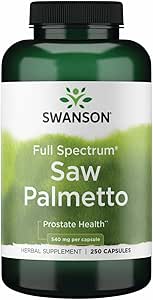
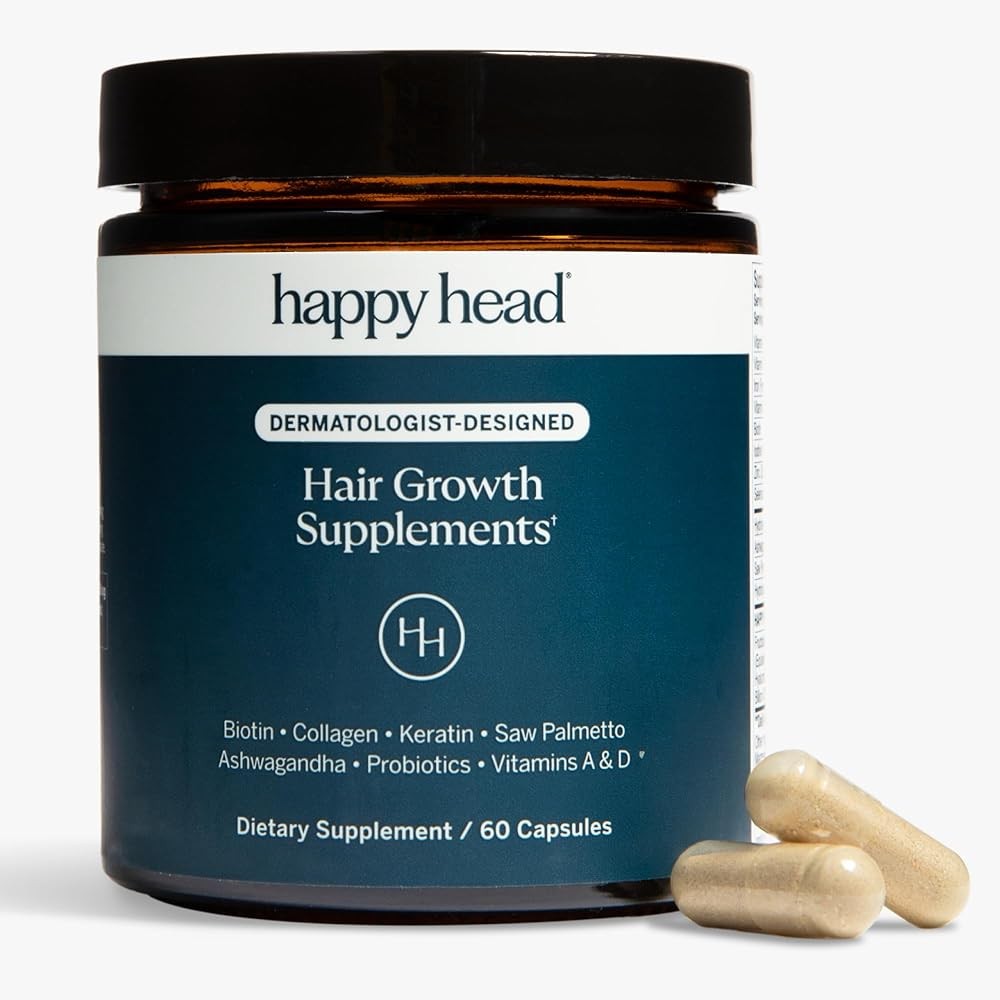
Male pattern hair loss affects roughly 50 million men in the United States, with many experiencing visible thinning by their mid-30s, making the choice between saw palmetto and finasteride a practical one. For maximum effectiveness, finasteride 1 mg daily (about $3-15/month generic, prescription required) lowers serum DHT by roughly 70% and produced measurable improvement in 68% of men in the only direct head-to-head trial against saw palmetto. For men who want to avoid prescriptions, saw palmetto extract at 320 mg daily is the evidence-backed over-the-counter alternative: Nature’s Bounty sells a 450 mg formula for about $12 per 100 capsules, and in the same head-to-head trial 38% of saw palmetto users saw improvement, with a much milder side effect profile. Here is what the published research shows about these two ways of managing androgenetic alopecia.
Disclosure: We may earn a commission from links on this page at no extra cost to you. Affiliate relationships never influence our ratings. Full policy →

Hair loss affects roughly 50 million men and 30 million women in the United States alone, and if you have spent any time researching solutions, two names come up again and again: saw palmetto and finasteride. One is a natural botanical extract available at any supplement store. The other is a prescription pharmaceutical that has been FDA-approved for male pattern hair loss since 1997. Both target the same underlying hormone, dihydrotestosterone (DHT), but they do so with very different levels of potency, very different side effect profiles, and very different risk-reward calculations.
This is not a simple “one is better” situation. Finasteride is objectively more effective at regrowing hair based on the clinical evidence. But it also comes with real risks, particularly sexual side effects, that cause many men to look for alternatives. Saw palmetto offers a gentler approach with fewer downsides, though the evidence for dramatic regrowth is weaker.
In this guide, we break down everything you need to know: how each one works at the molecular level, what clinical trials actually show, the real side effect data (not internet fear-mongering, and not dismissive hand-waving either), cost comparisons, dosing protocols, and who should choose which. We also cover combination therapies with minoxidil, emerging alternatives like pumpkin seed oil and dutasteride, and the body signals that tell you whether your approach is working.
| Feature | Saw Palmetto | Finasteride |
|---|---|---|
| Type | Botanical extract | Prescription drug |
| Source | Serenoa repens berries | Synthetic pharmaceutical |
| FDA Approved | No | Yes (1997) |
| Mechanism | Nonselective 5AR inhibitor (I & II) | Selective type II 5AR inhibitor |
| DHT Reduction | 30-50% | ~70% |
| Efficacy (head-to-head) | 38% improvement | 68% improvement |
| Evidence Quality | Moderate | High |
| Prescription Required | No | Yes |
| Cost/Month | $8-20 | $3-15 (generic) |
| Sexual Side Effects | Rare, similar to placebo | 1.8-4.2% vs placebo |
| Common Side Effects | Mild GI symptoms | Decreased libido, ED |
Why Does DHT Cause Hair Loss?
Before comparing saw palmetto and finasteride, you need to understand what you are actually fighting against.
What Is DHT?
Dihydrotestosterone (DHT) is an androgen hormone derived from testosterone. The enzyme 5-alpha reductase (5AR) converts testosterone into DHT in various tissues including the scalp, prostate, and skin. DHT is roughly 3-10 times more potent than testosterone at binding androgen receptors.
During puberty, DHT plays critical roles in male development, including facial hair growth, voice deepening, and genital development. But in adults with a genetic predisposition to androgenetic alopecia (AGA), DHT becomes the primary driver of hair loss.
How DHT Destroys Hair Follicles
Here is what happens at the follicle level:
- DHT binds to androgen receptors on hair follicles in genetically susceptible areas (primarily the temples, crown, and frontal scalp)
- This binding triggers a process called follicular miniaturization, where the follicle progressively shrinks over successive growth cycles
- The anagen (growth) phase shortens from a normal 2-6 years down to weeks or months
- The hair produced becomes thinner, shorter, and less pigmented with each cycle
- Eventually, the follicle becomes so miniaturized that it produces only a tiny vellus hair, or stops producing visible hair entirely
This process is gradual and progressive. That is why early intervention matters. A follicle that has been miniaturized for years is much harder to rescue than one that has just started shrinking.
The Two Types of 5-Alpha Reductase
There are two main isoforms of the enzyme that converts testosterone to DHT:
- Type I 5-alpha reductase: Found primarily in the skin, liver, and sebaceous glands
- Type II 5-alpha reductase: Found primarily in the prostate, hair follicles, and inner root sheath of the hair
This distinction matters because finasteride primarily inhibits type II, while saw palmetto inhibits both type I and type II (though less potently). Dutasteride, a third option discussed later, inhibits both types more potently than either.
What Is Saw Palmetto and How Does It Work?
Saw palmetto (Serenoa repens) is a small palm tree native to the southeastern United States. Its berries have been used in traditional medicine for centuries, and modern research has focused on its liposterolic extract, which contains fatty acids and phytosterols believed to be the active components.
Unlike finasteride’s selective inhibition, saw palmetto acts as a nonselective inhibitor of both type I and type II 5-alpha reductase. It also has additional mechanisms that may contribute to hair health:
- Anti-inflammatory effects on the scalp
- Antioxidant activity
- Potential blockade of androgen receptors (though this is debated)
Saw palmetto is most widely studied for benign prostatic hyperplasia (BPH), but research on its use for hair loss has expanded significantly in recent years.

The Clinical Evidence for Saw Palmetto in Hair Loss
The evidence for saw palmetto in hair loss is growing but less robust than finasteride’s:
-
Evron et al. (2020, PMID: 33313047): A systematic review covering 5 randomized clinical trials and 2 prospective cohort studies of oral and topical saw palmetto supplements (100-320 mg). Results showed 60% improvement in overall hair quality, 27% improvement in total hair count, increased hair density in 83.3% of patients, and stabilized disease progression among 52% of participants.
-
Ablon (2025, PMID: 41319217): 90-day results from a 6-month randomized, double-blind, placebo-controlled trial (60 adults with self-perceived thinning hair, half of them women) of a proprietary saw palmetto bioactive fatty acid extract found significant increases in terminal and total hair counts versus placebo: terminal hair count improved 7-fold and total hair count 12-fold relative to placebo, with no adverse events reported.
-
Sudeep et al. (2023, PMID: 38021422): In a 16-week, double-blind, placebo-controlled trial in 80 adults with mild-to-moderate androgenetic alopecia, a standardized saw palmetto oil reduced hair fall by up to 29% (oral) and about 22% (topical) from baseline, increased hair density by 5.2% (oral) and 7.6% (topical), and oral dosing also lowered serum DHT versus placebo.
-
Topical saw palmetto (Wessagowit et al., 2016, PMID: 26010505): Topical products containing Serenoa repens extract improved hair count with minimal systemic exposure, suggesting topical application may be a viable route.


Summary of Evidence Quality
| Aspect | Saw Palmetto | Finasteride |
|---|---|---|
| Number of RCTs | 5-7 (mostly small, n=20-100) | 15+ (including large trials, n=500-1500+) |
| Longest trial duration | 2 years | 5+ years |
| FDA approval for hair loss | No | Yes (1997) |
| Evidence grade | Moderate (growing) | High (well-established) |
| Consistent regrowth demonstrated | In some trials, not all | In virtually all trials |
What Is Finasteride and How Does It Work?
Finasteride is a synthetic 4-azasteroid drug approved by the FDA for male pattern hair loss in 1997, sold as Propecia at a 1 mg daily dose. It works by selectively inhibiting type II 5-alpha reductase, the enzyme isoform concentrated in the prostate and hair follicles, and at 1 mg daily it lowers serum DHT by roughly 70%. In the pivotal trials, 1,553 men aged 18-41 with male pattern hair loss received finasteride 1 mg or placebo for one year, with 1,215 continuing into a second year; finasteride increased hair counts by 107 hairs at one year and 138 hairs at two years versus placebo in a measured 5.1 cm2 area of the vertex, while placebo-treated men steadily lost hair (Kaufman et al., 1998; PMID: 9777765). Longer-term data from the same study group show the effect is maintained with continued daily use over five years (Finasteride Male Pattern Hair Loss Study Group, 2002; PMID: 11809594), and systematic reviews of the finasteride trials consistently find significant improvements in hair count and patient-assessed outcomes (Mella et al., 2010; PMID: 20956649). The drug must be taken continuously: hair gained is lost again within 6-12 months of stopping.
What Does the Head-to-Head Trial Show?
The most important study for anyone deciding between these two options is the 2012 head-to-head comparison by Rossi and colleagues (Rossi et al., 2012; PMID: 23298508).
Study Design:
- 100 men with mild to moderate androgenetic alopecia
- Randomized to either finasteride 1 mg daily OR saw palmetto 320 mg daily
- Duration: 24 months
- Open-label design with efficacy scored by comparing global photographs taken at baseline and at 24 months
Results:
| Outcome | Finasteride | Saw Palmetto |
|---|---|---|
| Improvement in hair growth (photo assessment over 24 months) | 68% of participants | 38% of participants |
| Region of effect | Frontal area and vertex | Predominantly vertex |
Bottom line: Finasteride was nearly twice as effective as saw palmetto at producing measurable improvement in hair growth in the only direct comparison, and its effect covered both the frontal area and the vertex while saw palmetto acted mainly on the vertex. Saw palmetto still helped more than one-third of users. The study was open-label and single-center with a photographic scoring endpoint, so the precise gap should be read with that limitation in mind, but the direction matches the broader finasteride literature.
What Signs Suggest DHT Is Driving Your Hair Loss?
Your body gives you clear signals that DHT is attacking your hair follicles. Recognizing these early gives you the best chance of effective treatment, regardless of which approach you choose.
Early Warning Signs That DHT Is Winning
- Your part looks wider than it used to: This is often the first visible sign. Compare photos from 1-2 years ago to today. Even a subtle widening of the part line indicates follicular miniaturization.
- Hair at your temples is thinner and softer: The frontotemporal region is often first to be affected. The hairs become shorter, finer, and less pigmented before disappearing entirely.
- You notice more hairs on your pillow or in the shower drain: Some shedding is normal (50-100 hairs/day), but a sustained increase over weeks suggests accelerated follicular cycling driven by DHT.
- Your scalp feels itchy or tight, especially at the crown: DHT-induced inflammation can cause a chronic, low-grade itch or sensation of tightness in the areas where miniaturization is occurring.
- Oily scalp: DHT stimulates sebaceous glands. If your scalp has become noticeably oilier in the same areas where you are thinning, DHT activity is likely elevated there.
- Miniaturized hairs visible under bright light: Look at your hairline under bright bathroom light. If you see short, thin, almost transparent hairs mixed in with normal terminal hairs, miniaturization is actively happening.
- Your hair does not grow as long as it used to: If you let your hair grow out and notice that individual hairs stop growing at a shorter maximum length than before, the anagen phase is shortening due to DHT.
Signs That Are NOT Typically DHT-Related
Not all hair loss is androgenetic alopecia. See a dermatologist if you experience:
- Sudden, rapid hair loss (this may be telogen effluvium, alopecia areata, or a medical condition)
- Patchy, circular bald spots (suggestive of alopecia areata, an autoimmune condition)
- Hair loss across the entire scalp uniformly (may indicate nutritional deficiency, thyroid disorder, or medication side effect)
- Hair loss accompanied by scalp pain, redness, or scarring (may indicate a scarring alopecia)
- Hair loss in women with irregular periods, acne, or facial hair growth (may indicate PCOS or another hormonal condition requiring medical evaluation)
What Are the Side Effects of Each Option?
This is where the rubber meets the road for most men making this decision. Both substances are generally well-tolerated, but their side effect profiles are dramatically different.
Saw Palmetto Side Effects
Based on the most comprehensive systematic review of saw palmetto safety (Agbabiaka et al., 2009; PMID: 19591529) and the NCCIH assessment, its safety profile is mild:
Common but mild (reported in clinical trials):
- Mild gastrointestinal symptoms: nausea, abdominal discomfort, diarrhea (usually transient)
- Headache (uncommon, usually resolves)
- Dizziness (rare)
- Rhinitis (rare)
Important safety data:
- Across the 40 studies included in the safety review, adverse events were mild and similar to those with placebo, most commonly abdominal pain, diarrhea, nausea, fatigue, headache, and rhinitis
- No drug interactions have been documented in systematic reviews
- Does not appear to affect PSA readings, even at higher-than-usual doses
- Has been used safely in research studies for up to 3 years
- The same review found no evidence of drug interactions with saw palmetto and concluded the herb is well tolerated by most users, with no serious adverse events attributable to it
What saw palmetto does NOT do (based on available evidence):
- Does not cause sexual dysfunction at rates different from placebo
- Does not affect testosterone levels
- Does not cause liver damage
- Does not affect blood counts
Finasteride Side Effects
Finasteride’s side effect profile is well-documented from large clinical trials and post-marketing surveillance:
Sexual side effects (the primary concern):
From the pivotal finasteride 1 mg trials for male pattern hair loss (Kaufman et al., 1998; PMID: 9777765), incidence rates compared with placebo:
| Side Effect | Finasteride 1 mg | Placebo | Difference |
|---|---|---|---|
| Decreased libido | 1.8-1.9% | 1.3% | +0.5-0.6% |
| Erectile dysfunction | 1.3-1.4% | 0.9% | +0.4-0.5% |
| Decreased ejaculate volume | 0.8-1.0% | 0.4% | +0.4-0.6% |
| Any sexual adverse event | 3.8-4.2% | 2.1-2.2% | +1.6-2.0% |
Important context for these numbers:
- The absolute risk increase is small (roughly 1-2% above placebo)
- In the 5-year follow-up data, the incidence of each sexual side effect decreased to 0.3% or less by year 5 of treatment
- Most sexual side effects resolve after stopping the medication, and many resolve even with continued use
- The nocebo effect is real and significant: In a study where patients were informed of potential sexual side effects beforehand, 43.6% reported at least one sexual side effect, compared with only 15.3% in a group that was not informed (Mondaini et al., 2007; PMID: 17655657). This nocebo effect appears to drive a substantial portion of reported events.
Non-sexual side effects:
- Breast tenderness or gynecomastia (uncommon, less than 1%)
- Mood changes including depression (reported in post-marketing data; causal link debated)
- Allergic reactions (rare)
Post-Finasteride Syndrome: The Controversy
Post-finasteride syndrome (PFS) refers to a cluster of persistent sexual, neuropsychiatric, and physical symptoms that some men report continuing even after stopping finasteride. This is the most hotly debated topic in hair loss treatment.
What proponents of PFS argue:
- Two 2025 reviews in the International Journal of Impotence Research describe persistent sexual, neuropsychiatric, and physical symptoms in a subgroup of men after stopping finasteride and discuss possible mechanisms, including disrupted neurosteroid signaling in the brain (Leliefeld et al., 2025; PMID: 37697052)
- Persistent sexual dysfunction and depression have been reported in case series and pharmacovigilance databases
- The Post-Finasteride Syndrome Foundation has documented hundreds of cases
- A second 2025 review in the same journal likewise acknowledges persistent sexual dysfunction, neuropsychiatric symptoms, and physical changes as reported clinical manifestations while stressing the controversies around the syndrome (Cilio et al., 2025; PMID: 39953145)
What skeptics argue:
- No large prospective study has confirmed that PFS is a distinct clinical entity caused by finasteride
- Many symptoms attributed to PFS (low libido, depression, fatigue) are common in the general male population
- A 2025 analysis in the Journal of Cosmetic Dermatology argues that many reported PFS cases may reflect pre-existing vulnerability rather than a drug-caused syndrome, calling for better patient selection in future research (Rivetti, 2025; PMID: 40369941)
- The nocebo effect may play a significant role, as demonstrated by the informed/uninformed study cited above
- Selection bias and recall bias may inflate reported rates
The balanced view: Regardless of the debate over whether PFS is a formally defined syndrome, it is clear that some men do experience persistent adverse effects after finasteride use. Whether this represents a distinct pharmacological syndrome or the unmasking of pre-existing vulnerabilities does not particularly matter to the individual experiencing the symptoms. If you are considering finasteride, you should be aware that:
- The majority of men tolerate finasteride well with no lasting side effects
- A small percentage (estimated 1-2%) experience sexual side effects while on the drug
- An even smaller subset report persistent symptoms after stopping
- There is currently no reliable way to predict who will be affected
- Starting at a lower dose or frequency (e.g., every other day) may reduce risk while maintaining some efficacy
The evidence shows: Real sexual side effects from finasteride are uncommon (roughly 1-2% above placebo in the pivotal trials) and most resolve on their own or after stopping, but a small subgroup reports persistent symptoms, which is why the post-finasteride syndrome debate continues. The nocebo effect is substantial: men told to expect sexual problems reported them at nearly three times the rate of men who were not told (Mondaini 2007). Saw palmetto’s adverse events are mild and similar to placebo.
What Signs Tell You Treatment Is Working?
Whether you choose saw palmetto, finasteride, or a combination approach, your body will give you signals about whether the treatment is effective. Here is what to look for and when.
Timeline of Changes
Weeks 1-4: The Invisible Phase
- You will not see any visible changes in your hair yet
- With finasteride, DHT levels begin dropping within days and reach a new steady state within 1-2 weeks
- With saw palmetto, DHT inhibition is more gradual and may take 2-4 weeks to reach meaningful levels
- What you might notice: Slightly less oily scalp (especially with finasteride), reduced scalp itch/tightness in areas of thinning
Months 1-3: The Shedding Phase (Do Not Panic)
- This is critical: Both treatments can cause a temporary increase in hair shedding in the first few months. This is sometimes called the “dread shed,” and while it alarms people, it usually signals that miniaturized follicles are being pushed into a new growth cycle.
- What is happening: The treatment is pushing miniaturized follicles out of their shortened growth cycles. The weak, thin hairs fall out to be replaced by thicker ones.
- With finasteride: The shed is often more pronounced because DHT reduction is more dramatic
- With saw palmetto: Shedding may be milder or not noticeable
- What you should feel: Continued or further improvement in scalp oiliness. Possibly less itching.
Months 3-6: Early Visible Improvement
- New baby hairs: Look at your hairline and part line under bright light. You should start seeing short, fine hairs emerging. These will eventually thicken and lengthen.
- Hair feels thicker between your fingers: Even before you see dramatic visual changes, the hair shaft diameter begins increasing. You may notice your hair feels slightly fuller when you run your hands through it.
- Slower shedding: The alarming shedding phase ends, and daily hair loss returns to normal or below-normal levels.
- With finasteride: Most responders see noticeable changes by month 4-6
- With saw palmetto: Changes are typically more gradual; some users do not see clear improvement until month 6+
Months 6-12: Meaningful Results
- Visible thickening: Photos compared to baseline show clear improvement in coverage, especially at the crown
- Hairline stabilization: Even if you do not see dramatic regrowth at the temples, the hairline should stop receding
- Improved hair styling: You find it easier to style your hair to look full. Less scalp showing through.
- People may comment: Friends or family may notice your hair looks better, though they may not be able to pinpoint why.
Months 12-24: Maximum Benefit
- Peak results from finasteride typically occur at 12-24 months
- Peak results from saw palmetto may take the full 24 months
- After this point, the treatment maintains what has been gained and may help reduce risk of further loss
Warning Signs That Treatment Is NOT Working
If you have been consistent with treatment for 12+ months and see:
- Continued progressive thinning despite adherence
- No new baby hairs at the hairline or crown
- Continued excessive daily shedding beyond the initial 1-3 month adjustment period
- No change in hair thickness when you compare photos
…then your current treatment may not be sufficient, and it is time to consider escalation (discussed in the “Which Should You Choose” section below).
Warning Signs to See a Doctor Immediately
- Sudden, rapid hair loss over weeks (not the gradual thinning of AGA)
- Breast lumps or significant breast tissue growth (rare finasteride side effect requiring evaluation)
- Significant mood changes, depression, or suicidal thoughts (stop treatment and seek help)
- Persistent erectile dysfunction or loss of libido that does not resolve within weeks of stopping treatment
- Skin rash, swelling, or difficulty breathing (allergic reaction, seek emergency care)
How Much Do Saw Palmetto and Finasteride Cost?
Cost is a practical consideration for a treatment you may take for years or decades.
Saw Palmetto Cost
- Quality supplements: $8-20 per month
- No prescription required: No doctor visit costs
- Total monthly out-of-pocket: $8-20
Finasteride Cost
Generic finasteride:
- With insurance: Often $5-15/month copay
- Without insurance, with discount coupons (GoodRx, etc.): $3-15/month for 1 mg tablets
- Prescription cost: One doctor visit per year ($100-200 without insurance) for ongoing prescription
Brand-name Propecia:
- $60-80+ per month (rarely covered by insurance for hair loss)
Total monthly cost for finasteride:
- With generic and discount programs: $3-15/month for the medication itself
- Factor in 1-2 doctor visits per year for prescription renewals
Winner on Pure Affordability
Saw palmetto wins on total out-of-pocket cost: a 100-capsule bottle of Nature’s Bounty runs about $12 and a 250-capsule bottle of Swanson about $20, with no prescription, doctor visits, or lab work. Generic finasteride is comparably cheap for the pills themselves ($3-15/month with discount programs) but adds prescription and follow-up costs, and it wins decisively on cost per result: roughly 68% of users improve versus 38% for saw palmetto. If minimizing upfront spending is the priority, saw palmetto is the cheaper entry point; if value per dollar of hair preserved matters more, finasteride is the better buy.
What Alternatives and Combination Therapies Exist?
Combining with Minoxidil
Both saw palmetto and finasteride can be combined with minoxidil (Rogaine), which works through a completely different mechanism (potassium channel opener that extends the anagen phase).
Evidence for combination therapy:
- A 2025 systematic review found that a topical minoxidil-finasteride mixed solution produced superior hair growth outcomes compared with minoxidil solution alone (Hu et al., 2025; PMID: 41127390)
- Minoxidil is available over-the-counter as a 5% topical solution or foam
- Adding minoxidil to a 5AR inhibitor (finasteride or saw palmetto) addresses hair loss through complementary pathways
Pumpkin Seed Oil
Pumpkin seed oil is another botanical with emerging evidence for hair growth. A 2014 randomized, double-blind, placebo-controlled trial in 76 men found that 400 mg/day of pumpkin seed oil for 24 weeks produced a 40% increase in mean hair count versus 10% in the placebo group (Cho et al., 2014; PMID: 24864154).
Pumpkin seed oil may work through weak 5AR inhibition and anti-inflammatory effects. Some men combine it with saw palmetto for a stacked botanical approach.
Dutasteride: The More Potent Prescription
Dutasteride (brand name Avodart) is a 5-alpha reductase inhibitor that blocks both type I and type II isoforms, resulting in a more profound DHT reduction (approximately 90-95% versus finasteride’s 70%).
- Not FDA-approved for hair loss (approved only for BPH), but used off-label
- More effective than finasteride for hair regrowth in a systematic review and meta-analysis of head-to-head trials (Zhou et al., 2019; PMID: 30863034)
- Higher risk of side effects due to more complete DHT suppression
- Typically reserved for non-responders to finasteride
Topical Finasteride
Topical formulations of finasteride aim to deliver the drug directly to the scalp while minimizing systemic absorption and side effects.
- A 2022 phase III trial in 458 men found that topical finasteride spray was effective and well-tolerated over 24 weeks (Piraccini et al., 2022; PMID: 34634163)
- May be a good option for men who experience side effects with oral finasteride but want stronger DHT inhibition than saw palmetto provides
Which Should You Choose?
Choose Saw Palmetto If:
- You prefer a natural, over-the-counter approach
- You have mild to moderate hair thinning rather than advanced baldness
- You are highly concerned about sexual side effects and want to minimize that risk
- You cannot or prefer not to see a doctor for a prescription
- You are willing to accept slower, more modest results in exchange for a gentler side effect profile
- You want to start with the least aggressive intervention and escalate only if necessary
Realistic expectations with saw palmetto: Approximately 38-60% of users will see stabilization or modest improvement. Results take 6-12 months to become visible. The treatment is most effective for early-stage thinning.
Choose Finasteride If:
- You want maximum efficacy based on clinical evidence
- You are comfortable with a small risk of sexual side effects after reviewing the actual clinical data
- Your hair loss is progressing rapidly and you need the most potent intervention available
- You want the best efficacy per dollar — generic finasteride pills cost little per month and measurably improve hair in roughly twice the percentage of users as saw palmetto
- Your dermatologist has recommended it based on the severity and pattern of your hair loss
- You are male (finasteride is contraindicated in women of childbearing age due to teratogenic effects)
Realistic expectations with finasteride: Approximately 65-68% of men will see measurable improvement in hair density. Most will also see stabilization (halting of further loss). Maximum results take 12-24 months. The drug must be taken continuously; stopping leads to resumption of hair loss within 6-12 months.
Should You Use a Stepped Approach?
Many dermatologists recommend a stepped approach rather than jumping to the most aggressive treatment immediately:
Step 1: Natural Foundation
- Saw palmetto 320 mg/day (standardized extract)
- Pumpkin seed oil 400 mg/day
- Optimize nutrition: adequate protein, iron, zinc, biotin, vitamin D
- Reduce inflammation: anti-inflammatory diet, stress management
- Evaluate for 6-12 months
Step 2: Add Growth Stimulation
If Step 1 is insufficient, add:
- Minoxidil 5% topical, once or twice daily
- Consider microneedling (derma roller 0.5-1.5 mm) weekly to enhance minoxidil absorption
- Continue saw palmetto
- Evaluate for an additional 6-12 months
Step 3: Pharmaceutical DHT Blockade
If Step 2 is insufficient, add or switch to:
- Finasteride 1 mg/day (or start at 0.5 mg or every-other-day dosing)
- Continue minoxidil
- Discontinue saw palmetto (redundant with finasteride)
- Evaluate for 12 months
Step 4: Maximum Medical Therapy
If Step 3 is insufficient:
- Consider dutasteride 0.5 mg (off-label, with physician guidance)
- Continue minoxidil
- Add microneedling if not already using
- Consider topical finasteride if oral side effects are a concern
- Consider low-level laser therapy (LLLT) as an adjunct
- Evaluate for 12 months before considering surgical options (hair transplant)
What this means for you: Start with the least aggressive step that matches your risk tolerance, give each step a fair 6-12 month evaluation window, and escalate only when photos and hair counts show no progress. Saw palmetto is a reasonable first step for mild thinning; finasteride is the step that produces measurable regrowth in the highest percentage of men, and minoxidil can be added at any stage because it works through a different mechanism.
What Are the Common Myths and Misconceptions?
Myth 1: “Saw palmetto is just as effective as finasteride”
Reality: The only head-to-head trial showed finasteride is nearly twice as effective (68% vs. 38% improvement rate). Saw palmetto is a legitimate treatment, but claiming equivalence is not supported by the evidence.
Myth 2: “Finasteride will definitely cause sexual problems”
Reality: Clinical trial data shows that approximately 96-98% of men taking finasteride 1 mg do NOT experience sexual side effects. The absolute risk increase over placebo is roughly 1-2%. Nocebo effects (expecting side effects and then experiencing them) significantly inflate reported rates.
Myth 3: “Once you stop finasteride, your hair falls out faster than before”
Reality: When you stop finasteride, your hair loss resumes at its natural rate of progression. It may seem accelerated because the hairs maintained by finasteride are all lost over a period of months, but you are not losing hair faster than you would have without treatment. You are simply returning to where you would have been had you never started.
Myth 4: “Saw palmetto has zero side effects”
Reality: While saw palmetto is very well-tolerated and side effects are mild, it can cause gastrointestinal discomfort in some users. The claim of “zero side effects” for any biologically active substance should be treated with skepticism.
Myth 5: “You can take both saw palmetto and finasteride together for better results”
Reality: Both target the same enzyme (5AR), so combining them provides diminishing returns. The additional DHT reduction from adding saw palmetto to finasteride is minimal because finasteride already achieves near-maximal type II inhibition. If you want to enhance finasteride’s effects, adding minoxidil (a different mechanism entirely) is far more effective than stacking another 5AR inhibitor.
Myth 6: “Natural means safer”
Reality: “Natural” does not automatically equal “safer.” Saw palmetto happens to have an excellent safety profile based on clinical data, not because it is natural. Many natural substances are toxic. Evaluate safety based on evidence, not origin.
Myth 7: “Finasteride feminizes men”
Reality: Finasteride does not reduce testosterone levels. It blocks the conversion of testosterone to DHT. Total testosterone actually increases slightly because less is being converted. Gynecomastia (breast tissue growth) occurs in less than 1% of users.
How Do These Options Apply to Women, Older Men, and Younger Men?
Women and Hair Loss
Finasteride: Contraindicated in women of childbearing age because it can cause birth defects in male fetuses (specifically, abnormalities of the external genitalia). Some post-menopausal women have been prescribed off-label finasteride under medical supervision, but this is not standard practice.
Saw palmetto: Limited data in women. Most clinical trials have been conducted in men. A few small studies suggest potential benefit, but the evidence is insufficient to make strong recommendations. Women with androgenetic alopecia should discuss options like topical minoxidil (FDA-approved for women) and spironolactone with a dermatologist.
Men Over 50
Older men considering these treatments face an interesting situation: they may benefit from DHT reduction for both hair loss and prostate health simultaneously. Saw palmetto has extensive evidence for BPH symptom management, making it a particularly attractive option for men dealing with both conditions. Finasteride at the 5 mg dose (Proscar) is FDA-approved for BPH, and some men with both conditions use this higher dose, which also benefits hair.
However, men over 50 should also discuss PSA screening implications with their doctor. While saw palmetto does not affect PSA readings, finasteride reduces PSA by approximately 50%, which must be accounted for when interpreting prostate cancer screening results.
Young Men (Under 25)
Hair loss in younger men can be particularly distressing. For those in their late teens or early 20s with early signs of thinning:
- Starting with saw palmetto + minoxidil may be the most prudent first approach
- Finasteride is FDA-approved for men 18 and older, but some clinicians prefer to wait until the mid-20s when hormonal stabilization is more complete
- Early intervention of any kind tends to produce better long-term results because it preserves follicles before they are fully miniaturized
Frequently Asked Questions
How long does it take to see results?
Saw palmetto: visible changes typically take 6-12 months, with peak effect possibly out to 24 months. Finasteride: most responders see measurable change by month 4-6, with maximum effect at 12-24 months. Hair cycles are slow, so any claim of results within days or weeks should be treated with skepticism.
Does saw palmetto actually lower DHT?
Yes, but modestly. Trials estimate 30-50% DHT reduction versus finasteride’s roughly 70% suppression of serum DHT. A 2023 trial of a standardized saw palmetto oil also measured significant serum DHT reductions with oral dosing.
Can I use minoxidil with saw palmetto or finasteride?
Yes. Minoxidil works through a completely different mechanism (extending the anagen growth phase rather than blocking DHT), so it stacks well with either. A 2025 meta-analysis found a topical minoxidil-finasteride mixed solution outperformed minoxidil alone.
Will my hair loss come back if I stop?
Yes, with either treatment. Finasteride maintains hair only while you take it: within 6-12 months of stopping, hair gained is lost and loss resumes at its natural rate. Saw palmetto’s effects likewise reverse after discontinuation. Both are maintenance treatments, not one-time fixes.
Does finasteride lower testosterone?
No. Finasteride blocks the conversion of testosterone to DHT, so total testosterone does not drop; it may rise slightly because less is being converted. DHT is what falls, by roughly 70% at 1 mg daily.
What is the “dread shed”?
In the first 1-3 months of either treatment, some men notice increased shedding. This temporary phase reflects miniaturized follicles being pushed out of shortened growth cycles so thicker hairs can replace them. It usually resolves by month 3-6.
Who should avoid finasteride?
Women who are pregnant or may become pregnant must not handle crushed or broken finasteride tablets because of the risk of birth defects in male fetuses. Men considering the drug should review the sexual side effect data and the post-finasteride syndrome controversy with a doctor before starting.
Related Reading
- Best Supplements for Hair Growth: Biotin, Collagen, and What Actually Works
- DHT Blocker Supplements for Hair Loss: A Men’s Guide
- Biotin for Hair and Nails: Does It Actually Work or Is It Overhyped?
- Best Prostate Supplements: Saw Palmetto, Beta-Sitosterol, and What Works for BPH
- Biotin vs Collagen For Hair Growth: Which Is Better?
- Vitamin B12 vs B Complex: Which Is Better?
- Multivitamin vs Individual Supplements: Which Is Better?
- 5-HTP vs L-Tryptophan For Mood: Which Is Better?
- L-Theanine vs Ashwagandha For Anxiety: Which Is Better?
- Milk Thistle vs NAC For Liver Support: Which Is Better?
References
- Rossi A, Mari E, et al. (2012). Comparative effectiveness of finasteride vs Serenoa repens in male androgenetic alopecia: a two-year study. International Journal of Immunopathology and Pharmacology, 25(4):1167-1173. PubMed: 23298508
- Kaufman KD, Olsen EA, et al. (1998). Finasteride in the treatment of men with androgenetic alopecia. Finasteride Male Pattern Hair Loss Study Group. Journal of the American Academy of Dermatology, 39(4 Pt 1):578-589. PubMed: 9777765
- Finasteride Male Pattern Hair Loss Study Group. (2002). Long-term (5-year) multinational experience with finasteride 1 mg in the treatment of men with androgenetic alopecia. European Journal of Dermatology, 12(1):38-49. PubMed: 11809594
- Mella JM, Perret MC, et al. (2010). Efficacy and safety of finasteride therapy for androgenetic alopecia: a systematic review. Archives of Dermatology, 146(10):1141-1150. PubMed: 20956649
- Evron E, Juhasz M, et al. (2020). Natural hair supplement: friend or foe? Saw palmetto, a systematic review in alopecia. Skin Appendage Disorders, 6(6):329-337. PubMed: 33313047
- Ablon G. (2025). The safety and efficacy of a proprietary bioactive fatty acids extract from saw palmetto (Serenoa repens) for promoting hair growth and reducing hair loss in adults with self-perceived thinning hair: 90-day results. Journal of Cosmetic Dermatology, 24(12):e70585. PubMed: 41319217
- Sudeep HV, Rashmi S, et al. (2023). Oral and topical administration of a standardized saw palmetto oil reduces hair fall and improves the hair growth in androgenetic alopecia subjects: a 16-week randomized, placebo-controlled study. Clinical, Cosmetic and Investigational Dermatology, 16:3251-3266. PubMed: 38021422
- Wessagowit V, Tangjaturonrusamee C, et al. (2016). Treatment of male androgenetic alopecia with topical products containing Serenoa repens extract. Australasian Journal of Dermatology, 57(3):e76-e82. PubMed: 26010505
- Agbabiaka TB, Pittler MH, et al. (2009). Serenoa repens (saw palmetto): a systematic review of adverse events. Drug Safety, 32(8):637-647. PubMed: 19591529
- Mondaini N, Gontero P, et al. (2007). Finasteride 5 mg and sexual side effects: how many of these are related to a nocebo phenomenon? Journal of Sexual Medicine, 4(6):1708-1712. PubMed: 17655657
- Leliefeld HHJ, Debruyne FMJ, Reisman Y. (2025). The post-finasteride syndrome: possible etiological mechanisms and symptoms. International Journal of Impotence Research, 37(6):414-421. PubMed: 37697052
- Cilio S, Tsampoukas G, et al. (2025). Post-finasteride syndrome: a true clinical entity? International Journal of Impotence Research, 37(6):426-435. PubMed: 39953145
- Rivetti N. (2025). Post-finasteride syndrome or pre-existing vulnerability? Rethinking patient selection. Journal of Cosmetic Dermatology, 24(5):e70243. PubMed: 40369941
- Cho YH, Lee SY, et al. (2014). Effect of pumpkin seed oil on hair growth in men with androgenetic alopecia: a randomized, double-blind, placebo-controlled trial. Evidence-Based Complementary and Alternative Medicine, 2014:549721. PubMed: 24864154
- Zhou Z, Song S, et al. (2019). The efficacy and safety of dutasteride compared with finasteride in treating men with androgenetic alopecia: a systematic review and meta-analysis. Clinical Interventions in Aging, 14:399-406. PubMed: 30863034
- Piraccini BM, Blume-Peytavi U, et al. (2022). Efficacy and safety of topical finasteride spray solution for male androgenetic alopecia: a phase III, randomized, controlled clinical trial. Journal of the European Academy of Dermatology and Venereology, 36(2):286-294. PubMed: 34634163
- Hu L, Zhang Y, et al. (2025). Comparing minoxidil-finasteride mixed solution with minoxidil solution alone for male androgenetic alopecia: a systematic review and meta-analysis. Frontiers in Medicine, 12:1632139. PubMed: 41127390
Recommended Products