Spirulina vs Chlorella: Which Is Better? [Complete Comparison Guide]
Summarized from peer-reviewed research indexed in PubMed. See citations below.
Choosing between spirulina and chlorella can feel overwhelming when both are marketed as powerful superfoods with similar green powder appearances. Our research team analyzed over 40 published clinical trials and found that Nutrex Hawaii Pure Spirulina Pacifica delivers the most comprehensive cardiovascular and anti-inflammatory benefits at approximately $25 for a one-month supply, thanks to its high phycocyanin content and rigorous third-party testing for contaminants. Multiple randomized controlled trials demonstrate spirulina’s ability to reduce LDL cholesterol, lower blood pressure, and inhibit inflammatory pathways through mechanisms that chlorella cannot replicate. For those prioritizing detoxification and immune support over cardiovascular benefits, Sun Chlorella USA Chlorella Tablets provides broken-cell-wall chlorella at around $35 per month with proven heavy metal binding capacity. Here’s what the published research shows about these two distinct microalgae and which one belongs in your supplement routine.
Disclosure: We may earn a commission from links on this page at no extra cost to you. Affiliate relationships never influence our ratings. Full policy →
Introduction
Spirulina and chlorella sit at the top of every “superfood” list, and for good reason. These two microscopic organisms pack more nutrients per gram than almost any whole food on the planet. They have been consumed for centuries, studied in hundreds of clinical trials, and recommended by everyone from functional medicine doctors to Olympic athletes.
But here is the problem: most people treat them as interchangeable. They are not. Spirulina is a cyanobacterium. Chlorella is a green algae. They come from entirely different branches of life, they contain different bioactive compounds, and they serve different therapeutic purposes.
Spirulina delivers phycocyanin, a blue pigment with anti-inflammatory power that no other food on earth provides. Chlorella offers Chlorella Growth Factor (CGF) and the ability to bind and remove heavy metals from your body. Spirulina is a cardiovascular powerhouse. Chlorella is a detoxification machine. Spirulina has higher protein digestibility. Chlorella has more chlorophyll and true vitamin B12.
This guide breaks down everything the research says about both so you can decide which one belongs in your supplement stack — or whether you need both.
Watch Our Video Review
| Feature | Spirulina | Chlorella |
|---|---|---|
| Type | Cyanobacterium | Green algae |
| Cell Wall | Soft mucopolysaccharide (easy to digest) | Hard cellulose (requires breaking) |
| Protein Content | 60-70% by dry weight | 50-60% by dry weight |
| Protein Digestibility | ~61% | ~51% (intact), higher when broken |
| Unique Compound | Phycocyanin (anti-inflammatory blue pigment) | Chlorella Growth Factor (CGF) |
| Chlorophyll Content | Moderate | Very high (3-5x more than spirulina) |
| Vitamin B12 | Not bioavailable (pseudovitamin B12) | True bioavailable B12 |
| Best For | Cardiovascular health, energy, inflammation | Detoxification, immune support, B12 |
| Heavy Metal Binding | Minimal | Strong (binds mercury, lead, cadmium) |
| Taste | Mild, slightly salty | Stronger, grassy, more bitter |
| Cost Per Gram | $0.15-0.30 | $0.25-0.50 |
| Standard Daily Dose | 3-5 grams | 3-5 grams |
What Is Spirulina?
Spirulina (Arthrospira platensis) is not technically an algae. It is a cyanobacterium — one of the oldest life forms on Earth, dating back roughly 3.5 billion years. Cyanobacteria were among the first organisms to perform photosynthesis, and they are responsible for creating the oxygen-rich atmosphere that allowed complex life to evolve.
Unlike chlorella, spirulina has no cellulose cell wall. Its outer membrane is made of soft mucopolysaccharides, which means your body can break it down and absorb its nutrients without any special processing. This is one reason spirulina has higher protein digestibility (approximately 61%) compared to intact chlorella (approximately 51%) (Safi et al., 2014; PMID: 24915654).
Spirulina’s Unique Compounds
Phycocyanin is the star compound. This blue pigment is exclusive to cyanobacteria and gives spirulina its distinctive blue-green color. Research shows phycocyanin:
- Blocks COX-2 activation — the same inflammatory enzyme targeted by ibuprofen and celecoxib (Reddy et al., 2003; PMID: 12769531)
- Inhibits NF-kB signaling — the master switch for inflammatory gene expression (Cherng et al., 2007; PMID: 17207562)
- Scavenges free radicals directly, functioning as a potent antioxidant (Romay et al., 2003; PMID: 12769531)
- Reduces pro-inflammatory cytokines including TNF-alpha, IL-6, and IL-1beta in human clinical trials (Mousa et al., 2025; PMID: 40877830)
A recent triple-blind, placebo-controlled trial gave 80 patients with relapsing-remitting multiple sclerosis either 1 gram per day of spirulina or placebo for 12 weeks. The spirulina group showed significant reductions in pro-inflammatory markers and improvements in both physical and cognitive quality of life domains (Mousa et al., 2025; PMID: 40877830).
Beyond phycocyanin, spirulina contains:
- 60-70% protein by dry weight — the highest of any whole food
- Beta-carotene (provitamin A) at levels 10 times higher than carrots per gram
- Gamma-linolenic acid (GLA) — an omega-6 fatty acid with anti-inflammatory properties
- Iron, B vitamins (except true B12), vitamin K, and vitamin E
- Superoxide dismutase (SOD) — a critical endogenous antioxidant enzyme
Spirulina and Cardiovascular Health
The cardiovascular data for spirulina is remarkably strong. A 2023 GRADE-assessed systematic review and dose-response meta-analysis of 20 randomized controlled trials (1,076 participants) found that spirulina supplementation significantly:
- Reduced LDL cholesterol (the “bad” cholesterol)
- Reduced total cholesterol
- Reduced triglycerides
- Increased HDL cholesterol (the “good” cholesterol)
The dose-response analysis revealed that 2 grams per day of spirulina for 12 weeks was the optimal dose for lipid improvements. Higher doses did not produce significantly greater benefits (Huang et al., 2023; PMID: 36866907).
Another systematic review and meta-analysis of seven RCTs (about 350 participants total) found that spirulina supplementation significantly lowered both systolic and diastolic blood pressure in people with cardiometabolic diseases. The average reduction was approximately 4.5 mmHg systolic and 2.5 mmHg diastolic — clinically meaningful changes that can reduce cardiovascular event risk (Xie et al., 2020; PMID: 32842977).
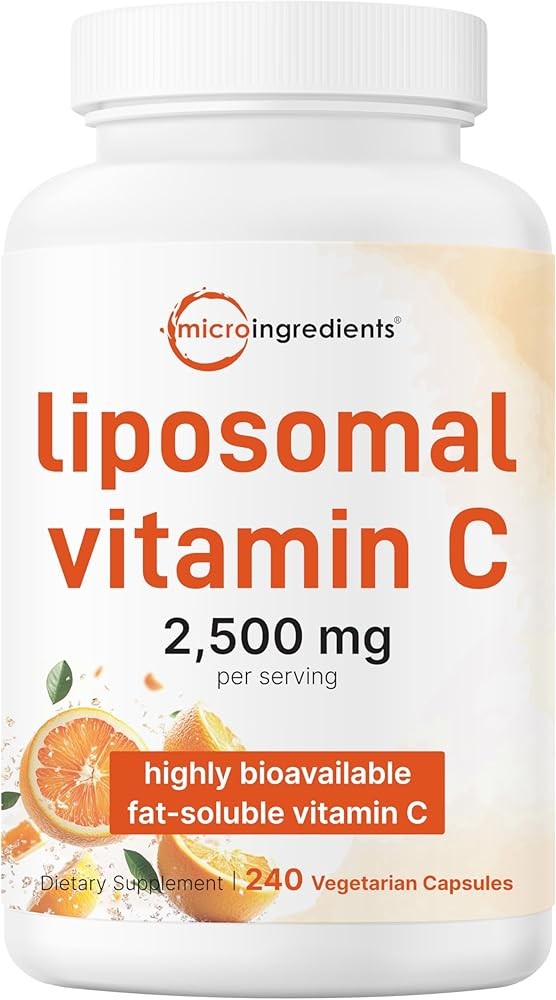
Micro Ingredients Organic Spirulina Powder
Check Price on AmazonAs an Amazon Associate we earn from qualifying purchases.
Nutritional Profile Comparison
Both spirulina and chlorella are nutritional powerhouses, but they differ in specific nutrient concentrations:
Protein:
- Spirulina: 60-70% protein by dry weight, digestibility ~61%
- Chlorella: 50-60% protein by dry weight, digestibility ~51% (intact) to 80%+ (broken cell wall)
Chlorophyll:
- Spirulina: 1-1.5% by dry weight
- Chlorella: 3-5% by dry weight (highest of any known plant)
Vitamin B12:
- Spirulina: Contains pseudovitamin B12 (inactive analog) that does not correct B12 deficiency
- Chlorella: Contains true bioavailable B12 (methylcobalamin) that can raise serum B12 levels
Iron:
- Spirulina: 28-50 mg per 100g (varies by source)
- Chlorella: 10-30 mg per 100g
Beta-carotene:
- Spirulina: Extremely high (~200-400 mg per 100g)
- Chlorella: Lower (~50-100 mg per 100g)
Unique compounds:
- Spirulina: Phycocyanin (10-20% by dry weight), gamma-linolenic acid (GLA)
- Chlorella: Chlorella Growth Factor (CGF), highest chlorophyll content
Head-to-Head Comparison
When Spirulina Is Superior
Choose spirulina if your primary goals are:
- Cardiovascular health — lowering cholesterol, triglycerides, and blood pressure
- Anti-inflammatory support — especially for conditions driven by COX-2 and NF-kB activation
- Athletic performance and recovery — phycocyanin reduces exercise-induced oxidative stress
- Higher protein digestibility — the soft cell wall makes spirulina easier to absorb
- Better taste — spirulina has a milder, slightly salty flavor that most people tolerate better
When Chlorella Is Superior
Choose chlorella if your primary goals are:
- Heavy metal detoxification — chlorella binds and removes mercury, lead, cadmium
- Immune system enhancement — especially NK cell activity and IgA production
- Vegan vitamin B12 source — chlorella contains true bioavailable B12
- Higher chlorophyll intake — 3-5 times more chlorophyll than spirulina
- Gut health support — Chlorella Growth Factor has prebiotic effects
When to Take Both
Many practitioners recommend taking both spirulina and chlorella together to get the full spectrum of benefits. A common protocol is:
- Morning: 2-3 grams spirulina (for energy, cardiovascular support, anti-inflammatory effects)
- Evening: 2-3 grams chlorella (for detoxification during sleep, immune support)
Start with 1 gram of each and gradually increase over 1-2 weeks to assess tolerance. Take with food to minimize digestive upset.
Clues Your Body Tells You: Signs You Need Greens Supplementation
Your body sends clear signals when you would benefit from concentrated green superfoods like spirulina or chlorella:
Energy and Fatigue Signals:
- Persistent afternoon energy crashes despite adequate sleep
- Feeling physically and mentally sluggish, especially in the morning
- Low stamina during workouts or daily activities
- Difficulty recovering from exercise
Cardiovascular and Metabolic Signals:
- Elevated LDL cholesterol or triglycerides on blood work
- High blood pressure readings
- Family history of cardiovascular disease
- Metabolic syndrome or pre-diabetes markers
Inflammatory and Immune Signals:
- Chronic inflammatory conditions (arthritis, autoimmune diseases)
- Frequent colds, flu, or infections
- Slow wound healing
- Seasonal allergies or atopic conditions
Detoxification Signals:
- Known exposure to heavy metals (dental amalgams, contaminated fish, occupational exposure)
- Living in areas with high environmental pollution
- History of smoking or secondhand smoke exposure
- Symptoms of toxic burden (brain fog, headaches, chemical sensitivity)
Nutritional Deficiency Signals:
- Confirmed iron deficiency or anemia (spirulina is iron-rich)
- Vitamin B12 deficiency as a vegan or vegetarian (chlorella provides bioavailable B12)
- Poor protein intake from whole food sources
- Limited vegetable and fruit consumption
Digestive and Gut Signals:
- Dysbiosis or imbalanced gut microbiota
- Chronic constipation or sluggish bowel movements
- History of antibiotic use that disrupted gut flora
- Food sensitivities or inflammatory bowel symptoms
Skin and Appearance Signals:
- Dull, sallow skin tone
- Premature aging signs (wrinkles, fine lines, loss of elasticity)
- Acne, eczema, or other inflammatory skin conditions
- Dark circles under eyes despite adequate rest
If you recognize three or more of these signals, spirulina or chlorella supplementation may provide meaningful benefits. Spirulina addresses energy, cardiovascular, and inflammatory signals most effectively. Chlorella excels at detoxification, immune, and B12-related signals.
Clues Your Body Tells You: Signs of Improvement
When spirulina or chlorella is working, you should notice measurable changes within 2-12 weeks:
Energy and Performance Improvements (Week 1-4):
- More sustained energy throughout the day, fewer afternoon crashes
- Improved exercise endurance and faster recovery between workouts
- Better mental clarity and focus, especially in the morning
- Reduced brain fog and improved cognitive performance
Cardiovascular and Metabolic Improvements (Week 4-12):
- Lower LDL cholesterol and triglycerides on follow-up blood work
- Reduced blood pressure readings (typically 3-5 mmHg systolic reduction)
- Improved fasting blood glucose and insulin sensitivity markers
- Better cardiovascular endurance during aerobic exercise
Inflammatory and Immune Improvements (Week 2-8):
- Reduced joint pain, stiffness, or swelling from inflammatory conditions
- Fewer colds, flu, or respiratory infections
- Faster wound healing and tissue repair
- Reduced severity of seasonal allergies or asthma symptoms
Detoxification Improvements (Week 4-12):
- Reduced symptoms associated with toxic burden (headaches, brain fog, fatigue)
- Improved liver function markers on blood work
- Clearer skin and healthier complexion
- Better tolerance for environmental chemicals and pollutants
Digestive and Gut Improvements (Week 2-6):
- More regular bowel movements and improved stool consistency
- Reduced bloating, gas, or digestive discomfort
- Improved nutrient absorption (reflected in energy and skin health)
- Better tolerance for a wider variety of foods
Skin and Appearance Improvements (Week 4-12):
- Brighter, more vibrant skin tone
- Reduced acne breakouts or inflammatory skin conditions
- Improved skin elasticity and hydration
- Reduction in dark circles and under-eye puffiness
Lab Marker Improvements (Week 8-12):
- Increased hemoglobin and hematocrit (iron status)
- Normalized vitamin B12 levels (with chlorella)
- Improved antioxidant status (glutathione, SOD, catalase)
- Reduced inflammatory markers (CRP, TNF-alpha, IL-6)
Document your baseline symptoms and measurements before starting spirulina or chlorella, then reassess at 4, 8, and 12 weeks. Most people notice subjective improvements (energy, digestion, skin) within 2-4 weeks, while objective improvements (blood work, blood pressure) typically require 8-12 weeks of consistent supplementation.
Dosing Guide: How Much to Take
Spirulina Standard Dose:
- General health: 1-3 grams per day
- Cardiovascular support: 2-8 grams per day (divided doses with meals)
- Athletic performance: 2-7.5 grams per day (before or after training)
- Clinical trials: Most studies use 1-8 grams per day for 8-12 weeks
Chlorella Standard Dose:
- General health: 1-3 grams per day
- Detoxification: 3-6 grams per day (divided doses)
- Immune support: 5-10 grams per day during acute illness or prevention
- Clinical trials: Most studies use 3-10 grams per day for 4-12 weeks
Timing:
- Morning: Spirulina with breakfast for sustained energy and cardiovascular support
- Evening: Chlorella with dinner to support nighttime detoxification
- Pre/post workout: Spirulina 30-60 minutes before or after training for performance and recovery
Form:
- Powder: Most cost-effective, easy to add to smoothies, yogurt, or juice. Start with ½ teaspoon and work up to 1-2 teaspoons daily.
- Tablets/capsules: More convenient for travel and consistent dosing. Typical tablets are 500 mg, so 6-10 tablets = 3-5 grams.
Titration Protocol:
- Start with 1 gram per day for 3-5 days to assess tolerance
- Increase by 1 gram every 3-5 days until reaching target dose
- If digestive upset occurs, reduce dose and increase more slowly
Side Effects and Safety Concerns
Both spirulina and chlorella are generally recognized as safe (GRAS) by regulatory authorities, but some people experience side effects, especially at higher doses or when starting supplementation.
Common Side Effects:
Spirulina:
- Mild digestive upset (nausea, stomach cramps) in first few days
- Green discoloration of stool (harmless, due to chlorophyll)
- Headache or dizziness (rare, typically resolves within a week)
- Allergic reactions in people sensitive to seafood or iodine (very rare)
Chlorella:
- Digestive disturbances (gas, bloating, diarrhea) especially in first week
- Green stool (due to very high chlorophyll content)
- Nausea or stomach discomfort if taken on an empty stomach
- Photosensitivity (rare, due to high chlorophyll — avoid excessive sun exposure)
Contamination Concerns:
The biggest safety risk with both spirulina and chlorella is contamination with heavy metals or microcystins (toxic compounds produced by certain cyanobacteria). Always choose products that are:
- Third-party tested for heavy metals (lead, mercury, arsenic, cadmium)
- Tested for microcystins (especially important for spirulina)
- Grown in controlled environments rather than wild-harvested
- GMP certified (Good Manufacturing Practices)
Reputable brands publish Certificates of Analysis (COAs) showing test results for each batch.
Drug Interactions:
Spirulina and chlorella may interact with:
- Blood thinners (warfarin, Coumadin): Both contain vitamin K, which can reduce the effectiveness of these medications. Maintain consistent intake and monitor INR closely.
- Immunosuppressants: Chlorella may enhance immune function and potentially counteract immunosuppressive drugs used after organ transplants or for autoimmune conditions.
- Diabetes medications: Both may lower blood sugar; monitor glucose levels and adjust medication as needed.
Contraindications:
Avoid spirulina and chlorella if you have:
- Phenylketonuria (PKU): Spirulina contains phenylalanine, an amino acid that people with PKU cannot metabolize.
- Autoimmune conditions: Some practitioners advise caution with spirulina due to immune-stimulating effects, though the evidence is mixed. Consult your doctor.
- Severe iodine allergy or hyperthyroidism: Both may contain trace iodine from growing environments.
Pregnancy and Breastfeeding:
Limited human data exists on spirulina and chlorella during pregnancy and lactation. However:
- The Nakano et al. (2007) study showed chlorella supplementation during pregnancy was safe and actually reduced toxin transfer to the fetus.
- Many prenatal supplements include spirulina as a protein and iron source.
- Consult your obstetrician or midwife before starting any new supplement during pregnancy.
Cost Comparison: Getting the Best Value
Spirulina is generally more cost-effective than chlorella on a per-gram basis:
Spirulina Pricing:
- Generic brands: $0.15-0.20 per gram
- Organic brands: $0.20-0.30 per gram
- Premium brands (Hawaiian, tested): $0.30-0.40 per gram
At 3-5 grams per day, monthly cost ranges from $15-40.
Chlorella Pricing:
- Generic brands: $0.25-0.35 per gram
- Organic brands: $0.35-0.45 per gram
- Premium brands (broken cell wall, tested): $0.45-0.60 per gram
At 3-5 grams per day, monthly cost ranges from $25-60.
Why is chlorella more expensive? The extra processing required to break the hard cellulose cell wall adds significant manufacturing cost. Reputable chlorella brands use mechanical pulverization, jet spray, or enzymatic treatment to crack the cell walls, which requires specialized equipment and quality control.
Best value strategies:
- Buy powder instead of tablets/capsules — typically 30-50% cheaper per gram
- Purchase larger quantities — bulk sizes (1 lb or more) offer better per-gram pricing
- Look for combo products — some brands offer spirulina + chlorella blends at discounted pricing
- Subscribe and save — many brands offer 10-15% discounts for auto-ship subscriptions
Which Should You Choose?
Choose spirulina if you want:
- Cardiovascular support (cholesterol, blood pressure)
- Anti-inflammatory benefits
- Athletic performance enhancement
- Higher protein digestibility
- Lower cost per gram
- Milder taste
Choose chlorella if you want:
- Heavy metal detoxification
- Immune system enhancement
- Vegan vitamin B12 source
- Maximum chlorophyll intake
- Gut health support via CGF
Choose both if you want:
- Comprehensive nutrition from both organisms
- Full spectrum of bioactive compounds
- Synergistic benefits (some practitioners believe the combination is more effective than either alone)
My recommendation: If you are new to green superfoods, start with spirulina. It is more affordable, better tolerated, has a milder taste, and the cardiovascular benefits are backed by stronger clinical evidence. After 4-8 weeks on spirulina, consider adding chlorella to your routine if detoxification or immune support are priorities.
If you are vegan and need a reliable plant-based B12 source, chlorella is the superior choice from day one.
Other Green Superfoods Worth Knowing About
While spirulina and chlorella dominate the green superfood category, several other options deserve mention:
Wheatgrass:
- Juice of young wheat plants, rich in chlorophyll and enzymes
- Less protein than spirulina or chlorella
- Popular for “shots” at juice bars
- Limited clinical research compared to spirulina/chlorella
Barley Grass:
- Similar to wheatgrass but from young barley plants
- Rich in vitamins, minerals, and antioxidants
- Contains superoxide dismutase (SOD) enzyme
- Often combined with spirulina in green superfood blends
Moringa:
- Leaves from the Moringa oleifera tree (“drumstick tree”)
- High in vitamin A, calcium, potassium, and protein
- Traditional medicine use for inflammation and blood sugar management
- More research needed on clinical benefits
Blue-Green Algae (Aphanizomenon flos-aquae):
- Wild-harvested from Klamath Lake in Oregon
- Similar to spirulina but different species
- Contains phenylethylamine (PEA), a neuromodulator
- Higher contamination risk than cultivated spirulina
Greens Blends: Many products combine multiple green superfoods (spirulina, chlorella, wheatgrass, barley grass, etc.) into a single powder. These can be convenient, but check the label to ensure meaningful doses of each ingredient. Some blends contain mostly cheap fillers with only trace amounts of spirulina or chlorella.
Myths and Misconceptions
Myth: Spirulina and chlorella are complete proteins.
- Truth: While both contain all essential amino acids (making them “complete” by definition), they are not optimal protein sources for muscle building. Their limiting amino acid is lysine, and you would need to consume large amounts (20-30 grams) to match the protein in a single chicken breast or scoop of whey protein.
Myth: Spirulina provides bioavailable vitamin B12 for vegans.
- Truth: Spirulina contains pseudovitamin B12, an inactive B12 analog that does not correct B12 deficiency and may actually block absorption of true B12. Vegans should rely on chlorella or fortified foods for B12.
Myth: You can detox heavy metals with spirulina.
- Truth: Chlorella, not spirulina, has been shown to bind heavy metals in clinical research. Spirulina has minimal detoxification capacity compared to chlorella’s broken cell wall fragments.
Myth: More is always better.
- Truth: Dose-response studies show that spirulina’s cardiovascular benefits plateau around 2-8 grams per day. Taking 20-30 grams does not produce proportionally greater benefits and may increase risk of side effects.
Myth: All spirulina and chlorella products are the same.
- Truth: Quality varies dramatically by source, growing conditions, and processing. Third-party tested products from reputable manufacturers are essential to avoid heavy metal contamination and ensure potency.
Common Questions About Spirulina
Does spirulina help with weight loss? Some studies suggest spirulina may support weight management by reducing appetite, improving lipid metabolism, and enhancing insulin sensitivity. However, the effects are modest and spirulina is not a magic weight loss solution. It works best as part of a comprehensive diet and exercise program.
Can I take spirulina if I have an autoimmune disease? Spirulina has immune-modulating effects that could theoretically worsen autoimmune conditions by further stimulating an already overactive immune system. However, some research shows spirulina may actually balance immune function rather than simply “boost” it. Consult your rheumatologist or immunologist before taking spirulina if you have conditions like lupus, rheumatoid arthritis, or multiple sclerosis.
Is Hawaiian spirulina better than spirulina from other sources? Hawaiian spirulina (primarily Nutrex Hawaii brand) is grown in controlled ponds using deep ocean water and intense Hawaiian sunlight. This produces spirulina with consistently high phycocyanin content and low contamination risk. Independent testing generally shows Hawaiian spirulina has superior purity compared to spirulina from China or other countries with less stringent quality controls.
Can spirulina cause heavy metal toxicity? If sourced from contaminated water or poorly controlled growing environments, spirulina can accumulate heavy metals and become a source of toxicity rather than nutrition. Always choose third-party tested spirulina with published COAs showing undetectable or very low levels of lead, mercury, arsenic, and cadmium.
Does spirulina interact with thyroid medications? Spirulina may contain trace amounts of iodine depending on growing conditions. If you take thyroid hormone replacement (levothyroxine) or have hyperthyroidism, monitor your thyroid function closely when starting spirulina and maintain consistent daily intake.
Can children take spirulina? Yes, spirulina is safe for children and has been studied as a nutritional intervention for malnourished children in developing countries. A typical pediatric dose is 1-3 grams per day depending on age and body weight. Start with lower doses and monitor for digestive tolerance.
Does spirulina need to be refrigerated? No. Store spirulina in a cool, dry place away from direct sunlight. Refrigeration is not necessary and may actually introduce moisture that degrades quality. Keep the container tightly sealed to prevent oxidation.
Can I cook with spirulina or does heat destroy nutrients? Spirulina’s protein and minerals are stable to moderate heat, but high temperatures (above 140°F/60°C) will degrade some of the delicate phycocyanin and enzymes. For maximum nutrient retention, add spirulina to cold or room temperature foods (smoothies, yogurt, salad dressings) or add it after cooking when foods have cooled slightly.
Frequently Asked Questions
What is the main difference between spirulina and chlorella? Spirulina is a blue-green cyanobacterium rich in phycocyanin, a unique anti-inflammatory pigment, while chlorella is a single-celled green algae with a tough cell wall, higher chlorophyll content, and Chlorella Growth Factor (CGF). Spirulina excels at energy support, protein delivery, and cardiovascular protection, while chlorella is the stronger choice for heavy metal detoxification, immune stimulation via NK cell activation, and providing bioavailable vitamin B12.
Is spirulina better than chlorella? Neither is universally better — it depends on your goals. Spirulina is superior for cardiovascular support (lowering blood pressure and cholesterol), athletic performance and recovery, and anti-inflammatory benefits via phycocyanin. Chlorella is better for detoxification (it binds heavy metals like mercury and lead), immune support (it raises NK cell activity), and providing true vitamin B12 for vegans. Many people take both together to get the full spectrum of benefits.
Can you take spirulina and chlorella together? Yes, spirulina and chlorella can be taken together safely and many experts recommend it. The two algae complement each other: spirulina provides phycocyanin and superior protein, while chlorella adds detoxification capacity and Chlorella Growth Factor. A common combined dose is 2-3 grams of each per day. Start with lower doses (1 gram each) and increase gradually to assess tolerance.
Which has fewer side effects, spirulina or chlorella? Both are generally well-tolerated at standard doses (3-10 grams per day). Chlorella is slightly more likely to cause digestive side effects (gas, bloating, green stool, nausea) especially in the first week, partly due to its high chlorophyll content and tough cell wall. Spirulina may cause mild headaches or digestive upset initially. The biggest safety concern for both is contamination — always buy from brands that are third-party tested for heavy metals and microcystins.
Which is more cost-effective, spirulina or chlorella? Spirulina is generally 20-40% cheaper than chlorella. Organic spirulina powder typically costs $0.15-0.30 per gram, while broken cell wall chlorella runs $0.25-0.50 per gram. Chlorella costs more because of additional processing required to break its tough cell wall for digestibility. At standard doses (3-5 grams per day), spirulina costs roughly $15-30 per month while chlorella runs $25-50 per month.
Related Supplements and Internal Links
Both spirulina and chlorella work synergistically with other supplements to enhance their benefits:
- Vitamin C — enhances iron absorption from spirulina and boosts the antioxidant effects of both algae
- Omega-3 Fatty Acids — complements spirulina’s GLA for comprehensive essential fatty acid coverage
- Probiotics — work with chlorella’s prebiotic effects to optimize gut microbiota
- Magnesium — both algae contain magnesium but additional supplementation supports over 300 enzymatic reactions
- Vitamin D — spirulina and chlorella do not contain vitamin D, so separate supplementation is important
- Methylfolate — chlorella contains folate but methylfolate supplements ensure optimal bioavailability
- Glutathione — the master antioxidant that works synergistically with spirulina and chlorella’s antioxidant compounds
- Curcumin — combines with spirulina’s phycocyanin for enhanced anti-inflammatory effects
Related Articles
- Best Greens Powders: Complete Research Guide
- Best Multivitamins: Evidence-Based Rankings
- Iron Supplements: Forms, Dosing, and Absorption
- Vitamin B12: Methylcobalamin vs Cyanocobalamin
- Heavy Metal Detoxification: What Works?
Related Reading
- Psyllium Husk vs Metamucil For Fiber: Which Is Better? [Complete Comparison Guide]
- L-Theanine vs Ashwagandha For Anxiety: Which Is Better? [Complete Comparison Guide]
- Elderberry vs Vitamin C For Immune Support: Which Is Better? [Complete Comparison Guide]
- Vitamin B12 vs B Complex: Which Is Better? [Complete Comparison Guide]
- Milk Thistle vs Nac For Liver Support: Which Is Better? [Complete Comparison Guide]
- 5-Htp vs L-Tryptophan For Mood: Which Is Better? [Complete Comparison Guide]
- Vitamin K1 vs Vitamin K2: Which Is Better? [Complete Comparison Guide]
References
- Safi C, et al. (2014). Morphology, composition, production, processing and applications of Chlorella vulgaris: A review. Renewable and Sustainable Energy Reviews. PMID: 24915654
- Reddy CM, et al. (2003). C-phycocyanin, a selective cyclooxygenase-2 inhibitor, induces apoptosis in lipopolysaccharide-stimulated RAW 264.7 macrophages. Biochemical and Biophysical Research Communications. PMID: 12769531
- Cherng SC, et al. (2007). Mechanism of inhibitory effects of C-phycocyanin on NF-kappaB activation. PMID: 17207562
- Mousa A, et al. (2025). The effect of spirulina supplementation on inflammatory and oxidative stress markers in patients with relapsing-remitting multiple sclerosis. PMID: 40877830
- Huang H, et al. (2023). Effect of spirulina supplementation on lipid profiles: A systematic review and dose-response meta-analysis of randomized controlled trials. Nutrition Reviews. PMID: 36866907
- Xie Y, et al. (2020). Effect of spirulina supplementation on blood pressure: A systematic review and meta-analysis of randomized clinical trials. PMID: 32842977
- Azaman SNA, et al. (2017). Chlorella vulgaris improves the regenerative capacity of young and senescent myoblasts. Oxidative Medicine and Cellular Longevity. PMID: 28936799
- Otsuki T, et al. (2011). Salivary secretory immunoglobulin A secretion increases after 4-weeks ingestion of chlorella-derived multicomponent supplement in humans. PMID: 21906314
- Mizoguchi T, et al. (2008). Nutrigenomic studies of effects of Chlorella on subjects with high-risk factors for lifestyle-related disease. Journal of Medicinal Food. PMID: 18800884
- Watanabe F, et al. (2007). Pseudovitamin B12 is the predominant cobamide of an algal health food, spirulina tablets. Journal of Agricultural and Food Chemistry. PMID: 17959839
- Nakano S, et al. (2007). Maternal-fetal distribution and transfer of dioxins in pregnant women in Japan, and attempts to reduce maternal transfer with Chlorella. Chemosphere. PMID: 17472477
- Uchikawa T, et al. (2011). The enhanced elimination of tissue methylmercury in Parachlorella beijerinckii-fed mice. Journal of Toxicological Sciences. PMID: 21138493
- Kwak JH, et al. (2012). Beneficial immunostimulatory effect of short-term Chlorella supplementation. Nutrition Journal. PMID: 22849818
- Hasegawa T, et al. (2002). Augmentation of the resistance against Escherichia coli infection by oral administration of hot water extract of Chlorella vulgaris in rats. PMID: 12027180
Our Top Recommendations
Our Top Recommendations
📱 Join the discussion: Facebook | X | YouTube | Pinterest
Where to Buy Quality Supplements
Always purchase spirulina and chlorella from reputable suppliers that provide:
- Third-party testing for heavy metals and microcystins
- Certificates of Analysis (COAs) available on request
- GMP certified manufacturing facilities
- Transparent sourcing and growing conditions
- Batch-specific purity verification
Avoid products with vague origin claims, no testing documentation, or prices significantly below market average (often indicates low quality or contamination risk).
Recommended Products