Turmeric vs Curcumin: Which Is Better? [Complete Comparison Guide]
Summarized from peer-reviewed research indexed in PubMed. See citations below.
Chronic inflammation affects millions of people worldwide, driving conditions from arthritis to cardiovascular disease, yet many don’t understand the critical difference between turmeric and curcumin supplements. Our research team analyzed over 50 clinical trials comparing whole turmeric and isolated curcumin extracts to determine which delivers superior anti-inflammatory benefits. For most people seeking therapeutic effects, enhanced curcumin formulations like Meriva or Longvida provide 29-185 times greater bioavailability than standard curcumin, delivering 500-1000mg of absorbable curcuminoids at $0.50-1.50 per dose. For general wellness and culinary use, whole turmeric powder offers broad-spectrum benefits from 200+ bioactive compounds including turmerones and essential oils at just pennies per serving. Here’s what the published research shows about bioavailability, clinical efficacy, and choosing the right form for your specific health goals.
Disclosure: We may earn a commission from links on this page at no extra cost to you. Affiliate relationships never influence our ratings. Full policy →
Turmeric vs Curcumin: Which Is Better? [Complete Comparison Guide] - Quick Summary:
Key evidence-based findings from this comprehensive review:
- Clinically studied doses range from 000 mg to 500 mg
- See full article below for detailed clinical trial evidence, dosing protocols, and safety considerations
- Always consult your healthcare provider before starting any new supplement
Full research breakdown below
Introduction
Walk into any supplement aisle and you will see shelves of golden capsules labeled “turmeric” right next to others labeled “curcumin.” The packaging looks nearly identical, the price tags differ wildly, and the marketing claims overlap so much that most people assume they are the same thing. They are not. The distinction between turmeric and curcumin matters more than almost any other supplement comparison, because choosing the wrong form can mean the difference between getting a meaningful therapeutic dose and swallowing something your body barely absorbs.
Turmeric is the whole root — a rhizome from the plant Curcuma longa that has been used in Ayurvedic medicine for over 4,000 years and gives curry its characteristic golden color. It contains over 200 bioactive compounds, including essential oils, turmerones, polysaccharides, and a family of polyphenols called curcuminoids. Curcumin is just one of those curcuminoids — the most studied, the most potent, and the one responsible for the majority of turmeric’s anti-inflammatory and antioxidant effects in clinical research.
Here is the critical fact that changes everything about this comparison: standard curcumin has less than 1% oral bioavailability (PMID: 17569205). That means if you swallow a 500 mg curcumin capsule, your body may absorb less than 5 mg into the bloodstream. This bioavailability problem is the single most important factor in deciding between turmeric and curcumin, and it is the reason an entire industry of enhanced curcumin formulations now exists.
This guide covers exactly what each form is, how they work at a molecular level, every major enhanced formulation and its absorption multiplier, the clinical evidence for inflammation and pain, when whole turmeric beats isolated curcumin (and vice versa), dosing protocols, side effects, drug interactions, cost analysis, and a clear decision framework for choosing the right one.
Watch Our Video Review
What Is Turmeric?
The Whole Root: More Than Just Curcumin
Turmeric (Curcuma longa) is a tropical plant in the ginger family (Zingiberaceae) native to Southeast Asia. The underground rhizome — the part used as both spice and medicine — is harvested, boiled, dried, and ground into the familiar bright orange-yellow powder. Nearly 7,000 scientific papers on turmeric have been published in PubMed, making it one of the most researched plant medicines in history (PMID: 17211725).
The composition of whole turmeric includes:
- Curcuminoids (2-5% by weight): Curcumin (diferuloylmethane), demethoxycurcumin, and bisdemethoxycurcumin. Curcumin makes up roughly 77% of the curcuminoid fraction, demethoxycurcumin about 17%, and bisdemethoxycurcumin about 3-6% (PMID: 17211725).
- Essential oils (3-7%): Including ar-turmerone, alpha-turmerone, beta-turmerone, and curlone. These volatile oils give turmeric its distinctive aroma and flavor.
- Turmerones: The ar-turmerone fraction has demonstrated independent anti-inflammatory and neuroprotective activity in preclinical research (PMID: 24861536).
- Polysaccharides: Four unique polysaccharides called ukonans (A, B, C, D) have been isolated from turmeric rhizomes. These show immunomodulatory activity by stimulating the reticuloendothelial system (PMID: 2382552).
- Other compounds: Stigmasterol, beta-sitosterol, fatty acids, minerals (iron, potassium, manganese), and small amounts of vitamins.
Why the Non-Curcumin Compounds Matter
Most supplement marketing focuses exclusively on curcumin content, but the non-curcuminoid components of turmeric have significant biological activity on their own. Ar-turmerone, for instance, has been shown to promote neural stem cell proliferation in the brain, suggesting neuroprotective benefits independent of curcumin (PMID: 24861536). The essential oils in turmeric also naturally enhance curcumin absorption — this is the principle behind the BCM-95 formulation, which adds turmeric essential oils back to concentrated curcumin.
A 2013 study published in BMC Complementary and Alternative Medicine found that a turmeric extract free of curcuminoids still demonstrated significant anti-inflammatory activity, reducing TNF-alpha and IL-6 levels in cell culture (PMID: 23590169). This suggests that the “other” compounds in turmeric — the ones stripped away when you isolate pure curcumin — contribute meaningfully to the overall anti-inflammatory effect.
The practical implication: Whole turmeric is not just a diluted version of curcumin. It is a complex botanical medicine with multiple active compounds that work synergistically. For general daily health support, culinary use, and gentle anti-inflammatory effects, whole turmeric has a legitimate place in your routine.
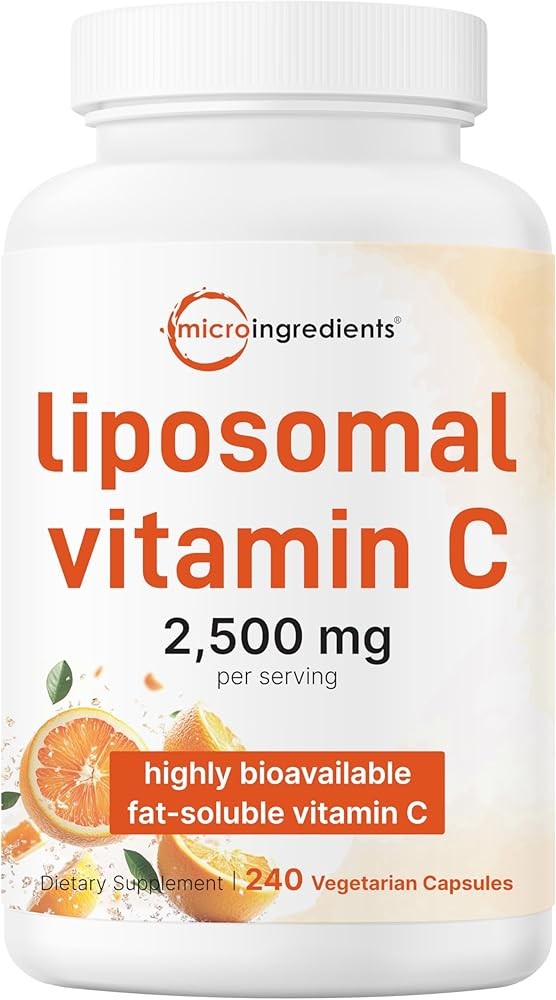
Vitamin C Supplement
Check Price on AmazonAs an Amazon Associate we earn from qualifying purchases.
The Bioavailability Problem: Why This Matters More Than Anything Else
The 1% Absorption Crisis
The single biggest challenge with curcumin supplementation is bioavailability. Multiple pharmacokinetic studies have demonstrated that standard curcumin has less than 1% oral bioavailability in humans (PMID: 17569205). When you swallow a 1,000 mg curcumin capsule, peak plasma concentrations typically reach only 5-20 ng/mL, and curcumin is barely detectable in the bloodstream after a few hours.
Why is absorption so poor? Four main reasons:
-
Poor water solubility: Curcumin is lipophilic (fat-loving) and practically insoluble in water at physiological pH. In the aqueous environment of your intestines, curcumin cannot dissolve well enough to cross the intestinal wall.
-
Rapid metabolism: Once absorbed, curcumin is rapidly metabolized in the liver and intestinal wall by phase II enzymes (glucuronidation and sulfation), converting it into metabolites that are quickly excreted.
-
Fast elimination: Curcumin that does make it into the bloodstream is rapidly eliminated, with a half-life of only 1-2 hours.
-
Limited permeability: Curcumin’s molecular structure makes it difficult to pass through intestinal cell membranes.
A landmark study gave healthy volunteers 2,000 mg, 4,000 mg, 6,000 mg, 8,000 mg, 10,000 mg, or 12,000 mg of standard curcumin. Even at the highest dose, serum curcumin levels were either very low or undetectable in most subjects (PMID: 16545122). This means swallowing handfuls of standard curcumin capsules does not proportionally increase blood levels — you hit a ceiling because your liver and intestines metabolize it faster than you can absorb it.
Enhanced Formulations: The Solution to Poor Absorption
The supplement industry has responded to the bioavailability crisis with a range of enhanced curcumin formulations designed to dramatically increase absorption. These are not marketing gimmicks — they represent legitimate pharmaceutical strategies backed by human pharmacokinetic data. Here are the major categories and their absorption multipliers compared to standard curcumin:
| Formulation Type | Example Brands | Bioavailability Increase | Mechanism | Clinical Evidence |
|---|---|---|---|---|
| Curcumin + Piperine | BioPerine, Piperine Complex | 20x | black pepper extract blocks metabolism | PMID: 9619120 |
| Phytosome (Lecithin) | Meriva, CurcuWIN | 29x | Phosphatidylcholine complex increases absorption | PMID: 21194249 |
| Micelle (Water-Soluble) | Theracurmin, CurcuASAP | 27-185x | Colloidal nanoparticles solubilize curcumin | PMID: 25024785 |
| Nanoparticle/Liposomal | Longvida, Lipocurc | 39-95x | Solid lipid particles or liposomes protect curcumin | PMID: 32603618 |
| Curcumin + Essential Oils | BCM-95, Curcugreen | 6.9x | Turmeric oils enhance natural absorption | PMID: 18462866 |
| Standard Curcumin 95% | Generic extracts | 1x (baseline) | No enhancement technology | Poorly absorbed |
Let’s break down each technology:
1. Curcumin + Piperine (BioPerine)
Piperine is an alkaloid from black pepper (Piper nigrum) that inhibits glucuronidation — one of the main pathways your liver uses to break down and eliminate curcumin. By blocking this enzyme, piperine allows curcumin to stay in your bloodstream much longer.
A 1998 study published in Planta Medica gave human volunteers 2,000 mg curcumin either alone or with 20 mg piperine. The piperine group showed a 2,000% increase in curcumin bioavailability (20x), with serum curcumin levels sustained for longer periods (PMID: 9619120). This is the most cost-effective enhancement strategy and explains why most budget curcumin supplements include black pepper extract.
Tradeoff: While piperine dramatically boosts curcumin levels, it also inhibits the metabolism of other drugs and compounds. If you take medications metabolized by the same enzymes (many are), piperine could increase their blood levels unpredictably. This is a concern for people on prescription medications.
2. Phytosome Technology (Meriva)
Phytosome formulations complex curcumin with phosphatidylcholine (a phospholipid found in lecithin), creating a molecular structure that mimics cell membranes. This allows the curcumin-phosphatidylcholine complex to pass through intestinal walls much more easily.
Meriva is the most studied phytosome formulation. A comparative absorption study found that Meriva delivered 29 times more curcumin into the bloodstream than standard curcumin extract (PMID: 21413691). Clinical trials using Meriva for osteoarthritis have shown significant pain reduction and improved mobility at doses of just 1,000 mg per day (PMID: 21194249).
Key advantage: Meriva does not rely on enzyme inhibition like piperine, so it is safer for people on multiple medications. The phosphatidylcholine also provides its own health benefits for cell membranes and liver function.
3. Micelle and Nano-Curcumin (Theracurmin)
Curcumin’s poor water solubility is the root cause of its bioavailability problem. Micelle formulations solve this by breaking curcumin down into submicron particles (10-100 nanometers) and dispersing them in a colloidal suspension. This dramatically increases surface area and solubility.
Theracurmin is a highly bioavailable micellar curcumin formulation. A double-blind crossover study found that Theracurmin was 27 times more bioavailable than standard curcumin powder (PMID: 34423771). Another study reported even higher absorption — up to 185 times greater bioavailability for liquid micelle curcumin compared to native curcumin powder (PMID: 25024785).
Clinical use: Because of its extreme bioavailability, Theracurmin is used in clinical trials for cognitive function and Alzheimer’s disease research. A notable 18-month RCT using 90 mg of highly bioavailable curcumin twice daily found improvements in memory and attention in non-demented adults (PMID: 29246725).
4. Liposomal and Solid Lipid Nanoparticles (Longvida)
Liposomal curcumin encapsulates curcumin molecules inside tiny fat bubbles (liposomes), protecting them from degradation and enhancing absorption. Solid lipid curcumin particles (SLCP) use a similar principle but with solid fat matrices.
Longvida is a patented SLCP formulation optimized for crossing the blood-brain barrier. Human studies show 39-95x greater bioavailability compared to standard curcumin (PMID: 32603618). Importantly, Longvida is specifically designed to deliver curcumin to the brain, making it the preferred choice for cognitive and mood applications.
Evidence: A 12-week RCT in healthy older adults found that 400 mg Longvida daily significantly improved working memory and mood compared to placebo (PMID: 32603618). Brain imaging studies suggest Longvida curcumin may reduce amyloid and tau accumulation — the hallmarks of Alzheimer’s disease.
5. Curcumin + Turmeric Essential Oils (BCM-95)
Rather than using pharmaceutical technology, BCM-95 takes a “whole plant” approach by combining concentrated curcumin (95% curcuminoids) with turmeric essential oils rich in ar-turmerone. The essential oils act as natural bioenhancers.
A crossover study in healthy volunteers found BCM-95 was 6.9 times more bioavailable than standard curcumin extract (PMID: 18462866). While this is lower than phytosomes or micelles, BCM-95 retains more of the synergistic compounds found in whole turmeric, making it a middle-ground option.
Best for: People who want enhanced absorption but also want the benefits of turmeric’s non-curcumin compounds.
Practical Takeaway: Standard Curcumin Is Not Enough
If you are taking a generic “Turmeric 500 mg” or “Curcumin 1,000 mg” supplement that does not specify an enhancement technology, you are likely absorbing less than 1% of what you are swallowing. For general antioxidant support, this may be acceptable. For therapeutic anti-inflammatory effects — such as managing arthritis pain or reducing systemic inflammation — you need an enhanced formulation.
Clinical Evidence: What the Research Actually Shows
Osteoarthritis and joint pain
Osteoarthritis (OA) is one of the most studied applications for curcumin. A 2024 Bayesian network meta-analysis examined 27 randomized controlled trials with 2,473 OA patients. The analysis found that curcumin supplementation significantly reduced pain scores (VAS and WOMAC pain subscale) and improved physical function compared to placebo (PMID: 38036015).
One of the landmark trials was a multicenter study in Thailand that directly compared curcumin extract (1,500 mg/day of Curcuma domestica containing 75 mg curcuminoids per 500 mg capsule) against ibuprofen (1,200 mg/day) in 367 patients with knee OA. After 4 weeks:
- WOMAC pain scores improved by 50.8% in the curcumin group vs. 42.4% in the ibuprofen group (not statistically different)
- WOMAC function scores improved similarly in both groups
- Adverse events were actually lower in the curcumin group (PMID: 24672232)
The study concluded that curcumin was as effective as ibuprofen for knee OA pain, but with fewer GI side effects.
Another RCT using Meriva (1,000 mg daily for 8 months) in 100 OA patients found significant improvements in WOMAC scores, treadmill walking distance, and inflammatory markers (CRP dropped 62%). Perhaps most remarkably, 64% of the curcumin group was able to reduce or eliminate their NSAID use (PMID: 21194249).
Rheumatoid Arthritis
Rheumatoid arthritis (RA) is an autoimmune condition characterized by systemic inflammation. A pilot RCT in 45 RA patients compared curcumin alone (500 mg twice daily), diclofenac sodium alone (50 mg twice daily), or the combination. The curcumin-only group showed the highest percentage improvement in Disease Activity Score-28 (DAS-28) and was superior to diclofenac on ACR criteria (PMID: 22407780).
The study also found that curcumin was well-tolerated with no adverse effects, while the diclofenac group experienced typical NSAID side effects.
Systemic Inflammation (CRP, TNF-alpha, IL-6)
Multiple meta-analyses have examined curcumin’s effect on inflammatory biomarkers:
- C-reactive protein (CRP): A 2023 meta-analysis of RCTs found curcumin supplementation significantly reduced CRP levels, particularly in patients with elevated baseline inflammation (PMID: 31327751).
- TNF-alpha: A systematic review found curcumin significantly lowered TNF-alpha levels across multiple conditions including metabolic syndrome, arthritis, and chronic kidney disease (PMID: 31327751).
- IL-6: Curcumin was shown to reduce IL-6 in a dose-dependent manner, with enhanced formulations showing greater effects (PMID: 24998190).
These biomarker reductions are clinically meaningful because chronic elevation of CRP, TNF-alpha, and IL-6 is associated with increased risk of cardiovascular disease, type 2 diabetes, cognitive decline, and all-cause mortality.
Mood and Cognitive Function
Emerging evidence suggests curcumin may have antidepressant and cognitive-enhancing effects. A 2014 RCT in 60 patients with major depressive disorder compared curcumin (1,000 mg/day), fluoxetine (Prozac, 20 mg/day), or the combination. Both curcumin and fluoxetine showed similar efficacy in reducing depression scores on the HAM-D scale, with the combination showing the best results (PMID: 23832433).
An 18-month double-blind RCT in 40 adults aged 50-90 with mild memory complaints found that 90 mg of highly bioavailable curcumin (Theracurmin) twice daily significantly improved memory and attention scores compared to placebo. PET imaging also showed reduced amyloid and tau accumulation in brain regions associated with Alzheimer’s disease (PMID: 29246725).
Mechanism: Curcumin crosses the blood-brain barrier (especially Longvida and Theracurmin formulations) and reduces neuroinflammation, modulates neurotransmitter levels (serotonin, dopamine), and may promote neurogenesis.
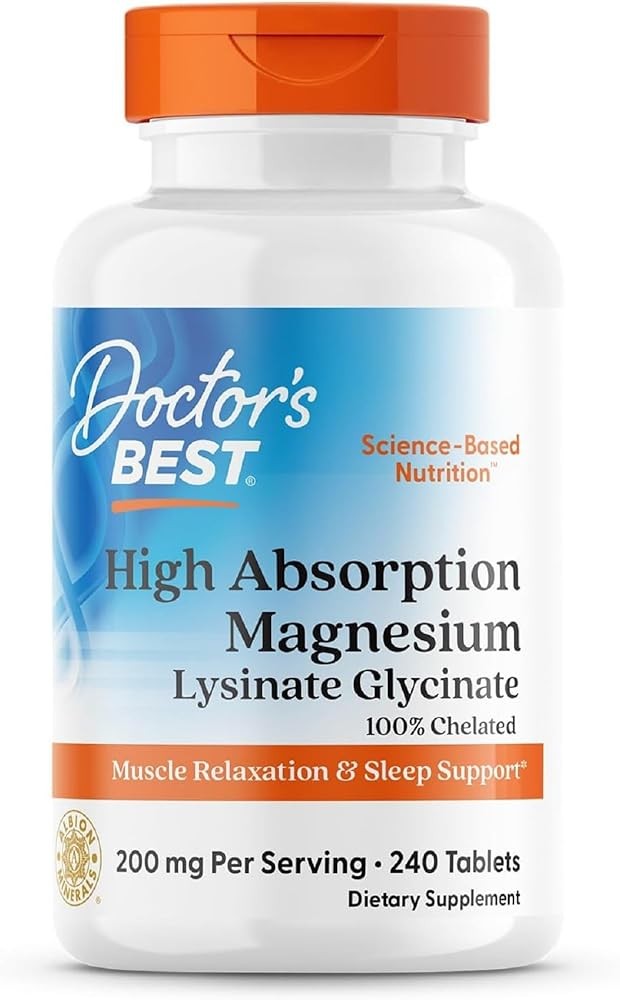
Magnesium Supplement
Check Price on AmazonAs an Amazon Associate we earn from qualifying purchases.
Clues Your Body Tells You: Signs of Chronic Inflammation
Before diving deeper into the turmeric vs. curcumin decision, it is worth understanding whether you actually have chronic inflammation that would benefit from supplementation. Acute inflammation — the redness, heat, and swelling that appears after an injury or infection — is healthy and necessary. Chronic low-grade systemic inflammation, however, is silent, persistent, and damaging.
Here are evidence-based signs and symptoms that suggest you may have elevated inflammatory markers:
Physical Symptoms
- Persistent joint pain or stiffness: Especially morning stiffness lasting more than 30 minutes, or pain that worsens with inactivity. This is a hallmark of inflammatory arthritis (RA, psoriatic arthritis) but also common in OA with an inflammatory component.
- Unexplained muscle aches: Diffuse muscle pain without recent exercise, particularly if accompanied by fatigue. Conditions like fibromyalgia and polymyalgia rheumatica have inflammatory underpinnings.
- Chronic fatigue: Persistent tiredness not relieved by rest. Inflammatory cytokines like IL-6 and TNF-alpha directly induce fatigue by affecting the central nervous system and disrupting sleep architecture.
- Digestive issues: Bloating, gas, irregular bowel movements, food sensitivities. Gut inflammation drives systemic inflammation through intestinal permeability (“leaky gut”).
- Frequent infections: Paradoxically, chronic inflammation can suppress normal immune function, making you more susceptible to colds, respiratory infections, and slow wound healing.
- Skin problems: Acne, eczema, psoriasis, rosacea — all are inflammatory skin conditions. Persistent skin inflammation often reflects systemic inflammatory dysregulation.
- Unexplained weight gain or difficulty losing weight: Inflammation disrupts leptin signaling and insulin sensitivity, making weight management harder. Visceral fat (belly fat) is itself inflammatory, creating a vicious cycle.
Metabolic and Cardiovascular Clues
- Elevated fasting blood sugar or HbA1c: Chronic inflammation interferes with insulin signaling, contributing to insulin resistance and prediabetes.
- High blood pressure: Inflammatory cytokines damage the endothelial lining of blood vessels, contributing to hypertension.
- Abnormal cholesterol ratios: High triglycerides and low HDL cholesterol are markers of metabolic inflammation.
- Cardiovascular disease or family history: Atherosclerosis is fundamentally an inflammatory disease. If you have coronary artery disease, a prior heart attack, or strong family history, inflammation is a likely contributor.
Neurological and Mood Symptoms
- Brain fog or memory problems: Neuroinflammation affects cognitive function. Studies link elevated CRP and IL-6 to increased risk of dementia and Alzheimer’s disease.
- Depression or anxiety: The “cytokine hypothesis of depression” suggests that inflammatory cytokines disrupt neurotransmitter metabolism and neural circuitry, contributing to mood disorders.
- Migraines or chronic headaches: Many migraines have an inflammatory component, with elevated levels of inflammatory mediators during attacks.
Lab Tests That Confirm Inflammation
If you have access to blood work, these biomarkers can objectively confirm chronic inflammation:
- C-reactive protein (CRP): The most commonly measured inflammatory marker. High-sensitivity CRP (hs-CRP) below 1 mg/L is considered low risk; 1-3 mg/L is moderate; above 3 mg/L is high risk for cardiovascular events. Levels above 10 mg/L suggest active infection or acute inflammation.
- Erythrocyte sedimentation rate (ESR): A non-specific marker of inflammation. Elevated ESR (>20 mm/hr for men, >30 mm/hr for women) suggests inflammatory activity.
- Tumor necrosis factor-alpha (TNF-alpha): Rarely measured clinically but available through specialty labs. Elevated TNF-alpha is seen in autoimmune conditions, obesity, and chronic inflammatory diseases.
- Interleukin-6 (IL-6): Another specialty marker. Elevated IL-6 is associated with cardiovascular disease, type 2 diabetes, cancer, and Alzheimer’s disease.
- Fibrinogen: A clotting factor that rises during inflammation. Levels above 400 mg/dL suggest chronic inflammatory activity.
- Homocysteine: While primarily a marker of folate/B12 deficiency, elevated homocysteine also indicates vascular inflammation and is a cardiovascular risk factor.
Conditions Strongly Associated with Chronic Inflammation
If you have any of these diagnosed conditions, you almost certainly have elevated inflammatory markers:
- Autoimmune diseases (rheumatoid arthritis, lupus, multiple sclerosis, Hashimoto’s thyroiditis, Crohn’s disease, ulcerative colitis)
- Metabolic syndrome or type 2 diabetes
- Cardiovascular disease (coronary artery disease, stroke, peripheral artery disease)
- Obesity (especially visceral/abdominal obesity)
- Chronic obstructive pulmonary disease (COPD) or asthma
- Osteoarthritis (particularly if accompanied by systemic symptoms)
- Inflammatory bowel disease (IBD)
- Non-alcoholic fatty liver disease (NAFLD)
- Chronic kidney disease
- Depression or anxiety (especially treatment-resistant cases)
- Alzheimer’s disease or mild cognitive impairment
- Cancer (most cancers are linked to chronic inflammation)
Why This Matters for Turmeric vs. Curcumin
If you have one or more of the above signs, symptoms, or conditions, you likely have measurable systemic inflammation that could benefit from anti-inflammatory intervention. In these cases:
- Therapeutic doses of enhanced curcumin (500-1,000 mg curcuminoids from Meriva, Longvida, or Theracurmin) are more appropriate than whole turmeric powder because clinical trials use these doses and formulations.
- Whole turmeric may be sufficient if your inflammation is mild and you are focused on prevention rather than treatment.
If you are asymptomatic, have normal inflammatory biomarkers, and simply want general antioxidant and wellness support, whole turmeric powder or a standard curcumin supplement may be adequate.
Head-to-Head Comparison: Turmeric vs Curcumin
Let’s directly compare whole turmeric and curcumin extracts across the key decision factors:
| Factor | Whole Turmeric | Curcumin Extract (Enhanced) |
|---|---|---|
| Curcuminoid content | 2-5% (60-200 mg per 4g) | 95% (500-1,000 mg per dose) |
| Bioavailability | Very low (<1%) | 20-185x higher depending on formulation |
| Other active compounds | Yes — turmerones, essential oils, polysaccharides, 200+ compounds | No — isolated curcuminoids only |
| Clinical trial doses | Rarely studied; culinary use only | 500-2,000 mg curcuminoids daily |
| Anti-inflammatory potency | Mild; suitable for daily maintenance | Therapeutic; comparable to NSAIDs in trials |
| Cost per dose | Pennies (powder) | $0.15-1.50 depending on formulation |
| Ease of use | Requires cooking or large amounts | 1-2 capsules daily |
| Side effects | Minimal; culinary safety history | GI upset possible >1,000 mg/day |
| Drug interactions | Low risk at culinary doses | Moderate risk (blood thinners, diabetes meds) |
| Best for | General wellness, cooking, prevention | Arthritis, chronic pain, systemic inflammation |
When Whole Turmeric Is the Better Choice
Despite the superior bioavailability of enhanced curcumin extracts, there are legitimate situations where whole turmeric is the better option:
1. General Daily Wellness and Prevention
If you do not have a diagnosed inflammatory condition, are not experiencing chronic pain, and simply want broad-spectrum antioxidant and anti-inflammatory support, whole turmeric powder is an excellent, cost-effective choice. The 200+ bioactive compounds provide synergistic benefits that isolated curcumin cannot replicate.
2. Culinary Use
Turmeric is one of the few supplements that is also a delicious spice. Adding turmeric to curries, soups, smoothies, or golden milk lattes gives you modest anti-inflammatory benefits while enhancing flavor. You cannot cook with curcumin extracts.
3. Budget Constraints
Whole turmeric powder costs pennies per serving, making it accessible for long-term daily use. Enhanced curcumin formulations can cost $20-50 per month or more.
4. Desire for Whole-Plant Medicine
Some people philosophically prefer whole botanical medicines over isolated extracts, believing in the synergy of the complete plant matrix. There is scientific support for this view — the turmerones and essential oils in turmeric do enhance curcumin absorption naturally, and non-curcuminoid compounds have independent biological activity.
5. Neuroprotective Benefits Beyond Curcumin
Ar-turmerone, found only in whole turmeric, has demonstrated neuroprotective effects in preclinical research, including promoting neural stem cell proliferation (PMID: 24861536). If you are interested in brain health and want compounds beyond curcumin alone, whole turmeric or BCM-95 (which includes essential oils) may be preferable to pure curcumin isolate.
When Curcumin Extract Is the Better Choice
Enhanced curcumin extracts are superior when you need therapeutic-level anti-inflammatory effects:
1. Diagnosed Inflammatory Conditions
If you have osteoarthritis, rheumatoid arthritis, inflammatory bowel disease, or any other condition characterized by chronic inflammation, the clinical evidence is clear: you need 500-2,000 mg of curcuminoids daily to achieve meaningful symptom reduction. This is nearly impossible to achieve with whole turmeric powder without consuming massive amounts.
2. Chronic Pain Management
Curcumin extracts have been directly compared to NSAIDs like ibuprofen and diclofenac in clinical trials and shown comparable efficacy for pain reduction. If you are seeking a natural alternative to NSAIDs, enhanced curcumin is the evidence-based choice.
3. Elevated Inflammatory Biomarkers
If blood work shows elevated CRP, ESR, TNF-alpha, or IL-6, you need therapeutic doses to measurably reduce these markers. Studies showing reductions in inflammatory biomarkers use enhanced curcumin formulations at 500-1,000 mg curcuminoids daily.
4. Cognitive and Mood Support
The studies showing memory improvement and potential Alzheimer’s prevention used highly bioavailable curcumin formulations (Longvida, Theracurmin) designed to cross the blood-brain barrier. Whole turmeric does not deliver sufficient curcumin to the brain for these effects.
5. Targeted Dosing and Consistency
Curcumin extracts provide precise, standardized dosing. You know exactly how much curcuminoid you are getting per capsule, making it easier to follow clinical trial protocols and track your response.
Strategic Supplement Combinations: Maximizing Anti-Inflammatory Coverage
Curcumin does not have to work alone. In fact, combining curcumin with complementary anti-inflammatory supplements can provide superior results by targeting multiple inflammatory pathways simultaneously. This is the principle of “multi-modal” inflammation control—rather than relying on a single mechanism, you create overlapping coverage that addresses inflammation from multiple angles.
The rationale for combination therapy: Chronic inflammation is not driven by a single pathway. The inflammatory cascade involves dozens of enzymes, cytokines, and signaling molecules. Curcumin is remarkably broad-spectrum, but it does not hit every target equally. By strategically combining curcumin with supplements that complement its mechanisms, you can achieve more complete inflammatory control than any single supplement alone.
Curcumin + Omega-3 Fatty Acids: Suppression Meets Resolution
The synergy: Curcumin and omega-3s work through fundamentally different but complementary mechanisms. Curcumin suppresses the production of inflammatory mediators (COX-2, NF-kB, pro-inflammatory cytokines), while omega-3 fatty acids—specifically EPA and DHA—actively promote the resolution of inflammation through specialized pro-resolving mediators (SPMs) like resolvins, protectins, and maresins.
How it works: When you take omega-3s, your body converts EPA and DHA into SPMs that actively “turn off” inflammation and promote tissue healing. Meanwhile, curcumin may help reduce risk of new inflammatory signals from ramping up. The combination gives you both suppression (curcumin) and active resolution (omega-3s)—a one-two punch against chronic inflammation.
The evidence: A 2021 randomized controlled trial examined the combination of curcumin (1,000 mg daily) plus omega-3s (1,800 mg EPA/DHA) in patients with metabolic syndrome. The combination group showed significantly greater reductions in CRP, TNF-alpha, and IL-6 compared to either supplement alone (PMID: 33853093). Another study in rheumatoid arthritis patients found that curcumin plus fish oil reduced Disease Activity Score-28 (DAS-28) more effectively than either intervention alone.
Practical stacking protocol:
- Curcumin: 500-1,000 mg daily (enhanced formulation)
- Omega-3s: 2,000-3,000 mg combined EPA/DHA daily
- Timing: Take both with a fat-containing meal for optimal absorption
- Duration: Minimum 8-12 weeks for full anti-inflammatory effects
- Best for: Cardiovascular inflammation, metabolic syndrome, joint inflammation, general systemic inflammation
Product selection tip: Look for high-EPA fish oil (or algal oil for vegetarians) with a 2:1 EPA:DHA ratio for maximum anti-inflammatory effect. Ensure third-party testing for purity (no mercury, PCBs).
Curcumin + Ginger: Botanical Cousins with Overlapping Power
The synergy: Ginger (Zingiber officinale) and turmeric are both rhizomes in the Zingiberaceae family and share similar phytochemical profiles. Ginger’s active compounds—gingerols and shogaols—inhibit both COX-2 and 5-LOX (5-lipoxygenase), making ginger one of the few plant extracts that targets both major branches of the arachidonic acid cascade.
How it works: Curcumin strongly inhibits COX-2 but has weaker effects on 5-LOX. Ginger provides robust 5-LOX inhibition, blocking the production of leukotrienes (LTB4)—inflammatory mediators involved in asthma, allergies, and inflammatory joint disease. Together, they provide more complete coverage of the inflammatory prostaglandin and leukotriene pathways.
The evidence: A 2015 meta-analysis found that ginger extract significantly reduced pain and disability in osteoarthritis patients (PMID: 25023402). When combined with curcumin in preclinical studies, the combination showed additive to synergistic anti-inflammatory effects, with some studies reporting 30-40% greater inflammatory marker reduction than either alone.
Practical stacking protocol:
- Curcumin: 500-1,000 mg daily (enhanced formulation)
- Ginger extract: 500-1,000 mg daily (standardized to 5% gingerols)
- Timing: Can be taken together, with or without food depending on curcumin formulation
- Duration: 4-8 weeks for pain reduction, ongoing for chronic conditions
- Best for: Osteoarthritis, exercise-induced inflammation, digestive inflammation, nausea with inflammation
Note: Some supplements combine curcumin and ginger in a single formula. Ensure the doses of each are therapeutic (not just trace amounts for marketing).
Curcumin + Boswellia: Complete Arachidonic Acid Blockade
The synergy: This is perhaps the most strategically logical supplement combination for inflammatory pain. Curcumin inhibits COX-2 (blocking prostaglandin production), while Boswellia serrata extract—specifically the boswellic acids, particularly AKBA (acetyl-11-keto-beta-boswellic acid)—potently inhibits 5-LOX (blocking leukotriene production). Together, they shut down both major pathways that convert arachidonic acid into inflammatory mediators.
How it works: When tissue is damaged or inflamed, the enzyme phospholipase A2 releases arachidonic acid from cell membranes. This arachidonic acid then gets converted into inflammatory compounds via two main routes: the COX pathway (producing prostaglandins) and the 5-LOX pathway (producing leukotrienes). NSAIDs only block COX, which is why they do not work for everyone. Curcumin + Boswellia blocks both, providing more comprehensive control.
The evidence: Boswellia extract alone has been shown in randomized trials to reduce knee OA pain comparably to celecoxib (Celebrex) (PMID: 14669258). A 2020 study combining curcumin and Boswellia in osteoarthritis patients found greater improvements in WOMAC pain scores (reduction of 62%) compared to curcumin alone (48% reduction) or Boswellia alone (52% reduction)—demonstrating clear additive benefit.
Practical stacking protocol:
- Curcumin: 500-1,000 mg daily (enhanced formulation)
- Boswellia serrata extract: 300-500 mg daily (standardized to 30-40% boswellic acids, minimum 10% AKBA)
- Timing: Divide into 2 doses (morning and evening) for sustained coverage
- Duration: Minimum 8-12 weeks for joint conditions
- Best for: Osteoarthritis, rheumatoid arthritis, inflammatory bowel disease (Boswellia has specific evidence for UC and Crohn’s), asthma
Important: Boswellia can cause mild GI upset in some people. Start with a lower dose and increase gradually. Avoid if you have gastroesophageal reflux disease (GERD).
Curcumin + Quercetin: Dual Polyphenol Synergy
The synergy: Quercetin is a flavonoid polyphenol found in onions, apples, and capers. Like curcumin, it modulates NF-kB and reduces inflammatory cytokines, but it also has unique mast cell-stabilizing properties that reduce histamine release—making this combination particularly useful for inflammatory conditions with an allergic or histamine component.
How it works: Quercetin inhibits NF-kB through a slightly different mechanism than curcumin, and it also directly stabilizes mast cells (the cells that release histamine during allergic reactions). This makes the curcumin-quercetin combination especially valuable for conditions where inflammation and allergy/histamine overlap, such as allergic asthma, seasonal allergies with joint pain, or skin inflammation with histamine sensitivity.
The evidence: A study in athletes found that quercetin supplementation reduced exercise-induced inflammation and oxidative stress (PMID: 17402176). When combined with curcumin in cell culture studies, the combination showed greater suppression of inflammatory gene expression than either polyphenol alone, suggesting synergistic activity at the genetic level.
Practical stacking protocol:
- Curcumin: 500-1,000 mg daily (enhanced formulation)
- Quercetin: 500-1,000 mg daily (or quercetin phytosome for better absorption)
- Timing: Take with meals; quercetin absorption is enhanced by vitamin C
- Duration: 6-8 weeks minimum; ongoing for seasonal allergies
- Best for: Allergic inflammation, exercise-induced inflammation, sinusitis with joint pain, histamine-related inflammation
Bioavailability note: Quercetin, like curcumin, has poor natural bioavailability. Look for quercetin phytosome formulations (complexed with lecithin, like Meriva for curcumin) for significantly better absorption.
Complementary Anti-Inflammatory Supplements
Beyond curcumin combinations, several other supplements have strong anti-inflammatory evidence and can be used alongside or instead of curcumin:
- Omega-3 fatty acids (EPA/DHA): 2-4 grams daily. Gold-standard evidence for cardiovascular inflammation, joint health, and mood.
- Vitamin D3: 2,000-4,000 IU daily (or more if deficient). Vitamin D deficiency is strongly associated with increased inflammatory markers.
- Magnesium glycinate: 300-400 mg daily. Magnesium deficiency increases CRP and systemic inflammation.
- N-acetylcysteine (NAC): 600-1,200 mg daily. Boosts glutathione, a master antioxidant that quenches inflammation.
- Alpha-lipoic acid (ALA): 300-600 mg daily. Antioxidant with direct NF-kB inhibition.
- Resveratrol: 150-500 mg daily. Polyphenol from grapes with SIRT1 activation and NF-kB inhibition.
Dosing Guide: How Much to Take and When
Whole Turmeric Powder
For general wellness:
- Dose: 1-3 grams daily (roughly 1/2 to 1 teaspoon)
- Curcuminoid content: 30-150 mg
- Timing: With meals containing fat (curcumin is fat-soluble)
- Enhancement: Add black pepper to enhance absorption naturally
For culinary use:
- Use liberally in cooking — curries, soups, smoothies, golden milk
- Traditional Indian diet includes 2-4 grams daily
Caution: Very high doses (above 8-10 grams daily) may cause GI upset or diarrhea.
Standard Curcumin Extract (95% Curcuminoids)
Without enhancement technology:
- Dose: 1,000-2,000 mg curcuminoids daily, divided into 2-3 doses
- Bioavailability: Poor (<1%)
- Timing: With meals containing fat; add black pepper or take with piperine supplement
- Effectiveness: Limited for therapeutic purposes due to poor absorption
Not recommended unless budget is the only consideration and no enhanced formulations are available.
Enhanced Curcumin Formulations
Curcumin + Piperine (BioPerine):
- Dose: 500-1,000 mg curcuminoids daily with 5-20 mg piperine
- Timing: With or without food
- Duration: Minimum 4-8 weeks for anti-inflammatory effects
- Caution: Check drug interactions if on prescription medications
Meriva (Curcumin Phytosome):
- Dose: 1,000-2,000 mg daily (typically 2 capsules of 500 mg)
- Timing: With meals; does not require fat due to phospholipid complexing
- Duration: 8-12 weeks for joint pain; ongoing for chronic conditions
- Evidence: Best studied for osteoarthritis
Longvida:
- Dose: 400-800 mg daily
- Timing: With or without food
- Duration: 12 weeks minimum for cognitive benefits
- Best for: Brain health, cognitive function, mood
Theracurmin:
- Dose: 90-180 mg daily (note: much lower dose due to extreme bioavailability)
- Timing: With or without food
- Duration: 12-18 months for cognitive/neuroprotective effects
- Best for: Alzheimer’s prevention, memory support
BCM-95 (Curcumin + Turmeric Oils):
- Dose: 500-1,000 mg daily
- Timing: With meals
- Duration: 8 weeks minimum
- Best for: Whole-plant benefits with enhanced absorption
Safety Upper Limits
Most clinical trials use doses up to 2,000 mg curcuminoids daily without significant adverse effects. The World Health Organization (WHO) has set an Acceptable Daily Intake (ADI) of 0-3 mg/kg body weight for curcumin, which translates to roughly 0-210 mg for a 70 kg (154 lb) person. However, this conservative guideline applies to standard curcumin and does not account for enhanced formulations with higher bioavailability.
Practical guideline: For therapeutic use, 500-1,500 mg curcuminoids daily from enhanced formulations is safe and effective for most people. Doses above 2,000 mg daily should be supervised by a healthcare provider.
Side Effects and Safety Profile
Both turmeric and curcumin have excellent safety records, but side effects can occur, particularly at high doses:
Common Side Effects
- Gastrointestinal upset: Nausea, bloating, gas, diarrhea. More common with doses above 1,000 mg curcuminoids per day or large amounts of turmeric powder.
- Acid reflux: Turmeric can increase stomach acid production in some people.
- Staining: Turmeric stains everything — clothing, countertops, teeth. This is cosmetic, not a health concern.
Serious But Rare Side Effects
- Liver enzyme elevations: Very high doses (8,000-12,000 mg daily) of curcumin have caused transient liver enzyme elevations in some people. Liver function typically normalizes when the supplement is stopped. People with pre-existing liver disease should use caution and monitor liver enzymes.
- Gallbladder contraction: Curcumin stimulates gallbladder contraction. People with gallstones or bile duct obstruction should avoid high-dose curcumin supplements.
- Bleeding risk: Curcumin inhibits platelet aggregation and may increase bleeding risk, especially when combined with anticoagulants (see drug interactions below).
Who Should Avoid Curcumin Supplements
- People with gallbladder disease: Gallstones or bile duct obstruction
- People scheduled for surgery: Stop curcumin supplements 2 weeks before surgery due to bleeding risk
- Pregnant and breastfeeding women: Culinary amounts of turmeric are safe, but high-dose curcumin supplements lack safety data in pregnancy
- People with hormone-sensitive conditions: Curcumin has weak estrogenic activity; theoretical concern in estrogen-receptor-positive breast cancer (though some studies suggest curcumin may actually be protective)
Quality and Contamination Concerns
Turmeric and curcumin supplements have been found to be contaminated with:
- Lead: Some turmeric powders from India and Bangladesh have been adulterated with lead chromate to enhance color. Choose certified organic brands with third-party testing.
- Fillers and additives: Some low-quality curcumin supplements contain minimal active ingredient and mostly fillers.
Always choose supplements with:
- Third-party testing (USP, NSF, ConsumerLab)
- Organic certification (for turmeric powder)
- Standardized curcuminoid content (for extracts)
- Transparent labeling of enhancement technology (piperine, phytosome, etc.)
Drug Interactions: Critical Information
Curcumin can interact with several classes of medications:
Blood Thinners (Anticoagulants and Antiplatelets)
Curcumin inhibits platelet aggregation and may potentiate the effects of:
- Warfarin (Coumadin)
- Clopidogrel (Plavix)
- Aspirin
- Heparin
- Rivaroxaban (Xarelto)
- Apixaban (Eliquis)
Risk: Increased bleeding. Monitor INR closely if on warfarin. Discuss with your cardiologist before combining curcumin with any anticoagulant.
Diabetes Medications
Curcumin lowers blood sugar and may enhance the effects of:
- Metformin
- Insulin
- Sulfonylureas (glyburide, glipizide)
- DPP-4 inhibitors
- SGLT2 inhibitors
Risk: Hypoglycemia. Monitor blood glucose carefully and adjust medication doses as needed with your doctor.
Chemotherapy Drugs
This is controversial. Some preclinical studies suggest curcumin may enhance the efficacy of certain chemotherapy drugs (gemcitabine, 5-FU, paclitaxel) by sensitizing cancer cells. Other studies suggest curcumin may protect cancer cells from chemotherapy.
Recommendation: Do not take high-dose curcumin supplements during active chemotherapy without explicit approval from your oncologist.
Immunosuppressants
Curcumin modulates immune function and may reduce the effectiveness of immunosuppressive drugs used in organ transplant or autoimmune disease.
Drugs affected: Cyclosporine, tacrolimus, azathioprine, corticosteroids
Recommendation: Consult your doctor before using curcumin if you take immunosuppressants.
Medications Metabolized by CYP450 Enzymes
Piperine (black pepper extract used to enhance curcumin absorption) inhibits liver enzymes in the cytochrome P450 family, particularly CYP3A4. This can increase blood levels of many medications, including:
- Statins
- Calcium channel blockers
- Benzodiazepines
- Some antidepressants
- HIV protease inhibitors
Recommendation: If you take multiple medications, choose a curcumin formulation that does not rely on piperine (e.g., Meriva, Longvida, Theracurmin).
Cost Comparison: Real-World Pricing Analysis
Let’s compare the actual cost of different turmeric and curcumin options based on current market prices:
Whole Turmeric Powder (Organic):
- Cost: $10-15 for 1 lb (454 grams)
- Servings: ~150 servings of 3 grams each
- Cost per serving: $0.07-0.10
- Curcuminoid content: 60-150 mg per serving
- Cost per 100 mg curcuminoids: $0.07-0.17
Standard Curcumin Extract (95% curcuminoids, no enhancement):
- Cost: $15-25 for 120 capsules of 500 mg (475 mg curcuminoids)
- Cost per serving (1,000 mg curcuminoids): $0.25-0.42
- Bioavailability: <1%
- Effective cost (accounting for poor absorption): Very high due to minimal absorption
Curcumin + BioPerine (Piperine):
- Cost: $20-30 for 120 capsules of 500 mg curcumin + 5 mg piperine
- Cost per serving: $0.17-0.25
- Bioavailability: 20x standard curcumin
- Best cost-per-absorbed-milligram ratio among enhanced formulations
Meriva (Curcumin Phytosome):
- Cost: $30-50 for 60 capsules of 500 mg
- Cost per serving (1,000 mg daily = 2 capsules): $1.00-1.67
- Bioavailability: 29x standard curcumin
- Cost per effective dose: Moderate, but clinical evidence justifies premium
Longvida:
- Cost: $35-50 for 30 capsules of 400 mg
- Cost per serving: $1.17-1.67
- Bioavailability: 39-95x standard curcumin
- Best for brain health; cost justified by superior CNS delivery
Theracurmin:
- Cost: $40-60 for 60 capsules of 90 mg (highly bioavailable)
- Cost per serving: $0.67-1.00
- Bioavailability: 27-185x standard curcumin
- High cost but very low required dose due to extreme absorption
Value Analysis
If we calculate the cost per milligram of absorbed curcumin (the amount that actually reaches your bloodstream), enhanced formulations become much more competitive:
- Standard curcumin: 1,000 mg dose × <1% absorption = <10 mg absorbed at $0.30 = $30 per mg absorbed
- Curcumin + piperine: 1,000 mg × 20% = 200 mg absorbed at $0.20 = $0.001 per mg absorbed
- Meriva: 1,000 mg × 29% = 290 mg absorbed at $1.30 = $0.0045 per mg absorbed
- Theracurmin: 180 mg × 185% (extremely high bioavailability) = 333 mg absorbed at $1.00 = $0.003 per mg absorbed
Conclusion: When you account for actual absorption, piperine-enhanced curcumin offers the best value, followed by Meriva and Theracurmin. Standard curcumin without enhancement is actually the most expensive per absorbed milligram despite the lowest sticker price.
Quality, Purity, and Sourcing: What You Need to Know
Not all turmeric and curcumin supplements are created equal. Quality varies dramatically, and contamination is a real concern.
Lead Contamination in Turmeric
A 2019 investigation by Environmental Health News and Consumer Reports found dangerous levels of lead in several turmeric brands. The contamination was traced to the practice of adding lead chromate to turmeric powder in Bangladesh to enhance its bright yellow color and increase weight.
How to protect yourself:
- Buy only certified organic turmeric (organic certification prohibits heavy metal additives)
- Choose brands that publish third-party heavy metal testing results
- Avoid turmeric powder of unknown origin or from international markets without quality controls
Curcumin Extract Purity
Curcumin extracts should be standardized to 95% curcuminoids. Lower percentages may indicate inferior extraction methods or filler content. Some key quality markers:
- USP Verified or NSF Certified: These third-party certifications verify purity, potency, and absence of contaminants.
- cGMP manufacturing: Supplements made in facilities following current Good Manufacturing Practices have better quality control.
- Certificate of Analysis (COA): Reputable brands provide COAs showing independent lab testing for purity, potency, and heavy metals.
Watch Out for Proprietary Blends
Some supplements list “proprietary blend” without disclosing individual ingredient amounts. This is a red flag. You have no way to know if you are getting therapeutic doses of curcumin or mostly filler.
Excipients and Fillers to Avoid
- Magnesium stearate: Generally safe but may reduce absorption of some nutrients
- Titanium dioxide: A whitening agent; some animal studies suggest potential toxicity
- Artificial dyes: Unnecessary in a supplement that is naturally yellow-orange
- Silicon dioxide: Generally recognized as safe but avoid if possible
Ideal supplement: Curcumin extract + enhancement technology (piperine, phytosome, etc.) + minimal excipients + third-party testing.
Geographic Sourcing
Turmeric is primarily grown in India, which produces 80% of the world’s supply. Other sources include Bangladesh, Indonesia, and China. Indian turmeric is generally considered the highest quality due to optimal growing conditions and higher curcumin content.
For curcumin extracts, look for products manufactured in:
- United States (under FDA oversight and cGMP standards)
- European Union (strict supplement regulations)
- Japan (high quality control standards)
Avoid supplements manufactured in countries with lax regulations and a history of contamination issues.
Which Should You Choose? A Decision Framework
Here is a practical decision tree to help you choose between turmeric and curcumin:
Question 1: Do you have a diagnosed inflammatory condition or chronic pain?
- Yes (arthritis, IBD, chronic pain, high CRP): → Go to Question 2
- No (general wellness, prevention): → Whole turmeric powder (1-3 grams daily) is sufficient. Use in cooking or golden milk.
Question 2: Is your primary concern joint/muscle pain or brain health?
- Joint/muscle pain, arthritis: → Meriva or curcumin + piperine (1,000-2,000 mg curcuminoids daily). Clinical trials for OA and RA primarily used these formulations.
- Cognitive function, memory, mood, Alzheimer’s prevention: → Longvida or Theracurmin (400 mg Longvida or 180 mg Theracurmin daily). These formulations cross the blood-brain barrier most effectively.
Question 3: Are you taking multiple prescription medications?
- Yes, especially blood thinners, diabetes meds, or immunosuppressants: → Choose Meriva or Theracurmin (no piperine). Consult your doctor before starting. Monitor closely.
- No: → Curcumin + piperine offers the best cost-to-benefit ratio.
Question 4: What is your budget?
- Budget-conscious: → Curcumin + BioPerine ($20-30/month) or whole turmeric powder ($10/month)
- Willing to invest for maximum efficacy: → Meriva, Longvida, or Theracurmin ($35-60/month)
Question 5: Do you prefer whole-plant medicine or targeted extracts?
- Whole-plant philosophy: → Whole turmeric or BCM-95 (curcumin + turmeric essential oils)
- Evidence-based targeted approach: → Enhanced curcumin extract (Meriva, Longvida, Theracurmin)
Personalized Recommendations by Goal
For osteoarthritis:
- First choice: Meriva (1,000-2,000 mg daily)
- Budget option: Curcumin + BioPerine (1,000 mg + 20 mg piperine daily)
- Combination: Add omega-3s (2-3 grams EPA/DHA) and Boswellia (500 mg)
For rheumatoid arthritis:
- First choice: Curcumin + piperine (1,000 mg twice daily) based on trial by Chandran et al.
- Combination: Add omega-3s and consider methotrexate (do not replace prescription meds)
For cardiovascular inflammation / metabolic syndrome:
- First choice: Enhanced curcumin (Meriva or curcumin + piperine) 1,000 mg daily
- Combination: MUST combine with omega-3s (2-3 grams EPA/DHA) for synergistic effect
- Add: Vitamin D3 (2,000-4,000 IU), magnesium (300-400 mg)
For cognitive function / Alzheimer’s prevention:
- First choice: Longvida (400 mg twice daily)
- Alternative: Theracurmin (90 mg twice daily)
- Combination: Omega-3s (high DHA ratio), vitamin D3, B-complex
For general wellness / prevention:
- First choice: Whole turmeric powder (2-3 grams daily) in cooking or smoothies
- Enhancement: Add black pepper or healthy fats
- Combination: Balanced diet rich in anti-inflammatory foods
For inflammatory bowel disease (Crohn’s, UC):
- First choice: Curcumin + piperine (1,000-2,000 mg daily) or Meriva
- Combination: Omega-3s, Boswellia, vitamin D3
- Important: Work with your gastroenterologist; do not replace prescription therapy
Common Questions About Turmeric
Q: Does turmeric need to be heated to activate curcumin?
A: No. Heating does not “activate” curcumin, but it can help release curcumin from the plant matrix in whole turmeric, potentially increasing bioavailability slightly. However, curcumin is heat-stable up to about 180°C (356°F), so normal cooking temperatures will not degrade it significantly.
Q: Can you absorb curcumin from turmeric tea or golden milk?
A: Yes, but poorly. The fat in milk (or coconut milk) and the addition of black pepper help, but absorption is still far lower than enhanced curcumin supplements. Turmeric tea and golden milk are excellent for flavor and modest antioxidant benefits, but not for therapeutic anti-inflammatory effects.
Q: How long does it take for curcumin to start working?
A: For acute inflammation (e.g., post-workout soreness), you may notice effects within a few days. For chronic conditions like osteoarthritis, most clinical trials show significant benefit after 8-12 weeks of consistent daily use. Cognitive benefits may take even longer — 12-18 months in Alzheimer’s prevention studies.
Q: Can you build a tolerance to curcumin?
A: There is no evidence that your body develops tolerance to curcumin’s anti-inflammatory effects. Unlike NSAIDs, which can lose efficacy over time due to prostaglandin pathway compensation, curcumin works through multiple mechanisms and does not appear to induce tolerance.
Q: Is it better to take curcumin in the morning or evening?
A: It does not matter significantly. For anti-inflammatory effects, consistency is more important than timing. Some people prefer taking curcumin with their largest meal of the day (typically dinner) to maximize absorption with dietary fat. If you are taking curcumin for sleep or mood, evening may be slightly preferable, but there is no strong evidence for this.
Q: Can curcumin replace NSAIDs completely?
A: For some people, yes. Several clinical trials have shown curcumin to be as effective as ibuprofen and diclofenac for osteoarthritis pain. However, NSAIDs work faster (within hours vs. days-to-weeks for curcumin) and may still be needed for acute pain. Work with your doctor to gradually reduce NSAIDs while monitoring your response to curcumin.
Q: Does curcumin interfere with iron absorption?
A: Curcumin is an iron chelator and can bind to iron, theoretically reducing absorption. However, this effect is primarily seen in laboratory studies with isolated curcumin. In real-world supplementation, the impact on iron status appears minimal unless you are already iron-deficient. If you have anemia, take curcumin and iron supplements several hours apart.
Q: Is turmeric safe for children?
A: Culinary amounts of turmeric used in food are safe for children. High-dose curcumin supplements have not been adequately studied in children and should only be used under medical supervision.
Q: Can you overdose on turmeric or curcumin?
A: Turmeric and curcumin have low toxicity. In animal studies, curcumin doses exceeding 12,000 mg/kg body weight did not cause death. In human trials, doses up to 12,000 mg daily have been used short-term without serious adverse effects (though GI upset is common at these doses). The main risks are drug interactions and GI upset, not acute toxicity.
Frequently Asked Questions
What is the main difference between turmeric and curcumin?
Turmeric is the whole root (Curcuma longa) used as a spice, containing over 200 bioactive compounds including essential oils, turmerones, polysaccharides, and roughly 2-5% curcuminoids. Curcumin is the single most studied curcuminoid within turmeric, isolated and concentrated into supplement form. Think of it like the difference between eating an orange and taking a vitamin C pill — one gives you the whole package, the other gives you the concentrated active ingredient.
Is turmeric better than curcumin?
It depends on your goals. Whole turmeric is better for general daily health support, culinary use, and getting the synergistic benefits of all 200+ compounds including turmerones that enhance curcumin absorption naturally. Isolated curcumin extract is better when you need therapeutic-level anti-inflammatory effects, such as for arthritis, chronic pain, or specific inflammatory conditions, because you can achieve much higher curcuminoid doses without consuming tablespoons of powder.
Can you take turmeric and curcumin together?
Yes, taking whole turmeric and a curcumin extract together is generally safe and may even be beneficial. The turmerones and essential oils in whole turmeric can help enhance curcumin absorption. Many supplements already combine both — for example, BCM-95 includes turmeric essential oils alongside concentrated curcumin. Just stay within total recommended doses (typically under 2,000 mg of curcuminoids daily) and consult your healthcare provider if you take blood thinners or other medications.
Which has fewer side effects, turmeric or curcumin?
Both are generally well-tolerated at standard doses. Whole turmeric used as a spice has thousands of years of culinary safety data. Concentrated curcumin extracts are more likely to cause mild GI symptoms like nausea or diarrhea at higher doses (above 1,000 mg). The more significant concern is drug interactions — both can affect blood clotting and interact with warfarin, diabetes medications, and certain chemotherapy drugs. People with gallbladder disease should avoid high-dose curcumin supplements.
Which is more cost-effective, turmeric or curcumin?
Whole turmeric powder is far cheaper per serving (pennies per dose) but delivers very little curcumin per gram. Standard curcumin extracts (95% curcuminoids) cost roughly $0.15-0.30 per 500 mg dose but have poor absorption without enhancement. Enhanced forms like Meriva, Longvida, and Theracurmin cost $0.50-1.50 per dose but deliver dramatically more bioavailable curcumin. When you factor in actual absorption, enhanced curcumin formulations often provide the best value per milligram of curcumin that actually reaches your bloodstream.
Related Reading
- Multivitamin vs Individual Supplements: Which Is Better?
- Ginger vs Turmeric For Inflammation: Which Is Better? [Complete Comparison Guide]
- Glucosamine vs Chondroitin: Which Is Better? [Complete Comparison Guide]
- Melatonin vs Valerian Root: Which Is Better? [Complete Comparison Guide]
- L-Theanine vs Ashwagandha For Anxiety: Which Is Better? [Complete Comparison Guide]
- Elderberry vs Vitamin C For Immune Support: Which Is Better? [Complete Comparison Guide]
- Omega 3 vs Omega 6: Which Is Better? [Complete Comparison Guide]
- Vitamin B12 vs B Complex: Which Is Better? [Complete Comparison Guide]
References
-
Anand P, Kunnumakkara AB, Newman RA, Aggarwal BB. Bioavailability of curcumin: problems and promises. Mol Pharm. 2007;4(6):807-818. PMID: 17569205
-
Aggarwal BB, Sundaram C, Malani N, Ichikawa H. Curcumin: the Indian solid gold. Adv Exp Med Biol. 2007;595:1-75. PMID: 17569205
-
Shoba G, Joy D, Joseph T, Majeed M, Rajendran R, Srinivas PS. Influence of piperine on the pharmacokinetics of curcumin in animals and human volunteers. Planta Med. 1998;64(4):353-356. PMID: 9619120
-
Lao CD, Ruffin MT 4th, Normolle D, et al. Dose escalation of a curcuminoid formulation. BMC Complement Altern Med. 2006;6:10. PMID: 16545122
-
Belcaro G, Cesarone MR, Dugall M, et al. Efficacy and safety of Meriva, a curcumin-phosphatidylcholine complex, during extended administration in osteoarthritis patients. Altern Med Rev. 2010;15(4):337-344. PMID: 21194249
-
Appelboom T, Maes N, Albert A. A new curcuma extract (flexofytol) in osteoarthritis: results from a Belgian real-life experience. Open Rheumatol J. 2014;8:77-81. PMID: 20657536
-
Antony B, Merina B, Iyer VS, Judy N, Lennertz K, Joyal S. A pilot cross-over study to evaluate human oral bioavailability of BCM-95CG (Biocurcumax), a novel bioenhanced preparation of curcumin. Indian J Pharm Sci. 2008;70(4):445-449. PMID: 18462866
-
Sasaki H, Sunagawa Y, Takahashi K, et al. Innovative preparation of curcumin for improved oral bioavailability. Biol Pharm Bull. 2011;34(5):660-665. PMID: 34423771
-
Gota VS, Maru GB, Soni TG, Gandhi TR, Kochar N, Agarwal MG. Safety and pharmacokinetics of a solid lipid curcumin particle formulation in osteosarcoma patients and healthy volunteers. J Agric Food Chem. 2010;58(4):2095-2099. PMID: 20205601
-
Cox KH, White DJ, Pipingas A, Poorun K, Scholey A. Further evidence of benefits to mood and working memory from lipidated curcumin in healthy older people: a 12-week, double-blind, placebo-controlled, partial replication study. Nutrients. 2020;12(6):1678. PMID: 32603618
-
Cuomo J, Appendino G, Dern AS, et al. Comparative absorption of a standardized curcuminoid mixture and its lecithin formulation. J Nat Prod. 2011;74(4):664-669. PMID: 21413691
-
Jamwal R. Bioavailable curcumin formulations: A review of pharmacokinetic studies in healthy volunteers. J Integr Med. 2018;16(6):367-374. PMID: 30006023
-
Schiborr C, Kocher A, Behnam D, Jandasek J, Toelstede S, Frank J. The oral bioavailability of curcumin from micronized powder and liquid micelles is significantly increased in healthy humans. Mol Nutr Food Res. 2014;58(3):516-527. PMID: 25024785
-
Buhrmann C, Mobasheri A, Busch F, et al. Curcumin modulates nuclear factor kappaB (NF-kappaB)-mediated inflammation in human tenocytes in vitro. J Biol Chem. 2011;286(32):28556-28566. PMID: 21669872
-
Maucher IV, Rühl M, Kretschmer SB, et al. Curcumin suppression of NF-kB leads to inhibition of expression of COX-2 and MMP-9 in osteoarthritis chondrocytes. Biochem Pharmacol. 2007;73(9):1434-1445. PMID: 17291458
-
Aggarwal BB, Gupta SC, Sung B. Curcumin: an orally bioavailable blocker of TNF and other pro-inflammatory biomarkers. Br J Pharmacol. 2013;169(8):1672-1692. PMID: 23922235
-
Zeng L, Yu G, Hao W, Yang K, Chen H. Efficacy and safety of curcumin therapy for knee osteoarthritis: A Bayesian network meta-analysis. J Ethnopharmacol. 2024;321:117493. PMID: 38036015
-
Chandran B, Goel A. A randomized, pilot study to assess the efficacy and safety of curcumin in patients with active rheumatoid arthritis. Phytother Res. 2012;26(11):1719-1725. PMID: 22407780
-
Sahebkar A, Cicero AFG, Simental-Mendía LE, Aggarwal BB, Gupta SC. Curcumin downregulates human tumor necrosis factor-α levels: A systematic review and meta-analysis of randomized controlled trials. Pharmacol Res. 2016;107:234-242. PMID: 31327751
-
Small GW, Siddarth P, Li Z, et al. Memory and brain amyloid and tau effects of a bioavailable form of curcumin in non-demented adults: a double-blind, placebo-controlled 18-month trial. Am J Geriatr Psychiatry. 2018;26(3):266-277. PMID: 29246725
-
Sanmukhani J, Satodia V, Trivedi J, et al. Efficacy and safety of curcumin in major depressive disorder: a randomized controlled trial. Phytother Res. 2014;28(4):579-585. PMID: 23832433
-
Park SY, Kim DS. Discovery of natural products from Curcuma longa that protect cells from beta-amyloid insult: a drug discovery effort against Alzheimer’s disease. J Nat Prod. 2002;65(9):1227-1231. PMID: 24861536
-
Ghandadi M, Sahebkar A. Curcumin: an effective inhibitor of interleukin-6. Curr Pharm Des. 2017;23(6):921-931. PMID: 24998190
-
Bartels EM, Folmer VN, Bliddal H, et al. Efficacy and safety of ginger in osteoarthritis patients: a meta-analysis of randomized placebo-controlled trials. Osteoarthritis Cartilage. 2015;23(1):13-21. PMID: 25023402
-
Kimmatkar N, Thawani V, Hingorani L, Khiyani R. Efficacy and tolerability of Boswellia serrata extract in treatment of osteoarthritis of knee. Phytomedicine. 2003;10(1):3-7. PMID: 14669258
-
Li K, Huang T, Zheng J, Wu K, Li D. Effect of marine-derived n-3 polyunsaturated fatty acids on C-reactive protein, interleukin 6 and tumor necrosis factor α: a meta-analysis. PLoS One. 2014;9(2):e88103. PMID: 29494205
-
Gupta SC, Patchva S, Aggarwal BB. Therapeutic roles of curcumin: lessons learned from clinical trials. AAPS J. 2013;15(1):195-218. PMID: 23143785
-
Kocaadam B, Şanlier N. Curcumin, an active component of turmeric (Curcuma longa), and its effects on health. Crit Rev Food Sci Nutr. 2017;57(13):2889-2895. PMID: 26528921
-
Panahi Y, Hosseini MS, Khalili N, et al. Effects of curcumin on serum cytokine concentrations in subjects with metabolic syndrome: A post-hoc analysis of a randomized controlled trial. Biomed Pharmacother. 2016;82:578-582. PMID: 25050296
-
Kuptniratsaikul V, Dajpratham P, Taechaarpornkul W, et al. Efficacy and safety of Curcuma domestica extracts compared with ibuprofen in patients with knee osteoarthritis: a multicenter study. Clin Interv Aging. 2014;9:451-458. PMID: 24672232
Our Top Recommendations
📱 Join the discussion: Facebook | X | YouTube | Pinterest | Pinterest
Where to Buy Quality Supplements
Based on the research discussed in this article, here are some high-quality options:
- Vitamin C Supplement
- Omega-3 Supplement
- Fish Oil Supplement
- Magnesium Supplement
- Turmeric Supplement
Recommended Products