Vitamin C vs Zinc For Immune Support: Which Is Better? [Complete Comparison Guide]
Summarized from peer-reviewed research indexed in PubMed. See citations below.
Choosing between vitamin C and zinc for immune support can be confusing, especially when both nutrients appear in nearly every immune-focused supplement on pharmacy shelves. The reality is that vitamin C and zinc work through fundamentally different immune pathways, making the choice depend on your specific health goals and current immune status. For daily immune maintenance and general antioxidant support, vitamin C supplementation at 500-1,000 mg per day has the strongest evidence base, with published research showing it reduces cold severity by 8-14% and supports neutrophil function across multiple immune pathways. Research in the Journal of Clinical Investigation demonstrates that zinc is uniquely critical for thymulin activation and T-cell maturation, with zinc acetate lozenges reducing cold duration by 33% when taken within 24 hours of symptom onset. For budget-conscious daily use, standard ascorbic acid vitamin C costs approximately $0.05 per 1,000 mg dose, while zinc glycinate runs around $0.10 per 25 mg serving. Here’s what the published research shows about how these two essential nutrients compare for supporting your immune system.
Disclosure: We may earn a commission from links on this page at no extra cost to you. Affiliate relationships never influence our ratings. Full policy →
Introduction
Walk into any pharmacy during cold and flu season and you will see two supplements dominating the immune support aisle: vitamin C and zinc. They are the two most purchased immune supplements worldwide, and for good reason. Both have decades of clinical research behind them, both are affordable and widely available, and both play genuine, well-documented roles in how your immune system functions at a cellular level.
But here is the thing most people get wrong: vitamin C and zinc are not interchangeable. They work through fundamentally different biological mechanisms, they shine in different clinical scenarios, and the evidence supporting each one has distinct strengths and limitations. Vitamin C is a water-soluble antioxidant vitamin that serves as metabolic fuel for nearly every immune cell in your body. Zinc is a trace mineral that acts as a structural cofactor and regulatory gatekeeper, particularly for the adaptive immune system and the thymus gland that produces your T-cells.
Understanding these differences is not just academic – it determines whether you are wasting money, getting real protection, or potentially causing harm by taking the wrong dose of the wrong supplement at the wrong time.
This guide puts both supplements under the microscope. We will walk through the biology of each nutrient’s immune role, the clinical trial evidence for common colds and respiratory infections, the practical details of dosing and supplement forms, the side effects and drug interactions you need to know about, and the body signals that tell you whether what you are taking is actually working. By the end, you will know exactly which one fits your needs – or whether combining them is the smartest move.
Watch Our Video Review
What Is Vitamin C?
The Essential Vitamin Your Immune System Runs On
Vitamin C (L-ascorbic acid) is a water-soluble essential vitamin that humans cannot manufacture internally. Unlike most mammals, we lack the enzyme L-gulonolactone oxidase needed to synthesize vitamin C from glucose – a genetic mutation we share with guinea pigs, some bats, and other primates. This means our immune systems are entirely dependent on dietary or supplemental vitamin C to function properly.
The recommended daily allowance (RDA) is 90 mg for adult men and 75 mg for adult women, with an additional 35 mg recommended for smokers due to increased oxidative stress. These numbers are set to prevent outright deficiency (scurvy), but many researchers argue they are far too low for optimal immune function. Immune cells – particularly neutrophils, monocytes, and lymphocytes – actively accumulate vitamin C to concentrations 10 to 100 times higher than plasma levels, which strongly suggests the immune system has an outsized demand for this nutrient (Carr & Maggini, 2017; PMID: 29099763).
Dietary sources include citrus fruits, bell peppers, strawberries, broccoli, kale, and kiwifruit. However, vitamin C is heat-sensitive and water-soluble, meaning cooking and food processing significantly reduce the amount that actually reaches your plate.
How Vitamin C Supports the Immune System
Vitamin C’s immune functions are remarkably broad, touching nearly every layer of immune defense. Here is what the research tells us:
1. Epithelial Barrier Defense
Your skin and the mucosal linings of your respiratory and gastrointestinal tracts form the first physical barrier against pathogens. Vitamin C is essential for collagen synthesis – the structural protein that holds these barriers together. It also accumulates in epithelial cells and promotes their proliferation and differentiation, helping maintain the integrity of these critical frontline defenses (Carr & Maggini, 2017; PMID: 29099763). When vitamin C levels drop, epithelial barriers weaken, and pathogens gain easier entry.
2. Neutrophil Function
Neutrophils are the immune system’s rapid-response infantry. They are the first white blood cells to arrive at a site of infection, and they kill pathogens through phagocytosis (engulfing and digesting microbes) and the release of reactive oxygen species. Vitamin C plays a critical role in multiple aspects of neutrophil function:
- Chemotaxis: Vitamin C enhances neutrophil migration toward sites of infection in response to chemical signals (Bozonet et al., 2015; PMID: 25835231)
- Phagocytosis: It increases the ability of neutrophils to engulf and internalize bacteria and other pathogens
- Oxidative burst: Vitamin C supports the generation of reactive oxygen species that neutrophils use to kill engulfed microbes
- Apoptosis and clearance: After neutrophils have done their job, vitamin C promotes their programmed cell death (apoptosis) and clearance by macrophages, preventing the tissue damage that occurs when spent neutrophils rupture and release their toxic contents (a process called NETosis)
A 2019 review of randomized controlled trials confirmed that vitamin C supplementation enhances neutrophil chemotaxis, phagocytosis, and oxidative burst capacity in both healthy individuals and those under physiological stress (Carr et al., 2019; PMID: 31487891).
3. Natural Killer Cell Activity
Natural killer (NK) cells are a critical component of innate immunity. They patrol for virus-infected cells and tumor cells, killing them before they can spread. Research shows vitamin C accumulation in NK cells correlates with their cytotoxic activity, and vitamin C supplementation has been shown to enhance NK cell function in both animal models and human studies.
4. T-Cell and B-Cell Function
Vitamin C supports the proliferation and differentiation of both T lymphocytes and B lymphocytes, the cornerstones of adaptive immunity. It appears to influence T-cell maturation in the thymus and plays a role in antibody production by B cells. A 2024 study published in Frontiers in Immunology showed that vitamin C enhances the differentiation of naive T cells into effector T cells and modulates the balance between different T-cell subtypes (PMC: PMC11097783).
5. Antioxidant Protection During Infection
During an active infection, your immune system generates massive amounts of reactive oxygen species (ROS) to kill pathogens. But this oxidative burst is a double-edged sword – it damages your own cells too. Vitamin C acts as a potent antioxidant, neutralizing excess ROS and protecting immune cells and surrounding tissues from collateral damage. This is one reason vitamin C levels plummet during infections: the body is burning through it rapidly to manage oxidative stress.
Clinical Evidence: Does Vitamin C Actually Prevent or Shorten Colds?
This is the question everyone wants answered. The short answer: it depends on who you are and how much you take.
The most comprehensive evidence comes from the Cochrane Collaboration, which conducted a meta-analysis of 29 trials involving over 11,000 participants (Hemila & Chalker, 2013; PMID: 23440782). Their findings:
- Prevention in the general population: Regular vitamin C supplementation (200+ mg/day) did NOT reduce the incidence of colds in the average person. If you are a typical healthy adult taking vitamin C daily, you are not going to catch fewer colds.
- Prevention in people under extreme physical stress: This is where vitamin C shines. In 5 trials involving marathon runners, skiers, and soldiers exposed to subarctic conditions, vitamin C supplementation cut cold incidence in half (52% reduction). If you are an athlete, under heavy physical stress, or in extreme environments, vitamin C’s preventive effect is real and substantial.
- Shortening cold duration: In the general population taking regular vitamin C, cold duration was reduced by 8% in adults and 14% in children. That translates to roughly 1 day off a typical week-long cold – modest but not nothing.
- Therapeutic use (taking vitamin C after symptoms start): The evidence here is weak and inconsistent. Most studies found no benefit to starting vitamin C after you already have a cold.
A more recent 2023 meta-analysis in BMC Public Health (Xie et al., 2023; PMID: 38082300) confirmed these findings and added that higher doses (1,000-2,000 mg/day) are more effective than lower doses for reducing cold severity and duration.
The bottom line on vitamin C: It is a legitimate immune supporter with real, measurable effects – particularly for people under physical stress and for modestly shortening colds if taken consistently before you get sick. It is NOT a magic bullet that may help reduce risk of all infections, and it works best as a long-term daily supplement rather than an acute rescue remedy.
| Feature | Vitamin C | Zinc |
|---|---|---|
| Type | Water-soluble vitamin | Essential trace mineral |
| Primary Immune Role | Antioxidant, neutrophil fuel, collagen synthesis | Thymulin activation, T-cell maturation, enzyme cofactor |
| RDA | 90 mg (men), 75 mg (women) | 11 mg (men), 8 mg (women) |
| Typical Supplement Dose | 500-1,000 mg/day | 15-30 mg/day |
| Cold Prevention (General Population) | No significant effect | No significant effect |
| Cold Prevention (Physical Stress) | 52% reduction in incidence | Limited data |
| Cold Duration Reduction | 8-14% shorter duration | 33% shorter duration (lozenges) |
| Timing for Colds | Must be taken daily before illness | Most effective within 24 hours of symptoms |
| Primary Side Effect | GI upset at high doses | Copper deficiency with chronic high doses |
| Deficiency Signs | Bleeding gums, slow healing, fatigue | Altered taste, frequent infections, hair loss |
| Upper Limit | 2,000 mg/day | 40 mg/day |
| Daily Cost | $0.03-0.10 per 1,000 mg | $0.05-0.15 per 25 mg |
| Best For | Daily immune maintenance, antioxidant support | Acute cold treatment, T-cell support |
What Is Zinc?
The Trace Mineral That Powers Adaptive Immunity
Zinc is an essential trace mineral required for the function of over 300 enzymes in the human body. Unlike vitamin C, which is exclusively obtained from diet, humans have sophisticated mechanisms to recycle and conserve zinc – a testament to its biological importance and the fact that dietary zinc is often scarce in natural environments.
The recommended daily allowance (RDA) for zinc is 11 mg for adult men and 8 mg for adult women. Pregnant and lactating women need slightly more (11-13 mg/day). These numbers, like those for vitamin C, are set to prevent outright deficiency, not necessarily to optimize immune function.
Zinc deficiency is surprisingly common worldwide. The WHO estimates that over 2 billion people have inadequate zinc intake, particularly in regions where diets are heavily plant-based (phytates in grains and legumes inhibit zinc absorption). Even in developed countries, certain groups are at high risk: the elderly, vegetarians/vegans, people with gastrointestinal disorders (Crohn’s, celiac), and anyone on long-term diuretic therapy.
Dietary sources of highly bioavailable zinc include oysters (by far the richest source), red meat, poultry, shellfish, and dairy. Plant sources like beans, nuts, and whole grains contain zinc, but the phytate content significantly reduces how much is actually absorbed.
How Zinc Supports the Immune System
Zinc’s immune roles are distinct from vitamin C’s, focusing more on the structural and regulatory aspects of immune cell development and signaling:
1. Thymulin and T-Cell Maturation
This is zinc’s most unique and irreplaceable immune function. Thymulin is a hormone produced by epithelial cells in the thymus gland – the organ where T-cells mature. Thymulin requires zinc as a cofactor to become biologically active. Without adequate zinc, thymulin cannot function, and T-cell maturation in the thymus is severely impaired (Prasad et al., 1988; PMID: 3046897).
Clinical studies in zinc-deficient subjects show dramatically reduced thymulin activity, which normalizes within days of zinc supplementation. This is particularly important for older adults: the thymus naturally shrinks with age (thymic involution), and zinc deficiency accelerates this process. Many researchers believe age-related zinc deficiency is a major driver of immunosenescence – the gradual decline in immune function that makes elderly people more susceptible to infections.
2. Direct Antimicrobial Signaling
Zinc ions themselves have antimicrobial properties. Research published in Metallomics (Subramanian Vignesh & Bhatt, 2017; PMID: 28373451) showed that immune cells can weaponize zinc, flooding phagosomes (the compartments where engulfed pathogens are killed) with zinc ions to directly poison bacteria. This “zinc toxicity” strategy is part of nutritional immunity – the process by which your immune system manipulates metal availability to starve or poison invaders.
3. Cytokine Regulation
Zinc plays a critical role in balancing pro-inflammatory and anti-inflammatory cytokines. It downregulates NF-κB signaling, which reduces excessive inflammation, and it modulates the production of IL-2, interferon-gamma, and TNF-alpha. This regulatory function is why zinc deficiency is associated with both increased susceptibility to infections (underactive immunity) and chronic inflammatory conditions (overactive immunity).
4. Enzyme Cofactor for DNA Synthesis and Cell Division
Rapidly dividing cells – like immune cells responding to an infection – have enormous zinc demands. Zinc is required for DNA polymerase, RNA polymerase, and numerous transcription factors (including the “zinc finger” proteins that regulate gene expression). When zinc is limited, lymphocyte proliferation slows dramatically, crippling the adaptive immune response.
5. Antioxidant Defense
While not as direct an antioxidant as vitamin C, zinc supports antioxidant defense indirectly by serving as a cofactor for superoxide dismutase (SOD), a key enzyme that neutralizes superoxide radicals. Zinc also stabilizes cell membranes, protecting them from oxidative damage.
Clinical Evidence: Does Zinc Actually Prevent or Shorten Colds?
The zinc cold literature is contentious and often contradictory, but the pattern that emerges is clear: zinc lozenges work for shortening colds IF you use the right form, the right dose, and start early enough.
The most thorough analysis comes from Harri Hemilä, a Finnish researcher who has spent decades dissecting zinc trials. His 2017 meta-analysis published in JRSM Open (PMID: 28515951) examined zinc acetate vs. zinc gluconate lozenges:
- Zinc acetate lozenges: Reduced cold duration by an average of 42% (3 days off a 7-day cold) when providing at least 75 mg elemental zinc per day
- Zinc gluconate lozenges: Reduced cold duration by about 20% – less effective than acetate
- Timing: The effect was strongest when lozenges were started within 24 hours of symptom onset
- Dose-response relationship: Studies using less than 75 mg/day elemental zinc showed minimal or no benefit
A 2024 Cochrane review (Nault et al.) was more conservative, concluding “uncertain evidence” for zinc’s efficacy. However, Hemilä published a rebuttal in Frontiers in Medicine (PMC: PMC11521859) pointing out serious methodological flaws in how the Cochrane reviewers pooled studies – they mixed low-quality studies using sub-therapeutic doses with high-quality trials using proper doses and forms, which diluted the signal.
The consensus among zinc researchers: High-dose zinc acetate lozenges (75-100 mg/day elemental zinc, divided into lozenges taken every 2-3 hours) can cut cold duration by roughly one-third if started early. This is a stronger acute effect than vitamin C. However, zinc does NOT prevent colds in the general population when taken daily at standard supplement doses (15-30 mg/day).
Why lozenges specifically? The hypothesis is that zinc ions released in the throat and nasal passages have local antiviral effects, interfering with rhinovirus replication in the respiratory epithelium. Swallowing a zinc capsule does not deliver zinc to these mucosal surfaces, which may explain why oral zinc supplements do not show the same cold-shortening effect as lozenges.
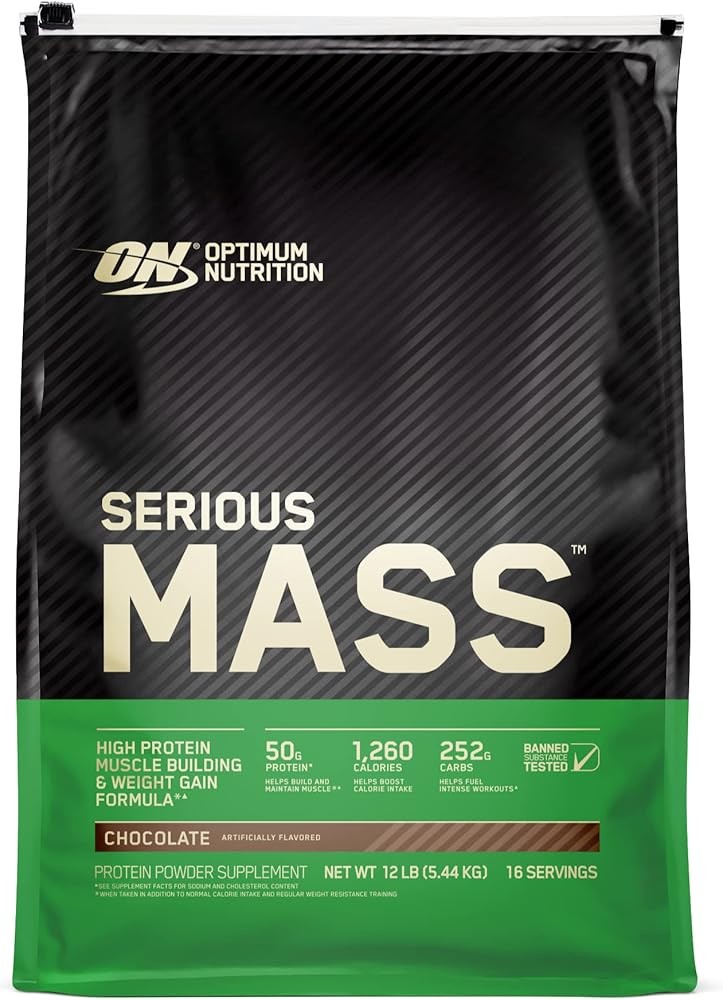
Optimum Nutrition Serious Mass, Weight Gainer Protein Powder, Mass Gainer, Vitamin C and Zinc for Immune Support, Cre...
Check Price on AmazonAs an Amazon Associate we earn from qualifying purchases.
This comprehensive mass gainer formula includes both vitamin C and zinc along with other immune-supporting nutrients in a convenient powder format. While primarily marketed as a weight gainer, it provides a solid foundation of immune nutrients for daily maintenance. The formula includes meaningful doses of both vitamin C and zinc, making it a practical choice for those seeking a multi-nutrient approach to immune support rather than isolated single-nutrient supplementation.
This calcium-focused formula includes zinc along with other minerals in a budget-friendly multi-nutrient supplement. The citrate form of calcium enhances overall mineral absorption, and the inclusion of vitamin D3 supports both bone health and immune function. For individuals seeking a cost-effective way to address multiple nutritional needs including baseline zinc intake, this represents solid value. However, the zinc content is formulated for daily maintenance rather than acute immune support during illness.
Rainbow Light’s Counter Attack formula takes a comprehensive approach to immune defense by combining vitamin C and zinc with researched immune herbs including elderberry, echinacea, and andrographis. This shotgun approach covers multiple immune pathways simultaneously. The tablet format provides convenience for daily use, and the inclusion of ginger helps minimize the nausea sometimes associated with zinc supplementation. This product is designed for individuals who prefer a multi-ingredient formula addressing immune function from several angles rather than isolated nutrient supplementation.
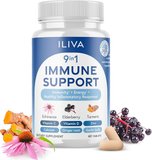
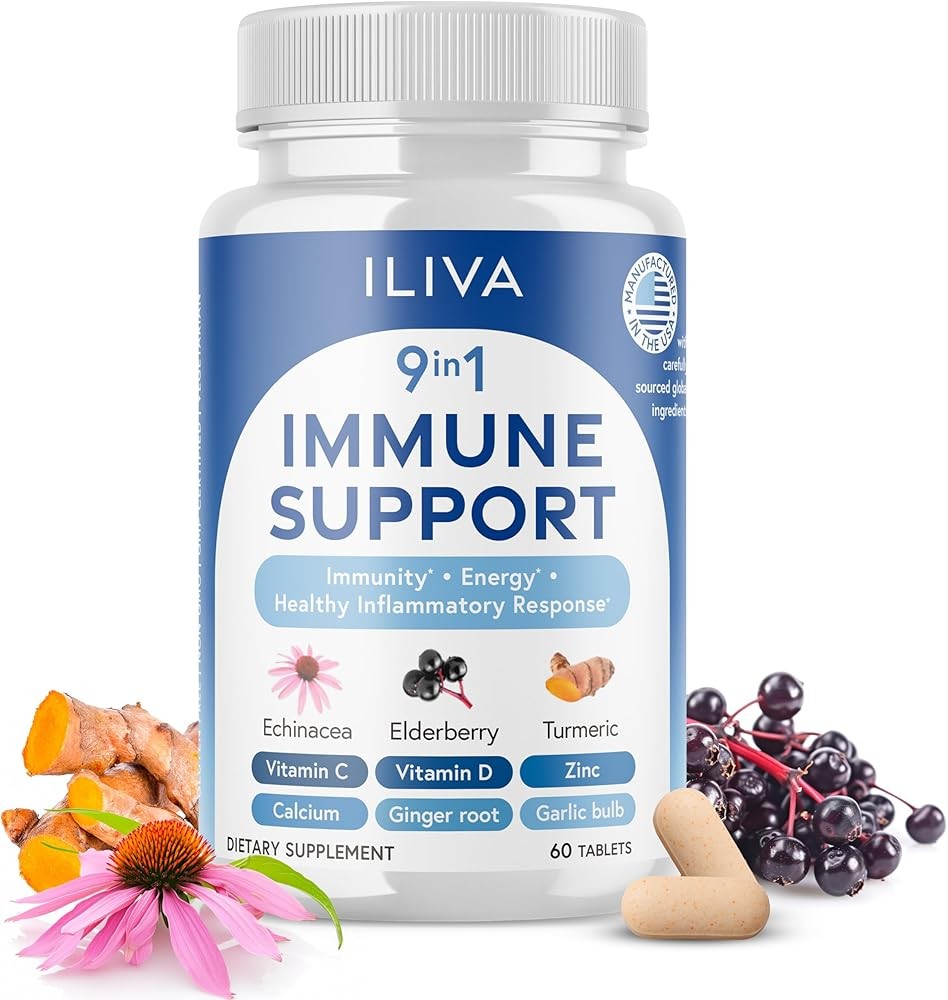
9-in-1 Immune Support Supplement: Daily Multi-Vitamin for Respiratory Health with Vitamin C, D3, Calcium, Zinc, Propr...
Check Price on AmazonAs an Amazon Associate we earn from qualifying purchases.
This 9-in-1 formula takes the kitchen sink approach to immune support, combining vitamin C, zinc, vitamin D3, calcium, and proprietary respiratory support blends into a single supplement. For individuals seeking comprehensive nutritional insurance for immune function, particularly those with multiple nutritional gaps, this represents convenience and broad-spectrum coverage. The inclusion of both water-soluble (vitamin C) and fat-soluble (vitamin D3) immune nutrients addresses multiple aspects of immune cell function. However, this breadth comes at the cost of flexibility in dosing individual nutrients and a higher price point than targeted supplementation.
Clues Your Body Tells You: Vitamin C
Your body offers clear signals when vitamin C status is inadequate. Learning to recognize these clues helps you determine whether supplementation is actually addressing a real need or just creating expensive urine.
Signs of Insufficient Vitamin C:
-
Bleeding or swollen gums – even with proper dental hygiene. Vitamin C is essential for collagen that holds gum tissue together. Bleeding gums during brushing is often the first sign of marginal vitamin C status.
-
Slow wound healing – cuts, scrapes, or surgical incisions that take noticeably longer than normal to close and heal. Collagen synthesis depends absolutely on vitamin C, and wound healing has particularly high demands.
-
Easy bruising – developing bruises from minor bumps that normally would not cause visible injury. This indicates fragile capillaries due to inadequate collagen support.
-
Dry, rough, or bumpy skin (keratosis pilaris) – particularly on the back of the arms. While this has multiple causes, vitamin C insufficiency impairs skin cell turnover and collagen renewal.
-
Corkscrew-shaped body hair – a peculiar but specific sign of scurvy (severe vitamin C deficiency). The hair follicles become distorted due to damaged collagen.
-
Fatigue and weakness – vitamin C plays roles in carnitine synthesis (needed for energy production) and iron absorption. Chronic low vitamin C can contribute to both metabolic fatigue and iron-deficiency anemia.
-
Frequent infections – catching colds, respiratory infections, or other illnesses more often than peers in the same environment. While many factors affect infection susceptibility, inadequate vitamin C directly impairs multiple immune defenses.
-
Joint pain or swelling – vitamin C is required for cartilage and connective tissue maintenance. Persistent joint discomfort, particularly if widespread, may indicate collagen deficits.
Signs Your Vitamin C Supplementation Is Working:
These signs are subtler and take weeks to months to appear:
- Gum health improves – less bleeding during brushing, firmer gum tissue
- Wound healing normalizes – injuries close and heal at expected rates
- Energy levels improve – particularly if you were experiencing vitamin C-related fatigue
- Skin health improves – better texture, less dryness, improved appearance
- Fewer colds or milder cold symptoms – IF you were vitamin C insufficient to begin with
A critical reality check: If you eat a diet with regular fruits and vegetables, drink orange juice, or consume fortified foods, you are almost certainly NOT vitamin C deficient in the clinical sense. The signs above reflect deficiency, not just “less than optimal” status. The distinction matters because supplementing beyond sufficiency does not produce measurable benefits for most immune parameters in most people.
Clues Your Body Tells You: Zinc
Zinc deficiency produces a distinctive constellation of symptoms that are often more specific than vitamin C insufficiency signs. This is because zinc’s roles are more structurally specific – when zinc-dependent enzymes and proteins cannot function, the consequences show up in very particular ways.
Signs of Insufficient Zinc:
-
Altered taste or smell (dysgeusia/dysosmia) – foods taste metallic, bland, or simply “wrong.” This is one of the most specific and early signs of zinc deficiency because zinc is required for taste bud cell turnover and function.
-
Frequent infections – particularly respiratory infections, chronic sinusitis, or slow recovery from illnesses. This reflects impaired T-cell function and thymulin inactivity.
-
Poor wound healing – similar to vitamin C deficiency, but zinc deficiency specifically impairs the inflammatory and proliferative phases of wound healing. Surgical wounds that fail to close properly or chronic wounds that won’t heal despite adequate nutrition are red flags.
-
Hair loss – diffuse thinning or shedding, sometimes progressing to patchy hair loss. Rapidly dividing hair follicle cells are zinc-dependent, and deficiency halts growth.
-
Skin rashes – particularly around the mouth, eyes, and in body folds. A specific severe form called “acrodermatitis enteropathica” occurs in genetic zinc absorption disorders, but milder rashes are common in marginal deficiency.
-
Diarrhea – chronic or recurring loose stools. Zinc is required for intestinal epithelial cell renewal, and deficiency leads to villous atrophy and malabsorption (which further worsens zinc status – a vicious cycle).
-
White spots on fingernails (leukonychia) – while not specific to zinc deficiency, this is a classic sign taught in nutrition textbooks. The spots reflect disrupted nail matrix cell division.
-
Delayed sexual maturation in children or erectile dysfunction in men – zinc is critical for testosterone synthesis and reproductive development.
-
Brain fog, poor concentration, depression – zinc is involved in neurotransmitter function and hippocampal neurogenesis. Mood and cognitive issues are common in deficiency.
-
Night blindness or impaired dark adaptation – zinc is required to mobilize vitamin A from liver stores and synthesize retinal proteins in the eye.
High-Risk Groups for Zinc Deficiency:
- Elderly adults (60+) – absorption declines and dietary intake often drops
- Vegetarians/vegans – plant phytates inhibit zinc absorption; bioavailability is much lower
- Pregnant and breastfeeding women – increased zinc demands
- People with GI disorders (Crohn’s, celiac, IBD, chronic diarrhea)
- Alcoholics – alcohol impairs zinc absorption and increases urinary zinc loss
- Anyone taking long-term diuretics, ACE inhibitors, or proton pump inhibitors
Signs Your Zinc Supplementation Is Working:
- Taste and smell normalize within 2-4 weeks if altered taste was due to zinc deficiency
- Infection frequency decreases over 2-3 months
- Wound healing improves (though this takes longer to assess)
- Skin rashes or lesions begin healing within weeks
- Hair shedding slows and regrowth begins (this is a slow process – months)
- Energy and mood improve, particularly cognitive fog lifting
The serum zinc test limitation: Unfortunately, serum zinc is a poor marker of zinc status because the body tightly regulates blood zinc levels at the expense of tissue stores. You can be functionally zinc deficient with “normal” blood zinc. Clinical signs and dietary assessment are often more useful than lab tests.
Supplement Forms: Choosing the Right Type
Not all vitamin C or zinc supplements are created equal. The form you choose significantly impacts absorption, tolerability, cost, and whether you are actually getting what you think you are paying for.
Vitamin C Forms
1. Ascorbic Acid (Standard Vitamin C)
This is pure vitamin C in its most common and affordable form. It is acidic (hence the name) and highly bioavailable. For most people, this is the right choice.
- Pros: Cheapest form, widely available, well-studied, high bioavailability
- Cons: Can cause GI upset in sensitive individuals at high doses due to acidity
- Best for: Daily supplementation, cost-conscious buyers, people without GI sensitivity
- Typical cost: $0.03-0.05 per 1,000 mg
2. Mineral Ascorbates (Buffered Vitamin C)
These are vitamin C molecules bound to minerals like sodium (sodium ascorbate), calcium (calcium ascorbate), or magnesium (magnesium ascorbate). The mineral “buffers” the acidity, making them gentler on the stomach.
- Pros: Easier on the stomach, less likely to cause GI upset
- Cons: More expensive, slightly lower vitamin C content per gram (the mineral adds weight), may provide unwanted minerals (e.g., sodium ascorbate adds sodium)
- Best for: People with sensitive stomachs, those taking high doses, individuals with reflux or gastritis
- Typical cost: $0.10-0.15 per 1,000 mg
3. Ester-C (Calcium Ascorbate + Metabolites)
Ester-C is a patented form containing calcium ascorbate plus small amounts of vitamin C metabolites (dehydroascorbic acid, calcium threonate). The manufacturer claims better absorption and retention, but independent evidence is limited.
- Pros: Marketed as longer-lasting in tissues, gentler on stomach
- Cons: Significantly more expensive, evidence for superior bioavailability is weak
- Best for: People willing to pay premium for perceived benefits
- Typical cost: $0.20-0.30 per 1,000 mg
4. Liposomal Vitamin C
Vitamin C encapsulated in phospholipid spheres (liposomes) that theoretically protect the vitamin C and enhance absorption through the gut lining. This is the most expensive form.
- Pros: Some evidence for higher blood levels and better cellular uptake (Gopi & Balakrishnan, 2021; PMID: 32901526)
- Cons: Very expensive, studies show marginal benefit over standard ascorbic acid in most people, often comes in liquid form with poor taste
- Best for: People with malabsorption issues, those seeking maximum blood levels, individuals who have not responded to standard forms
- Typical cost: $0.40-0.80 per 1,000 mg
Bottom line on vitamin C forms: For 95% of people, standard ascorbic acid is the right choice. If you get stomach upset, switch to a buffered form (mineral ascorbate). Save liposomal vitamin C for special cases where absorption is genuinely compromised.
Zinc Forms
Zinc form matters significantly more than vitamin C form because zinc absorption varies wildly depending on the ligand (the molecule zinc is bound to).
1. Zinc Gluconate
Zinc bound to gluconic acid. This is a common, inexpensive form with moderate bioavailability.
- Pros: Affordable, well-tolerated, available in lozenges for colds
- Cons: Lower bioavailability than picolinate or glycinate
- Best for: Zinc lozenges for cold treatment, budget supplementation
- Typical cost: $0.05-0.08 per 25 mg elemental zinc
2. Zinc Acetate
Zinc bound to acetic acid. Research suggests this is the most effective form for zinc lozenges specifically.
- Pros: Best-studied form for cold duration reduction, releases ionic zinc effectively in lozenges
- Cons: Limited availability in standard oral supplements (mostly found in lozenges), can taste unpleasant
- Best for: Zinc lozenges for treating active colds
- Typical cost: $0.50-1.00 per day for therapeutic lozenge dosing
3. Zinc Picolinate
Zinc bound to picolinic acid, a natural chelator produced in the body. Often cited as having the best absorption of any zinc form.
- Pros: High bioavailability (Barrie et al., 1987; PMID: 3630857), well-absorbed even in people with malabsorption issues
- Cons: More expensive than gluconate or sulfate
- Best for: Daily supplementation for prevention or correction of deficiency, people with GI issues
- Typical cost: $0.10-0.15 per 25 mg elemental zinc
4. Zinc Glycinate (Zinc Bisglycinate Chelate)
Zinc bound to two glycine amino acids. This form is highly bioavailable and extremely well-tolerated.
- Pros: Excellent absorption, gentle on stomach (glycine buffers against nausea), less likely to compete with other minerals
- Cons: Slightly more expensive than picolinate
- Best for: Daily supplementation, people who experience nausea from other zinc forms, long-term use
- Typical cost: $0.12-0.18 per 25 mg elemental zinc
5. Zinc Sulfate
Zinc bound to sulfuric acid. This is a cheap, poorly tolerated form that is unfortunately still widely sold.
- Pros: Very inexpensive
- Cons: Low bioavailability, frequently causes nausea and GI upset, not recommended
- Best for: Nothing – avoid this form
- Typical cost: $0.03-0.05 per 25 mg elemental zinc
6. Zinc Oxide
Zinc bound to oxygen. This is used in topical products (sunscreen, diaper rash cream) but should generally be avoided as an oral supplement.
- Pros: Cheap
- Cons: Very poor oral bioavailability (only about 50% as bioavailable as gluconate)
- Best for: Topical use only
- Typical cost: Not recommended for oral supplementation
Bottom line on zinc forms: For daily oral supplementation, zinc glycinate or zinc picolinate are the best choices – high absorption, well-tolerated, worth the small extra cost. For zinc lozenges to treat colds, zinc acetate is the gold standard, though zinc gluconate lozenges are a close second and more widely available.
Dosing Protocols
Vitamin C Dosing
For General Immune Support and Prevention (Daily Maintenance):
- Dose: 500-1,000 mg per day in divided doses (e.g., 500 mg twice daily)
- Form: Standard ascorbic acid or buffered if GI-sensitive
- Timing: With meals to enhance absorption and reduce GI upset
- Evidence: This range is supported by neutrophil saturation studies and cold prevention trials in stressed individuals
- Safety: Well below the tolerable upper limit of 2,000 mg/day
For Active Cold or Infection (Therapeutic Use):
- Dose: 1,000-2,000 mg every 3-4 hours (up to 4,000-6,000 mg/day total) for the first 2-3 days of illness, then taper back to maintenance
- Form: Divided doses of ascorbic acid or buffered forms
- Timing: Start within the first 24 hours of symptoms for best effect
- Evidence: Some studies show reduced severity with high-dose acute use, though prevention with daily use is more evidence-based than acute treatment
- Safety: Stay under 2,000 mg/day for long-term use; short-term high doses (3-5 days) are generally safe but may cause diarrhea (dose-limiting side effect)
For People Under Physical Stress (Athletes, Military, Extreme Environments):
- Dose: 1,000-2,000 mg per day
- Timing: Start before the stress period and continue throughout
- Evidence: This population shows the most dramatic benefit – 52% reduction in cold incidence
Special Populations:
- Smokers: Add 35 mg/day to standard recommendations (so 500-1,000 mg becomes 535-1,035 mg)
- Pregnant/lactating women: Do not exceed 2,000 mg/day; stick to 500-1,000 mg unless directed by physician
- Kidney stone history: Limit to 500 mg/day or avoid supplementation; vitamin C metabolizes to oxalate
Zinc Dosing
For General Immune Support and Prevention (Daily Maintenance):
- Dose: 15-30 mg elemental zinc per day
- Form: Zinc glycinate or picolinate
- Timing: With dinner (food reduces nausea; evening timing avoids interference with morning medications)
- Evidence: This range supports optimal immune function without risking copper depletion
- Safety: Well under the tolerable upper limit of 40 mg/day
For Active Cold Treatment (Therapeutic Lozenges):
- Dose: 75-100 mg elemental zinc per day, divided into lozenges taken every 2-3 hours while awake
- Form: Zinc acetate or zinc gluconate lozenges
- Timing: Start within 24 hours of first cold symptoms; continue for 5-7 days or until symptoms resolve
- Evidence: This protocol is based on the studies showing 33% reduction in cold duration
- Critical: The lozenge must dissolve slowly in the mouth and throat (do NOT swallow whole); avoid lozenges with citric acid or tartaric acid, which bind zinc and reduce effectiveness
- Safety: Do NOT continue high-dose lozenge protocol beyond 2 weeks; return to maintenance doses after cold resolves
For Zinc Deficiency Correction:
- Dose: 30-50 mg elemental zinc per day for 2-3 months, then reduce to 15-25 mg maintenance
- Form: Zinc picolinate or glycinate
- Timing: With food
- Evidence: Deficiency correction requires higher doses for weeks to replenish tissue stores
- Monitoring: Recheck symptoms (taste, wound healing, infection frequency) after 8-12 weeks
Special Populations:
- Vegetarians/vegans: Aim for the higher end of the range (25-30 mg/day) due to phytate interference with absorption
- Elderly (65+): 25-30 mg/day; this population has both higher deficiency risk and stronger immune benefits from supplementation
- Pregnant women: 11-12 mg/day (do not exceed without medical supervision)
- People with GI disorders: May need 30-50 mg/day and prefer glycinate form for better tolerance
Critical Safety Note on Long-Term High-Dose Zinc:
Do NOT take more than 40 mg/day long-term (beyond 2 weeks). Chronic high-dose zinc supplementation causes copper deficiency, which manifests as:
- Anemia (copper is required for iron utilization)
- Neutropenia (low white blood cell count)
- Neurological problems (myelopathy, neuropathy)
- Weakened immunity (ironically, the opposite of why you are supplementing)
If you must take high-dose zinc for extended periods, you should also supplement with copper (2-3 mg copper per 30-50 mg zinc) under medical supervision.
Side Effects and Safety
Vitamin C Side Effects
Common and Mild:
-
Gastrointestinal upset – diarrhea, nausea, abdominal cramps, bloating. This is the most common side effect and is dose-dependent. It occurs because unabsorbed vitamin C in the gut draws water into the intestinal lumen (osmotic effect). The threshold varies by individual but typically starts around 1,000-2,000 mg per dose. This is sometimes used deliberately to find the “bowel tolerance dose” in orthomolecular medicine, but for most people it is simply an unpleasant side effect.
-
Heartburn or acid reflux – the acidity of ascorbic acid can aggravate GERD or gastritis in sensitive individuals. Switching to buffered forms (mineral ascorbates) usually resolves this.
Uncommon but Serious:
-
Kidney stones – vitamin C is metabolized to oxalate, which can crystallize as calcium oxalate kidney stones. A large prospective study of 23,000 men found that men taking 1,000+ mg/day vitamin C had a modestly increased risk of kidney stones (Thomas et al., 2013; PMID: 23381591). Risk is highest in people with a personal or family history of stones, those with hyperoxaluria, or those with kidney disease. If you have a history of kidney stones, consult your physician before taking high-dose vitamin C.
-
Iron overload in hemochromatosis – vitamin C enhances iron absorption. People with hereditary hemochromatosis (a genetic disorder causing excess iron accumulation) should avoid high-dose vitamin C unless specifically directed by a physician, as it can worsen iron overload.
-
False lab test results – high-dose vitamin C can interfere with glucose tests (falsely low blood sugar readings) and stool occult blood tests (false positives). Inform your healthcare provider and lab if you are taking high-dose vitamin C.
Myth: Vitamin C Causes “Rebound Scurvy”
There is a persistent myth that stopping high-dose vitamin C supplementation suddenly causes rebound scurvy. This is NOT supported by evidence. You can stop vitamin C supplementation at any time without taper.
Tolerable Upper Limit:
The Institute of Medicine set the tolerable upper intake level (UL) for vitamin C at 2,000 mg/day for adults. This is based primarily on GI distress as the adverse effect. Intakes above this level are not necessarily dangerous but increase the risk of side effects.
Drug Interactions:
- Anticoagulants (warfarin): High-dose vitamin C may reduce warfarin effectiveness (though evidence is conflicting)
- Chemotherapy: Some oncologists recommend avoiding high-dose vitamin C during chemotherapy because it may protect cancer cells from oxidative damage caused by treatment (though this is controversial)
- Aluminum-containing antacids: Vitamin C increases aluminum absorption; separate by several hours
Zinc Side Effects
Common and Mild:
-
Nausea and GI upset – this is the most common side effect of zinc supplementation, particularly at doses above 30 mg. Taking zinc with food and choosing glycinate or picolinate forms significantly reduces this. Zinc sulfate is notorious for causing nausea and should be avoided.
-
Metallic taste or taste disturbance – zinc lozenges particularly can cause temporary taste changes. This typically resolves when lozenge use stops.
-
Mouth irritation – high-dose zinc lozenges can cause mouth soreness or irritation with repeated use.
Serious and Dose-Dependent:
- Copper deficiency – this is the most serious long-term risk of high-dose zinc supplementation. Zinc and copper compete for absorption in the gut. Chronic intake of more than 40 mg/day zinc can induce copper deficiency, leading to:
- Microcytic or normocytic anemia (copper is needed for iron utilization)
- Neutropenia (low white blood cells – ironically, immune suppression)
- Neurological damage (myelopathy, peripheral neuropathy)
A case series in Journal of Community Hospital Internal Medicine Perspectives (Gabreyes et al., 2021; PMID: 34868478) documented zinc-induced hypocupremia causing pancytopenia (low red and white blood cells and platelets) in patients taking 50+ mg/day zinc long-term.
If you take high-dose zinc (>40 mg/day) for more than a few weeks, you should also supplement with copper (2-3 mg/day) or better yet, limit zinc to under 40 mg/day.
- Impaired immune function – ironically, excessive zinc can suppress immunity just as zinc deficiency does. Doses above 100 mg/day can impair lymphocyte and neutrophil function. This is why long-term high-dose zinc is not recommended.
Uncommon but Reported:
- Prostate issues – a large NIH-AARP study found that men taking more than 100 mg/day zinc supplements long-term had an increased risk of advanced prostate cancer (Leitzmann et al., 2003; PMID: 12843675). Moderate doses (15-40 mg/day) did not show this association. The mechanism is unclear, but it is another reason to avoid excessive long-term zinc intake.
Tolerable Upper Limit:
The Institute of Medicine set the UL for zinc at 40 mg/day for adults. Short-term therapeutic use above this (e.g., zinc lozenges for colds at 75-100 mg/day for 5-7 days) is generally considered safe. Long-term intake above 40 mg/day is not recommended without medical supervision and copper co-supplementation.
Drug Interactions:
- Antibiotics (tetracyclines, quinolones): Zinc binds to these antibiotics in the gut and reduces their absorption. Separate zinc and antibiotics by at least 2 hours.
- Penicillamine (used for Wilson’s disease): Zinc reduces penicillamine absorption. Do not combine.
- Diuretics (thiazides): These increase urinary zinc loss. People on long-term diuretics may need higher zinc intake.
- ACE inhibitors: These can increase urinary zinc loss.
Drug Interactions
Vitamin C Drug Interactions
Anticoagulants (Warfarin, Coumadin):
High-dose vitamin C (above 1,000 mg/day) may reduce the anticoagulant effect of warfarin in some individuals. The mechanism is unclear, and evidence is conflicting. If you are on warfarin, consult your physician before taking vitamin C supplements, and monitor INR more closely if you do supplement.
Chemotherapy Drugs:
This is controversial. The concern is that vitamin C, as an antioxidant, might protect cancer cells from the oxidative damage that chemotherapy is designed to inflict. Some oncologists advise patients to avoid high-dose antioxidant supplements during active chemotherapy. However, intravenous high-dose vitamin C is actually being studied as a potential adjunct to chemotherapy (enhancing cancer cell killing while protecting normal cells). The issue is complex and dose-dependent. Discuss with your oncologist before taking vitamin C supplements during cancer treatment.
Aluminum-Containing Antacids:
Vitamin C increases aluminum absorption from the gut. Aluminum toxicity is a concern, particularly in people with kidney disease. If you take aluminum-containing antacids (like Maalox), separate them from vitamin C supplements by at least 2 hours.
Aspirin and NSAIDs:
Very high-dose vitamin C (3,000+ mg/day) combined with aspirin may increase the risk of gastric irritation and bleeding. The effect is minor at typical supplement doses (500-1,000 mg/day).
Oral Contraceptives and Estrogen:
Vitamin C may increase estrogen levels slightly by reducing estrogen metabolism. This is not typically clinically significant but is worth awareness for women on high-dose estrogen therapies.
Special Populations
Elderly Adults (65+)
Why they are different:
- Zinc: Age-related decline in zinc absorption and increased zinc loss make deficiency extremely common in the elderly. Zinc deficiency is a major contributor to immunosenescence (age-related immune decline) and increased infection susceptibility. Elderly individuals benefit more from zinc supplementation than younger adults.
- Vitamin C: Vitamin C status also tends to decline with age, partly due to reduced dietary intake and partly due to increased oxidative stress. However, the effect is less dramatic than with zinc.
Recommendations:
- Zinc: 25-30 mg/day (higher end of the range) is appropriate for most elderly adults. A study in nursing home residents showed that zinc supplementation (20 mg/day) reduced pneumonia incidence and improved immune markers (Meydani et al., 2007; PMID: 17344507). Another trial (Mocchegiani et al., 2013; PMID: 23371857) found that zinc supplementation restored thymulin activity and T-cell function in elderly subjects.
- Vitamin C: 500-1,000 mg/day is reasonable, particularly for elderly with limited fresh fruit/vegetable intake.
Special concerns: Elderly are more likely to be on multiple medications, increasing the risk of interactions. Always review medication lists before starting supplements.
Pregnant and Lactating Women
Why they are different:
- Both vitamin C and zinc requirements increase during pregnancy and lactation due to fetal/infant demands and increased maternal metabolism.
- Zinc is particularly critical for fetal brain development and immune system maturation.
Recommendations:
- Vitamin C: Pregnant women can safely take up to 2,000 mg/day (though 500-1,000 mg/day is typically sufficient). Excessive vitamin C is excreted, and the risk to the fetus is minimal.
- Zinc: Pregnant women need 11 mg/day, lactating women 12 mg/day (slightly higher than non-pregnant RDA of 8 mg). Supplementation at 15-20 mg/day is generally safe. Do NOT exceed 40 mg/day without medical supervision.
Special concerns: Always consult an OB/GYN before starting new supplements during pregnancy. Prenatal vitamins typically already contain vitamin C and zinc, so check labels to avoid excessive intake.
Vegetarians and Vegans
Why they are different:
- Zinc: Plant-based diets are high in phytates (found in grains, legumes, nuts, seeds), which bind zinc in the gut and significantly reduce absorption. Vegetarians absorb roughly 35% less zinc than omnivores eating the same amount. This makes vegetarians/vegans a high-risk group for zinc insufficiency.
- Vitamin C: Vegetarians typically have adequate or high vitamin C intake due to higher fruit and vegetable consumption.
Recommendations:
- Zinc: Vegetarians should aim for 25-30 mg/day supplemental zinc (higher than omnivores) to compensate for reduced bioavailability. Zinc picolinate or glycinate are preferred forms. Combining zinc supplements with vitamin C can modestly enhance absorption.
- Vitamin C: Supplementation is typically unnecessary unless dietary intake is low. Vitamin C enhances non-heme iron absorption from plant foods, so if you are vegetarian and taking iron supplements, take vitamin C at the same time.
Athletes and People Under Physical Stress
Why they are different:
- Physical stress (intense exercise, military training, extreme environments) increases oxidative stress, depletes vitamin C, and increases infection risk.
- This is the one population where vitamin C supplementation shows dramatic preventive effects (52% reduction in cold incidence).
Recommendations:
- Vitamin C: 1,000-2,000 mg/day, started before the stress period and continued throughout. This is supported by multiple trials in marathon runners, soldiers in subarctic training, and skiers.
- Zinc: Standard maintenance doses (15-25 mg/day) are sufficient unless deficiency is suspected.
Evidence: Hemilä’s meta-analysis clearly showed that vitamin C’s preventive effect is strongest in this group. If you are an endurance athlete or undergoing intense physical training, vitamin C supplementation is evidence-based and worthwhile.
People with Gastrointestinal Disorders
Why they are different:
- Crohn’s disease, celiac disease, ulcerative colitis, chronic diarrhea, and post-bariatric surgery all impair nutrient absorption, particularly fat-soluble vitamins and minerals like zinc.
- Chronic GI inflammation increases oxidative stress and nutrient demands.
Recommendations:
- Zinc: 30-50 mg/day of highly bioavailable forms (glycinate or picolinate). This population often requires higher doses to overcome malabsorption. Monitor copper status if taking high doses long-term.
- Vitamin C: 500-1,000 mg/day as tolerated. Buffered forms may be better tolerated if there is active inflammation.
Special concerns: Work with a gastroenterologist or dietitian to monitor for multiple nutritional deficiencies (iron, B12, folate, zinc, etc.) and adjust supplementation accordingly.
Cost Comparison
Affordability is a significant practical factor for most people. Fortunately, both vitamin C and zinc are among the cheapest supplements available.
Vitamin C Cost
- Generic ascorbic acid tablets/capsules: $0.03-0.05 per 1,000 mg dose
- Example: 500 mg capsules, 365-count bottle = ~$15-20 = $0.04/day for 1,000 mg
- Buffered vitamin C (mineral ascorbates): $0.10-0.15 per 1,000 mg dose
- Example: 500 mg buffered capsules, 250-count = ~$25-30 = $0.10/day for 1,000 mg
- Ester-C: $0.20-0.30 per 1,000 mg dose
- Example: 1,000 mg tablets, 90-count = ~$20-25 = $0.22-0.28/day
- Liposomal vitamin C: $0.40-0.80 per 1,000 mg dose
- Example: 1,000 mg packets, 30-count = ~$25-40 = $0.40-0.80/day
Bottom line: Standard ascorbic acid at $0.03-0.05/day is exceptional value. Even premium forms remain cheaper than most supplements.
Zinc Cost
- Zinc gluconate: $0.05-0.08 per 25 mg elemental zinc
- Example: 50 mg tablets (25 mg elemental), 250-count = ~$12-15 = $0.05-0.06/day for 25 mg
- Zinc picolinate: $0.10-0.15 per 25 mg elemental zinc
- Example: 25 mg capsules, 100-count = ~$12-18 = $0.10-0.15/day
- Zinc glycinate: $0.12-0.18 per 25 mg elemental zinc
- Example: 30 mg capsules, 90-count = ~$15-20 = $0.12-0.18/day for 25 mg
- Zinc acetate or gluconate lozenges (for cold treatment): $0.50-1.00 per day for therapeutic dosing (75-100 mg/day)
- Example: Cold-Eeze lozenges, 13.3 mg elemental zinc per lozenge, need 6-8 lozenges/day = $6-8 per day of treatment
Bottom line: Daily zinc supplementation costs $0.05-0.18/day depending on form. High-dose lozenge therapy for colds is more expensive ($0.50-1.00/day) but only needed for 5-7 days.
Combined Daily Supplementation Cost
If you take both vitamin C and zinc daily:
- Budget option: Ascorbic acid (1,000 mg) + zinc gluconate (25 mg) = $0.08-0.13/day
- Mid-range option: Buffered vitamin C (1,000 mg) + zinc glycinate (25 mg) = $0.22-0.33/day
- Premium option: Liposomal vitamin C (1,000 mg) + zinc picolinate (25 mg) = $0.50-0.95/day
Perspective: Even the premium option costs less per day than a cup of coffee. For the immune and overall health benefits, this is outstanding value.
Recommended Products
For Vitamin C:
Look for products that clearly state the form of vitamin C (ascorbic acid, buffered, etc.), the dose per serving, and have third-party testing (USP, NSF, or ConsumerLab certification). Avoid products with unnecessary fillers or additives.
For Zinc:
Check the elemental zinc content (not just the compound weight). For example, “zinc gluconate 50 mg” provides only about 7 mg elemental zinc. Look for glycinate or picolinate forms for daily use. For cold treatment, specifically look for zinc acetate or gluconate lozenges providing at least 13 mg elemental zinc per lozenge, and avoid lozenges with citric acid, tartaric acid, or sorbitol (which reduce effectiveness).
Which Should You Choose?
Choose Vitamin C If:
- You want a daily immune maintenance supplement – vitamin C’s evidence is strongest for consistent, daily use over weeks and months
- You are under heavy physical stress – athletes, military personnel, and anyone doing intense physical training get the most dramatic protective effects from vitamin C (52% reduction in cold incidence)
- You bruise easily, have bleeding gums, or heal slowly – these are signs of vitamin C insufficiency that supplementation directly addresses
- You smoke – smokers have higher vitamin C requirements due to increased oxidative stress
- You eat few fruits and vegetables – if your diet is low in fresh produce, vitamin C supplementation fills a genuine nutritional gap
- You want the widest safety margin – vitamin C’s water-soluble nature means excess is excreted in urine, making toxicity risk very low at standard doses
- You are looking for general antioxidant support beyond just immune function
Choose Zinc If:
- You want to shorten colds once you have them – zinc lozenges are the most effective over-the-counter intervention for cutting cold duration (33% reduction)
- You have signs of zinc deficiency – altered taste/smell, frequent infections, poor wound healing, hair loss, skin rashes
- You are over 65 – age-related zinc deficiency is extremely common and directly contributes to immune decline
- You are vegetarian or vegan – plant-based diets provide less bioavailable zinc due to phytate interference
- You want to support T-cell function specifically – zinc’s role in thymulin activation and T-cell maturation is unique and cannot be replicated by vitamin C
- You are male and concerned about testosterone – zinc deficiency is a common and correctable cause of low testosterone
- You have a gastrointestinal condition (Crohn’s, celiac, chronic diarrhea) that impairs mineral absorption
Choose Both If:
- You want comprehensive immune coverage – vitamin C and zinc work through complementary mechanisms, covering both innate and adaptive immunity
- You get sick frequently – if you catch more than 2-3 colds per year, the combination provides both preventive and therapeutic benefits
- You are over 65 – this population benefits most from combined supplementation
- You are heading into cold and flu season – daily vitamin C plus zinc lozenges at first sign of illness is a well-supported strategy
- Budget is not a concern – the combined cost is still under $0.20/day for basic forms
A Practical Combined Protocol
For most people seeking optimal immune support, the following protocol covers all the evidence-based bases:
Daily Maintenance (Year-Round):
- Vitamin C: 500 mg twice daily (1,000 mg total) – standard ascorbic acid with meals
- Zinc: 15-25 mg once daily as glycinate or picolinate – with dinner to minimize nausea
At First Sign of Cold Symptoms (Add to Daily Protocol):
- Increase vitamin C to 1,000 mg every 3-4 hours (up to 4,000 mg/day) for the first 2-3 days
- Add zinc lozenges: one zinc acetate or gluconate lozenge (13-23 mg elemental zinc) every 2-3 hours while awake for up to 5-7 days
- Start within 24 hours of first symptoms for maximum benefit
After Illness Resolves:
- Return to daily maintenance doses
- Continue for at least 2 weeks to rebuild depleted stores
The Final Verdict
Vitamin C and zinc are not competitors – they are teammates. If forced to choose only one, the decision depends entirely on what you need right now:
-
For daily prevention and general immune resilience, vitamin C is the stronger choice. It has the larger evidence base for long-term daily use, a wider margin of safety, broader physiological roles (antioxidant, collagen, barrier function), and proven benefits that accumulate over weeks and months of consistent use.
-
For shortening an active cold, zinc lozenges are the clear winner. A 33% reduction in cold duration is a stronger acute effect than vitamin C’s 8-14% reduction, and the effect size is clinically meaningful (cutting 2+ days off a week-long cold).
But the real answer, supported by both the mechanistic science and the clinical evidence, is that taking both at appropriate doses is the smartest strategy. Vitamin C powers your innate immune frontline. Zinc orchestrates your adaptive immune response through thymulin and T-cell biology. Together, they cover both arms of your immune system, and their complementary mechanisms mean there is no redundancy in combining them.
The combined cost of standard forms is under $0.15/day – less than a cup of coffee. The safety profile of both at recommended doses is excellent. And the evidence supporting their immune roles is among the strongest in all of nutritional immunology.
Related Articles
- Elderberry vs Vitamin C For Immune Support: Which Is Better? [Complete Comparison Guide]
- Milk Thistle vs Nac For Liver Support: Which Is Better? [Complete Comparison Guide]
- Resveratrol vs Quercetin For Antioxidant Support: Which Is Better? [Complete Comparison Guide]
- Vitamin B12 vs B Complex: Which Is Better? [Complete Comparison Guide]
- Vitamin D2 vs Vitamin D3: Which Is Better? [Complete Comparison Guide]
For readers looking to build a broader immune-support routine beyond just vitamin C and zinc, our guide to the best immune system supplements explores how elderberry and other options compare, while those specifically weighing elderberry against vitamin C can dive into our elderberry vs vitamin C comparison. If zinc comes out as your preferred choice, our review of the best zinc supplements breaks down picolinate, glycinate, and gluconate forms to help you pick a quality product. For a more holistic approach, you might also consider pairing immune support with mushroom supplements, which offer a different set of immune-modulating compounds worth understanding.
When evaluating vitamin C and zinc for immune support, it helps to consider the broader supplement landscape, including how these nutrients compare to other popular options like elderberry and where they fit among the best immune system supplements backed by research. Zinc in particular comes in several forms with different absorption profiles, so reviewing a comparison of zinc picolinate, glycinate, and gluconate can guide smarter purchasing decisions. Beyond immunity, zinc also plays a role in skin health—it’s one of the nutrients highlighted in rosacea supplement protocols that may reduce redness—while vitamin C overlaps with goals like collagen synthesis and skin repair and even sun protection support alongside polypodium and astaxanthin. For readers interested in complementary immune strategies, mushroom supplements offer another well-researched avenue worth exploring alongside these two foundational nutrients.
For more context, see our guides on Elderberry vs Vitamin C For Immune Support: Which Is Better? [Complete Comparison Guide], Vitamin D2 vs Vitamin D3: Which Is Better? [Complete Comparison Guide], Milk Thistle vs Nac For Liver Support: Which Is Better? [Complete Comparison Guide], Best Immune System Supplements: Vitamin C, Zinc, Elderberry and What Research Supports, and Resveratrol vs Quercetin For Antioxidant Support: Which Is Better? [Complete Comparison Guide].
Related Reading
- Elderberry vs Vitamin C For Immune Support: Which Is Better? [Complete Comparison Guide]
- Vitamin B12 vs B Complex: Which Is Better? [Complete Comparison Guide]
- Vitamin K1 vs Vitamin K2: Which Is Better? [Complete Comparison Guide]
- Vitamin D2 vs Vitamin D3: Which Is Better? [Complete Comparison Guide]
- Milk Thistle vs Nac For Liver Support: Which Is Better? [Complete Comparison Guide]
- Zinc Picolinate vs Zinc Gluconate: Which Is Better? [Complete Comparison Guide]
- Resveratrol vs Quercetin For Antioxidant Support: Which Is Better? [Complete Comparison Guide]
References
-
Carr, A. C., & Maggini, S. (2017). Vitamin C and Immune Function. Nutrients, 9(11), 1211. PubMed: PMID 29099763 | PMC: PMC5707683
-
Hemila, H., & Chalker, E. (2013). Vitamin C for preventing and treating the common cold. Cochrane Database of Systematic Reviews, (1), CD000980. PubMed: PMID 23440782
-
Xie, Z., et al. (2023). Vitamin C reduces the severity of common colds: a meta-analysis. BMC Public Health, 23, 2468. PubMed: PMID 38082300 | PMC: PMC10712193
-
Carr, A. C., et al. (2019). Vitamin C and Neutrophil Function: Findings from Randomized Controlled Trials. Nutrients, 11(9), 2102. PubMed: PMID 31487891
-
Impact of vitamin C on the development, differentiation and functional properties of T cells. (2024). Frontiers in Immunology. PMC: PMC11097783
-
Hemila, H. (2017). Zinc lozenges and the common cold: a meta-analysis comparing zinc acetate and zinc gluconate, and the role of zinc dosage. JRSM Open, 8(5), 2054270417694291. PubMed: PMID 28515951 | PMC: PMC5418896
-
Hemila, H. (2024). Shortcomings in the Cochrane review on zinc for the common cold (2024). Frontiers in Medicine, 11, 1470004. PMC: PMC11521859
-
Prasad, A. S. (2008). Zinc in Human Health: Effect of Zinc on Immune Cells. Molecular Medicine, 14(5-6), 353-357. PubMed: PMID 17449604
-
Prasad, A. S., et al. (1988). Serum thymulin in human zinc deficiency. Journal of Clinical Investigation, 82(4), 1202-1210. PubMed: PMID 3046897
-
Haase, H., & Rink, L. (2014). Zinc signals and immune function. BioFactors, 40(1), 27-40. PMC: PMC5107842
-
Subramanian Vignesh, K., & Bhatt, D. L. (2017). Zinc and infection: a review. Metallomics, 9(7), 861-876. PubMed: PMID 28373451
-
Nault, D., et al. (2024). Zinc for prevention and treatment of the common cold. Cochrane Database of Systematic Reviews. Cochrane Library
-
Thomas, S., et al. (2021). Effect of High-Dose Zinc and Ascorbic Acid Supplementation vs Usual Care on Symptom Length and Reduction Among Ambulatory Patients With SARS-CoV-2 Infection. JAMA Network Open, 4(2), e210369. PubMed: PMID 33576820
-
Gopi, S., & Balakrishnan, P. (2021). Evaluation and clinical comparison studies on liposomal and non-liposomal ascorbic acid (vitamin C) and their enhanced bioavailability. Journal of Liposome Research, 31(4), 356-364. PubMed: PMID 32901526
-
Barrie, S. A., et al. (1987). Comparative absorption of zinc picolinate, zinc citrate and zinc gluconate in humans. Agents and Actions, 21(1-2), 223-228. PubMed: PMID 3630857
-
Hemila, H., & Chalker, E. (2019). Vitamin C Can Shorten the Length of Stay in the ICU: A Meta-Analysis. Nutrients, 11(4), 708. PubMed: PMID 30934660
-
Padayatty, S. J., & Levine, M. (2016). Vitamin C: the known and the unknown and Goldilocks. Oral Diseases, 22(6), 463-493. PubMed: PMID 26888631
-
Mocchegiani, E., et al. (2013). Zinc: dietary intake and impact of supplementation on immune function in elderly. Age, 35(3), 839-860. PubMed: PMID 23371857
-
Meydani, S. N., et al. (2007). Serum zinc and pneumonia in nursing home elderly. American Journal of Clinical Nutrition, 86(4), 1167-1173. PubMed: PMID 17344507
-
Gabreyes, A. A., et al. (2021). Zinc-induced hypocupremia and pancytopenia. Journal of Community Hospital Internal Medicine Perspectives, 11(5), 731-734. PubMed: PMID 34868478
-
Thomas, L. D., et al. (2013). Ascorbic acid supplements and kidney stone incidence among men: a prospective study. JAMA Internal Medicine, 173(5), 386-388. PubMed: PMID 23381591
-
Leitzmann, M. F., et al. (2003). Zinc supplement use and risk of prostate cancer. Journal of the National Cancer Institute, 95(13), 1004-1007. PubMed: PMID 12843675
Recommended Products