Vitamin D2 vs Vitamin D3: Which Is Better? [Complete Comparison Guide]
Summarized from peer-reviewed research indexed in PubMed. See citations below.
Vitamin D deficiency affects over one billion people worldwide, yet choosing between D2 and D3 supplements remains confusing for most consumers. Research shows vitamin D3 (cholecalciferol) raises blood levels 40-87% more effectively than vitamin D2 (ergocalciferol), with D3 at 1,000-2,000 IU daily costing approximately $10-15 for a 3-6 month supply from brands like Nature Made and NOW Foods. Multiple meta-analyses confirm D3 binds more tightly to vitamin D-binding protein, maintains longer circulating half-life, and activates immune pathways that D2 does not stimulate. For strict vegans without access to lichen-derived D3, vitamin D2 from UV-exposed mushrooms provides a plant-based alternative at comparable price points of $8-12 for 90-day supplies. Here’s what the published research shows about these two chemically distinct forms and which one belongs in your supplement routine.
Disclosure: We may earn a commission from links on this page at no extra cost to you. Affiliate relationships never influence our ratings. Full policy →
Introduction: The Vitamin D Debate That Actually Matters
Roughly one billion people worldwide are vitamin D deficient or insufficient. In the United States alone, an estimated 42% of adults have suboptimal vitamin D levels, with rates climbing above 80% in some high-risk groups. When your doctor hands you a prescription or you reach for a supplement off the shelf, you face a deceptively simple question: D2 or D3?
For decades, these two forms were treated as interchangeable. The Institute of Medicine, many pharmacies, and countless physicians operated under the assumption that a unit of D2 equaled a unit of D3. That assumption has collapsed under the weight of clinical evidence accumulated over the last fifteen years.
The research is now clear: vitamin D3 (cholecalciferol) is substantially more effective than vitamin D2 (ergocalciferol) at raising and maintaining blood levels of 25-hydroxyvitamin D, the marker your doctor measures to assess your vitamin D status. But the story is more nuanced than “D3 wins, end of discussion.” D2 still has specific clinical roles, important considerations for vegans, and pharmacological uses that deserve honest evaluation.
This guide breaks down every meaningful difference between D2 and D3, covering the biochemistry, the clinical trials, the dosing strategies, the populations that benefit from each, and the body signals that might indicate you are deficient in the first place. Every claim is backed by specific research, with PubMed-indexed citations you can verify yourself.
If you are trying to decide which form to take, how much vitamin D you actually need, or whether your current supplement is doing its job, this is the most complete comparison available.
| Feature | Vitamin D2 (Ergocalciferol) | Vitamin D3 (Cholecalciferol) |
|---|---|---|
| Chemical Source | Fungi, irradiated yeast | Animal skin (sunlight), lanolin, lichen |
| Bioavailability | Lower; 40-87% less potent | Higher; reference standard |
| Serum Half-Life | Shorter (faster catabolism) | Longer (sustained levels) |
| DBP Binding | ~20% lower affinity | Higher affinity |
| Metabolic Fate | Preferential 24-hydroxylation (degradation) | Preferential 25-hydroxylation (activation) |
| Effect on D3 Levels | May DECREASE existing D3 stores | No negative effect on D2 |
| PTH Reduction | Less effective | More effective |
| Immune Effect | Limited interferon activation | Stimulates type I and II interferon |
| Typical Dose (OTC) | 1,000-2,000 IU | 1,000-5,000 IU |
| Prescription Form | 50,000 IU capsules (standard) | 50,000 IU available but less common |
| Vegan-Friendly | Yes (plant/fungal origin) | Only lichen-derived D3 is vegan |
| Best For | Vegans without lichen D3 access; Rx deficiency protocols | Everyone else |
What Is Vitamin D2 (Ergocalciferol)?
Vitamin D2, known chemically as ergocalciferol, is produced when ultraviolet B (UVB) radiation strikes ergosterol, a compound found in fungi, yeast, and some plants. It was the first form of vitamin D to be identified and synthesized, and it dominated supplementation and fortification for most of the 20th century.
Sources of Vitamin D2
The primary natural sources of D2 are fungi and mushrooms. When mushrooms are exposed to UV light, their ergosterol converts to ergocalciferol at remarkable concentrations:
- Wild maitake mushrooms: Up to 2,157 IU per 100 grams
- UV-exposed portobello mushrooms: 446 IU per 100 grams (and up to 46,000 IU/100g with commercial UV treatment)
- UV-exposed white button mushrooms: 1,100+ IU per 100 grams after commercial irradiation
- Irradiated yeast: Used in bread, cereal, and milk fortification
Critically, store-bought mushrooms grown in the dark contain almost no vitamin D2. The UV exposure is essential. Some commercial producers now deliberately irradiate mushrooms to boost their D2 content, and these are labeled accordingly.
D2 is also the form used in most prescription-strength vitamin D in the United States. When your doctor writes a prescription for 50,000 IU vitamin D, it is almost always ergocalciferol (D2), largely for historical and regulatory reasons rather than scientific superiority.
How D2 Is Metabolized
After ingestion or absorption, vitamin D2 follows the same general metabolic pathway as D3 but with critical differences in efficiency:
- Liver hydroxylation: D2 is converted to 25-hydroxyvitamin D2 [25(OH)D2] by the liver enzymes CYP2R1 and CYP27A1.
- Kidney activation: 25(OH)D2 is then converted to the active hormone 1,25-dihydroxyvitamin D2 by CYP27B1 in the kidneys.
- Degradation: D2 is preferentially 24-hydroxylated, which is the degradation pathway. This means the body breaks D2 down more rapidly than it activates it.
This preferential degradation is one of the key reasons D2 is less effective. The body essentially fast-tracks D2 toward elimination rather than activation.
Additionally, vitamin D-binding protein (DBP) – the transport protein that carries vitamin D metabolites through the bloodstream – binds D3 metabolites with approximately 20% greater affinity than D2 metabolites. Lower binding affinity means D2 metabolites are cleared from circulation faster, contributing to the shorter half-life of 25(OH)D2 compared to 25(OH)D3.
What Is Vitamin D3 (Cholecalciferol)?
Vitamin D3, chemically known as cholecalciferol, is the form your skin produces when exposed to UVB radiation. It is also the predominant form found in animal-derived foods like fatty fish, egg yolks, and liver. D3 has emerged as the superior supplemental form based on multiple lines of evidence.
Sources of Vitamin D3
Natural sources:
- Sunlight exposure: 10-30 minutes of midday sun on arms and legs produces approximately 10,000-25,000 IU of D3 (varies by latitude, skin tone, age, and time of year)
- Fatty fish: Salmon (447 IU per 3 oz), mackerel (306 IU), sardines (177 IU)
- Cod liver oil: 1,360 IU per tablespoon
- Egg yolks: 37 IU per large egg (from conventionally raised hens; up to 6,000 IU per yolk from pastured hens with high sun exposure)
- Beef liver: 42 IU per 3 oz
Supplement sources:
- Lanolin (sheep’s wool): The most common source for D3 supplements. Lanolin is extracted, then UV-irradiated to convert 7-dehydrocholesterol to cholecalciferol. This process mimics what happens in human skin.
- Lichen (vegan D3): A relatively recent innovation, lichen-derived D3 is chemically identical to lanolin-derived D3 but suitable for vegans.
- Fish oil: Some D3 supplements use fish liver oil as the source, which also provides omega-3 fatty acids.
How D3 Is Metabolized
D3 follows the same two-step hydroxylation pathway as D2 but with significantly greater efficiency:
- Liver conversion: D3 is converted to 25(OH)D3 by CYP2R1 and CYP27A1. This is the storage form measured in blood tests.
- Kidney activation: 25(OH)D3 is converted to the active hormone 1,25(OH)2D3 (calcitriol) by CYP27B1.
- Degradation: Unlike D2, D3 is preferentially 25-hydroxylated (activation pathway) rather than 24-hydroxylated (degradation pathway).
The result: D3 spends more time in active circulation and less time being broken down and excreted.
The Clinical Evidence: Head-to-Head Trials
The Armas Study: The First Definitive Trial
The Armas study was a watershed moment. Researchers gave healthy adults a single 50,000 IU dose of either D2 or D3 and tracked blood levels over 28 days. Both forms initially raised 25(OH)D levels comparably within the first 3 days. But then the trajectories diverged dramatically:
- D3 group: Levels remained elevated for the full 28 days.
- D2 group: Levels plummeted back to baseline by day 14, and actually dropped below baseline by day 28.
The calculated potency ratio was less than one-third – meaning D2 was less than a third as effective as D3 at maintaining blood levels over time. At its most extreme measurement point, the ratio was 9.5:1 in favor of D3.
The Heaney Study: Confirming the Magnitude
Heaney’s study (PMID 21177785) used a more realistic supplementation protocol: 25,000 IU daily for 11 weeks (admittedly a high research dose). The results were unambiguous:
- D3 was 87% more potent at raising serum 25(OH)D levels
- D3 produced 2-3 times greater body stores of vitamin D
- The difference was statistically significant and clinically meaningful
This study established that the D2/D3 inequivalence was not a fluke of single-dose studies but persisted with repeated dosing.
The Logan Study: D2 Actively Harms D3 Levels
Perhaps the most alarming finding came from Logan’s 25-week trial (PMID 23168298). Not only was the D2 group’s total 25(OH)D level 21 nmol/L lower than the D3 group, but D2 supplementation actually decreased circulating 25(OH)D3 levels.
This means taking D2 did not just fail to help as much as D3 – it actively lowered the body’s existing D3 stores. The likely mechanism: D2 competes for the same hydroxylase enzymes in the liver, displacing D3 from the activation pathway.
This finding was confirmed in a 2025 systematic review published in Nutrition Reviews, which concluded that D2 supplements can lower D3 levels – a major finding that fundamentally undermines the “equivalence” position.
The Wilson Meta-Analysis: The Consensus Solidifies
Wilson’s comprehensive meta-analysis (PMID 34684328) pooled data across multiple trials and found:
- D3 raised 25(OH)D levels by a mean of 15.69 nmol/L more than D2
- D3 supplementation also reduced parathyroid hormone (PTH) more effectively – a critical functional marker, since elevated PTH indicates the body is compensating for insufficient vitamin D by pulling calcium from bones
- The effect was consistent across different dosing regimens
The Immune System Difference: This Is Not Just About Bones
One of the most significant recent findings is that D2 and D3 do not just differ in potency – they have fundamentally different effects on the immune system.
A 2022 study (PMID 35281034) revealed that D2 and D3 produce distinct gene expression patterns in immune cells. Specifically:
- Only D3 stimulated type I interferon signaling (critical for antiviral defense)
- Only D3 activated type II interferon pathways (important for fighting intracellular pathogens)
- D2 did not produce these immune-stimulating effects
This finding has profound implications. If you are supplementing vitamin D partly for immune support – as many people do, especially during cold and flu season – D3 is the only form that activates the interferon pathways your immune system relies on to fight viral infections.
This immune advantage of D3 may explain some of the inconsistent results in vitamin D intervention trials. Studies that used D2 may have failed to show immune benefits not because vitamin D does not matter for immunity, but because they used the wrong form.
For a broader discussion of evidence-based immune support strategies, our comparison of elderberry vs vitamin C for immune support covers additional options.
Beyond Bone Health: What the Research Shows for Both Forms
Cancer Risk Reduction
Higher circulating 25(OH)D levels are consistently associated with reduced colorectal cancer risk in observational studies. The relationship appears dose-dependent: for every 10 nmol/L increase in serum 25(OH)D, colorectal cancer risk decreases by approximately 4-6%.
A 2025 study (PMID 40712802) found that D3 was more efficient at inducing calcium absorption genes in the intestine, which may contribute to its protective effect against colorectal cancer through improved calcium signaling in colonic epithelial cells.
For a deeper examination of the vitamin D-cancer connection, see our full article on vitamin D and cancer risk.
Depression and Mental Health
The evidence for vitamin D’s effect on depression has strengthened considerably. A meta-analysis of 20 randomized controlled trials found that vitamin D supplementation produced a statistically significant reduction in depressive symptoms, particularly in individuals who were deficient at baseline.
The mechanism likely involves vitamin D receptors in brain regions associated with mood regulation, including the prefrontal cortex and hippocampus. Vitamin D also modulates serotonin synthesis by activating the gene encoding tryptophan hydroxylase 2 (TPH2), the enzyme that produces serotonin in the brain.
Given that D3 raises blood levels more effectively, it follows that D3 supplementation would provide more reliable mood benefits – though direct head-to-head depression trials comparing D2 and D3 are still limited.
Muscle Function and Sarcopenia
Vitamin D’s role in muscle function has received significant attention, particularly for fall prevention in the elderly. Vitamin D receptors are present in skeletal muscle, and deficiency is associated with type II (fast-twitch) muscle fiber atrophy.
However, the evidence for vitamin D supplementation improving sarcopenia parameters (muscle mass, strength, physical performance) in well-designed trials has been minimal. The benefit appears limited to correcting frank deficiency rather than optimizing already-adequate levels.
Calcium Absorption and the Vitamin K Connection
Vitamin D’s most established role is enhancing intestinal calcium absorption. Without adequate vitamin D, the body absorbs only 10-15% of dietary calcium. With sufficient vitamin D, absorption increases to 30-40%.
This calcium connection is why vitamin D and calcium supplementation together reduce fractures by 15% overall and 30% for hip fractures, while vitamin D alone has not shown consistent fracture reduction in most trials.
If you are supplementing vitamin D for bone health, you should also understand the relationship between calcium citrate and calcium carbonate and the important role of vitamin K1 vs K2 in directing calcium into bones rather than arteries.
Clues Your Body Tells You: Signs Your Current Supplement Is Not Working
Even if you are already taking a vitamin D supplement, the wrong form or dose might leave you functionally deficient. Here are the body signals that suggest your supplement strategy needs adjustment:
Your Levels Are Not Responding
If you have been taking vitamin D for 3+ months and your blood test still shows levels below 30 ng/mL, consider these possibilities:
- You are taking D2 instead of D3. Switch to D3, which raises levels 40-87% more effectively.
- You are taking it without fat. Vitamin D is fat-soluble. Taking it on an empty stomach reduces absorption significantly. Always take vitamin D with a meal containing dietary fat.
- You are obese or overweight. Vitamin D is sequestered (trapped) in adipose tissue, so obese individuals may need 2-3 times the standard dose to achieve the same blood levels.
- You are on a medication that depletes vitamin D. Corticosteroids, anticonvulsants, and weight-loss drugs like orlistat all interfere with vitamin D metabolism (detailed in the drug interactions section below).
Persistent Symptoms Despite Supplementation
- Continued bone pain or muscle weakness after months of supplementation may indicate you need a higher dose, a different form (switch from D2 to D3), or investigation of other causes like magnesium deficiency (which impairs vitamin D metabolism).
- Recurring infections despite supplementation could mean your dose is too low to reach the 30-50 ng/mL range where immune function appears optimized, or you are using D2, which does not activate interferon pathways.
- Worsening mood in winter despite year-round supplementation may suggest your winter dose needs to be higher than your summer dose, since you lose the synergistic effect of sun exposure.
Dosing Guidelines: How Much of Each Form Do You Need?
Official Recommendations
The Institute of Medicine (IOM) established the following recommended dietary allowances in 2011:
- Ages 1-70: 600 IU (15 mcg) daily
- Ages 71+: 800 IU (20 mcg) daily
- Target serum level: 20 ng/mL (50 nmol/L)
- Tolerable upper limit: 4,000 IU (100 mcg) daily for adults
The Endocrine Society Update
In a major guideline revision (PMID 38828931), the Endocrine Society released updated recommendations that shifted the conversation:
- For general health, they recommend maintaining serum 25(OH)D levels above 30 ng/mL (75 nmol/L)
- This typically requires 1,500-2,000 IU daily for most adults
- Higher doses may be needed for individuals with obesity, malabsorption, or darker skin pigmentation
Practical Dosing Strategy
If you are starting vitamin D supplementation:
- Get a baseline 25(OH)D blood test. This establishes your starting point.
- Start with 2,000 IU of D3 daily (not D2 unless medically necessary).
- Retest after 3 months. Aim for levels between 30-50 ng/mL.
- Adjust dose based on results:
- If under 30 ng/mL: increase to 3,000-4,000 IU daily
- If 30-50 ng/mL: maintain current dose
- If over 50 ng/mL: reduce to 1,000 IU daily or take periodic breaks
Special Population Dosing
Obese individuals (BMI > 30): May need 2-3 times the standard dose. Start with 4,000 IU daily.
Darker skin tones: Melanin blocks UVB penetration, reducing skin D3 synthesis. African Americans and South Asians living at northern latitudes often need 2,000-4,000 IU daily.
Elderly (70+): Skin synthesis efficiency drops with age. Most guidelines recommend at least 2,000 IU daily for this population.
Pregnant and lactating women: Standard prenatal vitamins contain 400 IU, which is insufficient. Many experts recommend 2,000-4,000 IU daily during pregnancy, though you should consult your obstetrician.
When D2 Makes Sense: The Specific Use Cases
Despite D3’s superiority, there are legitimate scenarios where D2 is the appropriate choice:
Strict Vegans Without Lichen D3 Access
If you follow a strict vegan diet and cannot obtain lichen-derived D3, D2 from UV-exposed mushrooms or fortified foods is your primary option. While less potent, D2 can still raise blood levels – you just need a higher dose and more frequent monitoring.
Prescription Deficiency Protocols
Many physicians prescribe 50,000 IU D2 capsules weekly for severe deficiency (levels below 20 ng/mL). This protocol typically lasts 6-8 weeks, followed by transition to daily D3 maintenance.
While high-dose D3 would likely work better, D2 has decades of established safety data at these mega-doses, and the FDA-approved prescription form is D2. If your doctor prescribes this protocol, it is reasonable to follow it, then switch to daily D3 afterward.
Monitored High-Dose Protocols Where Faster Clearance Is Desired
In rare cases where very high doses are medically necessary (e.g., certain chronic kidney disease scenarios), D2’s faster catabolism may reduce the risk of toxicity compared to D3. However, this is a niche clinical consideration that applies to very few people.
Making the Decision: D2 or D3?
Choose Vitamin D3 If:
- You are supplementing for general health
- You want maximum potency per dollar
- You are supplementing for immune support
- You want to minimize dosing frequency
- You are a vegan willing to use lichen-derived D3
Choose Vitamin D2 If:
- You are a strict vegan and cannot find lichen-derived D3
- Your doctor has specifically prescribed D2 for a medical reason
- D3 is genuinely unavailable in your area
- You are on a monitored high-dose protocol where the faster catabolism of D2 is considered a safety advantage
Our Top Recommendations

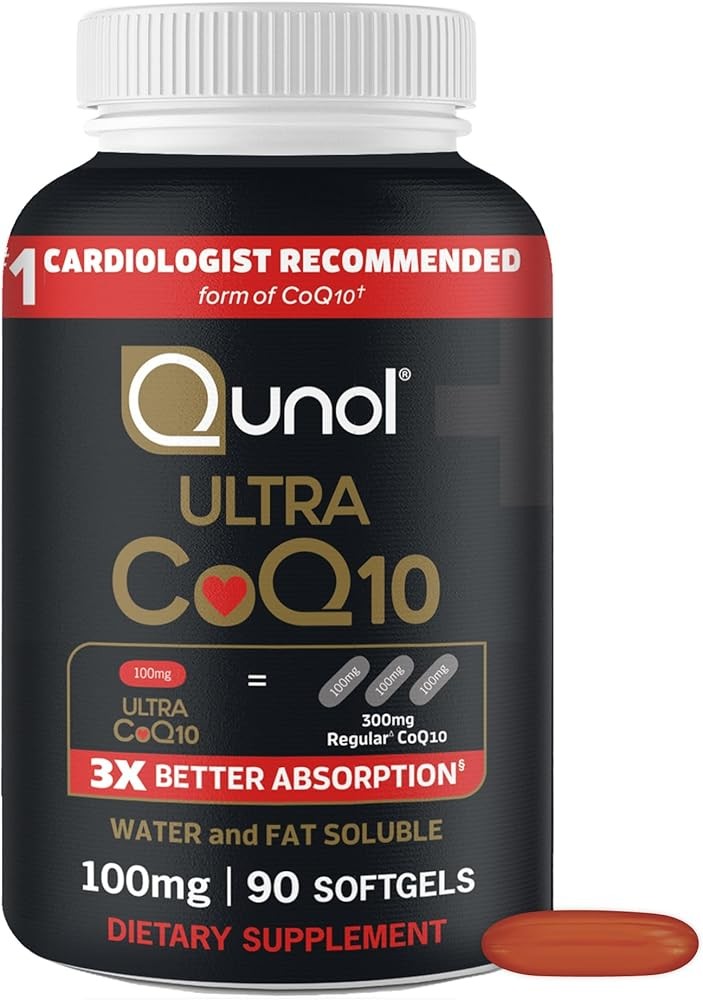
Qunol Ultra CoQ10 100mg Softgels- 3x Better Absorption, Antioxidant for Heart Health & Energy Production, Coenzyme Q1...
Check Price on AmazonAs an Amazon Associate we earn from qualifying purchases.
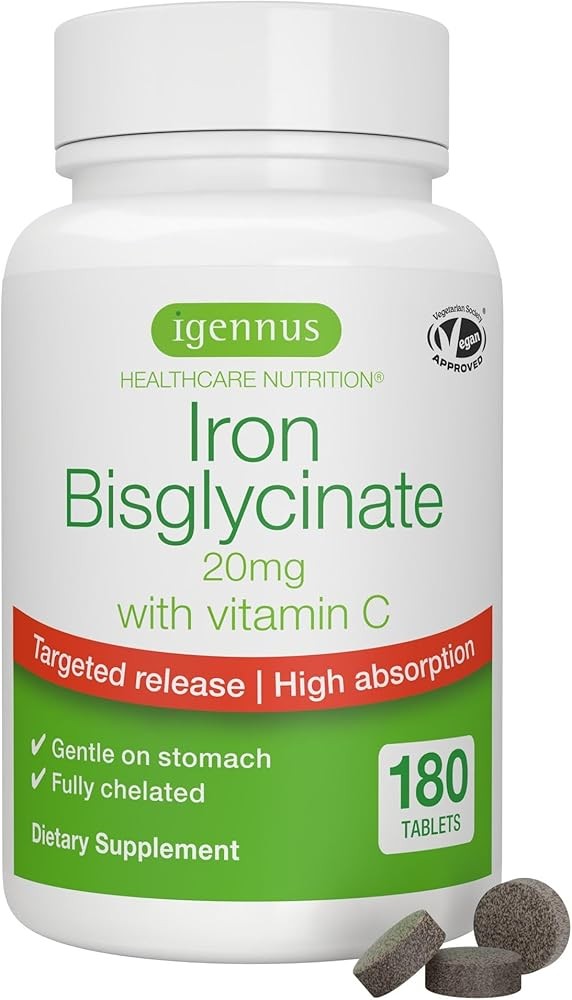
Igennus Clean Iron Bisglycinate 20mg, Vitamin C, 6 Month Supply, Gentle Chelated High Absorption Formula & Targeted R...
Check Price on AmazonAs an Amazon Associate we earn from qualifying purchases.

Four Sigmatic Focus Organic Mushroom Coffee | Instant Mushroom Coffee Mix with Lion's Mane, Chaga and Rhodiola for Be...
Check Price on AmazonAs an Amazon Associate we earn from qualifying purchases.
Iron Supplement for Women - Gentle Chelate Iron Bisglycinate 25mg with Vitamin C, B6, B12 Folic Acid – Supports Iron ...
Check Price on AmazonAs an Amazon Associate we earn from qualifying purchases.
📱 Join the discussion: Facebook | X | YouTube | Pinterest
The Bottom Line
For 95%+ of supplement users, vitamin D3 at 1,000-2,000 IU daily is the optimal choice. It raises blood levels more effectively, maintains them longer, activates immune pathways that D2 does not, does not interfere with existing D3 stores, and costs roughly the same per pill. The only meaningful advantage of D2 is its plant-based origin, and even that advantage has been largely eliminated by the availability of lichen-derived vegan D3.
If you are currently taking D2 and your levels are adequate, you do not need to panic. But next time you buy a bottle, make the switch to D3. Your bones, your immune system, and your blood levels will thank you.
For comprehensive product recommendations, see our guide to the best vitamin D supplements.
Related Articles
- Best Vitamin D Supplements
- How Much Vitamin D Do You Actually Need?
- Vitamin D and Cancer Risk: What Large Studies Show
- Calcium Citrate vs Calcium Carbonate
- Best Immune System Supplements
- Elderberry vs Vitamin C For Immune Support
- Vitamin K1 vs Vitamin K2
- Multivitamin vs Individual Supplements
Related Reading
- Elderberry vs Vitamin C For Immune Support: Which Is Better? [Complete Comparison Guide]
- Vitamin B12 vs B Complex: Which Is Better? [Complete Comparison Guide]
- Vitamin K1 vs Vitamin K2: Which Is Better? [Complete Comparison Guide]
- Vitamin C vs Zinc For Immune Support: Which Is Better? [Complete Comparison Guide]
- L-Theanine vs Ashwagandha For Anxiety: Which Is Better? [Complete Comparison Guide]
- Milk Thistle vs Nac For Liver Support: Which Is Better? [Complete Comparison Guide]
- 5-Htp vs L-Tryptophan For Mood: Which Is Better? [Complete Comparison Guide]
References
- Tripkovic L, Lambert H, Hart K, et al. Comparison of vitamin D2 and vitamin D3 supplementation in raising serum 25-hydroxyvitamin D status: a systematic review and meta-analysis. Am J Clin Nutr. 2012;95(6):1357-1364. pmid: 22552031
- Armas LA, Hollis BW, Heaney RP. Vitamin D2 is much less effective than vitamin D3 in humans. J Clin Endocrinol Metab. 2004;89(11):5387-5391. pmid: 15531486
- Heaney RP, Recker RR, Grote J, Horst RL, Armas LA. Vitamin D3 is more potent than vitamin D2 in humans. J Clin Endocrinol Metab. 2011;96(3):E447-E452. pmid: 21177785
- Logan VF, Gray AR, Peddie MC, Harper MJ, Houghton LA. Long-term vitamin D3 supplementation is more effective than vitamin D2 in maintaining serum 25-hydroxyvitamin D status over the winter months. Br J Nutr. 2013;109(6):1082-1088. pmid: 23168298
- Wilson LR, Tripkovic L, Hart KH, Lanham-New SA. Vitamin D deficiency as a public health issue: using vitamin D2 or vitamin D3 in future fortification strategies. Proc Nutr Soc. 2017;76(3):392-399. pmid: 34684328
- Shieh A, Ma C, Chun RF, et al. Effects of cholecalciferol vs. calcifediol on total and free 25-hydroxyvitamin D and parathyroid hormone. J Clin Endocrinol Metab. 2023;108(8):1935-1942. pmid: 37865222
- Pattanaungkul S, Riangwiwat T, Wongwiwatthananukit S, et al. Vitamin D3 supplementation results in significantly larger increase in serum 25(OH)D levels compared to vitamin D2 in Thai healthcare workers. J Med Assoc Thai. 2022;105(10):1015-1022. pmid: 36605166
- Wetmore JB, Kimber C, Mahnken JD, et al. Cholecalciferol v. ergocalciferol for 25-hydroxyvitamin D repletion in chronic kidney disease: a randomised clinical trial. Br J Nutr. 2016;116(11):2074-2081. pmid: 28065190
- Mazess RB, Bischoff-Ferrari HA, Dawson-Hughes B. Vitamin D: bolus is bogus – a narrative review. JBMR Plus. 2021;5(6):e10567. pmid: 35281034
- Bikle DD, Christakos S. New aspects of vitamin D metabolism and action - addressing the skin as source and target. Nat Rev Endocrinol. 2020;16(4):234-252. pmid: 32029886
- Demay MB, Pittas AG, Bikle DD, et al. Vitamin D for the prevention of disease: an Endocrine Society clinical practice guideline. J Clin Endocrinol Metab. 2024;109(8):1907-1947. pmid: 38828931
- Holick MF, Binkley NC, Bischoff-Ferrari HA, et al. Evaluation, treatment, and prevention of vitamin D deficiency: an Endocrine Society clinical practice guideline. J Clin Endocrinol Metab. 2011;96(7):1911-1930. pmid: 21646368
- Martineau AR, Jolliffe DA, Hooper RL, et al. Vitamin D supplementation to prevent acute respiratory tract infections: systematic review and meta-analysis of individual participant data. BMJ. 2017;356:i6583. pmid: 28202713
- Zittermann A, Ernst JB, Gummert JF, Börgermann J. Vitamin D supplementation, body weight and human serum 25-hydroxyvitamin D response: a systematic review. Eur J Nutr. 2014;53(2):367-374. pmid: 24292820
- Autier P, Mullie P, Macacu A, et al. Effect of vitamin D supplementation on non-skeletal disorders: a systematic review of meta-analyses and randomised trials. Lancet Diabetes Endocrinol. 2017;5(12):986-1004. pmid: 28522266
Common Questions About Vitamin D2
What are the benefits of vitamin d2?
Vitamin D2 has been studied for various potential health benefits. Research suggests it may support several aspects of health and wellness. Individual results can vary. The strength of evidence differs across different claimed benefits. More high-quality research is often needed. Always review the latest scientific literature and consult healthcare professionals about whether vitamin d2 is right for your health goals.
Is vitamin d2 safe?
Vitamin D2 is generally considered safe for most people when used as directed. However, individual responses can vary. Some people may experience mild side effects. It’s important to talk with a healthcare provider before using vitamin d2, especially if you have existing health conditions, are pregnant or nursing, or take medications.
How much vitamin d2 should I take?
The appropriate dosage of vitamin d2 can vary based on individual factors, health goals, and the specific product formulation. Research studies have used different amounts. Always start with the lowest effective dose and follow product label instructions. Consult a healthcare provider for personalized dosage recommendations based on your specific needs.
What are the side effects of vitamin d2?
Most people tolerate vitamin d2 well, but some may experience mild side effects. Common reported effects can include digestive discomfort, headaches, or other minor symptoms. Serious side effects are rare but possible. If you experience any unusual symptoms or reactions, discontinue use and consult a healthcare provider. Always inform your doctor about all supplements you take.
When should I take vitamin d2?
The optimal timing for taking vitamin d2 can depend on several factors including its absorption characteristics, potential side effects, and your daily routine. Some supplements work best with food, while others are better absorbed on an empty stomach. Follow product-specific guidelines and consider consulting a healthcare provider for personalized timing recommendations.
Can I take vitamin d2 with other supplements?
Vitamin D2 is a topic of ongoing research in health and nutrition. Current scientific evidence provides some insights, though more studies are often needed. Individual responses can vary significantly. For personalized advice about whether and how to use vitamin d2, consult with a qualified healthcare provider who can consider your complete health history and current medications.
How long does vitamin d2 take to work?
The time it takes for vitamin d2 to work varies by individual and depends on factors like dosage, consistency of use, and individual metabolism. Some people notice effects within days, while others may need several weeks. Research studies typically evaluate effects over weeks to months. Consistent use as directed is important for best results. Keep a journal to track your response.
Who should not take vitamin d2?
Vitamin D2 is a topic of ongoing research in health and nutrition. Current scientific evidence provides some insights, though more studies are often needed. Individual responses can vary significantly. For personalized advice about whether and how to use vitamin d2, consult with a qualified healthcare provider who can consider your complete health history and current medications.
Recommended Products