Whey Protein vs Casein Protein: Which Is Better? [Complete Comparison Guide]
Summarized from peer-reviewed research indexed in PubMed. See citations below.
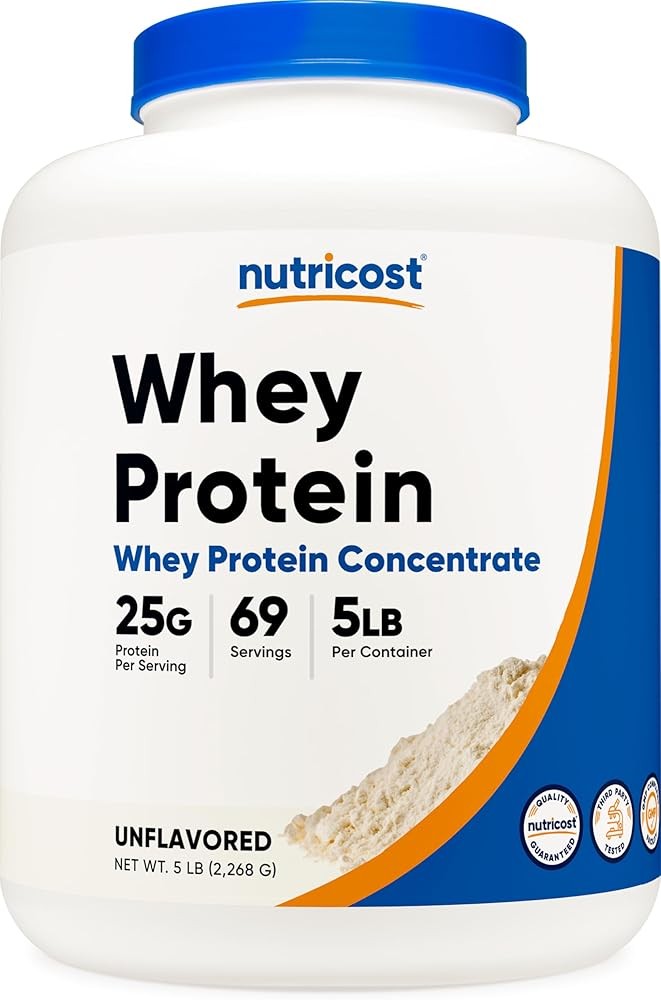
Choosing between whey and casein protein can significantly impact your muscle recovery and training outcomes, yet most athletes base their decision on incomplete information. Fast-absorbing whey protein delivers 20-25g of protein with 2.5-3g of leucine per serving, making it the optimal choice for post-workout muscle protein synthesis; the 5 lb Nutricost concentrate tub works out to about $1.37 per 30g serving. Research shows whey stimulates roughly 90% greater acute muscle protein synthesis than casein within 6 hours (myofibrillar FSR 0.15 vs 0.08 percent per hour) (PMID: 21367943), primarily due to its rapid digestion and higher leucine content. For those seeking overnight recovery support, micellar casein provides sustained amino acid release over 5-8 hours. Here’s what the published research shows about when to use each protein type for maximum results.
Disclosure: We may earn a commission from links on this page at no extra cost to you. Affiliate relationships never influence our ratings. Full policy →
What Are Whey and Casein Protein?
Whey protein and casein protein are the two proteins hiding inside every glass of milk, and they have been the subject of more sports nutrition research than probably any other supplements on the planet. Walk into any gym, and you will hear strong opinions. “Whey is king for gains.” “Casein is the real secret weapon.” “Just drink whole milk, bro.” Everyone has a take, and most of those takes are based on partial information, bro-science, or whatever their favorite fitness influencer said last week.
Here is what makes this comparison genuinely interesting, and different from most supplement matchups: whey and casein are not two random supplements competing for the same job. They are two halves of the same food, each with fundamentally different digestion kinetics, amino acid delivery profiles, and optimal use cases. Understanding the difference is not just academic trivia. It directly determines when you should take each one, how much you need, and whether buying both actually makes sense or is just burning money.
This guide breaks down whey versus casein across every dimension that matters: the molecular biology of how each protein works, absorption speed, leucine content, muscle protein synthesis data from actual clinical trials, the overnight recovery research, real-world dosing protocols, side effects, drug interactions, special populations, cost math, and a clear decision framework. Every major claim is backed by peer-reviewed research with PubMed citations.
By the end, you will know exactly which protein to buy, when to take it, and how to get the most out of your investment. No hype, no gym mythology, just the evidence.
| Feature | Whey Protein | Casein Protein | Winner |
|---|---|---|---|
| Digestion Speed | Fast (60-90 minutes) | Slow (5-8 hours) | Tie (context-dependent) |
| Leucine Content | 10-12g per 100g protein | 8-9g per 100g protein | Whey |
| Acute MPS Response | Roughly 90% higher than casein post-exercise | Lower acute spike | Whey |
| Anti-Catabolic Effect | Moderate | Superior sustained effect | Casein |
| Post-Workout Timing | Optimal within 2 hours | Less optimal | Whey |
| Before Bed Timing | Less optimal | Optimal for overnight recovery | Casein |
| Lactose Content (Concentrate) | 4-6% | 2-4% | Casein |
| Lactose Content (Isolate) | <1% | <1% | Tie |
| Cost per Gram Protein | $0.02-0.04 | $0.03-0.06 | Whey |
| Protein Content | 70-90%+ depending on form | 80-90% | Slight edge to Whey Isolate |
| Mixing/Texture | Smooth, easy mixing | Thicker, gel-forming | Whey |
| Long-Term Muscle Gains | Equal when total protein matched | Equal when total protein matched | Tie |
| Best For | Post-workout, daytime | Before bed, sustained feeding | Context-dependent |
How Does Milk Protein Work in the Body?
Before diving into the comparison, you need a quick primer on where these proteins actually come from and why they behave so differently.
Milk Protein Composition
Cow’s milk contains approximately 3.3 percent protein by weight, and that protein breaks down into two major families:
-
Casein: Approximately 80 percent of total milk protein. Casein exists in milk as large spherical structures called micelles, which are aggregates of thousands of casein molecules bound together with calcium phosphate. There are four main types of casein in cow’s milk: alpha-s1, alpha-s2, beta, and kappa casein.
-
Whey: Approximately 20 percent of total milk protein. Whey is the liquid fraction that remains after milk is curdled during cheese production. It contains a collection of globular proteins including beta-lactoglobulin, alpha-lactalbumin, immunoglobulins, bovine serum albumin, and lactoferrin.
When you make cheese, the casein clumps together (curdles) and becomes the solid curd, while the whey drains off as a yellowish-green liquid. For centuries, whey was literally discarded as waste. It was not until the late 20th century that food scientists figured out how to concentrate, isolate, and dry whey into the protein powder that now generates billions of dollars in annual revenue.
The “Fast” and “Slow” Protein Concept
The foundational study that shaped how we think about whey versus casein was published in 1997 by Boirie and colleagues in the Proceedings of the National Academy of Sciences. They labeled whey a “fast” protein and casein a “slow” protein based on their dramatically different digestion and absorption kinetics (PMID: 9405716).
Whey is soluble at the acidic pH of the stomach. It passes through the stomach relatively quickly, gets digested in the small intestine, and delivers a rapid spike in blood amino acid levels, peaking around 60 to 90 minutes after ingestion. This rapid aminoacidemia strongly stimulates muscle protein synthesis but also increases amino acid oxidation (burning amino acids for energy rather than building muscle).
Casein clots in the acidic stomach environment, forming a gel-like structure that traps the protein and slows gastric emptying dramatically. Amino acids from casein trickle into the bloodstream over 5 to 8 hours, never reaching the peak concentrations that whey achieves but sustaining elevated levels for much longer. This sustained delivery inhibits whole-body protein breakdown (an anti-catabolic effect) more effectively than whey.
This single difference in digestion speed drives almost everything else in the comparison: the MPS response, the optimal timing, the overnight recovery data, and the practical recommendations.
What Is Whey Protein and How Does It Work?
Whey protein is a complete protein derived from the liquid byproduct of cheese manufacturing. It contains all nine essential amino acids and is particularly rich in branched-chain amino acids (BCAAs), especially leucine, the amino acid that serves as the primary trigger for the mTOR signaling pathway that initiates muscle protein synthesis.
Forms of Whey Protein
Whey protein comes in three main forms, each processed differently:
Whey Protein Concentrate (WPC): The least processed form, containing 70 to 80 percent protein by weight, with the remainder consisting of fat, lactose, and bioactive peptides. WPC retains more of the naturally occurring immunoglobulins, lactoferrin, and growth factors that are present in whole whey. It has more flavor, a creamier texture, and costs less than isolate. The downside is the higher lactose content (up to 6 percent), which can cause digestive issues in lactose-intolerant individuals.
Whey Protein Isolate (WPI): Further processed through cross-flow microfiltration or ion exchange chromatography to achieve 90 percent or higher protein content. Most of the fat and lactose is removed (typically less than 1 percent lactose), making it a better option for people with lactose sensitivity. WPI has a slightly higher protein-per-calorie ratio but loses some of the bioactive fractions during processing. It costs more than concentrate.
Whey Protein Hydrolysate (WPH): Pre-digested through enzymatic hydrolysis, breaking the protein into smaller peptides. This theoretically speeds absorption further, but clinical data showing meaningful performance advantages over WPI are limited. The main practical issue is that hydrolysis creates a bitter taste that requires heavy flavoring to mask. It is the most expensive form and is primarily used in medical nutrition products and infant formulas.
For most people, whey protein isolate offers the best balance of high protein content, low lactose, good taste, and reasonable cost. Whey concentrate is the best budget option if you tolerate lactose well. Hydrolysate rarely justifies its premium price for healthy adults.
How Whey Protein Builds Muscle
Whey protein’s muscle-building mechanism operates through several well-characterized pathways:
1. Rapid Leucine Delivery and mTOR Activation
Leucine is the master switch for muscle protein synthesis. When blood leucine levels cross a critical threshold (the “leucine threshold”), it activates the mechanistic target of rapamycin (mTOR) signaling complex, specifically mTORC1, which initiates the translation of mRNA into new muscle protein. Whey protein contains approximately 10 to 12 grams of leucine per 100 grams of protein, significantly more than casein (approximately 8 to 9 grams per 100 grams) or soy (approximately 8 grams per 100 grams). Because whey is digested quickly, it delivers this leucine to the bloodstream in a concentrated bolus, rapidly crossing the threshold needed to maximally activate mTOR (PMID: 21367943).
2. Stimulation of Muscle Protein Synthesis (MPS)
The combination of fast digestion, high leucine content, and rapid aminoacidemia makes whey the most potent acute stimulator of muscle protein synthesis among common protein sources. A pivotal 2009 study by Tang and colleagues measured mixed muscle protein synthesis after resistance exercise in young men and found that whey protein produced significantly greater MPS than either casein or soy at both rest and post-exercise timepoints (PMID: 19589961). The fractional synthetic rate (FSR) after whey ingestion was 0.15 percent per hour compared to 0.08 percent per hour for casein, representing a roughly 93 percent greater acute MPS response.
3. Insulin Response
Whey protein stimulates a significant insulin response, which is anabolic in the context of muscle building. Alpha-lactalbumin, which makes up approximately 15 to 20 percent of whey, stimulates the release of cholecystokinin (CCK), a gut hormone involved in satiety signaling. Lactoferrin has antimicrobial and immunomodulatory properties. Beta-lactoglobulin binds and transports fat-soluble vitamins. These bioactive components provide benefits beyond simple amino acid delivery, though their significance for muscle building specifically is secondary to the leucine and MPS effects.
The Clinical Evidence for Whey Protein
The evidence base for whey protein is enormous. A few key studies and meta-analyses:
-
A 2019 meta-analysis of 13 RCTs concluded that whey protein supplementation during resistance training significantly increased lean body mass and upper and lower body strength compared to placebo (PMID: 31041966).
-
A 2017 systematic review and meta-regression analyzing 49 studies with 1,863 participants found that protein supplementation (predominantly whey) significantly augmented resistance training-induced gains in fat-free mass and strength, with a mean additional gain of 0.30 kg of fat-free mass and 2.49 kg of one-rep max strength (PMID: 28698222).
-
A 2024 meta-analysis focusing on older adults (26 RCTs, 2,105 participants aged 60+) found more nuanced results: whey protein supplementation did not significantly improve handgrip strength, gait speed, or lean body mass in this population when not paired with resistance training, highlighting that the supplement works best as an adjunct to exercise (PMID: 39303495).
-
A 2025 meta-analysis confirmed that 20 to 40 grams of whey protein before or after resistance exercise enhances muscle protein synthesis within 3 to 5 hours post-exercise through the AKT/mTOR signaling pathway.
Bottom line: Whey protein stimulates muscle protein synthesis rates roughly 90% higher than casein in the first 6 hours post-ingestion in older adults (myofibrillar FSR 0.15 vs 0.08 percent per hour), delivers 2.5-3 grams of leucine per 25-gram serving (the mTOR activation threshold), and whey isolate provides 90%+ protein with less than 1% lactose, making it the evidence-based choice for immediate post-workout recovery (PubMed 21367943).
What Is Casein Protein and Why Is It Different?
Casein protein is the dominant protein in cow’s milk, comprising approximately 80 percent of total milk protein content. It is a complete protein containing all essential amino acids, with a particularly high content of glutamine (the most abundant amino acid in muscle tissue) and calcium (casein micelles are naturally bound to calcium phosphate).
Forms of Casein Protein
Casein is available in several commercial forms:
Micellar Casein: The least processed form, where casein retains its natural micellar structure, the spherical aggregates of casein molecules that naturally exist in milk. Micellar casein is obtained through microfiltration rather than chemical processing, preserving the protein’s native properties. It contains approximately 90 percent protein by weight and digests the slowest of all casein forms, potentially delivering amino acids for up to 7 to 8 hours. It has a more natural milk flavor and a thicker, creamier texture when mixed. This is the form that provides the most pronounced “slow protein” effect and is the preferred choice for pre-sleep supplementation.
Calcium Caseinate: Produced through an industrial chemical process where milk is acidified to precipitate the casein, which is then washed and reacted with calcium hydroxide to restore neutral pH. This process disrupts the natural micellar structure, resulting in a protein that dissolves more easily but digests somewhat faster than micellar casein. It contains similar protein content and amino acid profiles but lacks the intact micellar structure that gives micellar casein its uniquely slow digestion. It tends to be cheaper but may have an inferior taste profile compared to micellar casein.
Casein Hydrolysate: Pre-digested casein broken into smaller peptides. This essentially eliminates casein’s primary advantage, its slow digestion, making it absorb more like whey. It was once promoted for fast recovery but has been largely replaced by whey protein isolate and hydrolysate, which offer faster absorption, better taste, and lower cost. Casein hydrolysate is primarily used in specialized medical nutrition and hypoallergenic infant formulas.
For most people seeking casein’s slow-release benefits, micellar casein is the gold standard. Calcium caseinate is an acceptable budget alternative but delivers a faster, less sustained amino acid release.
How Casein Protein Protects and Builds Muscle
Casein’s muscle-supporting mechanisms are distinct from whey’s and complement them in important ways:
1. Sustained Amino Acid Delivery and Anti-Catabolic Effect
Casein’s defining feature is its slow, sustained release of amino acids over many hours. When casein enters the stomach, it clots in the acidic environment, forming a gel-like mass that dramatically slows gastric emptying. This means amino acids trickle into the bloodstream at a steady, moderate rate for 5 to 8 hours rather than flooding in all at once.
The Boirie study (PMID: 9405716) demonstrated that casein ingestion inhibited whole-body protein breakdown by 34 percent while whey did not significantly affect protein breakdown. This anti-catabolic effect is particularly valuable during extended fasting periods, most notably during sleep, when the body would otherwise shift toward net protein catabolism.
2. Pre-Sleep Muscle Protein Synthesis
This is where casein has carved out a unique and research-backed niche. A landmark 2012 study by Res and colleagues demonstrated that 40 grams of casein protein consumed 30 minutes before sleep was effectively digested and absorbed during sleep, resulting in a rapid rise in circulating amino acid levels that was sustained throughout the night. Muscle protein synthesis rates were approximately 22 percent higher during overnight sleep in the casein group compared to placebo (PMID: 22330017).
A subsequent study by the same research group (Snijders et al., 2015) extended this to a 12-week training study. Young men who consumed 27.5 grams of casein before sleep gained significantly more muscle mass and strength than those who consumed a non-caloric placebo, despite following identical training programs.
A 2020 systematic review on pre-sleep protein consumption concluded that pre-sleep casein protein ingestion (30 to 40 grams, consumed approximately 30 minutes before sleep) could stimulate whole-body protein synthesis, mitigate inflammatory responses, and speed up muscle remodeling during the overnight recovery period (PMID: 32698256).
A 2023 randomized controlled trial investigated whether pre-sleep protein specifically needed to be casein (slow) rather than whey (fast). The results showed that casein and whey protein ingestion did not significantly differ in their capacity to stimulate mitochondrial and myofibrillar protein synthesis rates during overnight recovery from endurance exercise, suggesting that the total protein consumed before sleep may matter more than the specific protein type for stimulating overnight MPS.
3. Calcium Delivery
Micellar casein is naturally rich in calcium, with a typical serving providing 40 to 60 percent of the daily value. Calcium is essential for muscle contraction, bone health, and numerous enzymatic processes. This built-in calcium content is a meaningful nutritional bonus that whey does not provide at the same levels.
4. Glutamine Content
Casein contains the highest glutamine content of any common protein source, approximately 20 to 23 percent of its amino acid profile. Glutamine is the most abundant amino acid in muscle tissue, serves as a fuel source for immune cells and intestinal epithelial cells, and plays roles in acid-base balance, nitrogen transport, and gluconeogenesis. While the body can synthesize glutamine endogenously, demand increases substantially during intense exercise, illness, or physiological stress, making casein’s high glutamine content potentially valuable for recovery and immune support.
How Do Whey and Casein Compare Head-to-Head?
| Feature | Whey Protein | Casein Protein |
|---|---|---|
| Source | Liquid byproduct of cheese production (~20% of milk protein) | Solid curd fraction (~80% of milk protein) |
| Digestion speed | Fast (peaks at 60-90 minutes) | Slow (sustained over 5-8 hours) |
| Best form | Whey protein isolate (90%+ protein, low lactose) | Micellar casein (natural structure, slowest digestion) |
| Protein per 100g powder | 80-90g (isolate) / 70-80g (concentrate) | 85-92g (micellar) |
| Leucine per 100g protein | ~10-12g | ~8-9g |
| Acute MPS stimulation | Superior (FSR: 0.15%/h) | Moderate (FSR: 0.08%/h) |
| Anti-catabolic effect | Minimal | Strong (sustained overnight delivery) |
| Insulin response | Higher | Lower |
| Optimal timing | Post-workout (within 1-2 hours) | Pre-sleep (30 min before bed) / between meals |
| Overnight MPS boost | Similar to casein (recent data) | ~22% increase vs. placebo |
| Satiety effect | Stronger short-term | Stronger long-term |
| Calcium content | Low to moderate | High (40-60% DV per serving) |
| Glutamine content | Moderate (~5-6g per 100g) | High (~20-23g per 100g) |
| Mixability | Excellent (thin, smooth) | Thicker, can be clumpy |
| Taste | Generally good (wide flavor range) | Thicker, milkier, fewer flavor options |
| Lactose content (isolate/micellar) | <1% (isolate) | Very low (micellar) |
| GI tolerance | Very good (especially isolate) | Good (may cause fullness) |
| Price per gram of protein | $0.02-0.04 (concentrate) / $0.03-0.05 (isolate) | $0.03-0.06 (micellar) |
| Best for | Post-workout MPS, daytime protein boost | Overnight recovery, sustained amino acid delivery |
Bottom line: When total daily protein intake is matched at 1.6-2.2 g/kg body weight, meta-analyses of 8-12 week resistance training studies show no significant difference in lean mass or strength gains between whey and casein, but strategic timing matters - whey’s roughly 90% higher acute MPS response optimizes post-workout use while casein’s sustained amino acid delivery optimizes pre-sleep consumption (PubMed 16896166).
What Are the Key Differences Between Whey and Casein?
The Molecular Mechanisms: How Protein Becomes Muscle
Understanding exactly how dietary protein translates into muscle tissue helps explain why whey and casein have different optimal use cases. The process involves multiple steps from digestion to actual muscle fiber growth.
Step 1: Digestion and Absorption
After you consume whey or casein protein, digestive enzymes (pepsin in the stomach, trypsin and chymotrypsin in the small intestine) break the protein down into smaller peptides and individual amino acids. These are absorbed across the intestinal wall via specific amino acid transporters, particularly the L-type amino acid transporter (LAT1) which handles leucine, isoleucine, and valine (the three BCAAs).
The key difference is the speed. Whey passes through the stomach quickly and is rapidly broken down and absorbed, causing blood amino acid levels to spike sharply within 60-90 minutes. Casein forms a gel in the stomach that slows gastric emptying, resulting in a gradual trickle of amino acids over 5-8 hours.
Step 2: Amino Acid Transport to Muscle
Once absorbed into the bloodstream, amino acids are transported to skeletal muscle tissue. The concentration of amino acids in the blood (aminoacidemia) directly influences the rate of amino acid uptake by muscle cells. Higher blood amino acid concentrations drive greater uptake, which is why whey’s rapid spike is advantageous immediately post-workout when muscles are primed for nutrient uptake.
Step 3: mTOR Activation
Inside muscle cells, leucine serves as a powerful signal that activates the mechanistic target of rapamycin complex 1 (mTORC1), a central regulator of cell growth and metabolism. When leucine levels rise above a threshold (approximately 2-3 grams in young adults), mTORC1 phosphorylates downstream targets including p70S6 kinase and 4E-BP1, which initiate the process of ribosomal protein translation.
Whey’s high leucine content (10-12% by weight) and rapid absorption cause a sharp spike in intracellular leucine, strongly activating mTOR. Casein’s lower leucine content (8-9%) and slow release result in a more moderate, sustained mTOR activation.
Step 4: Ribosomal Protein Synthesis
Once mTOR is activated, ribosomes (the cellular machinery that builds proteins) are recruited and begin translating messenger RNA (mRNA) into new muscle proteins. This is called muscle protein synthesis (MPS). The rate of MPS determines how quickly your muscles can build new contractile proteins (actin and myosin) and structural proteins that make muscle fibers larger and stronger.
MPS rates are measured using isotope tracer methodology (typically deuterated or carbon-13 labeled amino acids) which allows researchers to track exactly how much new protein is being built. Studies show that MPS rates can increase by 50-250% above baseline after consuming adequate protein, with whey typically producing higher peak rates but shorter duration compared to casein.
Step 5: Muscle Protein Breakdown
The other side of the equation is muscle protein breakdown (MPB), which occurs continuously as damaged or misfolded proteins are degraded via the ubiquitin-proteasome pathway and autophagy. Net muscle protein balance = MPS - MPB. To gain muscle, MPS must exceed MPB over time.
Casein’s unique advantage is its ability to strongly suppress MPB. The sustained elevation of blood amino acids signals the body that nutrient availability is high, reducing the need to break down existing muscle protein for amino acids. Research using leucine tracers shows that casein reduces whole-body protein breakdown by approximately 34% over 7 hours, compared to whey’s 10-15% reduction (PubMed 9405716).
This anti-catabolic effect is particularly valuable during sleep (an 8-hour fast), during calorie restriction (when the body tends to break down muscle for energy), and during periods of high physical stress.
Step 6: Satellite Cell Activation and Hypertrophy
For muscle fibers to grow larger (hypertrophy), satellite cells (muscle stem cells located outside the muscle fiber) must be activated, proliferate, and fuse with existing muscle fibers, donating their nuclei. More nuclei allow the muscle fiber to support a larger volume of protein.
Both whey and casein support satellite cell activation when combined with resistance training, but the research does not clearly show one as superior. The key driver of satellite cell activation appears to be mechanical tension from training combined with adequate total protein intake, rather than the specific type of protein.
Bioavailability and Biological Value: Quality Metrics
Not all proteins are created equal. Two important metrics for assessing protein quality are biological value (BV) and digestibility.
Biological Value (BV) measures what percentage of absorbed protein is retained and used by the body rather than oxidized for energy or excreted. Both whey and casein score very high on BV scales:
- Whey protein BV: Approximately 104 (on a scale where whole egg = 100)
- Casein protein BV: Approximately 77
- Whole egg BV: 100 (reference standard)
- Beef BV: 80
- Soy BV: 74
Whey’s slightly higher BV means a greater proportion of the protein you consume is actually used for building and repairing tissues rather than being burned for energy. However, casein’s lower BV is partly due to the measurement methodology (which assesses short-term nitrogen retention) and does not necessarily mean casein is inferior for long-term muscle building.
Protein Digestibility Corrected Amino Acid Score (PDCAAS) is another quality metric that assesses both the amino acid profile and digestibility:
- Whey: PDCAAS = 1.0 (maximum score)
- Casein: PDCAAS = 1.0 (maximum score)
- Soy: PDCAAS = 1.0
- Wheat: PDCAAS = 0.42
Both whey and casein receive perfect PDCAAS scores because they are complete proteins with all nine essential amino acids in optimal ratios, and they are highly digestible (>95% of the protein is absorbed).
The newer metric, Digestible Indispensable Amino Acid Score (DIAAS), is considered more accurate because it measures true ileal digestibility (absorption in the small intestine) rather than fecal nitrogen:
- Whey isolate DIAAS: 1.09-1.18
- Casein DIAAS: 1.14-1.23
- Whole milk DIAAS: 1.14
Interestingly, some studies show casein scoring slightly higher on DIAAS than whey, though both are considered excellent protein sources. The practical takeaway is that both proteins are highly bioavailable and efficiently used by the body.
Clinical Trial Evidence: The Numbers
Multiple controlled trials have directly compared whey and casein’s effects on muscle protein synthesis and body composition:
Acute MPS Response: A 2011 study in older men (ages 70-85) found that 20 grams of whey protein stimulated muscle protein synthesis rates roughly 90% higher (FSR 0.15 vs 0.08 percent per hour) than an equivalent dose of casein during the first 6 hours post-ingestion, primarily due to whey’s superior leucine delivery kinetics (PubMed 21367943). The peak MPS rate with whey occurred at 1-2 hours, while casein’s response was more gradual and sustained.
Overnight Recovery: The landmark 2012 study by Res and colleagues demonstrated that consuming 40 grams of casein protein 30 minutes before sleep increased overnight muscle protein synthesis rates by 22% compared to placebo in young men performing resistance training (PubMed 22330017). Importantly, this nighttime feeding did not suppress breakfast appetite or cause digestive issues.
Long-Term Body Composition: A 10-week resistance training study comparing whey protein, casein protein, and carbohydrate placebo found that both protein groups gained significantly more lean mass than placebo, but there was no significant difference between whey and casein when total protein intake was equated and training volume was controlled (PubMed 16896166). Similar findings have been replicated across multiple studies of 8-12 weeks duration.
Anti-Catabolic Effect: A study measuring whole-body protein breakdown using leucine tracer methodology found that casein reduced protein breakdown by approximately 34% over 7 hours, while whey showed a smaller reduction of about 10-15%, demonstrating casein’s superior anti-catabolic properties (PubMed 9405716).
These findings collectively support the position that neither protein is universally superior - their value depends entirely on your specific goals and the timing of consumption relative to training and sleep.
Leucine Content: Why It Matters
Leucine is the most anabolic of the three branched-chain amino acids (BCAAs) and serves as the primary trigger for the mechanistic target of rapamycin (mTOR) signaling pathway, which initiates muscle protein synthesis. The leucine content per serving significantly influences the acute MPS response.
Whey protein typically contains 10-12% leucine by weight, meaning a 25-gram serving delivers approximately 2.5-3 grams of leucine. Research suggests that 2.5-3 grams of leucine represents the threshold dose needed to maximally stimulate MPS in young adults, and this threshold increases to approximately 3-4 grams in older adults (over 65) due to anabolic resistance.
Casein protein contains approximately 8-9% leucine by weight, delivering roughly 2-2.5 grams of leucine per 25-gram serving. While this is slightly lower than whey, casein’s prolonged amino acid release means that leucine availability remains elevated for many hours, which may compensate for the lower initial peak.
The practical implication: If you are using casein specifically for its slow-release properties (e.g., before bed), the slightly lower leucine content is not a concern because you are optimizing for sustained anti-catabolism, not acute MPS stimulation. If you are using it as a post-workout protein, you would need slightly more casein than whey to hit the same leucine threshold - approximately 30-35 grams of casein vs 25 grams of whey.
Absorption Kinetics: The Technical Details
The digestion and absorption differences between whey and casein go beyond simple “fast” and “slow” labels. Understanding the mechanistic details helps explain why each protein excels in different contexts.
Whey protein’s rapid absorption occurs because whey proteins (beta-lactoglobulin, alpha-lactalbumin, immunoglobulins, and others) remain soluble in the acidic environment of the stomach. This means they pass through the stomach relatively quickly and enter the small intestine, where pancreatic proteases (trypsin, chymotrypsin, elastase) and brush border peptidases rapidly break them down into di- and tri-peptides and free amino acids. These are absorbed across the intestinal epithelium via specific amino acid transporters (primarily the L-type amino acid transporter LAT1 for leucine and other large neutral amino acids).
Blood amino acid levels, particularly leucine, spike to 2-3 times baseline within 60-90 minutes after consuming whey protein, then decline back toward baseline by 3-4 hours. This rapid aminoacidemia strongly activates mTOR complex 1 (mTORC1), triggering the phosphorylation cascade that upregulates ribosomal protein translation and muscle protein synthesis.
Casein protein’s slow absorption is driven by its unique behavior in the acidic stomach environment. Casein exists in milk as large micelles (aggregates of thousands of casein molecules bound together with calcium phosphate). When casein reaches the stomach and encounters gastric acid (pH ~1.5-3), the drop in pH causes the casein to clot and form a gel-like structure. This gel formation is the same process that occurs during cheese making when you add acid or rennet to milk.
This gel physically traps the casein in the stomach, dramatically slowing gastric emptying. The casein is gradually released from the gel and undergoes proteolysis by gastric pepsin and then pancreatic enzymes in the small intestine. The result is a slow, sustained release of amino acids into the bloodstream over 5-8 hours, with blood amino acid levels rising to only 50-60% above baseline but remaining elevated much longer than with whey.
This sustained aminoacidemia does not trigger the acute mTOR activation that whey does, but it powerfully suppresses whole-body protein breakdown through mechanisms that are not fully understood but likely involve reduced autophagy and decreased ubiquitin-proteasome pathway activity.
Difference 1: Digestion Kinetics Are Everything
This is the single most important distinction between whey and casein, and it drives almost every other practical difference. The 1997 Boirie study (PMID: 9405716) established that whey produces a rapid, high-amplitude spike in blood amino acid levels that peaks within 60 to 90 minutes and returns to baseline within 3 to 4 hours. Casein produces a slow, moderate, sustained rise that remains elevated for 5 to 8 hours without ever reaching the peak concentrations that whey achieves.
Think of it like this: whey is a fire hose blasting water at full pressure for a short time. Casein is a drip irrigation system delivering water steadily all day. Both deliver water, but the pattern is completely different, and the pattern matters enormously for what happens in your muscles.
The rapid spike from whey is what triggers the powerful acute MPS response, because mTOR activation depends on reaching a leucine concentration threshold in the blood. The sustained delivery from casein is what provides the anti-catabolic protection, because keeping amino acids elevated above fasting levels may help reduce risk of the body from breaking down muscle protein to supply its ongoing amino acid needs.
Difference 2: Acute MPS vs. Sustained Anti-Catabolism
Whey wins the MPS race decisively. The Tang 2009 study showed FSR values of 0.15 percent per hour for whey versus 0.08 percent per hour for casein, representing a roughly 93 percent greater acute synthetic response from whey (PMID: 19589961). The Pennings 2011 study in older men found that whey stimulated postprandial muscle protein accretion more effectively than either casein or casein hydrolysate, even when the casein was pre-digested to speed absorption (PMID: 21367943).
But here is the critical nuance that most gym-goers miss: when you measure muscle protein balance over longer periods (4 to 6 hours or more), the gap narrows dramatically or disappears entirely. A study published in the American Journal of Clinical Nutrition demonstrated that when measured over a sufficient time interval, milk protein and casein elevated MPS equally as effectively as whey protein. The initial spike from whey is dramatic but transient. The sustained delivery from casein accumulates muscle protein synthesis over a longer window.
This means that if you are obsessing over which protein to chug the second you rack the barbell, whey is the clear winner for that 1-to-3-hour post-workout window. But if you are thinking about your total 24-hour protein synthesis and breakdown balance, which is what actually determines long-term muscle gain, casein’s contribution is equally important.
Difference 3: The Leucine Factor
Leucine is the amino acid that directly activates mTORC1, the molecular switch for muscle protein synthesis. The correlation between peak blood leucine concentration and MPS rates is strong and well-documented: one study found a correlation coefficient of r = 0.66 (P < 0.01) between peak plasma leucine and postprandial FSR values.
Whey contains approximately 10 to 12 grams of leucine per 100 grams of protein, compared to approximately 8 to 9 grams per 100 grams for casein. In a typical 25-gram serving of whey isolate, you get approximately 2.5 to 3.0 grams of leucine. In a 25-gram serving of casein, you get approximately 2.0 to 2.3 grams.
The generally accepted leucine threshold for maximal MPS stimulation in young adults is approximately 2.5 to 3 grams per meal. A standard 25-gram serving of whey easily clears this threshold. A 25-gram serving of casein comes close but may not fully maximize the acute response, which is one reason why pre-sleep casein studies tend to use 40-gram doses, enough to push leucine intake well above the threshold even with casein’s lower leucine density.
For older adults, the leucine threshold appears to be higher (approximately 3.0 to 4.0 grams), a phenomenon called anabolic resistance. This gives whey an even larger advantage in elderly populations for acute MPS stimulation, because the same serving size delivers more leucine. For more on age-related supplementation strategies, see our guide on Best Supplements for Building Muscle After 40. When total protein intake and leucine thresholds were matched, different protein sources (including whey, casein, soy, and blends) produced comparable long-term adaptations.
A study comparing co-ingestion of whey and casein in a mixed meal demonstrated a more sustained anabolic effect than either protein alone, suggesting that the combination may be optimal for real-world nutrition rather than isolated supplementation (PMC: 3404559).
The practical implication is clear: for long-term results, hitting your daily protein target consistently matters more than agonizing over which protein powder you use at exactly which time. Whey’s acute MPS advantage is real but does not automatically translate into dramatically more muscle over months and years of training when total protein intake is adequate.
Difference 4: Satiety and Weight Management
Both whey and casein are more satiating than carbohydrates or fat, but they produce different satiety patterns:
-
Whey produces stronger short-term satiety. A randomized controlled trial in 70 overweight and obese subjects found significantly higher satiety ratings in the whey group compared to casein or control groups when measured before lunch at 6 and 12 weeks (PMID: 24801369). Whey also triggered stronger responses in active GLP-1 (a satiety hormone) and insulin compared to casein.
-
Casein produces stronger long-term satiety. Because casein digests slowly and keeps amino acid levels elevated for hours, it tends to reduce hunger over a longer period. This makes casein particularly useful as a snack between meals or before bed when you want to curb nighttime hunger.
However, when measured over 12 weeks, the short-term satiety differences from whey did not translate into significant differences in energy intake or body weight compared to casein. For weight management, both proteins help, and the differences between them are unlikely to make or break your fat loss results.
Clues Your Body Tells You: Signs Whey Protein Is Working
When you start supplementing with whey protein alongside a resistance training program, your body provides specific signals. Here is what to watch for and when.
Week 1-2
Faster workout recovery. This is often the first noticeable change. If you were previously training without adequate post-workout protein, you may notice that the severe muscle soreness (DOMS) you experienced 24 to 48 hours after training is less intense or resolves faster. This reflects improved muscle protein synthesis and reduced net muscle damage. Your muscles feel “ready” sooner for the next session.
Reduced post-training fatigue. The amino acid influx from whey, combined with the insulin response it triggers, helps replenish glycogen stores and initiate repair processes more efficiently. You may notice less of that drained, flat feeling in the hours after training.
Better pump during workouts. This is more subjective but commonly reported. Adequate protein intake supports plasma amino acid availability and cell volumization, which can contribute to better blood flow and the “pump” sensation during training. The amino acids from whey also stimulate nitric oxide production, which may enhance vasodilation.
Weeks 3-6
Visible changes in muscle fullness. Before actual hypertrophy (new muscle tissue), you may notice your muscles looking fuller and more “filled out,” particularly in trained muscle groups. This partly reflects improved intracellular hydration and amino acid storage, and partly reflects the early stages of myofibrillar protein accretion.
Strength progression. If you are tracking your lifts, you may notice more consistent progression, adding reps or weight more reliably than before supplementation. This reflects improved recovery between sessions, allowing you to train with adequate quality and volume consistently.
Improved body composition. Even before the scale changes dramatically, you may notice that you look slightly leaner, particularly around the midsection. This is the combined effect of increased thermogenesis (protein has the highest thermic effect of any macronutrient, approximately 20 to 30 percent of calories consumed), improved satiety reducing overall caloric intake, and incremental gains in lean mass.
Months 2-4
Measurable muscle gain. This is when actual hypertrophy becomes visible and measurable. Expect approximately 0.25 to 0.5 kg (0.5 to 1.1 lb) of additional lean mass per month when combining whey supplementation with consistent resistance training, based on meta-analysis data. The gains will be most visible in the muscle groups you train most intensely.
Improved workout capacity. With better recovery and more lean mass, you may notice that you can handle more training volume, more sets, more exercises, or higher frequency without excessive fatigue or soreness.
Consistent energy levels. Adequate protein intake stabilizes blood sugar, supports neurotransmitter production (amino acids are precursors to dopamine, serotonin, and other neurotransmitters), and reduces the energy crashes associated with high-carbohydrate meals.
Warning Signs Something Is Off
Persistent bloating or gas. If whey consistently causes GI distress, you may be lactose intolerant and using whey concentrate. Switch to whey isolate (less than 1 percent lactose) or whey hydrolysate. If symptoms persist even with isolate, you may have a true cow’s milk protein allergy, which requires avoiding all dairy-derived proteins.
Acne flare-ups. Some research and substantial anecdotal evidence links whey protein to acne breakouts, possibly through insulin and IGF-1 stimulation. If you develop or worsen acne after starting whey, try switching to a plant-based protein powder or casein (which stimulates less insulin) and see if it resolves. For alternatives, see our comparison of Whey vs Plant Protein.** If you are gaining weight but it is clearly fat, not muscle, you are likely over-consuming total calories. Whey protein adds calories (approximately 120 per 30g serving), and if your overall diet is already calorie-sufficient, the additional protein just adds surplus calories. Track total intake, not just protein.
Kidney discomfort or changes in urine. In healthy individuals with normal kidney function, high protein intake is safe. However, if you have pre-existing kidney issues and experience flank pain, foamy urine, or decreased urine output, stop supplementation and consult your physician immediately. For more on protein amounts, see How Much Protein Do You Actually Need to Build Muscle.** This is not a direct pharmacological effect of casein, but many users report improved sleep quality when they start taking casein before bed. The mechanism is likely indirect: casein contains tryptophan, an amino acid precursor to serotonin and melatonin, and the sustained amino acid delivery may support overnight neurotransmitter production. Additionally, going to bed in a fed rather than fasted state can reduce the cortisol response that sometimes disrupts sleep.
Feeling less catabolic in the morning. If you are someone who feels flat, depleted, or weak first thing in the morning, pre-sleep casein can help. The sustained amino acid delivery may help reduce risk of the overnight catabolic state that leaves muscle tissue in negative protein balance by morning.
Weeks 3-6
Morning recovery improvement. You may notice that you wake up feeling less stiff and sore from the previous day’s training. This reflects the enhanced overnight muscle protein synthesis, approximately 22 percent higher than with no protein, that the clinical data shows with pre-sleep casein (PMID: 22330017). The muscles have had all night to repair with a steady supply of amino acids.
Maintained muscle during dieting. If you are in a calorie deficit, casein’s strong anti-catabolic properties become particularly valuable. You may notice that you retain more muscle mass and strength during a cut than you would without pre-sleep protein. The sustained amino acid delivery helps keep the body in a positive or neutral protein balance even when overall calories are reduced.
Improved body composition. Over 3 to 6 weeks of consistent pre-sleep casein use combined with training, the enhanced overnight recovery starts translating into measurable improvements in the ratio of lean mass to fat mass.
Months 2-4
Measurable muscle gains from enhanced recovery. The 12-week training study by Snijders and colleagues showed that young men consuming casein before sleep gained significantly more muscle mass and strength than placebo, despite identical training programs (PMID: 25926415). By this point, you should see meaningful improvements in muscle fullness, strength, and potentially measurements.
Sustained energy throughout the day. If you are using casein as a between-meal snack (not just before bed), its slow release provides a steady stream of amino acids that helps maintain stable energy and reduces the crash-and-crave cycle that comes from going too long without protein.
Strength plateaus breaking through. Enhanced overnight recovery means your muscles are better repaired and adapted before each subsequent training session. Over weeks and months, this compounds into better progressive overload and the ability to break through strength plateaus.
Warning Signs to Watch For
Stomach heaviness or discomfort. Casein’s gel-forming property means it sits in the stomach longer than whey. Some people find this uncomfortable, particularly if they take casein too close to lying down. If you experience this, try taking your casein shake 45 to 60 minutes before bed rather than immediately before, and keep the dose at 20-30 grams rather than the 40-48 grams used in clinical trials.
Morning digestive sluggishness. If you wake up feeling bloated or with digestive discomfort, the dose may be too high or you may be sensitive to casein. Try reducing to 20 grams and see if the issue resolves. If it persists, you may want to investigate whether you have sensitivity to A1 beta-casein specifically (see the Side Effects section below).
No improvement in recovery or body composition after 8 weeks. If you have been taking casein consistently for 8 weeks with no noticeable benefit, evaluate your overall protein intake. If your total daily protein is already above 1.6 grams per kilogram of body weight, additional casein may not provide a meaningful incremental benefit. The gains from pre-sleep protein are most pronounced when total daily protein intake is suboptimal.
What Is the Correct Dosage for Whey and Casein Protein?
How to Dose Whey Protein
Standard Post-Workout Protocol
- Dose: 20 to 40 grams of whey protein (0.25 to 0.40 g/kg body weight)
- Timing: Within 1 to 2 hours after resistance exercise. The anabolic window is wider than the old “30-minute rule” suggested, but consuming protein within this timeframe optimizes the post-exercise MPS response.
- Form: Whey isolate is the best all-around choice. Concentrate if budget is the priority. Hydrolysate if you need maximum speed (rare practical need).
- Mixing: Water or milk. Mixing with milk adds casein and slows absorption slightly, which may actually be beneficial for a more sustained response.
Optimizing the Dose by Age
Research suggests that the optimal per-meal protein dose for maximal MPS stimulation varies with age:
- Young adults (18-40): 20 to 25 grams of whey protein maximally stimulates MPS. Doses above 40 grams show diminishing returns for acute MPS, with excess amino acids increasingly oxidized for energy rather than incorporated into muscle.
- Older adults (40+): 35 to 40 grams may be needed to overcome anabolic resistance and maximally stimulate MPS. The leucine threshold is higher in older muscle, and a larger protein dose is needed to deliver sufficient leucine.
Daily Protein Context
Whey protein is a supplement, not a replacement for dietary protein. Your total daily protein target for muscle building should be approximately 1.6 to 2.2 grams per kilogram of body weight per day, distributed across 3 to 5 meals (PMID: 28698222). Whey fills the gap between what you eat and what you need. If your diet already provides 1.6+ g/kg/day of high-quality protein, adding whey may provide minimal additional benefit.
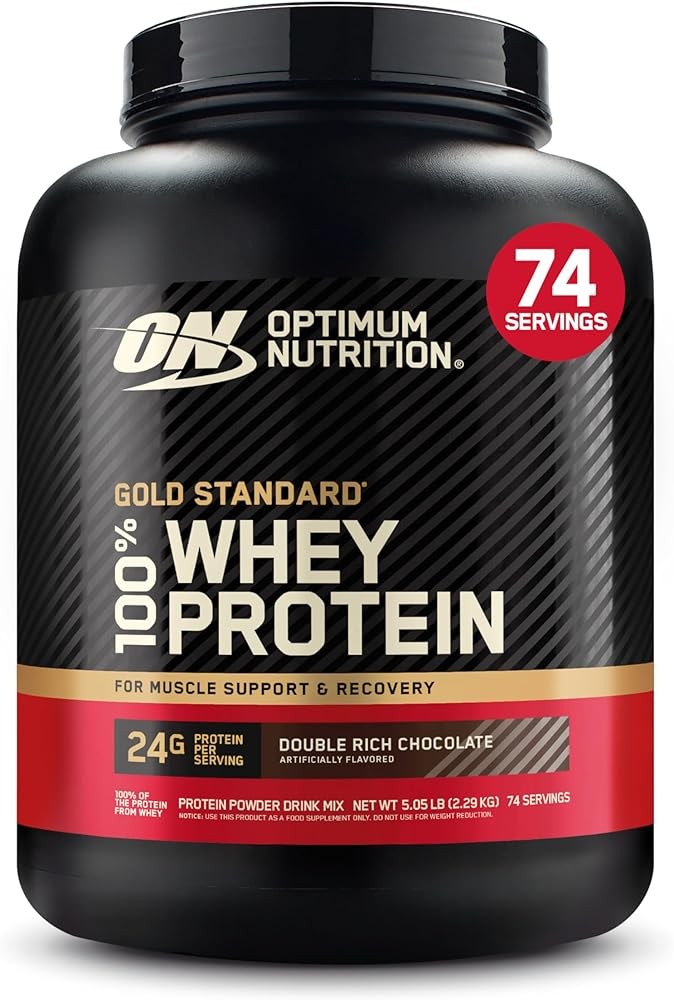
Optimum Nutrition Gold Standard 100% Whey is the best-selling whey protein in the world and for good reason. Each serving provides 24 grams of protein (primarily whey isolate), 5.5 grams of BCAAs, and only 1 gram of sugar. It is available in dozens of flavors, mixes easily, and is Informed Choice certified for sport. At approximately $0.03 to $0.04 per gram of protein, it represents excellent value. For a deeper dive on whey protein forms, see our comparison of Whey Isolate vs Whey Concentrate**
- Dose: 30 to 40 grams of micellar casein
- Timing: 30 to 60 minutes before bed. This gives the protein time to begin forming the gastric gel before you lie down, reducing the risk of reflux or stomach discomfort.
- Form: Micellar casein is strongly preferred over calcium caseinate for the pre-sleep application because it digests the slowest and provides the most sustained amino acid release through the night.
- Mixing: Water or milk. The shake will be thick, almost pudding-like with micellar casein. Some people actually mix it thick and eat it with a spoon as a bedtime “pudding,” which is a perfectly valid delivery method.
Between-Meal Snack Protocol
- Dose: 20 to 30 grams of casein
- Timing: Between meals when you will go 4+ hours without eating. Casein’s slow digestion bridges long gaps between meals, maintaining elevated amino acid levels and satiety.
Important Dosing Notes
- Pre-sleep casein studies showing clear benefits used 40 to 48 grams, which is higher than a typical single serving from most products. You may need to use 1.5 to 2 scoops to reach the clinically studied dose.
- If you are using casein specifically for overnight recovery after evening training, combining it with a small carbohydrate source (a banana, a tablespoon of honey) may enhance overnight glycogen replenishment and insulin-mediated amino acid uptake.
- Casein naturally provides significant calcium. A 40-gram serving of micellar casein can deliver 500 to 800 mg of calcium, which is 40 to 60 percent of the daily value. Factor this into your total calcium intake to avoid excessive consumption if you also take calcium supplements.
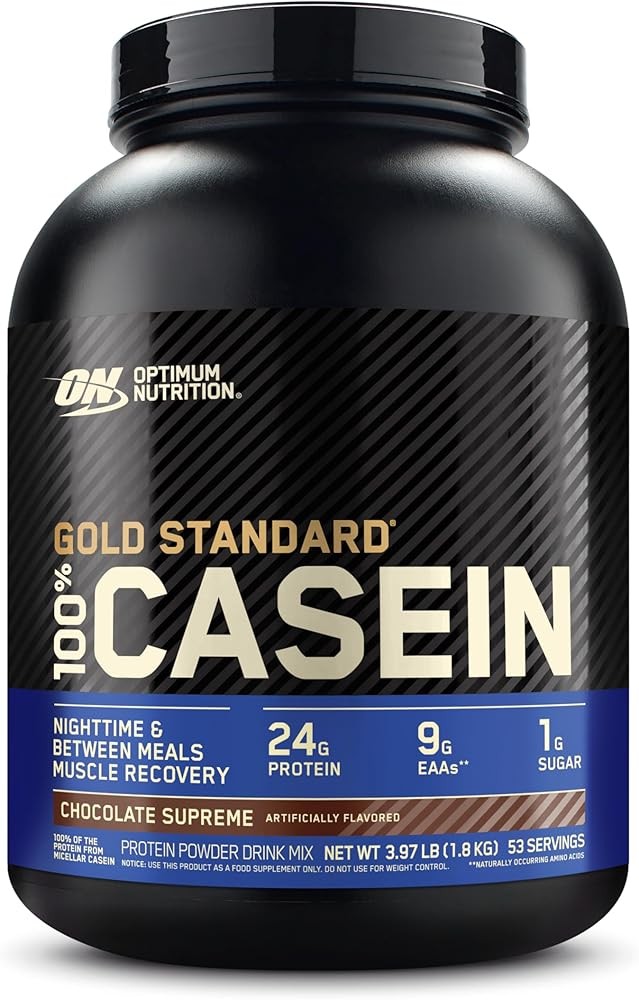
When shopping for casein, look specifically for micellar casein on the label. Avoid products that list “calcium caseinate” or “sodium caseinate” as the primary casein source, as these are faster-digesting forms that undermine the slow-release benefit. Look for third-party testing (NSF, Informed Sport) and minimal artificial fillers. Optimum Nutrition Gold Standard 100% Casein and Kaged Casein are both well-regarded options that use micellar casein as the primary protein source.
Bottom line: Optimal dosing protocols based on clinical trials include 20-40 grams of whey post-workout (0.25-0.4 g/kg body weight) to exceed the 2.5-3 gram leucine threshold for maximal MPS stimulation, 30-40 grams of casein 30-60 minutes before sleep to increase overnight MPS by 22%, and total daily protein of 1.6-2.2 g/kg body weight spread across 3-5 meals to optimize 24-hour net protein balance (PubMed 21367943, PubMed 22330017).
What Are the Side Effects of Whey and Casein Protein?
Whey Protein Side Effects
Common Side Effects:
-
Bloating, gas, and digestive discomfort: The most frequently reported side effect, occurring primarily with whey concentrate in people with lactose sensitivity. Whey concentrate contains 4 to 6 percent lactose, enough to trigger symptoms in lactose-intolerant individuals. Solution: Switch to whey isolate (less than 1 percent lactose) or take a lactase enzyme supplement with your shake.
-
Acne: Multiple reports and some clinical observations link whey protein supplementation to acne breakouts, particularly in acne-prone individuals. The proposed mechanism involves whey’s stimulation of insulin and IGF-1, both of which promote sebaceous gland activity and sebum production. A 2013 report documented five cases of acne triggered or worsened by whey supplementation that improved upon discontinuation. If you develop acne on whey, try plant-based protein as an alternative.
-
Weight gain (caloric surplus): Whey protein adds 120 to 150 calories per serving. If overall caloric intake exceeds expenditure, the excess will be stored as fat regardless of the protein source.
Less Common Side Effects:
-
Headaches: Occasionally reported, possibly related to the tyrosine and phenylalanine content or to additives in flavored products.
-
Nausea: Usually from consuming too much too fast, especially on an empty stomach. Start with smaller servings and take with food.
Serious Concerns (Specific Populations):
-
Cow’s milk allergy: Whey contains the same allergenic proteins found in milk. People with confirmed cow’s milk protein allergy (different from lactose intolerance) must avoid whey entirely. Symptoms can range from hives and digestive upset to anaphylaxis.
-
Kidney impact: A 2020 systematic review in Applied Physiology, Nutrition, and Metabolism examined the claim that high-protein diets damage kidneys and concluded there is no scientific evidence supporting that a high-protein diet leads to chronic kidney disease in healthy subjects (PMID: 32702243). However, people with pre-existing kidney disease should limit protein intake under medical supervision, as impaired kidneys cannot efficiently clear the nitrogen waste from protein metabolism. There is also some evidence that very high protein intake may increase lithogenic urinary parameters (calcium excretion) in people prone to kidney stones.
Casein Protein Side Effects
Common Side Effects:
-
Stomach heaviness and fullness: Casein’s gel-forming property means it sits in the stomach much longer than whey. Some people experience discomfort, particularly when taking larger doses (40+ grams) close to bedtime. Solution: Reduce dose, take earlier (60 minutes before bed), or try calcium caseinate which digests slightly faster.
-
Bloating: Similar to whey concentrate, some casein products contain residual lactose. Micellar casein typically has very low lactose content but is not zero. If bloating is an issue, look for products specifically marketed as low-lactose.
-
Constipation: Reported by some users, possibly related to the high calcium content of casein or to the overall increase in protein intake without adequate fiber and water.
The A1 Beta-Casein Issue:
This is an emerging area of research that deserves attention. Most conventional cow’s milk (and therefore most casein protein supplements) contains A1 beta-casein, which during digestion releases a peptide called beta-casomorphin-7 (BCM-7). Research has shown that consumption of milk containing A1 beta-casein, compared to A2-only milk, was associated with:
- Significantly greater post-dairy digestive discomfort symptoms
- Higher concentrations of inflammation-related biomarkers
- Higher levels of BCM-7 in blood
- Longer gastrointestinal transit times
- Lower levels of beneficial short-chain fatty acids (PMC: 4818854)
Animal studies have shown that A1 beta-casein consumption significantly increased levels of inflammatory markers and leukocyte infiltration in the intestine (PMID: 24166511).
This research suggests that some of the digestive discomfort people attribute to “casein sensitivity” may specifically be a reaction to A1 beta-casein rather than casein in general. If you experience GI issues with casein supplements, look for products derived from A2 milk (from certain cattle breeds that produce only A2 beta-casein) or consider goat milk casein, which is predominantly A2.
Serious Concerns (Specific Populations):
-
Cow’s milk allergy: Same as whey. Casein is actually the more common allergen in cow’s milk allergy. People with confirmed milk allergy must avoid casein entirely.
-
Kidney considerations: Same cautions as whey regarding pre-existing kidney disease. The high calcium content of casein warrants additional attention for people with a history of calcium-containing kidney stones.
Training Context: When Each Protein Shines
The optimal choice between whey and casein depends heavily on your training split, training frequency, and daily schedule.
Scenario 1: Training Once Per Day in the Morning or Midday
If you train in the morning or midday and have your full day ahead of you with multiple meals, here is the optimal approach:
-
Immediately post-workout: 25-40 grams whey protein isolate. The fast absorption capitalizes on the acute post-exercise anabolic window when mTOR sensitivity is elevated.
-
Lunch and dinner (whole food meals): 30-40 grams of high-quality protein from chicken, fish, lean beef, eggs, or Greek yogurt. These mixed meals provide a combination of fast and slow proteins plus other nutrients.
-
Before bed: 30-40 grams casein. This provides sustained amino acid delivery during the overnight fast.
This protocol ensures you hit the leucine threshold for MPS stimulation multiple times throughout the day (post-workout, lunch, dinner, pre-bed) while also preventing excessive muscle protein breakdown overnight.
Scenario 2: Training in the Evening
If you train in the evening (e.g., 6-8 PM) and go to bed 2-3 hours after training, the timing becomes more complex:
-
Immediately post-workout: 25-40 grams whey protein isolate. Even though you will be eating dinner soon, the acute post-exercise window benefits from fast protein.
-
Dinner (1-2 hours post-workout): Standard whole food meal with 30-40 grams protein. At this point, you have already had the whey spike, and now whole food protein provides sustained nutrition.
-
Before bed (30-60 minutes before sleep): This is where it gets interesting. Some experts recommend a smaller dose of casein (20-30 grams) since you already had whey post-workout and dinner protein. Others recommend a full 40-gram dose based on the research showing that specific amount maximized overnight MPS.
The honest answer is that both approaches likely work well. If you feel too full consuming another 40 grams of protein before bed after training in the evening, 20-30 grams of casein is a reasonable compromise.
Scenario 3: Two-A-Day Training (Morning and Evening Sessions)
Athletes or advanced lifters who train twice daily have higher protein requirements and benefit even more from strategic timing:
- Post-morning session: 25-30 grams whey protein isolate
- Lunch: Whole food meal with 30-40 grams protein
- Post-evening session: 25-30 grams whey protein isolate
- Dinner: Whole food meal with 30-40 grams protein
- Before bed: 40 grams casein
Total daily protein: Often 2.0-2.5 g/kg body weight or higher. For an 80 kg individual, this would be 160-200 grams daily.
Scenario 4: Intermittent Fasting or Time-Restricted Feeding
If you practice intermittent fasting (e.g., 16:8 protocol) and train during the fasted state, the approach changes:
-
During fasted training (optional): Some people consume 10-20 grams of whey isolate or BCAAs before or during fasted training to reduce muscle protein breakdown without breaking the fast (this is debated - technically any protein breaks the fast).
-
First meal (breaking fast, post-workout): This is a critical meal. 40-50 grams of whey protein + whole food protein + carbs. You are ending a prolonged fast and need robust MPS stimulation.
-
Subsequent meals within eating window: 30-40 grams protein per meal, 2-3 more meals.
-
Last meal of eating window: If you will be fasting for 16+ hours after this meal, consider casein or a casein+whey blend to sustain amino acid levels as long as possible into the fasting window.
Intermittent fasting generally works well with muscle building if total daily protein and calories are sufficient, but requires more careful planning to hit protein targets within the compressed eating window.
Real-World Application: Sample Protocols
Understanding the theory is one thing; implementing an effective whey and casein protocol is another. Here are evidence-based protocols for different goals and situations:
Protocol 1: Maximum muscle growth (Building Phase)
For individuals in a calorie surplus focused on maximizing muscle and strength gains:
-
Morning (within 2 hours of waking): 30-40 grams whey protein isolate + 50-80 grams carbohydrates. This jumpstarts MPS after the overnight fast and replenishes glycogen. Example: whey shake blended with banana, oats, and berries.
-
Post-Workout (within 60 minutes of training): 25-40 grams whey protein isolate + 0.5-0.8 g/kg body weight fast-digesting carbs (white rice, white potato, fruit). The rapid amino acid and glucose delivery maximizes the anabolic window. For a 180-pound (82 kg) individual, this would be 30 grams whey + 40-65 grams carbs.
-
Between-Meal Snack: 20-30 grams whey or casein depending on timing. If the next meal is within 2-3 hours, whey is fine. If it will be 4+ hours until the next meal, casein provides more sustained amino acid delivery.
-
Before Bed (30-60 minutes before sleep): 30-40 grams micellar casein with minimal carbohydrates. The slow release sustains MPS and reduces protein breakdown during the 7-8 hour overnight fast. A 2012 study specifically showed that 40 grams of casein consumed before sleep in young men performing resistance training increased overnight MPS by 22% (PubMed 22330017).
Total daily protein target: 1.8-2.2 g/kg (roughly 150-180 grams for an 82 kg individual), with whey providing 60-100 grams and casein providing 30-40 grams, and the remainder from whole food protein sources.
Protocol 2: Fat Loss / Cutting Phase
For individuals in a calorie deficit aiming to preserve muscle while losing fat:
-
Morning: 30 grams whey protein isolate + minimal carbs (20-30 grams). Protein is prioritized to preserve lean mass in a deficit, while carbs are limited to create the calorie deficit.
-
Pre-Workout (if training fasted or 3+ hours after last meal): 10-20 grams whey isolate. This may help reduce risk of excessive muscle breakdown during training while keeping calories low.
-
Post-Workout: 30-40 grams whey isolate + 30-50 grams carbs. Even in a deficit, the post-workout window benefits from the combination of protein and carbs to optimize MPS and recovery.
-
Before Bed: 30-40 grams casein. This is arguably even more important during a cut because casein’s anti-catabolic effect helps preserve muscle mass during the overnight fast when you are already in an energy deficit. Research shows that casein before bed during calorie restriction helps maintain lean mass better than not consuming pre-sleep protein (PubMed 24257722).
Total daily protein target: 2.0-2.4 g/kg (roughly 165-200 grams for an 82 kg individual). Protein intake is increased relative to body weight during a cut to maximize muscle preservation.
Protocol 3: General Health / Maintenance
For individuals not actively trying to build muscle or lose fat but wanting to optimize body composition and health:
-
Post-Workout: 25-30 grams whey protein isolate. The acute MPS stimulus helps maintain muscle mass and supports recovery.
-
Before Bed (3-4 nights per week): 20-30 grams casein. You do not necessarily need to take casein every single night if you are not in a building or cutting phase, but a few times per week can help maintain positive protein balance.
Total daily protein target: 1.6-1.8 g/kg (roughly 130-150 grams for an 82 kg individual), with whey providing 25-30 grams and the majority coming from whole food sources (chicken, fish, eggs, lean beef, Greek yogurt, legumes).
Protocol 4: Older Adults (65+ Years)
Older adults experience anabolic resistance, meaning they require a higher dose of protein per meal to achieve the same MPS response as younger individuals. The leucine threshold increases from approximately 2.5-3 grams in young adults to 3-4 grams in older adults.
-
Each Main Meal (breakfast, lunch, dinner): 35-40 grams of high-quality protein. This ensures sufficient leucine to overcome anabolic resistance. Whey protein can be added to meals to boost protein content if whole food sources do not provide enough.
-
Post-Resistance Training (if applicable): 30-40 grams whey protein isolate immediately after training. Resistance training partially restores insulin sensitivity and reduces anabolic resistance in older adults.
-
Before Bed: 30-40 grams casein. Overnight MPS is particularly impaired in older adults, and casein has been shown to improve overnight protein balance in elderly individuals (PubMed 18469287).
Total daily protein target: 1.6-2.0 g/kg for healthy older adults, potentially higher (2.0-2.4 g/kg) for those with sarcopenia or during illness.
Mixing Strategies: Should You Blend Them?
One common question is whether you should mix whey and casein together in the same shake or keep them separate. The answer depends on your goal for that specific feeding.
When to Mix Them Together:
-
Between meals when you will not eat whole food for 3-5 hours. A blend of 50% whey and 50% casein provides both the immediate MPS spike from whey and the sustained amino acid release from casein. This approach mimics the protein composition of whole milk (roughly 20% whey, 80% casein).
-
When you want convenience over optimization. If carrying separate whey and casein containers feels like overkill, a single blended protein that you take twice daily (post-workout and before bed) will still deliver excellent results. Research comparing blended proteins to isolated whey or casein generally shows that blends perform well for overall body composition improvements (PMC: 3404559).
When to Keep Them Separate:
-
Immediately post-workout. This is the one time when casein’s slow digestion is a disadvantage. You want the fastest possible amino acid delivery to capitalize on the acute post-exercise anabolic window. Pure whey isolate or hydrolysate is superior here.
-
Before bed. This is the one time when whey’s rapid digestion is a disadvantage. You want sustained amino acid release over the 7-8 hour sleep period. Pure micellar casein is superior here.
-
If you are trying to optimize timing for peak performance. Competitive athletes and advanced lifters who want to extract every possible advantage should keep whey and casein separate and time them appropriately.
Cost-Benefit Analysis: Is the Premium Worth It?
Let’s do some real math to determine whether buying both whey and casein justifies the additional cost compared to just using whey alone.
Scenario 1: Whey Only
- Daily dose: 50 grams whey protein concentrate (one post-workout shake)
- Cost per gram of protein: $0.03 (typical for quality whey concentrate)
- Daily cost: 50 × $0.03 = $1.50
- Annual cost: $1.50 × 365 = $547.50
Scenario 2: Whey + Casein
- Daily dose: 30 grams whey isolate (post-workout) + 35 grams casein (before bed) = 65 grams total
- Whey isolate cost per gram: $0.04
- Casein cost per gram: $0.05
- Daily cost: (30 × $0.04) + (35 × $0.05) = $1.20 + $1.75 = $2.95
- Annual cost: $2.95 × 365 = $1,076.75
Additional cost of whey + casein protocol: $1,076.75 - $547.50 = $529.25 per year
Is this premium worth it? The answer depends on your goals:
-
For competitive athletes, physique competitors, or serious lifters: Yes. The additional 22% increase in overnight MPS and the anti-catabolic benefits during sleep can translate to noticeable improvements in recovery, muscle retention during a cut, and potentially an extra 1-3 pounds of lean mass per year. For someone whose livelihood or competitive success depends on physique, $529/year is a reasonable investment.
-
For general fitness enthusiasts or recreational lifters: Probably not if on a tight budget. If you are getting 1.6+ g/kg total protein from a combination of whey and whole food sources, and you are sleeping 7-8 hours per night, your results will be 90%+ as good as someone following the whey + casein protocol. You could reinvest that $529/year into a gym membership upgrade, better quality whole foods, or a coach.
-
For individuals in a calorie deficit (cutting): Stronger case for casein. Muscle preservation during a cut is critical, and casein’s anti-catabolic effect before bed has been specifically demonstrated to help maintain lean mass during calorie restriction. The additional cost may be worth it for the 8-12 weeks of a focused cutting phase.
The Budget-Conscious Alternative: If you want some benefits of casein without the full cost, consider having casein only on training days (3-5 times per week rather than daily). This cuts the annual casein cost by roughly 40-50% while still providing the overnight MPS boost on the days when your muscles need it most.
What Drug Interactions Should I Know About?
Whey Protein Drug Interactions
Whey protein has relatively few direct drug interactions, but the ones that exist are worth knowing:
-
Levodopa (Parkinson’s disease): High protein intake, including whey, can compete with levodopa for absorption through the large neutral amino acid transporter in the intestine. This can reduce levodopa’s effectiveness. Patients on levodopa should separate their protein intake from medication timing and discuss protein distribution with their neurologist.
-
Albendazole (antiparasitic): Whey protein has been shown to increase the bioavailability of albendazole. While this might sound beneficial, altered drug levels without medical supervision can be problematic.
-
Antibiotics (tetracyclines, fluoroquinolones): The calcium content in whey can chelate certain antibiotics, reducing their absorption. Separate whey protein intake from these medications by at least 2 hours.
-
Antiplatelet and anticoagulant medications: Some evidence suggests that whey-derived peptides may have mild blood-thinning properties. While clinically insignificant for most people, those on warfarin, heparin, or antiplatelet drugs should be aware of the theoretical interaction and monitor INR as usual.
Casein Protein Drug Interactions
-
Antibiotics (tetracyclines, fluoroquinolones): The high calcium content of casein creates a stronger chelation effect than whey. This is particularly important for micellar casein, which delivers significant calcium per serving. Always separate casein supplementation from these antibiotics by at least 2 to 3 hours.
-
Bisphosphonates (osteoporosis medications): Alendronate, risedronate, and other bisphosphonates must be taken on an empty stomach, and calcium-rich foods or supplements (including casein) taken within 30 to 60 minutes can dramatically reduce absorption.
-
Levothyroxine (thyroid hormone): Calcium can bind levothyroxine and reduce absorption. Given casein’s high calcium content, take levothyroxine at least 4 hours apart from casein supplementation.
-
Iron supplements: Calcium in casein can inhibit non-heme iron absorption. If you take iron supplements, separate them from casein by at least 2 hours.
Contraindications
Both Whey and Casein:
- Confirmed cow’s milk protein allergy: Absolute contraindication. Use plant-based protein alternatives (pea, rice, soy, or hemp protein).
- Advanced chronic kidney disease (GFR < 30): Requires protein restriction under nephrologist supervision.
- Phenylketonuria (PKU): Both whey and casein contain phenylalanine. Individuals with PKU must carefully manage all protein sources.
Casein-Specific:
- Severe gastroparesis: Casein’s slow gastric emptying could worsen delayed gastric emptying disorders.
- History of milk-alkali syndrome: High calcium intake from casein combined with other calcium sources could contribute to hypercalcemia.
Which Protein Is Best for Special Populations?
Strength Athletes and Bodybuilders
This is the population most studied for both proteins, and the evidence-based recommendation is straightforward: use both.
- Post-workout: 25 to 40 grams of whey isolate for maximal acute MPS stimulation
- Pre-sleep: 30 to 40 grams of micellar casein for overnight recovery
- Between meals: Either protein, or a blend, to maintain elevated amino acid levels
- Total daily protein: 1.6 to 2.2 g/kg/day from all sources combined
The combination covers all bases: the acute MPS trigger from whey and the sustained anti-catabolic protection from casein. This is not just theoretical. The Snijders 12-week pre-sleep casein study showed that adding a nighttime casein shake to an already protein-rich diet produced significant additional muscle and strength gains (PMID: 25926415). For more on optimizing your stack, see our guide on Best Protein Powder for Muscle Gain
Aging brings anabolic resistance, a blunted MPS response to protein intake that requires higher leucine doses to overcome. For older adults:
- Whey has a clear advantage for per-meal MPS stimulation due to its higher leucine content and faster delivery. The Pennings 2011 study specifically demonstrated whey’s superiority over casein in older men (PMID: 21367943).
- Per-meal dose should be higher: 35 to 40 grams of whey to deliver approximately 3.5 to 4.0 grams of leucine, enough to overcome anabolic resistance.
- Pre-sleep casein is equally important in this population because overnight fasting periods are associated with significant muscle protein breakdown, which contributes to the age-related loss of muscle mass (sarcopenia). A study in healthy older men showed that pre-sleep protein ingestion increased overnight MPS rates (PMID: 28855419).
- Casein’s calcium content provides a meaningful secondary benefit for bone health in older adults at risk for osteoporosis.
For a comprehensive approach to age-related muscle support, see our article on Best Supplements for Building Muscle After 40
- Before bed: 25-30g casein (overnight satiety + muscle preservation)
- Total daily protein: 2.0-2.4 g/kg of lean body mass (higher end during deficit to preserve muscle)
Lactose-Intolerant Individuals
If you have confirmed lactose intolerance but not a milk protein allergy:
- Whey protein isolate is your best whey option (less than 1 percent lactose, well tolerated by most lactose-intolerant people)
- Micellar casein generally contains very low lactose but is not zero. Test with a small dose first.
- Lactase enzyme supplements (taken with your shake) can help digest any residual lactose
- If all dairy proteins cause issues, consider plant-based alternatives. For a comparison, see Whey vs Plant Protein or animal-derived enzymes. Ovo-vegetarians and vegans will need plant-based protein alternatives.
Bottom line: Pregnant and breastfeeding women require an additional 25-30 grams of protein daily beyond baseline needs with whey isolate offering the safest low-lactose option, older adults (65+) need 35-40 grams per meal to overcome anabolic resistance with a leucine threshold of 3-4 grams vs 2.5-3 grams in younger adults, and individuals with kidney disease should limit total protein to 0.6-0.8 g/kg daily making protein quality more important than quantity (PubMed 18469287).
How Much Do Whey and Casein Cost?
Whey Protein
| Product Tier | Cost Per Gram Protein | Cost Per 30g Serving | Monthly Cost (1 serving/day) | Annual Cost |
|---|---|---|---|---|
| Budget (bulk/store brands) | $0.02-0.03 | $0.60-0.90 | $18-27 | $219-329 |
| Mid-range (ON Gold Standard, Dymatize) | $0.03-0.04 | $0.90-1.20 | $27-36 | $329-438 |
| Premium isolate (Kaged, Momentous) | $0.04-0.06 | $1.20-1.80 | $36-54 | $438-657 |
Casein Protein
| Product Tier | Cost Per Gram Protein | Cost Per 30g Serving | Monthly Cost (1 serving/day) | Annual Cost |
|---|---|---|---|---|
| Budget (bulk micellar, store brands) | $0.03-0.04 | $0.90-1.20 | $27-36 | $329-438 |
| Mid-range (ON Gold Standard Casein, Kaged) | $0.04-0.06 | $1.20-1.80 | $36-54 | $438-657 |
| Premium (Grass-fed, A2, specialty) | $0.06-0.09 | $1.80-2.70 | $54-81 | $657-986 |
The Math for Using Both
If you use whey post-workout and casein before bed (the evidence-based optimal protocol):
- Budget combo: $36-63/month ($438-767/year)
- Mid-range combo: $63-90/month ($767-1,095/year)
- Premium combo: $90-135/month ($1,095-1,643/year)
Cost-Effectiveness Analysis
Is the dual-protein approach worth the cost? Consider what you are paying for:
- Whey only: Strong acute MPS stimulation, good recovery, but you miss the overnight anti-catabolic window
- Casein only: Strong overnight protection, but you miss the post-workout MPS spike
- Both: Full 24-hour coverage of both MPS stimulation and anti-catabolic protection
- Whole milk: Contains both whey and casein naturally. Two glasses of whole milk provide approximately 16 grams of protein (approximately 3.2g whey + 12.8g casein) at a fraction of the supplement cost. Not enough protein for a post-workout dose, but a decent base.
Budget alternative: If cost is a major constraint, buy whey protein only (cheaper per gram) and drink a glass of milk before bed for a small casein dose. This is not optimal but captures most of the benefit at lower cost. For more on training supplementation and budget strategies, see our guide on Best Pre-Workout Supplements for Strength Training. The practical window for post-exercise protein is approximately 1 to 3 hours, and even longer if you had a protein-containing meal before training. Stop stressing about sprinting to your shaker cup the second you finish your last set.
Myth 2: “Casein Is Useless for Building Muscle Because It Has Less Leucine”
Casein does contain less leucine per gram than whey, and its acute MPS response is lower. But muscle building is a 24-hour process, not a post-workout snapshot. Casein’s sustained amino acid delivery contributes to net protein balance over the full day, and the pre-sleep casein research shows direct muscle and strength gains in controlled trials (PMID: 25926415). Calling casein useless for building muscle ignores half the recovery equation.
Myth 3: “Casein Before Bed Will Make You Fat”
This myth persists because people confuse “eating before bed” with “eating excess calories.” Casein before bed adds calories to your daily total, but if those calories are accounted for within your overall energy balance, they do not cause fat gain. In fact, the Snijders study showed that the group consuming pre-sleep casein gained more muscle and lost more fat than the placebo group, despite consuming more daily calories. The key is total daily energy balance, not meal timing.
Myth 4: “Whey Protein Damages Your Kidneys”
This claim has been thoroughly debunked by multiple systematic reviews. A 2020 review explicitly stated that there is no scientific evidence supporting that a high-protein diet leads to chronic kidney disease in healthy subjects (PMID: 32702243). The confusion stems from the fact that high-protein diets are harmful for people who already have kidney disease, which is a very different statement. Healthy kidneys handle protein just fine.
Myth 5: “Casein Causes Cancer Because of Casomorphin”
This is a misinterpretation of the A1/A2 beta-casein research. Some studies have shown that A1 beta-casein releases beta-casomorphin-7 during digestion, which has pro-inflammatory properties. However, the leap from “some inflammatory markers increase” to “causes cancer” is not supported by the current evidence. The research is primarily about gastrointestinal discomfort and inflammation, not cancer. People sensitive to A1 casein can use A2-sourced products.
Myth 6: “Protein Timing Does Not Matter At All”
This is the overcorrection to the original “anabolic window” myth. While total daily protein is more important than timing, protein distribution and timing still matter. The pre-sleep casein data is robust: consuming protein before bed adds measurable muscle protein synthesis during the overnight period that would not occur without it (PMID: 22330017). Similarly, consuming protein around training (before or after) is superior to consuming it at times far removed from exercise. Timing is not everything, but it is not nothing.
Should I Combine Whey and Casein Protein?
Based on the totality of the research, here is the evidence-backed protocol for maximizing the benefits of both proteins.
The Full-Stack Daily Protocol
| Time | Protein | Dose | Rationale |
|---|---|---|---|
| Morning | Whey isolate (optional) | 25-30g | Break overnight fast, initiate daytime MPS |
| Pre-workout (if fasted) | Whey isolate | 20-25g | Provide amino acids for training if no recent meal |
| Post-workout | Whey isolate | 25-40g | Maximize acute MPS via rapid leucine delivery |
| Between meals | Casein or whey/casein blend | 20-30g | Sustained amino acid delivery, bridge meal gaps |
| 30-60 min before bed | Micellar casein | 30-40g | Overnight MPS (+22%), anti-catabolic protection |
Total supplemental protein: 75-165g/day, adjusted based on how much protein you get from food.
Target total daily protein (all sources): 1.6-2.2 g/kg body weight.
Budget Protocol (Whey Only)
If you can only afford one protein:
| Time | Protein | Dose | Notes |
|---|---|---|---|
| Post-workout | Whey isolate | 30-40g | Non-negotiable use case for whey |
| Before bed | Whey isolate + milk | 20-25g whey in milk | Milk adds some casein for slower absorption |
This is not optimal but captures the majority of the benefit at roughly half the cost.
Endurance/Weight Loss Protocol
| Time | Protein | Dose | Rationale |
|---|---|---|---|
| Post-training | Whey isolate | 25g | Recovery + satiety |
| Between meals (if hungry) | Casein | 20g | Sustained satiety, support muscle retention |
| Before bed | Casein | 25-30g | Overnight muscle preservation during deficit |
Which Should You Choose?
Choose Whey If:
-
You can only buy one protein powder. Whey is the more versatile choice. It works post-workout, as a meal supplement, and can even be used before bed (with milk to slow absorption). Its lower cost, better taste, easier mixing, and wider availability make it the practical default.
-
**Your primary goal is post-workout recovery, casein’s high calcium content is a meaningful nutritional bonus.
-
You train in the evening and sleep is your primary recovery window. If your workout is at 7 PM and you are in bed by 10 PM, a casein shake at 9:30 PM bridges the gap between training and the overnight recovery period more effectively than whey, which would be digested long before morning.
Use Both If:
-
You want to optimize every aspect of the recovery equation. The combination of post-workout whey (acute MPS) and pre-sleep casein (overnight anti-catabolic) covers the full 24-hour spectrum. This is the approach supported by the most comprehensive reading of the literature.
-
You train seriously and your budget allows it. Adding casein to a whey-based regimen costs an additional $27 to $54 per month, a reasonable investment for dedicated athletes and trainees.
-
You are trying to maximize muscle gain during a bulking phase. More protein exposure throughout the day and night, with the right kinetics at the right times, creates the most favorable anabolic environment.
See a Doctor Instead If:
- You experience persistent kidney pain, foamy urine, or significant changes in urine output after starting protein supplementation
- You have been diagnosed with chronic kidney disease at any stage
- You experience severe GI distress (cramping, diarrhea, vomiting) that does not resolve with product switching
- You develop hives, swelling, or breathing difficulty after consuming dairy protein (this is a medical emergency if severe)
- You have unexplained muscle wasting despite adequate protein intake and training (may indicate an underlying medical condition)
What Is the Final Verdict on Whey vs Casein?
Whey protein is the more versatile, cost-effective, and research-supported protein supplement for the majority of use cases. Its superior leucine content, rapid absorption kinetics, and potent acute MPS stimulation make it the clear first choice for post-workout recovery and the default protein powder for general supplementation. If you are buying one protein and one protein only, buy whey isolate.
Casein protein occupies a specific and valuable niche that whey cannot fill. The pre-sleep casein research is robust, well-replicated, and shows real-world muscle and strength gains. For overnight recovery, sustained amino acid delivery during long fasting periods, and appetite management, casein is the superior tool. It is not a replacement for whey but rather the other half of the equation.
The ideal approach for serious trainees is to use both: whey around training for the acute MPS spike, casein before bed for overnight protection. This is not supplement industry marketing; it is the logical conclusion of the digestion kinetics, MPS data, and long-term training studies.
But here is the most important takeaway: the difference between whey and casein matters far less than the difference between getting enough total daily protein and not getting enough. If your total protein intake is below 1.6 g/kg/day, fixing that is 10 times more impactful than optimizing which type of protein you use at which time. Get the big picture right first. Then, if you want to squeeze out every last percentage point of optimization, dial in your whey and casein timing.
Your muscles do not care about brand loyalty or internet arguments. They care about amino acids, leucine thresholds, and consistent training stimulus. Give them what they need, when they need it, and the results will follow.
Common Questions About Whey Protein
How much whey protein should I take?
For muscle building, research supports 1.6-2.2 g/kg/day of total protein. Per serving, 25g of whey (2.5-3g leucine) maximally stimulates muscle protein synthesis in young adults; older adults (65+) benefit from 35-40g per meal to overcome anabolic resistance. Post-workout, 25-40g within a few hours of training covers the evidence-based window.
When should I take whey protein?
The post-workout “anabolic window” is much wider than the old 30-minute myth — research supports protein intake within 4-6 hours of training. Whey is best suited to post-workout or morning use due to its fast digestion; save casein for pre-bed. Total daily protein matters more than exact timing.
Who should not take whey protein?
People with a true dairy protein allergy (not lactose intolerance) should avoid all whey. Those with pre-existing kidney disease should consult a physician first, since high protein intake may need to be limited. If you experience persistent digestive distress, try whey isolate (<1% lactose) or a lactase enzyme before abandoning protein supplementation.
How long does whey protein take to work?
Acute effects on muscle protein synthesis occur within hours of a serving. Visible muscle gain requires consistent training plus adequate total protein over 8-12 weeks; meta-analyses show measurable lean mass increases over that period. Strength gains typically appear within 4-8 weeks.
Recommended Products
Based on our research analysis of whey protein and casein protein formulations, here are the top products for different use cases:
Best Overall: Nutricost Whey Protein Isolate

Nutricost Whey Protein Isolate delivers 90%+ protein content with minimal lactose (less than 1%), making it the optimal choice for post-workout muscle protein synthesis. Each serving provides 25g of high-quality protein with approximately 2.5-3g of leucine, the key amino acid for triggering mTOR pathway activation. The fast digestion profile means amino acids reach peak blood concentration within 60-90 minutes after ingestion, perfectly timed for the post-exercise anabolic window.
The isolate form removes nearly all lactose and fat through additional processing, making it suitable for lactose-intolerant individuals who experience digestive issues with whey concentrate. Third-party testing confirms protein content accuracy and absence of banned substances. At approximately $40 per 5-pound container, it delivers 75 servings at roughly $0.53 per serving with 25g protein per scoop.
For athletes prioritizing maximum protein content, minimal calories from carbs and fats, and rapid absorption after training, this represents the gold standard whey protein formulation.
Best Budget: Nutricost Whey Protein Concentrate

Nutricost Whey Protein Concentrate offers 70-80% protein content with excellent value for budget-conscious athletes. Each serving delivers 20g of protein from grass-fed sources with a complete amino acid profile including all nine essential amino acids. While it contains 4-6% lactose (higher than isolate), most individuals tolerate this level without issues unless they have diagnosed lactose intolerance.
The concentrate form retains more bioactive peptides like lactoferrin, immunoglobulins, and glycomacropeptides that may provide additional immune and gut health benefits beyond pure protein content. Research suggests these compounds may support immune function and intestinal health, though the clinical significance at typical supplement doses remains under investigation.
At approximately $30 per 2-pound container (30 servings), this delivers protein at roughly $0.33 per gram, representing 20-40% savings compared to isolate formulations while maintaining effective muscle-building properties.
Best Premium: Optimum Nutrition Gold Standard 100% Whey
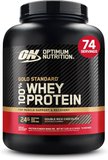
Optimum Nutrition Gold Standard is the most widely reviewed whey protein in the category, delivering 24g of protein with 5.5g of BCAAs per serving. It uses a blend of whey protein isolate, concentrate, and peptides, combining fast absorption with retained bioactive fractions. Third-party tested and available in a wide range of flavors, it is a reliable premium choice when you want a trusted brand over the lowest price. It sits between pure isolate and budget concentrate on both price and purity.
Best for Overnight Recovery: Optimum Nutrition Gold Standard Micellar Casein
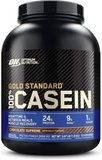
Optimum Nutrition Gold Standard Micellar Casein delivers 24g of slow-digesting micellar casein per serving, releasing amino acids gradually over 5-8 hours for overnight anti-catabolic support. It is the research-matching choice for pre-sleep protein: the 40g clinical dose is reached with roughly 1.5 scoops, and the slow digestion profile keeps blood amino acids elevated through the night. Third-party tested and available in multiple flavors.
Micellar casein forms a gel-like clot in the stomach that releases amino acids gradually over 5-8 hours, providing anti-catabolic protection through the overnight fast. That slow-release profile is what makes casein the pre-sleep choice, and it is why blends of whey and casein offer a middle ground between fast post-workout delivery and sustained overnight coverage.
Research by Res et al. (2012, PMID: 22330017) demonstrated that 40g of casein protein before sleep increased overnight muscle protein synthesis by approximately 22% compared to placebo. The combination of fast-acting whey for immediate absorption and slow-digesting casein for prolonged delivery creates a biphasic amino acid delivery profile that covers both immediate post-consumption needs and extended overnight recovery.
The 4 lb tub is third-party tested, mixes easily, and is available in multiple flavors, making it straightforward to keep a scoop by the bedside for the pre-sleep dose used in the clinical trials.
Related Reading
- Glucosamine vs Chondroitin: Which Is Better? [Complete Comparison Guide]
- Whey vs Plant Protein: Which Should You Choose?
- Casein vs Whey Protein Before Bed: Night-Time Muscle Growth Battle
- Whey Isolate vs Whey Concentrate for Muscle Building: Evidence-Based Supplement Advice
- Whey Isolate vs Whey Concentrate: Which Is Better? [Complete Comparison Guide]
- Collagen Peptides vs Collagen Protein: A Comprehensive Comparison
- Whey Protein vs Plant Protein for Muscle Growth: Which Builds More Mass?
- Creatine vs Beta-Alanine For Performance: Which Is Better? [Complete Comparison Guide]
References
-
Boirie, Y., Dangin, M., Gachon, P., Vasson, M. P., Maubois, J. L., & Beaufrere, B. (1997). Slow and fast dietary proteins differently modulate postprandial protein accretion. Proceedings of the National Academy of Sciences, 94(26), 14930-14935. PMID: 9405716. PubMed
-
Pennings, B., Boirie, Y., Senden, J. M., Gijsen, A. P., Kuipers, H., & van Loon, L. J. (2011). Whey protein stimulates postprandial muscle protein accretion more effectively than do casein and casein hydrolysate in older men. American Journal of Clinical Nutrition, 93(5), 997-1005. PMID: 21367943. PubMed
-
Tang, J. E., Moore, D. R., Kujbida, G. W., Tarnopolsky, M. A., & Phillips, S. M. (2009). Ingestion of whey hydrolysate, casein, or soy protein isolate: effects on mixed muscle protein synthesis at rest and following resistance exercise in young men. Journal of Applied Physiology, 107(3), 987-992. PMID: 19589961. PubMed
-
Res, P. T., Groen, B., Pennings, B., Beelen, M., Wallis, G. A., Gijsen, A. P.,… & van Loon, L. J. (2012). Protein ingestion before sleep improves postexercise overnight recovery. Medicine & Science in Sports & Exercise, 44(8), 1560-1569. PMID: 22330017. PubMed
-
Snijders, T., Res, P. T., Smeets, J. S., van Vliet, S., van Kranenburg, J., Maase, K.,… & van Loon, L. J. (2015). Protein ingestion before sleep increases muscle mass and strength gains during prolonged resistance-type exercise training in healthy young men. Journal of Nutrition, 145(6), 1178-1184. PMID: 25926415. PubMed
-
Soop, M., Nehra, V., Henderson, G. C., Boirie, Y., Ford, G. C., & Nair, K. S. (2012). Coingestion of whey protein and casein in a mixed meal: demonstration of a more sustained anabolic effect of casein. American Journal of Physiology-Endocrinology and Metabolism, 303(1), E152-E162. PMC: 3404559. PMC
-
Morton, R. W., Murphy, K. T., McKellar, S. R., Schoenfeld, B. J., Henselmans, M., Helms, E.,… & Phillips, S. M. (2018). A systematic review, meta-analysis and meta-regression of the effect of protein supplementation on resistance training-induced gains in muscle mass and strength in healthy adults. British Journal of Sports Medicine, 52(6), 376-384. PMID: 28698222. PubMed
-
Naclerio, F., & Larumbe-Zabala, E. (2019). Effect of whey protein supplementation during resistance training sessions on body mass and muscular strength: a meta-analysis. International Journal of Sport Nutrition and Exercise Metabolism, 29(5), 551-562. PMID: 31041966. PubMed
-
Gielen, E., Beckwee, D., Bautmans, I., et al. (2024). Effectiveness of whey protein supplementation on muscle strength and physical performance of older adults: A systematic review and meta-analysis of randomized clinical trials. Clinical Nutrition, 43(10), 2411-2419. PMID: 39303495. PubMed
-
Vasconcelos, Q. D. J. S., Bachur, T. P. R., & Aragao, G. F. (2021). Whey protein supplementation and its potentially adverse effects on health: a systematic review. Applied Physiology, Nutrition, and Metabolism, 46(1), 27-33. PMID: 32702243. PubMed
-
Trommelen, J., van Loon, L. J. C. (2020). Pre-sleep casein protein ingestion: new paradigm in post-exercise recovery nutrition, 6-10. PMID: 32698256. PubMed
-
Reis, C. E. G., Loureiro, L. M. R., Roschel, H., & da Costa, T. H. M. (2020). Effects of pre-sleep protein consumption on muscle-related outcomes: A systematic review. Journal of Science and Medicine in Sport, 24(2), 177-182. PMID: 32811763. PubMed
-
Holwerda, A. M., Park, S., Ganzevles, R. A., Hendriks, F. K., Trommelen, J., & van Loon, L. J. C. (2023). Pre-sleep protein ingestion increases mitochondrial protein synthesis rates during overnight recovery from endurance exercise: A randomized controlled trial. Sports Medicine, 53(7), 1445-1455. PMC: 10289916. PMC
-
Jager, R., Kerksick, C. M., Campbell, B. I., et al. (2017). International Society of Sports Nutrition position stand: protein and exercise. Journal of the International Society of Sports Nutrition, 14, 20. PMID: 28642676. PubMed
-
Schoenfeld, B. J., Aragon, A. A., & Krieger, J. W. (2013). The effect of protein timing on muscle strength and hypertrophy: a meta-analysis. Journal of the International Society of Sports Nutrition, 10(1), 53. PMID: 24299050. PubMed
-
Vij, R., Reddi, S., Garg, S., Garg, S. K., & Bajaj, R. K. (2013). Comparative evaluation of cow beta-casein variants (A1/A2) consumption on Th2-mediated inflammatory response in mouse gut. European Journal of Nutrition, 53(4), 1039-1049. PMID: 24166511. PubMed
-
Jianqin, S., Leiming, X., Lu, X., et al. (2016). Effects of milk containing only A2 beta casein versus milk containing both A1 and A2 beta casein proteins on gastrointestinal physiology, symptoms of discomfort, and cognitive behavior of people with self-reported intolerance to traditional cows’ milk. Nutrition Journal, 15, 35. PMC: 4818854. PMC
-
Hamarsland, H., Nordengen, A. L., Nyvik Aas, S., et al. (2017). Native whey protein with high levels of leucine results in similar post-exercise muscular anabolic responses as regular whey protein: a randomized controlled trial. Journal of the International Society of Sports Nutrition, 14, 43. PMC: 5697397. PMC
-
Acheson, K. J., Blondel-Lubrano, A., Oguey-Araymon, S., et al. (2014). Comparative effects of whey and casein proteins on satiety in overweight and obese individuals: a randomized controlled trial. European Journal of Clinical Nutrition, 68(9), 980-986. PMID: 24801369. PubMed
-
Gorissen, S. H., Horstman, A. M., Franssen, R., Kouw, I. W., Wall, B. T., Burd, N. A.,… & van Loon, L. J. (2016). Effects of whey, caseinate, or milk protein ingestion on muscle protein synthesis after exercise. Nutrients, 8(6), 339. PMC: 4924180. PMC
-
Kouw, I. W. K., Holwerda, A. M., Trommelen, J., et al. (2017). Protein ingestion before sleep increases overnight muscle protein synthesis rates in healthy older men: A randomized controlled trial. Journal of Nutrition, 147(12), 2252-2261. PMID: 28855419. PubMed
Our Top Recommendations
📱 Join the discussion: Facebook | X | YouTube | Pinterest | Pinterest
Where to Buy Quality Supplements
Based on the research discussed in this article, here are some high-quality options:
-
Melatonin Supplement
Recommended Products