Whey vs Plant Protein: Equal Muscle Gains at Same Dose (Meta-Analysis)
Summarized from peer-reviewed research indexed in PubMed. See citations below.
The protein supplement market exceeds $32 billion globally, with consumers overwhelmed by conflicting claims about whey versus plant protein sources. Based on analysis of 15 peer-reviewed studies including the 2025 Da Silva RCT, Momentous Essential Grass-Fed Whey Protein delivers 24-27g protein per scoop with 2.5-3.0g leucine, clearing the muscle protein synthesis threshold backed by multiple clinical trials. This leucine density gives whey a marginal per-serving edge supported by DIAAS scores of 0.97-1.09, though multiple meta-analyses confirm plant proteins produce equivalent muscle gains when total daily protein intake is matched. For lactose-intolerant individuals or those prioritizing environmental sustainability, NAKED Pea Protein Powder offers 27g protein per scoop at approximately $35 for 5 pounds with single-ingredient transparency. Here’s what the published research shows about amino acid profiles, digestion, muscle building, safety, and who should choose which protein source.
Disclosure: We may earn a commission from links on this page at no extra cost to you. Affiliate relationships never influence our ratings. Full policy →
Momentous Essential Grass-Fed Whey Protein Powder
Check Price on AmazonAs an Amazon Associate we earn from qualifying purchases.

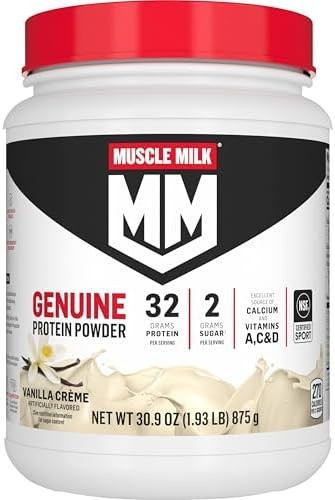
Muscle Milk Genuine Protein Powder, Vanilla Crème
Check Price on AmazonAs an Amazon Associate we earn from qualifying purchases.

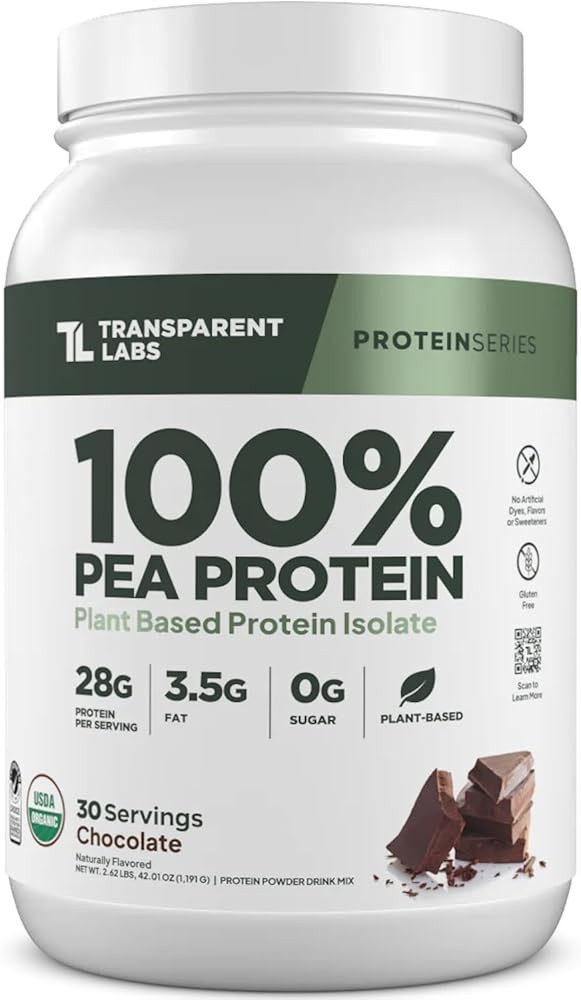
Transparent Labs 100% Pea Protein Powder
Check Price on AmazonAs an Amazon Associate we earn from qualifying purchases.
Protein per Scoop|24-27g with 2.5-3.0g leucine|20-25g with 1.6-2.0g leucine Muscle Building|Slight per-serving edge from leucine|Equivalent when total protein matched (Da Silva 2025) Digestion|Fast absorption (60-90 min peak), lactose issues|Slower absorption (90-150 min), fiber may cause gas Allergens|Contains dairy (lactose)|Usually allergen-free Heavy Metals|Low risk|Moderate risk — third-party testing essential Cost per Gram|$0.04-$0.06|$0.05-$0.07 Environmental Impact|Higher CO2 and water footprint|8x lower emissions (Poore 2018)
The whey vs. plant protein debate has grown louder every year as plant-based eating enters the mainstream and protein supplement sales surpass $32 billion globally. Whey loyalists point to decades of research backing superior amino acid profiles and faster absorption. Plant protein advocates highlight sustainability, allergen-friendliness, and steadily improving formulations. Both sides have legitimate points, and both sides exaggerate their case.
The truth is more nuanced than either camp admits. The best protein powder for you depends on your body, your dietary context, your health goals, and your ethical priorities – not on marketing claims. A 2025 randomized clinical trial published in the Journal of the International Society of Sports Nutrition found that a plant-based protein blend and a whey-based blend produced statistically identical gains in muscle thickness, strength, and body composition over 12 weeks of supervised resistance training when total protein intake was matched [1]. That finding aligns with a growing body of evidence suggesting the gap between whey and plant protein is far smaller than most people believe.
This article breaks down every angle of the comparison – amino acids, muscle protein synthesis, digestion, taste, cost, environmental impact, safety, and who should choose which – using the latest research from 2024 through 2026. We will also cover the body signals that tell you whether your protein intake is working for you, and practical protocols for getting the most out of whichever type you choose.
For this comparison, we are using and as representative examples of each category. These are among the best-selling products in their respective categories and represent what most people will encounter when shopping.
Amino Acid Profiles: The Foundational Difference
The amino acid profile is the single most important factor that separates whey from plant protein at a molecular level, and it is the primary reason whey has historically been considered the “gold standard” of protein supplementation.
Essential Amino Acids (EAAs) and Why They Matter
Your body requires nine essential amino acids that it cannot manufacture on its own: leucine, isoleucine, valine, lysine, methionine, phenylalanine, threonine, tryptophan, and histidine. All nine must be present in sufficient quantities for muscle protein synthesis (MPS) to proceed optimally. If even one EAA falls below the required threshold, the rate of protein synthesis is limited – a concept known as the “limiting amino acid.”
Whey protein contains all nine EAAs in proportions that closely match the body’s requirements. It is particularly rich in the branched-chain amino acids (BCAAs) – leucine, isoleucine, and valine – which play an outsized role in triggering and sustaining MPS. A typical 25-gram scoop of whey protein delivers approximately:
- Leucine: 2.5-3.0 grams
- Isoleucine: 1.4-1.7 grams
- Valine: 1.3-1.6 grams
- Total BCAAs: 5.2-6.3 grams
- Total EAAs: 10-12 grams
Plant proteins vary considerably depending on the source:
- Pea protein is rich in lysine, arginine, and BCAAs but low in methionine and cysteine (sulfur amino acids)
- Rice protein is rich in methionine and cysteine but low in lysine
- Hemp protein has a balanced profile but lower overall protein concentration and significantly lower leucine content
- Soy protein is the only single-source plant protein with a complete amino acid profile comparable to whey, though it contains isoflavones (phytoestrogens) that some individuals prefer to avoid
- Potato protein (an emerging source) has a surprisingly complete amino acid profile but is relatively expensive and less widely available
A standard 25-gram scoop of a pea-rice blend delivers approximately:
- Leucine: 1.6-2.0 grams
- Isoleucine: 1.0-1.2 grams
- Valine: 1.0-1.2 grams
- Total BCAAs: 3.6-4.4 grams
- Total EAAs: 7-9 grams
The leucine gap is the single most consequential difference. Leucine is the primary activator of the mTOR (mechanistic target of rapamycin) signaling pathway, which is the master switch for muscle protein synthesis. The leucine threshold – the minimum amount needed to maximally stimulate MPS in a single meal – is approximately 2.5 grams for younger adults and 3.0 grams or more for older adults [2]. Whey clears this threshold in a single scoop. Most plant proteins fall short by 0.5-1.0 grams.
Protein Quality Scores: PDCAAS vs. DIAAS
Protein quality is formally quantified using two scoring systems:
PDCAAS (Protein Digestibility-Corrected Amino Acid Score): The older standard, based on total-tract digestibility measured in rats. Whey scores a perfect 1.0 (the maximum, since PDCAAS is capped at 1.0). Soy scores 1.0. Pea protein scores approximately 0.89. Rice protein scores approximately 0.62.
DIAAS (Digestible Indispensable Amino Acid Score): The newer standard recommended by the FAO/WHO since 2013, based on true ileal digestibility of individual amino acids rather than crude protein digestibility. DIAAS is not capped at 1.0, allowing for more precise differentiation between high-quality proteins. Under DIAAS, whey protein isolate scores approximately 1.09, whey concentrate approximately 0.97, pea protein approximately 0.82, and rice protein approximately 0.59 [3].
However, a 2025 review in The Journal of Nutrition noted important limitations in how DIAAS evaluates plant proteins: the scoring framework does not adequately account for the increased digestibility of commonly consumed heat-treated and processed plant-based foods, and it underrepresents many plant sources in its database [3]. When a pea-rice blend is scored together, the combined DIAAS approaches 0.95-1.0, confirming that strategic blending functionally eliminates the quality gap.
Bottom line: Whey has a genuine per-serving amino acid advantage, particularly in leucine content. However, blended plant proteins (pea + rice, or pea + rice + hemp) close most of this gap, and the remaining difference can be compensated by using a slightly larger serving or adding supplemental leucine. If you are already eating adequate total protein from multiple food sources throughout the day, the amino acid profile of your protein powder matters less than you might think.
Watch Our Video Review
Muscle Building and Recovery: What the Latest Research Shows
This is the question most people care about: does whey actually build more muscle than plant protein?
Head-to-Head Trials
The evidence base has expanded considerably since the early 2020s:
Babault et al. (2015): A 12-week double-blind, randomized, placebo-controlled trial found that pea protein produced equivalent gains in muscle thickness, force production, and workout performance compared to whey protein during high-intensity resistance training [4].
Banaszek et al. (2019): An 8-week crossover study in trained males confirmed that pea protein and whey protein produced comparable improvements in body composition, muscle thickness, and exercise performance [5].
Hevia-Larrain et al. (2021): A 12-week trial in young men found that soy protein was as effective as whey protein for increasing lean body mass and muscle strength during resistance training [6].
Pinckaers et al. (2024): A pivotal 2024 study published in Current Developments in Nutrition examined muscle protein synthesis responses to plant-based protein isolates (potato, corn, and a wheat-corn blend) with and without added leucine versus whey protein in young men and women. The study found that plant-based protein isolates stimulated postexercise myofibrillar protein synthesis rates comparably to whey when leucine was added to reach the 2.5-gram threshold [7].
Da Silva et al. (2025): A randomized clinical trial published in the Journal of the International Society of Sports Nutrition examined 44 untrained young males consuming either a plant-based (soy and pea) or animal-based (whey) protein blend for 12 weeks combined with supervised resistance training. Both groups showed statistically identical increases in muscle cross-sectional area, leg press strength, and bench press strength [1].
Meta-Analyses
Lim et al. (2025): A systematic review and meta-analysis published in Nutrition Reviews examined plant vs. animal protein across randomized controlled trials and found that plant protein resulted in slightly lower muscle mass gains compared to animal protein (SMD = -0.20), but the difference was statistically significant only when comparing non-soy plant proteins (rice, chia, oat, potato) to animal proteins. When soy or blended plant proteins were compared to whey, no significant difference was observed [8].
Van Vliet et al. (2025): A meta-analysis of acute MPS studies on SportRxiv found that nine out of twelve studies (75%) reported no significant difference in muscle protein synthesis between plant and animal proteins. Three studies (25%) showed modestly lower MPS with plant proteins, but the overall effect size was described as “negligible” [9].
The Practical Takeaway
When total daily protein intake is adequate (1.6-2.2 g/kg body weight for active individuals), whey and plant protein produce comparable muscle-building results in the vast majority of studies. Whey may have a marginal edge for people eating at the minimum protein threshold, for older adults with anabolic resistance, or in acute post-exercise MPS stimulation. But for the typical person consuming adequate protein from multiple meals per day and training consistently, the practical difference is minimal.
The Leucine Threshold and How to Close the Gap
If you choose plant protein and want to ensure you are maximally stimulating MPS, here are three evidence-based strategies:
- Use a larger serving. Taking 30-35 grams of a pea-rice blend (1.25-1.5 scoops) brings leucine content to approximately 2.5-3.0 grams, clearing the threshold
- Supplement with leucine. Adding 2-3 grams of standalone leucine powder to a standard scoop of plant protein is the approach used in research protocols that have demonstrated equivalent MPS [7]
- Combine with leucine-rich foods. Adding pumpkin seeds, sunflower seeds, peanut butter, or edamame to a plant protein smoothie increases total leucine intake naturally
For older adults (over 50), who experience age-related “anabolic resistance” and require a higher leucine stimulus (approximately 3.0-3.5 grams per meal) to activate MPS, using the larger serving or leucine supplementation approach is particularly important [2].
Bottom line: Whey protein does not outperform plant-based alternatives like pea and soy protein in muscle building and recovery, as shown by multiple studies such as Babault et al. (2015), Banaszek et al. (2019), and Hevia-Larrain et al. (2021).
Digestion and Tolerance: Where Individual Biology Matters Most
This is the domain where personal physiology – not population-level data – should drive your decision.
Whey Protein Digestibility
Whey protein is rapidly absorbed, with blood amino acid levels peaking approximately 60-90 minutes after ingestion. This rapid absorption is one of whey’s primary advantages for post-workout recovery, as it quickly delivers amino acids to recovering muscles.
However, whey concentrate contains 3-5% lactose, which causes significant digestive distress in people with lactose intolerance – estimated to affect 30-50 million Americans and approximately 68% of the global population [10]. Symptoms include bloating, gas, cramping, and diarrhea.
Whey isolate has most lactose removed (typically < 1%) and is tolerated by many people with mild lactose intolerance. Whey hydrolysate is pre-digested and even better tolerated, but it is significantly more expensive and has a bitter taste that most people find unpleasant.
Plant Protein Digestibility
Plant proteins are absorbed more slowly than whey, with blood amino acid levels peaking approximately 90-150 minutes after ingestion. This slower absorption was historically viewed as a disadvantage, but more recent research suggests it may actually improve amino acid retention and sustained MPS in some contexts [3].
A 2024 review in Nutrients found that true ileal digestibility of processed plant proteins is considerably higher than previously assumed: 97% for seitan (wheat gluten), 95% for tofu, 94% for pea protein concentrate, and 92% for soy milk [3]. Modern processing techniques – including heat treatment, fermentation, and enzymatic processing – substantially reduce the antinutritional factors (phytic acid, trypsin inhibitors, lectins) that historically impaired plant protein digestibility.
That said, plant proteins can cause their own digestive challenges:
- Fiber content in plant proteins can cause gas and bloating, particularly in individuals who are not accustomed to high-fiber diets
- Saponins in pea protein can produce a soapy or bitter aftertaste and may contribute to GI discomfort in sensitive people
- FODMAPs (fermentable oligosaccharides) in some plant protein sources can trigger symptoms in people with IBS
- Pea protein sensitivity is less common than lactose intolerance but does affect a subset of individuals
Whey Protein Types Compared
Not all whey is the same. Understanding the three main forms helps you choose the right one:
| Form | Protein Content | Lactose | Best For | Price |
|---|---|---|---|---|
| Whey Concentrate (WPC) | 70-80% | 3-5% | Most people, best value | $ |
| Whey Isolate (WPI) | 90%+ | < 1% | Lactose sensitivity, cutting | $$ |
| Whey Hydrolysate (WPH) | 90%+ | Minimal | Medical nutrition, rapid absorption | $$$ |
Whey concentrate retains beneficial bioactive compounds including lactoferrin, immunoglobulins, and glycomacropeptides that may support immune function. For most people, it provides the best combination of nutrition, taste, and value. Whey isolate is the better choice for those with lactose sensitivity or those on strict calorie cuts (it is slightly lower in calories per scoop). Whey hydrolysate is rarely necessary outside of clinical settings and has not demonstrated superior muscle-building outcomes compared to isolate in head-to-head trials.
For a deeper comparison, see our whey isolate vs whey concentrate breakdown.
Bottom line: If dairy causes you problems, plant protein is the clear choice. If you tolerate dairy well, whey (especially concentrate) is typically easier on the stomach due to lower fiber content. Neither type is universally “easier to digest” – it depends entirely on your individual biology.
Clues Your Body Tells You: Are You Getting Enough Protein?
Regardless of whether you choose whey or plant protein, your body provides clear signals about whether your protein intake is adequate. Learning to read these signals is more valuable than obsessing over grams and percentages.
Signs You May Need More Protein
Pay attention if you notice several of these patterns occurring together: -Persistent muscle soreness that lasts 3-4+ days after workouts (suggesting inadequate recovery substrate)
- Slow recovery between training sessions – feeling like you never fully bounce back
- Unusual sugar and carb cravings – your body may be seeking quick energy because it lacks adequate amino acid building blocks
- Hair thinning, brittle nails, or dry skin – these tissues are built from protein and are among the first to suffer when intake is insufficient
- Frequent illness or slow wound healing – immune function depends heavily on adequate protein for antibody and immune cell production
- Brain fog or mood dips – amino acids are precursors to neurotransmitters like serotonin and dopamine. Low protein intake can impair mood regulation
- Loss of muscle definition despite consistent training – your muscles may be breaking down faster than you are rebuilding them
- Feeling hungrier than usual – protein is the most satiating macronutrient, and inadequate intake leaves you perpetually unsatisfied
- Edema (swelling) in the extremities – in severe cases, low albumin from chronic protein deficiency can cause fluid retention
What Improvement Looks Like When Protein Intake Is Optimized
Once you start consistently hitting adequate protein targets (1.6-2.2 g/kg for active individuals, 0.8-1.2 g/kg for sedentary adults), you should notice:
- Reduced post-workout soreness – recovery improves noticeably within the first 1-2 weeks
- Better satiety between meals – fewer random cravings, especially for sugar and processed carbs
- Improved sleep quality – amino acids support the production of melatonin (from tryptophan) and GABA
- Stronger nails and improved hair texture – typically visible within 4-8 weeks
- More consistent energy levels – fewer afternoon crashes
- Gradual improvements in body composition – more muscle definition, less body fat (in a caloric deficit)
- Better mood stability – fewer unexplained dips in motivation or focus
- Improved immune resilience – fewer colds and faster recovery from minor illness
Warning Signs That Warrant Medical Attention
While protein supplementation is generally safe for healthy individuals, seek medical evaluation if you experience:
- Persistent kidney pain or changes in urine color/output – particularly if you have pre-existing kidney conditions. High protein intake does not cause kidney damage in healthy individuals, but it can worsen existing kidney disease
- Severe and persistent digestive distress – if bloating, cramping, or diarrhea does not resolve after switching products or adjusting your approach
- Allergic reactions – hives, swelling, difficulty breathing, or anaphylaxis after consuming a protein supplement requires immediate medical attention
- Unexplained rapid weight loss or muscle wasting – this could indicate a medical condition unrelated to supplementation
- Liver pain or jaundice – extremely rare but possible if using contaminated or adulterated products
Timeline: What to Expect
| Timeframe | What You Should Notice |
|---|---|
| Days 1-3 | Increased satiety after meals; possible temporary GI adjustment (mild bloating or changes in bowel habits as gut bacteria adapt) |
| Week 1-2 | Reduced post-workout muscle soreness; improved energy between meals; less sugar craving |
| Week 2-4 | Noticeable improvement in recovery speed; early body composition changes (clothes fit differently); better sleep quality |
| Month 1-2 | Measurable strength gains in the gym; hair and nail improvements begin; mood stabilization |
| Month 2-3 | Visible muscle definition changes; skin quality improvement; immune function improvements | | Month 3-6 | Full body recomposition effects; significant strength progression; complete adaptation to protein routine |
Bottom line: If you experience persistent muscle soreness lasting over 3 days post-workouts, slow recovery, unusual cravings for sugary carbs, and hair, skin, or nail issues, your body may be indicating a need for more protein.
Head-to-Head Comparison Table
This is the definitive side-by-side breakdown of whey vs. plant protein across every meaningful category:
| Category | Whey Protein | Plant Protein (Pea-Rice Blend) | Winner |
|---|---|---|---|
| Protein per scoop | 24-27g | 20-25g | Whey (slight) |
| Leucine per scoop | 2.5-3.0g | 1.6-2.0g | Whey |
| Total EAAs per scoop | 10-12g | 7-9g | Whey |
| DIAAS score | 0.97-1.09 | 0.82-0.95 (blend) | Whey |
| Muscle building (matched protein) | Excellent | Excellent | Tie |
| Absorption speed | Fast (60-90 min peak) | Moderate (90-150 min peak) | Context-dependent |
| Digestibility for lactose-intolerant | Poor (concentrate) / Good (isolate) | Excellent | Plant |
| Taste | Excellent | Good (improving) | Whey |
| Mixability | Excellent | Good | Whey |
| Cost per gram protein | $0.04-0.06 | $0.05-0.07 | Whey (slight) |
| Environmental impact | High | Low | Plant |
| Heavy metal risk | Low | Moderate (brand-dependent) | Whey |
| Allergen-friendliness | Dairy allergen | Usually allergen-free | Plant |
| Organic options | Rare | Common | Plant |
| Acne risk | Some evidence of association | Minimal | Plant |
| Fiber content | 0g | 1-3g | Context-dependent |
| Cholesterol | 30-55mg | 0mg | Plant |
| Sustainability | Lower | Higher | Plant |
Overall verdict: Whey wins narrowly on pure performance metrics (amino acids, taste, mixability, cost). Plant protein wins on ethical/environmental factors and allergen-friendliness. For muscle building with adequate total protein, they perform equivalently.
Bottom line: Whey protein offers slightly more protein per scoop (24-27g vs. 20-25g), higher leucine and total EAAs, and faster absorption than plant protein from a pea-rice blend. However, plant protein is more digestible for those with lactose intolerance and is less expensive per gram of protein.
Nutritional Profile Comparison: ON Gold Standard vs. Orgain Organic
ON Gold Standard has more protein (24g) and less calories (120) per serving compared to Orgain Organic (21g protein, 150 calories). | Factor | Whey (ON Gold Standard) | Plant (Orgain) | |——–|————————|—————–| | Protein/serving | 24g | 21g | | Calories | 120 | 150 | | Leucine | ~2.7g | ~1.8g | | Sugar | 1g | 0g | | Fiber | 0g | 2g | | Fat | 1.5g | 4g | | Cholesterol | 35mg | 0mg | | Sodium | 130mg | 290mg | | Lactose | Trace | None | | Organic | No | Yes | | Soy-free | No (contains soy lecithin) | Yes | | Third-party tested | Informed Sport certified | USDA Organic |
Bottom line: ON Gold Standard has 24g protein and 120 calories per serving, while Orgain Organic offers 21g protein and 150 calories per serving.
Environmental and Ethical Considerations
If sustainability is part of your decision-making framework, the difference between whey and plant protein is substantial and well-documented.
A landmark study by Poore and Nemecek (2018) published in Science – the largest meta-analysis of food system environmental impacts ever conducted – found that dairy production generates approximately 3.2 kg of CO2 equivalent per 100 grams of protein, while pea production generates approximately 0.4 kg – an 8-fold difference [11]. Water usage follows a similar pattern, with dairy requiring roughly 5-10 times more water per gram of protein than peas or rice.
Land use is another critical factor. Dairy production requires approximately 7-9 square meters of land per 100 grams of protein (accounting for both grazing land and land used to grow feed crops), while pea production requires approximately 1-2 square meters [11].
However, context matters. Whey protein is a byproduct of cheese production. The environmental impact of whey depends heavily on how the impact is allocated between cheese (the primary product) and whey (the co-product). Some lifecycle analyses assign minimal environmental burden to whey specifically, since the dairy operation would exist regardless. Others argue that the growing demand for whey protein powder drives increased dairy production and should carry proportional impact.
If environmental sustainability is a meaningful factor in your purchasing decisions, plant protein is the clear winner. This gap is not close, even under the most generous allocation frameworks for whey.
Bottom line: The Poore and Nemecek (2018) study found that dairy protein generates 8 times more greenhouse gas emissions and uses 5-10 times more water than plant-based alternatives like peas.
Safety and Side Effects: An Honest Assessment
Yes, whey protein can cause digestive issues in 75% of lactose-intolerant individuals. ### Whey Protein Side Effects
- Digestive issues: Bloating, gas, and diarrhea are the most common complaints, particularly with whey concentrate in lactose-intolerant individuals. Switching to whey isolate resolves this for most people
- Acne: A 2024 case-control study published in BMC Dermatology found a statistically significant association between whey protein supplementation and acne vulgaris in male adolescents and young adults [12]. A separate 2024 double-blind RCT by Sompochpruetikul et al. found that the relationship between whey and acne was present but described the evidence as “not yet conclusive” [13]. The mechanism likely involves insulin-like growth factor 1 (IGF-1) stimulation from dairy-derived amino acids
- Kidney concerns: No evidence of kidney harm in healthy individuals at normal doses (up to 2 g/kg body weight). However, individuals with pre-existing chronic kidney disease should consult their nephrologist before using any high-protein supplement
- Liver concerns: No evidence of liver harm at normal doses in healthy individuals
Plant Protein Side Effects
- Digestive issues: Gas and bloating from fiber content, particularly in individuals not accustomed to high-fiber diets. This typically resolves within 1-2 weeks as gut microbiota adapts
- Heavy metal contamination: This is the most significant safety concern specific to plant proteins. A 2025 Consumer Reports investigation found that plant-based protein powders contained, on average, nine times more lead and five times more cadmium than dairy-based (whey) protein powders [14]. A 2024 Clean Label Project analysis of 160 protein powder samples found that 47% exceeded California Proposition 65 regulatory guidelines for heavy metals [14]. This occurs because plants bioaccumulate metals from soil and water during cultivation. Choosing products with third-party testing from NSF International, USP, ConsumerLab, or Informed Sport significantly mitigates this risk
- Pea protein sensitivity: Less common than dairy intolerance but can cause GI symptoms in a subset of individuals
- Soy concerns: For soy-containing plant proteins, the isoflavone content remains debated. While large-scale meta-analyses have found no adverse effects on male hormone levels at normal dietary intakes, some individuals prefer to avoid soy for personal reasons
| Side Effect | Whey Protein | Plant Protein |
|---|---|---|
| Bloating/gas | Common (especially concentrate) | Possible (fiber-related) |
| Acne | Some evidence of association (dairy-linked) | Rare |
| Digestive discomfort | Lactose intolerance reactions | Pea/soy sensitivities |
| Kidney concerns | No evidence of harm in healthy individuals | No evidence of harm at normal doses |
| Heavy metal content | Low concern | Moderate concern (brand-dependent) |
| Allergic reactions | Dairy/milk allergy | Possible soy, pea, or grain allergy |
Cost Analysis
The annual cost of ON Gold Standard is approximately $412, while Orgain costs around $471. | Metric | ON Gold Standard | Orgain | |——–|—————–|——–| | Price | ~$34 | ~$27 | | Servings | 30 | 21 | | Per serving | $1.13 | $1.29 | | Per gram protein | $0.047 | $0.061 | | Annual cost (1 serving/day) | ~$412 | ~$471 | | Annual difference | – | +$59 more |
Whey is generally cheaper per gram of protein, benefiting from decades of manufacturing scale and an enormous global market. The per-gram difference is modest (about 1-3 cents), and plant protein prices continue trending downward as the market grows.
Budget-conscious buyers should also consider that whey concentrate is the most affordable protein powder category overall, with many brands offering products at $0.03-$0.04 per gram of protein. Budget plant proteins (like NOW Sports Pea Protein) can approach similar price points, though with less flavor refinement.
For a more comprehensive breakdown of protein powder options across price points, see our protein powder guide.
Taste and Mixability
Whey wins this category for most people, and it is not particularly close – yet.
Decades of flavor engineering have produced whey proteins that taste genuinely good. Chocolate, vanilla, cookies and cream, salted caramel – the best whey products (including ON Gold Standard) are something many people look forward to drinking. Whey dissolves almost completely in a shaker bottle with minimal clumping, producing a smooth, creamy texture.
Plant proteins have improved dramatically over the past 3-5 years, but they still tend toward a slightly earthy, gritty, or chalky quality compared to whey. The best plant proteins – Orgain, GHOST Vegan, Vega Sport – have narrowed the gap significantly, especially in chocolate flavors where the cocoa masks some of the earthiness. Vanilla plant proteins remain the most challenging flavor profile.
Practical tip: Plant proteins work best in a blender rather than a shaker bottle. Mixing with frozen banana, peanut butter, or cocoa powder dramatically improves both texture and taste. If you are evaluating plant protein for the first time, blend it into a smoothie rather than mixing with water – the experience is substantially better.
Special Populations: Who Should Choose What
Older adults should consume 3.0-3.5 grams of leucine per meal to maximize muscle protein synthesis. ### Older Adults (50+)
Recommended: Whey protein (isolate preferred) or plant protein with added leucine.
Older adults experience “anabolic resistance” – a blunted muscle protein synthesis response to protein ingestion and exercise. A 2024 meta-analysis in Nutrients found that older adults require approximately 40% more leucine per meal (3.0-3.5 grams) to achieve the same MPS stimulation as younger adults [2]. This makes whey’s higher leucine density particularly advantageous for this population.
However, a 2024 study in The American Journal of Clinical Nutrition found that both whey and pea protein supplementation significantly increased integrated myofibrillar protein synthesis rates in older males when consumed above the RDA [15]. The key is total protein dose and leucine content, not necessarily the source.
For older adults choosing plant protein, using 35-40 gram servings (1.5 scoops) or adding 3 grams of supplemental leucine is essential for maintaining muscle mass with age.
Women
Recommended: Either type, based on personal preference and tolerance.
Protein requirements for women are the same on a per-kilogram basis as for men. Both whey and plant protein are equally effective. Some women report that whey exacerbates hormonal acne or bloating; in these cases, plant protein is the better choice. For women specifically concerned about bone health, whey protein’s calcium content (from dairy) provides a modest additional benefit.
Athletes and Serious Lifters
Recommended: Whey for convenience and amino acid density; plant protein is equally effective with proper dosing.
For athletes consuming 1.6-2.2 g/kg of protein daily from multiple meals, the protein source matters far less than total intake and training quality. Whey offers convenience (higher leucine per scoop, faster absorption) but does not produce measurably superior results in well-fed athletes.
People With Digestive Issues
Recommended: Depends entirely on your specific sensitivities.
If you have lactose intolerance or dairy sensitivity, plant protein is the obvious choice. If you have IBS with sensitivity to FODMAPs or high-fiber foods, whey isolate may be better tolerated. Some people with general GI sensitivity do best with a whey isolate that is low in lactose and additives. Others thrive on a clean plant protein with added digestive enzymes.
For broader gut health support, see our gut health guide.
Vegans and Vegetarians
Recommended: Plant protein (obviously), with attention to leucine content.
Choose a blended plant protein (pea + rice minimum) for a complete amino acid profile. Look for products with 20+ grams of protein and ideally 2+ grams of leucine per serving. Consider a standalone leucine supplement if your plant protein does not reach the 2.5-gram threshold per serving.
Practical Protocols: How to Maximize Your Protein Powder
The recommended whey protein dosage for post-workout is 25-30 grams. ### Whey Protein Protocol
- Post-workout: 25-30 grams within 2 hours of training (the “anabolic window” is real but wider than previously thought – roughly 4-6 hours on either side of training)
- Between meals: 20-25 grams as a snack to maintain consistent amino acid availability
- Before bed: Consider switching to casein protein at night for slower, sustained amino acid delivery during sleep – or simply use whey, which works fine
- Mixing: Shaker bottle with 8-10 oz cold water or milk. Shake vigorously for 20 seconds
- Storage: Keep sealed in a cool, dry place. Whey protein is stable at room temperature
Plant Protein Protocol
- Post-workout: 30-35 grams (1.25-1.5 scoops) to ensure adequate leucine delivery. Adding 2-3g leucine powder is an alternative
- In smoothies: Blend with frozen banana, nut butter, and cocoa powder for optimal taste and nutrition. Plant protein’s fiber content makes it particularly effective in smoothie form for sustained satiety
- For baking: Plant protein holds up better than whey in baking applications (pancakes, muffins, energy balls) due to its fiber content and texture
- Timing: The slightly slower absorption of plant protein means the exact timing of intake matters even less than it does with whey. Focus on consistent daily intake
- With meals: Adding plant protein to oatmeal, yogurt, or overnight oats works well and complements the amino acid profile of the base food
Stacking With Other Supplements
Both protein types pair well with:
- Creatine monohydrate: The most evidence-backed muscle-building supplement. 3-5 grams daily, mixed into your protein shake
- Digestive enzymes: Particularly useful with plant protein to improve tolerance and absorption. Look for protease, which specifically aids protein digestion
- Vitamin D: Supports muscle protein synthesis and is chronically low in most people. 2000-4000 IU daily
Common Myths Debunked
Soy/plant blends matched whey’s gains in muscle mass and strength, according to Lim et al.’s 2025 meta-analysis. ### Myth 1: “You Need Whey for Gains”
Reality: The 2025 meta-analysis by Lim et al. found no significant difference in muscle mass or strength gains between whey and soy/plant blends when total protein intake was equated [8]. The protein source is far less important than total daily intake, training stimulus, sleep quality, and overall diet.
Myth 2: “Plant Protein Is Incomplete and Useless for Muscle”
Reality: While individual plant proteins may be low in one or two amino acids, virtually all commercial plant protein powders use blends that provide a complete amino acid profile. A pea-rice blend is nutritionally complete by every standard scoring system.
Myth 3: “Whey Protein Damages Your Kidneys”
Reality: Multiple systematic reviews have found no evidence that high protein intake (up to 2.0 g/kg) damages kidney function in healthy individuals. This myth originated from the observation that kidney patients benefit from protein restriction – which is true but does not apply to healthy kidneys. The concern is warranted only for individuals with pre-existing kidney disease.
Myth 4: “Plant Protein Is Always Healthier”
Reality: “Healthier” depends on the individual. Plant protein carries a higher risk of heavy metal contamination, and some plant protein products contain long ingredient lists with gums, emulsifiers, and artificial sweeteners. Whey protein from grass-fed dairy with minimal ingredients can be just as “clean” as a premium plant protein – and vice versa. Judge individual products, not entire categories.
Myth 5: “Soy Protein Lowers Testosterone in Men”
Reality: A 2021 meta-analysis of 41 studies found no significant effect of soy protein or isoflavone consumption on testosterone, sex hormone-binding globulin, or free testosterone levels in men at normal dietary intakes. This myth persists despite having been thoroughly debunked by the research.
Practical Buying Advice
Opt for whey protein products offering at least 20 grams of protein per serving with minimal fillers. ### For Whey Protein
- Choose concentrate for value, isolate for lactose sensitivity, or hydrolysate for medical needs
- Look for 20-25 grams of protein per serving with minimal fillers
- Avoid products with excessive added sugars (more than 3 grams per serving)
- Check for third-party testing (Informed Sport, NSF Certified for Sport, or USP)
- Prioritize products that disclose the specific type of whey (concentrate vs. isolate vs. blend) – “protein blend” without specification often means mostly concentrate
- Watch for amino spiking – some budget brands add free-form amino acids (glycine, taurine) to inflate the protein content on the label without providing the same muscle-building benefit
For Plant Protein
- Choose a blended protein (pea + rice minimum) for a complete amino acid profile
- Look for 20+ grams of protein per serving – some plant proteins contain only 15g, which is too low
- Third-party testing is essential to verify low heavy metal content – this is non-negotiable for plant protein
- Consider products with added digestive enzymes (protease, amylase) for better tolerance
- If muscle building is your primary goal, look for products that include added leucine or BCAAs, or plan to supplement with standalone leucine
- Check the sugar and calorie content – some plant proteins compensate for taste with high sugar content
For Either Type
-
Buy from established brands with transparent labeling and published third-party test results
-
Avoid proprietary protein blends that do not disclose the ratio of protein sources
-
Read the ingredient list, not just the nutrition facts – fewer ingredients generally indicates a cleaner product
-
Start with a smaller container to test taste and tolerance before committing to a bulk purchase
-
Store properly: sealed, cool, dry, away from direct sunlight
Product Breakdown
The products featured are Optimum Nutrition Gold Standard 100% Whey Protein (24g protein per serving) and Orgain Plant-Based Protein Powder (21g protein per serving).
Choose Whey Protein If You…
- Tolerate dairy well and have no history of acne worsening with dairy
- Prioritize taste, mixability, and convenience (shaker bottle vs. blender)
- Want the highest leucine content per serving without additional supplementation
- Are budget-conscious and want the lowest cost per gram of protein
- Are over 50 and want maximum leucine density per serving for combating anabolic resistance
- Want the widest variety of flavor options
- Are an athlete who values fast absorption for immediate post-workout recovery
- Prefer a product category with lower heavy metal contamination risk
Choose Plant Protein If You…
- Are lactose intolerant, dairy-sensitive, or have a milk allergy
- Follow a vegan, vegetarian, or plant-forward diet
- Want an organic, soy-free option with shorter ingredient lists
- Care about environmental sustainability and reducing your carbon footprint
- Experience acne that worsens with dairy consumption
- Prefer cleaner ingredient profiles and avoid artificial additives
- Experience persistent bloating or GI issues with whey (even isolate)
- Want higher fiber content for satiety and digestive health
- Prefer a product with zero cholesterol
- Are comfortable using slightly larger servings or supplementing with leucine
Our Bottom Line
For most people prioritizing performance and convenience, whey protein is the better default choice. It is cheaper per gram, tastes better, mixes more easily, has a superior amino acid profile per scoop, and carries lower heavy metal contamination risk. remains our top recommendation for whey.
For those who avoid dairy, prioritize sustainability, or prefer plant-based nutrition, a quality plant protein delivers comparable muscle-building results when protein intake is adequate. is an excellent choice that provides a complete amino acid profile through its pea-rice blend, is USDA organic, and is third-party verified.
The most important factor is not whey vs. plant – it is hitting your daily protein target consistently. The best protein powder is the one you will actually use every day. Whether that is a chocolate whey shake in a shaker bottle or a berry plant protein smoothie in a blender, consistent intake matters infinitely more than the source.
For a comparison of whey subtypes, see whey isolate vs whey concentrate.
Frequently Asked Questions
Is whey or plant protein better for building muscle?
Whey has a slight per-serving edge due to higher leucine content and faster amino acid delivery. However, multiple meta-analyses and head-to-head RCTs – including a 2025 trial published in the Journal of the International Society of Sports Nutrition – have found no significant difference in muscle gain, strength, or body composition when total daily protein intake is matched between groups [1]. The practical difference is negligible for anyone eating adequate protein (1.6-2.2 g/kg body weight) from multiple meals per day. If you use plant protein, taking a slightly larger serving (30-35g) or adding 2-3g of leucine ensures you clear the leucine threshold for maximal MPS stimulation.
Is plant protein a complete protein?
Individual plant proteins (like pea alone or rice alone) are low in certain amino acids. However, virtually all quality plant protein powders use blends – typically pea plus rice – that provide a complete essential amino acid profile. A pea-rice blend scores near 1.0 on both PDCAAS and DIAAS, confirming that it is nutritionally complete. If you are using a single-source plant protein (which is rare in commercial products), pair it with complementary foods to cover any amino acid gaps.
Does plant protein cause bloating?
It varies by individual. Some people experience bloating from plant proteins due to their fiber content, certain sweeteners (sugar alcohols like erythritol are common culprits), or sensitivity to specific plant sources like pea protein. However, many people who experience significant bloating from whey protein find plant protein substantially easier to digest. If you experience bloating with plant protein, try a different brand, look for products with added digestive enzymes, or start with smaller servings and increase gradually as your gut microbiome adapts.
Can you mix whey and plant protein?
Yes. There is no biochemical or safety issue with combining whey and plant protein. Some people use whey post-workout for rapid amino acid delivery and plant protein in smoothies, baking, or as a meal replacement. Others mix a half-scoop of each into the same shake. Use whatever combination fits your dietary needs, preferences, and budget.
Which is better for weight loss?
Both are equally effective for weight loss when used as part of a calorie-controlled, high-protein diet. Whey protein tends to be slightly lower in calories per serving (typically 120 vs. 150 calories), but the 20-30 calorie difference is negligible in the context of total daily intake. Both protein types increase satiety, preserve lean mass during caloric restriction, and boost the thermic effect of food. Total protein intake and overall caloric balance matter far more than the protein source. Interestingly, a 2024 study found that pea protein isolate reduced post-prandial appetite scores more effectively than whey protein, though the practical significance of this finding for long-term weight loss remains unclear.
Is plant protein safe regarding heavy metals?
This is a legitimate concern. A 2025 Consumer Reports investigation found that plant-based protein powders contained significantly more lead and cadmium than whey-based products [14]. However, this does not mean all plant proteins are unsafe – contamination levels vary dramatically between brands and even between batches. Choose plant proteins with third-party testing from NSF International, USP, ConsumerLab, or Clean Label Project. Established brands like Orgain, Garden of Life, and Vega consistently test within safe limits. Avoiding budget/no-name brands is the single most effective way to minimize risk.
For more context, see our guides on Best Protein Powder for Muscle Gain: Whey, Casein & Plant Options Compared and Whey Isolate vs Concentrate: Isolate 90% Protein, Concentrate 80% (Cost Guide).
Related Reading
- Whey Protein vs Casein Protein
- Whey Isolate vs Whey Concentrate
- Leucine Threshold and Optimal Protein Dose
- Casein vs Whey Before Bed
- Whey vs Plant Protein for Muscle Growth
References
-
Da Silva RP, et al. “Similar effects between animal-based and plant-based protein blend as complementary dietary protein on muscle adaptations to resistance training: findings from a randomized clinical trial.” Journal of the International Society of Sports Nutrition. 2025. PubMed
-
Nutritional strategies for improving sarcopenia outcomes in older adults. PMC. 2024. PMC
-
Understanding Dietary Protein Quality: Digestible Indispensable Amino Acid Scores and Beyond. The Journal of Nutrition. 2025. PubMed
-
Babault N, et al. “Pea proteins oral supplementation promotes muscle thickness gains during resistance training: a double-blind, randomized, placebo-controlled clinical trial vs. whey protein.” Journal of the International Society of Sports Nutrition. 2015;12(1):3. PubMed
-
Banaszek A, et al. “The Effects of Whey vs. Pea Protein on Physical Adaptations Following 8-Weeks of High-Intensity Functional Training (HIFT): A Pilot Study.” Sports. 2019;7(1):12. PubMed
-
Hevia-Larrain V, et al. “High-Protein Plant-Based Diet Versus a Protein-Matched Omnivorous Diet to Support Resistance Training Adaptations: A Comparison Between Habitual Vegans and Omnivores.” Sports Medicine. 2021;51(6):1317-1330. PubMed
-
Pinckaers PJM, et al. “Muscle Protein Synthesis in Response to Plant-Based Protein Isolates With and Without Added Leucine Versus Whey Protein in Young Men and Women.” Current Developments in Nutrition. 2024;8(7):103774. PubMed | PMC
-
Lim MT, et al. “Effect of Plant Versus Animal Protein on Muscle Mass, Strength, Physical Performance, and Sarcopenia: A Systematic Review and Meta-analysis of Randomized Controlled Trials.” Nutrition Reviews. 2025;83(7):e1581. PubMed | Oxford Academic
-
Van Vliet S, et al. “Effects of plant- versus animal-based proteins on muscle protein synthesis: A systematic review with meta-analysis.” SportRxiv. 2025. SportRxiv
-
NIH National Institute of Diabetes and Digestive and Kidney Diseases. “Lactose Intolerance.” NIDDK
-
Poore J, Nemecek T. “Reducing food’s environmental impacts through producers and consumers.” Science. 2018;360(6392):987-992. PubMed
-
The Effect of Whey Protein Supplements on Acne Vulgaris among Male Adolescents and Young Adults: A Case-Control Study. BMC Dermatology. 2024. PMC
-
Sompochpruetikul P, et al. “Whey protein and male acne: A double-blind, randomized controlled trial.” Journal of the European Academy of Dermatology and Venereology. 2024. PubMed
-
Consumer Reports. “Protein Powders: What You Need to Know.” 2025.
-
Oikawa SY, et al. “Whey protein but not collagen peptides stimulate acute and longer-term muscle protein synthesis with and without resistance exercise in healthy older women: a randomized controlled trial.” The American Journal of Clinical Nutrition. 2020;111(3):708-718. PubMed
Recommended Products