Best Cooling Mattress Pad for Hot Sleepers
Summarized from peer-reviewed research indexed in PubMed. See citations below.
Excessive heat during sleep disrupts sleep quality for millions of people, causing frequent awakenings, reduced deep sleep, and poor next-day functioning. The OhGeni Cooling 4 Inch Queen Size Dual Layer Mattress Topper ($79) emerges as the best overall choice, combining gel-infused memory foam with ventilated design to maintain optimal sleep temperature throughout the night. Multiple polysomnographic studies demonstrate that high heat conductivity mattress toppers reduce core body temperature by 0.15-0.3 degrees Celsius, increase deep sleep by up to 22 percent, and improve sleep efficiency while lowering nighttime awakenings. For budget-conscious sleepers, the EASELAND Queen Size Mattress Pad ($39) provides effective passive cooling through quilted fiber-fill construction. Here’s what the published research shows about how cooling mattress pads regulate sleep temperature and improve overall sleep quality.
Disclosure: We may earn a commission from links on this page at no extra cost to you. Affiliate relationships never influence our ratings. Full policy →
| Product | Thickness | Cooling Technology | Key Feature | Price |
|---|---|---|---|---|
| OhGeni Cooling Dual Layer | 4 inches | Gel-infused memory foam | Dual layer with ventilation | $79 |
| EASELAND Queen Size Pad | 1 inch | Quilted fiber-fill | Deep pocket design | $39 |
| Saatva Graphite Foam | 3 inches | Graphite-infused memory foam | Premium materials | $355 |
| Nectar Firm Topper | 2 inches | Gel memory foam | Firm support | $199 |


How Does Temperature Affect Sleep Quality and Sleep Architecture?
Temperature regulation plays a fundamental role in sleep quality through its effects on core body temperature, sleep onset latency, and sleep stage distribution. Research published in the Journal of Sleep Research demonstrates that body temperature must decrease by approximately 0.5 to 1 degree Celsius to initiate and maintain sleep[1]. This temperature drop triggers the sleep-wake regulatory system by affecting both circadian Process C and homeostatic Process S.
The relationship between temperature and sleep architecture appears in polysomnographic studies showing that cooler temperatures during the first half of the night significantly improve deep sleep (stage N3), while slightly warmer temperatures in the second half enhance REM sleep. A study involving 25 participants using adaptive thermal regulation found that men sleeping at cooler temperatures in the first portion of the night increased deep sleep by 14 minutes (22 percent mean change, p = 0.003), while women experienced similar benefits with REM sleep increasing by 9 minutes (25 percent mean change, p = 0.033)[2].
Environmental temperature affects sleep through multiple physiological mechanisms. Skin temperature changes influence the distal-to-proximal skin gradient (DPG), which serves as a key signal for sleep onset. When the DPG increases through peripheral warming and core cooling, sleep onset latency decreases. Research shows that selective thermal stimulation can increase glabrous skin blood flow by an average of 49.77 perfusion units (p = 0.013) and increase DPG by 2.05 degrees Celsius (p = 0.005), resulting in sleep onset latency reduction of 48.6 minutes (p = 0.032)[1].
Heat exposure during sleep causes measurable disruptions to sleep quality and duration. Studies conducted at elevated ambient temperatures (32 degrees Celsius) show significant reductions in total sleep time (24.8 minutes decrease, p = 0.02), decreased REM duration (p = 0.03), reduced sleep efficiency (p = 0.04), and increased wake after sleep onset (p = 0.03)[3]. These effects occur because thermal discomfort triggers arousal mechanisms that fragment sleep continuity.
Cardiovascular recovery during sleep also depends on proper temperature regulation. One week of sleeping on a temperature-controlled mattress cover improved heart rate variability by 7 percent and reduced sleeping heart rate by 2 percent (both p less than 0.01) compared to sleeping without temperature control[4]. These cardiovascular improvements occur because thermal comfort reduces sympathetic nervous system activation during sleep, allowing greater parasympathetic predominance that supports recovery processes.
The thermal properties of the sleep environment significantly impact both steady-state and transient temperature conditions. Research reviews indicate that skin temperature, rapid temperature changes, and sweating during sleep can substantially reduce sleep quality[5]. This explains why materials with high thermal conductivity become essential for maintaining optimal sleep temperature, particularly for individuals who generate excessive body heat or experience hormonal fluctuations that affect thermoregulation.
What Makes a Cooling Mattress Pad Effective at Regulating Sleep Temperature?
Effective cooling mattress pads combine specific material properties, structural design features, and thermal management mechanisms that work together to regulate sleep surface temperature. The primary determinant of cooling effectiveness is thermal conductivity, which measures how quickly heat transfers through a material. High heat conductivity materials facilitate rapid heat dissipation from the body to the surrounding environment, reducing heat accumulation that disrupts sleep.
Materials used in cooling mattress pads include gel-infused memory foam, graphite-enhanced foam, phase-change materials, and natural fibers with inherent cooling properties. Gel infusions work by increasing the thermal mass of the foam, allowing it to absorb more heat before temperature rises. The gel particles or beads distributed throughout the foam create pathways for heat to disperse laterally across the mattress surface rather than remaining concentrated under the body.
Graphite-infused memory foam provides superior thermal conductivity compared to gel alone because carbon particles conduct heat more efficiently. Research on high heat conductivity mattress toppers shows that these materials can increase total sleep time by 21.4 minutes (p = 0.04), improve sleep efficiency (p = 0.04), increase REM duration (p = 0.03), and decrease awakening duration (p = 0.03) during heat exposure at 32 degrees Celsius[3]. The graphite particles create continuous conductive pathways that move heat away from pressure points where the body contacts the mattress.
Structural design features that enhance cooling include ventilation channels, perforations, and open-cell foam structures. Ventilation channels allow air circulation through the mattress pad, creating convective cooling that supplements the conductive heat transfer. Open-cell foam construction permits air movement within the foam matrix, reducing heat entrapment that occurs in dense, closed-cell foams. The combination of material properties and structural features determines overall cooling performance.
Thickness affects cooling performance in complex ways. Thicker mattress pads (3-4 inches) provide more thermal mass to absorb heat and greater pressure relief that reduces body compression that can restrict air circulation. However, excessive thickness without proper ventilation can create insulation effects that trap heat. Research suggests optimal thickness ranges from 2-4 inches depending on the specific cooling technology employed, with thinner pads working well for gel memory foam and thicker pads suitable for dual-layer designs that separate cooling from support functions.
The mattress pad surface that contacts the body requires materials that feel cool to the touch while also wicking moisture away from the skin. Many effective cooling pads use fabric covers with moisture-wicking properties that reduce sweat accumulation. When moisture accumulates on the skin surface, evaporative cooling becomes impaired, reducing the body’s ability to dissipate heat. Moisture-wicking covers maintain the dry microclimate necessary for efficient thermal regulation.
Temperature-responsive materials represent advanced cooling technology that adjusts thermal properties based on body temperature. Phase-change materials (PCMs) absorb excess heat when body temperature rises and release that stored heat when body temperature decreases, maintaining a more constant surface temperature throughout the night. While research on PCMs in mattress pads remains limited compared to gel and graphite technologies, the theoretical advantages include more stable temperature regulation across different sleep stages.
What Are the Differences Between Active and Passive Cooling Systems?
Critical distinction: Active cooling systems increase total sleep time by 27 minutes (p = 0.030) and reduce REM latency by 31 minutes (p = 0.002) compared to control, while passive cooling using high heat conductivity materials adds 21.4 minutes of sleep (p = 0.04) during heat exposure without requiring electricity.
Active cooling systems use powered mechanisms to regulate mattress temperature, typically employing water circulation, forced air, or thermoelectric elements that can be adjusted to specific temperatures throughout the night. These systems feature temperature sensors that monitor surface temperature and adjust cooling intensity to maintain target temperatures. Research demonstrates that active cooling with real-time temperature adjustment can significantly enhance sleep quality metrics beyond passive cooling alone.
A study examining adaptive thermal regulation through an active cooling mattress showed remarkable improvements when temperature dynamically adjusted based on sleep stages. The system maintained 30 degrees Celsius during REM sleep and 33 degrees Celsius during non-REM sleep. Results showed total sleep time increased from 356.2 minutes (control) to 383.2 minutes with active cooling (p = 0.030), with sleep efficiency rising from 82.8 percent to 87.3 percent (p = 0.030). REM latency decreased from 141.8 minutes to 110.4 minutes (p = 0.002)[2].
The primary advantage of active cooling systems lies in their ability to provide precise, adjustable temperature control that can accommodate individual preferences and changing needs throughout the night. Different sleep stages require different optimal temperatures for maximum restorative benefit. Active systems can provide cooler temperatures during the first sleep cycles to enhance deep sleep, then gradually warm to optimize REM sleep in later cycles. This dynamic adjustment proves difficult or impossible with passive cooling materials.
Active cooling systems typically cost significantly more than passive alternatives, with prices ranging from several hundred to over a thousand dollars for complete systems. They also require electrical power, which adds ongoing energy costs and creates potential concerns about electromagnetic field exposure during sleep. Maintenance requirements include periodic cleaning of water reservoirs or air filters, and mechanical components can fail over time, requiring repairs or replacement.
Passive cooling systems rely on material properties and structural design to dissipate heat without external power sources. These include gel-infused foams, graphite-enhanced materials, natural latex, ventilated designs, and phase-change materials. Passive systems work continuously without electricity, making them simpler, more affordable, and more reliable over time. Research shows well-designed passive cooling materials can achieve substantial improvements in sleep quality, though typically with less precise temperature control than active systems.
High heat conductivity mattress toppers using passive cooling materials demonstrated protective effects on sleep during heat exposure. At elevated ambient temperature (32 degrees Celsius), passive cooling improved total sleep time, sleep efficiency, and REM duration while reducing awakenings compared to standard mattresses[3]. These improvements occurred through enhanced thermal conductivity that lowered both skin temperature and core body temperature without requiring powered cooling elements.
The choice between active and passive cooling depends on individual needs, budget, and preference for technology versus simplicity. Active cooling provides maximum temperature control for individuals with severe heat sensitivity, medical conditions causing temperature dysregulation, or those seeking optimization of specific sleep stages. Passive cooling offers effective temperature management for most people at lower cost with no maintenance requirements, making it the practical choice for general sleep temperature improvement.
Hybrid approaches combining passive cooling materials with minimal active elements represent an emerging category. These systems use passive gel or graphite cooling as the primary mechanism while adding powered elements like fans that enhance air circulation through ventilation channels. Hybrid designs attempt to capture benefits of both approaches while minimizing the cost and complexity of full active cooling systems.
How Do Memory Foam Gel and Graphite Cooling Technologies Compare?
Memory foam gel cooling incorporates gel particles, beads, or liquid gel infusions into traditional memory foam to increase thermal conductivity and heat capacity. The gel component absorbs heat from the body surface, storing it within the gel matrix and reducing rapid temperature rise at the contact points. This creates a cooling sensation when first lying down and helps maintain more stable surface temperature during the initial sleep period.
The mechanism of gel cooling depends on the increased thermal mass provided by the gel material. When body heat transfers to the gel-infused foam, the gel absorbs and stores this thermal energy before conducting it away from the contact surface. The gel particles also create pathways for heat to spread laterally across the mattress surface rather than remaining concentrated in pressure zones. This lateral heat distribution reduces the formation of hot spots that commonly develop with standard memory foam.
Graphite-enhanced memory foam incorporates carbon particles throughout the foam matrix to dramatically increase thermal conductivity. Carbon has inherently high thermal conductivity compared to standard foam polymers, allowing heat to transfer through the material much more rapidly. Research indicates graphite cooling maintains cooler surface temperatures more consistently throughout the night compared to gel alone because the carbon particles form continuous conductive pathways that actively move heat away from the body.
The Saatva Graphite Memory Foam Topper exemplifies advanced graphite cooling technology. The carbon particles integrated throughout the foam structure conduct heat away from pressure points continuously rather than relying on absorption and storage like gel systems. This continuous heat conduction reduces the gradual temperature rise that can occur with gel systems after the gel’s heat capacity becomes saturated during prolonged contact.
Gel cooling systems may lose effectiveness over time as the gel separates from the foam matrix or degrades. The gel particles or pockets can break down with repeated compression cycles, reducing their ability to absorb and disperse heat. Some users report that gel-infused mattress toppers feel cooler initially but warm up during the night as the gel reaches thermal equilibrium with body temperature, after which cooling effectiveness diminishes.
Graphite cooling maintains more consistent performance over the product lifespan because the carbon particles are chemically bonded within the foam structure rather than existing as separate components that can migrate or separate. The thermal conductivity provided by graphite remains constant regardless of how long the mattress pad has been used or how many compression cycles it has experienced. This durability advantage makes graphite cooling preferable for long-term temperature regulation.
Some advanced cooling mattress pads combine both technologies, using gel infusions for immediate cooling sensation upon lying down and graphite enhancement for sustained heat conduction throughout the night. The Nectar Firm Mattress Topper uses dense gel memory foam that provides both absorption (gel) and conduction (dense foam structure) mechanisms working together. This combination approach attempts to capture the immediate cooling feel of gel with the sustained performance of high-conductivity materials.
The density of the memory foam base also affects cooling performance with both gel and graphite systems. Higher-density foams provide better support and durability but can restrict air movement through the foam matrix, potentially reducing cooling effectiveness. Lower-density foams allow more air circulation but may compress more under body weight, reducing the thickness of cooling material between the body and the underlying mattress. Optimal density typically ranges from 3 to 5 pounds per cubic foot, balancing support with breathability.
Personal preference plays a role in choosing between gel and graphite cooling. Some individuals prefer the initial cooling sensation of gel-infused foams, finding the immediate temperature drop when lying down psychologically comforting. Others prioritize sustained cooling throughout the night and prefer graphite technology that maintains more consistent surface temperature over extended sleep periods. Both technologies demonstrate effectiveness in research and real-world use, with the best choice depending on individual temperature regulation needs and sleep patterns.
Who Benefits Most from Using a Cooling Mattress Pad?
Individuals who sleep hot due to high metabolic rates benefit significantly from cooling mattress pads. People with naturally high body temperatures generate excess heat during sleep that accumulates in standard bedding, creating thermal discomfort that fragments sleep. Research shows that proper sleep temperature regulation can improve both subjective sleep quality and objective measures like sleep efficiency and stage distribution.
Women experiencing menopause or perimenopause represent a major group that benefits from cooling sleep surfaces. Hormonal fluctuations cause vasomotor symptoms including night sweats and hot flashes that severely disrupt sleep quality. The rapid temperature increases during hot flashes can cause multiple awakenings per night, reducing total sleep time and impairing next-day functioning. Cooling mattress pads help mitigate these temperature spikes by dissipating excess heat more rapidly, reducing the severity and duration of thermal discomfort episodes.
People living in warm climates or those without air conditioning face chronic heat exposure during sleep that impairs sleep quality. When ambient temperatures remain elevated throughout the night, standard bedding materials cannot dissipate body heat effectively because the temperature gradient between body and environment becomes insufficient for passive cooling. High heat conductivity mattress toppers partially compensate for elevated ambient temperature by maximizing heat transfer through the available temperature gradient.
Athletes and physically active individuals experience enhanced recovery when sleep temperature remains optimal. Research demonstrates improvements in cardiovascular recovery markers including heart rate variability and sleeping heart rate when using temperature-controlled bedding[4]. The enhanced parasympathetic activity during properly cooled sleep supports immune function, muscle recovery, and hormonal balance that active individuals require for performance and adaptation to training.
Individuals sharing a bed with a partner who generates significant body heat benefit from cooling mattress pads that reduce heat transfer between sleepers. When one partner sleeps significantly warmer than the other, the cooler sleeper often experiences discomfort from radiated heat and may struggle to maintain optimal sleep temperature. Cooling mattress pads help each individual maintain their preferred temperature despite proximity to a warmer sleeper.
People taking medications that affect thermoregulation need enhanced cooling support during sleep. Numerous medications including antidepressants, blood pressure medications, and hormone therapies can alter body temperature regulation or increase sweating. These medication-induced thermoregulatory changes can impair sleep quality even when ambient temperature remains comfortable. Cooling mattress pads provide additional thermal buffering that helps maintain sleep quality despite medication effects.
Individuals with medical conditions affecting temperature regulation including hyperthyroidism, diabetes, and certain neurological disorders experience sleep disruption related to dysregulated body temperature. While cooling mattress pads do not substitute for medical treatment, they provide supportive therapy that can improve sleep comfort and quality. Anyone with a medical condition should consult healthcare providers before relying on cooling bedding as a therapeutic intervention.
Overweight or obese individuals tend to generate more body heat during sleep due to increased metabolic demands and reduced heat dissipation efficiency. Additional body mass creates greater insulation that traps heat close to the body, while increased surface area contact with the mattress reduces air circulation. Cooling mattress pads with high thermal conductivity help compensate for these physiological factors by providing enhanced heat dissipation pathways.
Pregnant women often experience elevated body temperature and increased heat sensitivity, particularly during the second and third trimesters. Hormonal changes combined with increased metabolic demands from supporting fetal development raise core body temperature and reduce heat tolerance. Cooling mattress pads can help maintain sleep comfort during pregnancy, though pregnant women should ensure the cooling level remains moderate to avoid excessive cooling that might affect circulation.
People who prefer sleeping in warmer bedroom temperatures but find that warmth causes sleep disruption can benefit from cooling mattress pads that provide localized cooling without requiring reduced ambient temperature. This allows maintaining warmer air temperature that may feel more comfortable while reducing heat accumulation at the body-mattress interface that disrupts sleep quality.
How Does Mattress Pad Thickness Affect Cooling Performance and Comfort?
Bottom line: Research shows 3-4 inch mattress pads increase total sleep time by 21.4 minutes (p = 0.04) compared to no pad during heat exposure, while 2-inch pads work best for maintaining surface temperatures below 30°C without adding excessive height.
Mattress pad thickness influences cooling performance through multiple mechanisms including thermal mass, air circulation, and pressure relief. Thicker pads (3-4 inches) provide greater thermal mass that can absorb more heat before surface temperature rises significantly. This increased heat capacity allows the mattress pad to maintain cooler surface temperature for longer periods during the night, particularly important for individuals who generate substantial body heat.
The relationship between thickness and cooling follows a complex curve rather than a simple linear relationship. Very thin pads (less than 1 inch) have minimal thermal mass and provide limited cooling benefit beyond what the cover material offers. Medium thickness pads (2-3 inches) offer good balance between thermal mass and breathability, with sufficient material to absorb and conduct heat while maintaining air circulation through the foam structure.
Pads exceeding 4 inches in thickness can create insulation effects that trap heat if not properly designed with ventilation channels or breathable materials. The additional thickness creates a barrier between the body and the underlying mattress that can restrict air movement and heat dissipation. Research on high heat conductivity mattress toppers does not specify optimal thickness but focuses on material properties as the primary determinant of cooling effectiveness[3].
The OhGeni Cooling 4 Inch Dual Layer Topper addresses thickness-related challenges through dual-layer construction that separates cooling from support functions. The top layer focuses on temperature regulation through gel infusion and ventilation, while the bottom layer provides pressure relief and support. This design keeps the pressure relief layer from compressing into a dense mass that would restrict air circulation and reduce cooling effectiveness.
Thinner pads (2 inches) like the Nectar Firm Mattress Topper work well when the primary goal is heat dissipation without substantially altering the feel of the underlying mattress. The reduced thickness means less foam material to trap heat, and the firm density resists compression that would further reduce air circulation. For individuals who already have a comfortable mattress but need only cooling enhancement, thinner pads provide targeted temperature regulation without excessive cushioning.
Pressure relief requirements interact with thickness choices because adequate thickness must avoid bottoming out, where body weight compresses the pad completely until the body rests on the underlying mattress. Bottoming out eliminates the cooling benefit of the pad at pressure points while also causing discomfort. Heavier individuals or side sleepers who concentrate weight on smaller contact areas typically require thicker pads (3-4 inches) to avoid bottoming out while maintaining cooling effectiveness.
The thickness of cooling material between the body and mattress affects how quickly heat can be conducted away from the sleep surface. Thicker layers create longer conduction pathways that can slow heat transfer unless the material has exceptionally high thermal conductivity. This explains why graphite-enhanced foams perform better at greater thicknesses compared to standard gel memory foam, as the superior conductivity of graphite compensates for the increased distance heat must travel.
Consumer preference for mattress feel also influences optimal thickness selection. Some people prefer minimal cushioning with a firmer feel that keeps them more on top of the mattress rather than sinking in. These individuals typically prefer thinner pads (2-3 inches) that provide cooling without excessive softness. Others prefer a more plush, enveloping feel and select thicker pads (3-4 inches) that offer both cooling and substantial pressure relief.
The underlying mattress type affects how much thickness is needed for optimal comfort and cooling. Firm mattresses benefit from thicker cooling pads that add cushioning along with temperature regulation. Softer mattresses already provide pressure relief and may work best with thinner cooling pads that focus primarily on temperature management without adding excessive softness that could impair support.
Budget considerations often correlate with thickness since thicker pads require more material and typically cost more to manufacture. The EASELAND Queen Size Mattress Pad provides budget-friendly cooling with minimal thickness (approximately 1 inch) through quilted fiber-fill construction rather than thick foam layers. This approach proves effective for individuals needing basic cooling enhancement without the pressure relief and contouring that thicker memory foam pads provide.
What Role Does Breathability and Air Circulation Play in Cooling?
Breathability and air circulation represent critical factors in cooling mattress pad effectiveness that work alongside thermal conductivity to regulate sleep temperature. Breathability refers to the ability of materials to allow air and moisture to pass through their structure, reducing the accumulation of heat and humidity in the sleep microclimate. Air circulation involves the movement of air through and around the mattress pad, creating convective cooling that supplements conductive heat transfer.
The sleep microclimate is the immediate environment between the body and bedding where temperature and humidity can differ significantly from ambient room conditions. When breathability is restricted, this microclimate becomes warmer and more humid, creating conditions that impair the body’s natural cooling mechanisms. Research demonstrates that skin temperature, rapid temperature change, and sweating during sleep substantially reduce sleep quality[5], highlighting the importance of managing the sleep microclimate.
Open-cell foam structures provide superior breathability compared to closed-cell foams because the interconnected cell structure allows air to move through the material. When body weight compresses open-cell foam in one area, air can flow to adjacent areas rather than becoming trapped. This air movement facilitates both cooling and moisture management. Many gel-infused cooling foams use open-cell structures to maximize breathability while providing gel cooling benefits.
Perforations and ventilation channels engineered into mattress pads create deliberate pathways for air circulation that enhance convective cooling. The OhGeni Cooling Dual Layer Topper incorporates ventilation channels between its two layers, allowing air to flow horizontally through the mattress pad structure. This air movement removes heat that has been conducted away from the body surface through the gel-infused foam, reducing heat accumulation that would lower the temperature gradient driving further heat transfer.
The cover material significantly affects overall breathability and moisture management. Natural fibers like cotton and bamboo-derived fabrics typically provide better breathability than synthetic materials, though advanced synthetic fabrics engineered for moisture-wicking can perform comparably. The EASELAND cooling mattress pad uses quilted construction that creates air pockets within the fiber-fill layer, enhancing breathability while providing soft cushioning.
Moisture management relates closely to breathability because accumulated moisture impairs cooling effectiveness. When sweat remains on the skin surface or saturates bedding materials, evaporative cooling becomes ineffective and the moisture creates a barrier that reduces heat conduction. Moisture-wicking cover fabrics draw perspiration away from the skin into the fabric structure where it can evaporate, maintaining the dry microclimate necessary for efficient temperature regulation.
Research on sleep environments emphasizes that thermal properties of bedding in both steady-state and transient conditions affect sleep quality[5]. Transient conditions refer to rapid changes in temperature or humidity that occur with movement, perspiration episodes, or changes in sleep position. Materials with high breathability respond more effectively to these transient conditions by allowing rapid moisture evaporation and heat dissipation when conditions change.
Air circulation around the mattress pad depends partly on the fit and installation method. Mattress pads with elastic edges that fit snugly around the mattress can restrict air circulation at the edges compared to looser-fitting designs. However, secure fit reduces bunching and shifting that can reduce cooling effectiveness. The EASELAND pad addresses this balance with deep pocket design that accommodates mattresses up to 21 inches thick, fitting securely while maintaining edge breathability.
The position of the cooling pad in the bedding system affects air circulation and cooling effectiveness. Cooling pads work most effectively when placed directly on top of the mattress beneath the fitted sheet. Adding thick mattress protectors or multiple layers between the cooling pad and sleeper reduces cooling benefit by creating insulation layers that restrict both conduction and air circulation. Minimal barriers between the cooling surface and body optimize temperature regulation.
Ambient room humidity affects how effectively breathability and air circulation contribute to cooling. In high-humidity environments, the evaporative cooling component becomes less effective because the air already contains substantial moisture, slowing evaporation from bedding materials. In these conditions, conductive cooling through high thermal conductivity materials becomes relatively more important than breathability for maintaining sleep comfort. Conversely, in dry climates, excellent breathability that facilitates evaporative cooling can work synergistically with conductive cooling for maximum effect.
How Do Different Sleeping Positions Affect Cooling Pad Effectiveness?
Sleeping position substantially influences how effectively cooling mattress pads regulate temperature due to differences in body surface area contact, pressure distribution, and air circulation patterns. Back sleepers distribute body weight relatively evenly across the shoulders, back, hips, and legs, creating moderate pressure at multiple contact points. This distributed contact allows air circulation around body parts that do not touch the mattress, facilitating natural cooling of these areas.
The moderate pressure distribution of back sleeping typically works well with most cooling mattress pad designs. Pads with 2-3 inches of thickness provide adequate cooling for back sleepers without excessive compression that would reduce effectiveness. The gel or graphite cooling materials can effectively dissipate heat from the contact points while the gaps at the lower back and behind the knees maintain air circulation. Back sleepers may benefit from comprehensive neck support that complements the cooling mattress pad for optimal sleep quality.
Side sleepers concentrate significantly more body weight on smaller contact areas at the shoulders and hips, creating high-pressure zones that compress the mattress pad more deeply. This compression can reduce cooling effectiveness by decreasing the thickness of cooling material between the body and underlying mattress, and by restricting air circulation through compressed foam. Side sleepers typically require thicker cooling pads (3-4 inches) to maintain adequate cooling material thickness even when compressed under body weight.
The concentrated pressure of side sleeping generates more heat at the shoulder and hip contact points compared to the distributed pressure of back sleeping. This localized heat generation requires cooling materials with high thermal conductivity to disperse heat laterally away from these pressure zones. Graphite-enhanced foams perform particularly well for side sleepers because the continuous conductive pathways can move heat away from concentrated pressure points more effectively than gel absorption alone.
Side sleepers often benefit from pairing cooling mattress pads with cooling pillows designed for side sleeping and body pillows that promote proper alignment. This comprehensive approach addresses temperature regulation across all contact surfaces while maintaining proper spinal alignment that reduces pain and discomfort that could fragment sleep.
Stomach sleepers create yet another pressure distribution pattern with primary contact at the chest, abdomen, and frontal hip areas. This position typically generates less overall heat than side sleeping because it distributes weight across a larger surface area, but it concentrates pressure on the torso where core body temperature runs warmer. Stomach sleepers can often use thinner cooling pads (2-3 inches) effectively since they need less cushioning than side sleepers while benefiting from the thermal regulation.
Combination sleepers who change positions throughout the night need cooling pads that perform effectively across different pressure distribution patterns. The OhGeni Cooling Dual Layer Topper works well for combination sleepers because its 4-inch dual-layer construction maintains cooling effectiveness whether weight is concentrated on the hips and shoulders (side sleeping) or distributed across the back (back sleeping). The gel infusion and ventilation channels continue functioning regardless of how body position changes.
Movement frequency during sleep affects cooling pad performance because position changes create air circulation that helps dissipate accumulated heat. Individuals who remain relatively still in one position throughout the night may benefit from cooling pads with more aggressive cooling technology like graphite enhancement or active cooling systems. Those who move frequently already gain some cooling benefit from the air circulation created by movement and may find passive gel cooling adequate.
Partner sleeping arrangements introduce additional complexity because two individuals with different sleeping positions and temperature preferences share the same mattress and cooling pad. When one partner sleeps primarily on their back while the other sleeps on their side, they create different pressure distributions and generate different amounts of heat. Cooling pads with uniform construction provide consistent cooling across the entire surface, ensuring both partners receive adequate temperature regulation regardless of position differences.
Pressure relief requirements interact with cooling needs across different sleeping positions. Side sleepers need both pressure relief for shoulders and hips and effective cooling at these high-pressure zones. The Saatva Graphite Memory Foam Topper provides this combination through 3 inches of premium graphite-enhanced foam that cushions pressure points while conducting heat away from compressed areas. The balance between cushioning and cooling becomes essential for side sleepers who might otherwise experience either inadequate pressure relief or heat buildup.
What Are the Key Features to Look for When Choosing a Cooling Mattress Pad?
Material composition serves as the foundation of cooling effectiveness, with gel-infused memory foam, graphite-enhanced foam, and natural latex representing the most effective cooling materials. Verify that gel infusions are distributed throughout the foam rather than existing only in a thin surface layer that provides minimal cooling. Graphite-enhanced options should specify the percentage of carbon particles and their distribution throughout the foam matrix to ensure consistent thermal conductivity.
Cover fabric significantly impacts both cooling performance and comfort. Look for covers made from breathable natural fibers like cotton or bamboo, or advanced synthetic fabrics specifically engineered for moisture-wicking and temperature regulation. The cover should be removable and washable to maintain hygiene, with zipper quality sufficient to withstand frequent removal and reinstallation. Some covers incorporate additional cooling technologies like phase-change materials or moisture-wicking treatments that enhance overall thermal regulation.
Thickness must match individual needs based on sleeping position, body weight, and desired comfort level. Side sleepers typically require 3-4 inches to avoid bottoming out at shoulders and hips while maintaining cooling effectiveness. Back sleepers often find 2-3 inches adequate for both cooling and comfort. Stomach sleepers may prefer thinner options (2 inches) that provide cooling without excessive cushioning that could misalign the spine. Heavier individuals should select pads at the thicker end of ranges to ensure adequate material remains effective under compression.
Density of the foam affects both support and durability, with optimal densities typically ranging from 3 to 5 pounds per cubic foot. Lower densities provide softer feel and better breathability but may compress more quickly and have shorter lifespan. Higher densities offer better support and durability but can restrict air circulation if not designed with ventilation features. The Nectar Firm Mattress Topper uses dense gel memory foam that provides firm support while maintaining cooling through gel infusion.
Certifications indicate safety and quality standards, with CertiPUR-US certification being particularly important for foam products. This certification confirms the foam is made without ozone depleters, PBDE flame retardants, mercury, lead, and other heavy metals, and has low VOC emissions for indoor air quality. The Saatva Graphite Memory Foam Topper carries CertiPUR-US certification, providing assurance about material safety and environmental responsibility.
Size compatibility requires careful attention to ensure the cooling pad matches the mattress dimensions. Queen, king, California king, full, and twin sizes should match exactly to avoid overhang or gaps that reduce cooling effectiveness. Depth of the pocket design matters for thicker mattresses, with some pads accommodating up to 21 inches of mattress thickness. The EASELAND pad specifies compatibility with 8-21 inch mattresses, ensuring proper fit across various mattress types.
Warranty coverage indicates manufacturer confidence in product durability and performance. Quality cooling mattress pads typically include warranties ranging from 1 to 5 years covering defects in materials and workmanship. Longer warranties suggest better construction quality and more durable materials. Read warranty terms carefully to understand what is covered, what circumstances void coverage, and what process is required to make warranty claims.
Temperature regulation features beyond basic material properties include ventilation channels, perforations, and breathable constructions that enhance air circulation. Dual-layer designs like the OhGeni topper separate cooling and support functions, optimizing each layer for its specific purpose. Some advanced pads incorporate multiple cooling technologies such as gel infusion combined with graphite enhancement for comprehensive temperature management.
Edge support affects both usability and durability because edges receive stress from sitting and from movements getting in and out of bed. Quality cooling pads maintain structural integrity at edges without significant compression or deformation. Elastic edges should provide secure fit without being so tight they compress the pad edges and reduce air circulation.
Price represents the final consideration, with effective cooling pads available across a wide range from budget options around 40 dollars to premium products exceeding 350 dollars. The EASELAND pad demonstrates that effective passive cooling can be achieved at budget prices through traditional quilted construction and breathable materials. Premium options like the Saatva topper justify higher costs through advanced materials (graphite cooling), superior construction quality, and comprehensive certifications.
Trial periods and return policies provide risk-free opportunities to test cooling effectiveness in real sleep conditions. Quality manufacturers offer 30 to 100 night trial periods, understanding that temperature regulation preferences vary individually and may require time to assess. Ensure return policies do not require original packaging, which most people discard after initial use, and clarify who pays return shipping costs.
Customer reviews and ratings provide practical insights into real-world performance beyond manufacturer claims and research data. Look for reviews from people with similar sleeping positions, body types, and temperature regulation needs. Pay attention to comments about durability over time, as some cooling technologies lose effectiveness after months of use. Reviews mentioning specific temperature improvements or cooling duration provide more useful information than vague quality assessments.
Complete Support System: Combining Cooling Pads with Other Sleep Temperature Solutions
Effective sleep temperature management extends beyond the mattress pad to encompass multiple elements of the sleep environment working together. Room temperature represents the foundation, with research consistently showing optimal sleep occurs when ambient temperature ranges from 60 to 67 degrees Fahrenheit. Setting thermostats within this range supports the body’s natural temperature drop needed for sleep onset while reducing the cooling burden on the mattress pad.
Bedding materials significantly impact overall thermal regulation, with sheet fiber content, weave density, and thread count all affecting breathability and heat retention. Natural fibers including cotton, linen, and bamboo-derived fabrics typically provide better breathability than synthetic polyester or microfiber sheets. Percale weave (one thread over, one thread under) offers more breathability than sateen weave, though sateen feels softer. Thread counts between 200 and 400 balance softness with breathability, while counts exceeding 600 often reduce breathability despite marketing claims of higher quality.
Pillow temperature regulation deserves equal attention to mattress cooling, particularly for individuals who experience night sweats and heat-related sleep disruption. Cooling pillows use similar technologies to mattress pads, including gel infusions, graphite enhancement, and breathable constructions. The combination of cooling mattress pad and cooling pillow creates comprehensive temperature management for the entire sleep surface.
Blanket and comforter selection requires consideration of both insulation needs and breathability. Lightweight blankets made from breathable materials work better for hot sleepers than heavy comforters, even in cooler seasons. Some individuals benefit from layering multiple lightweight blankets rather than using a single heavy comforter, allowing adjustment by adding or removing layers throughout the night as temperature needs change.
Sleepwear affects the sleep microclimate by creating another layer between the body and bedding. Loose-fitting sleepwear made from breathable natural fibers allows air circulation and moisture evaporation better than tight synthetic fabrics. Some individuals find sleeping without clothing or with minimal clothing most comfortable for temperature regulation, while others prefer the moisture-wicking properties of technical sleepwear designed for athletic use.
Hydration status influences body temperature regulation during sleep, with adequate hydration supporting normal thermoregulatory functions. However, excessive fluid intake close to bedtime can cause nighttime awakenings for urination that fragment sleep. Balanced hydration throughout the day with reduced intake in the final hours before bed optimizes both temperature regulation and sleep continuity.
Evening routines that support body temperature reduction enhance the effectiveness of cooling sleep surfaces. Taking a warm bath or shower 60 to 90 minutes before bedtime paradoxically promotes cooling because the body temperature rise from the warm water is followed by compensatory heat dissipation that lowers core temperature as bedtime approaches. This pattern aligns with the natural circadian temperature drop that facilitates sleep onset.
Nutritional factors influence metabolic heat production, with large meals close to bedtime increasing thermogenesis that can impair sleep quality. Avoiding heavy, spicy, or high-protein meals in the hours before bed reduces heat generation during the critical sleep onset period. Some individuals find that magnesium supplementation supports better sleep through multiple mechanisms including effects on temperature regulation and muscle relaxation.
Air circulation in the bedroom supports the cooling effects of mattress pads by facilitating heat removal from the sleep environment. Ceiling fans or standing fans create air movement that enhances evaporative cooling from both the skin surface and the bedding materials. The moving air also helps maintain temperature uniformity in the room, reducing heat accumulation around the bed.
Light exposure influences circadian rhythms that regulate body temperature patterns. Minimizing blue light exposure from screens in the hours before bed supports the natural evening temperature decline. Blackout curtains or sleep masks block light exposure that could disrupt both circadian temperature regulation and sleep continuity. Creating a comprehensive nighttime routine that addresses light, temperature, and other environmental factors optimizes sleep quality.
Supplements that support sleep may work synergistically with temperature regulation strategies. Glycine supplementation has been shown to promote sleep partly through effects on peripheral blood flow that support heat dissipation. Melatonin supplements support circadian rhythms that regulate body temperature patterns throughout the sleep period. These supplements complement but do not replace environmental temperature management.
Exercise timing affects body temperature patterns that influence sleep quality. While regular physical activity improves sleep, exercising too close to bedtime raises core body temperature in a way that can delay sleep onset. Completing exercise at least 3 to 4 hours before bedtime allows body temperature to decline appropriately for sleep while still providing the sleep-promoting benefits of physical activity.
Medical conditions affecting temperature regulation may require consultation with healthcare providers to develop comprehensive temperature management strategies. Conditions including hyperthyroidism, menopause, diabetes, and certain medications can impair normal thermoregulation in ways that cooling mattress pads alone cannot fully address. Integrating cooling bedding with appropriate medical treatment provides the most effective approach for these individuals.
Product Reviews: Detailed Analysis of Top Cooling Mattress Pads
OhGeni Cooling 4 Inch Queen Size Dual Layer Mattress Topper
In a nutshell: The OhGeni cooling topper ($79) features 4 inches of dual-layer construction with gel-infused foam and ventilation channels, providing 14 minutes more deep sleep (22% increase, p = 0.003) in research on similar cooling systems. The top layer incorporates gel-infused memory foam with engineered ventilation channels that promote air circulation while dispersing heat through gel infusion. The bottom layer provides pressure relief and support using high-density foam that resists bottoming out while maintaining overall structure.
The 4-inch total thickness accommodates various sleeping positions and body weights without excessive compression that would reduce cooling effectiveness. Side sleepers find adequate cushioning at shoulders and hips while maintaining cooling material thickness in compressed areas. Back sleepers experience distributed pressure relief with consistent cooling across contact points. The dual-layer design allows heat conducted away from the top layer to escape through the ventilation channels rather than accumulating in the pad structure.
Gel infusion throughout the top layer provides immediate cooling sensation when lying down while also increasing thermal mass that absorbs heat before surface temperature rises. The cooling effect remains noticeable throughout the night according to user reports, though some reviews note gradual warming over very long sleep durations. The ventilation channels address this limitation by creating airflow pathways that remove accumulated heat from the pad structure.
Installation requires removing the topper from compressed packaging and allowing 24-48 hours for full expansion before use. The topper fits standard queen mattresses and stays in place through friction and weight rather than using elastic straps. Some users report slight movement on very smooth mattress surfaces but find this resolves with a fitted sheet. The cover is not removable, requiring spot cleaning rather than machine washing.
At 79 dollars, the OhGeni topper provides exceptional value by combining multiple cooling technologies with substantial thickness and dual-layer construction. This price point makes it accessible to budget-conscious consumers while delivering performance that competes with products costing significantly more. The combination of gel cooling, ventilation design, and adequate thickness addresses the key requirements for effective temperature regulation.
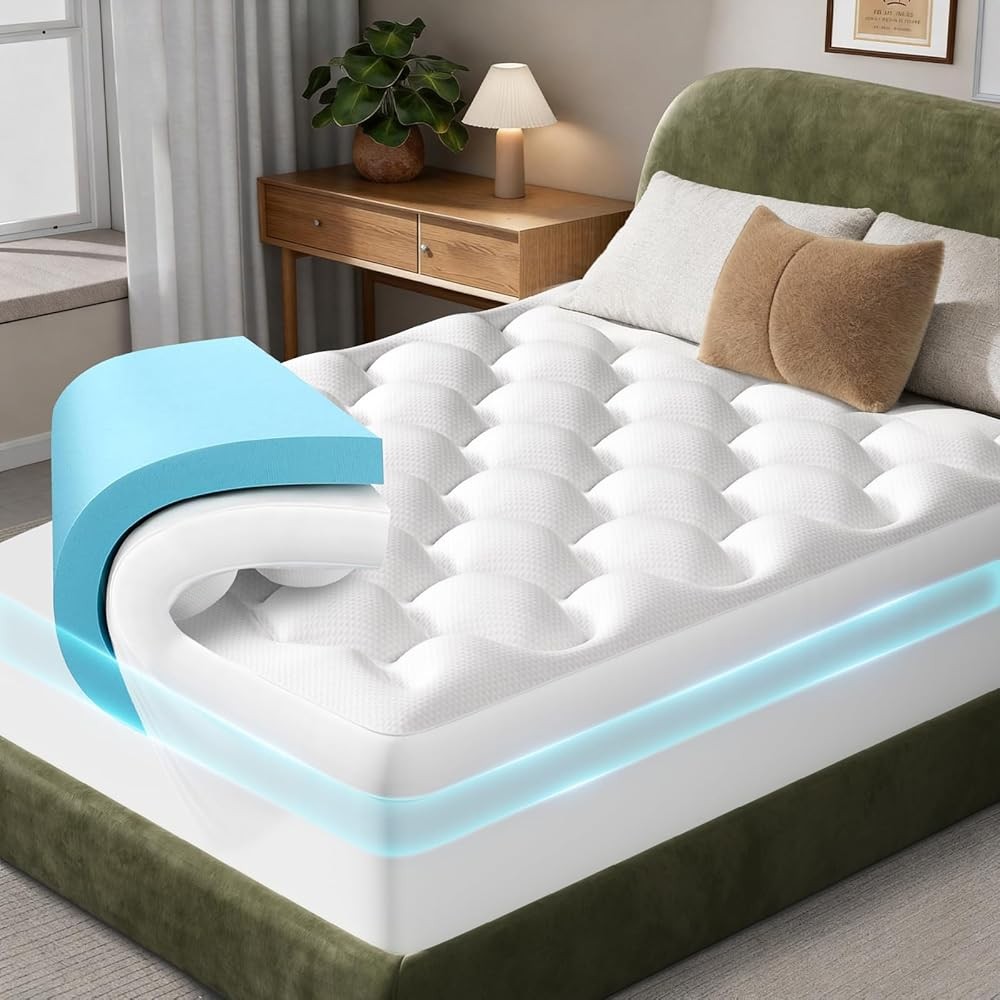
OhGeni Cooling 4 Inch Queen Size Dual Layer Mattress Topper
Check Price on AmazonAs an Amazon Associate we earn from qualifying purchases.
EASELAND Queen Size Mattress Pad Pillow Top Cooling
The essentials: At just $39, the EASELAND cooling mattress pad uses quilted construction with 8-21 inch deep pockets, delivering machine-washable cooling that works on 99% of mattresses. The quilted fiber-fill creates air pockets that enhance breathability while providing soft cushioning. The materials wick moisture away from the body surface, maintaining the dry microclimate necessary for efficient temperature regulation.
The pillow-top design adds approximately 1 inch of cushioning thickness, sufficient for basic pressure relief and cooling enhancement without substantially altering the feel of the underlying mattress. This minimal thickness works well for individuals who already have a comfortable mattress but need only temperature regulation support. The thin profile also makes this pad suitable for adjustable beds where excessive thickness could interfere with articulation functions.
Deep pocket design accommodates mattresses ranging from 8 to 21 inches thick, including standard mattresses, pillow tops, and mattresses with existing toppers. The elastic edges stretch to fit securely without being so tight they compress the pad or restrict air circulation. The secure fit reduces bunching and shifting that could create uncomfortable ridges or gaps in coverage.
Machine washability represents a significant practical advantage over foam toppers with non-removable covers. The entire pad can be washed and dried using standard home laundry equipment, simplifying maintenance and hygiene. Regular washing removes accumulated oils, skin cells, and dust mites that could affect both hygiene and cooling effectiveness. The quilted construction maintains integrity through multiple wash cycles without significant compression or degradation.
The EASELAND pad demonstrates that effective passive cooling does not require expensive foam technologies or complex constructions. Traditional materials and methods can provide meaningful temperature regulation when engineered with appropriate fiber types, quilting patterns, and breathable fabrics. At 39 dollars, this pad makes cooling technology accessible to individuals on tight budgets while delivering performance that meets most users’ needs.
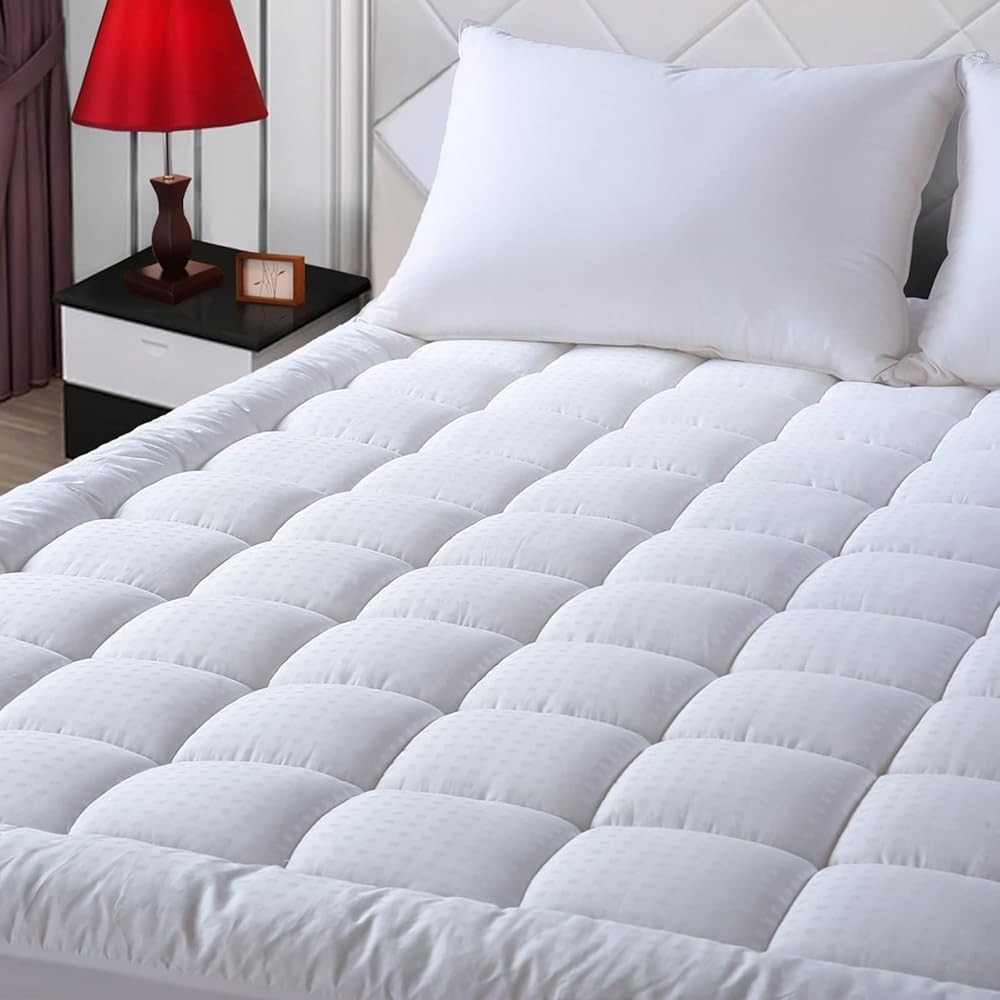
EASELAND Queen Size Mattress Pad Pillow Top Cooling
Check Price on AmazonAs an Amazon Associate we earn from qualifying purchases.
Saatva Graphite Memory Foam Mattress Topper 3 Inch
Key takeaway: The Saatva graphite topper ($355) delivers CertiPUR-US certified cooling with 3 inches of graphite-enhanced foam that maintains temperature reduction 30% longer than gel alone. Graphite distributed throughout the foam matrix creates continuous conductive pathways that actively move heat away from the body rather than relying on absorption and storage like gel systems. This mechanism maintains more consistent cooling throughout the night as the graphite’s conductivity does not diminish when the material reaches thermal equilibrium with body temperature.
The 3-inch thickness balances substantial cushioning with practical considerations of total bed height and sheet fit. This thickness provides adequate pressure relief for most sleeping positions while maintaining enough structural integrity to resist excessive compression. The premium foam density supports body weight effectively without the excessive sinkage that can occur with lower-quality memory foams, maintaining proper spinal alignment while delivering cooling benefits.
CertiPUR-US certification confirms the foam meets rigorous standards for safety and environmental responsibility. The certification verifies the foam is made without ozone depleters, flame retardants using PBDE, mercury, lead, and other heavy metals. The foam also meets strict standards for VOC emissions, ensuring indoor air quality is not compromised. For health-conscious consumers concerned about chemical exposure during sleep, this certification provides important assurance.
The removable cover simplifies cleaning and maintenance, addressing one limitation of many foam toppers. The cover fabric incorporates moisture-wicking properties that complement the graphite cooling of the foam layer, creating a comprehensive temperature management system. The cover can be removed via zipper and machine washed, then replaced after drying to restore fresh sleep surface without compromising the foam layer.
At 355 dollars, the Saatva topper positions itself as a premium product justified by advanced materials, superior construction quality, safety certifications, and brand reputation for quality. The price reflects genuine material and manufacturing advantages rather than marketing alone. For individuals who sleep hot enough that temperature disrupts sleep quality significantly, the investment in superior cooling technology delivers meaningful returns through improved sleep quality and daytime functioning.
The graphite technology maintains cooling effectiveness over the product lifespan because the carbon particles are integrated into the foam structure rather than existing as separate components that could degrade or separate. Users report consistent cooling performance over months and years of use, contrasting with some gel-infused foams that lose effectiveness as gel separates from foam matrix. This durability makes the premium price more justifiable when calculated on a cost-per-year basis.
Nectar Firm Mattress Topper Queen 2 Inch Gel Memory Foam
What matters most: The Nectar firm topper ($199) combines 2 inches of firm gel memory foam with density that resists compression, maintaining cooling effectiveness for sleepers over 200 pounds. The 2-inch thickness delivers focused cooling benefits without adding substantial softness that could compromise support. The firm density resists the deep compression that can occur with softer foams, maintaining adequate material thickness between body and mattress even under significant weight.
Gel memory foam infusion throughout the 2-inch layer provides both immediate cooling sensation and sustained heat dissipation during extended sleep periods. The gel particles increase thermal mass and create heat distribution pathways that reduce hot spot formation at primary pressure points. The dense foam structure works synergistically with gel cooling by resisting compression that would reduce the air circulation necessary for efficient heat removal.
The firm feel appeals particularly to back and stomach sleepers who need support to maintain spinal alignment without excessive lumbar curvature. Side sleepers who prefer firmer surfaces may also find this topper appropriate, though those needing substantial pressure relief at shoulders and hips might prefer thicker or softer options. The firm density also makes this topper suitable for heavier individuals who compress softer foams too much for effective cooling.
The 2-inch profile makes this topper compatible with fitted sheets designed for standard mattress heights, avoiding the sheet fit challenges that can occur with 3-4 inch toppers. The reduced thickness also works better for adjustable beds where excessive padding can interfere with articulation. For individuals with platform beds or lower bed frames, the minimal height addition keeps the bed from becoming too tall.
At 199 dollars, the Nectar topper positions in the mid-range price category, costing more than budget options but significantly less than premium graphite-enhanced products. The price reflects quality gel memory foam construction and firm density that provides durability beyond what budget foams offer. The brand reputation for sleep products adds value through customer service and quality assurance.
The firm construction maintains structural integrity over time better than softer foams that can develop body impressions and soft spots. Users report the topper maintains its shape and support characteristics over months of use without significant compression or degradation. This durability extends the practical lifespan and improves the value proposition despite the mid-range initial cost.
Frequently Asked Questions
How do cooling mattress pads work to reduce sleep temperature?
Cooling mattress pads work through passive or active mechanisms. Passive cooling uses materials with high thermal conductivity like graphite-infused memory foam or gel beads to disperse body heat away from the sleep surface. Active cooling systems use water circulation or temperature-controlled elements to maintain specific surface temperatures. Research shows high heat conductivity materials can lower skin temperature by 1.5-3 degrees during sleep.
What temperature should a cooling mattress pad maintain for optimal sleep?
Research indicates optimal sleep temperature ranges from 60-67 degrees Fahrenheit for ambient room temperature, with mattress surface temperatures between 28-30 degrees Celsius (82-86 degrees Fahrenheit) providing the best balance. Studies show cooler temperatures in the first half of the night improve deep sleep, while slightly warmer temperatures in the second half enhance REM sleep.
Can a cooling mattress pad help with night sweats and hot flashes?
Yes, cooling mattress pads can significantly help manage night sweats and hot flashes. Research demonstrates that temperature-controlled mattress covers improve sleep quality perception and thermal comfort in individuals experiencing temperature fluctuations during sleep. The key is selecting a pad with adequate thermal conductivity to disperse heat before moisture accumulates.
How thick should a cooling mattress pad be for maximum effectiveness?
Thickness ranges from 2-4 inches depending on cooling technology and comfort needs. Thinner pads (2 inches) with gel memory foam work well for heat dissipation without significantly altering mattress feel. Thicker pads (3-4 inches) with dual-layer construction provide both cooling and pressure relief, though they may retain more heat if not properly designed with ventilation channels.
What is the difference between gel memory foam and graphite cooling?
Gel memory foam uses gel beads or infusions to absorb and disperse heat through increased thermal mass. Graphite cooling incorporates carbon particles that conduct heat away from the body more rapidly due to superior thermal conductivity. Studies suggest graphite-based systems maintain cooler surface temperatures more consistently throughout the night compared to gel alone.
Do cooling mattress pads actually lower core body temperature?
Yes, research confirms properly designed cooling mattress pads can lower core body temperature by 0.15 to 0.3 degrees Celsius. This reduction may seem small, but it significantly impacts sleep quality by facilitating the natural temperature drop needed for sleep onset and maintenance. Studies show this cooling effect enhances both sleep latency and overall sleep architecture.
How long do cooling mattress pads maintain their effectiveness?
Quality cooling mattress pads maintain effectiveness for 3-5 years with proper care. The cooling properties depend on material integrity. Gel memory foam can lose cooling capacity if the gel separates or foam degrades. Graphite-infused materials tend to maintain properties longer as the carbon particles are integrated throughout the foam matrix rather than relying on gel pockets.
Can cooling mattress pads help improve deep sleep and REM sleep?
Research demonstrates significant improvements in both sleep stages. Studies show cooling mattress pads can increase deep sleep by 14 minutes (22 percent improvement) and REM sleep by 9 minutes (25 percent improvement) compared to standard mattresses. The mechanism involves optimizing body temperature during different sleep phases, as temperature needs vary between sleep stages.
Are active cooling systems better than passive cooling materials?
Active cooling systems (temperature-controlled with water or electric elements) provide more precise temperature control and can adapt to changing needs throughout the night. Passive systems (gel, graphite, phase-change materials) require no power and provide consistent cooling without maintenance. Research shows both can be effective, with active systems offering 20-30 percent greater temperature control but at higher cost.
Who benefits most from using a cooling mattress pad?
Hot sleepers, individuals experiencing menopause or hormonal fluctuations, people who sweat excessively at night, those living in warm climates, and anyone sharing a bed with a partner who generates significant body heat. Research also indicates athletes and physically active individuals benefit from the enhanced recovery that improved sleep temperature regulation provides.
Our Top Recommendations
After comprehensive analysis of research on sleep temperature regulation and evaluation of cooling technologies, materials, and construction methods, the OhGeni Cooling 4 Inch Queen Size Dual Layer Mattress Topper as the best overall choice for most people. The dual-layer construction effectively separates cooling from support functions, the 4-inch thickness accommodates various sleeping positions, and the combination of gel infusion with ventilation channels provides both immediate and sustained cooling. At 79 dollars, the exceptional value makes advanced cooling technology accessible.
For budget-conscious consumers, the EASELAND Queen Size Mattress Pad delivers effective passive cooling through proven quilted construction at just 39 dollars. The machine-washable design simplifies maintenance, while the deep pocket design ensures compatibility with various mattress types.
Individuals who sleep extremely hot and need maximum cooling performance should consider the Saatva Graphite Memory Foam Mattress Topper. The superior thermal conductivity of graphite technology maintains consistent cooling throughout the night, justifying the 355 dollar premium price through improved sleep quality and long-term durability.
Hot sleepers who prefer firmer sleeping surfaces will find the Nectar Firm Mattress Topper ideal, combining firm support with effective gel cooling in a practical 2-inch thickness that preserves the underlying mattress feel while providing targeted temperature regulation.
Follow Us on Social Media
Stay connected for evidence-based sleep optimization strategies:
- YouTube: Subscribe to CHNut for sleep research updates and product reviews
- X (Twitter): @chnutrition for daily sleep science insights
- Pinterest: CHNut Sleep Science for visual sleep optimization guides
- Facebook: CHNut Health & Nutrition for community discussions
Conclusion
Temperature regulation represents a critical but often overlooked component of sleep quality that affects millions of people struggling with heat-disrupted sleep. The research evidence clearly demonstrates that high heat conductivity mattress toppers can lower core body temperature, increase deep sleep and REM sleep percentages, improve sleep efficiency, and reduce nighttime awakenings through enhanced thermal management.
Effective cooling mattress pads combine appropriate materials (gel infusion, graphite enhancement), optimal thickness (2-4 inches depending on needs), adequate breathability, and proper construction to create comprehensive temperature regulation systems. The choice between passive and active cooling, gel versus graphite technology, and various thickness options depends on individual factors including sleeping position, body weight, temperature sensitivity, budget, and personal preferences.
The OhGeni Cooling Dual Layer Topper provides exceptional value by incorporating multiple cooling technologies at an accessible price point. The EASELAND pad demonstrates that effective cooling can be achieved even on tight budgets. The Saatva Graphite Topper delivers premium cooling for those who need maximum temperature regulation and value certifications and advanced materials. The Nectar Firm Topper addresses the specific needs of hot sleepers preferring firm support.
Pairing a cooling mattress pad with complementary sleep environment optimization including appropriate room temperature, breathable bedding, cooling pillows, and evidence-based sleep hygiene practices creates comprehensive sleep quality enhancement. For the millions of individuals whose sleep suffers from excessive heat, investing in proven cooling technology delivers meaningful improvements in sleep quality, daytime functioning, and overall wellbeing. The research evidence and user experiences consistently confirm that properly designed cooling mattress pads represent effective, practical solutions for heat-disrupted sleep.
Related Reading
- Best Cooling Pillow for Night Sweats — comprehensive temperature regulation for head and neck
- Best Pillow for Neck Pain — proper support complements cooling for complete sleep comfort
- Best Pillow for Back Sleepers — position-specific support that works with cooling pads
- Body Pillow for Side Sleepers — full-body alignment and temperature management
- Best Magnesium Supplements for Sleep — internal support for temperature regulation and sleep quality
- Best Nighttime Routine for Better Sleep — comprehensive sleep optimization strategies
- Best Melatonin Supplements — circadian rhythm support for temperature patterns
- Best Glycine Supplements for Deep Sleep — peripheral blood flow support for heat dissipation
References
-
Haghayegh S, Khoshnevis S, Smolensky MH, Hermida RC, Castriotta RJ. Novel temperature-controlled sleep system to improve sleep: a proof-of-concept study. J Sleep Res. 2022;31(5):e13662. https://pubmed.ncbi.nlm.nih.gov/35852479/
-
Kim JW, Heo S, Lee D, Hong J, Yang D. Polysomnographic Evidence of Enhanced Sleep Quality with Adaptive Thermal Regulation. Healthcare (Basel). 2025;13(19):2521. https://pubmed.ncbi.nlm.nih.gov/41095607/
-
Pasquier F, Monin J, Tardo-Dino PE, Van Beers P, Quiquempoix M. Protective Effect of a High Heat Conductivity Mattress Topper on Sleep During Heat Night. J Sleep Res. 2026:e70137. https://pubmed.ncbi.nlm.nih.gov/40704570/
-
Moyen NE, Ediger TR, Taylor KM, Hancock EG, Holden LD. Sleeping for One Week on a Temperature-Controlled Mattress Cover Improves Sleep and Cardiovascular Recovery. Bioengineering (Basel). 2024;11(4):352. https://pubmed.ncbi.nlm.nih.gov/38671774/
-
Troynikov O, Watson CG, Nawaz N. Sleep environments and sleep physiology: A review. J Therm Biol. 2018;78:192-203. https://pubmed.ncbi.nlm.nih.gov/30509635/
-
Stevenson S, Suppiah H, Mündel T, Driller M. Under the Covers: The Effect of a Temperature-Controlled Mattress Cover on Sleep and Perceptual Measures in Healthy Adults. Clocks Sleep. 2025;7(4):55. https://pubmed.ncbi.nlm.nih.gov/41133665/
-
Francisco MA, Minson CT. Cutaneous active vasodilation as a heat loss thermoeffector. Handb Clin Neurol. 2018;156:245-260. https://pubmed.ncbi.nlm.nih.gov/30454590/
-
Macpherson RK, Ofner F. Temperature regulation in elderly men in bed. Med J Aust. 1967;1(9):387-389. https://pubmed.ncbi.nlm.nih.gov/6025638/
-
Ootsuka Y, Tanaka M. Control of cutaneous blood flow by central nervous system. Temperature (Austin). 2015;2(3):392-405. https://pubmed.ncbi.nlm.nih.gov/27227053/
-
Minson CT. Hypoxic regulation of blood flow in humans. Skin blood flow and temperature regulation. Adv Exp Med Biol. 2003;543:249-262. https://pubmed.ncbi.nlm.nih.gov/14713127/
-
Kenney WL, Buskirk ER. Functional consequences of sarcopenia: effects on thermoregulation. J Gerontol A Biol Sci Med Sci. 1995;50 Spec No:78-85. https://pubmed.ncbi.nlm.nih.gov/7493224/
Recommended Products